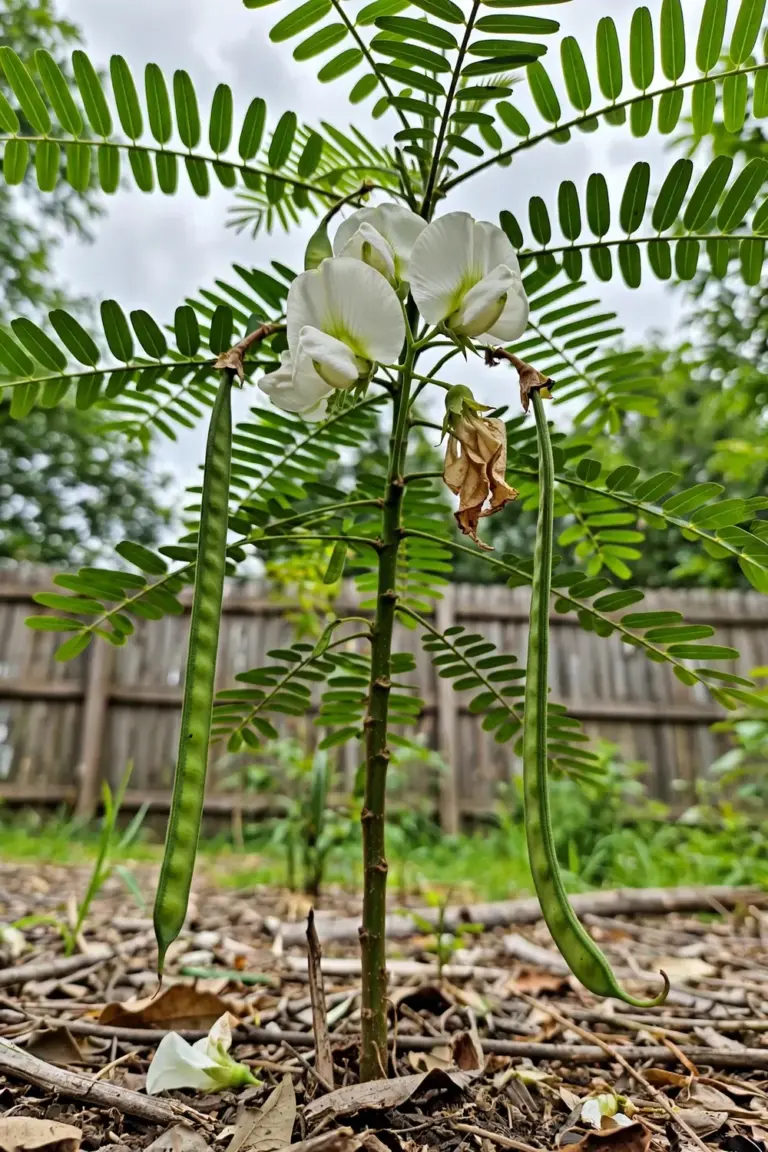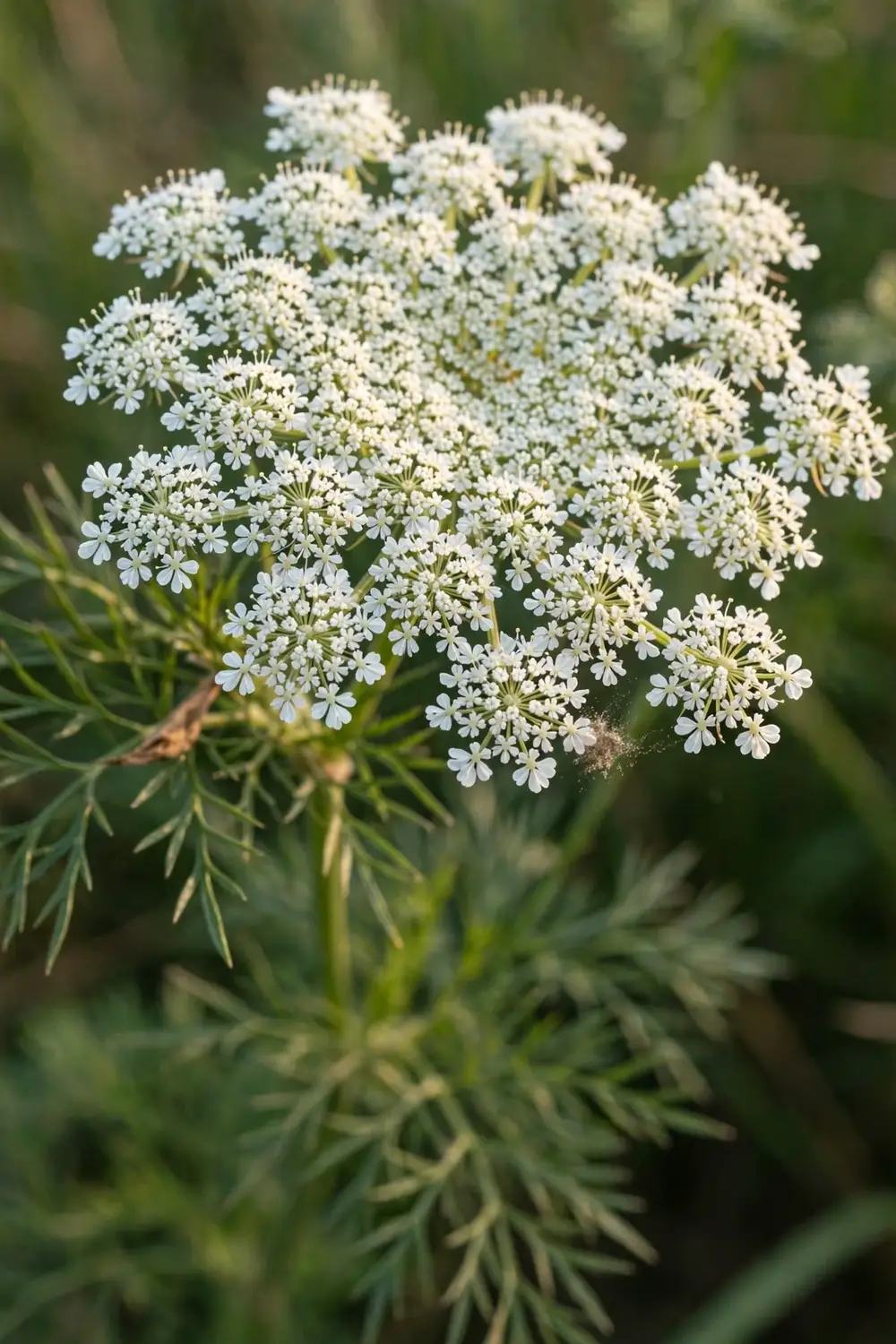

Most guides that promise to teach you how to grow black cumin are secretly about kalonji, a fast annual that goes from seed to harvest in 100 days. They describe blue flowers, and the seed packet they tell you to buy will grow Nigella sativa, a completely different plant. If what you actually want is the dark, needle-thin seed sold as shahi jeera or kala jeera, the spice the Mughal kitchens called imperial cumin, you are looking at a different species entirely. It is Bunium persicum, a mountain perennial that spends four years building an underground tuber before it ever thinks about flowering.
That difference changes everything about the grow. A peer-reviewed dormancy study found moist-chilled seed germinating strongly while untreated seed barely moved. A Kashmir agricultural university cultivation package, written from field trials in Gurez Valley, lays out a four-year planting cycle before tubers are even lifted for production planting. Seed sellers who claim 120 to 180 days to maturity are describing a different crop. This guide follows the science.
If you want to learn how to grow black cumin from India, the honest version, start by resetting your calendar. This is a slow, cold-loving, tuberous plant, and the growers who succeed are the ones who give it deep soil, cold winters, and time.
1. Climate and Zone Reality: Why This Spice Grows on Mountain Slopes
Black cumin is a child of altitude. In the Indian Himalaya it grows wild between 1,800 and 3,300 meters on alpine and subalpine slopes in Kashmir, Himachal Pradesh, and Uttarakhand, with the university trial plots in Gurez Valley sitting at 2,580 meters. That tells you the plant wants cool summers, sharp cold winters, and thin, bright mountain air. Seed sellers list it for zones 10 to 11, which describes where it survives frost-free, not where it thrives.
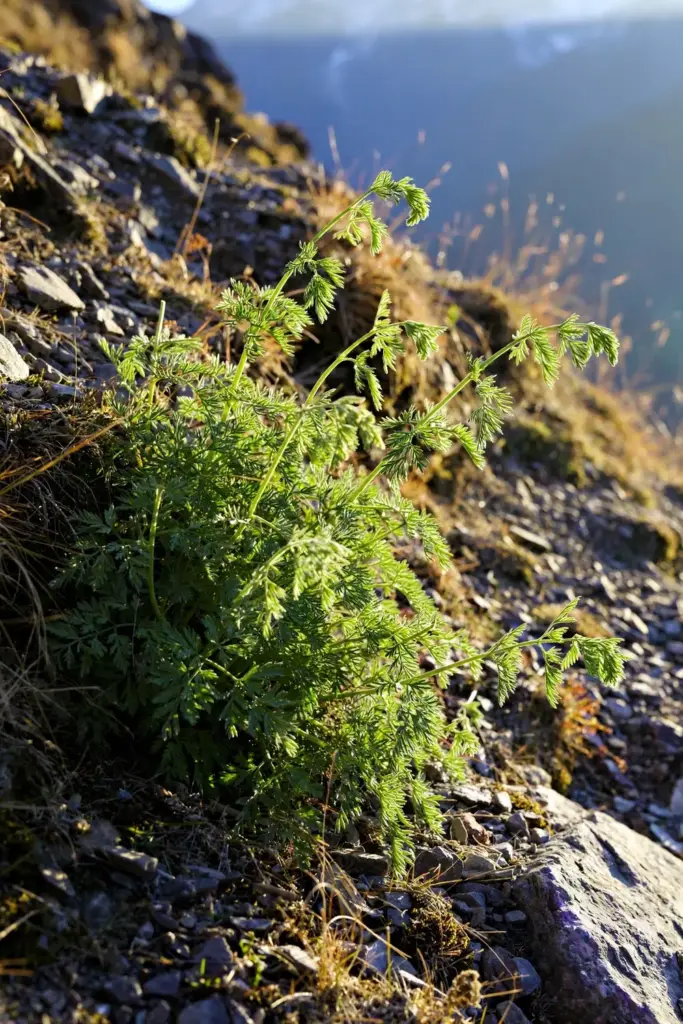
The useful detail for home growers is the light and moisture profile. Field observations describe well-drained sandy loam and semi-shade to full sun. It dislikes soggy ground and it suffers when moisture stress hits during flowering. A container on a sunny balcony in a warm city can work, because pots let you control drainage and move the plant through heat waves, but cool nights are non-negotiable. If your summers never drop below the mid-20s at night, treat this as a cool-season experiment and sow so the young plants grow through your coldest months.
2. Black Cumin, Kalonji, Jeera, and Caraway: The Name Table That Ends the Confusion
Four different seeds hide behind the name black cumin, and every search engine mixes them up. Pin this table to your wall before you buy anything.
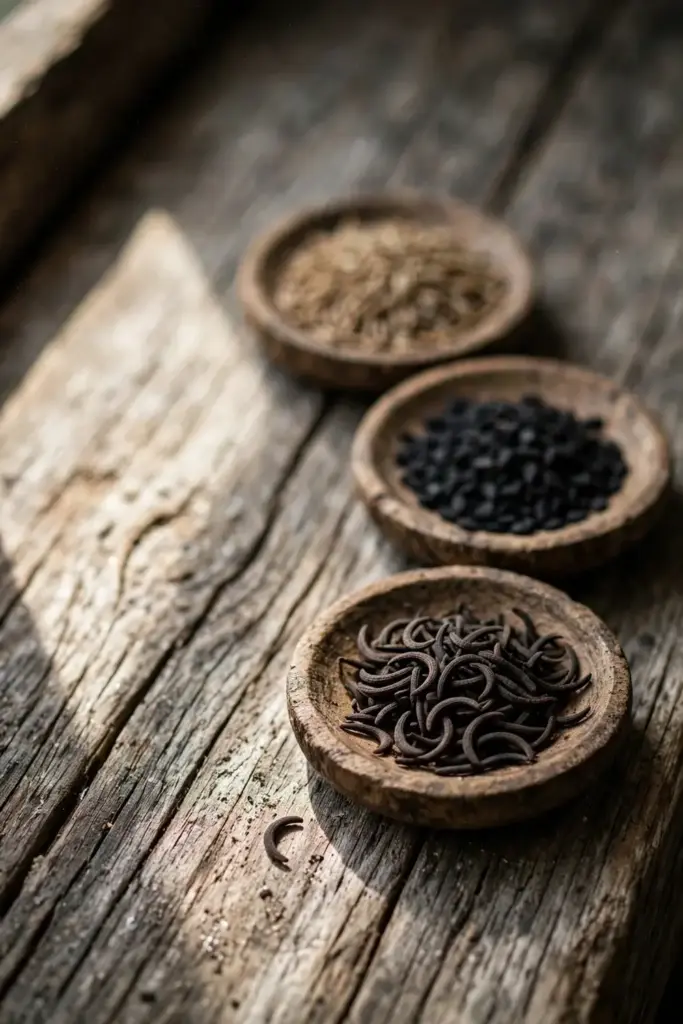
| Seed you mean | Species | Family | Plant type | What to remember |
|---|---|---|---|---|
| Black cumin, kala jeera, shahi jeera | Bunium persicum | Apiaceae (carrot family) | Tuberous perennial, 40 to 60 cm | This guide. Multi-year tuber crop. |
| Kalonji, black seed | Nigella sativa | Ranunculaceae (buttercup family) | Fast annual | Different family, different plant, one-season harvest. |
| Jeera, regular cumin | Cuminum cyminum | Apiaceae | Annual | The everyday cumin in your spice box. Not black cumin. |
| Caraway | Carum carvi | Apiaceae | Biennial | Often sold as shahi jeera in commercial packets. Read the label. |
The taxonomy footnote matters for buyers. In August 2026 Wikipedia renamed the plant Elwendia persica, but the gardening and seed trade still overwhelmingly uses Bunium persicum, and agricultural sources from Kashmir use the Bunium name. This guide anchors on Bunium persicum and notes the synonym so your seed search does not derail.
The caraway warning deserves its own sentence. Commercial packets labeled shahi jeera sometimes name Carum carvi in the fine print, and the two seeds look similar enough to fool a tired shopper. If the packet names caraway anywhere, you are not buying black cumin.
3. Where to Buy True Black Cumin Seed (and How to Spot a Fake Packet)
Buy seed sold under the Latin name Bunium persicum, not under a color. Reputable specialty sellers list kala jeera or imperial black cumin seed and state the species. Nigella seed is black, angular, and teardrop shaped. True black cumin seed is dark brown, slender, and curved like a tiny crescent, closer to caraway in shape than to kalonji.
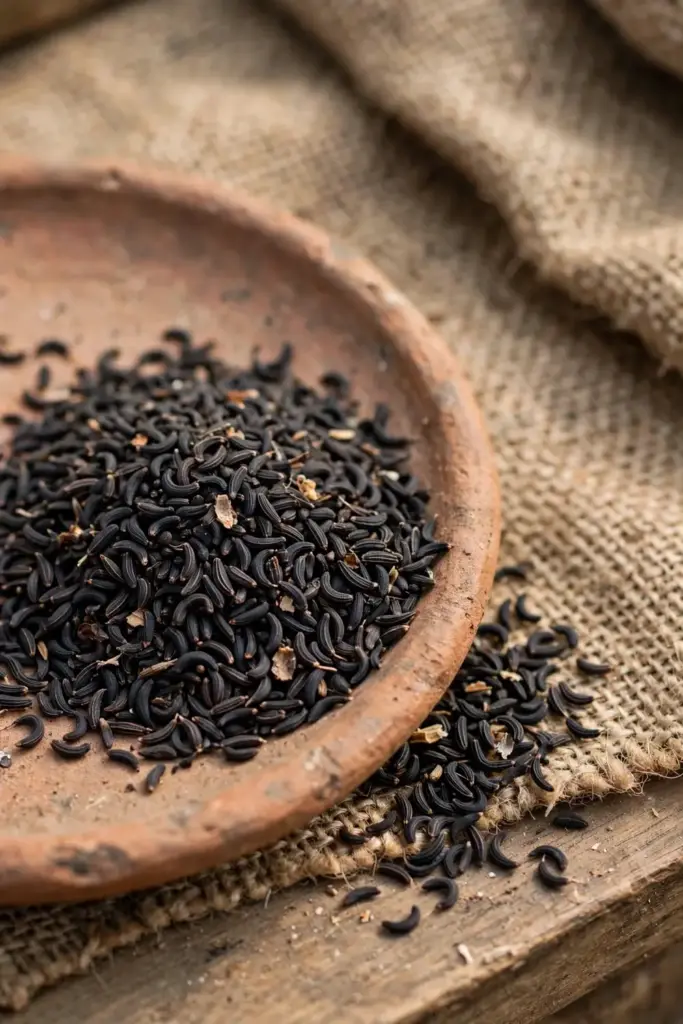
If you are learning how to grow black cumin from India, buy the freshest seed you can find. A Himalayan seed-storage study found freshly harvested seed highly viable but completely dormant, and viability declines the longer seed sits in storage. Old seed is the quietest cause of failure in this crop. Ask the seller for the harvest year, and skip anything that cannot answer. If you are planning an autumn sowing, choosing fresh stock is one of the highest-impact decisions in the whole grow, so treat seed selection with the seriousness it deserves.
4. The Honest Multi-Year Timeline: Four Years to Your First Harvest
Here is the calendar the Kashmir field package describes, Memorize it, because everything else in the process hangs off it. Sow seed in late autumn. Let the seedlings build tubers for four full years. Lift the tubers at year four and plant the productive ones, the ones over 2 grams, for seed production. The reproductive phase then runs for 8 to 10 years as the tuber keeps growing, per the micro-tuberization research. That is the honest shape of this crop.
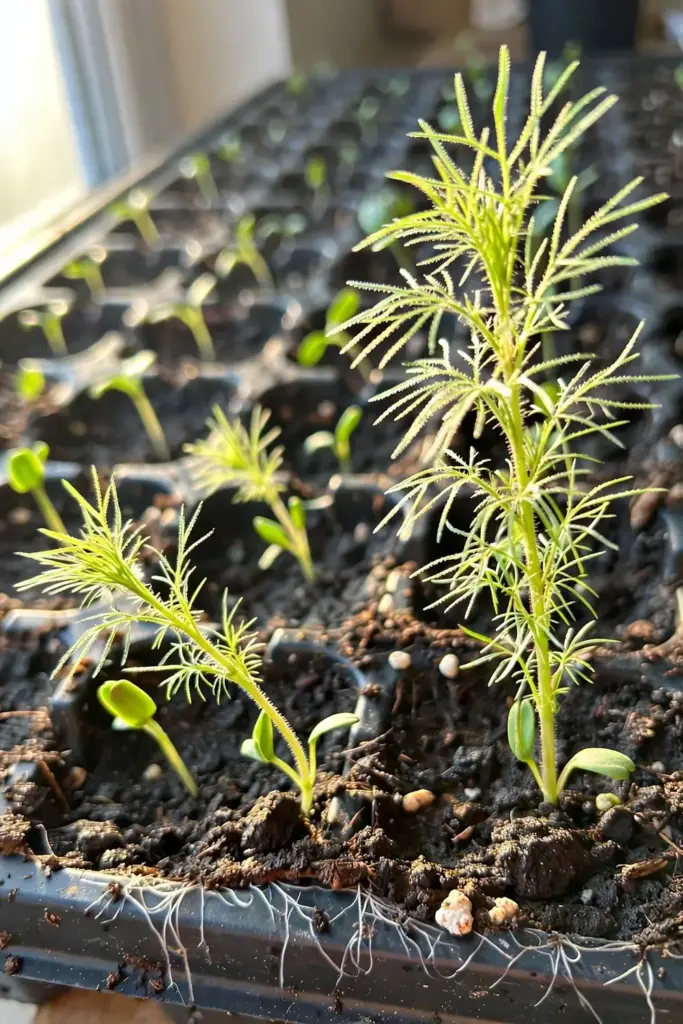
| Year | What happens underground and above | Your job |
|---|---|---|
| 0 (autumn) | Prechilled seed germinates in the nursery bed or pot | Prechill 60 days, sow 1 cm deep, keep moist |
| 1 | A small rosette of feathery leaves, a marble-sized tuber forming | Water, feed lightly, do not disturb |
| 2 to 3 | Tuber swells toward 2 to 10 grams, foliage bulk increases | Keep the rhythm, divide only if crowded |
| 4 | Tubers lifted for production planting, flowering begins | Select tubers over 2 g, plant at 15 cm depth |
| 4 to 12 | Annual June flowering and seed harvest | Harvest, dry, store, repeat |
The fast lane exists and it is real science. A peer-reviewed moist-chilling study showed controlled dormancy breaking plus fast cycling can compress the juvenile phase dramatically, flowering far sooner than the four-year field cycle. Treat that as the experimental lane, not the default. Plan for four years, celebrate if it flowers sooner.
For readers mapping this onto a seasonal calendar, black cumin belongs in the autumn-sown group, which is why it sits naturally alongside fall-sown herbs in a planting plan.
5. How to Sow Black Cumin Seed in Containers
The botanical reference for this species gives the simplest possible sowing advice. Sow in containers, and when the seedlings are large enough to handle, prick them out into individual pots and grow them on until they are large enough to plant out. Everything else is detail around that sentence.
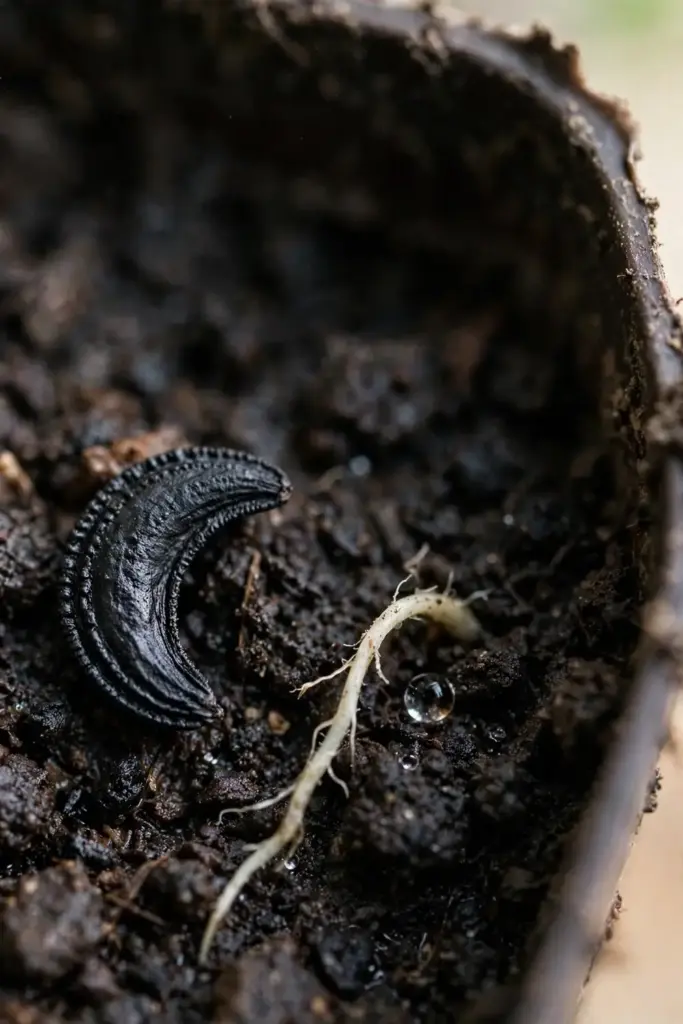
| Step | Action | Time |
|---|---|---|
| 1 | Prechill seed in moist sand or a damp paper towel in the fridge at 2 to 5 C | 60 days |
| 2 | Sow 1 cm deep in a deep container of free-draining mix | Late October to late November |
| 3 | Keep the container cool and evenly moist, never waterlogged | Until emergence |
| 4 | Prick seedlings into individual deep pots when they have true leaves | Spring |
| 5 | Grow on in the pots, feeding lightly, through the first summer | Year 1 |
The prechill is not optional. The dormancy research is blunt: seeds kept moist at room temperature failed to germinate entirely, showing complete dormancy, while moist-chilled seed began germinating at 20 days and reached 65.91 percent at 60 days. Dry chilling barely worked. Moist and cold, together, is the key. For the general mechanics of starting small seed indoors, the site seed starting guide covers trays, light, and hardening off.
6. The Deep-Pot Method: Container Growing for a Tuber Crop
Every AI panel that has tried to answer this question converges on the same prescription, and it is correct. Black cumin needs deep vertical space because the harvestable structure is an underground tuber. Use a pot at least 12 inches deep. A pot wider than it is tall buys you nothing here. Depth is the whole game. A tall nursery pot or a deep fabric grow bag both work. One plant per pot is the patient approach. A crowded nursery tray is the production approach, with lifting and transplanting at year four.
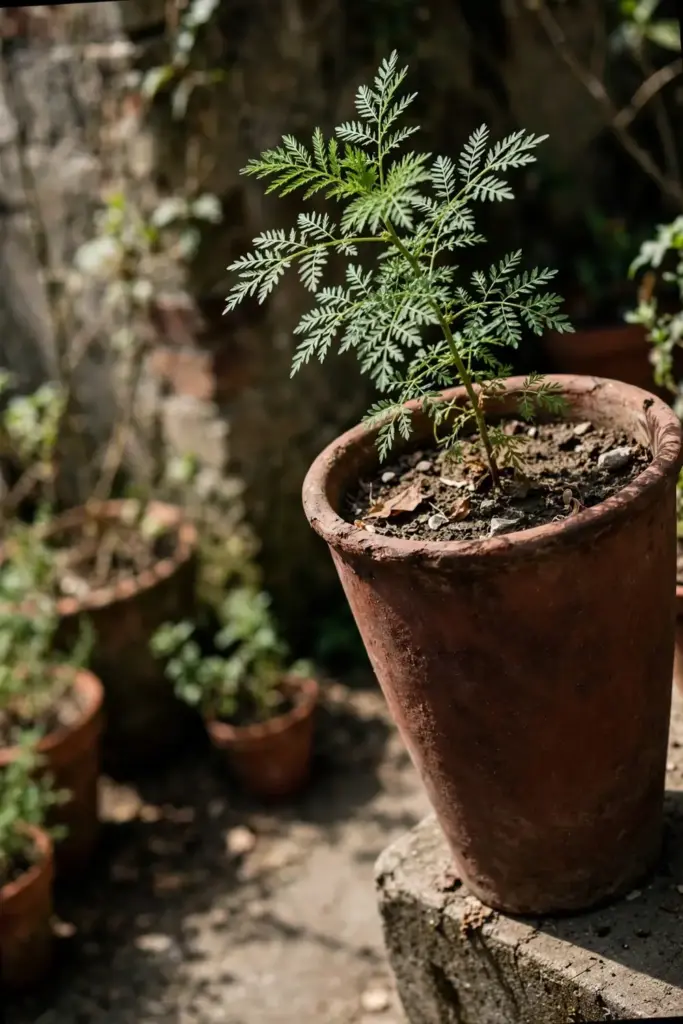
Field planting puts tubers at 15 cm depth, per the university package, so your pot needs soil well below the tuber zone. Fill the container fully. Do not half-fill a tall pot to save mix, because you are stealing the very space the plant needs. Drainage holes are mandatory, and a coarse layer of grit at the base helps in wet climates. Once plants are established, division in spring or autumn gives you a second propagation route that skips the seed dormancy problem entirely.
7. The Soil Mix It Actually Wants
The mountain recipe is well-drained light to medium soil in sun or light shade. The Kashmir package adds the chemistry. Good organic matter, high water-holding capacity, and a neutral pH, with excess moisture as the enemy. In a pot, that translates to a mix of roughly three parts loam or quality potting soil, two parts coarse sand or perlite, and one part well-rotted compost. The compost is doing real work here, not decoration. Field trials apply 10 to 15 tonnes of compost or farmyard manure per hectare at first ploughing, precisely to build the water-retaining capacity the crop wants without waterlogging, per the Kashmir package.
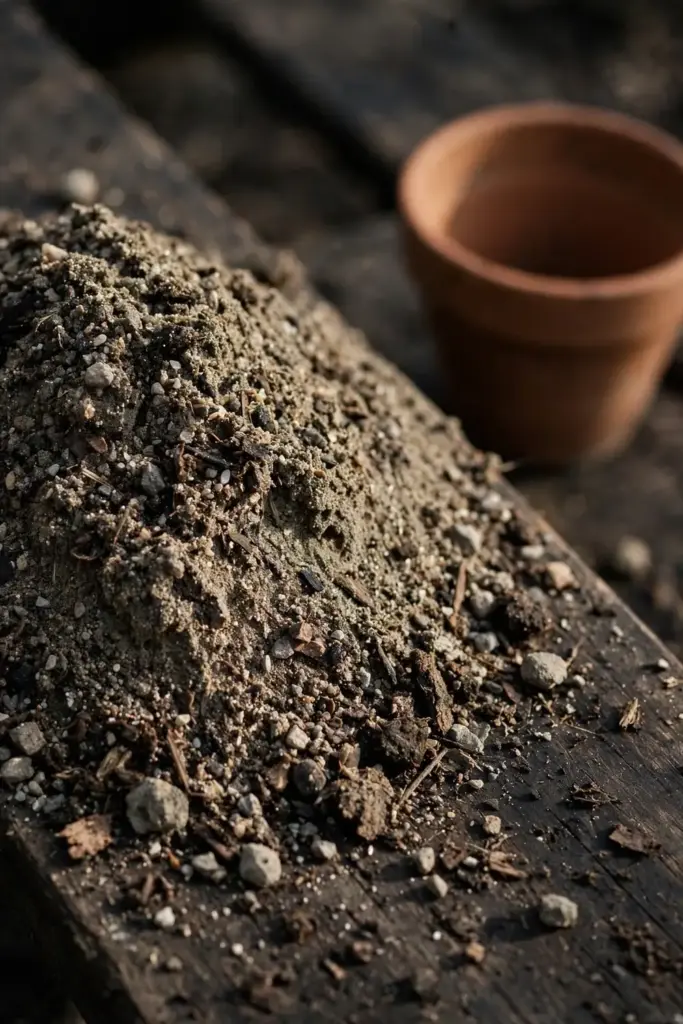
Skip heavy garden clay unless you amend it aggressively, and skip pure coco peat, which holds too much water for a tuber that rots in standing moisture. If you want the full treatment of how soil structure drives pest resistance too, the soil health guide walks through the same principles for the whole garden.
8. Watering: Enough for Umbels, Never Soggy
Water like the Himalayan spring, not the monsoon. The university package is specific. Rains in April and May favor vegetative growth, umbel formation, and seed set, while excess soil moisture is unfavorable and the crop is highly sensitive to moisture stress at flowering, which falls in June. Translate that to a pot. Water deeply when the top few centimeters dry out during the growing season, ease off in winter dormancy, and never let the pot sit in a saucer of water.
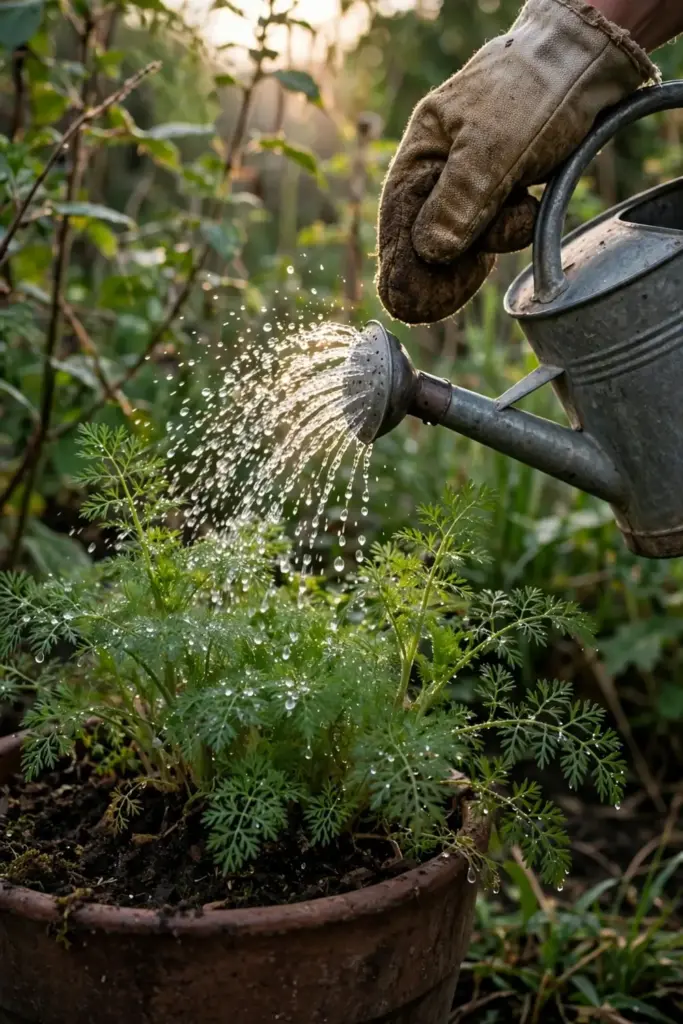
The critical window is the two weeks on either side of flowering. That is when the plant decides how many umbels set seed, and drought in that window is the costliest mistake a container grower can make. A mulch of coarse compost on the pot surface evens out the moisture swings that pots are prone to.
9. Feeding: Light Hands, Strong Tubers
Black cumin feeds lightly. It still responds to nutrition. Field recommendations run NPK at 90:60:40 kilograms per hectare where inorganic fertilizer is used, per the package, with nitrogen split across planting, the vegetative onset in the second half of March, and the third week of April before flowering. For a home grower, convert that rhythm to organic form. A compost top-dress at the start of spring growth, a light liquid feed as the stems elongate in April, and nothing during dormancy.
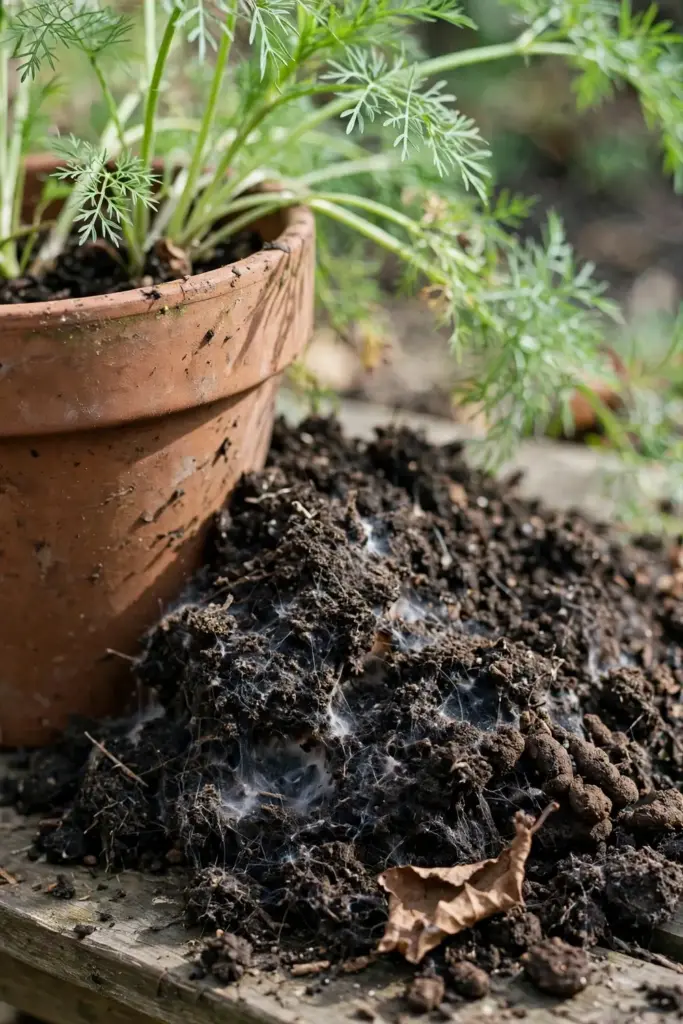
Overfeeding produces soft, overfed foliage at the expense of the tuber, which is the opposite of what you want for the first three years. If the leaves are deep green and growing steadily, the tuber is being fed. Pale, stunted foliage in a rich mix usually means the roots are waterlogged, not hungry.
10. Breaking Seed Dormancy With Moist Chilling
Dormancy is the gatekeeper of this species, and moist chilling is the key that fits. A peer-reviewed dormancy study measured the gate precisely: moist seed chilled at 2 to 5 C started germinating at 20 days and reached 65.91 percent at 60 days, while the same seed kept moist at room temperature did not germinate at all and dry chilling managed only 7.11 percent. The message for home growers is unambiguous. The seed must be moist and cold, simultaneously, for weeks.
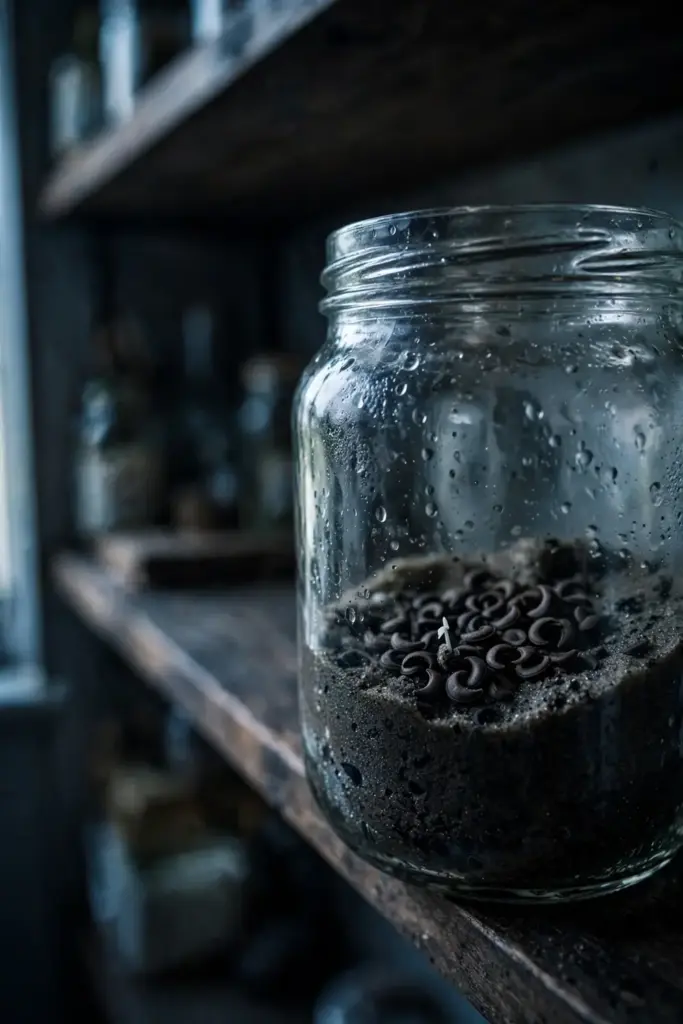
The home method is simple. Mix the seed with barely damp sand in a zip bag, or fold it into a damp paper towel inside a sealed container, and refrigerate for 60 days. Check monthly for mold and for early sprouts. Sow immediately after the chill ends. Growers with access to lab supplies should know that gibberellic acid at 50 ppm also broke dormancy strongly in the same study, but the fridge method needs no chemicals and matches the field package, which treats prechilling as standard practice for breaking dormancy.
11. The Tuber Years: What Happens in Years One, Two, and Three
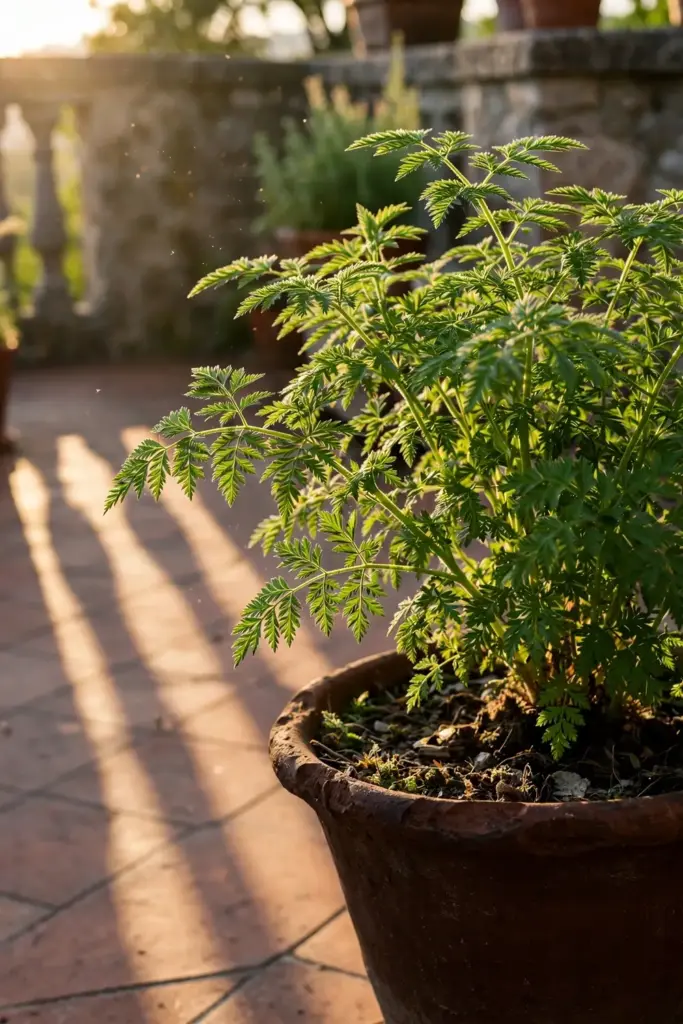
Year one is a quiet rosette of fine, feathery leaves, the classic carrot-family look, with a tuber the size of a marble forming below. Do nothing dramatic. Water, feed lightly, and let the plant photosynthesize its way into storage. Year two brings more foliage and a tuber approaching the size of a walnut. Year three is when the tuber crosses into productive territory. Field sorting keeps tubers over 2 grams for planting and prizes those over 10 grams, with sizes in mature stock ranging from 2 to 30 grams, per the package.
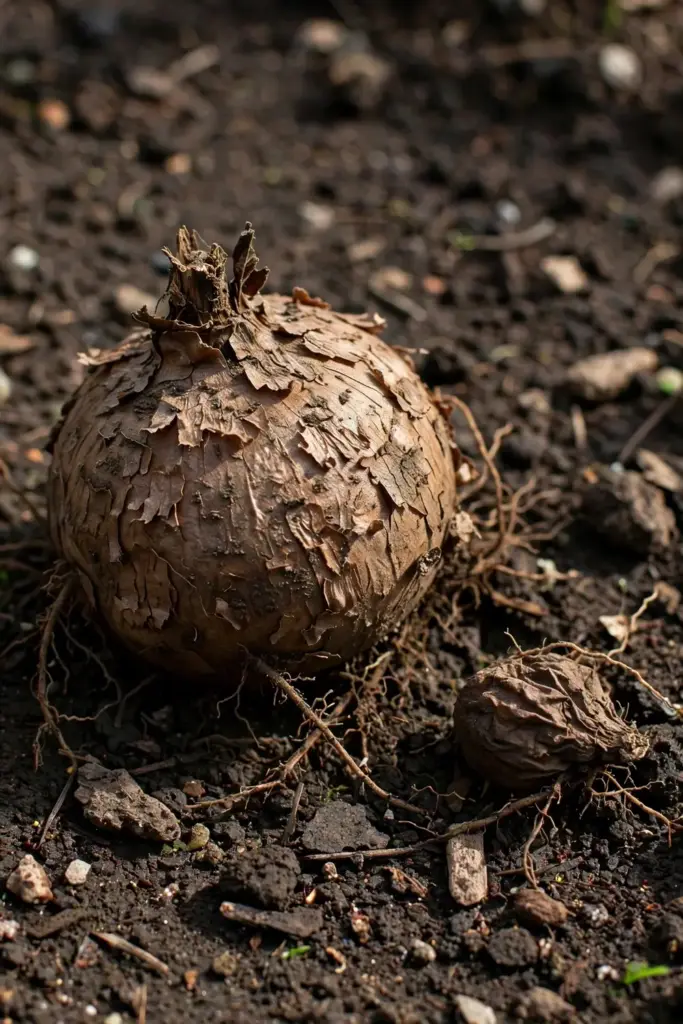
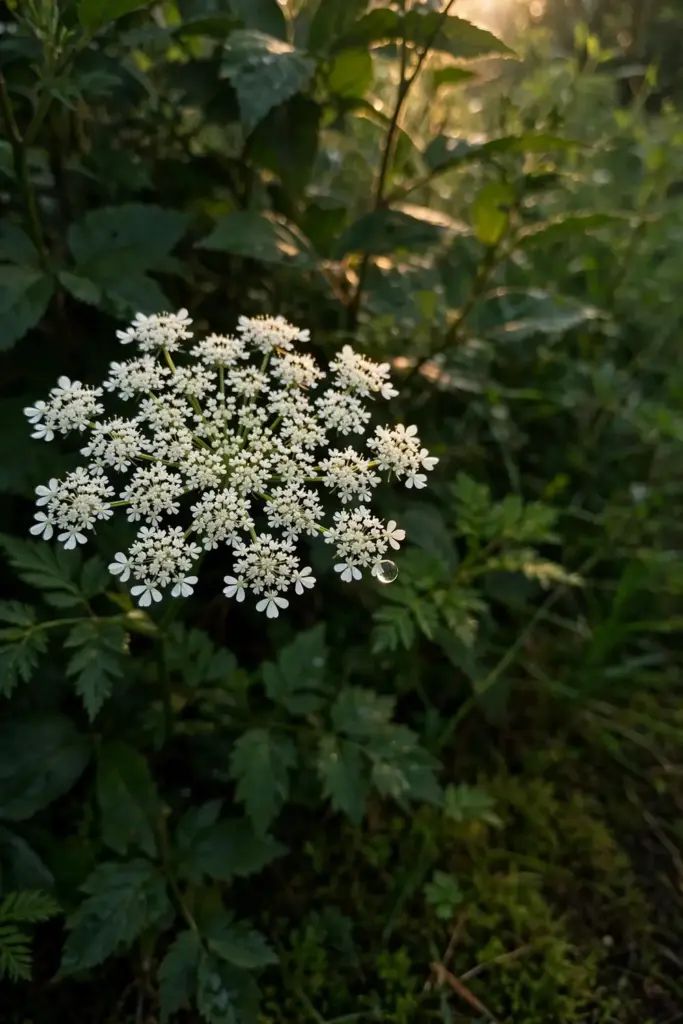
The mature plant reaches 40 to 60 cm with branching stems, per the botanical reference, and the whole structure reads as a delicate umbellifer until June, when the white flower heads appear. Do not dig up tubers to check on them. Every disturbance costs the plant a season of stored energy. The one exception is division of crowded clumps in spring or autumn, done quickly with minimal root exposure.
12. Pests and Diseases That Target the Tubers
The Kashmir package lists the enemies in order of importance, and the tuber is the target. Tuber rot from Fusarium species is the most common disease, showing as yellowing foliage and, in bad cases, plants that slip out of the soil with the tuber rotted behind them. Damping off from Pythium kills seedlings at the soil line. Leaf and umbel blight from Alternaria burns the flowers and leaves shriveled, dark, nonviable seed. Aphids are the main insect pest, and the numbers are sobering. A population of 55 to 70 aphids per five plants at flowering can cut yields by half, per the Kashmir package. Cutworms sever young stems at night.
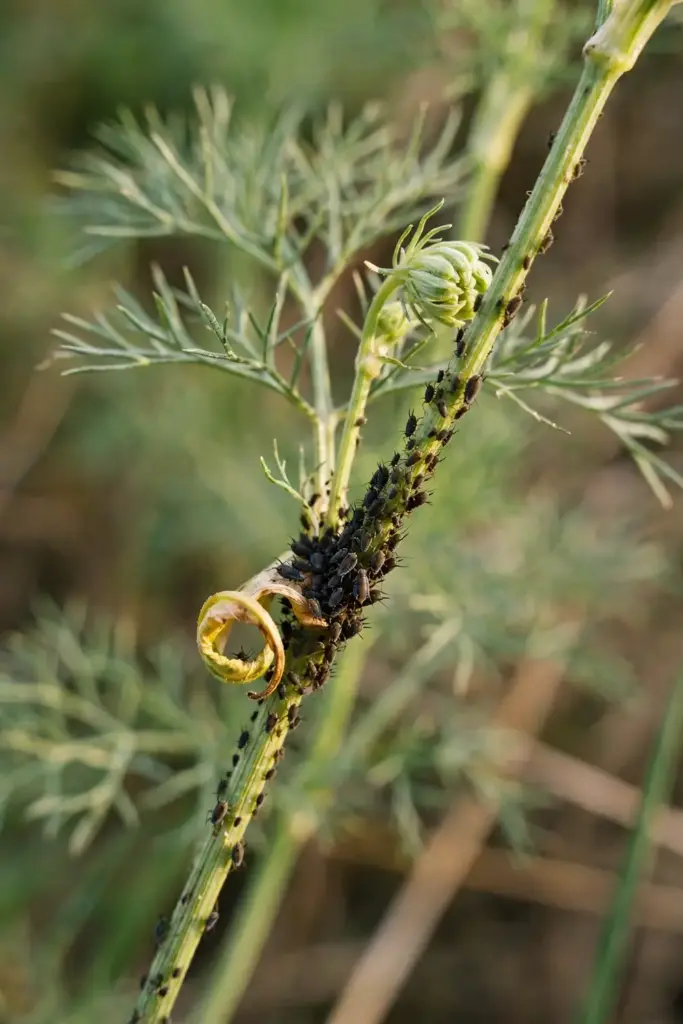
Rodents are the surprise entry. The tubers are rich in carbohydrates and sweet to the taste, and rodents damage them heavily, especially from August through March. Traditional management in Gurez includes growing garlic around the kala zeera beds. For home growers, the defenses are cultural. Sharp drainage against rot, clean seed-starting mix against damping off, prompt aphid control before flowering, and hardware cloth or a rodent-proof staging area for pots in winter. Chemical tuber dips exist in the commercial package, but the same document notes they are not recommended for organic areas, so home growers should stay with prevention.
13. Flowering and Seed Harvest: June Bloom, Careful Picking
In year four, or sooner on the fast lane, the plant finally flowers. June brings the umbels of small white flowers, and seed sets through July. Harvest is by hand, umbel by umbel, picked when the plants have partially turned yellow. Timing is a yield decision. Any delay causes shattering, and the university package measures the loss at 21 to 25 percent of the seed. For seed meant as a condiment, the package recommends harvesting at 13 to 16 percent seed moisture for the best quality. For a seed-production crop, wait until the umbels are fully matured and seed moisture has fallen to single digits.
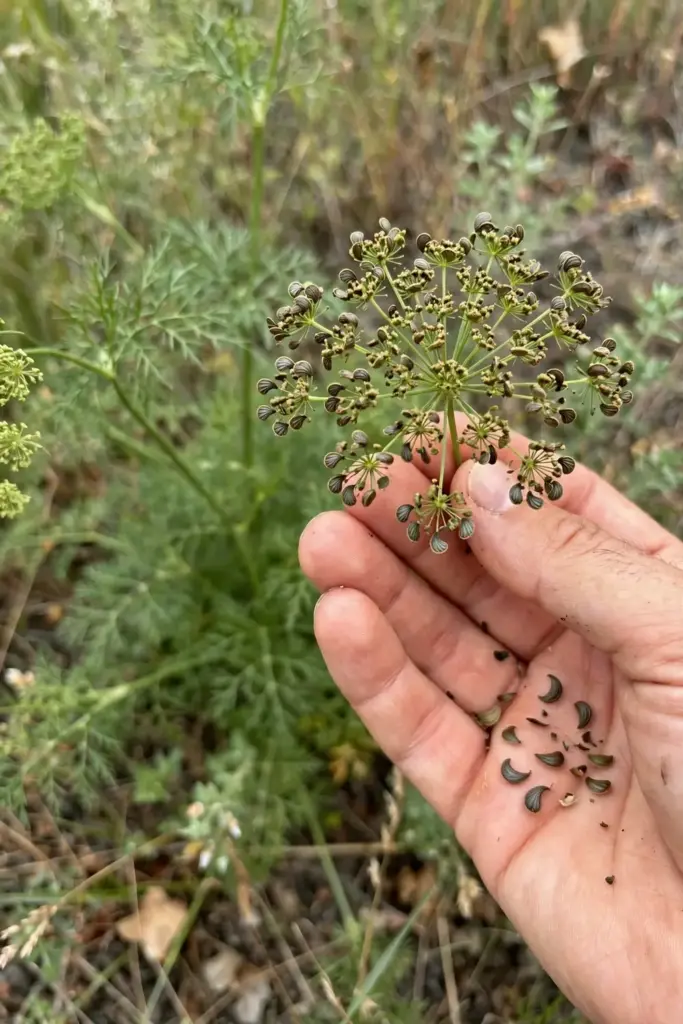
Pick in the early morning hours, which the package recommends both for essential-oil harvest and to avoid shattering. Yield expectations keep you honest. Natural populations produce 225 to 250 kilograms per hectare, while the released variety Shalimar Kalazeera-1 reaches 410 to 430 kilograms per hectare, per the same package. Your handful of pots will produce grams, not kilograms, and that is the correct scale for a home spice garden.
14. Drying and Storing Your Seed
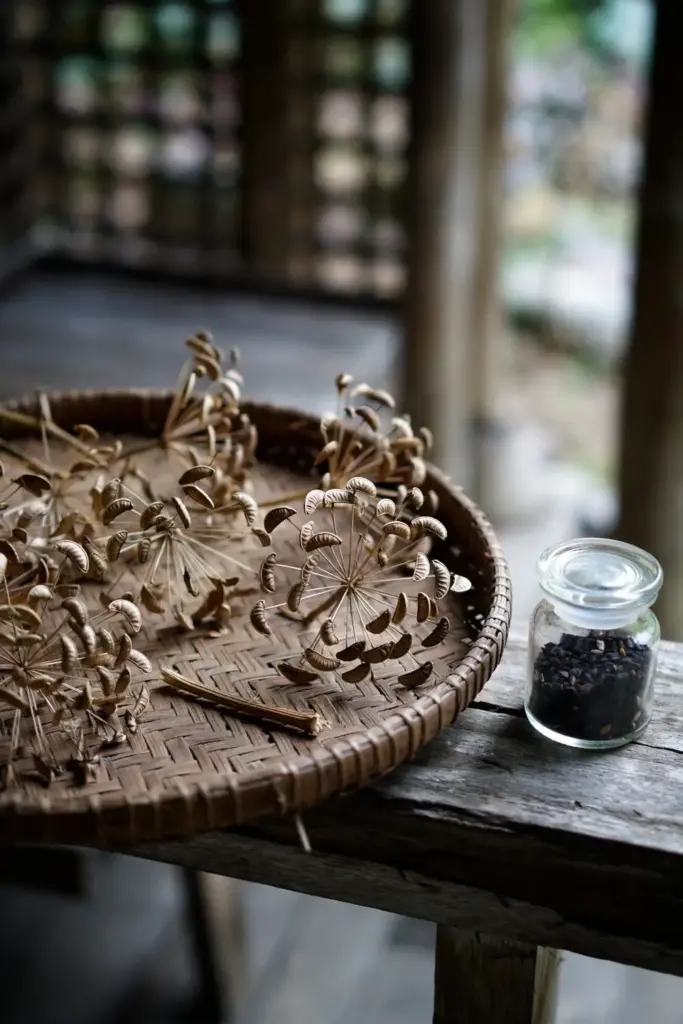
Spread the picked umbels in a single layer in shade with good airflow. Sun drying bleaches the flavor compounds and overheats the seed. When the umbels are crisp, rub them gently over a tray to thresh, winnow away the chaff, and store the clean seed in airtight glass away from light. Remember the storage finding from the seed-buying section. Fresh seed is highly viable but deeply dormant, and it loses viability with every year in storage. Date your jars. Date your jars. Seed saved for sowing needs its dormancy respected, which means the moist-chill protocol from the sowing section applies to your own saved seed exactly as it does to purchased seed.
15. Cooking With Kala Jeera: The Imperial Cumin Flavor
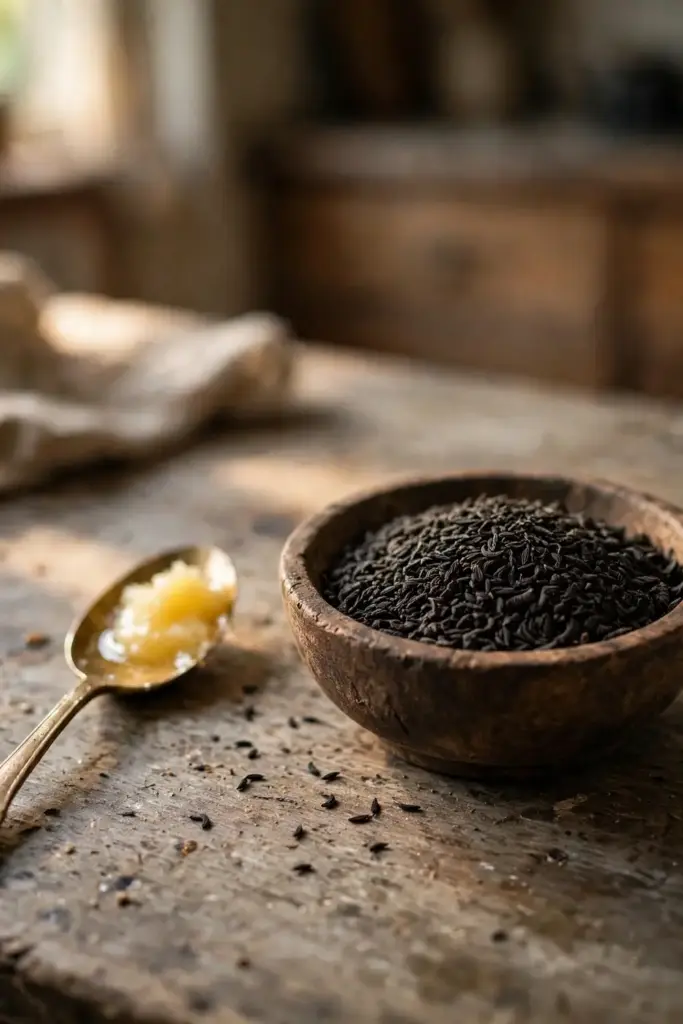
This is why the wait is worth it. Kala jeera carries a stronger, more complex flavor than regular cumin, with a sweet, almost floral top note over the familiar earthy base. Mughal court cuisine prized it enough to earn it the name shahi jeera, the imperial cumin, and it still defines certain Kashmiri and Central Asian meat dishes. Temper the seeds in hot ghee until they darken a shade and release their aroma, then build the dish on that foundation.
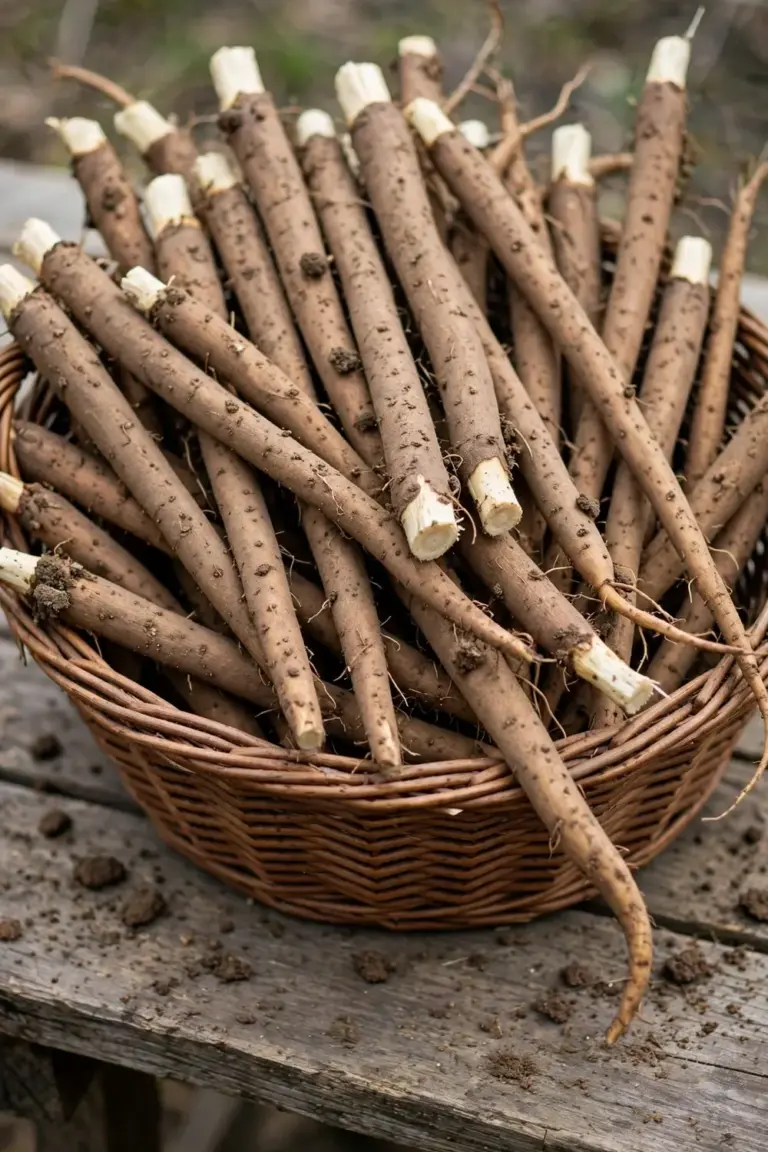
The tuber is edible too, tasting of sweet chestnuts, though harvesting it ends the plant, so treat it as a curiosity. Do not plan a harvest around it. Traditional use of the seed centers on digestion, and the botanical literature notes carminative and diuretic properties. That is traditional-use framing, not medical advice. Anyone considering it for a health purpose should talk to a clinician first.
16. Six Mistakes That Cost Growers Their Tubers
- Expecting seed in the first season. The sellers promising 120 days are selling a fantasy. Plan for four years and you will never be disappointed.
- Sowing without prechilling. Room-temperature seed does not germinate. Sixty days moist at 2 to 5 C is the whole trick.
- Using a shallow pot. The tuber needs depth. Anything under 12 inches deep is a slow starvation.
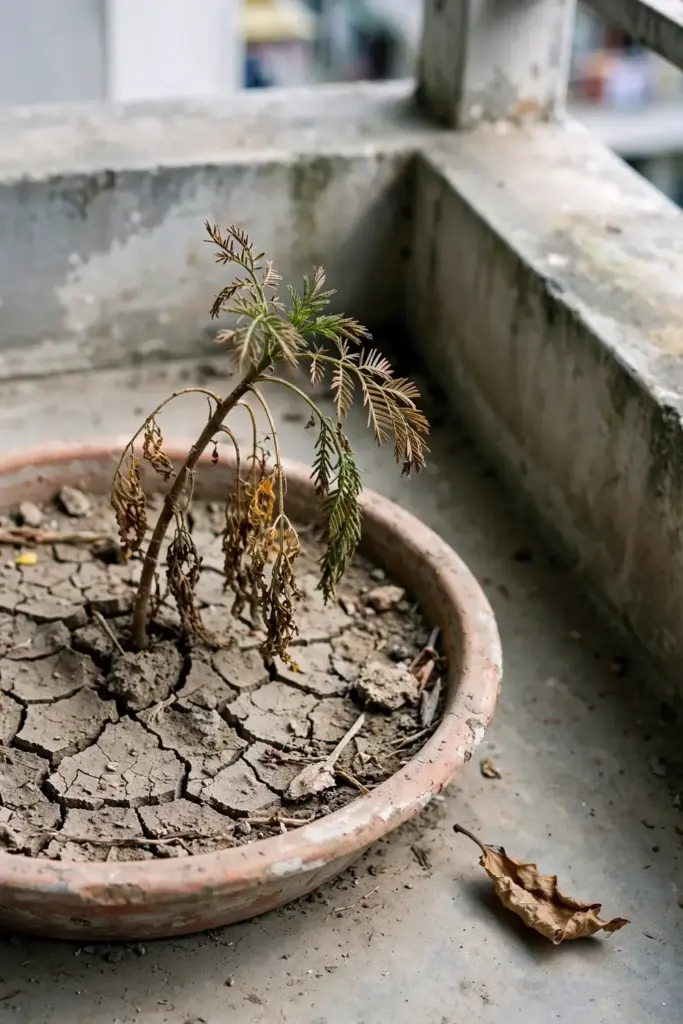
- Keeping the mix soggy. Tuber rot is the leading disease and it starts with standing water.
- Harvesting late. Shattering takes up to a quarter of the seed. Pick when the plants are partially yellow, in the morning.
- Buying the wrong species. If the packet names Nigella sativa or Carum carvi, it is not black cumin, whatever the front label claims.
17. Troubleshooting: Reading the Plant
Seedlings collapse at the soil line. That is damping off. Start over in fresh, sterile mix and water from below.
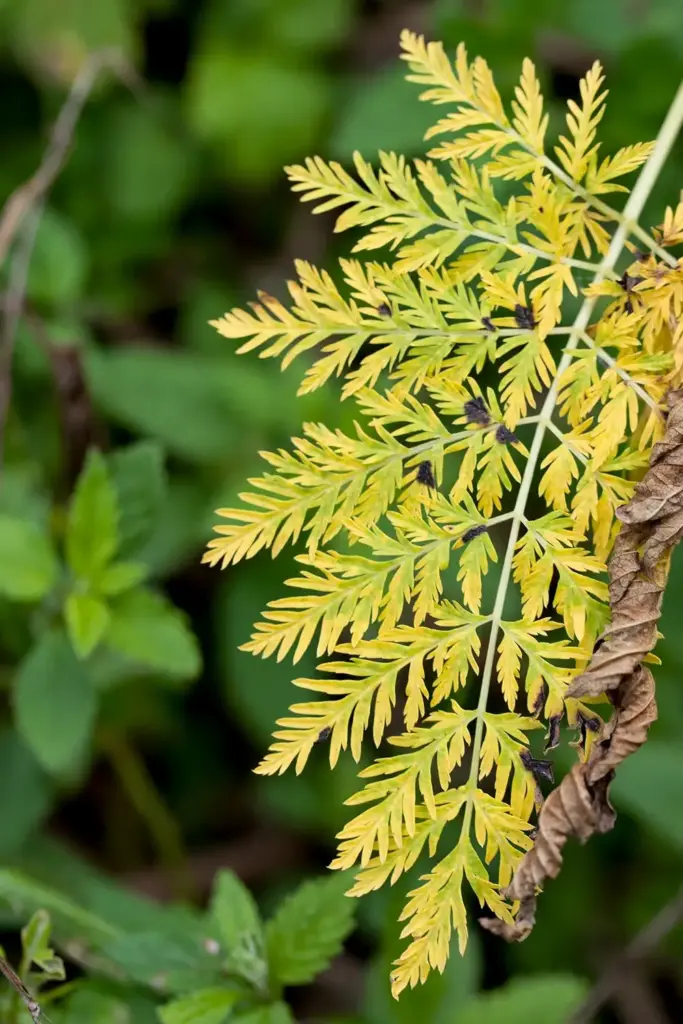
Foliage yellows and the plant slides out of the soil with rotted roots. Suspect tuber rot. Remove and destroy the plant, do not compost it, and let the pot dry thoroughly before reuse.
No flowers in year two or three. Normal. The tuber has not reached productive size yet. Keep the rhythm.
Aphids cluster on the buds just before flowering. Act before bloom, because the yield data shows the damage happens fast at this stage. A strong jet of water followed by insecticidal soap handles early colonies.
Umbels form but seed is shriveled and dark. That matches umbel blight. Improve airflow, avoid overhead watering during bloom, and remove affected heads promptly.
Seeds scatter before you pick them. You harvested late. Next season, start checking daily once the plants begin to yellow.
Frequently Asked Questions
No. Black cumin is Bunium persicum, a tuberous perennial in the carrot family grown for its slender dark seed. Kalonji is Nigella sativa, a fast annual in the buttercup family grown for its angular black seed. They share a common name and almost nothing else, which is why seed packets must be checked by Latin name.
In field conditions, about four years from sowing to the first real seed harvest, with the reproductive phase then lasting 8 to 10 years as the tuber grows. Controlled moist-chilling plus fast cycling has produced flowering plants far sooner than the field timeline in research settings. Ignore sellers promising 120 to 180 days.
Yes, and pots are arguably the best home method, because they give you the deep, free-draining soil the tuber needs. Use a container at least 12 inches deep with sharp drainage, one plant per pot, and expect the same multi-year timeline as field plants. Division in spring or autumn is an easy second propagation route.
Deep dormancy. Research on seed dormancy shows moist seed held at room temperature does not germinate at all, while the same seed moist-chilled at 2 to 5 C for 60 days reaches about 66 percent germination. Refrigerate the seed in barely damp sand for 60 days before sowing, and keep it moist and cold the entire time.
They are the same species. Kala jeera means black cumin and shahi jeera means imperial cumin, regional names for Bunium persicum seed from the Kashmir and Himalayan trade. Watch out for commercial packets labeled shahi jeera that list caraway, Carum carvi, in the ingredients, since the two seeds are frequently confused in the spice trade.
Only distantly. Both are in the carrot family, but regular cumin is Cuminum cyminum, an annual grown for one-season seed, while black cumin is Bunium persicum, a tuberous perennial. The flavors differ too, with kala jeera running stronger and more complex than everyday jeera.
Start This Autumn and Let the Calendar Work
That is how to grow black cumin from India. A deep pot, a real winter chill, four years of quiet tuber building, and it returns one of the great spices of the Himalayan kitchen, harvested from your own umbels on a June morning. Start this autumn. The calendar is already running.