
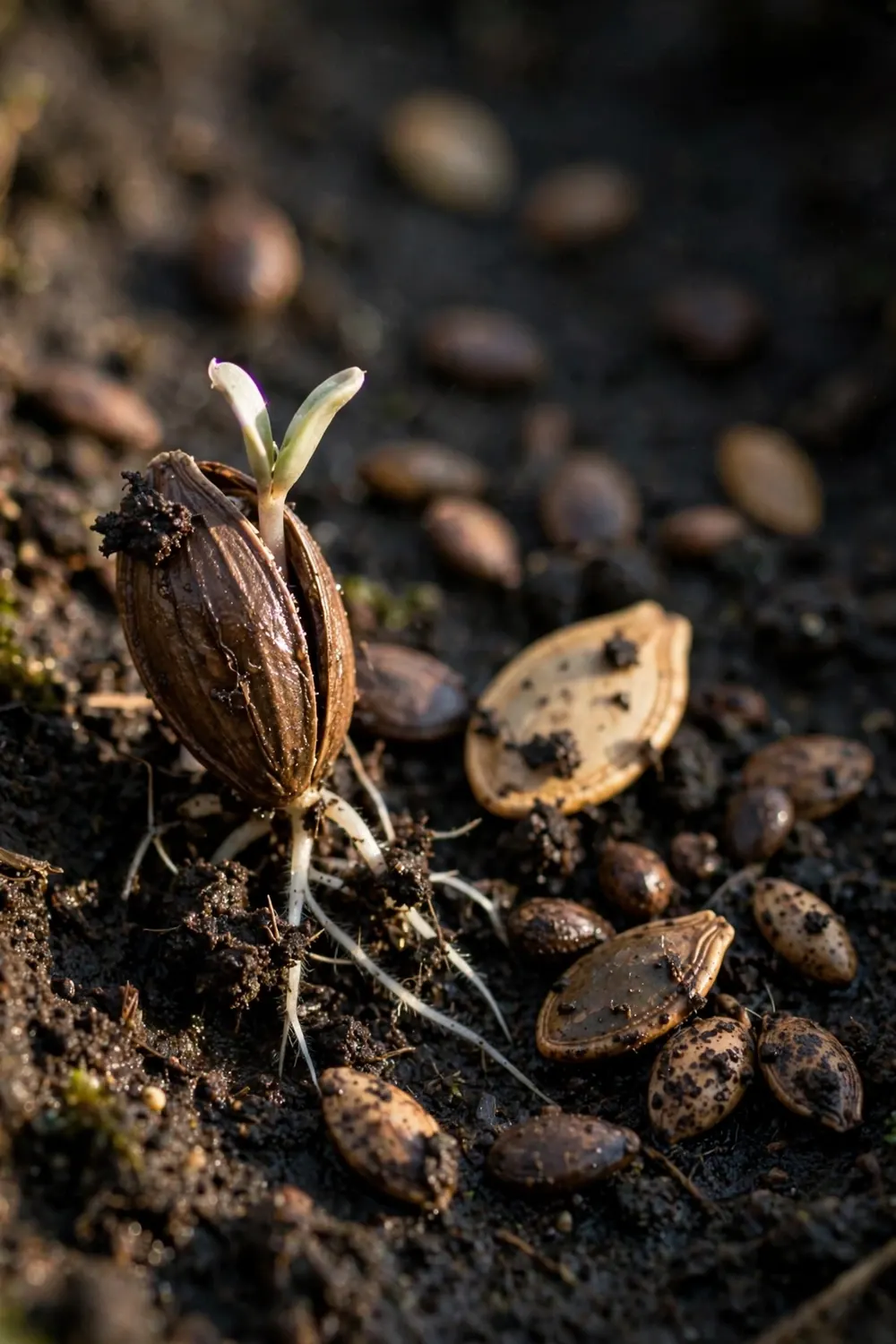

Sow 31 seed packets this month and you cover two harvests at once: fast cool-season vegetables for the fall table, and hardy flower seed that needs winter cold before it will bloom in spring. That is the working definition behind the best seeds for fall planting: putting seed in the ground in late summer through mid fall so germination, growth, or cold stratification happens on the season’s own schedule. The first 19 seeds below feed you before frost; the last 12 use frost as a germination tool. [SEASONAL: October clock graf, refresh each fall] It is early October as this draft is written, which still leaves room for the fast group: radish, arugula, spinach, and lettuce sown now beat a hard freeze, while flower seed for stratification can go in any time until the soil locks up.
How to Read the Tags
Every seed below carries the same four tags. Sow: direct sow means seed goes straight into garden soil; indoor start means seed starts in trays under lights and transplants out later. Days: for vegetables, days to maturity from sowing under fall conditions; for flowers, the cold stratification requirement in days or weeks, since winter does the waiting. Zone: USDA hardiness zones where the fall sowing works as described. Sun: full sun means 6 or more hours of direct light; part shade means 3 to 6. Fall light is weaker than summer light, so when a tag gives a range, plant toward the sunnier end.
The 31 Best Seeds for Fall Planting at a Glance
| Seed | Direct Sow / Indoor Start | Days to Maturity or Stratification Need | Zone | Sun |
|---|---|---|---|---|
| Spinach | Direct sow | 35 to 50 days | 3 to 9 | Full sun to part shade |
| Arugula | Direct sow | 30 to 40 days | 3 to 10 | Full sun to part shade |
| Leaf lettuce | Direct sow | 45 to 55 days | 4 to 9 | Part shade to full sun |
| Radish | Direct sow | 22 to 30 days | 3 to 10 | Full sun to part shade |
| Turnip | Direct sow | 30 days greens, 50 to 60 roots | 3 to 10 | Full sun |
| Carrots | Direct sow | 60 to 80 days | 3 to 10 | Full sun |
| Beets | Direct sow | 50 to 65 days | 3 to 10 | Full sun to part shade |
| Kale | Direct sow or indoor start | 50 to 65 days | 3 to 9 | Full sun |
| Swiss chard | Direct sow | 50 to 60 days | 3 to 10 | Full sun to part shade |
| Bok choy | Direct sow | 40 to 50 days | 4 to 9 | Full sun to part shade |
| Mizuna | Direct sow | 35 to 45 days | 4 to 9 | Full sun to part shade |
| Cilantro | Direct sow | 50 to 55 days leaf | 3 to 10 | Part shade to full sun |
| Dill | Direct sow | 40 to 50 days leaf | 3 to 10 | Full sun |
| Parsley | Indoor start preferred | 70 to 90 days | 4 to 9 | Full sun to part shade |
| Peas | Direct sow | 60 to 70 days | 7 to 10 fall crop | Full sun |
| Fava beans | Direct sow | 75 to 90 days, overwinters | 6 to 9 | Full sun |
| Garlic | Direct sow cloves | Plant now, harvest in 240 days | 3 to 9 | Full sun |
| Green onions | Direct sow | 60 to 80 days | 3 to 10 | Full sun to part shade |
| Tatsoi | Direct sow | 40 to 50 days | 4 to 9 | Full sun to part shade |
| Larkspur | Direct sow | Natural winter chill | 3 to 9 | Full sun |
| Bachelor’s buttons | Direct sow | Natural winter chill | 3 to 9 | Full sun |
| Sweet peas | Direct sow | Soak 24 hours, mild-winter zones | 7 to 10 | Full sun |
| Shirley poppies | Direct sow | Natural winter chill | 3 to 9 | Full sun |
| Calendula | Direct sow | 50 to 60 days to bloom | 3 to 10 | Full sun to part shade |
| Snapdragons | Direct sow or indoor start | Light-germinated, 2 to 3 week chill | 7 to 10 | Full sun |
| Milkweed | Direct sow | 30 days cold moist stratification | 3 to 9 | Full sun |
| Coneflower | Direct sow | 60 to 90 days stratification | 3 to 9 | Full sun |
| Black-eyed Susan | Direct sow | 30 days stratification | 3 to 10 | Full sun |
| Columbine | Direct sow or indoor start | 21 to 28 days stratification | 3 to 8 | Part shade |
| Bee balm | Direct sow | 30 days stratification | 4 to 9 | Full sun to part shade |
| Sweet alyssum | Direct sow | 45 to 60 days to bloom | 5 to 9 fall sow | Full sun to part shade |
Seeds 1 to 19: Vegetables and Herbs for a Fall Harvest
These seeds germinate in cooling soil and mature before hard frost, or survive frost once mature. Sow the slow ones first and the fast ones last. Timing detail belongs to the fall planting calendar; what follows is the seed science: why each one earns a fall sowing slot and what goes wrong when it gets a spring one instead.
1. Sow Spinach Seed 6 to 8 Weeks Before First Frost
Sow: direct sow, 1 cm deep, rows 20 cm apart. Days: 35 to 50 to baby-leaf harvest. Zone: 3 to 9, wider with row cover. Sun: full sun to part shade.
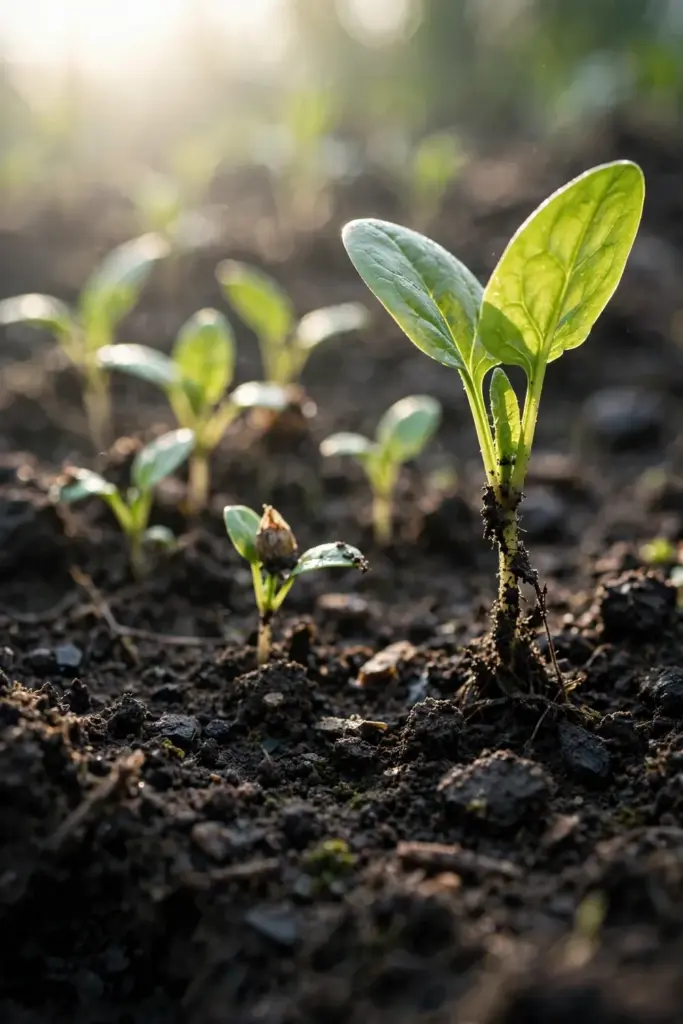
Spinach germinates best when soil sits between 7 and 24 C, which is exactly the window late-summer soil offers after the worst heat breaks. Spring-sown spinach bolts the moment days lengthen and temperatures climb past 24 C, turning sweet leaves bitter and narrow within days. Fall sowing dodges that entire failure: shortening days and cooling air keep plants in leaf-production mode for weeks longer than any spring planting manages.
The failure fall sowing avoids is the bolt-and-bitter cycle that ruins most beginner spinach. Sow thickly and thin to 8 cm, because dense stands shade the soil and hold moisture that germination needs. In zones 5 and colder, a simple row cover over October-sown spinach carries harvests into December, since mature plants tolerate frosts down to minus 7 C and sweeten after a light freeze.
2. Sow Arugula Seed Until 4 Weeks Before First Frost
Sow: direct sow, 0.5 cm deep. Days: 30 to 40. Zone: 3 to 10. Sun: full sun to part shade.
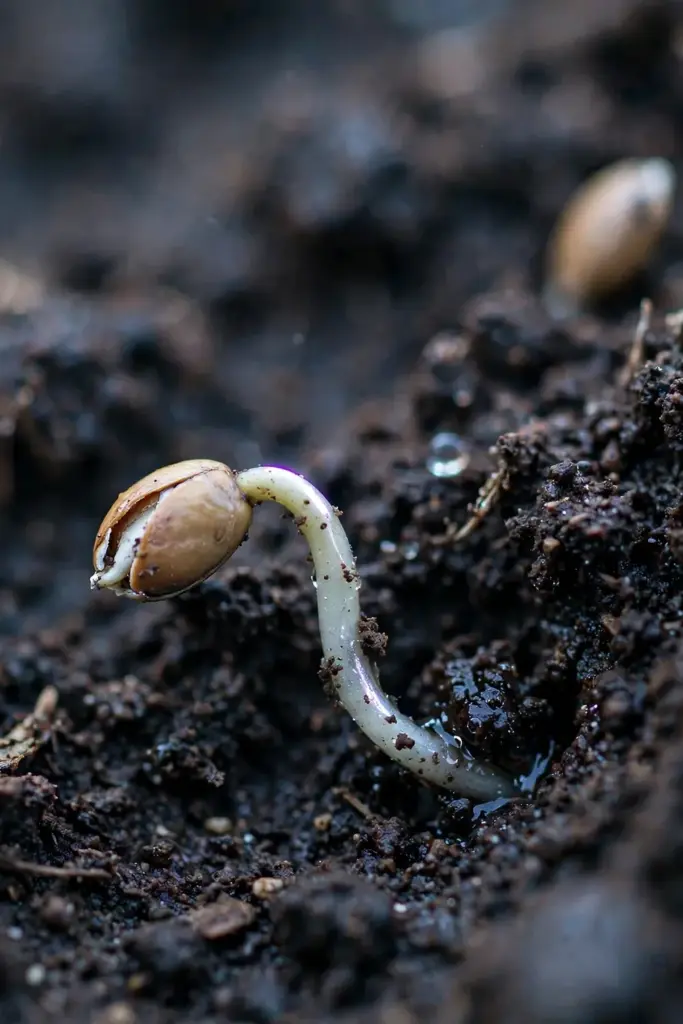
Arugula is the fastest leaf in this list, which makes it the seed to reach for when the calendar feels short. Summer heat makes arugula leaves harsh and peppery to the point of inedibility, then bolts the plant at 10 cm tall. Fall’s cool nights flip the flavor: leaves grow slower, thicker, and milder, with the nutty depth that seed packets promise and summer never delivers.
The failure avoided here is the scorched, bolted patch that teaches gardeners arugula is a difficult crop. It is not difficult; it is a cool-season crop sown in the wrong season. Sow a 30 cm row every 10 days through September for a continuous supply, and cut leaves at 8 to 10 cm so plants regrow for second and third pickings. A hard frost ends the harvest, so this seed suits gardeners who want speed over season extension.
3. Sow Leaf Lettuce Seed 4 to 6 Weeks Before First Frost
Sow: direct sow on the surface, pressed in, not buried. Days: 45 to 55 for full heads, 30 for cut-and-come-again. Zone: 4 to 9. Sun: part shade to full sun.
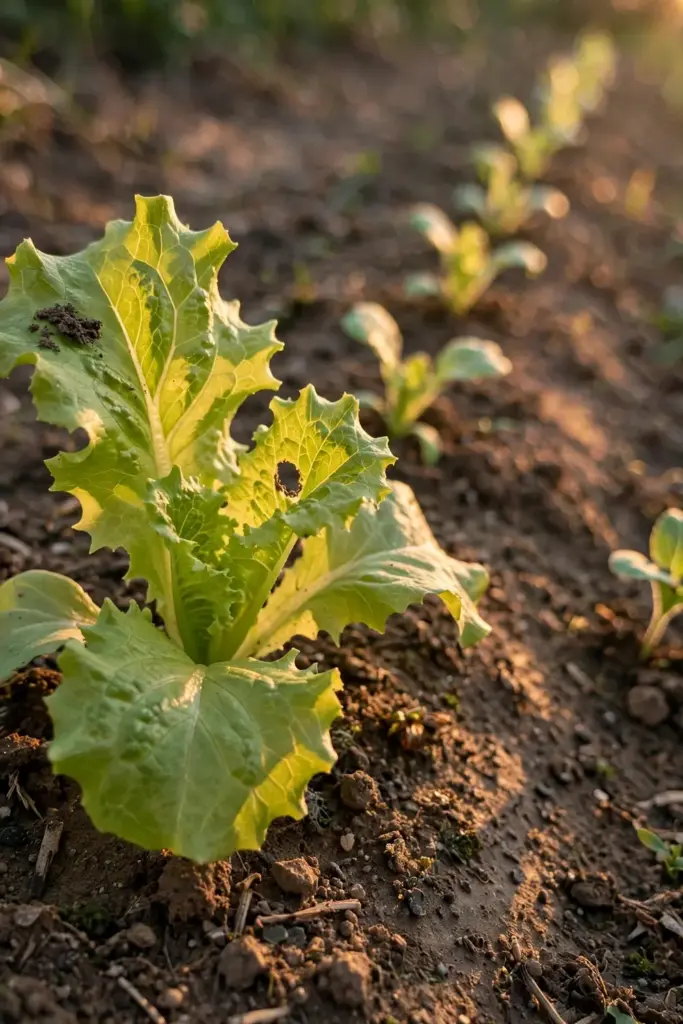
Lettuce seed germinates poorly above 27 C, which is why August sowings fail silently and gardeners blame the seed. Wait until evening soil temperatures drop, then sow on the surface because lettuce needs light to germinate. Fall gives a second advantage: aphids and flea beetles, the two pests that shred spring lettuce, decline sharply as nights cool, so leaves stay cleaner with no intervention.
The failure fall sowing avoids is the bitter, pest-chewed spring head. Choose loose-leaf and butterhead types over crisphead for fall, since heading types need a longer season than most zones can still offer. Sow in a spot that gets afternoon shade if September still runs hot; the shade keeps soil under the 24 C germination ceiling. Cut outer leaves first and the plant keeps producing from the center for weeks.
4. Sow Radish Seed Until 4 Weeks Before First Frost
Sow: direct sow, 1 cm deep, 2.5 cm apart. Days: 22 to 30. Zone: 3 to 10. Sun: full sun to part shade.
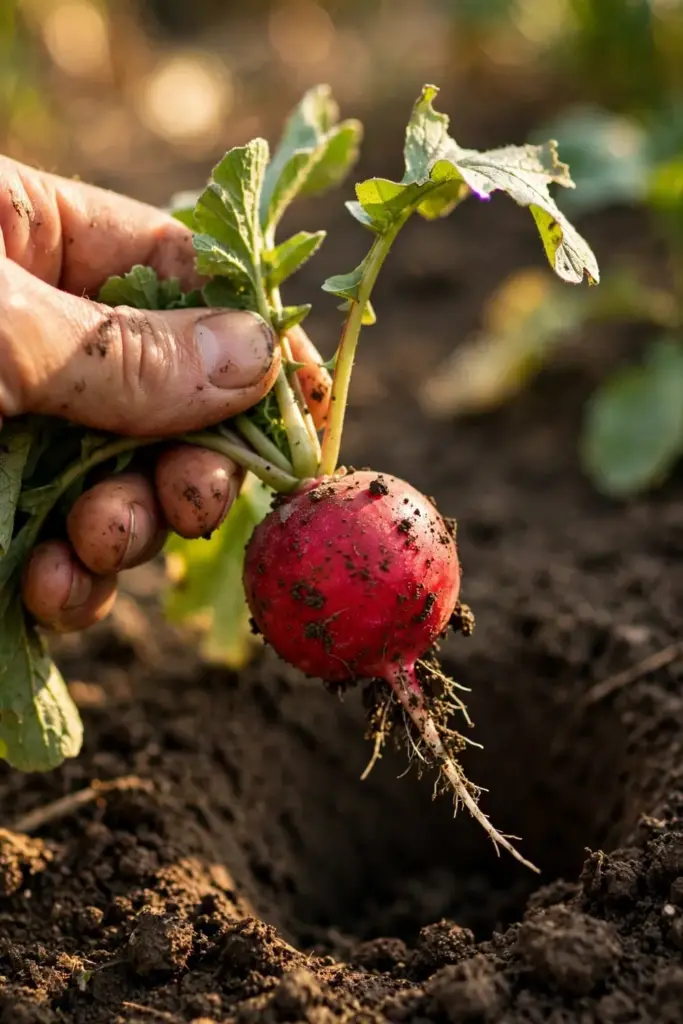
Radish is the confidence crop of fall sowing. Seed germinates in 4 to 6 days in soil as cool as 10 C, and roots size up in three to four weeks. Summer-grown radishes turn pithy, hollow, and fiery because heat accelerates growth past the point of good texture. Cool fall soil slows growth just enough that roots stay crisp, mild, and solid from skin to center.
The failure avoided is the woody, split, inedibly hot radish that summer heat guarantees. Because the cycle is so short, radish fills gaps between slower crops: sow it between carrot rows or after pulled beans, and it harvests before neighbors need the space. Keep soil evenly moist; a dry week followed by rain splits roots, and fall’s steadier rainfall usually handles this better than summer irrigation does.
5. Sow Turnip Seed 8 to 10 Weeks Before First Frost
Sow: direct sow, 1 cm deep. Days: 30 for greens, 50 to 60 for roots. Zone: 3 to 10. Sun: full sun.
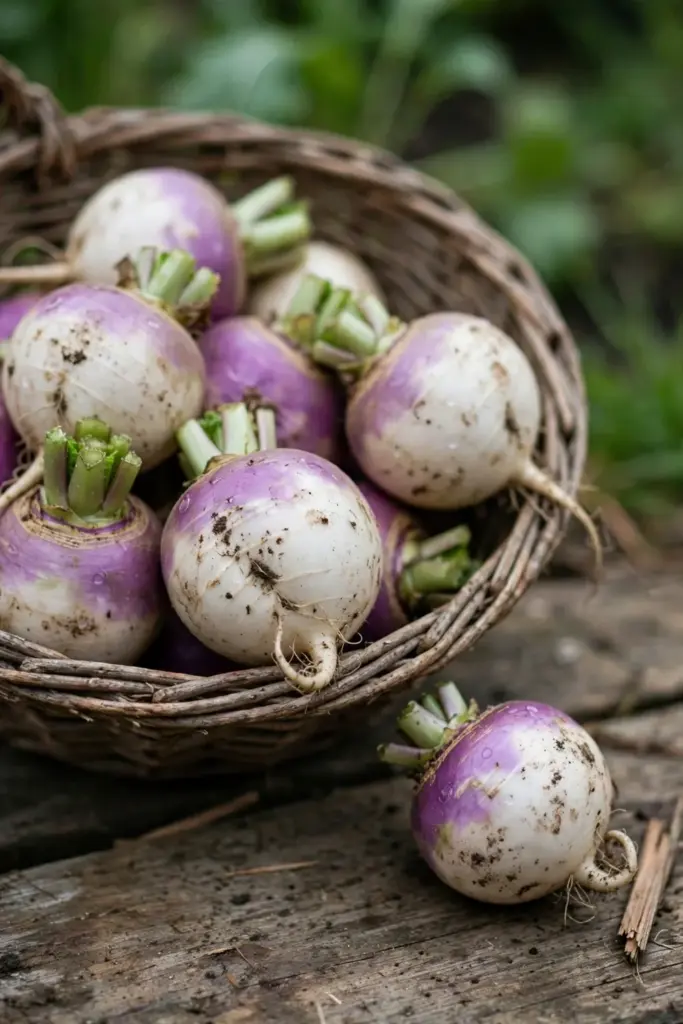
Turnips serve two harvests from one sowing: thinnings and tops become cooking greens at 30 days, and the roots you leave behind size up to tennis-ball scale by 60. Fall suits turnips because root quality depends on steady cool growth; spring roots face rising heat that makes them woody and strong-flavored, while fall roots sweeten as starches convert to sugars in cold soil.
The failure avoided is the spring turnip that tastes like a dare. Choose small-rooted salad types if your season runs short, since a 5 cm root harvested sweet beats a 10 cm root harvested woody. Thin ruthlessly to 10 cm apart; crowded turnips make leaves and no roots. Roots store in the ground under mulch through light frosts in zones 6 and warmer, extending the harvest without any storage work.
6. Sow Carrot Seed 10 to 12 Weeks Before First Frost
Sow: direct sow, 0.5 cm deep, kept constantly moist until germination. Days: 60 to 80. Zone: 3 to 10. Sun: full sun.
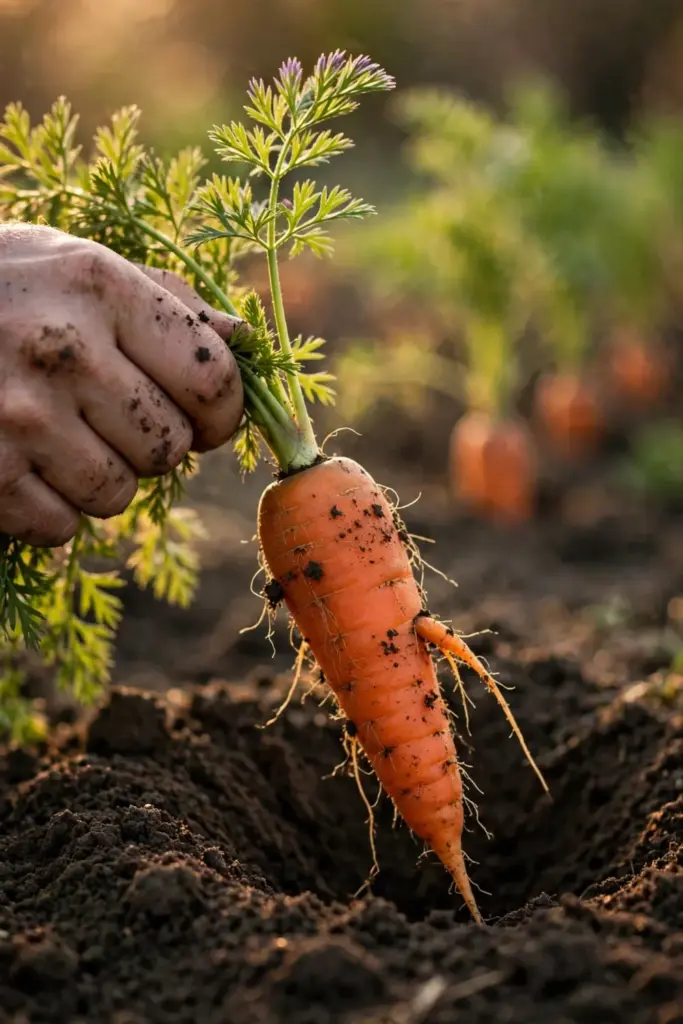
Carrots demand the longest lead time in the vegetable group, which is why they open the sowing sequence in late summer. Fall carrots outperform spring carrots in flavor because the roots mature in cold soil, and cold triggers the sugar concentration that makes a fall carrot taste like a different vegetable. Germination is the hard part: seed takes 14 to 21 days and the seedbed must never dry out, so cover rows with a board or burlap for the first week to hold moisture.
The failure avoided is the pale, bland spring carrot pulled from warming soil. Virginia Tech’s fall vegetable planting guide (Publication 426-331) anchors this timing logic: cool-season root crops need their full day counts counted backward from average first frost, not guessed forward from a hopeful sowing date. Thin seedlings to 5 cm apart once they show true leaves; unthinned carrots fork and stunt. A 10 cm mulch layer after the first frost lets zones 5 and colder harvest through December.
7. Sow Beet Seed 8 to 10 Weeks Before First Frost
Sow: direct sow, 1.5 cm deep. Days: 50 to 65. Zone: 3 to 10. Sun: full sun to part shade.
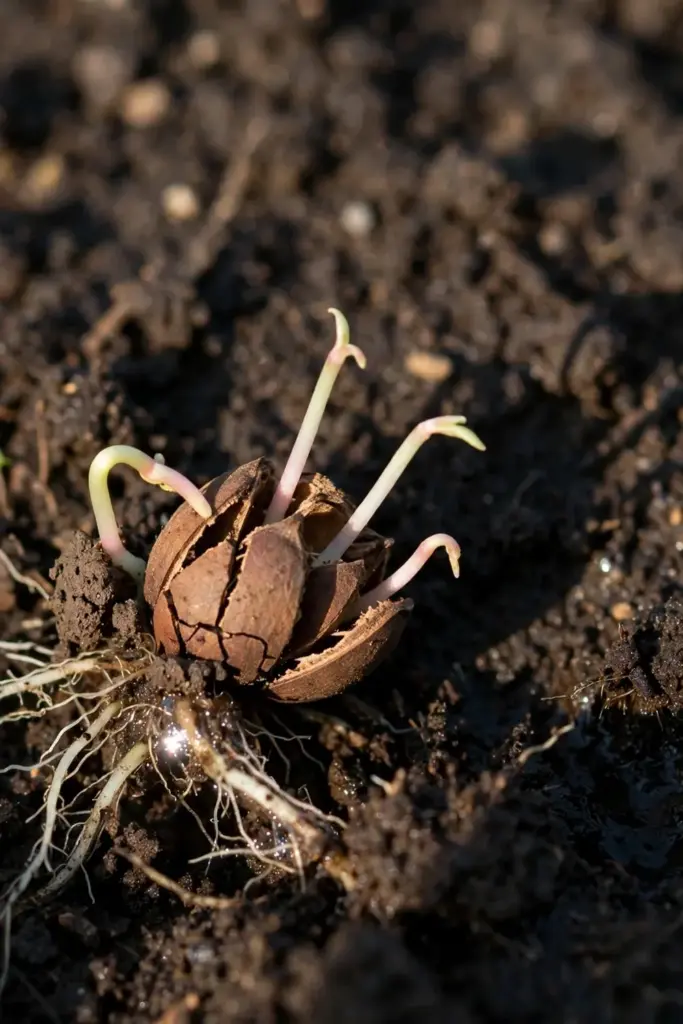
Each beet “seed” is a fruit cluster holding 2 to 4 embryos. Thin every sowing to one plant per 8 cm, no exceptions. Beets germinate in soil from 10 to 29 C but size roots best when days stay under 24 C, which is September and October across most of the country. Spring beets face the same heat problem as turnips: warm finishing weather produces roots with harsh, earthy intensity instead of sweetness.
The failure avoided is the woody, oversized spring beet with a flavor like damp soil. Pull beets at 5 to 8 cm diameter; larger roots get tough regardless of season. The thinnings are the bonus harvest: beet greens at 15 cm tall cook like chard and arrive weeks before the roots. Like carrots, beets sweeten after light frost, so leave the last row in the ground under mulch for the sweetest roots of the year.
8. Sow Kale Seed 8 to 10 Weeks Before First Frost
Sow: direct sow or indoor start, transplant at 4 weeks. Days: 50 to 65. Zone: 3 to 9. Sun: full sun.
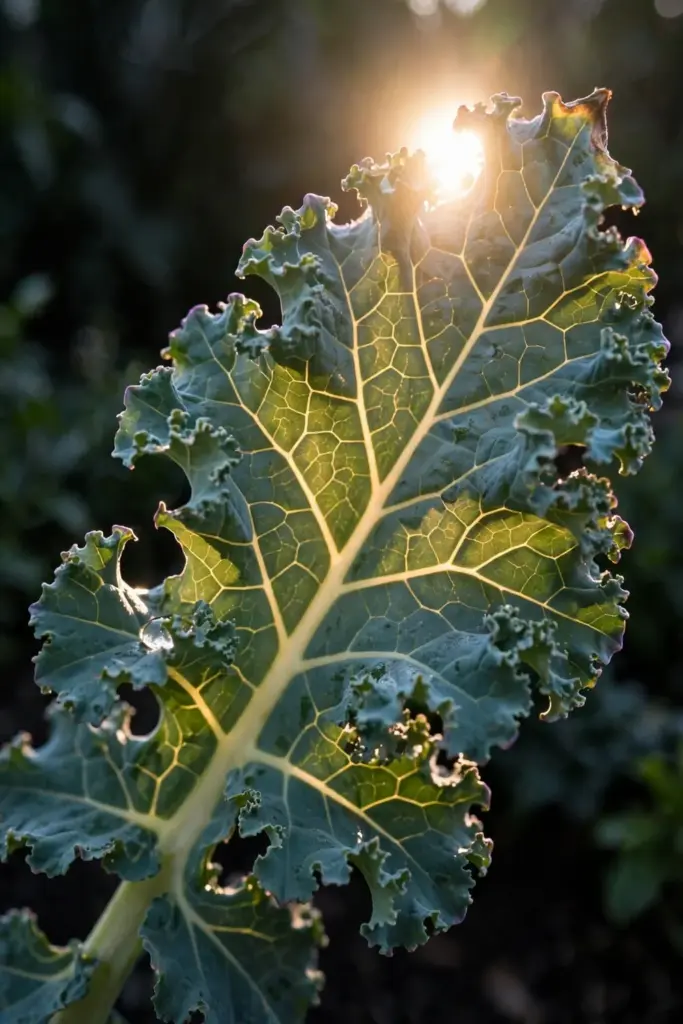
Kale is the vegetable that most visibly rewards fall sowing, because frost is not a threat to it but an ingredient. Leaves exposed to nights below 4 C convert starches to sugars, turning kale from merely hardy into genuinely sweet. Spring kale grows fine but tastes flat by comparison, and summer heat brings cabbage worms that skeletonize leaves just as they size up.
The failure avoided is the bitter, worm-chewed summer kale that convinces people they dislike kale. Direct sow where seasons allow, but indoor-started transplants buy two weeks when the calendar is tight: start seed in trays, set out stocky 10 cm plants, and they establish faster than direct-sown seedlings in cooling soil. Space plants 30 cm apart; crowded kale stays small and traps the moisture that invites disease. Mature plants survive minus 12 C, so in most zones kale is the last vegetable standing.
9. Sow Swiss Chard Seed 8 to 10 Weeks Before First Frost
Sow: direct sow, 1.5 cm deep, thin to 15 cm. Days: 50 to 60. Zone: 3 to 10. Sun: full sun to part shade.
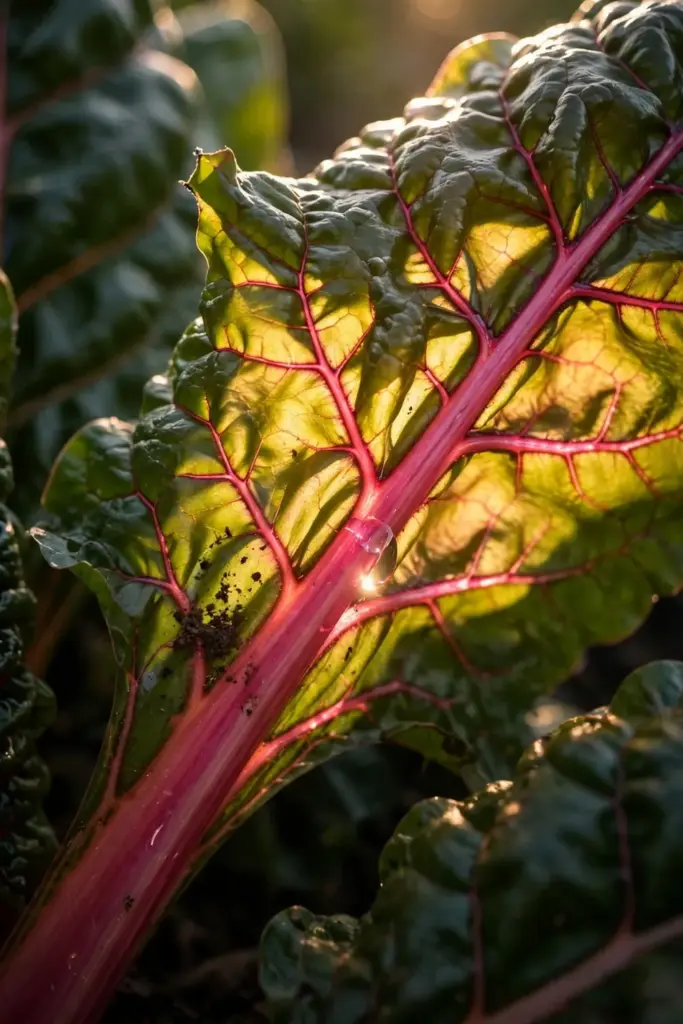
Swiss chard is a beet grown for leaves instead of roots, and it inherits the beet’s cool-season manners with one advantage: you harvest leaves continuously instead of waiting on a single root. Like beets, each seed cluster holds multiple embryos and needs thinning. Fall suits chard because leaf miners, the pest that draws pale tunnels through spring and summer leaves, fade as temperatures drop, leaving clean glossy foliage.
The failure avoided is the mined, ragged summer chard that looks diseased and cooks down to nothing. Pick outer stalks at 20 to 25 cm tall and the crown keeps pushing new growth from the center until a hard freeze. In zones 7 and warmer, fall-sown chard often overwinters under a light mulch and resumes in spring, which makes one sowing serve two seasons. Bright Lights mixes add color, but the green Fordhook types outproduce them in short fall days.
10. Sow Bok Choy Seed 6 to 8 Weeks Before First Frost
Sow: direct sow, 1 cm deep. Days: 40 to 50. Zone: 4 to 9. Sun: full sun to part shade.
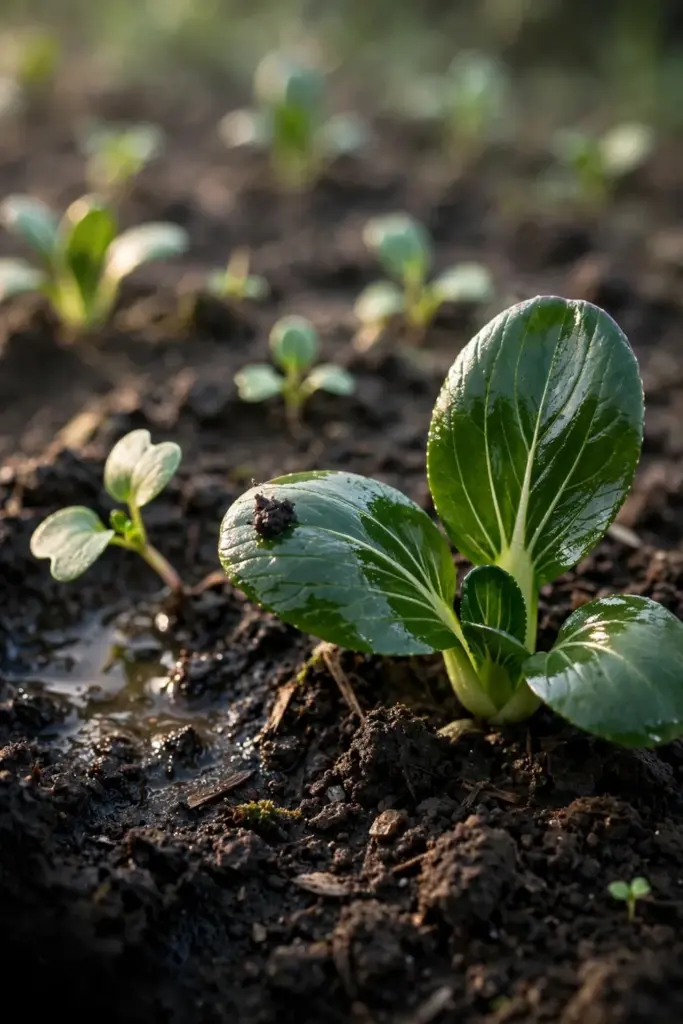
Bok choy is the classic victim of spring bolting: sow it in April and it flowers at 15 cm tall the moment a warm spell hits, because the plant reads lengthening days plus warmth as a signal to reproduce. Fall reverses both signals. Shortening days and cooling nights keep bok choy vegetative, and heads form dense and sweet instead of racing to seed.
The failure avoided is the bolted spring bok choy with a woody flower stalk where the head should be. This is the seed that most clearly demonstrates why fall exists as a sowing season for Asian greens. Sow after the worst heat breaks, since soil above 29 C still inhibits germination, and keep plants evenly watered; drought stress triggers premature bolting even in fall. Harvest whole heads at 20 to 25 cm or pull outer leaves for a longer picking window.
11. Sow Mizuna Seed 6 to 8 Weeks Before First Frost
Sow: direct sow, 0.5 cm deep. Days: 35 to 45. Zone: 4 to 9. Sun: full sun to part shade.
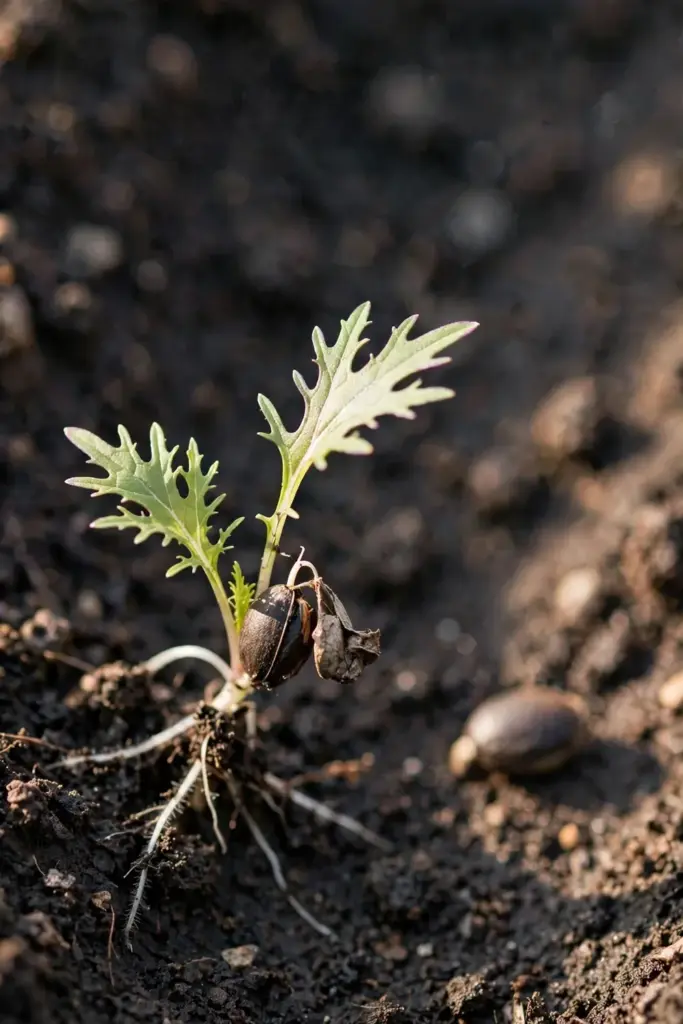
Mizuna grows like arugula with a milder mustard bite and prettier foliage, and it shares arugula’s need for cool weather to taste its best. It germinates in 4 to 8 days in cool soil and tolerates light frosts once established, shrugging off minus 5 C nights that end lettuce. Cut-and-come-again harvesting suits it perfectly: shear the planting at 15 cm and it regrows twice more before hard winter.
The failure avoided is the flea-beetle lacework that ruins spring mustard greens. Flea beetles peak in late spring and decline through fall, so October mizuna grows nearly pest-free. Sow it as a border around slower crops; the quick canopy suppresses weeds and the roots break up the top 5 cm of soil. Like all the Asian greens, it bolts if a hot spell returns, so wait for genuinely cool nights before sowing.
12. Sow Cilantro Seed 6 to 8 Weeks Before First Frost
Sow: direct sow, 1 cm deep; does not transplant well. Days: 50 to 55 to leaf harvest. Zone: 3 to 10. Sun: part shade to full sun.
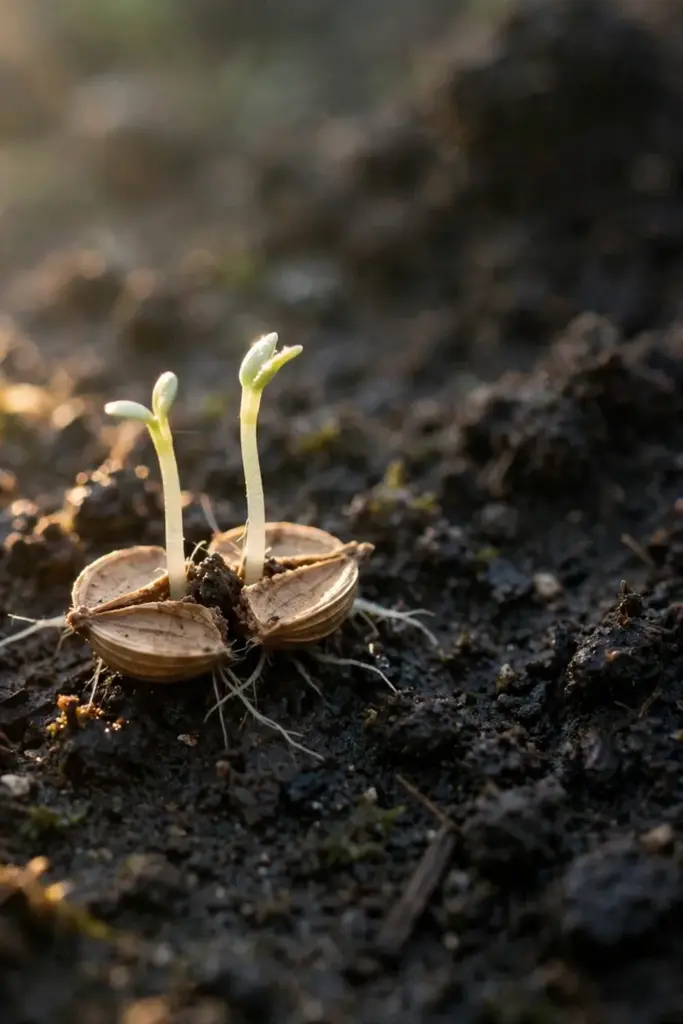
Cilantro may be the single most season-sensitive herb in the garden. Spring sowings bolt within weeks as days lengthen, turning leafy plants into coriander-seed factories by June. Fall sowing gives the longest leaf harvest of the year because shortening days delay flowering for months instead of weeks. Cool nights also deepen the flavor; heat-stressed cilantro tastes soapy and thin, while fall leaves taste full and bright.
The failure avoided is the bolted spring cilantro that yields two weeks of leaves and a stalk of seeds. Afternoon shade stretches the season; sow every 3 weeks through September for succession. Once plants flower, let a few go to seed. You get coriander spice plus self-sown seedlings next spring, and in zones 8 and warmer, fall cilantro often overwinters outright.
13. Sow Dill Seed 8 Weeks Before First Frost
Sow: direct sow, 0.5 cm deep; resents transplanting. Days: 40 to 50 to leaf, 70 to seed heads. Zone: 3 to 10. Sun: full sun.
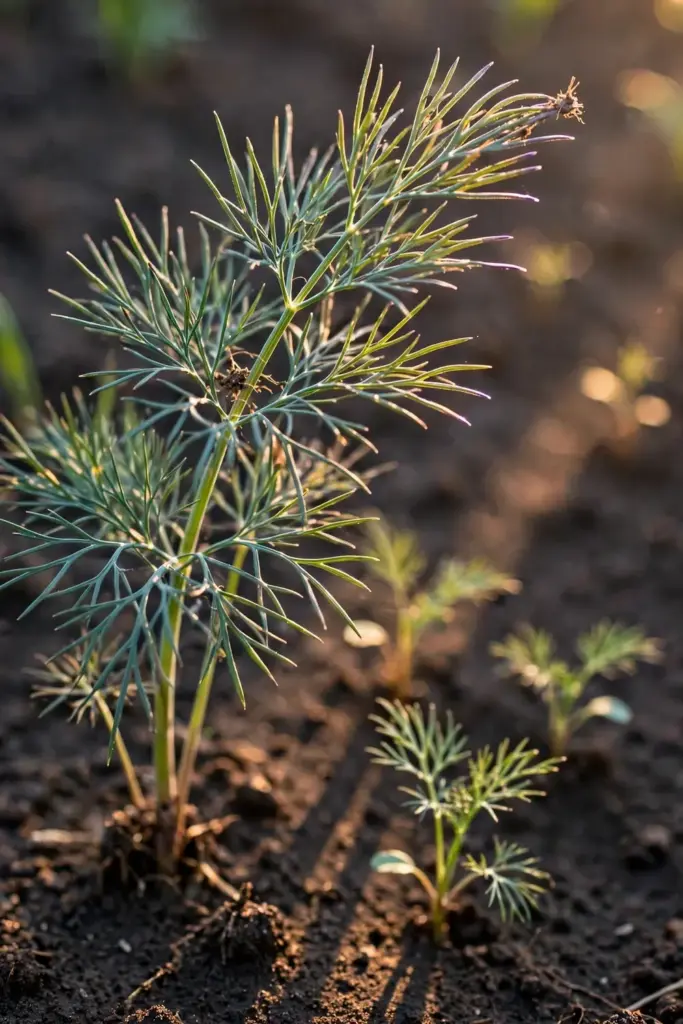
Dill germinates in soil as cool as 15 C and grows a taproot that makes transplanting a failure, so direct sow where it will live. Fall dill serves the pickling calendar perfectly: sow in late summer and the ferny foliage peaks just as cucumbers finish, then seed heads mature for pickling spice as frost approaches. Spring dill works but races through its life cycle in summer heat, giving a short leaf window.
The failure avoided is the stunted transplanted dill that never recovers its taproot. Dill self-sows enthusiastically, so one fall planting often becomes a permanent patch: let the last seed heads drop and seedlings appear next spring without any action. Thin seedlings to 20 cm apart; crowded dill grows spindly and flops. Swallowtail caterpillars may appear on fall dill, and most gardeners consider feeding them a fair trade for the pollination they provide as adults.
14. Start Parsley Seed Indoors 10 to 12 Weeks Before First Frost
Sow: indoor start preferred, 0.5 cm deep. Days: 70 to 90, the slowest herb here. Zone: 4 to 9. Sun: full sun to part shade.
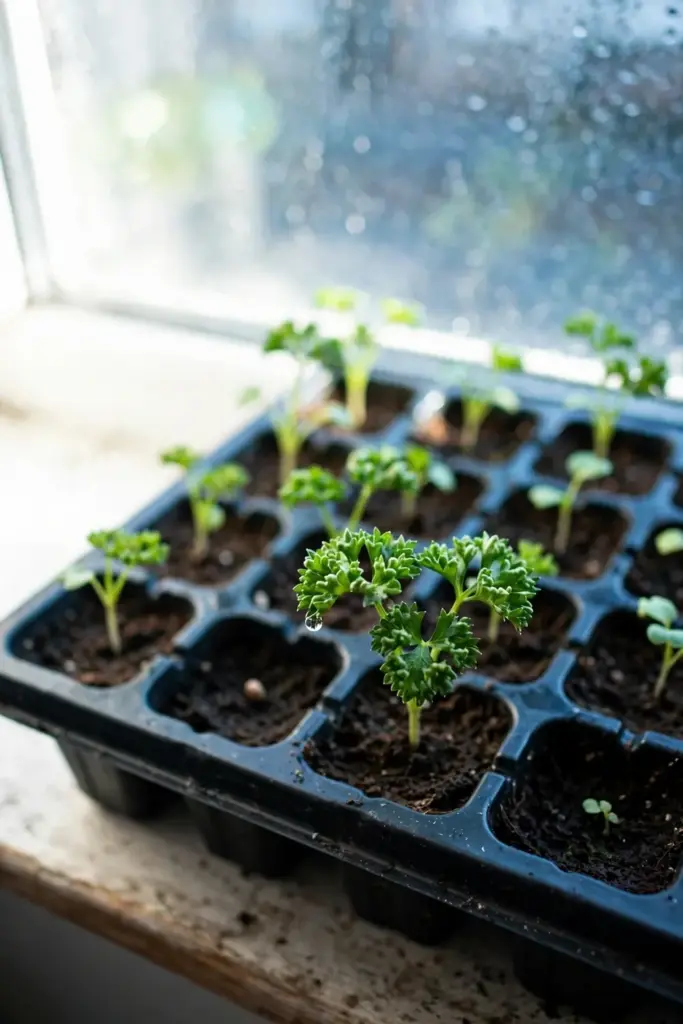
Parsley seed germinates in 21 to 28 days even under good conditions, which makes it the one herb where indoor starting pays for itself in fall. Soaking seed for 24 hours before sowing speeds things a little, but the real gain is calendar time: trays started in late summer produce transplants ready to set out while direct-sown seed would still be thinking about it. Parsley tolerates frosts to minus 7 C once established, so fall plants often hold into winter.
The failure avoided is the direct-sown September parsley that germinates in October and freezes at 5 cm tall. Set transplants 20 cm apart in rich soil, because parsley is a heavier feeder than its reputation suggests. Flat-leaf types outproduce curly types in fall’s short days and carry stronger flavor. In zones 7 and warmer, fall parsley typically overwinters and gives a spring flush before flowering in its second year, since parsley is biennial.
15. Sow Pea Seed 8 to 10 Weeks Before First Frost in Mild Zones
Sow: direct sow, 2.5 cm deep. Days: 60 to 70. Zone: 7 to 10 for fall crop. Zone note: colder zones sow peas in spring only. Sun: full sun.
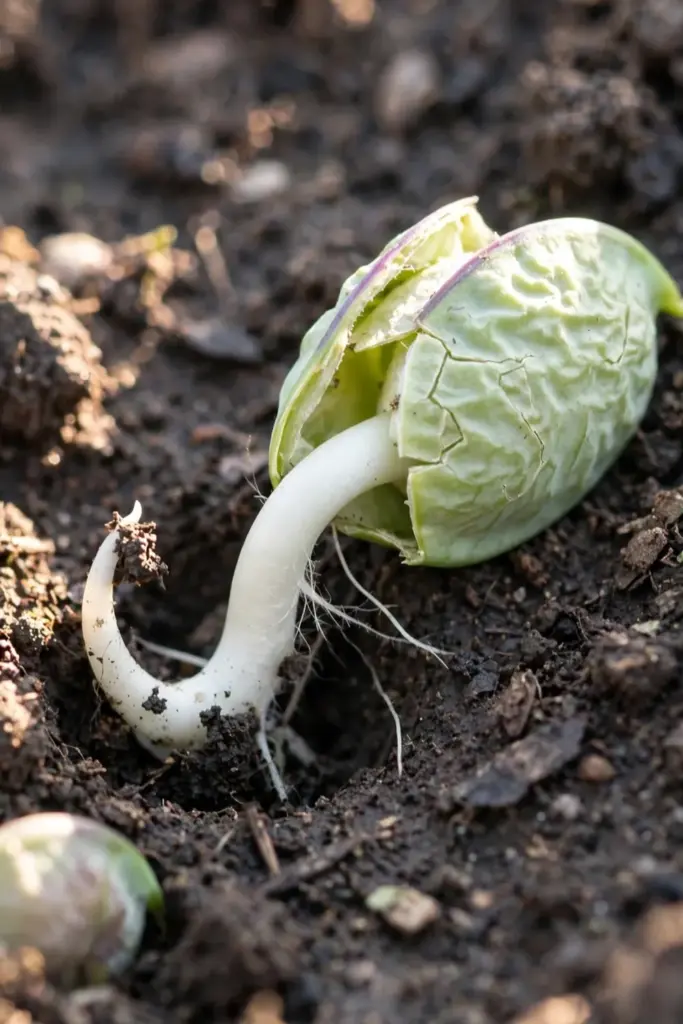
Fall peas are a mild-climate specialty. In zones 7 to 10, seed sown in late summer germinates in warm soil within a week, grows through the cool fall, and produces pods as temperatures drop. The peas taste sweeter than spring ones because, like all cool-season legumes, they convert starches to sugars in cold weather. Choose early varieties maturing under 65 days and provide a trellis at sowing time so tendrils find support immediately.
The failure avoided is the spring pea crop cut short by early heat. Gardeners in zones 6 and colder should not attempt fall peas; the math of 70 days plus declining light does not close before hard frost. For eligible zones, the trick is sowing early enough: count back 70 days from first frost and add 10 more, because fall’s weaker light slows every variety past its catalog number. Inoculate seed with rhizobium bacteria if peas have never grown in that bed, since the nitrogen-fixing partnership boosts fall growth measurably.
16. Sow Fava Bean Seed 10 to 12 Weeks Before First Frost
Sow: direct sow, 5 cm deep, 15 cm apart. Days: 75 to 90; overwinters in mild zones. Zone: 6 to 9. Sun: full sun.
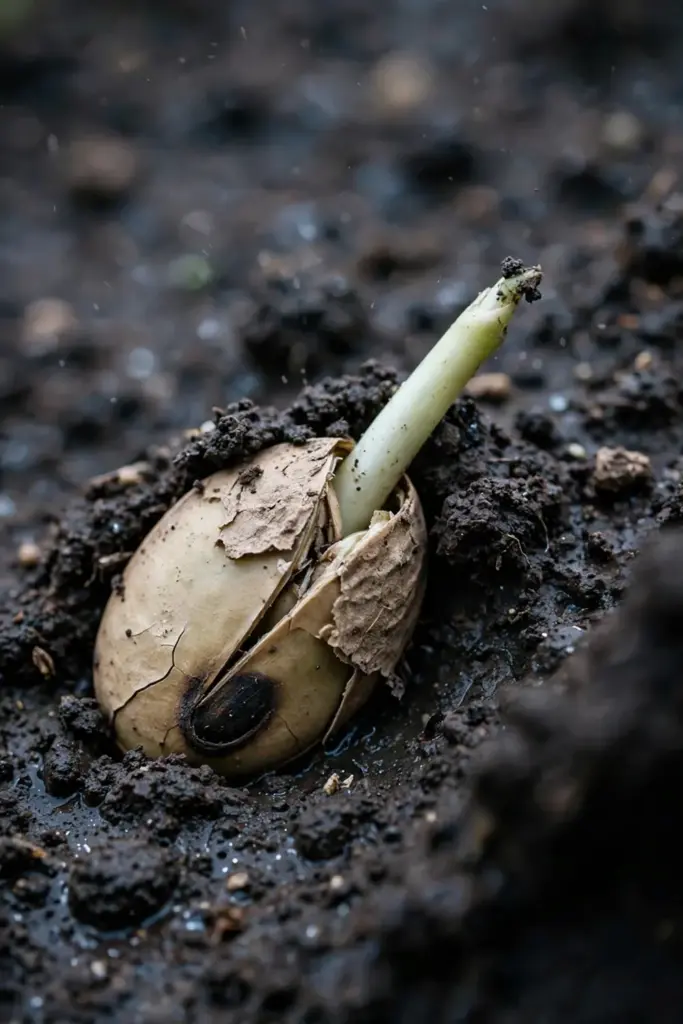
Fava beans, also sold as broad beans, are the most cold-tolerant bean in the garden, surviving minus 7 C once established. In zones 8 and 9, fall-sown favas grow slowly through winter and explode in early spring, producing weeks ahead of any spring sowing. In zones 6 and 7, they grow until hard frost kills the tops, and the roots still fix nitrogen all fall, which makes them a dual-purpose food and soil crop.
The failure avoided is the spring fava crop destroyed by black aphids and heat. Spring favas in warm climates hit flowering just as aphid populations peak and temperatures climb past their comfort zone, producing empty pods. Fall sowing sidesteps both: plants flower in the cool of early spring when aphids are scarce. Pinch the growing tips once pods set; this classic practice removes the tender growth aphids prefer and redirects energy into filling pods. For the harvest side of these same crops, see fall vegetables to plant.
17. Plant Garlic Cloves 2 to 4 Weeks Before the Ground Freezes
Sow: direct plant cloves, pointed end up, 5 cm deep, 15 cm apart. Days: harvest next summer; cloves planted in October size up through spring. Zone: 3 to 9. Sun: full sun.
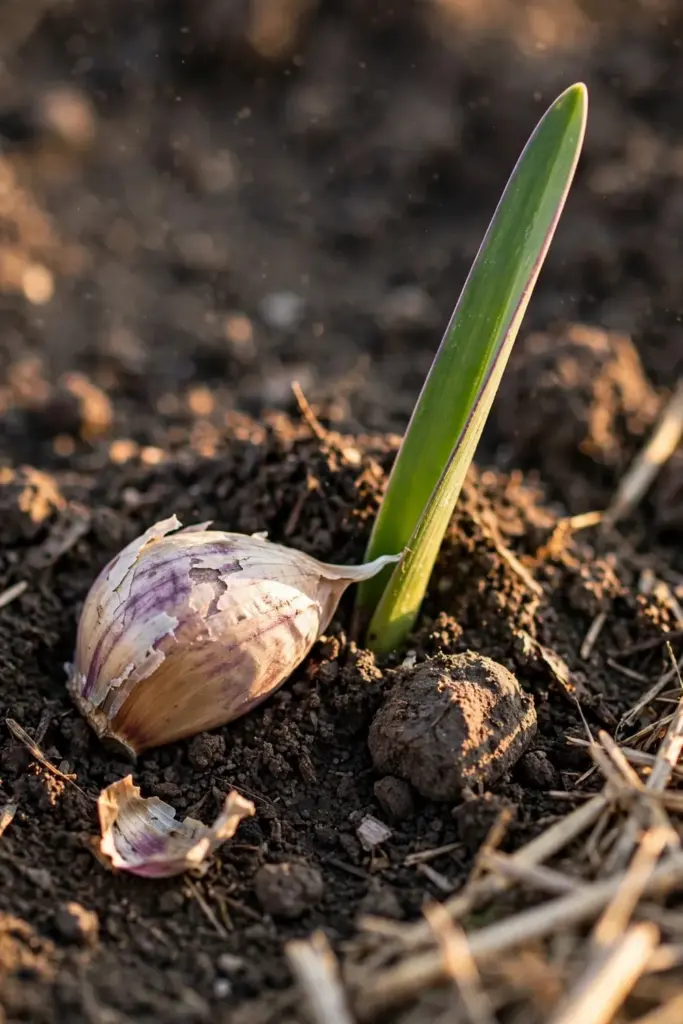
Garlic is technically a clove, not a seed, and it earns its place because no fall seed list is complete without the crop that must go in now or not at all. Each clove needs 4 to 8 weeks of root growth before the ground freezes, then requires sustained winter cold to split into a multi-clove bulb. Spring-planted garlic skips the cold requirement and produces single round bulbs instead of heads, which is the failure every first-timer reports.
The failure avoided is the spring garlic that never forms cloves. Choose hardneck varieties for zones 3 to 6, since they need harder winters and produce the scapes that become a bonus spring harvest; softnecks suit zones 7 to 9 and store longer. Mulch 10 to 15 cm deep with straw after planting, because the mulch prevents frost heaving that pushes cloves out of the soil. Buy planting stock grown for your region rather than grocery-store bulbs, which may carry disease and often belong to the wrong type for your winter.
18. Sow Green Onion Seed 8 to 10 Weeks Before First Frost
Sow: direct sow, 0.5 cm deep, in bands 10 cm wide. Days: 60 to 80 to pencil thickness. Zone: 3 to 10. Sun: full sun to part shade.
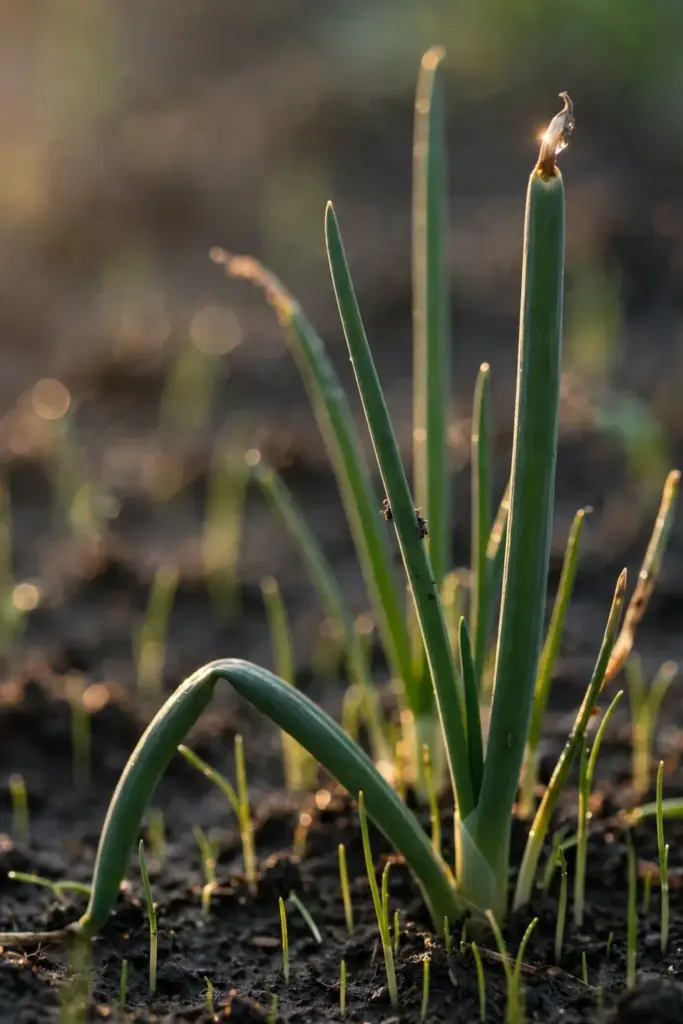
Green onions, sold as scallions or bunching onions, are the patient gardener’s fall crop. Seed germinates in 7 to 14 days in cool soil, then grows slowly as light fades. The payoff is a crop that shrugs off frost: mature scallions survive minus 12 C under mulch, so a September sowing becomes a winter and early-spring harvest in most zones. Evergreen Hardy White and similar bunching types are bred for exactly this overwintering behavior.
The failure avoided is the spring scallion bed abandoned to weeds by July. Fall scallions ask little: even moisture until established, then neglect. Sow thickly in bands rather than single rows, since the dense planting shades out weeds and the harvest is by the handful anyway. In zones 5 and colder, a low tunnel or heavy straw mulch keeps the bed pickable through January thaws. Pull alternate plants for fall use and leave the rest to size up for spring.
19. Sow Tatsoi Seed 6 to 8 Weeks Before First Frost
Sow: direct sow, 0.5 cm deep. Days: 40 to 50. Zone: 4 to 9. Sun: full sun to part shade.
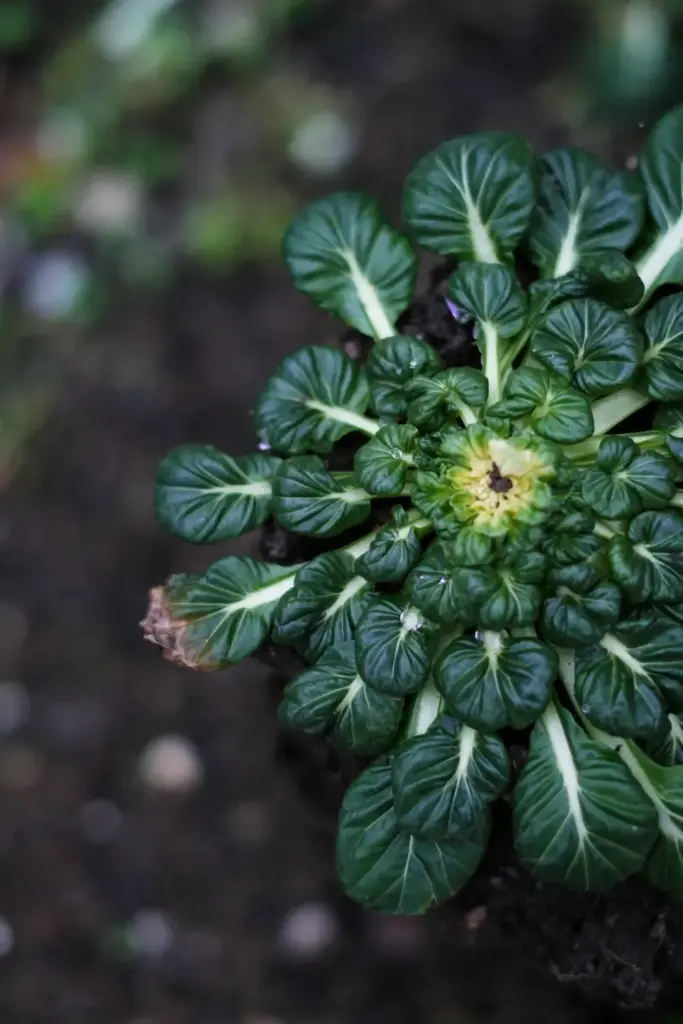
Tatsoi closes the vegetable group as the most cold-tolerant Asian green in it. The rosette of spoon-shaped leaves tolerates minus 9 C, outlasting bok choy and mizuna by several degrees, and the flavor sweetens after frost like kale’s does. It germinates in 5 to 10 days in cool soil and forms tight 15 to 20 cm rosettes that look ornamental enough for the front of a border.
The failure avoided is the leggy, bolted spring tatsoi that never forms its signature rosette. Spring heat pushes tatsoi to elongate and flower before the rosette fills out; fall’s cool steady growth keeps it compact. Harvest outer leaves or cut whole rosettes at 15 cm. Because it stays low and tidy, tatsoi works as an edible edge around the flower beds you will sow next, which makes it the bridge plant between the two halves of this list.
Seeds 20 to 31: Flower Seeds That Need Fall Sowing
The second intent of this keyword is entirely different from the first: flower seeds that germinate poorly or not at all without winter cold. Cold stratification is the seed’s built-in calendar. Many perennials and hardy annuals carry chemical germination inhibitors that only break down after weeks of cold, moist conditions. Fall sowing lets winter do this work naturally, which beats refrigerator stratification on reliability and costs nothing. Sow these where they will grow, since most resent transplanting. The timing side lives in the fall planting guide and stays brief here by design; this section is about seed biology.
20. Sow Larkspur Seed in Fall for Spring Spires
Sow: direct sow on the surface, pressed into soil. Days: natural winter chill breaks dormancy. Zone: 3 to 9. Sun: full sun.
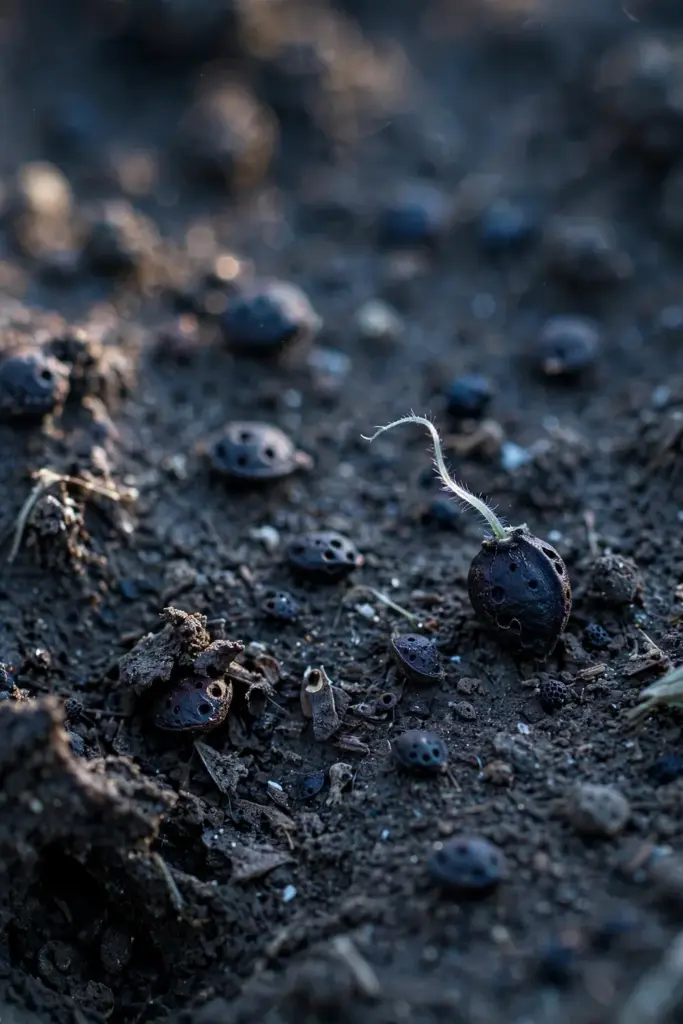
Larkspur earns its reputation as the textbook fall-sown annual. Its seed germinates only in cool soil, ideally 10 to 15 C. That means spring sowings in warming soil fail while fall sowings in cooling soil succeed. Scatter seed in October or November, press it into the surface without covering, since light aids germination, and winter cold completes the stratification the seed expects. Seedlings emerge in early spring already hardened to the weather.
The failure avoided is the spring larkspur sowing that never germinates. Gardeners blame old seed, but the seed was fine. The soil was too warm for the germination chemistry to trigger. Thin seedlings to 20 cm apart in spring; crowded larkspur grows weak stems that need staking. The plants bloom in late spring to early summer, set seed, and die, so let a few seed heads ripen and the patch renews itself every fall without further sowing.
21. Sow Bachelor’s Button Seed in Fall for Early Summer Color
Sow: direct sow, 0.5 cm deep. Days: natural winter chill; blooms 60 to 90 days after spring germination. Zone: 3 to 9. Sun: full sun.
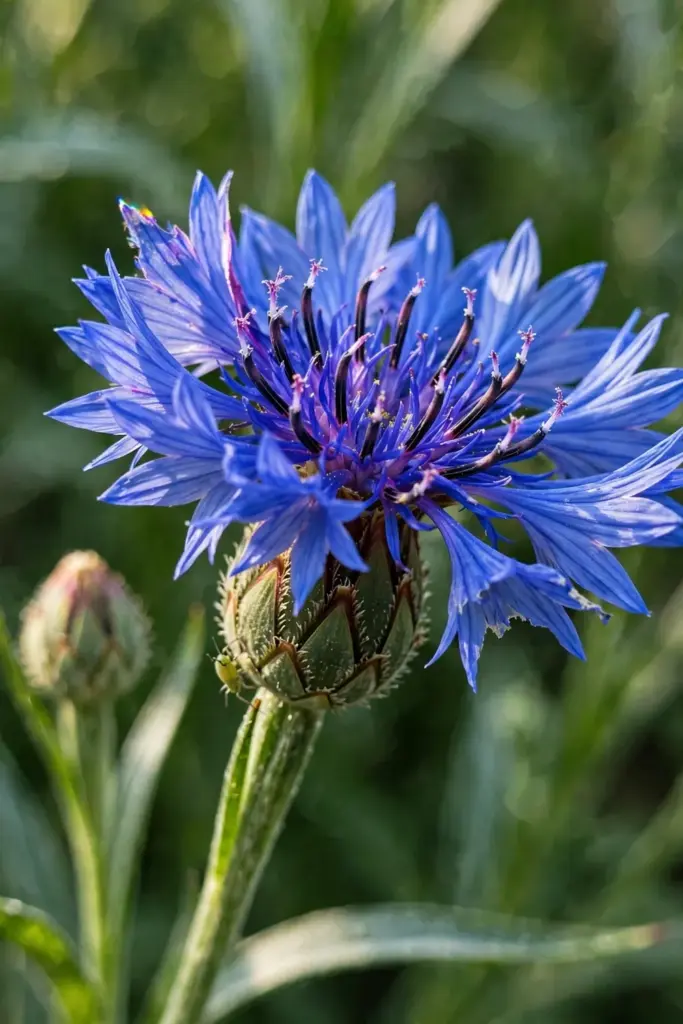
Bachelor’s buttons, the same plant sold as cornflowers, are hardy annuals that evolved to germinate in fall, overwinter as small rosettes, and bloom in early summer. Fall-sown plants grow larger and bloom weeks earlier than spring-sown ones because they establish roots all winter while spring seed is still in the packet. The flowers tolerate light frost as seedlings, so there is no need to wait for safe spring dates.
The failure avoided is the spindly spring cornflower that blooms for three weeks and quits. Fall-sown plants produce sturdier stems and a longer bloom season, and deadheading extends it further. Sow in drifts rather than rows for the meadow look this flower suits: scatter a generous pinch of seed per 30 cm of drift, thinned to 15 cm apart. The seed is inexpensive and the plants self-sow, so one generous fall sowing can establish a permanent patch.
22. Sow Sweet Pea Seed in Fall in Mild-Winter Zones
Sow: direct sow, 2.5 cm deep. Days: soak seed 24 hours before sowing. Zone: 7 to 10. Sun: full sun.
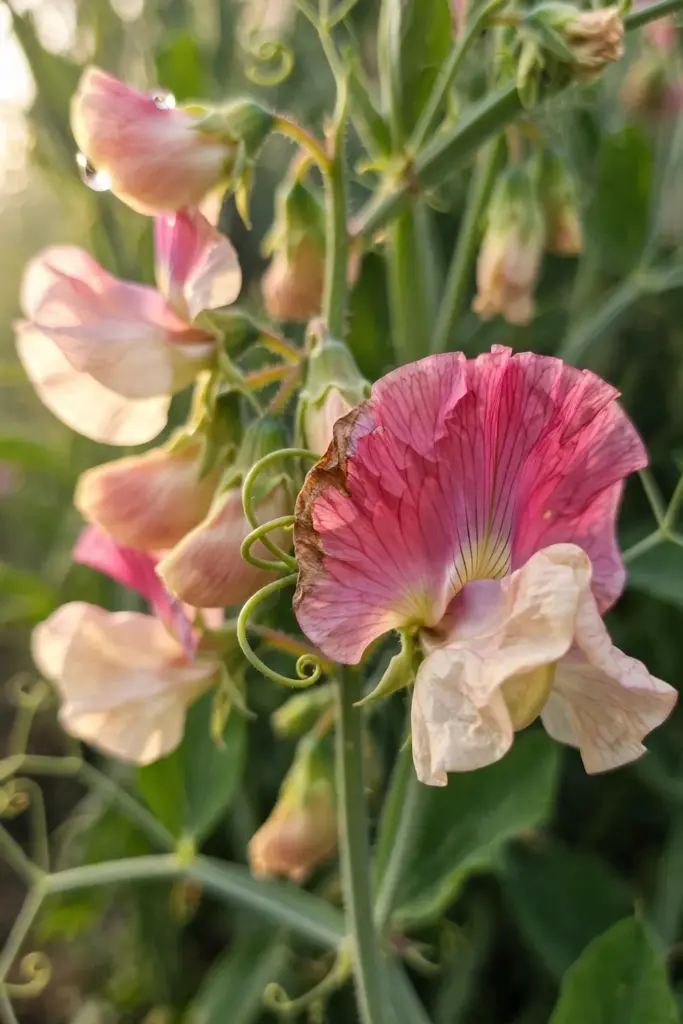
Sweet peas are the most fragrant flower on this list and the most zone-restricted. In zones 7 to 10, fall sowing produces plants that develop deep roots all winter and bloom profusely in spring, far outperforming spring-sown plants that hit heat just as flowering starts. Soak the hard seed coat for 24 hours before sowing to speed germination, and provide the trellis at sowing time; sweet peas climb by tendrils and resent being moved onto supports later.
The failure avoided is the spring sweet pea that grows 30 cm, blooms sparsely, and collapses in the first hot week. Heat ends sweet pea season everywhere, so the entire strategy is maximizing bloom before it arrives, and fall sowing buys a month or more. Pinch seedlings at 15 cm tall to force branching, which doubles the flowering stems. In zones 6 and colder, skip fall sowing and start seed indoors 6 weeks before last frost instead.
23. Sow Shirley Poppy Seed in Fall and Never Transplant It
Sow: direct sow on the surface. Days: natural winter chill. Zone: 3 to 9. Sun: full sun.
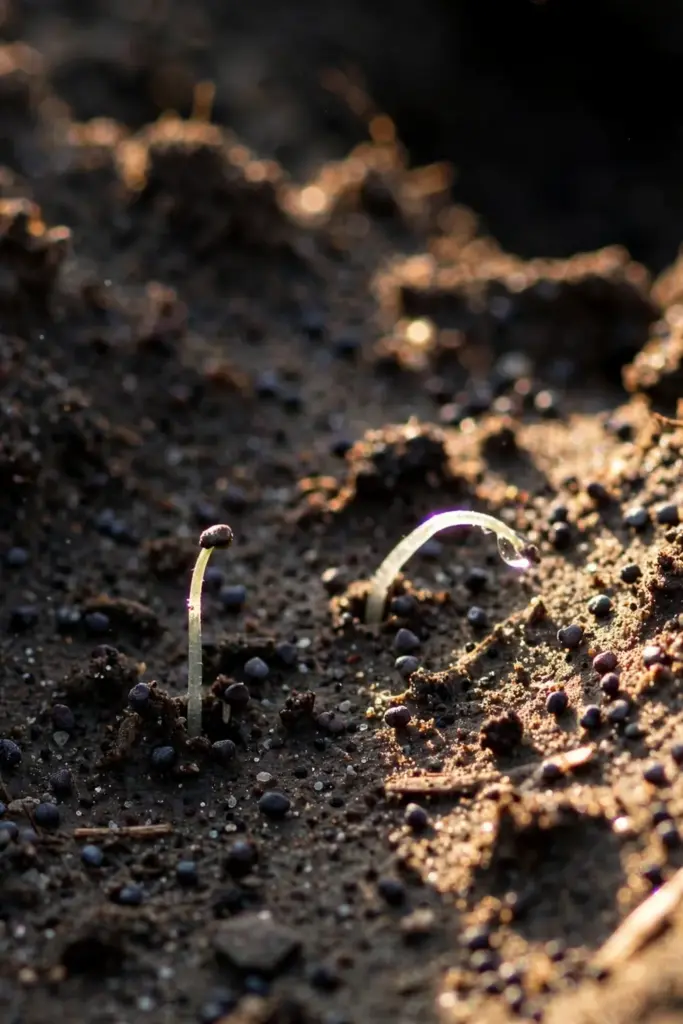
Shirley poppies carry a taproot that makes transplanting nearly always fatal, which is why every instruction says sow where they will bloom. The seed is dust-fine and needs light to germinate, so mix it with sand for even scattering and press it into the soil surface without covering. Fall sowing gives the strongest plants: seed chilled all winter germinates at the first warmth of spring and blooms by early summer on sturdy stems.
The failure avoided is the indoor-started poppy that dies within days of transplanting. This is the most common poppy disappointment and it is entirely avoidable by direct fall sowing. Thin ruthlessly to 15 cm apart in spring, which feels brutal with such tiny seedlings but prevents the floppy, disease-prone crowding that ruins the display. Let seed pods ripen on the last flowers and shake them where you want next year’s patch.
24. Sow Calendula Seed in Fall for the Earliest Spring Blooms
Sow: direct sow, 1 cm deep. Days: 50 to 60 to bloom after spring germination. Zone: 3 to 10. Sun: full sun to part shade.
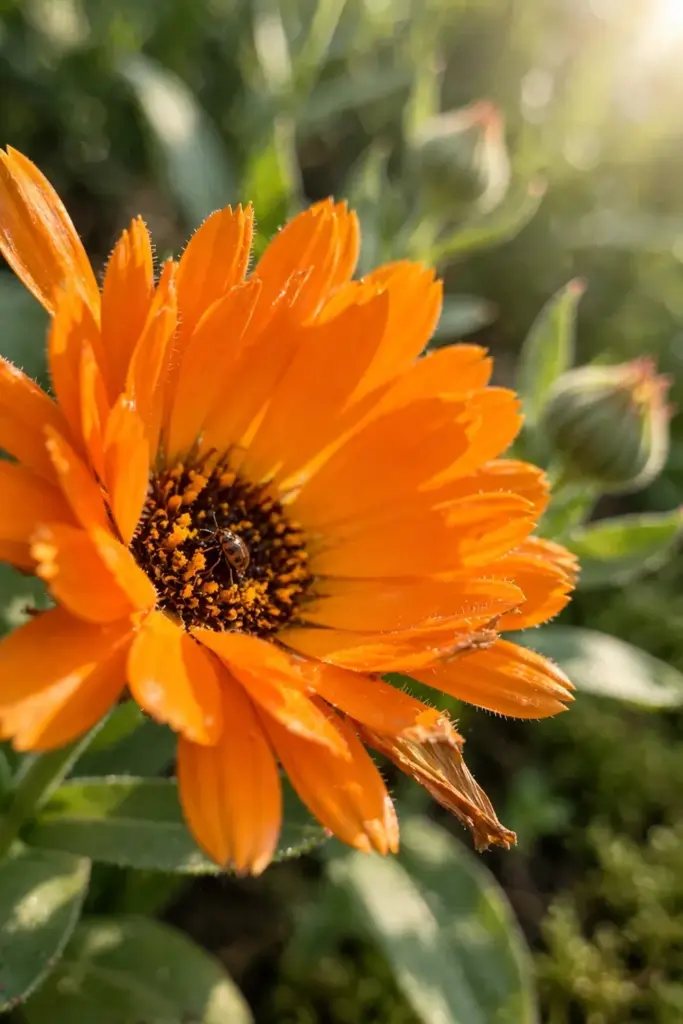
Calendula is the bridge flower between the two halves of fall sowing: hardy enough to overwinter as seedlings in zones 7 and warmer, and early enough from spring germination to beat every other sown flower to bloom. The seed germinates in cool soil down to 10 C, so fall sowings establish before winter in mild zones and sit ready to grow at the first spring warmth everywhere else. Flowers are edible, which gives this ornamental a kitchen role too.
The failure avoided is the late-spring calendula sowing that blooms into summer heat and shuts down. Calendula flowers best in cool weather; plants that bloom in June produce for months, while plants that start in July stall until September. Deadhead spent blooms to keep flowers coming, or leave the last ones to self-sow. In cold zones, a fall sowing under a light mulch often surprises gardeners by surviving winter outright.
25. Sow Snapdragon Seed in Fall in Mild Zones or Chill It First
Sow: direct sow on the surface or indoor start. Days: needs light to germinate; 2 to 3 weeks of cold improves it. Zone: 7 to 10 for fall sowing. Sun: full sun.
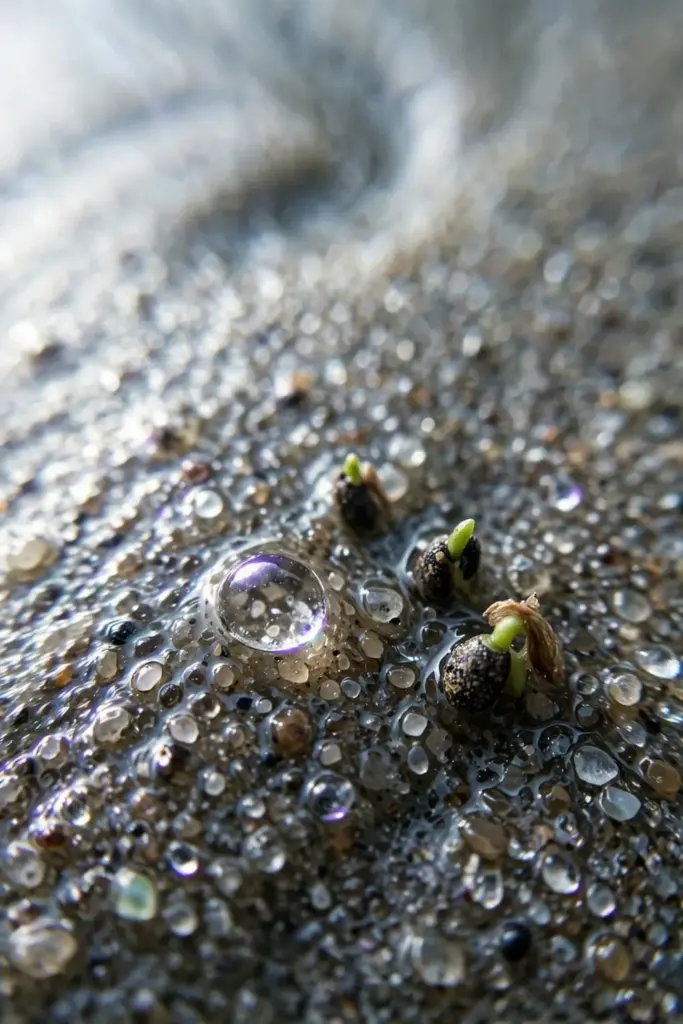
Snapdragon seed is among the finest flower seeds sold, nearly dust, and it needs light to germinate, so surface sow and never cover it. In zones 7 to 10, fall sowing works: seedlings overwinter small and bloom in spring on strong plants. In colder zones, give the seed its cold artificially: mix it with damp sand, refrigerate 2 to 3 weeks, then start indoors under lights 8 to 10 weeks before last frost. Cornell’s snapdragon production notes describe it as a cool-weather crop that grows best in the 60s and 70s F, which is exactly the window a fall sowing hands it.
The failure avoided is the buried snapdragon seed that never emerges. Covering fine seed is the quiet killer of more flower sowings than any weather event. Pinch the central stem at 10 cm tall to force side branches; unpinched snapdragons make one tall spike and stop, while pinched plants make a branched spray that cuts better and blooms longer.
26. Sow Milkweed Seed in Fall and Let Winter Stratify It
Sow: direct sow, 0.5 cm deep. Days: 30 days cold moist stratification. Zone: 3 to 9. Sun: full sun.
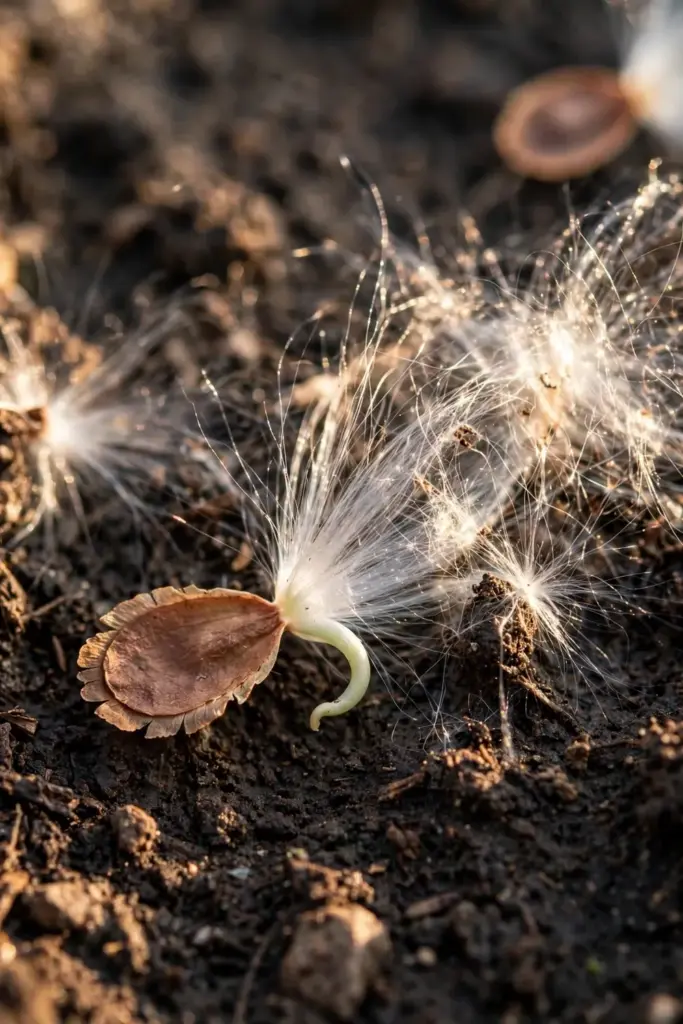
Milkweed seed carries a hard dormancy that 30 days of cold, moist conditions breaks, and a fall sowing delivers exactly that with zero equipment. Common milkweed, swamp milkweed, and butterfly weed all respond the same way: sow in late fall, let winter rain and freeze-thaw cycles work the seed coat, and seedlings emerge in spring timed to the monarch migration they evolved alongside. That is why packets print stratification instructions: the seed expects winter first.
The failure avoided is the spring-sown milkweed that sits inert all summer. Without stratification, germination runs under 10 percent; with 30 days of cool, moist cold, Cornell Cooperative Extension’s milkweed germination guide reports 85 percent or better. Choose species matched to your soil: swamp milkweed for wet ground, butterfly weed for dry, common milkweed for average beds with room to spread. Do not improve the soil much; milkweed prefers lean conditions and flops in rich beds. Mark the sowing spot, since seedlings emerge late and look weedy enough to get hoed by mistake.
27. Sow Coneflower Seed in Fall for Second-Year Blooms
Sow: direct sow, 0.5 cm deep. Days: 60 to 90 days stratification. Zone: 3 to 9. Sun: full sun.
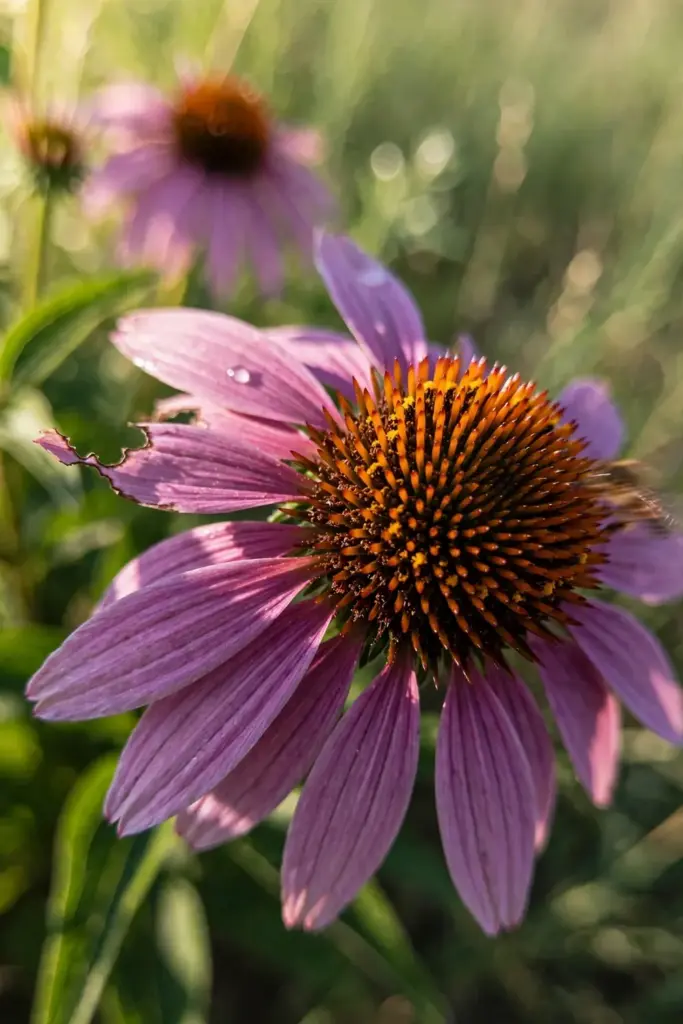
Purple coneflower needs the longest stratification on this list: 60 to 90 days of cold moisture before the seed coat’s inhibitors break down. A fall sowing is the natural way to supply it, and it also explains why coneflower self-sows so freely in established gardens. Expect foliage the first year and flowers the second; this is a perennial playing a long game, and the seed knows it.
The failure avoided is the spring-sown coneflower that germinates sporadically over two months and never amounts to much. Even with stratification, first-year plants focus on roots, so fall sowing’s real gift is a head start: seedlings that emerge in early spring build the root system that powers second-year bloom. Sow where plants can stay for years, 30 cm apart, since mature coneflowers resent moving. Deadhead for extended bloom or leave seed heads standing; goldfinches strip them through winter.
28. Sow Black-Eyed Susan Seed in Fall for a Self-Renewing Patch
Sow: direct sow on the surface. Days: 30 days stratification. Zone: 3 to 10. Sun: full sun.
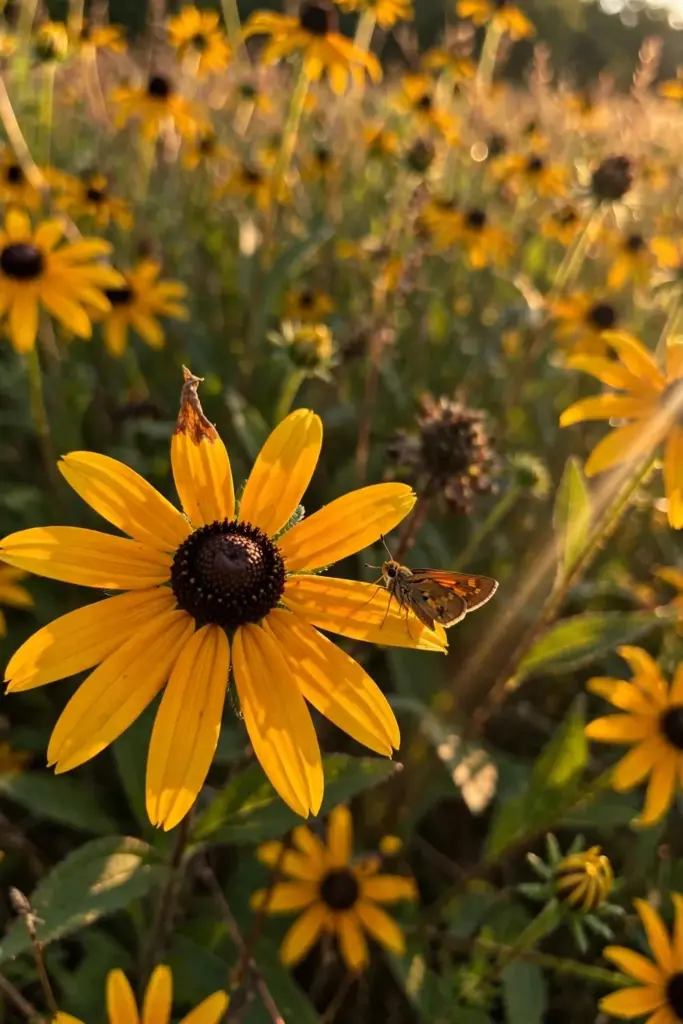
Black-eyed Susan, Rudbeckia hirta, is technically a short-lived perennial usually grown as an annual or biennial, and it seeds around so freely that one fall sowing establishes a permanent colony. The seed needs cold and light to germinate, which a November surface sowing provides automatically. Seedlings form low rosettes that overwinter, then send up the familiar golden daisies on 60 to 90 cm stems in midsummer.
The failure avoided is the nursery transplant that blooms once and vanishes. Purchased Rudbeckia is often a tender hybrid; seed-grown species plants self-sow and return. Surface sow and press in without covering, since light triggers germination. Thin to 25 cm apart in spring. The flowers tolerate drought once established, which makes this the lowest-maintenance perennial seed on the list. Leave the last blooms to set seed and the patch manages itself from there.
29. Sow Columbine Seed in Fall for Woodland-Edge Color
Sow: direct sow on the surface or indoor start after chilling. Days: 21 to 28 days cold stratification. Zone: 3 to 8. Sun: part shade.
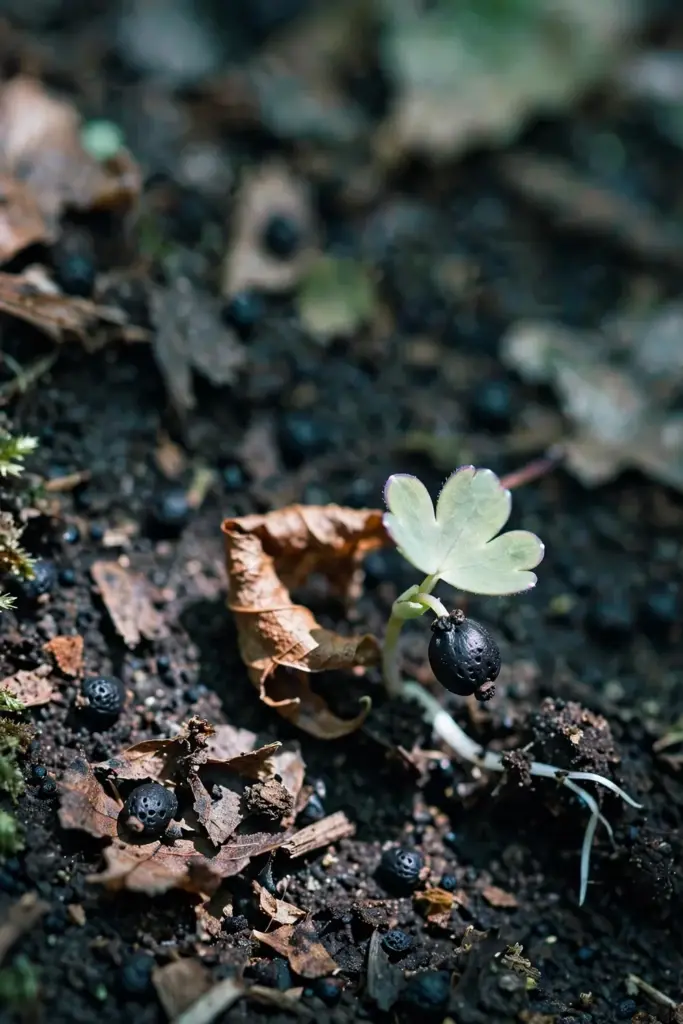
Columbine is the shade entry on the flower list, suited to the part-shade edges where full-sun flowers fail. Its seed needs 3 to 4 weeks of cold moisture, and fall sowing supplies it in the leaf litter the plant naturally grows in. Sow on the surface in a spot with morning sun and afternoon shade, since hot afternoon sun shortens the bloom season. Seedlings emerge in spring and typically bloom the second year.
The failure avoided is the spring-sown columbine that germinates erratically across two seasons. Unstratified columbine seed staggers its germination over months, producing a thin patchy stand; stratified seed comes up evenly. Columbine hybridizes freely, so seed-grown plants vary in color, which most gardeners find charming rather than problematic. Watch for leaf miners that draw pale trails on foliage; the damage is cosmetic and the plant outgrows it. Let pods ripen and self-sowing keeps the colony going.
30. Sow Bee Balm Seed in Fall for Pollinator Meadows
Sow: direct sow on the surface. Days: 30 days of cold, moist stratification to break dormancy. Zone: 4 to 9. Sun: full sun to part shade.
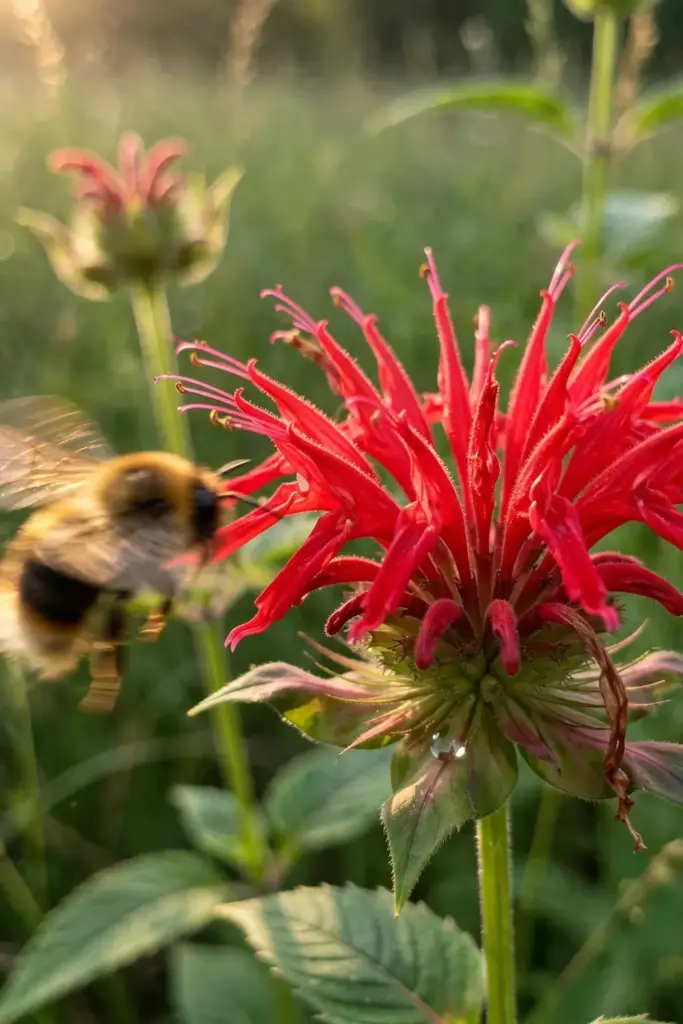
Bee balm, Monarda, is a mint-family perennial whose seed needs about a month of cold to germinate well. Fall surface sowing in a meadow or perennial border gives even spring germination and plants that bloom the second year. The shaggy red, pink, or lavender flowers feed hummingbirds, bees, and butterflies for weeks in midsummer, and the foliage carries the oregano-like scent that gives the plant its other common name, bergamot.
The failure avoided is the spring-sown bee balm that germinates thinly and leaves gaps in the planting. Stratification more than triples germination, and fall sowing is the easiest way to get it. Give plants 30 cm of space and good air circulation, since powdery mildew is bee balm’s chronic weakness; resistant varieties like the mildew-tolerant red types reduce the problem substantially. Divide clumps every 3 years in spring to keep them vigorous, since the centers die out with age.
31. Sow Sweet Alyssum Seed in Fall for Fragrant Edging
Sow: direct sow on the surface. Days: 45 to 60 to bloom after germination. Zone: 5 to 9 for fall sowing. Sun: full sun to part shade.
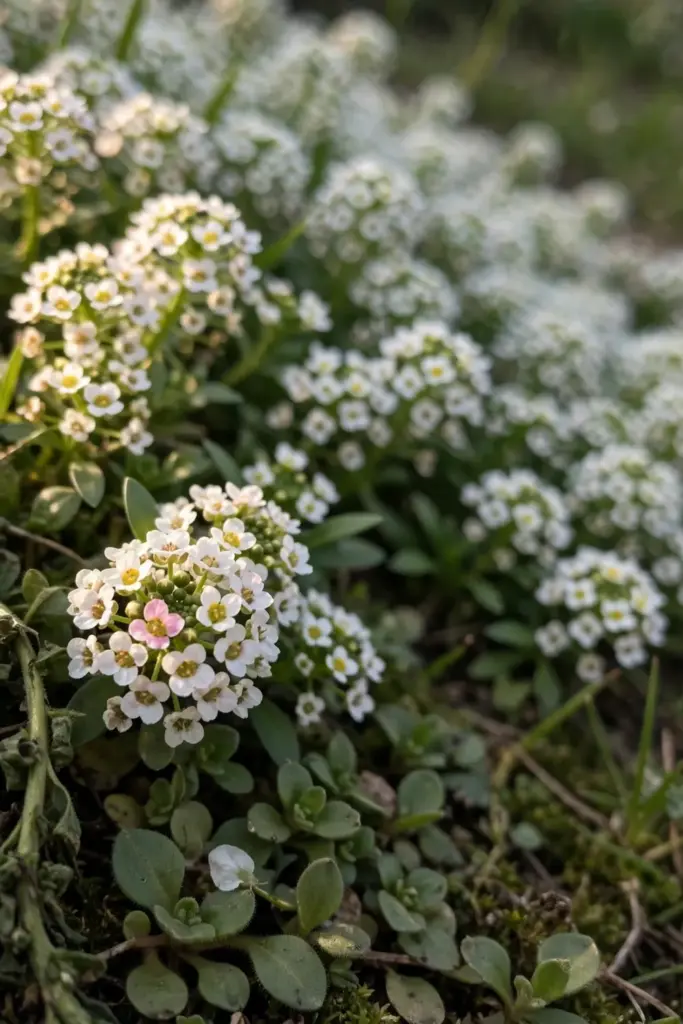
Sweet alyssum closes the list as the fastest flower from seed and the most fragrant per square centimeter. The tiny seed germinates in 5 to 10 days in cool soil and blooms within two months, forming low mats of honey-scented white or purple flowers that edge beds and spill from containers. In zones 7 to 9, fall-sown alyssum blooms through winter; in zones 5 and 6, it germinates in fall, overwinters as seedlings, and blooms weeks before any spring sowing.
The failure avoided is the summer alyssum that stalls in heat. Alyssum is a cool-season flower that fades when temperatures hold above 29 C, so gardeners who only know it as a summer annual have seen its worst performance. Shear plants back by half when bloom fades and they rebloom within weeks. It self-sows generously, so the edging you sow this fall often reappears on its own next year in the same footprint.
One Block on Cover-Crop Seed
Cover crops get one short section here because a future article owns the topic in full. If a vegetable bed empties in fall and you have no crop planned for it, sow cereal rye or crimson clover instead of leaving soil bare. Rye seed germinates in soil as cool as 1 C, grows through winter, and its roots hold soil against erosion while adding organic matter when turned under in spring. Clover fixes nitrogen while it covers. Sow rye at 100 g per 10 square meters, rake it in, and water once. That is the whole technique, and it beats bare soil every time.
Timing It Against First Frost
Timing detail lives in the fall gardening tips pillar, so this stays short. Work backward from your average first fall frost date: sow the 60-to-80-day seeds (carrots, parsley, peas) 10 to 12 weeks out, the 40-to-60-day group 8 weeks out, and the 30-day sprinters (radish, arugula, lettuce) 4 weeks out, following the same backward-counting method Virginia Tech’s fall vegetable planting guide lays out for cool-season crops. Flower seed for stratification faces no deadline pressure; any sowing after soil cools and before it freezes works, because winter does the waiting. Add 10 to 14 days to every vegetable count if you garden north of zone 6, since October light is weaker than the catalog assumes.
Mistakes That Waste Fall Seed
The most expensive mistake is sowing summer seeds in fall: beans, corn, squash, and tomatoes need heat and long days, and no amount of optimism changes that. The second is sowing cool-season seeds too early, into soil still above 29 C, where lettuce and spinach refuse to germinate and the gardener blames the packet. Wait for genuinely cool nights. The third is skipping the thinning: fall’s lower light means crowded seedlings stay spindly instead of competing their way to size, so thin to the spacings given. The fourth is letting the seedbed dry out during germination; fall rain helps, but a dry September week kills more sowings than frost does. Water until seedlings show true leaves. The fifth is burying fine flower seed: larkspur, poppies, snapdragons, columbine, bee balm, and alyssum all need light, and a centimeter of extra soil is enough to stop them. Press, do not cover.
Sow the Seed and Let Winter Work
Thirty-one packets, two harvests, one sowing season. The vegetables pay off before frost and the flowers pay off after winter, and neither group asks for more than seed, soil, and the calendar math above. Start with the fast leaves if October feels late; there is still time for radish, arugula, and spinach in most zones. Sow the flower seed whenever the beds are ready, then let winter do the work it has always done.
Frequently Asked Questions
What Are the Best Seeds to Plant in Fall for a Quick Harvest?
Radish, arugula, spinach, and leaf lettuce give the fastest returns: 22 to 55 days from sowing. Sow radish and arugula up to 4 weeks before first frost; spinach and lettuce go in 6 to 8 weeks out. Cool soil suits all four, they tolerate light frosts, and when the calendar feels short they are the safest picks.
Which Flower Seeds Must Be Sown in Fall?
Milkweed, coneflower, black-eyed Susan, columbine, bee balm, and larkspur all need weeks of cold, moist winter conditions to break seed dormancy. Without that chill, most of the seed stays dormant and spring brings a patchy stand. Fall sowing supplies stratification naturally and costs nothing, which beats refrigerating seed packets for two months.
Can I Start Fall Seeds Indoors Instead of Direct Sowing?
Some, with care. Kale, parsley, and snapdragons transplant well enough to justify indoor starts when the calendar is tight; the full indoor method is in the seed starting guide. But most seeds on this list resent transplanting: carrots, beets, turnips, radishes, dill, cilantro, poppies, and larkspur all grow taproots or fragile root systems that transplant shock ruins. Direct sow those where they will live.
How Late Is Too Late to Sow Vegetable Seeds in Fall?
Count backward from your average first frost using the days-to-maturity tags above, and remember the fall factor from the timing section: weaker October light stretches every count. A 50-day crop sown 50 days before frost usually fails; sown 65 days before, it succeeds. Fast crops like radish and arugula are the exception and can go in 30 days out.
Do Fall-Sown Seeds Need Fertilizer?
Light feeding helps heavy feeders like kale, chard, and beets, but most fall seeds do fine in soil that fed a summer crop. Excess nitrogen in fall produces soft growth that frost damages, so go lighter than spring rates. Flower seeds for stratification need no fertilizer at all; they germinate in spring on stored seed energy.
Is This About the Game Stardew Valley?
No, with one exception. This article covers real seeds for real gardens: 31 packets you sow in soil, not a game inventory. If you arrived searching for the farming game, its fall seed shop is fiction, and nothing here maps to game mechanics. The rest of this page is actual cool-season seed behavior: which vegetable seeds beat frost, and which flower seeds need winter cold to germinate.








