
Turnip mosaic virus has no cure. The 10 strategies below protect the brassicas around an infection, starting with the triage call that tells you whether protection is worth the effort at all.
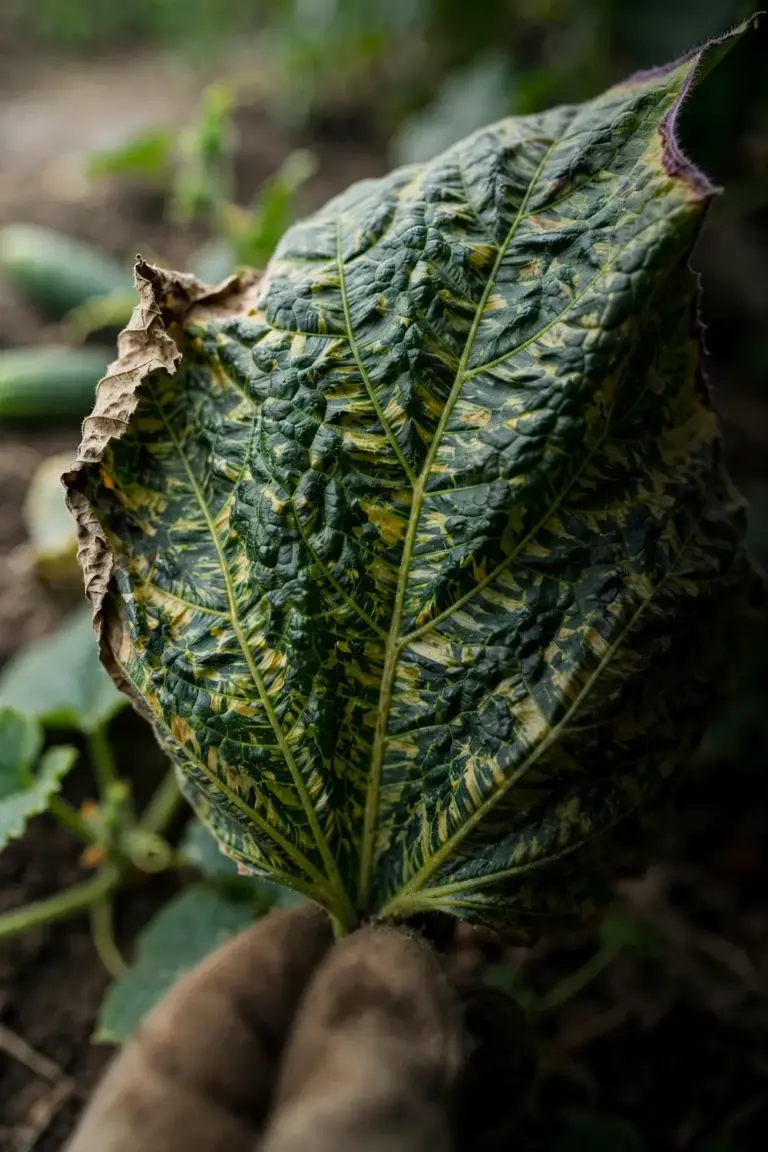
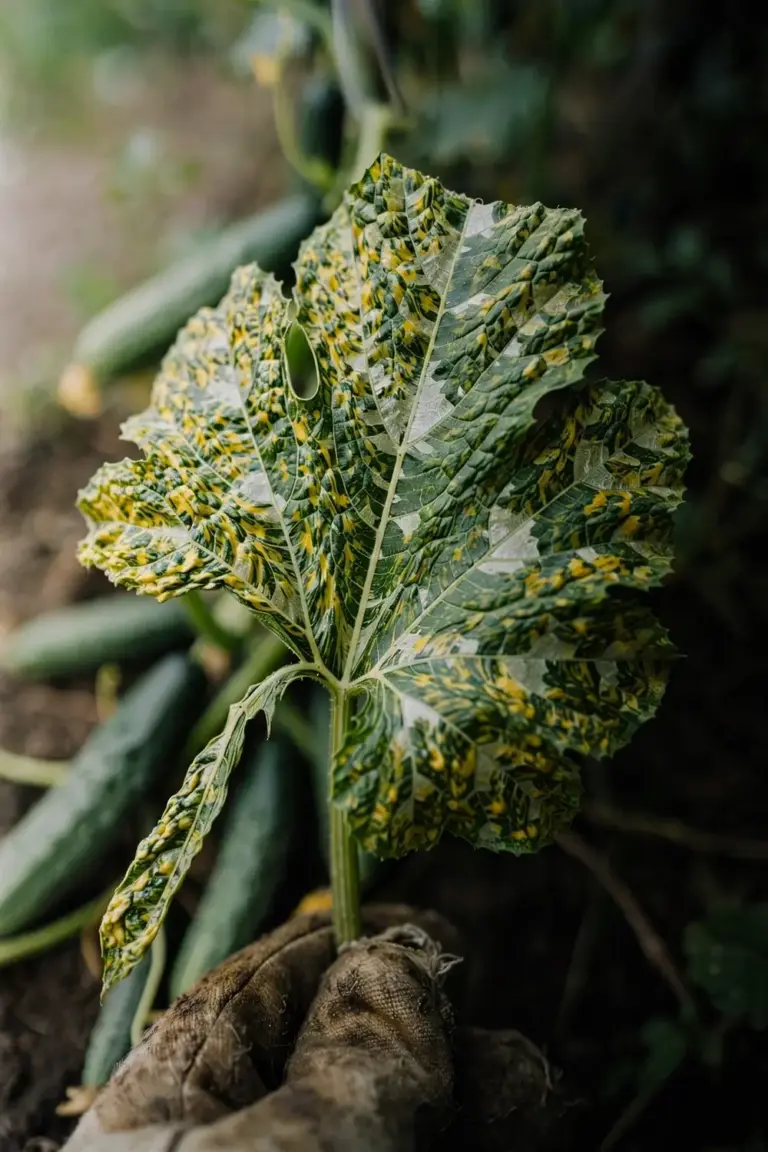
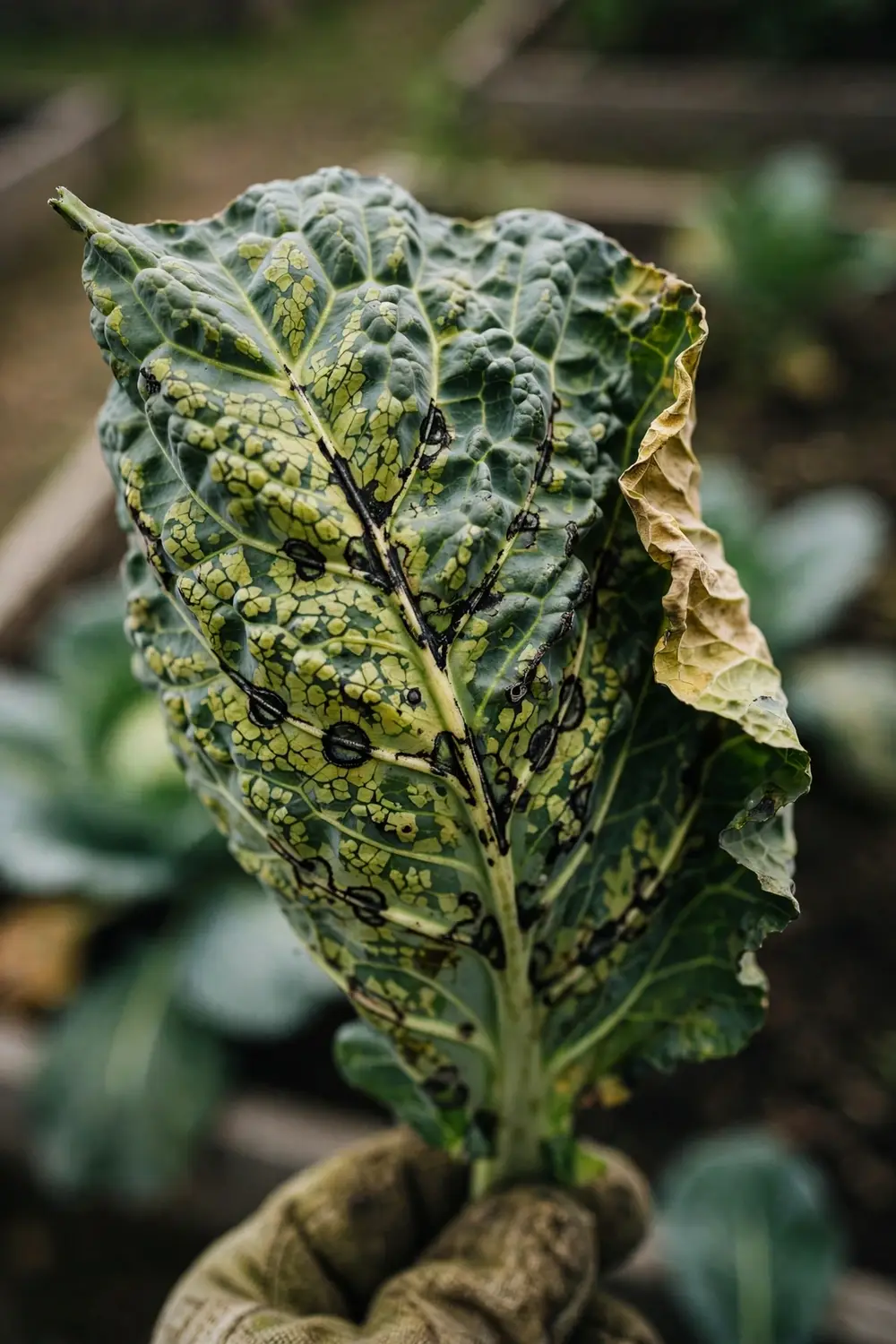
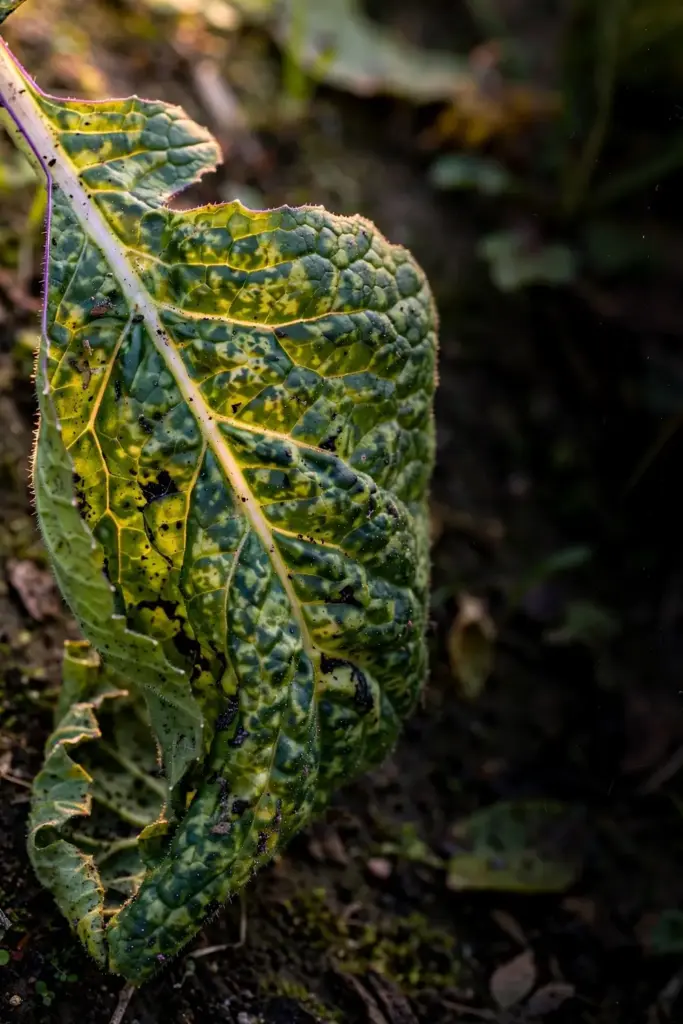
The signature is a coarse mosaic of light and dark green across a puckered leaf, with black necrotic spots and ring patterns following the veins. Infected plants stall, distort, and drop leaves early, and cabbage heads can hide black spots that surface months into storage.
The rest of this page runs the order a gardener should follow. Identify the virus first, then learn why aphid sprays cannot prevent it, then work the 10 steps from weed clearing to storage. I have learned that the week spent clearing weeds before planting pays back more than any spray.
What Turnip Mosaic Virus Actually Is
Turnip mosaic virus is an aphid-borne virus of brassicas and many other plants. The pathogen is Potyvirus rapae, a member of the Potyviridae family, and it carries a positive-sense single-stranded RNA genome. Older names include cabbage black ringspot virus and cabbage virus A, and all three names describe the same virus.
The Cornell fact sheet on virus diseases of crucifers calls turnip mosaic virus the most important and widespread virus infecting cruciferous crops. The virus moves by aphids in a nonpersistent manner, which means an aphid carries the virus on its mouthparts for a short time without the virus circulating inside the insect. That short ride sets every rule that follows.
Turnip mosaic virus infects far beyond the brassica bed. Lettuce, endive, spinach, beets, tobacco, and bedding plants such as zinnia and petunia all host the virus. The brassica bed still takes the worst damage, since heading and root crops lose marketable yield to mosaic, distortion, and necrosis.
The virus is cosmopolitan. Hawaii Extension records it through the United States, Europe, South Africa, Asia, Japan, Australia, and Taiwan. A gardener in any temperate or subtropical climate grows brassicas inside its range, and the same aphid-driven rules apply on every continent where cabbage grows.
No spray cures turnip mosaic virus. The virus lives inside plant cells, so a chemical that kills the virus would kill the plant. Every strategy below removes virus sources, blocks aphid access, or protects the crop at its most vulnerable stage.
How to Identify Turnip Mosaic Virus on Leaves
Look for a coarse mosaic across a puckered leaf. A leaf with light and dark green patches, puckering, and vein clearing has turnip mosaic virus until proven otherwise.
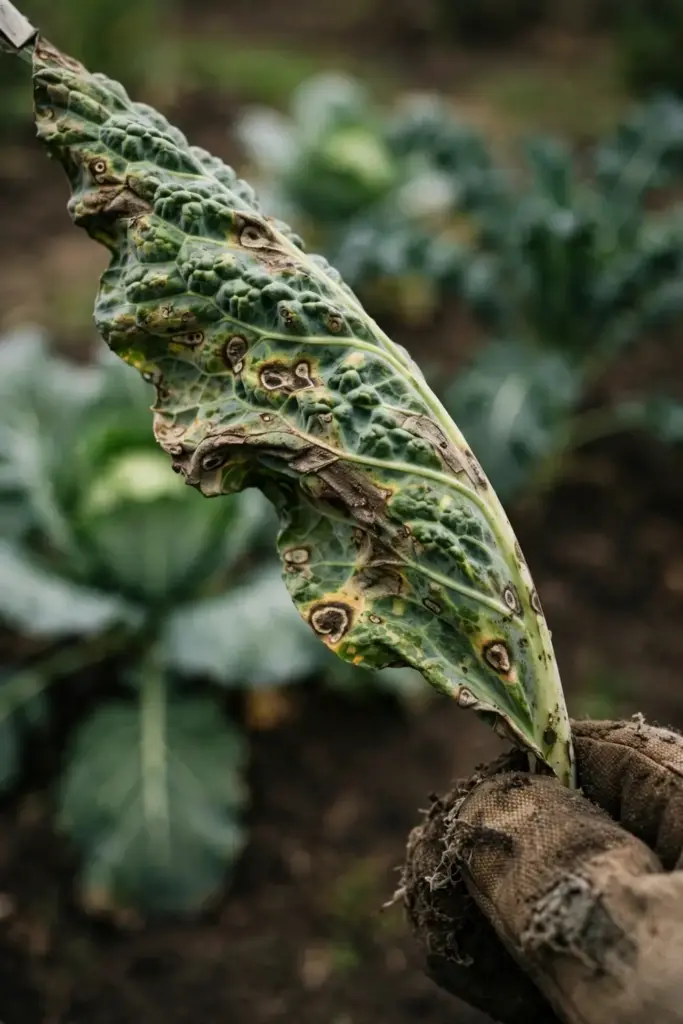
The Hawaii Extension page on turnip mosaic virus describes young leaves developing chlorotic ringspots that age into yellow or brownish spots ringed by necrotic lesions near the veins. The same page gives the interval from inoculation to visible symptoms as 9 to 35 days, depending mostly on air temperature.
Later signs separate turnip mosaic virus from a passing nutrient problem. Lesions merge, sections of leaf die, and the leaf distorts around a bent midrib. Cabbage leaves turn uniformly necrotic with a ringspot pattern, then lose their dark green color as they age. Turnip, radish, mustard, and Chinese cabbage show mosaic with distortion and necrosis on the lower leaves first.
Heat-resistant cultivars show symptoms readily. Hawaii Extension notes that heat-resistant cultivars are usually highly susceptible to turnip mosaic virus. A heat-tolerant turnip that mosaics in the first warm weeks fits the pattern. A plant that yellows evenly without mosaic, puckering, or ringspots points at nutrition or water instead.
How to Identify Turnip Mosaic Virus on Heads and Stored Cabbage
Cut a suspect cabbage head open before storing it. A head with black speckling through the layers carries turnip mosaic virus, even when the outside looks clean.
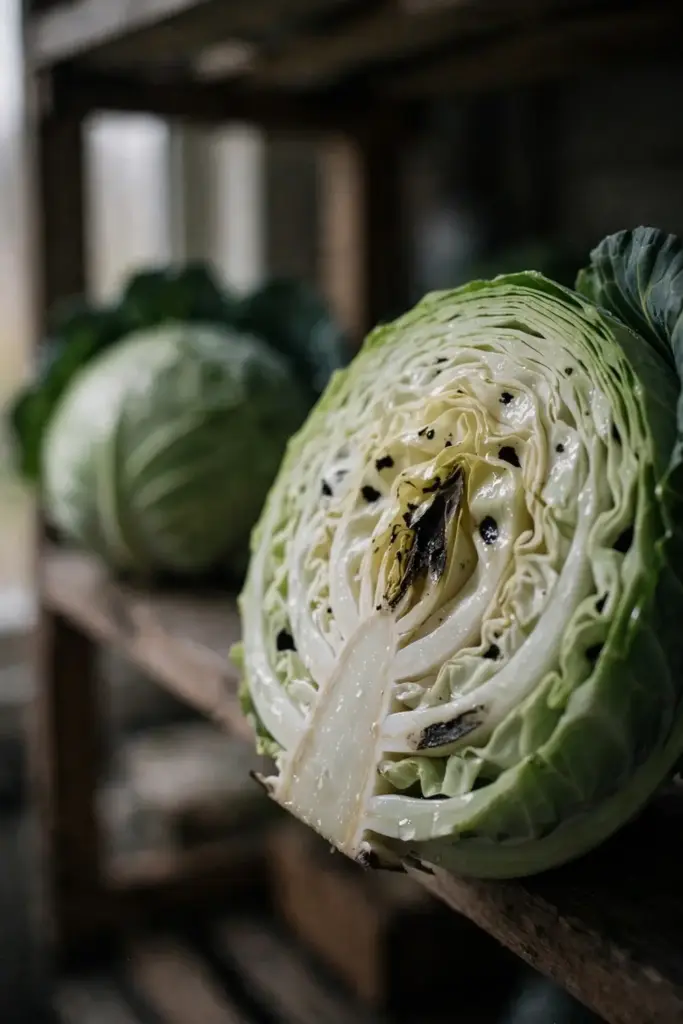
Black speckling or stippling on cabbage heads at harvest or during storage comes from turnip mosaic virus or cauliflower mosaic virus, singly or together. Cornell notes that necrotic spots may stay invisible on cabbage heads at harvest, then appear 2 to 5 months into storage. The virus does not spread in storage. Spotting can sit several layers deep, on midribs, side veins, and between veins, while the head looks normal from outside.
Storage turns a field problem into a food problem. Spotted layers go to the trash, and a head that looked sound at harvest can lose its inner leaves by midwinter. The storage rule follows from the biology. Only symptomless heads go into storage, and every head gets a cut check first.
Brussels sprouts and cauliflower show the same pattern on a smaller scale. Mosaic and black necrotic ring spots mark the outer leaves, and heads that form after infection stay small and distorted. A sprout stalk that stops elongating while its leaves mottle has likely carried the virus since the seedling stage.
Which Brassicas Get Hit Hardest by Turnip Mosaic Virus
Chinese cabbage, turnip, mustard, and radish take the worst of turnip mosaic virus. Cabbage follows close behind, and broccoli and cauliflower lose yield when infection lands early.
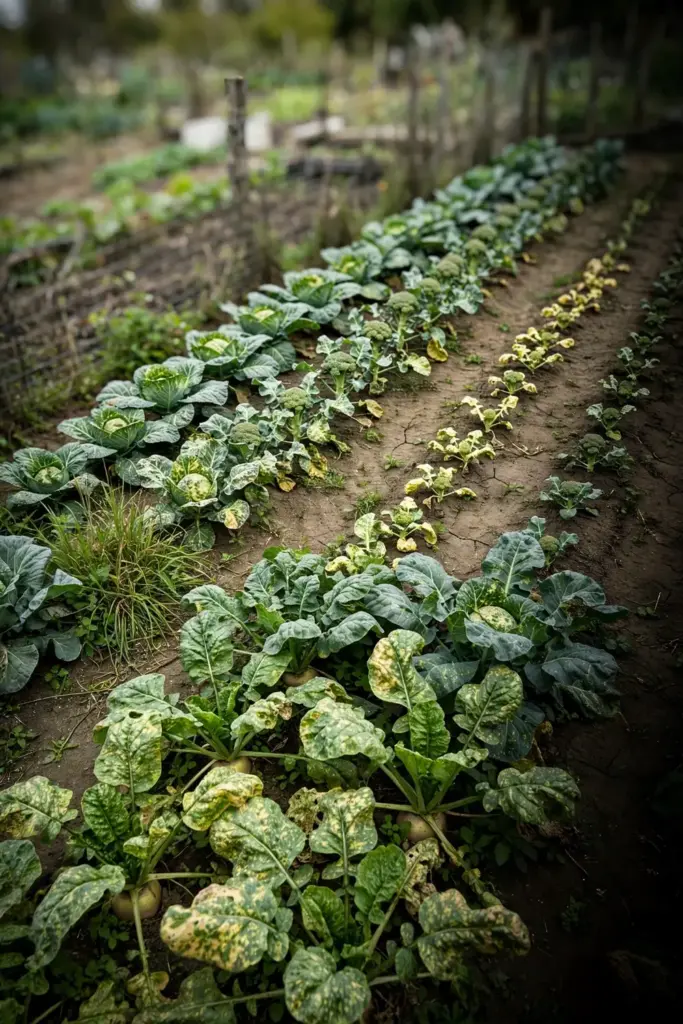
Infonet Biovision puts the host range of turnip mosaic virus at 318 species in 156 genera across 43 families, with the heaviest damage in Chinese cabbage, turnip, mustard, and radish. The same page lists beets, spinach, and tobacco among the non-brassica hosts.
Cabbage is the storage-risk crop, and early infection in the seedbed or soon after transplanting cuts cabbage yield hard, while late-season infection has little effect. The guide to growing cabbage at home walks through spacing and heading for a clean crop.
Broccoli and cauliflower show mosaic and black necrotic ring spots when infection lands early, and heads stay small. Growing broccoli at home depends on a clean seedling stage, since a mottled transplant never catches up. Kale is a leaf crop, so a grower harvests leaf by leaf. No single head decides the harvest.
Turnip Mosaic Virus vs Cauliflower Mosaic Virus
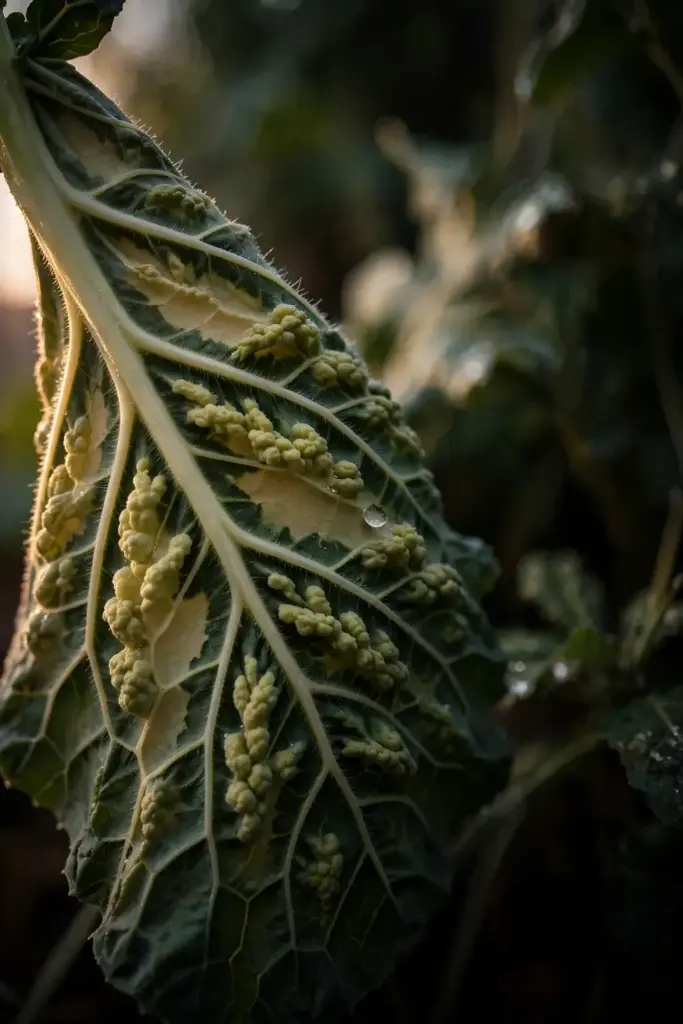
Check the veins first. Lumpy or warty growths on the veins of the leaf underside point at cauliflower mosaic virus. Black sunken spots with no vein growths point at turnip mosaic virus.
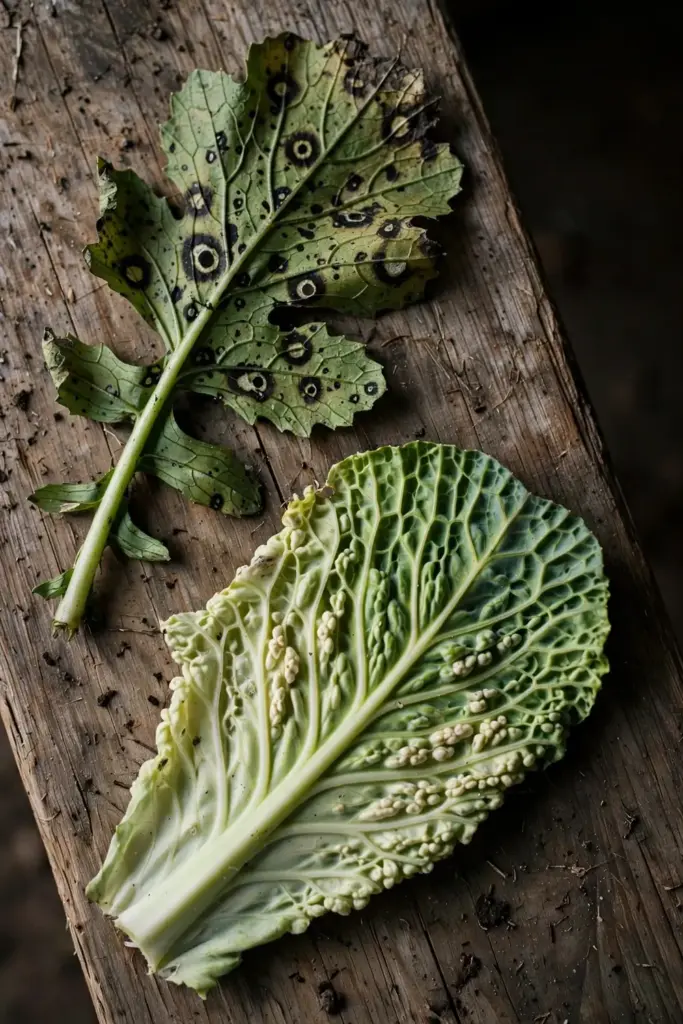
The table below lines up the two viruses that confuse brassica growers most. Read the vein row first, then the stored-cabbage row, then the host row.
| Sign | Turnip Mosaic Virus | Cauliflower Mosaic Virus |
|---|---|---|
| Pathogen | Potyvirus rapae, Potyviridae, single-stranded RNA | Caulimovirus, Caulimoviridae, double-stranded DNA |
| Host range | 318 species across 43 families, brassicas plus lettuce, spinach, beets, tobacco, ornamentals | Brassicas only |
| Leaf signs | Mosaic, puckering, vein clearing, black necrotic ring spots, distortion | Vein clearing, vein banding, dark green areas along veins, lumpy or warty vein growths on the leaf underside |
| Stored-cabbage spots | Larger black sunken spots, several layers deep | Smaller black sunken spots |
| Effect on cabbage yield | Early infection cuts yield hard. Late infection has little effect | Alone, little effect on cabbage yield. Worsens turnip mosaic virus in mixed infection |
| First move | Remove infected plants, clear weed hosts, protect seedlings | Same sanitation and weed control as for turnip mosaic virus |
Cauliflower mosaic virus infects brassicas only, while turnip mosaic virus reaches far beyond the family. Mixed infection is common, and cauliflower mosaic virus worsens the damage when both viruses infect one plant. The cauliflower mosaic virus guide describes the brassica-only virus in full.
Turnip yellow mosaic virus is a different virus with a similar name. Turnip yellow mosaic virus shows a bright yellow mosaic, spreads by flea beetles and sap, and stays largely within brassicas in western Europe. Flea-beetle damage plus bright yellow mosaic points at turnip yellow mosaic virus. Aphid pressure plus black necrotic spots points at turnip mosaic virus. The two viruses never merge into one diagnosis.
Turnip yellows virus and beet western yellows virus are poleroviruses, and they travel by persistent aphid transmission. An aphid that picks up a polerovirus stays infective far longer than an aphid carrying turnip mosaic virus. Co-infection with turnip mosaic virus worsens symptoms. Cucumber mosaic virus shares the nonpersistent aphid route and the same honesty rule on sprays, and tomato spotted wilt virus travels by thrips instead. Each virus keeps its own diagnosis, and none of them merges into turnip mosaic virus.
Why Nonpersistent Aphid Transmission Decides Everything
Aphids transmit turnip mosaic virus in under a minute. An aphid that feeds on an infected plant for less than a minute picks the virus up, and a similar feed deposits the virus into the next plant.
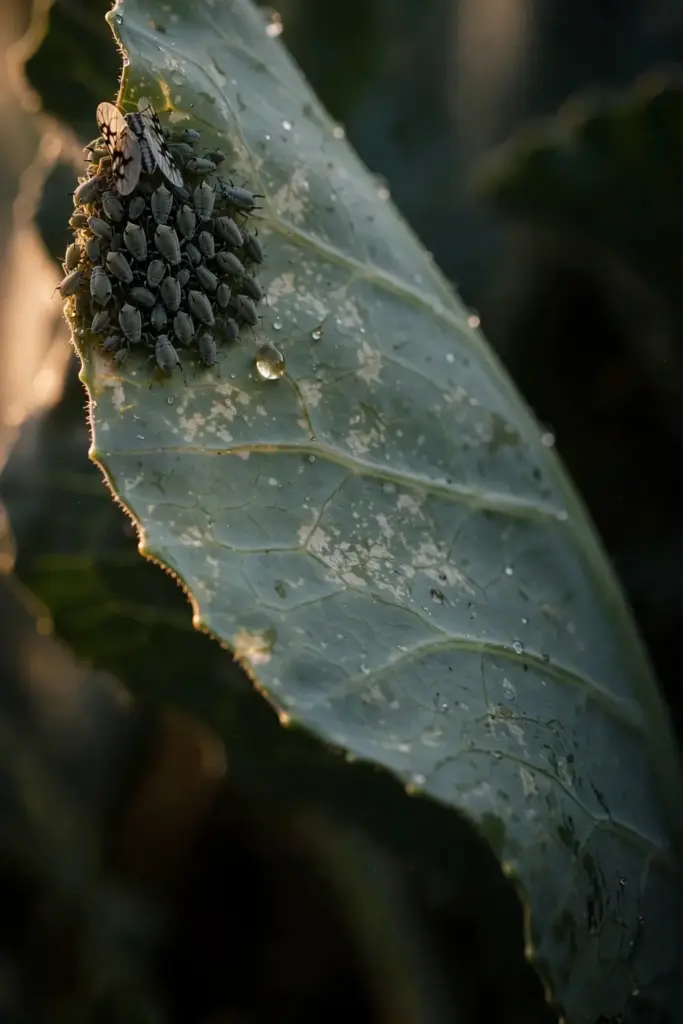
The Queensland brassica virus fact sheet states that aphids need less than a minute to pick up the virus and a similar feeding time to deposit it into another plant. Once an aphid deposits the virus, the aphid cannot spread it further until the aphid feeds on an infected plant again.
Two aphid species do most of the carrying. The green peach aphid, Myzus persicae, and the cabbage aphid, Brevicoryne brassicae, head the vector list on every Extension page behind this article. Hawaii Extension puts the full carrier count at 40 to 50 aphid species. Any aphid on a brassica leaf is a possible carrier, and a colony on an infected plant is a loaded one. The virus rides on the aphid mouthparts and never circulates inside the aphid. A spray that kills aphids in hours cannot stop a transmission that takes seconds. The aphid dies after the virus already moved.
Mechanical transmission adds a second route. Diseased leaves rubbed against healthy ones pass the virus, and tools and hands carry it from plant to plant. The virus is not seedborne in any species, so seed and soil sit outside the spread routes. The fight concentrates on aphids, weeds, tools, and infected plants.
What Makes Turnip Mosaic Virus Worse in a Home Garden
Overwintering weeds decide spring infection. Mustard-type weeds that survive winter hold the virus and feed the first aphids, and the crop beside them takes the first hit.
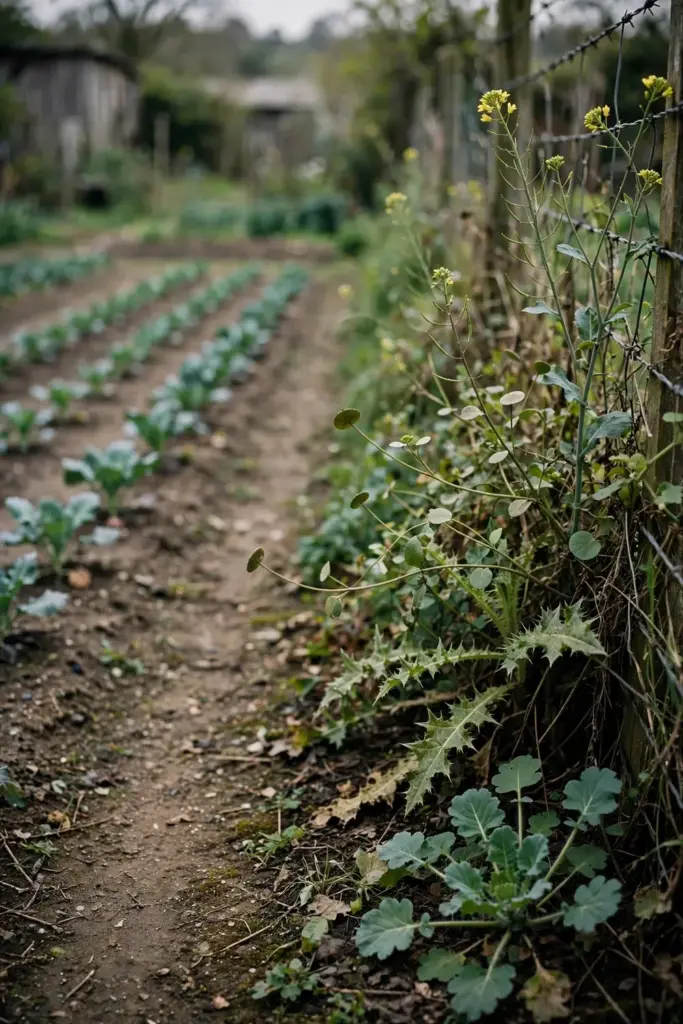
Cornell names pennycress and shepherd’s purse as the mustard-type weeds that overwinter the virus. The Queensland fact sheet adds turnip weed, bittercress, sow thistle, and shepherd’s purse, and notes that weed hosts may show no symptoms at all. A clean-looking weed row can hold a full virus load.
Infected transplants carry the virus into a clean bed. Infonet Biovision lists infected transplants among the virus sources. A mottled transplant from a crowded nursery bench infects its neighbors within days of planting, and no spray reverses it. Inspect transplants leaf by leaf before they go into the ground, and reject any plant with mosaic, puckering, or ringspots.
Perennial crops and perennial weeds hold the virus through winter. Hawaii Extension names perennial weeds and horseradish as the overwintering hosts. A horseradish patch beside the brassica bed carries the virus from one season to the next without ever showing a symptom worth noticing. Clear the weeds, and keep horseradish and other perennial brassica relatives away from the annual bed.
Dense, weedy fence rows and fallow ground beside the bed raise the risk. Hawaii Extension advises destroying all weeds along fence rows, roadways, ditch banks, and fallow ground next to the field. A weedy border is a virus reservoir with a fence around it.
Step 1: Decide Whether Protection Is Worth the Effort
Start with the triage call. A small brassica bed with early symptoms repays protection. A large bed with every plant mottled and stunted repays removal and replanting more than protection.
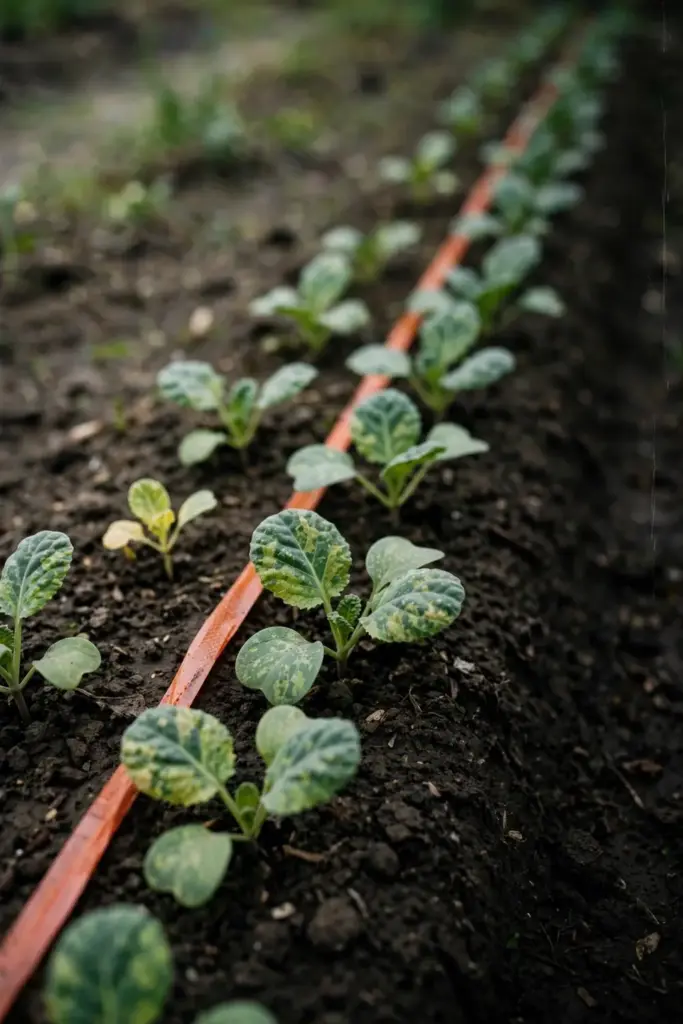
Early infection of cabbage in the seedbed or soon after transplanting can cut yield by 75 percent, while late-season infection has little or no effect on yield, according to Infonet Biovision. A seedling-stage infection deserves the full routine. A late-season infection on a crop near harvest deserves harvest, not rescue.
Protection costs time and attention, and the virus pays nothing back once inside a plant. Spend the effort where the plant still has a season ahead of it. Pull the plants that have none.
Step 2: Clear Weed Hosts Before You Plant
Clear every weed host before the crop goes in. Pull mustard-type weeds from the bed, the paths, the fence rows, and the ditch banks beside the bed.
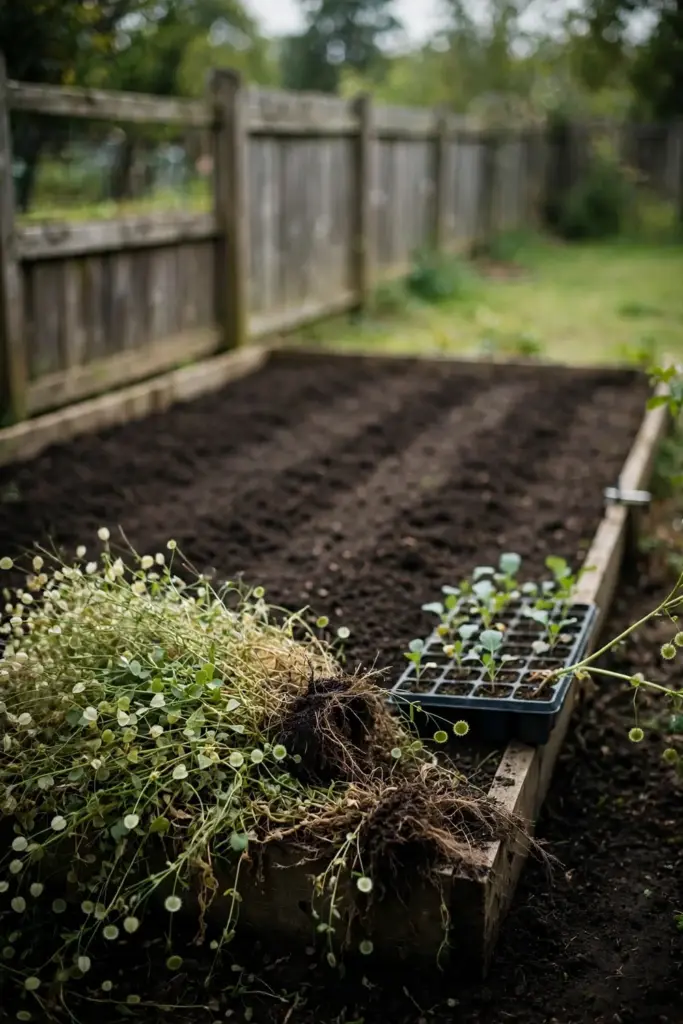
Pennycress, shepherd’s purse, turnip weed, bittercress, sow thistle, and wild mustard and wild radish all host turnip mosaic virus, and some carry it without symptoms. Hawaii Extension advises destroying all weeds along fence rows, roadways, ditch banks, and fallow ground next to the field. Weeds that stay become the spring virus source.
Clear weeds early, before aphids start moving. A weed pulled after aphids arrive has already served as a virus source. A bed cleared a week before planting starts clean.
Step 3: Pull and Destroy Infected Plants on Sight
Pull an infected plant the day you see mosaic. Bag it, bin it, and keep it out of the compost pile.
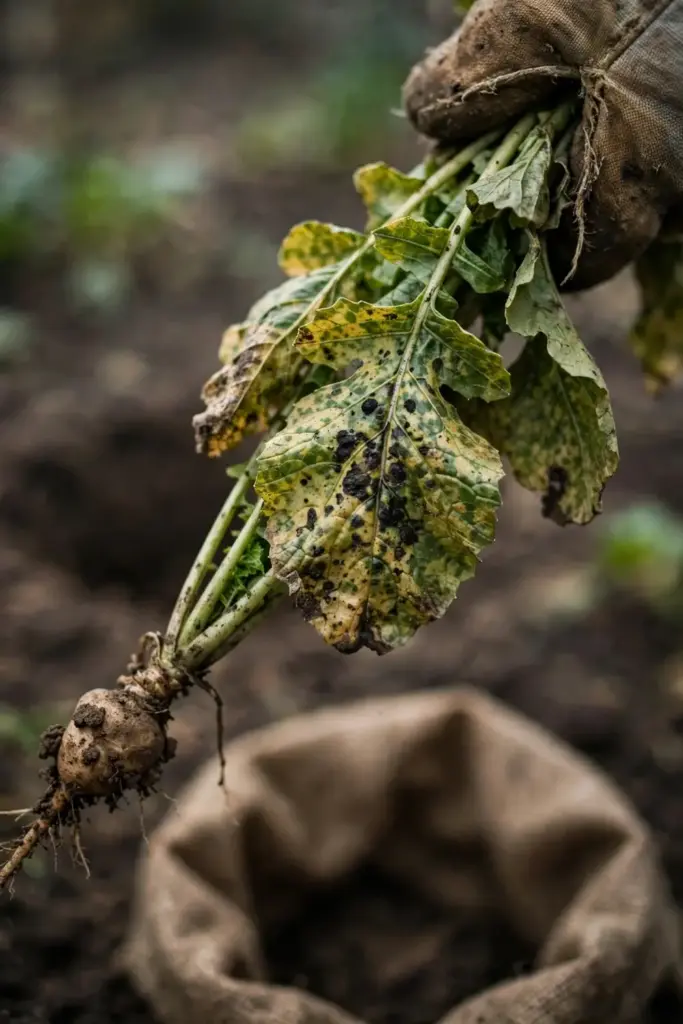
Infonet Biovision advises removing infected plant debris and eradicating infected plants around fields to cut virus inoculum and slow spread. An infected plant left in the bed feeds every aphid that lands on it. A pulled plant feeds none.
Handle debris the same day. Infected leaves left on the soil keep the virus beside healthy plants, and aphids work the ground-level leaves first. A same-day pull keeps one infected plant from becoming a bed-wide infection.
Step 4: Separate the Seedbed From the Main Crop
Set the seedbed away from the main crop and away from last season’s brassica ground. Keep a weed-free border around the seedbed, and keep the seedbed clear of standing brassica crops.
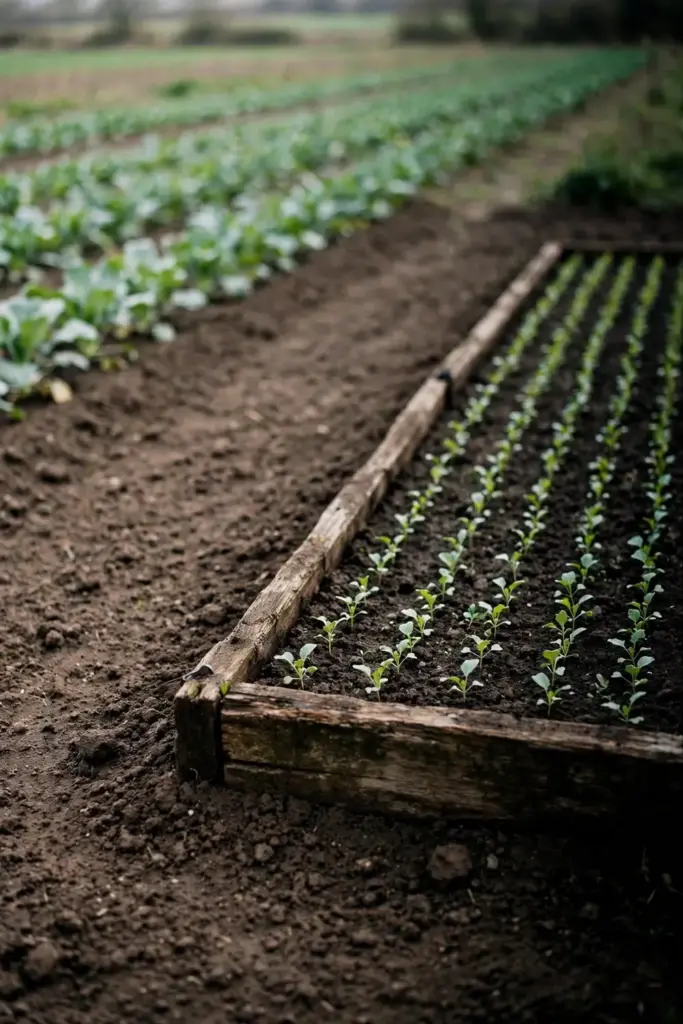
Seedlings take the worst damage from early infection, and the seedbed is where early infection starts. A seedbed beside a weedy fence row or a standing brassica crop sits inside the aphid flight path, so distance and a weed-free border give seedlings a clean start. The seed starting guide covers clean containers, fresh mix, and strong light for seedlings that start clean and grow fast.
Discard the outer rows of the seedbed first. Outer rows meet aphids first, and a mottled outer row marks the edge of the infection. Pull suspect seedlings. Do not transplant them on hope. One clean transplant beats ten doubtful ones.
Step 5: Sanitize Tools and Hands Between Plants
Wash tools and hands between plants when working an infected bed. Soap and water for hands, disinfectant for blades, and a fresh start at each healthy plant.
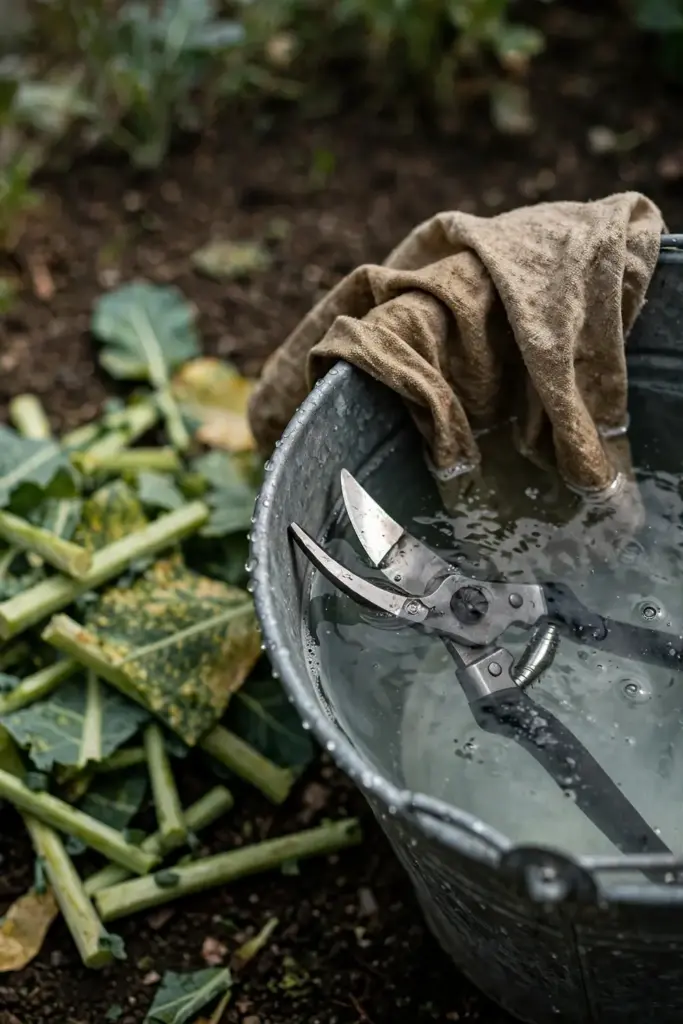
The virus moves on sap. A blade that cuts an infected stem carries sap to the next cut, and a hand that strips infected leaves carries sap to the next plant. Work the healthy plants first and the suspect plants last, so the dirtiest work lands at the end of the session.
Clean tools at the end of the session, not the start of the next one. A blade left dirty overnight starts the next session infected. Wash, dry, and store tools clean, and the next cut starts clean.
Step 6: Cut Aphid Numbers Without Expecting Prevention
Spray aphids to cut their numbers, never to prevent transmission, since a spray that lowers aphid numbers slows the spread across the bed. No spray stops the first bite.
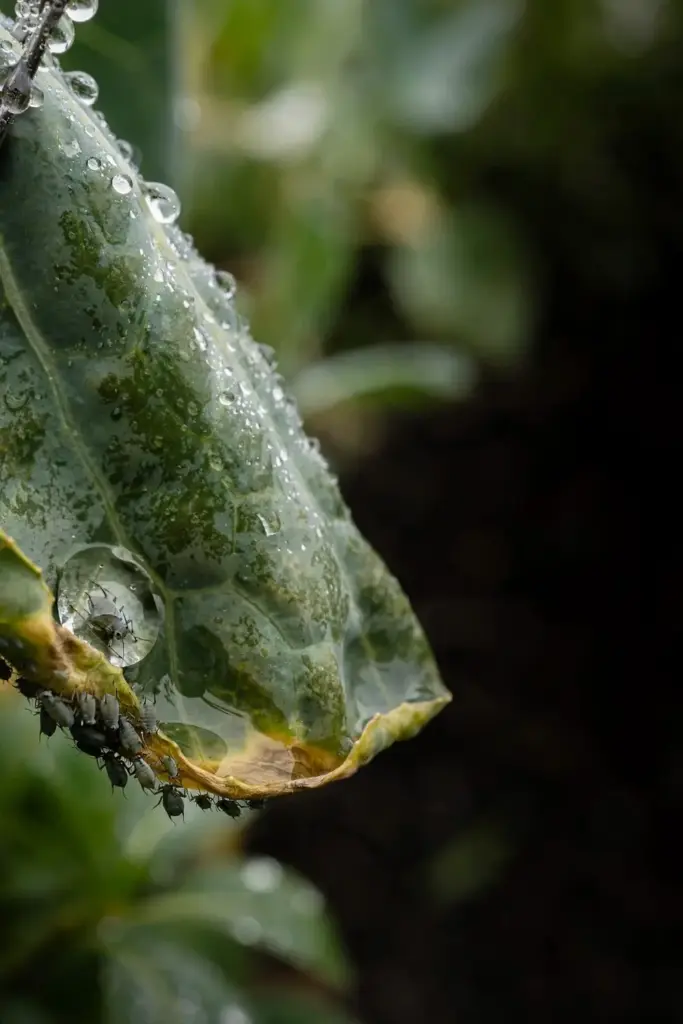
Cornell states that insecticides cannot act fast enough to kill aphids before transmission occurs, though insecticides reduce aphid populations and slow the rate of virus spread. Hawaii Extension states the harder version. Because turnip mosaic virus is nonpersistent, controlling aphids is futile. Both statements describe the same biology. Sprays shrink the aphid population. Sprays never make a bed virus-proof.
Weigh the spray against the return. A spray on a seedbed with high aphid pressure protects the next planting by cutting the vector population. A spray on a fully infected bed protects nothing, since the virus already sits inside every plant. Spend spray money on the clean plants, not the lost ones.
Step 7: Protect Seedlings First
Guard the seedling stage above every other stage. Seedlings infected in the seedbed or soon after transplanting lose the most yield. Plants infected late in the season lose little.
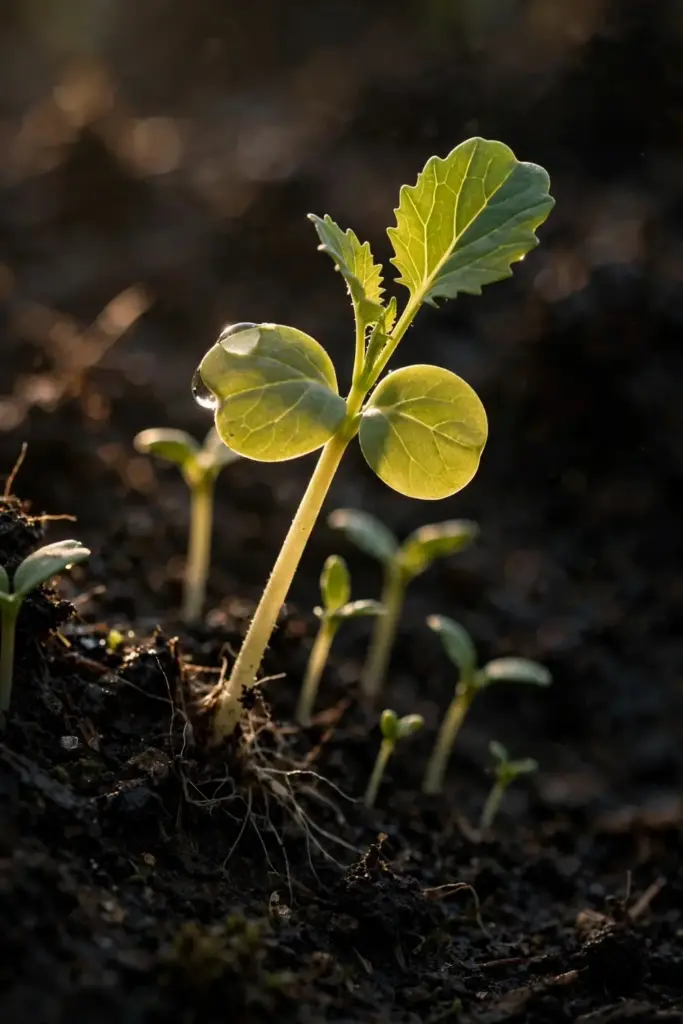
The Step 1 timing gap sets the priority. Early cabbage infection cuts yield by three quarters, while late infection has little or no effect, and the same timing holds across brassicas. A seedling week with no aphid contact and no infected neighbor is worth more than any later rescue.
Scout seedlings daily in the first weeks after transplanting. Check the undersides of young leaves, where aphids gather first. Pull a mottled seedling the day it shows, and the bed keeps its clean start.
Step 8: Choose Varieties With Eyes Open
Buy resistant varieties when a real one exists for your crop. Do not count on resistance that no catalog can name.
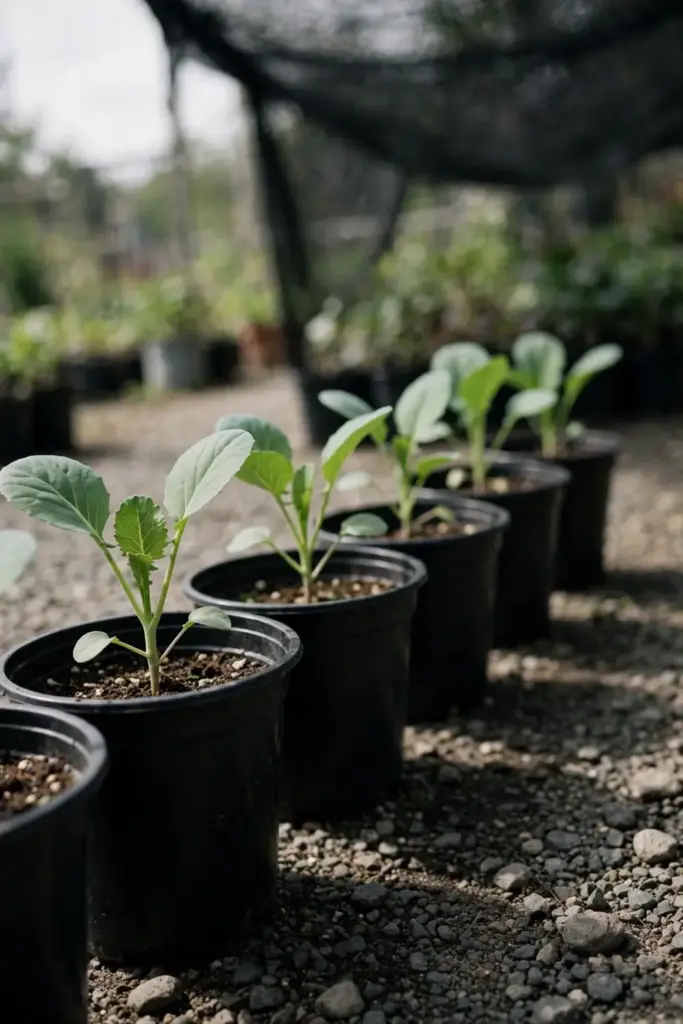
Cornell reports that sources of resistance exist for some crucifers, yet few varieties with virus resistance have been commercialized. A catalog claim of resistance deserves a check against trial data, and a variety with no resistance data is an ordinary variety. Resistance is a bonus when proven, never the plan.
Skip the heat-tolerant shortcut. Hawaii Extension notes that heat-resistant cultivars are usually highly susceptible to turnip mosaic virus. A variety bred for heat may carry the virus hardest in the first warm weeks. Choose the variety on proven local performance, and let weed control and seedling protection carry the virus plan.
Step 9: Store Only Symptomless Heads
Store only cabbage heads that show no symptoms in the field. Cut-check every head before it goes into storage.
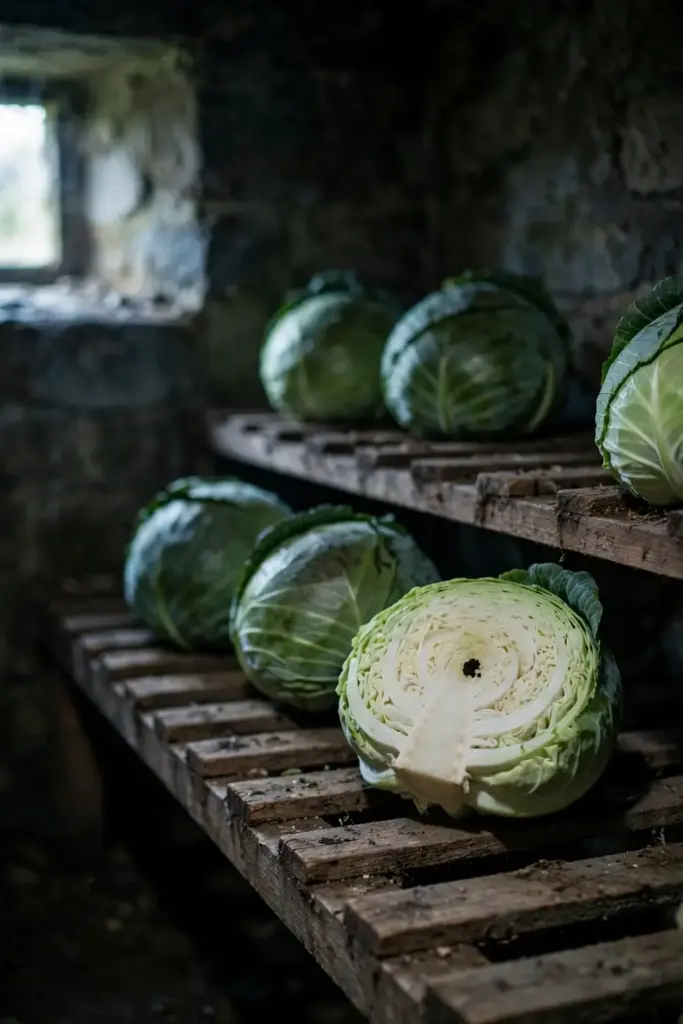
Hawaii Extension advises storing only symptomless cabbage heads for any length of time. Cornell notes that necrotic spots can appear 2 to 5 months into storage on heads that looked clean at harvest. A head with a single black spot at harvest belongs in the kitchen, not the store.
Check stored heads on a schedule. Open the store monthly, and eat or discard any head that shows internal spots. Stored heads never improve, and a spotted head only loses more layers.
Step 10: Save Seed and Buy Clean Transplants
Save seed from healthy plants without fear of passing the virus on. Turnip mosaic virus is not seedborne in any species.
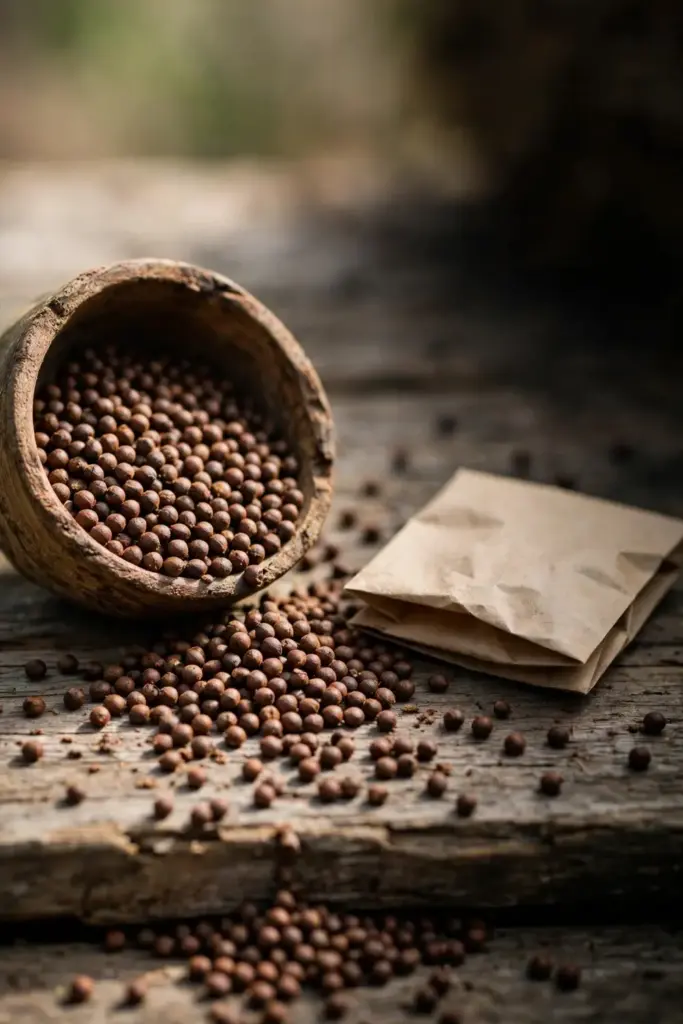
Cornell states the rule plainly. Turnip mosaic virus is not seedborne in any species. Seed from a healthy plant carries no virus, even when the parent grew in a bed that had infected plants. Seed saving stays safe for this virus, unlike seedborne viruses that travel inside the seed.
Spend the caution on transplants instead. A bought transplant with mosaic infects the bed on day one. Buy from a nursery that keeps brassica seedlings isolated from field crops, inspect every leaf before planting, and reject any plant with mosaic, puckering, or ringspots.
Living With Turnip Mosaic Virus Damage You Cannot Undo
A bed with turnip mosaic virus still produces food. Harvest what formed, eat it fresh, and keep the virus out of next season.
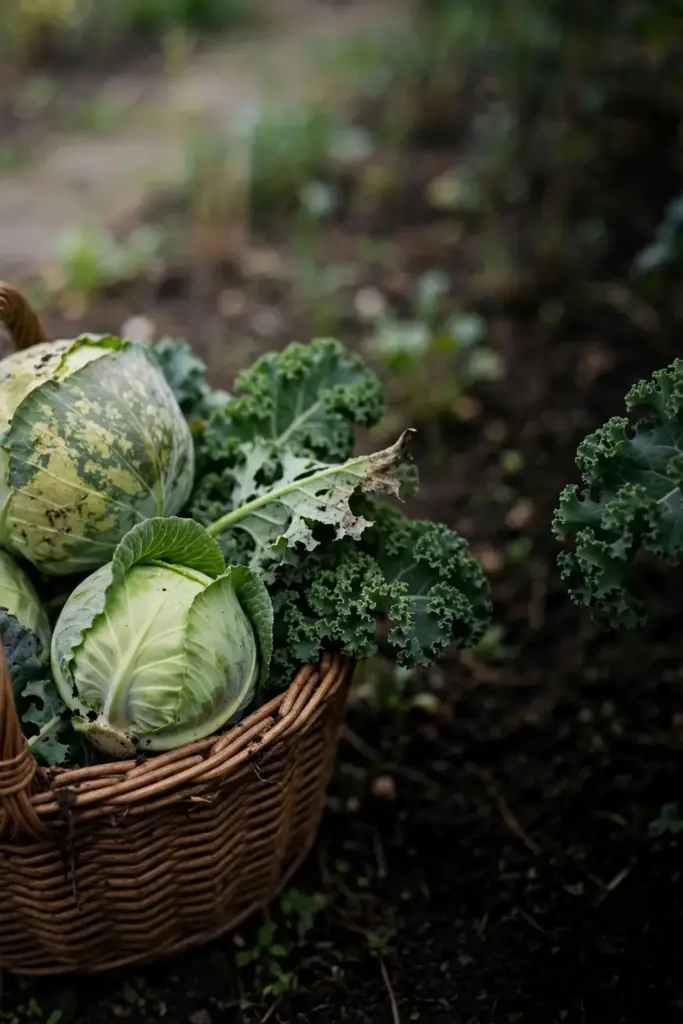
Infected leaves stay edible when the plant is otherwise sound, and a mottled cabbage with a small head still cooks. The virus harms yield and storage, not the cook. Wash the harvest and cook it as usual.
Do not store infected heads. Eat the harvest fresh, and clear the bed after harvest. Incorporate residues promptly and clear the weeds that follow, so the next planting starts without a virus source beside it.
Rotate brassicas to fresh ground next season. The virus does not live in soil, so rotation works by breaking the weed and residue chain, not by resting the soil itself. A bed that held infected cabbage gets a non-brassica crop next, while the brassicas move to a bed with a clean weed history. One rotation cycle plus the weed clearing in Step 2 gives the next brassica planting a fresh start.
Plan the next planting with the same 10 steps. The virus returns to the same bed when weeds return and seedlings go in unprotected. A clean bed, clean transplants, and a weed-free border break the cycle in one season.
Frequently Asked Questions
Turnip mosaic virus rarely kills an established plant outright. Infected plants stunt, distort, and drop leaves early, and heads stay small. Early infection cuts cabbage yield by three quarters, while late infection has little effect. A seedling that stalls and mottles in its first weeks may never head. Pull it early. The healthy plants beside it gain the space.
Eat fresh heads from infected plants. The virus harms yield, appearance, and storage, and it never makes the harvest unsafe to eat. Wash the leaves and cook them as usual. Skip storage for any head with black spots, since necrotic spots keep appearing deeper into the head over months. A spotted head belongs in the pot this week, not in the store.
No spray stops turnip mosaic virus. Aphids transmit the virus in under a minute, and no insecticide kills that fast. Sprays cut aphid numbers and slow the spread, which helps a clean seedbed. Sprays never protect a bed that already carries the virus. Spend spray effort on clean plants and seedlings, and spend the rest on weed clearing and infected-plant removal.
Turnip mosaic virus is not seedborne in any species. Seed saved from a healthy plant carries no virus, even when the parent grew beside infected plants. The virus overwinters in weeds and perennial crops such as horseradish, not in the seed packet. Buy clean transplants, inspect every leaf before planting, and keep the seedbed away from weedy borders.
Check the leaf veins. Cauliflower mosaic virus causes vein clearing and lumpy or warty growths on the veins of the leaf underside, and it infects brassicas only. Turnip mosaic virus causes black necrotic spots and ring patterns, and its stored-cabbage spots run larger. Mixed infection is common, and cauliflower mosaic virus worsens turnip mosaic virus when both infect one plant.
Turnip mosaic virus returns when weeds or perennial crops carry it through winter. The virus overwinters in mustard-type weeds such as pennycress and shepherd’s purse, and in perennial crops such as horseradish. Clear weeds before planting, destroy infected plants, and rotate brassicas to fresh ground. A clean bed with a weed-free border breaks the cycle in one season.
Where to Go From Here
Start with one walk around the brassica bed. Mark every mottled plant, then pull it the same day.
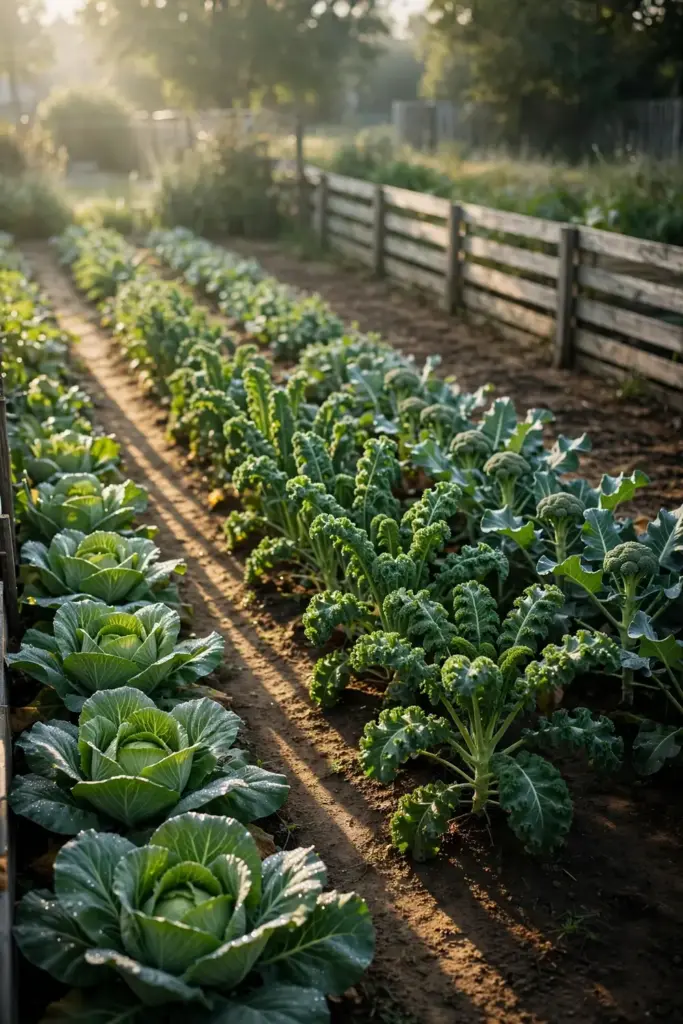
Clear the weeds, separate the seedbed, and store only symptomless heads. The virus has no cure, and the bed that beats it is the bed with fewer weeds, cleaner transplants, and seedlings guarded in their first weeks.
One clean season resets the bed. Work the 10 steps in order, and next year’s brassicas start without the virus beside them.