
Give alkanet 2 years and pull the deepest natural purple from your own soil. That is ratanjot done right: Alkanna tinctoria, the Mediterranean dyer’s alkanet, harvested as a dye root in autumn of year two. The rest of this page is 21 moves, from buying the right species to steeping roots in oil.
Before you buy a single packet, understand this: “ratanjot” is a trade name, not a species. Indian suppliers sell Himalayan ratanjot (Onosma echioides), Arnebia species, and even jatropha oil under variations of the same name. None of them are this plant. This page stays on Alkanna tinctoria, the Mediterranean dyer’s alkanet, grown honestly in Indian conditions.
Learning how to grow ratanjot from India starts with matching the plant to the place. Alkanet wants what a Mediterranean hillside offers: full sun, warm sandy soil, alkaline pH, and hot dry summers. Most of India’s plains deliver the heat; the drainage and the pH are what you must engineer.
1. The Ratanjot Identity Table: Which Plant Are You Actually Growing
Buy the wrong root and nothing in the rest of this page matters. “Ratanjot” covers at least four different botanical entities in trade, and suppliers sometimes print two Latin names on the same listing. The dyer’s alkanet growing guide names the confusion directly: the internet insists Himalayan ratanjot and dyer’s alkanet are the same thing, and they are not. Verify the botanical name before you pay.
| Market name | Botanical name | What it is | Root color |
|---|---|---|---|
| Dyer’s alkanet (this article) | Alkanna tinctoria | Mediterranean dye root | Deep dark purple |
| Himalayan ratanjot | Onosma echioides | What Indian suppliers usually sell | Brownish-red, less purple |
| Arnebia ratanjot | Arnebia nobilis and relatives | Shikonin-source trade material | Variable, check labeling |
| Ratanjot oil (different spelling) | Jatropha curcas | Biodiesel seed oil | Not a root at all |
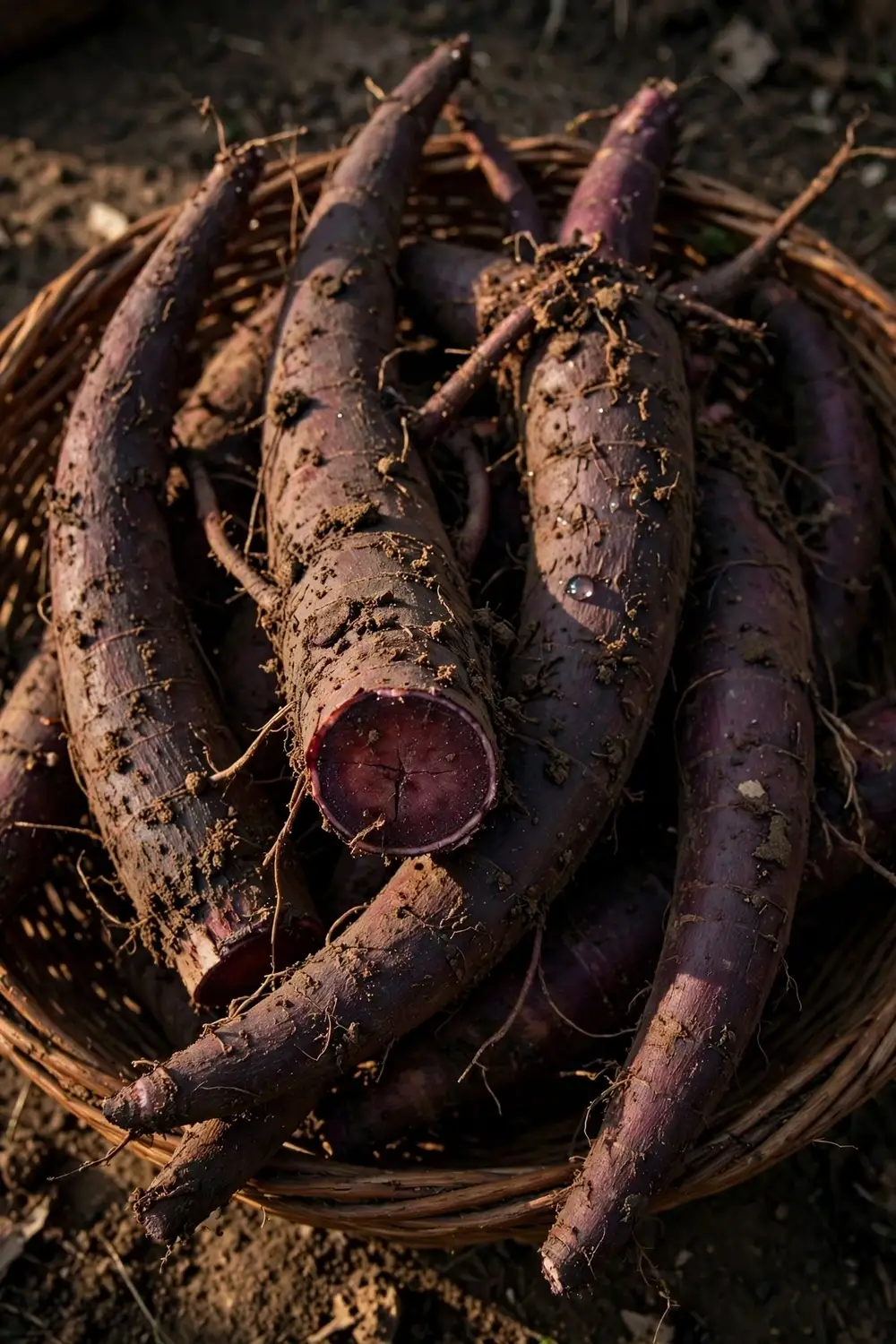
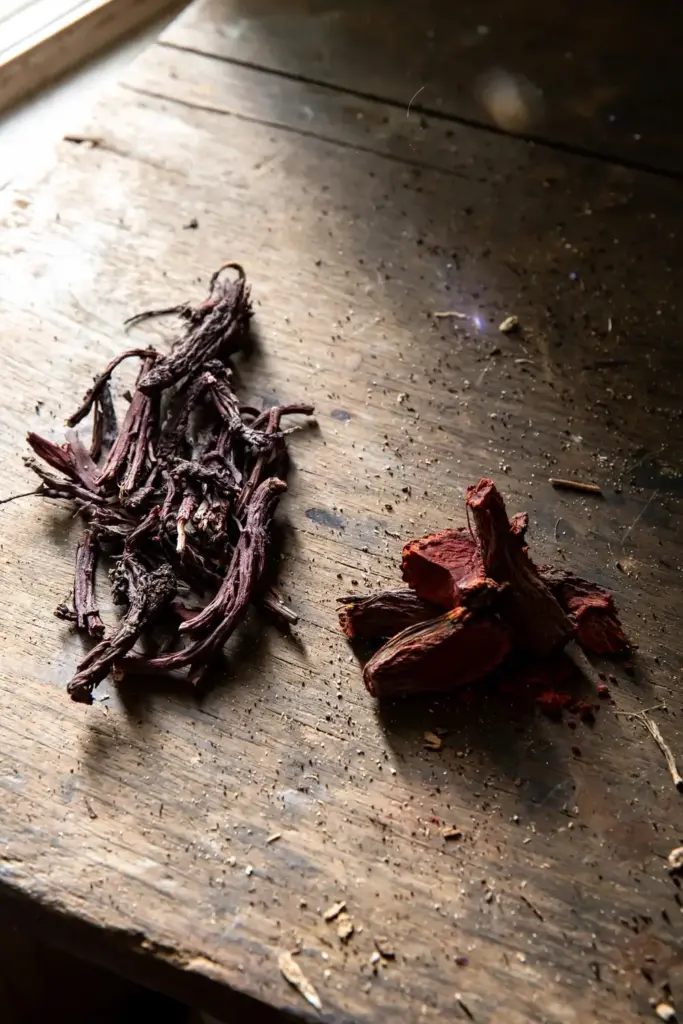
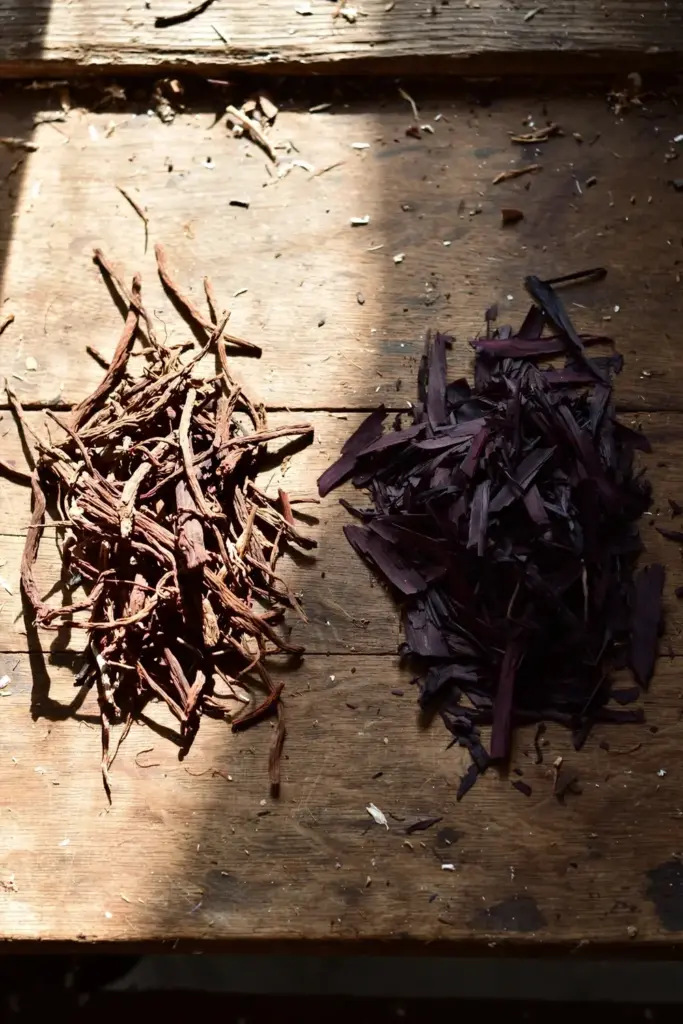
The lovelygreens rule of thumb is practical: true dyer’s alkanet roots arrive deep dark purple. Brownish-red roots are likely Himalayan ratanjot, and they will not give you the deep purple soap. Also fence off the lookalikes: Alkanna officinalis (British common alkanet) and Pentaglottis sempervirens (green alkanet) are different plants entirely.
2. Climate and Site: The Mediterranean Fence
Alkanna tinctoria is a Mediterranean native, not a Himalayan one, and honesty about that fact decides whether this crop succeeds for you. It wants full sun (at least 6 hours), warm sandy soil, neutral to alkaline pH, and hot summers. It tolerates drought and survives down to about -10°C (14°F).
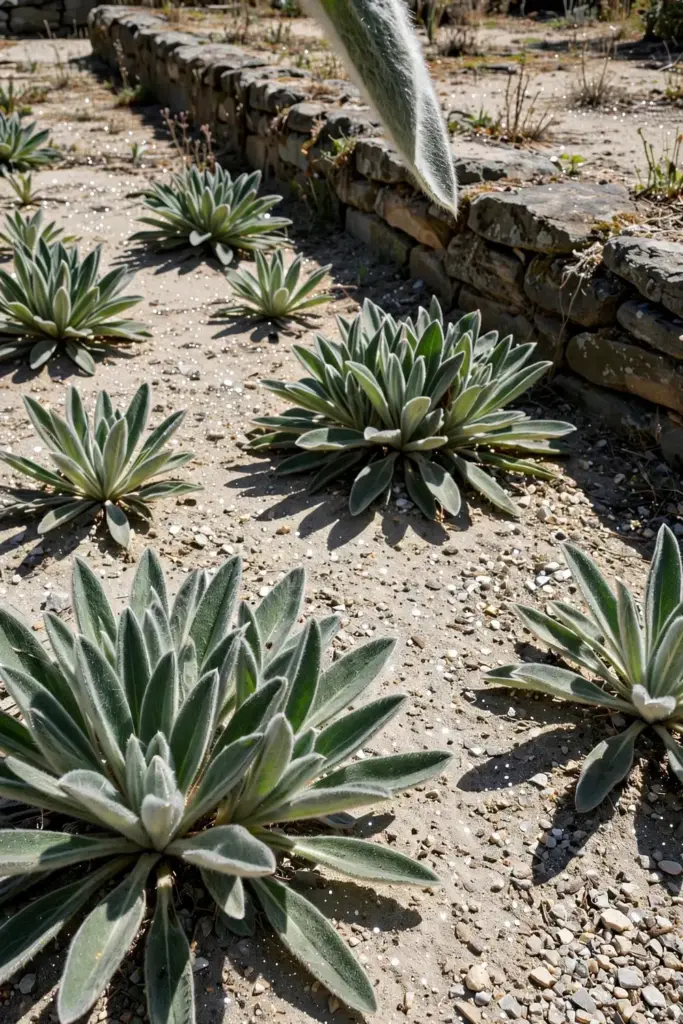
In India, the hot arid belt of Rajasthan, Gujarat, and the Deccan plateau comes closest to home. That Mediterranean fence is the first answer to how to grow ratanjot from India: match the plant to a dry, alkaline, sun-baked spot, and it does the rest. Humid coastal and monsoon-heavy regions are harder: damp soil and humid summers invite root rot and mildew, the two enemies this plant cannot tolerate. If your garden holds monsoon puddles, this is a raised-bed or large-pot crop, not an open-bed crop. Mediterranean-native plants also dislike rich heavy soil; lean and gritty beats rich and loamy here.
3. Seed vs Division vs Cuttings: Your Propagation Decision
You have four honest routes to a ratanjot stand: seeds, division, stem cuttings, and root cuttings. Seeds are the standard method and the one the numbers support. Division is reliable if you already own a plant. Stem cuttings root late summer. Root cuttings taken in late winter work too.
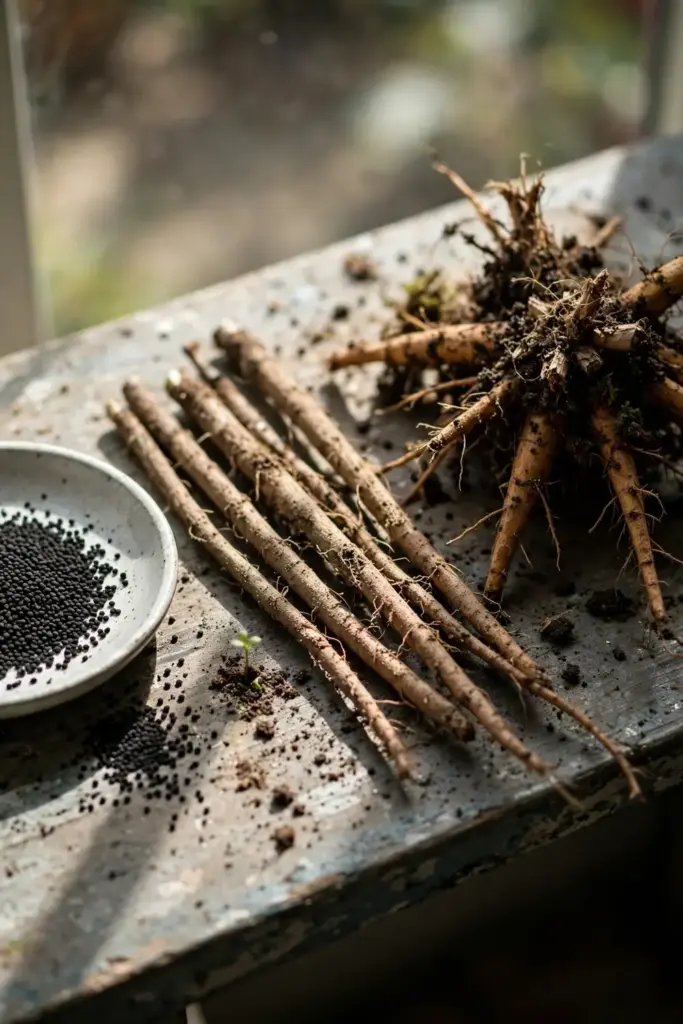
For a first grow, choose seeds treated with GA3. Germination without help is slow and irregular, stretching across weeks to months. With a 400 ppm gibberellic acid soak overnight, the International Journal of Horticultural Science alkanet cultivation trial reports a 50 percent germination rate, which turns an unreliable seed lot into a workable nursery. Buy from a supplier that names Alkanna tinctoria in Latin on the packet, and be suspicious of packets that print two different species names on one listing.
4. Sowing Seeds: Surface, Light, and the GA3 Trick
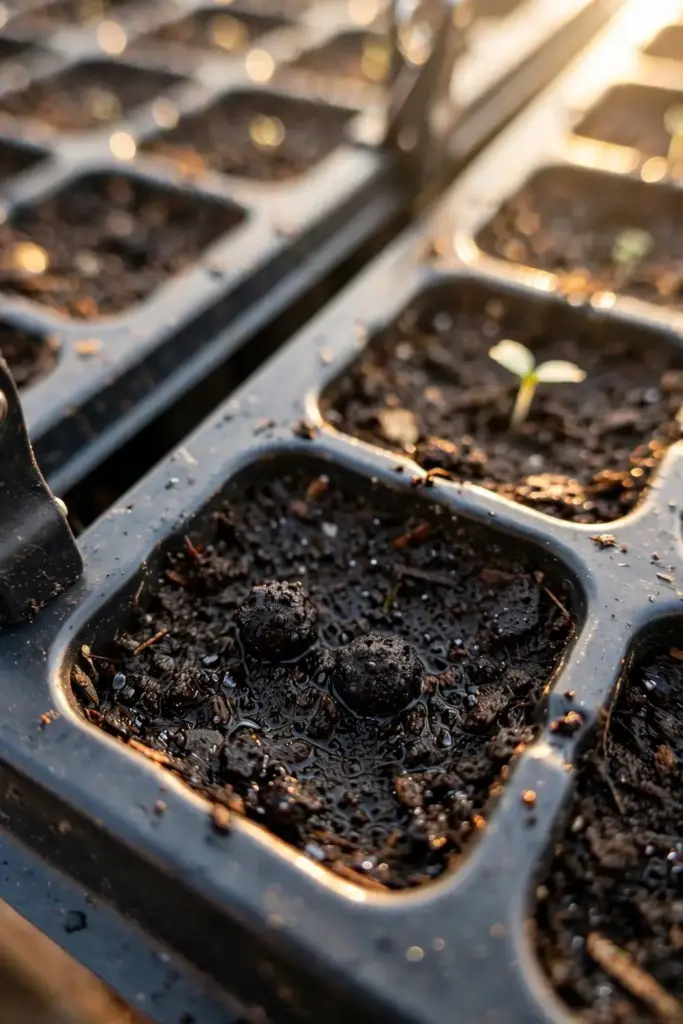
Alkanet seeds need light to germinate, so sow on the surface and press them gently into the mix without covering. Collect pods in autumn when they turn brown and the seeds inside are black. The working sowing sequence runs like this.
| Step | Action | Time |
|---|---|---|
| 1 | Soak seeds in GA3 400 ppm solution | Overnight (12 hours) |
| 2 | Fill seedling modules with gritty, well-drained mix | Same day |
| 3 | Press seeds onto the surface, leave uncovered | At 21°C, moist not wet |
| 4 | Expect germination | Weeks to months |
| 5 | Pot on to individual modules | Two true leaves |
| 6 | Harden off and plant out | When nights stay above freezing |
Keep the medium moist but never waterlogged, and give bottom heat near 21°C if your spring is cool. A cold frame in spring also works. The seed starting routine covers module setup and hardening off, and it applies directly to alkanet seedlings. When seedlings carry two true leaves, move them into individual modules or small pots, then into their final position after hardening off. Grow the seedlings in a bright, airy spot; leggy, stretched transplants struggle to establish.
5. Division: Spring and Early Fall Splits
If you already grow dyer’s alkanet, division is the fast lane. Lift a mature clump in spring or early fall and split it with a sharp knife or spade, keeping each piece with roots and at least one growing point. The PFAF botanical profile lists division among the plant’s propagation methods and notes its Mediterranean native range. Replant immediately at the same depth, water in well, and keep shaded for a week.
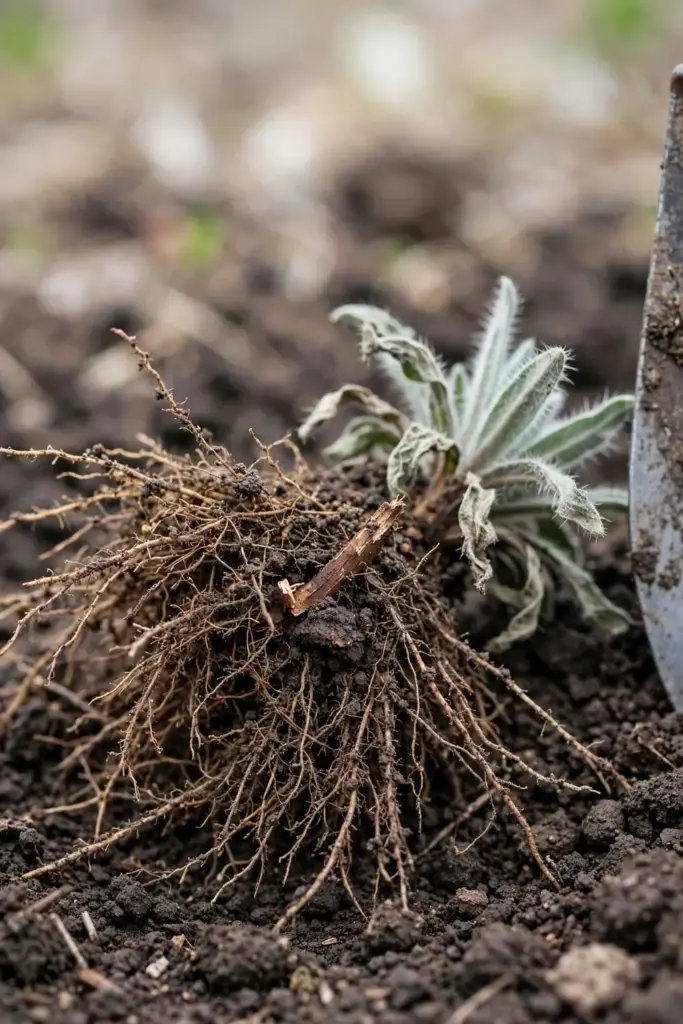
Division skips the whole germination lottery and gives you a plant that behaves like a year-old seedling from day one. In India, do this before the hot season arrives, because split roots in May heat face the worst possible establishment conditions. Spring divisions planted into cool, moist soil establish fastest.
6. Root Cuttings: The Late-Winter Method
Root cuttings exploit the one thing alkanet does well: regenerate from root pieces. In late winter, when the plant is dormant, lift part of a crown and cut pencil-thick roots into 5 to 10 cm lengths. Lay them horizontally in sandy compost, barely covered, and keep them just moist at 15 to 20°C.
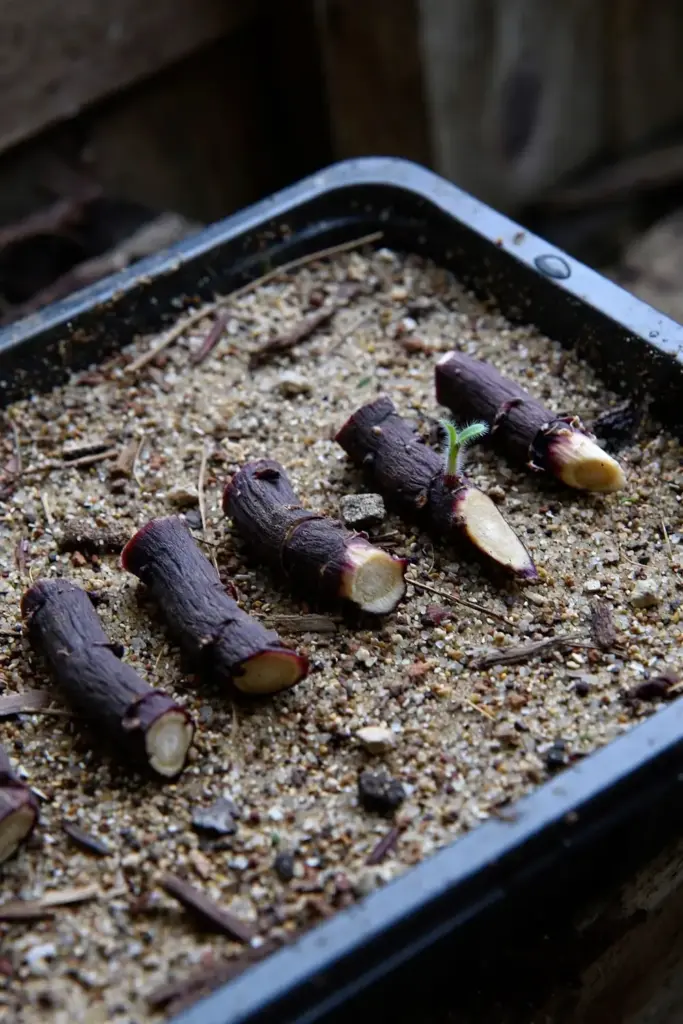
Shoots appear at the cut ends over several weeks. This method multiplies a good specimen without seed, and the plants keep the parent’s vigor exactly. Handle roots gently; alkanet crowns are brittle, and broken crowns rot in wet soil. Root cuttings taken in late winter are ready to pot on by spring and plant out by the rains.
7. Containers: The Rosette Nursery Stage
Alkanet starts life well in containers and many growers never put first-year seedlings in the ground at all. Use deep pots (at least 25 cm) with a gritty mix: two parts sand or perlite to one part compost, plus a handful of lime if your soil tests acidic. The pot method gives you perfect drainage control, which is the single biggest variable in this crop.
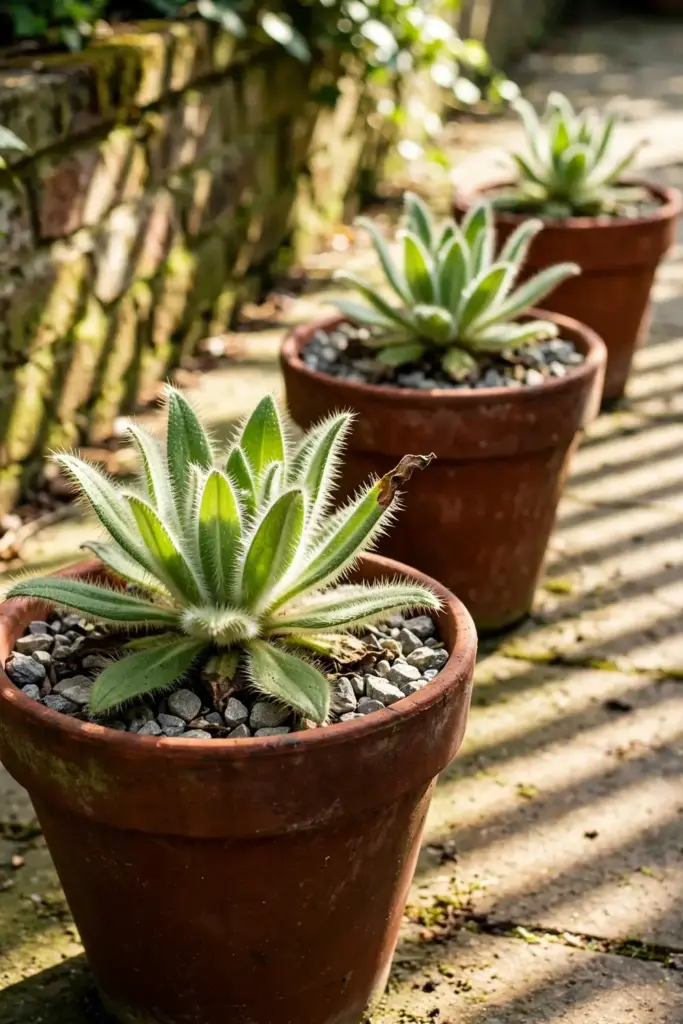
Container growing is also honest insurance against Indian monsoon. When the rains pound, move pots under cover or tip them slightly so water runs off. A full two-year harvest from a pot is possible, but roots run smaller than ground-grown ones; treat containers as the nursery stage and the safest overwintering option, not the maximum-yield option. The indoor herb garden guide covers drainage and feeding routines that apply directly to alkanet’s nursery phase.
8. Soil: Warm, Sandy, Neutral to Alkaline
Give alkanet the soil of a Mediterranean hillside and it will forgive almost everything else. Dig in coarse sand or grit so water moves through fast, and skip the heavy compost dose; one modest incorporation of well-rotted organic matter at planting is enough for the whole crop. The target is neutral to slightly alkaline pH, roughly 6.5 to 7.5.
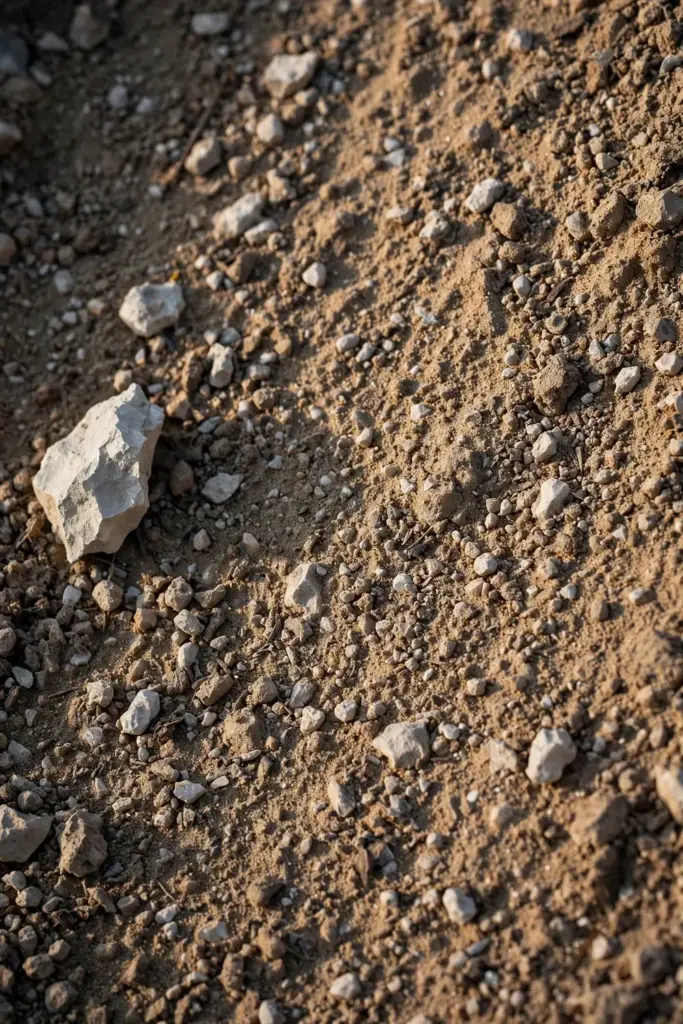
In India, many vegetable beds are too rich and too acidic for this plant. If your soil is heavy clay, build a raised bed 30 cm tall filled with sandy loam, or commit to the large-pot route. Good drainage is not a preference here; it is the crop. Roots sitting in wet soil rot, and rotted alkanet does not recover. The soil health guide covers bed preparation and organic-matter balance in detail, and its drainage section is directly relevant to sandy-soil crops like this one.
9. Watering: Moist, Never Wet
Water alkanet like a Mediterranean herb, not like a vegetable. During establishment, keep the soil evenly moist so new roots find water. Once plants are growing strongly, let the top few centimeters dry between waterings. Mature plants are drought tolerant and resent constant wetness far more than a short dry spell.
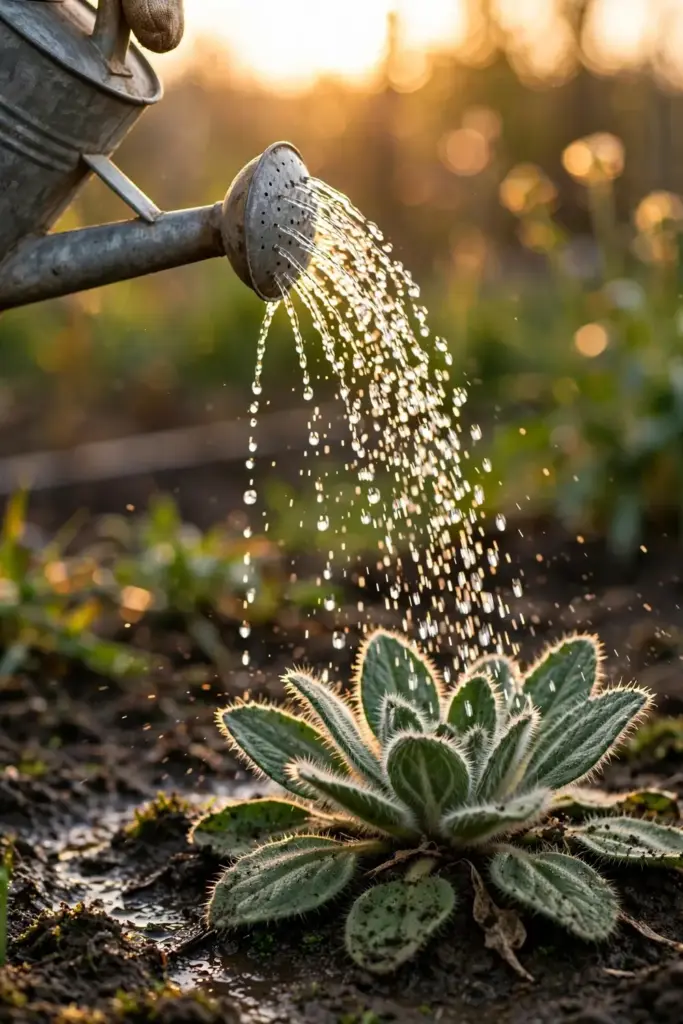
Overhead watering invites powdery mildew, so water at the base. In monsoon regions, mulch lightly with gravel rather than organic mulch; gravel keeps soil splashing off the fuzzy leaves while still letting the crown breathe. If rain is continuous, pots move under cover and raised beds need open drainage. Never let containers sit in saucers of standing water.
10. Feeding: The Lean Crop
Alkanet does not want a feeding schedule. This is a plant that evolved in poor rocky soil, and excess nitrogen produces heavy soft growth and weak, low-pigment roots, the exact opposite of the goal. One light application of balanced organic fertilizer at planting, and perhaps a single top-dress of compost tea in the second spring, is the entire feeding program.
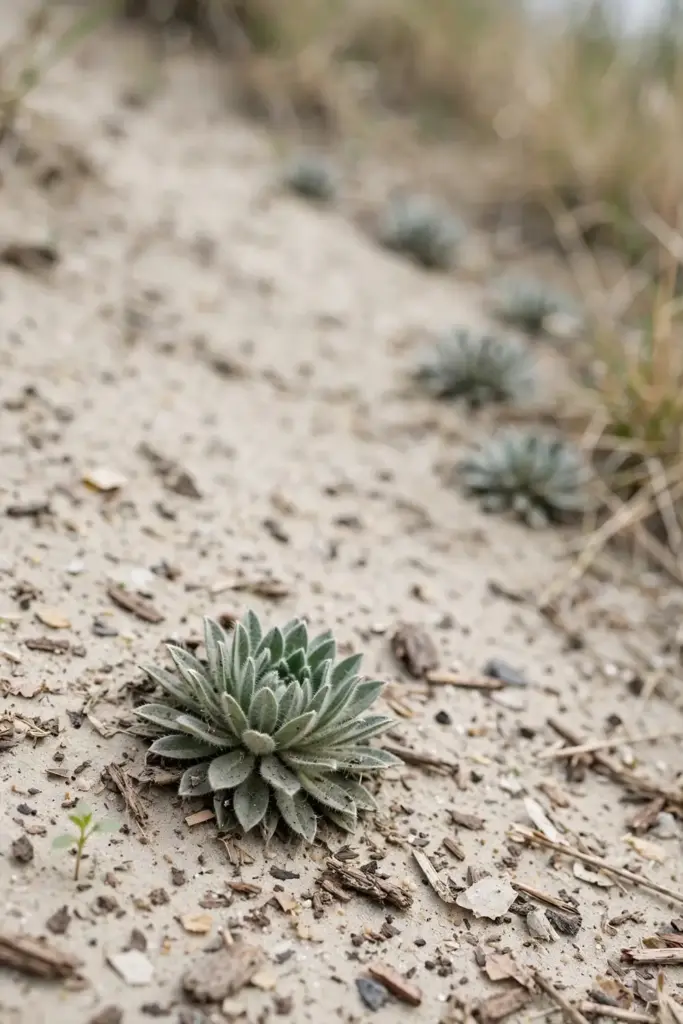
Avoid fresh manure entirely. Heavy feeding also pushes soft growth that mildew loves.
11. Year One: The Rosette Phase
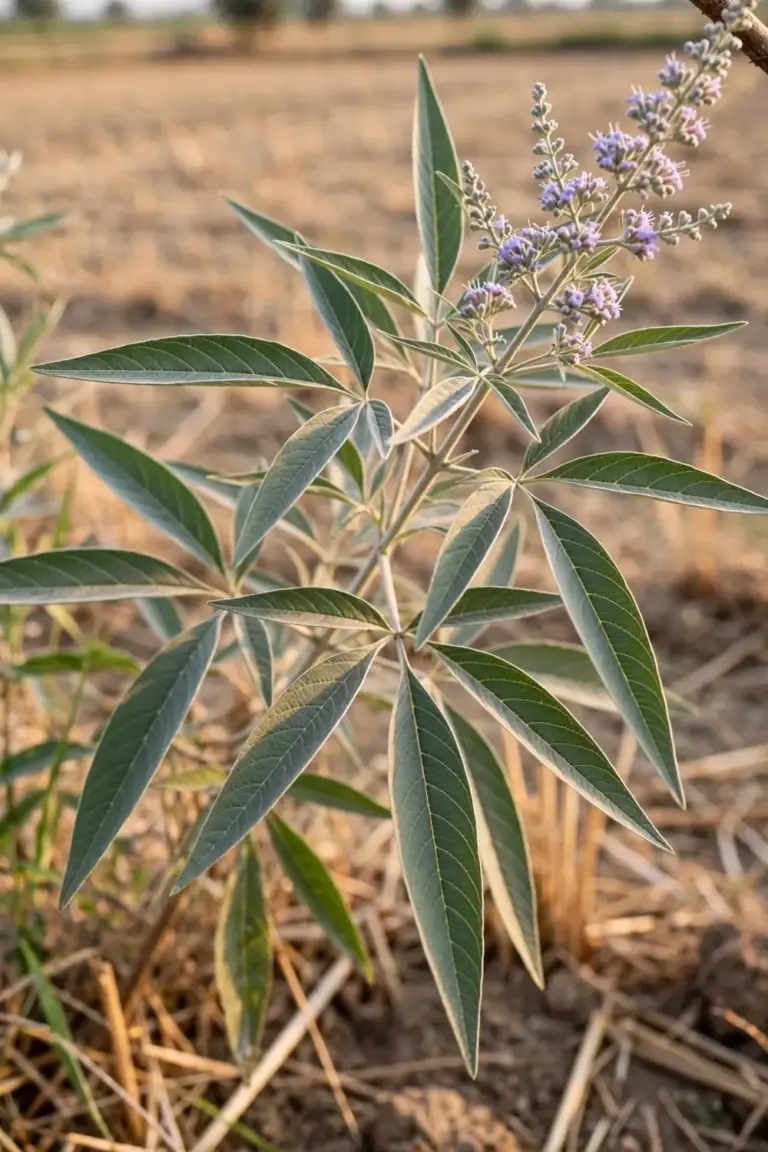
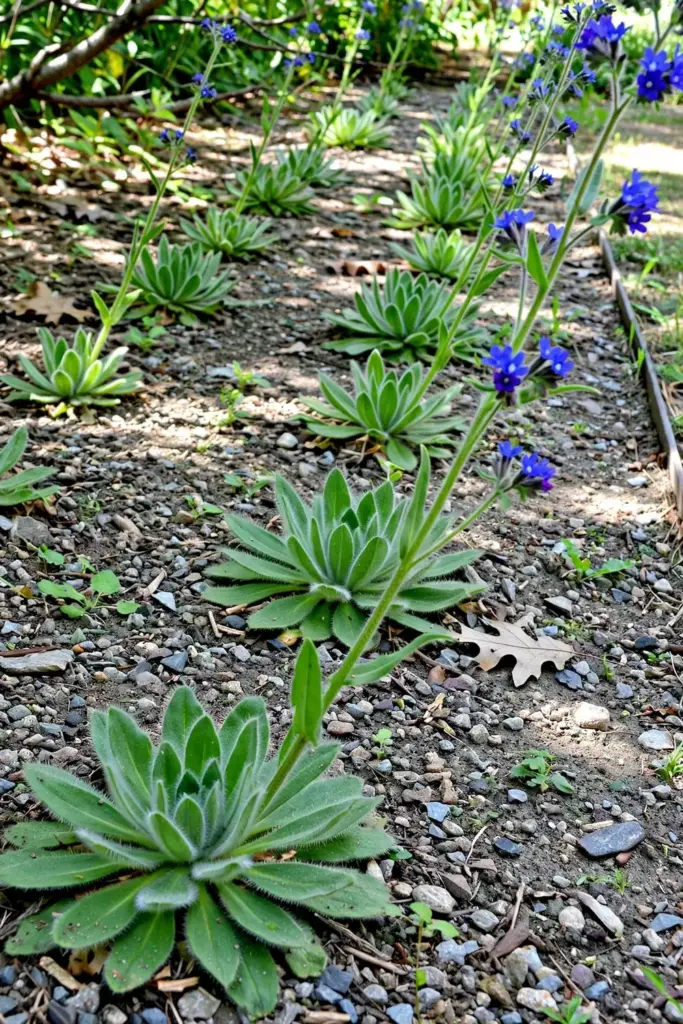
In its first year, dyer’s alkanet does something that worries new growers: almost nothing above ground. It forms a low rosette of fuzzy, lance-shaped leaves and puts its energy into the root system. No flowers, no harvest, no visible progress. This is normal and correct.
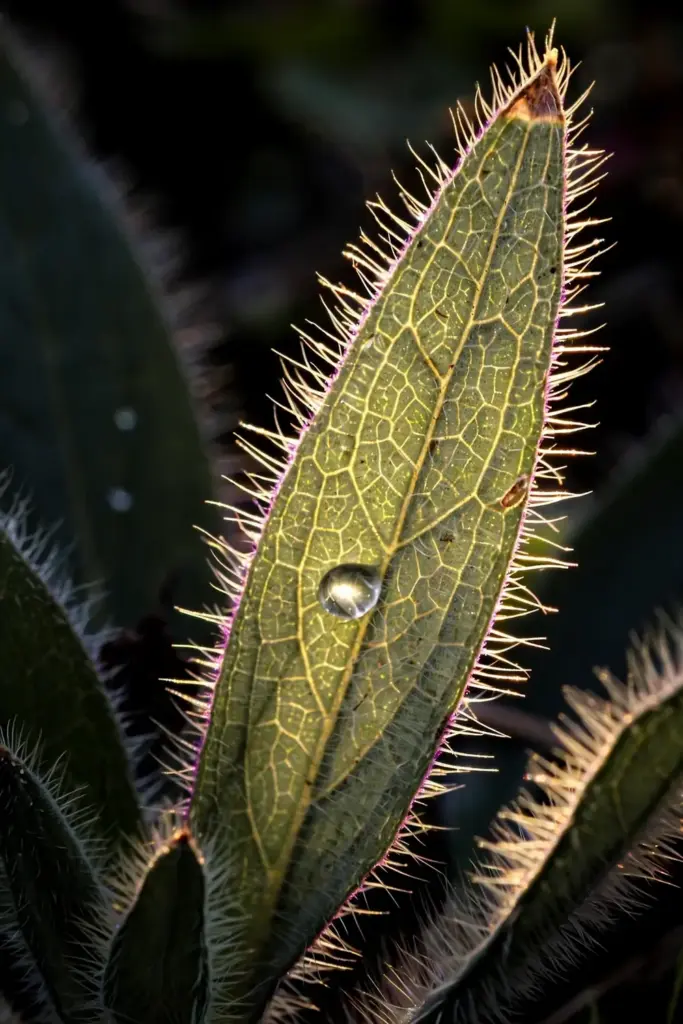
Your job in year one is keeping weeds away and drainage open. Weed by hand, because hoeing near the crown damages the brittle roots. Space plants 20 to 30 cm apart (research reports roughly 0.2 by 0.3 m spacing) so rosettes have room to spread without competing. Do not harvest any roots in year one; the alkannin content is low and the plant needs its whole root system to power the second-year flowering.
12. Year Two: Flowers, Then the Waiting Ends
In the second spring, the rosette sends up flowering stems carrying small blue, trumpet-like blooms. Bees visit them eagerly. Enjoy the flowers; they are the sign the root is maturing. Let the stems stand through summer so energy flows down into the root.
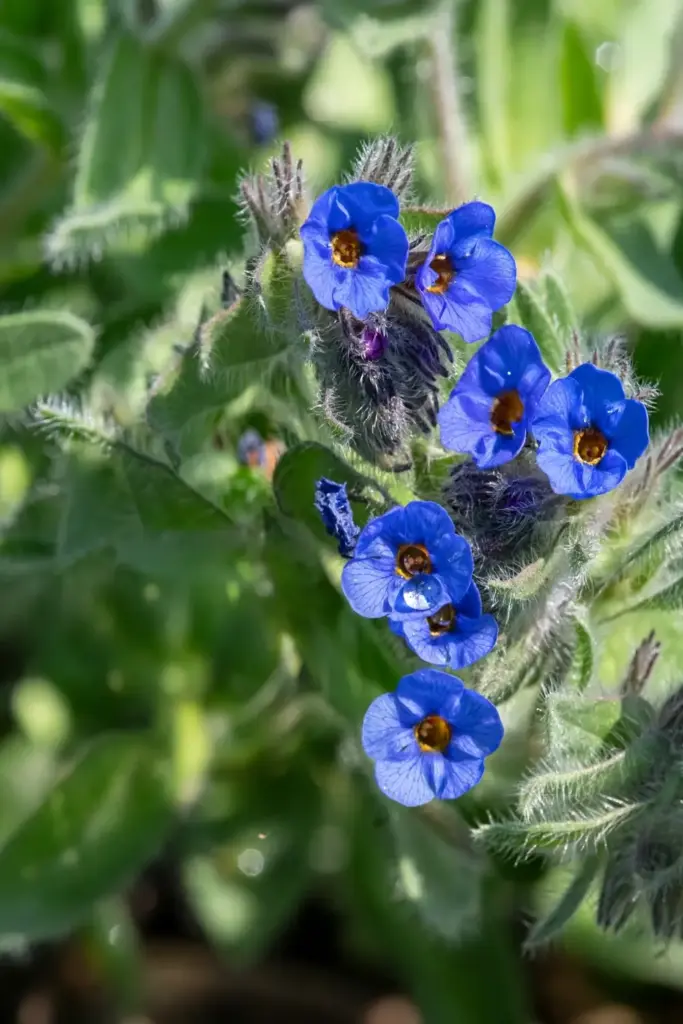
Harvest comes in autumn of year two, after the foliage starts to yellow. The International Journal of Horticultural Science alkanet cultivation trial reports 10 to 20 g of dry root per plant at harvest, with 3.0 to 3.5 percent alkannin derivatives, and notes that humid growing years raise both mass and active content. That is the full yield: a small harvest per plant, which is why dye growers plant in stands, not singles. If your autumn is wet, harvest a few weeks early rather than risk root rot in cold soggy soil.
13. Pests and Diseases: Mildew and Leaf Spot
Alkanet’s disease list is short but strict: powdery mildew and leaf spot, both fungal, both encouraged by damp air and overhead watering. Prevention is the entire program. Give plants full sun, wide spacing for airflow, base watering, and gravel mulch. Remove affected leaves early and destroy them; do not compost diseased material.
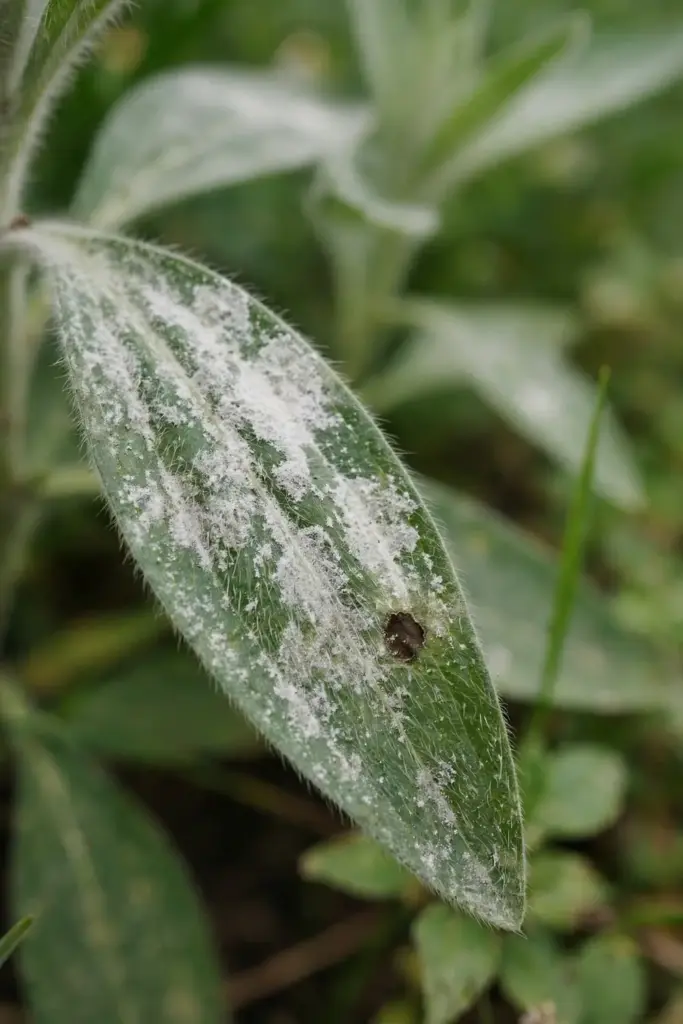
Sulfur or neem sprays are the organic answer if mildew appears despite good practice, and copper-based products are the conventional fallback. Insects rarely bother alkanet; the fuzzy leaves and bitter chemistry discourage most chewing pests. Slugs may graze young seedlings, so protect nursery pots with grit barriers or copper tape.
14. Winter Survival: The -10°C Line
Dyer’s alkanet is hardy to about -10°C, which covers most of India’s winters without protection. North Indian plains frosts, Himalayan cold, and Ladakh winters all fall within its tolerance once plants are established. First-year seedlings in pots are the exception; hard frost can kill small crowns, so move nursery pots against a south wall or under cover for the coldest weeks.
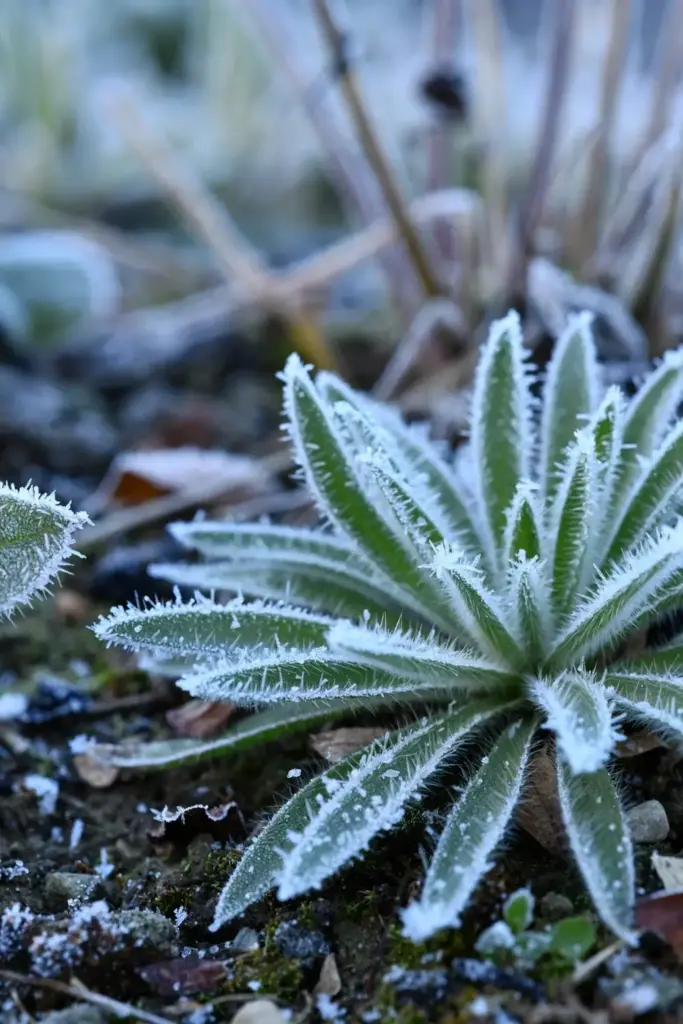
Snow is actually helpful: it insulates crowns. What kills alkanet in winter is wet cold, not dry cold. Plants in heavy soil that waterlog during winter rains rot from the crown. The raised bed and gritty mix that served you in summer are doing double duty through winter.
15. Harvesting Roots: Autumn of Year Two
Harvest when the top growth yellows in autumn, usually October to November. Loosen the soil deeply with a fork and pull whole plants, keeping roots intact. Shake off soil and rinse quickly; do not soak, because alkannin is fat-soluble, not water-soluble, and a fast rinse loses nothing.
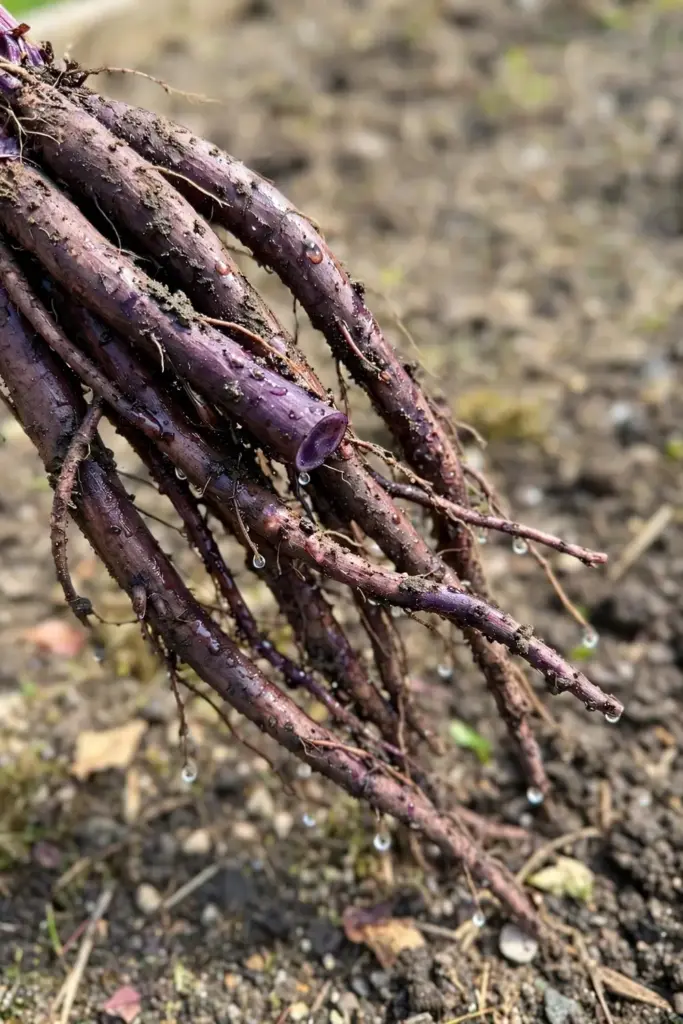
Grade as you go. The outer bark carries the deepest color; thick roots with dark purple-brown skin are the premium material. Thin hair roots have little pigment and compost them. Expect the research-backed 10 to 20 g of dry root per plant; weigh your first harvest so you learn what your soil and climate actually deliver. The multi-year crop guide covers the patience mindset that two-year root crops demand, and its honest-timeline framing applies exactly here.
16. Drying and Storing the Roots
Dry roots in shade with good airflow, never in direct sun. Sunlight fades the alkannin and heat drives off the compounds you grew the plant for. Spread roots on racks or hang them in bunches in a dry, ventilated shed. They should snap cleanly when fully dry, usually in 1 to 2 weeks depending on thickness and humidity.
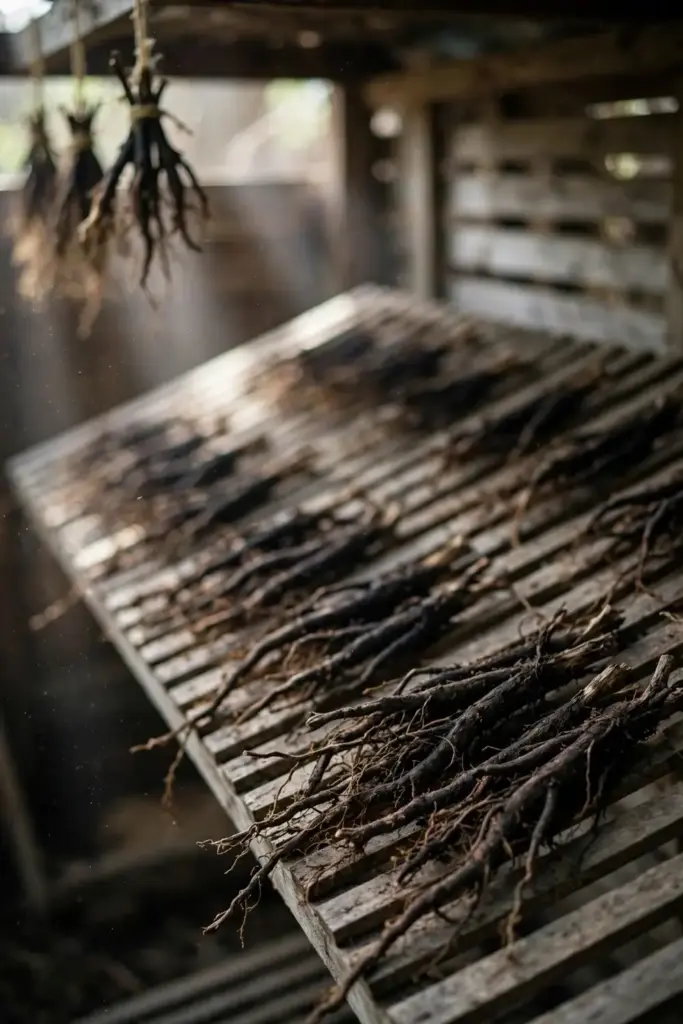
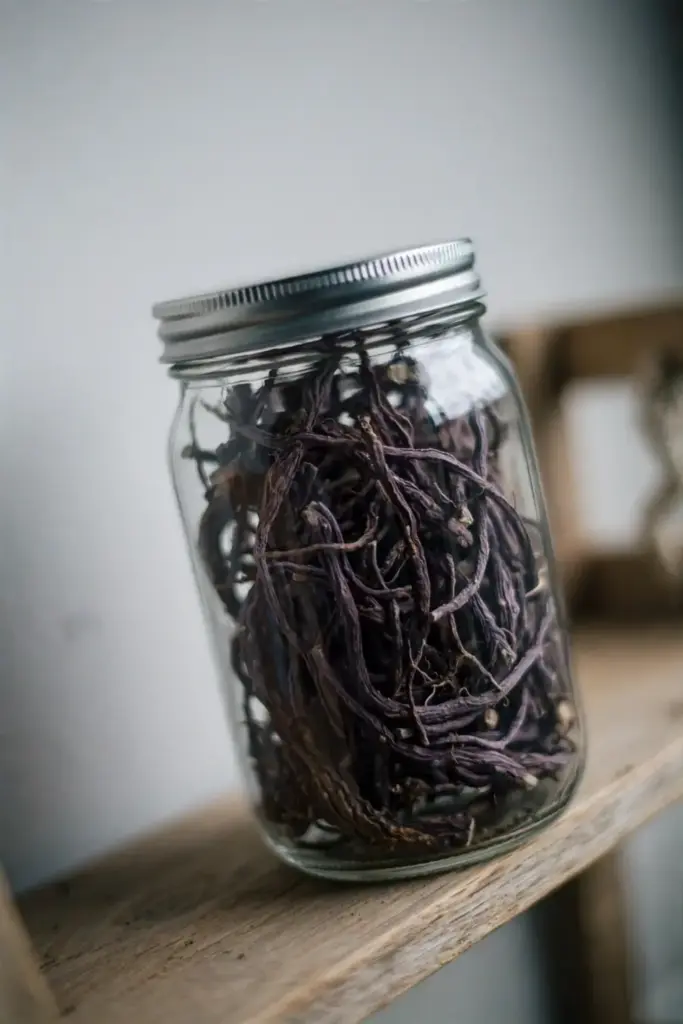
Store dried roots whole in airtight jars away from light. Whole roots keep their pigment longer than powder; grind only what you will use soon. Properly dried and stored, alkanet root keeps its coloring power for at least a year. Label with the botanical name and harvest date; future you will thank present you when the ratanjot identity question comes up again.
17. The Oil-Infusion Method: Soap and Kitchen Dye
Alkannin dissolves in oil and alcohol, not water. That single fact governs every use. To extract color, pack dried root pieces or coarse powder into a jar, cover with a light carrier oil such as olive oil, and leave it in a warm spot for about a month, shaking occasionally. The oil turns a vivid ruby red.
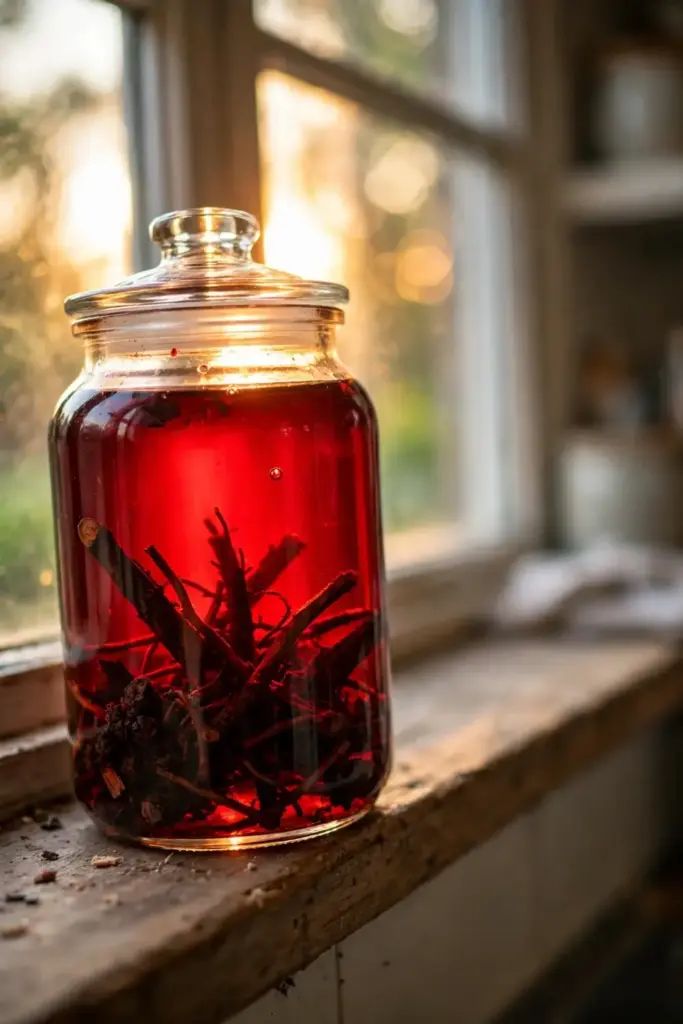
Soap makers use this infused oil directly in recipes, where the alkaline environment shifts the color toward purple, the famous alkanet soap color. In the kitchen, the same principle applies: steep ratanjot in hot ghee or mustard oil for a few minutes, strain out the roots, and the fat carries the deep red color into the dish. Never boil the roots in water expecting color; water extracts almost nothing.
18. The Rogan Josh Secret: India’s Original Red
Kashmiri rogan josh did not get its unmistakable red color from chilies. It got it from ratanjot, steeped in hot oil before the meat went in. Kashmiri Pandit cooking, which avoids onion and garlic, leaned on this root for the dish’s signature crimson, and the India Food Network notes it remains one of Indian cuisine’s best-kept secrets.
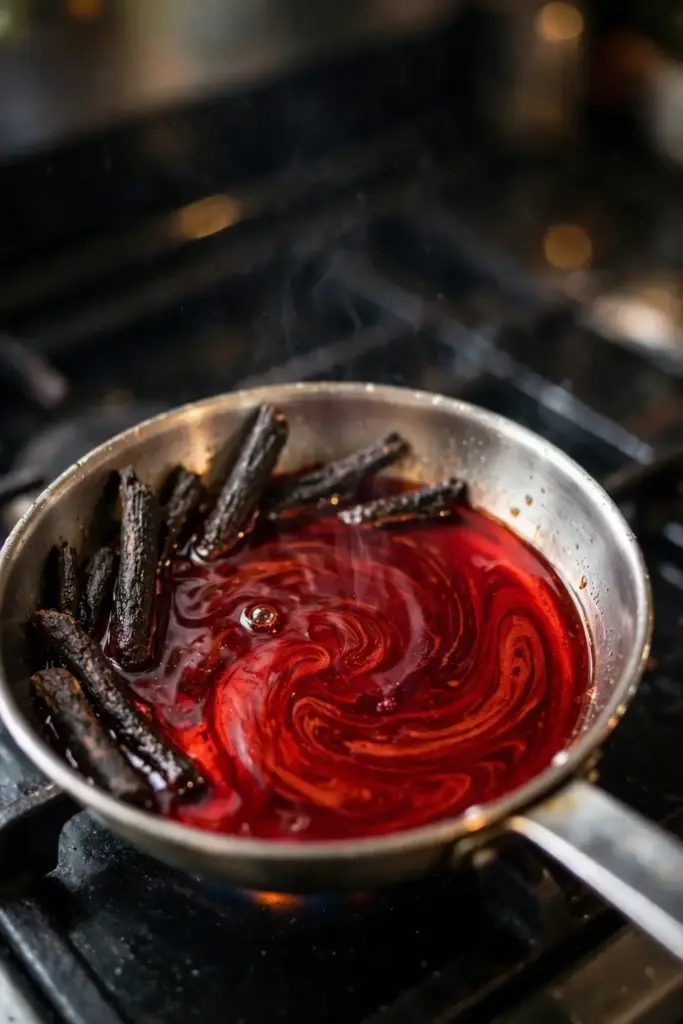
Artificial colors replaced ratanjot in most commercial cooking, and many restaurant dishes now fake the color with tomatoes or synthetic dye. Growing your own is the only way to be certain of the source. Use the traditional quantity: a small piece of root steeped in the cooking fat, strained out, enough to tint the oil deeply. Traditional use stays at small infused quantities; there is no agreed safe amount for larger use, and nobody should treat the root as a casual edible.
19. Dye Uses Beyond the Kitchen
The same oil-soluble pigment colors textiles, wood, and cosmetics. Natural dyers use alkanet for yarns and fabric, producing reds to purples depending on the fiber and mordant. Woodworkers have used it to give pale woods a rosewood or mahogany look, and it once colored varnishes, wines, and even thermometers and litmus preparations.
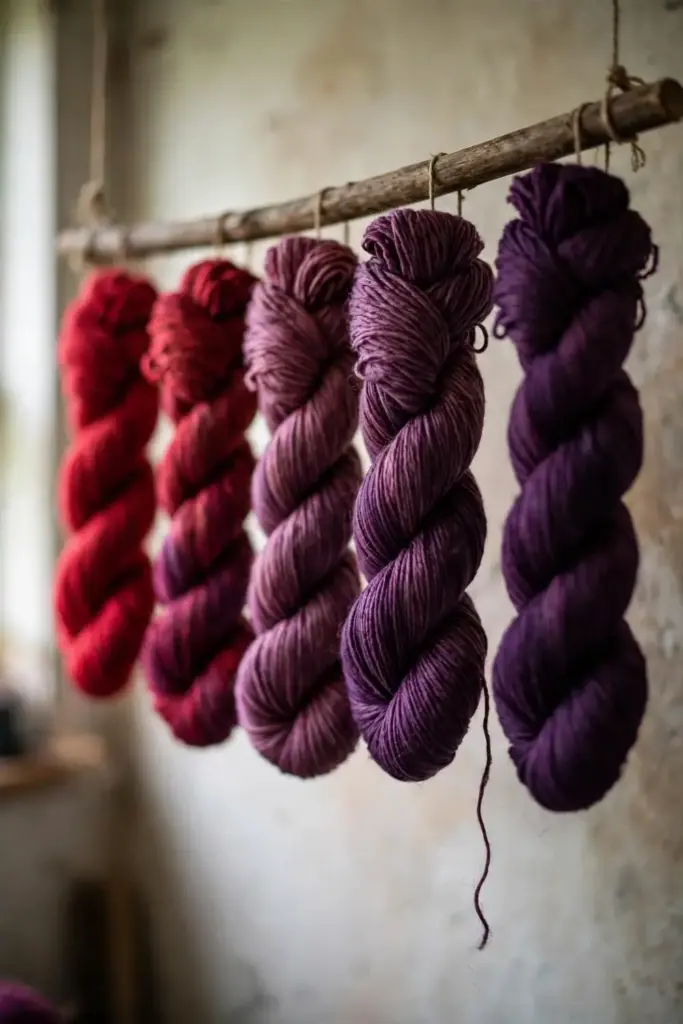
The cosmetics industry uses alkannin in lipsticks and rouges, which is where the “never use it to tint lip balm” warning from natural soap makers needs its nuance: commercial cosmetic grades are purified and tested, while home-infused root oil is not food-grade. Research on ratanjot root extracts also reports antioxidant and antimicrobial activity against foodborne pathogens, which is why food scientists study it as a preservative; that research is preliminary, not a home-use license.
20. Safety: The Pyrrolizidine Alkaloid Fence
This section is mandatory reading, not optional. Dyer’s alkanet contains pyrrolizidine alkaloids, and those compounds are genuinely dangerous at dose. The drugs.com Natural Products monograph, medically reviewed in 2025, is explicit: avoid in pregnancy and lactation because documented adverse effects exist, and the alkaloids can cause acute liver failure, cirrhosis, and pulmonary hypertension. They also interact with CYP3A4-metabolized drugs.
No clinical data justify a human dosage, and traditional use stuck to small infused quantities, mostly for color rather than medicine. Never eat the root directly. Patch-test any skin preparation. If you are pregnant, nursing, or on medication, treat this as a look-don’t-ingest plant. The dye is beautiful; the chemistry deserves respect.
21. Common Mistakes and the Fixes
Growing alkanet fails in predictable ways, and every one of them is avoidable. The first mistake is planting the wrong species: brownish-red roots from a supplier are Himalayan ratanjot, not dyer’s alkanet, and the color will disappoint. Verify the Latin name before buying. The second mistake is rich soil; alkanet in compost-heavy beds grows leaves and rots roots.
The third is harvesting in year one, which wastes the crop for almost no pigment. The fourth is sowing seeds covered; they need light, and buried seed sits and rots. The fifth is treating it as an edible herb; it is a dye plant with toxic alkaloids, and the kitchen use is color-only, in small infused amounts, with the root strained out. Respect each fence and how to grow ratanjot from India becomes a straightforward two-year project.
Frequently Asked Questions
No, and the confusion costs growers real money. Ratanjot is a trade name covering Alkanna tinctoria, Onosma echioides, Arnebia species, and sometimes jatropha oil. Dyer’s alkanet is only Alkanna tinctoria, the Mediterranean species with deep purple roots. Always confirm the Latin name on the packet before you buy.
Yes, if the drainage is right. Alkanet loves hot summers and survives drought; what it cannot tolerate is wet soil. In monsoon regions, use raised beds or large pots with sandy mix and move pots under cover during the heaviest rains. Humidity, not heat, is the enemy.
Autumn of the second year. Year one builds the rosette and root system; year two flowers, then roots mature. Expect 10 to 20 g of dry root per plant with 3.0 to 3.5 percent alkannin derivatives, per the International Journal of Horticultural Science cultivation trial. Plant in stands, not singles.
Yes. Sow on the surface and press gently without covering, because buried seeds sit and rot. A 400 ppm GA3 overnight soak raises germination to 50 percent according to the International Journal of Horticultural Science trial. Without it, germination is slow and irregular across weeks to months.
No, not as a food in quantity. It contains pyrrolizidine alkaloids linked to liver damage, and pregnancy, lactation, and drug interactions are documented concerns in the medically reviewed drugs.com monograph. Traditional use is small infused amounts for color only, with no agreed safe dose for larger use.
Alkannin changes color with pH: red at acidic to neutral pH, purple around pH 8 to 9, blue in strongly alkaline conditions. The oil infusion stays red. The alkaline soap environment shifts the same pigment purple, which is why alkanet soap is famous for its deep purple color.
Where to Go From Here
You now know the plant, the two-year wait, the identity traps, and the safety fences. Start with a small stand of 10 to 20 plants in your sunniest, grittiest bed; your first autumn harvest will teach you more than any article can. Keep notes on your soil, your rain, and your yield, because alkanet rewards growers who observe.
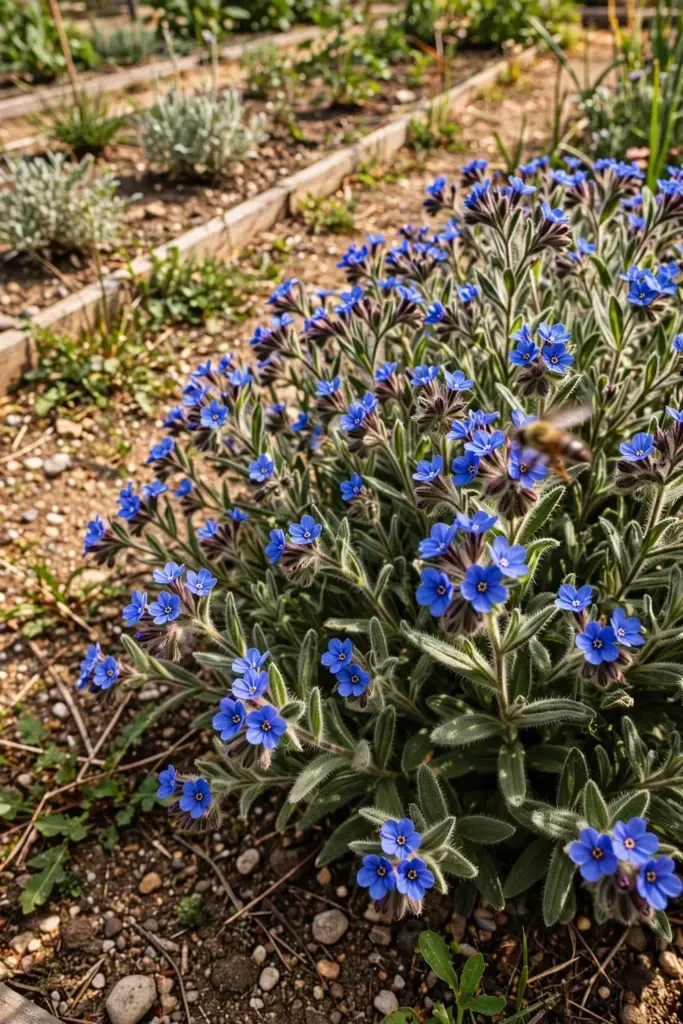
How to grow ratanjot from India is really two skills in one: growing a Mediterranean root crop in Indian conditions, and buying the right species in a market that mixes them. Master the identity table and the drainage, respect the alkaloid fence, and the deepest natural purple in your garden will be entirely your own work.