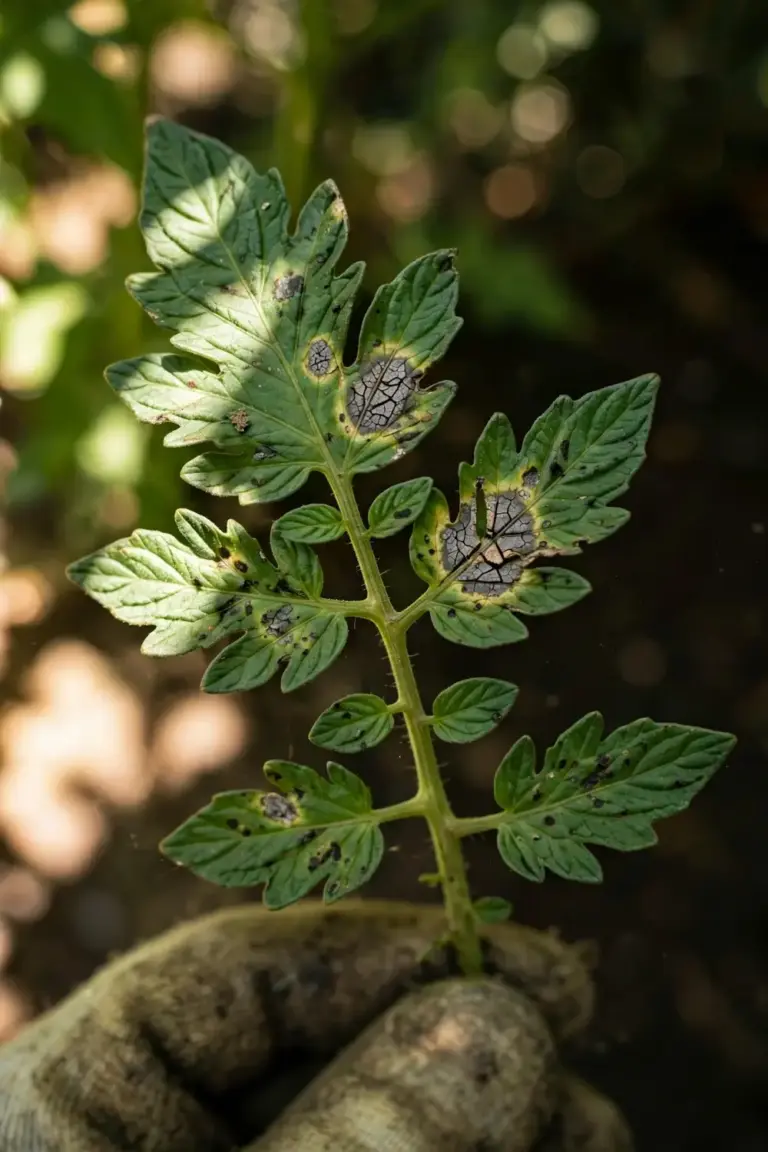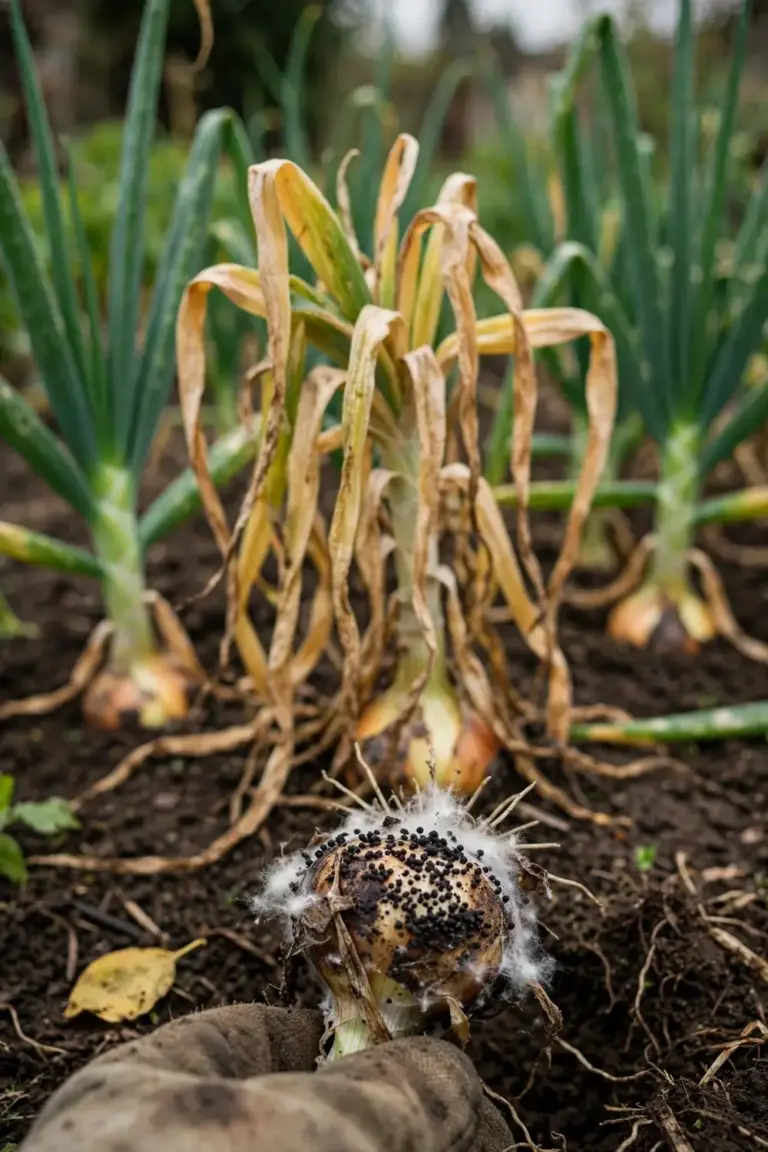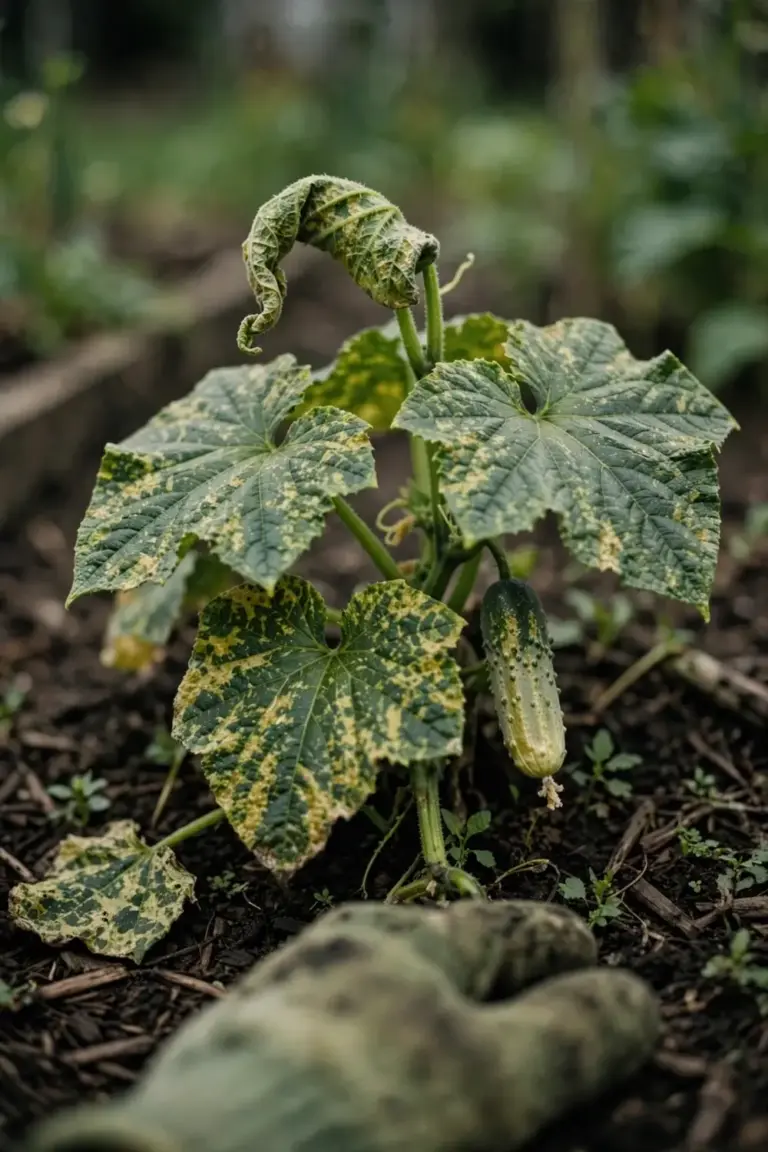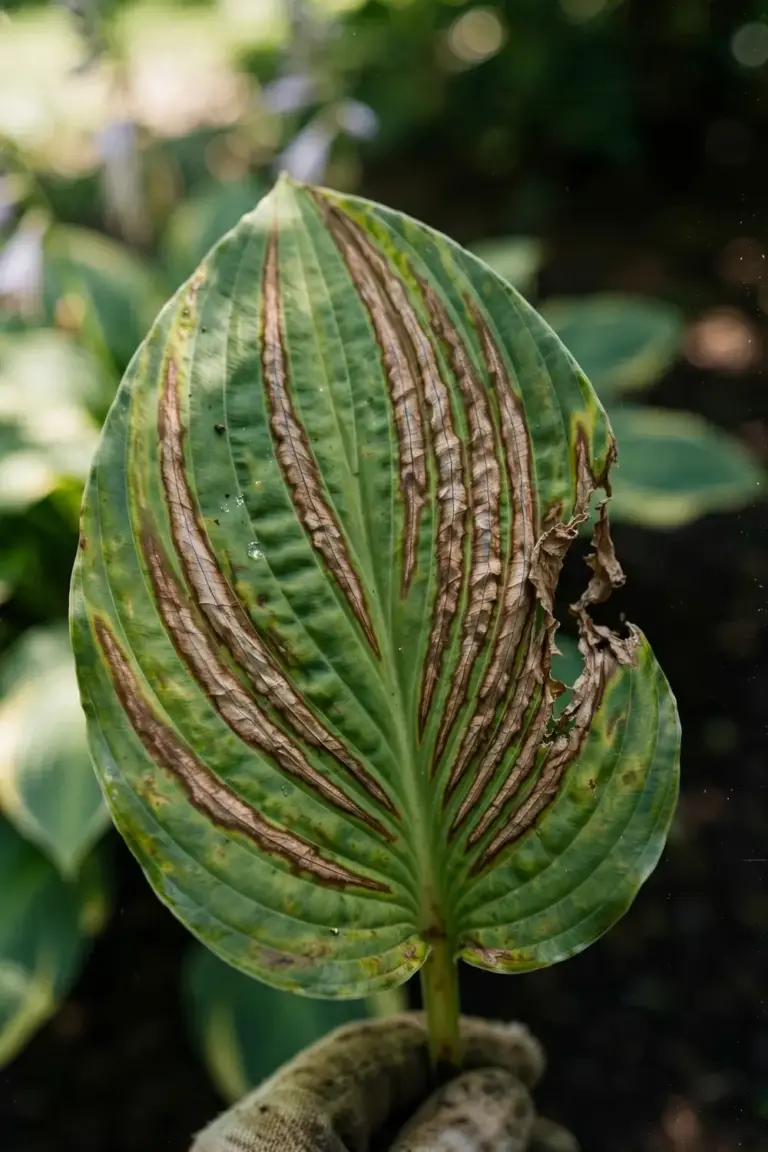

Stunt nematode damage looks like drought. The lawn thins in the same patches every summer, garden plants stall and yellow, and extra water changes nothing. 9 strategies below separate stunt nematode from root-knot nematode and set a management plan that works without a home nematicide.
Stunt nematode is a microscopic roundworm that feeds on roots from outside the root. It stays in the soil for its whole life, pierces root cells with a hollow stylet, and drains cell contents one cell at a time. The plant loses fine feeder roots faster than it grows them, so the top growth stalls, yellows, and wilts under stress.
The rest of this page runs nine moves, from reading the root symptoms to the lab assay that confirms the diagnosis to the cultural program that holds the population down. No spray cures it. The plan works by growing roots faster than the worms prune them.
What Stunt Nematode Actually Is
Stunt nematode is a plant-parasitic roundworm in the genus Tylenchorhynchus. The common name covers several Tylenchorhynchus species. Gardeners meet the group as one problem, and the lab report names the species.
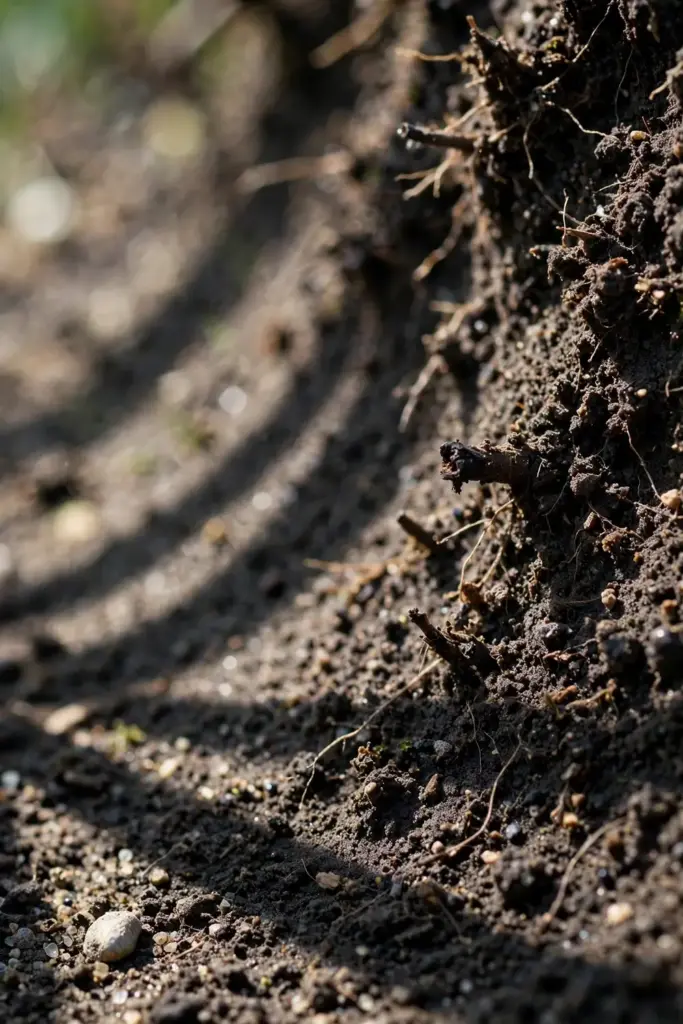
Stunt nematodes are ectoparasites. Every life stage lives outside the root in the soil. The worm feeds by pushing a hollow stylet into a root cell, forcing enzymes through the stylet, and drawing the digested contents back out. Penn State Extension describes this stylet feeding in its guide to nematode damage on woody ornamentals.
That feeding style sets stunt nematode apart from root-knot nematode. Root-knot juveniles enter the root and settle at a permanent feeding site. Stunt nematodes stay outside. They graze the root surface and move on, which is why they leave no galls behind.
Stunt nematodes attack a wide host list. The Illinois Extension corn nematode guide lists stunt nematode among the corn-parasitic nematodes and ties its damage to short root systems with fewer fine feeder roots. Penn State Extension lists Tylenchorhynchus among the genera that damage woody ornamentals. Lawns, vegetables, field crops, and shrubs all sit on the host list.
Mixed populations are the rule. Penn State Extension notes that more than one nematode species often feeds on one plant’s roots at the same time, and the combined effect of mixed populations is largely unknown. An assay that finds stunt nematodes may also find spiral or ring nematodes in the same sample. The plan below manages the whole root-feeding complex, with stunt nematode as the named target.
How to Identify Stunt Nematode Damage on Lawns
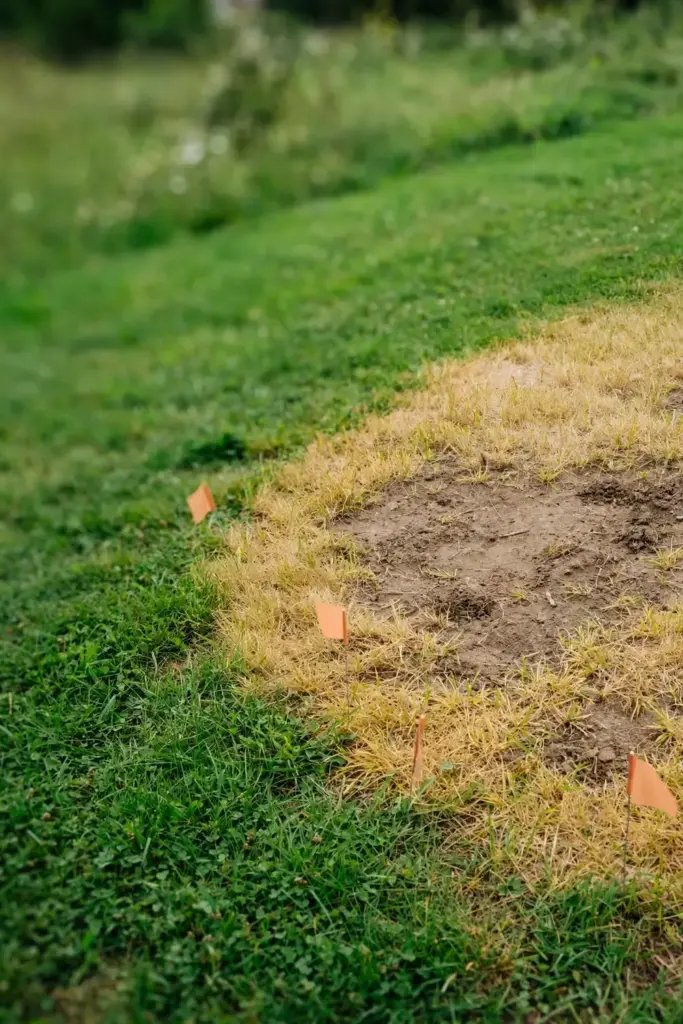
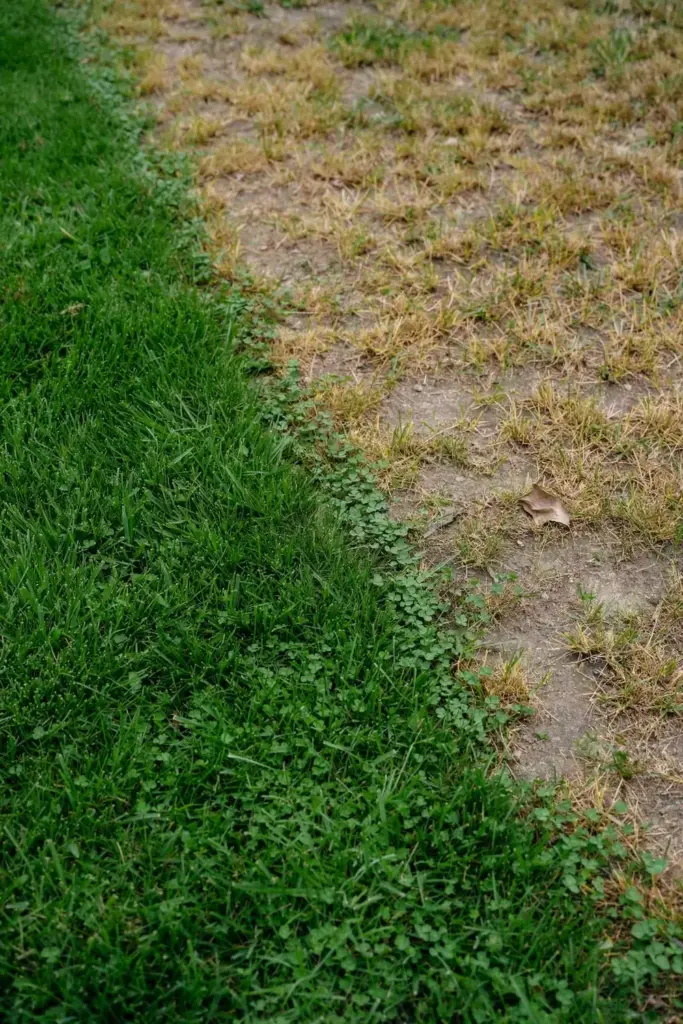
Stunt nematode damage on a lawn looks like drought that ignores water. Patches thin out, turn yellow, and wilt in afternoon heat even when the soil holds moisture. The same patches return in the same spots each year and slowly widen.
Three details separate nematode thinning from simple drought. First, the pattern. Drought follows sprinkler coverage. Nematode damage returns to the same spots. Second, the response. Drought-stressed grass greens up within days of deep watering. Nematode-damaged grass barely responds because short roots cannot reach the water. Third, the company. Weeds move into thin spots where turf lost density.
Fungal patch diseases cause the same patchy look. A brown patch guide shows how fungal patches differ from nematode patches in pattern and margin. When the pattern fits fungus, treat fungus. When the pattern fits nematodes, dig.
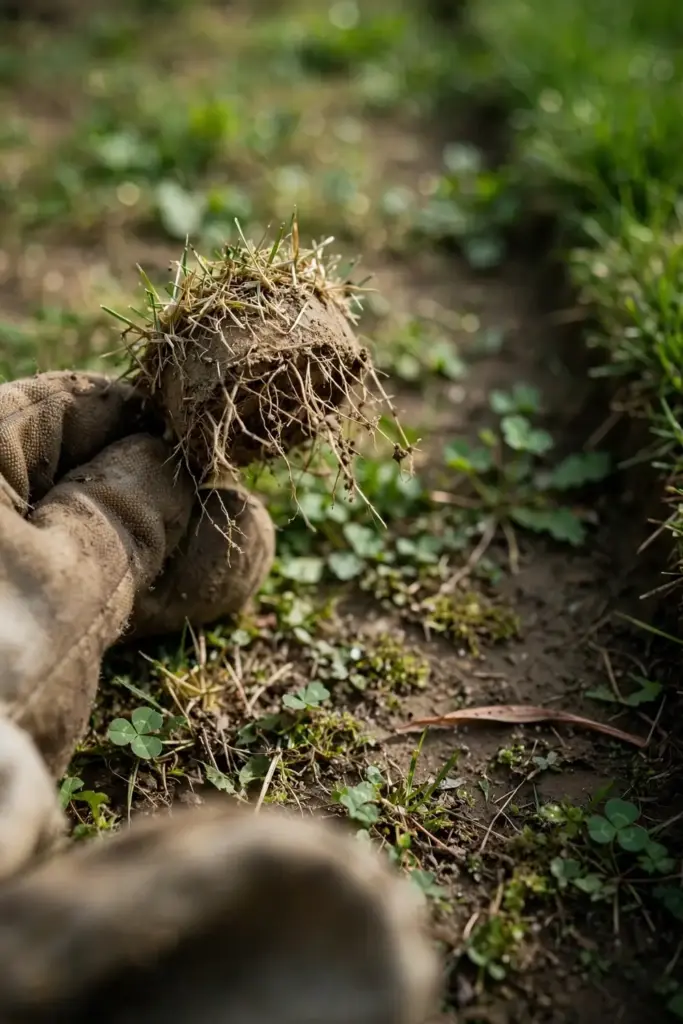
Check the roots before you decide. Dig a plug from the edge of a declining patch and a matching plug from a healthy area. Rinse both gently and compare root length. Stunt nematode roots run short with fewer fine feeder roots, and the grass above them stays thin. Healthy roots run long, fine, and pale.
Stunt nematode never makes galls. That single fact is the field test that points toward root-knot nematode instead. Dig up a few plants, wash the roots, and look for swellings. No swellings plus stunting and yellowing means the assay decides. The UF IFAS Gardening Solutions nematode page states that nematode symptoms resemble fungus, disease, or insect damage, and only a lab test gives a firm answer.
How to Identify Stunt Nematode Damage on Roots and Garden Plants
Garden plants show the same root story with different top growth. Vegetables stall, yellow from the lower leaves up, and wilt at midday even in moist soil. Fruit sets small or drops early. The plant looks hungry because its root system cannot feed it.
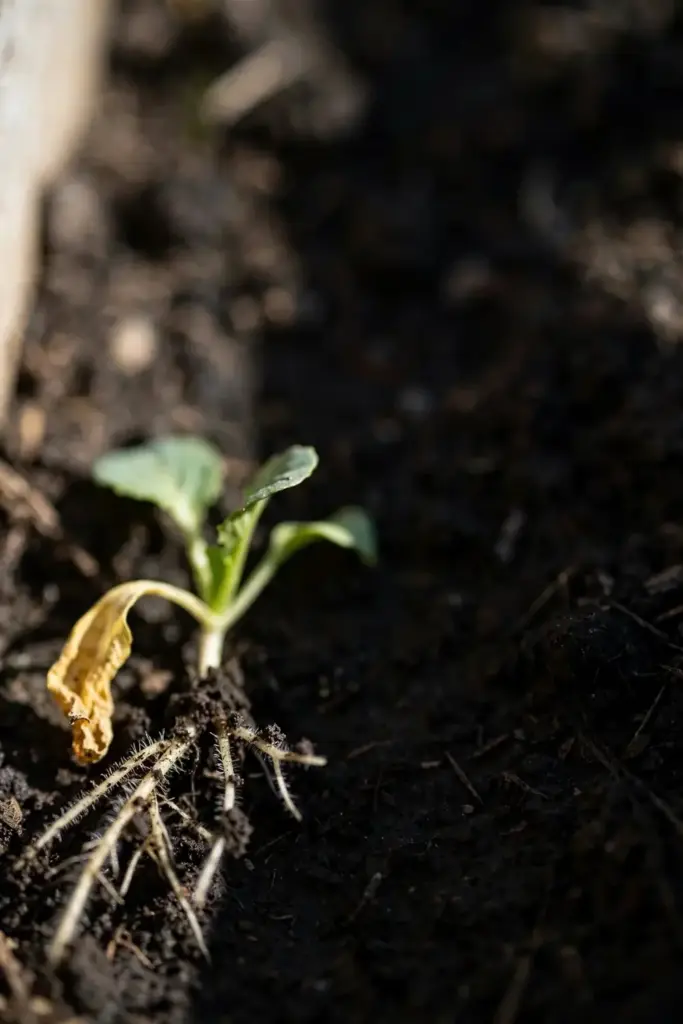
Dig up a suspect plant and wash the roots. Stunt nematode leaves roots short with fewer fine feeder roots and no swellings. A root system that looks pruned back, with the fine hairs gone, fits the pattern.
Corn shows the pattern clearly. Illinois Extension lists short root systems with fewer fine feeder roots, wilting, stunting, and small poorly filled ears among corn nematode symptoms, and notes that damage often stays invisible until the crop faces moisture stress after early summer. A corn row that wilts first in a dry spell while neighbors hold on deserves a root check.
Woody ornamentals decline slowly. Penn State Extension describes a decline that runs over several seasons, with chlorosis like iron deficiency, bronzing on boxwood, branch dieback, and small root systems. Nursery plants show the symptoms in scattered clumps. Washington State University Hortsense lists azalea stunt among nursery nematode problems. A shrub that fades year after year while its neighbors thrive fits the pattern.
One symptom never confirms stunt nematode. Stunting, yellowing, and wilting overlap drought, nutrient deficiency, herbicide injury, and other nematodes. Illinois Extension lists nutrient deficiency and herbicide damage among the lookalikes for corn nematodes. The root check narrows the field. The assay names the worm.
Which Lawns and Plants Get Hit Hardest by Stunt Nematode
Sandy soil tops the risk list. Stunt nematodes move through soil pores, and sand offers large pores. Illinois Extension lists sandy soils among the conditions that favor corn nematodes. Lawns built on fill sand and new-construction sites with stripped topsoil sit at the top of the list.
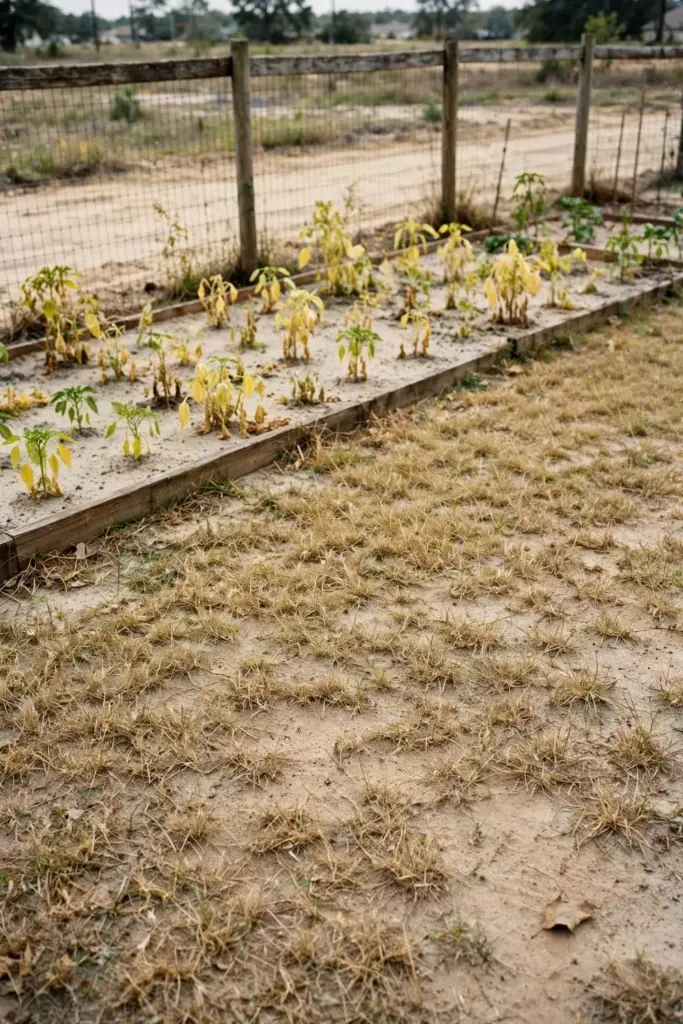
Warm-season grasses take the lawn hit. Bermudagrass, St. Augustinegrass, zoysiagrass, and centipedegrass all host stunt nematodes. Cool-season lawns suffer too, and Michigan State University work on cool-season turf lists stunt nematodes among the nematodes that feed on older turf roots. Stress decides how much the lawn shows. A lawn mowed short, fed heavily, or compacted cannot outgrow steady root pruning.
Vegetables and field crops carry the garden risk. Corn, vegetables, and many other crops host stunt nematodes. Continuous cropping of one host builds the population. Illinois Extension lists continuous corn on corn cropping among the conditions that favor corn nematodes. Rotation breaks that buildup, and Step 6 covers it.
Woody ornamentals sit in the slow lane. Penn State Extension lists Tylenchorhynchus among the genera that damage woody ornamentals and describes decline over several seasons. Boxwood bronzing is the characteristic ornamental flag. A shrub that declines over seasons deserves an assay before you blame the soil pH.
Turf damage stays low to moderate. An Australian turf nematode guide rates stunt nematode 3 on a 1 to 10 pathogenicity scale for turf, against 10 for sting nematode and 5 for root-knot nematode. Stunt nematode thins a lawn. It rarely destroys one outright. That rating shapes the whole plan. The goal is suppression and vigor, and the plan never spends golf-course money on a 3-out-of-10 problem.
Stunt Nematode vs Root-Knot Nematode
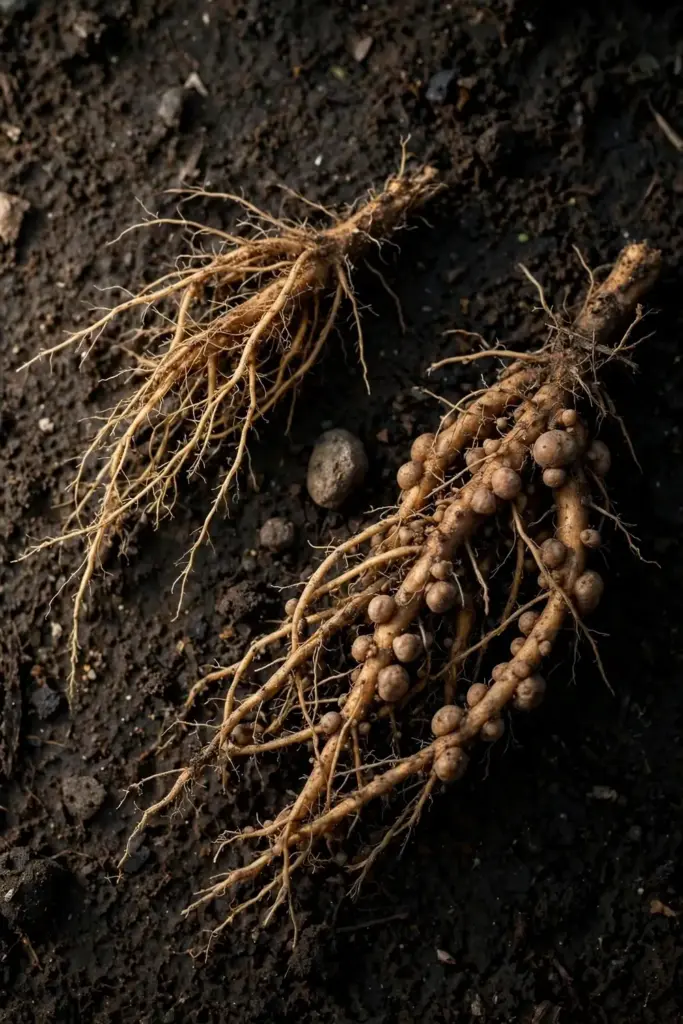
The root check splits them. Dig up roots and look for galls. Galls point to root-knot nematode. No galls plus stunting and yellowing point to the assay, with stunt nematode among the suspects. That single split carries the whole differential.
| Clue | Stunt Nematode | Root-Knot Nematode |
|---|---|---|
| Feeding style | Ectoparasite, feeds from outside the root | Sedentary endoparasite, settles inside the root |
| Where it lives | Soil, all life stages outside roots | Inside root tissue as an immobile adult female |
| Root symptom you can see | Short roots, fewer fine feeder roots, no galls | Swollen galls or knots on roots |
| Above-ground symptom | Stunting, yellowing, wilting that mimics drought | Stunting, yellowing, wilting that mimics drought |
| Diagnosis | Soil assay only, no root symptom identifies it | Galls on washed roots point to it, assay confirms |
| Turf damage rating | 3 on a 1 to 10 scale | 5 on a 1 to 10 scale |
| Home control | Cultural management, no labeled home nematicide for stunt | Cultural management, resistant varieties where available |
Root-knot nematodes build permanent feeding sites. The second-stage juvenile enters a root, takes up a permanent feeding site, and develops into an immobile adult female inside the root. Root cells around the feeding site enlarge and form the gall. The University of Florida IFAS Extension describes this sedentary endoparasite life cycle in its root-knot nematode guides.
Stunt nematodes never settle. They feed from outside, move to the next cell, and stay in the soil. Illinois Extension states that stunt nematodes cause no identifiable root symptoms and that a soil assay is the only way to diagnose a stunt problem. That is the practical difference. Root-knot leaves evidence on the root. Stunt leaves evidence only in the lab report.
Other nematodes muddy the assay. Sting nematodes hit turf far harder than stunt nematodes. Ring, spiral, and lesion nematodes share the soil and the symptoms. Stubby root nematodes vector plant viruses, a separate problem from feeding damage. Dagger nematodes do the same. Each is a separate organism with its own management, and none of them merges into this one.
Galls can confuse the check. Nitrogen-fixing nodules on legume roots look like small swellings. A nodule sits on the side of a root. A root-knot gall swells the whole circumference of the root. Rub the swelling. Nodules detach easily. Galls stay part of the root. Illinois Extension notes that a nematode gall occupies the whole circumference of the root while a nodule sits on the side.
Why Stunt Nematode Feeding Starves Roots From Outside
Stunt nematode kills by pruning. Each feeding puncture damages a root cell. Root-tip feeding stops root growth at the tip. An Australian ectoparasite guide notes that species feeding on actively growing cells at the root tip produce the most severe symptoms, because root growth stops when those cells are damaged.
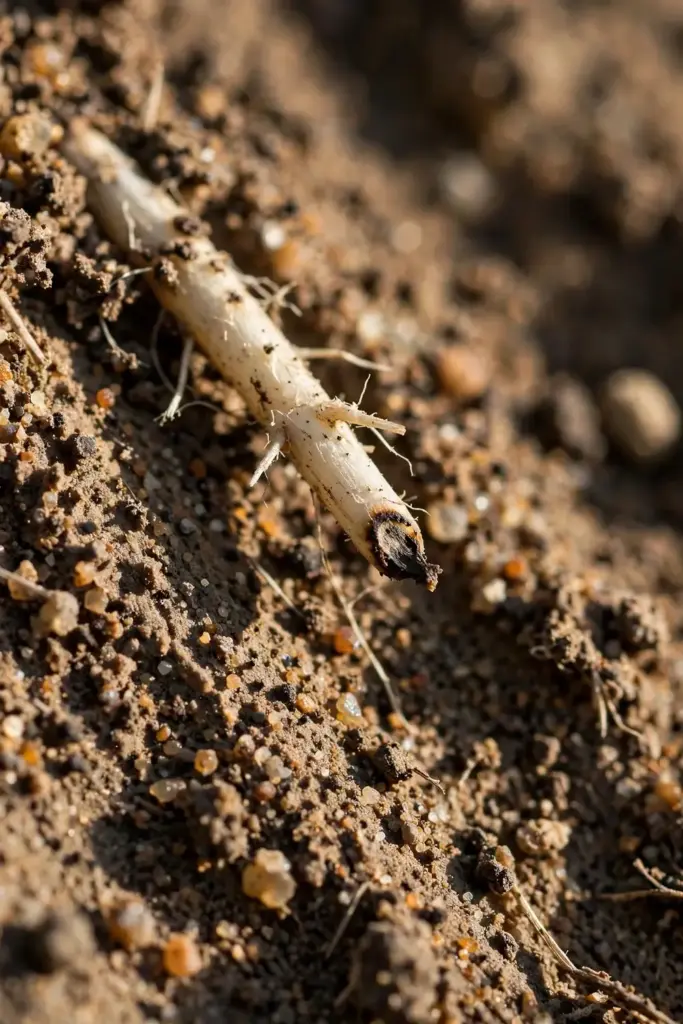
The plant loses its fine feeder roots first. Fine roots do the drinking and feeding. Short roots with fewer fine roots pull less water and fewer nutrients from the same soil. The plant wilts in moist soil because the root system cannot reach the moisture. More water cannot fix a root system that is too short to drink.
Feeding wounds open a second door. Damaged roots admit soil fungi and bacteria that a healthy root would keep out. Mississippi State Extension notes that nematodes damage plants by allowing other harmful organisms in the soil to enter the roots. Secondary infections turn a slow decline into a fast one. The root check should look for rot as well as short roots.
Populations build quietly. Stunt nematodes feed, lay eggs, and hatch in the soil around the roots. Warm soil and a steady host keep the cycle turning. The damage appears in patches because nematodes cluster where roots and moisture suit them. A patch that widens each year means the population is winning.
What Makes Stunt Nematode Worse in a Home Garden
Sandy soil is the first risk factor. Large pores let nematodes travel to fresh roots. Illinois Extension lists sandy soils among the conditions that favor corn nematodes. A sandy bed dries fast, so the plant faces drought stress and nematode pruning at the same time.
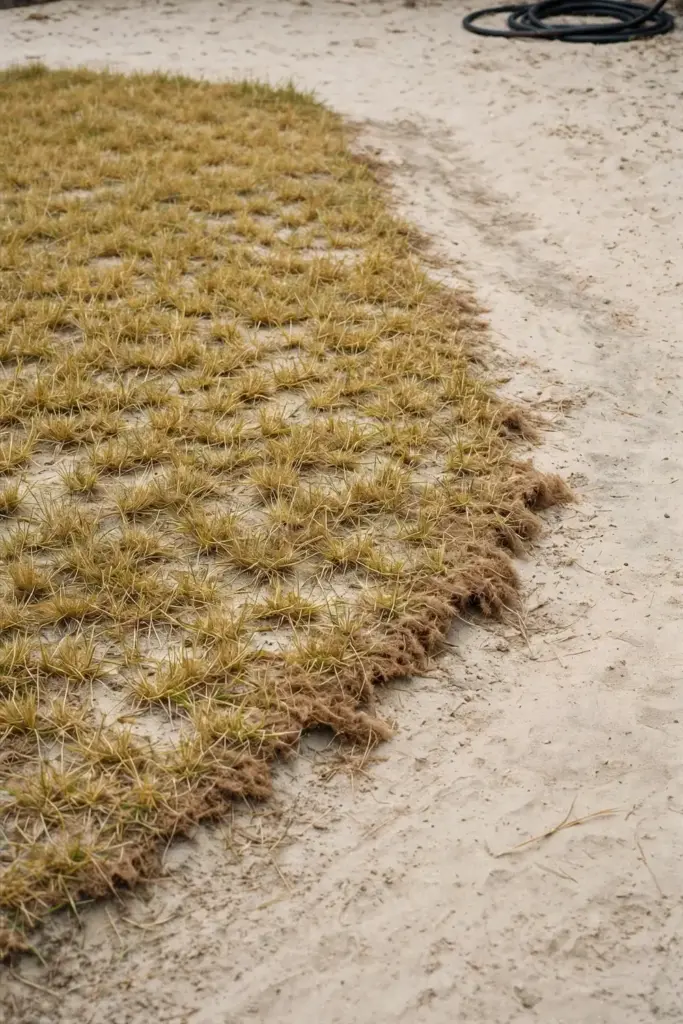
Short mowing and heavy nitrogen add stress. Short grass grows short roots, and short roots sit where the worms feed. Excess nitrogen pushes soft growth that nematodes exploit. LSU AgCenter caps lawn nitrogen at one pound per 1,000 square feet per application and ties every application to a soil test.
Shallow watering keeps roots at the surface. Light daily watering wets the top inches and holds roots there. Deep infrequent watering pulls roots down. LSU AgCenter advises irrigating infrequently and deeply while taking rainfall into account, and mowing regularly without removing more than one-third of the blade at one mowing.
Compaction and thatch hold roots shallow. Compacted soil blocks deep rooting. Thatch holds moisture at the surface and encourages shallow roots. Both keep the feeding zone and the root zone stacked on top of each other. Aeration and dethatching break that stack, and Step 4 covers both.
Leaf disease piles on. A lawn already fighting Bipolaris leaf spot spends energy on leaves it cannot spare for roots. Treat leaf disease on its own terms. The root plan below assumes the canopy gets its own care.
Dirty tools and infested soil spread the problem. Nematodes ride in soil on boots, tools, and transplants. Mississippi State Extension notes that nematodes spread in infested soil clinging to cultivation equipment and on roots of transplants. One shovelful of infested soil seeds a clean bed.
Step 1: Decide Whether a Lab Assay Is Worth It
Start with the honest cost-benefit call. A lab assay is the only way to confirm stunt nematodes. Without it, you guess. With it, you get a species name and a count to compare against Extension guidance. Check your state diagnostic lab fee schedule before you order. The fee is small next to the cost of a blind lawn renovation or a season of wrong treatments.
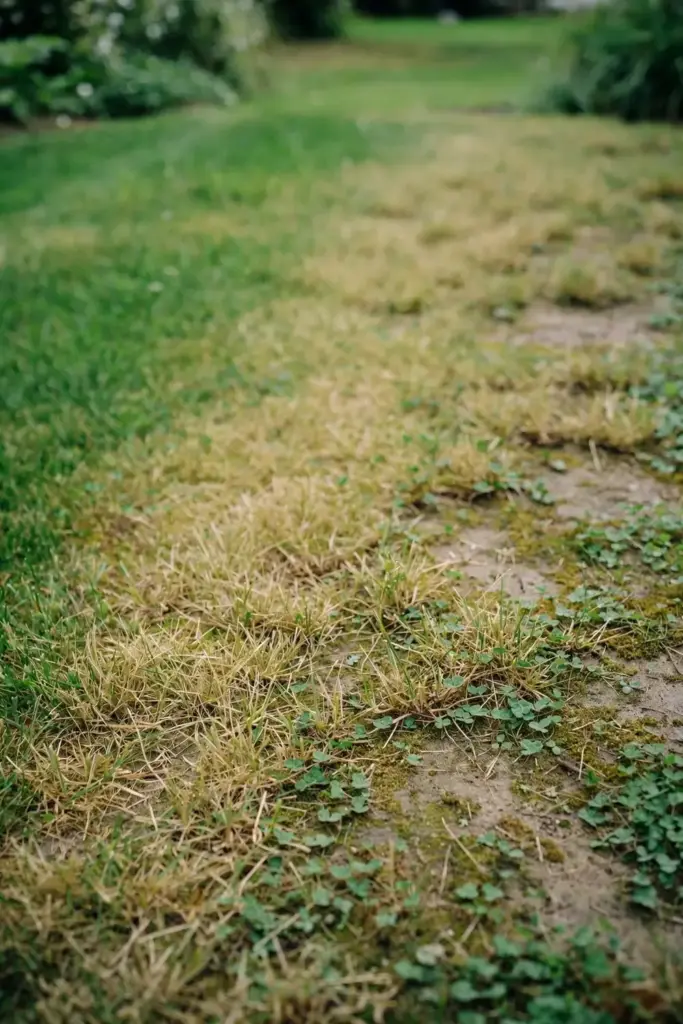
Order the assay when the pattern fits. Damage returns to the same spots for two or more seasons. Watering and feeding do not fix it. You plan to spend real money on renovation or replanting. A bed keeps failing the same crop in the same place. Each of these justifies the test.
Skip the assay when the pattern does not fit. The problem is one dry summer old. The damage follows a broken sprinkler head or a new shade pattern. The lawn is mostly weeds and you plan to renovate anyway. In that last case, spend the test money on the renovation and work the cultural steps below.
An assay also rules stunt nematode out. A clean report sends you back to water, fertility, and disease checks with confidence. That answer is worth the fee too. Guessing costs more than testing, because guessing picks the wrong fix.
Step 2: Confirm Stunt Nematode With a Soil Assay Before You Spend
Order the assay from your state Extension diagnostic lab. Most labs publish a nematode assay form online. Your county Extension office takes the sample or tells you where to send it.
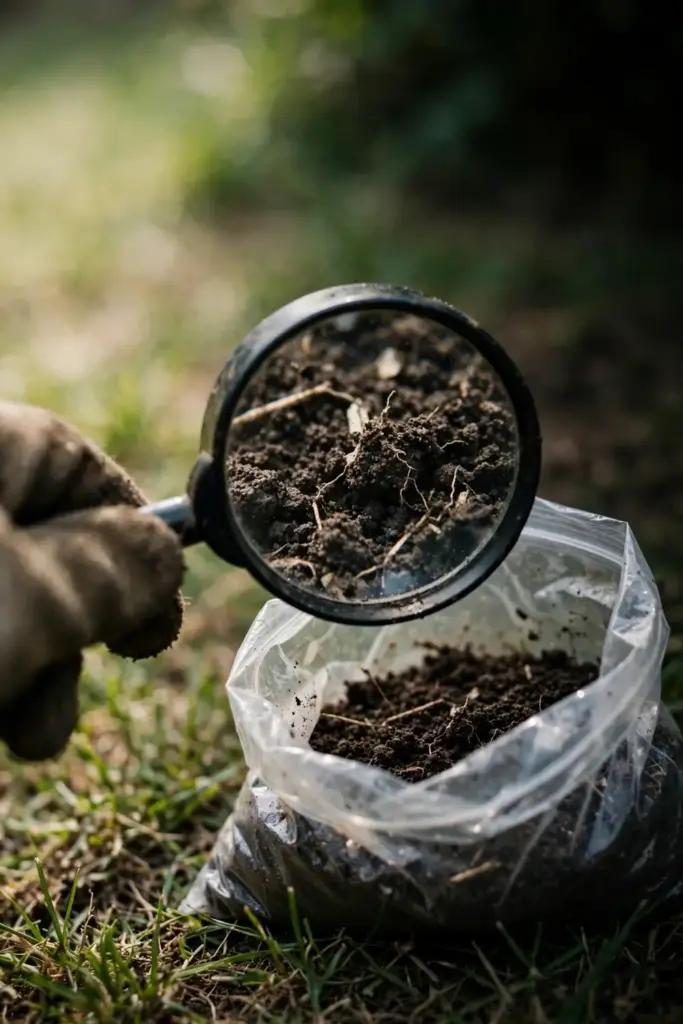
Sample the right way. The Arkansas Extension lawn nematode guide calls for 12 or more subsamples taken to a depth of 4 inches, mixed into one representative sample, with separate samples from healthy and unhealthy turf. Sample at the margin of the damaged area, where roots still live. Dead turf holds few nematodes because few roots remain to feed them.
Keep the sample cool and out of direct sunlight. Heat kills nematodes and ruins the count. Never let the bag bake in a hot car on the way home from the field. Deliver it promptly. A week-old warm sample tells the lab nothing.
Read the result with Extension, not alone. Stunt nematodes carry no home-gardener threshold like the sting nematode number. Your lab or Extension agent interprets the count against local thresholds and the symptoms you report. Ask which species the report found and whether the count fits the damage. A low count in healthy turf means watch. A high count with matching symptoms means act.
Step 3: Water Deep and Less Often to Grow Roots Past the Feeding Zone
Water is the strongest homeowner lever. Apply about 1 inch per week total including rainfall, in one or two sessions, so moisture soaks deep into the soil. Deep water pulls roots downward, away from the shallow zone where feeding concentrates.
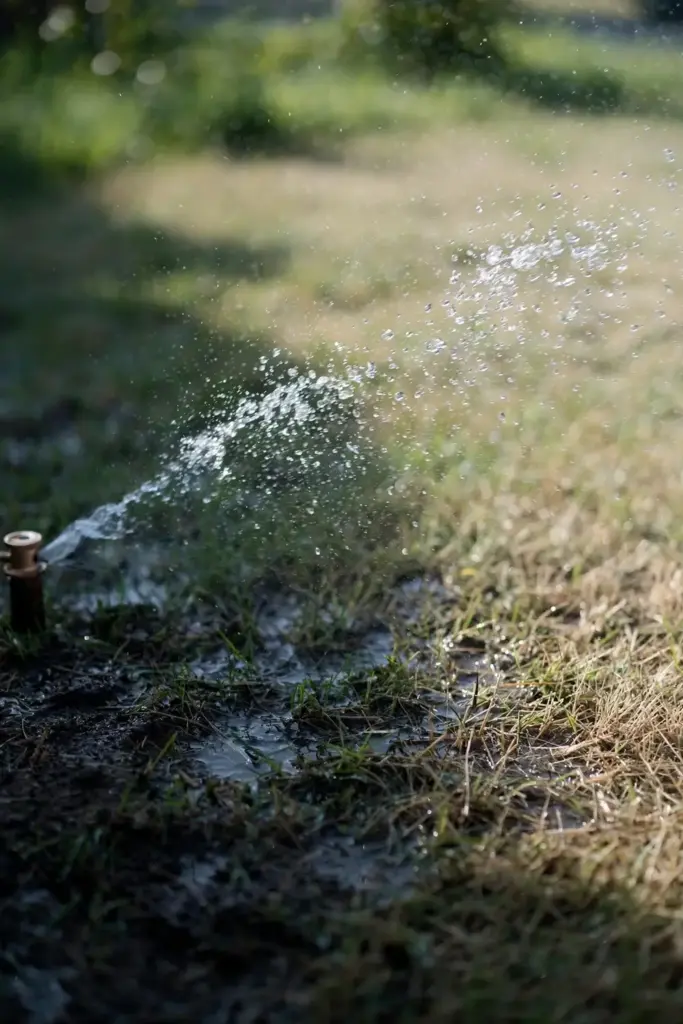
Light daily watering does the opposite. It keeps the top inches moist, concentrates roots at the surface, and holds nematodes where the roots are. A lawn watered 10 minutes every morning runs a nematode nursery. Switch to deep sessions and judge the change over a full season.
Afternoon syringing helps heat-stressed turf without wetting the soil. A light midday wetting of the leaf blades only cools the canopy. The goal stays the same. Moisture deep, surface dry between waterings.
Garden beds follow the same rule. Water at the root zone in the morning. Drip lines and soaker hoses beat overhead watering because they keep stems dry and water where roots drink. Let the top inch dry before watering again.
Step 4: Feed Lightly, Mow High, and Aerate to Rebuild a Stressed Lawn
Raise the mowing height to the top of the recommended range for your grass. Never remove more than one-third of the blade in a single mowing. Taller grass photosynthesizes more, and that extra energy grows the roots the worms keep eating. LSU AgCenter advises raising the mowing height under stress and during recovery from nematode injury.
Feed by the soil test. LSU AgCenter caps lawn nitrogen at one pound per 1,000 square feet per application and ties every application to a soil test. Excess nitrogen pushes soft growth that nematodes exploit. The best time to fertilize a lawn in spring matters as much as the amount, because feeding at the wrong time pushes growth the roots cannot support.
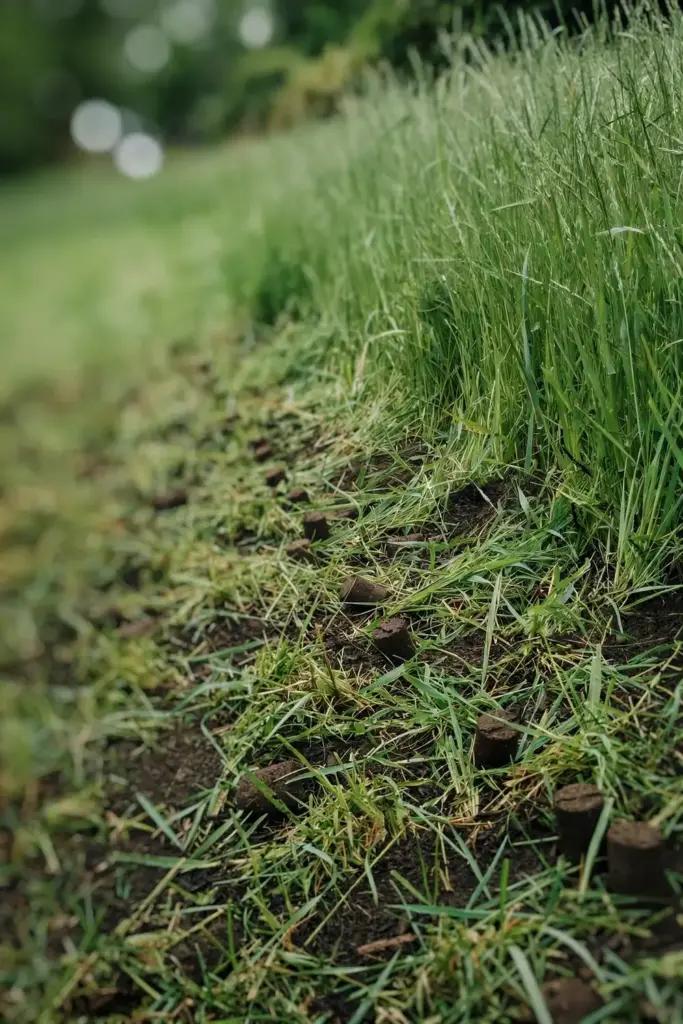
Aerate compacted lawns while the grass grows strongly. Core aeration pulls plugs and opens channels for water, air, and roots. It breaks the shallow hard layer that keeps roots in the feeding zone. Follow aeration with a thin topdressing of compost on sandy soils. Compost holds moisture and feeds the soil biology that competes with nematodes.
Dethatch when thatch runs thick. Thatch holds moisture at the surface and encourages shallow rooting. A thin thatch layer is normal. A spongy mat over half an inch thick needs a dethatching pass. Measure before you dethatch.
Step 5: Solarize a Garden Bed for 4 to 6 Weeks in Summer Heat
Solarization cooks the top layer of a garden bed with sun and clear plastic. Wet the soil, lay clear plastic edge to edge, and bury the edges so heat cannot escape. Black plastic will not work. Sunlight must pass through the sheet and trap heat underneath.
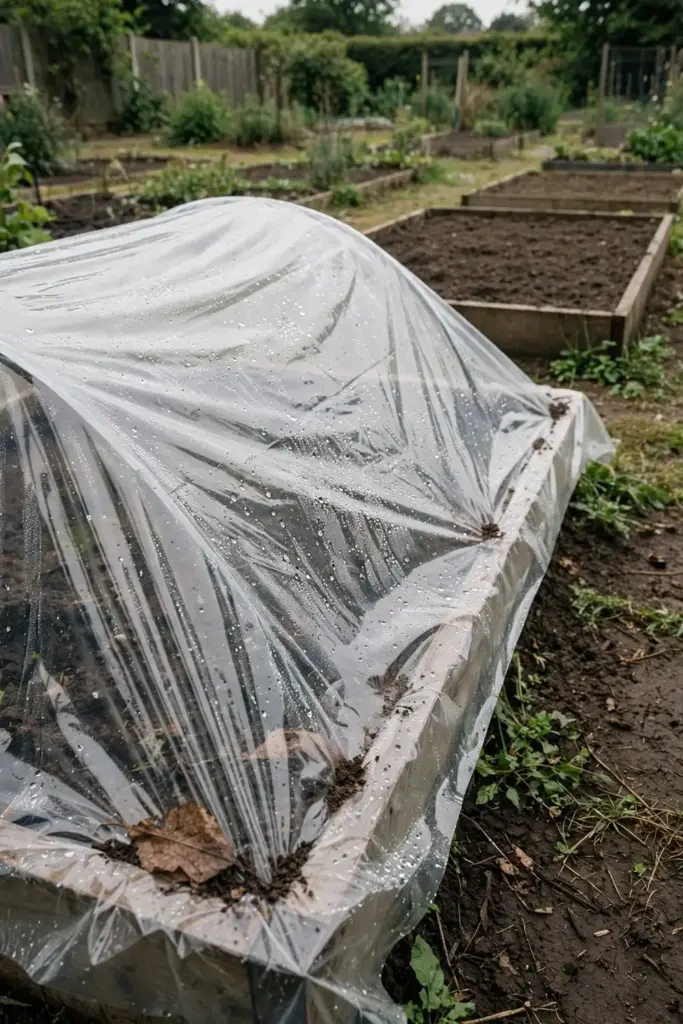
Plan on 4 to 6 weeks in the hottest stretch. The University of California IPM soil solarization guide gives 4 to 6 weeks under clear plastic, with the top 12 to 18 inches heated to temperatures as high as 140 degrees Fahrenheit. Heat falls off with depth, so the top inches get the strongest effect. Mississippi State Extension gives 8 weeks for garden beds. In a cooler summer or a northern garden, plan on the longer end of the range.
Leave the soil alone after you pull the plastic. Do not till. Tilling drags up weed seed and spores from below the heated layer. Let the bed cool for a few days, then plant into the undisturbed surface.
Solarization fits beds, not lawns. You cannot solarize an established lawn without killing the grass. Use it on vegetable beds between crops, on a bed you plan to replant, or on a patch you are converting from lawn to garden. A fallow summer bed suits solarization well.
Step 6: Rotate Crops and Rest Infested Beds
Rotation starves the population. Stunt nematodes feed on living roots. A season without a host crop drops their numbers. Illinois Extension lists rotating out of corn among the management steps for corn nematodes. The same logic holds in a garden bed.
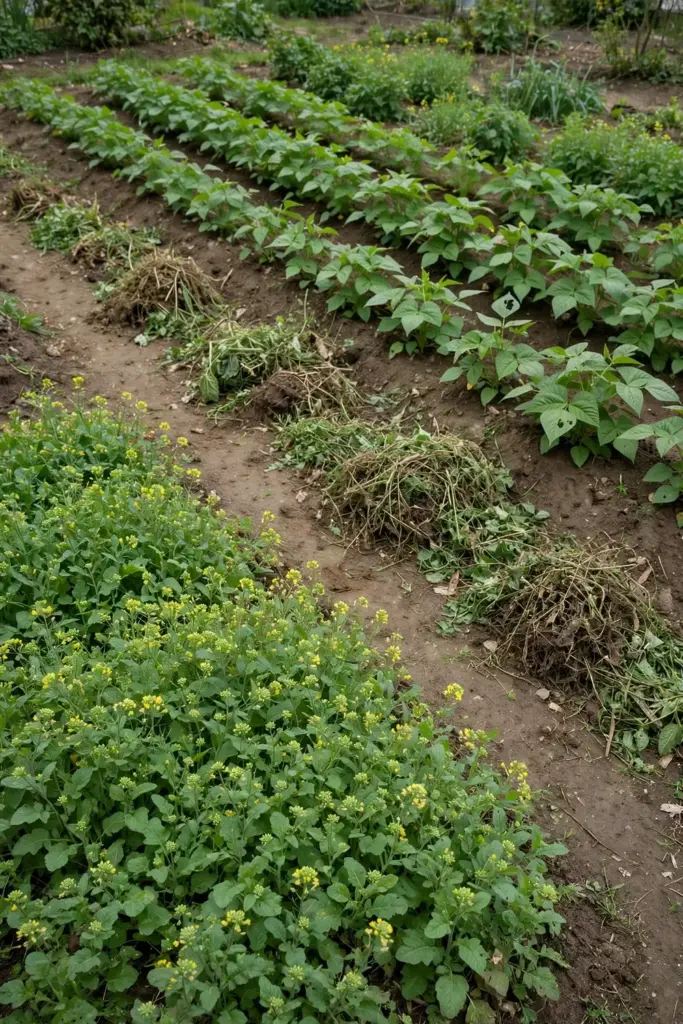
Fill the fallow years with non-hosts. Corn, beans, and grains break the cycle for a vegetable bed. A mustard cover crop in the off season adds organic matter while the bed rests. Pull weeds through the fallow years. Weeds host nematodes silently and keep the bed infectious while it looks empty. Mississippi State Extension lists fallow, rotation, and sanitation among the home-garden nematode controls.
Never follow a failed crop with the same crop. A bed that stunted tomatoes gets beans, corn, or a cover crop next, not more tomatoes. Map the bed on paper so next spring does not repeat this spring.
Marigolds carry a caution flag. Mississippi State Extension names French marigolds in a generic nematode context. No trial proves marigolds control stunt nematodes specifically. Treat marigolds as a rotation companion, not as a cure. A bed of marigolds still needs the assay, the rotation, and the sanitation in this plan.
Step 7: Keep Nematodes Out of Clean Areas With Simple Sanitation
Sanitation stops the spread you control. Nematodes ride in soil on boots, tools, and transplants. Mississippi State Extension notes that nematodes spread in infested soil clinging to cultivation equipment and on roots of transplants. Wash soil off tools, boots, and pots before you move from an infested bed to a clean one.
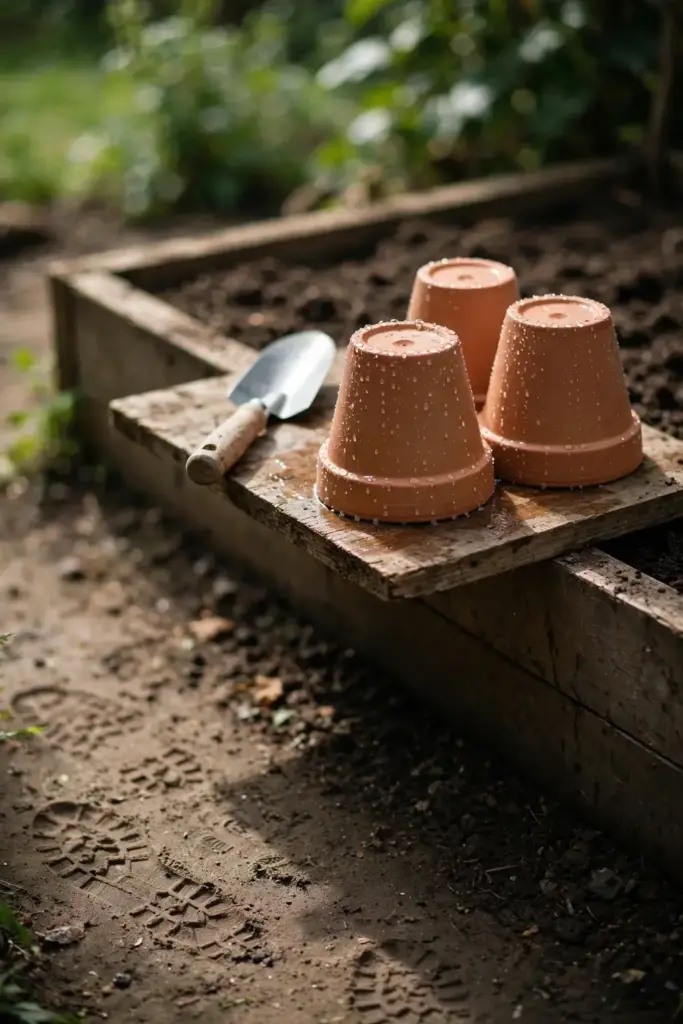
Work clean beds first and infested beds last. Change gloves between beds if you wear them. Clean tools again before you put them away. Wash borrowed equipment clean of soil before use so you do not import nematodes from someone else’s problem lawn.
Inspect transplants before they leave the store. Any wilted, stunted, or off-color seedling stays behind. Buy certified disease-free seed and transplants from a reputable supplier. One infested transplant seeds a bed that punishes crops for seasons.
Keep infested soil out of pots. Never fill containers with bed soil, even soil that looks fine. One scoop of bed soil seeds the pot. Fresh sterile mix carries no soil history and no nematodes.
Step 8: Plant Clean and Grow Susceptible Crops in Fresh Mix
Containers dodge the bed entirely. Fresh sterile mix carries no soil history and no nematodes. A tomato in a clean container on a patio grows free of the bed that stunted its cousins. Containers are the honest shortcut when a bed cannot be trusted.
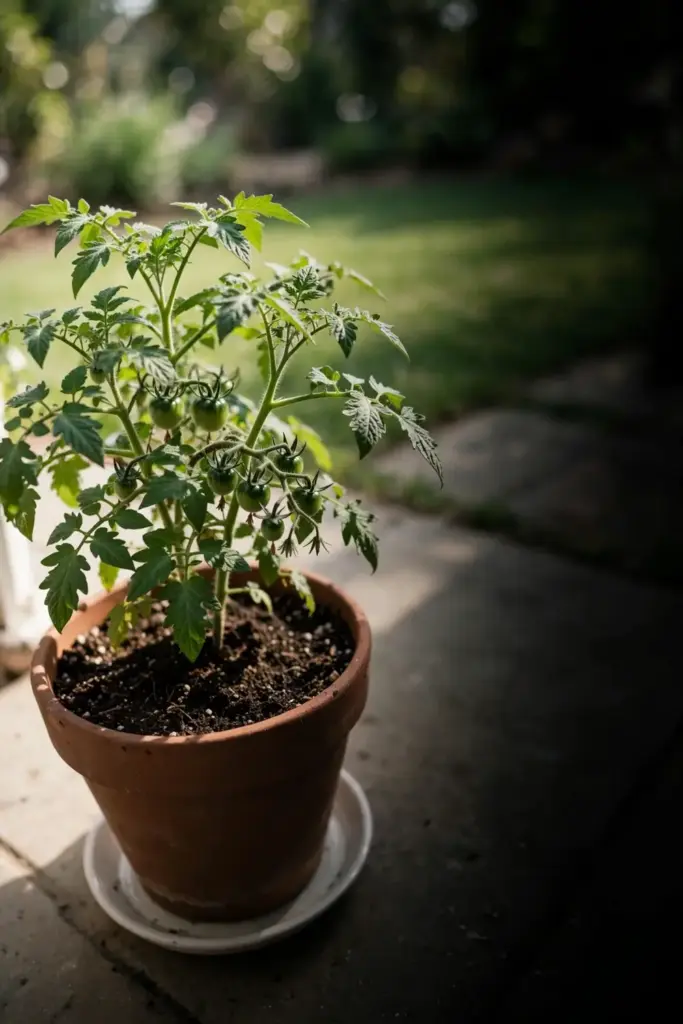
Raise the bed instead of fighting it. A raised bed filled with fresh, clean soil mix sidesteps the infested ground. Do not fill the bed with soil dug from the infested lawn. Line the bottom with cardboard to slow root contact with the ground below, and keep the bed’s soil separate from the ground soil.
Choose less susceptible crops for infested ground. Corn, beans, and grains tolerate nematode pressure better than many vegetables in a rotation plan. Resistant varieties help where they exist. Mississippi State Extension lists resistant varieties for root-knot nematode. No equivalent stunt nematode list exists for home gardeners, so variety choice alone cannot carry a stunt plan. For stunt ground, crop choice and clean mix carry the weight.
Start seed in sterile mix. Fresh seed-starting mix, new or disinfected trays, and clean water keep seedlings clean until transplant. Use a 10 percent bleach solution on trays, one part household bleach to nine parts water, then rinse and dry.
Step 9: Know When to Call a Professional and Skip Home Nematicides
No product is labeled for stunt nematodes in a home lawn or garden. That single fact shapes this step. Golf-course nematicides stay on golf courses. Their labels do not cover home lawns, their cost runs far past a homeowner budget, and their handling needs a licensed applicator. Do not carry a golf-course program into a backyard.
Mississippi State Extension lists one home-garden nematicide, fluensulfone, for root-knot, lance, sting, stubby-root, and lesion nematodes. Stunt nematode is not on that list. A product that does not name stunt nematode on its label does not treat stunt nematode. Read the label before you buy anything.
Call a professional when the assay shows a severe infestation, when the lawn is large and valuable, and when a licensed turf professional in your state can legally apply a labeled product. Ask what product, what label, and what the realistic expectation is. No product eradicates nematodes from soil. The honest ones suppress populations below the damage threshold for a season, and the cultural steps above keep them there.
Skip the store-bought shortcut. Most consumer products marketed for nematodes are not labeled for established home lawns, or they are preventive products meant for pre-plant use. An off-label application wastes money at best and damages the lawn at worst. If the label does not name your grass and your situation, do not apply it.
Living With Stunt Nematode in a Lawn and Garden You Already Own
Some lawns and beds will always hold stunt nematodes. Sandy soil does not change, and once established, these nematodes are not eradicated. The goal shifts from cure to coexistence. A dense, vigorous lawn outgrows the feeding. A rotated, solarized bed keeps the population low enough to crop.
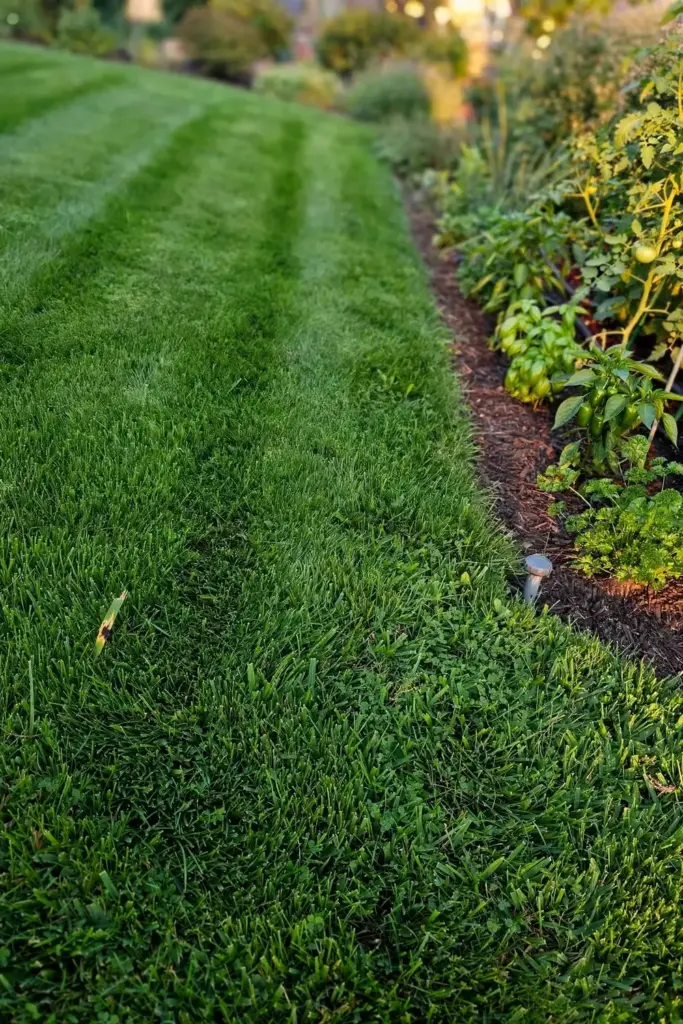
I have learned that a lawn with stunt nematodes rewards patience more than products.
Keep the maintenance rhythm simple. Water deep and infrequent. Mow high. Feed by the soil test with modest nitrogen. Aerate annually while the grass grows strongly. Overseed or sprig thin spots in the right season so weeds do not colonize them. Rotate the vegetable beds and solarize between crops. Each habit is ordinary good gardening. Together they are a stunt nematode management program.
Watch for the signal that the program works. Patches stop expanding. Edges fill in. The same spots look better each year instead of worse. If patches keep growing despite a full season of the cultural program, retest. Nematode populations shift with weather, and a new assay tells you whether the trend is your friend.
Foliar nematodes feed in leaves, a different problem. Stubby root nematodes vector viruses. Sting nematodes hit turf far harder. Each is a separate organism with its own management.
Frequently Asked Questions
No. Stunt nematodes are plant parasites that feed only on plant roots. They cannot infect humans, dogs, cats, or any animal. The name sounds like an insect sting, and the worry is common. Your lawn and garden are the only things at risk. Wash hands after gardening as usual, and keep pets off freshly treated beds until any product dries.
Stunt nematodes persist in soil for years as long as host roots are present. They feed, lay eggs, and hatch in the soil around the roots, so the population renews itself every season. Removing the lawn or resting the bed starves them. In an established lawn the practical answer is years, so management focuses on suppression.
Heat, starvation, and competition kill stunt nematodes without chemicals. Solarization heats the top inches of a bed past the point nematodes survive. A fallow season without host roots starves the population. Compost and healthy soil biology compete with nematodes for root space and food. No spray, powder, or home remedy erases an established population on its own. The cultural program above is the natural control that works.
Rarely. Stunt nematodes thin lawns in patches, and total lawn loss is uncommon in home lawns. An Australian turf guide rates stunt nematode 3 on a 1 to 10 damage scale for turf, against 10 for sting nematode. What usually happens is expanding thin patches that weeds colonize. Lawns rarely die outright because the grass keeps trying to regrow roots. The damage looks worst in hot, dry summers when short roots cannot keep up with water demand.
Almost never. Soil replacement is enormously expensive and rarely complete, because nematodes survive in the surrounding soil and recolonize quickly. The exception is a small, defined bed being converted to a garden, where removing and replacing the top foot of soil is practical. For a lawn, the cultural program costs far less and works better. For a bed, solarization and rotation beat replacement.
No. Beneficial nematodes are different nematodes. The grub-killer nematodes sold for lawns are entomopathogenic species in the Steinernema and Heterorhabditis families, and they hunt insects, not plant-parasitic worms. Washington State University Extension notes that these beneficial species attack soil insects and do not harm plants. They will not touch stunt nematodes. Spend that money on the assay and the cultural program instead.
Where to Go From Here
Stunt nematode rewards fast triage and steady soil work. Dig up roots and check for galls. Make the honest assay call in Step 1. Then work the sequence. Water deep, mow high, feed lightly, solarize beds, rotate crops, and keep clean soil clean.
Next season, start clean. Fresh sterile mix, disinfected trays, and morning watering will prevent more stunt nematode damage than any product treats. The soil health guide is a useful companion read if you are building a broader disease-identification habit, since it trains the same look-closely-at-symptoms approach.
If the galls point to root-knot nematode instead, that problem needs its own plan.