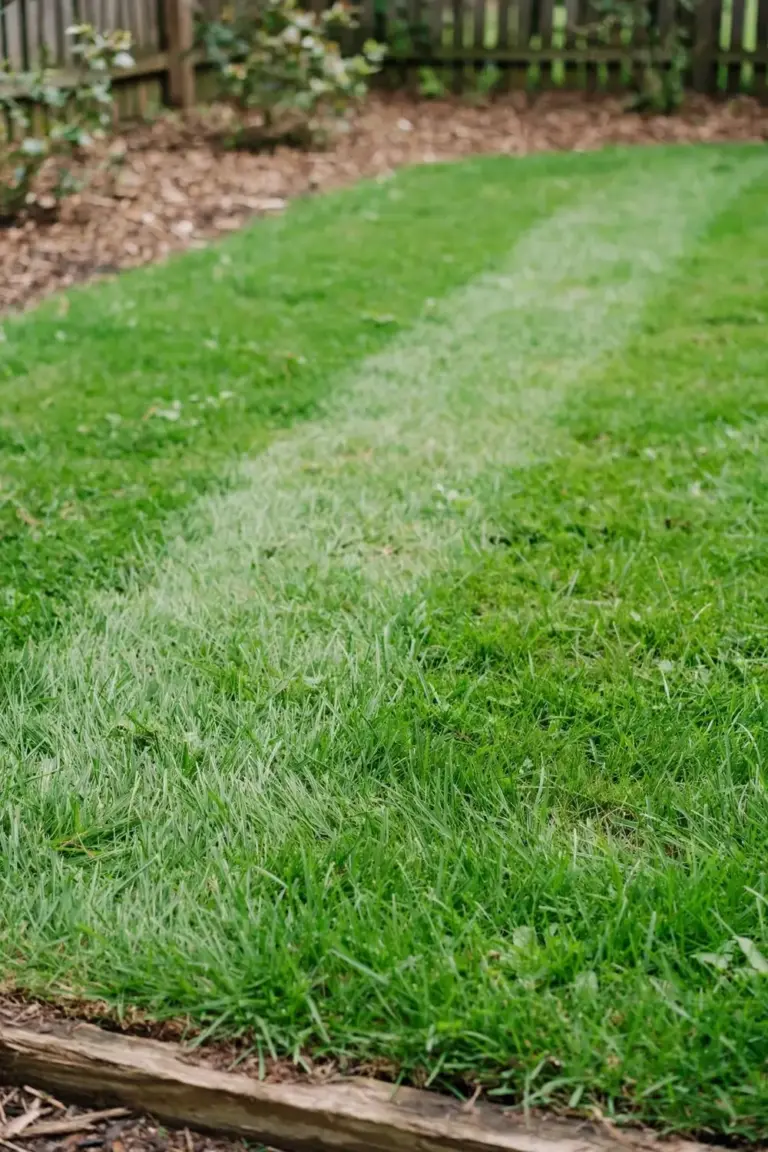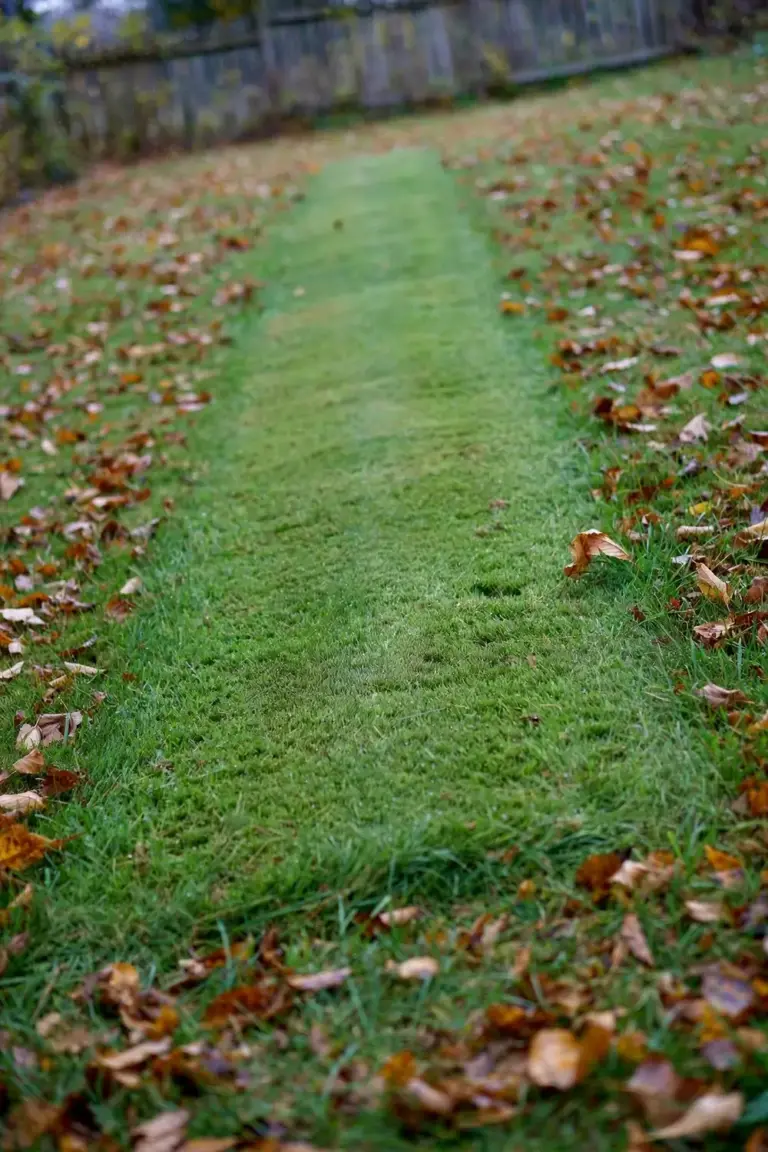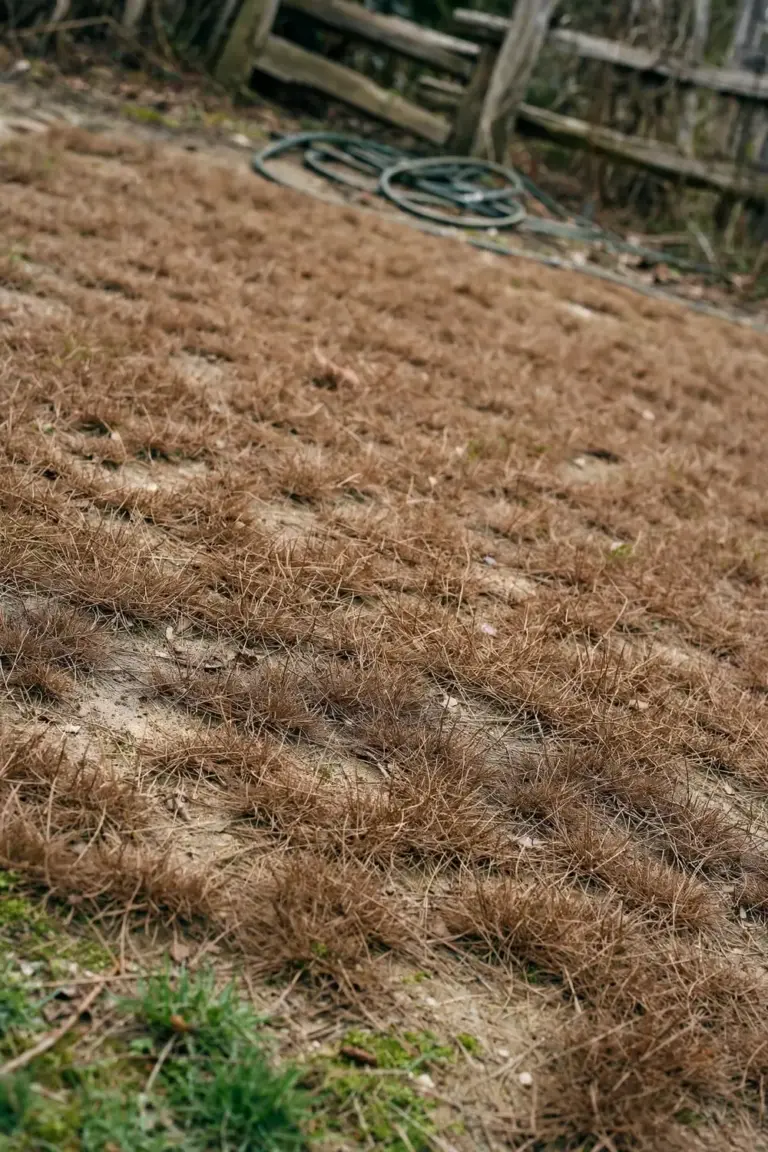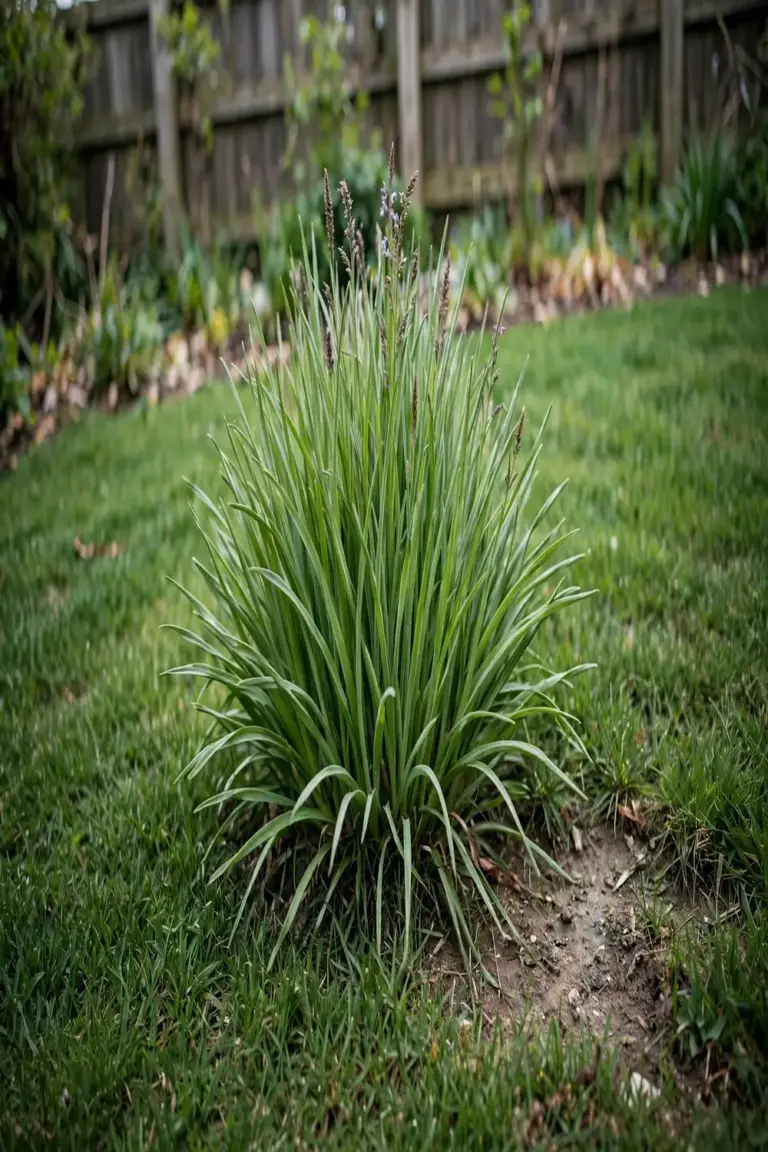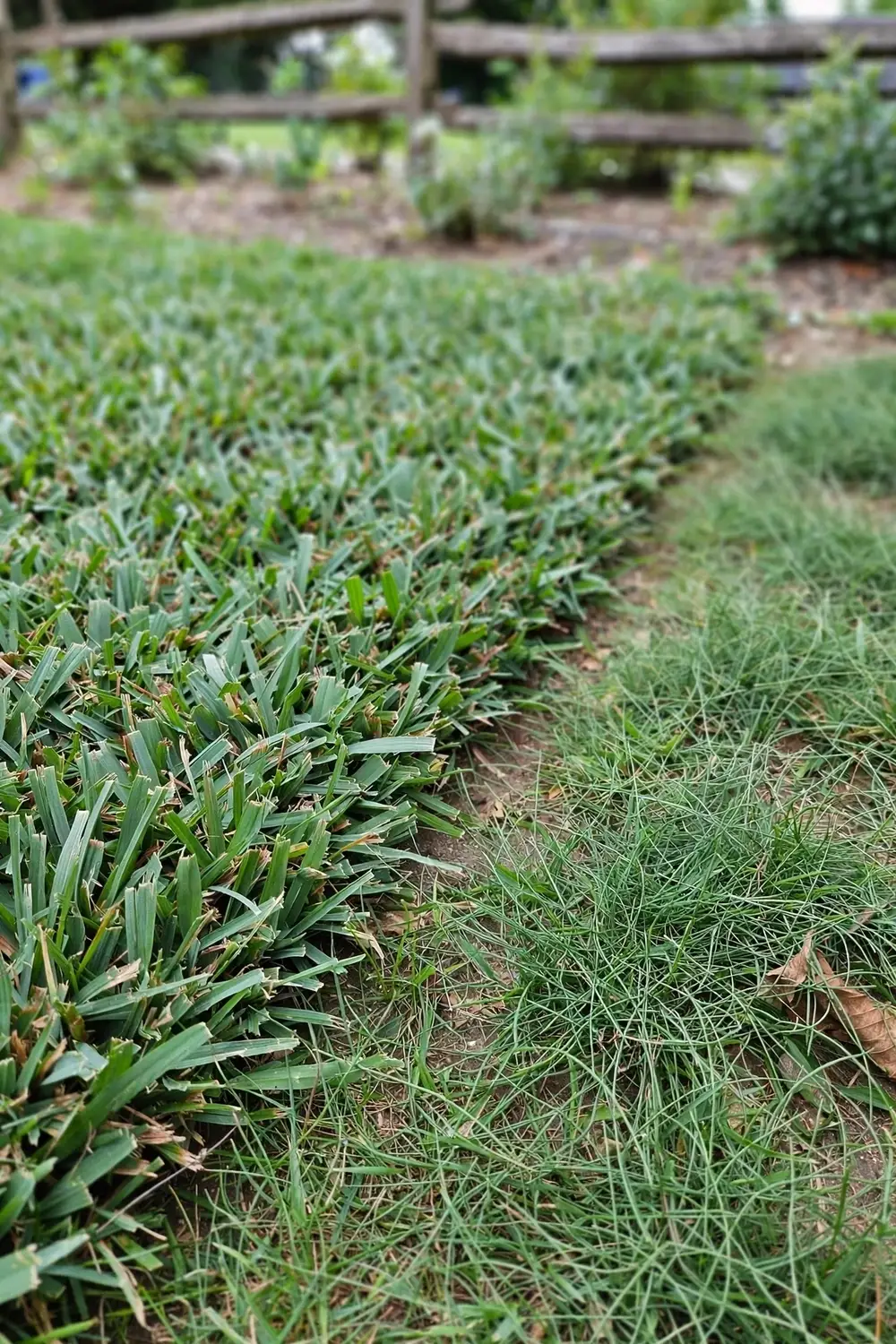

Last summer the lawn by the back fence changed its identity. The broad, flat buffalo blades thinned out, and fine wiry runners with narrow, sharp-pointed blades 3.2 mm wide wove through the gaps. That was couch grass moving in, and clearing it takes a full warm season of steady work, not one spray, because no selective herbicide kills couch grass inside buffalo without killing the buffalo too. This is how to remove couch grass from a buffalo lawn: name both grasses first, pick the method that fits the size of the patch, and keep the buffalo alive while the couch dies.
The story matters because the two grasses look alike from the kitchen window. Couch grass spreads by stolons above ground and rhizomes below it. Buffalo grass spreads by stolons only. That single difference decides every method that follows. Hand pulling works when you chase every rhizome. Painted glyphosate works when the couch is actively growing and moving sugars down to its rhizomes. Solarizing works on seeds and shallow runners, not on deep rhizomes. Cutting out and re-turfing works when a patch is too far gone to save. The rest of this page walks through each method in order, from the smallest patch to a full lawn rebuild.
1. Name the Two Grasses Before You Touch Either One
Couch grass is Cynodon dactylon. Buffalo grass is Stenotaphrum secundatum. Confusing the two wastes a season, because every treatment that kills one will hurt the other if it lands in the wrong place.
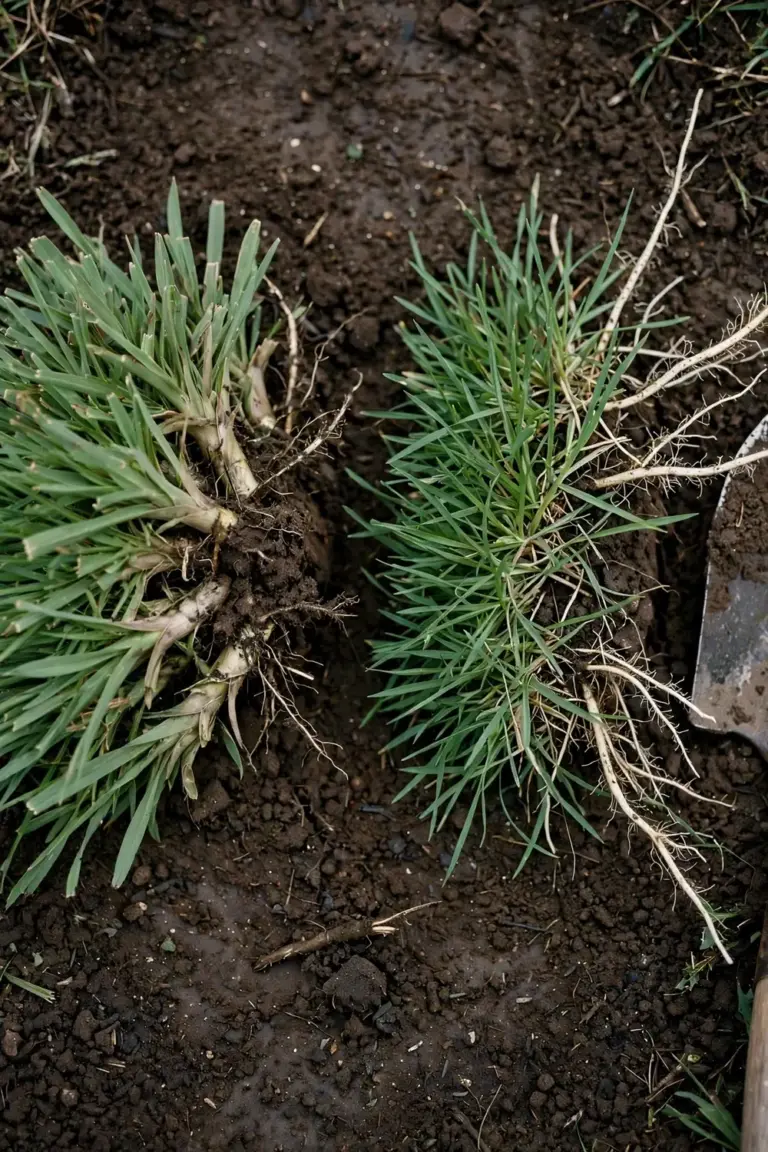
Couch grass shows narrow blades 3.2 mm wide with sharp-pointed tips and rough edges, and it creeps by long stolons and underground rhizomes, according to the University of Georgia bermudagrass profile. Its seedhead carries 3 to 5 slender spikes joined at the top of the main stem. The plant forms a wiry, low mat that greens up fast in warm weather and thins in winter. Pull a runner and it roots at the nodes. Dig below it and white rhizomes run through the soil.
Buffalo grass shows broad, flat blades with a wide, rounded tip, and leaves sit opposite each other on the stolon, according to the LSU AgCenter St. Augustinegrass guide. It spreads aggressively through stolons, which are thick above-ground stems that root where they touch soil. Buffalo blades feel coarse. The lawn looks dense and carpet-like when it is healthy. It holds its color longer into cool weather than couch grass does.
| Feature | Couch Grass (Cynodon dactylon) | Buffalo Grass (Stenotaphrum secundatum) |
|---|---|---|
| Blade width | Narrow, about 3 mm | Broad and flat, rounded tip |
| Blade tip | Sharp-pointed | Wide and rounded |
| Spread | Stolons and rhizomes | Stolons only |
| Growth habit | Wiry, low mat | Dense, coarse carpet |
| Seedhead | 3 to 5 slender spikes at stem top | Thick, singular seedhead above blades |
| Winter look | Thins and browns early | Holds color longer |
Two traps catch readers here. The first is Mullumbimby couch. It is a sedge, Cyperus brevifolius, not a grass at all. Products that list nutgrass and Mullumbimby couch on the label do not treat common couch grass. Read the label weed list before you buy anything. The second trap is the lawn weed killer shelf. A bottle sold for broadleaf weeds in lawns will not touch a grassy invader. Couch grass is a grass, and broadleaf products pass straight over it.
2. Read the Patch Like a Map Before You Start
A patch tells you which method fits. Walk the lawn and mark every couch patch with a stick or a spray of line-marking paint. Note the size of each patch, whether the couch runs in a solid mat or threads through the buffalo, and where the edges sit. A solid mat means the buffalo underneath is already gone. Threads through healthy buffalo mean the buffalo still holds the ground and you can save it.
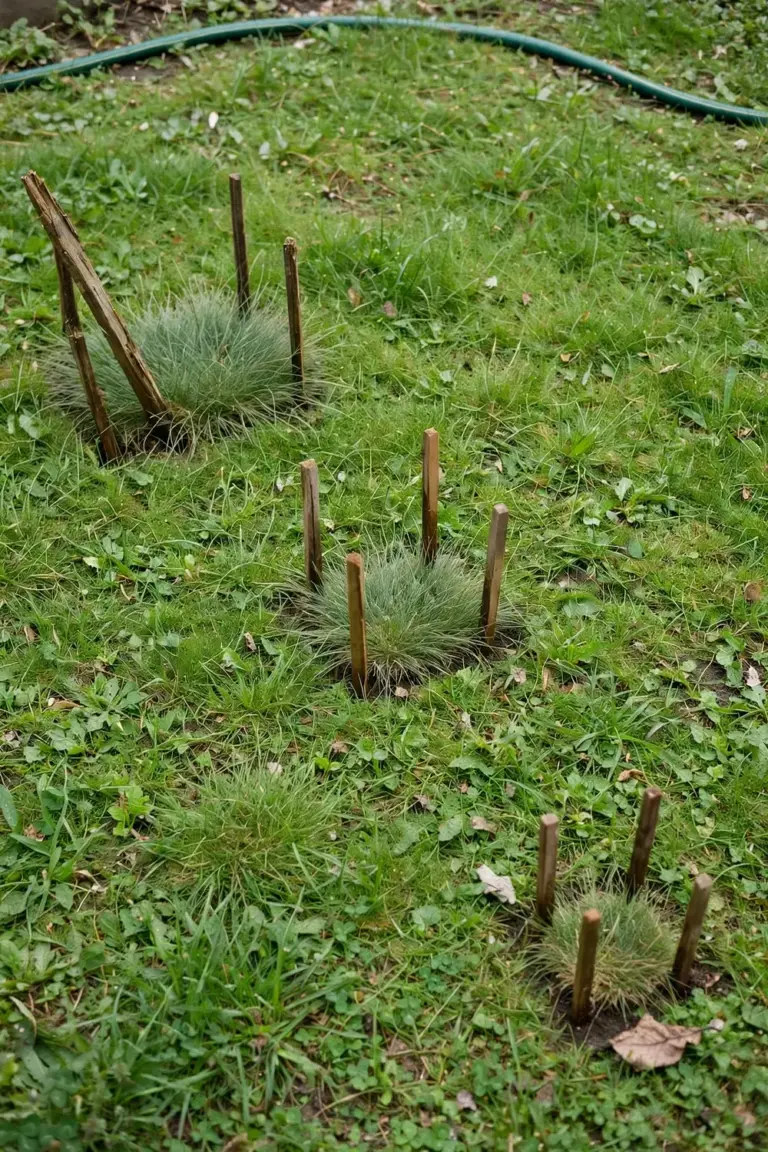
The decision rule is simple. A patch you can cover with one hand gets pulled. A patch up to about a square metre gets painted or cut out. A lawn where couch covers more than half the ground, or where the buffalo survives only in islands, needs a full renovation. The table below sets out the choice. Pick the smallest method that matches the patch. Starting too big wastes a lawn that could have been saved.
| Method | Patch Size | Buffalo Loss | Time to Result |
|---|---|---|---|
| Hand pulling | Hand-sized or smaller | None if done cleanly | Weeks of repeat visits |
| Painted glyphosate | Up to about a square metre | None if paint stays on couch | 2 to 4 weeks per round |
| Solarizing | A defined patch you can cover | Total inside the covered area | 4 to 6 weeks under plastic |
| Cut out and re-turf | Any size with clean edges | Total inside the cut area | One day of work, then weeks of watering |
| Full renovation | More than half the lawn | Total | One season |
Count the patches before you start, and photograph them. The photo becomes the baseline. In six weeks you compare the same view and see whether the couch is shrinking or spreading. Guessing from memory fools everyone. A dated photo does not.
3. Pull the Small Patches Out by Hand
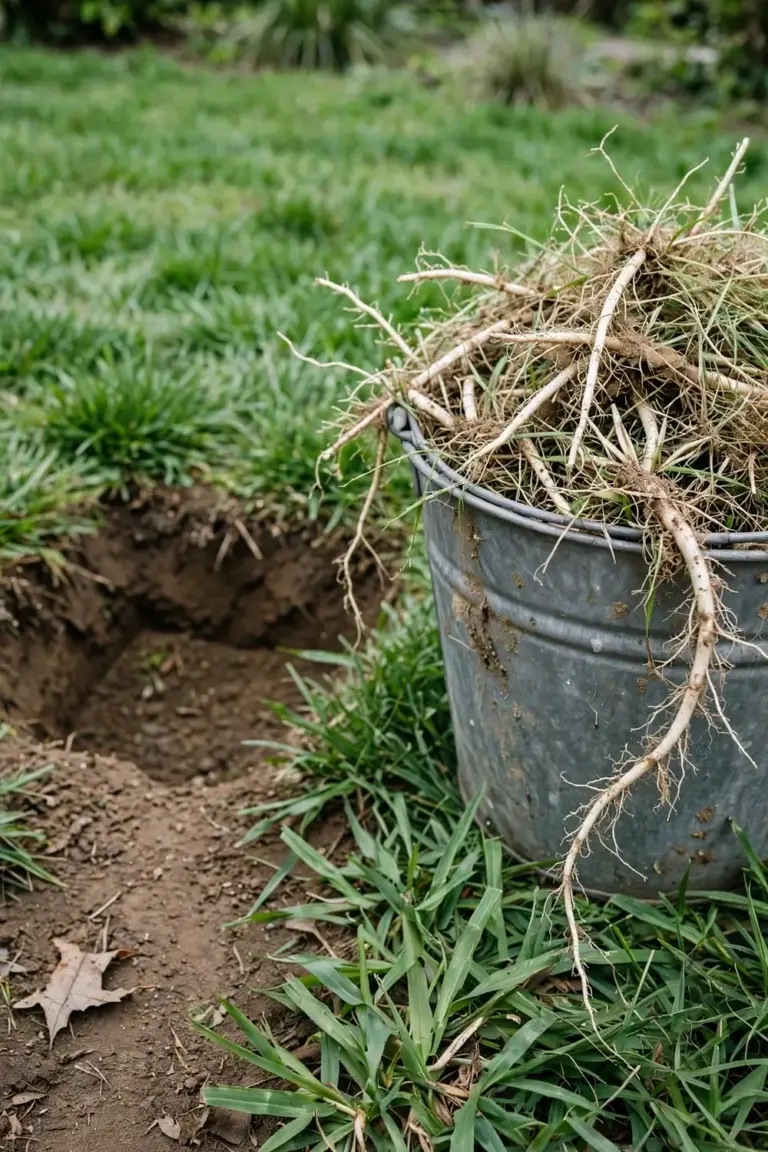
Hand pulling suits a patch you can cover with one hand. It costs nothing, it kills no buffalo, and it works when you remove the whole root system. Half a job here is worse than no job, because every rhizome fragment left behind grows back.
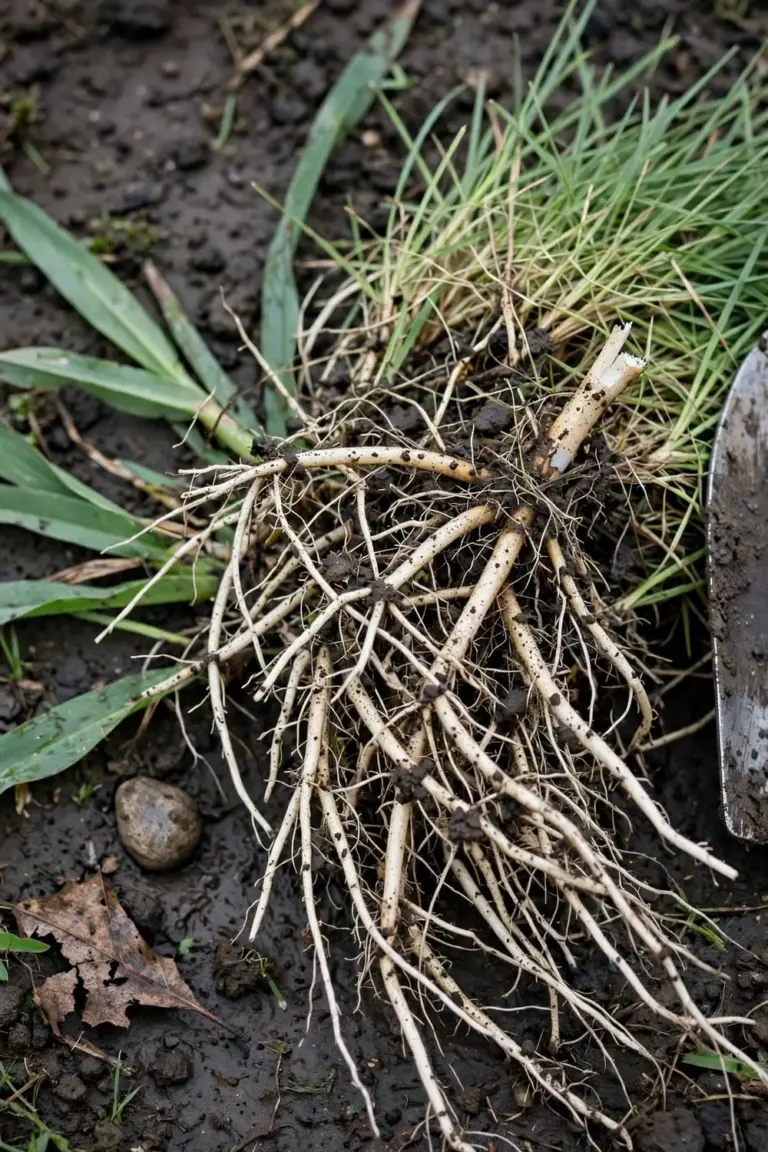
Water the patch lightly first. Damp soil lets roots slide out whole. Lilydale Instant Lawn advises watering lightly to loosen the soil and mowing the buffalo slightly longer before removal, which strengthens the grass you want to keep. Work from the outside edge of the patch inward. Grip the couch at the base, where the stolon meets the soil, and pull slowly. Follow each runner with your fingers and lift it out of the soil. Then dig under the patch with a hand fork and pick out every white rhizome you find. Bag everything and bin it. Never compost couch rhizomes. A compost heap rarely gets hot enough to kill them, and you will spread the weed with the compost.
Check the patch again after one week, because new green shoots mean missed rhizomes. Pull them the same way, then repeat the check every week for a month. Four clean checks in a row mean the patch is beaten. One missed fragment restarts the whole patch, so the repeat visits are the method, not extra work.
4. Paint Glyphosate Onto the Couch, Never Spray It
Painted glyphosate suits a patch up to about a square metre, where hand pulling would take too long and the buffalo around the patch is still worth saving. Glyphosate is non-selective. It kills any green plant it touches. Spraying it over a mixed patch kills the buffalo with the couch. Painting it onto couch leaves only kills the couch.
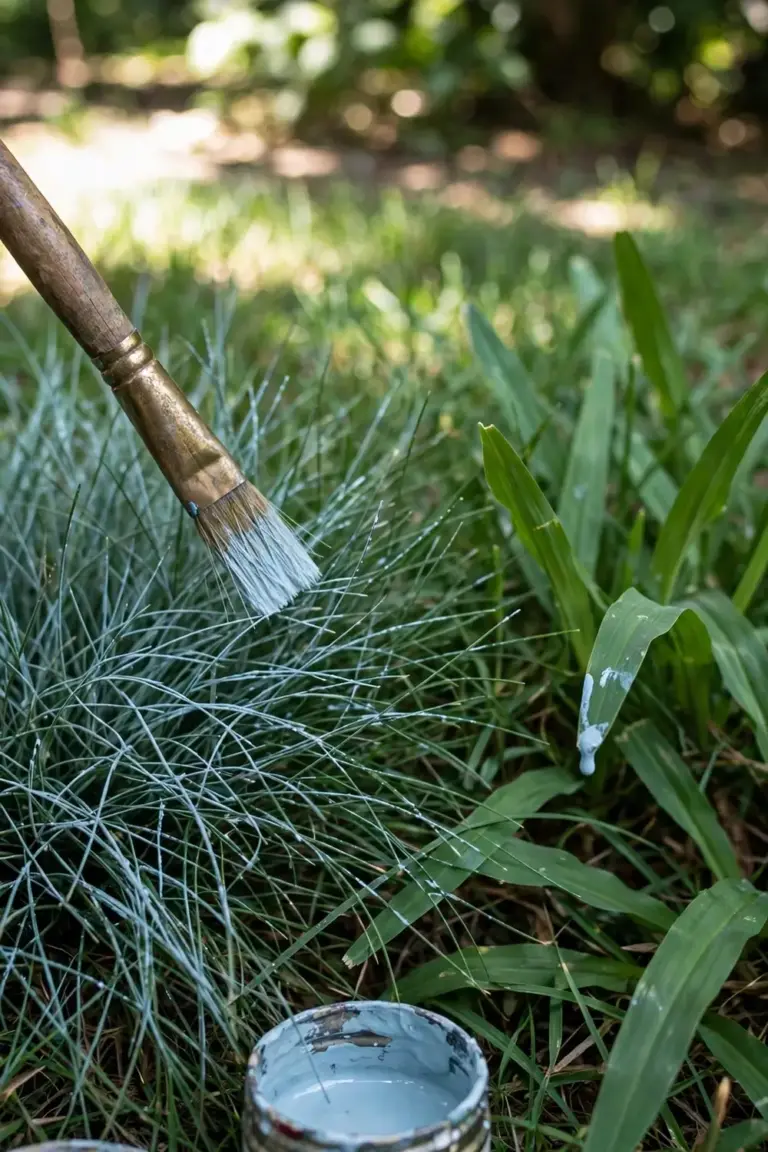
Wait for active growth. Treat while the couch is green and growing hard, in late spring through summer. A glyphosate molecule needs living leaves to enter the plant, and the plant then carries it down to the rhizomes. Paint on dormant or drought-stressed couch and little reaches the roots. I have learned that the patch I paint in active growth stays dead, while the patch I paint in winter comes back.
Use a small brush or a weed wand. Lilydale Instant Lawn recommends applying glyphosate with a weed wand or a small brush directly onto the problem area, and warns that any drift onto the buffalo kills it as well. Mix the product exactly as the label directs. Paint each couch leaf until it is wet, and keep the brush off every buffalo blade. Work on a calm day with no wind. Shield nearby buffalo with a sheet of cardboard if the patch threads through it. Wear gloves and keep pets and children off the patch until it dries.
Expect one round to take 2 to 4 weeks to show full effect. Leaves yellow, then brown, then collapse. If green shoots return, paint them again. Two or three rounds are normal on a stubborn patch. University of California IPM guidance for bermudagrass in orchards takes the same line: spot treat established patches with glyphosate. Do not spray broadly. The principle holds on a lawn, and precision beats coverage.
One warning stands above the rest. No selective herbicide removes common couch grass from buffalo. Retail guides in Australia state this plainly. There is no spray that kills couch in a lawn while leaving the surrounding turf alive. Anyone who sells you one is selling a broadleaf product, a sedge product, or a hope. The paintbrush is the selective tool here, and your hand aims it.
5. Solarize the Patch You Can Afford to Lose
Solarizing suits a defined patch where you accept losing the buffalo inside the covered area and re-turfing afterward. It uses heat, not chemicals. Clear plastic traps the sun and cooks the top layer of soil.
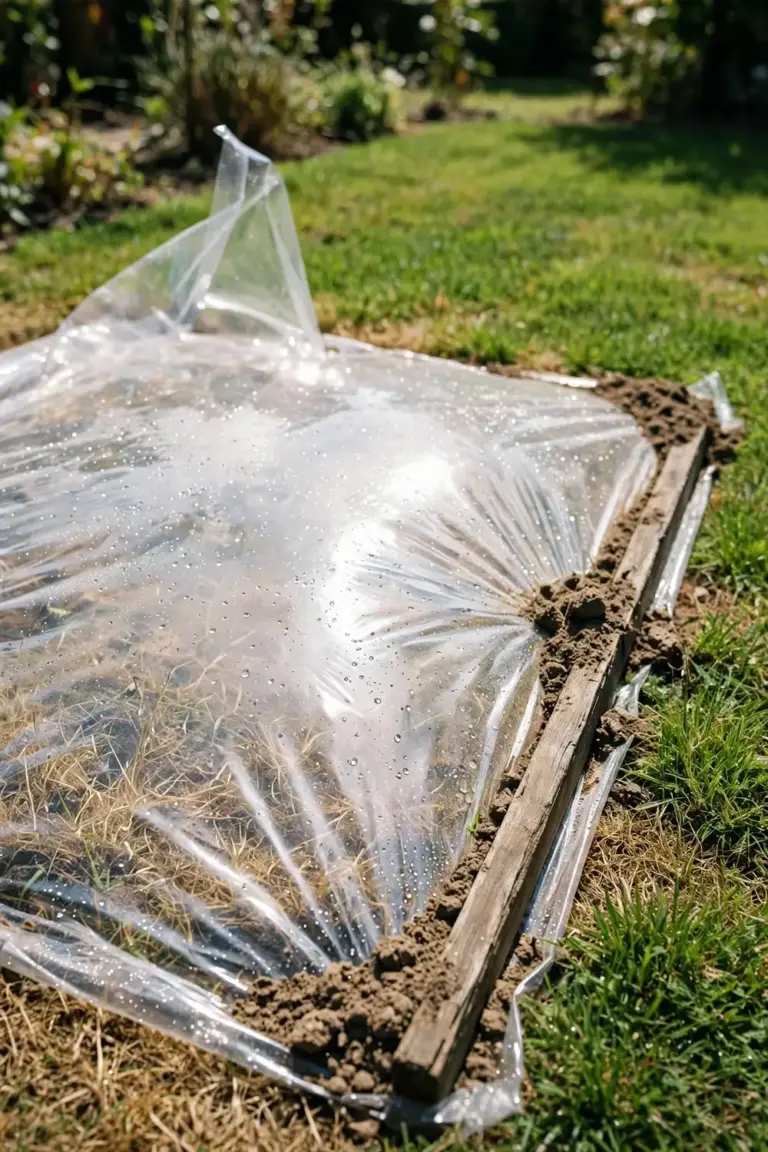
Mow the patch short. Water the soil until it is moist through the top 15 cm. Lay clear plastic over the patch, tight against the soil, and seal the edges with soil, timber, or bricks. Air pockets under the plastic cool the soil and waste the treatment. Leave the plastic in place for 4 to 6 weeks during the hottest part of the year, a method the University of California IPM solarization guide describes for gardens and landscapes. Moist soil conducts heat deeper than dry soil, and the heat kills seeds, pathogens, and shallow runners in the top layer.
Know the limit before you start. Solarizing controls bermudagrass seeds, but it has less effect on perennial structures such as rhizomes and stolons, and it loses power on structures buried deeper than 15.2 cm, according to University of California weed science notes on solarization. Couch rhizomes sit exactly in that hard zone. Solarizing alone rarely finishes a couch patch. Treat it as a clean-up step after pulling or painting, or as a way to sterilize a patch you plan to re-turf. After you lift the plastic, check for regrowth for two weeks before you lay new turf. Green shoots mean the rhizomes survived and need paint or digging.
6. Cut the Patch Out and Re-Turf the Bare Ground
Cutting out suits a patch with clean edges, or a patch where pulling and painting have failed twice. It is the fastest certain method. You lose the buffalo inside the cut, and you gain a clean bed for new turf.
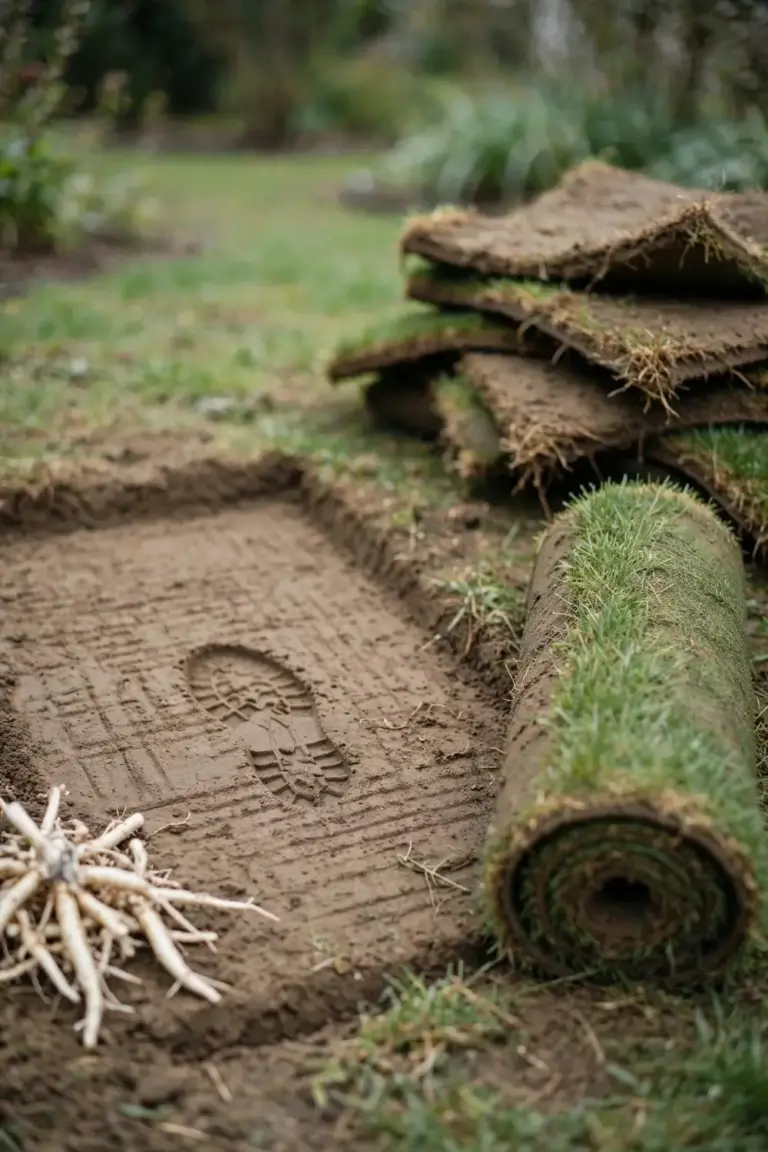
Mark a square around the patch with a spade, cutting at least 10 cm past the last visible couch runner. Couch runners travel beyond the visible edge. A tight cut leaves runners in the soil and the patch returns. Slice the square into strips and lift the turf with a spade. Dig the exposed soil to one spade depth and pick out every white rhizome. Bag the lifted turf and the rhizomes and bin them. Do not stack the infested turf on a garden bed. It seeds the next problem.
Lay buffalo turf into the hole the same day. Butt the edges tight against the old lawn so no soil gap shows. Water deeply right after laying. Lilydale Instant Lawn advises patching bare areas with buffalo turf, watering deeply, and applying a balanced fertilizer to push regrowth. Keep the new turf moist for the first two weeks. Foot traffic stays off it until the roots grip. A square that dries out in week one lifts at the corners and never knits into the old lawn.
Match the new turf to the old lawn. Sir Walter is the common soft-leaf buffalo in Australian yards. If your lawn is a different buffalo variety, ask the turf supplier to match it. A patch of the wrong variety shows as a different color and texture for years. The fix takes one question at the counter.
7. Know When the Whole Lawn Has to Go
Full renovation suits a lawn where couch covers more than half the ground, or where the buffalo survives only in islands too small to defend. At that point, spot methods cost more time than they save. The honest call is to start over.
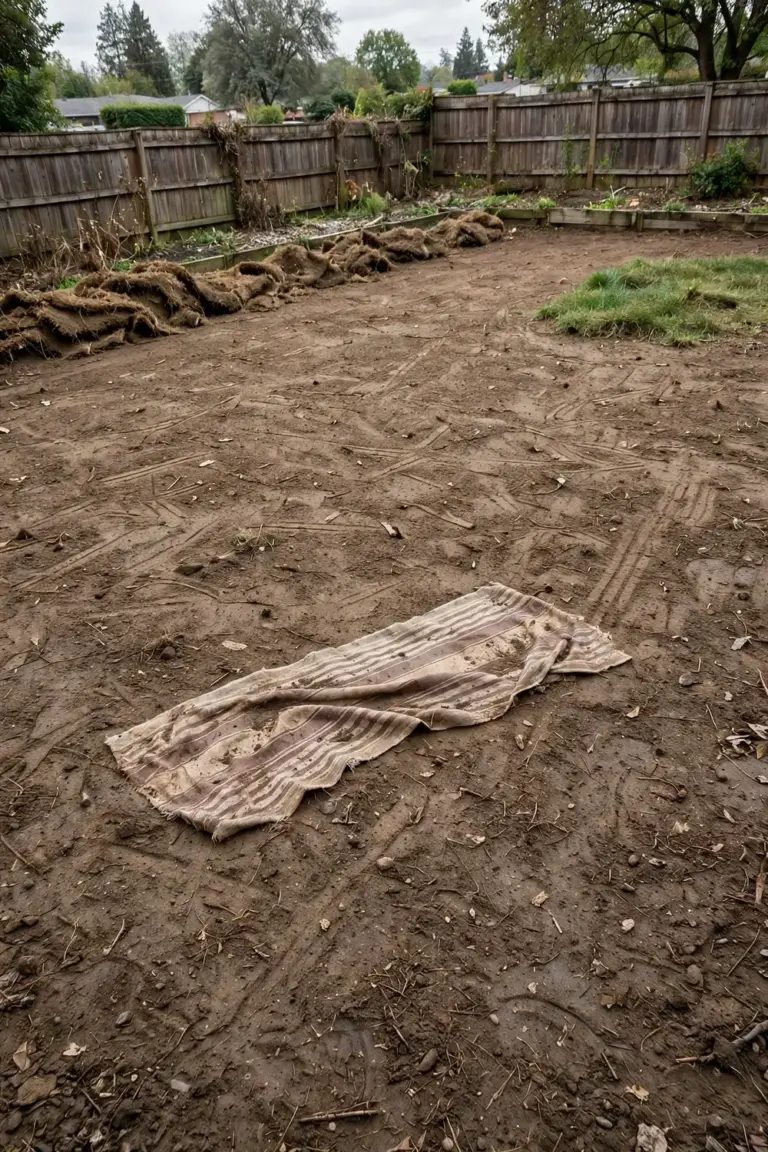
Renovation means killing everything, then re-laying. Spray the whole lawn with glyphosate, or cover it, or strip it with a turf cutter. Wait until every blade is dead. Remove the dead turf. Dig the soil and pick out rhizomes. Then lay fresh buffalo turf across the whole area, or seed a lawn species that suits the site. The sequence matters. Laying new turf over live couch rhizomes hands the new lawn to the old weed.
Time the renovation for early in the warm season, so the new turf has months of growth before winter. Water the new lawn like a new lawn, not like an established one. Short, frequent watering for the first two weeks keeps the roots moist. Then stretch the gap between waterings so the roots chase moisture downward. A renovation done in late autumn leaves new turf weak through winter, and couch is the first plant to colonize the gaps in spring.
Before you lay the new turf, level the bed and rake the surface smooth. High spots dry out and low spots puddle, and both show as dead rings in the first month. Remove stones, sticks, and old turf chunks from the surface. A clean, level bed lets the new turf sit flat against the soil, and full soil contact is what roots need to grip. Walk the bed after raking and fill any soft spots where your boot sinks. The hour spent leveling pays back in even growth.
8. Time Every Move to Active Growth
Couch grass grows in the warm months and stalls in winter. Buffalo grass follows the same calendar. Every removal method here works best while both grasses are actively growing, and most fail in winter. Plan the year around that fact.
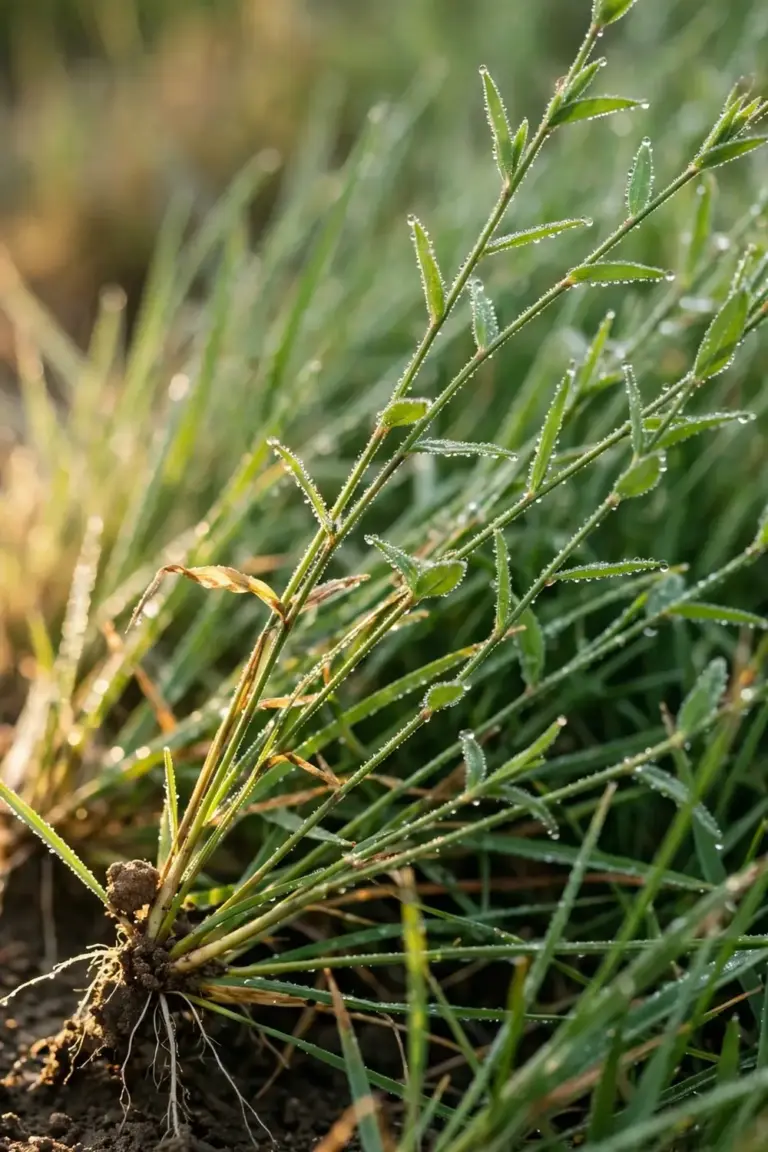
Start identification in spring, when the couch greens up and its fine blades stand out against the slower buffalo. Pull small patches from mid-spring onward. Paint glyphosate from late spring through summer, when the couch is moving sugars down to its rhizomes. Solarize in the hottest weeks, when clear plastic can hold soil heat for 4 to 6 weeks. Cut out and re-turf from mid-spring to early autumn, so new turf roots before winter. Hold off all chemical work in winter. Dormant couch absorbs little, and the buffalo cannot close the gaps you open.
Water shapes timing too. A dry lawn slows both grasses, and glyphosate moves poorly in a stressed plant. Water the patch a day or two before painting, so the couch is hydrated and growing. After painting, leave the lawn dry for a day so the product stays on the leaves. After cutting out and re-turfing, water deeply and keep the patch moist until the new turf grips.
9. Close the Gaps Couch Walks Through
Couch grass enters through gaps. Thin buffalo, scalped buffalo, and bare soil invite it. Prevention is slower than removal, and it is the only part of this guide that keeps the result.
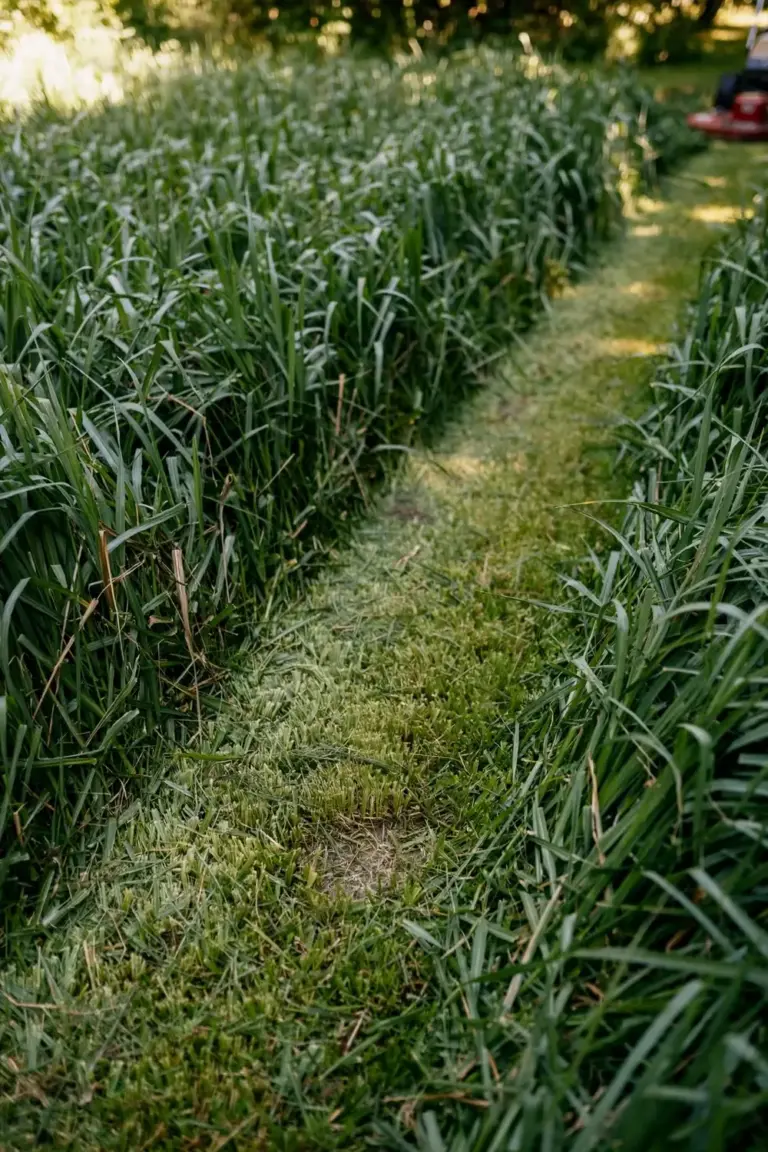
Mow high. North Carolina State Extension advises maintaining St. Augustinegrass between 6.4 and 10.2 cm tall, and notes that the higher mowing height usually tolerates shade and drought better. Tall buffalo shades the soil, and couch seedlings struggle in shade. Scalping the lawn to couch height starves the buffalo and hands the ground to the invader. Lilydale Instant Lawn lists mowing too short as a core mistake, because it weakens buffalo and lets couch spread.
Feed by soil test. North Carolina State Extension recommends a soil test before fertilizing, and 0.5 pounds of nitrogen per 1,000 square feet in spring, which converts to about 2.4 g of nitrogen per square metre. A fed lawn closes gaps. An overfed lawn grows soft and thirsty. The soil test decides the dose, not the bag. Soil health work comes first, because a compacted or acidic soil keeps buffalo thin no matter how much fertilizer goes on.
Guard the edges. Couch runners cross from garden beds, nature strips, and neighbors’ lawns. A spade-cut edge, 10 cm deep, along bed borders slows the runners. Check the edge every month in summer and cut back any runner crossing it. Clean the mower after mowing an infested patch. Runners and rhizome fragments hitch a ride on blades and wheels. A quick hose-down between patches stops you from planting couch across your own lawn. Lawnmower tips cover blade care and mowing pattern, which matter here because a sharp blade cuts cleanly and a dull blade tears buffalo open to invasion.
One more trap sits on the shelf. Dicamba-based broadleaf herbicides are not recommended for buffalo lawns. Lawn Solutions Australia warns that dicamba on buffalo causes bleaching and yellowing, curling with dry leaves, stalled growth, and possible plant death, with worse effects in hot weather. If you spray a broadleaf product on the buffalo while chasing other weeds, you thin the lawn and open the exact gaps couch needs. Check every label for buffalo safety before it goes near the lawn.
10. Help the Buffalo Close Over the Bare Ground
Removal opens ground. Recovery closes it. The weeks after treatment decide whether the couch returns or the buffalo takes the patch back.
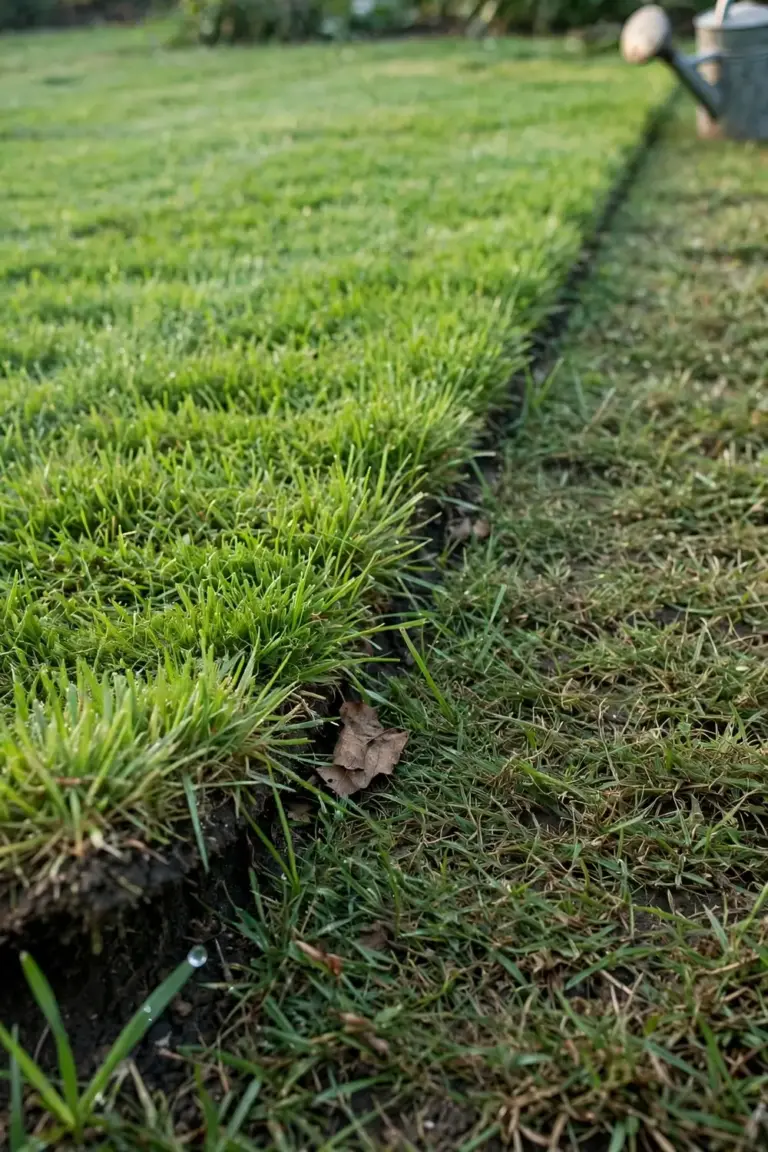
Water the treated area deeply and steadily. New buffalo roots need moist soil, not a wet surface. A light daily sprinkle grows shallow roots that dry out in the first hot week. One deep soak every few days pushes roots down. Keep foot traffic off re-turfed patches until the turf resists a gentle tug.
Run the tug test at two weeks. Grip a corner of the new turf and pull upward with light pressure. Roots that grip hold the turf down, and the patch is establishing. Roots that lift with the turf are not yet established, so give the patch another week of steady water and test again. A patch that still lifts after three weeks has a soil contact problem. Lift the turf, re-level the bed, remove any debris underneath, and relay it. The fix takes ten minutes and saves a patch that would otherwise die at the corners.
Feed after the grass is growing again. North Carolina State Extension recommends applying nitrogen in spring, once the lawn is actively growing. A recovering patch needs food, and the best time to fertilize a lawn in spring sets out the seasonal timing. Do not feed a patch the day you paint it. Fertilizer on glyphosate-treated ground feeds the survivors. Wait until the couch is dead and the buffalo is pushing new growth.
Watch the patch for a full season. Mark the calendar for a weekly check in the first month, then a monthly check through summer. Pull any couch shoot the day you see it. A shoot pulled in week one is one plant. A shoot left until seed is a new patch. Spring lawn care tips cover the seasonal rhythm that keeps a recovering lawn on track. Recovery ends when the buffalo canopy closes and no soil shows between blades. That closed canopy is the real herbicide. It shades out couch seedlings for years.
Frequently Asked Questions
No. No selective spray kills couch grass inside buffalo while leaving the buffalo alive. Retail guides in Australia state this plainly. Glyphosate kills both grasses, so you must paint it onto couch leaves only. Hand pulling, cutting out, and re-turfing are the other options. Any product that claims selective couch control in buffalo deserves a hard look at its label weed list.
A hand-sized patch clears in about a month of weekly checks. A painted patch needs 2 to 4 weeks per round, and two or three rounds are normal. A cut-out patch is clean the day you re-turf it, then needs two weeks of careful watering. A full renovation takes one warm season. Couch rhizomes survive most single treatments, so plan on repeat visits.
No. Mowing short weakens the buffalo faster than it weakens the couch. Buffalo needs a 6.4 to 10.2 cm cut to hold a dense canopy, per North Carolina State Extension. Couch tolerates low cutting and spreads through the gaps that scalping opens. Mow the buffalo high, and let shade do the work that a low cut cannot.
Rarely. Solarizing with clear plastic for 4 to 6 weeks kills seeds and shallow runners, but University of California weed science notes say it has less effect on rhizomes and stolons, and loses power below about 15 cm. Couch rhizomes live in that hard zone. Use solarizing as a clean-up step after pulling or painting, or to sterilize a patch you plan to re-turf.
Only a product labeled safe for buffalo. Dicamba-based broadleaf herbicides are not recommended for buffalo lawns, and Lawn Solutions Australia warns they cause bleaching, yellowing, curling, and possible death. A broadleaf spray that thins the buffalo opens gaps for couch. Check every label for buffalo safety before spraying.
Start Removing Couch Grass From Your Buffalo Lawn This Weekend
Pick one patch this weekend and name both grasses with the table above. Pull it if it fits under one hand. Paint it if it is bigger. Mark the date on the calendar and check it in one week. One patch, handled cleanly, teaches you the whole method, and the rest of the lawn follows the same steps, one patch at a time, until the buffalo holds the ground again.