
Ligustrum necrotic ringspot virus is a real virus with no confirmed disease. The virus is Ligustrum necrotic ringspot virus, genus Carlavirus, family Betaflexiviridae. It was described in 2008 from a single diseased plant from South Carolina. Its role in privet necrotic ringspot disease was never confirmed. The 5 strategies below tell you what is actually known, what is not, and how to run the generic virus response.
Start with the honesty. There is no confirmed disease to guide, so this article describes a virus detection record. Ligustrum necrotic ringspot virus is a virus detection record, not an established garden problem. The syndrome evidence for privet necrotic ringspot disease belongs to a different proposed virus, not this one. The honest article says so up front.
Start with the second honesty. There is no verified symptom description a home gardener could use to identify this virus. The single South Carolina plant was diseased, but causation was never confirmed. The one later detection showed only mild mosaic in a plant co-infected with another virus. No field ID exists for this virus. The lab is the only ID.
What Ligustrum Necrotic Ringspot Virus Actually Is
Ligustrum necrotic ringspot virus is a virus of Japanese privet. The virus is Ligustrum necrotic ringspot virus, genus Carlavirus, family Betaflexiviridae, order Tymovirales. Clemson lists it as “Carlavirus: Ligustrum necrotic ringspot virus” under Ligustrum japonicum (Japanese Privet). One virus, one host, one detection record.
Ligustrum necrotic ringspot virus is NOT the proven cause of privet necrotic ringspot disease. Aboughanem-Sabanadzovic et al. (Phytopathology, 2016) state explicitly that the virus was reported from a single diseased plant from South Carolina, but its possible role in the disease was never confirmed. At present, the causal agent of privet necrotic ringspot disease remains unknown. The virus is the detection. The disease is the unknown.
The strongly associated agent of privet necrotic ringspot disease is a different virus. That paper proposes Privet ringspot virus (PrRSV), subgroup 1 Ilarvirus, as the strongly associated agent of necrotic ringspot disease in the southeastern USA. The ilarvirus is the candidate. The carlavirus is the detection. The two are different viruses.
Do not present a binomial for this virus. Clemson gives genus only (Carlavirus), not a binomial species name, and the current ICTV binomial species name was not verified in the research reviewed. Do not present Carlavirus alphaligustri (Ligustrum virus A) as this virus’s binomial: that is a different privet carlavirus from South Korea. The genus is the verified name. The binomial is the unverified name.
What We Actually Know About This Virus
Three research items make up the entire evidence base. That is the whole pool. No Extension fact sheet, no nursery guidance, no home blog, no forum thread names this virus. The three items are the article.
First: Scott and Zimmerman, 2008. The virus was described from a single diseased plant from South Carolina, on Ligustrum japonicum. One plant, one state, one description. The single plant is the evidence. The single plant is also the limit.
Second: Henderson et al., Plant Disease, 2015. The first detection of the virus in Mazus reptans ‘Alba’ (creeping mazus, a perennial flowering groundcover) from a Maryland nursery in 2010. Mild mosaic symptoms, carlavirus-type particles, confirmed by microarray, RT-PCR, and sequencing. The Mazus plant was co-infected with Cucumber mosaic virus subgroup I. The co-infection is the caveat: the mild mosaic cannot be attributed to this virus alone.
Third: an LNRV-Impatiens isolate (GenBank GQ411367), cited in the 2014 paper. Host and disease details were not verified in the research reviewed. The isolate is the citation. The details are the unverified part.
That is the whole pool. Three items, one single-plant description, one co-infected detection, one cited isolate. No disease cycle, no confirmed symptoms, no verified vector, no management trial. The pool is the limit. The article does not pretend otherwise.
What This Means for Your Privet
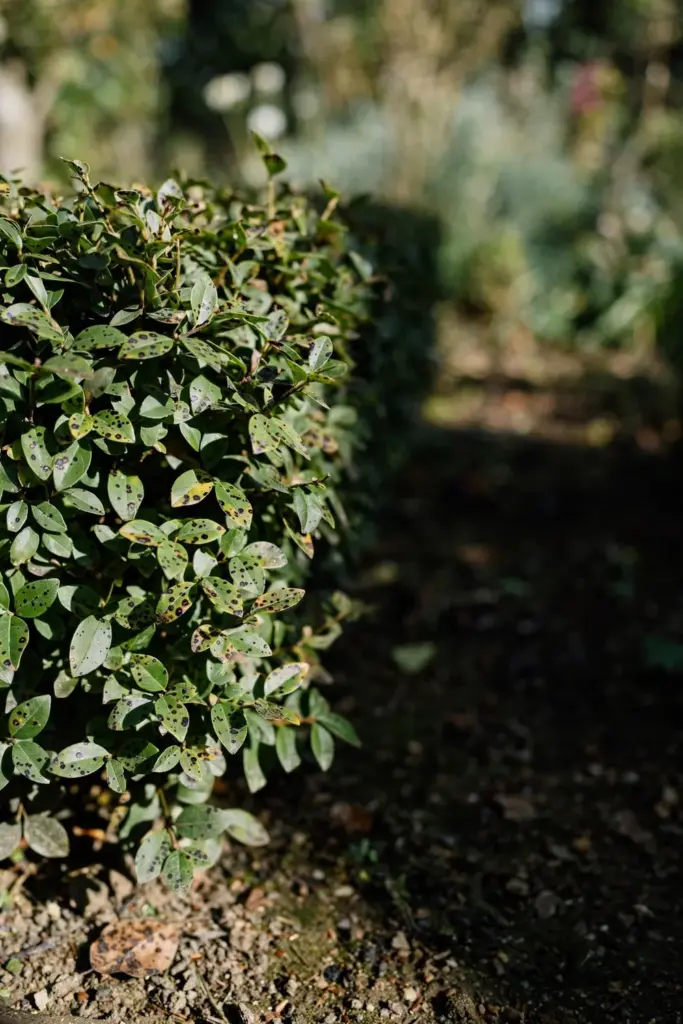
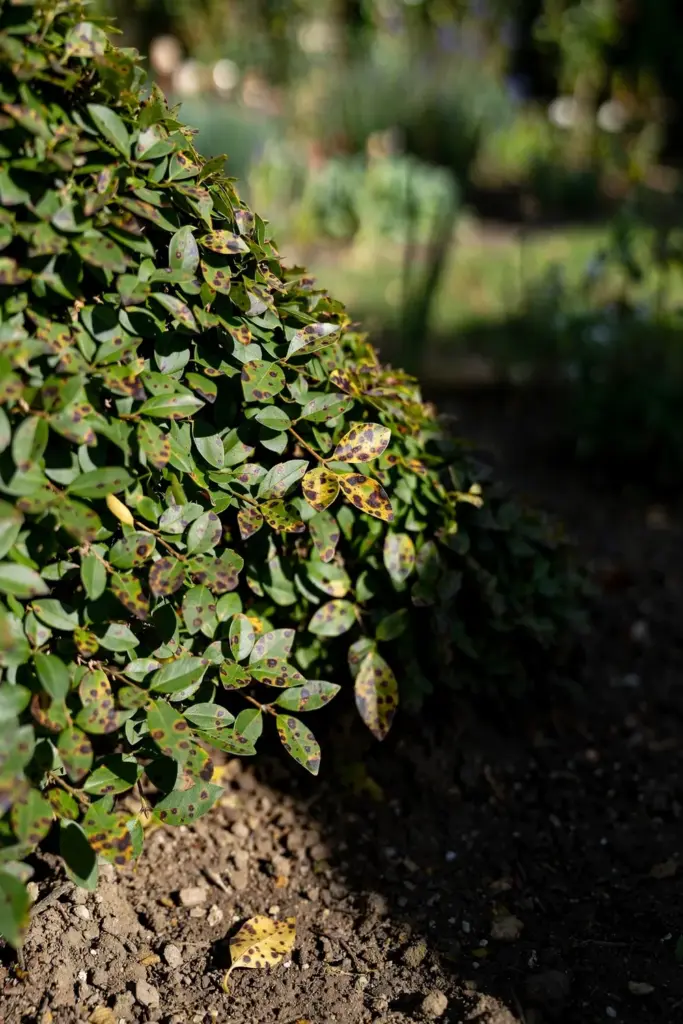
Your privet’s leaf-spot problem is almost certainly not this virus. The home privet audience’s problems are anthracnose (fungal) and invasive privet control, not this virus. The anthracnose is the common problem. The virus is the research-only finding. The garden is the anthracnose.
Do not confuse with turf necrotic ring spot. Turf necrotic ring spot (Ophiosphaerella korrae) is a fungal lawn disease with a different kingdom, different host, and different disease, so the lawn is the fungus and the privet is the virus. The kingdoms are different.
Do not confuse with privet anthracnose. Privet anthracnose is a fungal leaf disease and the actual common home privet leaf problem, so the fungus is the anthracnose and the virus is the research-only finding. The diseases are different.
Do not confuse with Prunus necrotic ringspot virus. Prunus necrotic ringspot virus (PNRSV, Ilarvirus) is a stone-fruit virus with a different host, different virus, and similar name, so the stone fruit is the PNRSV and the privet is the LNRSV. The names are similar. The viruses are different.
Strategy 1: Buy Virus-Free Plants
Buy virus-free plants. Virus-free stock is the only real prevention for any plant virus. The virus-free plant is the clean start. The unknown stock is the risk. The source is the fence.
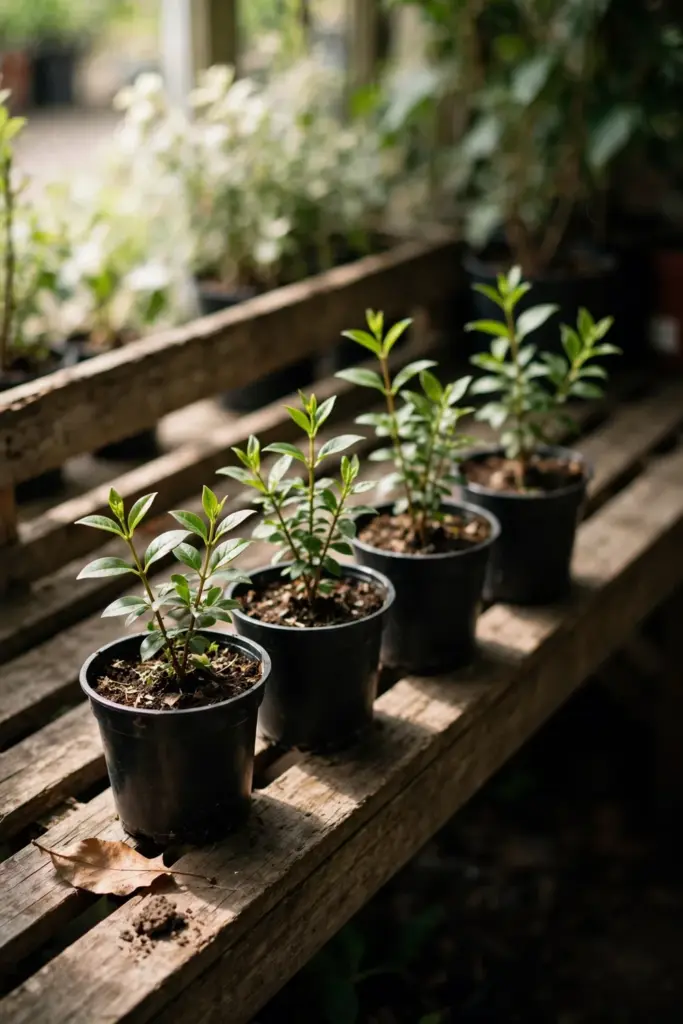
Ask the seller for virus-indexed stock. Virus-indexed stock is tested stock, so the tested stock is the clean stock and the untested stock is the gamble. The question is the habit.
Quarantine new plants. Isolate new privet for several weeks before planting beside established plants, because the isolation is the fence and the immediate planting is the risk. The quarantine is the habit. The Plant Care archive carries the site’s other virus explainers for readers who want the pattern across crops.
Strategy 2: Isolate Suspect Plants
Isolate any privet that shows unexplained leaf patterns. The isolated plant is the contained plant, the mixed plant is the spread, and the isolation is the break.
Do not move suspect material. Moving suspect material spreads whatever it carries, so the moved cutting is the vector and the left cutting is the containment. The stillness is the fence.
Keep suspect plants away from healthy privet. The gap is the defense, the contact is the spread, and the separation is the habit.
Strategy 3: Rogue and Destroy, Do Not Cure
Rogue and destroy symptomatic plants. There is no cure for any plant virus, so the rogued plant is the removed inoculum and the kept plant is the reservoir. The destruction is the only treatment.
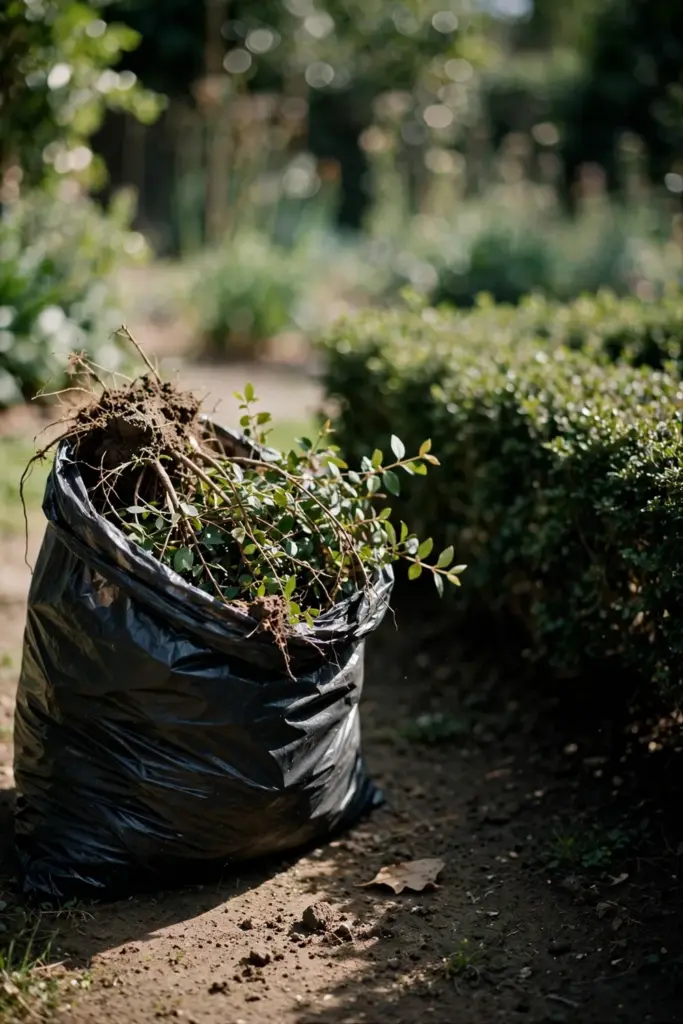
Do not prune diseased leaves off and keep the plant. Pruning does not cure a virus, because the virus lives in the whole plant, so the pruned plant is still infected. The kept plant is the reservoir.
Burn where legal or landfill. Never compost infected plants, because the compost is the spread and the landfill is the containment. The burn is the destruction.
Strategy 4: Disinfect Tools Between Plants
Disinfect tools between plants. Mechanical transmission is listed for this virus, so the disinfected tool is the clean tool and the shared tool is the vector. The disinfection is the habit.
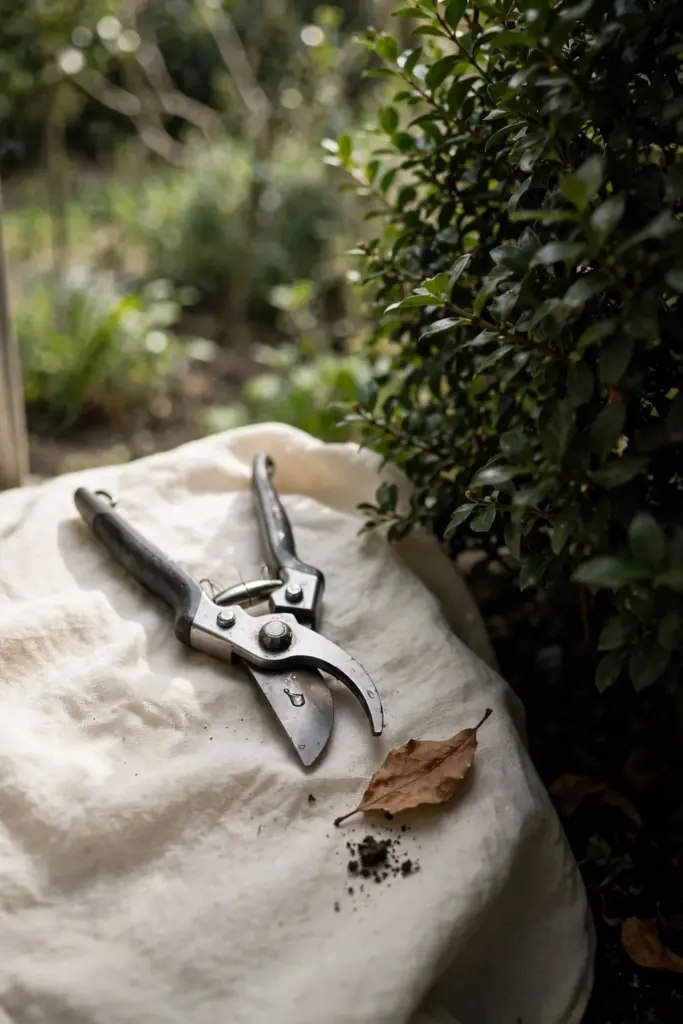
Scrub sap off first, then disinfect. Sap carries the virus, so the scrubbed tool is the clean tool and the unscrubbed tool is the carrier. The scrub is the first step.
Use a fresh tool for each plant when in doubt. Two tools, one per plant, is the cleanest habit, so the fresh tool is the fence and the shared tool is the risk. The rotation is the habit.
Strategy 5: Do Not Borrow Another Disease’s Evidence
Do not borrow necrotic ringspot disease syndrome evidence as this virus’s evidence. Ring spots, irregular line patterns, foliar deformations, and graft-transmissibility belong to the disease, not to this virus, so the disease is the unknown and the virus is the detection. The borrowing is the error.
Do not present the “necrotic ringspot / line patterns” syndrome from a carlavirus table as a confirmed symptom description for this virus. The table’s syndrome is the name’s syndrome, not a confirmed symptom description, so the name is the label and the syndrome is the unconfirmed part.
Do not state a specific insect vector for this virus. No specific vector is verified for this virus, and only mechanical transmission is listed, so carlavirus-general vector claims are not this virus’s evidence. The vector is the unverified claim. The mechanical transmission is the listed fact.
Living With Ligustrum Necrotic Ringspot Virus
A privet hedge with this virus is a hedge to manage with generic virus response, not a hedge to cure. Buy virus-free plants, isolate suspect plants, rogue and destroy, do not cure, disinfect tools between plants, and do not borrow another disease’s evidence. The virus will still exist in the literature, but it will not be a garden problem you can see or spray. The strategies are generic virus response, not virus-specific management.
Stop three habits. Do not buy untested privet stock, do not keep symptomatic plants beside healthy privet, and do not borrow necrotic ringspot disease symptoms as this virus’s symptoms. Keep those three lines unbroken and the virus stays a research-only finding. The Plant Care archive collects the site’s disease coverage for the next problem the garden throws up.
Frequently Asked Questions
No, not proven. The virus was reported from a single diseased plant from South Carolina in 2008, but its possible role in the disease was never confirmed. The causal agent of privet necrotic ringspot disease remains unknown. A different virus, Privet ringspot virus (PrRSV, ilarvirus), is the proposed strongly associated agent.
None verified. There is no confirmed symptom description for this virus. The single South Carolina plant was diseased, but causation was never confirmed. The one later detection showed only mild mosaic in a plant co-infected with Cucumber mosaic virus. No field ID exists for this virus. The lab is the only ID.
You do not, by field signs, because this virus has no confirmed field signs. Privet anthracnose is a fungal leaf disease, the actual common home privet leaf problem. If your privet shows leaf spots, the likely answer is anthracnose, a fungus, not this virus. The fungus is the garden problem. The virus is the research-only finding.
No. There is no cure for any plant virus. Rogue and destroy symptomatic plants. Do not prune diseased leaves off and keep the plant. Burn where legal or landfill. Never compost infected plants. The destruction is the only treatment. The pruning is not the cure.
Almost certainly not, because this virus is a research-only finding (one single-plant description, one co-infected detection, one cited isolate, with no Extension fact sheet, no nursery guidance, and no home blog naming it). Your privet’s leaf-spot problem is almost certainly anthracnose, a fungus, so the fungus is the garden problem and the virus is the literature.
Where to Go From Here
Ligustrum necrotic ringspot virus rewards the gardener who buys virus-free plants, isolates suspect plants, rogues and destroys, disinfects tools, and does not borrow another disease’s evidence. Buy clean, isolate, rogue, disinfect, and do not borrow.
Next season, start with clean stock. A hedge with virus-free plants, prompt isolation, and tool discipline will hold virus problems to the literature, not the garden. The APS journal record of the Mazus detection is a useful companion for the research record, since it sets the home-garden response here against the evidence behind it.