What Is Layering?
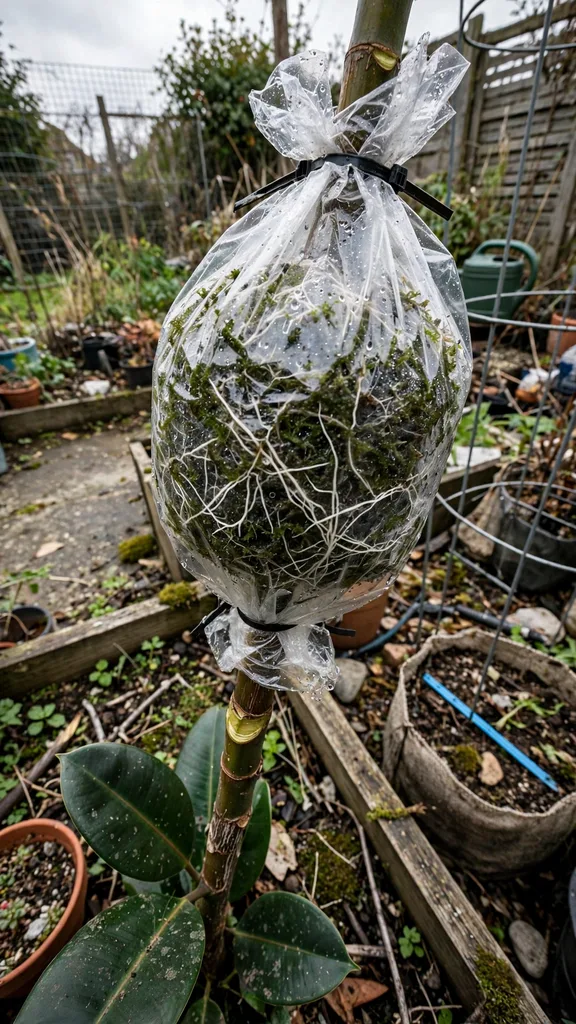
Bend 1 low branch to the soil, pin it down, and wait 6 weeks. Layering is when the gardener coaxes roots from a stem while it still hangs on its parent plant, then cuts the new plant free once its…
Bend 1 low branch to the soil, pin it down, and wait 6 weeks. Layering is when the gardener coaxes roots from a stem while it still hangs on its parent plant, then cuts the new plant free once its…
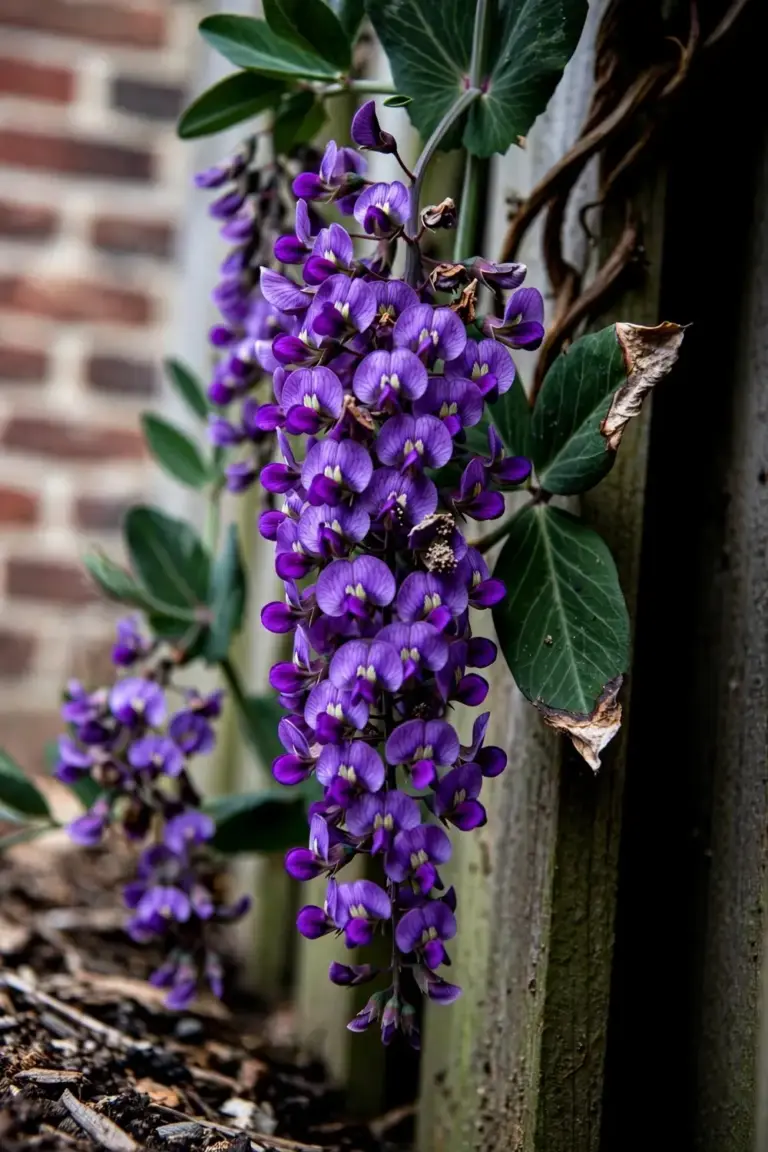
Growing hardenbergia in Australia works when you give the plant sun, sharp drainage, and a hard prune after flowering. A healthy plant covers a fence with violet pea flowers from winter to spring. The rest of this page is 8…
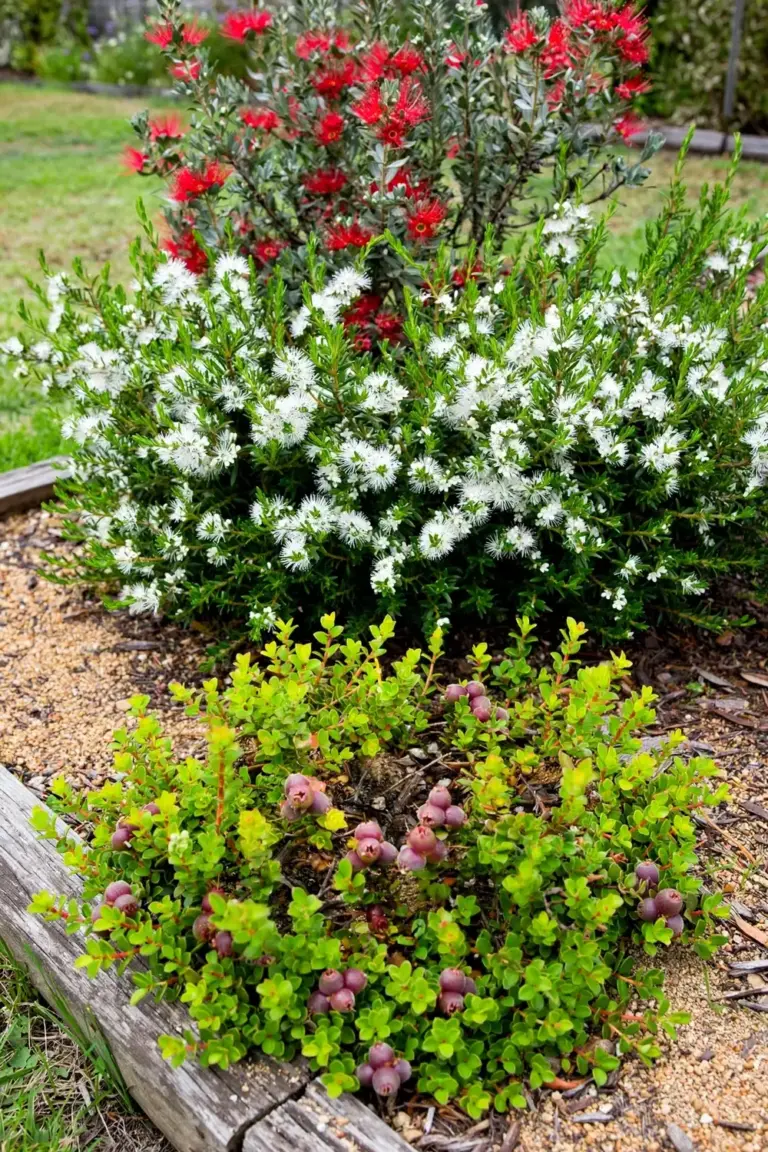
Growing kunzea in Australia starts with one decision: the job. Muntries covers ground and fruits, tick bush screens at 3 meters, and scarlet kunzea flowers scarlet red. Pick by the job and the plant fits. Kunzea is a large Australian…
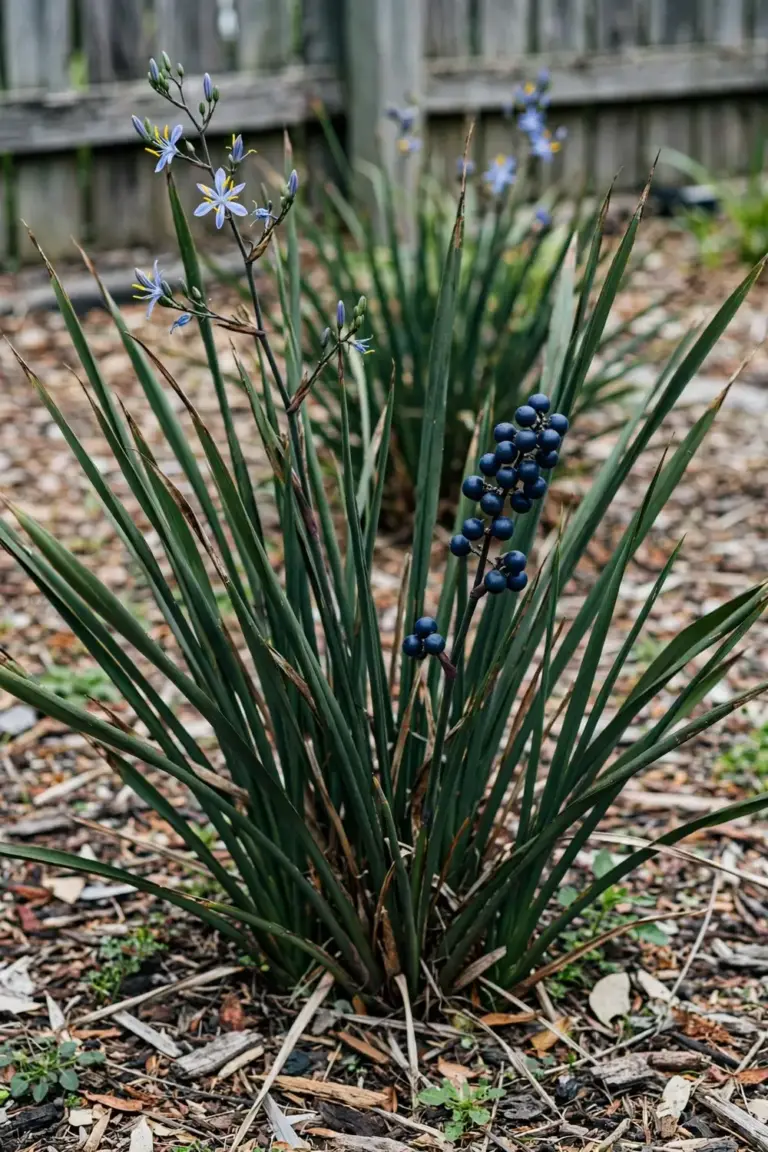
Growing dianella in Australia starts with one choice among 3 species. Pick Dianella revoluta for the toughest all-rounder, Dianella caerulea for hot sun, and Dianella tasmanica for cool shade. The berries split the same way: caerulea and revoluta carry edible…
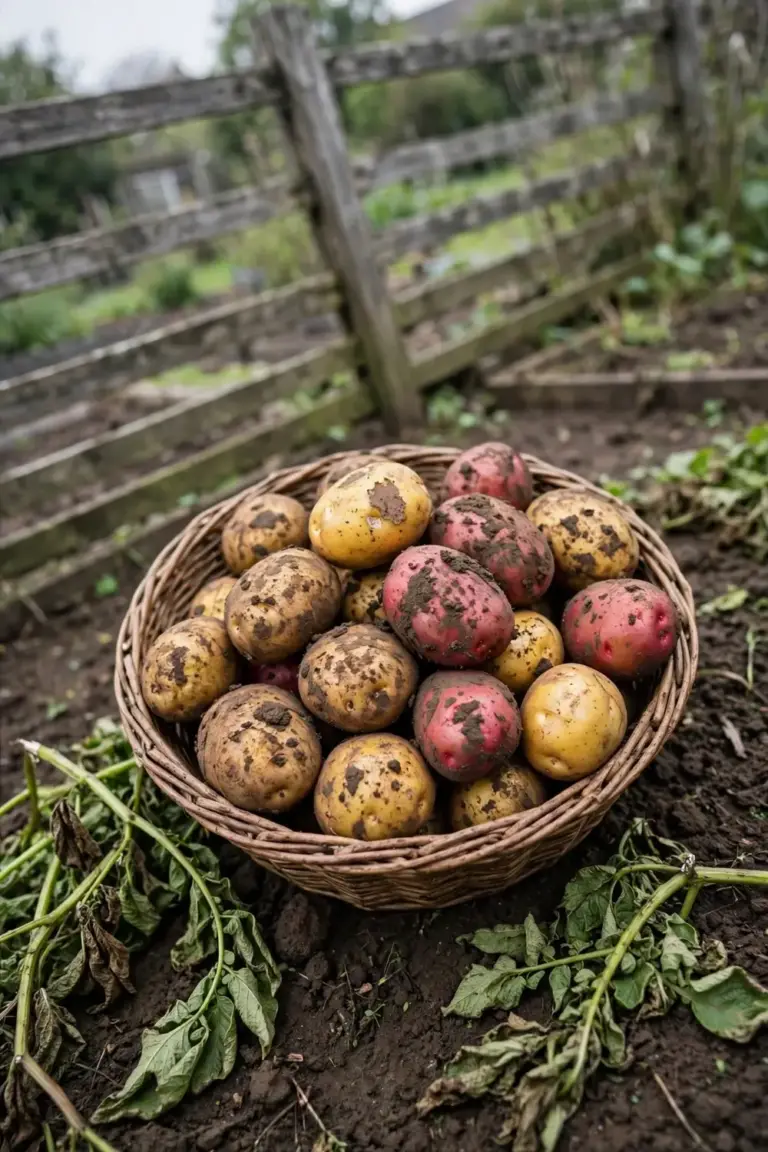
Plant certified seed potatoes in cool soil and you will dig new potatoes 7 to 8 weeks later. That is growing potatoes in Australia at its simplest: the right window for your climate band, soil near pH 6, hilling before…
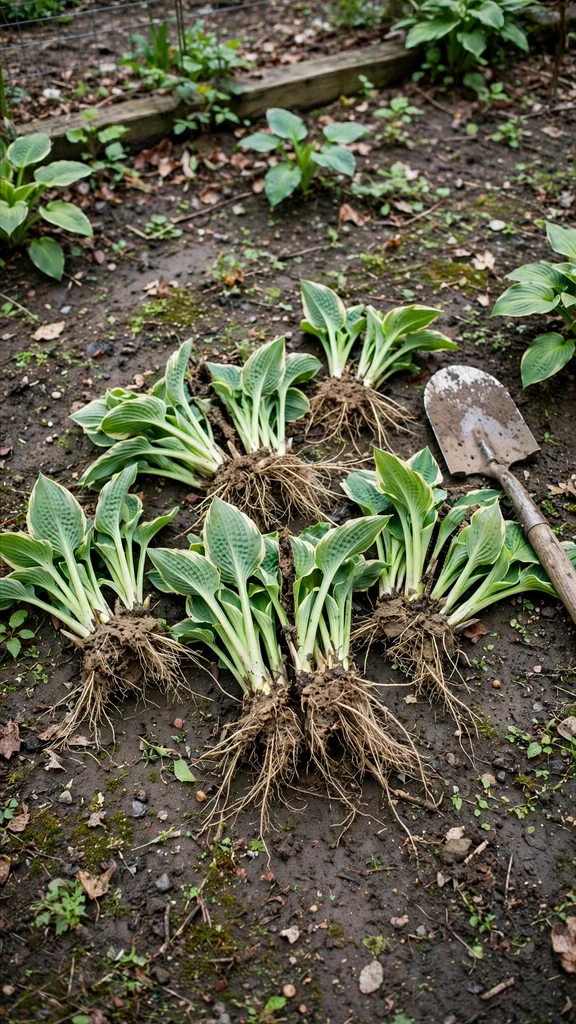
Lift 1 crowded clump, cut it into 3 pieces, and plant 3 gardens from it. Division is when the gardener digs up a perennial and splits it into smaller plants, each with its own roots and shoots. Division is the…
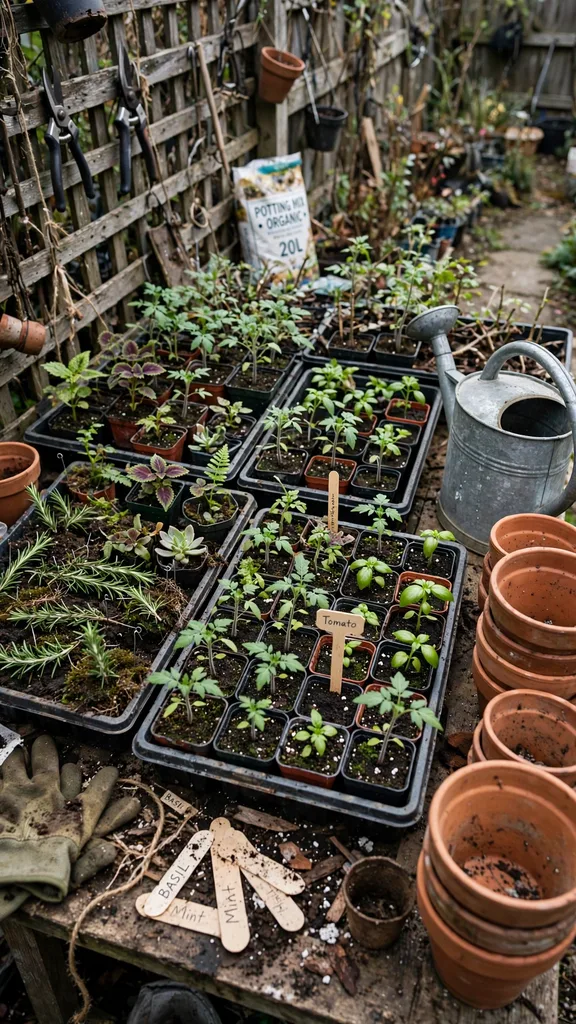
Take 7 cuttings from 1 healthy plant, and you own 7 new plants by autumn. Propagation is when the gardener makes new plants from a parent plant, by seed or by a piece of the plant itself. Propagation splits into…
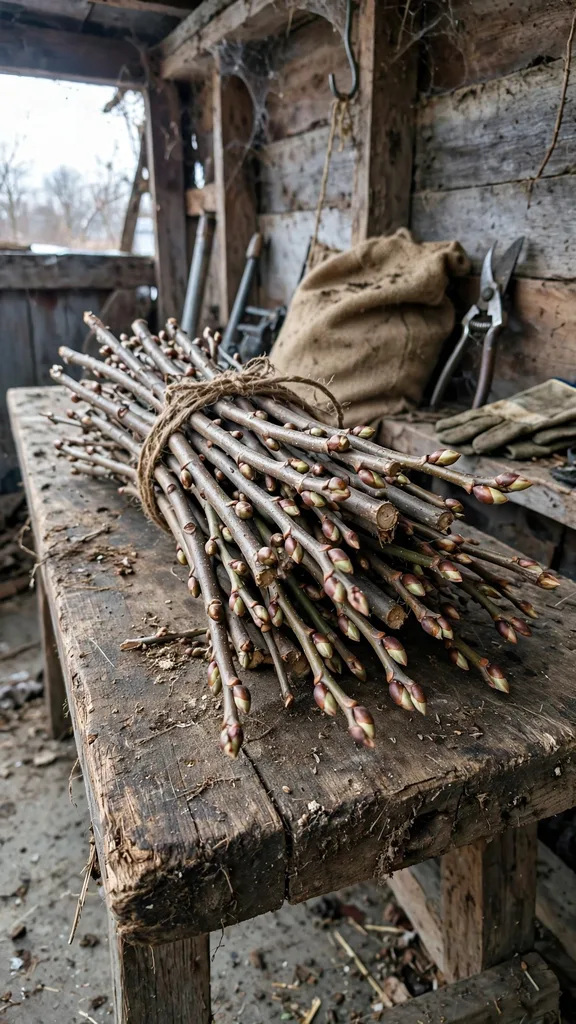
Cut 1 shoot with 3 to 5 buds, and you hold the whole variety in your hand. A scion is the short length of last season wood that becomes the branches, leaves, and fruit of a grafted tree. The scion…
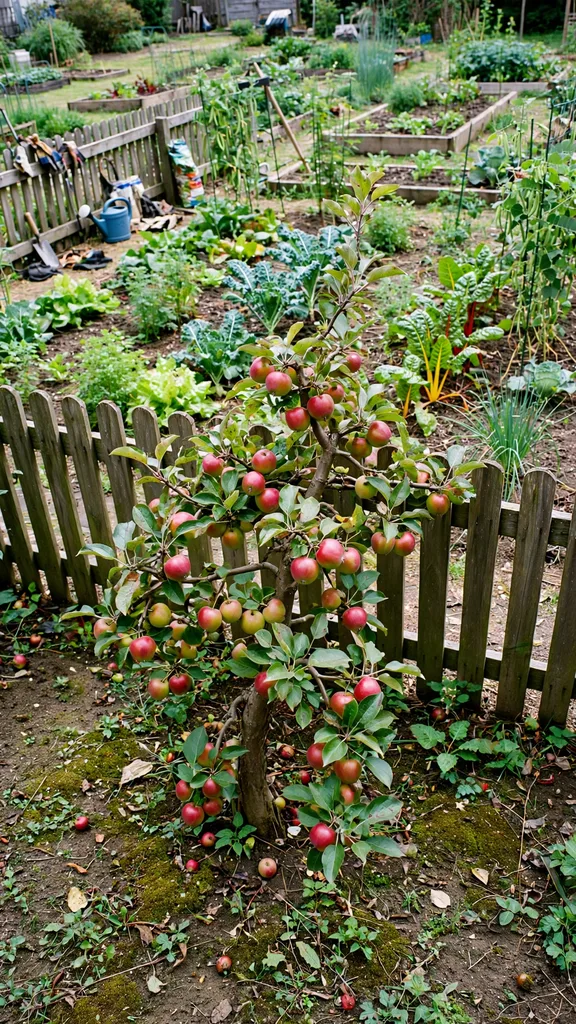
Pick 1 rootstock before you pick a fruit variety. Rootstock is the lower half of a grafted tree, the part that becomes the roots and decides how tall the tree grows, how soon it fruits, and which soils it tolerates.…
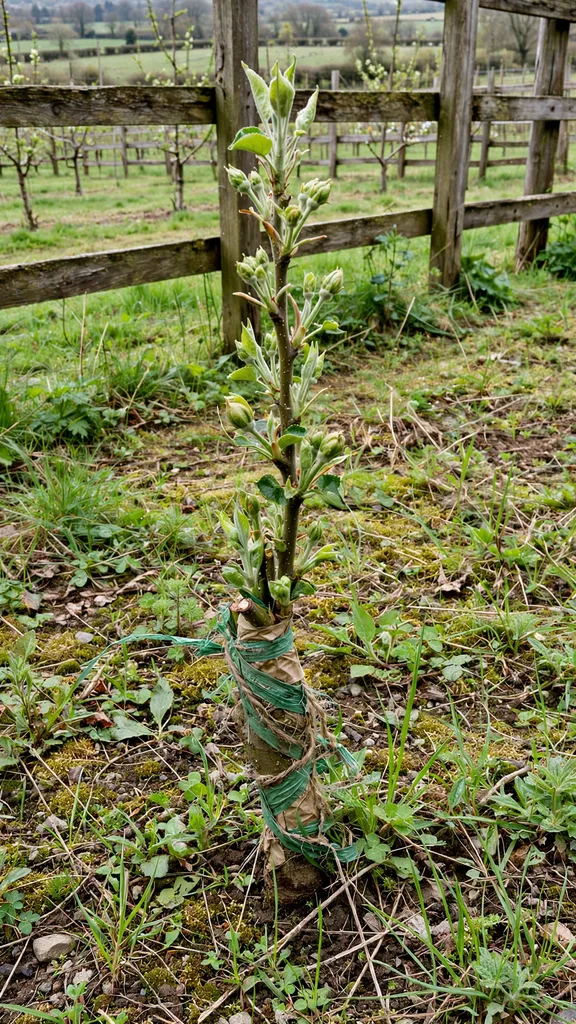
Cut 2 matching pieces of wood, press their green layers together, and bind them tight. Grafting is when the gardener joins a fruiting shoot onto the roots of another plant so the two heal and grow as one tree. Grafting…
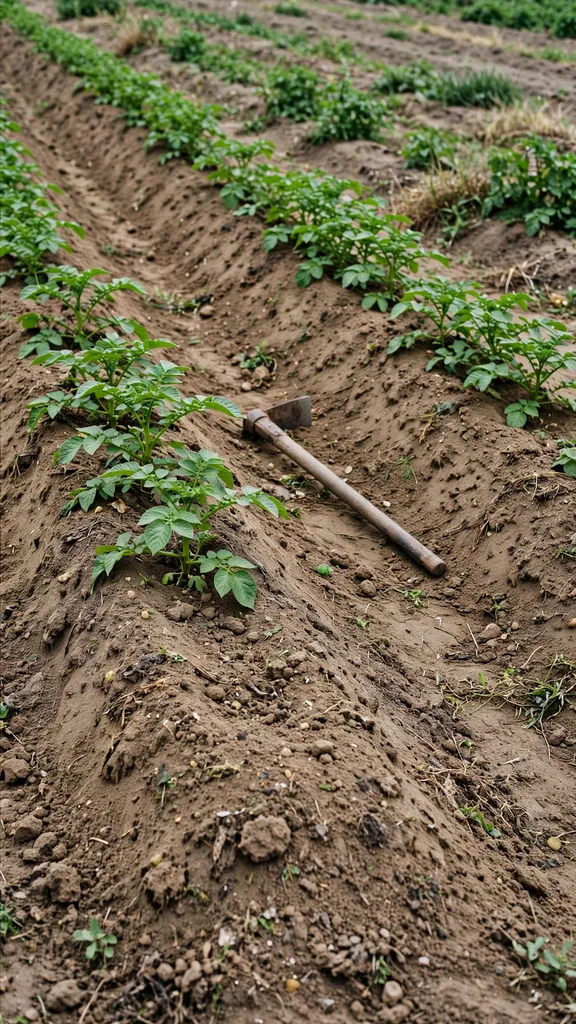
Mound 15.2 cm of soil around a potato plant when it stands 30.5 cm tall, and mound again as it grows. A hill, also called a mound, is a ridge of soil built up around the base of a plant…
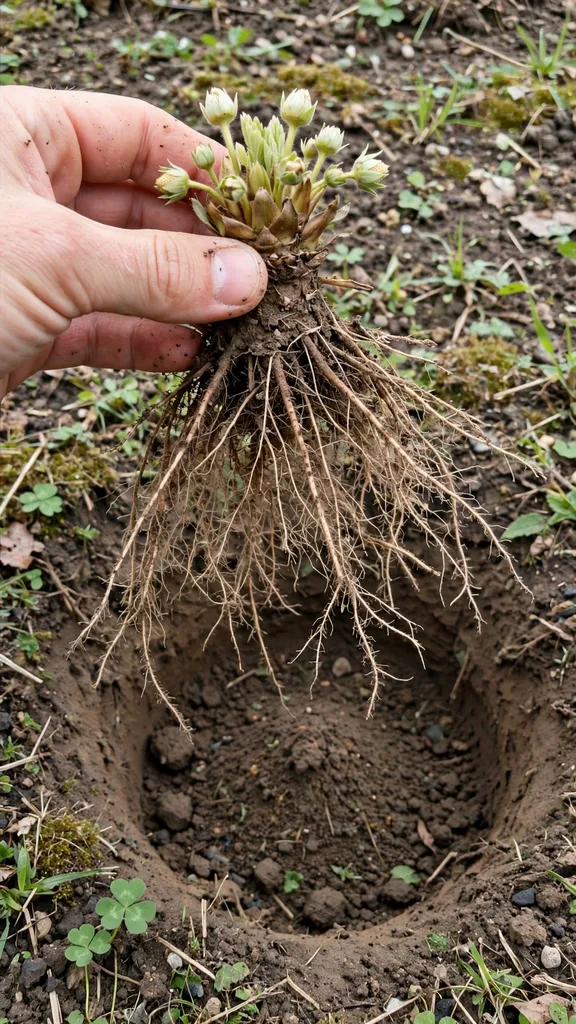
Set 1 strawberry crown exactly at soil level, with the growing point showing and the roots spread below. A crown is the dense central point of a plant where the roots meet the shoots, and the depth of that one…
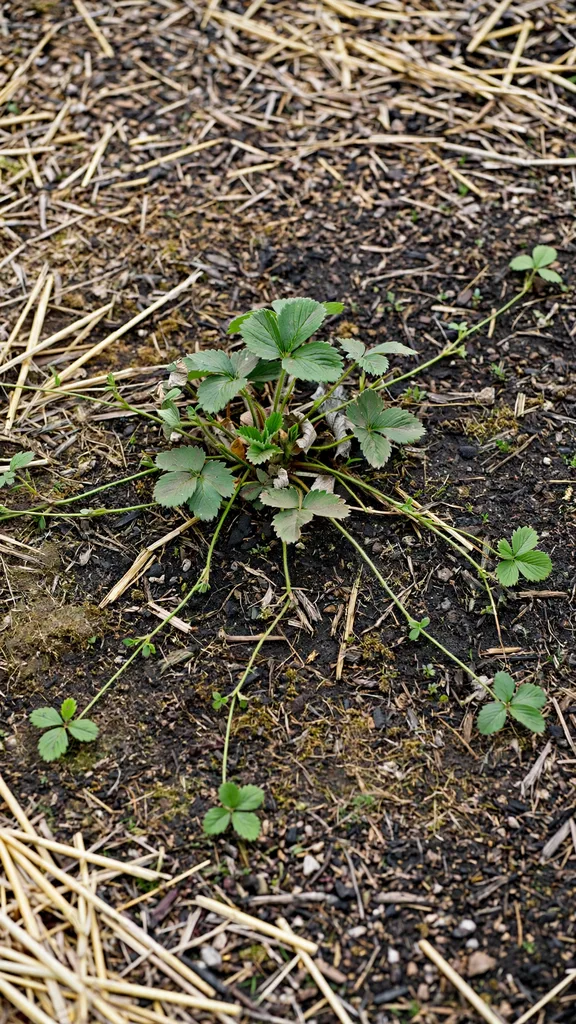
Pin 1 strawberry runner to the soil in July and a new daughter plant roots there within weeks. A runner is a horizontal stem that grows out from the crown of a mother plant, touches the soil at a node,…
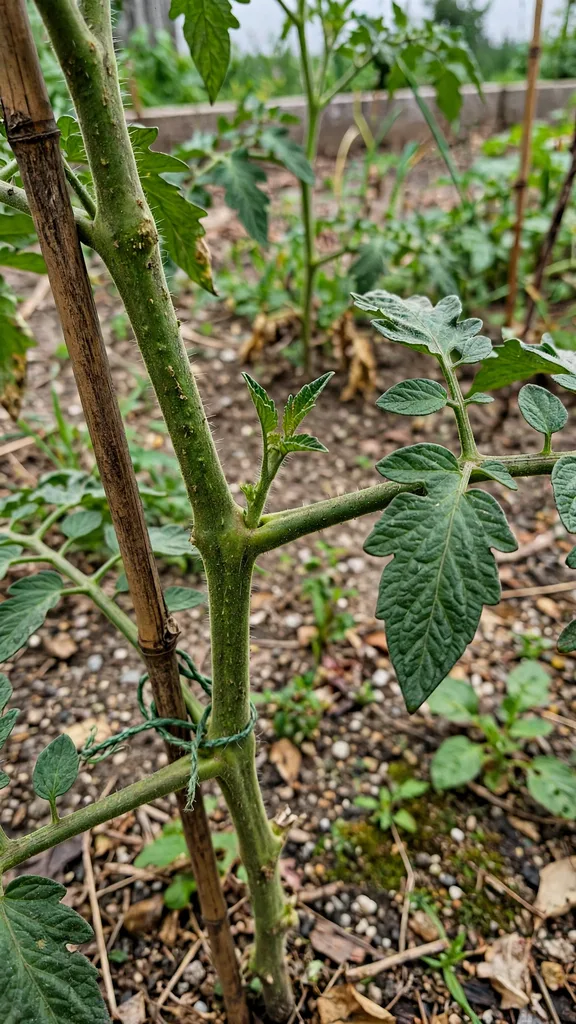
Pinch 1 small shoot out of the leaf axil of a tomato plant while it is still shorter than your finger. A sucker is a side shoot that grows in the V between the main stem and a leaf stem,…
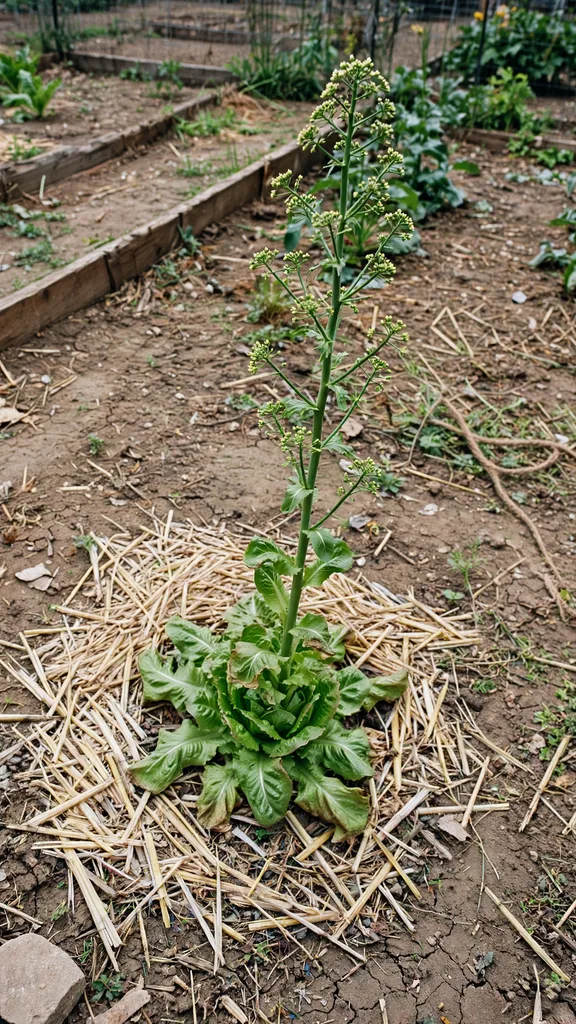
Harvest 1 lettuce head the day its center starts to rise, because once the stalk lifts the leaves turn bitter within days. Bolt is the switch from leaf growth to flowering, when a plant sends up a tall seed stalk,…
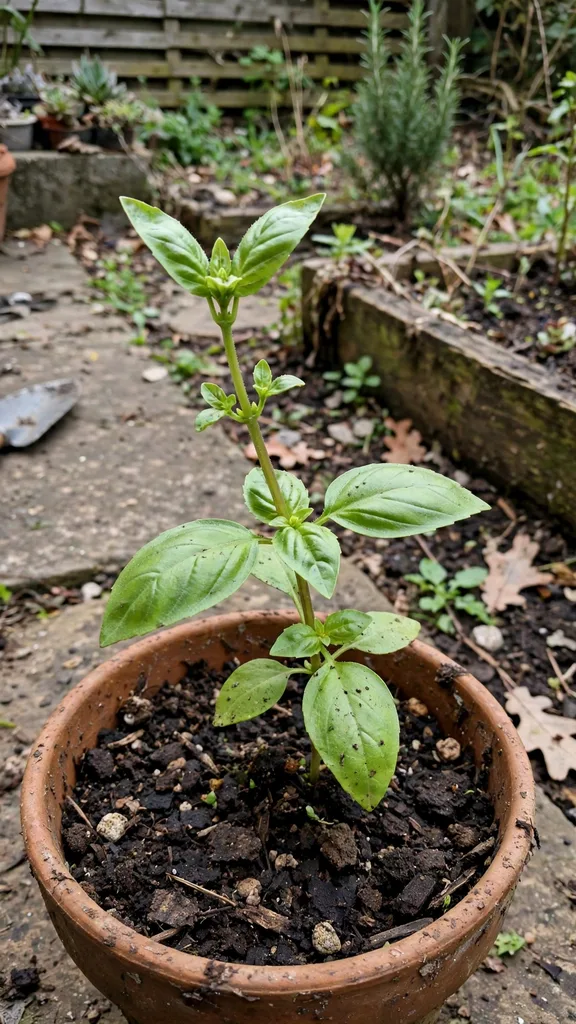
Pinch 1 soft growing tip off a young basil stem and 2 new shoots grow from the leaf pair below. Pinch back is the removal of the growing tip of a plant to break apical dominance and force side shoots,…
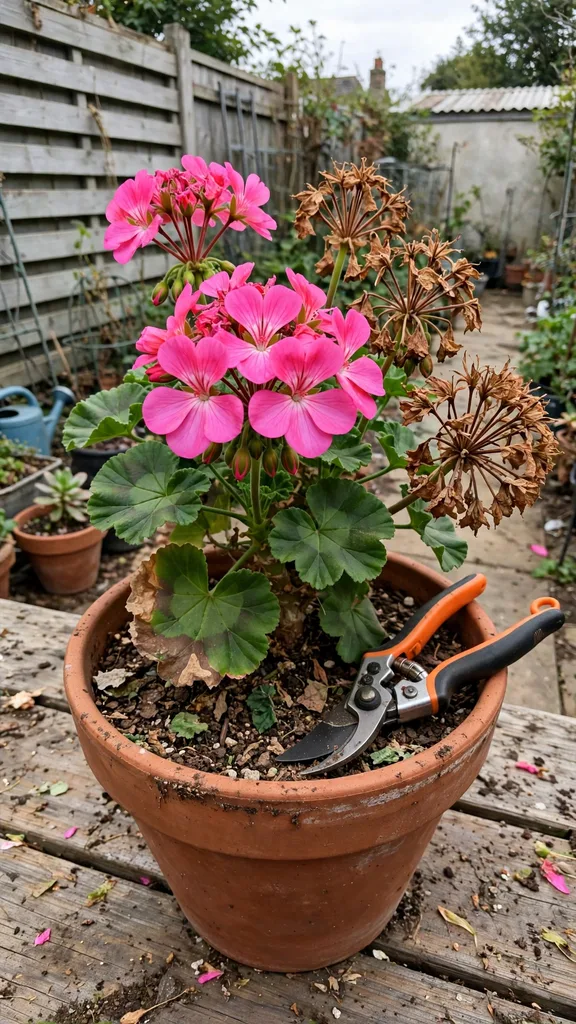
Pinch 5 spent flower heads off a geranium before breakfast and the plant sets new buds by the weekend. Deadhead is the removal of faded or spent flowers so the plant spends its energy on new blooms instead of seed.…
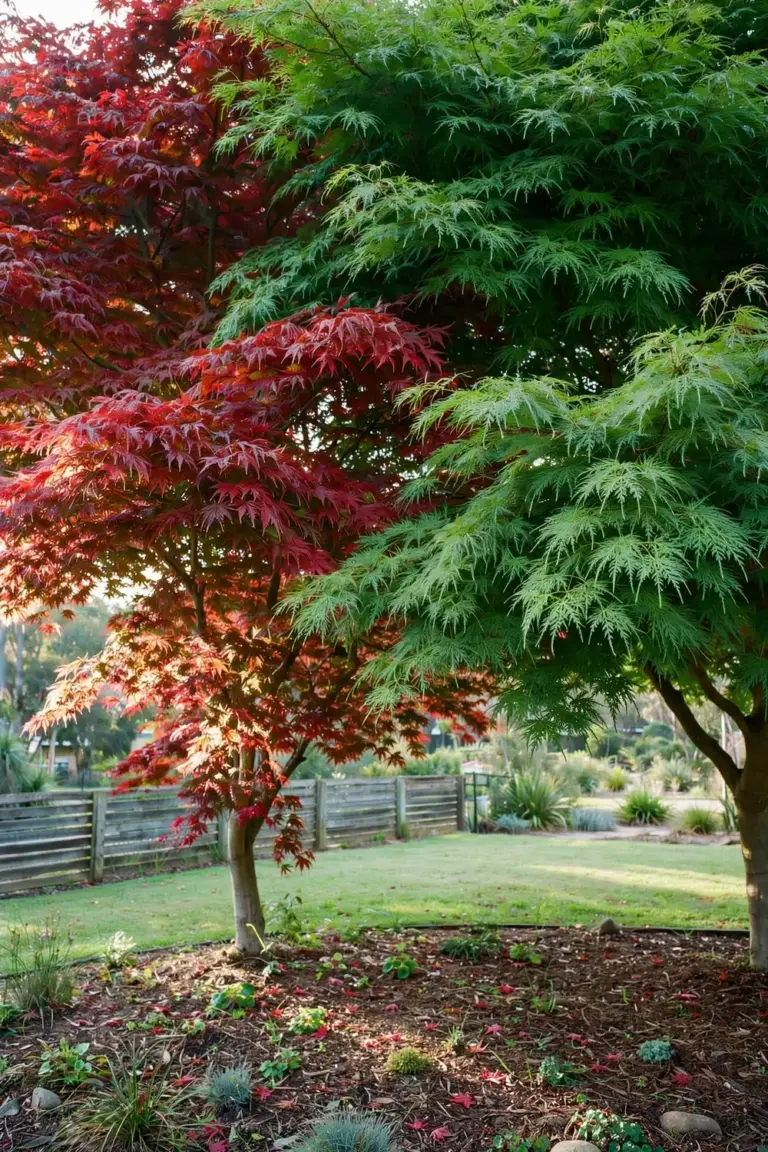
The best Japanese maple for an Australian garden is the cultivar that fits the site, and the ten picks below cover mature sizes from 1.2 m to 7.6 m. Bloodgood suits a classic red feature tree, Emperor I suits a…
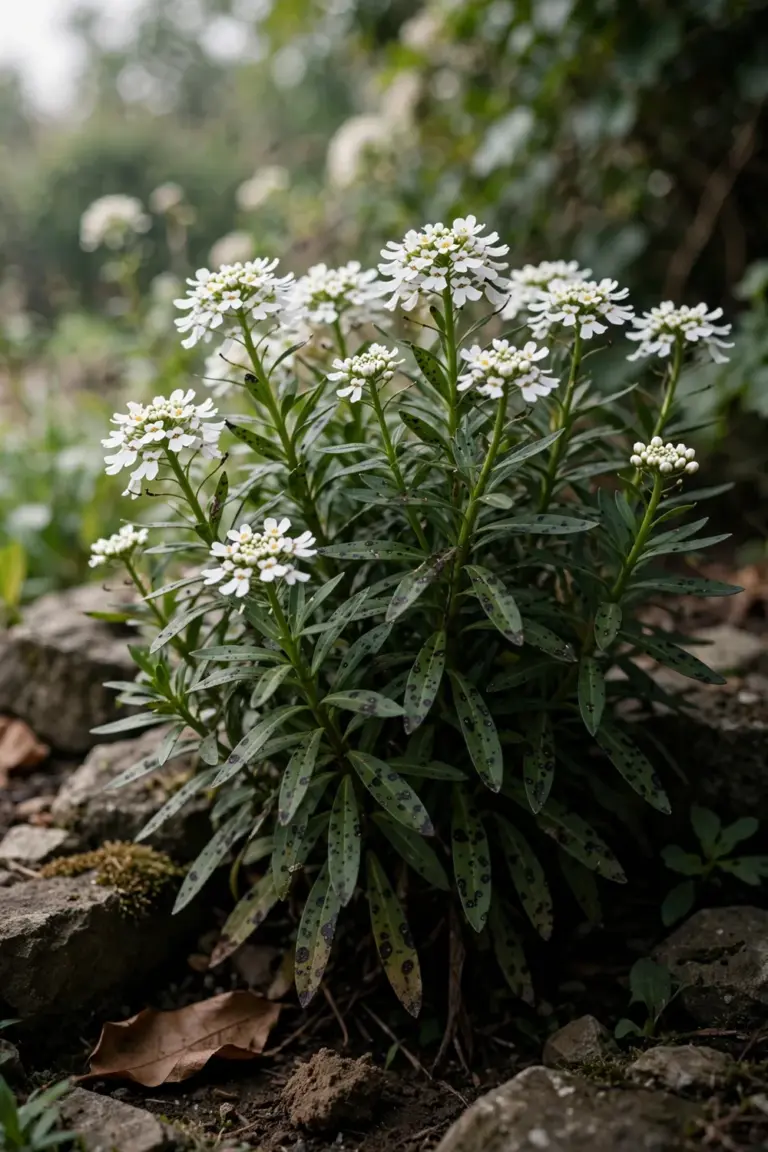
Leaf and stem necrosis on candytuft is a bacterial disease with almost no home-garden footprint. It is caused by Pseudomonas cichorii. Clemson lists it as one line under candytuft. Candytuft is remarkably disease-resistant, and the things that actually kill it…
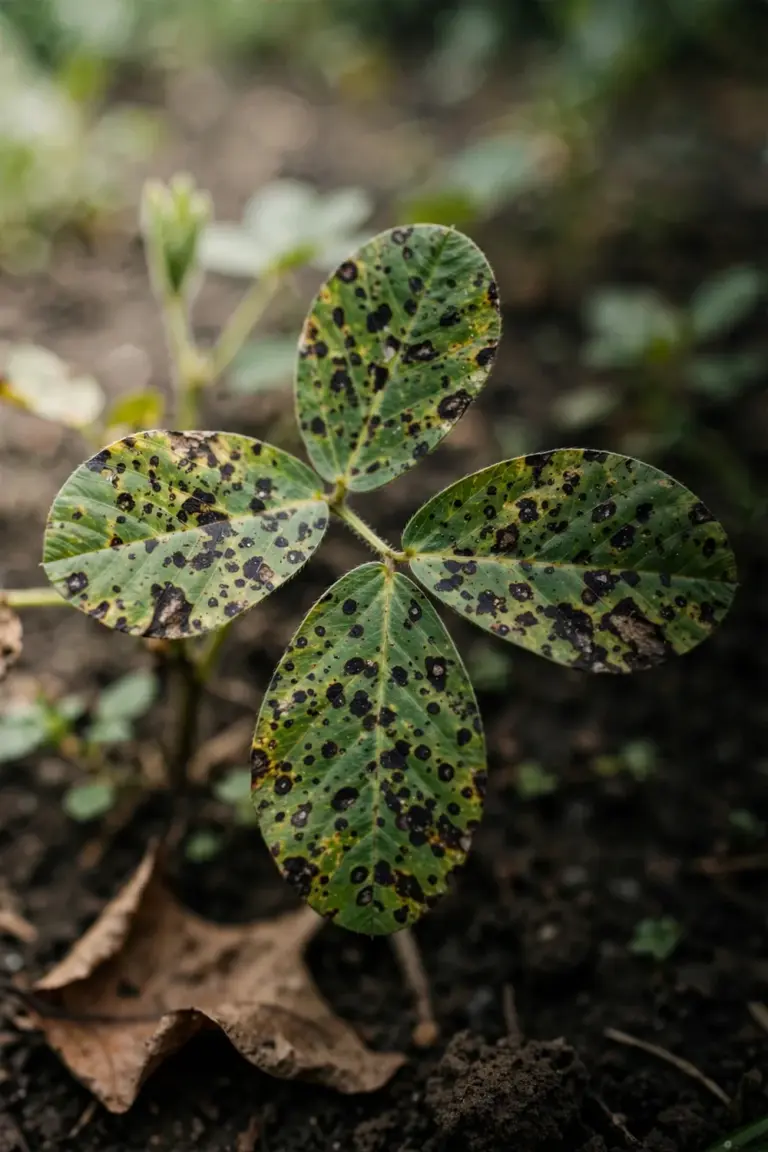
Late leaf spot is the second peanut leaf spot, and it arrives later. It is caused by Nothopassalora personata. It shows darker, rougher lesions than early leaf spot, it sporulates on the lower leaf surface, and the 5 strategies below…