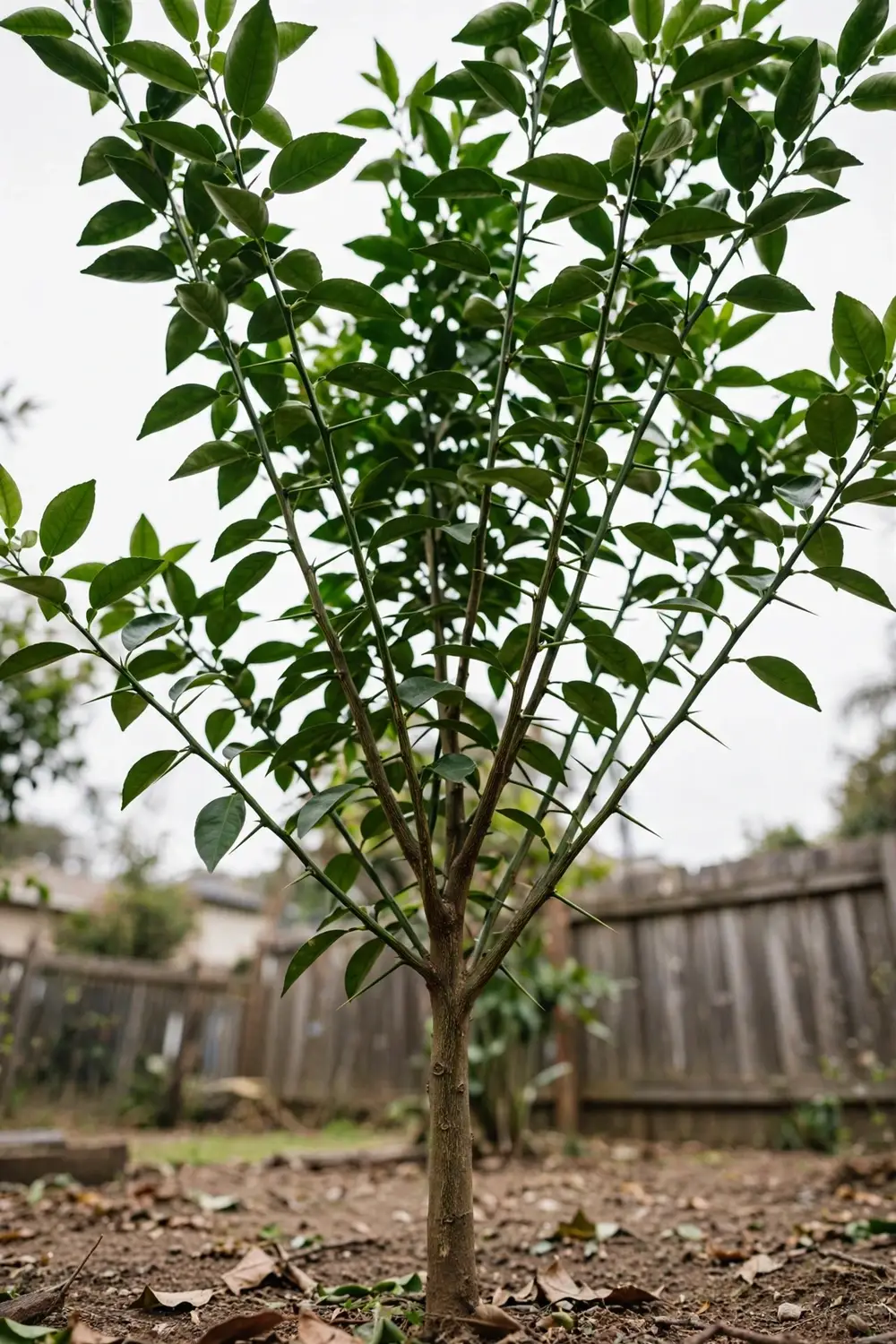

Give your 14-year-old citrus seedling one honest diagnosis before you buy another bag of fertilizer: it is probably still juvenile. A seed-grown citrus tree can stay in its non-flowering juvenile phase for 5 to 20 years depending on the species, according to a peer-reviewed review of citrus flowering research published in Frontiers in Plant Science. Fourteen years with no flowers is not a failure of care. It is the tree’s biology running its normal course. This guide answers how to encourage flowering in a 14-year-old citrus seedling, starting with the honest reason it has never bloomed.
That is a juvenile citrus seedling, not a broken tree. A citrus seedling means a tree grown from a seed, not a young nursery plant, and juvenility means its buds cannot form flowers yet no matter how much sun or feed it gets. The rest of this page is 13 moves, from reading the juvenile signs to the one fix that actually works: grafting a mature bud onto your seedling.
If you want the general growing routine for a citrus tree that already fruits, the site’s lemon growing guide covers feeding, watering, and pruning for established trees. This page stays on the seedling problem: how to encourage flowering in a 14-year-old citrus seedling, honestly, starting with why a 14-year-old tree has never flowered, and what moves it toward bloom.
1. Accept the Honest Answer: Your Citrus Seedling Is Still Juvenile
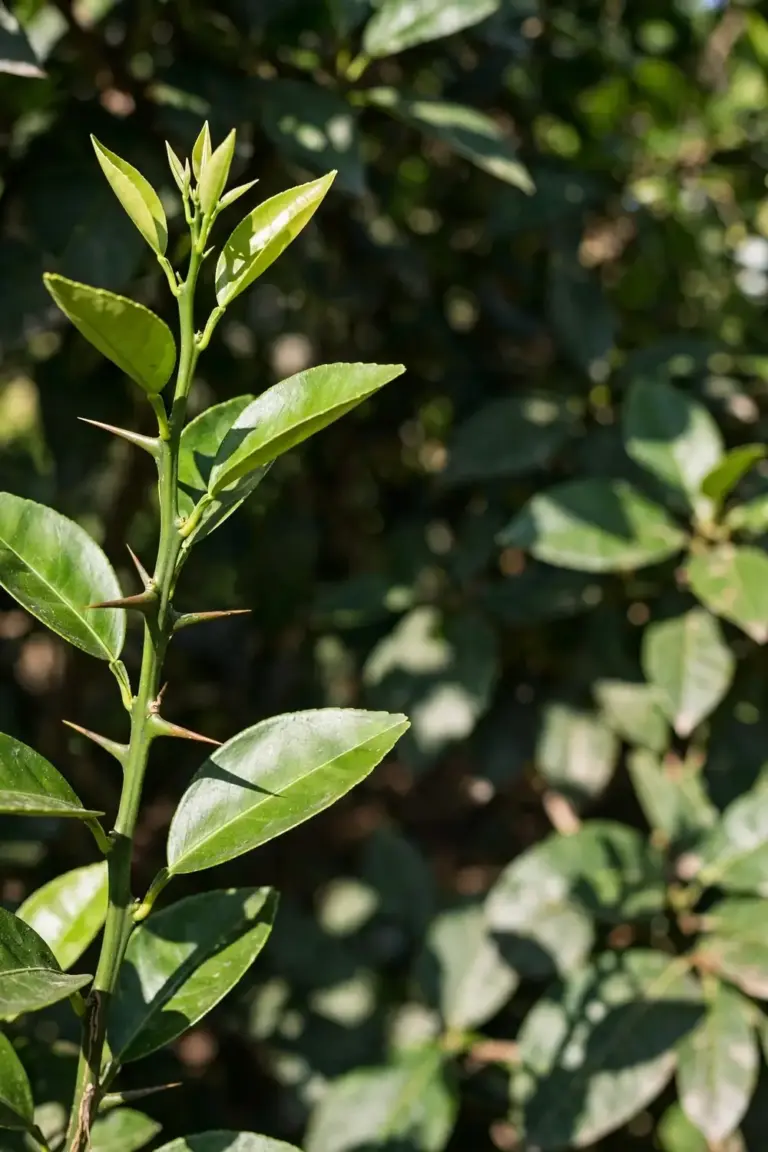
Your tree is not being stubborn. It is juvenile, which means its meristems grow only vegetatively and cannot switch to flowering yet. During the juvenile period the stems grow exponentially, develop thorns from lateral meristems, and root easily, and the buds do not respond to flower-inducing conditions, the Frontiers review explains.
This reframes every “trick” you have read. Dry spells, rice water, and extra fertilizer cannot force a juvenile bud to flower, because the bud lacks the flowering program entirely. The bud acquires that program gradually, and when a citrus meristem flowers for the first time, it can do so for the rest of its life.
Think of juvenility as a locked door, not a missing key. Fertilizer, water, and sunshine are keys, but none of them fits a lock that has not been built yet. The lock gets built over years, as the tree’s meristems mature, and no amount of rattling hurries the construction. This is why commercial citrus nurseries never sell seed-grown trees for fruit: every eating citrus in a nursery is a grafted tree, because waiting out juvenility makes no commercial sense.
I check the thorns before I check the fertilizer bag, because a thorny, fast-growing shoot tells me the tree is still juvenile and no feed will change that.
2. Define “Seedling” the Way Nurseries Do Not
A seedling is a tree grown from a seed. That is the whole definition, and it matters because nursery catalogues also call small young plants “seedlings,” which confuses the timeline. If you are starting citrus from seed yourself, the site’s seed starting guide covers the germination basics. Your 14-year-old tree is a seedling in the botanical sense: every cell in it has only ever known the juvenile program.
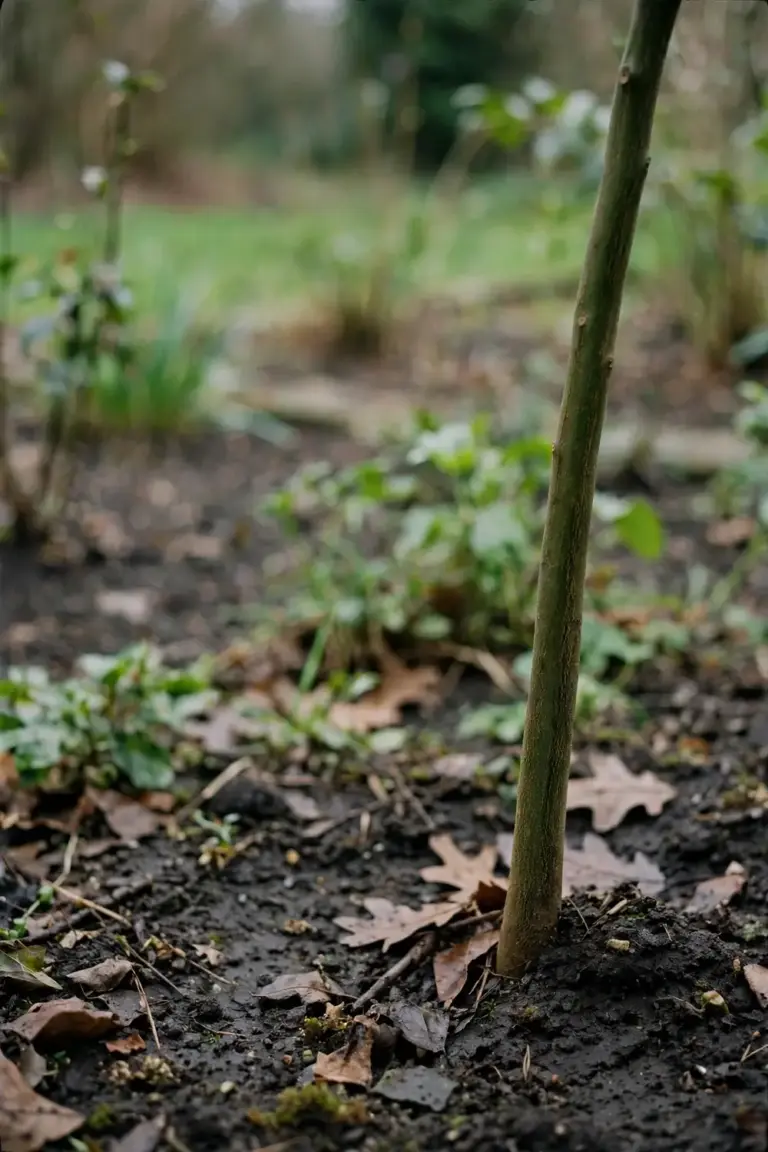
A grafted tree is the opposite. It carries a bud or shoot taken from a mature, fruiting tree, and that budwood is already physiologically adult. Commercial citrus growers never wait out juvenility. They graft mature budwood onto seedling rootstocks, because the budwood keeps the flowering program of the adult tree it came from. The seedling is only the root system; the adult bud does the fruiting. Deep Green Permaculture’s Australian fruit-tree guide notes that scion wood carries the same genetic maturity as its parent, so a grafted tree fruits far sooner than a seedling.
Check whether your tree was grafted already. Look at the lower trunk for a diagonal scar, a bump, or a change in bark texture. That mark is the graft union. If you find one, your tree is not a seedling at all, and the no-flower problem has a different cause. No scar, and a straight run of trunk from soil to branches: seedling, and juvenility is your prime suspect.
3. Count the Years: Juvenility Runs 5 to 20 Years in Citrus
Citrus juvenility lasts between 5 and 20 years depending on the species, the Frontiers in Plant Science review reports, citing Spiegel-Roy and Goldschmidt. That range is the single most useful number on this page. It puts your 14-year-old tree inside the normal window, not outside it.
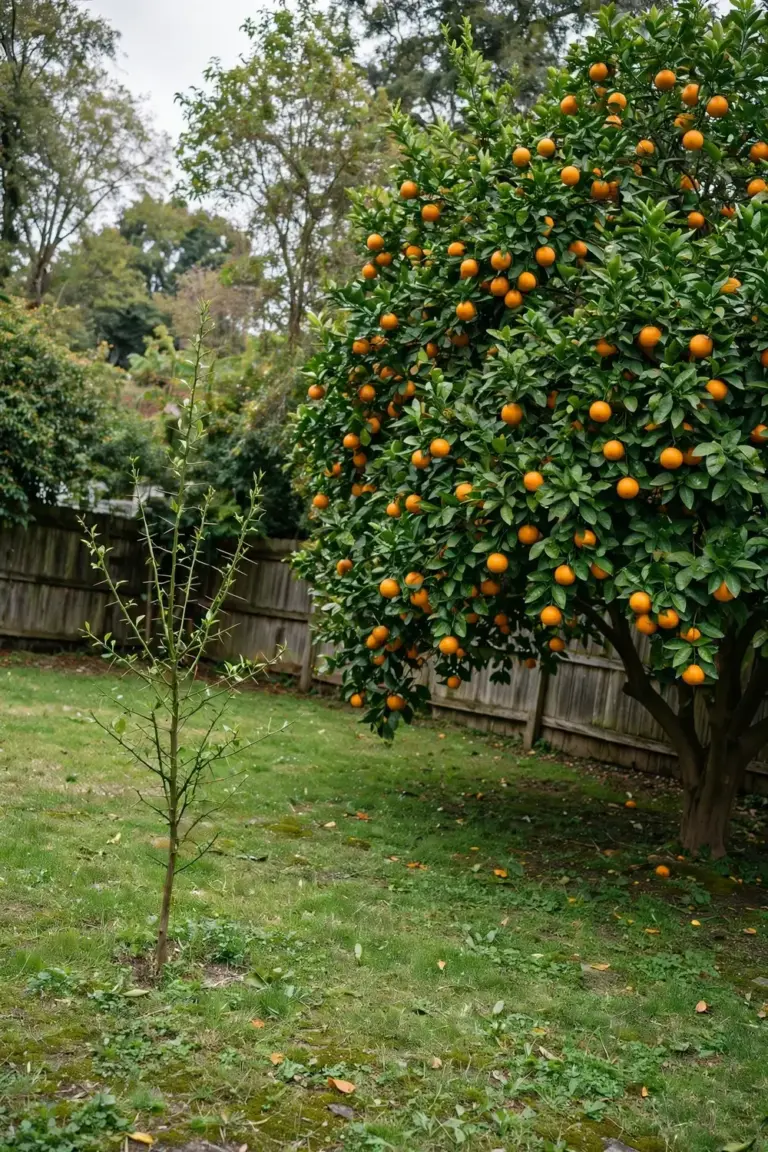
Australian evidence backs the long end. Seedling finger lime trees can take up to 15 years to produce fruit depending on the cultivar, NSW Department of Primary Industries notes in its finger lime growing guide. Sweet oranges and mandarins tend to sit in the middle of the range, while some types run longer. A 14-year-old seedling that has never flowered is at the long end of normal, not a freak case.
| Citrus type | Years from seed to first flower | Source |
|---|---|---|
| Citrus species, general range | 5 to 20 | Frontiers in Plant Science review |
| Finger lime grown from seed | Up to 15 | NSW Department of Primary Industries |
Where your tree sits in that range depends on its type, and most home growers do not know the exact type, because the seed came from a shop-bought fruit. A lemon seed, an orange seed, and a mandarin seed all carry different timelines inside the same 5-to-20 window. Without the variety name, assume the long end and plan the graft.
The wide range exists because citrus is not one plant but a family with different clocks. Fast types race through juvenility in a handful of years; slow types, including some limes and chance seedlings, take their time. Your tree’s exact position is unknowable without the variety name, which is why the table shows a range rather than a promise. Treat 14 years as information, not as a deadline.
4. Read the Juvenile Signs on Your Own Tree
Look for three markers. First, thorns: juvenile citrus grows prominent thorns from its lateral meristems, and mature wood carries far fewer. Second, vigour: juvenile shoots grow fast and upright, reaching for height rather than branching into a fruiting canopy. Third, the absence itself: no flowers in 14 years despite decent sun and water points to juvenility, not to a missing nutrient.
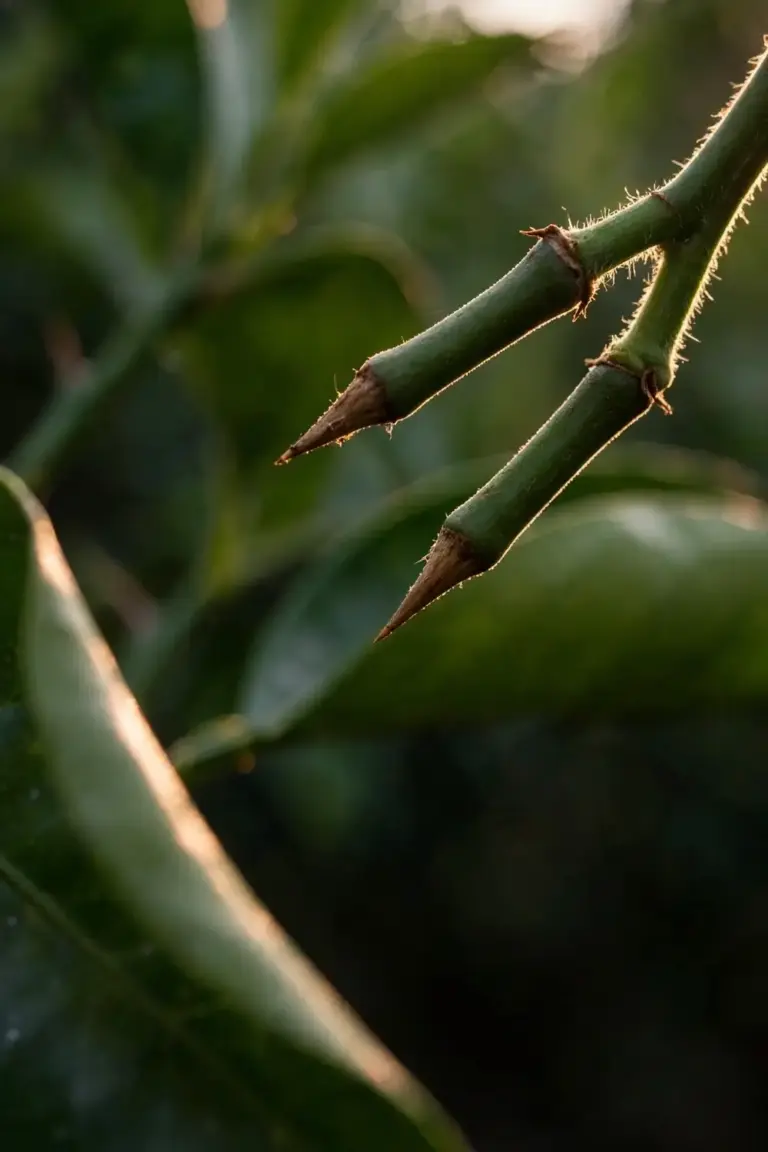
These signs also tell you what not to do. Do not prune a juvenile tree hard in the hope of “shocking” it into bloom. Heavy pruning removes the very wood that would eventually mature, and a tree low in carbohydrates and high in nitrogen tends to produce vegetative growth at the expense of fruit, University of Florida citrus researchers note. Let the canopy build.
Photograph the tree once a season. Juvenile trees change fast: a flush of thorny upright shoots in spring, a taller silhouette by autumn. When the thorns start thinning out on new growth and the shoots branch into shorter, twiggier wood, the tree is shifting toward adulthood. That visual record also stops you from misremembering. Fourteen years is a long time, and a memory of “it never flowered” is more reliable when a photo backs it.
5. Topwork It: The One Reliable Fix
Grafting a mature bud onto your seedling is the fix that actually shortens the wait. The science is direct: the flower-inducing signal can be transmitted by grafting from an induced plant to a non-induced one, the Frontiers review states, which means a mature bud carries its flowering program onto your juvenile tree. Your seedling becomes the rootstock. The bud becomes the fruiting top.
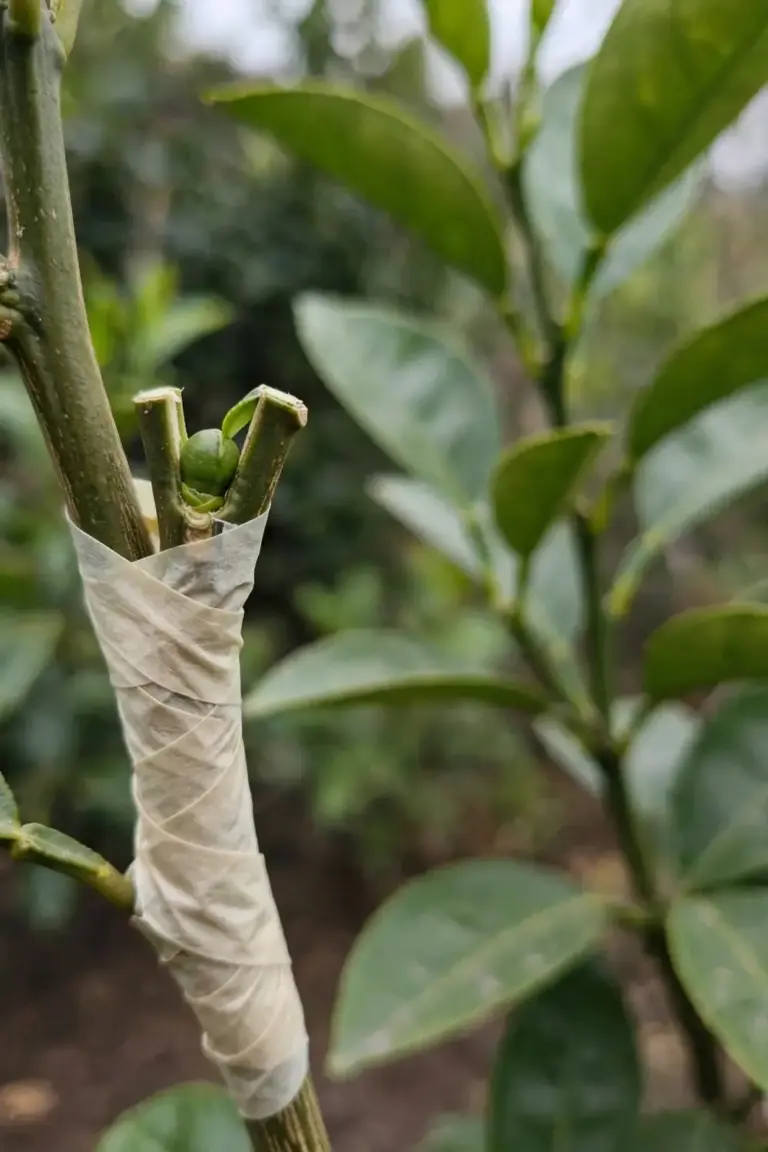
This technique has a name in breeding work: topworking, or top-grafting. Breeders developed it to shorten the juvenile phase when selecting new citrus cultivars, and bud grafting onto adult fruiting trees is rated among the most effective artificial methods for shortening the juvenile period in breeding trials. For a home gardener, the direction is reversed: you graft the adult bud onto your seedling, and the adult bud is ready to fruit.
The home version is T-budding, and it takes minutes. Make a T-shaped cut in the bark of a smooth young stem on your seedling, slide in a single bud sliced from the mature budwood with a sliver of bark attached, and bind it firmly with grafting tape. Keep the bud facing outward. Within a few weeks a living bud stays green and plump while a failed one shrivels. Once the bud grows, cut back the seedling top above it so the mature shoot takes over.
After the graft takes, keep rubbing off the seedling’s own juvenile shoots below the bud while they are small, or they will outgrow the grafted shoot and starve it of light. Stake the new shoot so wind cannot snap it at the union. One growing season of this pampering sets the branch up for decades.
6. Find One Mature Bud to Work With
You need budwood from a citrus tree that already fruits. That is the entire shopping list. A neighbour’s lemon, a friend’s mandarin, a known variety at a community garden: any healthy, fruiting citrus of the type you want to eat.
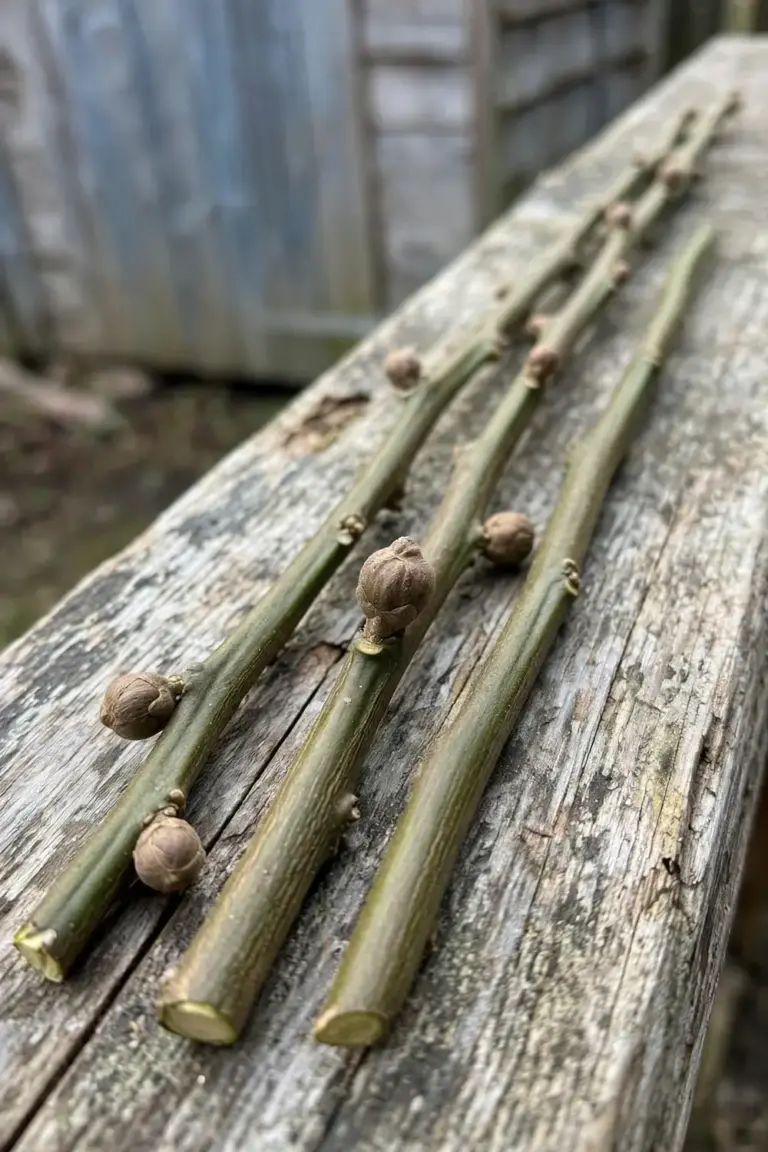
Take the bud in late winter or early spring, when the bark slips and the tree is waking up. Cut a plump, mature bud stick from last season’s growth, not from water shoots or thorny juvenile wood. Wrap it in damp paper, keep it cool, and graft within a day or two. The bud must come from wood that has already proven it can flower, because that maturity is exactly what you are importing.
Ask at a citrus growers’ club or a rare-fruit society if you do not know anyone with a fruiting tree. Members routinely share budwood in late winter, and they will tell you which varieties perform in your district. Take buds from a tree whose fruit you have actually tasted. A bud from a random street tree is still mature wood, but you are locking in an unknown variety for the next twenty years.
7. Give the Tree Full Sun: 6 to 8 Hours Daily
A juvenile tree in shade matures even slower. Citrus needs strong direct light to build the carbohydrate reserves that flowering draws on, and a shaded seedling spends its energy reaching for light instead of maturing its buds. Move a potted tree, or clear the competition around a planted one.
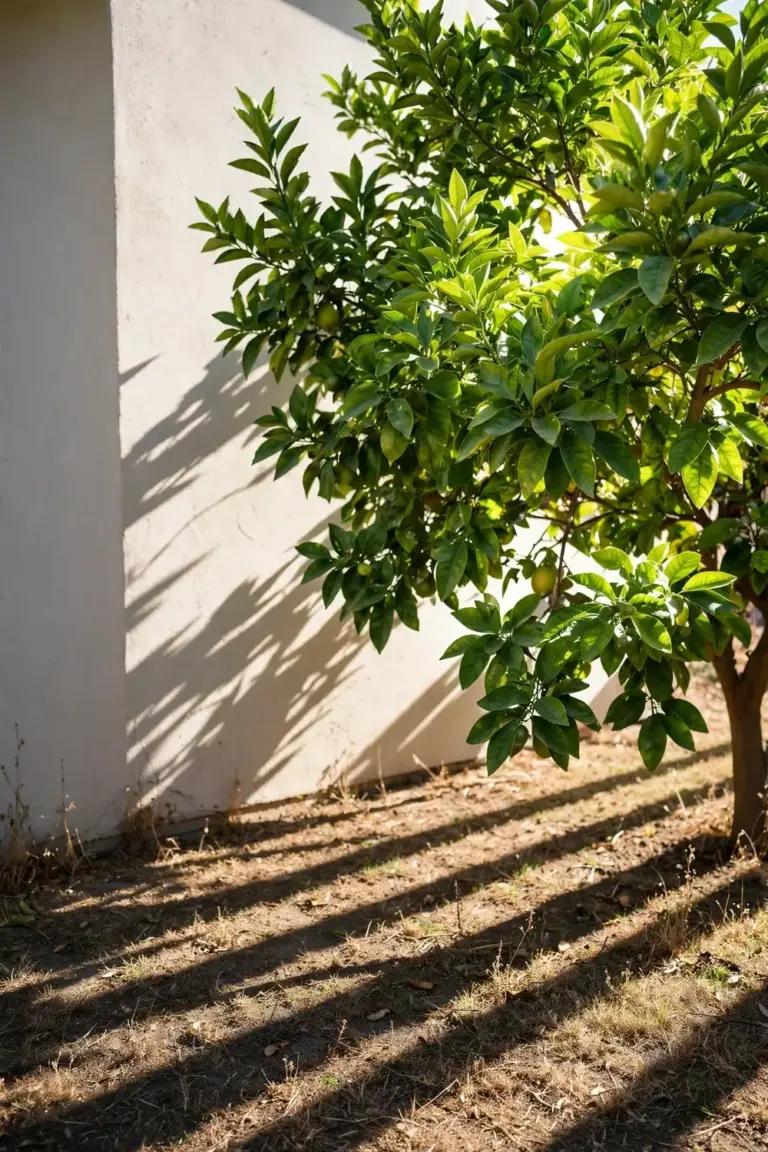
Six to eight hours of direct sun daily is the working target for a fruiting citrus canopy. Morning sun matters most, because it dries the foliage and powers the first hours of photosynthesis. A tree against a north-facing wall in Australia gets the strongest light; a tree tucked behind a shed gets excuses. If your 14-year-old seedling sits in half shade, fix the light before you judge the timeline.
Potted seedlings have it worse. A pot restricts the root run, and a root-restricted tree matures its canopy more slowly than one in open ground. If your 14-year-old has spent its life in the same pot, repotting into a larger container with fresh mix gives the roots room, but it does not shortcut juvenility. Sun first, pot second.
8. Let Cool Winter Nights Trigger the Bloom
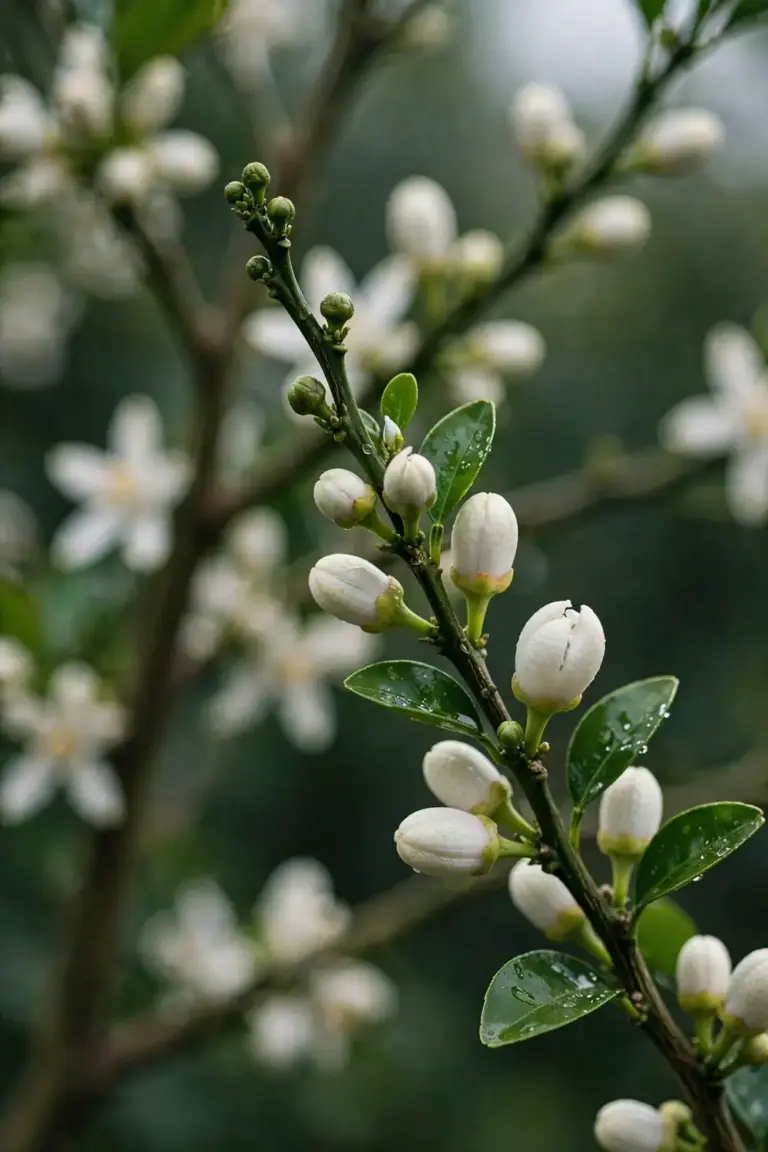
Citrus flower induction is triggered by low temperature and water-deficit stress, occurring 2 to 3 months before bud sprouting, the Frontiers review reports. This is why mature citrus blooms in spring: winter does the inducing.
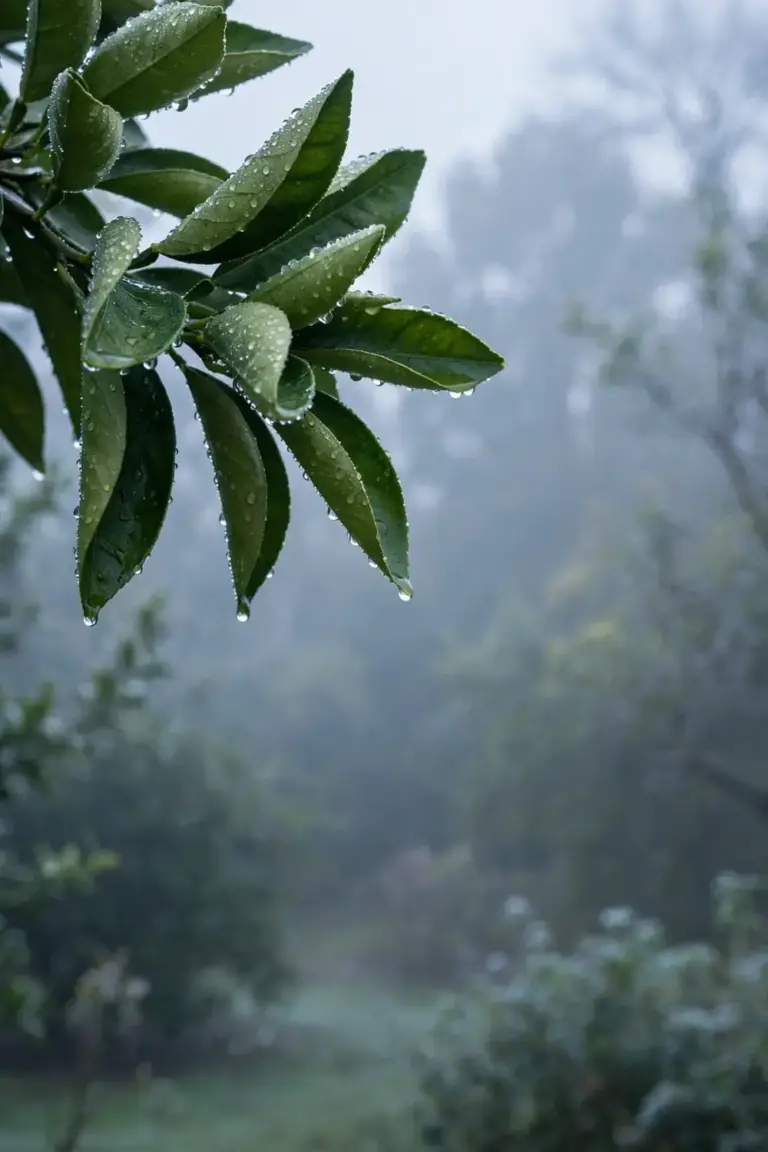
The numbers are specific. The optimal temperature range for flower initiation sits between 10 and 15 degrees Celsius, and exposure to 15 degrees for about 1.5 months initiates flowers in Satsuma mandarin, researchers report in an IntechOpen chapter on citrus flowering physiology. In the field, flower-promoting gene activity switches on when minimum temperatures drop below 15 degrees. Most Australian citrus regions deliver this naturally through winter. A tree kept warm indoors through winter, or in a frost-free tropical pocket with no cool season, misses the cue entirely.
In the tropical north, where winter nights stay warm, the cool trigger barely fires. There the dry-season water stress does the heavy lifting instead: citrus in the tropics blooms after the dry season breaks, not after winter. Match your lever to your climate. Cool subtropical south: protect the winter chill and avoid heating the tree. Warm tropical north: run the dry spell and watch the buds.
Do not confuse the induction chill with frost damage. Citrus buds handle cool nights well into single digits, but a hard frost kills the very buds you are trying to induce. In frost-prone districts, the classic compromise is an open northerly aspect for winter sun with a wall or hedge breaking the coldest southerly wind. The tree gets its cool induction without the bud-killing freeze.
9. Cut the Nitrogen, Feed for Flowers
Stop pushing leafy growth. A tree low in carbohydrates and high in nitrogen tends to produce vegetative growth at the expense of fruit production, University of Florida citrus researchers note. If you have been feeding a heavy nitrogen lawn fertilizer near the tree, or dosing often with high-nitrogen feed, you have been funding leaves, not flowers.
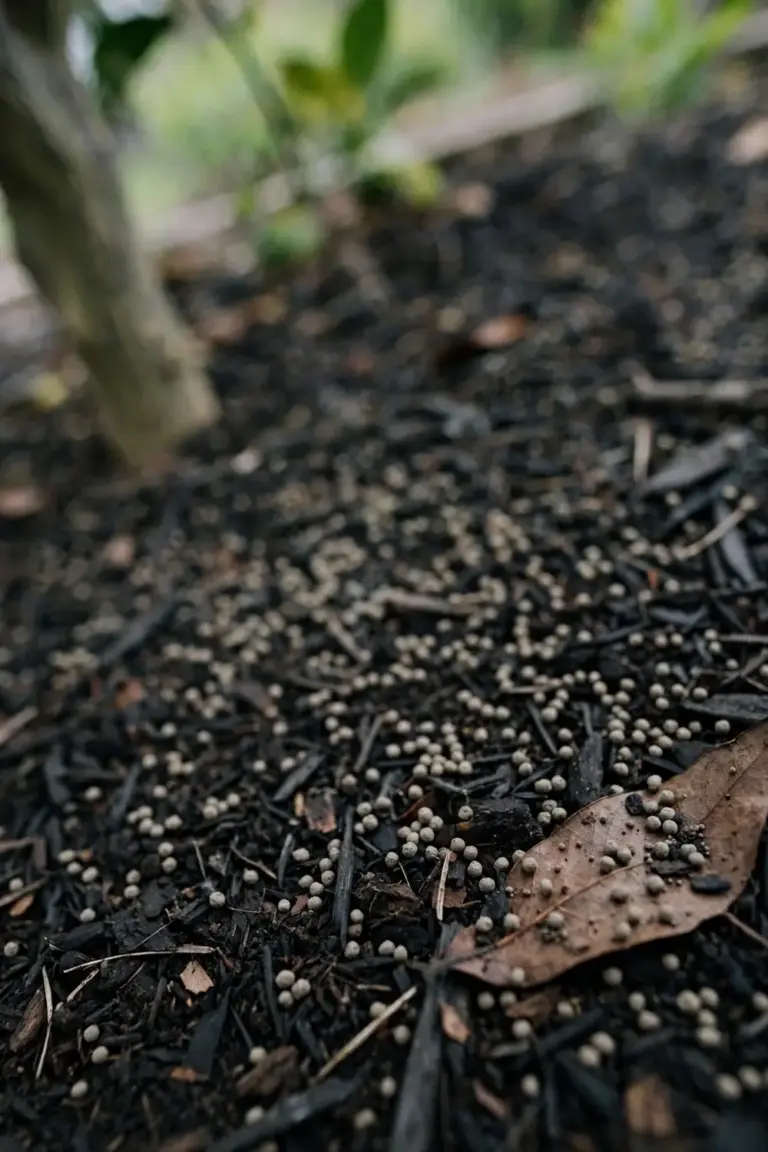
Shift to a balanced citrus fertilizer with moderate nitrogen and solid potassium once the tree shows adult wood. Potassium supports flowering and fruit development. Feed against a background of living soil, since healthy soil holds nutrients and moisture the roots can actually reach. Apply in late winter, ahead of the spring bloom window, so the nutrients are available when buds break. Do not feed a juvenile seedling heavily at all: it cannot use the extra nitrogen for flowers it cannot make.
Read the label before you buy. A citrus fertilizer lists its NPK ratio, and for a tree approaching flowering you want the first number moderate, not dominant. Look for the trace elements too: zinc, iron, and manganese prevent the yellowing that many growers mistake for nitrogen hunger. Yellow leaves after heavy nitrogen feeding usually signal a micronutrient or root problem, not a need for more nitrogen.
10. Stop Hard Pruning in Late Winter
Every hard cut removes flowering wood. Heavy pruning that removes a large share of the canopy in the fall and early winter will reduce flowering and fruiting the following spring, the University of Florida notes. The buds that would have flowered are in the bin.
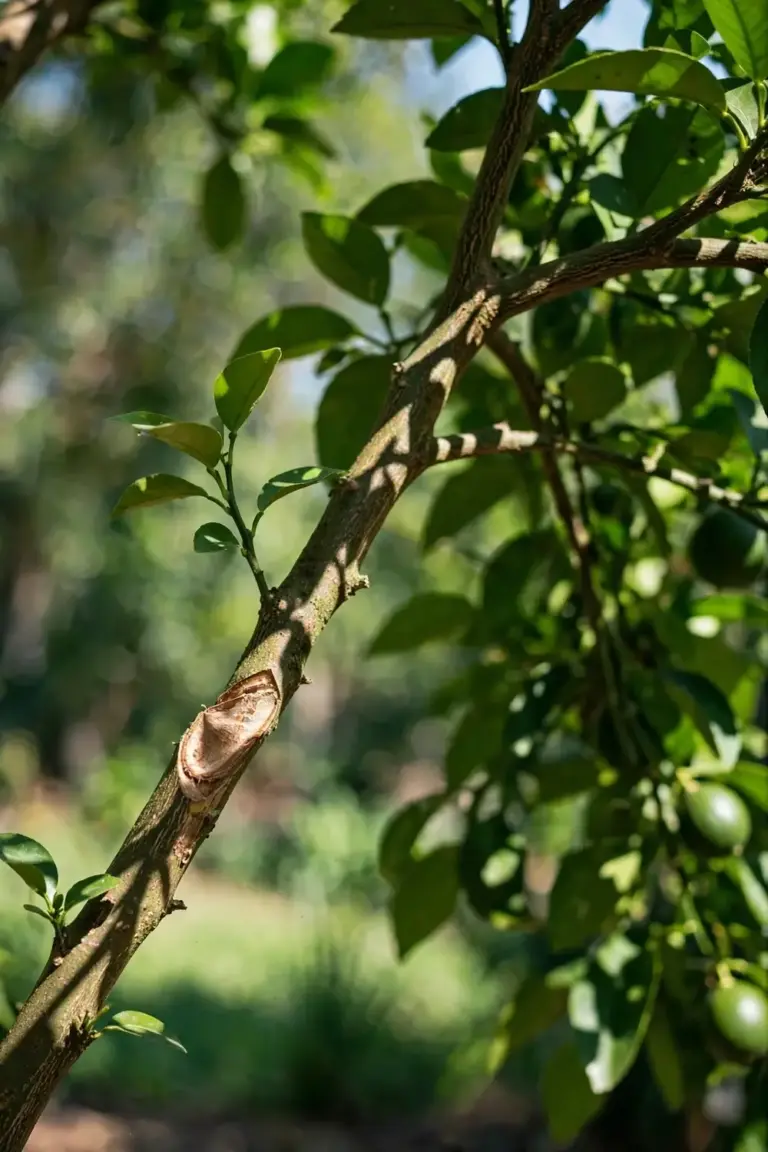
Prune lightly and at the right time. Remove dead, crossing, or diseased wood after harvest, and leave the healthy outer canopy alone through winter. Never shear a citrus seedling into a ball in August and expect spring flowers. The tree needs its mature buds intact when the cool induction period arrives.
Timing matters as much as severity. The safe window for structural pruning is right after harvest, when the tree has months to regrow before the next induction period. A light tidy in late winter removes only what is dead or crossing. If you must reduce the size of a vigorous juvenile, take a little each year rather than a lot once: repeated light cuts keep the canopy’s mature wood intact while you steer the shape.
11. Try a Controlled Dry Spell Before Spring
Mild water stress is the second induction trigger. In citrus, withdrawing irrigation for 4 to 10 weeks, typically six weeks, and rewatering only when the soil is totally dry produces significantly more flowers once normal irrigation resumes than keeping trees on a normal schedule, Citrus Industry Magazine reports, citing University of Florida researchers.
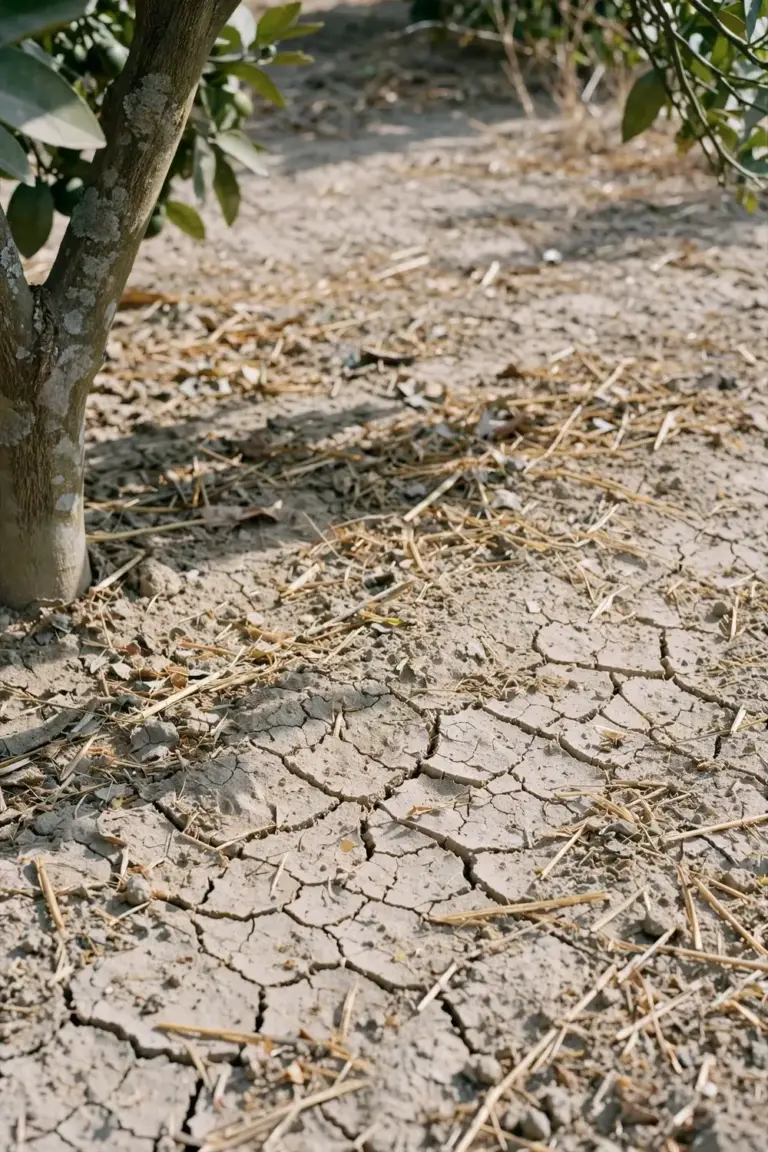
Run this only on a tree that is otherwise healthy and established, and only once it shows adult wood. In late winter, stretch the interval between deep waterings and let the top soil dry fully. Watch the leaves: a slight dullness is the signal, wilting is too far. Resume normal watering when spring growth starts. Do not try this on a stressed, diseased, or newly planted tree.
Containers need a gentler hand. A potted tree dries out far faster than one in the ground, so shorten the dry spell and check the soil with your finger before each decision. Mulch the surface to slow evaporation, and never run the dry spell during a heatwave. The goal is a mild check on growth, not a survival test. If in doubt, water: a missed induction beats a dead tree.
12. Face the Second Honest Warning: The Fruit May Not Match the Parent
Seed-grown citrus does not grow true to type. Plant a seed from a sweet orange and the fruit may be sour, seedy, thick-skinned, or nothing like the parent, because the seedling is a genetic reshuffle. Deep Green Permaculture’s Australian fruit-tree guide puts it plainly: most fruit trees are grafted because they do not grow true to seed, and only grafting guarantees the same fruit.
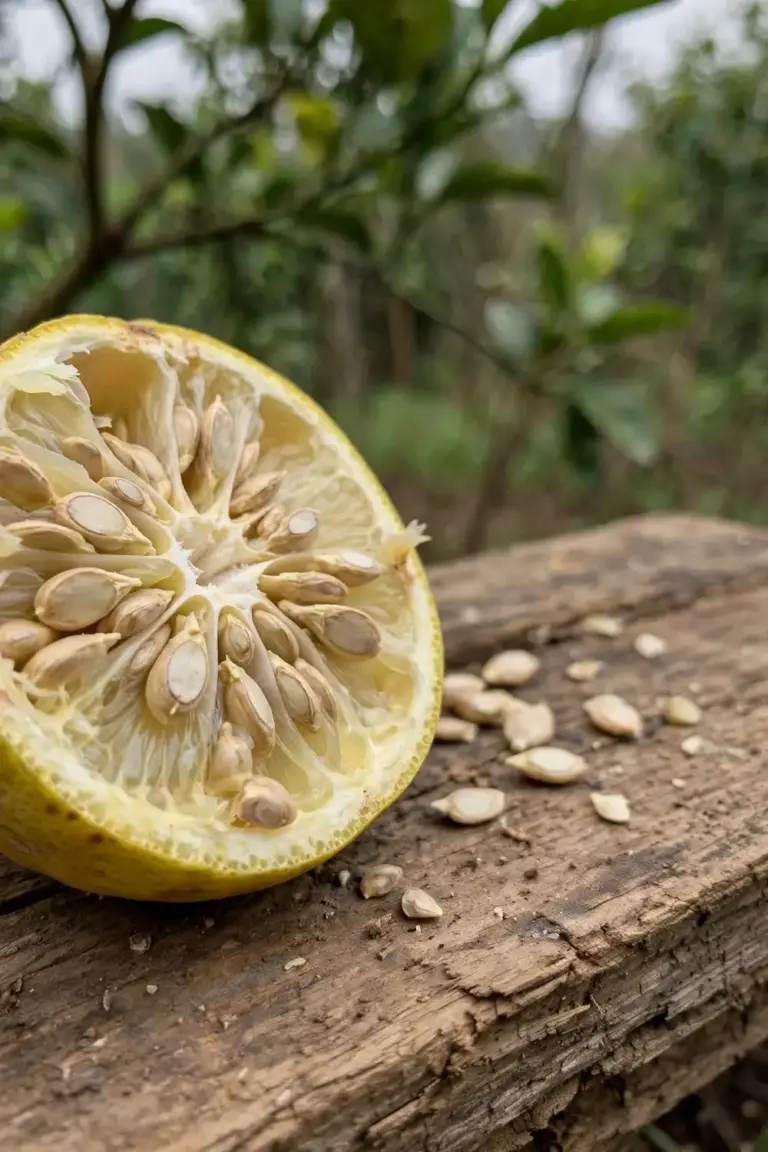
This is the second reason topworking wins. When you graft a bud from a known fruiting tree, you get that exact variety, not a lottery ticket. Even if your 14-year-old seedling finally flowers on its own, the fruit is an unknown. Grafting fixes the variety and the timeline in one cut.
There is a consolation prize. Even a seedling with inedible fruit makes a vigorous rootstock, which is exactly why nurseries raise seedlings for that job. If your tree finally fruits and the fruit disappoints, you do not start over: you topwork the weak branches with buds from a variety you like. The established roots stay, and the new top fruits true.
Keep the seedling even if you plant a grafted tree beside it. A mature seedling canopy shelters the young grafted tree from wind, its roots hold the soil on a slope, and its flowers, once they finally come, feed the bees that pollinate your grafted citrus. A 14-year-old tree has earned its place; the graft just gives it a job.
13. Skip the Tricks That Cannot Work on Juvenile Wood
Dry spells, Epsom salts, banana water, and “bloom booster” drenches cannot rewrite a juvenile bud. They act on mature trees that are failing to set flowers, not on seedlings whose buds lack the flowering program. Save the tricks for after the tree proves it is adult.
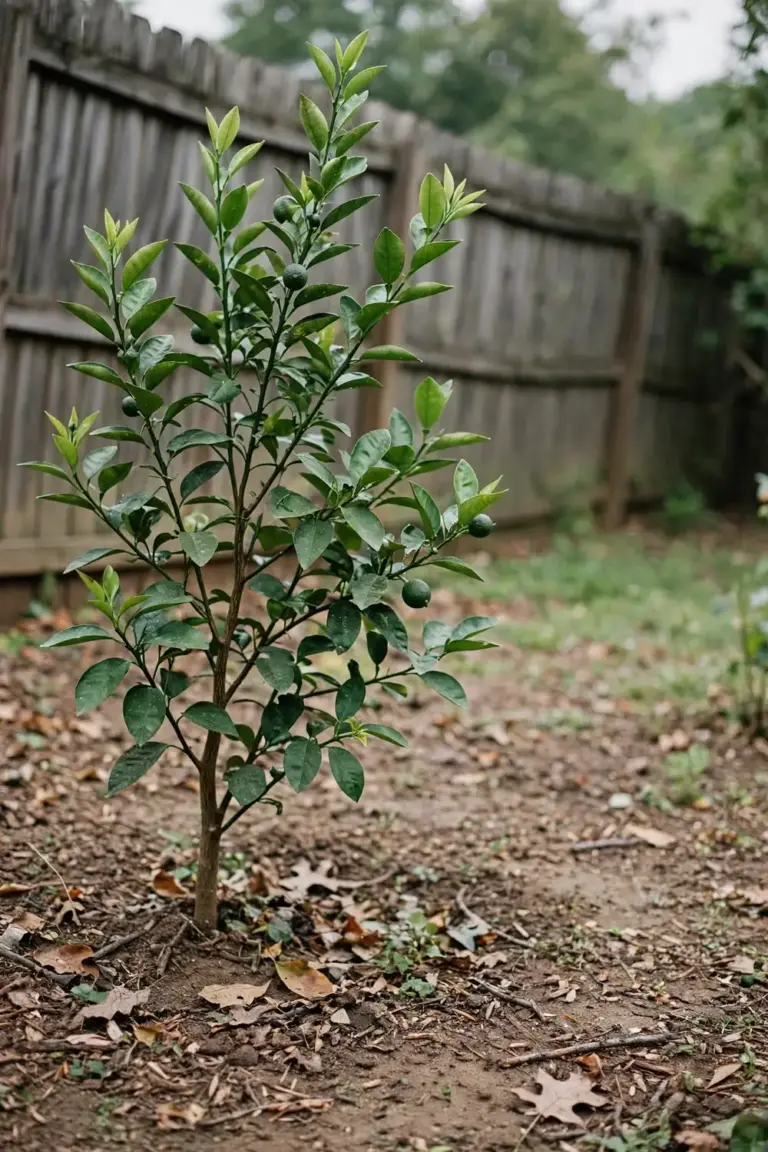
The same goes for impatience disguised as care. Repotting a 14-year-old tree every year, moving it around the garden, and changing its feed each season all reset the stress clock without adding a single mature bud. Pick the plan: graft it, or give it the stable conditions and the years it still needs. A tree that has waited 14 years deserves a decision, not another season of maybe.
Name the myths to dismiss them properly. Epsom salts supply magnesium, which helps only a magnesium-deficient tree. A juvenile tree lacks the flowering program; magnesium is not the problem. Banana water adds a little potassium, which cannot build a flowering program that does not exist yet. Bloom boosters pour phosphorus onto buds that cannot use it. Each of these has a real use on a mature tree with a diagnosed deficiency. None of them addresses juvenility, because juvenility is a growth phase, not a deficiency.
14. Frequently Asked Questions
No. Citrus juvenility runs 5 to 20 years depending on species, so 14 years sits inside the normal range, near the long end. Finger lime seedlings can take up to 15 years to fruit. Your tree may need more time, or it may be ready for the grafting fix that skips the wait.
No. Fertilizer feeds growth the tree is already programmed to make, and heavy nitrogen pushes leafy growth at the expense of flowers. A juvenile bud cannot flower no matter how it is fed. Fix juvenility first with a mature graft, then feed for flowers with a balanced citrus fertilizer.
Probably not. Seed-grown citrus is a genetic reshuffle and rarely grows true to type. The fruit may be sour, seedy, or different. Grafting a bud from a known fruiting variety is the only way to guarantee the fruit you want.
A mature bud grafted onto your seedling arrives physiologically adult, so it can flower years sooner than the seedling ever could on its own. The flowering signal passes through the graft from the mature bud, which is why top-grafting is a standard breeding shortcut for shortening the juvenile phase. Protect the new shoot from heavy pruning and it will reward you.
It needs cool nights, not a harsh winter. Flower initiation peaks between 10 and 15 degrees Celsius, and most Australian citrus regions supply that naturally. In frost-free tropical areas with no cool season, flowering relies more on a dry spell than on temperature. Either way, the tree must be past juvenility first.
Growing citrus from seed is a fine experiment if you enjoy the wait and accept the unknowns: a juvenile phase of 5 to 20 years and fruit that may not match the parent. It is a poor plan if you want eating fruit soon. For fruit, buy a grafted tree, or topwork your seedling with a bud from a variety you have tasted. Keep the seedling for the fun of it, not the harvest.
15. Decide This Weekend: Graft, Wait, or Replace
Walk out to the tree with three options. Option one: topwork it this spring with a bud from a fruiting citrus, and expect flowers within a season or two. Option two: give it stable sun, light pruning, and honest feeding, and wait out the remaining juvenile years. Option three: replace it with a grafted tree from a nursery and eat fruit years sooner.
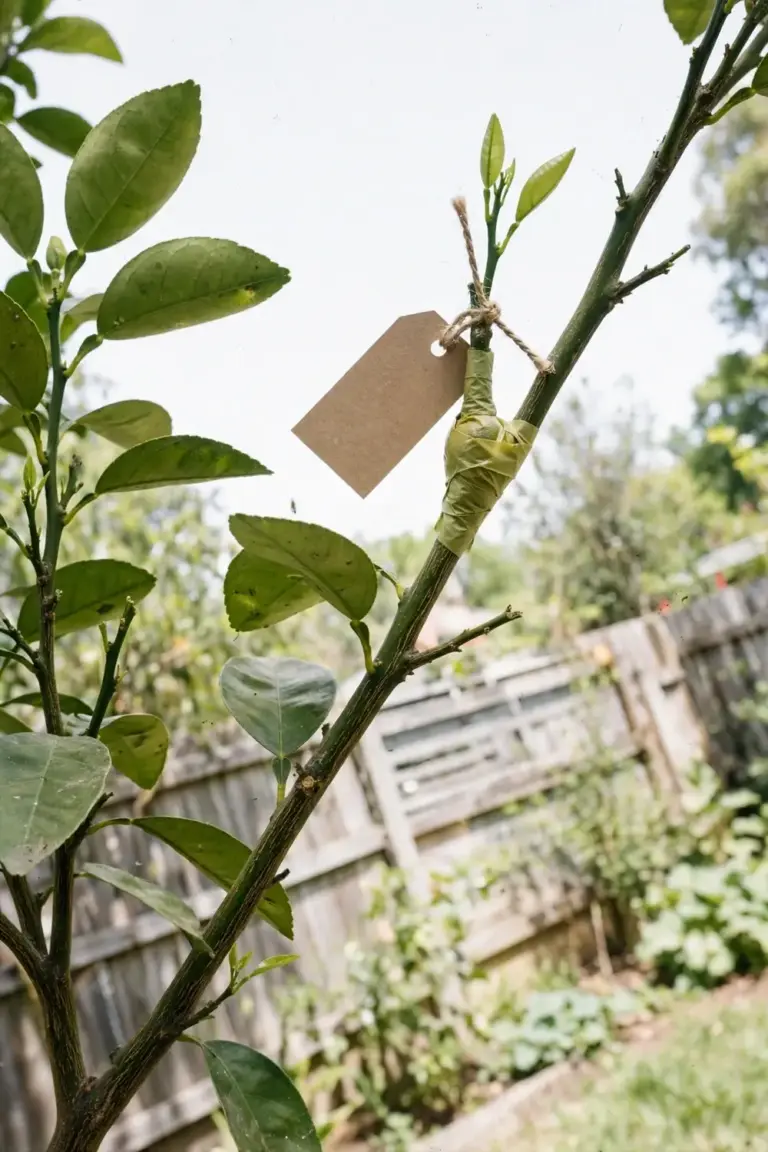
For a 14-year-old seedling, option one is the strongest. It keeps the established root system, fixes the variety, and ends the waiting. The mandarin growing guide covers care for grafted trees once your topworked branches take over.
If you graft this spring, label the grafted branch with the variety name and the date. In two years you need to tell the adult branch apart from the seedling suckers to rub off. A cheap tag now saves a confused pruning cut later.
Make the cut, or make peace with the wait. Do not spend year fifteen on fertilizer tricks.