Pinch 1 small shoot out of the leaf axil of a tomato plant while it is still shorter than your finger. A sucker is a side shoot that grows in the V between the main stem and a leaf stem, and it will grow into a full second stem with its own leaves, flowers, and fruit if you leave it alone.
A sucker starts as a tiny green nub in the axil, the angle where a leaf branch meets the main stem. Within a week it carries leaves of its own, within 2 weeks it flowers, and within a month it is a stem as thick as the main one, drinking water and feeding leaves instead of fruit. The plant does not mind. The fruit does.
Suckers are not a disease and not a defect. They are how a tomato plant branches in the wild, and a wild plant wants many stems. A garden plant with one or two stems gives larger fruit earlier, and that trade is why gardeners remove suckers at all.
| Point | Detail |
|---|---|
| What it is | A side shoot growing in a leaf axil |
| Deciding number | Remove suckers while they are under 5.1 cm long |
| Where it grows | The V between main stem and leaf stem |
| Best for removal | Indeterminate tomatoes |
| Leave alone | Determinate tomatoes, and the sucker below the first flower cluster |
What Is Sucker?
A sucker is a vegetative shoot that grows from a leaf axil. The axil is the junction where a leaf stem joins the main stem, and the sucker rises from that junction at an angle, growing upward alongside the main stem. It carries the same parts as the main stem: leaves, flower clusters, and eventually fruit.
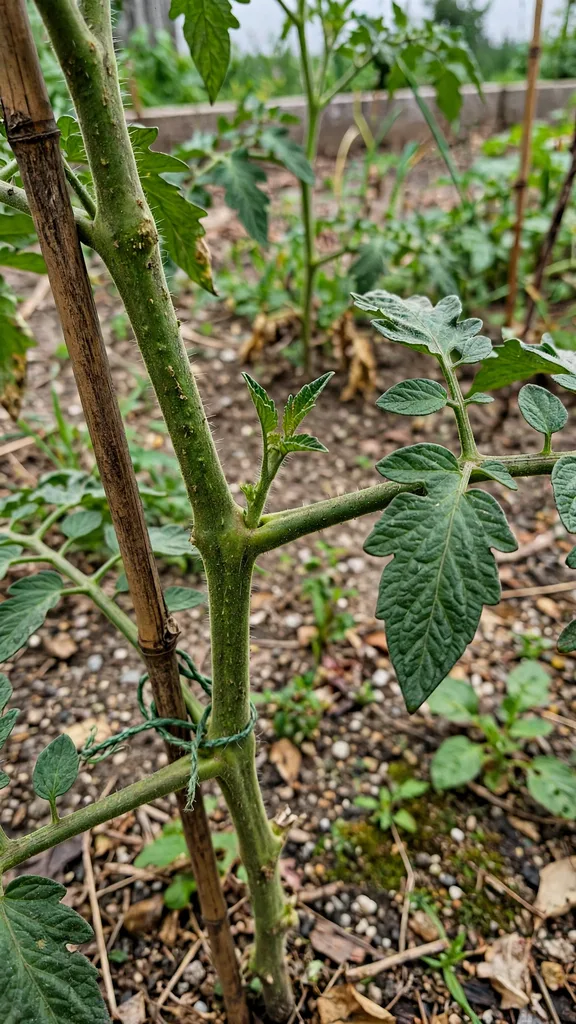
The deciding number is the size. The University of New Hampshire Extension tomato pruning guide advises removing suckers when they are still small, less than 5.1 cm long, and the same guide sets the overhead support at least 2.44 m above each row, since a pruned indeterminate tomato can weigh 13.6 kg or more at peak fruit set. A sucker under 5.1 cm snaps off cleanly with fingers. A sucker at 15.2 cm needs secateurs and leaves a wound that heals slowly.
Suckers also grow on other plants. Roses, lilacs, fruit trees, and raspberries all throw suckers from the base or the roots, and those shoots carry the same rule: a shoot in the wrong place steals energy from the growth you want. The tomato sucker is the one gardeners meet most often, so it carries this page.
How a Sucker Grows
A sucker grows from a dormant bud in the axil. The bud wakes when the plant has energy to spare, pushes a green tip out of the V, and grows fast in warm weather, sometimes 2.5 cm in a day. The shoot grows its own leaves, then its own flower cluster, then its own suckers, until the plant is a thicket of stems with poor airflow.
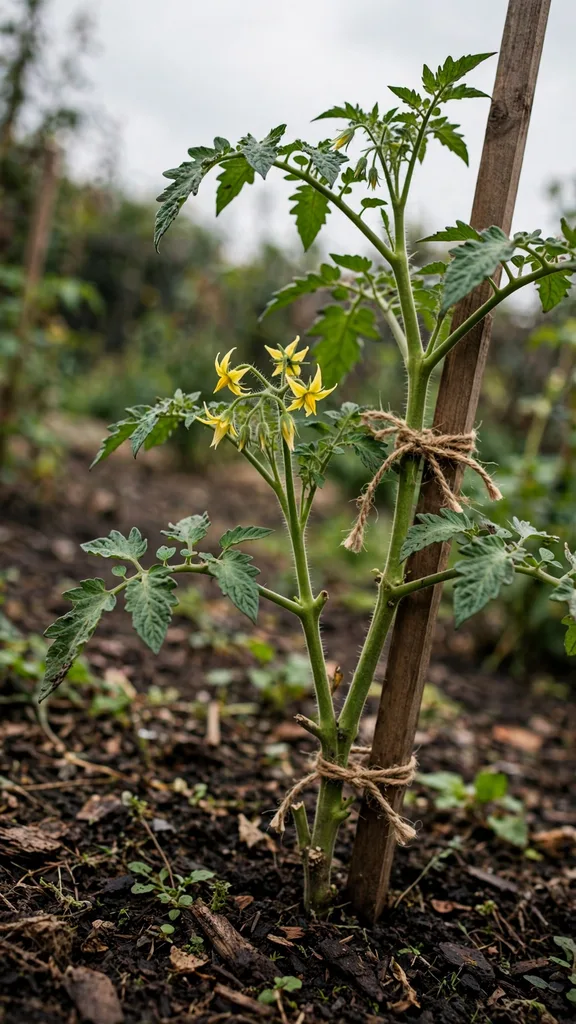
The Wisconsin Extension tomato pruning guide sets the rule for which suckers go: remove suckers from indeterminate tomato plants except for the sucker below the lowest flower cluster, since that sucker is the strongest one on the plant and should be left to grow and bear fruit as a second stem. One kept sucker gives the plant two stems. Every other sucker goes.
A sucker left to grow diverts energy from fruit. The plant feeds leaves on 6 stems instead of fruit on 2, the canopy stays damp, and disease moves through the crowded leaves. A plant pruned to one or two stems ripens fruit earlier, grows larger fruit, and dries faster after rain.
Sucker vs Branch
| Point | Sucker | Branch |
|---|---|---|
| Where it grows | Leaf axil, the V by the main stem | From the main stem as planned growth |
| When it appears | Through the season, whenever the plant is vigorous | Early, as part of the plant shape |
| What it carries | Leaves, flowers, fruit, more suckers | Leaves, flowers, fruit |
| Should you remove it | Usually yes, on indeterminate tomatoes | No, it is the plant structure |
| Effect if left | Crowded canopy, smaller fruit | Normal growth |
A sucker and a branch look alike once they grow, and the difference is the position. A branch grows from the stem in the open. A sucker grows from the tight V of a leaf axil. Learn the V and you will never cut the wrong shoot again.
How to Recognise a Sucker
A sucker sits in the axil. Stand beside the tomato plant, find a leaf stem, and look into the angle where it meets the main stem. A small green shoot rising from that angle is a sucker. A shoot rising from the main stem above a leaf is a branch. The angle is the test.
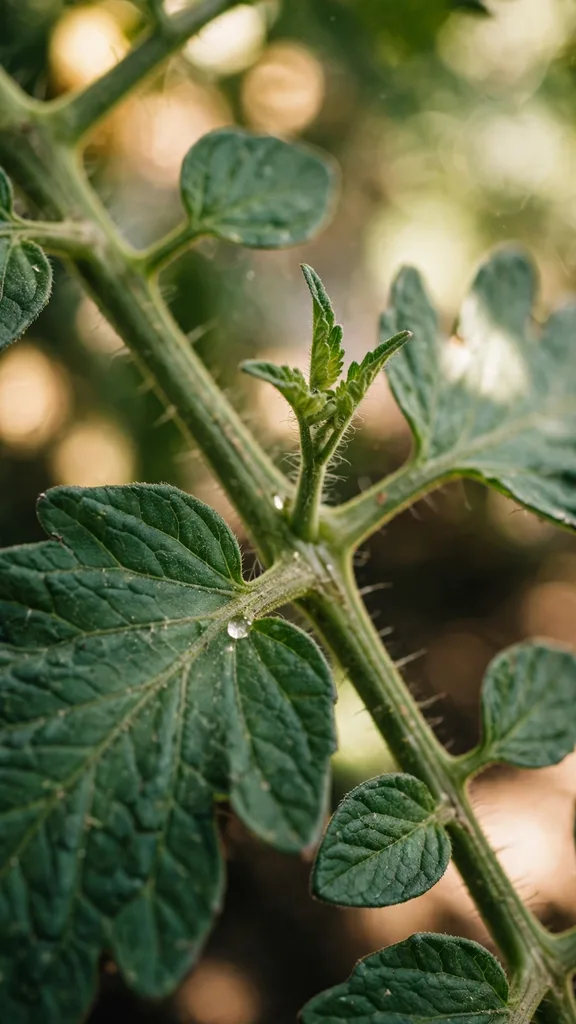
Check the plant once a week from late June onward. Suckers grow fast in warm weather, and a sucker missed for 2 weeks is already a stem with leaves. Run a finger along each axil on the lower half of the plant first, since suckers start low and the lower ones steal the most energy.
Pinch the sucker off with thumb and finger while it is under 5.1 cm long. The shoot snaps cleanly at the base and the wound closes within a day. The pinch back guide covers the same pinching move on herbs and flowers, where the goal is the opposite: pinch back adds shoots, and sucker removal takes them away.
Common Mistakes With Sucker
Pruning determinate tomatoes is the first mistake. Determinate varieties set a fixed amount of fruit and stop growing, so removing their suckers removes fruit and gives nothing back. Prune indeterminate tomatoes only, and leave determinate plants to grow as they are.
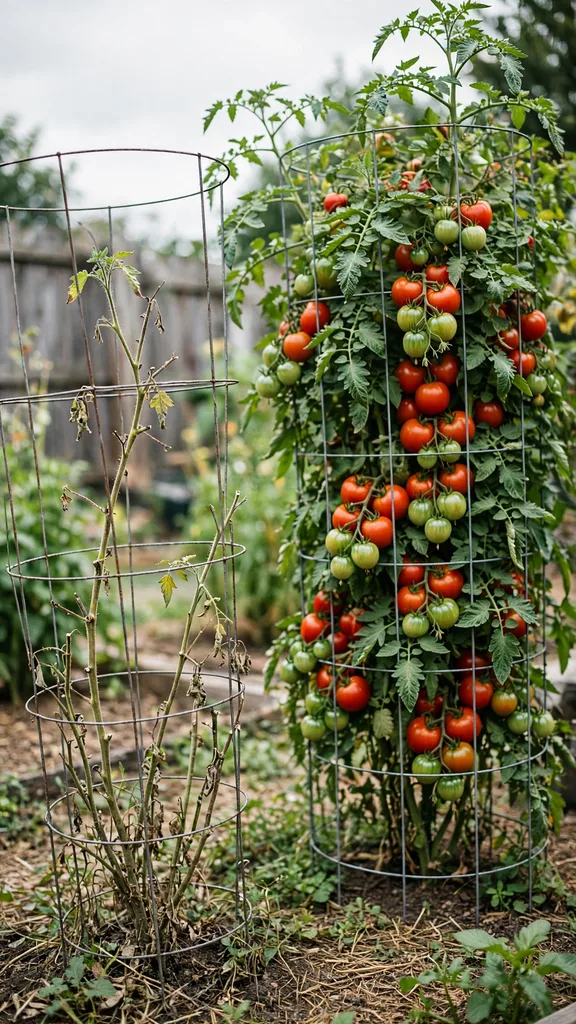
Removing the wrong sucker is the second mistake. The sucker just below the first flower cluster is the strongest shoot on the plant, and it becomes a productive second stem. Remove every sucker except that one on a two-stem plant, and remove all of them on a one-stem plant. A plant with no kept sucker and no main stem left is a plant with no future.
Waiting until suckers are large is the third mistake. A sucker at 15.2 cm has already taken energy from the fruit, and cutting it leaves a large wound that the plant must seal. Check weekly, pinch small, and keep the plant to one or two stems all season. The transplant survival guide helps a young tomato settle in before the suckering season starts.
When Sucker Matters in Your Garden
Sucker matters most on indeterminate tomatoes grown on stakes or strings. A staked plant with one stem is easy to tie, easy to inspect, and easy to harvest, while a staked plant with 6 stems is a thicket that hides fruit and holds disease. The sucker decision is the staking decision.
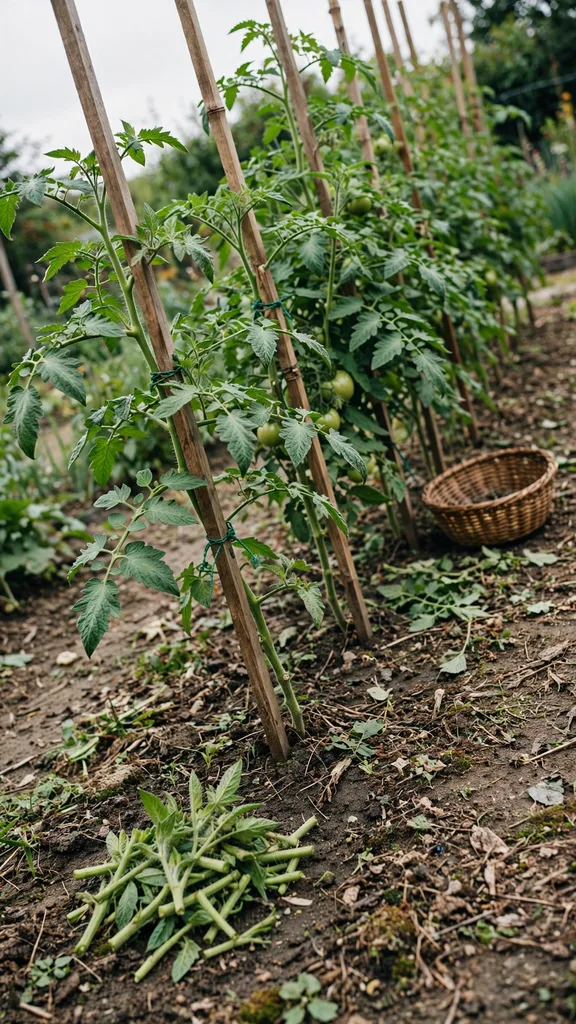
Sucker also matters on roses and fruit trees, where shoots from the rootstock carry the wrong variety. A rose sucker from below the graft grows the wild rootstock, not the named rose, and it will take over the plant if left. Cut rootstock suckers at the base, below soil level, and check again each month.
Start from the gardening glossary when a term in this page is new. A sucker is a small job done weekly, and the plant you keep to two stems will thank you with fruit you can actually find.
FAQ
No. Determinate tomatoes grow to a fixed size, set a fixed amount of fruit, and stop. Removing their suckers removes fruit and gives nothing back, since the plant will not grow a replacement stem. Leave determinate plants alone, and prune only indeterminate varieties that keep growing until frost.
Yes, and it makes a free plant. A sucker under 10.2 cm long roots in water or damp mix within a week, and it grows into a clone of the parent plant. Pot it up once roots reach 2.5 cm, harden it off, and plant it out. The cutting fruits later than the parent, so it suits a long season best.
Once a week in warm weather, from late June until the first frost. Suckers grow fast when the plant is vigorous, and a weekly pass catches them while they are small enough to pinch. Check the lower axils first, then work upward, and carry a bucket for the pinched shoots.
Yes. Roses, lilacs, fruit trees, raspberries, and many shrubs throw suckers from the base or the roots. The rule is the same: a shoot in the wrong place steals energy from the growth you want. Remove rootstock suckers at the base, and remove basal shoots that crowd the center of a shrub.