Cut 2 matching pieces of wood, press their green layers together, and bind them tight. Grafting is when the gardener joins a fruiting shoot onto the roots of another plant so the two heal and grow as one tree.
Grafting exists because seed rarely repeats a good fruit. An apple grown from a pip grows into a stranger, with fruit nobody can predict. A grafted branch carries the exact variety, while the roots below it bring size control, disease resistance, or tolerance of wet soil. One tree can even carry 3 or 4 varieties on separate limbs, each one true to its parent.
| Item | Detail |
|---|---|
| What it is | Joining two plants so they heal as one |
| The two parts | Scion on top, rootstock below |
| Best time | Late March to early April, both parts dormant |
| Watch out for | A buried graft union that roots the scion |
What Is Grafting?
Grafting is a method of asexual plant propagation that joins plant parts from different plants together so they will heal and grow as one plant. The upper piece, the scion, becomes the branches and the fruit. The lower piece, the rootstock, becomes the root system. The join works only where the two thin green cambium layers touch, so the cut faces must line up edge to edge. The best time to bench graft is from late March to early April, when both the stock and the scion are still dormant, and the best shoots run about pencil thickness, with success up to 2.54 cm in diameter, according to the Penn State Extension bench grafting guide.
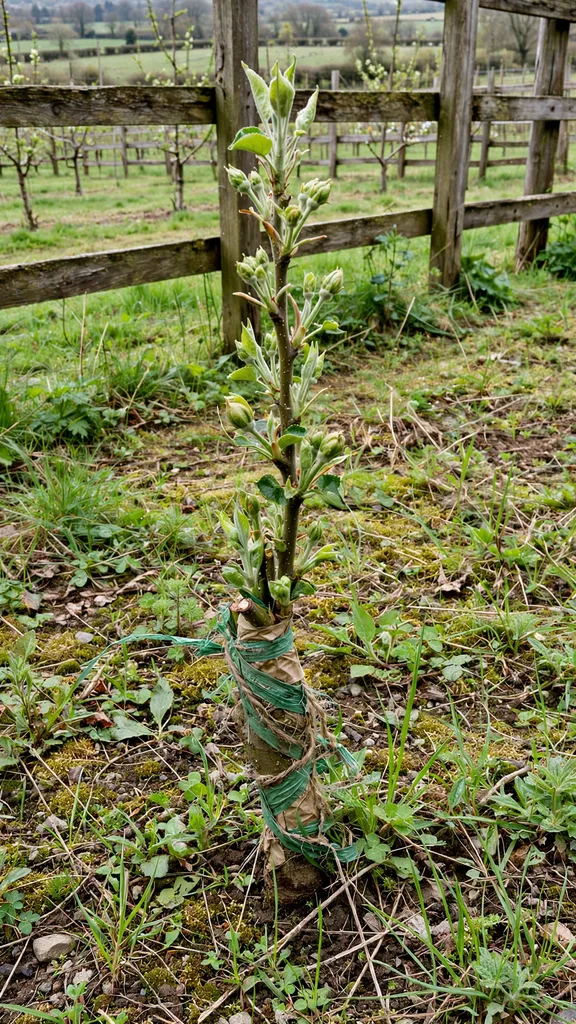
Gardeners graft for 3 plain reasons. The first is keeping a variety exact: a grafted Fuji apple stays Fuji, while a seedling drifts. The second is speed: a dwarfing rootstock brings a young tree into fruit years sooner than a seedling root system would. The third is repair and change: an old tree can carry a new variety on its limbs, and a damaged trunk can be bridged with fresh wood. Fruit trees lead the list of grafted plants, with apples and pears the most common, and stone fruit close behind.
How Grafting Works
A graft heals the way a cut heals. The cambium, a thin layer of dividing cells just under the bark, produces callus tissue that bridges the gap between the two pieces. Once the callus knits, new wood and bark grow across the union, and water starts moving from the roots into the scion. The scion wood should be collected from the most recent season of growth, from fully dormant trees between January and February. The best shoots run about the thickness of a pencil, and thicker wood still takes when the cuts match.
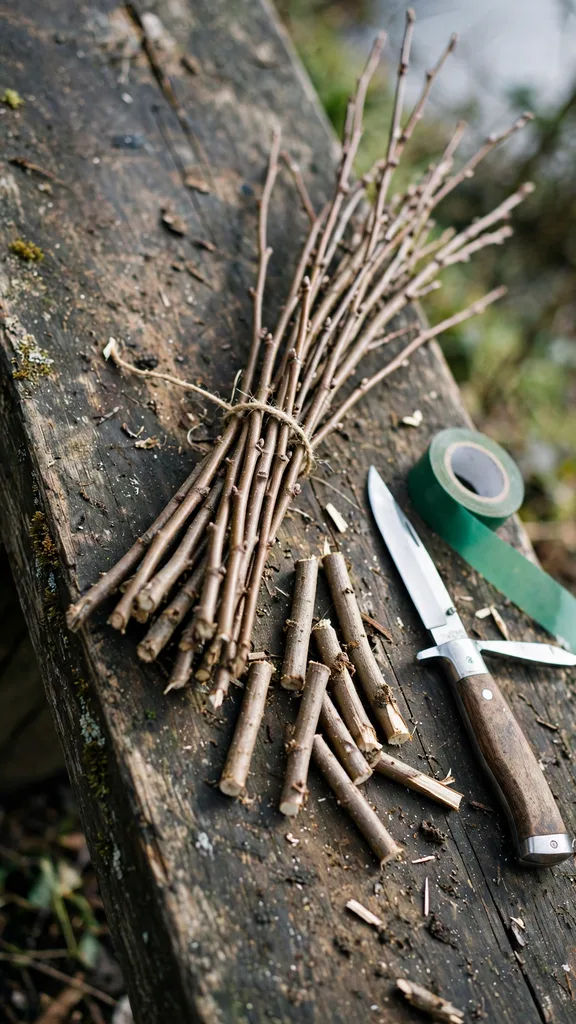
The whip and tongue graft suits pieces of equal size. Each side gets a long diagonal cut, then a second short slit that locks the two tongues together like a clasp. The cleft graft suits a thick stock: the top is cut flat, a wedge is split open, and 1 or 2 scions are slipped into the split. Every graft gets bound with tape or a band, then sealed with wax or compound so the cut faces never dry out. Warmth and steady moisture do the rest, and the first leaves on the scion show the union is alive. Rootstock choice decides the final size of the tree, and the rootstock guide explains how each rootstock sets height, vigor, and soil tolerance.
Grafting vs Budding
Budding is a graft in miniature. It uses a single bud instead of a whole shoot, and it runs in summer while the bark slips. Both methods join two plants into one, and both need matching cambium. The choice turns on season, stock size, and how much wood you can spare.
| Feature | Grafting | Budding |
|---|---|---|
| Piece joined | A shoot with several buds | One single bud |
| Season | Late winter to early spring | Summer, while bark slips |
| Stock size | Pencil thick to 2.54 cm | Any size that takes a bud |
| Speed of take | Shoots grow the same spring | Bud waits, then grows next spring |
| Best use | New trees and variety change | Nursery rows and large numbers |
How to Recognize and Measure Grafting
A live graft shows itself in 3 to 4 weeks. The scion buds swell, then push pale green leaves, while the stock below the union stays quiet. Dead wood tells the opposite story: buds stay hard and brown, the bark wrinkles, and a light scratch shows brown tissue under the surface instead of green. Keep the union 7.6 to 10.2 cm above the final soil line. If soil is placed around the scion, the scion will root and the dwarfing influence of the rootstock will be lost, as the Utah State University Extension fruit FAQ warns.
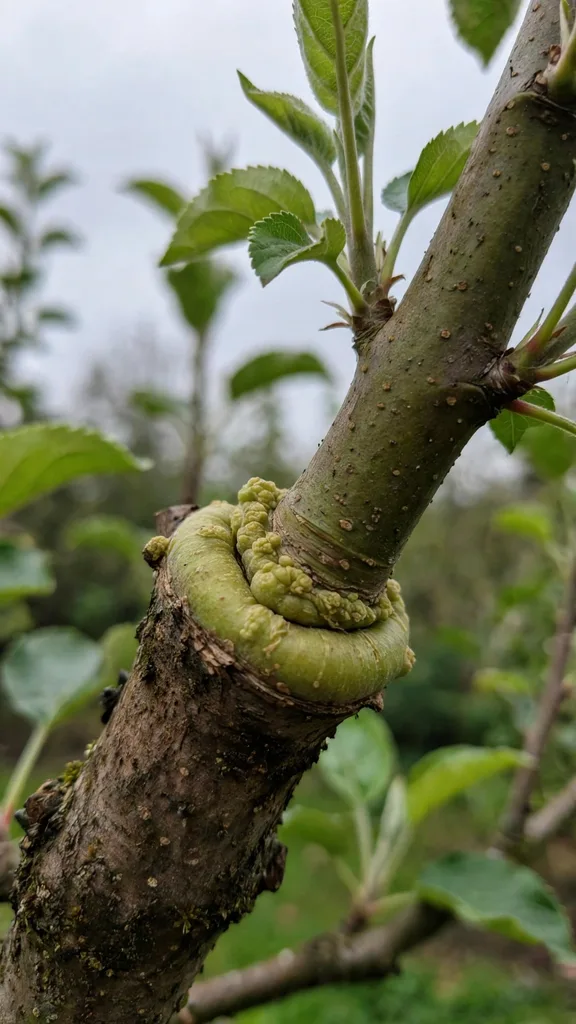
Measure the union by its swell, not by a ruler. A sound union thickens evenly, with a smooth ring of callus around the whole join. A lopsided bulge means the cambium met on one side only, and that side will carry all the weight. Check the binding after 2 weeks: tape that bites into swelling bark needs loosening, or it will girdle the shoot it was meant to protect. Remove suckers from the rootstock at once, since they steal water from the scion and can outgrow it in a single season.
Common Mistakes With Grafting
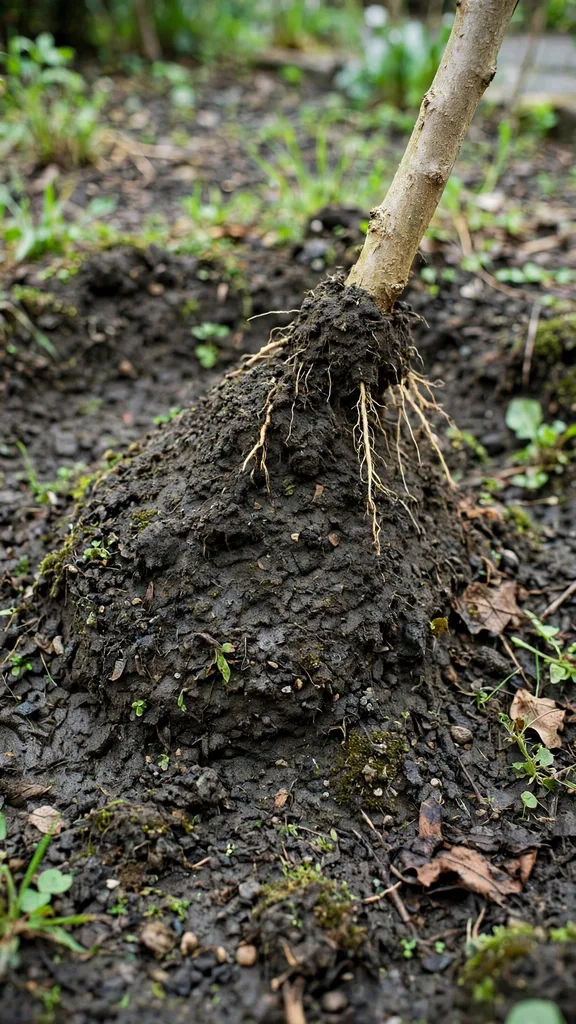
- Burying the union. Soil against the scion lets it root on its own, and the tree grows to full size while the rootstock becomes pointless. Plant with the union well clear of the soil.
- Dry scion wood. Scion wood left in open air loses moisture fast. Keep it wrapped and cool from cutting day until grafting day, and never let the cut faces sit in sun.
- Mismatched diameters. A thick scion on a thin stock leaves cambium hanging in air on one side. Match the pieces, or use a cleft graft where the stock is much thicker.
- Leaving the binding on. Tape left through summer cuts into the swelling union. Loosen it once growth starts, and cut it away once the shoot stands on its own.
- Grafting in leaf. Active growth dries a fresh union before callus forms, so graft while both parts sleep and let spring wake them together.
When Grafting Matters in Your Garden
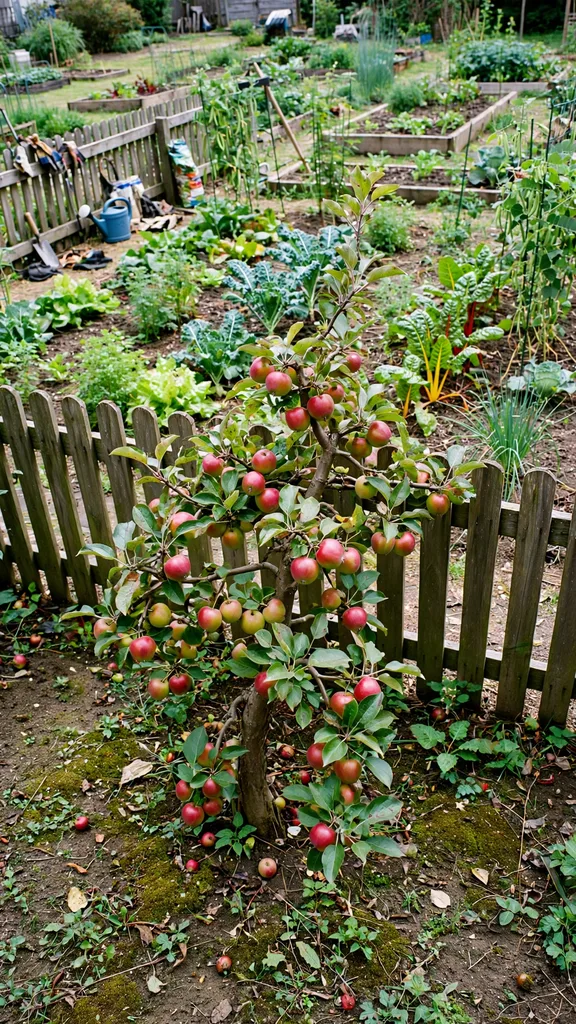
Grafting matters most when a variety is worth keeping. A neighbor offers a cutting from a plum that crops every year without fail, or an old apple tree in the family garden carries fruit no nursery sells. Seed cannot repeat either one. A graft can, and the new tree will crop true within a few seasons. The scion guide shows how to pick and store the wood that carries the variety.
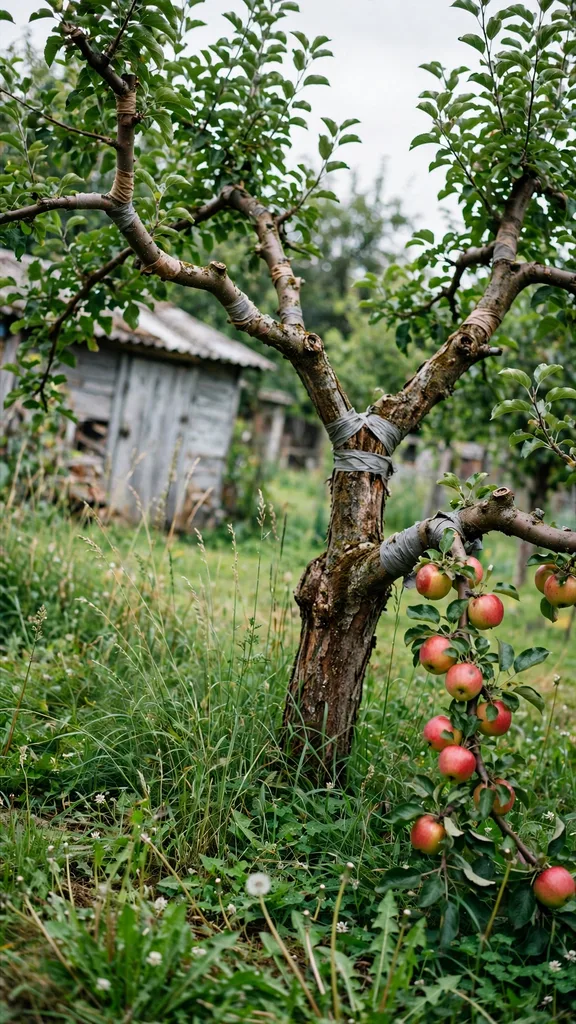
It also matters when the ground fights you. Wet clay, shallow soil, and disease-prone ground each have a rootstock bred to cope, and grafting puts your chosen fruit on those roots. Small gardens gain too: a dwarfing rootstock keeps an apple at picking height instead of letting it tower over the fence. For the full picture of the terms in this series, see the gardening glossary.
FAQ
No. The two plants must be closely related, usually within the same genus, for the cambium layers to knit. Apple grafts onto apple, pear onto pear, and plum onto plum. Crossing distant families fails because the tissues never join, and the scion dries out within weeks.
Callus forms within 2 to 3 weeks in warm spring weather, and the union turns woody over the following month. Buds on the scion usually swell in 3 to 4 weeks. A graft that shows no green by early summer has failed, and the stock can be regrafted the next dormant season.
A sharp knife, grafting tape, and sealing wax cover most home grafts. The knife matters most: a dull blade crushes the cambium instead of slicing it. A grafting knife with a straight edge beats a pocket knife, and a clean rag keeps the blade free of sap between cuts.
Drying kills most home grafts. The cut faces lost moisture before callus formed, the binding slipped, or the scion wood dried in storage. Mismatched cambium and grafting after bud break cause the rest. Cut fresh wood, bind tight, seal well, and graft while both parts are dormant.