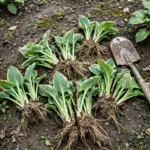
Take 7 cuttings from 1 healthy plant, and you own 7 new plants by autumn. Propagation is when the gardener makes new plants from a parent plant, by seed or by a piece of the plant itself.
Propagation splits into 2 ways. Sexual propagation grows plants from seed, mixing two parents, so each seedling differs a little from the last. Asexual propagation clones the parent: a stem, leaf, or root piece grows into a copy with the same flowers, fruit, and habits. Gardeners use both, and the choice turns on whether the variety must stay exact.
| Item | Detail |
|---|---|
| What it is | Making new plants from a parent plant |
| Two ways | Seed, or a piece of the plant itself |
| Asexual methods | 7 main methods, from cuttings to grafting |
| Watch out for | Cuttings that dry out before they root |
What Is Propagation?
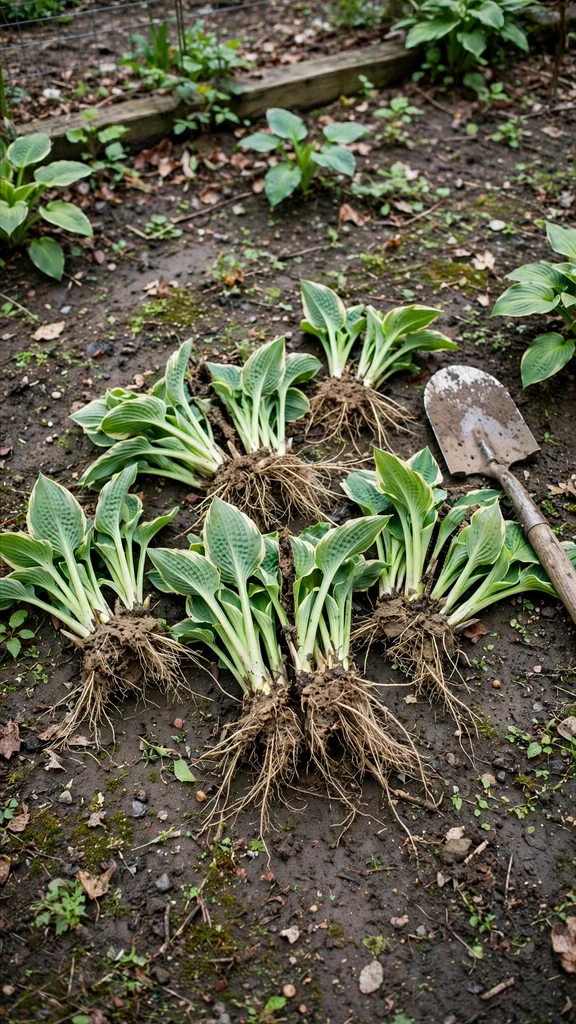
Propagation is the making of new plants, and every method falls into one of 2 groups. Sexual propagation uses seed, where the genetic material of two parents combines through pollination and fertilisation to create offspring that differ from each parent. Asexual propagation, also called vegetative propagation, takes vegetative parts of a plant, stems, roots, or leaves, and causes them to regenerate into a new plant. The major types of asexual propagation are cuttings, layering, division, separation, grafting, budding, and micropropagation, 7 methods in all, as the North Carolina State University Extension propagation chapter lists them.
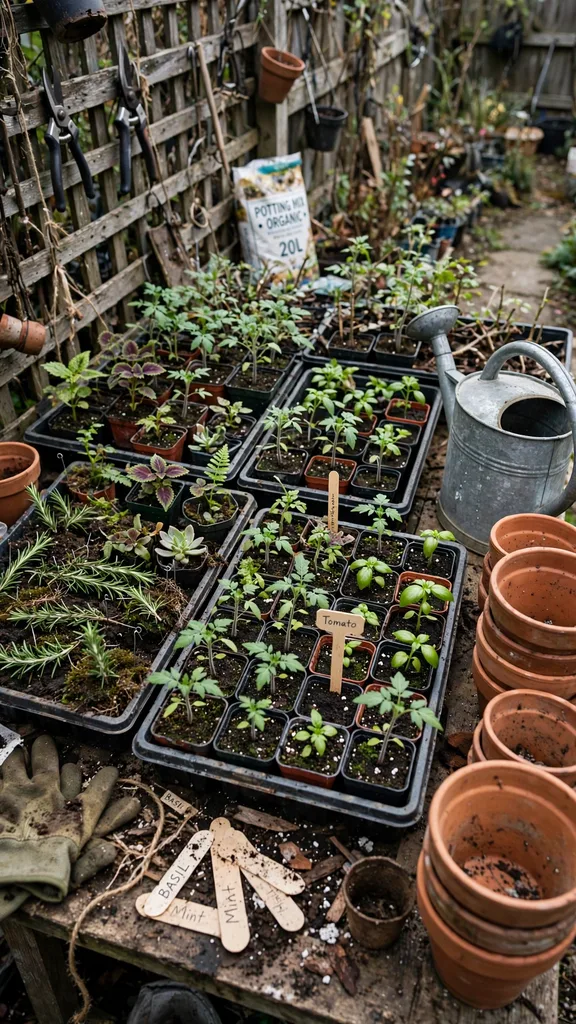
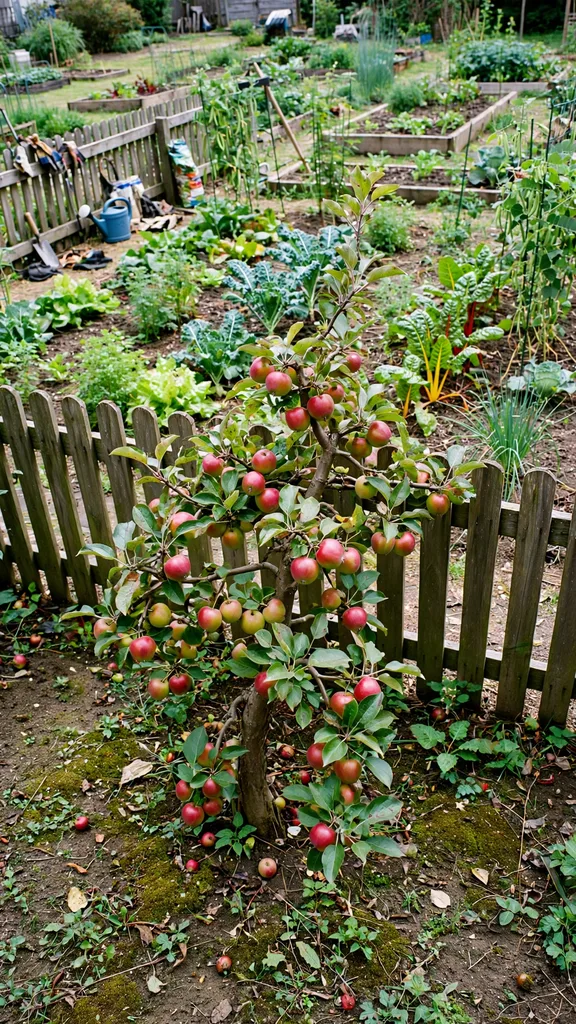
Asexual methods matter because seed cannot repeat a variety. A rose grown from seed grows into a stranger, while a cutting from the same rose grows into the same rose. Fruit trees, named roses, and variegated shrubs all travel by clone for that reason. Seed still wins where plants come true, where a new variety is the goal, or where a packet of seed costs less than a morning of cuttings. Most gardens run both ways at once: seed for annuals and vegetables, clones for the shrubs and fruit worth keeping.
How Propagation Works
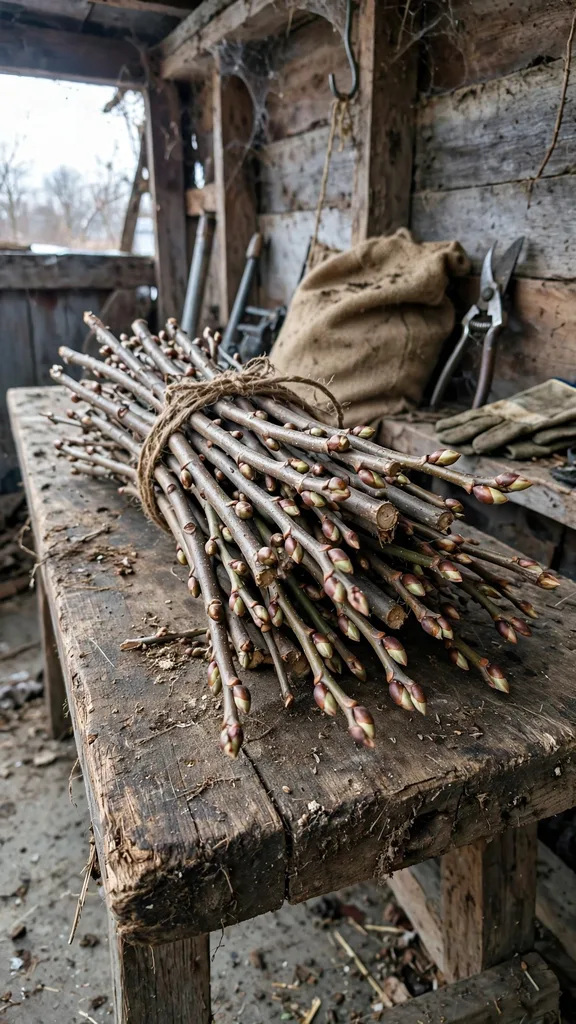
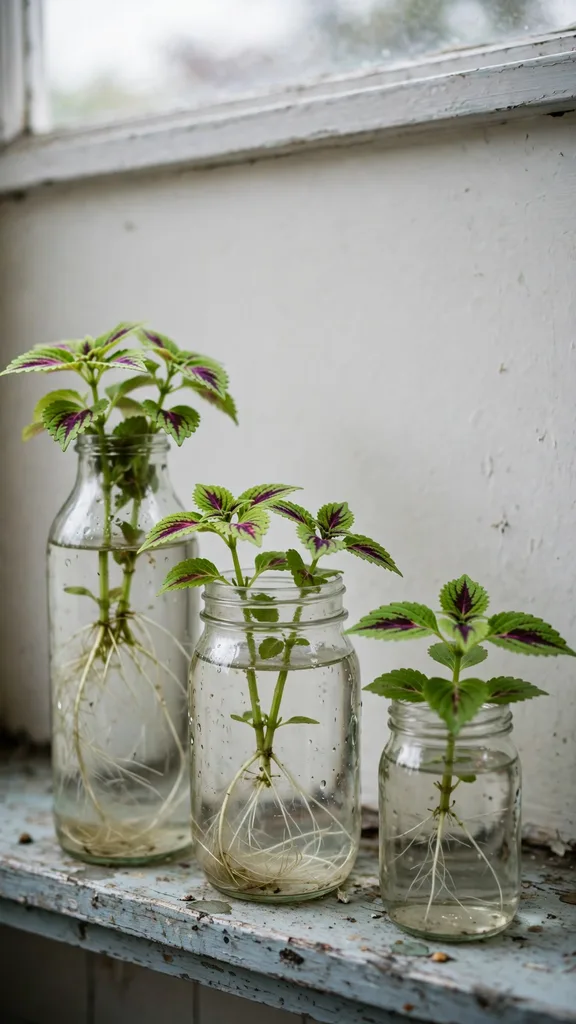
Every asexual method leans on the same trick: plant cells at a wound can change jobs. A stem piece cut from the parent grows roots where it had leaves, and a bud on a root piece grows shoots. The parent keeps feeding the piece until its own roots form, which is why layering roots while still attached, and why a cutting needs humidity from the first hour. High humidity around the cutting is critical, since a leafless stem dries in open air before roots appear. Cover the pot with a clear bag or a bottomless jug, and keep the medium damp, never wet, until new growth shows.
Seed propagation works the opposite way: the seed carries its own food store, and it needs warmth, moisture, and air to wake. A seed sown too deep runs out of food before it reaches light, and a seed sown too shallow dries before it swells. The University of New Hampshire Extension vegetative propagation guide covers the same ground for cuttings, division, and layering, and it stresses the same point: a healthy parent plant roots better than a stressed one. Take material from young, vigorous growth, and leave weak or flowering wood alone. Seed timing itself has its own numbers, covered in the seed germination guide.
Propagation vs Seed Sowing
Seed sowing is one kind of propagation, not a rival to it. The two ways sit side by side, and a gardener picks between them plant by plant. The table shows where each way wins, and where each one fails.
| Feature | Propagation | Seed Sowing |
|---|---|---|
| New plant | A clone, identical to the parent | A seedling, slightly different |
| Speed | A usable plant in weeks | A usable plant in months |
| Cost | Free, from plants you own | Seed packets, cheap in bulk |
| Variety | Keeps the variety exact | Cannot repeat a named variety |
| Best use | Roses, fruit, named shrubs | Annuals, vegetables, new varieties |
How to Recognize and Measure Propagation
Recognize asexual propagation by the clone test: the new plant looks exactly like the parent, flower for flower and leaf for leaf. A seedling from the same plant shows small differences, a paler flower, a taller stem, or fruit a shade off the parent. Check the base of a new plant for the join: a graft union, a cut stem end, or a piece of rhizome tells you it came from a piece, not a seed. Count the methods in your own garden and you will find 3 or 4 in regular use, even if you never named them.
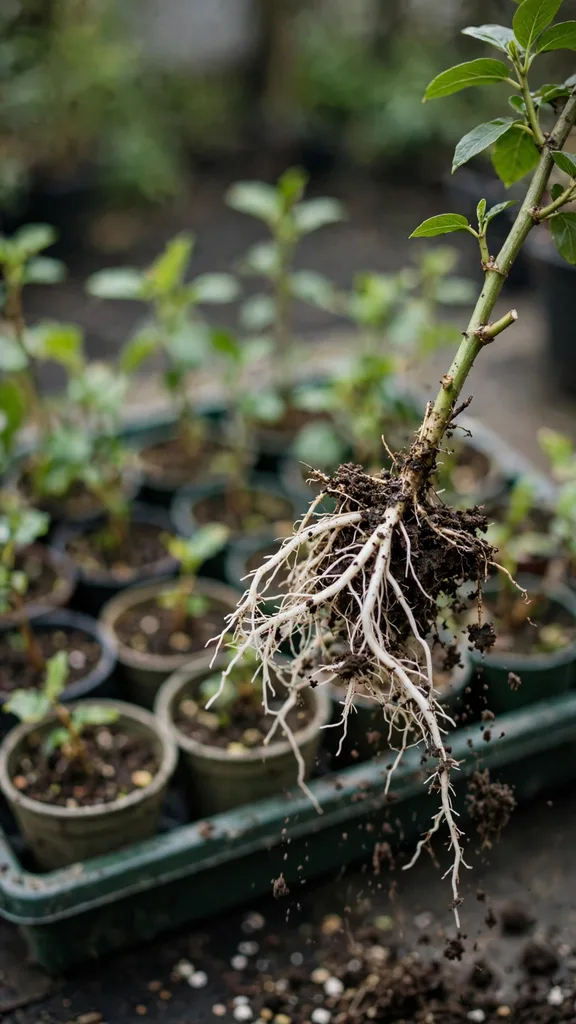
Measure success by roots, not by leaves. A cutting can hold green leaves for weeks on stored water while its base rots. Tug gently after 3 weeks: a rooted cutting resists, and a rotting one slides out of the mix. New growth from the tip is the surest sign, since a cutting spends its stored food on roots first and only then pushes a shoot. Pot rooted cuttings into containers first, and grow them larger before they face the open garden.
Common Mistakes With Propagation
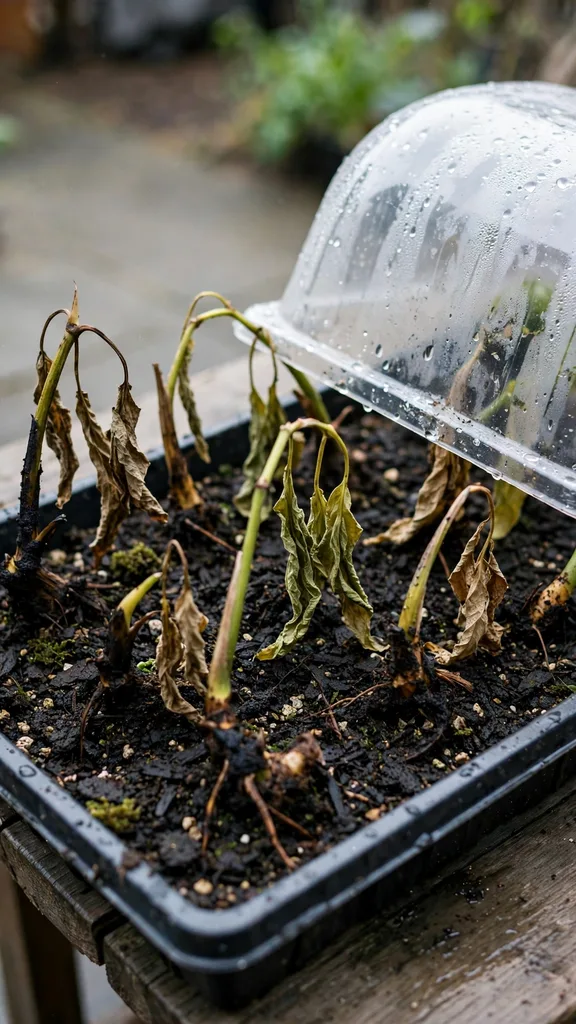
- Taking weak wood. Cuttings from a stressed, flowering, or nutrient-starved parent root poorly. Take material from young, healthy growth in the morning, when the plant is full of water.
- Letting cuttings dry. A cutting left on the bench for an hour loses the moisture its buds need. Keep cuttings cool and damp from the moment they leave the parent until they sit in the mix, tucked in a dark bag with wet paper.
- Skipping humidity. Open air dries a leafless stem before roots form. Cover the pot with a clear bag or jug, and mist when the inside of the cover dries.
- Planting out too soon. A newly rooted cutting has few roots and no reserves. Grow it in a pot until it fills the container, then move it to the garden on a cloudy day.
- Using the wrong method. Some plants refuse cuttings and root only by layering or division. Match the method to the plant, and try the easy method first before the hard one.
When Propagation Matters in Your Garden
Propagation matters most when a plant is worth keeping and seed cannot repeat it. A rose that flowers all summer, a plum that crops every year, or a shrub with variegated leaves all deserve a clone. It also matters when the budget is thin: a garden full of shrubs bought one by one costs a fortune, while the same garden grown from cuttings costs a few pots of mix. The oldest method of all is joining two plants, covered in the grafting guide.
It matters again when a plant is at risk. A neighbor moves, a tree falls, or a favorite shrub starts to fail. A few cuttings taken in time carry that plant into the next decade, and a layered branch carries it even surer. For the full picture of the terms in this series, see the gardening glossary.
FAQ
Coleus, pothos, and willow root fast from stem cuttings in water or damp mix. They forgive most errors, which makes them good first plants. Start with one of these to learn the rhythm of cutting, humidity, and waiting before moving on to woody shrubs that root slowly.
No. Some plants root readily from cuttings, while others refuse and need layering, division, or grafting instead. Fruit trees, many conifers, and tap-rooted perennials root poorly from cuttings. Check the method for your plant before cutting, and pick the method the plant actually answers to.
Soft stems root fastest in warm, humid conditions, while woody stems take much longer. Temperature, humidity, and the age of the wood all shift the timing. New growth from the tip is the surest sign of roots, and a gentle tug that resists confirms it.
Easy plants root without it, and hard plants root better with it. Hormone powder or gel speeds rooting on woody stems and on species that root slowly. Dip only the cut end, tap off the excess, and never return used powder to the jar, since that spreads disease to the whole supply.