Lift 1 crowded clump, cut it into 3 pieces, and plant 3 gardens from it. Division is when the gardener digs up a perennial and splits it into smaller plants, each with its own roots and shoots.
Division is the oldest way to multiply a perennial, and it does 2 jobs at once. It gives you free plants, and it revives the parent, which grows crowded, flowers less, and dies out in the middle as the years pass. A divided clump comes back stronger, with fresh roots and room to breathe.
| Item | Detail |
|---|---|
| What it is | Splitting one plant into several |
| Each piece needs | 3 to 5 vigorous shoots and roots |
| Best time | Spring for fall bloomers, fall for spring bloomers |
| Watch out for | Dividing a plant in full flower |
What Is Division?
Division is a form of propagation where you create multiple plants from a single plant. The gardener digs up the parent, then pulls or cuts it into pieces, and each piece grows into a full plant on its own. Every piece needs the same 2 things: shoots above and roots below. A piece with shoots and no roots dries out, and a piece with roots and no shoots never wakes. Each division should have 3 to 5 vigorous shoots and a healthy supply of roots, according to the University of Minnesota Extension dividing guide.
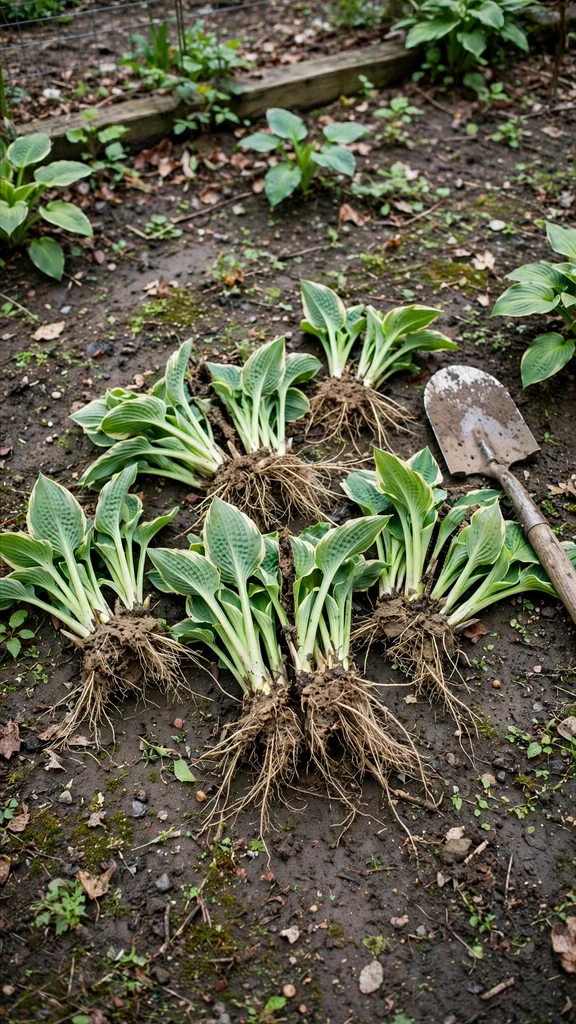
Division suits plants that grow in clumps: hostas, daylilies, ornamental grasses, asters, and bearded iris. Each of these spreads by adding shoots at the edge of the clump, so a slice from the edge already carries roots, shoots, and a growing point. Tap-rooted plants refuse division. A plant with one deep root and no side shoots cannot be split, and digging it up usually kills it. Most perennials should be divided every 3 to 5 years, and a few fast spreaders need it every 1 or 2 years, as the Clemson Cooperative Extension dividing guide notes.
How Division Works
A divided piece works because every shoot carries its own growing point, and every root carries its own food store. Once separated, the piece grows new roots from the cut faces and new shoots from the buds at its crown. Water the soil a day in advance if the ground is dry, and divide on a cloudy day, since a hot sunny day dries the bare roots fast. Dig up the parent plant with a spade or fork, lift it clear, and shake off the loose soil so you can see the crown and the root mass.
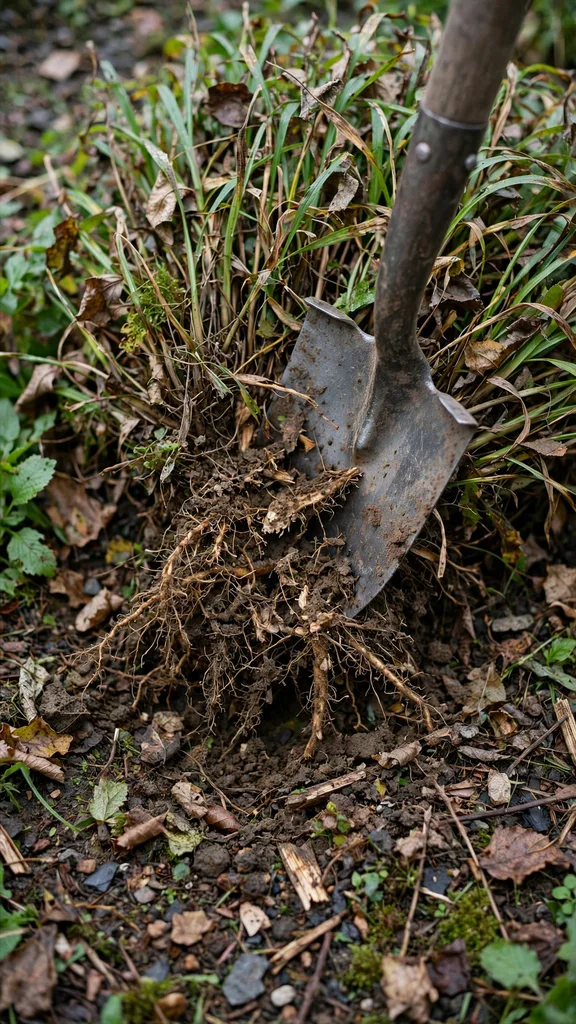
Separate the clump by hand where the roots part easily, and by knife or spade where they tangle. Two forks set back to back in the center of the clump will pry a tough crown apart without shredding the roots. Cut the stems and foliage back by half before you lift the plant, which eases the work and cuts moisture loss. Keep the divisions shaded and moist until they are replanted, and water them well the same day. Plants with underground stems divide the same way, and the rhizome guide explains how those pieces work.
Division vs Separation
Separation looks like division, and the two get mixed up in garden talk. Both make more plants from one parent, and both need roots and shoots on each piece. The difference is the tool: separation pulls apart what nature already joined, while division cuts what nature grew as one clump.
| Feature | Division | Separation |
|---|---|---|
| Action | Cut or pull a clump apart | Pull apart natural offsets |
| Tool | Knife, spade, or forks | Hands, rarely a knife |
| Plant type | Clump-forming perennials | Bulbs, corms, offsets, pups |
| Wound | Fresh cut faces to heal | Little or no wound |
| Example | Hosta, daylily, grasses | Daffodil bulbs, aloe pups |
How to Recognize and Measure Division
Recognize a clump ready for division by 3 signs. The flowers grow smaller than they used to, the center of the clump dies out and turns hollow, and the stems flop and need staking to stand. All 3 signs mean the same thing: the roots have run out of room, and the plant competes with itself for water and food. When dividing plants in the fall, time it for 4 to 6 weeks before the ground freezes, so the roots can settle before winter. Spring division suits fall bloomers, and fall division suits spring bloomers, since the plant is not in flower either way.
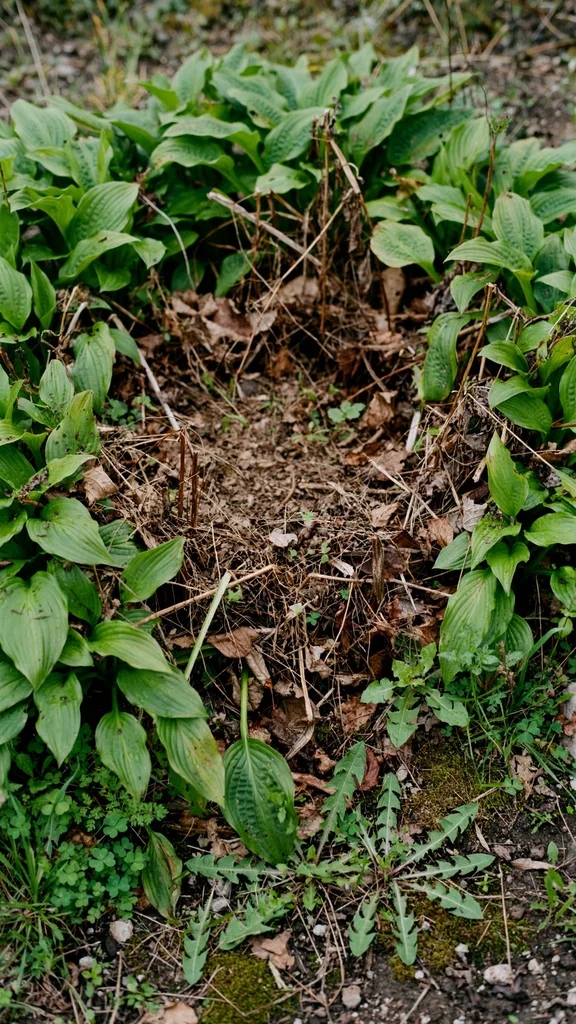
Measure each piece before it goes back in the ground. Count the shoots: 3 to 5 vigorous shoots with a healthy supply of roots is the working standard. A piece with 1 shoot may live, and it will take a season longer to fill out, so keep it only when the plant is rare. Check the crown for eyes, the small buds that become next year shoots. A piece without an eye grows leaves and then stalls. Replant at the same depth the plant grew before, and firm the soil to close the air pockets around the roots.
Common Mistakes With Division
- Dividing in flower. A plant in flower spends its energy on blooms, not on roots. Divide when the plant is not flowering so it can put all its strength into new root and leaf growth.
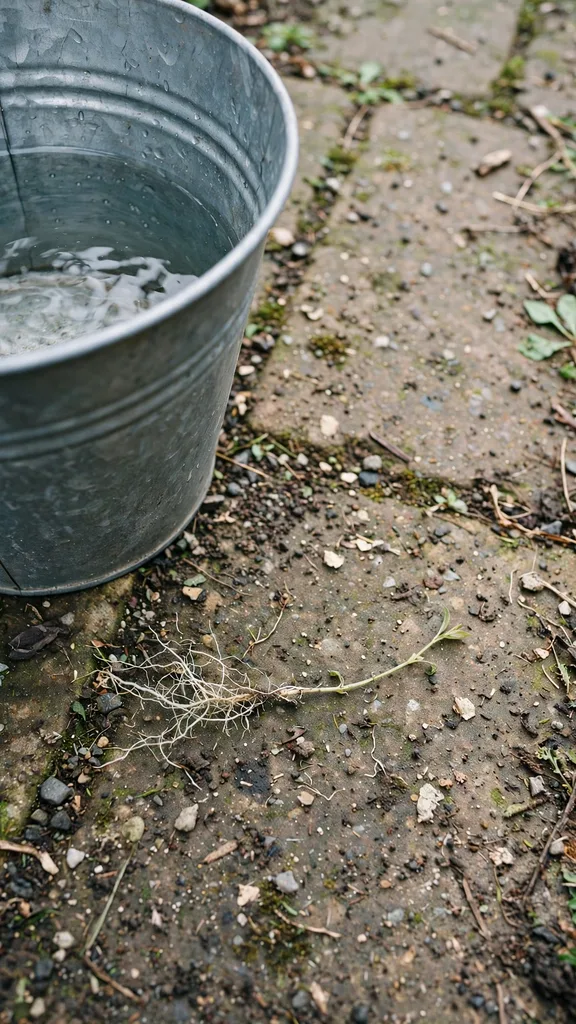
- Dividing on a hot day. Sun and wind dry bare roots in minutes. Divide on a cloudy day, and keep a bucket of water beside you to dip the pieces while you work.
- Cutting pieces too small. A sliver of root with 1 shoot has no reserves to draw on. Keep each piece at 3 to 5 shoots, and throw away the weak, woody center of an old clump.
- Letting divisions dry out. Divisions left on the path while you dig holes lose moisture fast. Keep them shaded and damp, and plant them the same day you lift them, while the roots are still moist and the crown is still firm.
- Replanting too deep. A division buried deeper than it grew before rots at the crown. Peony eyes sit barely below the surface, and most perennials want their old soil line back.
When Division Matters in Your Garden
Division matters most when a clump stops performing. Smaller flowers, a hollow center, and flopping stems all point to the same fix, and no amount of feeding cures a crowded root mass. It matters too when the garden needs filling: a single hosta becomes 4 plants in an afternoon, and a daylily clump stocks a whole border for the price of a spade. The wider skill sits in the propagation guide, which places division among the 7 asexual methods.
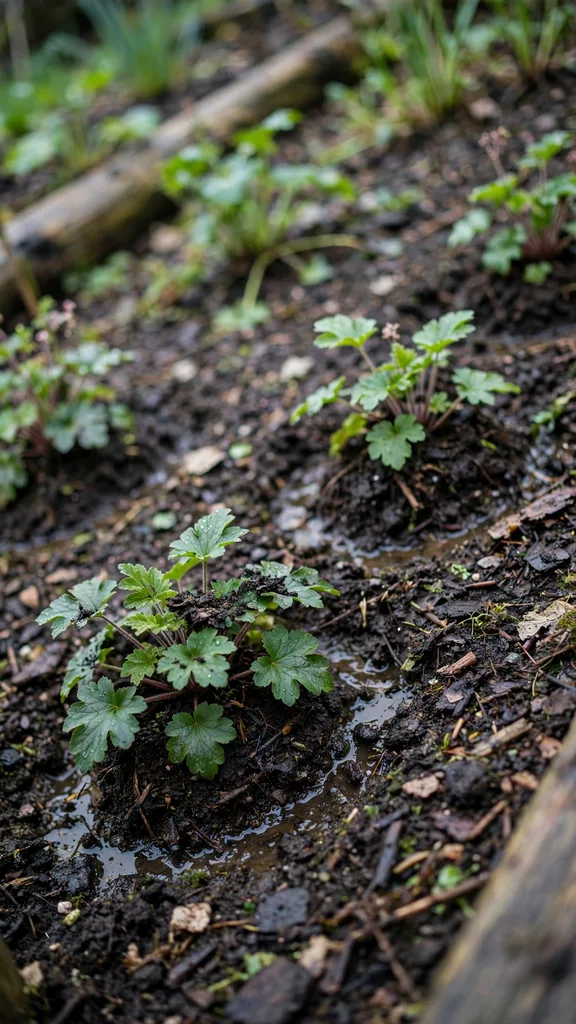
It matters least for plants that resent it. Tap-rooted perennials, woody shrubs, and plants with brittle fleshy roots do better left alone or moved as seedlings. A plant growing and blooming well needs no division unless more plants are wanted, and a crowded clump that still flowers freely can wait another year. For the full picture of the terms in this series, see the gardening glossary.
FAQ
Most perennials need dividing every few years, when the clump crowds and flowering fades. Fast spreaders like asters and chrysanthemums may need it yearly or every other year. Slow plants like peonies and hostas can go many years untouched. Watch the plant, not the calendar, and divide when the signs appear, since a crowded clump tells you plainly that its time has come.
Yes, but summer division is the hardest on the plant. Heat dries bare roots fast, and the plant must grow roots while also feeding leaves in full sun. If summer is the only window, divide on a cloudy day, water well, shade the pieces for a week, and expect a slow recovery.
A sharp spade, a garden fork, and a sturdy knife cover most clumps. Two forks set back to back pry tough crowns apart, and a saw or axe handles woody root masses like ornamental grasses. Clean the blades between plants, and sharpen the knife before you start, since a dull edge shreds roots.
Spring divisions often flower the same year, though a little later than usual. Fall divisions spend winter growing roots and flower on time the next season. Peonies are the slow exception: a divided peony may wait seasons before blooming again, so divide peonies only when you must.