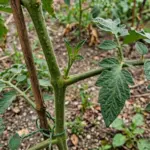
Pinch 1 soft growing tip off a young basil stem and 2 new shoots grow from the leaf pair below. Pinch back is the removal of the growing tip of a plant to break apical dominance and force side shoots, so the plant grows bushy instead of tall and leggy.
A plant grows from its tip. The top bud makes a hormone that holds the side buds asleep, so the stem grows straight up and the plant stays thin. Remove the tip and the hormone stops, the side buds wake, and the plant fills out sideways. One pinch doubles the growing points. Two pinches quadruple them.
Pinch back is a young plant job. The best time is when the plant stands 10.2 to 15.2 cm tall with 4 to 6 leaves, while the stem is still soft enough to nip between thumb and finger. An old woody stem needs secateurs and heals slowly, so the window matters.
| Point | Detail |
|---|---|
| What it is | Removing the growing tip to force side shoots |
| Deciding number | Pinch after 4 to 6 leaves appear |
| How much | 2.5 cm or less of soft tip, just above a node |
| Best for | Basil, coleus, zinnias, cosmos, dahlias, petunias |
| Skip it for | Sunflowers, foxgloves, delphiniums, single-stem flowers |
What Is Pinch Back?
Pinch back means nipping off the soft growing tip of a stem, just above a leaf pair or node. The pinch takes 2.5 cm or less of new growth, and the cut sits close to the node so no bare stub is left to dry back. Fingers do the job on soft growth, and clean snips do it on tougher stems.
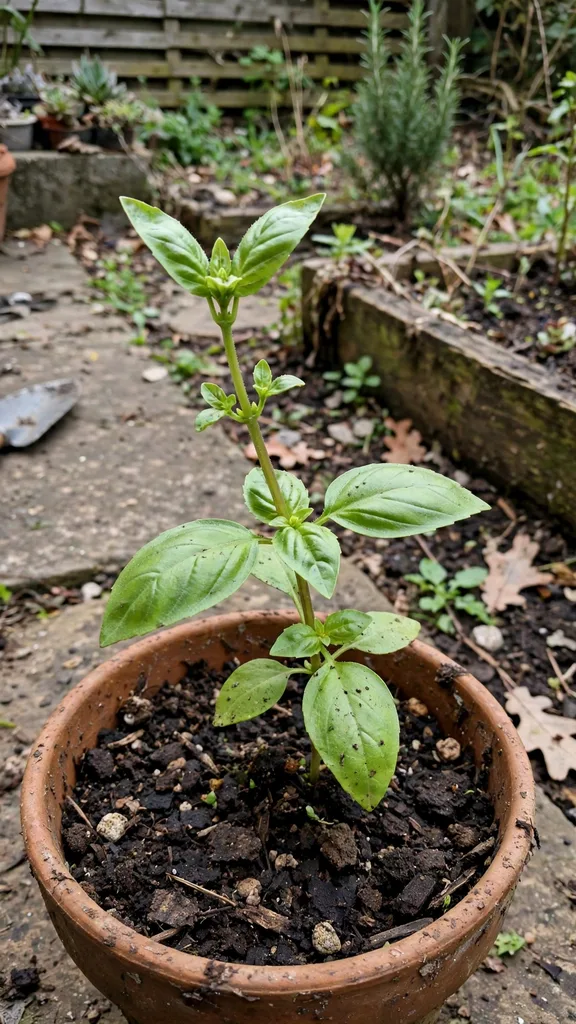
The deciding number is the leaf count. The University of Washington pinching guide records the rule for snapdragons as pinching back young plants after 4 to 6 leaves have appeared to encourage a bushy habit, and the same guidance applies the same timing to other single-stem annuals that would otherwise grow one flower on one stalk. Pinch at 4 leaves and the plant branches low. Pinch at 12 leaves and the plant branches high, with a bare stem below.
Pinching also delays flowering by a week or two, since the plant rebuilds its growing points before it sets buds. The delay buys a bushier plant with more flowers, and for cut flowers it buys longer stems. A zinnia left unpinched gives 1 flower on a tall stem. A pinched zinnia gives a spray.
How Pinch Back Works
Pinch back works on apical dominance. The growing tip produces auxin, a hormone that travels down the stem and keeps the side buds dormant. The tip grows, the sides sleep, and the plant stays a single stalk. Remove the tip and the auxin supply stops, the side buds break, and 2 shoots grow from the node below the cut.
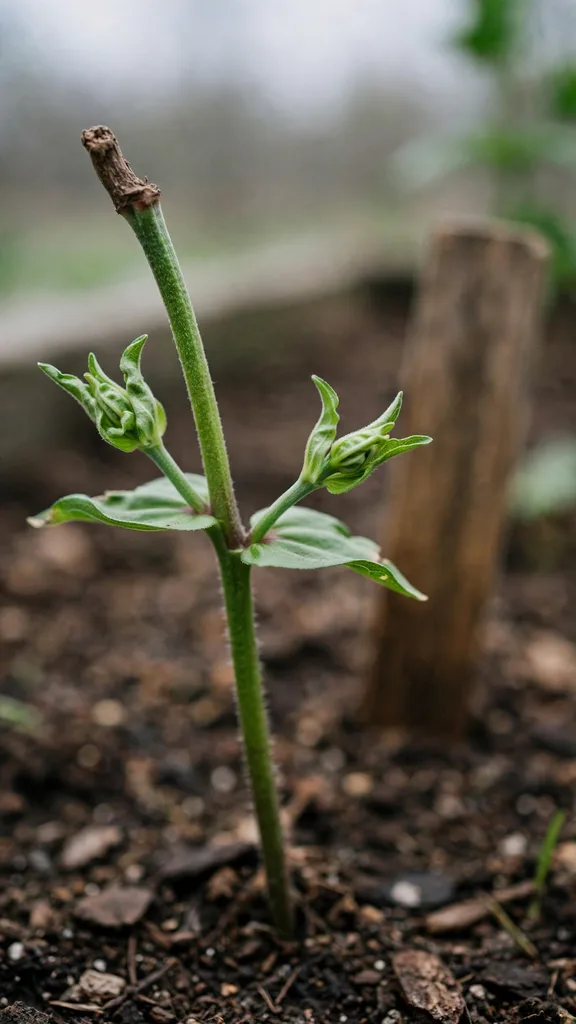
The Illinois Extension container garden guide states the rule plainly: removing the top of the plant lowers the height and causes the plant to develop a bushier habit, and pinching also keeps the shape in check and holds back vigorous plants. The guide adds that new shoots soon develop to fill in the plant once pinched, so the bushy result arrives within weeks rather than months.
Pinch little and often. A light pinch every 2 weeks through early summer keeps a coleus full and a basil plant leafy. A single hard cut late in the season removes the flowers the plant was about to open and the plant has no time to replace them. The rhythm is small cuts, many times, while the plant is young.
Pinch Back vs Deadhead
| Point | Pinch back | Deadhead |
|---|---|---|
| What it removes | Growing tip of a stem | Spent flower head |
| When it happens | Early growth, before flowering | After flowering, through the season |
| Goal | Bushier plant, more stems | More flowers, less seed |
| Cut point | Just above a node or leaf pair | Just above leaves below the flower |
| Effect on bloom | Delays flowering by 1 to 2 weeks | Extends the flowering season |
| Best use | Basil, zinnias, coleus, dahlias | Geraniums, roses, petunias, coreopsis |
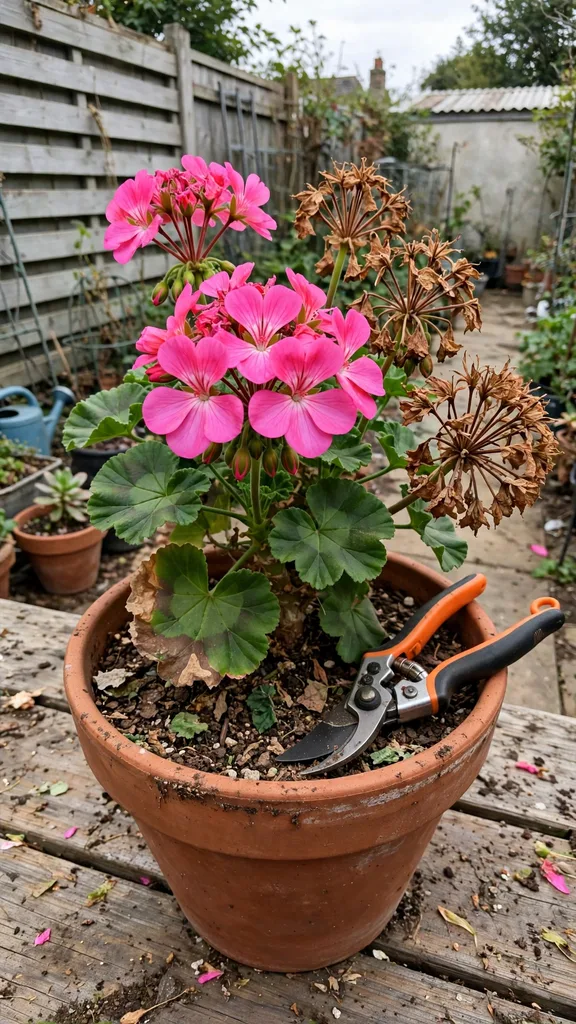
Pinch back shapes the plant before it flowers. Deadhead cleans up after it flowers. A zinnia gets pinched in June and deadheaded in August, and the two jobs never overlap. A gardener who pinches a plant in full flower cuts off the blooms, and a gardener who deadheads a leggy seedling never fixes the shape.
How to Recognise a Plant That Needs Pinching
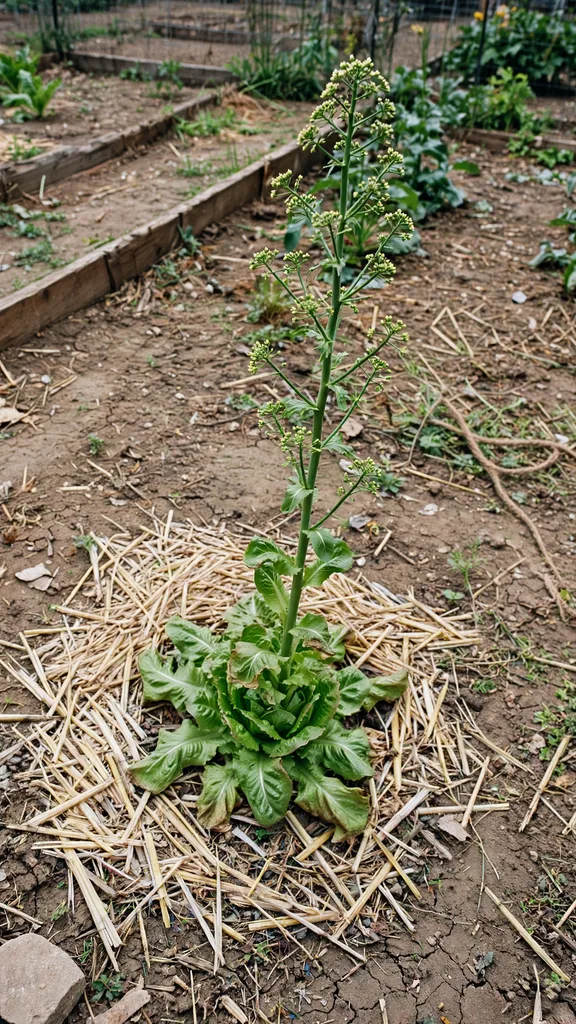
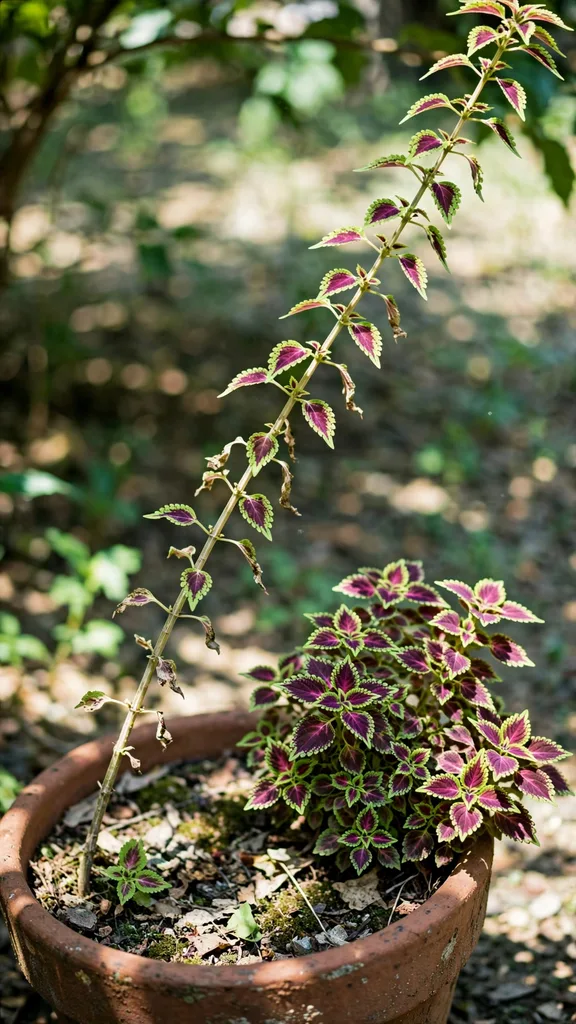
A plant that needs pinching shows a single tall stem with leaves spaced far apart and no side shoots. The stem looks bare at the base, the top carries one flower bud, and the plant leans toward the light. That shape is the signal. A bushy plant carries side shoots at every node and needs no pinch.
Check the height first. A basil plant at 15.2 cm with 4 to 6 leaf pairs is ready. A dahlia at 30.5 cm with no side shoots is overdue, and the pinch should go lower, just above the second leaf pair, to force branching near the base. A sunflower never needs the job, since it grows one head on one stem by design.
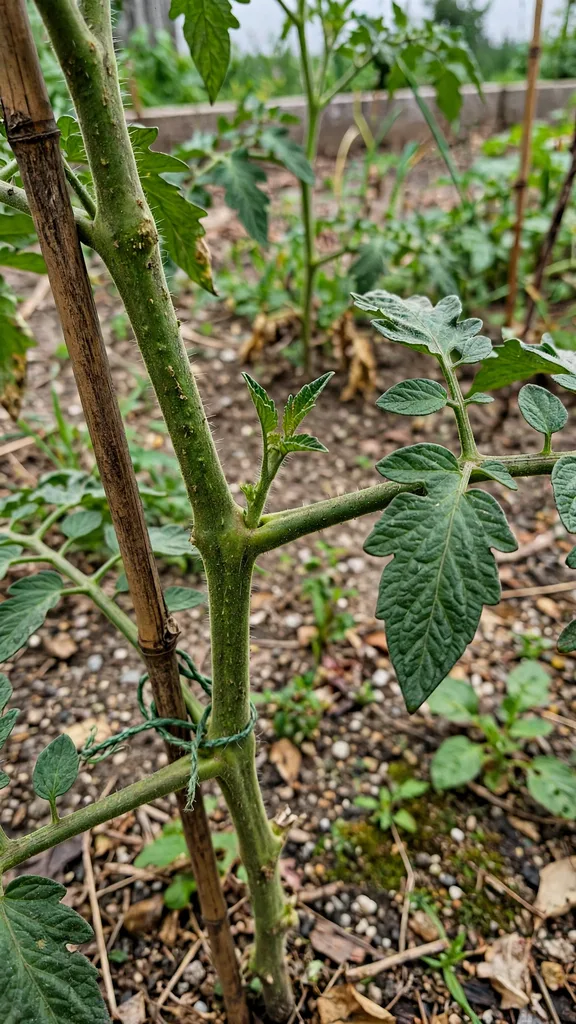
Pinch the soft tip between thumb and forefinger and snap it cleanly. The tip should come away with a crisp break and no torn bark. The sucker guide covers the related job of removing side shoots from tomatoes, which is the opposite move: pinch back adds shoots, sucker removal takes them away.
Common Mistakes With Pinch Back
Pinching a single-stem flower is the first mistake. Sunflowers, foxgloves, delphiniums, and poppies grow one flower on one stem, and pinching the tip removes the only flower the plant will make. Check the plant habit before you pinch, and leave single-stem flowers alone.
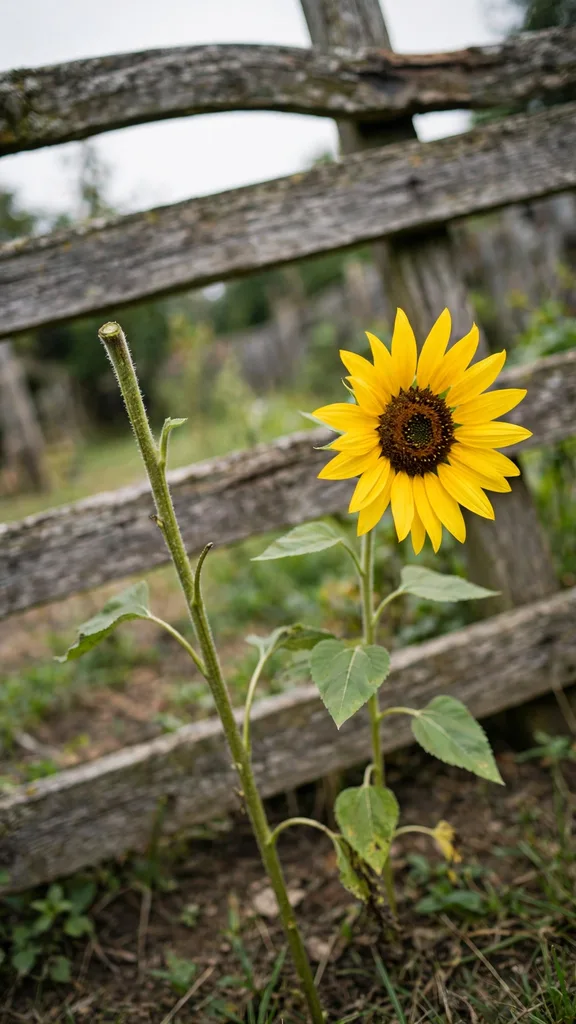
Pinching too late is the second mistake. A woody stem cut in midsummer heals slowly, and the side shoots it forces have no time to flower before frost. Pinch while the growth is soft and the season is young, and stop pinching 6 weeks before the first frost so the plant can set buds.
Pinching too much at once is the third mistake. Removing more than one-third of a plant in a single pass shocks it, and the plant stalls instead of branching. Take the tip only, wait 2 weeks, and pinch the new tips again. The deadhead guide sets out the after-flowering job that follows once the pinched plant starts to bloom.
When Pinch Back Matters in Your Garden
Pinch back matters most for cut flowers and herbs. Zinnias, cosmos, dahlias, and snapdragons give far more stems after a pinch, and a pinched basil plant gives leaves all summer instead of bolting to flower in June. The pinch is the difference between 1 stem and a bouquet.
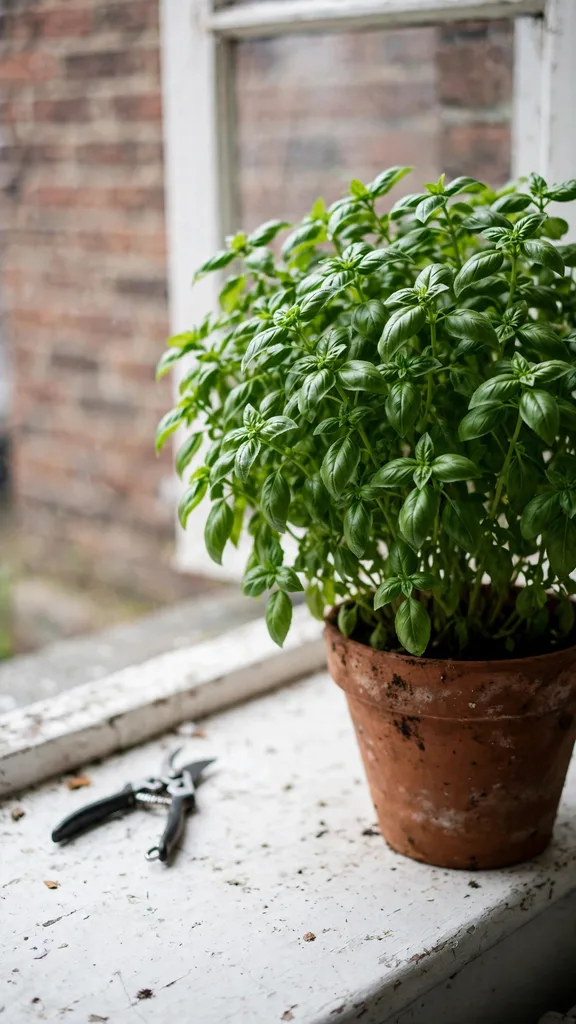
Pinch back also matters in pots and small beds. A coleus pinched twice stays compact and full in a container, while an unpinched coleus grows leggy, flops over the pot edge, and leaves a bare stem in the middle. Small spaces punish leggy plants, so the pinch earns its keep there first.
Start from the gardening glossary when a term in this page is new. Pinch back is a 30 second job that changes the shape of a plant for the whole season, and the plant you pinch in June is the plant you pick from in August.
FAQ
No. Pinch plants that branch naturally, such as basil, coleus, zinnias, cosmos, dahlias, and petunias. Leave single-stem flowers alone, including sunflowers, foxgloves, delphiniums, and poppies. Leave palms alone too, since a palm grows from one apex and cutting it kills the plant.
Use fingers for soft green tips, since a clean snap heals fast. Use clean sharp snips for thicker or woodier stems, since tearing the bark leaves a wound that heals slowly. Wipe the blades with alcohol between plants when any plant shows disease, so the cut does not carry it on.
Yes, by 1 to 2 weeks, since the plant grows new shoots before it sets buds. The delay is worth it on cut flowers and herbs, where the extra stems carry far more blooms. Skip the pinch on plants you need in flower by a fixed date, and pinch only plants with a long season ahead.
Yes, when the tip is healthy and the plant roots easily. Basil, coleus, and petunia tips root in water or damp mix within 2 weeks, giving you a free plant. Strip the lower leaves, set the tip in water out of direct sun, and pot it up once roots reach 2.5 cm long.