Pinch 5 spent flower heads off a geranium before breakfast and the plant sets new buds by the weekend. Deadhead is the removal of faded or spent flowers so the plant spends its energy on new blooms instead of seed.
A spent flower is a finished job. The petals fade, the head dries, and the plant starts building seed in the ovary behind the bloom. Seed is expensive work for a plant, and every gram of energy that goes into seed is a gram that does not go into the next flower. Cut the spent head off and the plant turns back to blooming.
Deadhead is a small job done often. A weekly pass with fingers or snips keeps a flower bed in bloom for months, while a bed left alone finishes flowering early and sets seed by midsummer. The job takes minutes and the reward is a second flush of flowers.
| Point | Detail |
|---|---|
| What it is | Removing faded flowers before they set seed |
| Deciding number | Shear back one-third of the plant when blooms fade together |
| Cut point | Just above the first set of leaves below the flower |
| Best for | Geraniums, petunias, coreopsis, coneflowers, roses |
| Skip it for | Peonies, sedum, plants grown for seed heads |
What Is Deadhead?
Deadhead means cutting off a flower after it fades. The cut goes through the flower stalk just above the first set of leaves below the spent bloom, and the whole flower head comes away, not just the petals. The plant reads the cut as a lost flower and sends new shoots from the buds below.
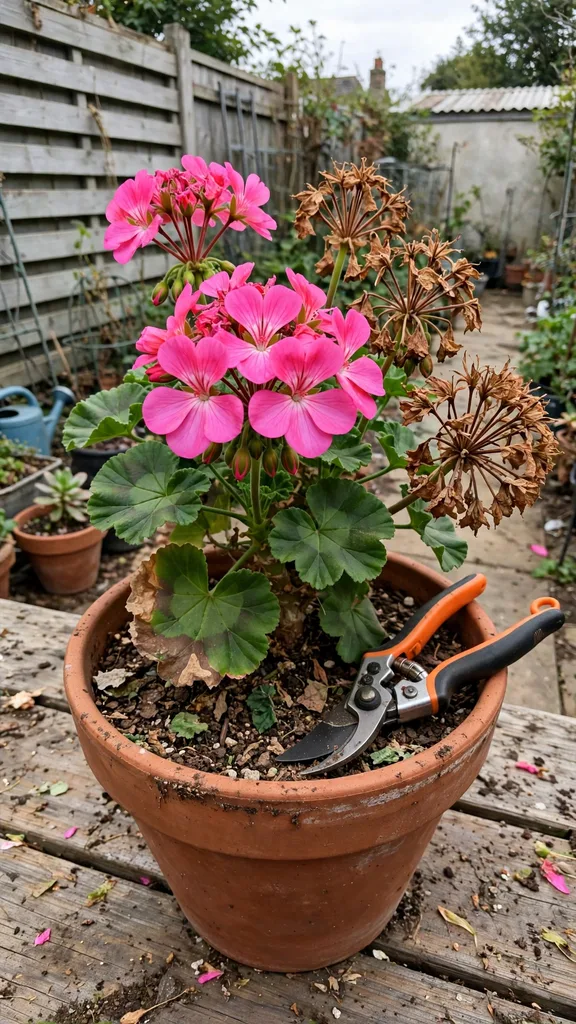
The deciding number is the shear. The South Dakota State University Extension deadheading guide describes shearing back one-third of the entire plant, including spent blooms and a small portion of foliage, when a plant carries faded flowers across the whole plant, and the same guide sets the rose cut right above a stem with five leaflets to stimulate reblooming. One-third is a hard cut, and it works on petunias and other plants that flower across the whole plant at once.
Deadhead also stops self-seeding. Plants such as foxglove and some coreopsis scatter seed freely, and a bed left to set seed fills with seedlings the next year. Cut the heads before the seed ripens and the bed stays where you planted it.
How Deadheading Works
Deadheading works by breaking the seed cycle. A flower that stays on the plant pollinates, sets seed, and sends a chemical signal that the season’s work is done. The plant slows new growth and puts its stores into the seed head. Remove the flower before the seed forms and the signal never fires.
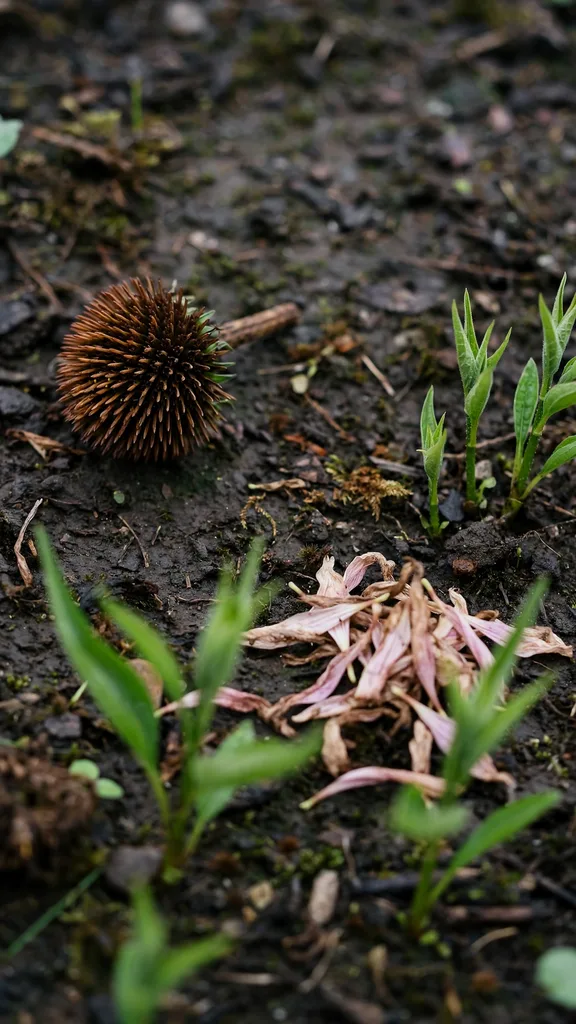
The plant answers with side shoots. Buds below the cut wake up and push new stems, and each new stem carries its own flower buds. A geranium deadheaded weekly can bloom from late spring to the first frost, while the same plant left alone finishes by midsummer. The University of New Hampshire Extension deadheading guide notes that removing seeds before they develop encourages plants to direct more energy toward root and shoot development, and that some plants will bloom a second time after deadheading.
Cut to a lateral bud or a leaf. A bare stem left sticking up dries back and looks ragged, while a cut just above a leaf hides in the foliage within days. Pinch soft stalks between thumb and finger, and use clean snips on thick or woody stems such as roses and daylilies.
Deadhead vs Pruning
| Point | Deadhead | Pruning |
|---|---|---|
| What it removes | Spent flowers only | Stems, branches, whole sections |
| When it happens | Through the flowering season | Late winter or after flowering |
| Tool | Fingers or small snips | Secateurs, loppers, saw |
| Plant response | New flower buds | New structure and shape |
| Frequency | Weekly in peak season | Once or twice a year |
| Risk | Almost none | Wrong cut can remove next year blooms |
Deadhead is maintenance. Pruning is structure. A rose needs both: deadhead through summer for repeat blooms, and a hard prune in late winter for shape. A gardener who prunes in June removes the wood that carries the next flowers, and a gardener who only deadheads a leggy shrub never fixes the shape underneath.
How to Recognise Spent Flowers
A spent flower tells you plainly. The petals fade and dry, the edges brown, and the head droops on its stalk. Petals fall at a touch, and the center of the flower swells as the seed forms behind it. Cut at that stage, before the seed head hardens.
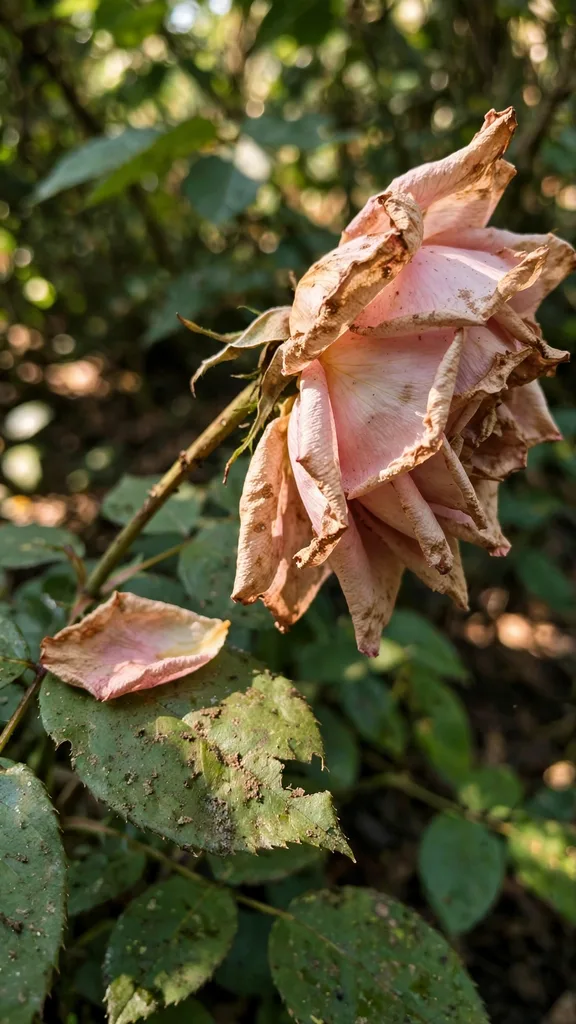
Check the plant every few days in peak season. Annuals such as petunias and marigolds fade fast in hot weather, and a head that looked fresh on Monday can be dry by Thursday. Perennials fade more slowly, and a single pass each week catches most of them.
Learn which plants answer deadheading and which do not. Shasta daisies, coreopsis, and coneflowers send up a second flush. Peonies bloom once a season whatever you cut, and sedum and ornamental grasses are grown for their seed heads, so leave them standing. The pinch back guide covers the related job of removing growing tips, which shapes the plant before it flowers rather than after.
Common Mistakes With Deadhead
Removing only the petals is the first mistake. The seed forms in the ovary behind the petals, so a flower with its petals picked off still sets seed. Cut the whole flower head and the stalk down to the first set of leaves below it. The cut must take the seed with it.
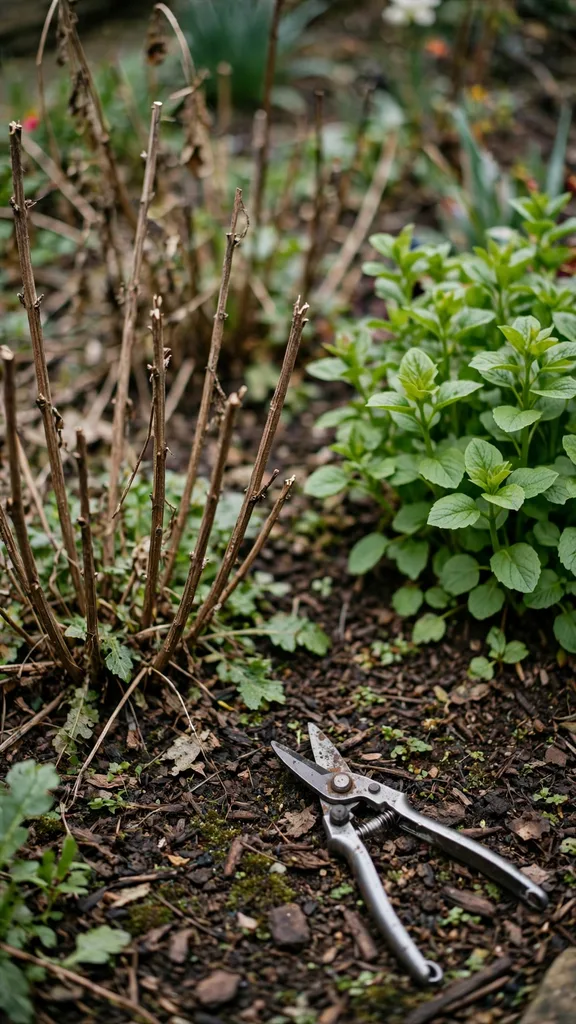
Leaving a bare stem is the second mistake. A stalk cut halfway leaves a dry stick above the leaves, and the plant wastes energy sealing the wound. Cut just above a leaf or a lateral bud so new growth covers the cut within days.
Deadheading plants grown for seed is the third mistake. Foxglove, poppies, and ornamental grasses give their best display as seed heads, and birds feed on the seed through autumn. Leave those heads standing, and deadhead only the plants you grow for flowers. The mulching guide helps the bed hold moisture through the extra flowering that deadheading brings on.
When Deadhead Matters in Your Garden
Deadhead matters most in a flower bed built for a long season. Annuals in pots and borders bloom from spring to frost only when the spent flowers come off each week, and a single missed month can end the display early. The job is the difference between a bed that peaks in June and a bed that still blooms in September.
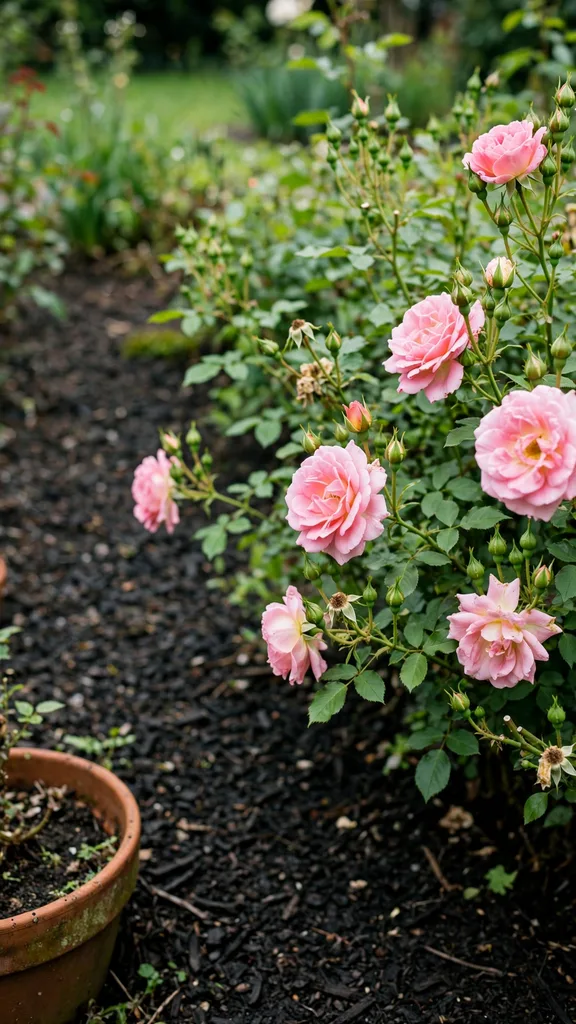
Deadhead also matters for roses and repeat-flowering perennials. A rose that sets hips in July stops flowering, while a rose deadheaded to a five-leaflet stem pushes new buds within weeks. The cut is small and the return is a second flush.
Start from the gardening glossary when a term in this page is new. Deadhead is the cheapest way to buy more flowers, and it costs nothing but a weekly walk with snips in hand.
FAQ
No. Many modern annuals are bred to drop spent flowers on their own, and some plants are grown for seed heads. Impatiens, most flowering vines, lantana, and some petunias need little or no deadheading. Check the plant before you start cutting, and leave seed heads on plants you want to self-sow.
Almost never, when the cut is clean and the plant is healthy. A ragged tear invites disease, so use sharp snips on thick stems and pinch only soft stalks. Stop deadheading late in the season so the plant can harden off before frost, and leave the last flowers to set seed if you want seedlings next year.
Yes. Cut the spent rose just above a stem with five leaflets, not three, since the five-leaflet stem carries a strong bud that pushes new growth. Cut at an angle, use clean secateurs, and drop the cut heads in the bin rather than on the soil when the plant shows any sign of disease.
Stop when the weather turns chilly and the plant slows down. Late flowers left on the plant set hips and seed that feed birds and signal the plant to harden for winter. Annuals can be deadheaded until the first frost kills them, while perennials should be left alone from early autumn onward.