
Buy the harvest window first, the flavor second, and the seed count third. That order puts fresh mandarins on the table across 7 months, April to October, instead of one glut in June. The best mandarin varieties for Australian gardens split into three moves: an early variety for April, a mid-season variety for June, and a late variety for August onward.
I have learned that the mandarin I pick by its harvest month outlasts the mandarin I pick by its photograph.
Two or three trees cover the season. One tree covers one window. The rest of this page names ten varieties, sorts them by group, and lines them up by harvest month so the choice stays concrete.
Start with the window. A tree that fruits in April changes the garden more than a tree with a prettier photo.
1. Pick the Best Mandarin Variety by Harvest Window, Seed, and Flavor First
The best mandarin variety is the one that fruits in the month your table is empty. Flavor and seed count rank the varieties inside that month. A rich late variety never beats a plain early one when the early month has no fruit at all.
Apply the rule in order. First, name the months you want fruit. Second, list the varieties that fruit in those months. Third, rank that short list by flavor, then break ties by seed count and peel. The rule keeps the decision on fruit you will eat. It keeps a nursery photo from overriding the calendar.
The three-tree sequence covers the season with the least effort. Plant an early variety for April, a mid-season variety for June, and a late variety for August onward. Two trees still work when space runs short. Pick the early and the late variety, and accept a gap in the middle.
A single tree suits a small garden when the variety earns its place. Satsuma covers the cold months and the small space at once. Imperial covers the early months and the lunchbox at once. The right single tree answers two needs, and the wrong single tree answers none.
Work one example. A reader who wants fruit from April to October plants Imperial, Emperor, and Afourer. April brings Imperial. June brings Emperor. August brings Afourer, and the tree holds fruit into October. Three trees, three windows, one decision.
2. Learn the Mandarin Family Tree Before You Shop
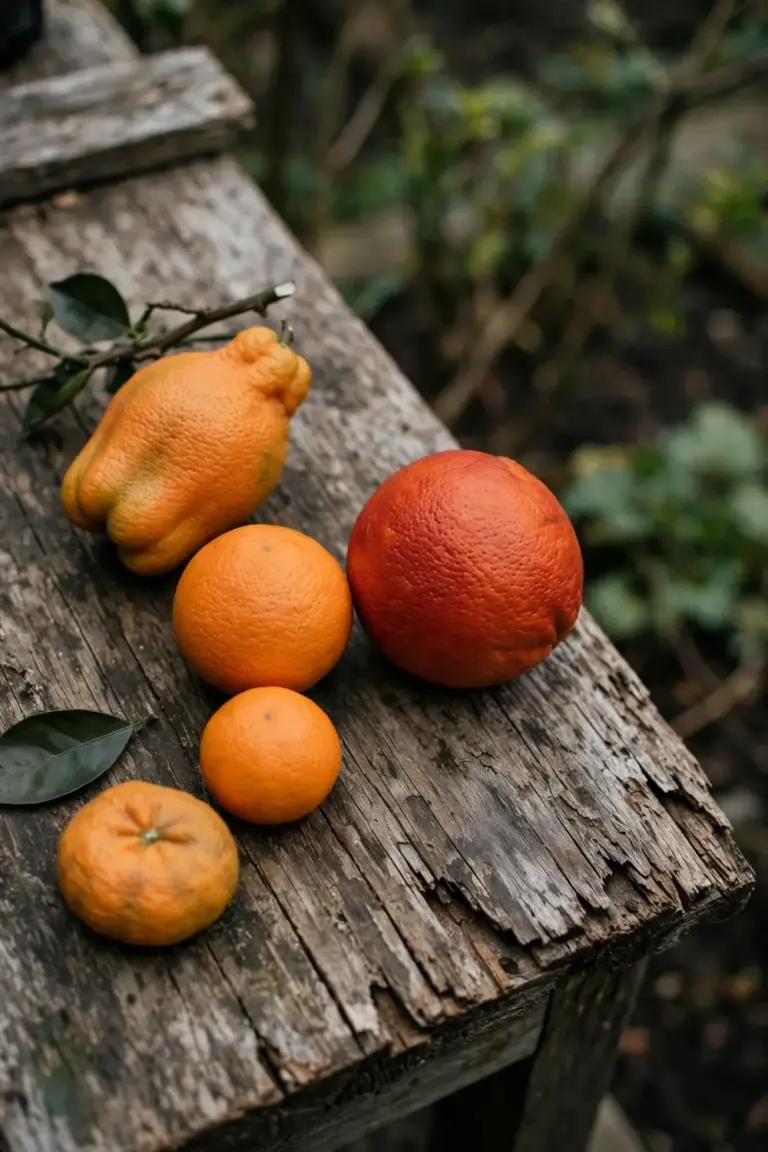
Mandarin covers five groups, and the group tells you more than the name on the label. Satsuma, clementine, common mandarin, tangor, and tangelo differ in seed, peel, and cold tolerance. The label should name the group. When it does not, ask the nursery before you buy.
Satsuma: Small Tree, Cold-Hardy, Seedless
Satsuma is Citrus unshiu, a Japanese group with a small tree and a spreading shape. The University of California Riverside citrus collection describes Owari Satsuma as cold-hardy, small at maturity, and seedless with mild flesh. The rind stays thin and peels clean. Satsuma suits cold gardens and small spaces first, and flavor second.
Clementine: Small, Sweet, Few Seeds Alone
Clementine is Citrus x clementina, a small mandarin with sweet and mild flesh. Nursery guides describe the fruit as few-seeded to seedless when the tree grows alone, with seeds appearing when nearby citrus adds cross-pollination. The fruit stays small, peels fast, and suits lunchboxes. Clementine selections vary, so confirm the exact selection on the label.
Common Mandarin
Common mandarin is Citrus reticulata, the everyday mandarin group. Imperial, Emperor, Daisy, and Hickson live here. The fruit runs medium in size, peels with moderate ease, and carries seeds in most selections. Common mandarins set the baseline. The other groups earn their place by beating that baseline on cold tolerance, seed count, or flavor.
Tangor: Mandarin Crossed With Orange
Tangor is a mandarin crossed with an orange. Ellendale is a natural hybrid between a mandarin and an orange, according to Australian grower notes. Honey Murcott descends from a mandarin crossed with a sweet orange. Afourer descends from the Murcott line. Tangors run rich and sweet, and several run seedy. Read the seed column before you buy a tangor for a lunchbox.
Tangelo: Mandarin Crossed With Grapefruit
Tangelo is a mandarin crossed with a grapefruit or pomelo. Minneola is the common garden tangelo, a hybrid of Duncan grapefruit and Dancy mandarin with a bell shape and a neck at the stem end. Australian nursery listings put Minneola fruiting from July to September and praise its rich, sweet and tart flesh. A tangelo eats like a mandarin with a grapefruit echo. Buy it for tang, not for plain sweetness.
Tangerine is a marketing name, not a group. Nurseries sell tangerines that sit inside these five groups, and the tangerine growing guide carries the growing side. Check the botanical name on the label when a name sounds unfamiliar.
3. Read the Harvest-Window Table Before You Buy
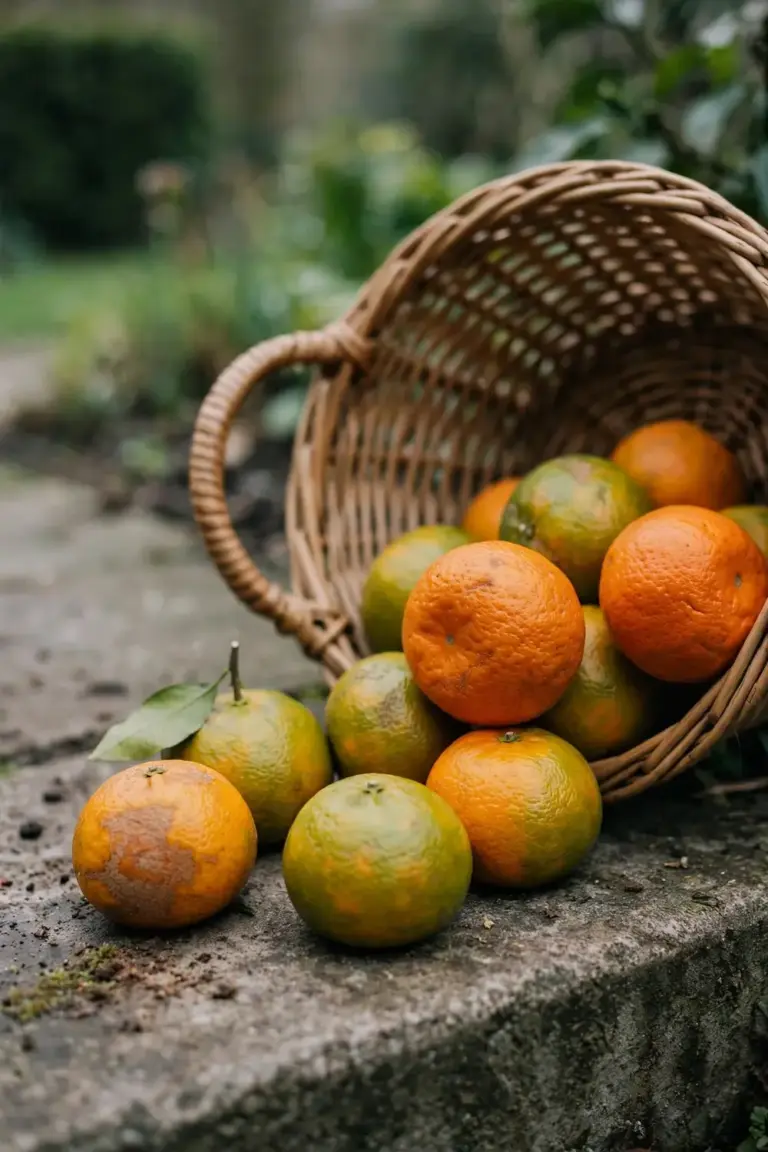
The table below lines up ten varieties by harvest month, group, seed, flavor, and best use. Read it across one row first, then down one column to compare windows. One row answers what a variety gives. One column answers which varieties fruit in a month.
| Variety | Group | Harvest Months | Seeds | Flavor | Best For |
|---|---|---|---|---|---|
| Imperial | Common mandarin | April to June | Few | Sweet and tangy | First fruit, lunchboxes |
| Satsuma | Satsuma | April to June | None | Mild and sweet | Cold gardens, small trees |
| Emperor | Common mandarin | June to July | Data not available | Rich and sweet | Mid-season, easy peel |
| Daisy | Mandarin hybrid | July to August | More than Imperial | Sweet | Mid-season eating |
| Hickson | Common mandarin | July to August | Data not available | Sweet and juicy | Mid-season, large fruit |
| Ellendale | Tangor | July to August | Moderate | High sugar, high acid | Late-season storage |
| Clementine | Clementine | Mid-season | Few to none alone | Sweet and mild | Lunchboxes, small fruit |
| Honey Murcott | Tangor | July to September | Many | Intensely sweet | Fresh eating, juicing |
| Afourer | Tangor | August to October | Few to none alone | Rich and sweet | Late-season, salads |
| Minneola | Tangelo | July to September | Few to none | Rich, sweet and tart | Tangy eating, large fruit |
A delicious.com.au variety guide sets the Australian mandarin season at April to October, names Imperial the country’s most popular and common mandarin, and places the main growing regions at Bundaberg and Gayndah in Queensland, the Riverland, Sunraysia, and inland New South Wales. A cooperative fact sheet puts Imperial at April to June, Murcott at July to September, and Afourer at August to October, which stretches the home season across seven months.
Two cells carry honest gaps. Emperor and Hickson seed counts show data not available because no verified source stated them. Clementine shows a group position instead of months because Clementine selections vary and no single Australian harvest window verified. Buy on the verified cells, and treat the gaps as questions for the nursery.
4. Choose Seedless and Easy-Peel Varieties for Kids and Lunchboxes
Kids and lunchboxes need three traits: few seeds, a peel that opens fast, and fruit that survives a school bag. Imperial, Satsuma, and Clementine carry all three. A lunchbox mandarin earns its place on the peel first, because a child opens a loose peel and eats the fruit.
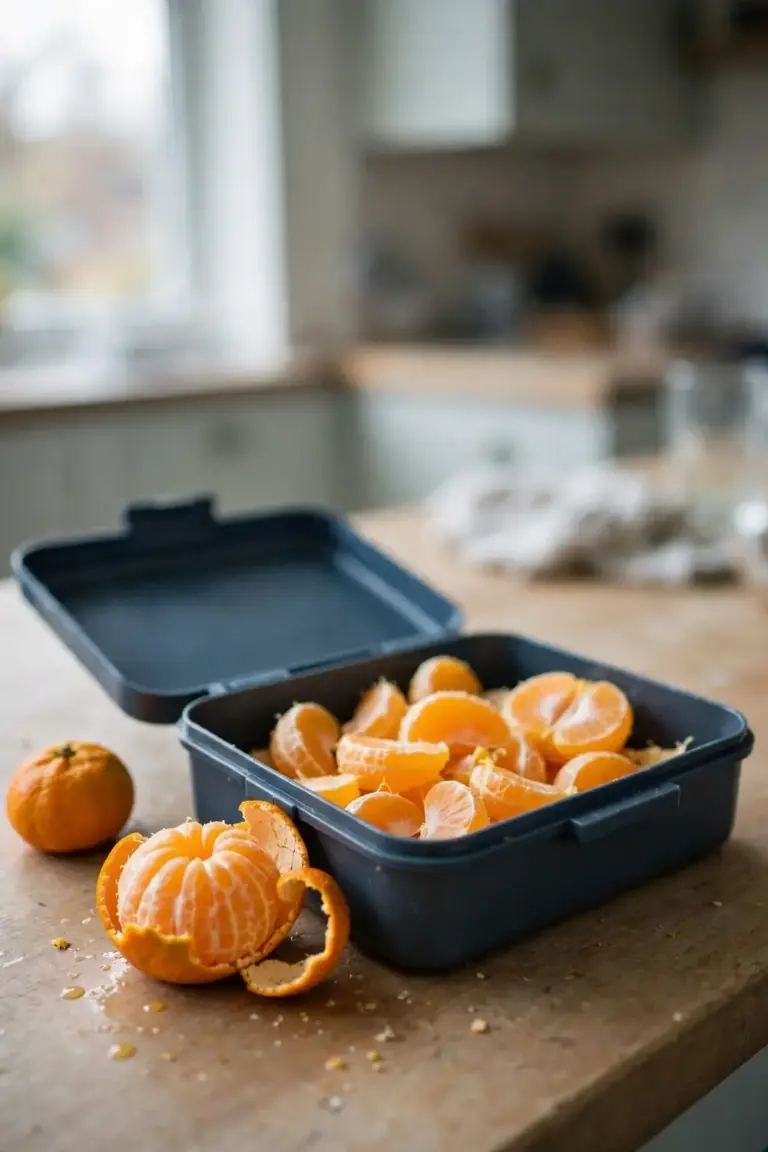
Imperial. Imperial carries fewer seeds than most mandarins, with a thin skin that opens fast, according to the same delicious.com.au guide. The fruit ripens early, so it fills lunchboxes from April.
Satsuma. Satsuma carries seedless fruit with a thin rind that peels clean, according to the University of California Riverside citrus collection. The tree stays small, so a pot on a patio still fruits.
Clementine. Clementine carries few seeds when the tree grows alone, with sweet and mild flesh in a small fruit, according to nursery guides. The small size fits a lunchbox without cutting.
Peel matters more than size. A child opens a loose peel and eats the fruit. A tight peel returns home uneaten. Test the peel on one fruit before you buy a tree for a lunchbox.
5. Choose the Best Flavor for Eating Fresh
Honey Murcott wins fresh eating on flavor alone. Ellendale and Afourer follow it for different reasons. Flavor peaks at harvest, so the best flavor variety is the one you pick at the right week.
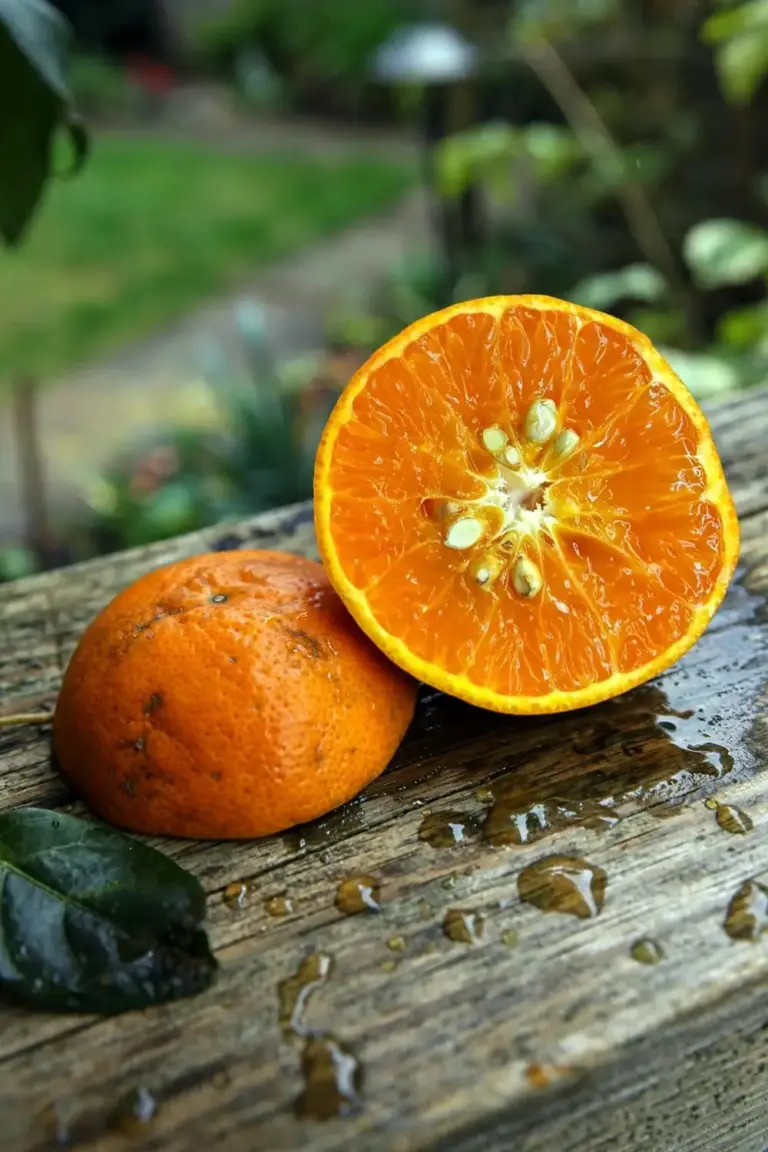
Honey Murcott. Honey Murcott runs super juicy, intensely sweet, and very seed-heavy, with fruit available from August to October, according to the same delicious.com.au guide. The seeds cost time at the table. The flavor repays it.
Ellendale. Ellendale carries high sugar and high acid, and Australian grower notes say its eating quality improves in storage. The fruit holds on the tree long after ripening, which stretches the harvest. Ellendale suits a reader who picks across weeks instead of one weekend.
Afourer. Afourer carries low seed count and juicy flesh with a rich, sweet flavor, according to the same delicious.com.au guide. The thin skin peels fast, and the fruit suits salads and desserts as well as fresh eating.
Honey Murcott also tops the juice list. Its dense flesh and deep flavor carry a glass further than a thin early variety. Pick Honey Murcott when juice matters, and accept the seeds as the price.
Taste before you plant when a nursery offers a sample. One segment answers more than any description. A variety that tastes sharp in April tastes sweet in June, so taste in the variety’s own window.
6. Choose Varieties That Handle Warm Climates
Warm climates suit Imperial, Honey Murcott, and Minneola. Each one fruits where summers run long and winters stay mild. Warmth sets the floor, and sun on the canopy sets the sugar.
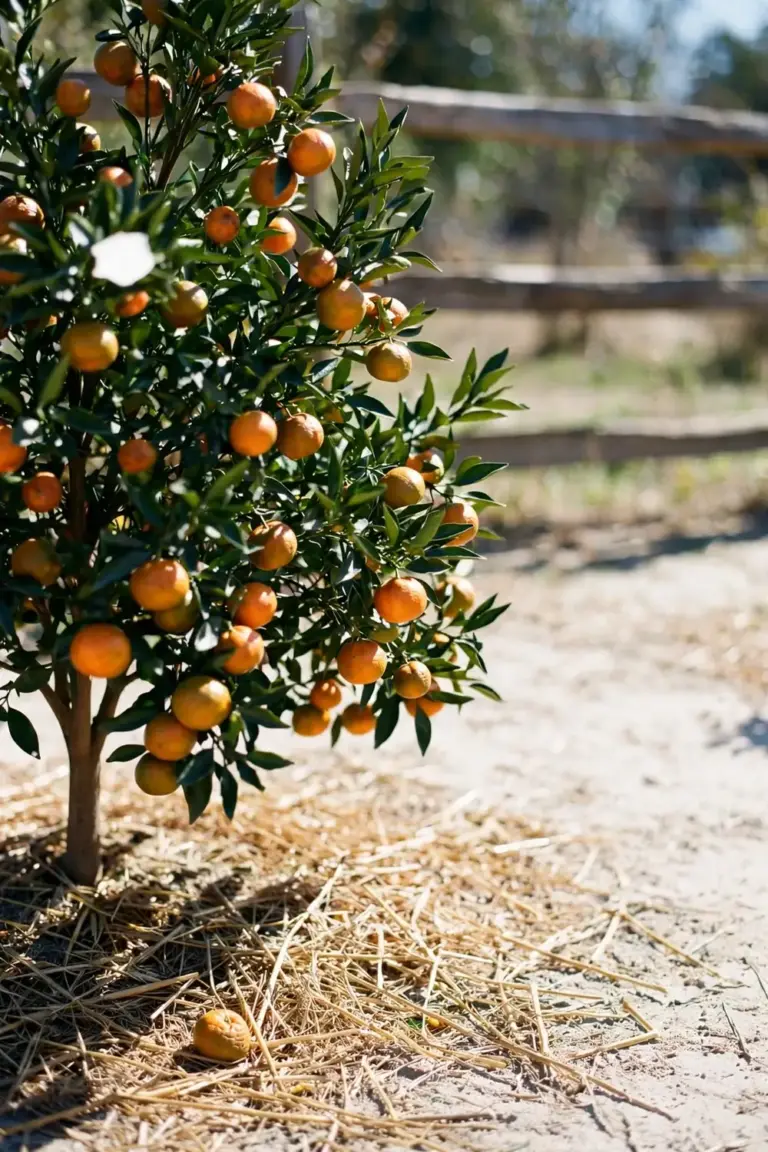
Imperial. Imperial grows in the Central Burnett of Queensland around Bundaberg and Gayndah, according to the same delicious.com.au guide. A variety that fruits commercially in Queensland heat handles a warm home garden.
Honey Murcott. Honey Murcott fruits from August to October, which puts its ripening in the warm tail of the season, according to the same delicious.com.au guide. Late fruit in warm weather keeps its sweetness when water stays steady.
Minneola. Minneola suits warm climates and fruits from July to September, according to Australian nursery listings. The tangelo tang holds up in heat, and the large fruit peels like a mandarin.
Warmth alone never guarantees sweet fruit. Sun on the canopy and steady water through fruit fill set the sugar. A warm-climate variety in shade still disappoints.
Heat tests the late varieties hardest. Honey Murcott and Afourer carry fruit through summer heat, and a dry January thins the crop. Water deeply through the hot weeks, and mulch holds the moisture. A tree that wilts at midday drops fruit before the season opens.
7. Choose Satsuma for Cold and Frost-Prone Gardens
Satsuma is the cold answer. The University of California Riverside citrus collection describes Owari Satsuma as cold-hardy, productive, and vigorous-growing, with fruit that stays seedless and mild in flavor. The tree matures small, with a spreading and somewhat drooping shape. Cold tolerance, small size, and seedless fruit arrive in one variety.
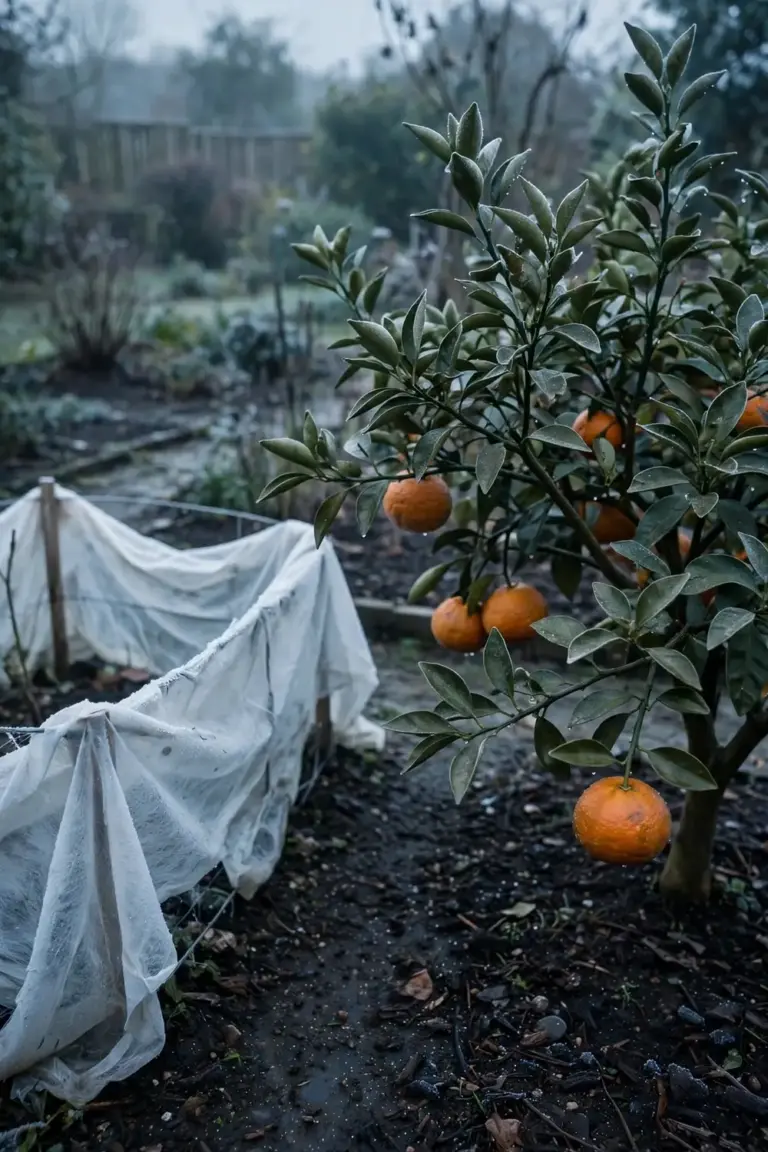
Satsuma suits Melbourne and cool climates first. Australian nursery guides name Satsuma for Melbourne and climate-limited gardens, and the collection backs that pick with cold hardiness. Plant it in the sunniest sheltered spot, against a north-facing wall when one exists. Shelter cuts frost exposure more than any feed or cover.
Clementine serves as the second pick for cool gardens. Grow it in a pot, and move the pot under cover on forecast frost nights. A potted Clementine dodges the coldest nights that a planted tree must endure.
Cold tolerance never means frost-proof. A hard frost burns young growth on any mandarin, so cover a young tree on forecast frost nights. The cover comes off in the morning.
8. Choose Dwarf Varieties for Pots
Dwarf varieties suit pots, and pots suit small gardens, balconies, and cold climates. Dwarf Emperor, potted Imperial, and Satsuma lead the pot list. A pot moves, a planted tree does not.
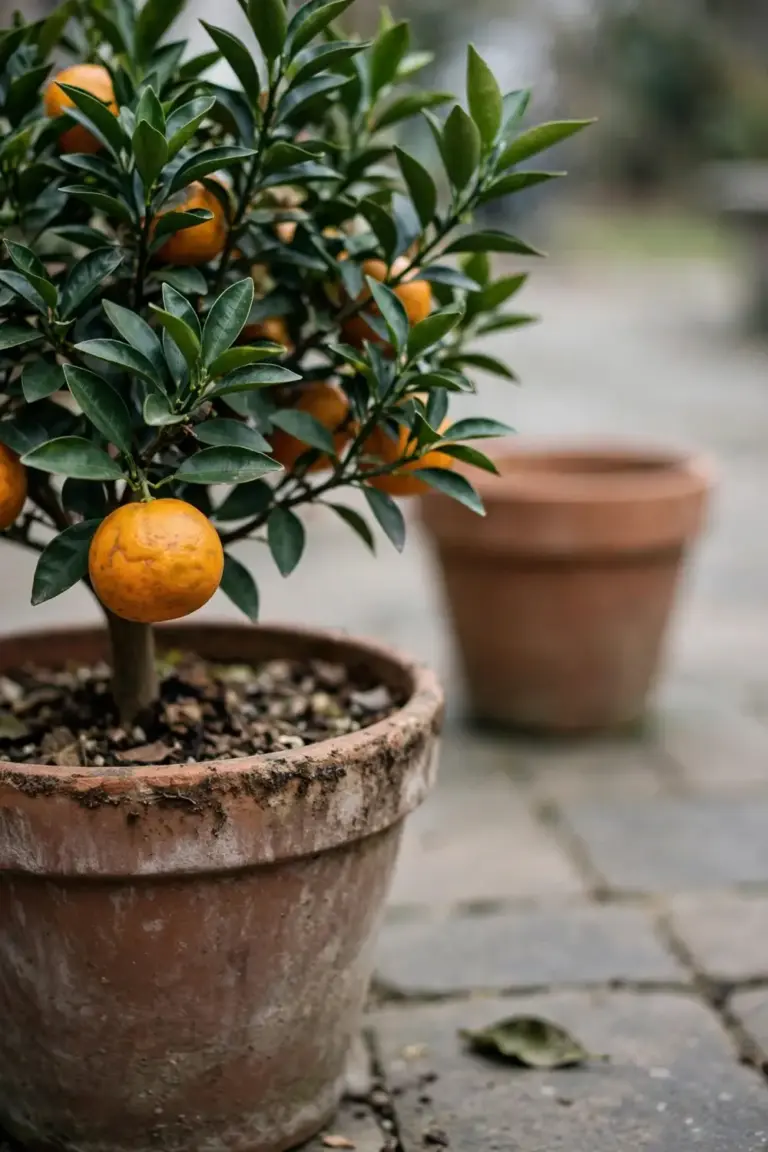
Dwarf Emperor. Dwarf Emperor grows on dwarfing rootstock, and Daleys grower notes list a potted dwarf Emperor fruiting in June and July. The fruit matches the standard Emperor. The tree stays small enough for a pot.
Potted Imperial. Imperial grows well in a pot from a 200 mm nursery container, according to Garden Express listings. Early fruit, few seeds, and a thin peel carry over unchanged. The pot caps the size, and the gardener controls the position.
Satsuma. Satsuma matures small with a spreading shape, according to the University of California Riverside citrus collection. The small tree fits a pot without heavy pruning, and the seedless fruit suits a small household.
A pot of 35 litres or more gives the roots room, according to Gardening With Angus pot sections. Smaller pots dry fast in summer, and dry roots drop fruit. A pot restricts size twice. The dwarfing rootstock sets a small tree, and the pot walls cap the roots.
A pot earns its place on frost nights. Wheel the pot under cover when frost threatens, and wheel it back into sun in the morning. A planted tree takes the frost where it stands. The pot turns a cold-climate mandarin into a movable one.
9. Treat Seedless as Few Seeds, Not Zero
Seedless means few seeds, not zero. A variety sold as seedless still sets seeds when bees carry pollen from a compatible neighbor. The label promises the variety. The street decides the seed count.
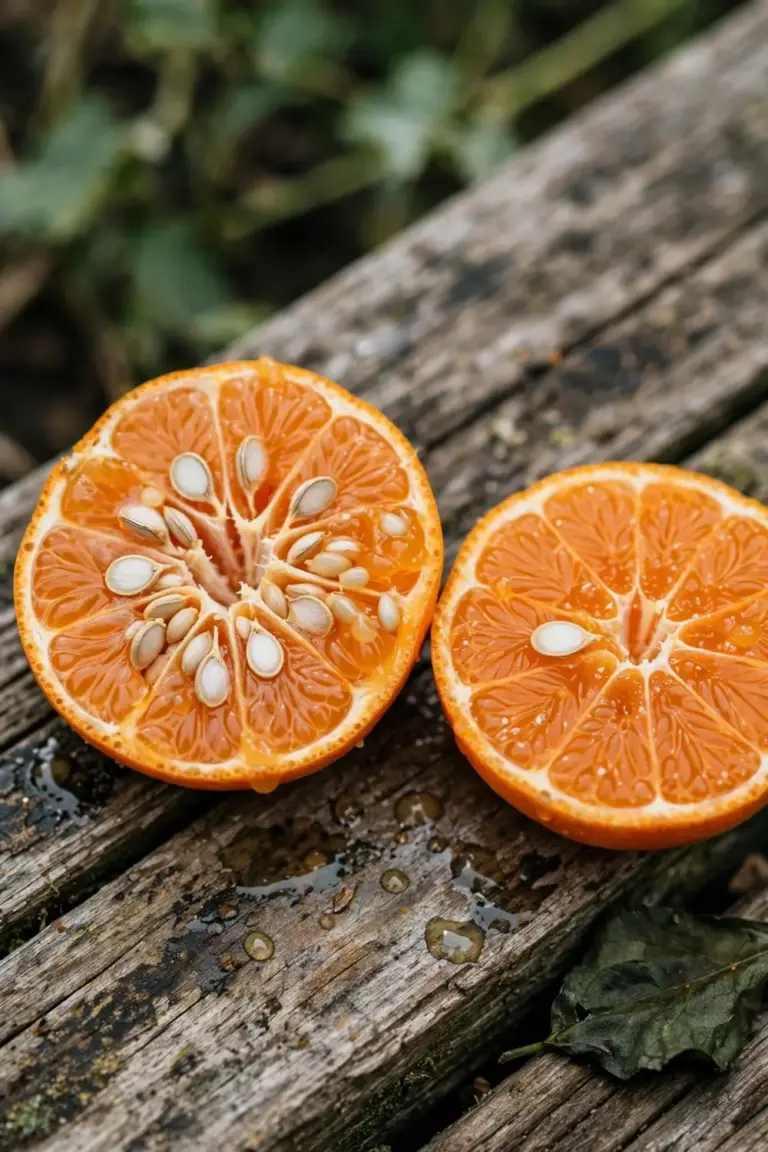
A PLOS ONE study on Nadorcott reports that the variety produces seeds through cross-pollination with compatible varieties, and that most mandarins stay seedless without cross-pollination. Bees carry citrus pollen across long distances, so isolation means distance, not a fence. One seedless variety alone gives the fewest seeds.
Afourer shows the mechanism in its own history. The variety began as a chance cross-pollination of an unknown variety with Murcott Clementine, discovered in 1982 at an experimental station in Afourer, Morocco, according to the Good Fruit Guide. The original fruit ran very seedy. Growers produced the seedless version by isolating trees from cross-pollination, and the market name Nadorcott covers the same variety.
The Cross-Pollination Trap
The cross-pollination trap catches a reader who plants a seedy variety beside a seedless one. Bees visit both trees in one flight, and the seedless fruit seeds. The same PLOS ONE study notes that cross-pollination between mandarins runs frequent because orchards mix varieties and pollinators work across them.
Read the label, then read the street. The label names the variety. The street names the pollen. A neighbor with a seedy mandarin over the fence seeds your seedless tree, and no label prevents it.
Isolation means distance. A fence never stops a bee. A street of houses between two mandarins slows the pollen, and a suburb of houses stops most of it.
10. Match the Rootstock to the Size You Want
Rootstock sets the tree’s final size. The variety sets the fruit. The label names both, so read the whole tag. A dwarf variety on a vigorous stock grows into a standard tree.
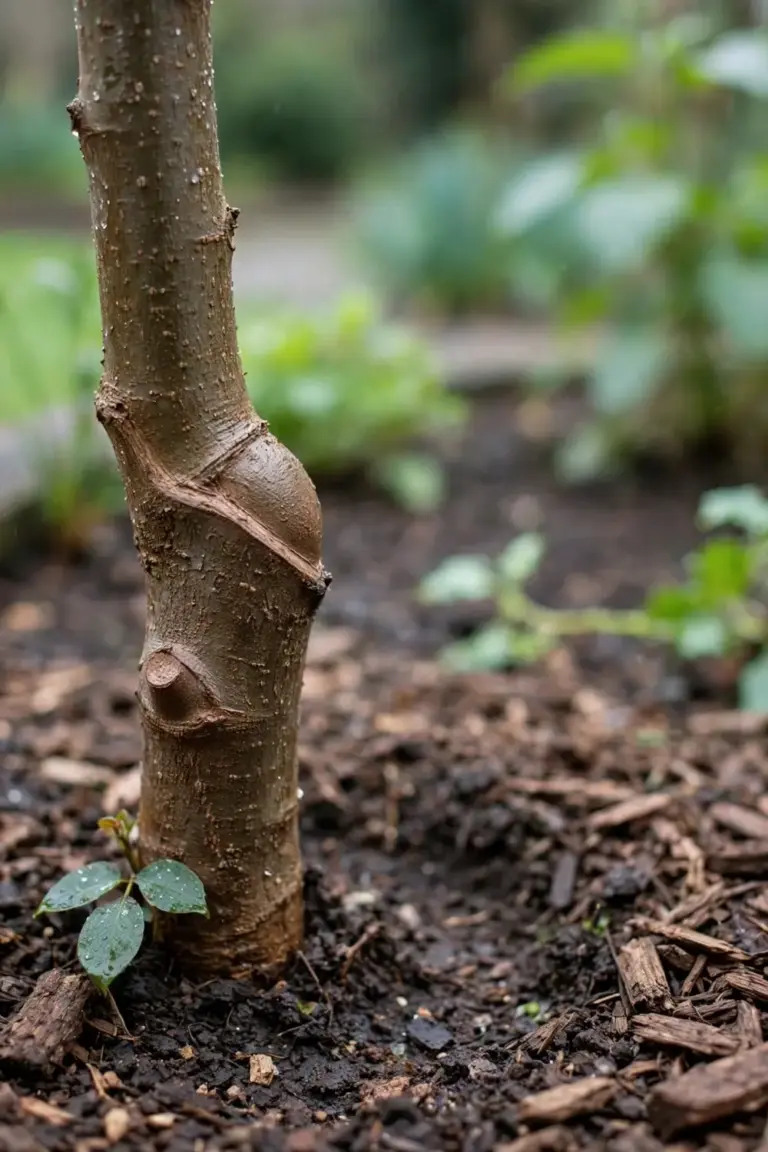
Flying Dragon trifoliate orange is the only truly dwarfing rootstock, and it cuts the ultimate size of the tree by half, according to Tucson garden notes. A mandarin that reaches 4 metres on standard stock stays near 2 metres on Flying Dragon. The pot walls then cap it further.
Trifoliata confers some dwarfing, according to Queensland fruit tree notes from Peter Young. It suits a reader who wants a smaller tree without the full dwarf effect. Flying Dragon confers the strongest dwarfing effect, and it suits oranges, mandarins, and limes.
Carrizo citrange serves as a general purpose rootstock, according to the same cooperative fact sheet. It grows a vigorous tree. Vigorous stock suits a large garden with room for a full canopy, and it never suits a pot.
Buy with three checks. First, confirm the label lists both the cultivar and the rootstock. Second, keep the graft union above the soil at planting. Third, cut any sucker that sprouts below the graft union, because that growth is rootstock, not the variety. A dwarf tree on a vigorous stock never stays dwarf. The stock wins.
11. Give the Variety You Picked Sun, Drainage, Water, and Feed
The variety never decides sun, drainage, water, or feed. Four pointers cover them, and the mandarin growing guide carries the full regime. The variety choice already did the heavy work. These pointers keep it standing.
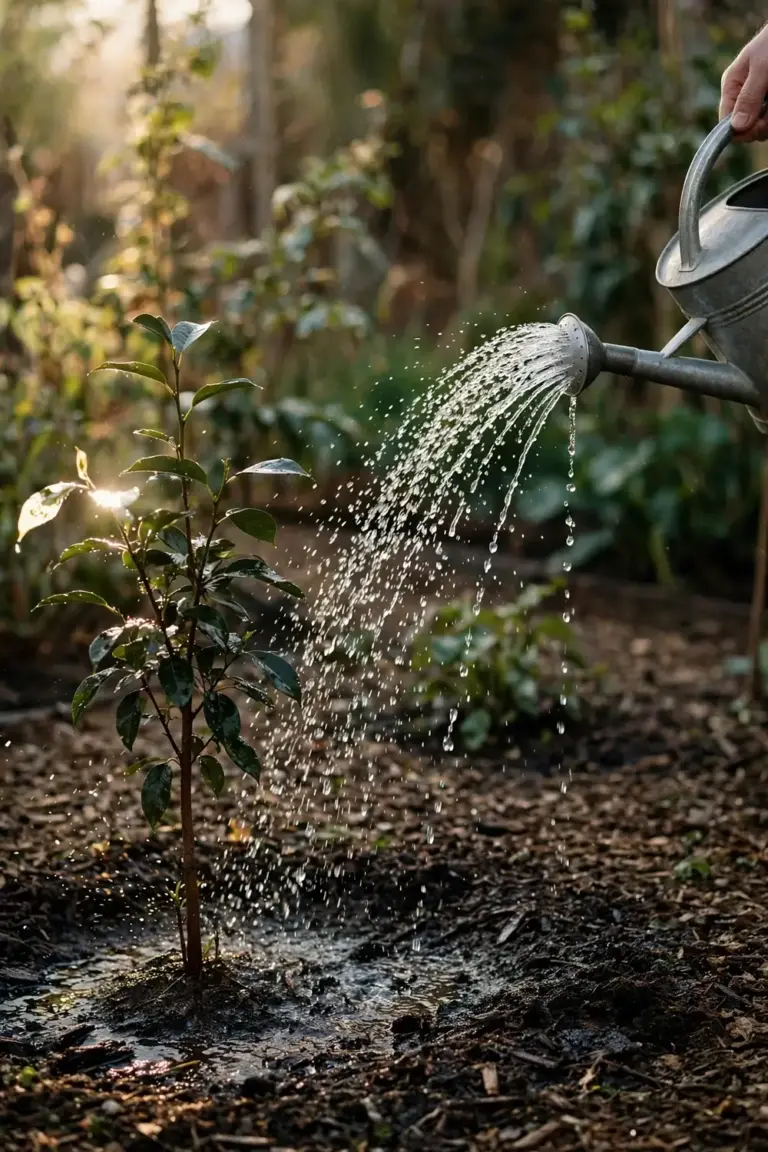
Sun comes first. Mandarins want a full sun position, and the canopy needs direct sun for sugar. A tree in shade fruits sparsely and tastes flat. Move the pot or pick the sunniest bed before you plant.
Drainage comes second. Mandarins want free-draining soil, and wet feet rot roots. Mound the planting hole on heavy clay, and keep mulch clear of the trunk. The soil health guide covers the groundwork that drainage rests on.
Water comes third. Water deeply when the top soil dries, and keep water steady through fruit fill. Dry spells in summer drop fruit and dry the flesh. A pot dries faster than the ground, so check pots twice as often in heat.
Feed comes fourth. Feed with a citrus fertilizer through spring and summer, per the label. Skip feeding a stressed tree. A tree that sulks after transplant needs water and time, not fertilizer.
Prune lightly after harvest. Remove dead wood and crossing branches, and keep the canopy open to sun. The spring pruning techniques guide covers the cuts. Light pruning beats hard pruning on a young mandarin.
The first year sets the roots. Water a new tree deeply twice a week through the first summer, then taper as growth shows. A tree that grows steadily in year one fruits sooner than a tree that sulks. Rush the first year, and the tree sulks for two.
12. Skip the Eight Mistakes That Waste a Mandarin Tree
Eight mistakes waste a mandarin tree. Four sit in the shop, and four sit in the first year. Skip all eight, and the variety choice stands.
- Buying on the fruit photo alone. The photo shows color, not window, seed, or flavor. The label carries the facts.
- Ignoring the harvest window. Two trees that fruit in June give one glut and ten empty months. Spread the windows.
- Ignoring chill and frost. A warm-climate variety in a frost pocket drops fruit and burns growth. Match the variety to the coldest night.
- Planting a seedy variety beside a seedless one. Bees carry the pollen, and the seedless fruit seeds. Keep seedless trees apart from seedy neighbors.
- Picking on color alone. Rind color and sugar do not move together, and a mandarin stops ripening once picked, according to Gardening Know How. Taste one fruit before picking the rest.
- Letting a young tree carry a full crop. Bunnings notes link dry fruit to early fruiting and poor feeding and sun. Strip the first crop on a young tree, and feed and water it well.
- Burying the graft union. Soil over the union grows rootstock suckers that overtake the variety. Keep the union above the soil.
- Buying a vigorous rootstock for a pot. The stock outgrows the pot, and the tree never settles. Buy Flying Dragon for pots.
Skip all eight, and the variety choice stands. The tree still needs sun, drainage, water, and feed, but the decision already points at the right months.
Mandarin Variety FAQ
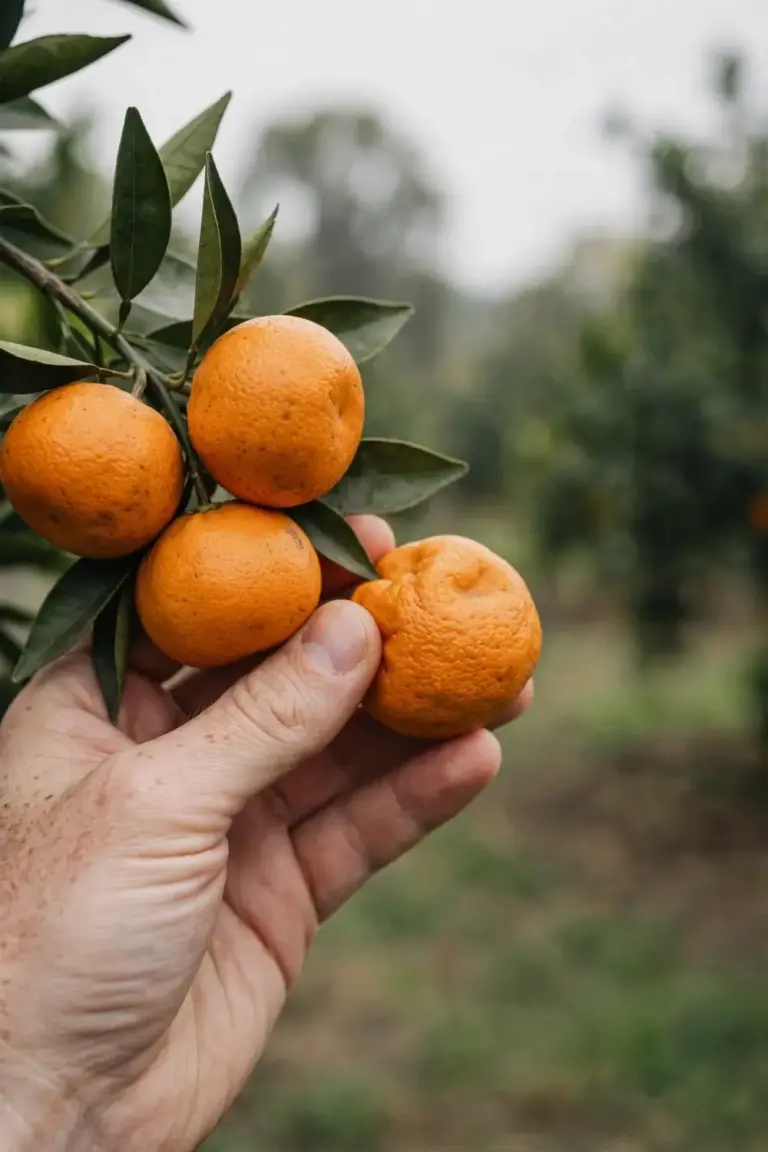
Imperial fruits first. A cooperative fact sheet puts Imperial at April to June, which opens the Australian mandarin season. Imperial also carries fewer seeds and a thin skin that opens fast, so the first fruit suits lunchboxes as well as the table. Plant Imperial when the goal is the earliest fresh mandarin.
A single mandarin tree fruits alone. Nurseries sell single grafted trees as fruiting trees, and no second variety is required for a crop. A second mandarin nearby lifts fruit set in some seasons, and bees carry its pollen across. That cross-pollination seeds a seedless variety, so a lone tree suits a reader who prizes seedless fruit.
A seedless mandarin sets seeds when bees carry pollen from a compatible neighbor. A PLOS ONE study on Nadorcott reports that the variety produces seeds through cross-pollination, and that most mandarins stay seedless without it. Check what grows over the fence. A seedy mandarin nearby explains seeds in a seedless tree, and distance is the only fix.
Pick a mandarin by taste, not by color. Rind color and sugar do not move together, and a mandarin stops ripening once picked, according to Gardening Know How. Taste one fruit. When it tastes sweet, pick the rest of that branch. When it tastes sharp, wait a week and taste again.
A dwarf mandarin fruits as well as a standard tree. The fruit matches the variety, and only the tree shrinks. Flying Dragon rootstock cuts the ultimate size of the tree by half, according to Tucson garden notes. A dwarf tree suits a pot or a small garden, and it needs the same sun, water, and feed as a standard tree.
Start With the Window, Then the Flavor
Imperial opens April. Emperor fills June. Afourer closes October. That sequence is the whole decision in one line. Flavor and seed count rank the varieties inside each window, and the group on the label keeps the names honest.
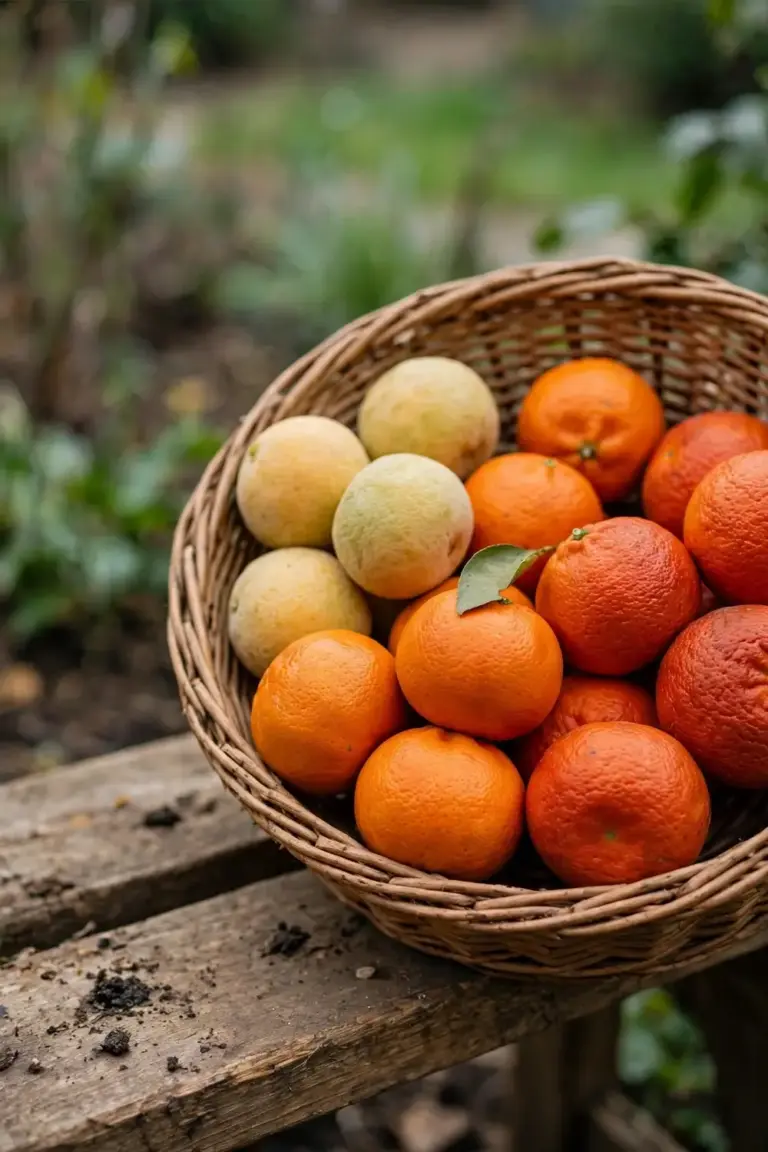
Buy two or three trees on that sequence, check the group on each label, and let the harvest months do the planning. The first April Imperial tastes better for the wait, and the last October Afourer tastes better for the patience.
Check the label twice. The first check names the variety. The second check names the group and the rootstock. A label that names all three answers every question this page asks.