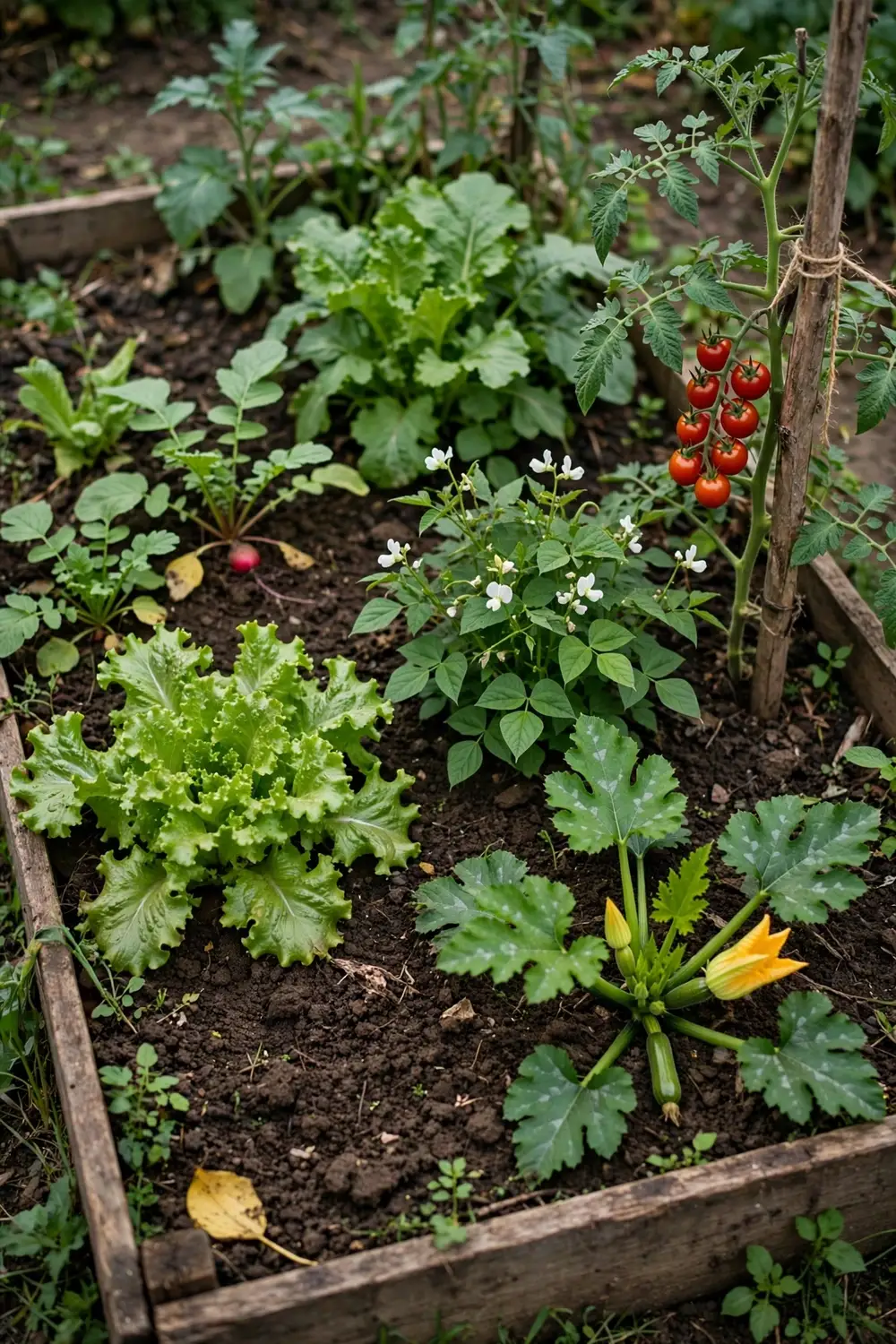

These are the 15 easiest fruit and vegetables for beginners in Australia: 10 vegetables and 5 fruits, counted by kitchen use. Start with radish, lettuce, and spring onion. They pay back in weeks, not months.
I have learned that the crop I actually eat beats the crop the catalogue calls easy.
The rest of this page is the starter rule, the 15 picks at a glance, one section per pick with its climate band, first-season expectation, and one trap, then the first-season calendar in order.
1. Pick the Easiest Fruit and Vegetables by What You Will Eat
Pick by what you will eat and by your climate band. A crop you will not eat is work, not food.
Australia splits into four growing bands. Cool temperate covers Melbourne, Hobart, and Canberra, where frost is real and summers stay short. Warm temperate covers Sydney, Adelaide, and Perth. Subtropical covers Brisbane and the Gold Coast. Tropical covers Darwin and Cairns, where wet and dry seasons replace the four-season calendar. Warm-season crops go in after the last frost in spring. Cool-season crops go in during autumn. A crop planted in the wrong band fights the weather all season.
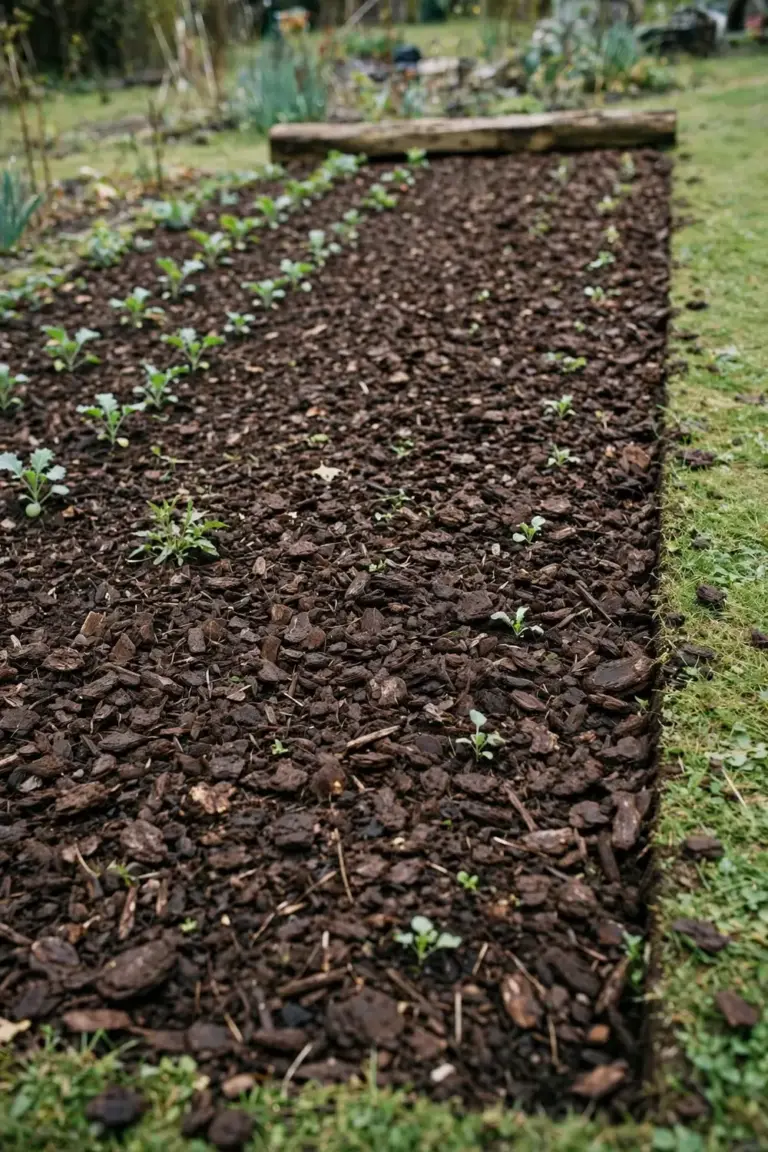
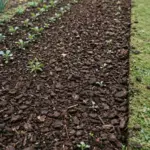
Skip the rarest seeds in the catalogue. Plant the crop you already buy every week. A bed of lettuce you eat beats a bed of a novelty you taste once. Building soil health comes before any seed: compost worked into the top of the bed, then mulch, then planting. Good soil forgives beginner mistakes. Poor soil punishes every one of them.
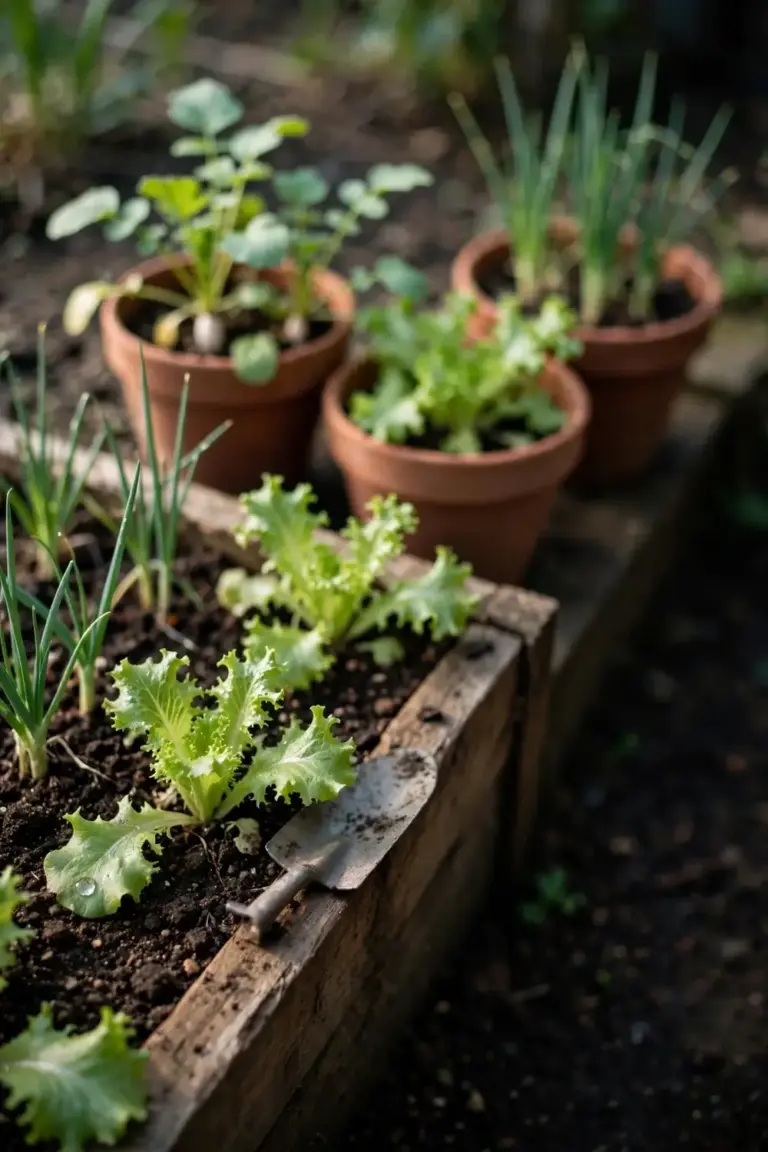
Pots suit renters and small blocks. A pot holds one tomato, one capsicum, or a strawberry runner, and it moves with the sun across a balcony. A bed suits a household that cooks every night, because a bed holds water longer and feeds more plants per square metre. Start with whichever you have. Three pots on a step beat a grand bed that never gets built.
2. See the 15 Picks at a Glance
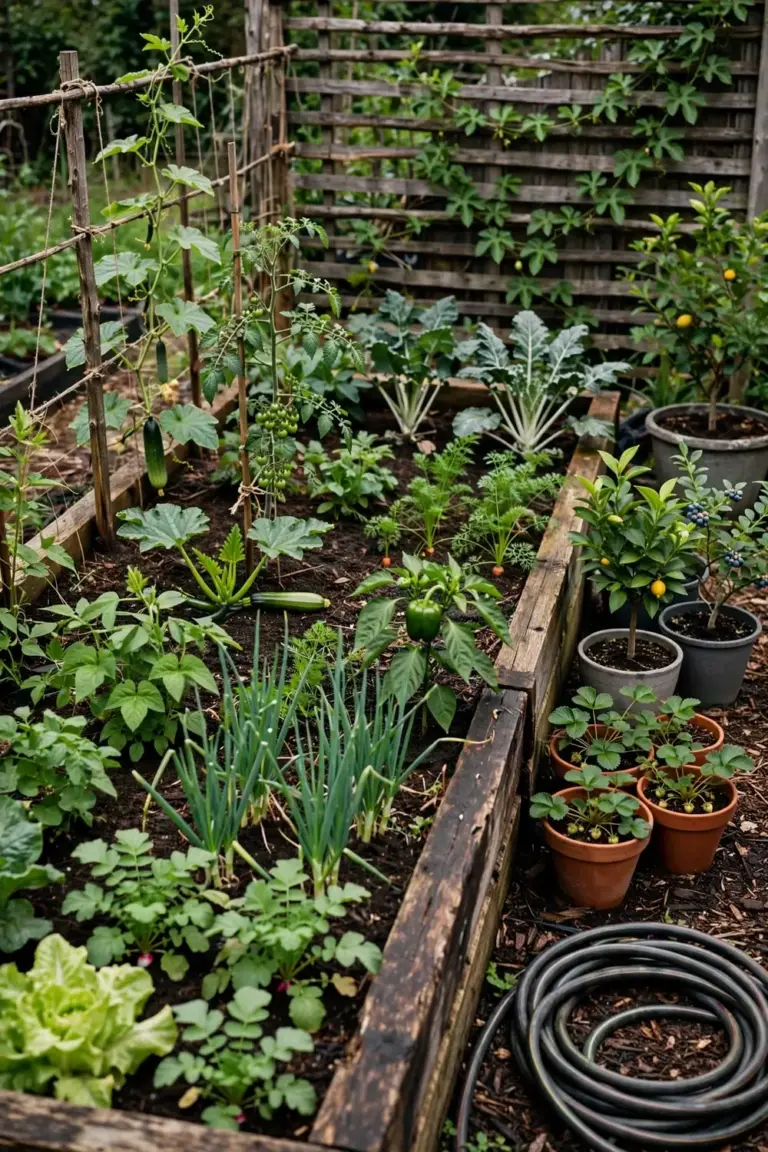
The table below is the whole list. Read it once, then plant from the top. The climate column names the bands where each pick grows with the least fight. The first-harvest column gives the wait for vegetables in days, and the season for fruit, where a potted plant sets its own pace.
| Pick | Why Easy | Climate | First Harvest |
|---|---|---|---|
| Lettuce (loose-leaf) | Cut outer leaves, plant keeps growing | All four bands | Leaves in weeks; full head 60 to 85 days |
| Radish | Fastest crop in the bed | All four bands, cool months | 25 to 30 days |
| Spring onion | Regrows from the stump | All four bands | Tops in weeks |
| Bush beans | No trellis, fixes nitrogen | Warm-season, all bands | 50 to 60 days |
| Zucchini | One plant feeds a household | Warm-season, all bands | 50 to 55 days |
| Cherry tomato | Heavy crop, fruits all summer | Warm-season, all bands | 70 to 85 days from transplant |
| Cucumber | Fast, productive on a trellis | Warm-season, all bands | 60 to 65 days |
| Silverbeet | Cut-and-come-again, tolerates heat and cold | All four bands | Outer leaves in weeks |
| Carrot | Sow and forget, no transplanting | All four bands, cool months | 70 to 80 days |
| Capsicum | Low pest pressure, long harvest | Warm-season, needs heat | 65 to 80 days |
| Strawberry | Runners do the propagation | All bands, best in cool and warm temperate | Fruit in the first season from runners |
| Dwarf lemon | One pot, fruit once established | Warm temperate and subtropical best | Grafted trees fruit years sooner than seedlings |
| Blueberry | Few pests, long-lived bush | Cool and warm temperate best | Fruit once the bush settles |
| Passionfruit | One vine covers a fence | Warm temperate to tropical | Fruit in the first year from a healthy vine |
| Mulberry | Nearly unkillable, fruits young | All four bands | Fruit in the first year or two from a potted tree |
3. Lettuce: Cut-and-Come-Again Leaves
Loose-leaf lettuce is the kindest first crop. You pick the outer leaves and the plant keeps growing. No head to wait for, no heart to form, no single harvest day to miss.
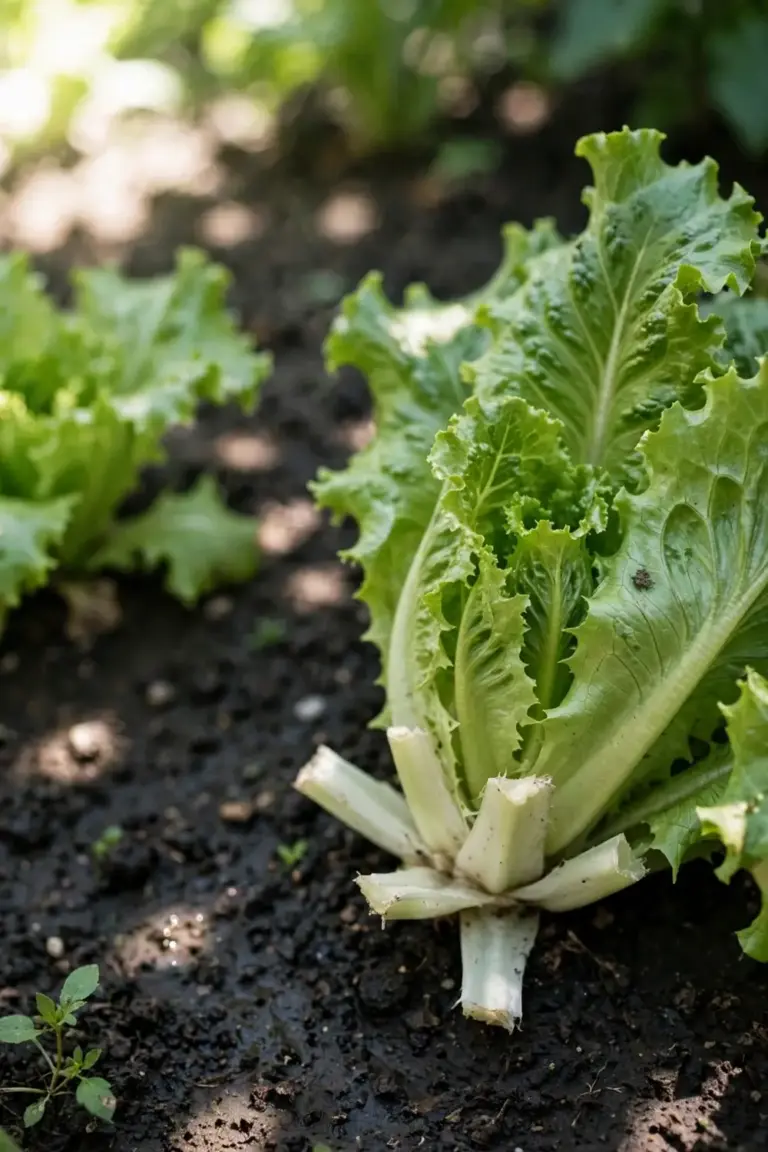
Lettuce grows in all four bands. Sow it in the cool months everywhere, and through most of the year in cool and warm temperate gardens. Heat turns lettuce bitter and makes it bolt, so subtropical and tropical gardeners sow in autumn and winter. The University of Georgia Extension vegetable table lists lettuce at 60 to 85 days to maturity for a full head. Loose-leaf types give cut-and-come-again leaves well before that number.
The trap is sowing a heading type and waiting for a head that bolts first. Buy loose-leaf types. Pick the outer leaves, leave the center, and the plant feeds you for weeks.
4. Radish: The Fastest First Win
Radish is the fastest crop in the bed. Sow seed straight into the soil, and roots swell within weeks. Nothing else in this list pays back this fast.
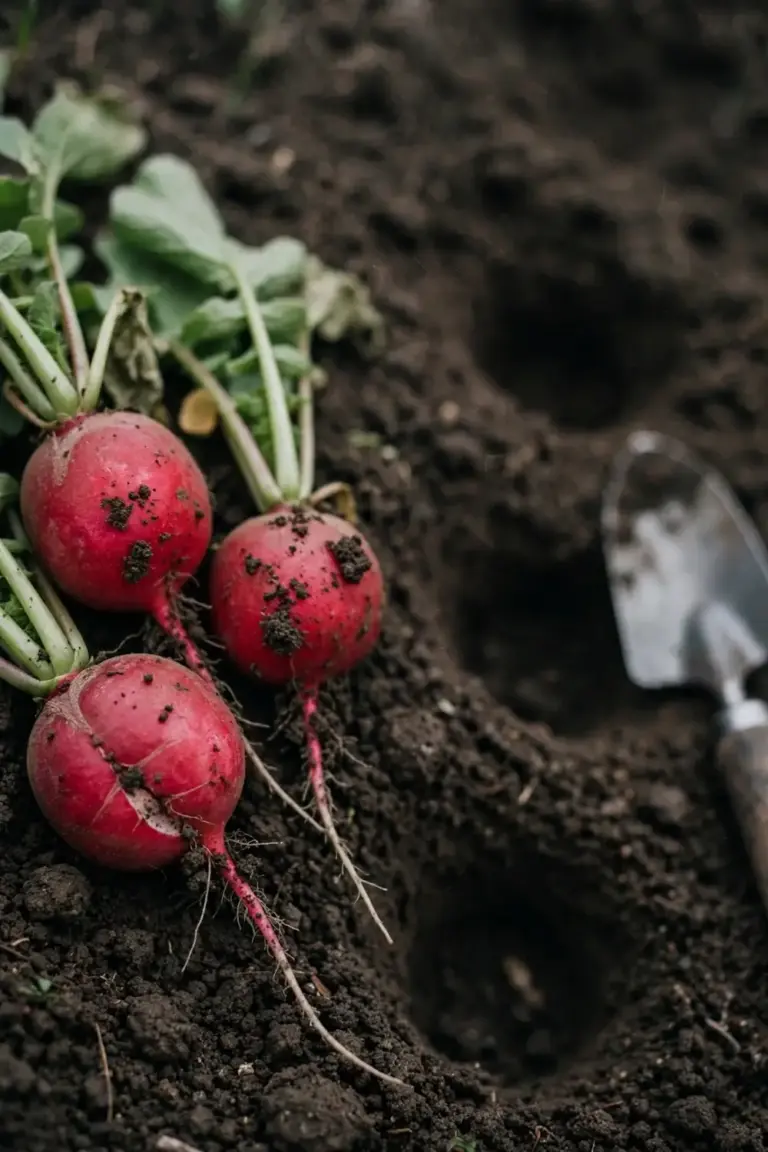
Radish grows in all four bands in the cool months. Sow it in autumn and winter in the subtropics and tropics, and through spring and autumn in the cooler bands. The University of Georgia Extension vegetable table lists radish at 25 to 30 days to maturity. That speed is the point. A beginner sees a result before doubt sets in.
The trap is leaving radishes in the ground. Old radishes turn woody and hot. Pull them on time. Sow a short row every two to three weeks instead of one long row once.
5. Spring Onion: Regrow From the Stump
Spring onion forgives almost everything. Snip the tops for cooking, and the plant regrows from the stump. One planting gives many cuts.
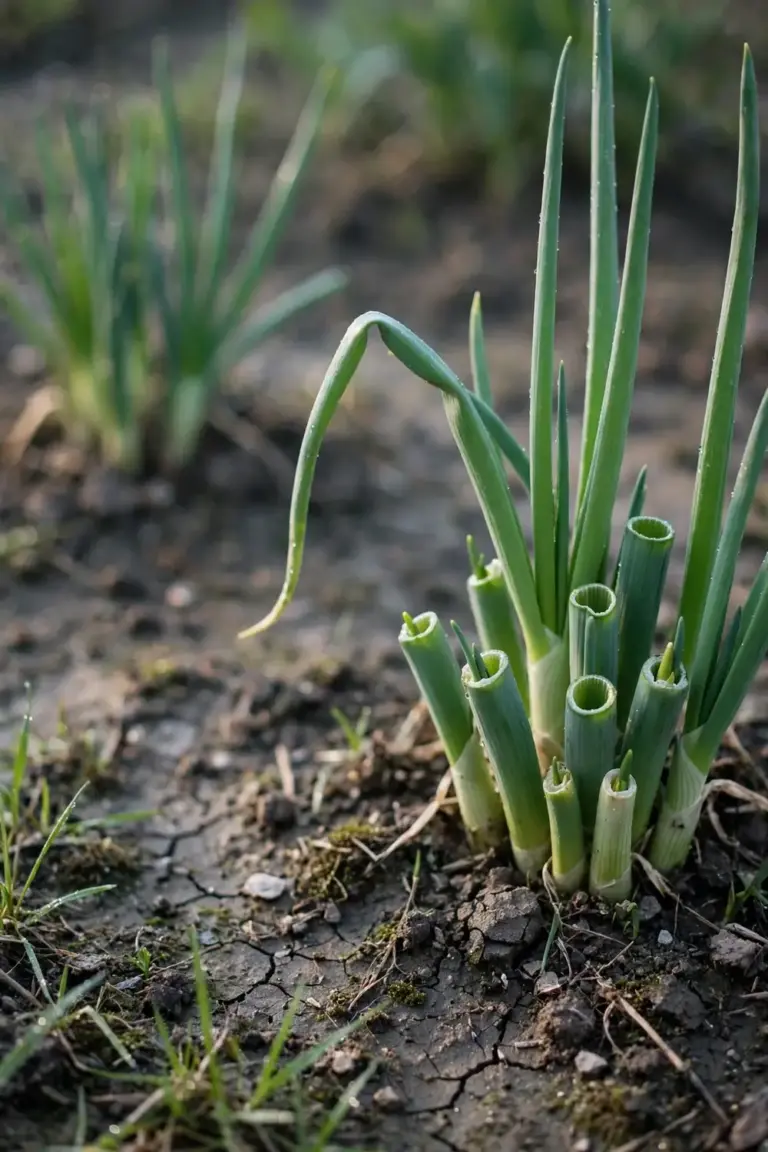
Spring onion grows in all four bands, in a bed or a pot. It wants sun and soil that drains freely. It asks for little else. Tops come within weeks of planting. Bulbs take longer, and most beginners never wait for them. The tops are the crop.
The trap is planting too deep in wet soil. Deep, wet stumps rot. Set the stump shallow, with the top above the soil line. Water when the top few centimetres dry out.
6. Bush Beans: Pods Without a Trellis
Bush beans need no trellis, no tying, and no support frame. They grow as a compact bush, flower, and set pods, and they fix nitrogen, which leaves the bed richer than they found it.
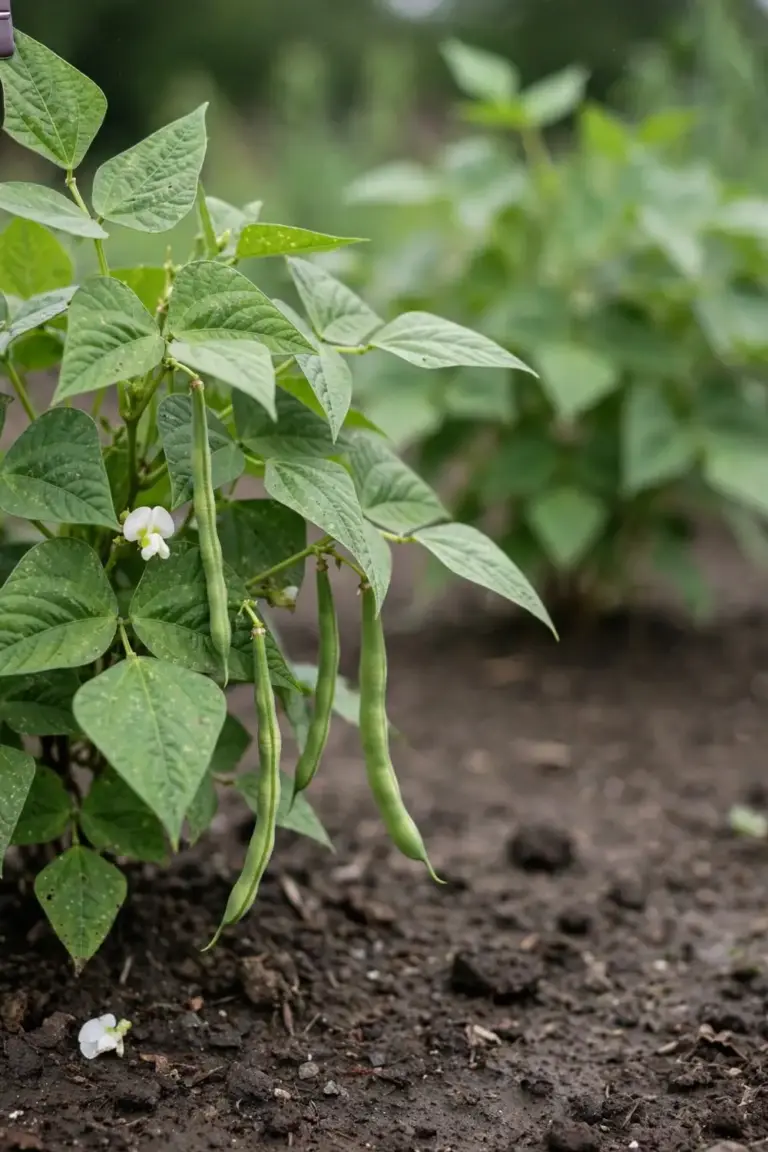
Bush beans are a warm-season crop. Sow them after the last frost in all four bands. The University of Georgia Extension vegetable table lists bush beans at 50 to 60 days to maturity. Pick pods young and often. Young pods stay tender. Old pods turn fibrous.
The trap is sowing into cold soil, where bean seed rots in cold, wet ground instead of sprouting. Wait for warm soil after the last frost. If the soil still feels cold to a bare hand, wait another week.
7. Zucchini: One Plant Feeds a Household
One zucchini plant feeds a household. The plant grows fast, flowers hard, and sets fruit in quick succession. Two plants feed the street, which is why one is the right number for a beginner.
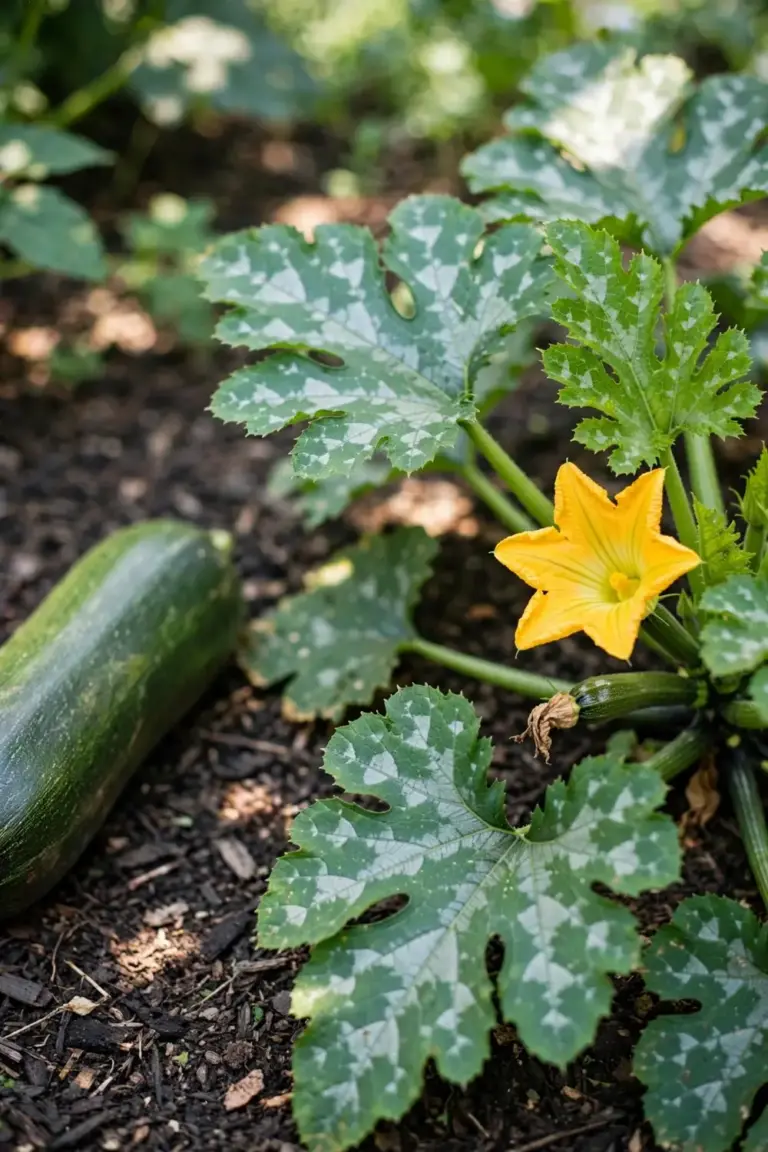
Zucchini is a warm-season crop. Plant it after the last frost in all four bands. The University of Georgia Extension vegetable table lists summer squash at 50 to 55 days to maturity. Pick fruit small. Small fruit tastes better, and picking keeps the plant setting new fruit.
The trap is the glut. A beginner plants three, then drowns in fruit by midsummer. Plant one. Give it room and airflow, which also slows the powdery mildew that coats crowded leaves. The full zucchini growing guide covers the crop in depth once this list has you started.
8. Cherry Tomato: Fruit All Summer
Cherry tomato is the most forgiving tomato a beginner can grow. Small fruit ripens fast, the plant crops for months, and a split fruit still eats well. Tomato sits in the vegetable half of this list by kitchen use. Botanically it is a fruit.
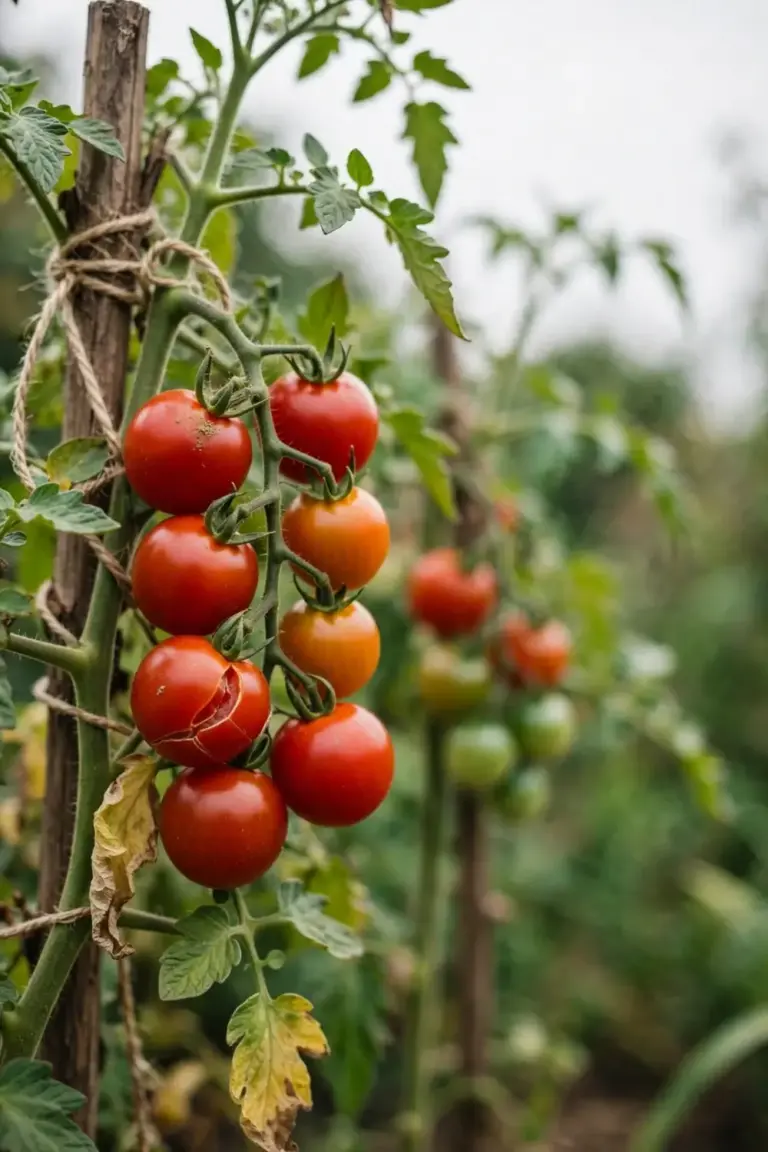
Cherry tomato is a warm-season crop. Plant seedlings after the last frost in all four bands. In the tropics, grow it through the dry season, when humidity drops and leaf disease eases. The University of Georgia Extension vegetable table lists tomato at 70 to 85 days to maturity from transplant. That clock starts at transplant, not at sowing, so seedlings save a beginner a month of indoor work.
The trap is wet foliage. Water on leaves invites the blight and leaf spots that end tomato seasons early. Water at the base. Stake the plant for airflow. Strip the lowest leaves so soil never splashes onto them in rain.
9. Cucumber: Water and a Climb
Cucumber grows fast and crops hard on a trellis. A trellis lifts the fruit off the soil, keeps it straight, and lets you see what is ready. A plant on the ground hides fruit until it turns yellow and seedy.
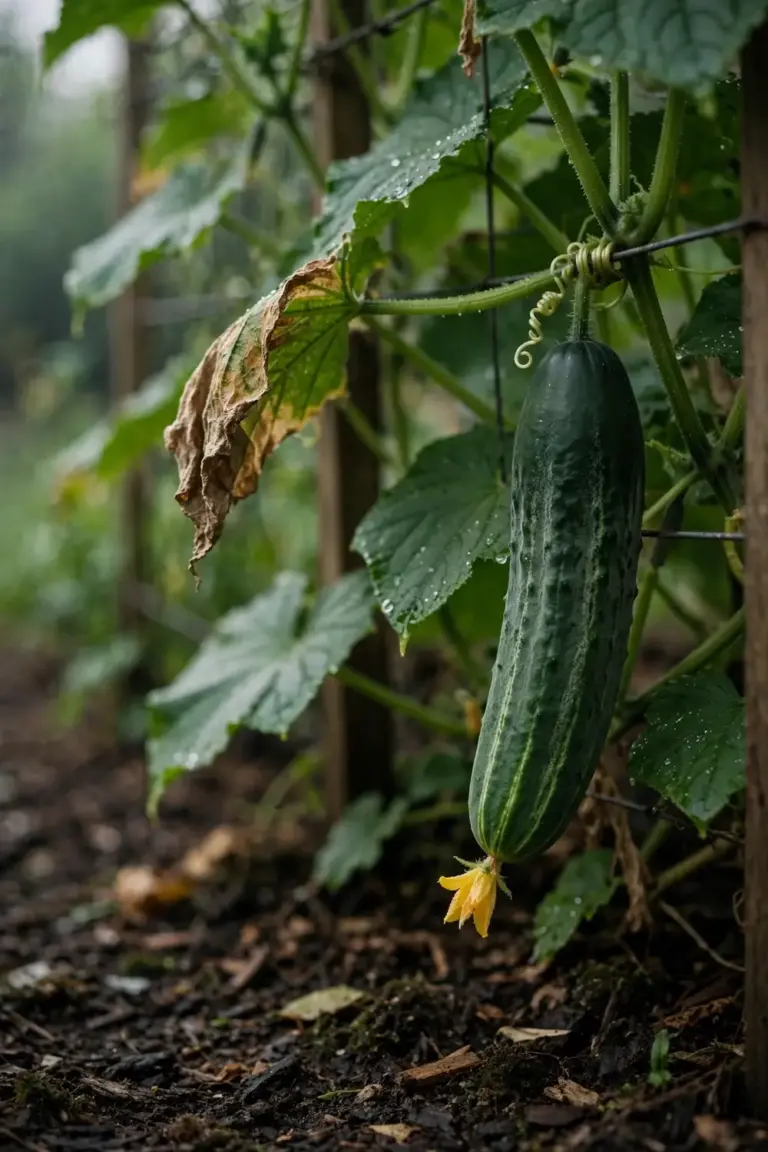
Cucumber is a warm-season crop. Plant it after the last frost in all four bands. The University of Georgia Extension vegetable table lists cucumber at 60 to 65 days to maturity. Fruit comes in a rush once the vine starts, so check the vine every two or three days.
The trap is bitter fruit from uneven water. A dry week followed by a flood stresses the vine, and the fruit turns bitter. Keep water steady. Mulch the root zone. Pick young, before seeds harden.
10. Silverbeet: Leaves Through Heat and Cold
Silverbeet is the toughest leafy green in this list. It takes heat that bolts lettuce and cold that stops beans. Pick the outer leaves, and the plant keeps making new ones from the center for months.
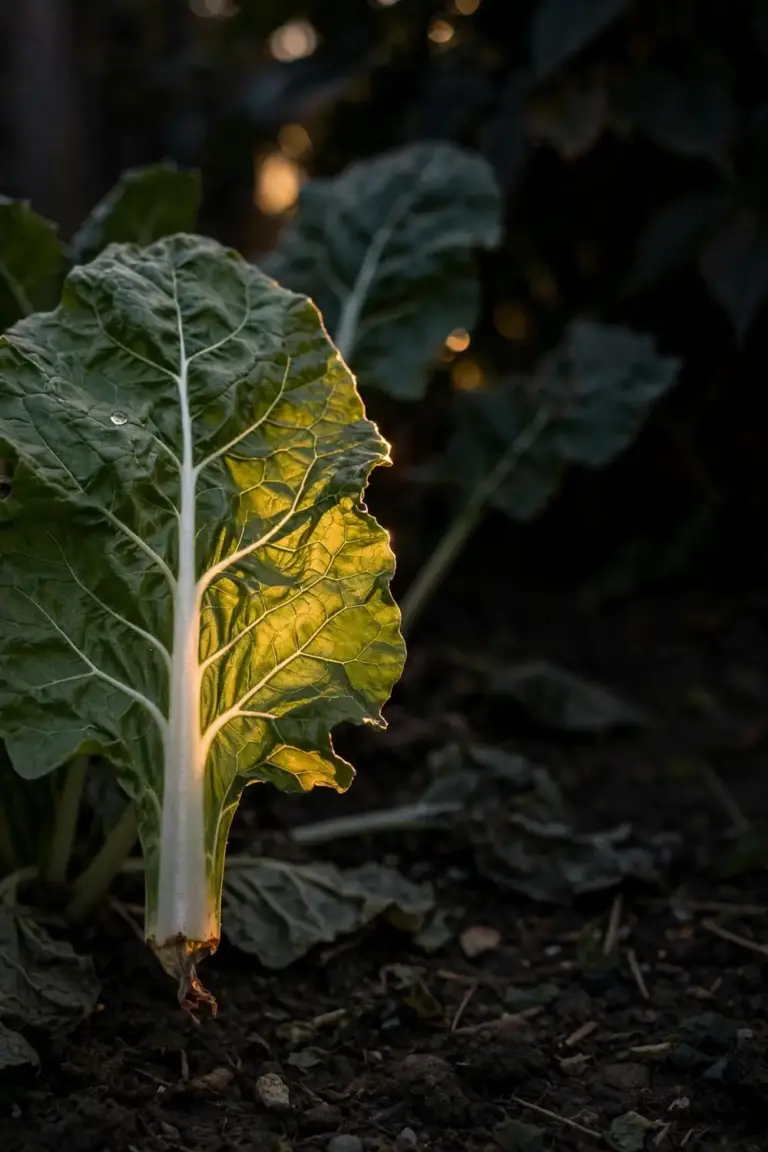
Silverbeet grows in all four bands. Sow it in autumn in the subtropics and tropics, and through spring and autumn in the cooler bands. Outer leaves come within weeks of sowing. One plant in a bed or a large pot feeds a household’s worth of greens. It asks for sun, steady water, and little else.
The trap is a small pot in summer. A small pot dries out by midday, and the plant stalls. Grow silverbeet in a bed or a large pot. Mulch the surface. Water when the top few centimetres dry out.
11. Carrot: Straight Roots Need Loose Soil
Carrot asks for one thing: loose soil. Give it that, and the crop nearly grows itself. Sow seed straight where it will grow, because carrots hate transplanting and direct sowing is the whole method.
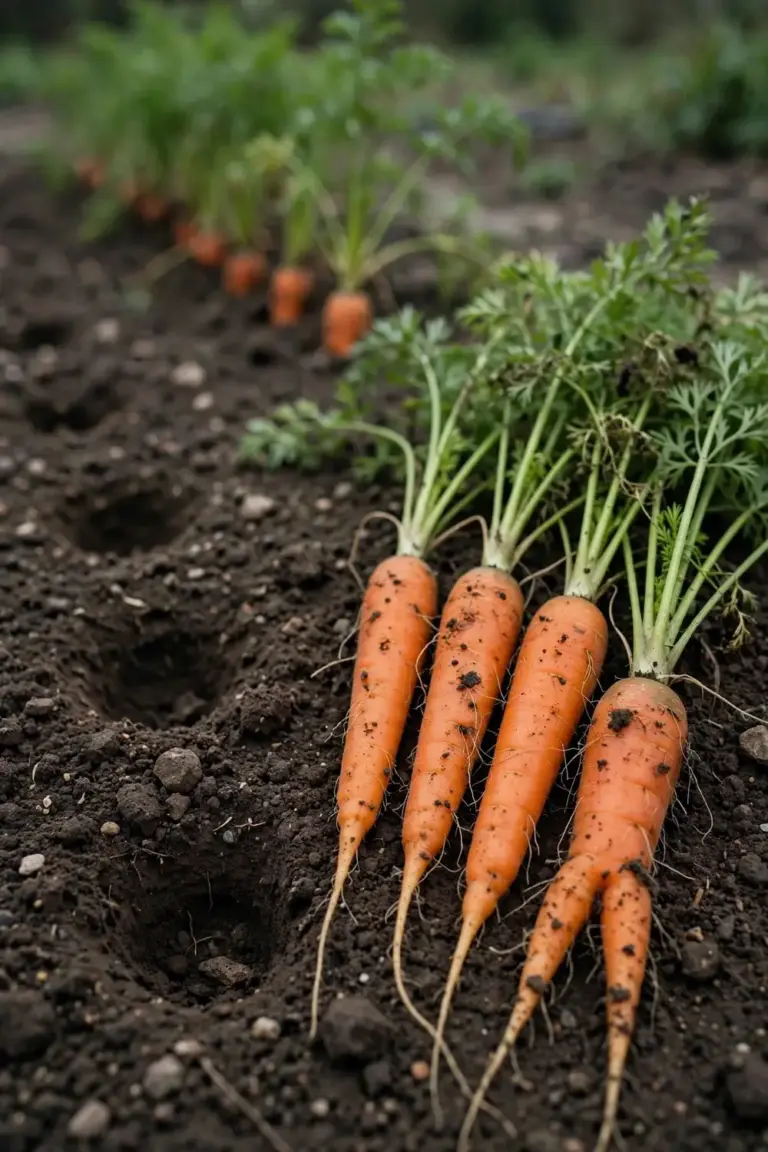
Carrot grows in all four bands in the cool months. Sow in autumn and winter in the subtropics and tropics, and through spring and autumn in the cooler bands. The University of Georgia Extension vegetable table lists carrot at 70 to 80 days to maturity. Thin seedlings early so roots have room to swell.
The trap is forked roots in heavy or stony soil. Roots hit a stone or a hard pan and split. Dig the bed deep and pick out stones, or grow carrots in a deep pot of potting mix. Thin ruthlessly. Crowded seedlings grow into twisted roots.
12. Capsicum: Slow Start, Long Harvest
Capsicum starts slow and then pays for months. The plant wants heat, hates cold soil, and once summer arrives it sets fruit in waves. One healthy plant fills a kitchen with capsicums through the warm months.
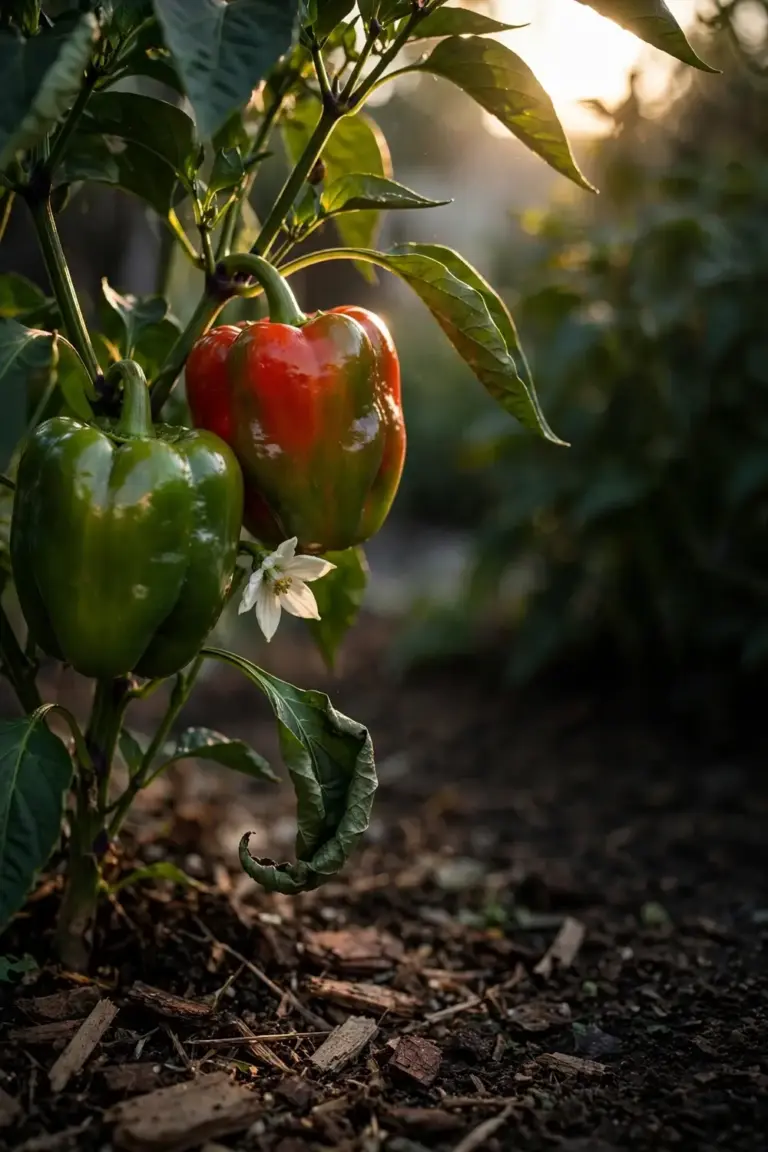
Capsicum is a warm-season crop that needs real heat. It grows easily in the subtropics and tropics, and in warm temperate gardens once nights warm up. Cool temperate gardeners should give it the sunniest, most sheltered spot and wait for genuine warmth. The University of Georgia Extension vegetable table lists pepper at 65 to 80 days to maturity. That clock runs from transplant, and warm soil shortens it.
The trap is planting out too early. A capsicum in cold soil sits and sulks for weeks, and the season never recovers. Wait until nights stay warm. Warm soil is what starts the clock.
13. Strawberry: Fruit From a Pot on the Step
Strawberry is the easiest fruit in this list. Runners do the propagation. A pot on the step keeps fruit off wet soil and within arm’s reach. A beginner who plants runners in autumn picks fruit in the first season.
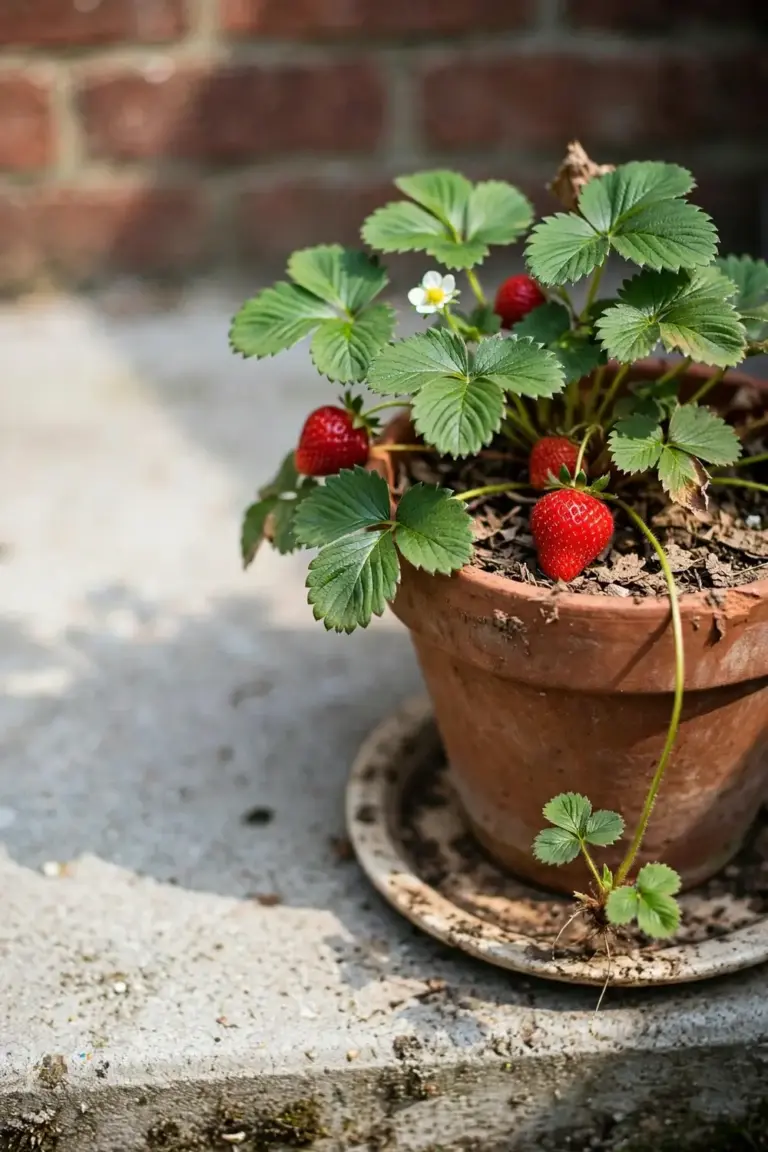
Strawberry grows in all four bands. Cool and warm temperate gardens suit it best. Subtropical and tropical gardeners grow it through the cool, dry months, when humidity drops and fruit stays clean. Plant runners, not seed. Runners are clones of the parent plant, so fruit arrives fast and true.
The trap is fruit rotting on wet soil. Berries that sit on damp ground mould within days. Grow strawberries in pots, or mulch the bed so fruit rests on dry mulch. Pick often. Ripe fruit left on the plant invites slugs and rot.
Water strawberries at the base, not over the crown. Wet crowns rot, and wet fruit moulds. A pot with drainage holes and a saucer emptied after watering keeps the crown dry. Feed sparingly through fruiting. A plant fed hard grows leaves at the cost of berries, so a weak liquid feed every few weeks beats a heavy dose once.
14. Dwarf Lemon: One Pot, Year-Round Fruit
A dwarf lemon in a pot is the closest thing to a fruit tree for a renter. One pot, one sunny spot, and fruit through much of the year once the tree settles. No orchard needed.
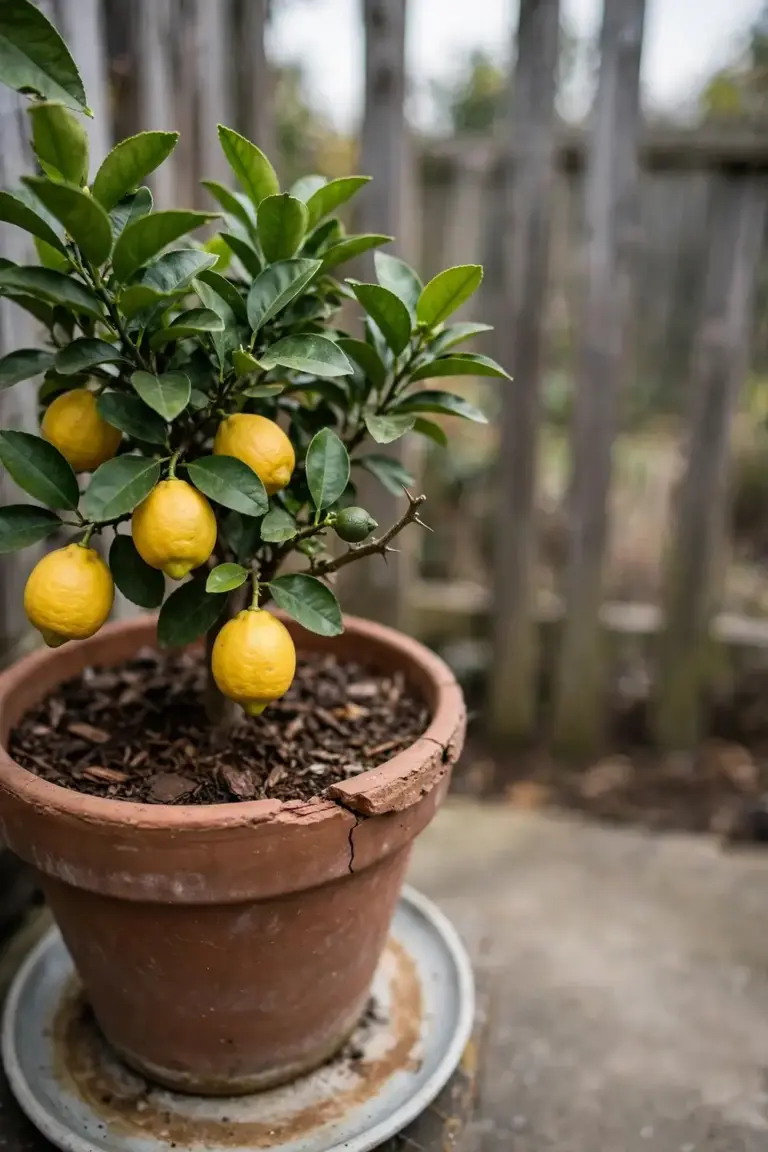
Dwarf lemon grows best in warm temperate and subtropical gardens. Cool temperate gardeners should give it the sunniest, most sheltered spot, against a warm wall. Tropical gardens grow it easily. Buy a grafted dwarf tree in a pot. LSU AgCenter’s citrus guide puts first harvest for a grafted lemon at 3 to 4 years after transplant. A seedling takes far longer, around 7 to 8 years from seed to fruit per a Mississippi State Extension citrus review.
The trap is buying a seedling and waiting years for fruit that never comes. Seedlings grow big, thorny, and slow. A grafted dwarf tree fruits sooner and stays pot-sized. Check the label for the word grafted before you buy.
15. Blueberry: Acid Soil or Skip It
Blueberry is a long-lived bush with few pests that fruits for years with little pruning and no spraying. The catch is the soil, and the catch is the whole story. Get the soil right, and blueberry is easy. Skip the soil, and the bush starves.
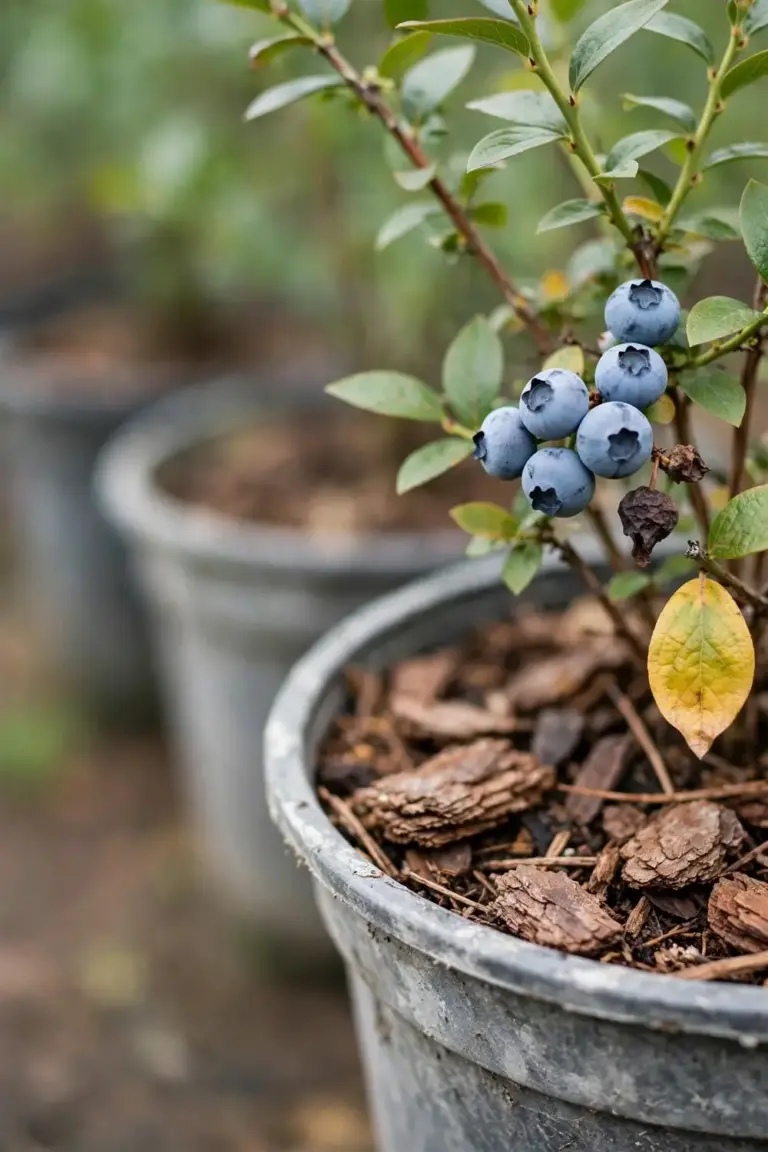
Blueberry grows best in cool and warm temperate gardens. Subtropical gardeners should pick low-chill types, and tropical gardens suit blueberry least. Ohio State University Extension’s blueberry guide puts blueberry soil pH at 4.5 to 5.5, with an ideal near 4.5. Most Australian garden soil sits well above that range. A pot of acidic potting mix solves the problem in one move.
The trap is planting into ordinary garden soil and watching leaves turn yellow. Yellow leaves with green veins mean iron chlorosis from soil that is too alkaline. Test the soil first. Grow in a pot with acidic mix if the test reads above 5.5.
16. Passionfruit: One Vine Covers a Fence
One passionfruit vine covers a fence and fruits in the first year. Few crops give this much from one planting. The vine grows fast, flowers hard, and sets fruit through the warm months.
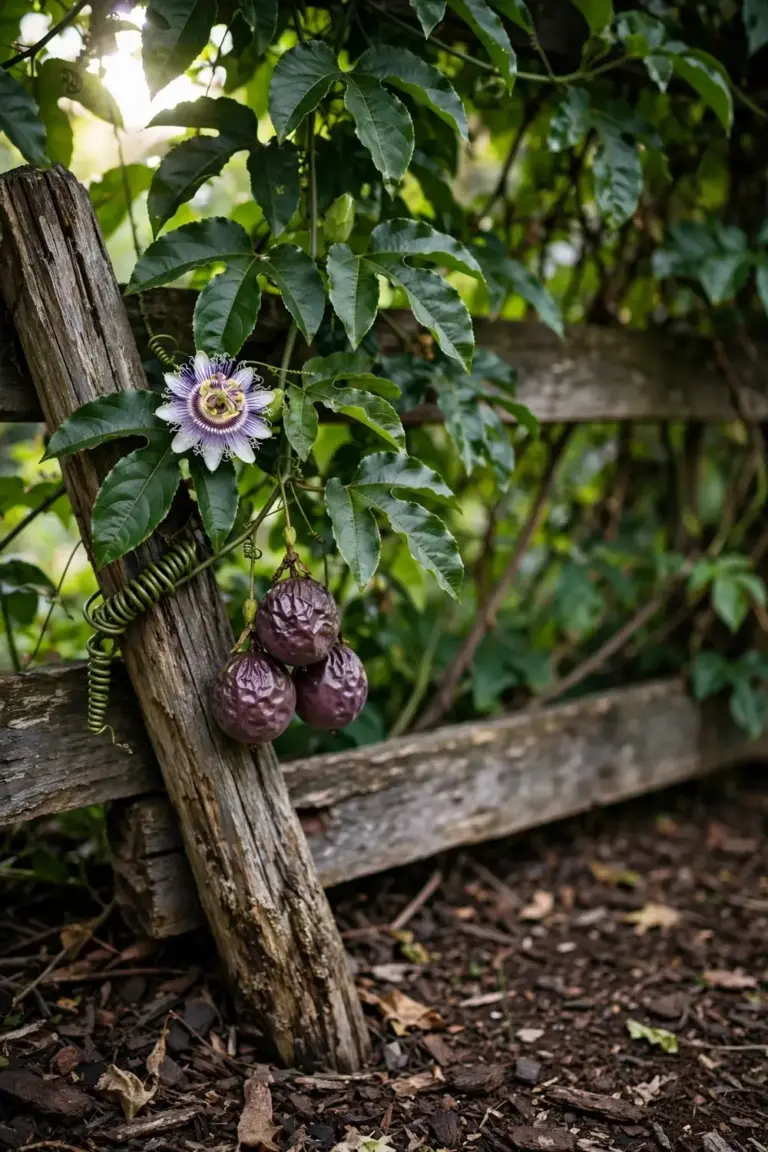
Passionfruit grows in warm temperate, subtropical, and tropical gardens. Cool temperate gardeners should give it a warm, sheltered wall and accept a shorter season. Frost cuts it back, so cold pockets need shelter. Plant into rich soil at the foot of a strong support, and water steadily through the first summer.
The trap is weak support. A fruiting passionfruit vine carries real weight, and a flimsy trellis collapses under it mid-season. Build the support before planting: a strong fence, a firm trellis, or taut wires on solid posts. The vine outgrows a cane tripod in months.
17. Mulberry: Fast Fruit, Big Tree
Mulberry is nearly unkillable. It fruits young, crops hard, and shrugs off neglect that kills fussier fruit. A beginner who wants fruit fast and asks little in return starts here.
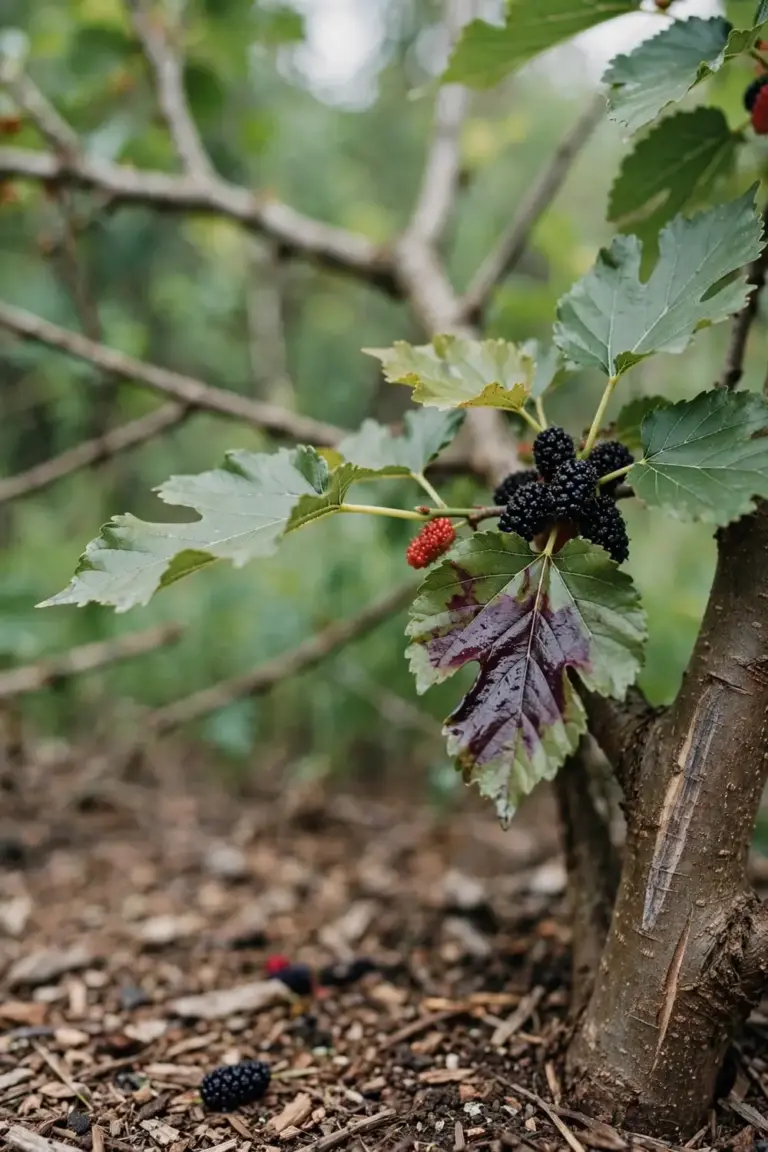
Mulberry grows in all four bands. It drops its leaves in winter in the cooler bands and fruits through the warm months. A potted tree fruits in the first year or two. A tree in the ground fruits fast too, and then keeps growing. That growth is the trap.
The trap is size and stains. A full-size mulberry grows into a big tree, and ripe fruit stains paths, pavers, and washing hung beneath it. Buy a dwarf mulberry, or keep a standard tree in a large pot and prune it after fruiting. Plant it away from the clothesline and the car.
18. Run the First-Season Calendar in Order
The calendar below is the order of work. Follow it top to bottom, and the first season runs itself.
Find six to eight hours of direct sun first. The University of Georgia Extension vegetable guide sets a minimum of 6 to 8 hours of direct sunlight for a vegetable garden. Fruiting crops need the full amount. Leafy greens tolerate a little less. A bed that gets morning sun and afternoon shade grows leaves, not tomatoes.
Fix the soil next. Work compost into the top of the bed, then mulch. Soil with life in it is the step that pays for every later step.
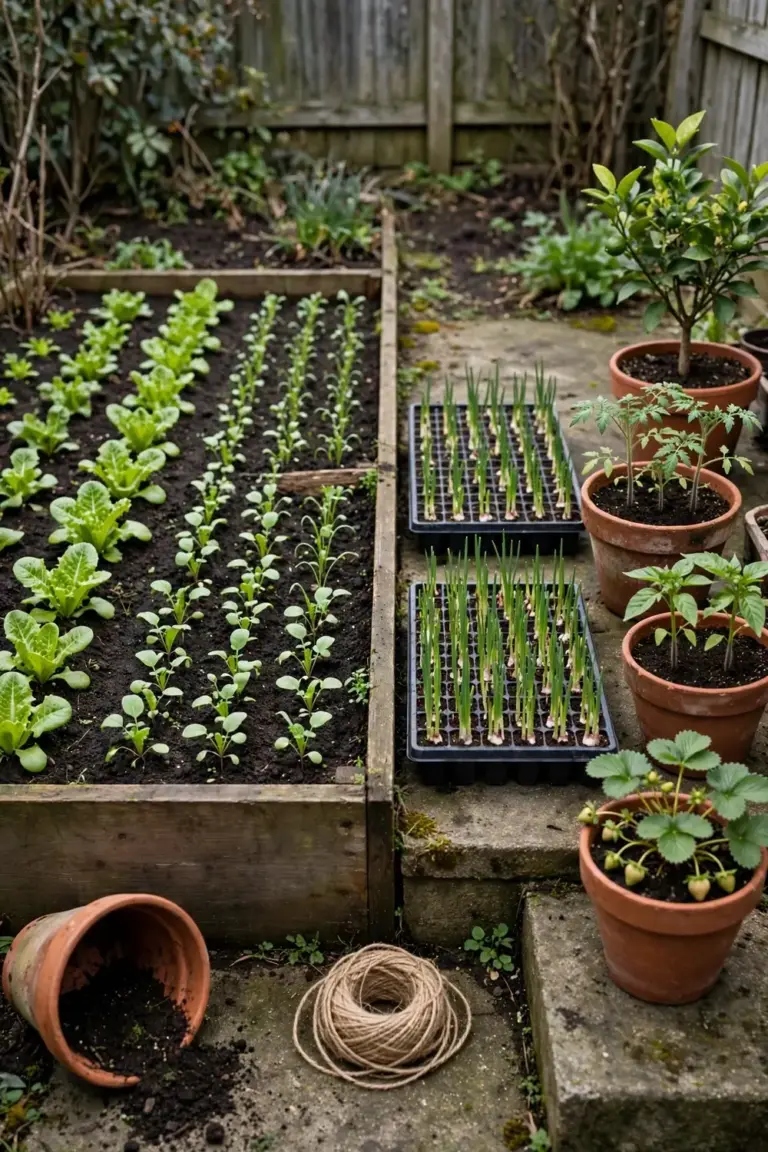
Sow the fast three first: radish, lettuce, and spring onion. They pay back in weeks and teach you the rhythm of sowing, thinning, watering, and picking. Seed starting steps cover the trays-and-transplant method for crops that need a head start. Radish, lettuce, spring onion, beans, carrot, and zucchini go straight into the soil.
Plant warm-season seedlings after the last frost: tomato, capsicum, cucumber, zucchini, and beans. Set the fruit at the same time: strawberry runners in pots, a dwarf lemon in a pot, a blueberry in a pot of acidic mix, a passionfruit at the foot of a strong fence, and a mulberry in a pot or in the ground away from the clothesline. Check your zone’s month-by-month timing on Gardenate’s Australia temperate zone calendar, then shift the months for your own band.
Sow little and often after that. Repeat radish and lettuce every two to three weeks. Companion planting for a 4×8 raised bed shows how to lay out a small bed so fast crops and slow crops share space. Water at the base, keep mulch on the soil, and pick often. Picking keeps plants producing.
When something fails, read the failure before you replant. Seedlings that vanish overnight mean slugs or snails, not bad seed, while seedlings that never appear mean cold soil or seed buried too deep. Yellow leaves on a blueberry mean the soil is too alkaline, not a missing fertilizer. Each failure names its own fix, and a beginner who reads it once rarely repeats it.
19. Frequently Asked Questions
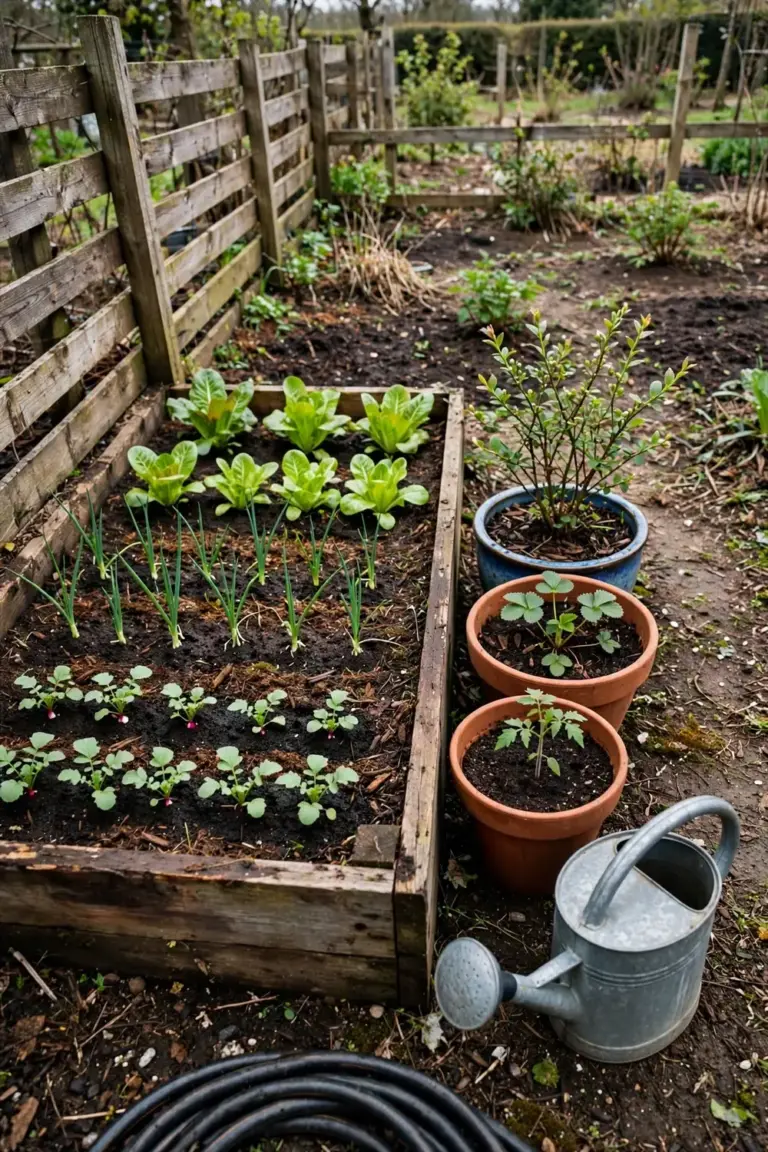
Plant radish, lettuce, and spring onion first, and the garden pays you back within weeks. Radish pays back in 25 to 30 days. Lettuce gives cut-and-come-again leaves within weeks. Spring onion regrows from the stump after every cut. All three grow in pots or a bed, in all four climate bands in the cool months. They teach sowing, thinning, watering, and picking with fast feedback and low stakes.
Most of them, yes. Strawberry, lettuce, spring onion, radish, cherry tomato, dwarf lemon, and blueberry all grow well in pots. Carrot needs a deep pot for straight roots. Zucchini and capsicum need large pots. Passionfruit and mulberry need very large pots or ground. Pots dry out fast in summer, so check water daily and mulch the surface.
A beginner vegetable bed needs six to eight hours of direct sun each day. The University of Georgia Extension vegetable guide gives that figure. Fruiting crops such as tomato, zucchini, capsicum, and cucumber need the full amount. Leafy greens such as lettuce, silverbeet, and spring onion tolerate a little less. A bed with morning sun and afternoon shade grows leaves, not tomatoes.
Start from seed for radish, lettuce, spring onion, beans, carrot, and zucchini, which all go straight into the soil and grow fast. Buy seedlings for tomato, capsicum, and cucumber. They need a warm head start, and seedlings save a beginner a month of indoor work. Buy fruit as potted plants or runners: strawberry runners, a grafted dwarf lemon, a potted blueberry, and a potted passionfruit or mulberry.
A balcony grows most of this list. Strawberry, lettuce, spring onion, radish, cherry tomato, dwarf lemon, and blueberry all fruit in pots. Give each pot sun, drainage, and a saucer that never holds standing water. Water pots daily in summer. Skip passionfruit and mulberry on a small balcony. Both need more room than a balcony gives.
20. Plant the First Three This Weekend
Plant the first three this weekend. One pot of radish, one pot of lettuce, one pot of spring onion. Sun, soil, seed, water. That is the whole first lesson.
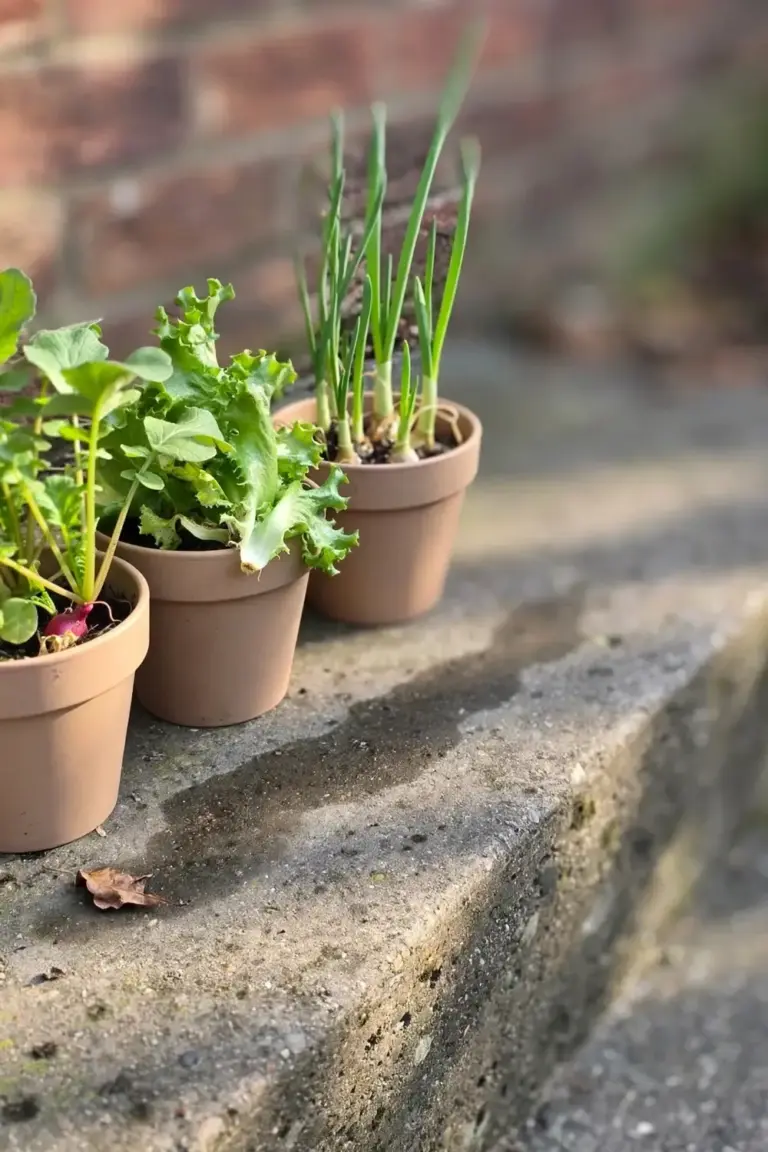
The rest of the list waits behind those three pots. Sow beans when the soil warms. Set a tomato seedling after the last frost. Pot a strawberry runner when you see one. A first season built on crops you eat, in a climate band that suits them, beats a catalogue of rarities every time.
One season is enough to learn the rhythm. Sow, thin, water, pick, repeat. The second season starts with soil you already fed, a bed you already know, and fruit trees already a year older. Beginners who finish one season almost always plant a second.