
Rosette names 4 different garden situations, not 1 disease. Three are diseases on three hosts, and one is healthy growth. Match the host and the symptom pattern before you treat anything, because each rosette disease needs a different response.
I have learned to ask which plant I am looking at before I trust any rosette advice, since the right move for one host is the wrong move for another.
This page sorts the four uses of the word. It gives each rosette disease a short portrait and a pointer to the full guide where one exists. It then walks six steps that pin down which rosette you have.
What Rosette Means in a Garden
Rosette means a cluster of shoots or leaves packed tight around a short stem. The word describes a shape. It never names one pathogen, one host, or one treatment. The table sorts the four garden uses.
| Rosette | Host | Agent | One-line sign |
|---|---|---|---|
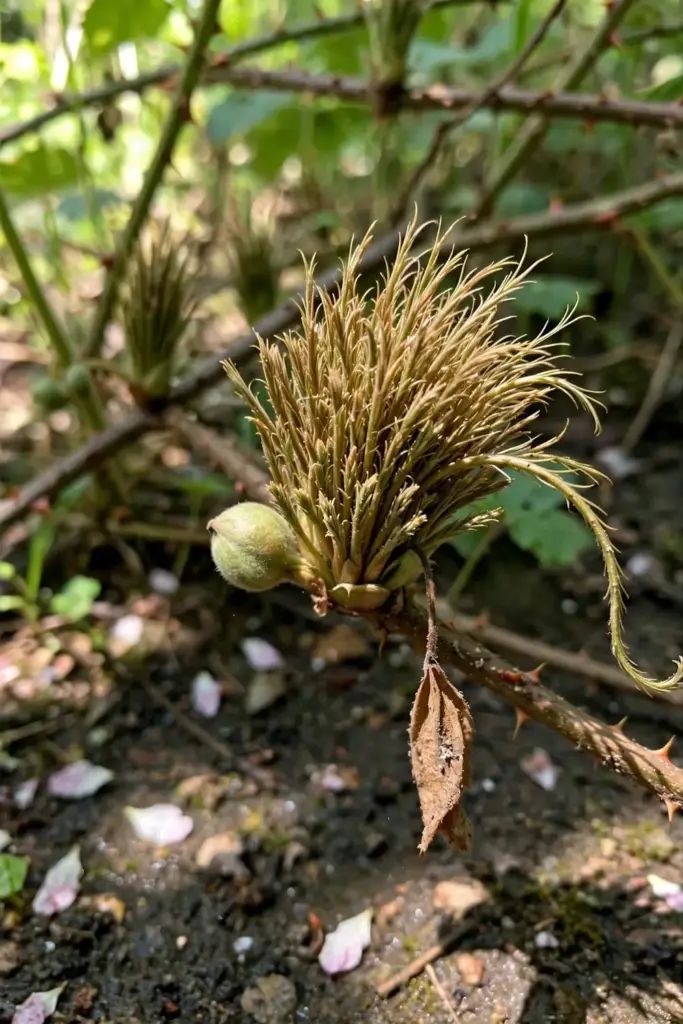
| Blackberry rosette | Blackberry, dewberry | Fungus, Cercosporella rubi | Doubled-looking blossoms and broomed shoots, no berries on infected canes |
| Rose rosette | Roses | Virus, rose rosette virus, spread by a mite | Excessive thorns, red broomed shoots, distorted leaves |
| Peach rosette | Peach, plum | Phytoplasma | Dense leaf rosettes on bare shoots, few small misshapen fruit |
| Basal rosette | Lettuce, dandelion, foxglove, many others | None, normal growth | Flat circle of leaves at the soil line, healthy plant |
Two rules keep the table honest. First, blackberry rosette and rose rosette share only the word. Different hosts, different agents, different responses. Second, a basal rosette is not a disease at all. The same word covers a healthy lettuce head and a dying rose. The host decides which row of the table you are in.
How Blackberry Rosette Shows Up
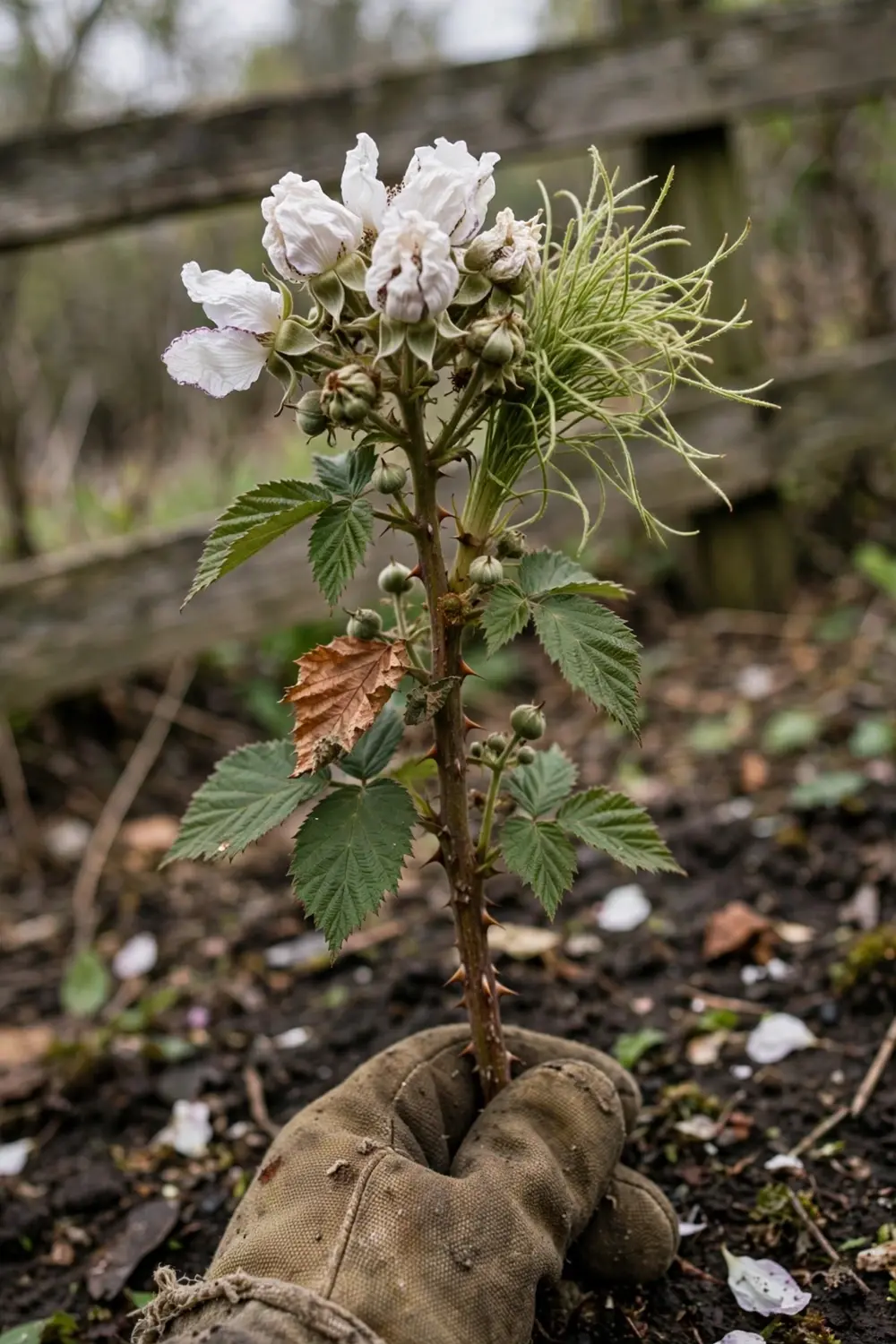
Blackberry rosette is a fungal disease of blackberry and dewberry. The pathogen is Cercosporella rubi. The fungus runs a two-year cycle that matches the blackberry growth pattern. It infects primocanes in spring, rests in dormant buds, and shows symptoms the following year on the fruiting canes.
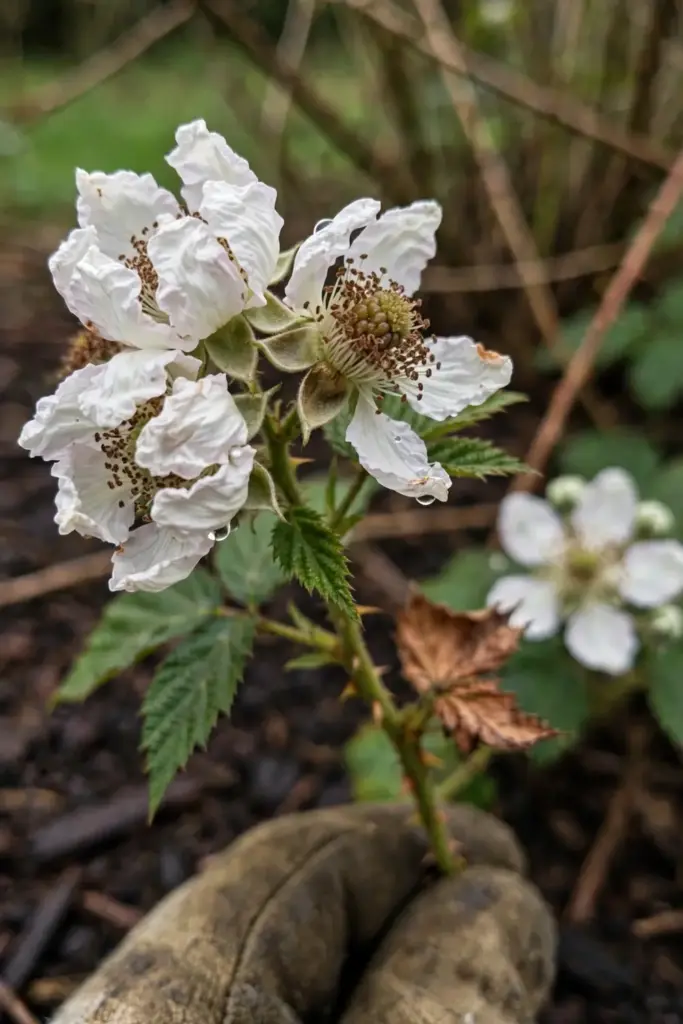
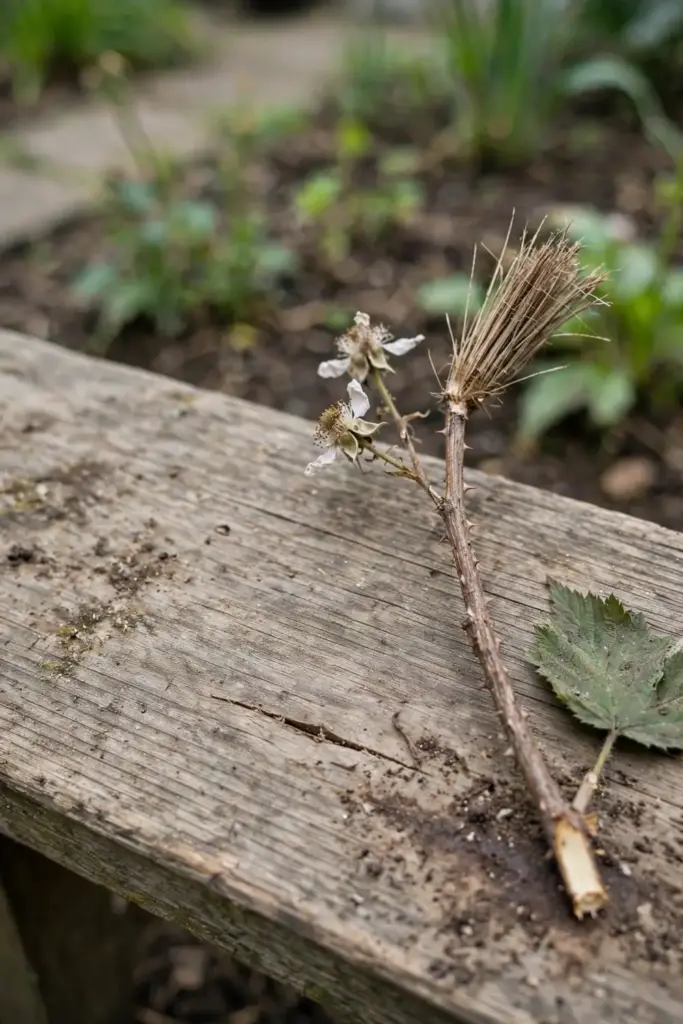
Infected buds push broomed shoots and distorted, doubled-looking blossoms. Fruit does not develop from those blossoms. Diseased canes produce no berries. The disease has no cure. The LSU AgCenter states that in the United States the disease has not been reported on raspberry, boysenberry, or tayberry, so this article scopes the blackberry disease to blackberry and dewberry only.
The full home routine lives in the blackberry rosette guide, which carries six prevention moves for a backyard patch. This page does not repeat that routine. The short version is prevention and pruning: resistant varieties, clean stock, cleared wild brambles, and removal of symptomatic side stems in early spring.
How Rose Rosette Shows Up
Rose rosette is a viral disease of roses. The agent is rose rosette virus, spread by a tiny eriophyid mite. The virus is systemic, so it runs through the whole plant down to the roots. No pruning cut removes it.
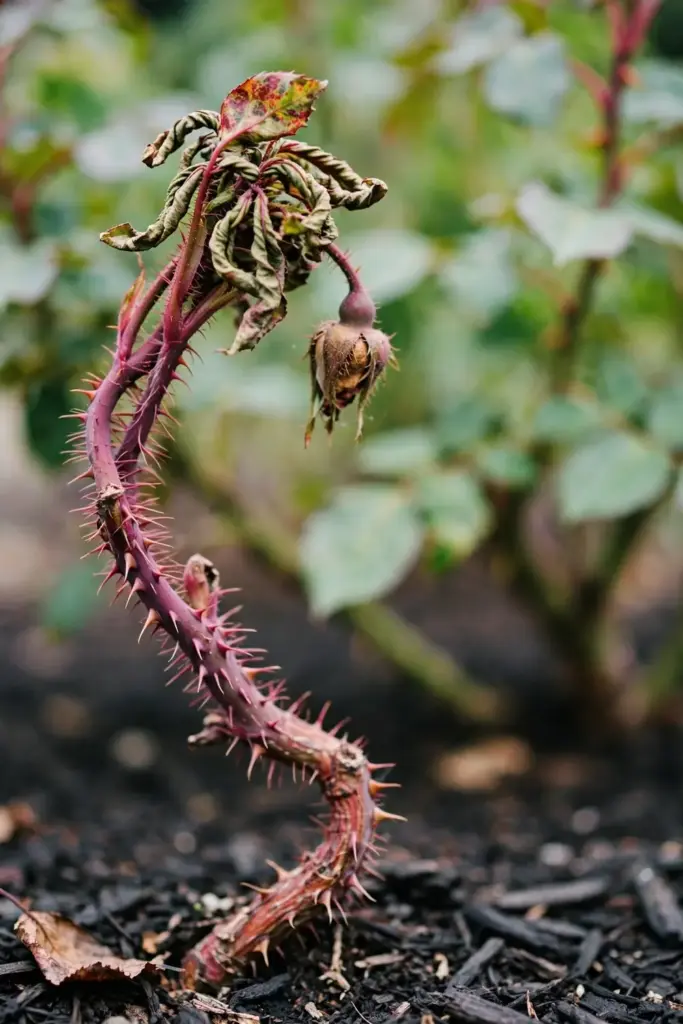
Symptoms open with malformed leaves, then red or rosy-purple stems with excessive thorns and feathery leaves. The plant pushes broomed shoot clusters and gradually stops flowering. University of Missouri Extension states there is no cure and infected bushes should be removed from the landscape and destroyed.
The response is the opposite of the blackberry response. Pruning broomed shoots helps a blackberry patch because that fungus stays in the infected buds. Pruning a rose with rose rosette leaves the virus behind. Remove the whole rose, roots included, bag it before carrying it, and destroy the material. Do not compost it.
How Peach Rosette Shows Up
Peach rosette is a phytoplasma disease of peach and plum. A phytoplasma is a wall-less bacterium-like organism, not a fungus and not a virus. That difference matters, because fungicides and virus measures both miss it.
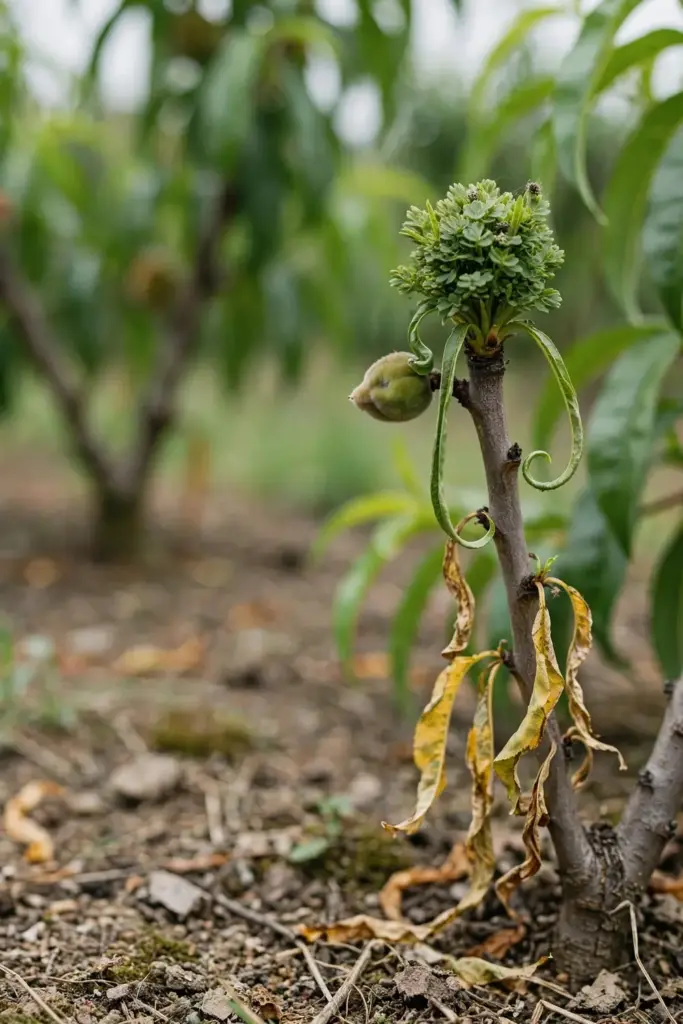
Infected trees push many shoots with shortened internodes after the terminal buds die. New leaves crowd into dense rosettes on otherwise bare shoots, with one or two abnormally long leaves at the base of each rosette. Older leaves yellow and drop by early summer. The EPPO datasheet states that affected trees produce only few, small misshapen fruits that drop prematurely, and severely affected trees may die in the first year of symptoms. Plum trees show milder rosetting and may survive 2 to 3 years after symptoms appear.
A separate agent, peach rosette mosaic virus, produces similar symptoms. The two agents are not the same disease. A peach tree with rosetting needs a lab diagnosis before any decision, because the look alone does not separate the phytoplasma from the virus. No home spray answers either one.
When Rosette Is Healthy Growth, Not Disease
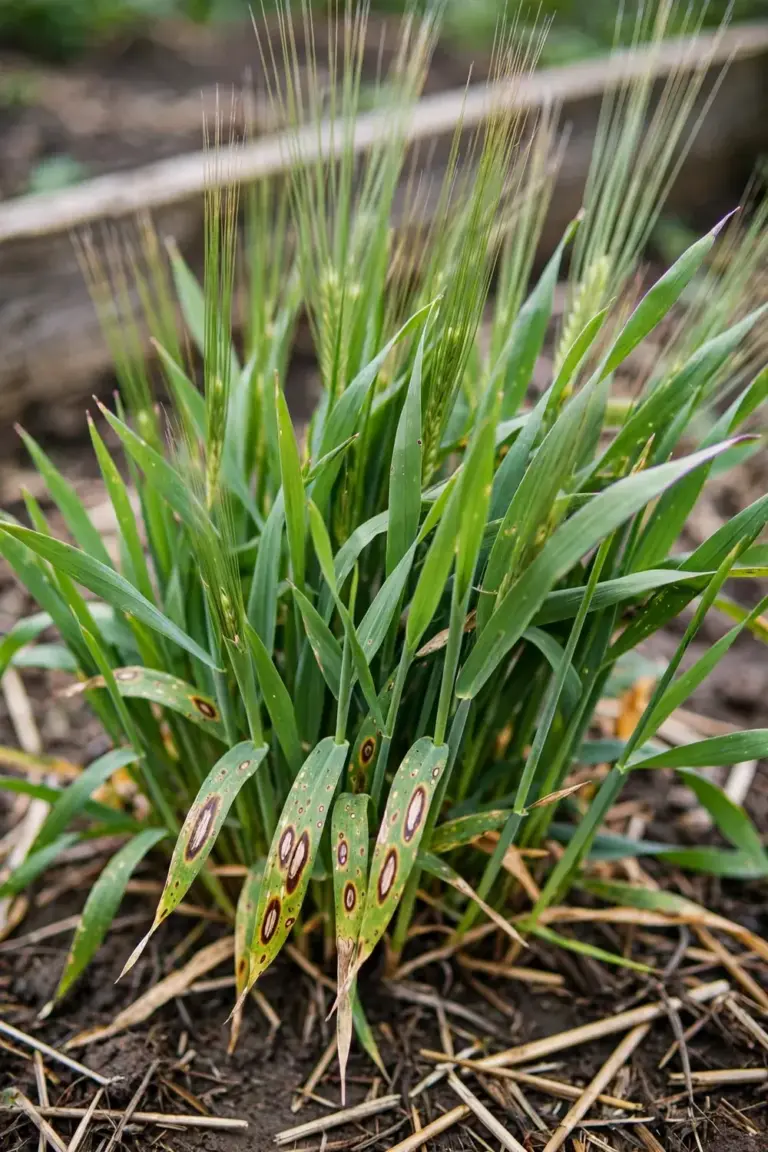
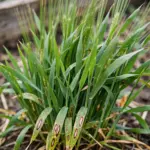
A basal rosette is a circle of leaves at the soil line, grown on a stem so short it looks stemless. LibreTexts states that rosettes result from extremely short distances between leaves, making it appear that there is no stem. Lettuce, spinach, cabbage, dandelion, mullein, and foxglove all grow this way. The flat circle gathers light while the stem stays short.
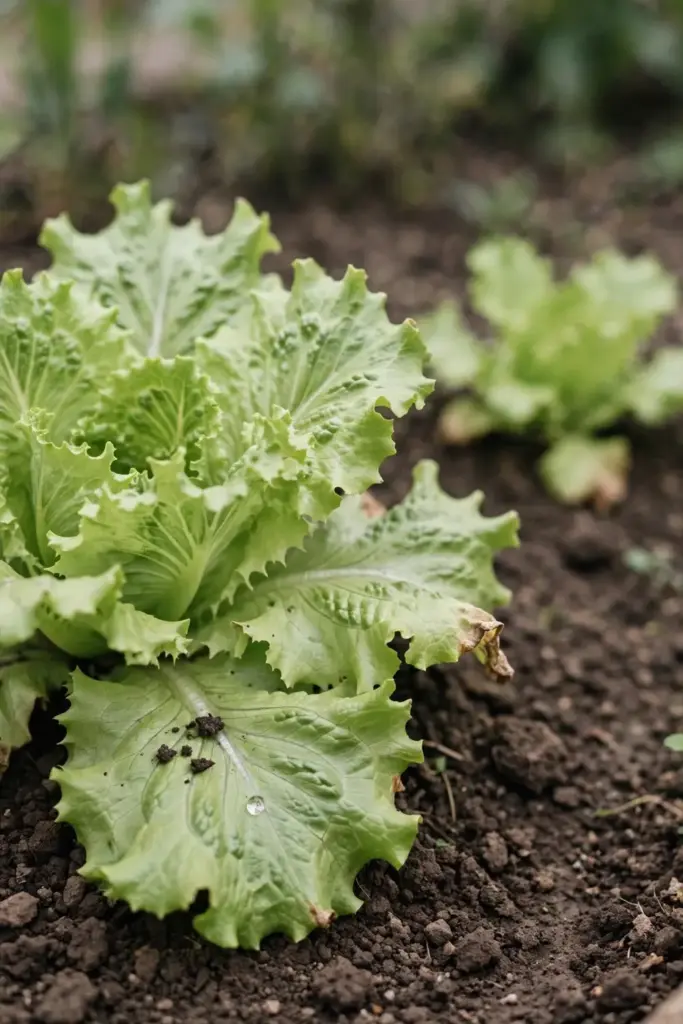
Biennials spend their first year as a rosette and bolt in their second year, sending up a tall flowering stalk. A lettuce head that bolts turns bitter. A foxglove rosette that bolts is doing its job. The same shape means harvest time for one plant and flowering time for another.
Judge the plant against its own habit. A dandelion rosette with a taproot is a weed doing normal weed things. A rose pushing red thorny brooms is a diseased rose. The word is the same. The plant tells you which meaning applies.
1. Name the Host Before You Name the Disease
Start with the plant, not the symptom. A rosette on a blackberry cane, a rosette on a rose bush, and a rosette on a peach tree are three different problems with three different agents. Host first, disease second. That order prevents the most common rosette mistake, which is treating the word instead of the plant.
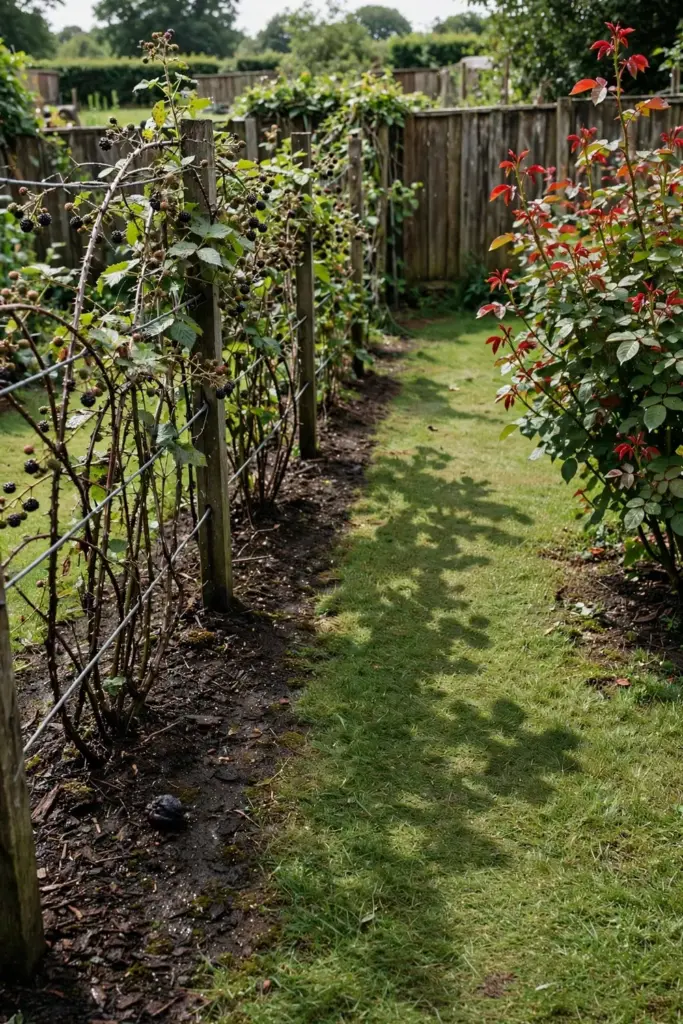
Write the host down. Note the cultivar when you know it, and the planting year. A new planting with symptoms points at infected stock. An old planting with sudden symptoms points at spread from nearby plants. The host record also steers the next step, because each rosette disease carries its own symptom list.
Skip the label on the spray bottle for now. No spray answers all three rosette diseases, and the wrong spray wastes money and time. Host first. Symptom pattern next. Spray last, if at all.
2. Match the Symptom Pattern, Not the Word
Compare the whole plant against the disease portrait, not against the word rosette. Blackberry rosette shows doubled-looking blossoms and brooms on fruiting canes, with no berries on infected canes. Rose rosette shows red thorny brooms, distorted leaves, and fading bloom. Peach rosette shows dense leaf rosettes on bare shoots and few small fruit.
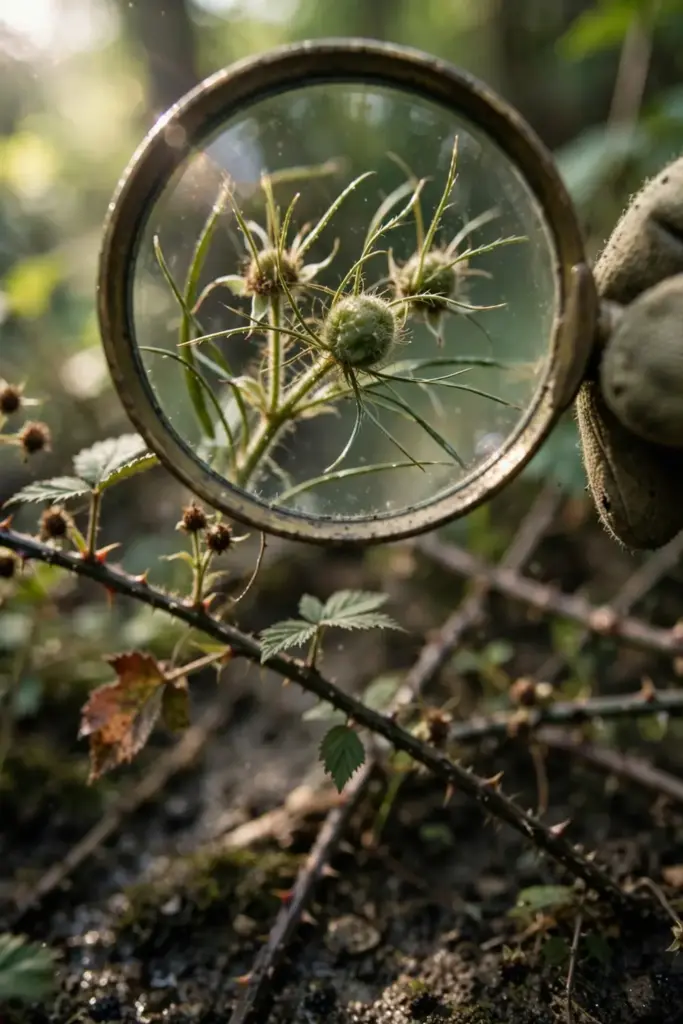
Look for the symptom the disease is known by, and look for the symptom that rules a disease out. A rose with brooms and normal thorn counts still needs a second look, since excessive thorniness is part of the rose pattern. A blackberry with brooms and berries on the same cane points elsewhere, since rosetted blackberry canes produce no berries.
Photograph the plant before you cut anything. Shoot the brooms, the leaves, and the whole plant. The photos preserve the pattern for comparison, and they give Extension a clear case if you send a sample later.
3. Check How It Spreads Before You Spray
Each rosette disease travels its own route, and the route sets the response. Blackberry rosette moves in wild brambles, infected buds, and wind-blown spores from infected flowers. Rose rosette moves on wind-blown mites. Peach rosette has no identified insect vector, and natural spread tracks close contact with diseased wild plum trees.
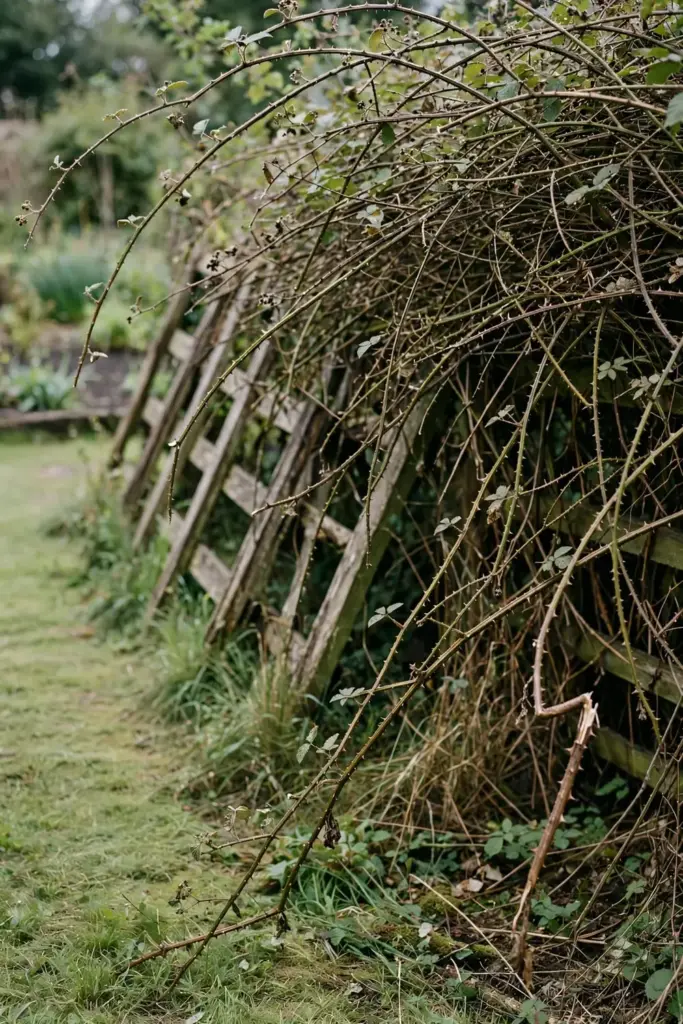
Ask where the infection came from: a blackberry patch beside a wild thicket sits downwind of a spore source, a rose beside a wild multiflora thicket sits downwind of mites, and a peach near diseased wild plums sits beside its reservoir. The neighbor plants matter as much as the sick plant.
A spray that fits one route misses the others. A fungicide does nothing against a virus carried by mites. A miticide does nothing against a fungus in buds. A phytoplasma answers to neither. Spread first, spray second.
4. Treat Only the Disease You Proved
Match the treatment to the disease you proved, never to the word on the label. Blackberry rosette gets prevention and pruning, since the fungus stays in infected buds and the home response is cultural. Rose rosette gets whole-plant removal, since the virus is systemic and no cut saves the bush. Peach rosette gets diagnosis first, since the look alone does not separate the phytoplasma from the mosaic virus.
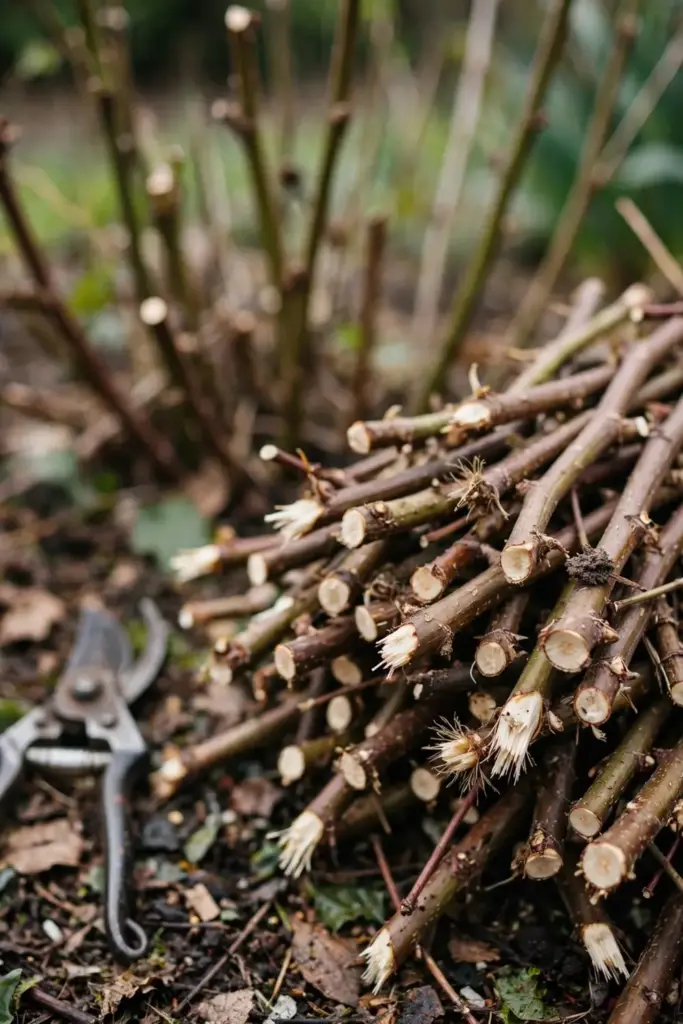
Resist the urge to spray on a guess. A guessed spray costs money, adds chemicals to the garden, and leaves the real disease untouched. The three rosette diseases share no treatment. A treatment that helps one is wasted on the other two.
Keep the response proportional to the proof. A single broomed blackberry cane gets pruning. A rose with the full rose rosette pattern gets removal. A peach with rosetting gets a lab test. Proof first, action second.
5. Remove the Right Thing: Cane, Bush, or Tree
Removal differs by disease, and the wrong removal either wastes a plant or leaves the disease behind. For blackberry rosette, remove only the symptomatic side stems. The fungus is not systemic, so the rest of the cane stays. For rose rosette, remove the whole bush with its roots. The virus is systemic, so a partial cut leaves the disease in place. For peach rosette, remove nothing until a diagnosis lands, since the decision depends on which agent the lab finds.
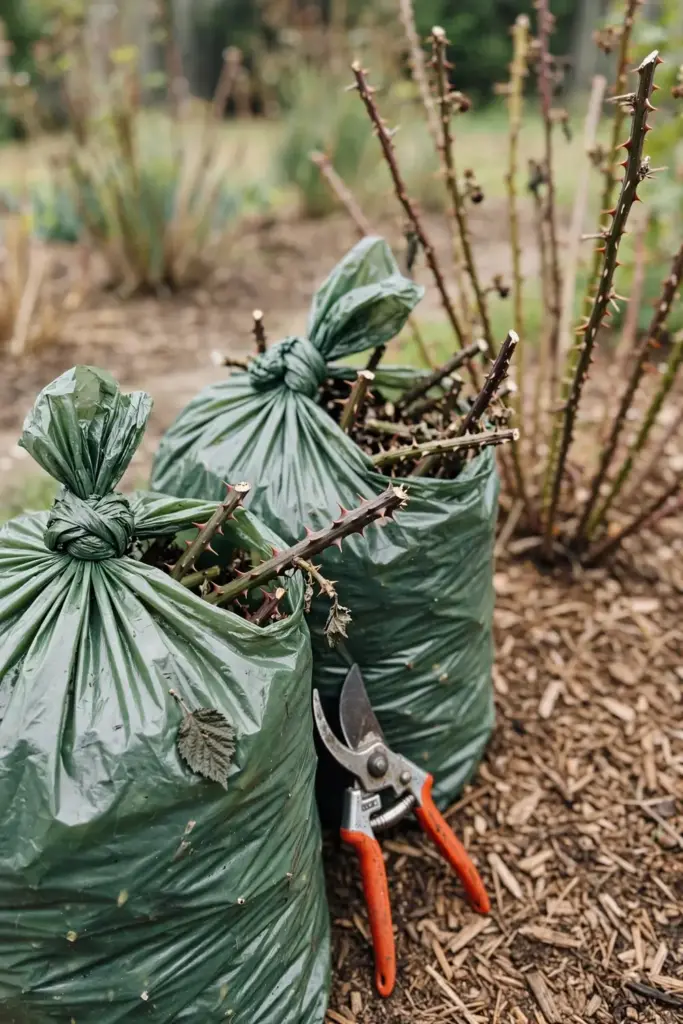
Bag the removed material before you carry it. Blackberry prunings still shed spores beside the patch. Rose material still carries mites to the next rose. Bag and trash is the home default for all three. Open burning is not the default. Check local burn rules first where burning is an option.
Clean tools after the job. Wash blades, wash hands, wash clothing before moving to healthy plants. Mites ride clothing. Spores ride blades. The cleanup takes minutes and protects the next plant you touch.
6. Confirm With Extension When the Case Stays Unclear
Send a sample when the pattern does not fit any portrait cleanly. A rose with brooms and no thorniness, a blackberry with brooms and berries on the same cane, and a peach with rosetting all deserve a lab answer. Field ID sorts suspects. A lab names the agent.
Contact the local Extension office before you cut the sample. Ask how they want it packed and labeled. A fresh sample with photos of the whole plant beats a dried cutting in a plastic bag. The photos show the pattern. The sample shows the agent.
Keep the plant isolated while you wait: do not propagate from it, do not move prunings to the compost pile, and do not plant a replacement in the same spot until the answer lands. A week of patience beats a season of spread.
Frequently Asked Questions
No. Rosette is a name shared by unrelated problems. Blackberry rosette is a fungus. Rose rosette is a virus spread by a mite. Peach rosette is a phytoplasma. A basal rosette is healthy growth, not a disease at all. The four share only the word and a clustered-growth look. Treat the disease you proved, never the word on the label.
No. Rose rosette virus is systemic, so it runs through the whole plant down to the roots. Cutting out the broomed shoots leaves the virus behind in the rest of the bush. Remove the whole plant, roots included, and destroy the material. Bag the bush before you carry it, so mites do not ride to the next rose. Clean tools after the job.
No. Blackberry rosette has no cure. Fungicides prevent new primocane infection and never reverse symptoms on fruiting canes. The home response is prevention and pruning: resistant varieties, clean stock, cleared wild brambles, and removal of symptomatic side stems in early spring. The full routine lives in the blackberry rosette guide.
No. A basal rosette is normal growth for many plants. Lettuce, spinach, cabbage, dandelion, mullein, and foxglove all start as a low circle of leaves. The circle gathers light while the stem stays short. Trouble starts only when a rosette plant shows distorted growth, brooming, or dieback that does not fit its normal pattern. Judge the plant against its own habit, not against the word rosette.
Not until you know which rosette you have. A spray that fits a fungus does nothing against a virus or a phytoplasma. A mite treatment does nothing against a fungus. Identification comes first: host, symptom pattern, and spread. Then match the response to the disease you proved. When the case stays unclear, ask local Extension before you spend money on a spray.
Where to Go From Here
Rosette names a shape, and the shape alone never tells you the disease. Name the host. Match the pattern. Check the spread. Treat the disease you proved, and remove the right thing.
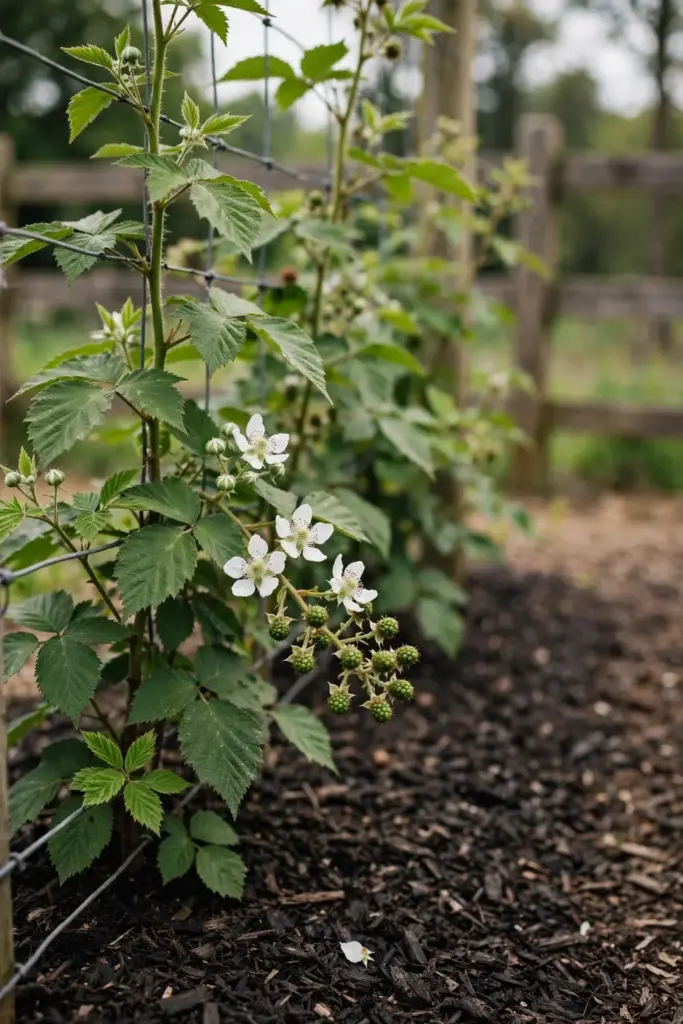
The blackberry growing guide covers planting and care for the patch as a whole, and the Plant Care archive collects the site’s disease coverage. Start there when the host is blackberry, and start with removal when the host is a rose with the full rose rosette pattern.