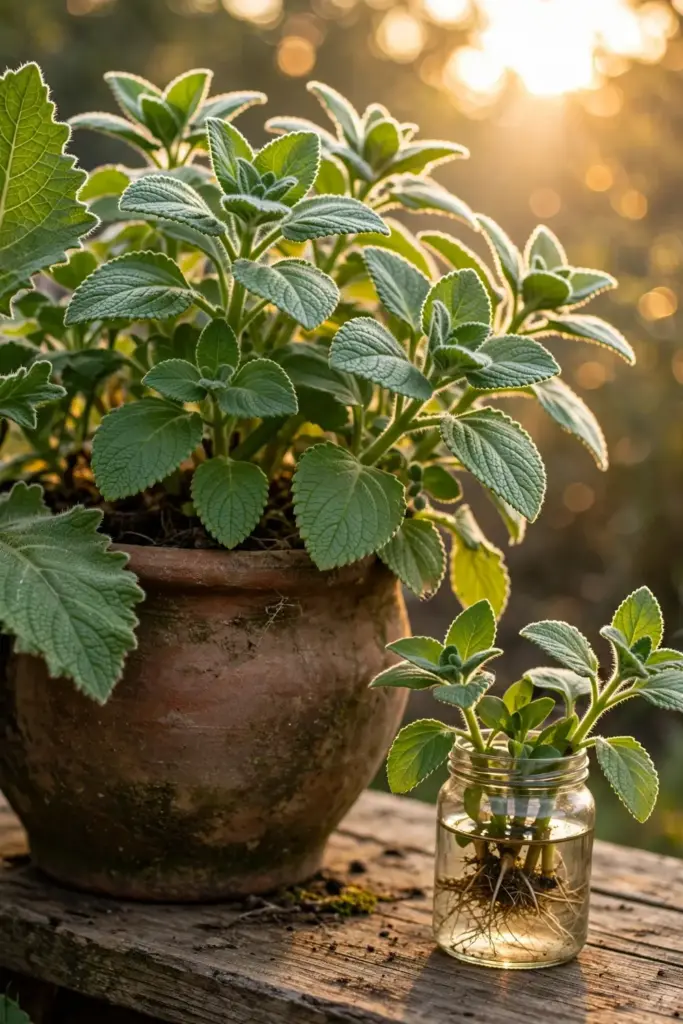

In 14 days, an Indian borage cutting grows visible roots in a glass of water on your windowsill. The leaf you hold in your hand is not ajwain seed, and that one correction matters more than any technique covered below, because Google and Pinterest both mix them up. If you want to learn how to grow indian borage from India, start by forgetting everything the seed jar taught you.
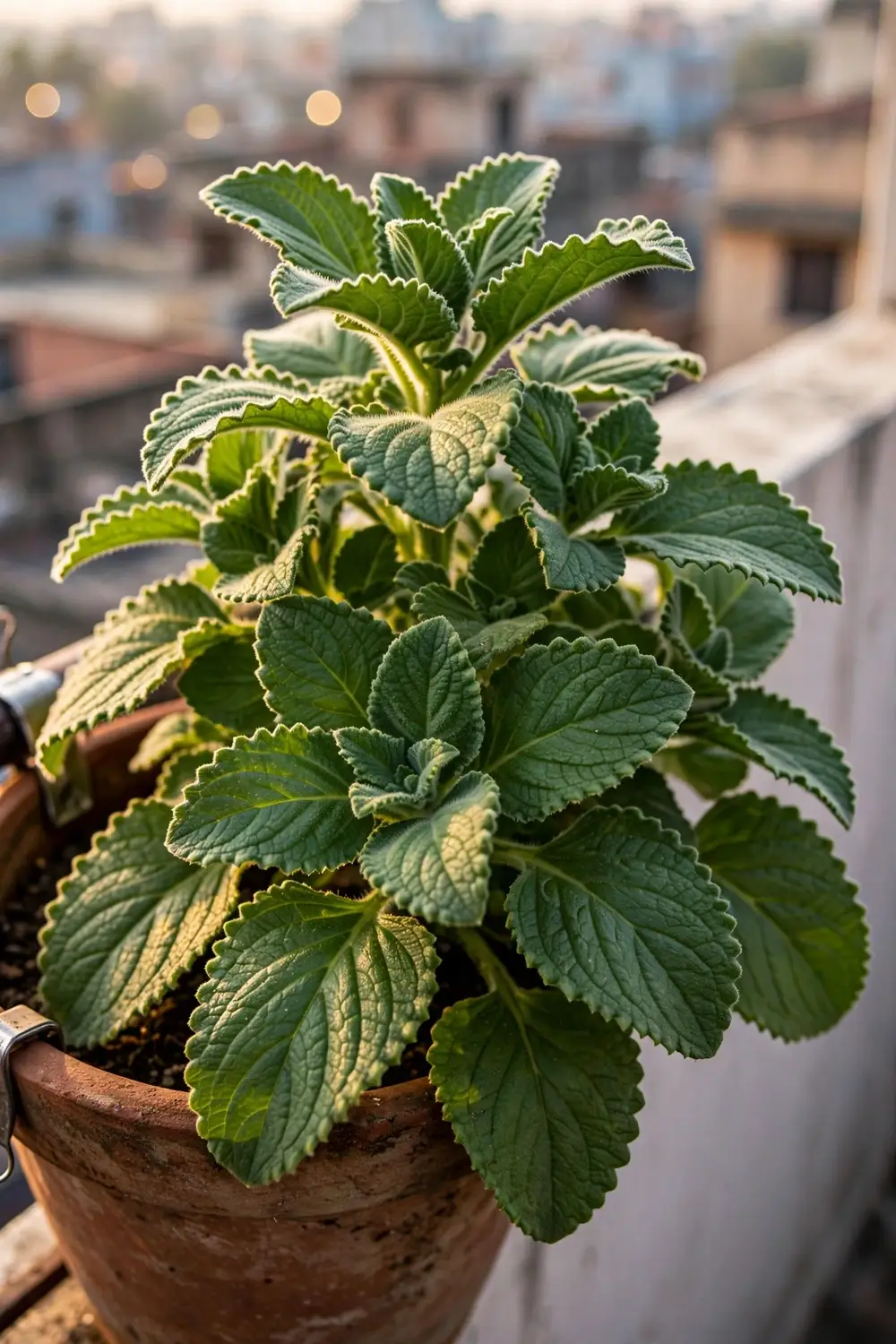
Indian borage is a leaf crop, a succulent-stemmed herb you grow for its thick, oregano-scented leaves. It thrives in the warm Indian climate almost anywhere frost stays away, asks for a pot and a sunny balcony, and forgives the beginner who waters late. Here is the cutting method that works every time, plus the few mistakes that actually kill this plant.
1. The Ajwain Confusion: This Leaf Is Not Ajwain Seed
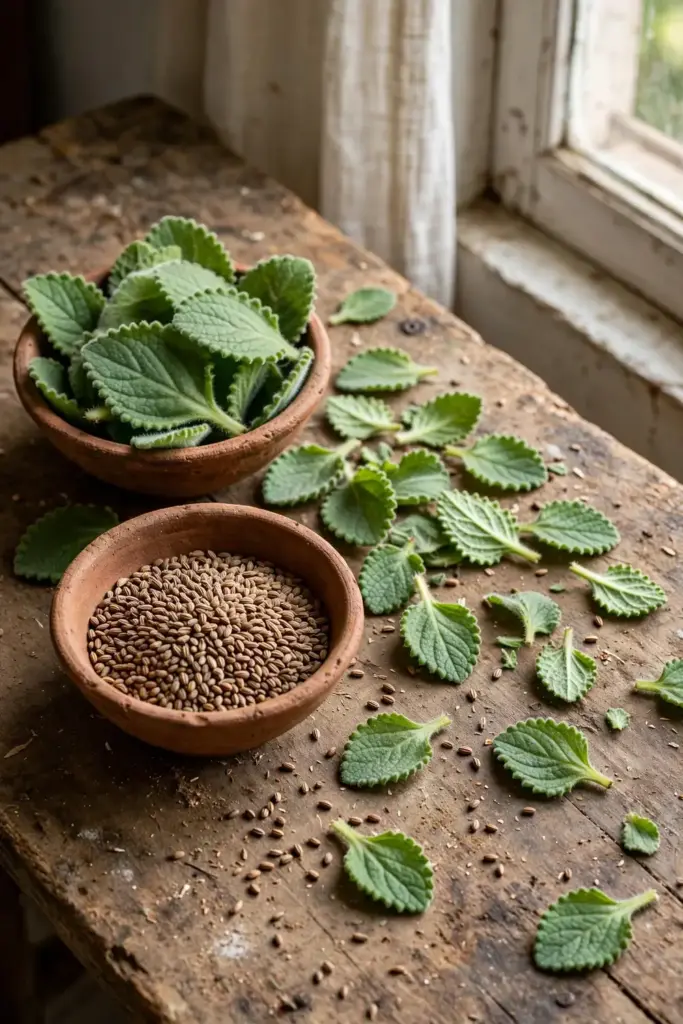
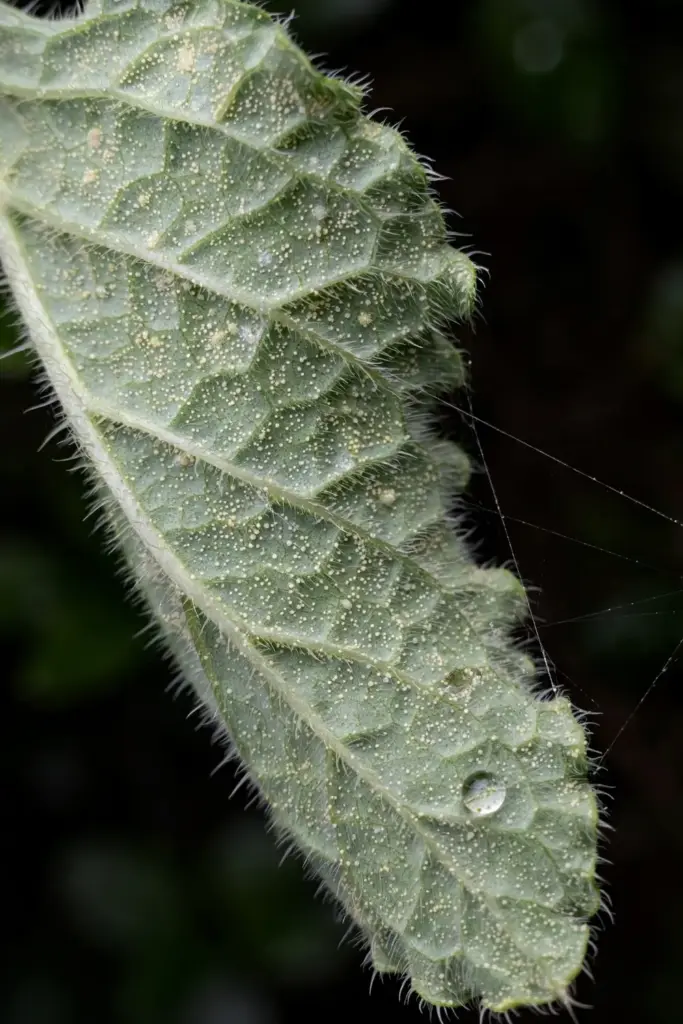
The single most important fact here is a correction. Ajwain leaf is Plectranthus amboinicus (now Coleus amboinicus), a member of the mint family, a name change documented on its botanical profile. Ajwain seed is Trachyspermum ammi, a member of the carrot family. They share nothing except a flavor resemblance and a name in Indian markets. The seeds in your spice box are tiny ridged brown grains with a thymol punch. The leaf on this plant is broad, thick, fuzzy, and crumbles into an oregano-like aroma when you crush it between your fingers. Search results routinely show seed pictures on leaf articles and leaf pictures on seed articles, and that confusion costs growers real money when they try to sprout spice-box ajwain expecting these leaves. Use this table to keep the two plants straight forever.
| Trait | Indian Borage (Ajwain Leaf) | Ajwain Seed |
|---|---|---|
| Botanical name | Plectranthus amboinicus (syn. Coleus amboinicus) | Trachyspermum ammi |
| Family | Lamiaceae (mint) | Apiaceae (carrot) |
| Part you grow | Thick fuzzy leaves | Tiny ridged seeds |
| Flavor notes | Oregano, thyme, pine, peppery mint | Thyme-like, sharper, hotter |
| Grows from | Stem cuttings in about 2 weeks | Seed sown in soil |
2. What Indian Borage Actually Is
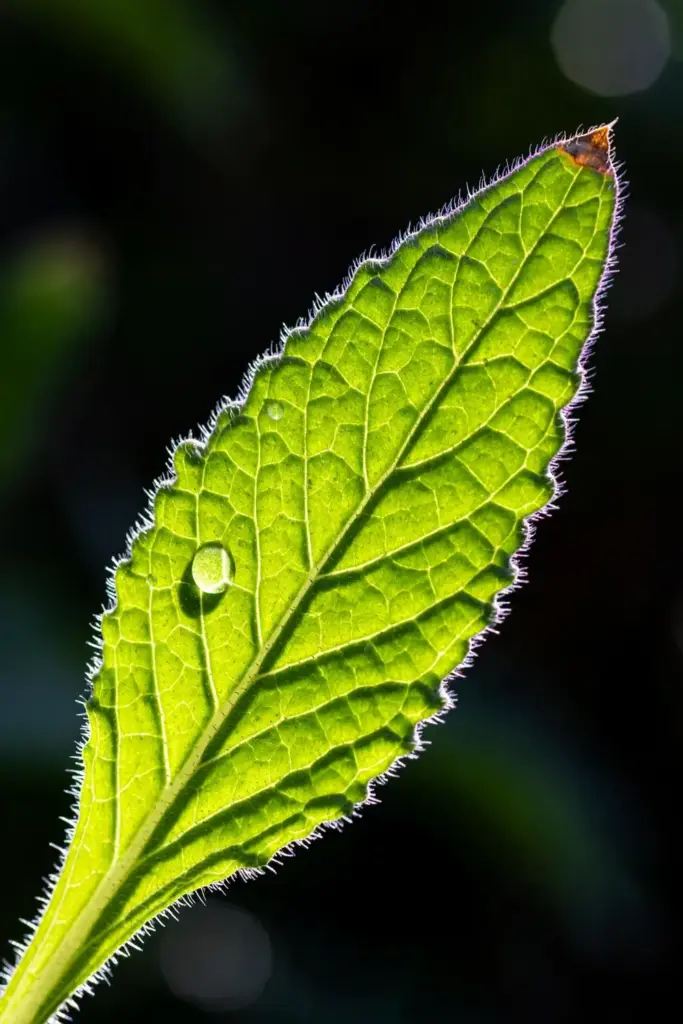
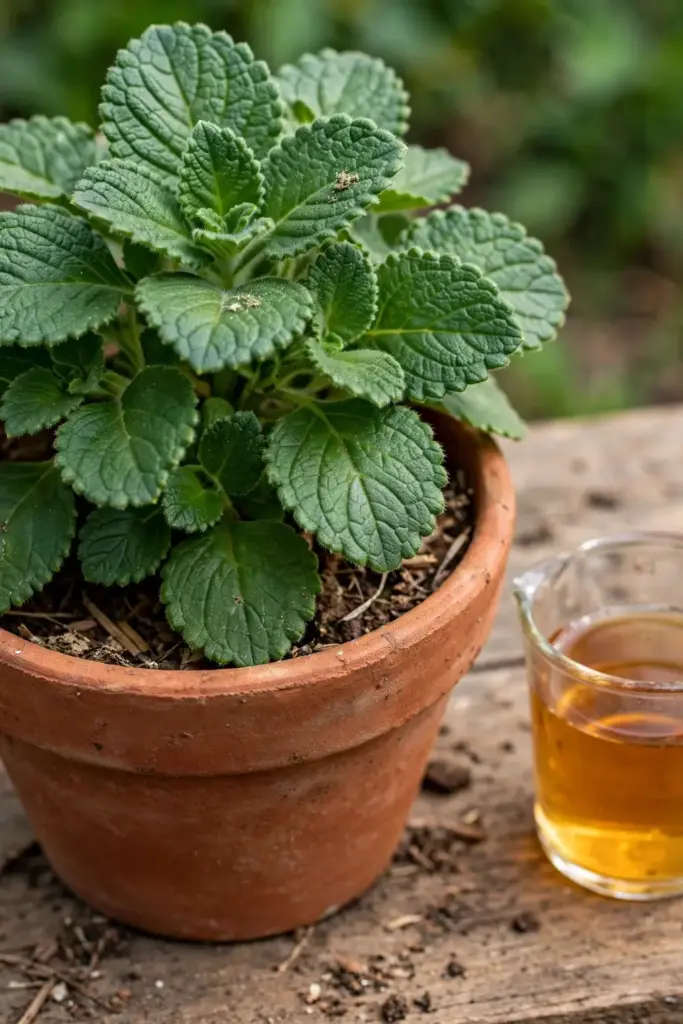
Indian borage is a tender fleshy perennial in the mint family, native to Southern and Eastern Africa and now grown across tropical India. It grows 1 to 3 feet tall and spreads just as wide if you let it, forming a sprawling mat that turns woody at the base with age. The leaves are the whole point: thick, velvety, scalloped at the edges, and loaded with aromatic oils that smell strongly of oregano the moment you bruise them. Small purplish flowers appear in dense whorls on a spike in summer, and your best move is to pinch them off, which section 13 explains. Regional names pile up fast: panikoorka in Kerala, karpooravalli in Tamil, doddapatre in Karnataka, patta ajwain in the north, and Mexican mint or Cuban oregano in English gardening circles. True borage (Borago officinalis) is an entirely different annual herb; the shared name is another trap worth ignoring.
3. Climate and Zone Reality
This plant needs warmth the way a fish needs water. The North Carolina State Extension plant profile records its hardiness at USDA zones 10 to 11, which means it is frost tender everywhere that counts. The working temperature band is 18 to 30°C, and you must protect the plant when the thermometer approaches 10°C. In practice that covers most of India except the coldest Himalayan pockets: Kerala, Tamil Nadu, Karnataka, Maharashtra, Goa, Bengal, and the coastal Andhra plains all give it exactly the warmth it wants. Delhi, Lucknow, Jaipur, and Chandigarh growers need a winter plan, which section 14 covers. If your January nights dip near freezing, treat Indian borage as a summer outdoor plant and a winter indoor plant, and it will be happy on that schedule for years.
4. Why Cuttings Are the Only Method You Need
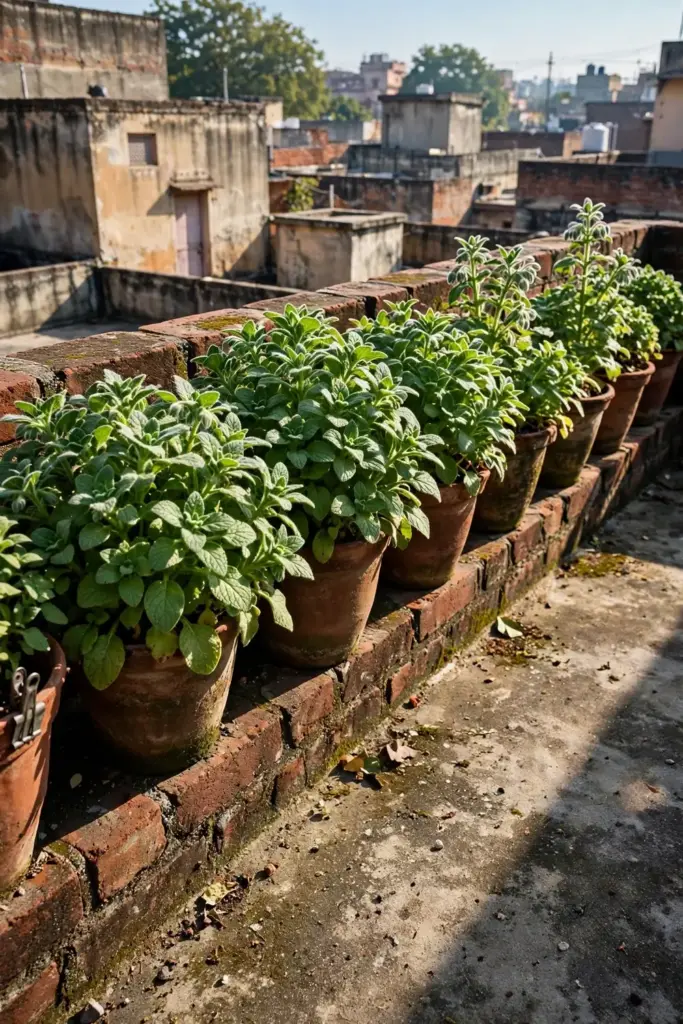
Seeds exist for this plant, but the honest advice is to ignore them. Stem cuttings root in about 2 weeks, give you an exact copy of a plant whose flavor you already know, and work in plain water on a windowsill. Seeds germinate slowly and unevenly, and the plant you get from seed can take months longer to reach harvestable size. Every serious grower source treats cuttings as the standard method: the extension profile lists stem cutting as the recommended propagation strategy alongside division, and home growers report that any little piece will strike root. Take your cutting from a healthy mother plant, not from a struggling one, because cuttings carry the vigor of the plant they came from. If you have no source plant, one nursery purchase gives you a mother plant that supplies cuttings for years. That single purchase is the entire propagation budget.
5. Taking Cuttings the Right Way
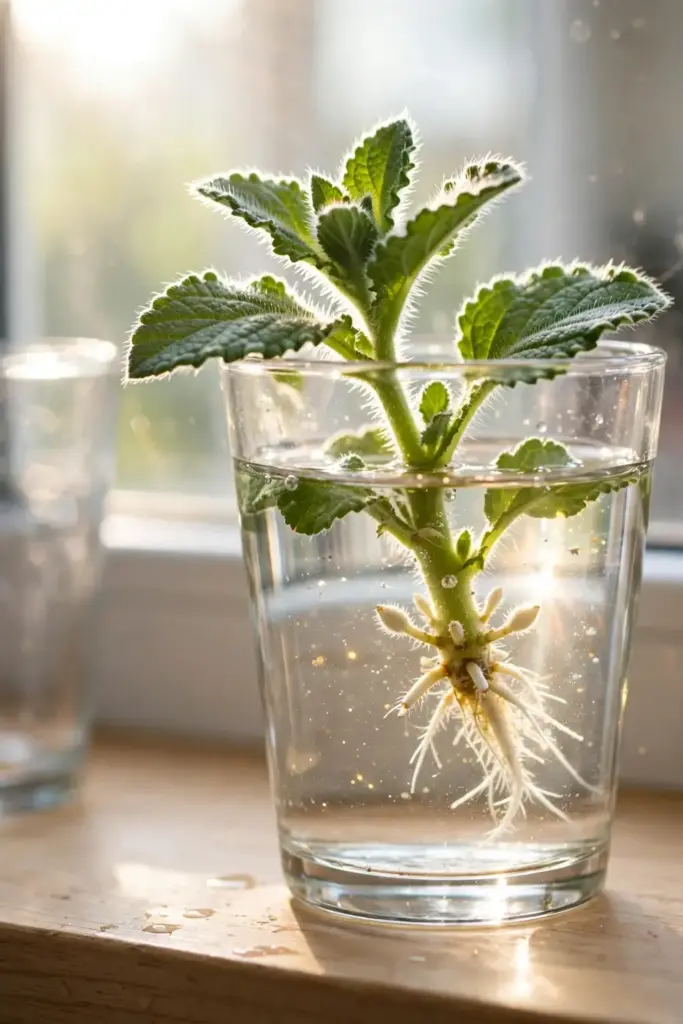
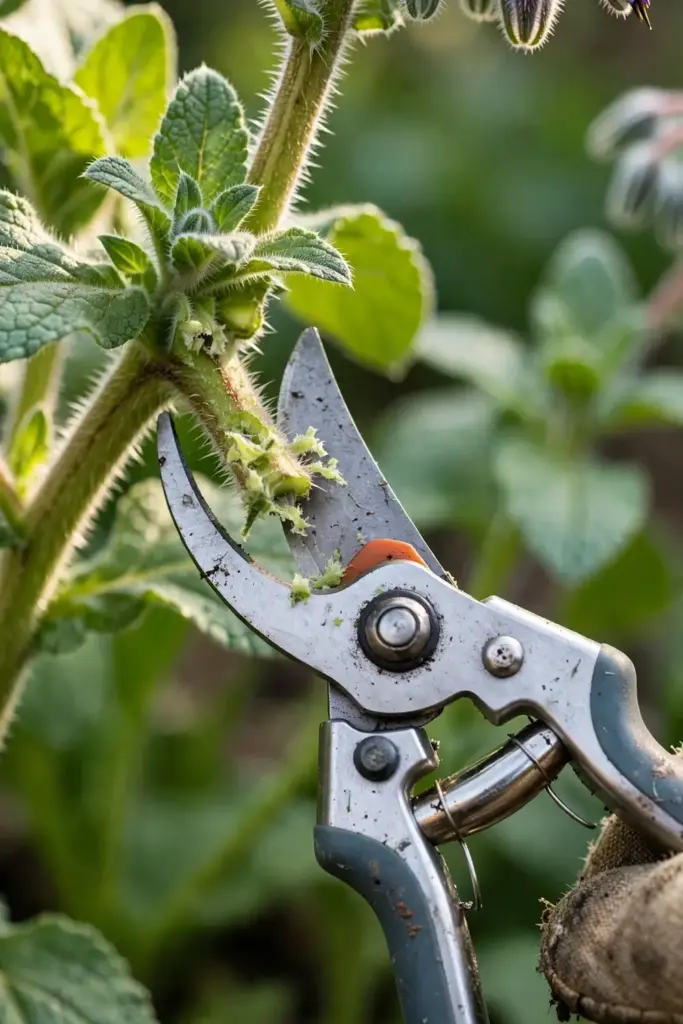
Cuttings reward precision on four details and forgive almost everything else. Take a 4 to 6 inch stem segment from the current season’s growth, cut just below a leaf node where rooting hormones concentrate, and strip the lower leaves so nothing sits buried in soil. Let the cut end dry for 1 to 3 days in shade if you plan to plant directly into soil; this callusing step reduces rot in the fleshy stem. Then root in water or moist soil.
| Step | Action | Time |
|---|---|---|
| 1 | Cut a 4 to 6 inch stem just below a leaf node | Day 0 |
| 2 | Remove the lower leaves, leaving 2 to 3 top leaves | Day 0 |
| 3 | Let the cut end dry 1 to 3 days in shade (for soil planting) | Days 1 to 3 |
| 4 | Place in water or push into moist well-drained soil | Day 3 |
| 5 | Keep warm with bright indirect light | Weeks 1 to 2 |
| 6 | Move to full sun once roots reach about 2 inches | Week 2 to 3 |
6. Rooting in Water vs Soil
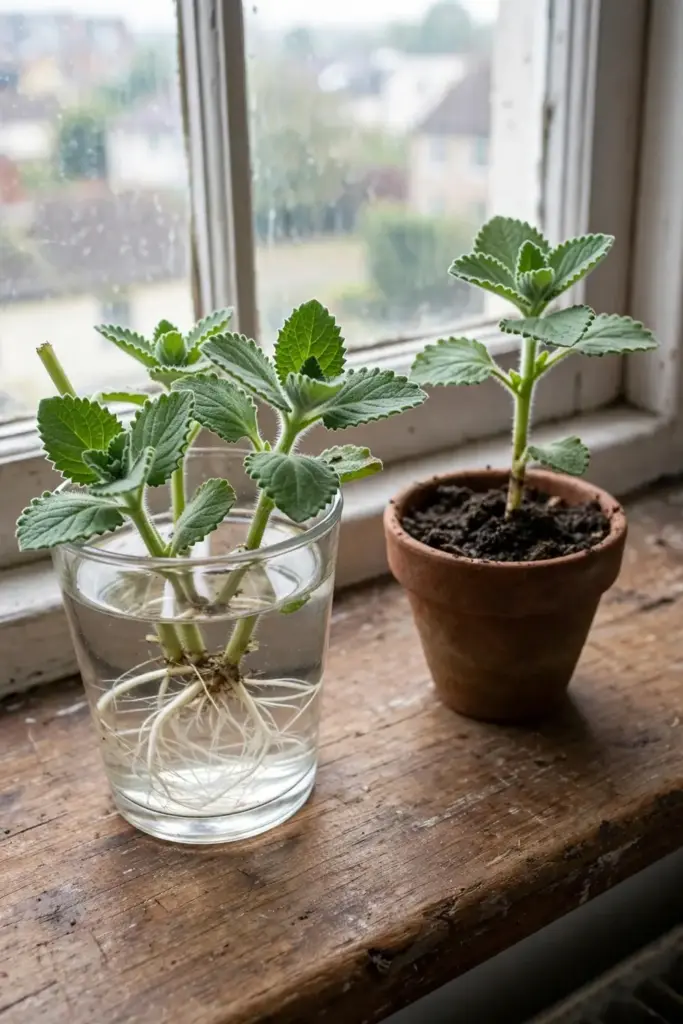
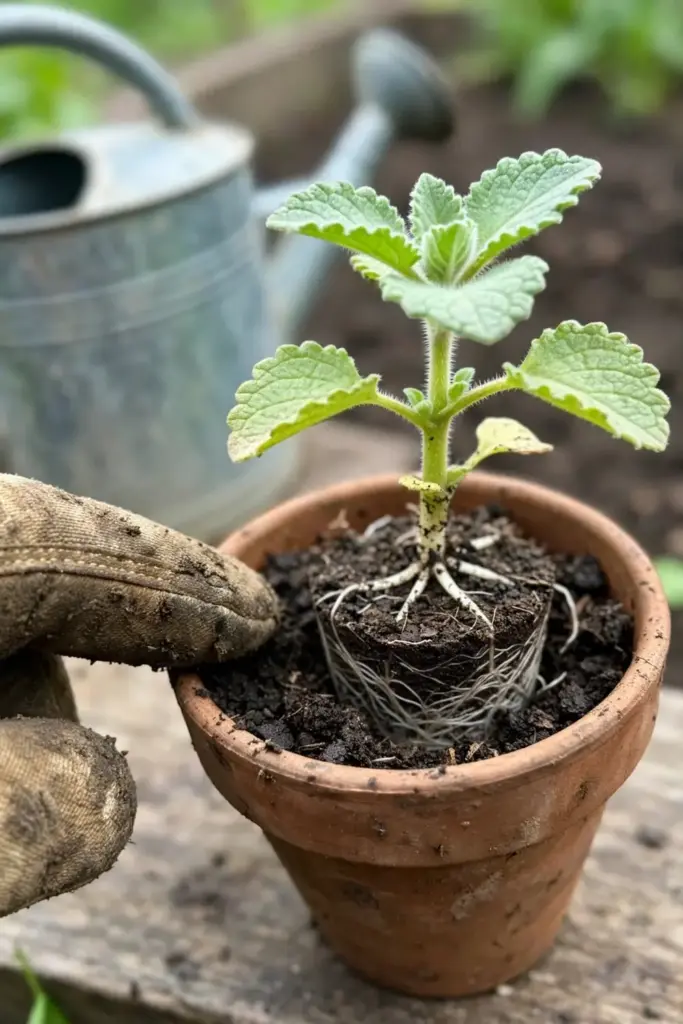
Water rooting is the beginner-proof route. Drop the cutting into a glass of clean water on a bright windowsill, change the water every 2 to 3 days, and expect visible roots within 10 to 14 days. Soil rooting skips the transplant step and works just as well: push the cutting about 4 inches deep into moist potting mix, keep the soil damp but never soggy, and shelter it from direct sun for the first week. Both methods hit the same 2-week timeline in warm weather. Water rooting lets you watch the progress, which is satisfying and removes the temptation to tug the cutting out of the soil to check. Soil rooting gives the plant a head start on establishment and avoids the brief shock some cuttings feel when moved from water to mix. Pick whichever sounds simpler; the plant does not care.
7. Transplanting and Potting Up
Move a water-rooted cutting into soil once the roots reach about 2 inches long. Longer than that and the roots adapt to water life and sulk in soil; shorter and the transplant has too little root to support the leaves. Pot into a container filled with pre-moistened mix, firm the soil gently around the stem, and water deeply once. Expect a day or two of mild droop as the cutting adjusts, then perk-up by day 3. If you started in soil, wait until you see new leaf growth, which is the reliable sign that the root system is functioning. Either way, keep the young plant in bright indirect light for its first week, then start introducing direct morning sun. Feed nothing for the first month; the mix carries enough nutrients for the early weeks. If you want to see how hardening off works for other herbs, our seed starting guide covers the nursery routine in detail.
8. The Balcony Pot Setup
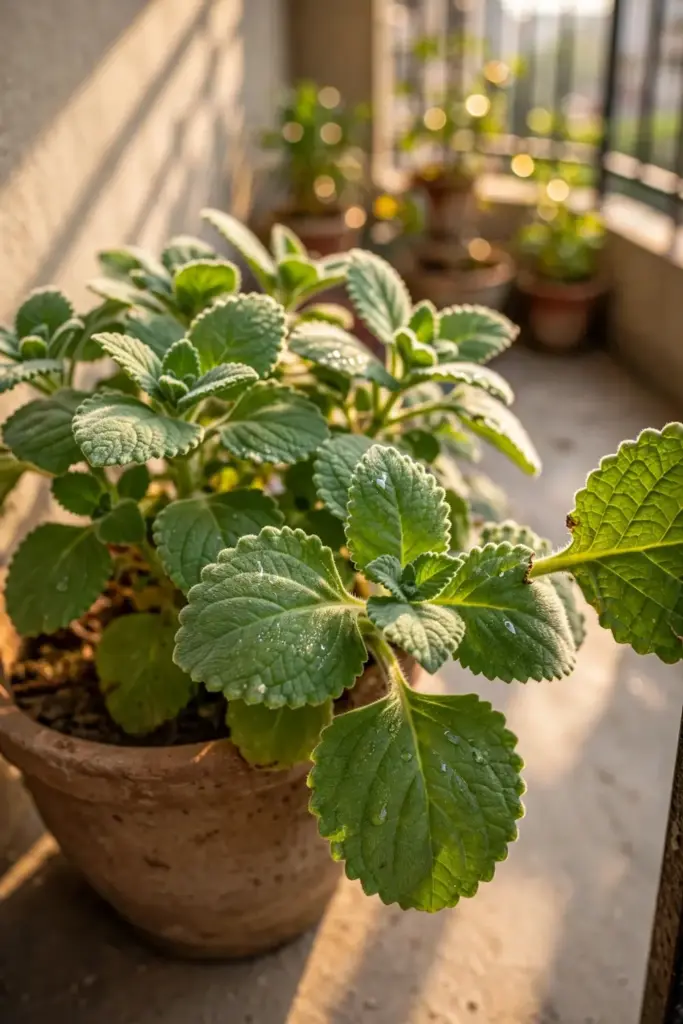
Indian borage is shallow-rooted and fast-growing, which makes it one of the best kitchen herbs for containers. A dedicated pot-growing guide recommends a pot at least 6 to 8 inches deep with drainage holes, and suggests a 10 to 12 inch diameter pot if you plan to keep the plant for several years. Clay pots dry out faster and suit humid regions where excess moisture is the enemy; plastic pots hold moisture longer and suit dry, windy balconies. Place the pot near a sunny balcony, a veranda, or the kitchen-garden edge where you can snip leaves while cooking. One established plant supplies a small family with fresh leaves, so start with a single plant and add more only if you use the leaves heavily. Gardeners building a dedicated indoor herb garden often give this plant a permanent window spot for winter. This guide’s keyword journey continues with containers, so if you want to understand how to grow indian borage from India on a balcony, the pot method in this section is the whole answer.
9. Soil That Drains
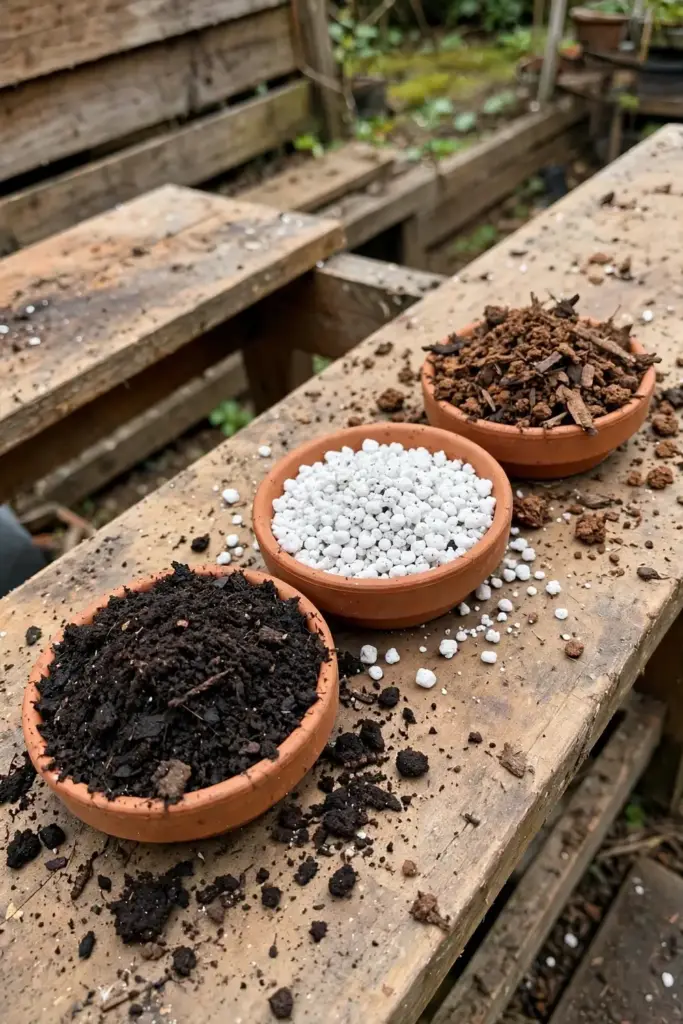
The soil rule is simple: well-drained, loamy or sandy, pH 6.0 to 7.5, and never waterlogged. Indian borage forgives lean soil but never forgives standing water; root rot is the one disease that reliably kills it. For pots, the pot guide suggests equal parts potting soil, perlite or sand, and compost, which gives a mix that holds some moisture without staying wet.
| Component | Purpose | Proportion |
|---|---|---|
| Potting soil | Base nutrients and structure | 1 part |
| Perlite or coarse sand | Drainage and aeration | 1 part |
| Mature compost | Slow fertility and biology | 1 part |
For garden beds, work compost into the top 6 inches and plant on a slight mound if your soil runs heavy. Mulch with 2 inches of dry leaf mulch, kept 3 inches away from the stems, to keep soil splash off the leaves during monsoon. Our soil health guide explains how living soil resists the rot pathogens that threaten herbs in wet months. Test the drainage before planting by filling the hole with water; if it has not drained within an hour, add more sand or choose a container instead.
10. Watering Without Rot
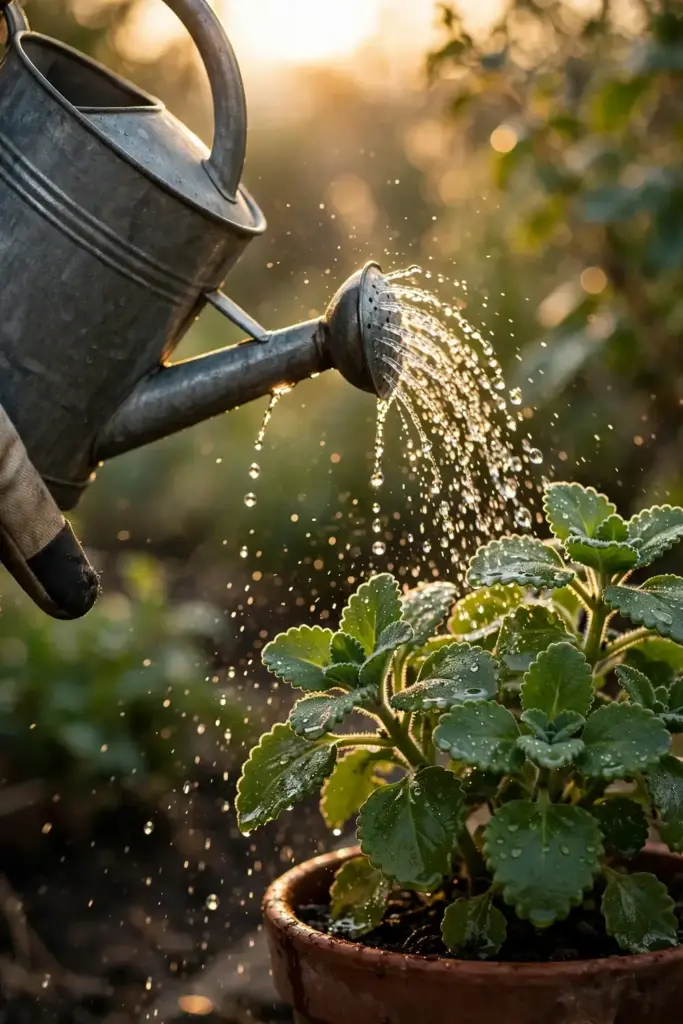
Water deeply when the top inch of soil feels dry, which usually means weekly watering in warm months and far less in cool weather. This plant stores water in its fleshy stems and leaves, so it shrugs off a dry spell but not a soggy one. The failure mode is always overwatering: mushy stems at the base, blackened leaf margins, and a sour smell from the soil. See those signs and stop watering immediately. Improve the drainage, cut away any mushy tissue with a clean blade, and let the soil dry before you water again. In monsoon, move pots under a roof overhang so the rain does not drown them; in the garden, the drainage preparation from section 9 does the work. Winter indoor plants may need water only once every 10 to 14 days, so check the soil rather than the calendar. When in doubt, wait a day.
11. Feeding: Light Feeder
Indian borage is a light feeder, and overfeeding does more harm than good. A balanced liquid fertilizer at half strength every 4 to 6 weeks during spring and summer covers the plant’s needs; occasional compost top-dressing works just as well. Heavy feeding pushes soft, leggy growth that flops over and invites pests, the exact opposite of the compact bushy plant you want. Skip feeding entirely in winter when growth slows, and skip it for the first month after potting up. If your leaves look pale despite correct light and watering, a single half-strength feed usually corrects the color within two weeks. More is not better with this herb; the strongest flavor comes from plants grown a little lean.
12. Light: Full Sun Burns These Leaves
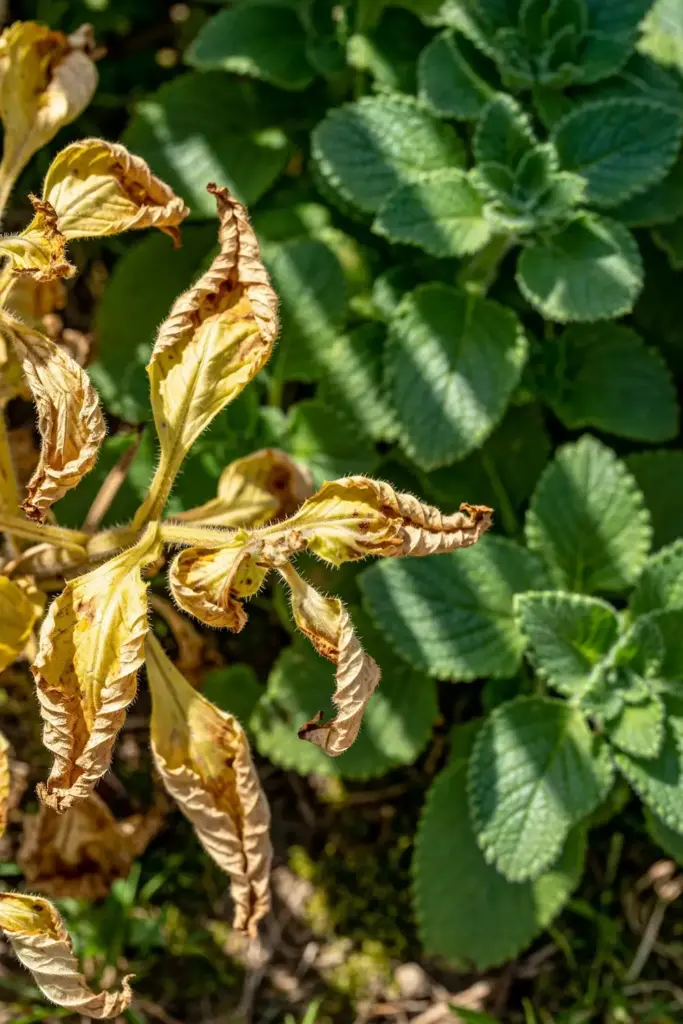
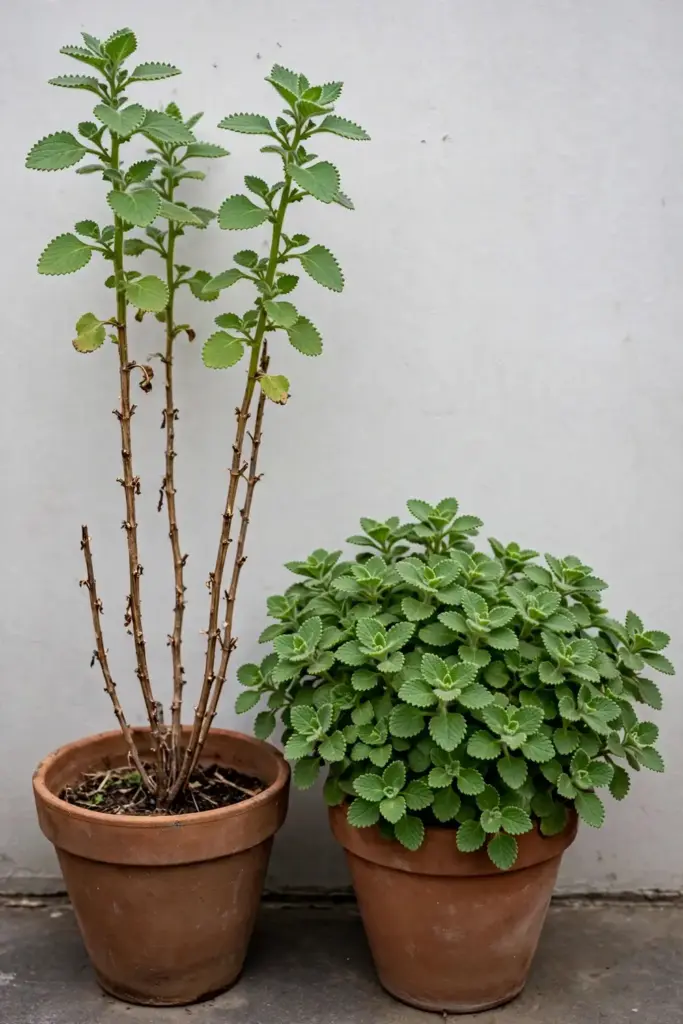
This is the detail Western rose-book-style advice gets wrong for Indian summers. The extension profile notes that the plant prefers a hot, dry location but performs best with some protection from hot summer sun, because full afternoon sun can burn the leaves. In India, morning sun plus bright afternoon shade gives the deepest green and thickest leaves. The practical test is in the leaves themselves: too much sun and they turn yellow, curl, and look unsightly; too little sun and they turn dark green, spread out, and grow thin. Six or more hours of bright light is the target, with the fiercest midday hours filtered. Indoors in winter, place the plant at your brightest south-facing window and accept slightly smaller leaves until spring returns.
13. Pruning for Bushy Plants
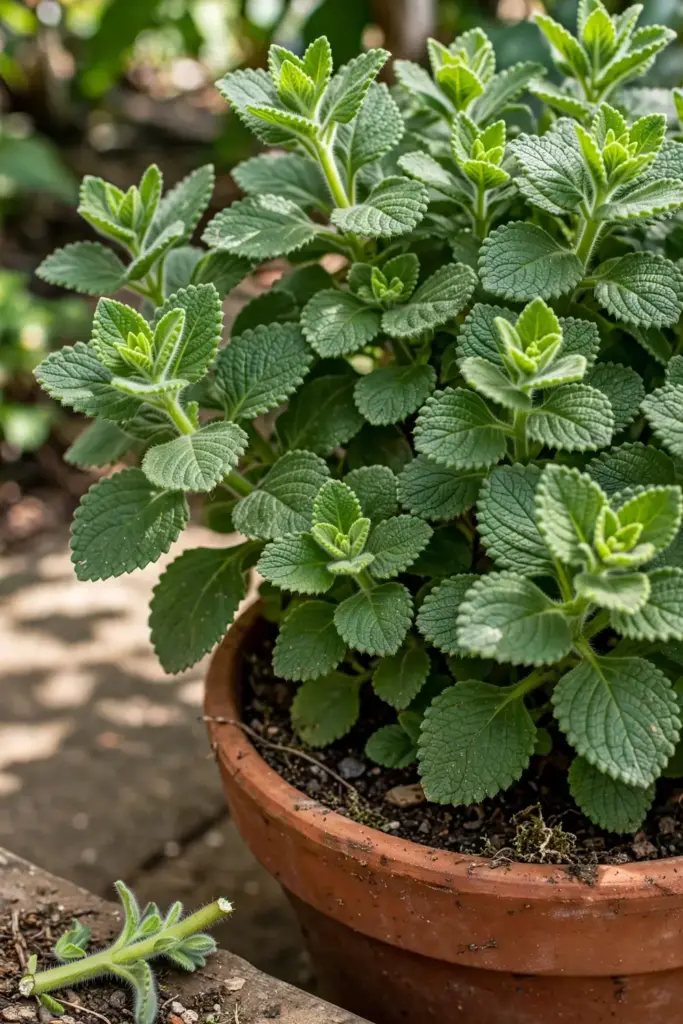
Regular pruning is what separates a dense productive bush from a leggy tangle. Pinch the growing tips every 3 to 4 weeks through the growing season; each pinch forces the plant to branch below the cut and doubles the leaf count over time. Trim flower spikes the moment you see them forming, because flowering diverts energy from leaf production and the plant gets leggier faster once it blooms. Mature plants develop woody lower stems that stop carrying leaves, so cut one or two of the oldest stems back to the base each spring to renew the plant. Never remove more than a third of the foliage at once; the plant recovers from light regular trimming much faster than from a single hard cut. Every trimmed piece is a potential cutting, so root the best trimmings and share them with neighbors.
14. Overwintering Indoors
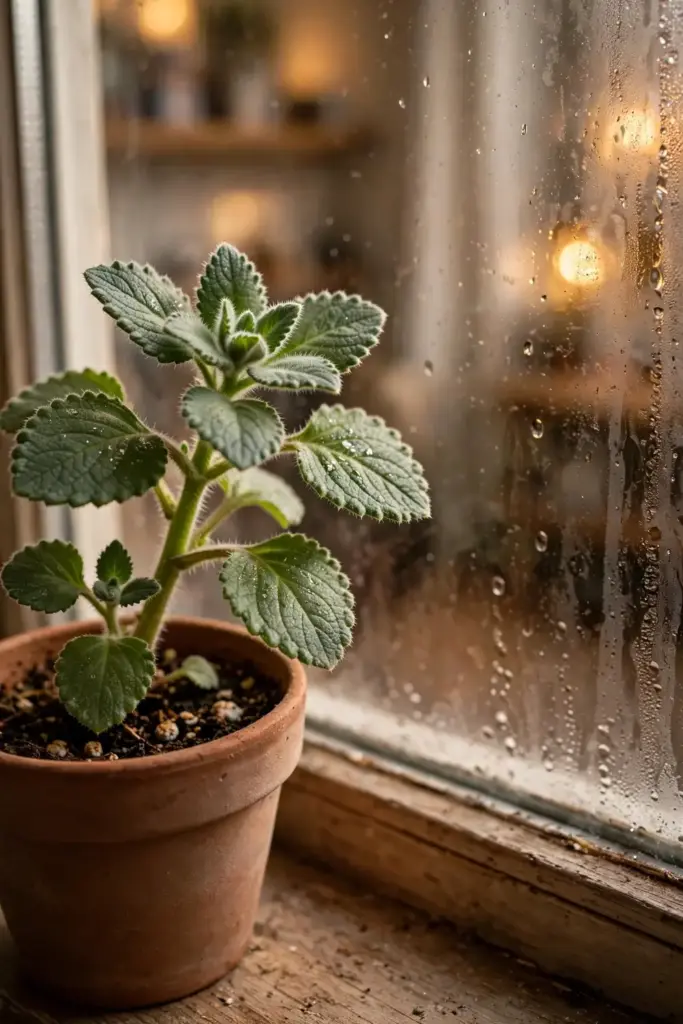
Indian borage is a tender perennial, and winter kills it below 10°C. Bring container plants indoors before the first cold night, or take cuttings in autumn and grow them as indoor plants through winter while the mother plant risks it outside. Inside, give the plant your brightest window, water sparingly, and stop feeding until spring. Expect slower growth and smaller leaves; this is normal winter behavior, not decline. Check the undersides of leaves weekly for spider mites, which love the dry indoor air. In March, when night temperatures stay above 15°C, harden the plant off over a week by increasing its outdoor time gradually, then resume normal feeding and full outdoor sun. Gardeners in zones 10 and 11 can skip all of this and let the plant stay outside year-round.
15. Pests and Diseases
Indian borage is generally pest-free, and its aromatic oils give it a natural pest-repellent reputation in home gardens. When problems appear, they are usually small and slow: aphids cluster on new growth, spider mites stipple leaves in dry conditions, and mealybugs hide in leaf axils, all three noted on the extension profile. Blast aphids and mites off with a strong jet of water, and dab mealybugs with a cotton swab dipped in rubbing alcohol. Root rot from waterlogged soil is the serious disease and it is entirely preventable with the drainage rules in section 9. Fungal leaf spots appear in prolonged wet weather; improve air circulation and remove affected leaves, and the plant outgrows the problem once the weather clears. Avoid broad-spectrum insecticides on a plant you cook with.
16. Harvesting: Cut-and-Come-Again
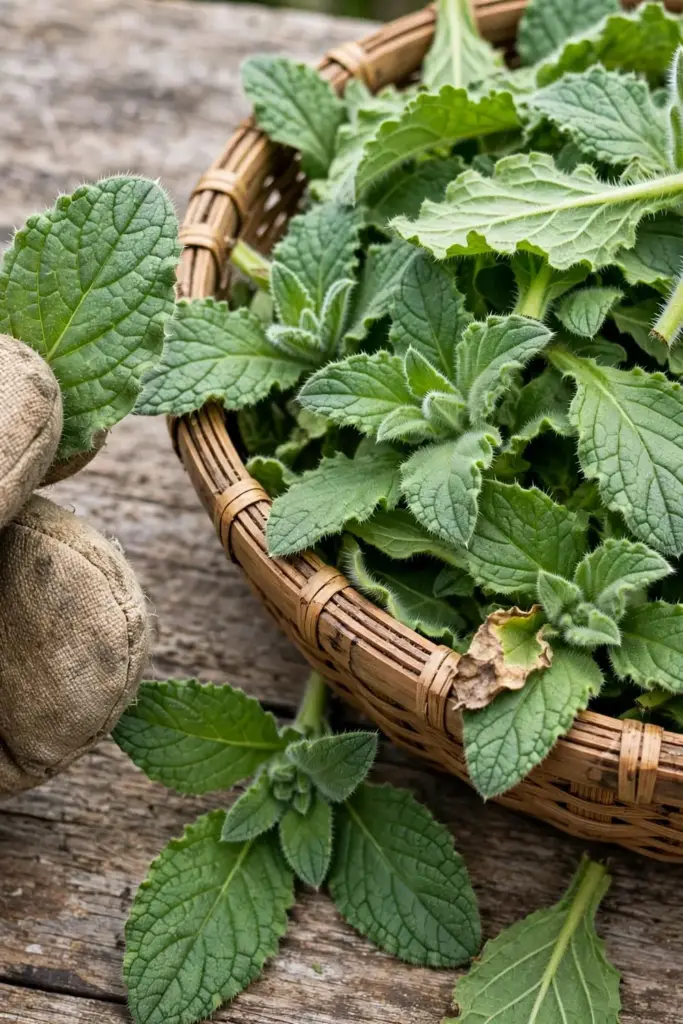
Start harvesting when the plant reaches 8 to 10 inches tall and carries at least 10 pairs of mature leaves. Snip outer leaves with scissors or pinch them with your fingernails, leaving the inner growing points untouched so the plant keeps producing. Take up to a third of the foliage at any one harvest, and you can repeat every 2 to 3 weeks through the growing season. Morning harvest gives the best flavor, because the aromatic oils concentrate overnight and fade as the day heats up. Wash leaves gently and use them fresh; they do not store well for more than 2 days in the refrigerator. For longer storage, dry the leaves in shade and crumble them into airtight jars, or freeze whole leaves in a zip bag. A single well-pruned plant can supply a household for the whole season.
17. Culinary Uses: The Oregano of India
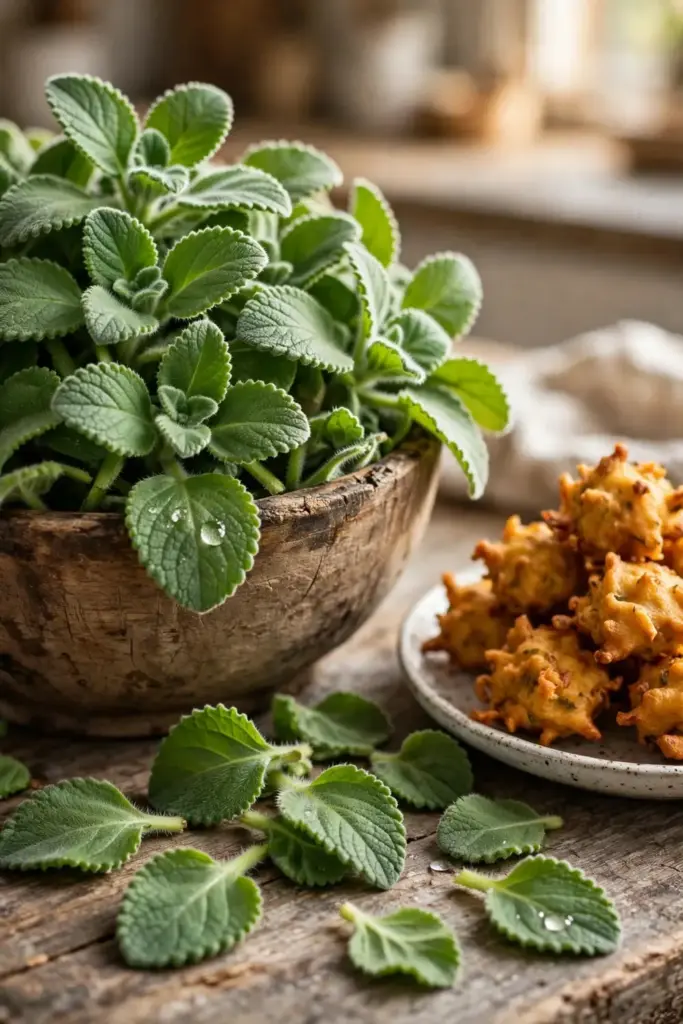
The leaf’s carvacrol and thymol oils give it an oregano-thyme punch that makes it India’s answer to dried oregano. Traditional kitchens use the leaves in chutneys, thogayal, tambuli, and rasam, where a few chopped leaves replace an entire spice blend. The most famous preparation is the besan fritter: whole leaves dipped in chickpea batter and fried crisp, served as evening pakoras during the rains. Chopped finely, the leaves flavor meat dishes, especially mutton and game, masking strong aromas the way oregano does in Western cooking. Fresh leaves go into green juices and herbal teas. A single leaf chewed fresh makes a simple mouth freshener. And if you have a glut of leaves in late summer, that is when the drying jar earns its place. Use fresh leaves sparingly at first; the flavor is much stronger than it looks.
18. Traditional Uses, Framed Honestly
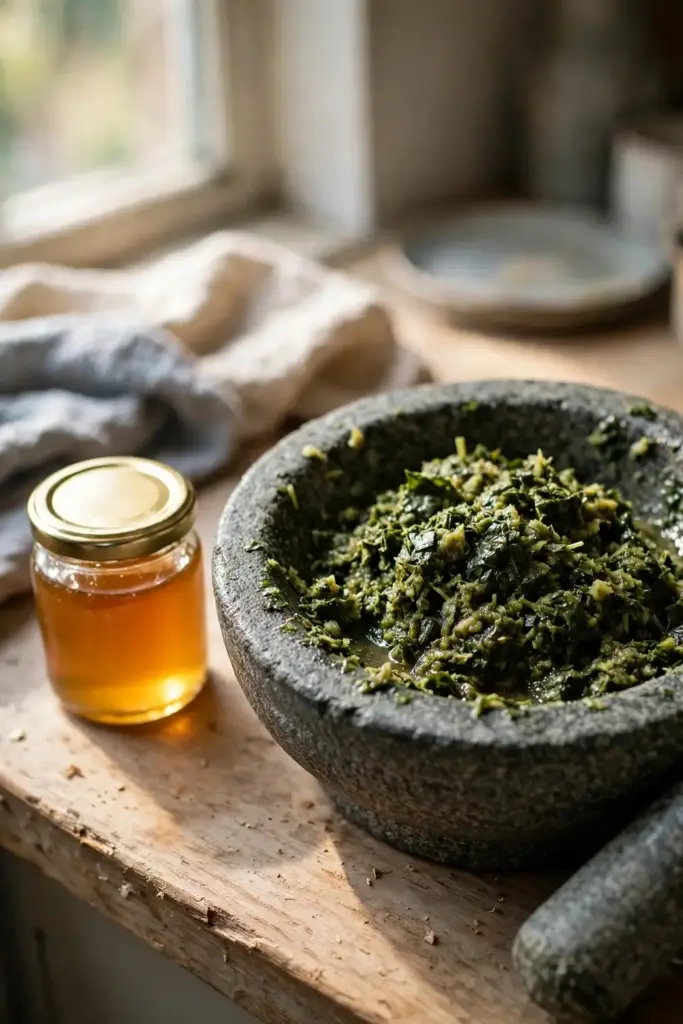
In Kerala homes, panikoorka leaf juice mixed with honey is the traditional answer to a child’s cold and cough, and leaf paste goes onto minor skin irritations. Modern phytochemistry studies have catalogued the leaf’s carvacrol, thymol, and related compounds, and laboratory work shows antibacterial activity in petri dishes. Those lab results are not clinical proof, and traditional use is not a prescription: treat the plant as a household remedy herb with a long safety record, not as medicine. Two cautions from Ayurvedic practice deserve repeating. The leaf is considered heating in nature and can aggravate pitta, so people with acid-reflux-type constitutions should use it lightly. Pregnant women should avoid medicinal quantities of the juice; culinary amounts in food are a different matter, but ask a qualified practitioner before using it as a remedy in pregnancy.
19. The True Borage Mix-Up
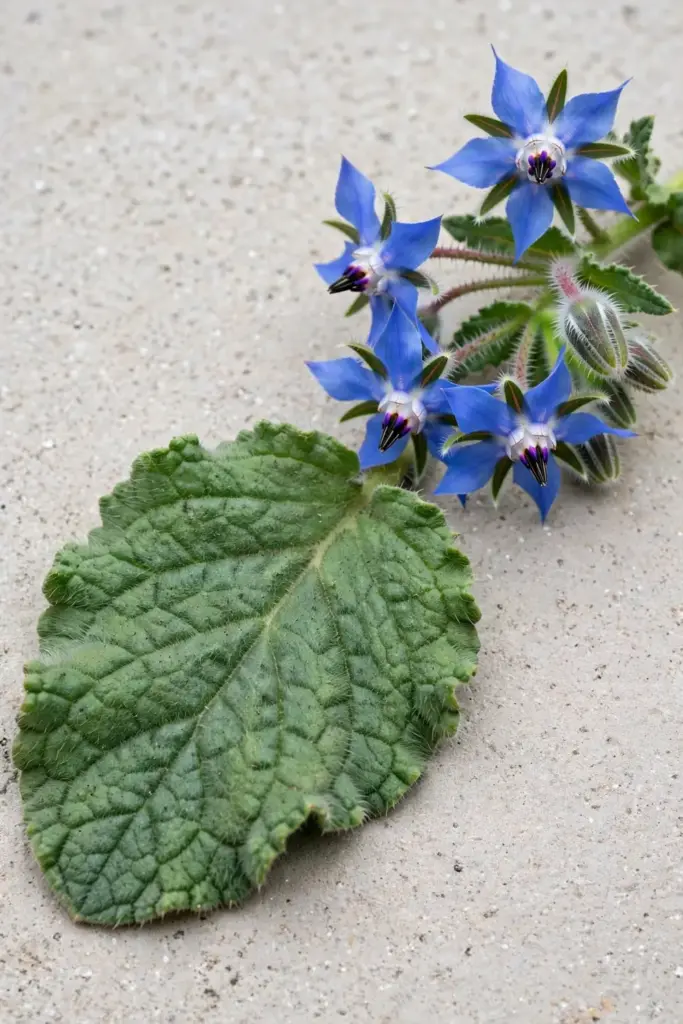
True borage, Borago officinalis, is a different plant entirely: a hairy annual with blue star-shaped flowers and cucumber-flavored leaves. Indian borage is a perennial mint-family succulent with oregano-flavored leaves. Garden centers and seed sellers occasionally mislabel one as the other, and online images mix them constantly. If you buy a plant labeled “borage” with blue flowers, you bought true borage, and its growing needs are completely different. Indian borage never produces blue star flowers; it makes small purplish whorls on spikes in summer. When shopping, check the Latin name on the tag: Plectranthus amboinicus or Coleus amboinicus is your confirmation.
20. Common Mistakes
Overwatering a succulent-stemmed plant. Treat it like a mint and it drowns; treat it like a succulent and it thrives. Fix: water only when the top inch is dry.
Full afternoon sun in May. The leaves scorch, curl, and turn unsightly. Fix: morning sun, afternoon shade.
Letting it flower. The plant shifts energy to seeds and goes leggy. Fix: pinch every flower spike at the first sign.
Never pruning. An unpruned plant grows tall, woody, and bare at the base within a year. Fix: pinch tips every 3 to 4 weeks.
Growing from spice-box ajwain. You will get carom seedlings, not these leaves, and months of confusion. Fix: start from a cutting of the real plant.
Leaving it out in a Delhi winter. One hard frost night kills it to the roots. Fix: bring pots in before the cold arrives.
21. Troubleshooting
Why are the leaves turning yellow? Usually too much sun or too much water. Move to morning sun only, let the soil dry between waterings, and new growth comes in green.
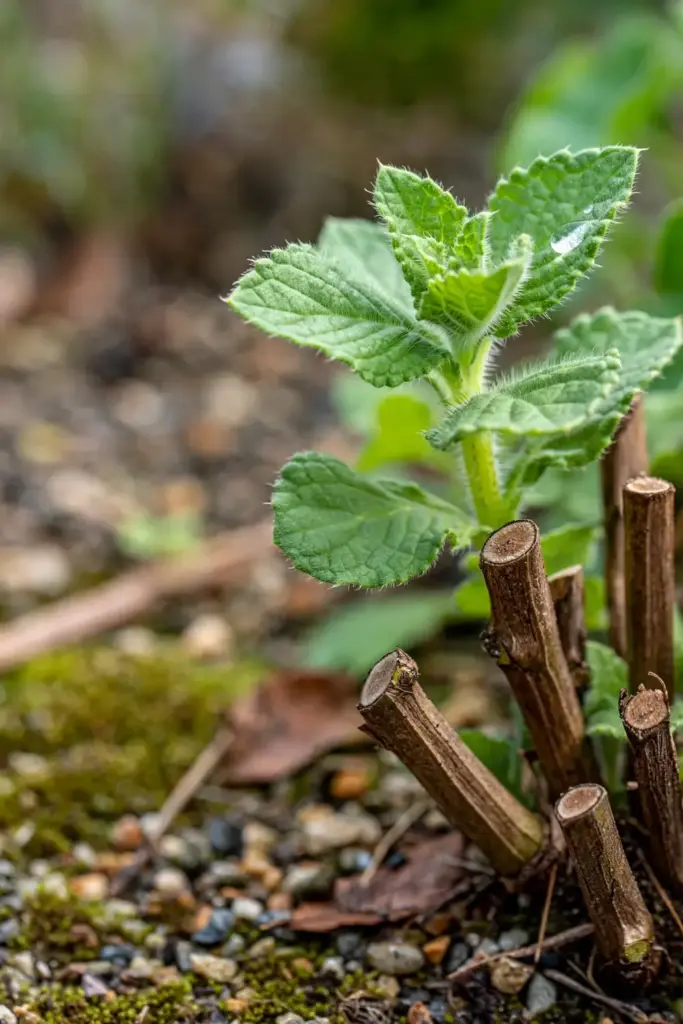
Why is my plant leggy with bare stems? Too little light plus no pruning. Move to brighter light and start pinching tips every few weeks; cut back the woodiest stems in spring.
Why are the stems mushy at the base? Root rot from waterlogged soil. Stop watering, improve drainage, cut away mushy tissue with a clean blade, and re-root a healthy top cutting as insurance.
Why did it stop growing in winter? Normal. Growth pauses below 15°C. Keep it alive with bright light and sparse water; it resumes in March.
Why are there tiny webs on the leaves? Spider mites, usually indoors. Wash the plant with a strong jet of water, repeat weekly, and raise the humidity around it.
Frequently Asked Questions
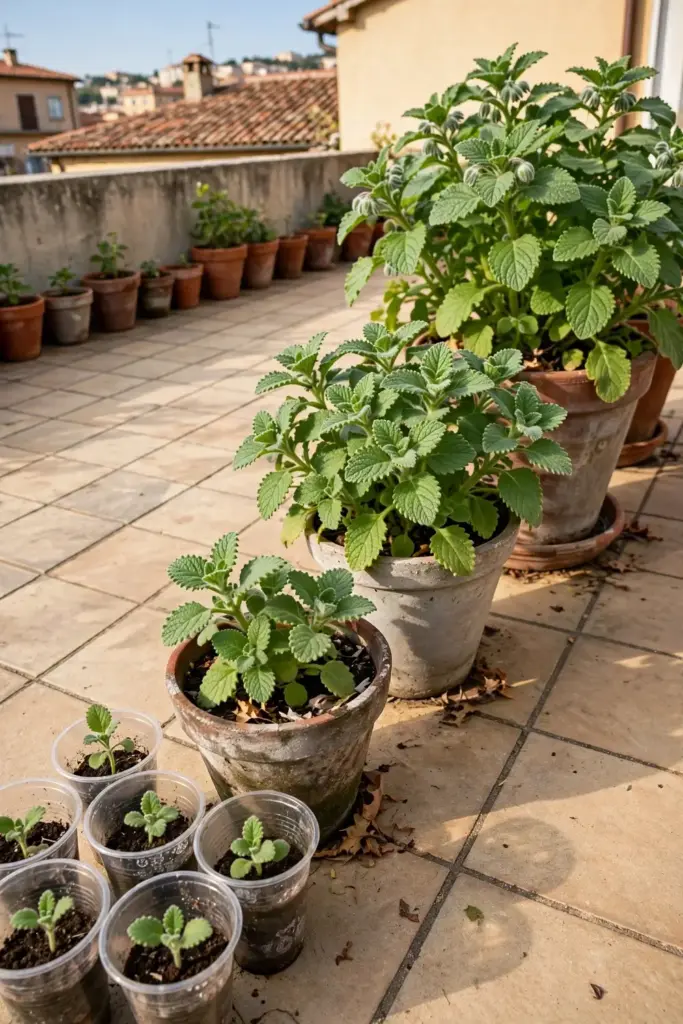
About 2 weeks in warm weather, whether you root in water or soil. Visible roots appear in 10 to 14 days in a glass of water, and soil-rooted cuttings show new leaf growth in roughly the same window. Cooler weather slows the process by a week or more.
No. Ajwain seeds grow Trachyspermum ammi, a completely different plant in the carrot family. They will never produce ajwain-leaf plants. Indian borage grows from stem cuttings of the real plant, so find a cutting or a nursery plant and skip the seed route entirely.
It is a different species from oregano, yet the flavor is close enough that cooks substitute freely. The carvacrol and thymol oils in Indian borage leaves mimic oregano’s profile with an added peppery mint note. Traditional Indian kitchens used these leaves as the local oregano long before dried oregano arrived in supermarkets.
About once a week in warm months, when the top inch of soil feels dry. In cool weather and indoors in winter, stretch the gap to every 10 to 14 days and always check the soil first. This plant forgives a missed watering but never forgives standing water, so drainage matters more than the schedule.
No. It is frost tender and suffers damage below 10°C, with a hard frost killing it outright. In USDA zones 10 to 11 it survives winter outdoors. Everywhere else, bring containers indoors before the first cold night or keep autumn cuttings as indoor plants through winter.
Use normal culinary amounts in food without worry, but avoid medicinal quantities of the leaf juice during pregnancy, following the traditional caution and the plant’s heating nature in Ayurvedic practice. The scientific literature has no established safety data for concentrated doses in pregnancy, so the conservative course is to consult a qualified practitioner first.
Growing Indian Borage: The Year Ahead
Indian borage is the rare herb that rewards neglect done correctly: a cutting, a pot, bright light, and the discipline to water less than your instincts suggest. If you want to understand how to grow indian borage from India as a permanent kitchen fixture, the routine is simple. Root a cutting each spring, pinch the tips through summer, harvest the leaves for your chutneys, and bring the plant indoors before the first cold night. In three years you will have propagated a dozen plants for friends and still be cooking from the original.