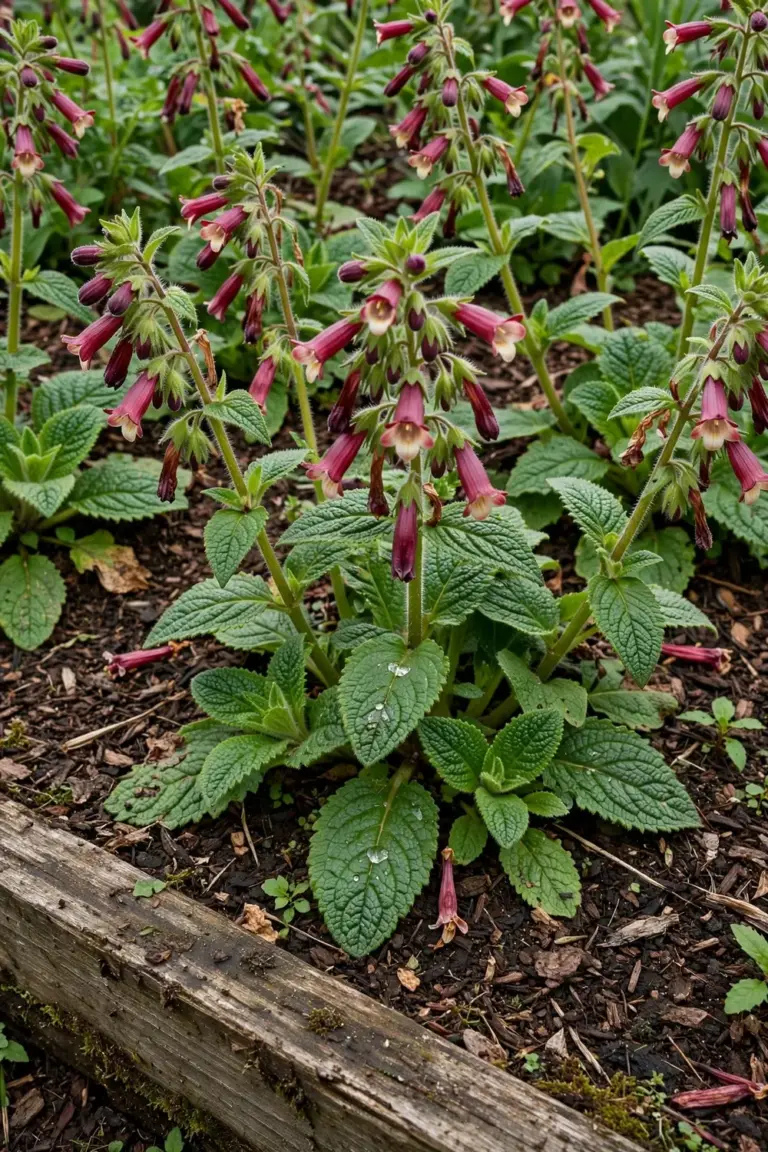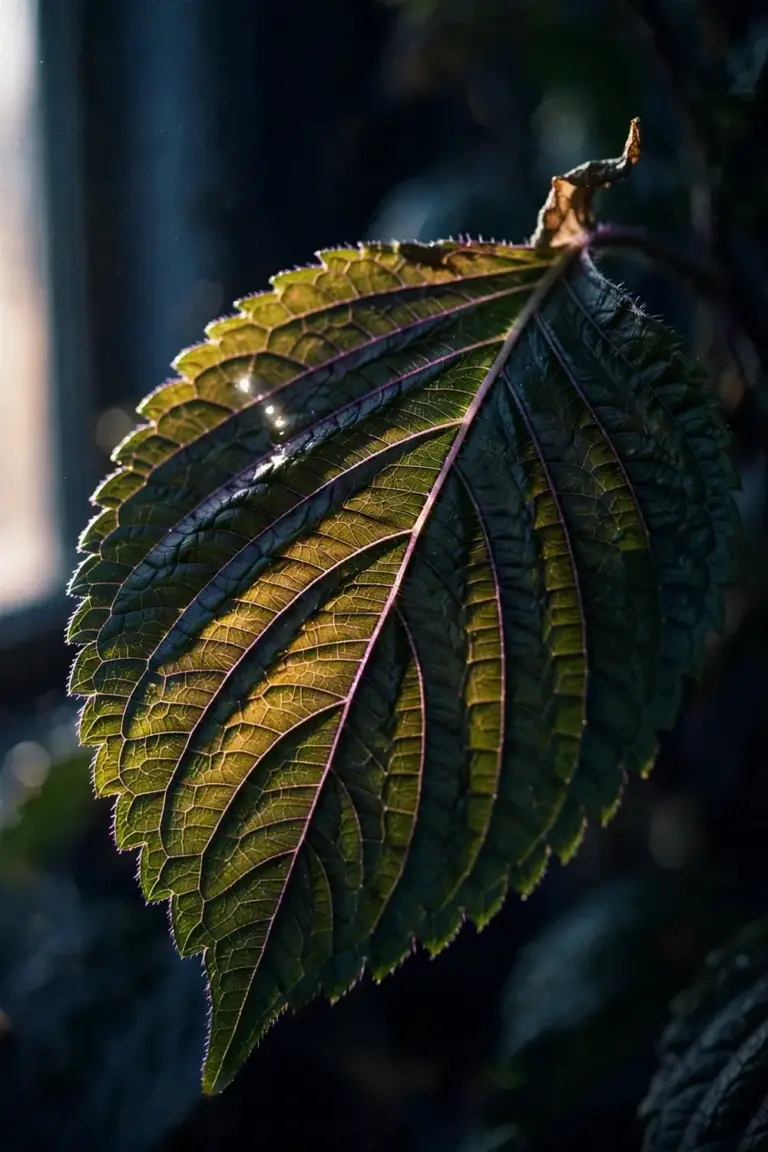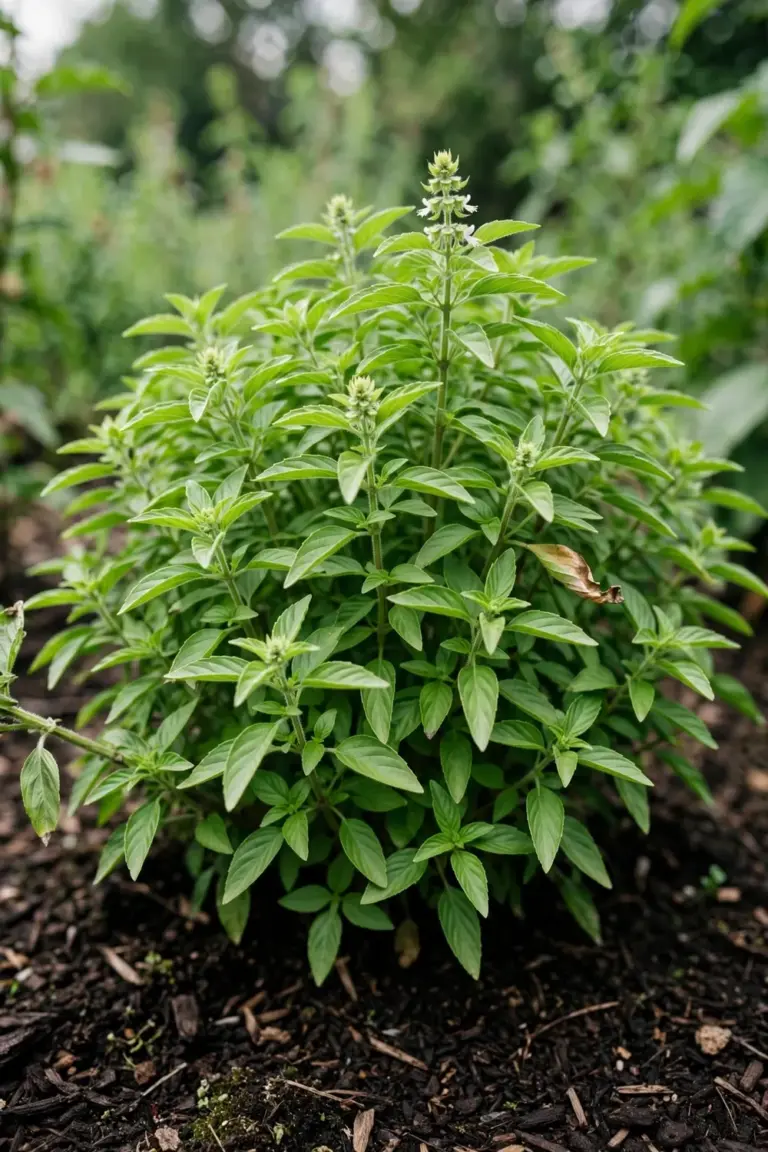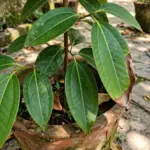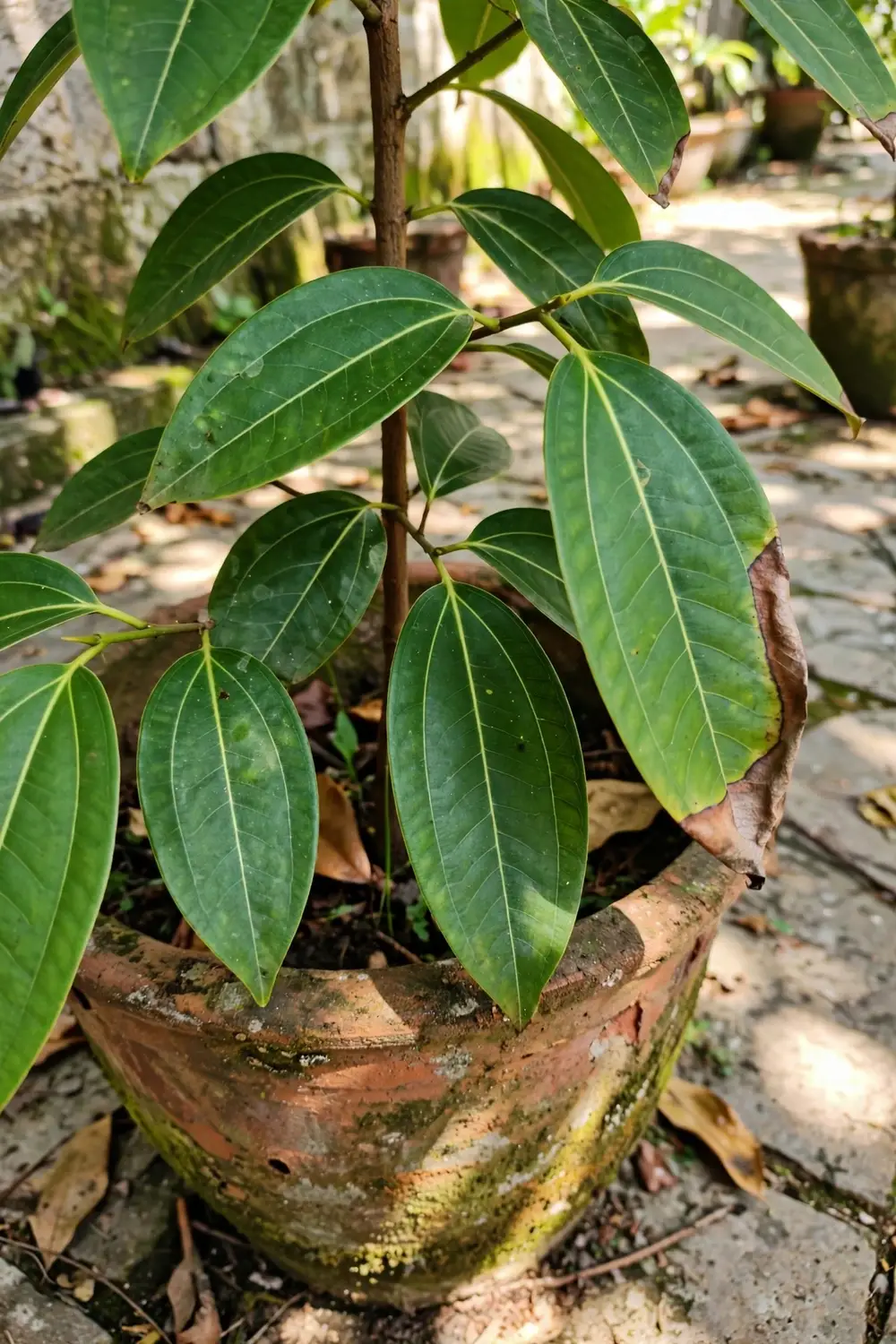

Tejpat is a tree. Say it plainly, because most first-time growers picture an herb. Indian bay leaf (Cinnamomum tamala) is an evergreen tree from the Himalayan foothills that reaches 12 meters or more in the wild, and even a pampered container plant wants to become a small tree. If you learn how to grow Indian bay leaf from India with that fact in your head, every decision after it gets easier: the pot size, the patience, the overwintering plan.
The second fact decides whether you grow the right plant at all. The name “Indian bay leaf” is slapped on the wrong plant in markets on two continents. True tejpat is Cinnamomum tamala, a member of the laurel family from northern India, Bangladesh, and Nepal. European bay, the Mediterranean shrub sold as bay laurel, is Laurus nobilis, a different genus entirely. The two taste different, grow different, and cannot substitute for each other in the kitchen. This guide covers true tejpat from seed to tree, with the honest timeline no other home guide leads with.
1. The Honest Truth: Tejpat Is a Tree, Not an Herb
Plan on roughly a decade before your first real leaf harvest. The Useful Tropical Plants database puts harvestable trees at about 10 years old, and those trees then keep producing for something close to a century, with mature trees yielding 40 to 100 kilos of leaves per year. That is the honest frame, and it changes the whole project. You are not growing a quick herb for this season’s curries. You are starting a small tree that will outlive your mortgage.
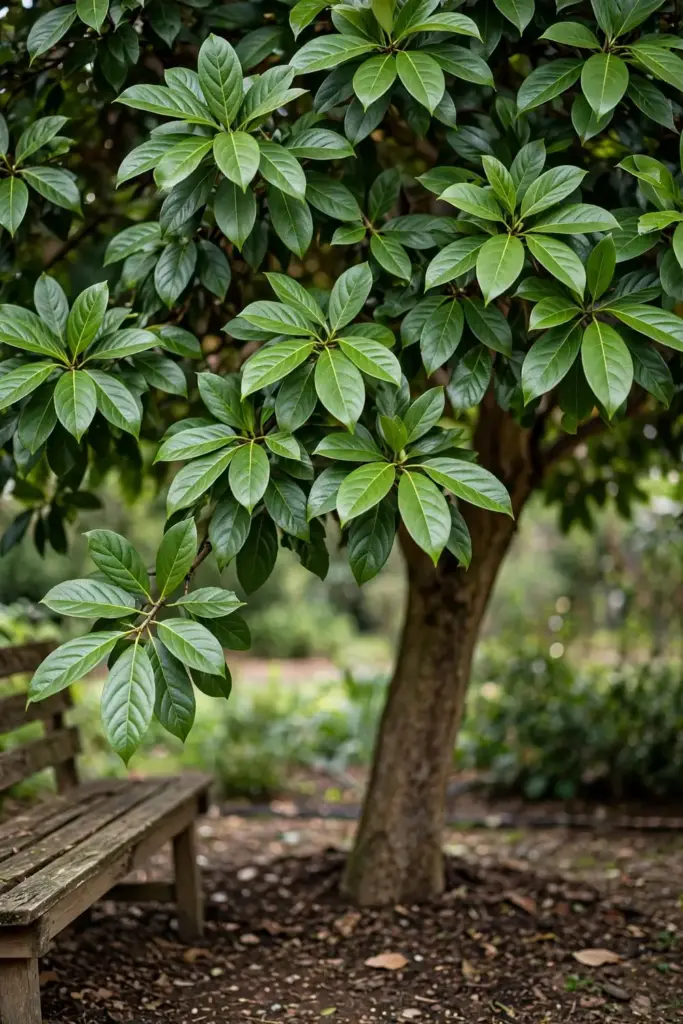
This does not mean growing tejpat at home is pointless. It means the goal is different. In zones 9 to 11 you plant a landscape tree that feeds your kitchen for generations. Everywhere colder, you grow a handsome container tree that you overwinter indoors, which is the method this guide teaches for anyone learning how to grow Indian bay leaf from India outside the tropics. Both reward patience. Neither rewards anyone who wanted bay leaves by autumn.
Young tejpat wants warmth, humidity, and steady moisture while it establishes. Mature trees handle full sun. In the Himalayan foothills the tree grows between 300 and 2,400 meters elevation, in fertile, moisture-retentive but free-draining soil. Your job is to copy that: warmth, drainage, and time.
2. Tejpat vs European Bay: The Disambiguation Table
Read this table before you buy anything. The confusion is live and current. Indian sellers and Western garden centers both mislabel these plants, and even some AI search panels have equated them. Check the Latin name on any plant or seed packet. If it says Laurus nobilis, it is not tejpat.
| Trait | Tejpat (Cinnamomum tamala) | European Bay (Laurus nobilis) |
|---|---|---|
| Family | Lauraceae | Lauraceae |
| Native range | Himalayan India, Bangladesh, Nepal | Mediterranean basin |
| Growth habit | Evergreen tree, 12 m plus in the wild | Evergreen shrub or small tree |
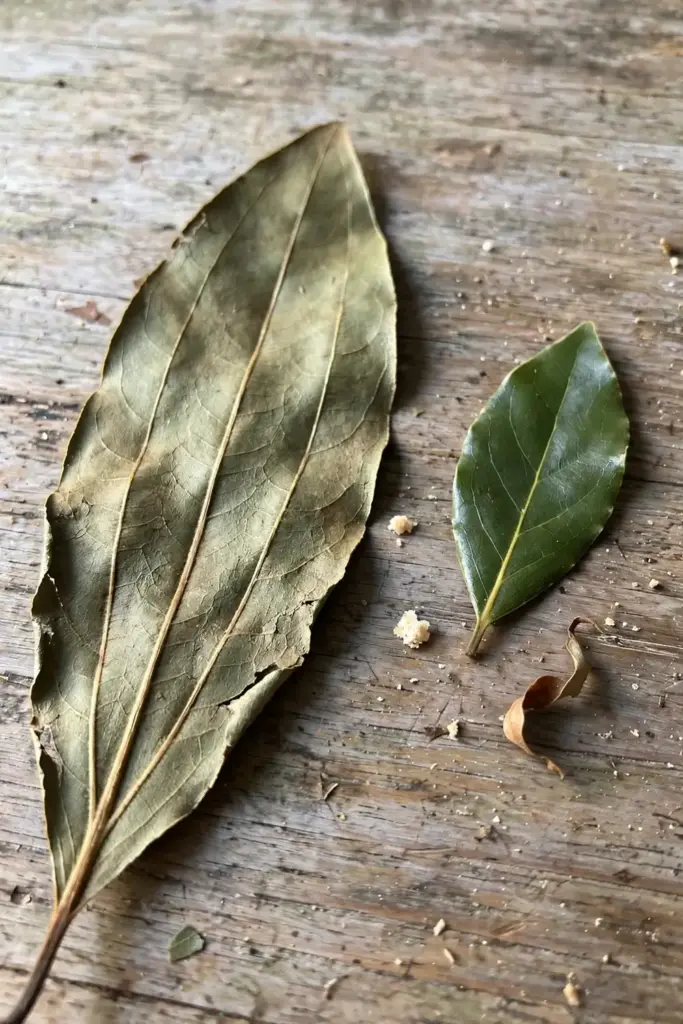
| Leaf character | Larger olive-green leaves, clove-like aroma with a peppery hint | Stiff glossy leaves, sweet eucalyptus-like aroma |
| Kitchen role | Biryani, curries, garam masala, slow-cooked Indian dishes | Mediterranean soups, stews, bouquet garni |
| Cold hardiness | Frost-tender, needs winter protection below about 50 F | Hardy to about zone 8, tolerates light frost |
One more impostor to know: true cinnamon is Cinnamomum verum, a close cousin grown for its bark, not its leaves. Cinnamon tree guides sometimes rank for tejpat searches. If the guide talks about peeling bark, it is not about your plant.
3. Seed or Sapling: Which Starting Material Wins
Buy a sapling if you can find a correctly labeled one. Seeds are the romantic option and the frustrating one, and a nursery plant skips the hardest 12 to 18 months. The catch is the label. Many “bay leaf” nursery plants in both India and the West are Laurus nobilis wearing a tejpat costume. Buy only from a seller who prints Cinnamomum tamala on the tag, and walk away from any listing that hedges with just “bay leaf plant.”
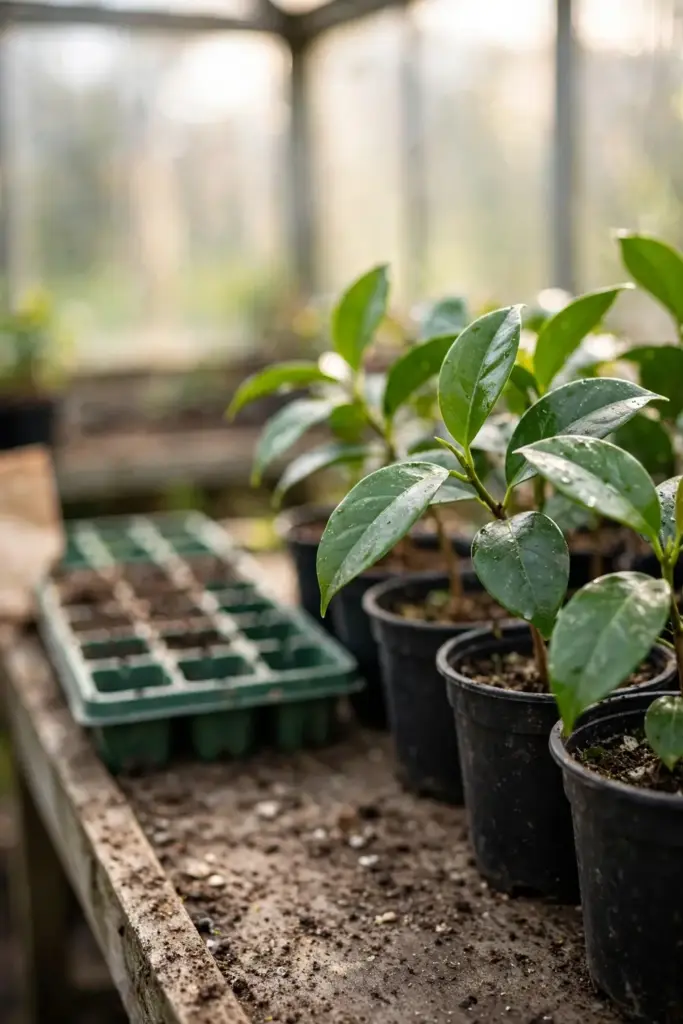
Starting from seed is the only reliable route to a known-identity plant when nursery stock is suspect, and it is also the cheapest. The price is germination patience. Fresh seed germinates in 20 to 30 days under warmth; older seed can take four months or more, and year-old seed is effectively dead. If you sow seed, commit to the fresh-seed rules in the next section. They are not optional.
Cuttings sit in the middle. A 4 to 6 inch semi-hardwood cutting from a healthy tree, rooted with hormone in a peat and perlite mix, gives you a true-to-type plant faster than seed. Expect rooting to take 4 to 6 weeks, sometimes longer. Air layering works too but is a technique for growers who already own a tree.
4. Fresh-Seed Rules: Viability Drops Fast
Tejpat seed is recalcitrant. That is the technical word for seed that cannot be dried and stored like tomato seed. Viability falls off a cliff in storage: roughly half of fresh seed germinates, about a quarter still germinates at six months, and by one year the germination rate is effectively zero, according to the Useful Tropical Plants database. Buy seed from a seller who can tell you when it was collected. “Last season” is already a gamble.
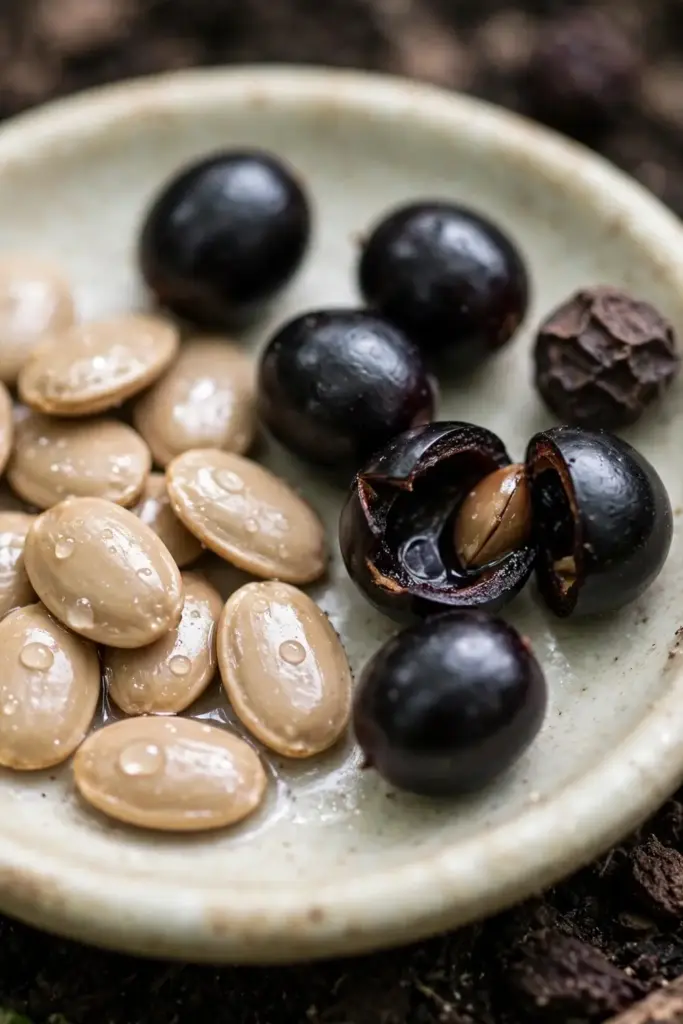
De-pulp the berries before sowing. The fleshy fruit around the seed inhibits germination and invites mold in the tray. Rinse the seeds clean under running water and sow them the same day if you can. Every week of dry storage costs you germination percentage.
Scarification helps. A 24-hour soak in lukewarm water before sowing measurably improves germination, with published trials showing the soaked seed outperforming untreated seed. Nicking the hard seed coat with a file is the low-tech version of the same idea. Do not use acid scarification at home; the soak is enough and far safer.
5. Sow Tejpat Seed the Right Way
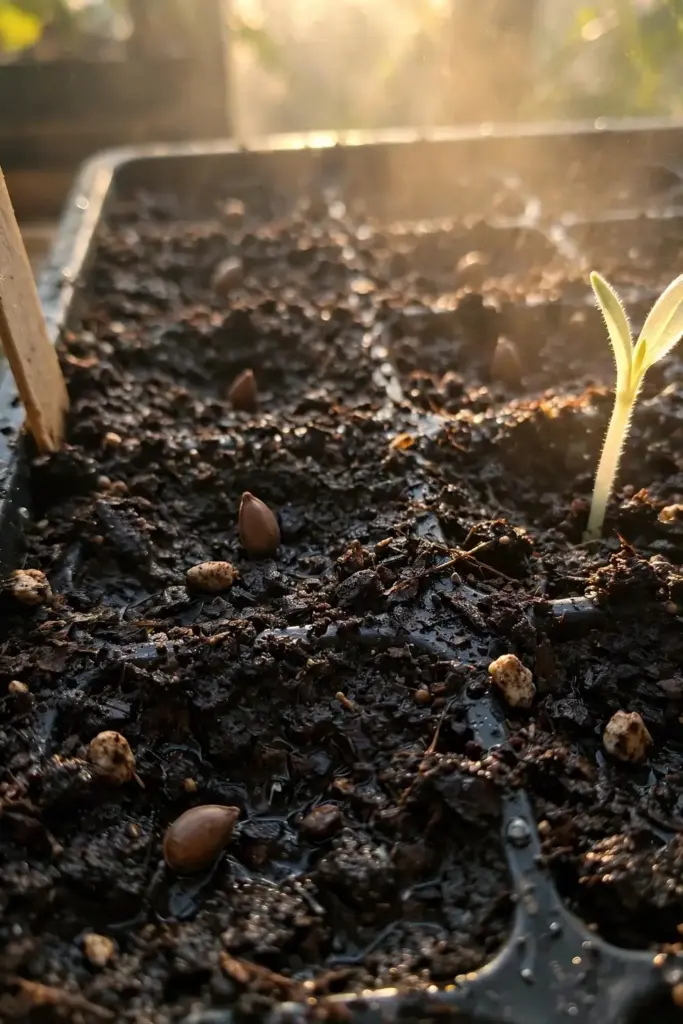
Use a seed tray or small pots filled with a loose seed-starting mix, and keep everything warm. Tejpat germinates best at 25 to 30 C (77 to 86 F), which means a heat mat or the top of a refrigerator in most homes. One Indian bay leaf growing guide reports germination in 2 to 4 weeks at that temperature range, while the growplants.org species profile notes it can stretch past 4 months for older seed. If you are new to starting seed indoors, the seed-starting guide covers heat mats and humidity domes in detail. Cover the seeds lightly, about 1 to 2 cm deep, and keep the mix consistently moist but never soggy.
| Step | Action | Time |
|---|---|---|
| 1 | De-pulp fresh berries, rinse seed clean | Day 0 |
| 2 | Soak seed 24 hours in lukewarm water | 24 hours |
| 3 | Sow 1 to 2 cm deep in moist seed mix | Day 1 |
| 4 | Hold at 25 to 30 C with humidity and indirect light | Ongoing |
| 5 | Watch for sprouts | 20 to 30 days, sometimes 4 months or more |
Give seedlings bright indirect light, not full sun. Young tejpat benefits from shade while it establishes, a trait it keeps from its forest-understory youth. Transplant to individual pots once seedlings have a few true leaves and a root system that holds the mix together. Handle the roots gently. Tejpat resents rough transplanting, and a checked seedling can sulk for weeks.
Do not sow in the cool season and walk away. Below about 20 C, germination stalls and the seed sits in damp mix inviting fungus. If your windowsill runs cool, wait for spring or run a heat mat. Warmth is the whole game at this stage.
6. Cuttings: The Faster Shortcut
Take semi-hardwood cuttings in late spring or early summer, when the current season’s growth has firmed up but not gone woody. Each cutting should be 10 to 15 cm long with at least two nodes, the size one Indian grow guide recommends for reliable rooting. Strip the lower leaves, leaving a few at the top to feed the cutting while it roots.
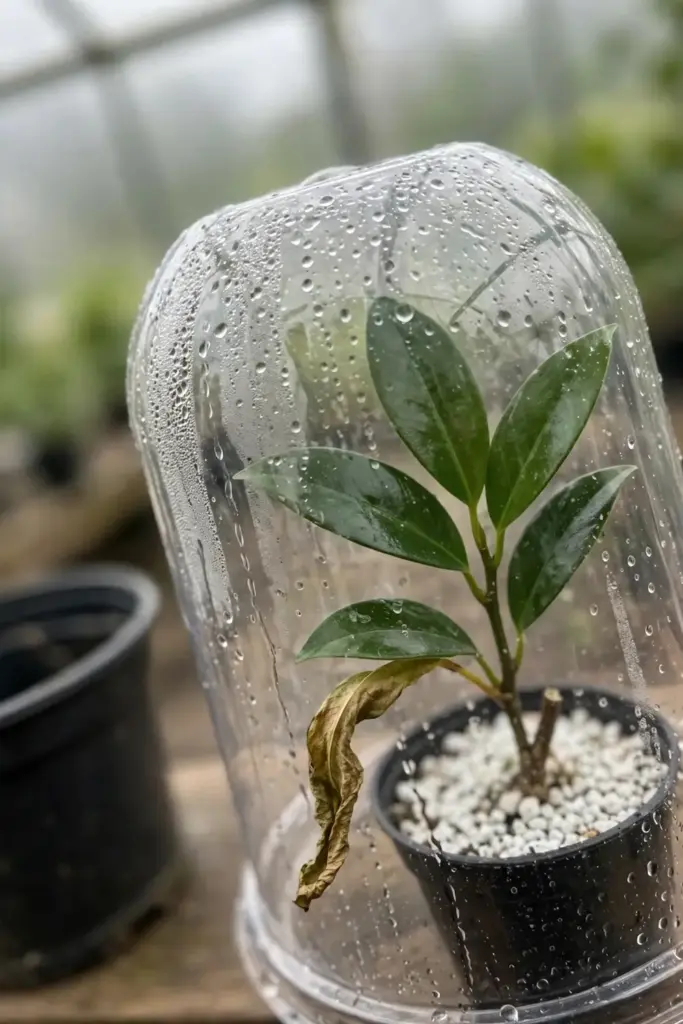
Dip the cut end in rooting hormone and set it in a mix of peat moss and perlite. Keep the medium moist and the air humid. A clear plastic bag over the pot works as a humidity tent; vent it daily so mold does not move in. Bright indirect light, not direct sun, which cooks cuttings under plastic.
Rooting usually takes 4 to 6 weeks, and slow cuttings can take longer. Tug gently after a month. Resistance means roots. Pot up into individual containers once the root ball holds together, and treat the young plant like a seedling: shade, steady moisture, no fertilizer yet.
7. Grow Tejpat in Containers: The Cold-Climate Method
This is the lane most Western growers actually live in, and it is thinner in the gardening press than it should be. Tejpat is frost-tender, so outside zones 9 to 11 the container is not a compromise. It is the method. A container tree moves indoors before frost and back out after danger passes, and it can live this way for many years.
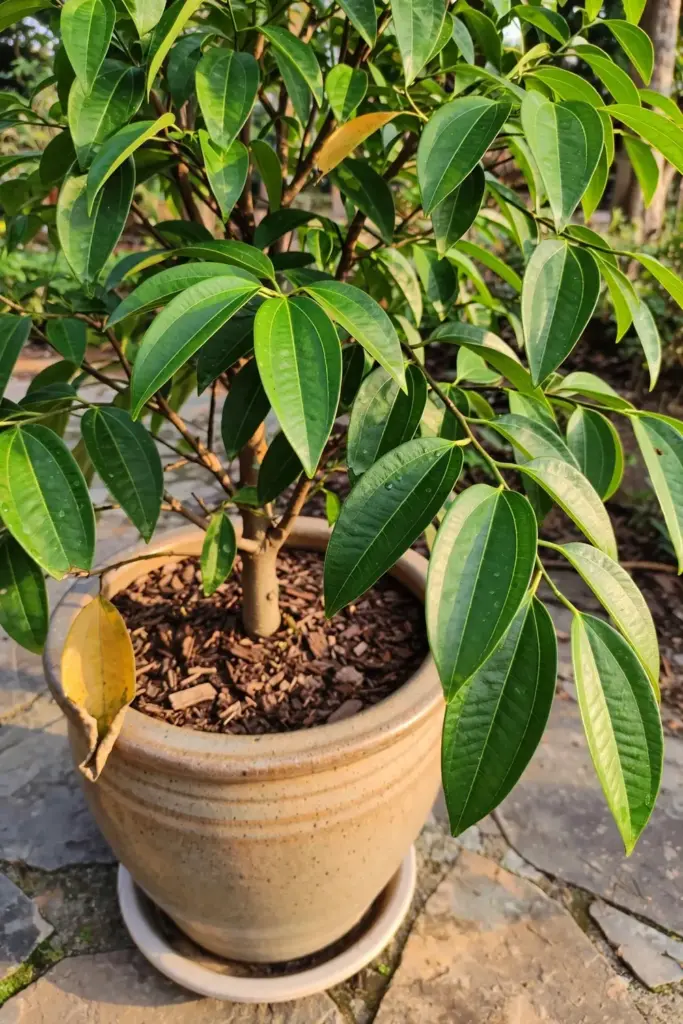
Start with a pot one size larger than the root ball, with real drainage holes. A 12 to 16 inch terracotta or ceramic pot suits a young tree; mature container specimens graduate to 5 to 10 gallon pots. The growplants.org container notes stress the same rule home growers learn the hard way: never let water sit in the saucer for more than a day. Soggy feet rot tejpat roots faster than almost anything else you will do wrong.
Use a rich, moisture-retentive but free-draining potting mix. A quality potting soil cut with perlite or a peat-and-perlite blend both work, and HerZindagi’s home guide suggests asking your nursery to add sand to the mix for extra drainage. Slightly acidic soil, around pH 6.0 to 6.5, matches what the tree wants in the ground. Mulch the surface to keep roots cool and damp, especially while the tree is young.
Repot every one to two years, or when roots circle the pot. Each move up should be modest, one pot size at a time. A tree drowning in an oversized pot sits in wet soil it cannot drink fast enough, and wet soil is the enemy.
8. Soil: What Cinnamomum tamala Wants
In the ground, tejpat wants fertile, sandy, moisture-retentive but freely draining soil in full sun or partial shade. Heavy clay that holds winter water will kill it. If your soil is clay, plant on a slight mound or in a raised bed so the crown never sits in a puddle.
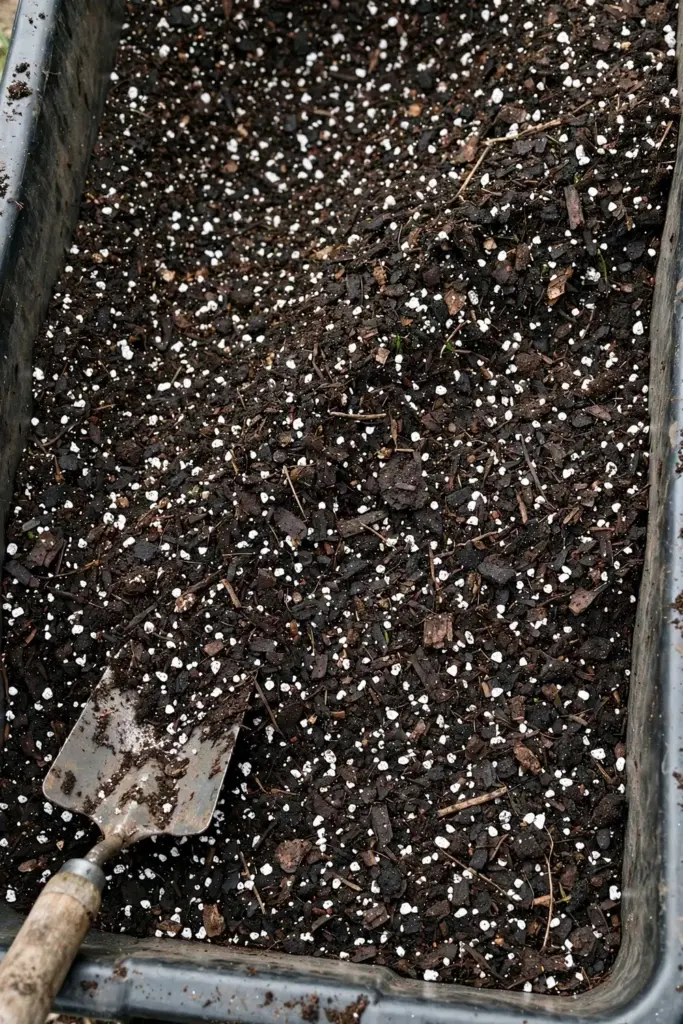
Aim for a slightly acidic to neutral pH, roughly 6.0 to 7.0. You do not need laboratory precision. Compost-rich loam with good structure lands in this range naturally in most gardens. If you are planting a specimen tree in zone 9 or warmer, dig the hole 30 to 50 percent larger than the root ball, mix organic matter and leaf mold into the backfill, and mulch after planting. Keep the root collar at soil level. Burying the trunk invites rot.
In containers the mix matters more than in the ground because there is nowhere for mistakes to drain away to. Rich potting soil with perlite for drainage, refreshed at each repotting, keeps a container tree happy for years. For a deeper look at building living soil that holds moisture without waterlogging, the soil-health foundation guide walks through the whole system.
9. Watering: The Moist, Not Soggy Rule
Water deeply, then let the top inch or two of soil dry before watering again. That sentence carries the whole program. Tejpat likes steady moisture and humidity, especially while young, but waterlogged soil rots the roots and there is no recovery from advanced root rot.
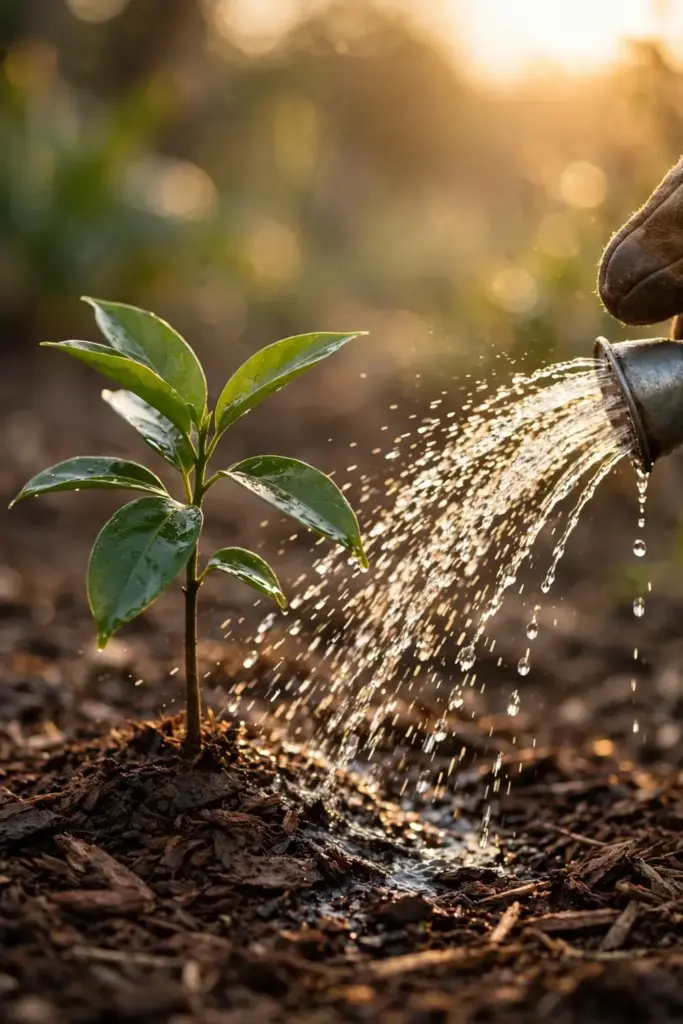
Newly planted trees need the most attention. Water twice on planting day, then daily for about two weeks to settle the roots into their new home. After that, shift to the top-inch rule and adjust for weather. Hot dry spells mean more water. Cool cloudy weeks mean less.
Container trees dry faster than in-ground trees and need checking more often. In winter, when growth slows, ease off. A tree sitting in cold wet mix is a tree inviting trouble. Mulch helps in both settings by keeping the root zone evenly moist and cool.
10. Feeding: The Minimalist Program
Tejpat is not a hungry plant. In the ground, a yearly top-dressing of compost is enough for most trees. In containers, feed lightly during the growing season with a balanced organic fertilizer every 4 to 6 weeks, and stop when growth slows in fall.
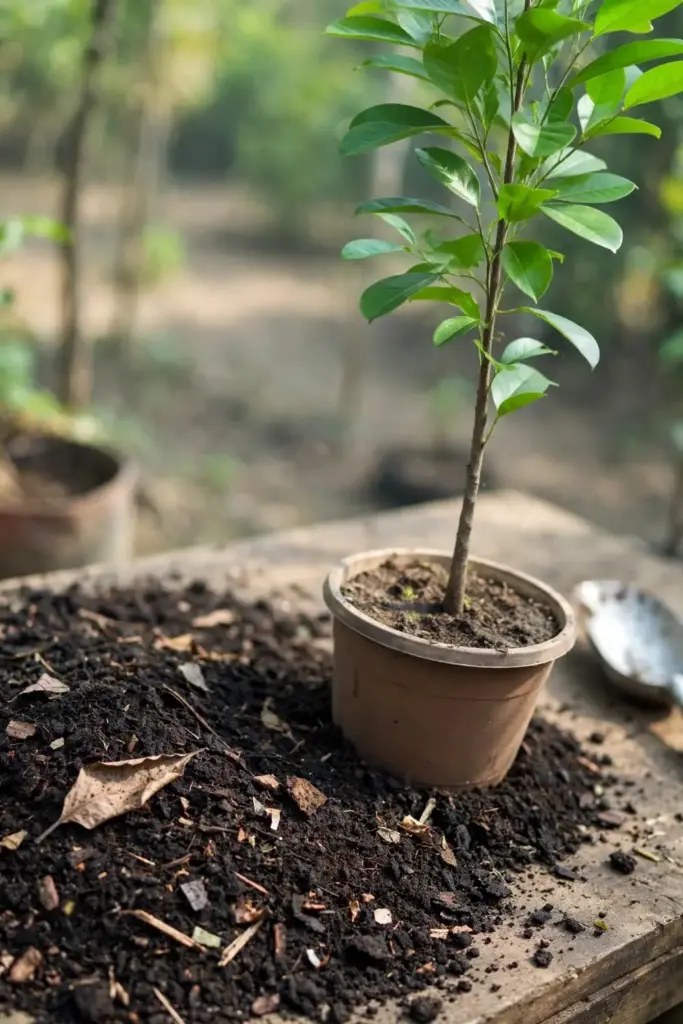
Do not fertilize a stressed tree. A seedling sulking after transplant, a tree dropped leaves after a cold snap, a plant with yellowing foliage from overwatering: none of these want food. They want the underlying problem fixed. Fertilizer on a struggling plant burns roots and makes everything worse.
Watch the leaves for the real report. Deep green new growth means the program works. Pale new leaves can mean the mix has gone too alkaline or the tree is hungry; a light feeding answers the question. Scorched leaf edges usually mean salt buildup or drought, not hunger.
11. Pruning: Shape a Tree You Can Live With
Prune to keep the tree at a size that fits your life. In the ground in a warm climate, tejpat wants to become a 12-meter tree. Most home growers want something between 2 and 4 meters. Regular pruning keeps it there and encourages the bushy growth that produces more harvestable leaves.
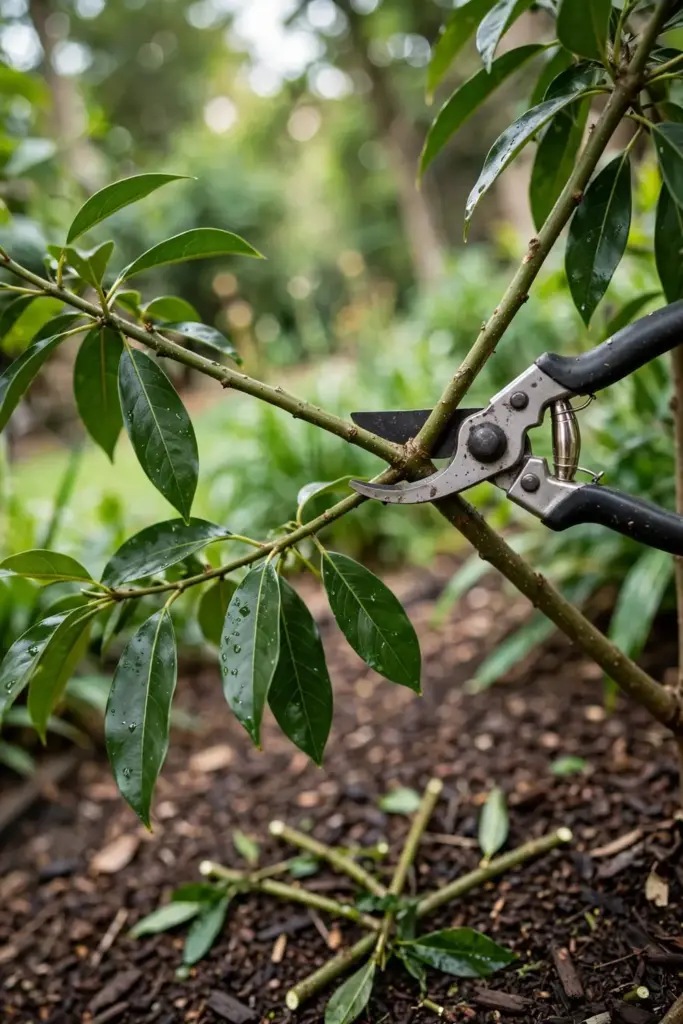
Prune in late winter or early spring before the flush of new growth. Remove dead, crossing, and inward-growing branches first, then shape. Tejpat tolerates fairly hard pruning and responds by pushing new shoots from below the cuts. Those new shoots are your future harvest.
For container trees, pruning is also how you keep the canopy in balance with the root ball. A tree with far more top than its pot can support wilts on warm afternoons no matter how much you water. Keep the head in proportion to the pot, and the tree stays comfortable.
12. Overwintering: Bring It In Before Frost
Tejpat is frost-tender. Move container trees indoors before the first frost, when nights start flirting with 50 F (10 C). Do not wait for a freeze warning. One hard frost can defoliate a young tree, and repeated cold damage sets it back by a season.
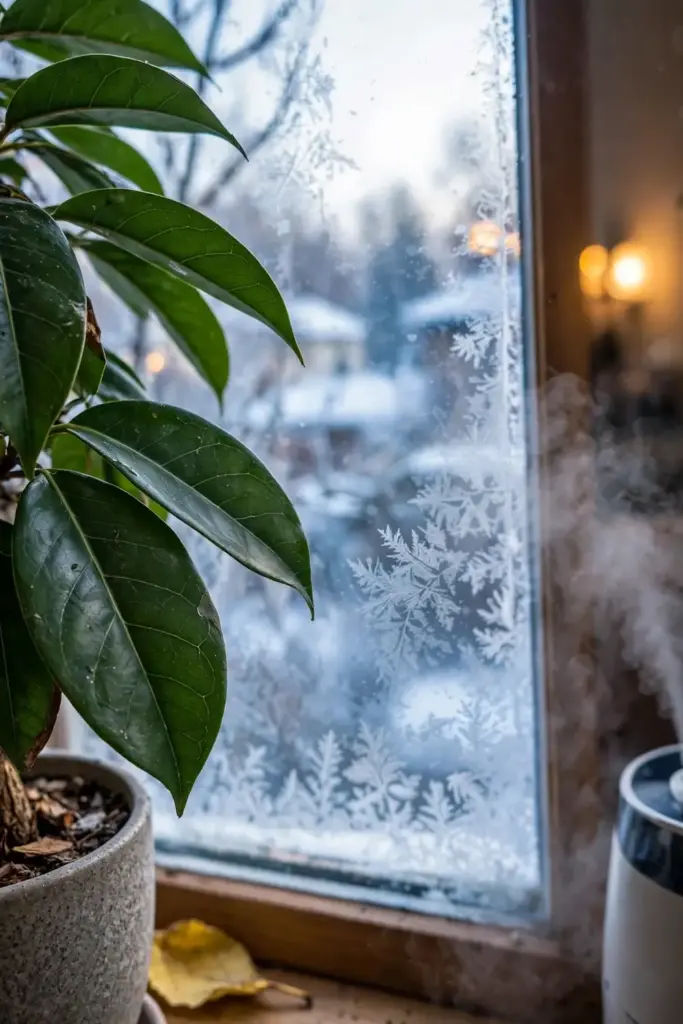
Inside, give it the brightest spot you have. A south or west-facing window works; a grow-light setup works better and keeps growth compact through the dark months. For choosing the right fixture, the grow-lights guide covers what actually matters for overwintering tropicals. If you keep other edibles indoors through winter, the indoor herb gardens guide shows how to arrange light, humidity, and airflow for the whole collection. Keep the tree away from heat vents, which desiccate leaves faster than any sun.
Water less in winter but do not let the root ball go bone dry. Mist occasionally or set the pot on a pebble tray if your indoor air is desert-dry. Some leaf drop in winter is normal. The tree is resting, not dying. Move it back outside only after all frost danger has passed and nights stay reliably warm.
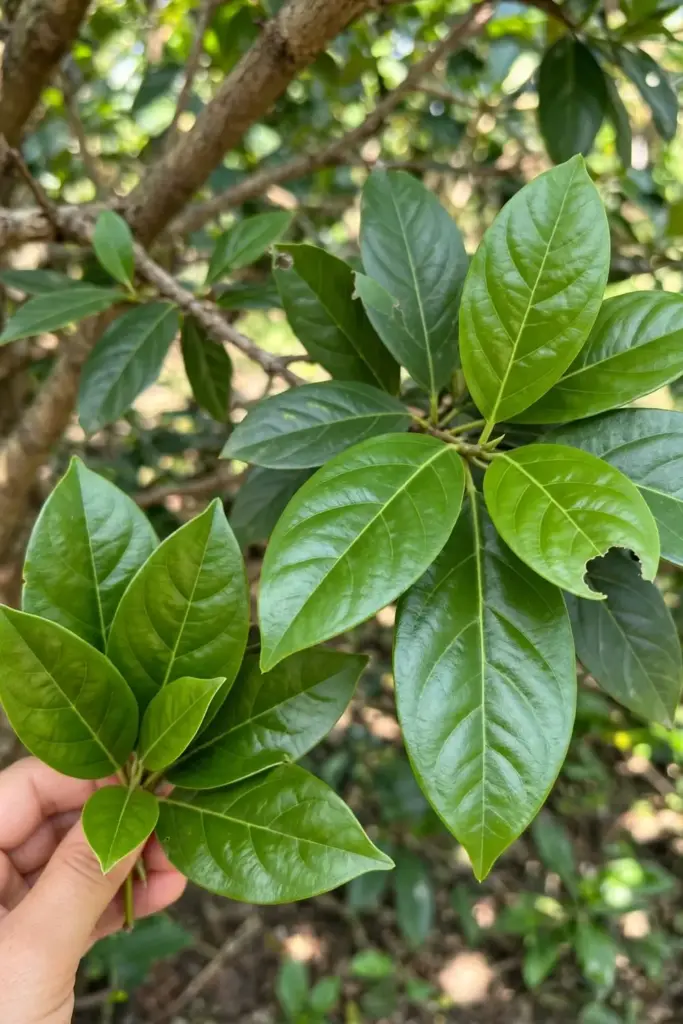
13. First Leaf Harvest: The 8 to 10 Year Wait
Here is the timeline in one place, because scattered numbers across the internet confuse everyone.
| Year | Milestone |
|---|---|
| 0 | Sow fresh seed or plant a sapling |
| 0 to 1 | Germination and seedling care in shade and warmth |
| 1 to 2 | Pot up, steady growth, first pruning for shape |
| 2 to 5 | Container tree fills out; in-ground trees establish |
| 5 to 8 | Structural growth; light leaf sampling only |
| 8 to 10 | First real leaf harvest |
| 10 plus | Yearly harvests for decades; mature trees crop for a century |
The 8 to 10 year figure comes from forestry literature on tejpat as a crop tree. Home growers sometimes report usable leaves earlier from vigorous container plants, and a few leaves for a special biryani will not hurt a healthy 5-year-old tree. But plan your expectations around the decade mark and you will never be disappointed.
When harvest time comes, take small branches with leaves rather than stripping individual leaves. Dry them in the sun for 3 to 4 days until crisp, then store airtight. A mature tree can produce tens of kilos of dried leaves per year, which is more tejpat than any home kitchen will ever use.
14. Dry and Store Leaves the Indian Way
Fresh tejpat leaves are not at their best straight off the tree. Like European bay, the flavor develops and concentrates as the leaf dries. Fresh leaves taste green and mildly bitter; dried leaves deliver the clove-cinnamon depth you want in a biryani.
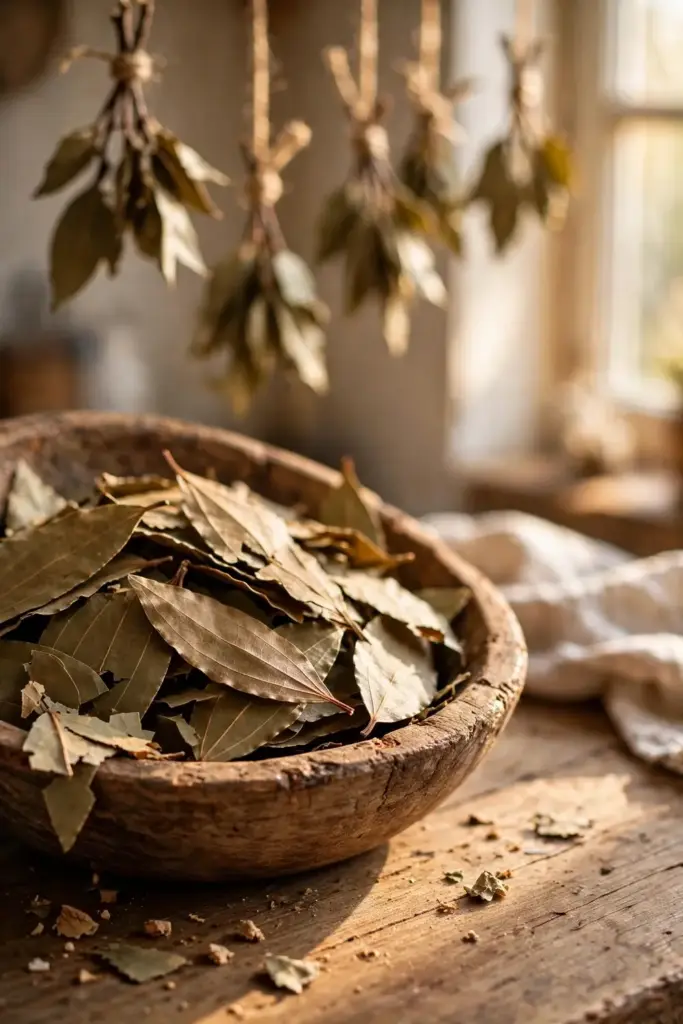
Dry small branches in the sun for 3 to 4 days, or hang them in bunches in a warm, airy spot out of direct rain. The leaves are ready when they crinkle crisply between your fingers. Strip them from the stems and store in airtight jars away from light and heat.
Properly dried and stored, tejpat keeps its aroma for a year or more, though the top notes fade with time. Date your jars. When the leaves smell dusty instead of spicy-sweet, compost them and open a fresher jar. Your tree makes more.
15. Cook With Tejpat: What Makes It Different
Tejpat tastes nothing like European bay. The signature is a clove-like aroma with a warm peppery hint, sometimes described as cinnamon-adjacent. It is the leaf that gives biryani its distinctive top note and that deepens a garam masala from the inside.
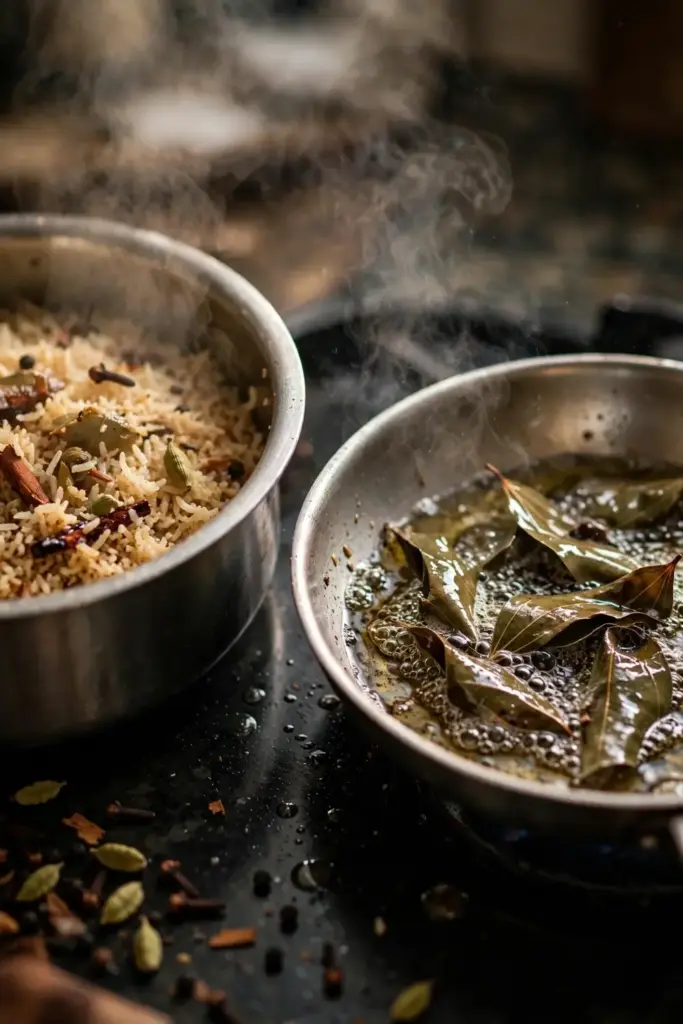
Use it the Indian way: fry the dried leaf briefly in hot oil or ghee at the start of cooking to bloom the flavor, then build the dish around it. It goes into rice dishes, slow-cooked curries, lentils, and meat braises. Fish it out before serving, the same as European bay. The leaf itself is not pleasant to chew.
Do not substitute European bay leaf one-for-one and expect the same dish. The flavor compounds differ, and a biryani made with Laurus nobilis tastes subtly wrong to anyone who knows the real thing. This is why the species distinction in section 2 matters in the kitchen, not just in the garden.
16. Six Mistakes That Kill Tejpat Seedlings
Buying the wrong species. The number one failure happens at the nursery, not in the garden. If the tag does not say Cinnamomum tamala, you may be raising European bay. Verify before you pay.
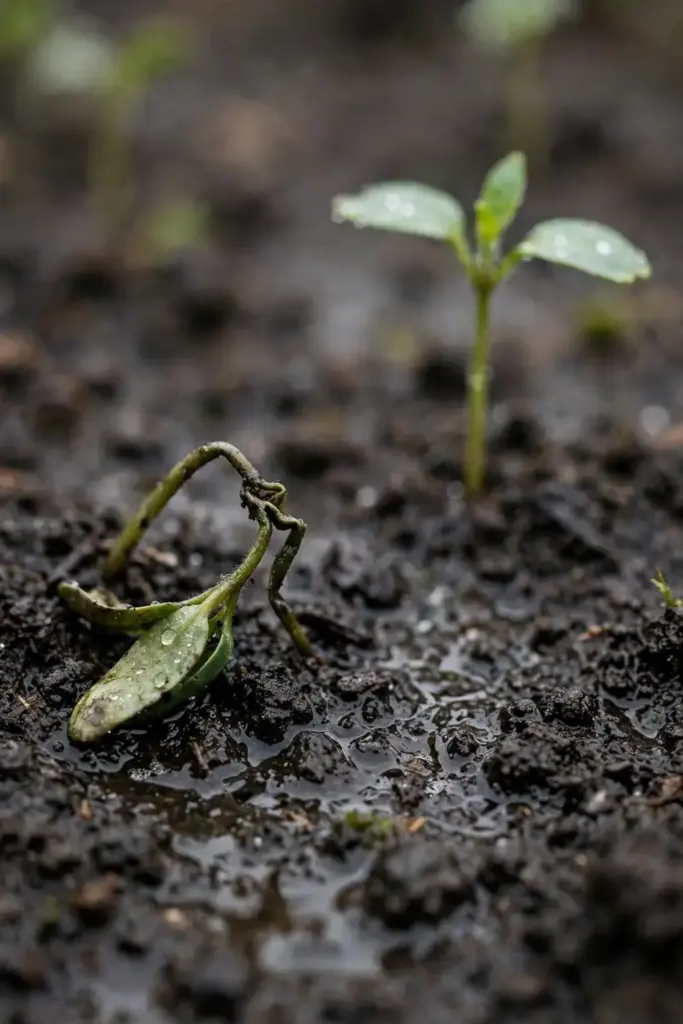
Sowing old seed. Year-old tejpat seed is dead seed. If the seller cannot tell you the collection date, assume the worst and buy a sapling instead.
Drowning the roots. Waterlogged mix kills more young tejpat than all other mistakes combined. Drainage holes, gritty mix, and an empty saucer beat any watering schedule.
Skipping warmth for germination. Sowing at room temperature in a cool house and hoping is how seed rots. Hold 25 to 30 C until sprouts show.
Full sun on babies. Young plants want bright indirect light and some shade. Blast a fresh seedling with midday sun and it stalls.
Fertilizing a struggler. A checked transplant does not need food. It needs stable moisture, warmth, and time. Feed only actively growing plants.
17. Troubleshooting: Diagnose the Problem Fast
Seeds never sprouted. Old seed is the usual cause. Next time, buy fresh, de-pulp, soak 24 hours, and hold warmth. If the mix stayed cool, that alone explains it.
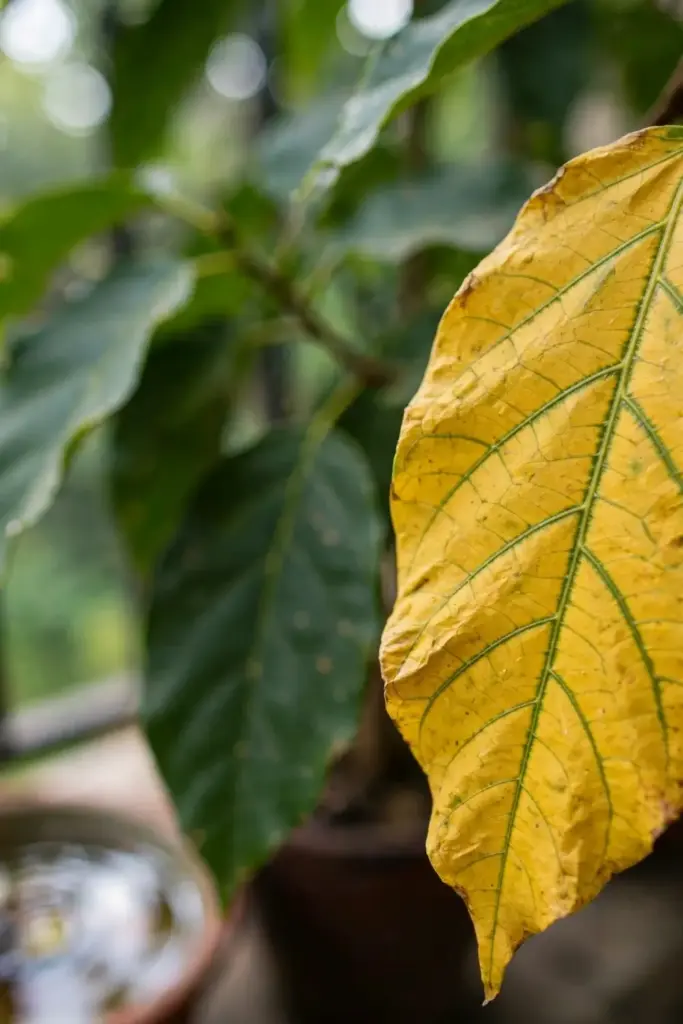
Seedling damped off. The stem pinches at the soil line and topples. Too wet, too cool, too crowded. Start over with fresh mix, more air circulation, and bottom warmth.
Yellow leaves on a container tree. Usually overwatering or a pot with no drainage. Check the saucer first. If the mix smells sour, repot into fresh mix and ease off the watering can.
Leaf drop after moving indoors. Normal winter adjustment, especially with lower light. Do not panic-feed or overwater. Keep it bright, barely moist, and wait for spring.
No growth for months. Tejpat is slow. If the leaves are green and healthy, the tree is likely building roots. Feed lightly in spring and be patient.
Scale or mealybugs indoors. Wipe off with a damp cloth and treat with horticultural oil or insecticidal soap. Improve air circulation. Check new growth weekly until clear.
18. Frequently Asked Questions
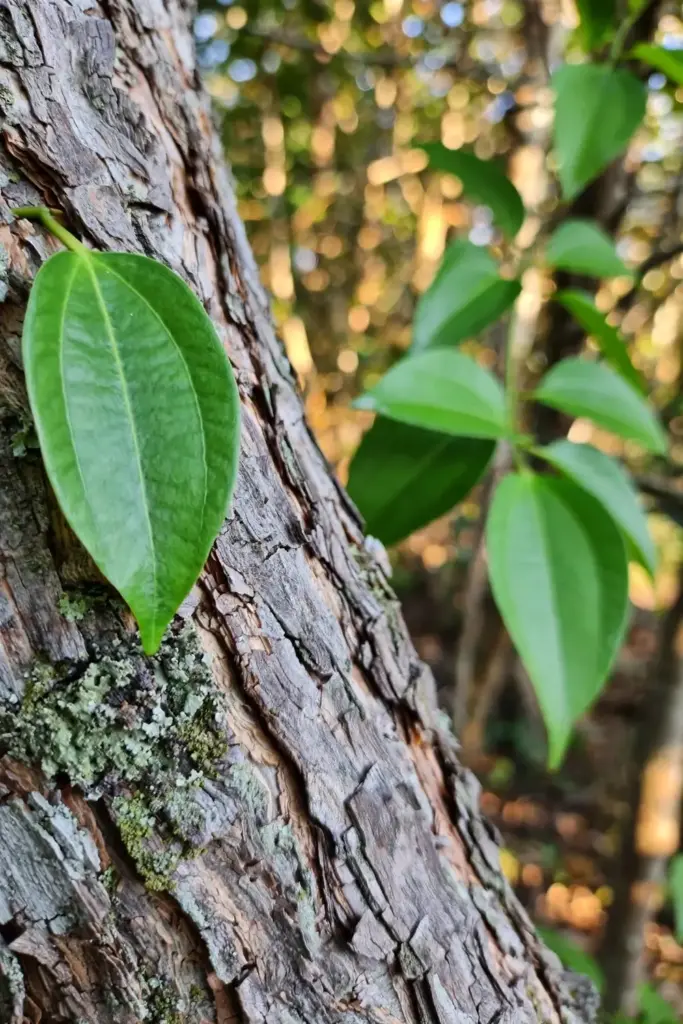
No. Indian bay leaf (tejpat) is Cinnamomum tamala, a Himalayan evergreen tree with a clove-like, peppery aroma. Bay laurel is Laurus nobilis, a Mediterranean shrub with a sweet, eucalyptus-like scent. They belong to the same family but different genera, taste different, and are not interchangeable in recipes. Always check the Latin name on nursery tags.
Plan on 8 to 10 years from seed for a first real harvest, based on forestry literature for tejpat as a crop tree. Container growers sometimes sample a few leaves earlier from vigorous plants, but meaningful harvests need a mature tree. The payoff is longevity: a mature tree keeps producing for decades, and commercial trees are cropped for around a century.
Yes, and outside zones 9 to 11 it is the recommended method. Use a 12 to 16 inch pot with drainage, rich well-draining mix, and 6 to 8 hours of bright light. Move the tree indoors before frost when nights approach 50 F, give it your brightest window or a grow light, water sparingly through winter, and return it outside after frost danger passes.
Old seed is the most common reason. Tejpat seed loses viability fast: about half of fresh seed germinates, a quarter at six months, and effectively none at one year. Other causes are cool temperatures below 20 C, sowing too deep, or waterlogged mix. Use fresh de-pulped seed, soak 24 hours, sow 1 to 2 cm deep, and hold 25 to 30 C with steady humidity.
You can, but dried is better. Fresh leaves taste green and mildly bitter, while drying concentrates the clove-cinnamon aroma that makes tejpat distinctive. Dry small branches in the sun for 3 to 4 days until the leaves crinkle crisply, then strip and store them airtight. Add dried leaves early in cooking, fried briefly in oil to bloom the flavor.
No, but they are cousins. True cinnamon (Cinnamomum verum) is grown for its bark; tejpat (Cinnamomum tamala) is grown for its leaves. The bark of tejpat is sometimes used as a cheaper cinnamon substitute or even as an adulterant, which is part of why the names get tangled. For leaf harvests, you want C. tamala, not a cinnamon-bark species.
19. Conclusion
Learning how to grow Indian bay leaf from India is a long game, and that is exactly what makes it satisfying. Few home growers can say they raised a spice tree from a seed the size of a peppercorn to a harvest that flavors a decade of biryanis. Start with verified Cinnamomum tamala, give it warmth and drainage, protect it from frost, and let the years do the heavy lifting.
If you are building a serious Indian spice collection, tejpat earns its place beside the quicker wins. Pair it with a curry leaf plant for the full tadka lineup, and keep a pot of tulsi on the same sunny windowsill through winter. Time your cool-season sowings with the fall herbs planting calendar so something is always coming up while the tree takes its time. The slow tree and the fast herbs balance each other, and your kitchen will never depend on a dusty jar again.