Measure 2 sunny spots in your yard before you spend a dollar on a greenhouse kit. The best greenhouse for beginners is a walk-in polycarbonate kit with a roof vent that opens on its own. A small house heats fast and cools fast, so the vent and the site decide the harvest more than the frame badge does.
Walk the yard at 9 in the morning and again at 3 in the afternoon. Mark the spots that hold sun at both hours with a brick or a timber offcut. A spot that loses sun by noon grows leggy seedlings by March.
Buy the house that fits the sunniest marked spot, the crops on your list, and the walkway you need to carry a watering can through the door. A kit that fights the yard costs more in fans, heaters, and dead seedlings than a larger kit on the right spot.
| Option | Best For |
|---|---|
| Walk-In Greenhouse | Small yards and daily seed starting |
| Mini Greenhouse | Balconies and patios with a few seed trays |
| Polycarbonate Greenhouse | Four season growing in cold winters |
| Glass Greenhouse | Bright light and a permanent garden feature |
| Hoop House | Vegetable beds and row crops |
| Lean-To Greenhouse | A sunny house wall and a tight budget |
What to Look For Before You Buy a Greenhouse
Judge a kit by 4 parts before you judge it by price: frame, glazing, vents, and door. The Clemson Cooperative Extension hobby greenhouse guide puts the minimum freestanding house at 243.8 cm wide by 365.8 cm long and calls for 1 to 1.5 air changes per minute in summer, so a kit with one small roof vent fails the test before the first seed tray goes in. The best greenhouse for beginners is the kit that passes all 4 checks, not the kit with the lowest sticker price.
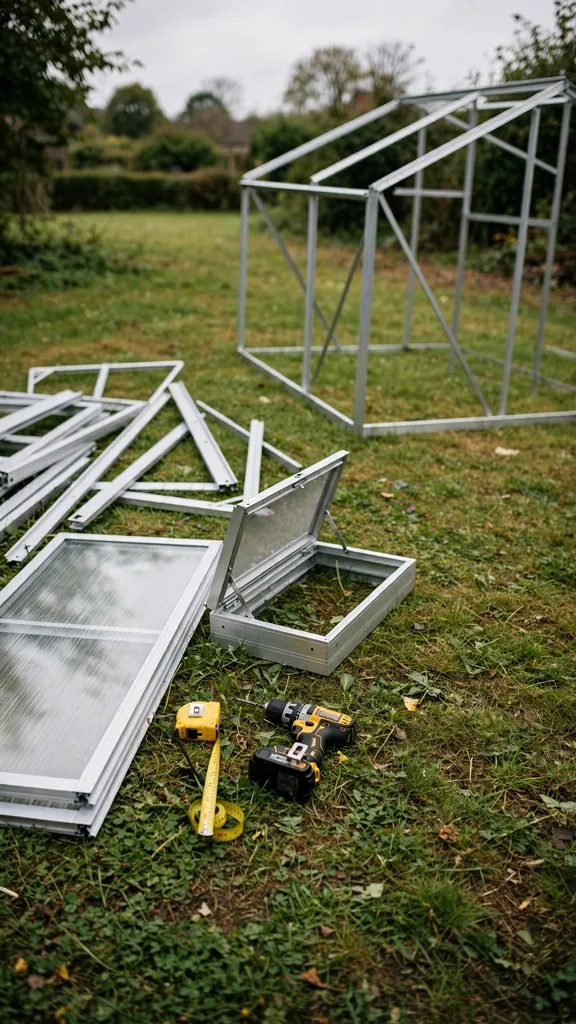
Check the frame first. Aluminum and galvanized steel hold their shape under snow load and wet soil, while thin plastic pipe bends under the same load. Push on a corner joint in the shop or in the yard. A joint that flexes under one firm push racks the door within a season.
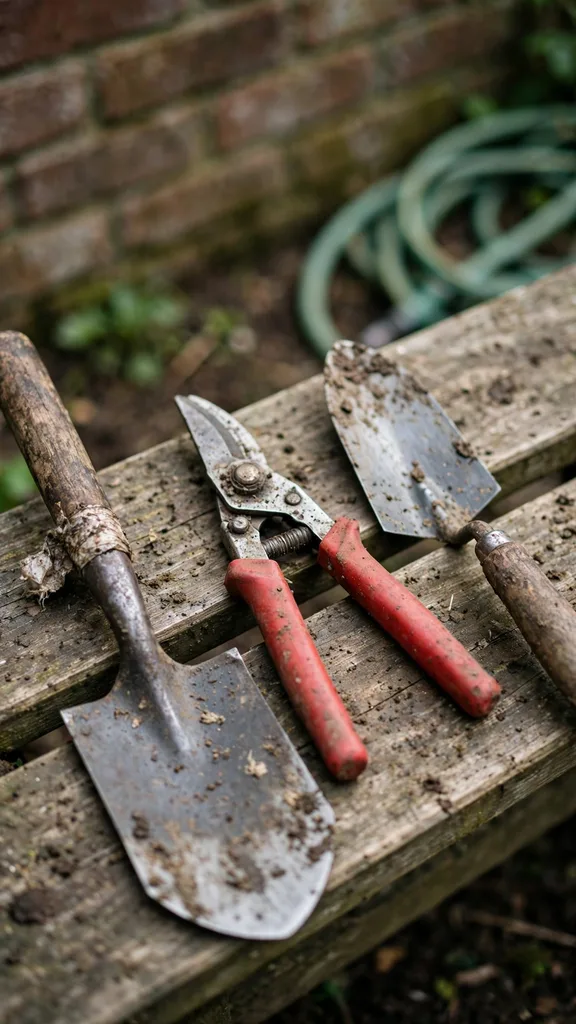
Check the glazing second and the door third. Twin-wall polycarbonate holds heat through a cold night and bounces off a hailstone that cracks single glass. A door that swings wide enough for a wheelbarrow saves your back at harvest, and a door that sticks in damp weather steals time from every visit. A tape measure, a level, and a drill driver cover most kit builds, and the essential garden tools for beginners list sorts the buys from the skips.
Size the vents before you size the benches. Roof vents let hot air out at the ridge, side vents pull cool air in low, and an automatic opener lifts the roof vent while you are at work. Shade cloth over the roof cuts the worst summer sun, and a fan keeps air moving across crowded benches so leaves dry by night. A house with strong vents and no heater beats a heated house with one small vent through most of the year.
Exact shelf prices shift by seller and season, so the table uses relative bands only. A current shelf price is data not available here.
| Type | Footprint | Glazing | Price Band | Best For |
|---|---|---|---|---|
| Walk-In Greenhouse | 243.8 by 365.8 cm and up | Twin-wall polycarbonate | Mid range | Small yards and daily seed starting |
| Mini Greenhouse | Data not available | Single polycarbonate or film | Low range | Balconies and patios |
| Polycarbonate Greenhouse | 243.8 by 365.8 cm and up | Twin-wall polycarbonate | Mid range | Four season growing |
| Glass Greenhouse | 243.8 by 365.8 cm and up | Tempered glass | High range | Bright light and a permanent feature |
| Hoop House | Data not available | Polyethylene film | Low range | Vegetable beds and row crops |
| Lean-To Greenhouse | 182.9 by 304.8 cm and up | Twin-wall polycarbonate or glass | Low to mid range | A sunny house wall |
Best Walk-In Greenhouse for Small Yards
A walk-in house stands tall enough for a bench on each side and a path down the center. You step inside out of the wind, set a tray down, and work with both elbows clear of the walls. The shape suits a gardener who starts seed every week from late winter through spring and wants the trays within reach of the back door.
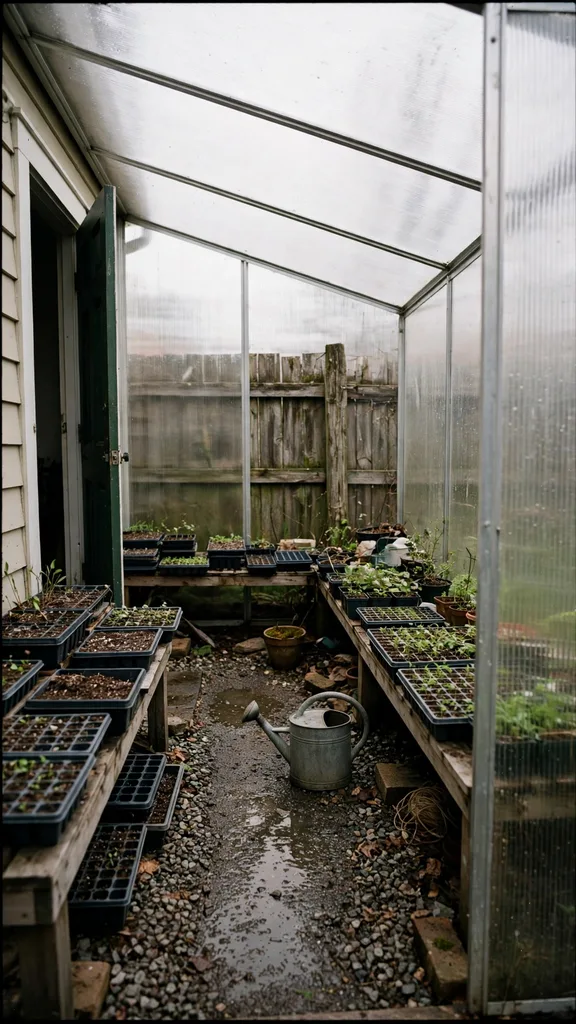
Buy the freestanding minimum as the floor, not the ceiling. A smaller house swings from hot to cold in one sunny hour, and the swing cooks seedlings before lunch. Skip any kit with a single roof vent and no side vent. One vent traps hot air at the ridge while the benches below stay damp and still. A kit with a base plinth anchors cleaner than a kit that sits on bare soil, and a plinth keeps the bottom rail out of standing water after rain.
Best Mini Greenhouse for Balconies and Patios
A mini greenhouse is a shelf unit with a clear cover, sized for trays rather than people. It holds a few seed trays on a balcony or against a patio wall, and it moves indoors when a late frost threatens. The shape suits a renter or a gardener with no bare soil to spare. A weighted base or a strap to the railing stops wind from tipping the shelves, and a cover that zips shut holds heat on a clear cold night.
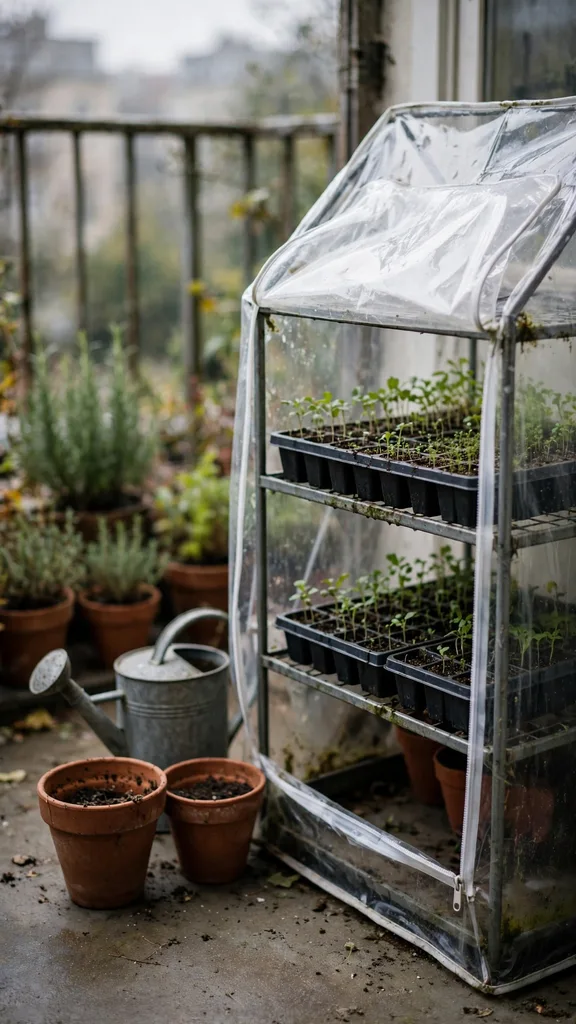
Treat it as a seed nursery, not a food factory. Trays outgrow the shelves within weeks, and a tomato left inside stretches pale and thin toward the cover. Skip the cheapest cover that tears at the zip. A torn cover dumps cold air on the trays on the first windy night.
Best Polycarbonate Greenhouse for Four Season Growing
Twin-wall polycarbonate traps a layer of still air between 2 rigid sheets, and that layer holds heat after sunset. The panels bounce off hail, shrug off a dropped trowel, and weigh less than a glass pane of the same size. The shape suits a gardener who grows through winter and wants the house to hold heat without a heater running all night. The diffused light suits leafy crops, since no single leaf sits in a hard patch of sun while the next leaf sits in shade.
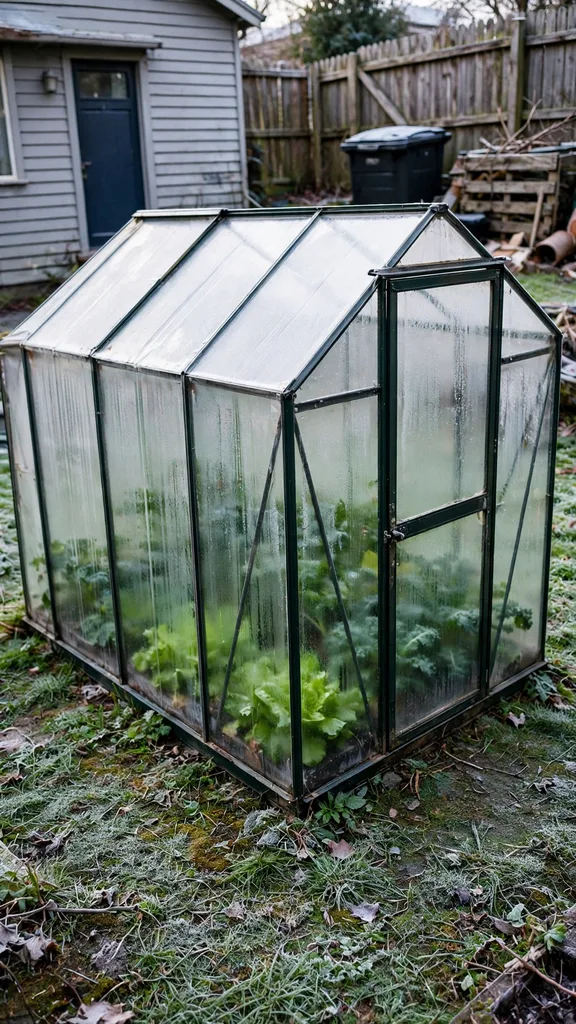
Watch the panel edges. Moisture and algae creep into an open channel and turn the wall green from the inside, and no wash reaches it once the algae sets. Skip a kit that ships open channels with no tape or end caps. Seal the channels on build day, or the wall clouds over by the second winter.
Best Glass Greenhouse for Light and Looks
Glass passes the fullest light of any common glazing. It never yellows with age. A glass house reads as a permanent garden building, and it suits a gardener who grows orchids, citrus in pots, or cut flowers that need strong light through a dark winter. The frame must be rigid. A flexing frame cracks a pane at the corner.
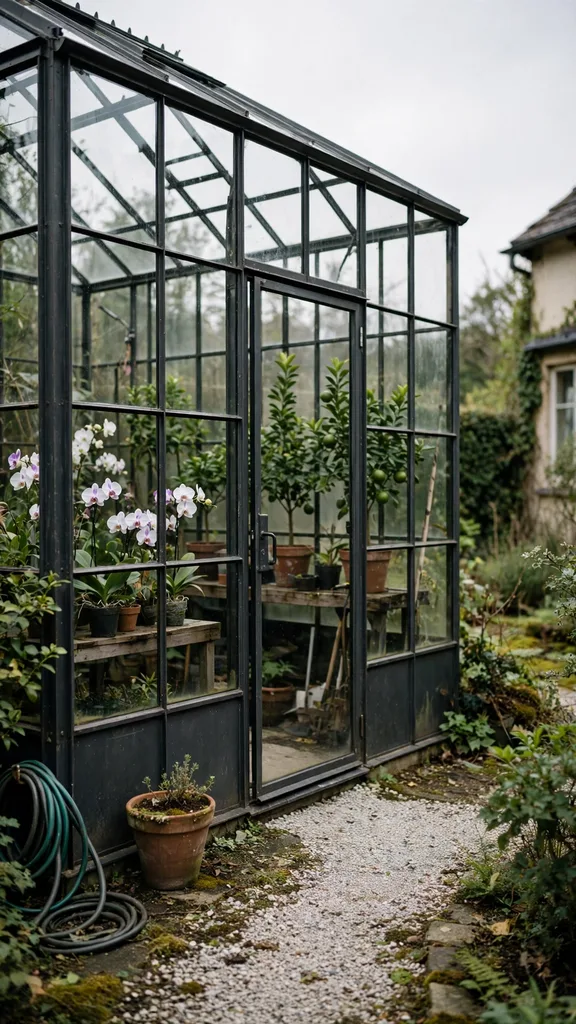
Budget for breakage and for heat loss. A single pane sheds heat fast on a cold night, so a glass house without a heater sits empty in deep winter. Skip thin untempered panes in a house where children or dogs run past. Tempered glass breaks into blunt cubes, while annealed glass breaks into sharp shards. Wash the panes each spring, since a film of algae and dust cuts the light the glass was bought for.
Best Hoop House for Vegetable Beds
A hoop house is a row of bent pipes pulled over a bed and skinned with polyethylene film. It costs the least per square metre of cover, goes up in an afternoon with help from a second person, and moves to a fresh bed when the season turns. The shape suits a vegetable gardener who wants early lettuce and late tomatoes from the same beds. Bury the film edges in a shallow trench or pin them with sandbags, since a loose edge flaps and tears in the first storm.
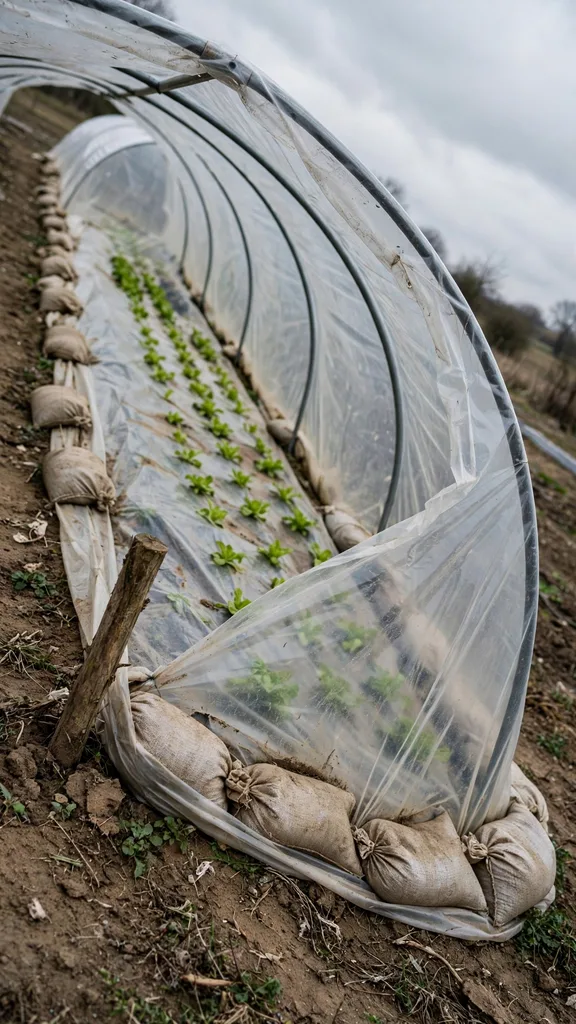
Treat the film as a consumable. Sun and wind wear it thin, and a torn sheet flaps against the crop on a stormy night. Skip painter’s plastic from the hardware aisle. It tears at the fold lines and dumps cold air on the crop on the first windy night.
Best Lean-To Greenhouse for a Sunny Wall
A lean-to borrows one wall from the house and builds the other 3 sides from frame and glazing. It sits close to power and water, borrows heat from the house wall on a cold night, and fits a narrow side yard where a freestanding house never fits. The shape suits a gardener with one sunny wall and no spare lawn.
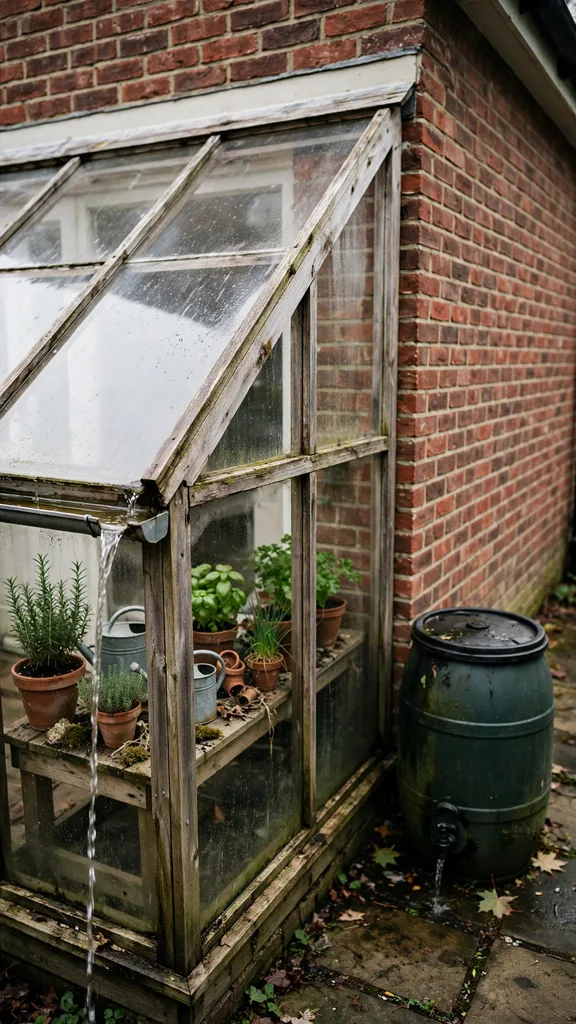
Mind the roofline. Rain off the house roof lands on the lean-to roof, and a gutter that dumps onto the glazing floods the benches in a storm. Skip a lean-to on a north wall. The house shades it all winter, and no glazing fixes a wall that never sees sun. Fit a gutter that carries roof water away from the glazing, and check it each autumn when leaves block the downpipe.
Greenhouse Ventilation and Heating Basics
Ventilation is the daily job, not a seasonal chore. Hot air rises to the ridge and leaves through the roof vent, cool air enters low through the side vents, and the flow carries moisture and stale air out with it. A house with vents at both levels stays steadier than a house with a door propped open, since a door pulls air across one end and leaves the far benches still.
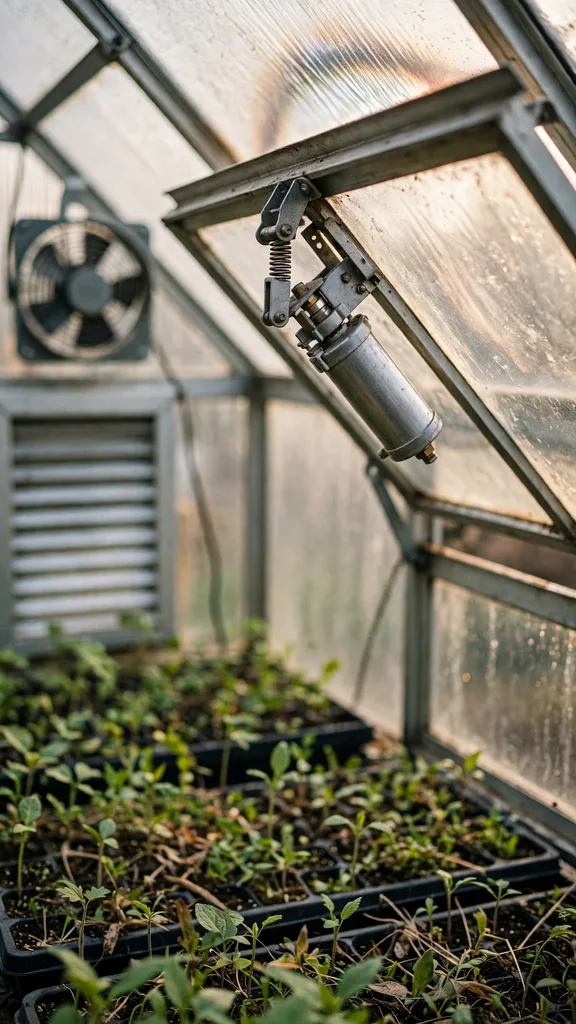
Fit an automatic vent opener on the roof vent first. The opener lifts the vent as the air warms and drops it as the air cools, with no power and no timer to set. A fan in a far corner keeps the air moving on still days, and moving air dries leaves fast enough to keep mold off crowded benches. Check the thermometer at plant height every visit, since the air at the ridge runs far hotter than the air at the bench.
Heat only the nights that need it. A small electric heater with a thermostat holds tender plants through a cold snap, while an unheated house still stretches the season for hardy crops. Skip unvented fuel heaters indoors. Their fumes harm plants, and the same notes warn against them for that reason.
Watch for condensation on cold mornings. Water vapor from wet soil and transpiring leaves meets cold glazing and runs down the walls, and drips land on seedlings below. Vent the house for an hour each morning even on a cold day, and keep the benches off the floor on slats so air moves under the trays. A dry bench at noon matters more than a warm bench at dawn.
Greenhouse Sizes That Fit Real Gardens
Size the house from the plants, not from the catalog photo. The University of Georgia Extension field report on hobby greenhouses allots 9.3 square metres for 100 plant containers, advises building 25 to 50 percent larger than the first size you pick, and holds the house between 7.2 and 29.4 degrees Celsius through the year.
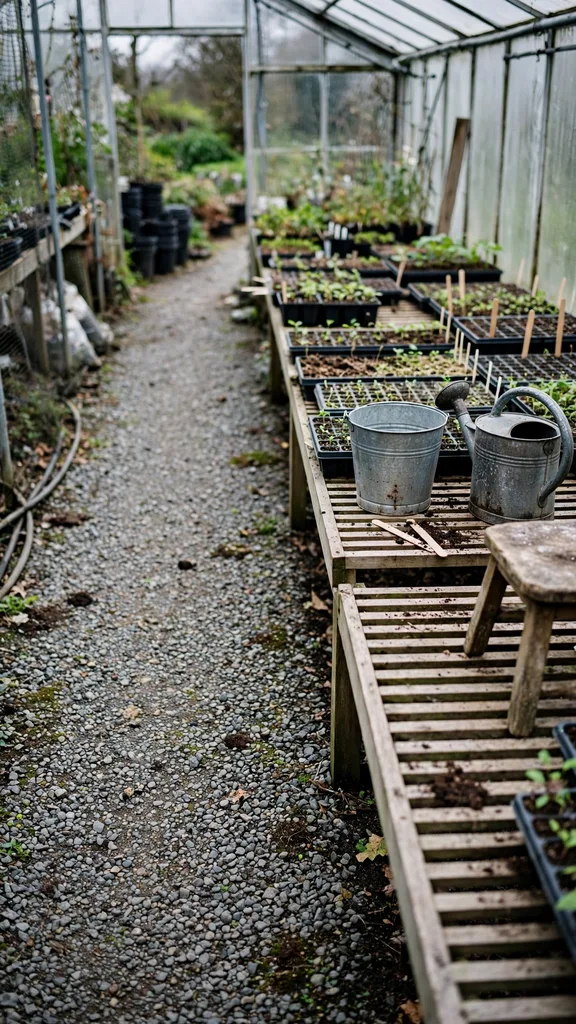
Measure the benches before you measure the walls. Two benches and a path fill a small house fast, and a house with no path forces you to reach across wet soil to water the back row. Leave room for a pail, a watering can, and a stool. A house with no work space pushes every job back outside.
Plan the path before you plan the benches. A path that fits a wheelbarrow saves your back at potting time, while a path that fits one foot at a time slows every job in the house. Set one bench at waist height for sowing and one lower bench for hardening off, and keep the potting soil and the spare pots within reach of the door. A house where every tool sits within arm’s reach of the bench gets used daily, and a house where tools live in the garage gets used on weekends only.
Buy the larger size when the yard allows it. Small houses swing hot and cold faster than large ones, and the swing is the crop killer, not the cold alone. A house that fits this year and next year beats a house that needs replacing by the second spring.
Where to Put a Greenhouse in Your Yard
The same notes rank the south or southeast side of a building first, the east side second, and the north side last. An east wall catches the most light from November through February, when the sun rides low and shadows run long. A north wall grows shade plants and little else.
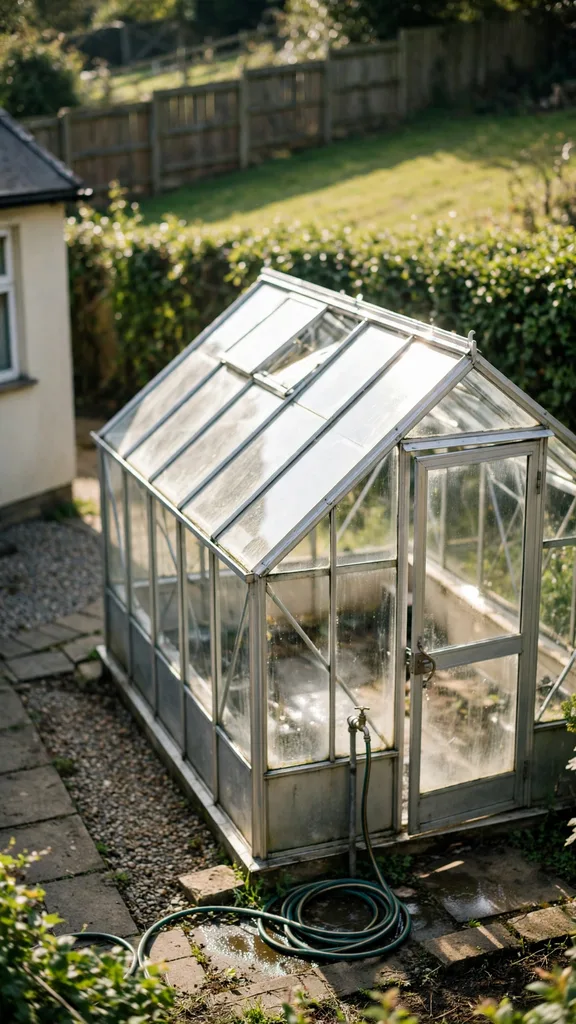
Set the house on high ground that drains. A low spot collects cold air at night and standing water after rain, and both rot roots and rust frames. Raise the base above the lawn with gravel and pavers, and keep the door clear of the path the wheelbarrow takes.
Shelter the house from the prevailing winter wind. A fence or a hedge set back from the walls cuts heat loss and keeps film and panels from rattling loose, yet it must stand far enough off to throw no shade on the roof. Face the vents away from the strongest wind where the yard allows it, and check the anchor pegs after the first storm of the season. A house that weathers one hard blow without a rattle weathers the rest of the winter.
Keep the path to the door clear through winter. A greenhouse you cannot reach in snow or mud gets checked once a week, and a house checked once a week loses seedlings to heat on the first sunny day. Lay pavers or gravel from the back door to the greenhouse door, and keep a broom by the entrance for snow. A clear path turns a short check into a habit, and a habit keeps the crop alive.
Put the house within hose reach of a tap and close to power. A long hose drags across beds, and a long extension cord across wet grass is a hazard. Time the build for the season you need most. The fall planting guide sets the sowing dates for autumn crops, and a house finished after those dates sits empty until spring.
Greenhouse Mistakes That Cost Beginners a Season
Shutting the vents on a sunny morning is the first mistake. A closed house cooks seedlings by noon, even on a cool spring day, so open the vents before you leave for work and let the automatic opener earn its keep. A thermometer at plant height tells the truth, while a guess from the doorway lies.
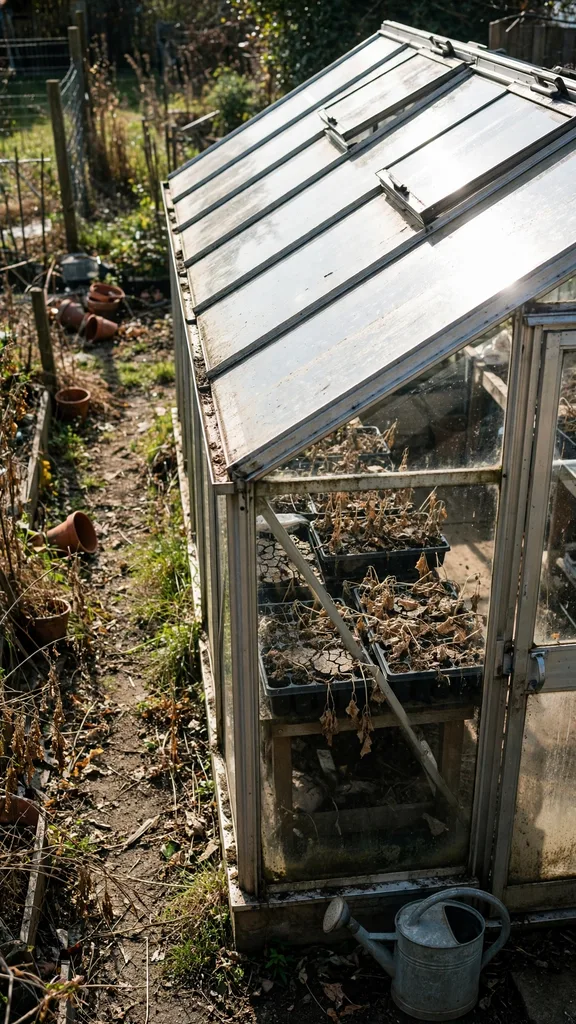
Watering late in the day is the second mistake. Wet leaves sit damp all night, and damp leaves breed mold on crowded benches. Water in the morning, water the soil rather than the leaves, and let the benches dry before dark. Feed lightly while plants settle in, and read the compost tea notes before you pour anything brewed onto young roots.
Skipping the anchor kit is the third mistake. A light kit lifts in a storm gust and lands on the fence, and the repair costs more than the anchors did. Peg every corner on build day, and check the pegs after the first hard wind. A house that stays put through one storm stays put through the season.
Cramming the benches is the fourth mistake. A bench packed edge to edge blocks airflow, shades the lower leaves, and hides pests until the damage spreads across the whole tray. Leave a gap between pots, thin the seedlings on schedule, and move the strong plants out before they crowd the weak ones. An empty patch of bench is not wasted space. It is the air gap that keeps the rest of the crop healthy.
Ordering before measuring the site is the fifth mistake. A kit that arrives wider than the level patch forces a rebuild of the base or a return of the kit, and both cost a weekend. Measure the patch twice, mark the corners with pegs and string, and check the diagonal before you order. A square base builds true, while a skewed base binds every door and vent for the life of the house.
What to Grow First in a New Greenhouse
Start with lettuce, radish, and herbs. They germinate fast, forgive a cool night, and fill a bench before a tomato seedling needs the same space. Sow a small tray first and watch it for a week before you sow the rest. A tray that stalls tells you the bench runs cold, and a tray that bolts tells you the vents stayed shut.
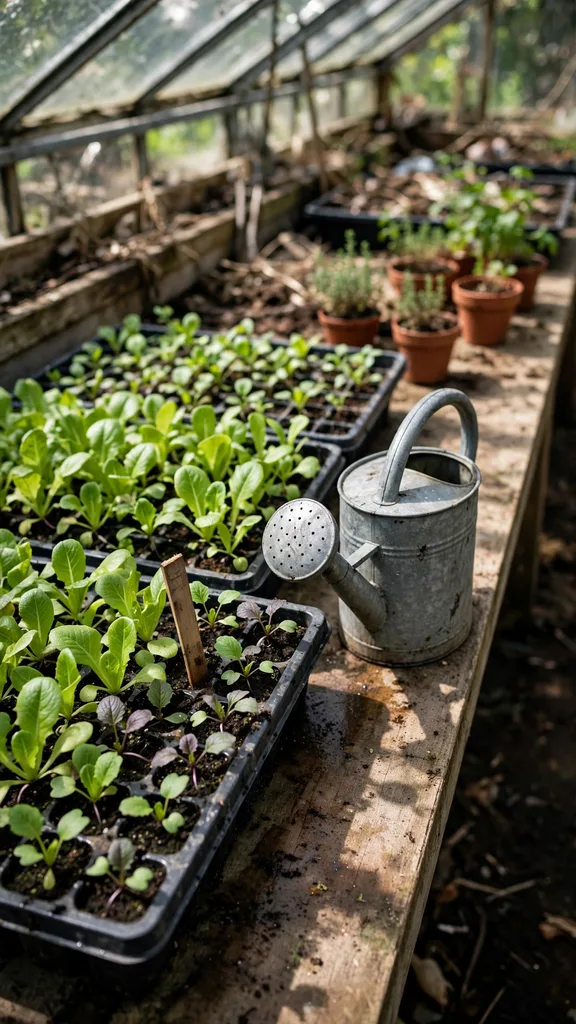
Move seedlings out in waves. The seed starting steps set the timing for trays, and the fall vegetables to plant list and the fall herbs to plant list fill the autumn benches once the summer crop clears.
Mind pollination inside a closed house. Tomatoes and peppers set fruit without bees when you shake the stems gently each morning, while cucumbers and squash need a brush or an open vent on a warm day to let pollinators in. Water at the base in the morning, and let the leaves dry before dark. A watering can with a fine rose head wets the soil without soaking the foliage, and dry leaves at night keep mold off the benches.
Sow a fresh tray each week through spring, and the benches stay full while the earliest trays move outside. A single big sowing fills the benches at once and leaves them empty a month later, while weekly sowings keep lettuce and herbs coming until summer heat ends the run.
Hold the tomato and pepper trays until the house holds steady overnight. A warm-season seedling set out into a cold house stalls for weeks, and a stalled seedling never catches the one sown later in a warm house. Patience in the first month buys a full bench by midsummer.
Choose the Right Greenhouse for Your Garden
Match the house to the yard you measured, not the yard you wish you had. The best greenhouse for beginners for most yards is the walk-in polycarbonate kit. It holds heat, takes a knock, and leaves room for benches and a path. A mini house suits a balcony, a hoop house suits a vegetable bed, and a lean-to suits one sunny wall.
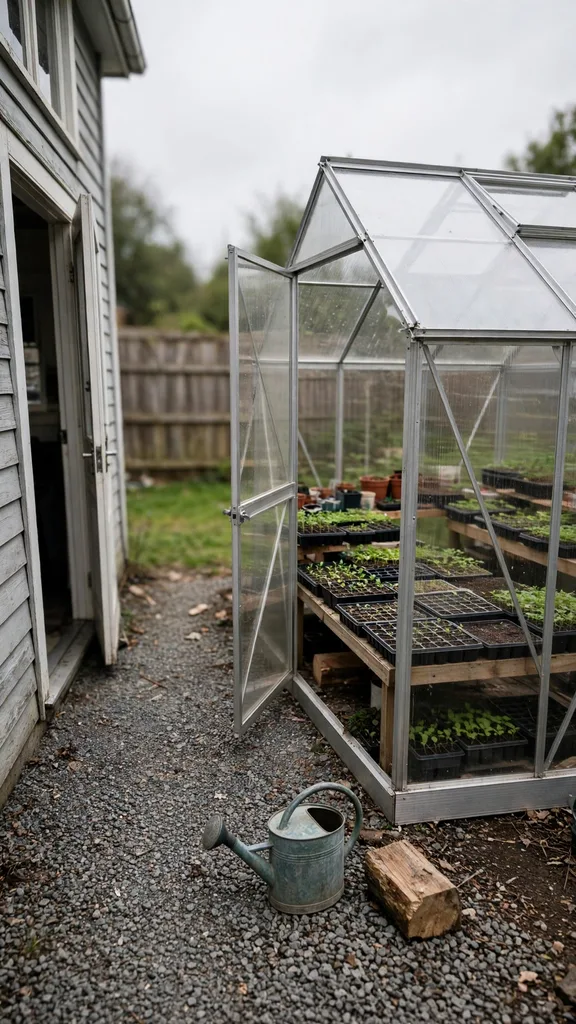
Order the vent, the thermometer, and the anchors with the kit, not after it. A house that vents itself, reads its own temperature, and stays pegged through a storm gives a beginner a full season of learning instead of a full season of rescue. The first crop is the proof, and it starts with the site you marked on day one.
Frequently Asked Questions
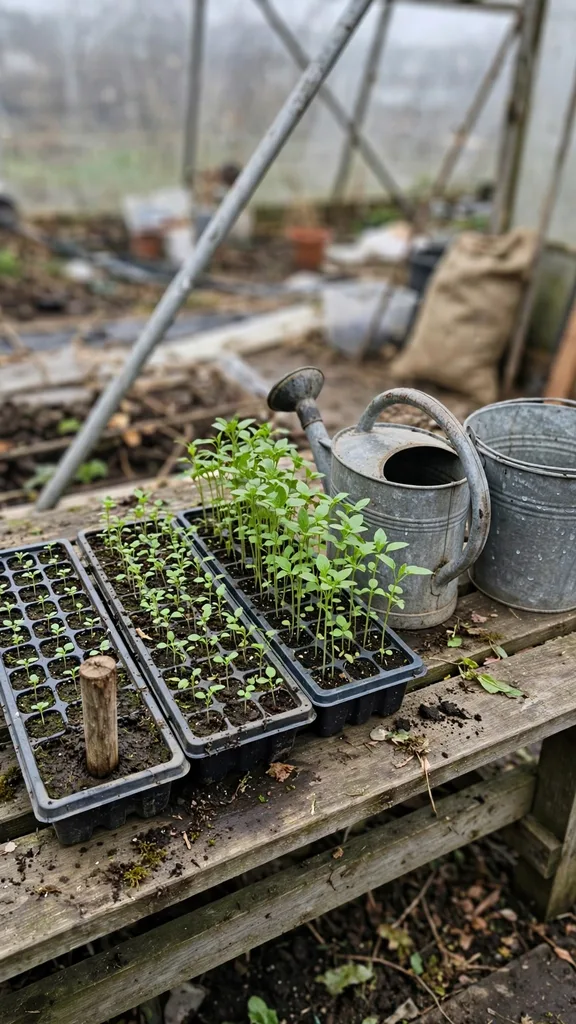
The best greenhouse for beginners is the smallest freestanding size that still fits benches on both sides and a path down the center. A house with no path forces you to reach across wet soil, and a house with no bench space fills up by the second spring. Size up when the yard allows it, since a larger house holds its temperature steadier than a small one through a sunny afternoon and a cold night.
No. An unheated house still stretches the season by weeks at each end, and it suits lettuce, radish, herbs, and hardy seedlings through most of the year. Add heat only when you plan to hold tender plants through winter, and size the heater to the house rather than the catalog photo. Skip unvented fuel heaters indoors, since their fumes harm plants and people alike.
Open the roof vents and the side vents before the sun climbs, and fit an automatic opener that lifts the roof vent as the air warms. Shade cloth over the roof cuts the worst of the summer sun, and a small fan keeps the air moving across the benches. Water in the morning so the leaves dry by night, and check the thermometer at plant height through the afternoon.
Twin-wall polycarbonate lasts longest for most beginners. It holds heat, bounces off hail, and weighs less than glass. Glass passes the fullest light and never yellows, yet it breaks under a knock and sheds heat fast on a cold night. Polyethylene film costs the least and wears out first. Treat it as a cover you replace every few seasons rather than a wall you keep.
Yes, with a mini greenhouse sized to the balcony rather than the catalog. Check the weight of the unit plus wet soil and full trays against the balcony load limit, and anchor the frame so wind cannot slide it across the floor. Leave a drain path for water, and check the building rules before you drill into a wall or fix anything to the railing.