
Tobacco etch virus has no cure. The 9 strategies below protect the peppers around an infection, starting with the triage call that tells you whether protection is worth the effort at all.
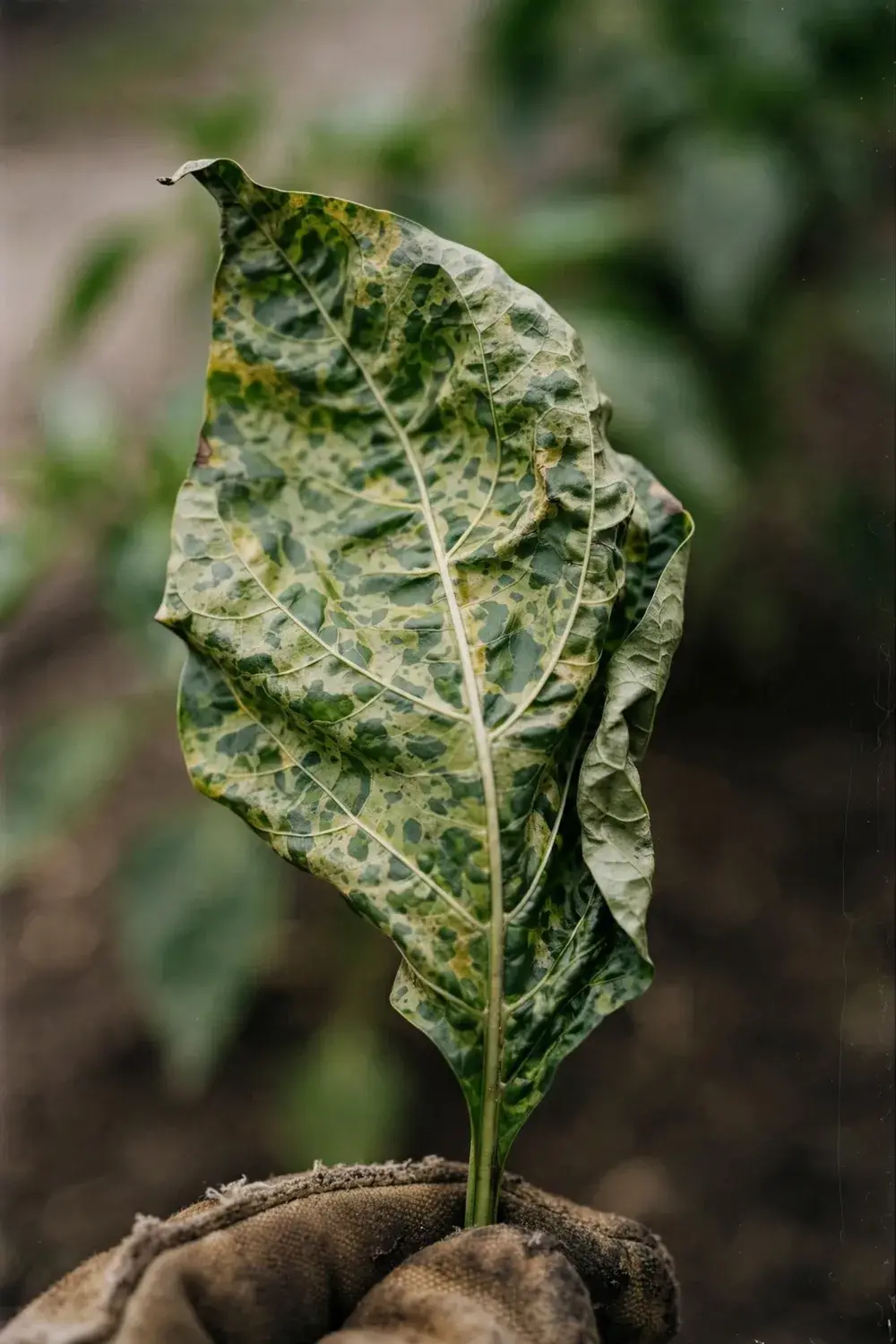
The signature is mottled, wrinkled foliage, stunted plants, and fruit that comes out distorted. A bed that looked healthy in early summer can sit full of twisted leaves and misshapen peppers by midsummer, and the plants that stall first are the ones infected youngest.
The rest of this page runs the order a gardener should follow. Identify the virus first, then learn why aphid sprays cannot prevent it, then work the 9 steps from resistant varieties to next-season planning. I have learned that pulling one mottled plant the day it shows beats a season of spraying.
What Tobacco Etch Virus Actually Is
Tobacco etch virus is an aphid-borne virus of peppers and other solanaceous crops. The pathogen sits in the genus Potyvirus and the family Potyviridae, and it carries a single-stranded RNA genome inside flexuous filamentous particles 730 nanometers long.
The Descriptions of Plant Viruses entry on tobacco etch virus gives that particle size and the Potyvirus placement, and it records transmission by mechanical inoculation and by several aphid species in a non-persistent manner. The virus lives inside plant cells, so no spray kills the virus without killing the plant. Every management list for tobacco etch virus runs prevention only.
Tobacco etch virus reaches far beyond one crop. The Descriptions of Plant Viruses entry on tobacco etch virus records over 120 susceptible species across 19 dicotyledonous families in experimental tests, while natural infections stay largely inside the solanaceous family. Peppers take the field damage. Tomato and tobacco take it too, and perennial weed hosts hold the virus between seasons.
The name points at tobacco. The home-garden damage lands on peppers. The Utah State University Extension page on tobacco etch virus frames the virus as a potyvirus found on pepper plants, and its whole management list aims at pepper beds. Tobacco stays a secondary mention, and no tobacco-growing advice follows.
How to Identify Tobacco Etch Virus on Pepper Leaves
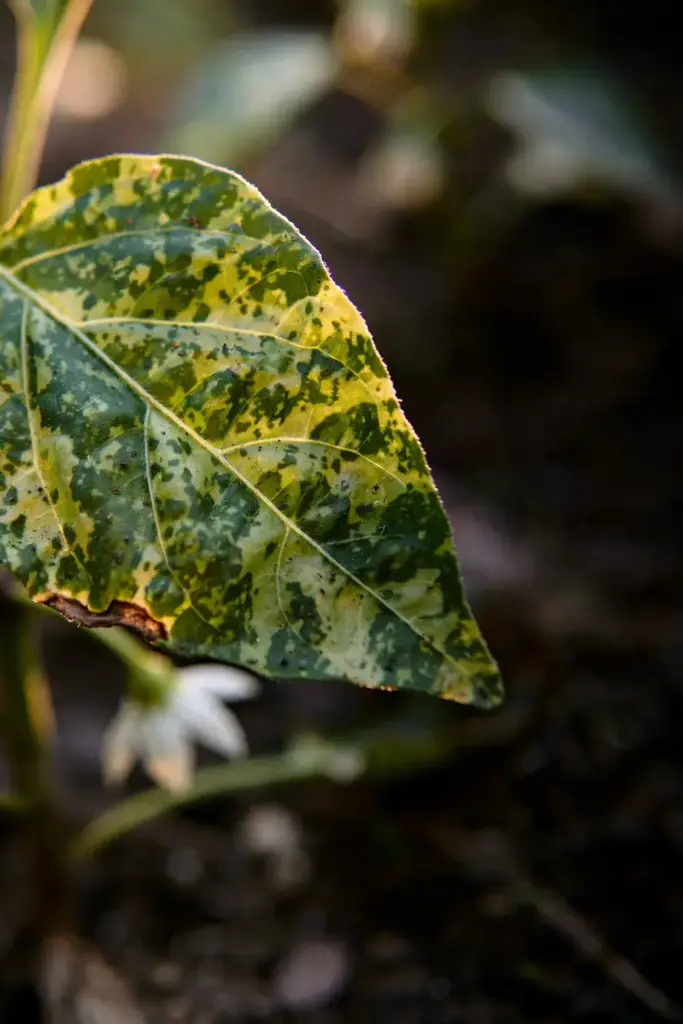
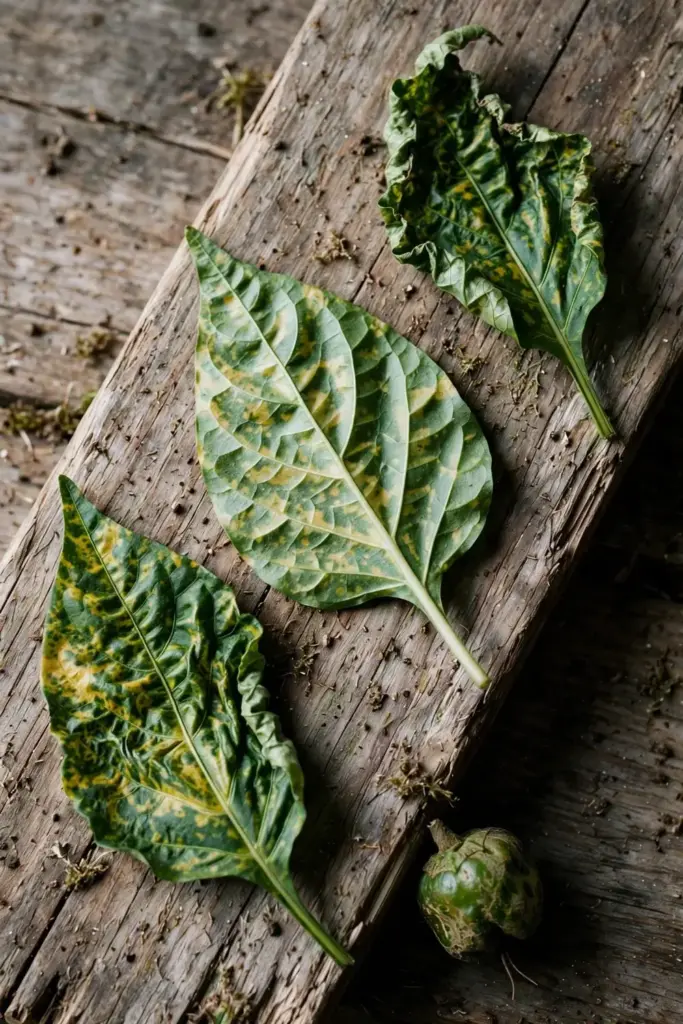
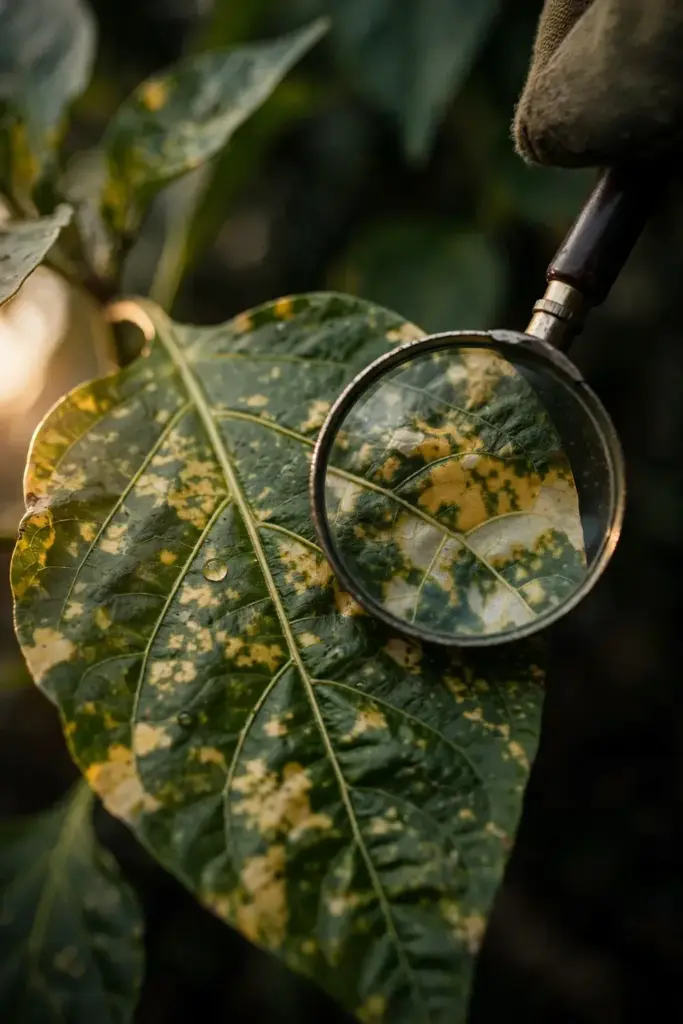
Look for severe mottle plus wrinkling. A pepper leaf with irregular light and dark green patches across a puckered, wrinkled blade carries tobacco etch virus until proven otherwise.
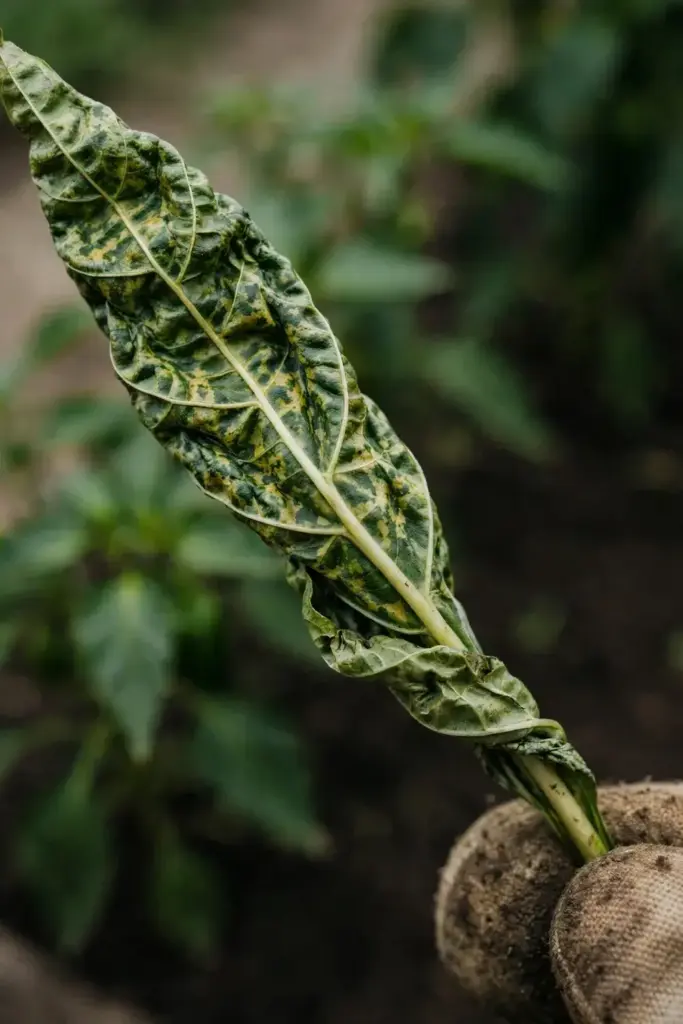
The Utah State University Extension page on tobacco etch virus describes foliage that becomes severely mottled in coloration and wrinkled, and it states that plants infected early in the season become stunted and produce no harvestable fruit. That early-infection outcome is the number that decides the triage call in Step 1. A plant that yellows evenly without mosaic, puckering, or distortion points at nutrition or water instead.
The etching in the virus name shows on tobacco. The Descriptions of Plant Viruses entry on tobacco etch virus describes vein clearing and necrotic etching on tobacco leaves, with gray or necrotic lines, circles, or flecks. Pepper leaves show the other half of the pattern: systemic mottle, dark green mosaic, and leaf distortion. Check the newest leaves at the growing tip when scouting, since the tip shows what the virus is doing right now.
Later signs separate tobacco etch virus from a passing nutrient problem. Patches turn a stronger yellow, leaf tissue puckers between the veins, and new leaves come out small, wrinkled, and distorted. Plants stall. Internodes shorten. The whole plant takes on a bunched, undersized habit with leaves that never reach full size.
How to Identify Tobacco Etch Virus on Pepper Fruit and Flowers
Check the fruit next. Fruit that comes out small, distorted, and mottled while the leaves mottle carries tobacco etch virus until proven otherwise.
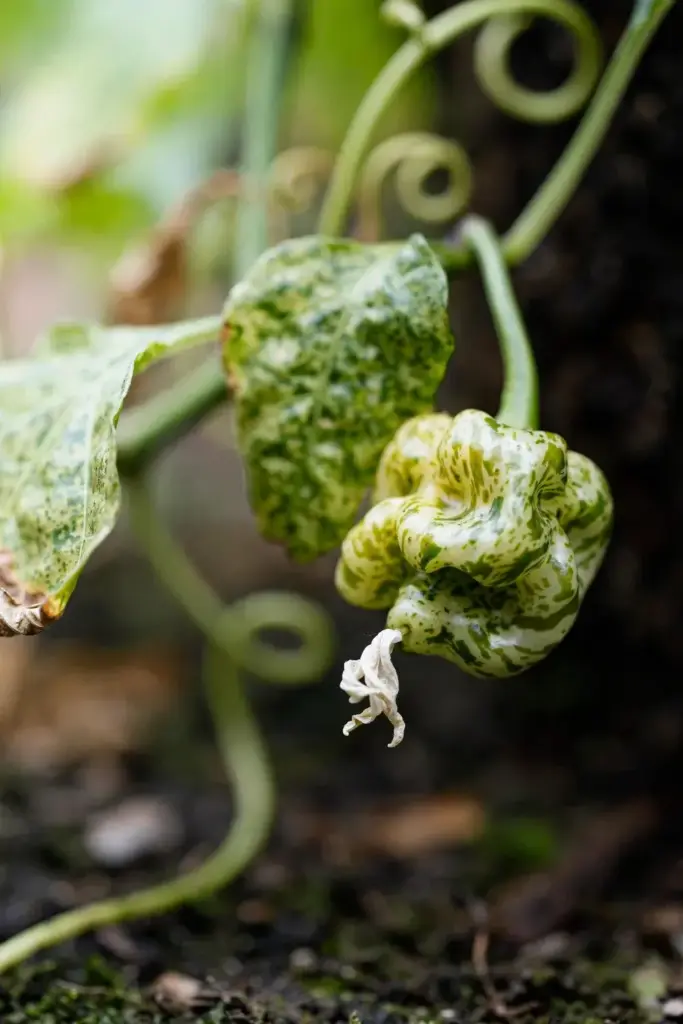
The Descriptions of Plant Viruses entry on tobacco etch virus lists distortion of fruit and stunting among the pepper symptoms, and it records the same pattern across the solanaceous hosts. A pepper with color breaking across the skin, a bent or lumpy shape, or a wall that ripens unevenly fits the diagnosis. Blossoms on an infected plant stay small, twist, or drop without setting fruit. A plant that flowers heavily and sets nothing while its leaves mottle has likely carried the virus since early in the season.
Timing decides how much fruit a plant still gives. Infection before fruit set usually means little or no harvest from that plant. Fruit that started growing before infection may finish with blotches or distortion, then show surface discoloration or early death. The Utah State University Extension page on tobacco etch virus states the early-infection outcome plainly: stunted plants with no harvestable fruit. A plant infected late in the season, with fruit already sizing, loses far less.
Tomato shows the same pattern as a secondary host. The Descriptions of Plant Viruses entry on tobacco etch virus describes infected tomato plants as stunted, with mottled and distorted leaves, and it records yield reductions of over 25 percent. Treat that figure as a reported research result, not a home-garden promise. A tomato bed beside infected peppers shares the risk and earns the same scouting.
Fruit from an infected plant stays safe to eat. Tobacco etch virus infects plants, not people. Wash the fruit and cook it as usual. A lumpy pepper still roasts, and a mottled one still goes into sauce.
Which Peppers Get Hit Hardest by Tobacco Etch Virus
All peppers suffer, and Tabasco suffers worst. Most strains of tobacco etch virus induce root necrosis, wilting, and death in Tabasco pepper, a host-specific severe outcome that sweet peppers do not show.
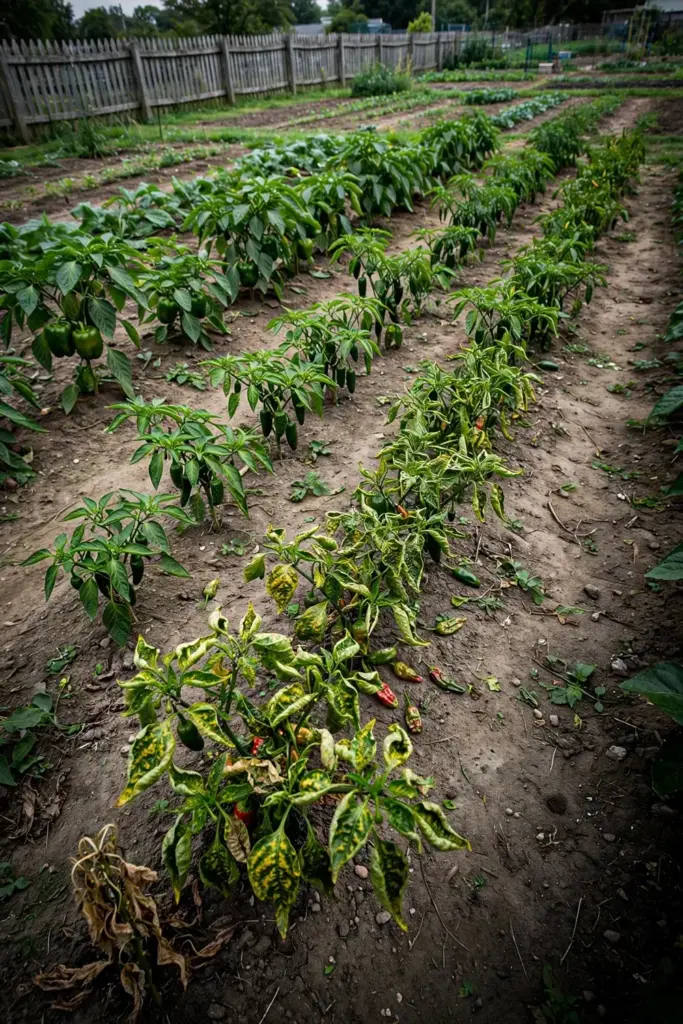
The Descriptions of Plant Viruses entry on tobacco etch virus records that Tabasco outcome for Capsicum frutescens cultivar Tabasco, and it lists mottle, mosaic, distortion of leaves, distortion of fruit, and stunting for sweet pepper, Capsicum annuum. The guide to growing Tabasco peppers covers the heat and harvest of that cultivar, and a Tabasco plant that wilts from the roots up while its neighbors only mottle fits the virus pattern. Pull a wilting Tabasco plant the day it shows, since root necrosis ends that plant.
Sweet peppers and hot peppers share the Capsicum annuum susceptibility. Bell peppers, jalapeños, cayennes, and other Capsicum annuum types all show the same leaf mottle, mosaic, distortion, and stunting. The guide to growing bell peppers walks through spacing and harvest for a clean crop, and a bell pepper bed is where most home gardeners meet this virus first. Jalapeños earn a second mention in Step 2, where three named varieties carry resistance on the label.
Tomato follows peppers as the secondary crop host. The Descriptions of Plant Viruses entry on tobacco etch virus describes stunted tomato plants with mottled and distorted leaves, and reported yield reductions of over 25 percent.
Tobacco rounds out the host list without becoming the focus. The Descriptions of Plant Viruses entry on tobacco etch virus describes narrowed tobacco leaves with mottling and necrotic etching. Home tobacco growing sits outside this article, and the weed hosts below matter more to a pepper gardener than any tobacco bed.
Tobacco Etch Virus vs Potato Virus Y vs Tobacco Mosaic Virus
Check the vector first. Tobacco etch virus and potato virus Y both ride aphids. Tobacco mosaic virus rides physical contact with plants. Field symptoms alone can mislead, and a lab assay settles the identification when the answer matters.
The table below lines up the three viruses that confuse pepper growers most. Read the spread row first, then the leaf row, then the first-move row.
| Sign | Tobacco Etch Virus | Potato Virus Y | Tobacco Mosaic Virus |
|---|---|---|---|
| Pathogen | Tobacco etch virus, genus Potyvirus, family Potyviridae, single-stranded RNA | Potato virus Y, genus Potyvirus, family Potyviridae, single-stranded RNA | Tobacco mosaic virus, a different virus from tobacco etch virus |
| How it spreads | Non-persistent aphid transmission plus mechanical transmission; no seed transmission reported | Non-persistent aphid transmission; serologically related to tobacco etch virus yet distinguishable from it | Physical contact with plants: hands, tools, and clothing; highly infectious |
| Leaf signs | Systemic mottle, dark green mosaic, distortion, wrinkling, stunting | Mosaic and vein clearing similar to tobacco etch virus; plants with etch run more stunted, and the virus spreads slower | Mottled, crinkled leaves; stunting when plants are infected early, little stunting in later infections |
| Fruit signs | Distorted, mottled fruit | Distorted fruit in the same pattern as tobacco etch virus | Mottled fruit with rough surfaces and occasional openings in the walls |
| Host lean | Peppers, tomato, tobacco, solanaceous weeds | Potato, peppers, tomato, tobacco | Tobacco, tomato, peppers |
| First move | Rogue infected plants, clear weed hosts, cut aphid landings | Same sanitation and weed control as for tobacco etch virus; lab assay decides between the two | Wash hands in 70 percent alcohol or strong soap; cleanse equipment that touched infected plants |
Field identification between tobacco etch virus and potato virus Y stays presumptive. The University of Florida circular on vegetable diseases states that tobacco etch disease resembles potato virus Y except that plants with etch run more stunted and the virus spread runs slower, and it adds that laboratory assays are needed for a definite diagnosis. That tendency helps a gardener guess. Only the lab result confirms.
The tobacco mosaic virus fence matters because the two names share the word tobacco. Tobacco etch virus is not tobacco mosaic virus. The two viruses differ in route and in control. The University of Florida circular on vegetable diseases describes tobacco mosaic virus as highly infectious and readily transmitted by any physical contact with plants, and its control centers on hand washing and equipment cleansing. Do not carry that contact protocol into tobacco etch virus management as the core plan. Tobacco etch virus sanitation in Step 8 rests on its own mechanical route. The 70 percent alcohol wash belongs to tobacco mosaic virus alone, per the University of Florida circular on vegetable diseases.
Why Nonpersistent Aphid Transmission Decides Everything
An aphid transmits tobacco etch virus in seconds. An aphid that probes an infected plant for 10 seconds picks the virus up, and a similar probe deposits the virus into the next plant.
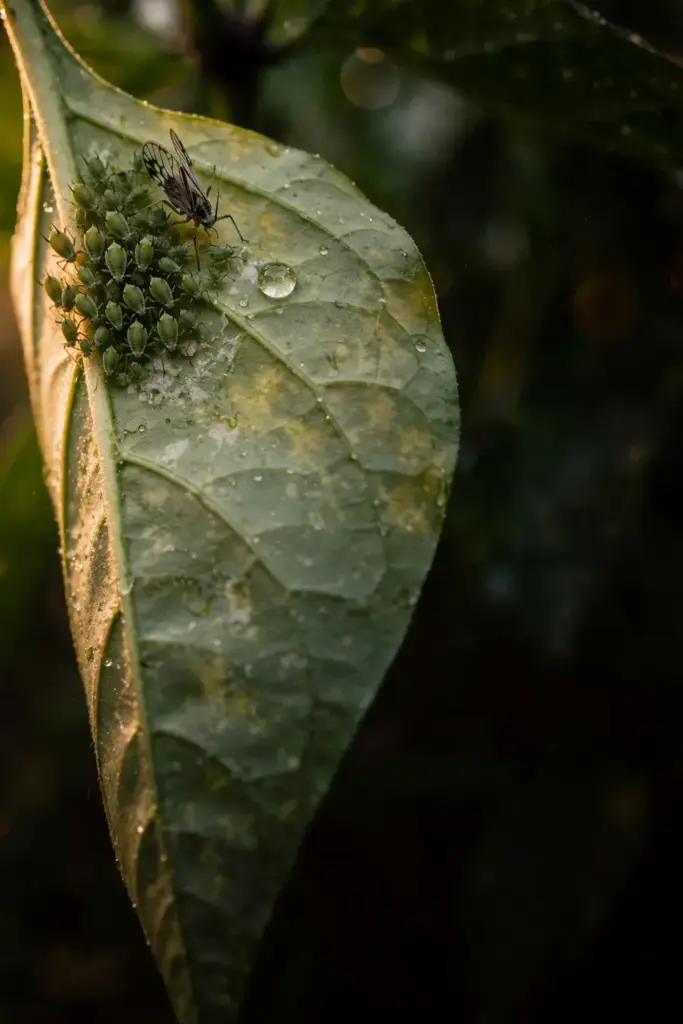
The Descriptions of Plant Viruses entry on tobacco etch virus gives that timing: acquisition and inoculation probes of 10 seconds each suffice for transmission. The same entry records retention of only 1 to 4 hours in feeding aphids, and transmission to as many as 5 consecutive plants by individual aphids. The virus rides on the aphid mouthparts and never circulates inside the aphid. A spray that kills aphids in hours cannot stop a transmission that takes seconds. The aphid dies after the virus already moved.
More than 10 aphid species carry tobacco etch virus. The Descriptions of Plant Viruses entry on tobacco etch virus names the green peach aphid, the potato aphid, and the bean aphid among the carriers. Other aphid species carry it too, and any aphid on a pepper leaf is a possible carrier. A colony on an infected plant is a loaded one.
Mechanical transmission adds a second route. The Descriptions of Plant Viruses entry on tobacco etch virus states that the virus is readily transmissible by mechanical inoculation. A blade that cuts an infected stem carries sap to the next cut, and a hand that strips infected leaves carries sap to the next plant. Sap infectivity survives for 5 to 10 days at 20 degrees Celsius, per the Descriptions of Plant Viruses entry on tobacco etch virus. Work the healthy plants first and the suspect plants last, so the dirtiest work lands at the end of the session.
Seed transmission does not apply. The Descriptions of Plant Viruses entry on tobacco etch virus records no seed transmission reported, and the Utah State University Extension page on tobacco etch virus states plainly that the virus is not transmissible by seed. That fence separates tobacco etch virus from seedborne viruses, where certified seed carries the whole strategy. Here the seed question never arises, and the vector question decides everything.
What Makes Tobacco Etch Virus Worse in a Home Garden
Young plants plus high aphid activity plus nearby weed hosts decide how bad tobacco etch virus gets. A bed with all three fills with mosaic fast. A bed with none of the three often escapes.
Early infection does the worst damage. The Utah State University Extension page on tobacco etch virus states that plants infected early in the season become stunted and produce no harvestable fruit. A seedling infected in its first weeks may never produce a usable pepper. A plant infected late in the season, with fruit already sizing, loses far less.
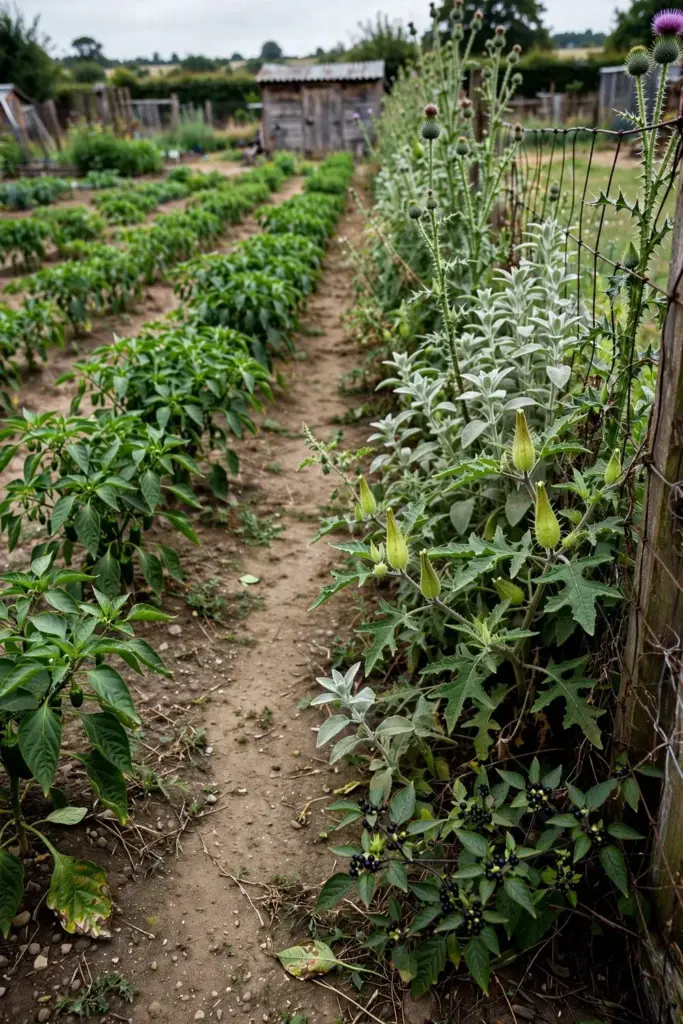
Weed hosts carry the virus between seasons. The Utah State University Extension page on tobacco etch virus lists thistle, lambsquarter, sickle pod, jimson weed, black nightshade, and others as alternate hosts, and it advises at least 30 yards between susceptible crops and weeds. The Descriptions of Plant Viruses entry on tobacco etch virus names jimson weed, Canada thistle relatives, lambsquarters, blue toadflax, ground cherry, and nightshade species among the natural hosts. A weedy border beside the bed holds the virus through the cold months and feeds the first aphids of spring. Clear the weeds, and the virus loses its bridge from one season to the next.
Infected plants left standing feed every aphid that lands. A mottled plant in the middle of the bed is a virus source with leaves. The Descriptions of Plant Viruses entry on tobacco etch virus records that one aphid infects as many as 5 consecutive plants, so a single standing source can seed a whole row. Pull it the day it shows, and the aphids lose their source. Leave it, and every aphid that feeds on it carries the virus to the next plant.
Step 1: Decide Whether Protection Is Worth the Effort
Start with the triage call. A small pepper bed with early symptoms repays protection. A large bed with every plant mottled and stunted repays removal and replanting more than protection.
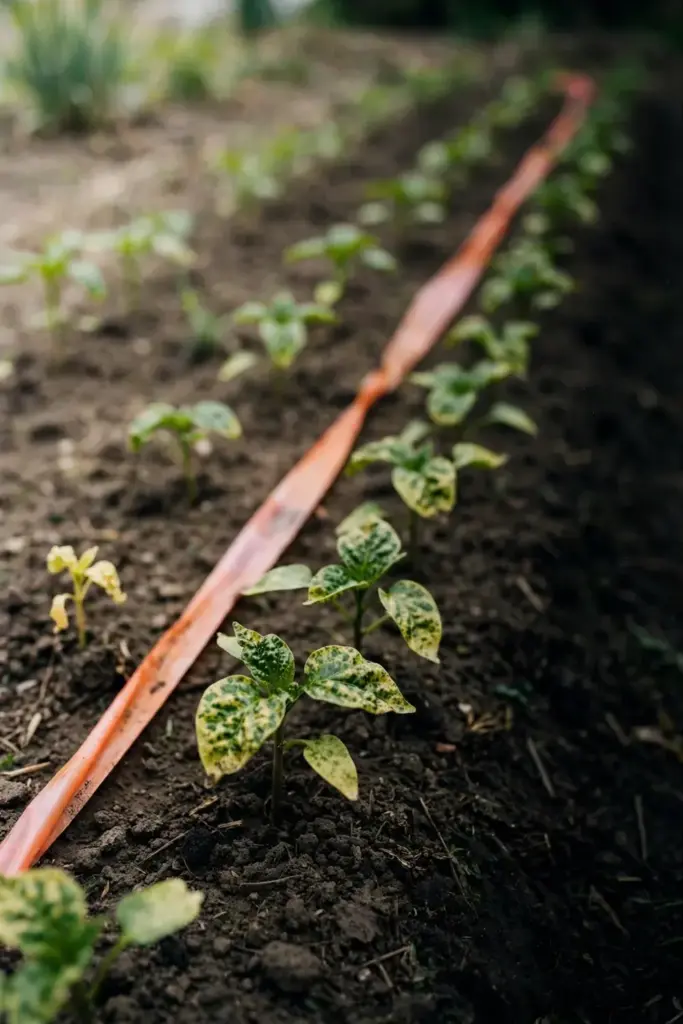
Early infection of a young plant can end its season. The Utah State University Extension page on tobacco etch virus states that early-season infection stunts plants and leaves no harvestable fruit. A seedling-stage infection deserves the full routine. A late-season infection on a crop near harvest deserves harvest, not rescue.
Protection costs time and attention. The virus pays nothing back once inside a plant. No spray reverses tobacco etch virus. No nutrient fix un-mottles a leaf. Spend the effort where the plant still has a season ahead of it, and pull the plants that have none.
Step 2: Choose Pepper Varieties With Tobacco Etch Virus Resistance on the Label
Buy varieties with tobacco etch virus resistance printed on the label. Resistance on the label is the only resistance a home gardener can verify before planting.
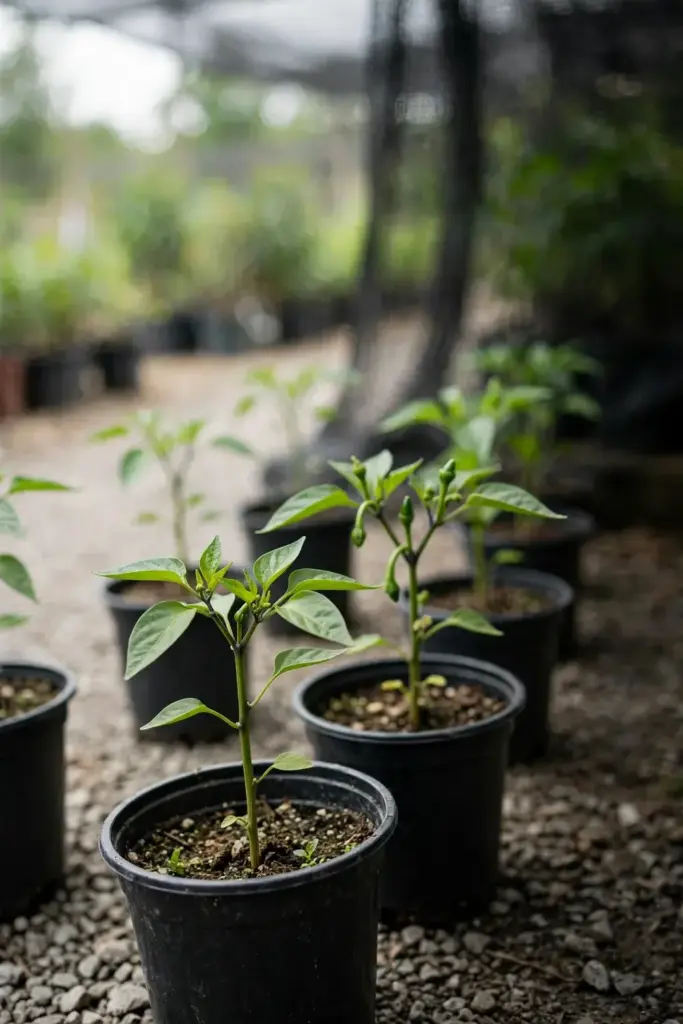
The Cornell list of disease-resistant pepper varieties names three jalapeño varieties with tobacco etch virus resistance: El Jefe, El Rey, and Ganador. Those three give a shopper a concrete ask at the seed rack. A catalog that lists no tobacco etch virus resistance for a variety sells an ordinary variety, whatever its other strengths.
Resistant cultivars exist beyond those three. The Descriptions of Plant Viruses entry on tobacco etch virus notes that resistant cultivars have been developed. Strain variation limits every resistance claim, since variants differ in virulence toward their hosts. No resistance covers every strain, so treat resistance as a bonus, never the plan. Match the label to your crop, and keep the weed clearing and roguing in the later steps running behind it.
Step 3: Start With Clean Transplants You Inspect Yourself
Inspect every transplant before it enters the bed. A mottled transplant carries the virus into a clean bed on day one.
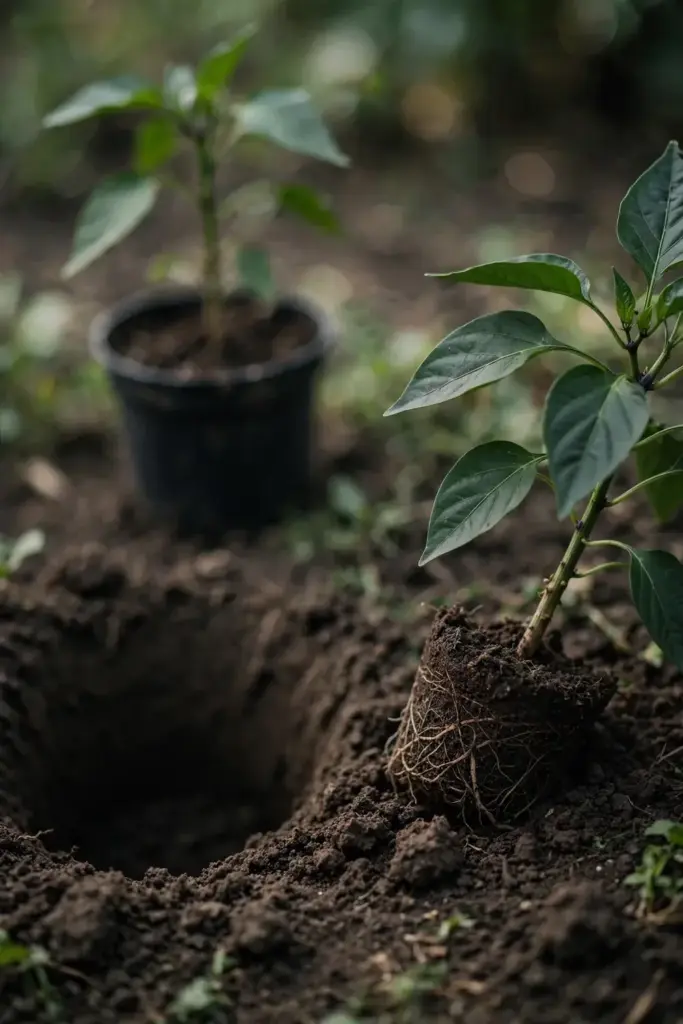
Check each transplant leaf by leaf. Look for mottle and distortion, and reject any transplant that shows them. A transplant with clean, unmottled leaves earns its place. A transplant with one mottled leaf does not, since the virus already sits inside that plant.
Starting from seed sidesteps the transplant risk entirely. Tobacco etch virus does not travel in seed, so a seedling you raise yourself starts clean. The seed starting guide covers fresh mix and strong light for seedlings that start clean and grow fast. Keep the seedlings away from weedy borders and aphid colonies while they grow, since the seedling stage is the stage worth guarding.
Step 4: Clear Weed Hosts and Hold a 30-Yard Buffer
Clear every weed host before the crop goes in. Pull weeds from the bed, the paths, the fence rows, and the ditch banks beside the bed.
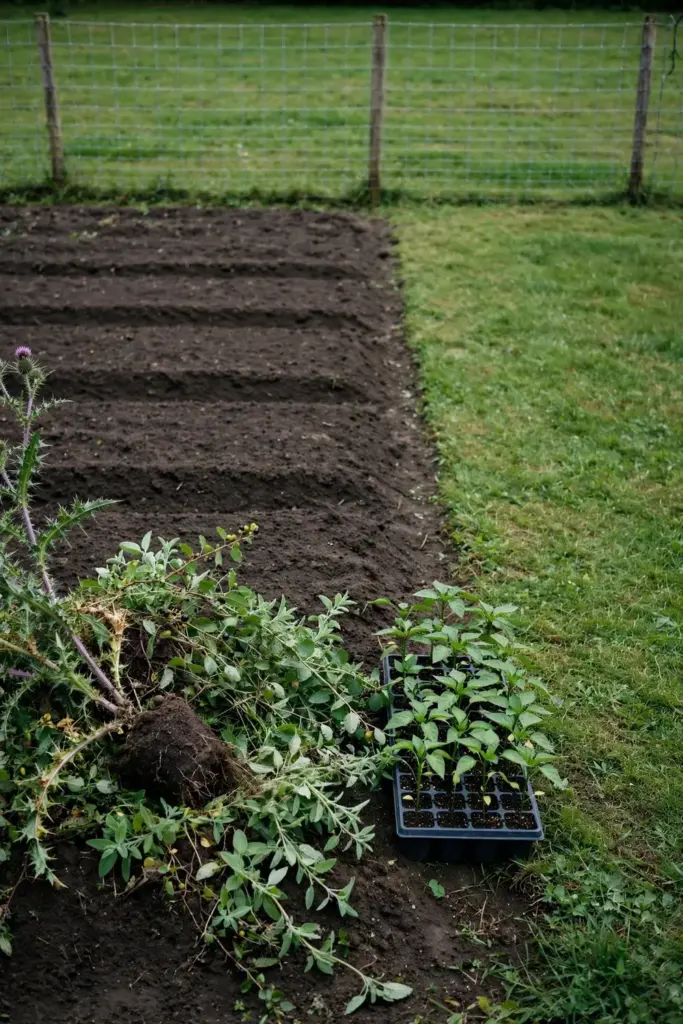
The Utah State University Extension page on tobacco etch virus advises at least 30 yards between susceptible crops and weeds, and it names thistle, lambsquarter, sickle pod, jimson weed, black nightshade, and others as the alternate hosts to remove. Thirty yards is a wide buffer, and a home garden may not hold it on every side. Hold the full distance where the ground allows, and clear weeds hard on the sides where it does not. A cleared strip of any width beats an uncleared border.
Clear weeds early, before aphids start moving. A weed pulled after aphids arrive has already served as a virus source. The University of Florida circular on vegetable diseases gives the same instruction in field terms: eradicate weed hosts such as nightshades and ground cherry to control tobacco etch. A bed cleared a week before planting starts clean, and a border kept clear through the season stays clean.
Step 5: Rogue Infected Plants the Day You See Mosaic
Pull an infected plant the day you see mosaic. Bag it and bin it. Keep it out of the compost pile.
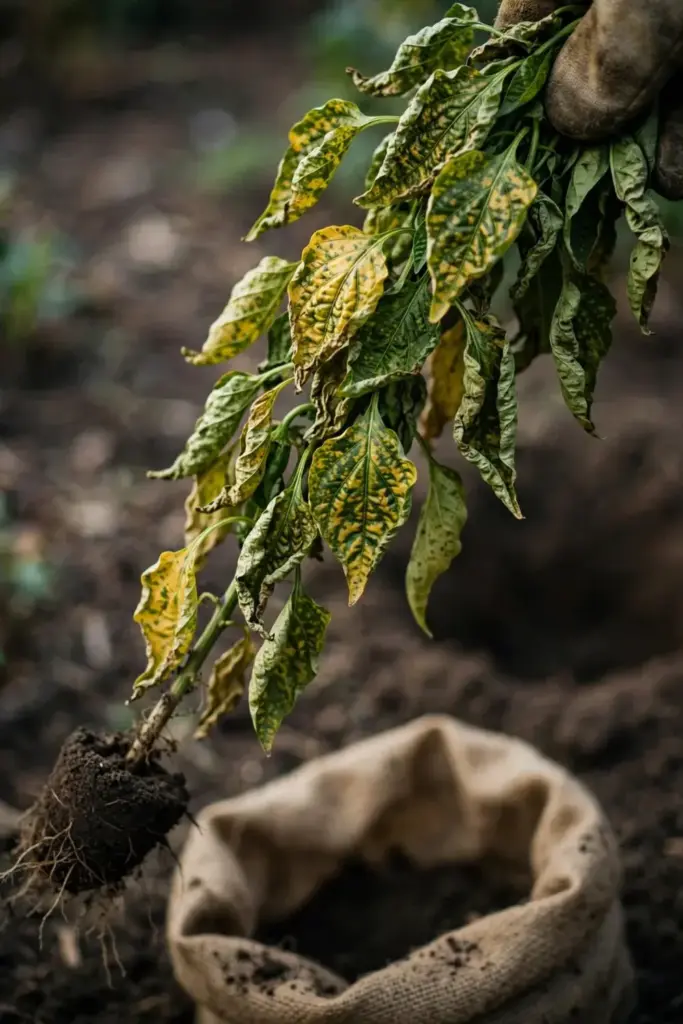
An infected plant left in the bed feeds every aphid that lands on it. The Descriptions of Plant Viruses entry on tobacco etch virus records that one aphid infects as many as 5 consecutive plants, so a single standing source can seed a whole row. A pulled plant feeds none. The gap in the row costs one plant. The standing source costs the row.
Keep infected material out of the compost. The Descriptions of Plant Viruses entry on tobacco etch virus records that some infectivity survives for years in dried leaf tissue. A hot pile is no safe bet against that record. Bag the pulled plant and bin it with the household waste. Wash your hands and tools after the pull. Handle debris the same day, since infected leaves left on the soil keep the virus beside healthy plants, and aphids work the ground-level leaves first.
Step 6: Cut Aphid Numbers Without Expecting Prevention
Spray aphids to cut their numbers, never to prevent transmission, since a spray that lowers aphid numbers slows the spread across the bed. No spray stops the first bite.
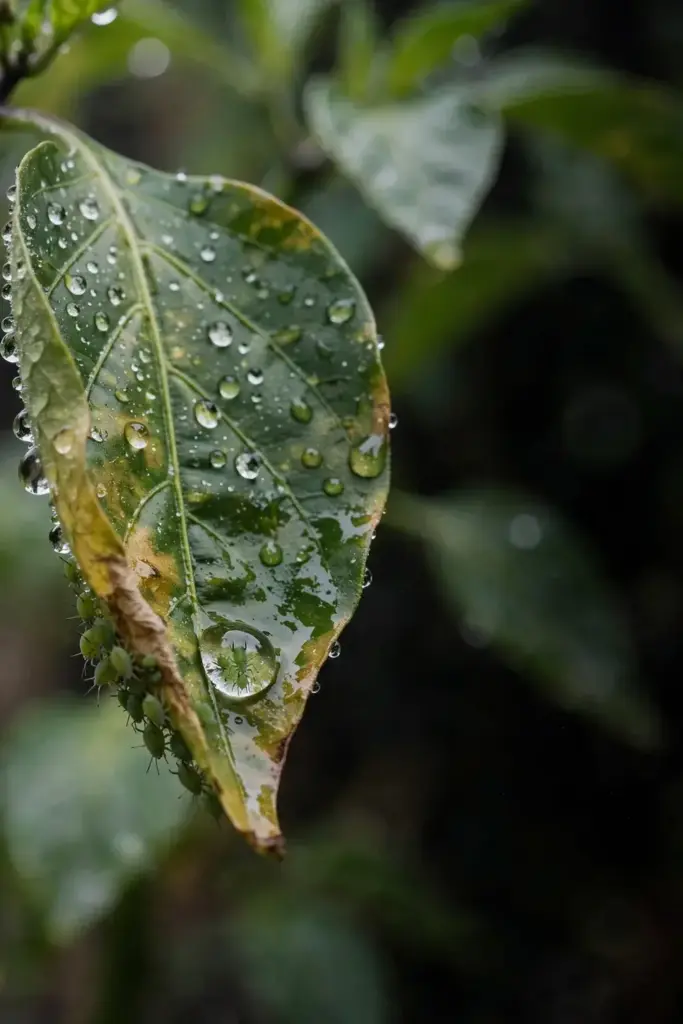
The Utah State University Extension page on tobacco etch virus advises applying insecticide treatments when needed. The Descriptions of Plant Viruses entry on tobacco etch virus sets the limit: acquisition and inoculation probes of 10 seconds each suffice for transmission, and no insecticide kills an aphid in 10 seconds. Sprays shrink the aphid population without making a bed virus-proof, and both statements describe the same biology.
Weigh the spray against the return. A spray on a clean bed with rising aphid pressure protects the next planting by cutting the vector population, while a spray on a fully infected bed protects nothing because the virus already sits inside every plant. Spend spray effort on the clean plants and seedlings, and spend the rest on weed clearing and infected-plant removal. Monitor early in the season, when the Utah State University Extension page on tobacco etch virus advises watching for infected plants and removing them.
Step 7: Try Stylet Oil as a Possible Helper, Never a Cure
Try stylet oil as a possible helper against the aphid vector. Stylet oil might help, and the hedge is the whole point.
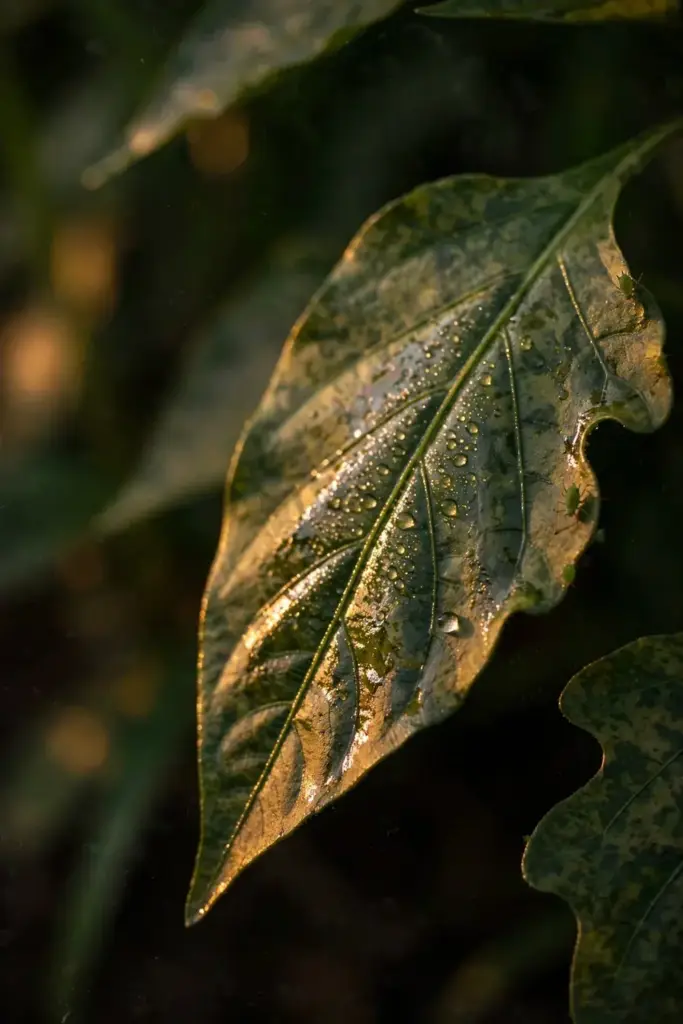
The same University of Florida circular states that insecticides and stylet oil applications to reduce the aphid vector might help control tobacco etch. Might help means the evidence stops short of a promise. Stylet oil coats the mouthparts and interferes with the probe that moves the virus, and that interference may cut transmission. It never cures a plant that already carries the virus, and it never replaces weed clearing or roguing.
Follow the label for any oil you apply. Test on a few leaves first, and skip oil on heat-stressed plants. A helper that burns leaves costs more than it saves. Keep the oil in its lane as one more vector-reduction move behind the weed buffer and the roguing.
Step 8: Wash Tools and Hands Between Plants
Wash tools and hands between plants when working an infected bed. Soap and water for hands. Disinfectant for blades. A fresh start at each healthy plant.
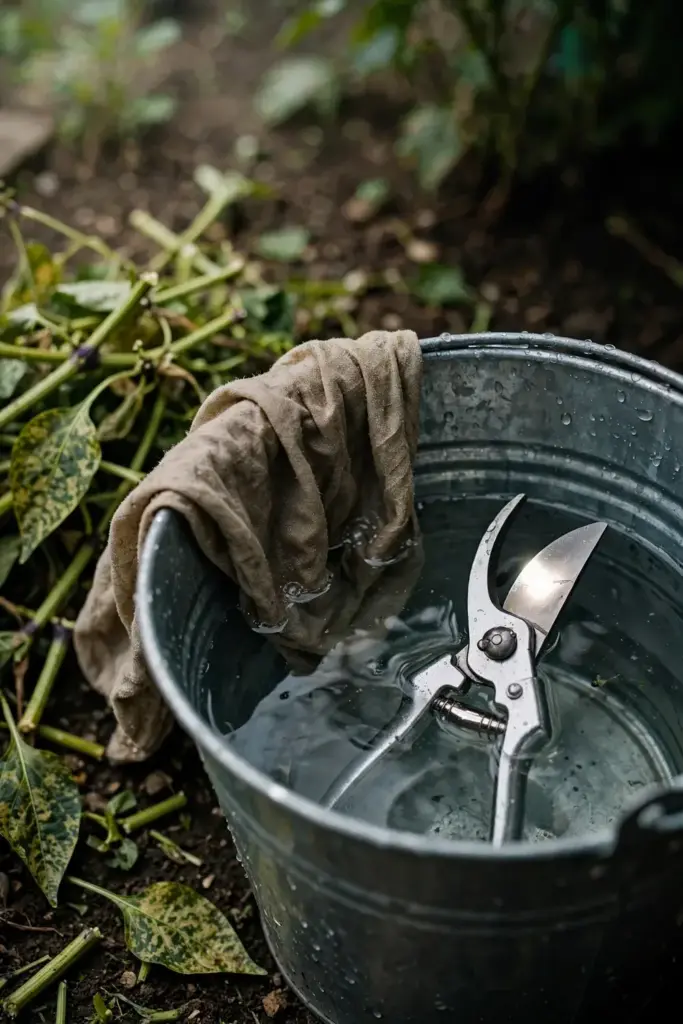
The virus moves on sap. The Descriptions of Plant Viruses entry on tobacco etch virus states that tobacco etch virus is readily transmissible by mechanical inoculation, and it records sap infectivity surviving 5 to 10 days at 20 degrees Celsius. A blade that cuts an infected stem carries sap to the next cut for days, and a hand that strips infected leaves carries sap to the next plant. Work the healthy plants first and the suspect plants last, so the dirtiest work lands at the end of the session.
Clean tools at the end of the session, not the start of the next one. A blade left dirty overnight starts the next session infected. Wash and dry tools, then store them clean. The next cut starts clean. This sanitation step rests on the mechanical route of tobacco etch virus itself. The tobacco mosaic virus hand-wash protocol in the differential table stays with that virus and does not become this step.
Step 9: Plan Next Season’s Pepper Bed
Move peppers to fresh ground next season. Keep the old bed pepper-free while you clear weeds and debris, and let the new bed start without a virus source beside it.
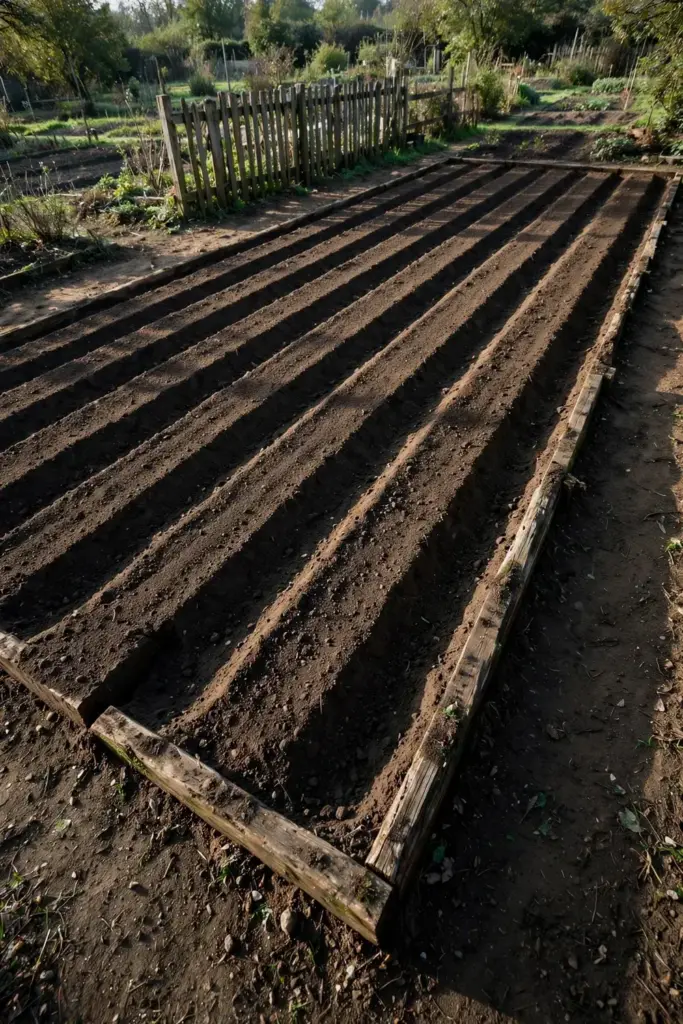
Plan the next planting before the current season ends. Order resistant varieties early, using the Step 2 list as the starting ask. Set the new bed away from the old bed and away from weedy borders, so the first aphids of spring meet clean plants. The Utah State University Extension page on tobacco etch virus advises at least 30 yards between susceptible crops and weeds, and a new bed sited with that buffer starts ahead.
Seed carries no tobacco etch virus, so the seed question that haunts other viruses does not apply here. The Descriptions of Plant Viruses entry on tobacco etch virus records no seed transmission reported, and the Utah State University Extension page on tobacco etch virus states plainly that the virus is not transmissible by seed. Save seed only from healthy plants in a bed that showed no mosaic all season, and buy fresh seed when the parent bed showed any mosaic at all. Keep the old bed clean through the off-season. Pull weeds that follow harvest, and clear debris promptly, so the next planting starts without a virus source beside it. Do not follow peppers with tomatoes in the old bed, since tomatoes share the same virus risk.
Living With Tobacco Etch Virus Damage You Cannot Undo
A bed with tobacco etch virus still produces food. Harvest what formed and eat it fresh. Keep the virus out of next season.
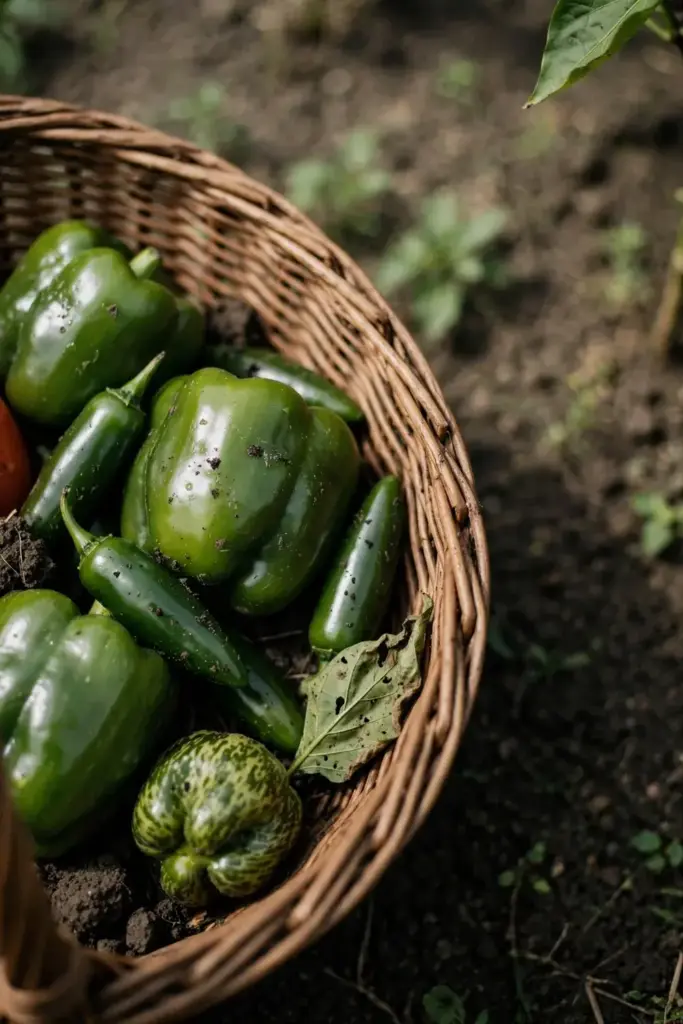
Infected fruit stays edible when the plant is otherwise sound, and a lumpy pepper still roasts. The virus harms yield and appearance, not the cook. Wash the harvest and cook it as usual. Do not store infected fruit for long. Eat the harvest fresh, and clear the bed after harvest.
Pull weeds that follow harvest, and keep the bed clean through the off-season, so the next planting starts without a virus source beside it. A bed that held infected peppers gets a non-pepper crop next, while the peppers move to a bed with a clean weed history. One clean season plus the weed clearing in Step 4 gives the next pepper planting a fresh start.
Frequently Asked Questions
Yes, in one specific case. Most strains kill Tabasco pepper. Roots rot, the plant wilts, and the plant dies. Sweet peppers and jalapeños usually survive with stunting, mosaic, and distorted fruit. Early infection ends the season for a young plant, while late infection costs far less. Pull a stunted, mottled seedling early. The healthy plants beside it gain the space.
Yes. Tobacco etch virus infects plants, not people. Pick fruit that looks sound. Wash it and use it fresh. The virus damages yield and appearance, and it never makes the harvest unsafe to eat. Do not store infected fruit for long. Eat the harvest fresh. Clear the bed after harvest, and keep the virus out of next season.
No spray stops tobacco etch virus. Aphids pick the virus up and deposit it in probes of 10 seconds, and no insecticide kills that fast. Sprays cut aphid numbers and slow the spread, which helps a clean bed. Sprays never protect a bed that already carries the virus. Spend spray effort on clean plants and seedlings, and spend the rest on weed clearing and infected-plant removal.
No. No seed transmission has been reported for tobacco etch virus, and Utah State University Extension states plainly that the virus is not transmissible by seed. The seed question that haunts other viruses does not apply here. Save seed only from healthy plants in a bed that showed no mosaic all season. Buy fresh seed when the parent bed showed any mosaic at all.
Check the vector first. Tobacco etch virus and potato virus Y both ride aphids in seconds-long probes. Tobacco mosaic virus rides physical contact with plants, not aphids. Tobacco etch virus runs more stunted with slower spread than potato virus Y, and field symptoms alone can mislead. A lab assay settles the identification when the answer matters.
Tobacco etch virus returns when weeds or debris carry it through winter. Weeds beside the bed hold the virus and feed the first aphids of spring. Clear weeds before planting. Destroy infected plants, and move peppers to fresh ground. A clean bed with resistant varieties and a 30-yard weed buffer breaks the cycle in one season.
Where to Go From Here
Start with one walk around the pepper bed. Mark every mottled plant, then pull it the same day.
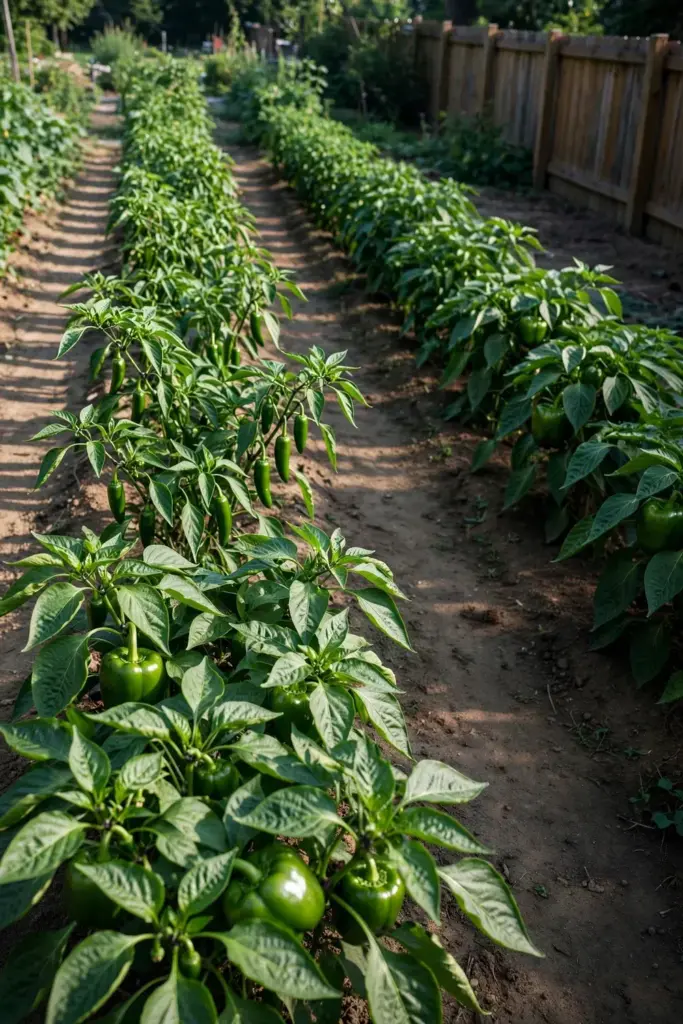
Clear the weeds, order resistant varieties for the next planting, and inspect every transplant before it enters the bed. The virus has no cure. The bed that beats it holds fewer weeds and cleaner transplants, with seedlings guarded in their first weeks. The guide to growing pepper vegetables covers the spacing and harvest that keep a clean pepper bed productive.
One clean season resets the bed. Work the 9 steps in order, and next year’s peppers start without the virus beside them.