
Iris mosaic virus is not one virus. The name is a legacy label that has been applied to two different viruses, iris severe mosaic virus and iris mild mosaic virus, and no current species carries the bare name. The home gardener who sees “iris mosaic” is seeing one of those two viruses, or sometimes both, and the 5 strategies below cover the pair as a group, because the management converges and the field eye cannot separate them.
This article uses “iris mosaic viruses” as an umbrella. The pair is iris severe mosaic virus (ISMV) and iris mild mosaic virus (IMMV), both potyviruses. Iris fulva mosaic virus (IFMV) is a third, distinct species, and it is a companion to this article, never merged into it. Do not borrow IFMV evidence for this article. The umbrella is the pair.
One honesty note up front: do not resolve this article to one virus. Picking ISMV would contradict the description that attaches the legacy name to IMMV, and picking IMMV would contradict the description that attaches it to ISMV. The umbrella framing is the honest framing. The pair is the article.
What Iris Mosaic Viruses Actually Are
Iris mosaic viruses are potyviruses of iris. The umbrella covers two species: iris severe mosaic virus (ISMV) and iris mild mosaic virus (IMMV). Both are in the potyvirus group. Both cause mosaic diseases on iris. Both are spread by aphids and by dividing infected stock.
ISMV is the severe member of the pair. Iris severe mosaic is a potentially severe viral disease that can adversely affect both bulb and rhizome-forming irises, as well as crocuses. German bearded irises are particularly susceptible. The severe virus is the damaging one. The mild virus is the quieter one.
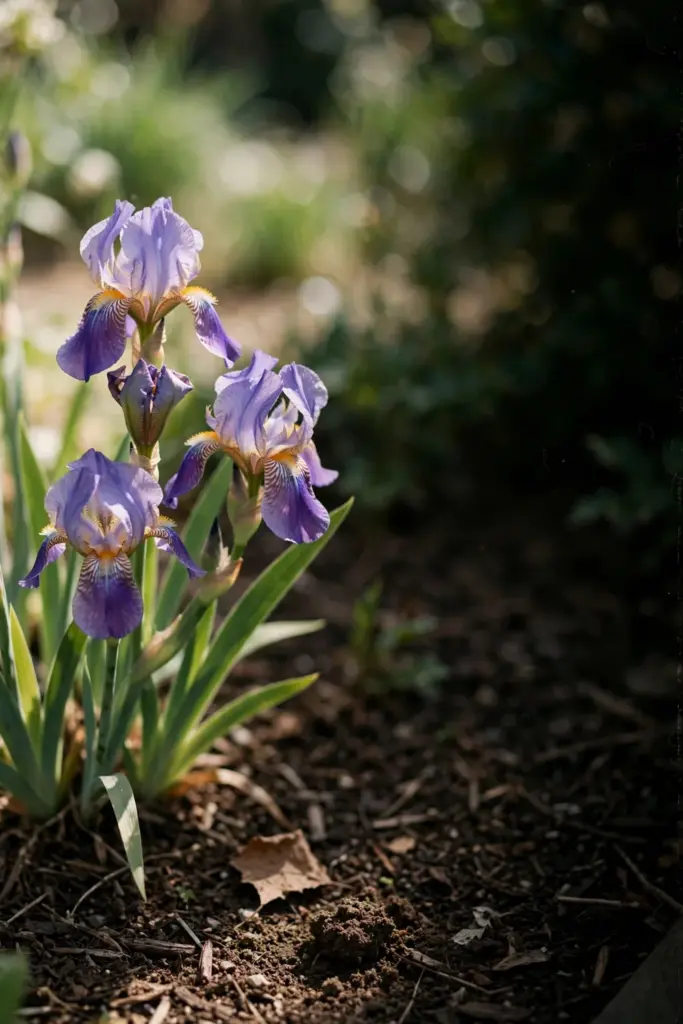
IMMV is the mild member of the pair. IMMV-infected plants may be stunted with yellowish streaks on leaves and dark, teardrop-shaped markings on white, blue, or lavender flowers. Clear, feathery markings may develop on yellow flowers. The mild virus is the lighter one. The pair together is the worst case.
The pair has no cure. Infected plants stay infected, management is prevention plus rogueing, the cure is the myth, and the prevention is the program.
How to Identify Iris Mosaic Viruses on Your Iris
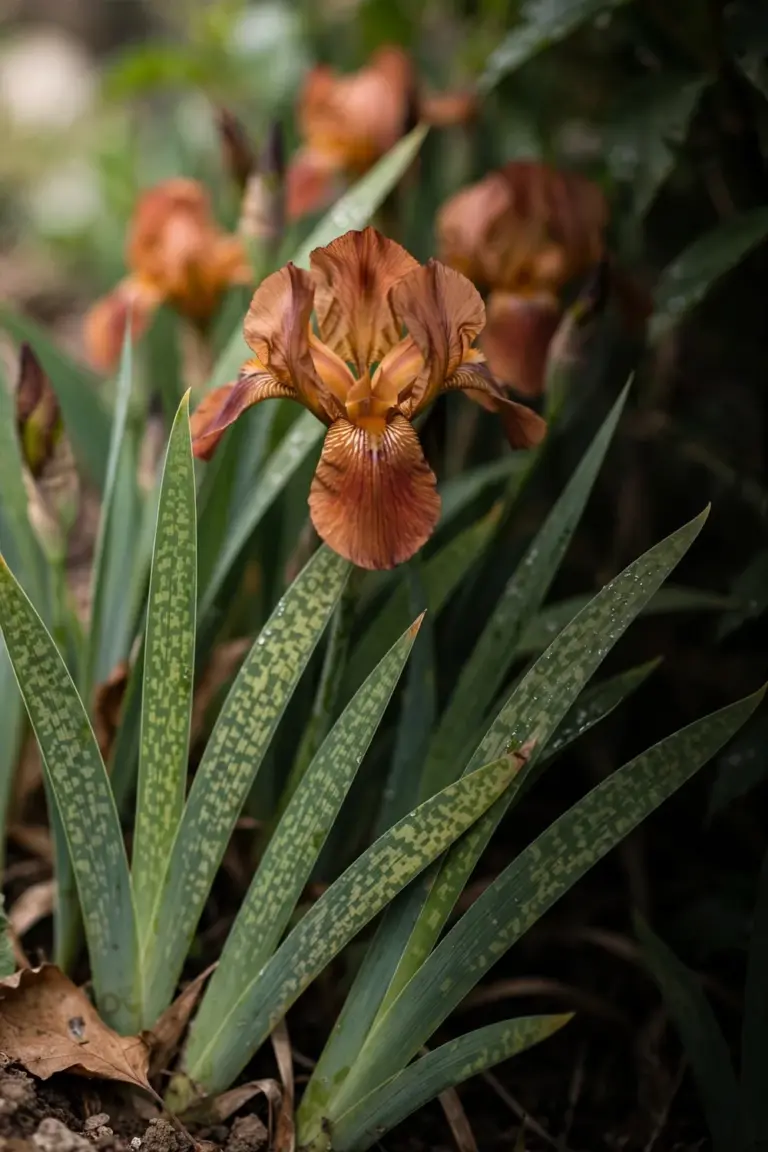
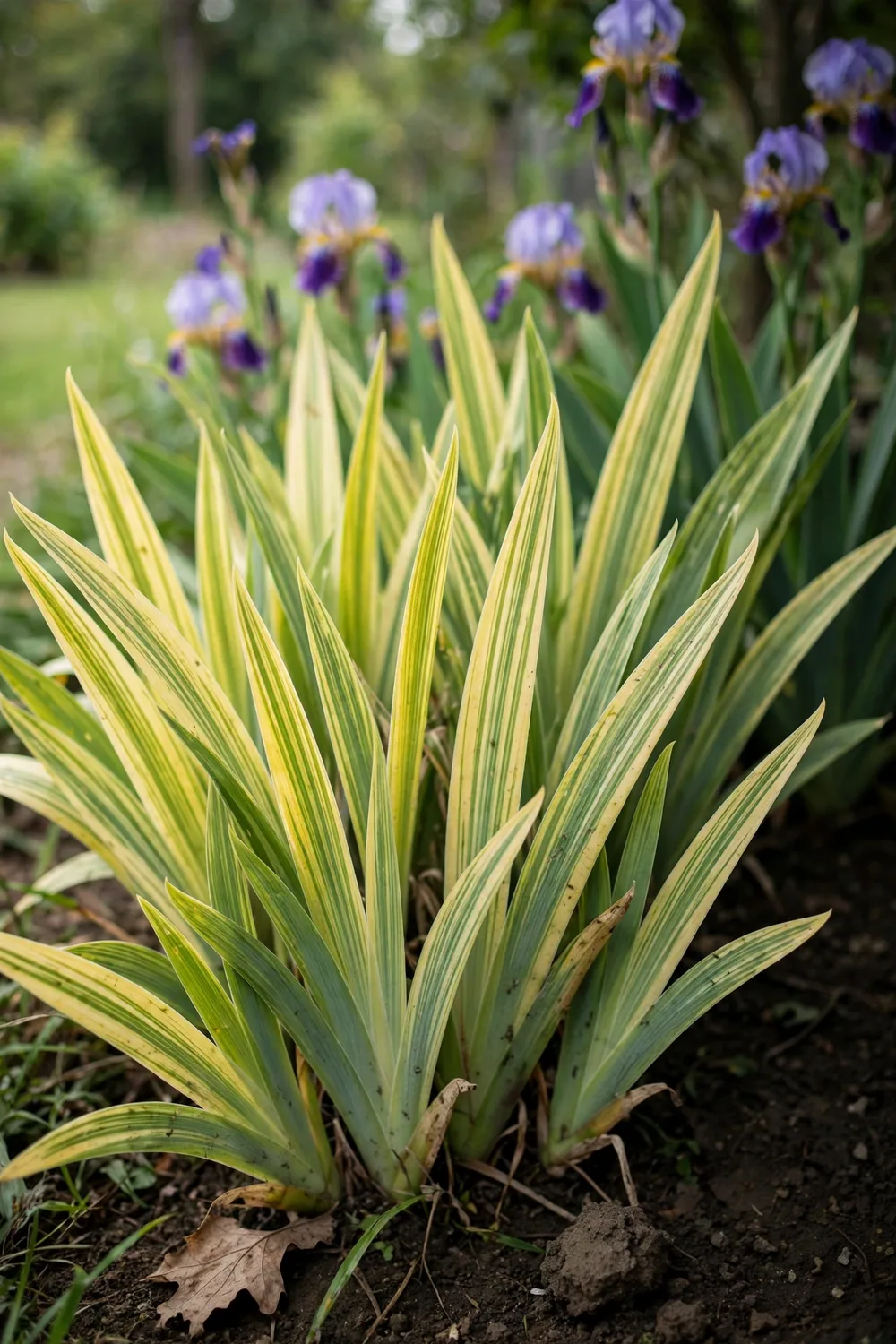
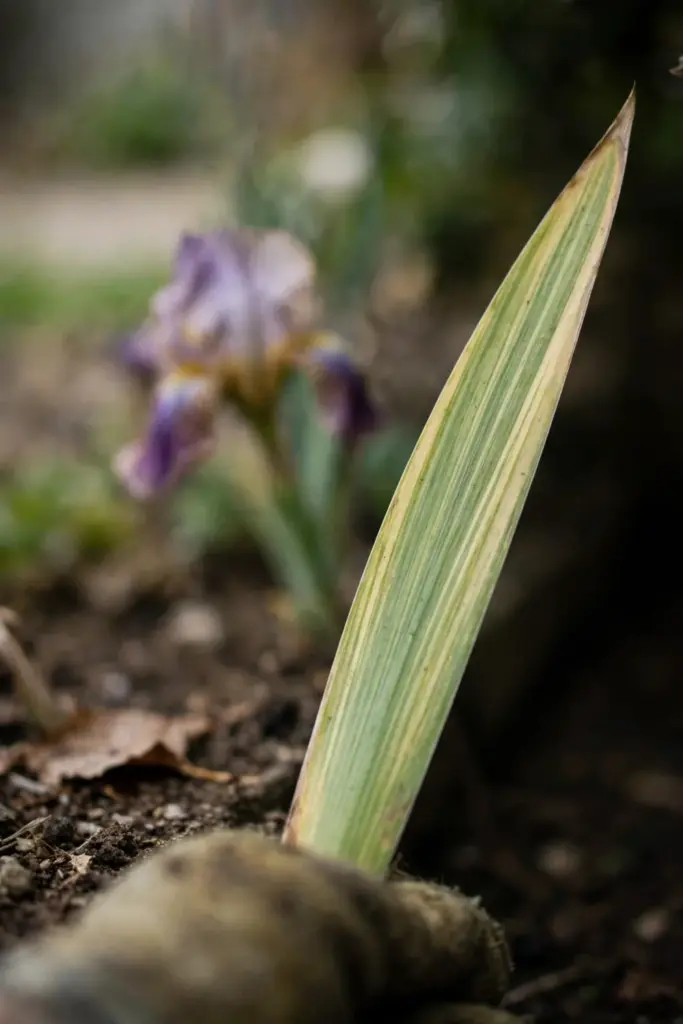
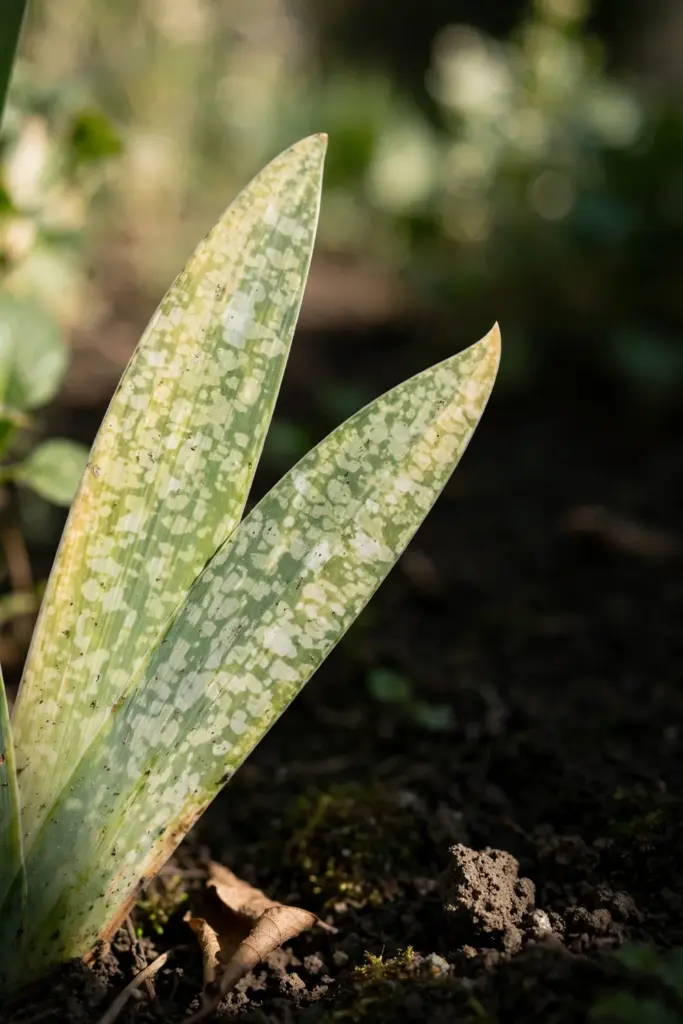
Look for pale green to yellow stripes. Leaves, particularly middle or outermost leaves, may have pale green to yellow stripes. Younger, interior leaves often do not exhibit symptoms. The stripe is the mosaic mark. The older leaf is the showing leaf.
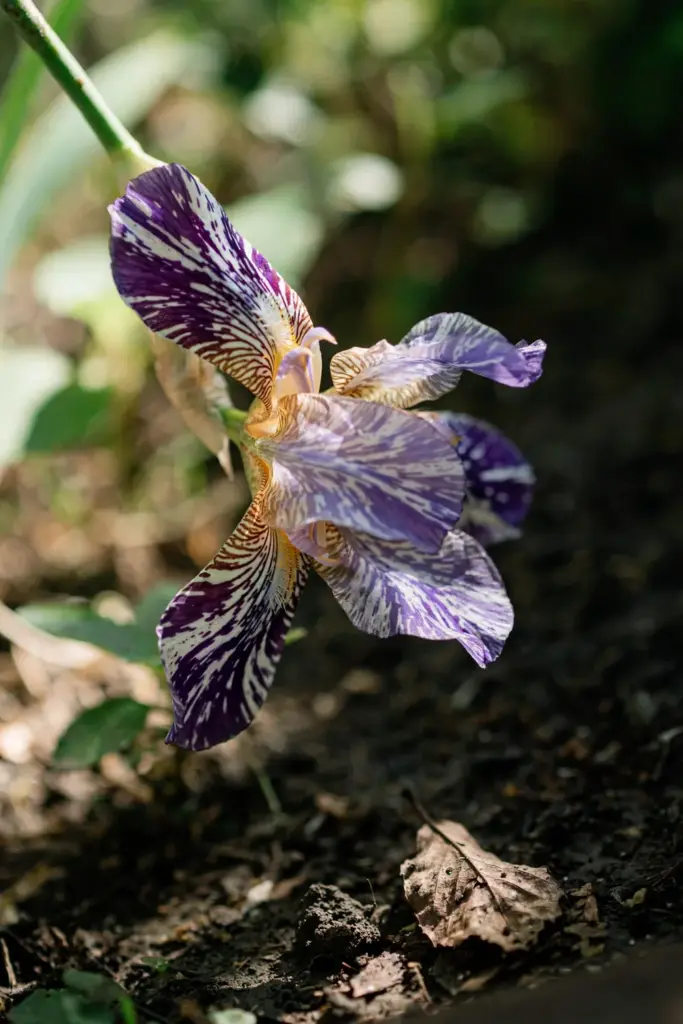
Look for color break in the flowers. Flowers may develop blotchy color, a symptom known as color break. The blotchy petal is the flower sign. The clean petal is the healthy petal.
Look for stunting. Affected plants may be stunted, producing smaller than normal flowers, and smaller bulbs, rhizomes, or corms. The stunted plant is the infected plant. The small flower is the sign.
Watch for teardrop markings. IMMV can show dark, teardrop-shaped markings on white, blue, or lavender flowers, and clear, feathery markings on yellow flowers. The teardrop is the mild-virus mark. The feather is the yellow-flower mark.
Symptoms hide. In some situations, plants with iris severe mosaic may not show any symptoms. Symptoms tend to be more severe when temperatures are cooler, and at higher temperatures symptoms are less obvious. The symptomless plant is still infected. The cool weather is the revealing weather.
Why Lab Testing Confirms It, Not the Field Eye
The pair is field-indistinguishable. ISMV and IMMV cause overlapping mosaics, and the field eye cannot reliably separate them. A plant infected with both is more severely affected than a plant with one. The field eye sees a mosaic. The lab names the virus.
Co-infection is common. Iris are more severely affected if simultaneously infected with IMMV and ISMV. The pair together is the worst case. The single virus is the lighter case. The lab sorts the pair.
Field ID is presumptive. The mosaic pattern suggests a virus, the lab confirms which one, the test is the answer, and the guess is the waste.
Strategy 1: Buy Virus-Free Stock
Plant pathogen-free stock. Pathogen-free stock is the clean start. Infected stock is the imported virus. The reputable seller is the fence. The bargain rhizome is the risk.
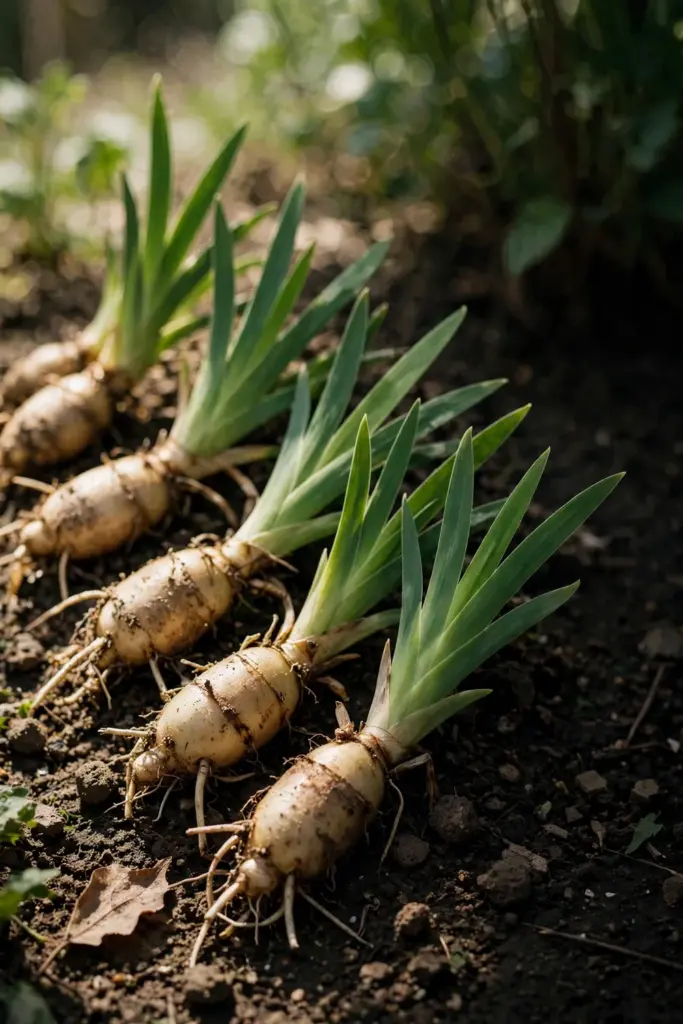
Ask the seller for virus-free proof. A seller who can show virus-indexed stock is a seller worth trusting. A seller who cannot is a seller to skip. The proof is the fence. The promise is not.
Inspect new plants before they join the bed. Inspect new rhizomes for mosaic before planting, since the inspection is the quarantine, the uninspected plant is the risk, and the check is the fence.
Strategy 2: Isolate New Shipments
Isolate new shipments for an observation period. Locate the isolation area well away from existing blocks and scout regularly. The isolation is the quarantine. The shared bed is the spread. The distance is the fence.
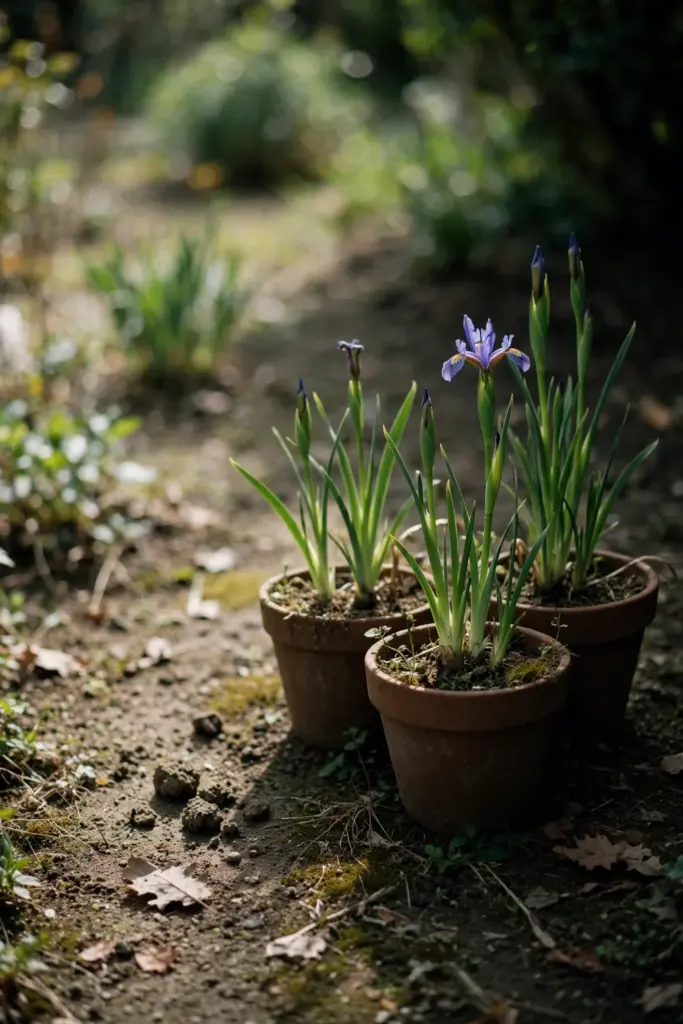
Scout the isolated plants regularly. Scout for mosaic during the observation period, since a plant that shows mosaic in isolation is a plant to rogue, the scout is the watch, and the observation is the window.
Do not rush the isolation. A virus can hide through one season, and symptoms are less obvious at higher temperatures. The patient isolation is the safe isolation. The rushed planting is the risk.
Strategy 3: Rogue Infected Plants
Rogue all diseased plants. Rogueing removes the virus source. The rogued plant is the removed inoculum. The plant left in the bed is the next infection. The rogueing is the containment.
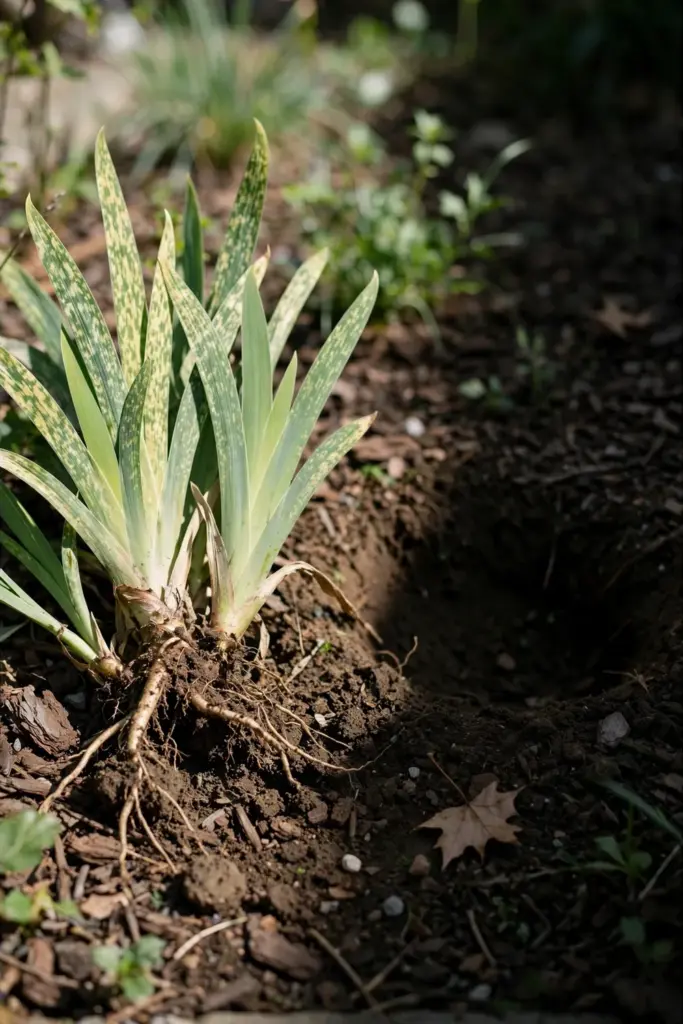
Remove the entire plant, bulb, rhizome, or corm and all. A virus lives in the whole plant, including the storage organ. Pruning a streaked leaf off and keeping the plant does not remove the virus. The whole plant is the unit. The partial removal is the failure.
Destroy rogued plants. Burn where legal, or bag and landfill. Do not compost virus-infected plants. The compost pile is a distribution route. The trash is the disposal.
Strategy 4: Disinfect Tools Between Plants
Disinfect tools between plants. Tools used when working with infected plants can become contaminated with sap containing the virus and can serve as another means of spreading the virus to healthy plants. The dirty tool is the vector. The clean tool is the fence. The disinfection is the containment.

Scrub sap off first, then disinfect. Sap carries the virus. The scrub removes the sap. The disinfectant kills what remains. The order is the discipline.
Do not divide an infected clump. Dividing an infected clump multiplies the virus. The division is the spread. The rogueing is the answer. When you do divide healthy clumps, follow the site’s guide to dividing perennials and disinfect tools between clumps.
Strategy 5: Watch Aphids Without Depending on Aphid Control
Know that aphids spread the pair. ISMV is transmitted primarily by aphids, specifically the potato aphid and the green peach aphid. These aphids acquire the virus from infected plants and transmit it to non-infected plants as they feed. The aphid is the vector. The feeding is the transfer.
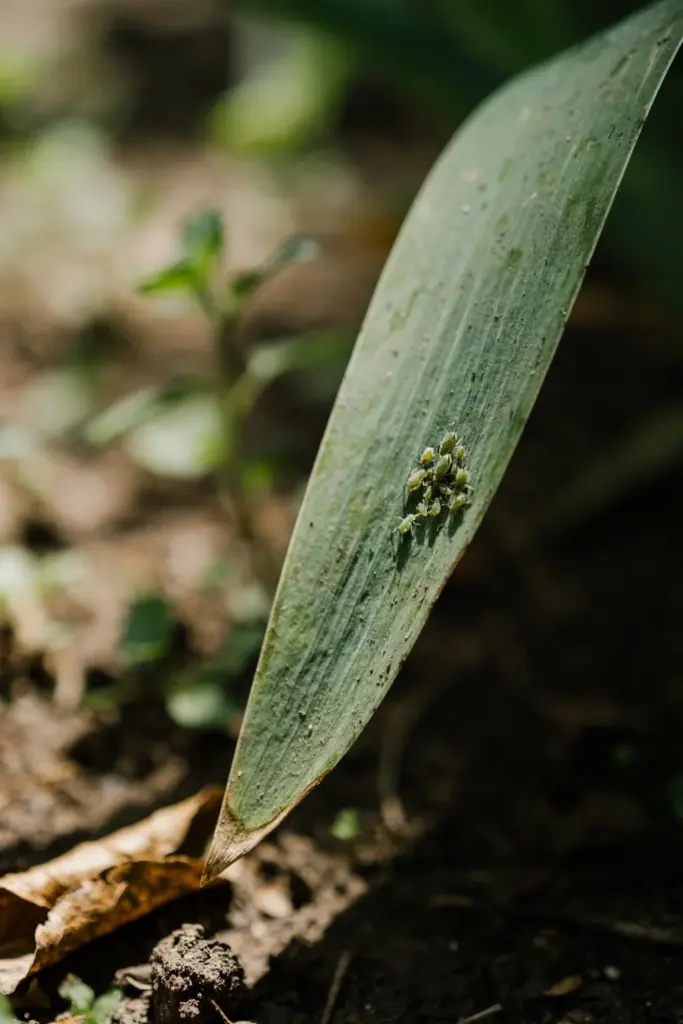
Watch aphids anyway. A heavy aphid population is worth knocking down. The knockdown is the hygiene. The prevention claim is not. The watch is the sense.
Do not present aphid spraying as the program. The aphid spray is not the program. The clean stock, the isolation, and the rogueing are the program. The spray is the side note. The stock is the future.
Living With Iris Mosaic Viruses in a Bed You Already Own
A bed with iris mosaic viruses is a bed to manage, not a bed to abandon. Rogue infected plants. Buy virus-free stock. Isolate new shipments. Disinfect tools. Watch aphids without depending on aphid control. The viruses will still appear, but they will appear as one rogued plant, not as a spreading bed.
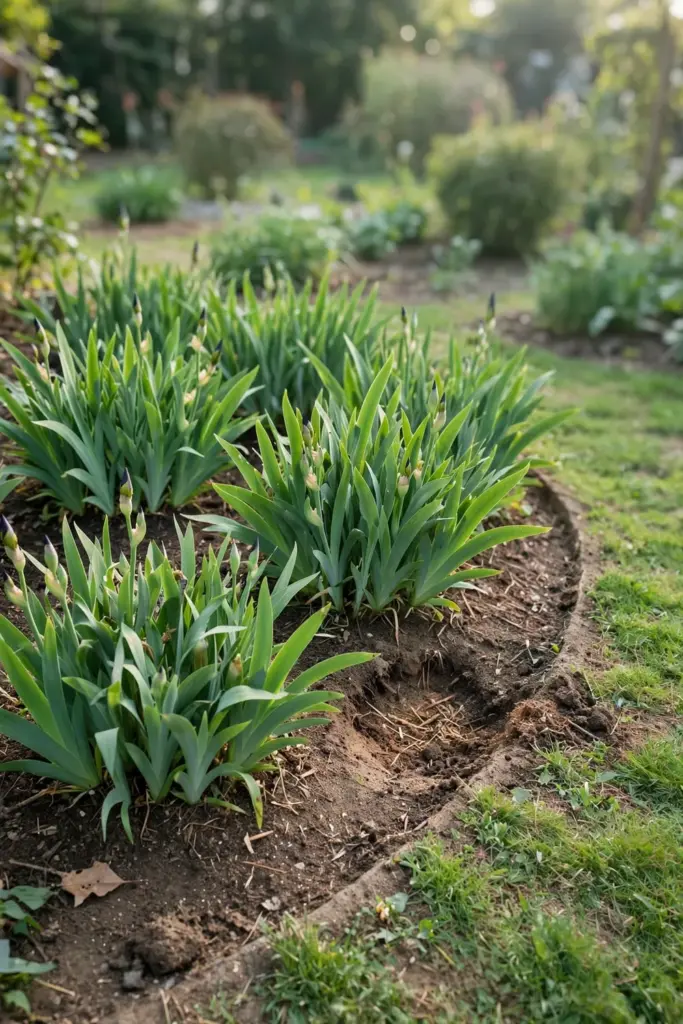
Stop three habits. Do not keep a mosaic plant because it still blooms. Do not divide an infected clump. Do not plant new rhizomes straight into the bed without isolation. Keep those three lines unbroken and the viruses stay contained. The Plant Care archive collects the site’s disease coverage for the next problem the garden throws up.
Frequently Asked Questions
Two, under one legacy name. The bare name “iris mosaic virus” has been applied to both iris severe mosaic virus and iris mild mosaic virus, and no current species carries the bare name. This article covers the pair as an umbrella. Iris fulva mosaic virus is a third, distinct species, covered in its own article. The pair is the umbrella. The third is the companion.
ISMV can. Heavily infected plants may show stunted or distorted leaves or plant architecture, which may lead to premature death. IMMV alone is milder. A plant with both is more severely affected than a plant with one. The pair together is the worst case. The single mild virus is the lighter case. The rogueing is the answer either way.
Do not depend on it. Aphids transmit the pair, and a heavy aphid population is worth knocking down as hygiene. The prevention is clean stock, isolation, and rogueing. The spray is the side note. The program is the stock. The aphid is the vector, not the program.
Not established in the evidence reviewed. The established spread routes are aphids and dividing infected stock, plus contaminated tools carrying sap. Do not claim seed safety or seed risk. The stock route is the known. The seed route is the unknown.
They stay in the plant, not in the soil. An infected plant stays infected for life, and rogueing removes it. A new planting from virus-free stock in a bed where infected plants were rogued starts clean. The rogueing is the reset. The kept plant is the return. The stock is the future.
Where to Go From Here
Iris mosaic viruses reward the gardener who buys virus-free stock, isolates new shipments, rogues infected plants, disinfects tools, and watches aphids without depending on aphid control. Buy virus-free stock. Isolate new shipments. Rogue infected plants. Disinfect tools. Watch aphids without depending on aphid control.
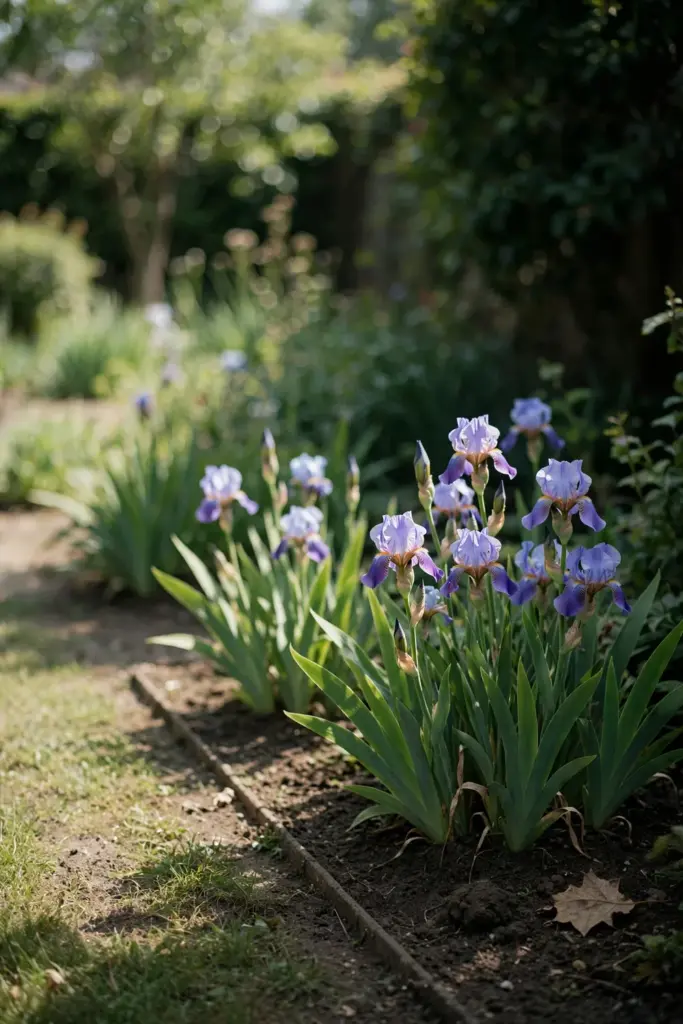
Next season, start with a clean bed. A bed with virus-free stock, isolated newcomers, rogued mosaics, and disinfected tools will hold iris mosaic viruses to a rare rogued plant. The UW-Madison fact sheet on iris severe mosaic is a useful companion for the full Extension picture, since it sets the home-garden response here against the university evidence behind it.