
Pull young nutgrass before it grows six leaves. Spray halosulfuron with a wetting agent once the survivors reach 10 to 15 cm and grow vigorously. Repeat on the label interval, about six weeks later, and keep the couch dense so the sedge loses its opening. That is how to get rid of nutgrass in couch lawns without tearing the lawn apart.
I have learned that the nutgrass I pull before it grows six leaves stays gone, while the one I leave to flower comes back tenfold. Nutgrass is Cyperus rotundus, a sedge, not a grass. Couch is Cynodon dactylon. The two look alike at mowing height. The treatment differs completely. The rest of this page runs the ID test first, then the pull, the spray, the drainage fix, and the repeat schedule.
1. Confirm the ID With the Triangular Stem Test Before You Spray Anything
Roll the stem between your fingers before you spray anything. Nutgrass stems feel triangular in cross section. Couch stems feel round or folded. That roll test separates a sedge from a grass in five seconds, and it decides the whole job, because grass weedkillers do not kill sedges.
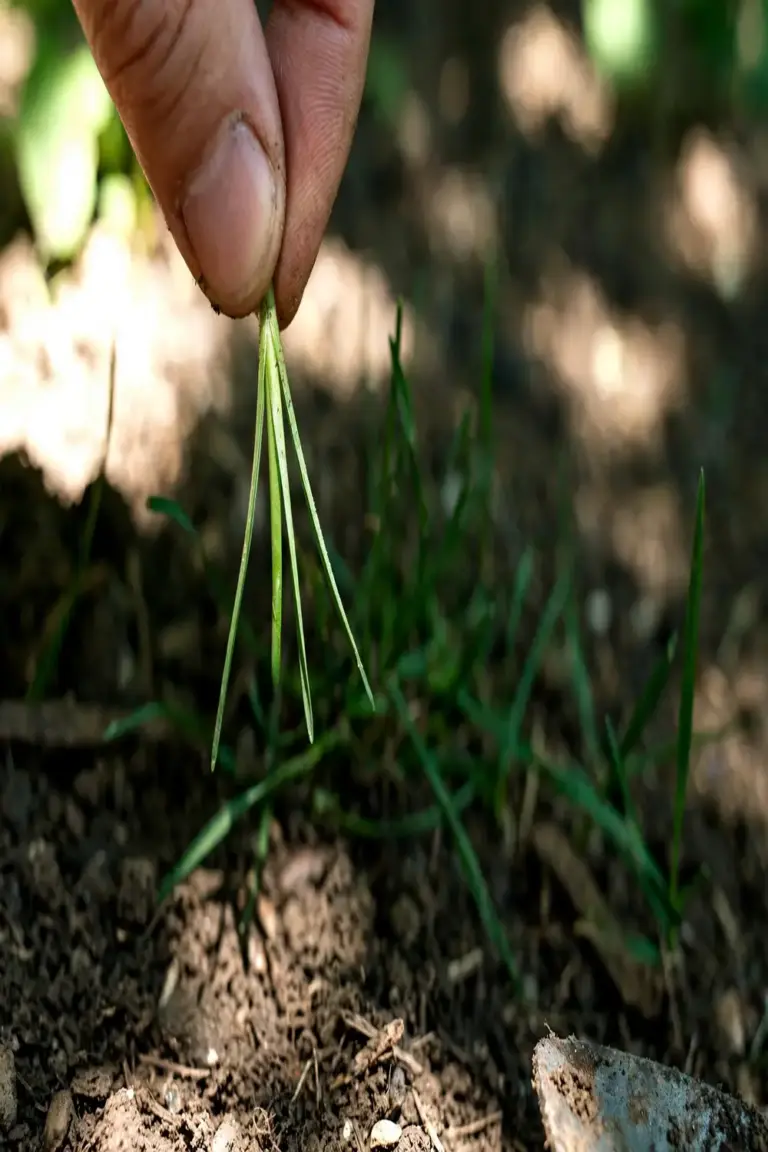
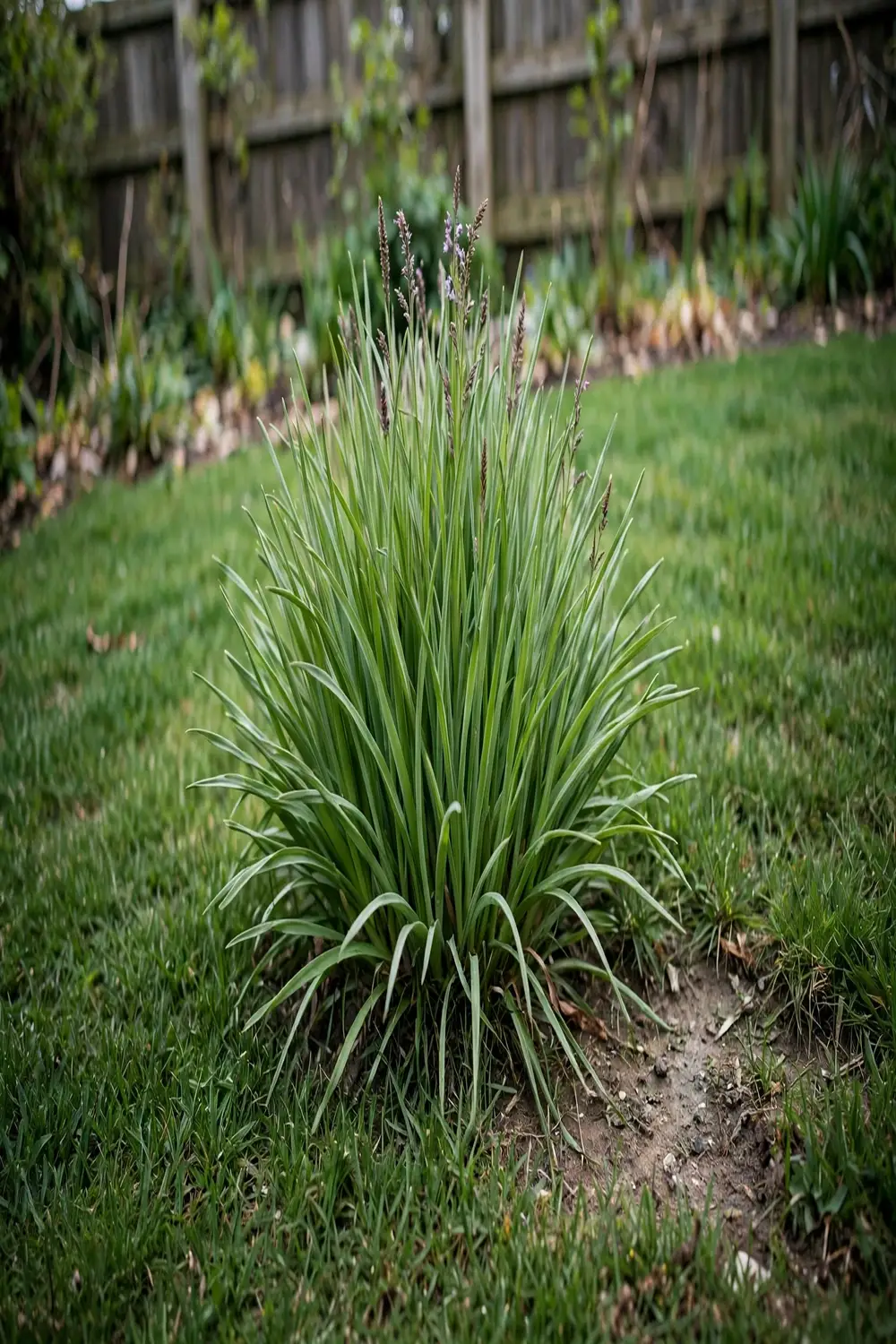
Look for the rest of the pattern. Nutgrass grows upright, lighter green than couch, and faster than couch after mowing. Its leaves sit in groups of three around the base. Its leaves carry a waxy coat, measure about 0.3 to 0.6 cm wide, and show a pale midvein. Mature plants stand about 15 cm tall and can reach 30 to 61 cm when left unmowed, according to Cornell weed science notes on purple nutsedge. Flower heads show as clusters of purple spikelets with a red or brown cast, carried on stalks as tall as the leaves or taller.
Check the base before you decide. Dig one plant with a trowel and look at what comes up. Nutgrass shows a basal bulb, wiry rhizomes, and round tubers. Couch shows stolons and rhizomes with no tubers. Tubers settle the ID. A plant with tubers is nutgrass. A plant without them is something else.
Watch out for the lookalike. Mullumbimby couch looks grassy and spreads low, and gardeners mix it up with nutgrass. Mullumbimby couch has no tubers and no triangular stem. The roll test plus the dig test separates the two. Data on Mullumbimby couch tubers is not available beyond the shared sedge key, so the stem roll stays the deciding test.
Compare growth speed as a backup check. Nutgrass outgrows couch in the days after mowing. A patch that stands visibly taller than the surrounding couch three days after a mow is a sedge suspect. Couch grows sideways through stolons. Nutgrass grows upright through a central shoot. That upright habit gives the patch its tufty, uneven look. The roll test still decides. Growth speed only tells you where to test.
Photograph the patch before you treat it. One close shot of the stem, one of the leaf base, one of the whole patch with a coin or a ruler for scale. The photos give you a baseline. Six weeks later, a second set shows whether the patch shrank. Memory lies about slow change. Photos do not. Keep the photos in one folder with the spray dates.
| Feature | Nutgrass | Couch |
|---|---|---|
| Stem shape | Triangular, felt by rolling | Round or folded |
| Leaf arrangement | Groups of three at the base | Opposite pairs along stolons |
| Leaf color | Lighter green, waxy coat | Mid to dark green |
| Underground parts | Basal bulb, rhizomes, tubers | Stolons, rhizomes, no tubers |
| Growth habit | Upright tufts, outgrows couch after mowing | Low, sideways spread |
2. Learn Why Nutgrass Keeps Coming Back From Its Tubers
Nutgrass comes back because the tubers stay behind. The leaves you see are the small part. The tuber bank under the soil is the real plant. Each tuber stores energy, waits through winter, and sends up new shoots when soil warms in spring. Pulling the leaves off does nothing to that bank.
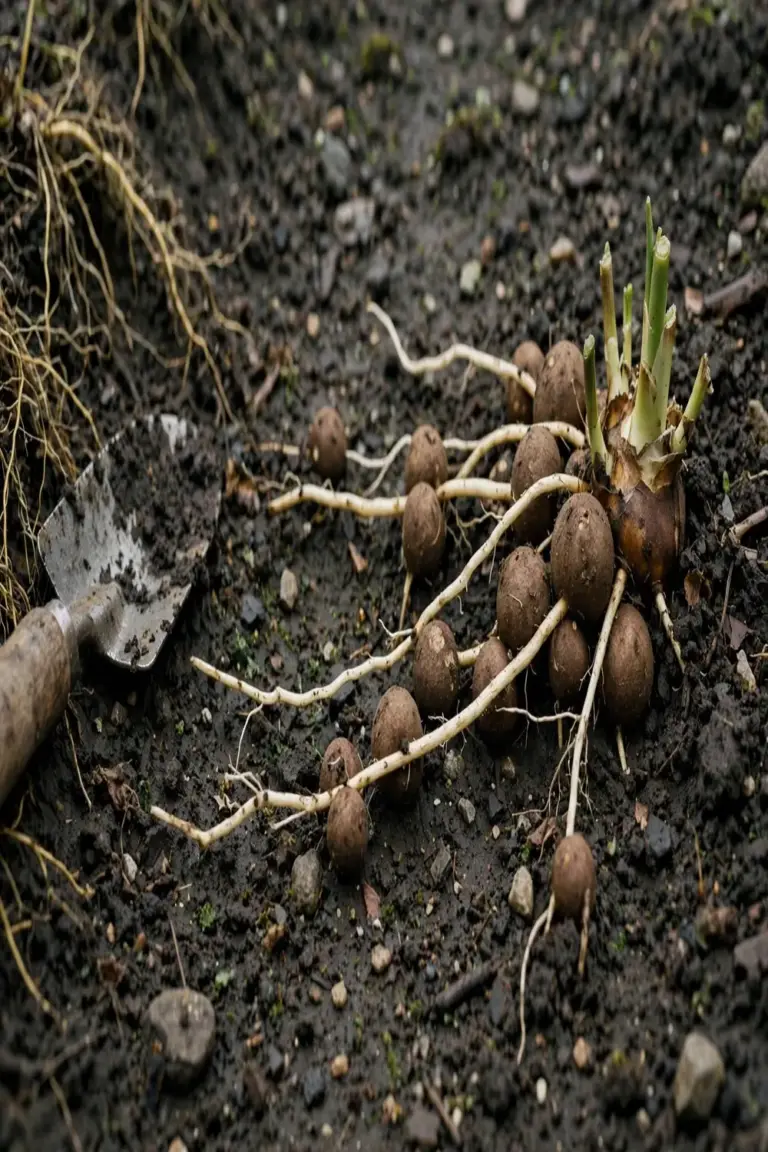
Cutting the rhizome can make things worse. Tubers sit dormant in chains along underground stems. Disturbance breaks dormancy. One cut chain wakes tubers that would have slept. That is why a patch often looks worse a week after a rough dig. Tasmania’s Department of Natural Resources and Environment reports that a single tuber can give rise to over 600 plants, and that a cubic metre of soil may hold over 50,000 tubers. Those figures explain why a small patch becomes a lawn-wide problem in one season.
Seeds matter little here. Nutgrass seeds are frequently non-viable. The plant spreads through rhizomes and tubers, not through seed. Mowing the flower heads helps. It never finishes the job. The tubers finish it only when their energy runs out.
Warmth drives the cycle. New plants grow from tubers in spring as temperatures rise. Flower stems form in late spring. Flowers open in summer. Top growth dies back in autumn. In Australia, that cycle means the fight starts in spring, peaks in summer, and ends when growth stops in autumn. Winter work on dormant tubers achieves nothing.
Tubers travel on tools and soil. A trowel that digs nutgrass and then moves to a clean bed carries tubers with it. Topsoil bought in bulk can carry tubers into a new lawn. Boots carry them in muddy tread. Clean tools after working a patch. Shake soil off boots before walking to clean turf. Buy topsoil from a supplier you trust, and check any delivered load for sedge shoots in the first weeks. One careless load seeds a new patch.
Dormancy is the tuber’s armor. A tuber can sit in dry soil and wait. Heat, moisture, and disturbance wake it. That is why a patch can vanish for a month and return after rain. The bank does not die in a dry spell. It waits. The only way to drain the bank is to let shoots emerge, then kill them before they form new tubers, season after season.
Spring emergence sets the season’s tempo. The first shoots appear when soil warms, often weeks before the couch greens up fully. Those early shoots are easy to spot because they stand lighter and taller than the still-sleepy couch. Pull them at once. Every early shoot pulled is a tuber that never recharges. A spring walk once a week catches the first wave before it sets new tubers, and the whole season gets easier from there.
3. Hand-Pull Young Nutgrass Before It Grows Five or Six Leaves
Pull young plants by hand when they show fewer than five or six leaves. Hand weeding controls very young nutgrass before it has five or six leaves, because tubers have not formed yet. Pull the whole plant, bulb and all, straight after rain when the soil gives easily. Work every two to three weeks through summer, and the energy reserves drain until re-sprouting stops. That rhythm comes from Clemson Extension notes on nutsedge.
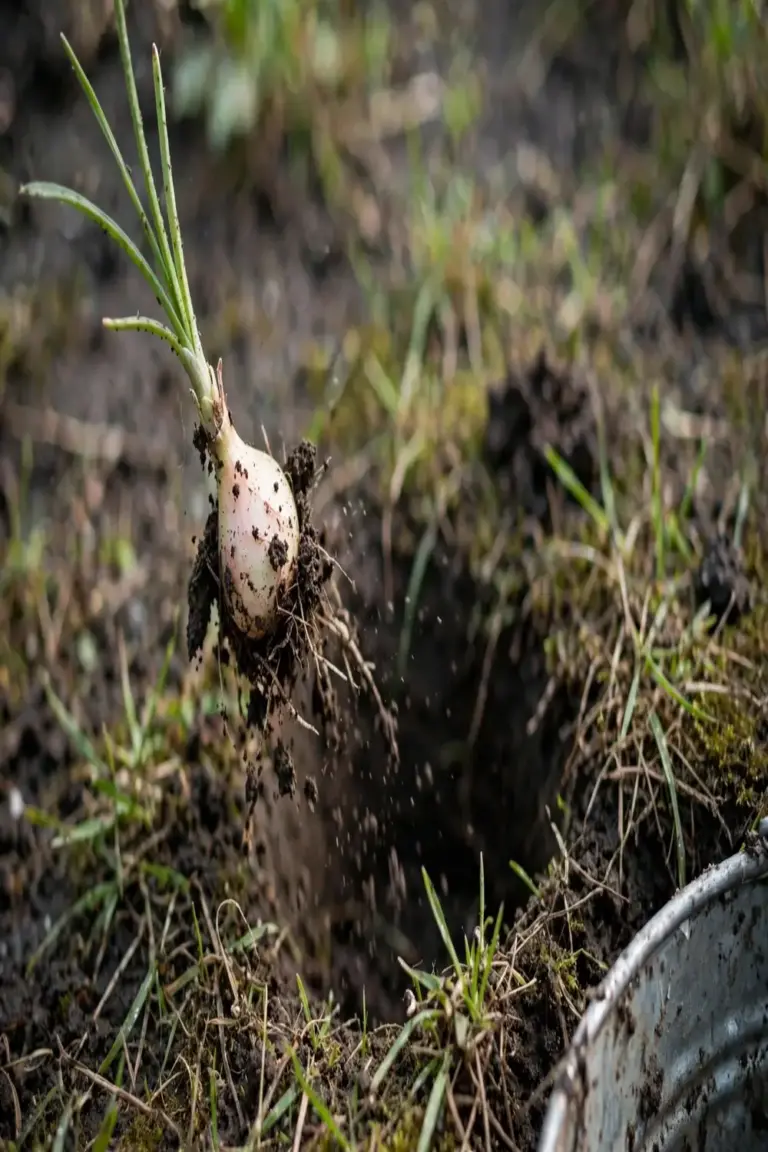
Stop pulling once a plant passes six leaves. Mature tubers can re-sprout as many as 10 to 12 times, so pulling a mature plant breaks the chain and wakes dormant tubers. The patch looks thinner for a week. Then it comes back denser. The six-leaf line is the boundary between pulling that works and pulling that spreads the weed.
Dig instead of yanking when the soil is dry. A trowel under the bulb lifts the plant with its rhizome attached. A yank snaps the stem and leaves the bulb in the ground. Bag what you lift. Never drop pulled nutgrass on the compost heap. Tubers survive composting and ride back into the garden with the finished compost.
Count leaves, not height. A short plant can already carry six leaves. A tall plant in thin couch can still carry four. The leaf count decides. Check the newest shoot at the center. Count its leaves. Fewer than six means pull. Six or more means spray.
Choose the tool for the soil. A narrow trowel suits loose, sandy soil. A fork suits heavy clay, where a trowel snaps stems. Push the tool 10 cm deep beside the plant, lever gently, and lift the whole bulb with its rhizome. Work in the morning after rain or watering, when the ground gives. Dry clay holds bulbs tight, and a dry pull snaps the stem at the surface. If the stem snaps, dig the spot again and find the bulb. A bulb left behind regrows within days.
Dispose of pulled plants in the bin, never in the green waste pile at the curb if the pile gets composted and returned. Tubers survive home composting. A sealed bag in the general waste bin ends the chain. Wash the trowel before moving to a clean bed. A few seconds of cleaning saves a new patch.
4. Spray Halosulfuron With a Wetting Agent on Label Directions
Spray halosulfuron with a wetting agent when the nutgrass stands 10 to 15 cm tall and grows vigorously. Halosulfuron is the active ingredient that reaches the tubers. General lawn weedkillers do not kill sedges. Bentazon rates poor on purple nutsedge. Halosulfuron rates good to excellent on purple nutsedge in the Clemson efficacy table. That gap decides the purchase.
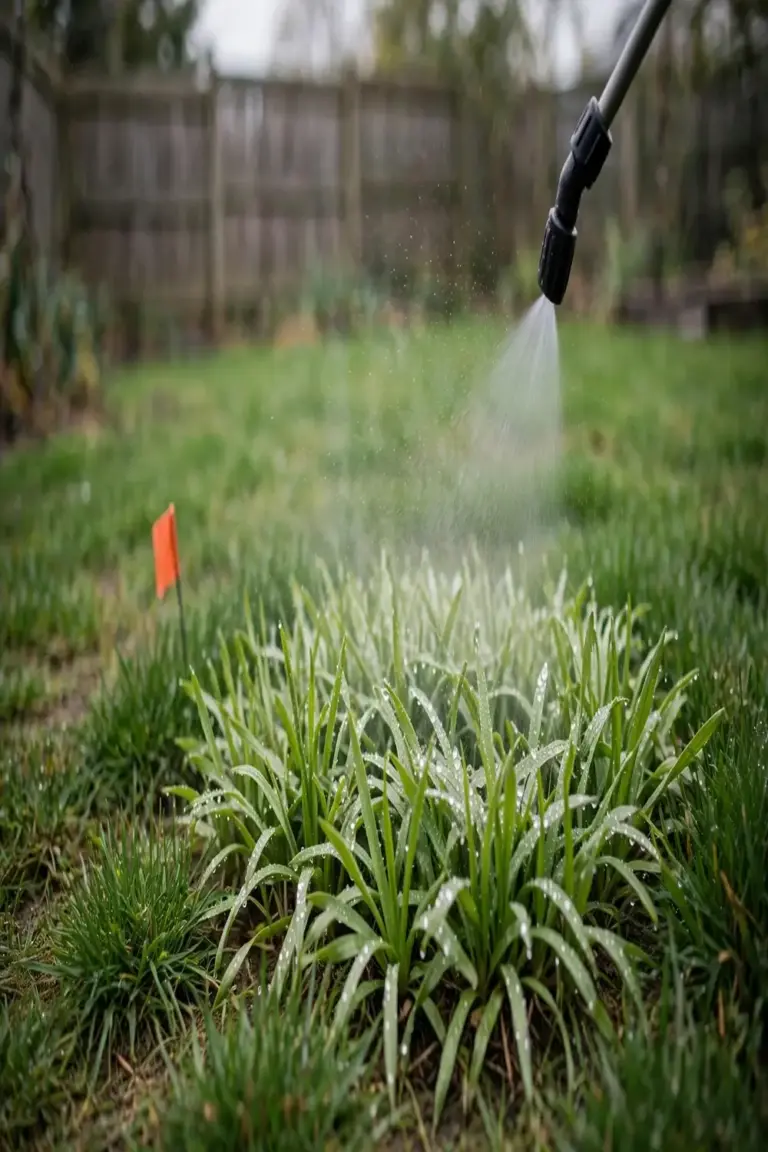
Add a non-ionic surfactant, sold as a wetting agent, to the spray. Nutgrass leaves carry a waxy coat that sheds spray. The wetting agent spreads the spray across the leaf so the plant absorbs it. Purdue Extension turf notes on nutsedge direct growers to add a nonionic surfactant when using a 75DF halosulfuron formulation. Some retail packs already include the surfactant. Check the label before adding more.
Spray on a calm morning when the plant grows actively. Do not spray drought-stressed plants. Do not spray in high heat. Do not mow for two days before or after spraying. The plant needs leaf surface to absorb the product. Mowing first cuts that surface away. Water the lawn the day before spraying so the plant grows actively and takes up the spray.
Wait for the result. Halosulfuron works slowly. Injury symptoms appear about two weeks after application. Full collapse takes three to four weeks. Do not assume failure at day ten and spray again. Early re-spraying breaks the label and risks the couch. Mark the spray date on a calendar and wait.
Follow the label on the pack you buy. Product labels carry the legal rate, the safety directions, and the turf list for your state. This page names the active ingredient and the method. The label names the dose. Never mix a stronger batch to speed the result. A stronger batch burns the couch without killing more tubers.
Spot-spray scattered plants. Broadcast-spray a lawn-wide infestation. Spot spraying keeps chemical off clean turf and saves product. Broadcast spraying suits a patch that covers most of the lawn. Either way, walk steadily and overlap passes slightly so no strip goes untreated. A missed strip becomes next month’s patch. Mark treated areas with small flags so you know where you have been.
Wear the safety gear the label lists. Gloves, long sleeves, closed shoes, and eye protection cover the usual list. Keep children and pets off the lawn until the spray dries and the label re-entry period passes. Rinse the sprayer after use, away from garden beds and drains. Store the product in its original container, locked away from children and pets. A spray job that ends with a clean sprayer and a locked cupboard is a spray job done right.
Skip the spray when rain falls within the label window. Rain washes product off leaves before the plant absorbs it. Skip the spray on a windy day. Drift carries halosulfuron onto garden beds and ornamentals. A calm, dry morning with no rain forecast for the next day is the window. If the forecast shifts, wait. The nutgrass will still be there tomorrow.
Read the timeline after spraying so you do not panic. Week one shows nothing. Week two shows yellowing at the growing points. Week three shows collapse of the treated shoots. Week four shows the patch thinning. New shoots that appear in week five or six come from dormant tubers, not from spray failure. Those shoots are the target of the second pass. Photograph the patch at week four to compare against the baseline.
Never mix halosulfuron with other herbicides unless the label allows it. Tank mixes can burn couch or cancel the sedge kill. Never add dish soap as a substitute surfactant unless the label lists it. Dish soap rates vary, and the wrong dose burns leaves. Buy a labelled non-ionic surfactant from a garden supplier. The small bottle lasts several seasons at label rates.
5. Fix Drainage and Thicken the Couch So Nutgrass Loses Its Opening
Fix the wet patch where nutgrass thrives. Nutsedges thrive in moist areas, and their presence often signals poor drainage, over-frequent irrigation, or a leaky sprinkler. Once established, nutgrass tolerates normal moisture and even drought. Drying the patch alone will not remove an established infestation. It stops the next one from settling in the same spot.
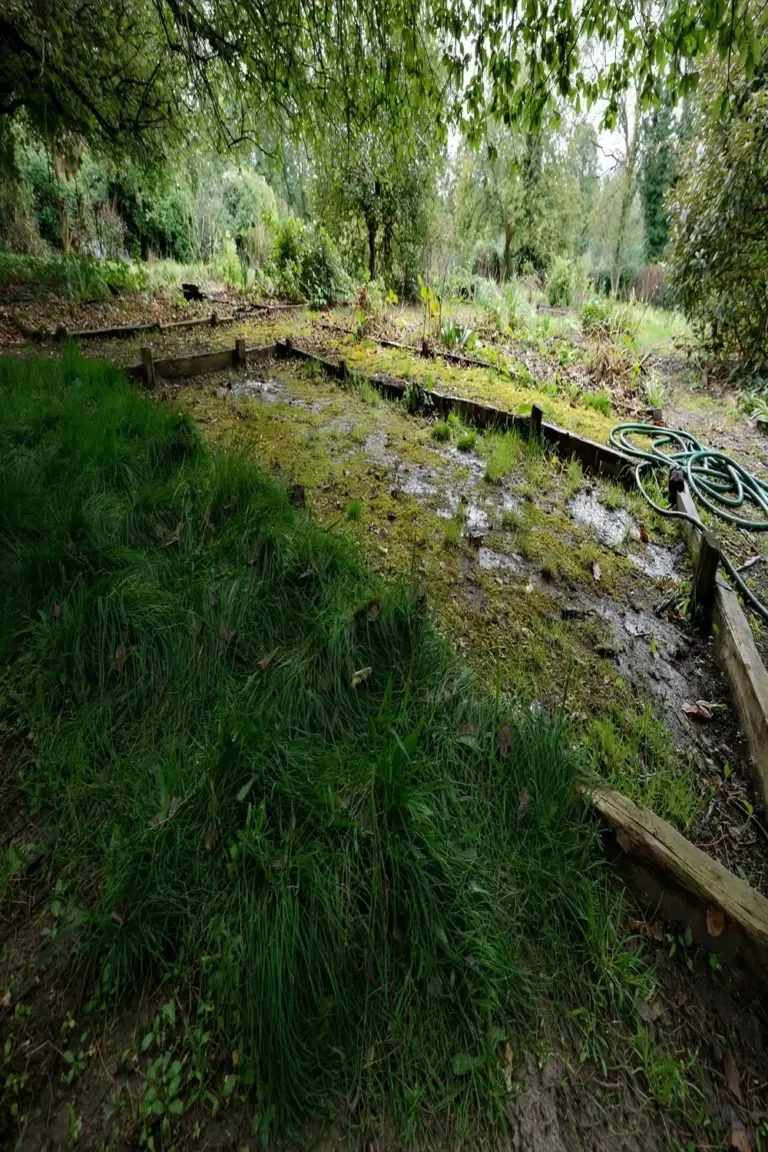
Walk the lawn after rain and mark where water stands. Fill low spots. Clear blocked drains. Check sprinkler heads for leaks and overspray onto paths. Shift watering to deep, infrequent sessions that wet the root zone and let the surface dry between sessions. A lawn that dries on top between waterings gives nutgrass fewer germination windows. Soil health sets the base for that work: open soil drains, compacted soil holds water.
Feed the couch so it closes ranks. A dense couch canopy shades the soil and starves nutgrass shoots of light. Thin couch lets light reach the soil and wakes tubers. Feed on the spring schedule for your turf, and mow at the height your couch variety holds, so the canopy stays closed through summer. Best time to fertilize lawn in spring carries the feeding window. Fertilizer never kills nutgrass directly. It grows the competitor that keeps nutgrass down.
Overseed bare patches with couch so no soil stays open. Open soil invites nutgrass. A couch runner covers a gap in weeks during warm weather. Plug gaps wider than a hand with couch runners or turf pieces. Water the plugs until they root. A closed lawn is the cheapest long-term control on this page.
Aerate compacted ground in autumn. A garden fork or a core aerator opens holes that let water drain instead of pooling on the surface. Compaction holds water at the top, and nutgrass loves that wet top layer. Aeration also lets couch roots reach deeper, which thickens the canopy above. Pull the cores, leave them on the lawn to break down, and mow over them a week later. The lawn looks rough for a few days. Then it drains better.
Water with the season, not the calendar. In summer heat, couch needs steady water to hold its canopy. In cooler months, cut back so the surface dries between sessions. A rain gauge or a tuna can under the sprinkler tells you how much fell. Guesswork over-waters. Over-watering keeps the top layer wet, and wet top soil is the opening nutgrass uses. Adjust the timer when rain does the job for you.
Mow on a rhythm that keeps the canopy closed. Couch mowed weekly through summer holds a dense cover that shades the soil. A lawn mowed once a month in summer thins out, and thin turf lets light reach tubers. Keep the blades sharp. A blunt mower tears couch tips, and torn tips brown and thin the canopy. The mowing rhythm matters more than the mower brand, and a sharp blade matters more than a new mower.
6. Run the Repeat Schedule and Re-Check Every Six Weeks
Repeat the spray about six weeks after the first pass, on the label interval. One spray kills the plants that were growing. Dormant tubers wake later and send up fresh shoots. The second pass catches those shoots before they form new tubers. NC State Extension notes on SedgeHammer direct growers to apply when nutsedge stands 10 to 15 cm tall and grows vigorously, add a non-ionic surfactant, repeat the application in 6 weeks, and never exceed two applications per year. About 6 to 8 weeks of weed control follows each application.

Mark three dates when you spray. Date one is the spray day. Date two is six weeks later, the re-check and second pass. Date three is six weeks after that, the final check of the season. Walk the lawn on each date with a trowel. Pull shoots under six leaves. Spot-spray shoots over six leaves. Write down what you found. The notes tell you next spring whether the bank shrank.
Expect more than one season. The tuber bank outlives one summer of good work. Australian guides describe up to three or four treatments across a season in heavy infestations. United States labels cap halosulfuron at two applications per year. The label on the pack you buy governs. Follow it. Plan on two seasons of steady work for a heavy patch, one season for a light one.
| Method | What It Does | When |
|---|---|---|
| Roll test and dig test | Confirms nutgrass before any spray | First sighting, any season |
| Hand-pull under six leaves | Removes young plants before tubers form | Every two to three weeks through summer |
| Halosulfuron plus wetting agent | Kills plants and reaches tubers | Plants 10 to 15 cm tall, growing vigorously |
| Second spray | Catches shoots from dormant tubers | About six weeks after the first pass |
| Drainage fix and dense couch | Closes the opening nutgrass uses | Autumn and spring, every year |
Stop spraying when growth stops in autumn. Dormant tubers do not absorb spray. A late-autumn spray wastes product and risks the couch for no return. Shift to drainage work and feeding in autumn. Resume the pull-and-spray rhythm when spring growth returns. Spring lawn care tips carries the seasonal rhythm for the whole lawn.
Run the season as a calendar, not as a reaction. Spring brings the first shoots and the first pull. Early summer brings the first spray at 10 to 15 cm. Mid-summer brings the second spray six weeks later. Late summer brings the re-check and spot work. Autumn brings drainage, aeration, and feeding. Winter brings rest. A calendar turns a weed emergency into a routine. The lawn improves a little each year because the routine never stops.
Keep a one-page log. Date, method, patch size, shoot count, weather. Five lines per visit. The log shows the trend that memory hides. A patch that drops from forty shoots to twelve to three across a season is winning, even when three shoots still stand. Without the log, those three shoots feel like failure. With it, they read as progress. Photograph the patch on each log date for the same reason.
Frequently Asked Questions
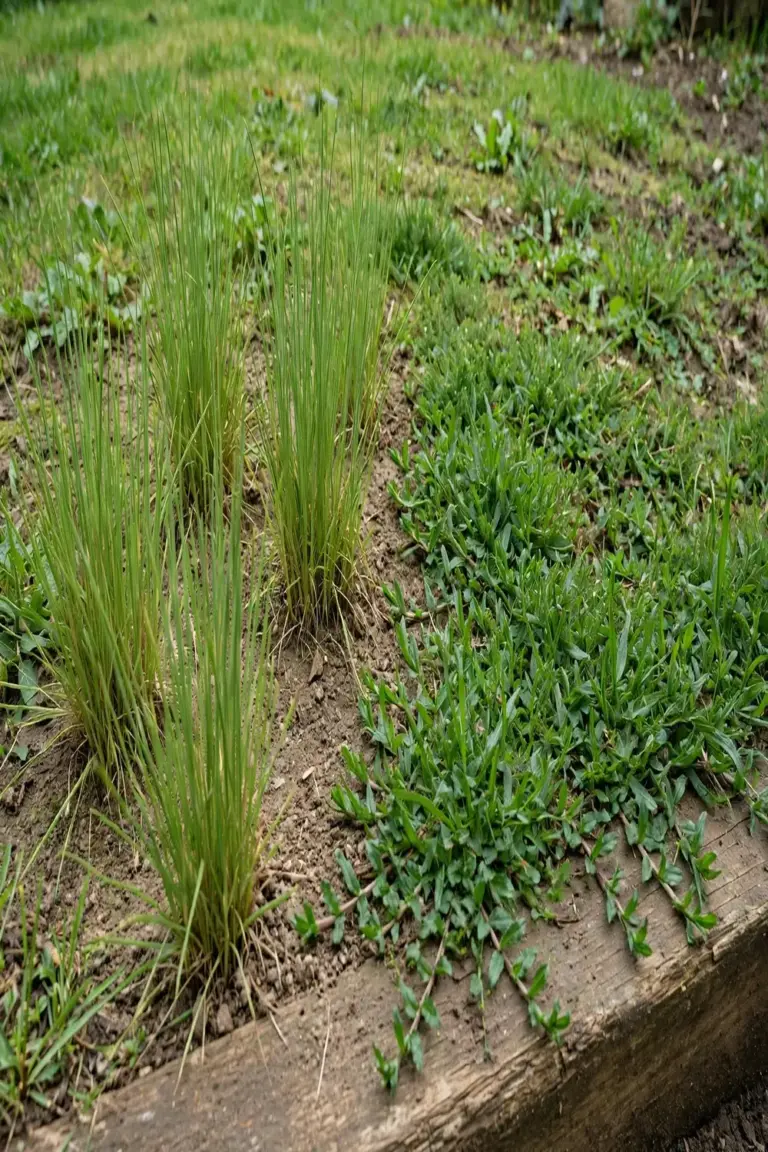
Hand-pulling alone clears light patches when every plant stays under six leaves. Pull after rain, lift the bulb, bag the waste, and repeat every two to three weeks through summer. Heavy patches need spray because the tuber bank outlives pulling. Pulling mature plants breaks tuber chains and wakes dormant tubers, so the patch returns denser. Use pulling for new patches and spray for established ones.
Halosulfuron is selective and couch tolerates it on label directions. Couch is Cynodon dactylon, a warm-season turf on the label list for halosulfuron products. Damage comes from off-label use: a stronger mix, spraying drought-stressed turf, or spraying in high heat. Read the label for your product and your state. Spray on a calm morning when the couch grows actively. Do not mow for two days before or after spraying.
A light patch clears in one season of steady pull-and-spray work. A heavy patch takes two seasons because the tuber bank wakes in waves. Each spray kills the growing plants. Dormant tubers wake later and need the second pass. Walk the lawn every six weeks and record what you find. The record shows whether the bank shrinks. Expect fewer shoots each season, not zero shoots after one spray.
Mowing never kills nutgrass. Mowing cuts the leaves and leaves the tubers untouched. The plant regrows from tuber energy within days. Mowing helps only as a setup step: even growth gives the spray an even target. Mow the couch at its normal height. Never scalp the lawn to reach nutgrass. Scalping thins the couch, opens the soil to light, and hands nutgrass the opening it wants.
Nutgrass and Mullumbimby couch are different plants. Nutgrass is Cyperus rotundus, a sedge with triangular stems and underground tubers. Mullumbimby couch is a low-spreading grass with no tubers and no triangular stem. The roll test separates them. Roll the stem between your fingers. Triangular means sedge. Round means grass. Treatment differs completely, so confirm the ID before you buy any spray.
Get Rid of Nutgrass in Couch Lawns With the Repeat Schedule
Roll the stem. Pull the young plants. Spray the survivors with halosulfuron and a wetting agent. Repeat in six weeks. Fix the wet patch and feed the couch so the canopy closes. That sequence is how to get rid of nutgrass in couch lawns. The tuber bank loses a little ground each season. Steady work beats one hard spray. Start with the roll test this weekend.
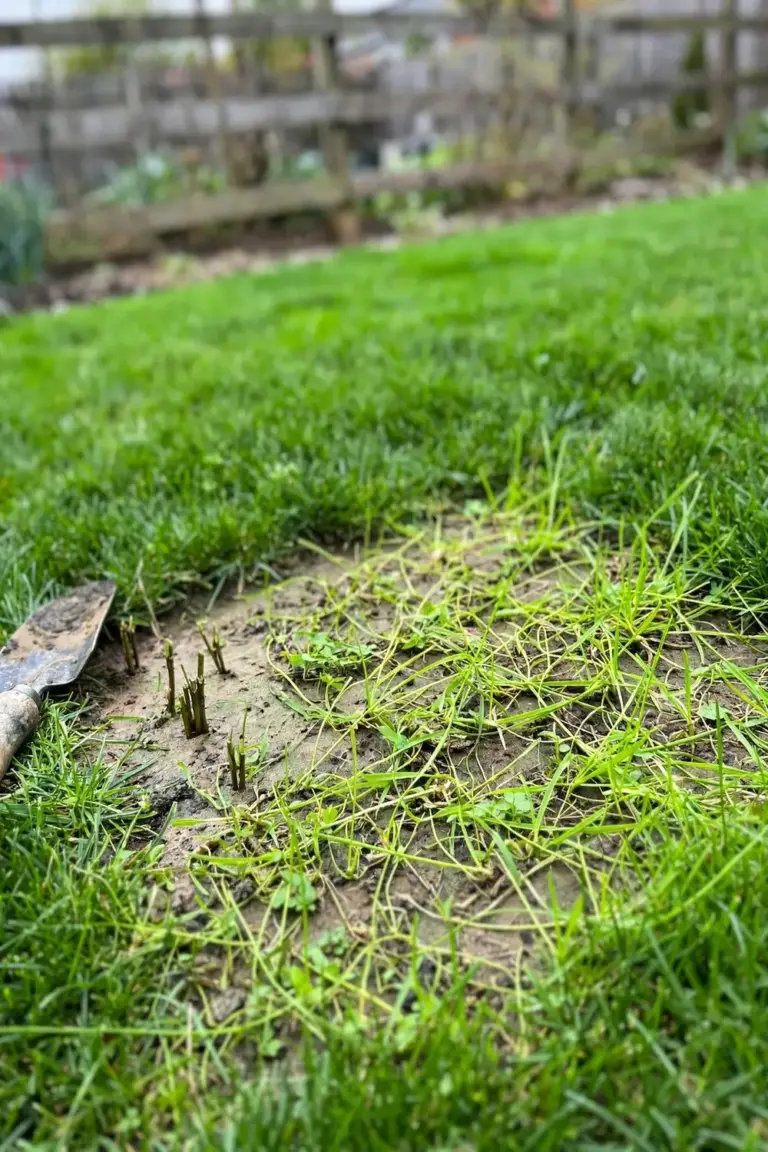
One last check before you put the tools away. Walk the whole lawn, not just the patch you treated. Nutgrass spreads quietly along edges, paths, and sprinkler heads. A stray shoot at the far fence becomes next season’s patch. Catch it now while it still shows fewer than six leaves.