You’re likely exhausted after another long week of work, just trying to find enough energy to enjoy your downtime, but the usual coffee or sugary drinks aren’t cutting it anymore. It’s frustrating when your body feels drained, and you’re looking for a natural, powerful alternative that doesn’t come out of a generic can. The real issue is finding a sustainable source of that energy, something you can truly connect with, and the good news is, I have found the solution right in the heart of the Amazon, which you can cultivate in your own space. Learning how to grow guarana fruits is the rewarding, slightly exotic project you’ve been looking for. This guide is built on my personal successes (and plenty of messy failures!) in bringing this powerful vine out of the rainforest and into a manageable garden setup. Let’s get you started.
1. Grow a Tropical Microclimate in Your Own Backyard
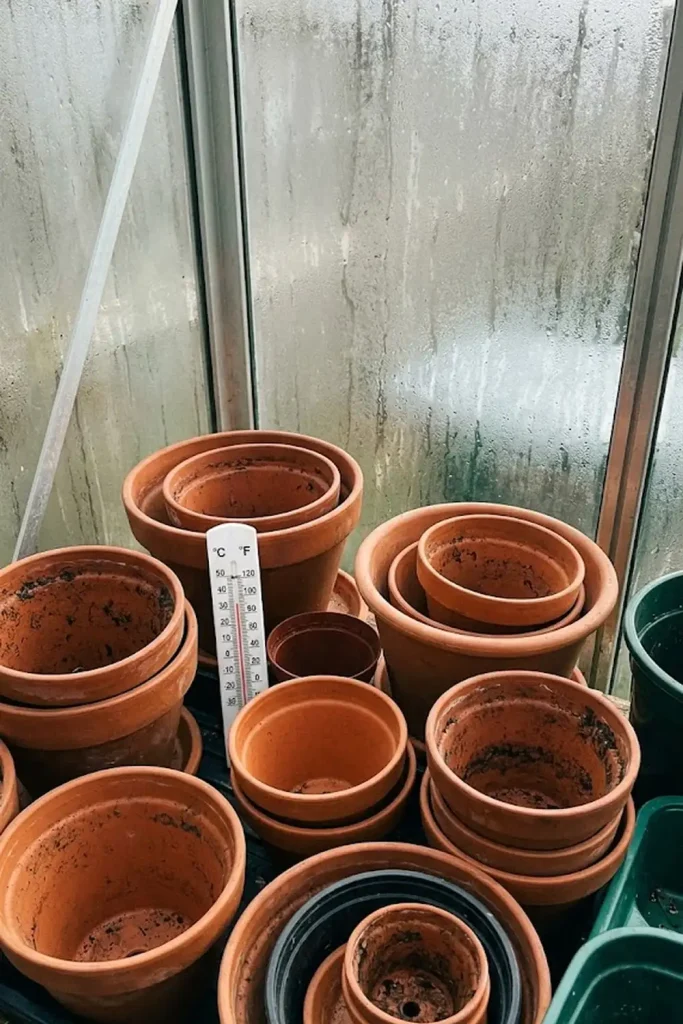
The absolute first challenge you must tackle is the environment. If you want to grow guarana fruits successfully, you are essentially trying to replicate the hot, sticky Amazon rainforest. That means you need high humidity—think 80% or more—and consistently warm temperatures, ideally between 75°F and 90°F. My first attempt failed simply because I underestimated the warmth it needed during the cooler evenings.
If you don’t live in hardiness zones 11 or 12, this implies using a greenhouse, a humidity dome, or a dedicated indoor growing space with a powerful humidifier. The plant simply cannot tolerate frost. You need to focus heavily on prevention of cold, dry air reaching the leaves, which will cause them to drop faster than you can water them. It’s a full-time commitment, much like your career, but seeing that exotic Paullinia cupana thrive is incredibly satisfying. You aren’t just caring for a plant; you are managing a living microclimate.
2. Management of the Perfect Acidic Soil pH
Once the air is right, you have to fix the soil. In my experience, standard potting mix is too alkaline for this Amazonian native. For prevention of nutrient lockout and to really grow guarana fruits effectively, you must achieve a highly acidic soil pH, specifically between 3.5 and 5.5. This is the crucial step most beginners overlook, and it often results in yellowing, unhealthy plants.
I always create a custom blend of equal parts peat moss, pine bark, and coarse sand for excellent drainage. This mix is naturally acidic. You also need to actively manage the soil chemistry. Use a digital pH meter regularly and avoid using hard tap water, which will slowly raise the pH over time. Using elemental sulfur or rainwater will help you keep the soil in that optimal, acidic range. It might seem technical, but this attention to detail is what separates a thriving, fruiting vine from one that simply exists.
3. Propagation: Start with Fresh Seeds
If you want to grow guarana fruits from seeds at home, you need to understand that fresh is an absolute requirement. Guarana seeds are recalcitrant, meaning they lose viability almost immediately after being removed from the fruit. Forget buying dried seeds online; I made that mistake and got zero germination. You need to obtain fresh berries and sow the seeds immediately.
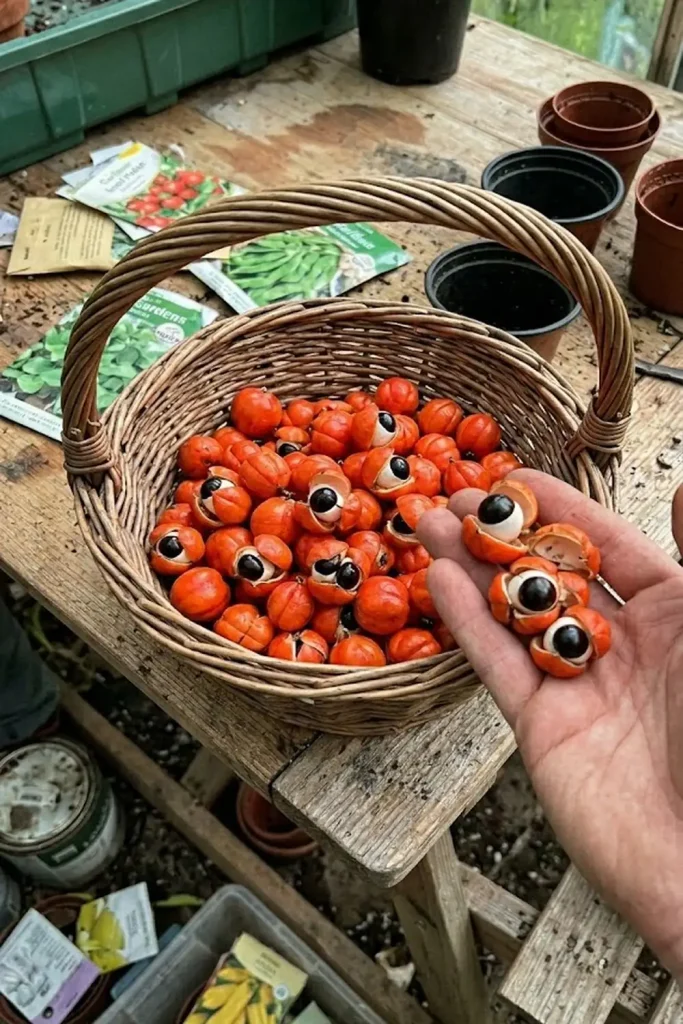
Before planting, you must remove the arillode—the white, fleshy part that looks like an eye—as it contains germination inhibitors. The management of this propagation is intense. Once the seeds are clean, I recommend pre-soaking them in warm water for 24 hours to soften the seed coat. Then, plant them about 1 inch deep in a seed-starting mix. Keep the temperature consistently high, around 80°F-85°F, using a heat mat. This isn’t a passive project. From my own experience, getting those first sprouts to emerge in 3-5 weeks is an incredibly rewarding victory.
4. Establish a Support Structure for Vining
As your Paullinia cupana seedling establishes itself, you must remember its native habit. Guarana isn’t a bush; it’s a vigorous, climbing woody liana (a vine) that needs sturdy support to thrive. It uses tendrils to grab onto anything it can find, and providing this structure is vital for health and, eventually, to help grow guarana fruits.
The management of this growth is ongoing. You need a strong trellis, fence, or stakes at least 6-8 feet high. My first structure collapsed under the sheer weight of the vine in its second year, so learn from my mistake and make it robust! A sturdy structure allows you better care and airflow, which minimizes fungal issues. You must actively train the new growth to climb the trellis; otherwise, it will become a messy, unproductive tangle on the ground, making your protection against pests much harder.
5. Consistent Humidity and Water Management
You have the structure set; now you must master the water cycle. Replicating the Amazon implies maintaining high humidity (around 80%) while ensuring the soil stays consistently moist but never, ever waterlogged. Root rot is a common failure point when gardeners first try to grow guarana fruits, and it is caused by a fatal lack of oxygen at the root zone. You are looking for a damp, wrung-out sponge consistency for the soil.
The management of humidity is often more challenging than the soil moisture itself. I utilize a large, powerful humidifier in my growing space and augment it with gravel trays filled with water underneath the pots. Grouping plants together also creates a natural microclimate that boosts relative humidity. Prevention of dry spells is critical; if the soil dries out completely, even once, the plant will suffer significant stress and likely drop its leaves. Water with rainwater or distilled water whenever possible to avoid the mineral buildup from hard tap water, which can stress the plant and complicate your pH management.
Here is the next section of your in-depth guide on cultivating guarana, focusing on ongoing care, nutrition, and protecting your harvest.
6. Organic Feeding for High Yields
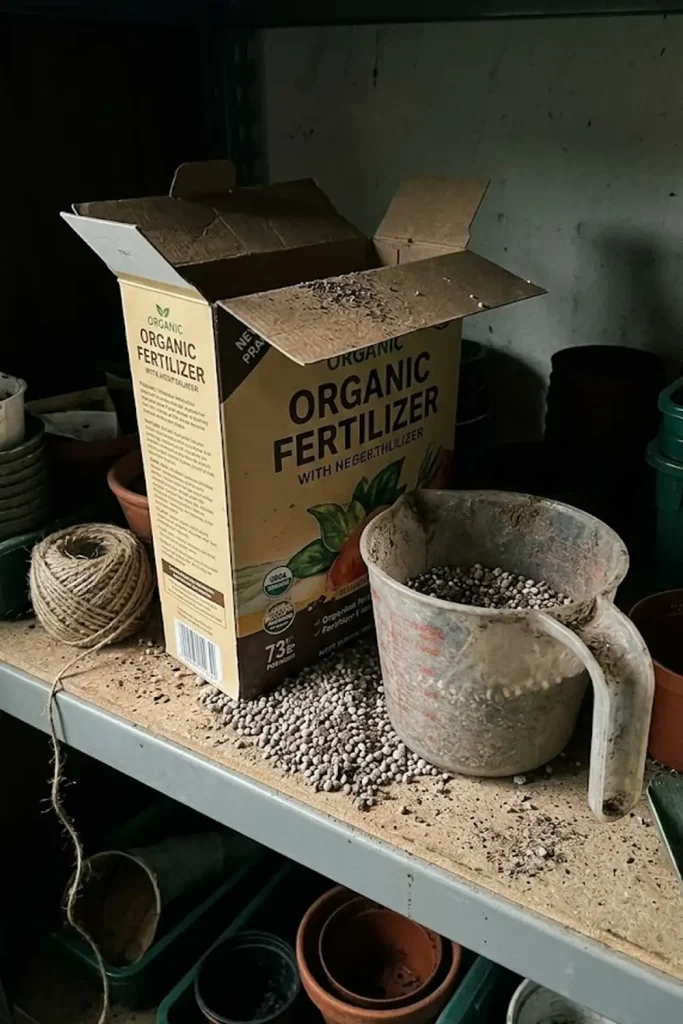
Once your vine is established and climbing, you must provide it with the nutrients required to fuel its vigorous growth and eventual fruit production. Paullinia cupana is a heavy feeder, but I have found that chemical fertilizers can sometimes damage the delicate microbial balance in the highly acidic soil it needs. Management of nutrition is best achieved through consistent, organic inputs.
In my experience, a balanced organic fruit fertilizer with a slightly higher phosphorus content is ideal as the plant matures. Phosphorus is critical for the care and development of strong roots and vibrant flowers, which are precursors to those energy-packed berries. I also supplement with a periodic kelp meal suspension; it’s a great natural source of micronutrients and helps the plant with environmental stress prevention. Be consistent but don’t overdo it—excessive nitrogen can lead to lush leaf growth but very little fruit. I aim for a feeding schedule every 4-6 weeks during the active growing season (spring and summer) and stop completely during the slower winter months.
Nutrient Management for Paullinia cupana
7. Pruning Techniques for Fruit Production
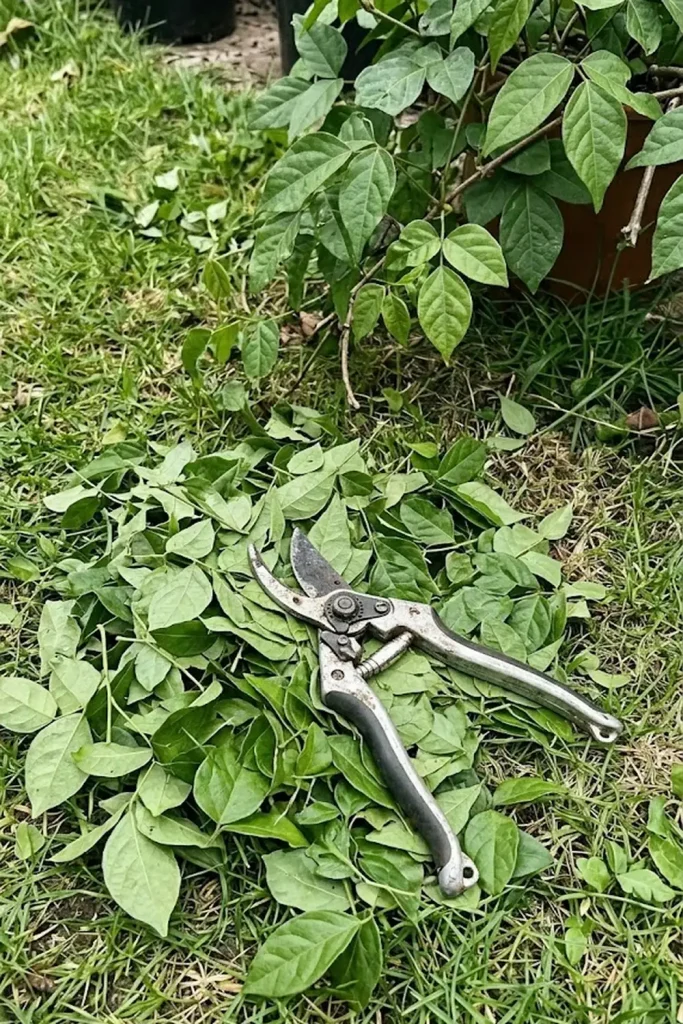
If you don’t manage the growth of your guarana, it will quickly become a chaotic mess of leaves and unproductive stems. Pruning isn’t just about shaping; it is a critical action for the management of energy. By cutting back certain parts of the vine, you are actively directing the plant’s resources into producing fruit, which is the main goal when you are dedicating this much effort to how to grow guarana fruits.
The best time to prune is late winter or very early spring, before the main surge of new growth. I focus on removing any dead, damaged, or overlapping branches. This step is essential for the prevention of air stagnation and fungal diseases, especially anthracnose, which loves humid environments. You also want to prune back the tips of the main vines once they have reached the top of your support structure. This encourages lateral branching, and those side branches are where the majority of your flowers and berries will form. Don’t be afraid to be a little aggressive; prevention of overcrowding is better than managing a sick, tangled vine later. It may feel drastic, but your future harvest will thank you.
8. Protection from Cold and Frost Damage
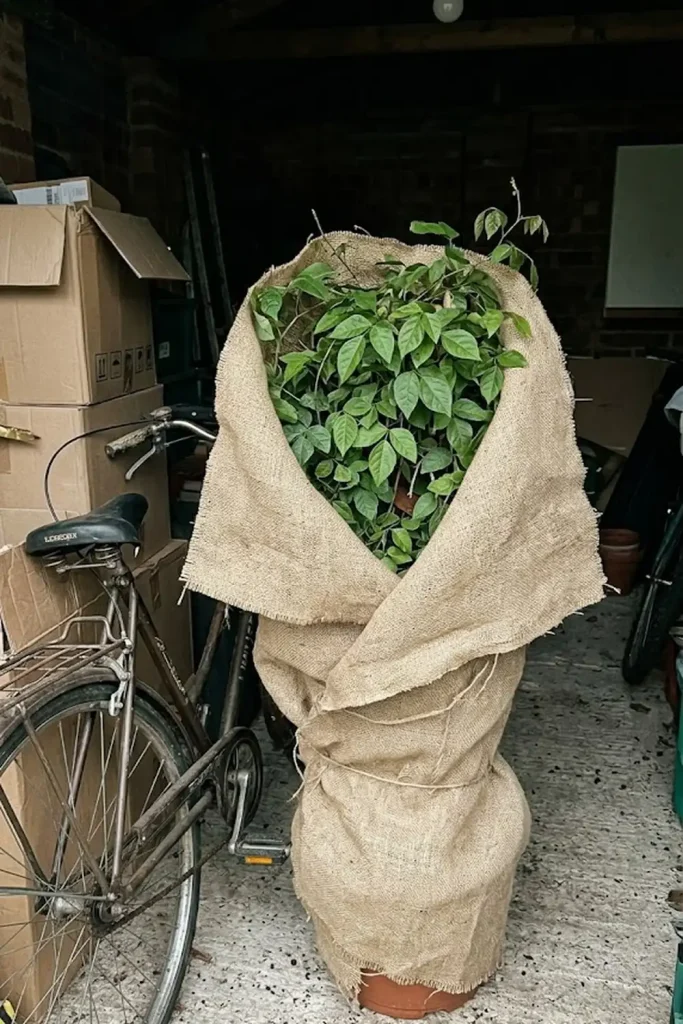
As I mentioned early on, Paullinia cupana is ultra-tropical. This means prevention of cold stress is a non-negotiable part of its ongoing care. If you live in an area that gets frost, or even consistent temperatures below 50°F (10°C), you must have a solid plan for winter protection. These plants do not go dormant; they will simply die if exposed to a freeze. My first success story nearly ended in disaster during a surprise cold snap because I wasn’t prepared.
If you are container gardening, the solution is straightforward: move the pot indoors to a warm, brightly lit area, perhaps utilizing grow lights to compensate for the weaker winter sun. For in-ground plants (which is only possible in the warmest zones), you must insulate. I use a combination of heavy frost blankets and a thick layer of mulch around the base of the plant to protect the roots from temperature fluctuations. You can even wrap the main trunk with burlap for added warmth. You also need to adjust your management during this time: water much less frequently but still ensure the soil doesn’t dry out completely, as dry soil freezes faster and damages the roots quicker.
9. Recognition of the Eye-Opening Harvest Cues
After years of patient care, fertilization, pruning, and winter protection, you are finally ready for the reward. Knowing exactly when to harvest is essential, as the seeds—which contain the prized guaranine—reach peak potency only when the fruit is fully ripe. This is the moment where all your dedication to how to grow guarana fruits pays off.
The primary cue is visual, and it’s unmistakable. The individual fruit capsules will turn a bright orange-red. When they are truly ready, the capsule splits open naturally while still on the vine. Inside, you will see the black seed partially covered by a white, fleshy aril. The contrast is striking and, famously, looks exactly like a human eye staring back at you! This “open eye” is your signal that peak ripeness has been achieved. I recommend harvesting by hand, carefully snipping the entire fruit cluster (called an inflorescence) from the vine rather than pulling individual fruits, which can damage the plant. It’s a moment of pure, reflective satisfaction that connects you directly to the centuries of indigenous knowledge surrounding this powerful plant.
10. FAQ: Your Guarana Growing Questions Answered
You’ve made it this far, but I know that when you’re balancing a busy career with a complex gardening project like Paullinia cupana, specific questions always pop up. In my years of cultivating this Amazonian vine, I’ve heard (and asked!) them all. These are the most common queries gardeners in our 25-45 age group have as they work to grow guarana fruits successfully.
How long does it take to grow guarana fruits from seed?
This is the most common question I receive. When you successfully grow guarana fruits from seeds at home, you must settle in for the long game. On average, a seedling takes about 3 to 5 years to mature sufficiently to produce its first significant harvest. For care and planning, remember that fruit production increases as the woody liana establishes its taproot and a strong canopy, making it a truly long-term investment in natural energy.
Can you grow guarana fruits in a temperate climate zone?
Yes, you absolute can, but it requires diligent environmental management. In temperate zones, Paullinia cupana is entirely dependent on being grown in a heated greenhouse or as a large container plant that moves indoors for winter protection. Without these microclimate interventions, the plant will not survive, as it has zero frost tolerance and struggles when temperatures consistently drop below 50°F (10°C).
What are the best tips for growing guarana plants in a greenhouse?
Greenhouse care is ideal for this vine! Focus on three pillars: Humidity, Temperature, and Support. Management of humidity (aim for 80%+) is crucial; utilize automatic misters or gravel trays. Keep temperatures above 75°F (24°C) using heaters. Finally, ensure you provide a robust, tall trellis system early on, as the vine grows vigorously and needs vertical space to maximize fruit production. Prevention of fungal issues like anthracnose requires excellent airflow, even in a humid greenhouse.
What soil pH is required for successfully growing guarana fruit trees?
The required soil pH is highly acidic, which is the cornerstone of effective Paullinia cupana management. Aim for a pH between 3.5 and 5.5. This allows for optimal nutrient uptake. Regular soil testing is necessary for the prevention of lockout. Utilize amendments like peat moss, pine bark, or elemental sulfur to maintain this acidity, especially if your local water source is alkaline. This specific attention to acidity is vital to effectively grow guarana fruits.
Are there any natural ways to speed up guarana fruit plant growth indoors?
While you cannot “force” the plant to skip lifecycle stages, you can optimize its growing conditions to encourage maximal, healthy development.
- Light: Provide 12-16 hours of high-quality, full-spectrum grow light.
- Heat: Maintain a consistent soil temperature of 80°F (27°C) using a heat mat.
- Nutrition: Use a diluted organic fertilizer every two weeks during the active season, rather than a strong dose every six weeks, for more consistent feeding.
- Humidity: Ensure humidity stays above 85%; this is often the #1 bottleneck for indoor growth rate.
Conclusion: Cultivating Energy and Patience
Embarking on the journey of learning how to grow guarana fruits is about more than just harvesting a natural stimulant; it’s a practice in mindfulness and long-term rewarding effort. You are taking a piece of the Amazon and nurturing it with your own hands, providing the specific care, structure, and acidic soil it demands. It’s a reflective process that offers a powerful connection to nature, right in your own living space.
Yes, it requires years of patience, specific winter protection, and diligent pest management. But when you finally see those orange-red capsules split open—staring back at you like a human eye—you’ll experience a profound sense of accomplishment that no energy drink could ever provide. You didn’t just buy that energy; you cultivated it through observation, empathy for the plant’s native needs, and hard work. Start your guarana growing journey today, and cultivate something truly powerful.