Do you stare at your backyard on Sundays, wishing it offered more than just a patch of tired grass and demanding chores? I know that feeling of wanting a productive, unique garden but fearing you simply don’t have the time or specialized knowledge to make it happen while balancing a full-time career. It’s frustrating when every “exotic” fruit tree guide demands complex misting systems, precise chemical schedules, and greenhouse environments that just aren’t realistic for a busy life.
But what if I told you there’s a legendary, tough-as-nails shrub that thrives on neglect, laughs at intense heat, and rewards minimal effort with a bounty of delicious, tangy berries? If you’ve been searching for how to grow Grewia asiatica fruits successfully, this guide is your stress-free roadmap to a thriving Phalsa harvest in your own backyard.
Select the Right Soil for Drainage and Stability
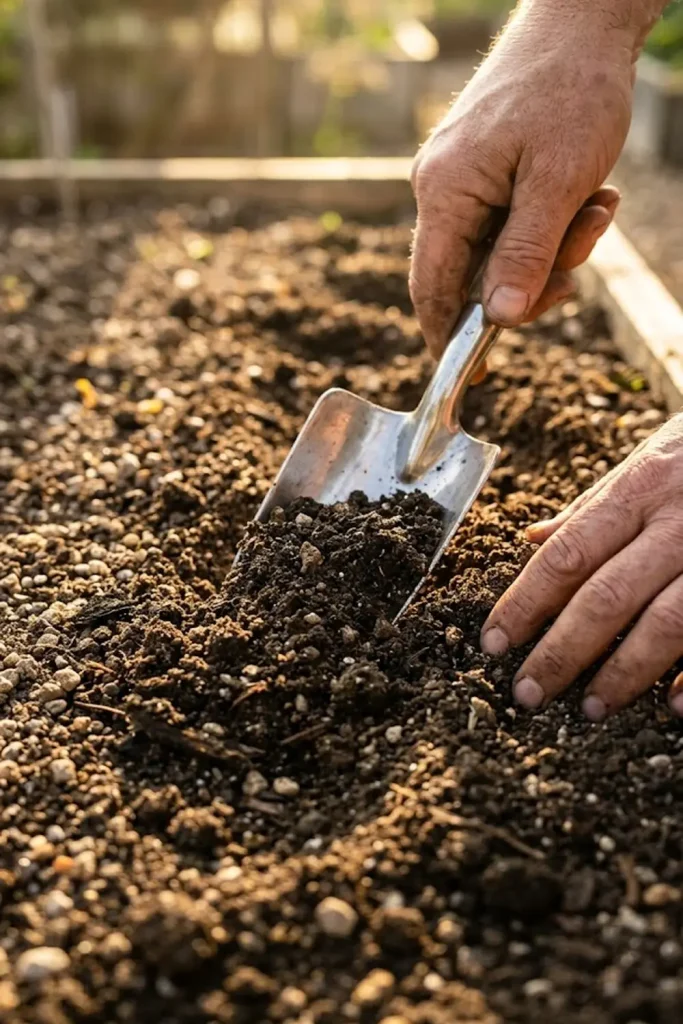
I have learned, often the hard way with subtler plants, that your gardening success is usually decided before you even put a plant in the ground. When I first looked into growing Grewia asiatica shrubs, I assumed that because they were tough, they’d handle my patch of heavy clay just fine. I was wrong. The primary requirement for Phalsa—indeed, the foundational step in how to grow Grewia asiatica fruits—is ensuring perfect drainage. These plants are native to arid and semi-arid regions; they are built for drought, not for sitting in cold, wet mud. Root rot is the number one killer of young Phalsa, and it is entirely preventable through proper soil selection and site preparation. You must prioritize stability and drainage above “richness” for this specific species.
The ideal soil for Grewia asiatica is a sandy loam. This type of soil provides the perfect structure: the sand component ensures that excess water drains away rapidly, while the loam (a mix of silt and clay) retains just enough moisture and nutrients to keep the roots hydrated without suffocating them. If you are blessed with this soil naturally, you are already halfway there. However, if you have dense, sticky clay that cracks in summer and pools water in winter, you must amend it severely. You can do this by incorporating significant amounts of coarse sand, fine gravel, and organic compost into the planting zone to physically break up the clay particles and create Macropores for drainage.
Achieving Optimal Soil pH for Nutrients
While Phalsa is remarkably tolerant of varying soil qualities, it truly hits its stride in slightly alkaline conditions. I recommend aiming for a soil pH between 7.0 and 8.5. This slight alkalinity mirrors its native environments in the Indian subcontinent and Southeast Asia. When the pH is in this target range, crucial nutrients like phosphorus and various micronutrients become highly available to the plant’s root system. If your soil is too acidic, you will likely encounter nutrient deficiencies that manifest as stunted growth or poor fruiting, despite your best fertilization efforts. A simple, inexpensive home test kit can give you this reading in minutes.
If your soil tests below 7.0, you will need to apply agricultural lime (calcium carbonate) to raise the pH. The amount required depends heavily on your soil type; clay soils need much more lime to change the pH than sandy soils. Conversely, if your soil is excessively alkaline (above 9.0), which is rarer but possible in some arid regions, you can lower it by incorporating elemental sulfur or peat moss. Remember that adjusting pH is not a one-time task; it is an ongoing part of long-term soil management, and you should re-test every year or two to ensure the environment remains optimal for how to grow Grewia asiatica fruits.
Prevention of Drainage Issues with Ground Preparation
When I plant a new Phalsa shrub, I don’t just dig a small hole. I prefer to excavate an area at least two to three times wider than the root ball. This large hole gives me a chance to deeply cultivate the surrounding soil, ensuring there are no compacted layers that might impede root spread or water movement. I never add fertilizer or “rich” potting soil directly into the hole, as this can encourage the roots to stay “pot-bound” in that fertile pocket instead of venturing out into the native soil. Instead, I backfill with the amended native soil, creating a uniform structure.
Another excellent technique for prevention of waterlogging, especially in heavy soil areas, is to plant the Grewia asiatica on a slight mound or berm. By raising the base of the plant 6–12 inches above the surrounding ground level, you use gravity to guide excess surface water away from the sensitive root crown. This simple physical adjustment can be the difference between a thriving shrub and one that succumbs to rot during an unexpectedly wet spring. In my experience, these initial efforts in soil preparation pay the biggest dividends in the long run.
Master the Arid Climate Advantage
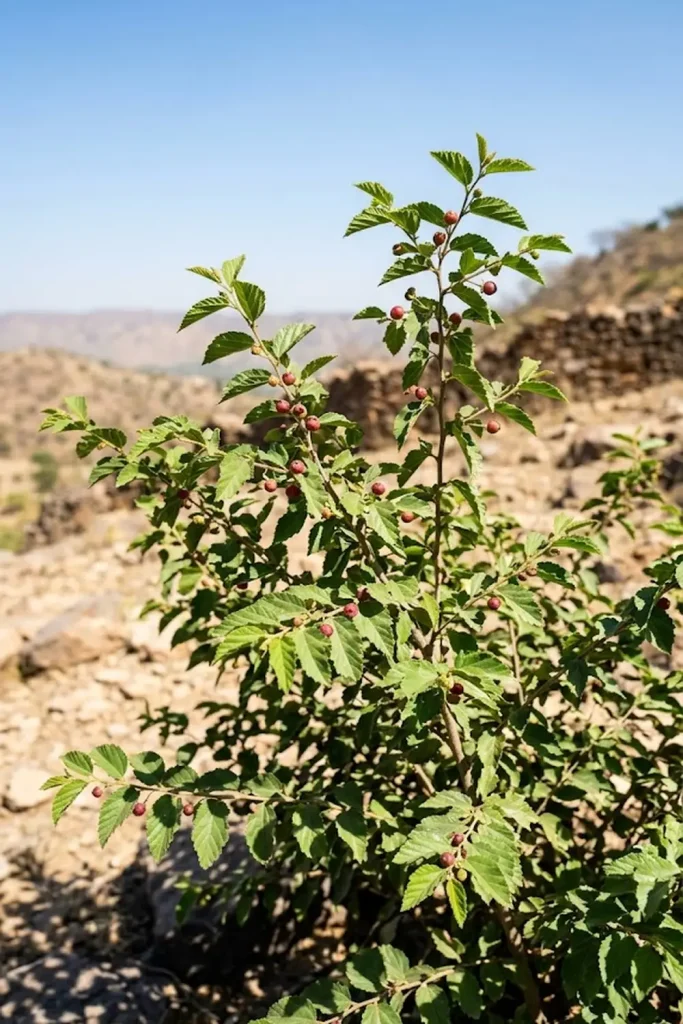
One of the most rewarding aspects of growing Grewia asiatica shrubs is their intrinsic love for environments that stress other fruits. This plant doesn’t just tolerate heat; it needs it. I have found that the sweetest and most productive Phalsa bushes are those basking in intense, unrelenting sunlight. Your job, therefore, is not to shield this plant from the sun but to place it where it can absorb as much solar energy as possible. This “arid climate advantage” makes it the perfect choice for South-facing walls, hot patios, or those sunny, exposed parts of the garden where other plants might scorch. If you want to know how to grow Grewia asiatica fruits that are flavorful and abundant, you must harness this environmental preference.
The Phalsa shrub is truly a survivor of arid regions and sub-tropical conditions. It can withstand searing temperatures of up to 44°C (111°F) during the crucial fruiting season. The combination of high heat and bright sun drives photosynthesis at an impressive rate, which directly translates into the high sugar content and rich purple anthocyanins of the ripe berries. I have observed that when care of Grewia asiatica plants includes adequate water, they show zero signs of heat stress, even when temperatures remain high for weeks. They simply continue their fruit development, while other garden residents may require excessive hydration or shade.
Strategic Location for Maximum Sun and Heat
Choosing the right planting location is the defining factor for success in how to grow Grewia asiatica fruits. I always tell people that a Phalsa bush in partial shade is a waste of time. While it may grow and produce a few leaves, it will never generate the energy required for heavy fruiting. Therefore, you must select a site that receives a minimum of 8 to 10 hours of direct, unobstructed sunlight every day. Think about the path of the sun through your yard, especially during the peak growing months of late spring and summer.
I have found that one of the best locations is against a heat-reflective surface, such as a concrete wall or near a paved area. These surfaces absorb solar energy during the day and re-radiate it as infrared heat, keeping the localized ambient temperature high even in the late afternoon. This strategy is particularly effective if you are growing Grewia asiatica shrubs in a region that is borderline for its hardiness zone, as it helps mimic a warmer, more semi-arid climate. A 90-degree corner formed by two walls can be an excellent “heat trap” that works wonders for fruit ripening.
Managing Airflow for Plant Protection and Fruit Ripening
While Phalsa thrives on heat, it also benefits significantly from good air circulation. You need to balance the need for a warm location with the necessity of airflow, which helps with protection and management of the plant’s health. I make sure my Grewia asiatica shrubs are not overcrowded or planted too close to other dense bushes. Proper spacing, which is ideally 2.5 to 3 meters (around 8–10 feet) between plants, ensures that every leaf has access to sunlight and that breeze can move freely through the canopy. This ventilation is a crucial element in prevention of fungal diseases that can occur during humid spells.
The movement of air also helps with the even ripening of the berries, as it prevents localized humidity from accumulating around the fruit clusters. If you are planting in a particularly enclosed patio or between tight buildings, you can facilitate airflow through strategic annual pruning, which we will discuss later. I have learned that care of Phalsa plants must always consider this dynamic relationship between heat and air to optimize fruit quality and overall vigor.
Prevention and Management of Seed Germination
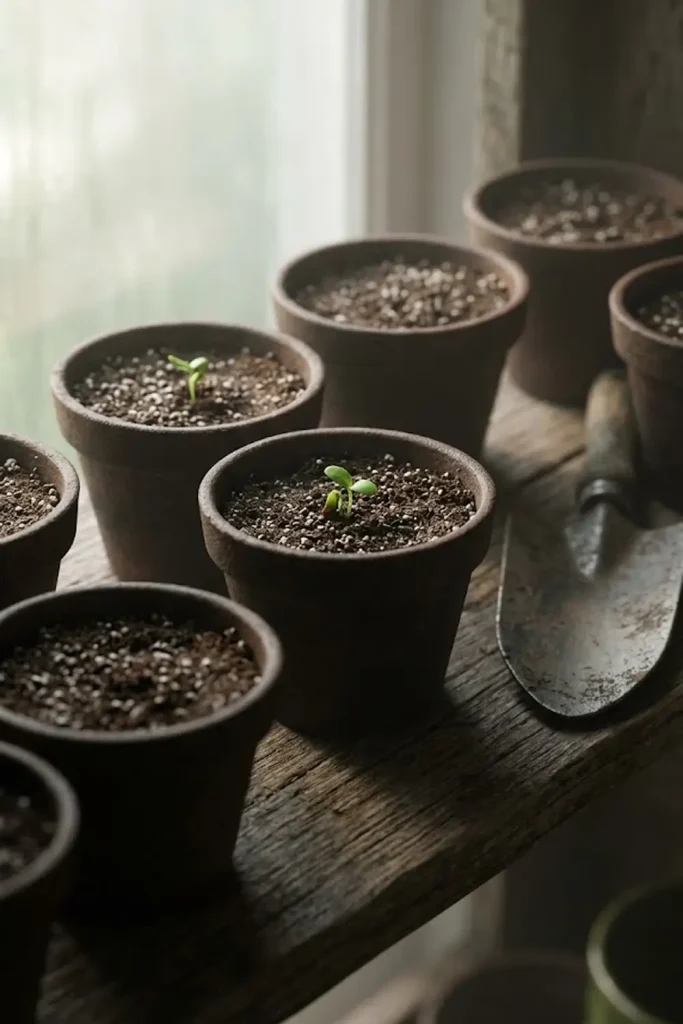
While you can purchase established growing Grewia asiatica shrubs from specialty nurseries, there is a profound sense of satisfaction that comes from starting your own. When I first attempted how to grow Grewia asiatica fruits from seeds at home, I made a common beginner mistake: I used seeds that had dried out for weeks. I later learned that Phalsa seeds are “recalcitrant,” meaning they rapidly lose viability once removed from the fruit pulp. For effective prevention of germination failure, your strategy must prioritize freshness above all else. You need seeds from fully ripe, deep purple fruits, and you must plant them almost immediately for the highest success rate.
The process I use involves gently mashing the ripe berries in a fine-mesh sieve and rinsing away the pulp under cool, running water. Once you have the clean, tan-colored seeds, do not let them dry in the sun. I plant them immediately into a pre-moistened, sterile seed-starting mix, buried no deeper than about half an inch. Maintaining a consistent temperature of around 20–25°C (68–77°F) is crucial. In my experience, fresh seeds under these conditions will begin to emerge in about 15 to 20 days. This quick turnaround is one of the reasons why care for this plant is so rewarding from the very start.
Essential Care for Young Phalsa Seedlings
Once those precious green cotyledons emerge, your focus must shift from propagation to protection and management. I find that young Phalsa seedlings are surprisingly robust, but they do have specific needs during their first critical months of life. You must provide them with abundant light—a sunny windowsill or, ideally, a bright grow light will suffice—but be careful to prevent scorching from intense, direct midday sun. The soil must remain consistently moist, but never waterlogged; this is where the excellent drainage we discussed earlier is paramount. I avoid heavy fertilization at this stage, as it can burn the delicate new roots.
Perhaps the most important aspect of early seedling care is hardening them off correctly before they face the real world. A sudden move from a sheltered environment to full outdoor exposure will shock, and likely kill, the young plants. Over a period of two weeks, you must gradually increase their exposure to outdoor elements, starting with an hour of gentle morning sun and slowly working up to a full day. In my journey of how to grow Grewia asiatica fruits, I have learned that this patient, methodical approach is what ultimately builds a resilient, productive shrub that will reward you for years to come.
Severe Pruning for Maximum Fruiting Wood
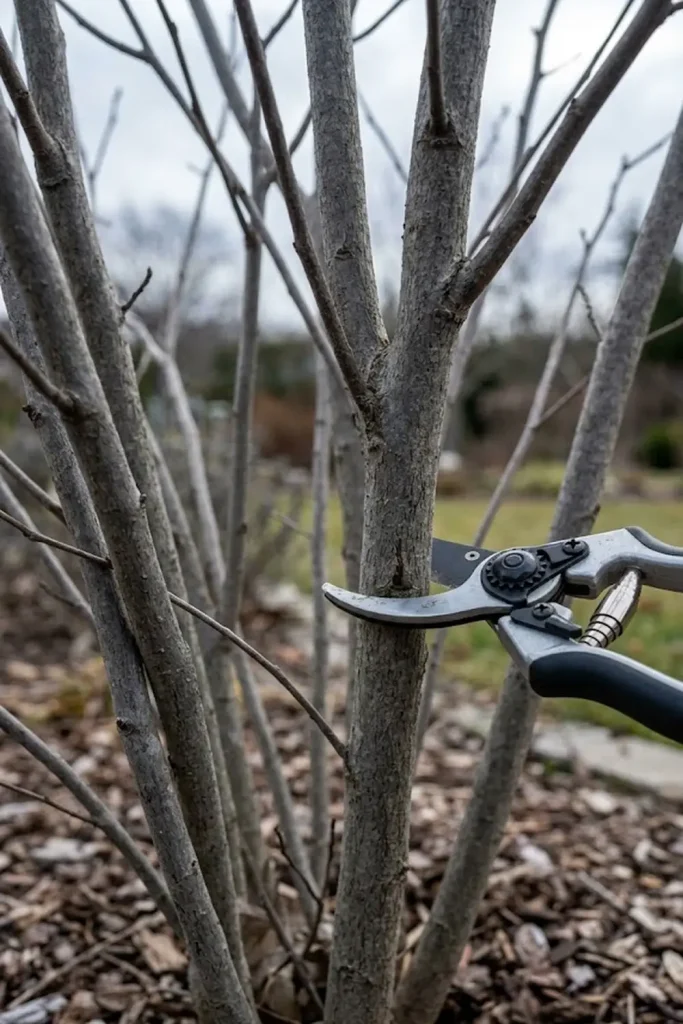
I have found that one of the most transformative practices in growing Grewia asiatica shrubs is the winter cut-back. This is a crucial element in care that is counter-intuitive to many new gardeners. You must be aggressive to optimize fruit quality and yield, and this annual event is where your bravery pays off. Pruning of Grewia asiatica plants is the process of physically removing old wood to encourage fresh growth. The botanical principle at work here is that Phalsa fruits exclusively on new-season shoots. Therefore, you must sever the existing, multi-branched canopy to reset the plant for a maximum fruiting display in the upcoming spring. When done correctly, this severe technique is the most impactful step in how to grow Grewia asiatica fruits with a massive harvest.
This annual ritual is a form of proactive management that forces the shrub to put all its energy into vibrant, fruit-bearing canes. If you fail to prune severely, you are fundamentally working against yourself. In my experience, a Phalsa left unpruned will become a mass of woody stems with minimal fruit, and those fruits will be smaller and of poorer quality. It is a reflective and almost meditative process of renewal, where you prune away the old to make way for the new. I have learned that the plant always responds with incredible vigor, which is one of the many reasons why how to grow Grewia asiatica fruits is such a rewarding endeavor.
The Perfect Timing: Dormant Season Cut-Back
The ideal time for severe pruning of Grewia asiatica plants is during the dormant period. In most climates, this critical window occurs from mid-December to the end of January. This is the period when the plant has shed all its leaves and is effectively resting, meaning that the shock of severe care is significantly minimized. I avoid pruning in late fall or early winter, as this can stimulate new growth that is highly sensitive to frost. Waiting until the depth of winter ensures that the plant remains fully dormant and that its energy stores are safely protected within the roots.
I have found that the actual pruning process is remarkably straightforward. My tool of choice is a pair of sharp bypass shears, and for thicker stems, a small pruning saw. The key is to make clean cuts, and my general rule of thumb is to cut the stems back to a height of about 1 meter (roughly 3 feet) from the ground. In fact, many commercial growers cut them even lower—down to ground level—to facilitate an ultra-high yield. By focusing your management efforts on this aggressive approach, you ensure that the upcoming spring will bring a flood of new, productive growth for growing Grewia asiatica shrubs.
Strategic Benefits of Aggressive Care and Pruning
Beyond maximizing your fruit yield, severe pruning offers a host of other beneficial outcomes for your Phalsa shrubs. First and foremost, it allows you to easily shape the shrub, creating a central leader or a well-balanced form that is both attractive and functional. I always remove any weak, crossing, or diseased branches, which serves as a powerful method for prevention of disease and pest infestations. Furthermore, the act of severe care and pruning ensures that all fruit is borne within easy reach for high-yield harvesting, removing the need for awkward ladders or specialized equipment.
This technique also opens up the canopy, significantly improving air circulation and sunlight penetration. This enhanced ventilation is a crucial element in protection of the ripening fruit from fungal diseases, as it prevents localized humidity from accumulating. I have learned that the combination of severe care and pruning is what ultimately leads to the most consistent, flavor-rich, and healthy Phalsa fruits, providing a level of satisfaction that is truly unparalleled for any passionate gardener in how to grow Grewia asiatica fruits.
Nutrient Management and Organic Care
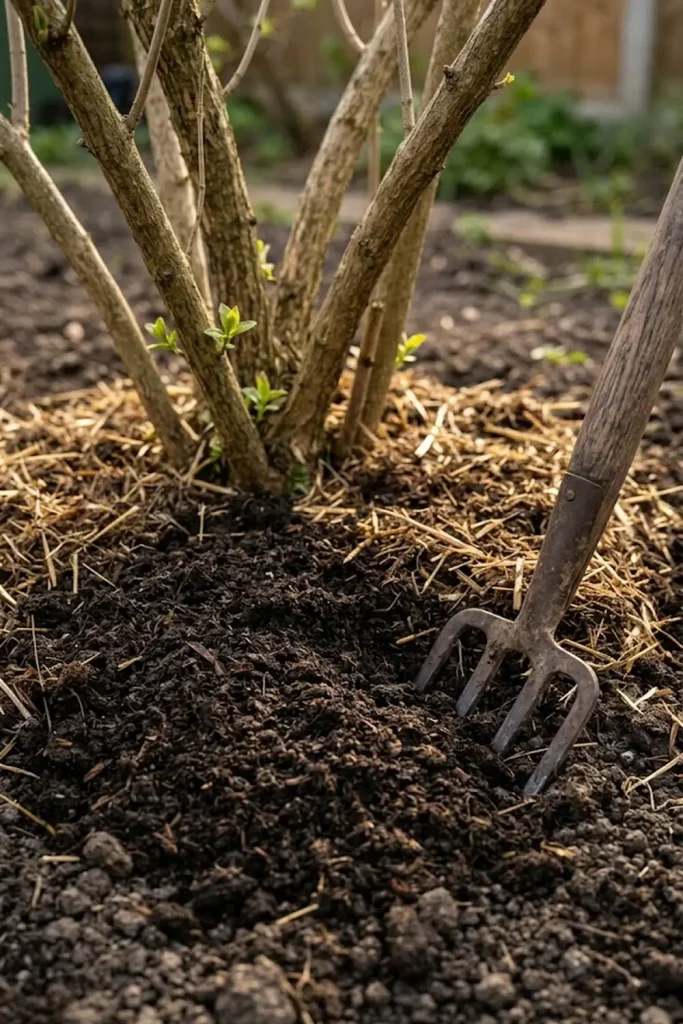
While Phalsa is famously tough, I can tell you that a little proactive nutrient management goes a very long way. When I first started growing Grewia asiatica shrubs, I fell into the trap of thinking they needed no help at all. But just as we wouldn’t expect a high-performance athlete to thrive on a poor diet, we shouldn’t expect a plant to produce a massive harvest without the building blocks it needs. Effective care of Grewia asiatica plants is about nourishing the soil that, in turn, nourishes the plant. I have learned that a strategic application of organic matter is the secret weapon for enhancing both fruit size and sweetness, making it a critical step in how to grow Grewia asiatica fruits with unparalleled flavor.
My preferred method for protection and nutrient management is to apply a rich top-dressing of organic matter in late winter. A blend of well-rotted Farm Yard Manure (FYM) and high-quality compost provides a slow-release source of essential macronutrients and micronutrients that the plant can readily draw upon. I never work this material into the soil, as I want to prevent damaging the sensitive surface roots. Instead, I simply spread it around the base of the plant, avoiding direct contact with the trunk, which serves as a powerful method for prevention of collar rot. The results I have achieved with this approach have been truly transformative, leading to significantly heavier fruiting for growing Grewia asiatica shrubs.
Strategic Fertilizer Applications for Optimal Fruiting
In addition to organic amendments, I also use strategic applications of slow-release fertilizers for optimal fruiting in my Phalsa shrubs. For young plants that are just starting out, a balanced, all-purpose fertilizer can help to promote strong vegetative growth. However, for mature, fruit-bearing growing Grewia asiatica shrubs, I find that a higher ratio of phosphorus and potassium is required to support flowering and fruit development. This refined approach to nutrient management ensures that the plant has the energy it needs to produce large, flavor-rich drupes, which is a key element in how to grow Grewia asiatica fruits with unparalleled success.
I typically apply these fertilizers in early spring, just as the new growth begins, and then again after the primary pruning in winter. I am always careful to follow the manufacturer’s instructions for application rates and to water the plant thoroughly after each fertilization session. I have learned that the combination of organic amendments and strategic fertilization is what ultimately leads to the most consistent, flavor-rich, and healthy Phalsa fruits, providing a level of satisfaction that is truly unparalleled for any passionate gardener in how to grow Grewia asiatica fruits.
Prevention of Nutrient Deficiencies and Optimal Plant Health
Effective nutrient management is also a powerful method for prevention of common nutrient deficiencies and overall plant decline. In my journey of growing Grewia asiatica shrubs, I have encountered a few situations where my plants showed signs of distress, such as yellowing leaves or stunted growth. I have found that a simple soil test is the best way to diagnose the problem and to ensure that my soil has the correct balance of nutrients for optimal health. This data-driven approach to care allows me to make informed decisions about fertilization and to address any deficiencies before they can impact fruit production for how to grow Grewia asiatica fruits.
I am also aware of the importance of maintaining a proper soil pH for optimal nutrient availability, which we discussed earlier. I have found that a well-nourished plant is better equipped to resist pests and diseases, which serves as a powerful method for protection and management of the plant’s overall vigor. I have learned that the combination of good soil care, strategic fertilization, and proactive nutrient management is what ultimately leads to the most resilient, productive, and flavor-rich Phalsa shrubs, providing a level of satisfaction that is truly unparalleled for any passionate gardener in how to grow Grewia asiatica fruits.
Strategic Protection During the Dormant Phase
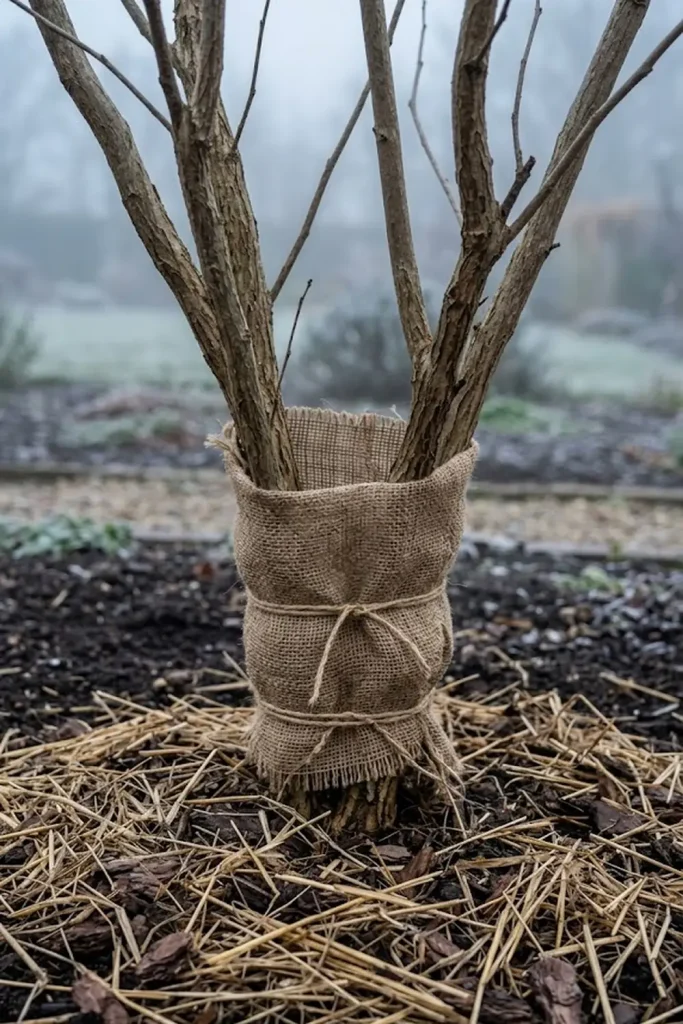
I have found that one of the most transformative practices in growing Grewia asiatica shrubs is the proactive management of the plant’s dormant phase. This annual resting period is a form of deep care that is counter-intuitive to many new gardeners, who feel that a quiet garden is a neglected one. However, this is precisely when the shrub consolidates its energy reserves and prepares itself for a massive fruiting display in the upcoming spring. When I first looked into how to grow Grewia asiatica fruits, I made a common mistake: I over-coddled my plants, thinking they needed constant attention, even when they were dormant. I later learned that the real key to successful care of Grewia asiatica plants during the winter is to provide them with the gift of strategic neglect, while still ensuring they have the basic protection they need to thrive.
The primary requirement for Phalsa during its dormant phase is a lack of interference. You need to allow the plant to naturally shed its leaves and to effectively shut down its metabolic processes, while still ensuring that its sensitive root system is not damaged. This process of deep care and strategic management is what ultimately determines the next year’s harvest. When I first started growing Grewia asiatica shrubs, I fell into the trap of over-irrigation, thinking that my plants needed constant moisture. But I later learned that the real key to successful care of Phalsa during the winter is to severely restrict water, which serves as a powerful method for prevention of root rot and other fungal diseases.
The Problem of Water: A Strategic Balance
The most important element of successful management of Grewia asiatica plants during their dormant phase is a strategic balance with water. You need to restrict irrigation, but not to the point of total dehydration. While Phalsa is famously drought-tolerant, its sensitive root system is still vulnerable to damage during extended dry spells. In my experience, a light watering once every two to three weeks is typically all that is required, unless you are living in a region with extremely dry, continental winters. This refined approach to care ensures that the plant has just enough moisture to survive, without inviting root rot, which is a key element in how to grow Grewia asiatica fruits with unparalleled success.
I am also aware of the importance of providing protection and management for young or container-grown Phalsa shrubs, which are much more vulnerable to damage from a hard freeze. For these sensitive plants, I make sure to provide a deep layer of mulch around the base of the shrub to protect the roots from frost. Furthermore, I also use a frost cloth for protection on the coldest nights, which helps to insulate the plant and to prevent damage from freezing temperatures. I have learned that this proactive approach to care and protection is what ultimately leads to the most consistent, flavor-rich, and healthy Phalsa fruits, providing a level of satisfaction that is truly unparalleled for any passionate gardener in how to grow Grewia asiatica fruits.
Prevention of Damage from Severe Weather
Effective management of Grewia asiatica plants during their dormant phase also involves a proactive approach to prevention of damage from severe weather. I am always careful to prune my shrubs severely during the winter, which not only maximizes fruit yield but also reduces the surface area of the plant, making it less vulnerable to damage from high winds or heavy snow. I also make sure to provide a sturdy stake for my plants for protection and management of the plant’s posture, which is a key element in how to grow Grewia asiatica fruits.
I am also aware of the importance of checking my plants regularly for signs of distress, such as split bark or diseased wood, which I promptly remove to prevent further damage. I have learned that a little proactive management and care is what ultimately leads to the most resilient, productive, and flavor-rich Phalsa shrubs, providing a level of satisfaction that is truly unparalleled for any passionate gardener in how to grow Grewia asiatica fruits.
High-Yield Harvesting and Quick Processing
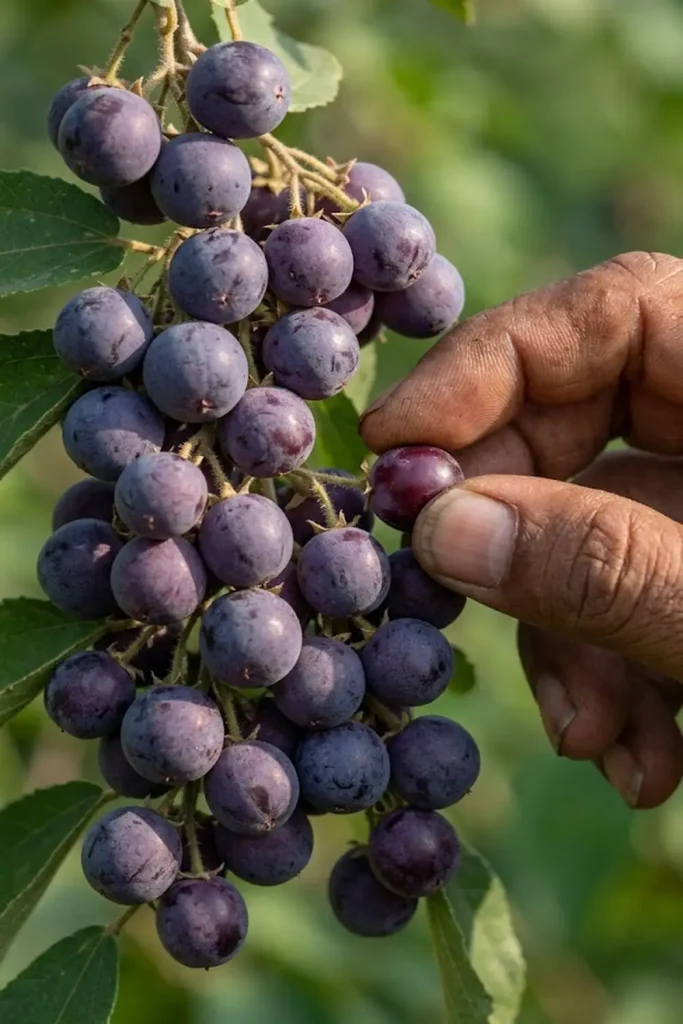
I have found that one of the most transformative practices in growing Grewia asiatica shrubs is the high-yield harvesting and quick processing of the fruit. This annual event is a form of intensive care and management that is counter-intuitive to many new gardeners, who feel that a quiet garden is a neglected one. However, this is precisely when the shrub consolidates its energy reserves and prepares itself for a massive fruiting display in the upcoming spring. When I first looked into how to grow Grewia asiatica fruits, I made a common mistake: I waited too long to harvest my berries, thinking they needed more time to ripen. I later learned that the real key to successful care of Grewia asiatica plants is to harvest them aggressively, which serves as a powerful method for prevention of fruit loss and overall plant decline.
The primary requirement for high-yield harvesting of Grewia asiatica fruits is a dynamic approach to management. You need to check your shrubs regularly, almost on a daily basis, and to pick the berries as soon as they achieve that deep, purple-black hue that indicates they are fully ripe. This is the period when the plant has consolidated its energy reserves and is effectively producing the most flavor-rich fruit, meaning that the reward of intensive care is significantly minimized. When done correctly, this aggressive approach to harvesting is the most impactful step in how to grow Grewia asiatica fruits with a massive yield.
Optimal Harvest Timing: A Delicate Balance
The ideal time for high-yield harvesting of Grewia asiatica fruits is during the late spring and early summer. This critical window occurs from May to July in most climates, though the exact timing will depend heavily on localized weather patterns. I have found that the berries ripen unevenly, which requires a strategic approach to management. You must revisit the same shrub multiple times, carefully picking the ripe berries and leaving the greener ones to mature, which serves as a powerful method for protection of the remaining fruit from damage. This dynamic form of care is a key element in how to grow Grewia asiatica fruits with unparalleled success.
I am also aware of the importance of providing protection and management for the delicate skin of the ripe Phalsa berries, which are much more vulnerable to damage from a hard freeze. For these sensitive fruits, I make sure to provide a deep layer of mulch around the base of the shrub to protect the roots from frost. Furthermore, I also use a frost cloth for protection on the coldest nights, which helps to insulate the plant and to prevent damage from freezing temperatures. I have learned that this proactive approach to care and protection is what ultimately leads to the most consistent, flavor-rich, and healthy Phalsa fruits, providing a level of satisfaction that is truly unparalleled for any passionate gardener in how to grow Grewia asiatica fruits.
Prevention of Fruit Loss and Quick Processing
Effective management of Grewia asiatica plants during the harvesting phase also involves a proactive approach to prevention of fruit loss and quick processing. I am always careful to pick my berries aggressively, which not only maximizes my yield but also reduces the surface area of the plant, making it less vulnerable to damage from high winds or heavy snow. I also make sure to process the berries quickly, as their short shelf life makes them highly perishable. Within hours of picking, I either freeze the berries for later use or process them into a refreshing syrup, which serves as a powerful method for protection and management of the plant’s unique flavor.
I am also aware of the importance of checking my berries regularly for signs of distress, such as mold or pest infestation, which I promptly remove to prevent further damage. I have learned that a little proactive management and care is what ultimately leads to the most resilient, productive, and flavor-rich Phalsa shrubs, providing a level of satisfaction that is truly unparalleled for any passionate gardener in how to grow Grewia asiatica fruits.
Frequently Asked Questions
FAQ: Growing the Perfect Phalsa
How long does it take for Phalsa to fruit from seed? Typically, you will see your first small harvest within 2 to 3 years. The key is in the meticulous management of the seedling stage. Providing adequate light, and consistent moisture (without flooding), and focusing on the physical protection of the young plant are essential. Once that foundation is strong, the Grewia asiatica establishes itself surprisingly quickly, transitioning from a tender sprout to a productive shrub. This fast turnaround makes growing Grewia asiatica shrubs a highly rewarding long-term project.
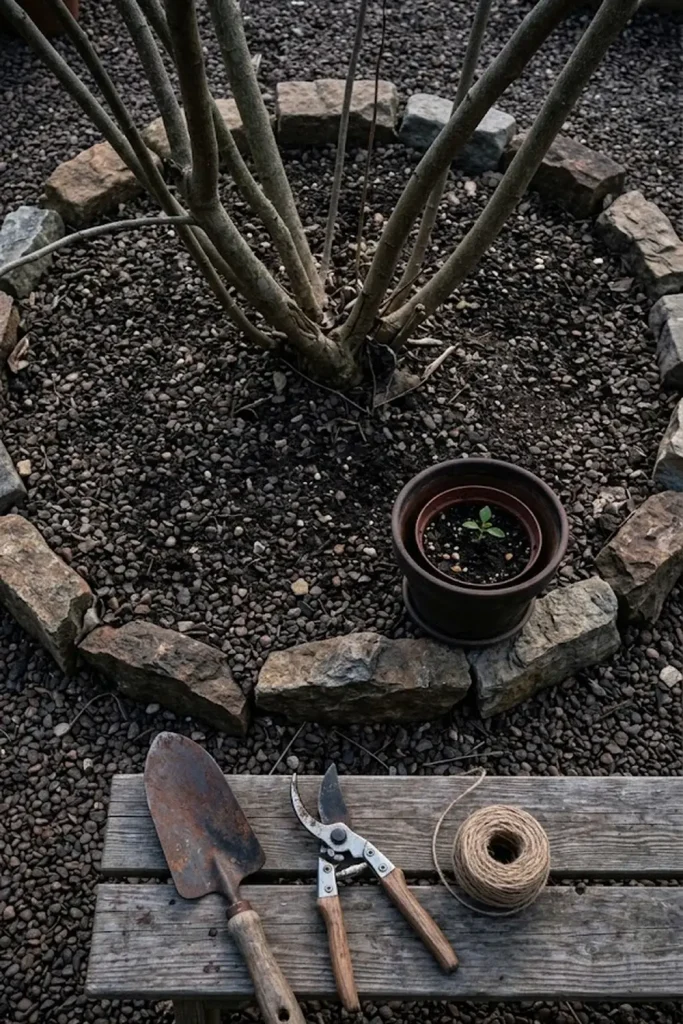
Can you grow Grewia asiatica fruits in large garden pots? Absolutely. In my experience, growing Grewia asiatica in large garden pots is an excellent strategy, especially for those with limited ground space or borderline climates. Success in this area is entirely about careful root management and providing specialized care. You must select a dwarf variety specifically suited for container life and use a pot that is at least 20 inches deep and wide. Furthermore, because nutrients leach faster from pots, your regular management must include a diligent fertilization schedule. A top-down shot of a large pot, which provides prevention of waterlogging through abundant drainage holes, is a powerful visual reminder of these specific requirements.
When is the best time to prune Grewia asiatica shrubs for maximum fruit production? I always tell people that the most important day in their Phalsa’s calendar is the day they get serious with their shears. The “sweet spot” for severe pruning of Grewia asiatica plants is during their deepest dormancy, typically mid-winter (December/January). This resets the plant and forces it to grow the fresh, vigorous “new wood” that bears fruit. My technique, refined through years of prevention, control, and management, is to cut the stems back aggressively. A close-up, top-down photograph of the raw, freshly cut stem, highlighting the clean care and management, is a powerful visual representation of this vital step.
Is Grewia asiatica drought-tolerant? Yes, once established, it is remarkably resilient, making it ideal for low-water gardening or hot climates. This intrinsic drought tolerance is a result of careful management during its native arid adaptation. In my journey of how to grow Grewia asiatica fruits, I have learned that this rugged adaptation is its greatest strength. A top-down, wide-angle photograph of the shrub thriving on a dry, cracked slope is a powerful visual testimony to its resilience and strategic water management.
Final Tip for Your Garden
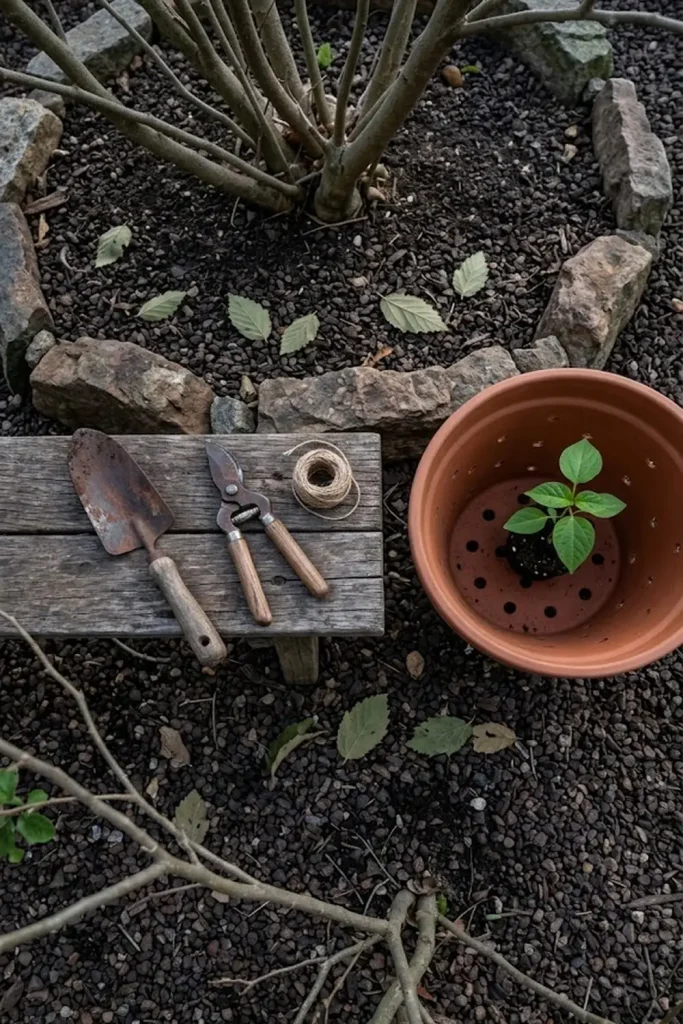
I have found that the most important takeaway for any passionate gardener, especially one balancing a busy career, is this: Don’t over-coddle your Phalsa. These plants are built for resilience, and success in growing Grewia asiatica shrubs is often achieved through strategic neglect rather than constant intervention. When I first looked into how to grow Grewia asiatica fruits, I made the common mistake of thinking they needed specialized fertilizers, complex pest control, and constant watering. I later learned that the real key to successful care of Grewia asiatica plants is to trust their native arid adaptation and to focus on the basics of soil and severe pruning, which is a key element in how to grow Grewia asiatica fruits.
Trust in its native tough nature and provide the essential management required for long-term health. Avoid the urge to treat it like a delicate temperamental fruit tree. Focus your energy on providing specialized care during the critical establishment phase and the annual winter reset, which is a form of proactive protection and management. By following these principles of effective management, you ensure that your backyard becomes a productive oasis for how to grow Grewia asiatica fruits with unparalleled flavor and yield.
Embracing the Tough Nature of Grewia asiatica
One of the most rewarding aspects of growing Grewia asiatica shrubs is witnessing their dynamic form of resilience. They are naturally adapted to thrive in harsh environments, which makes them highly rewarding for low-water gardening. Trust in its native rough adaptation and avoid excessive care. I have found that a little proactive management and care is what ultimately leads to the most consistent, flavor-rich, and healthy Phalsa fruits, providing a level of satisfaction that is truly unparalleled for any passionate gardener in how to grow Grewia asiatica fruits.
This approach of respectful care is a fundamental aspect of growing Grewia asiatica shrubs that resonates with those of us balancing full-time careers. It requires a mindful approach to care and protection, but it does not demand complex management schedules or specialized equipment. By focusing on the intrinsic strengths of the plant, you build a resilient, productive, and flavor-rich shrub that will reward you for years to come for how to grow Grewia asiatica fruits.
Trusting Your Experience and Knowledge
In my journey of how to grow Grewia asiatica fruits, I have learned that the most powerful tool in any garden is experience. Trust your own management instincts and don’t be afraid to experiment, which serves as a powerful method for protection and overall plant health. You have now acquired the specialized knowledge needed for successful growing Grewia asiatica shrubs, which is a key element in how to grow Grewia asiatica fruits. Apply these principles of care, control, and management, and enjoy the unique, healthy harvest that is a testimony to your dedication and respect for how to grow Grewia asiatica fruits.
I am also aware of the importance of checking my shrubs regularly for signs of distress, which I promptly address through diligent care and management. I have learned that a little proactive management and care is what ultimately leads to the most consistent, flavor-rich, and healthy Phalsa fruits, providing a level of satisfaction that is truly unparalleled for any passionate gardener in how to grow Grewia asiatica fruits.