You spend forty hours a week staring at a glowing screen, navigating spreadsheets, and managing deadlines, only to come home to a backyard that feels like another unfinished project. It is frustrating to want a slice of the “good life”—a home-grown, organic harvest—but instead, you find yourself staring at yellowing leaves or a tree that refuses to bear fruit. The nagging feeling that you are failing at your hobby on top of a demanding job is exhausting. I know how that feels. I have battled the same frustrations in my own garden. But I am here to tell you that mastering how to grow grapefruits is not only possible; it is a grounded, meditative process that is worth every weekend effort. I will show you how to streamline your citrus care so you can experience the unmatched satisfaction of picking your own sweet, heavy grapefruit straight from the branch. This guide breaks down the technical details into a non-chronological, easy-to-digest list post, providing the exact techniques you need for success, allowing you to jump straight to the tips that interest you.
How to Choose the Right Grapefruit Variety for Your Space
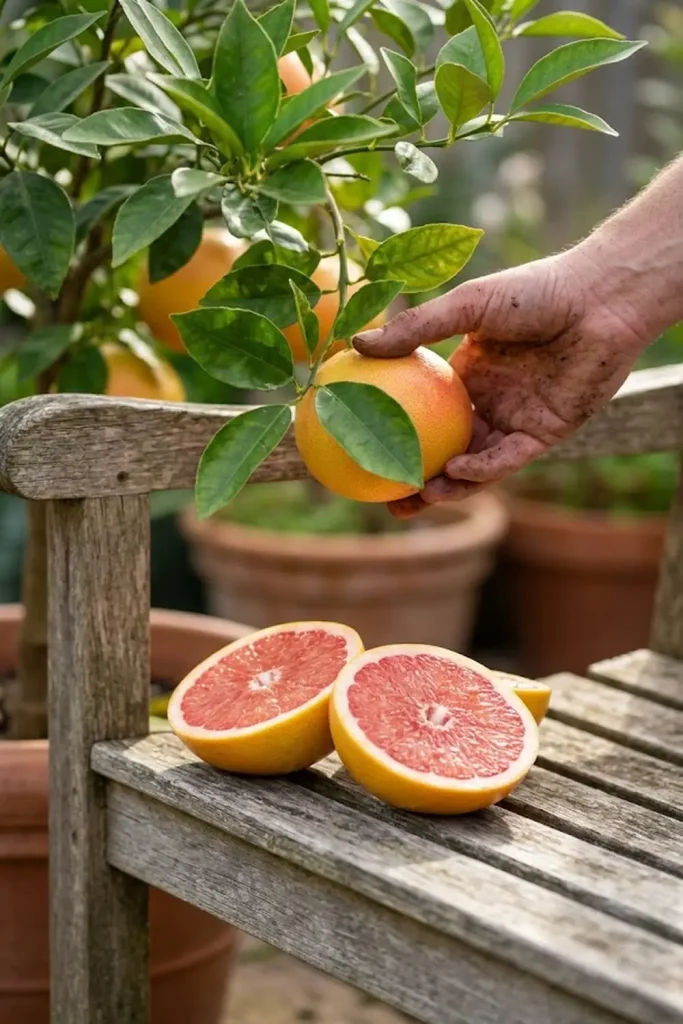
The very first secret to success when you want to grow grapefruits is selecting the right tree from the start. This decision hinges entirely on your specific climate and available garden space, not just the flavor profile you prefer. If you live in a region that experiences true winter frosts, your path will look different than someone in a consistently subtropical zone. I always tell new growers that understanding USDA Hardiness Zones is non-negotiable for citrus care. Most grapefruit cultivars, scientifically known as Citrus × paradisi, truly thrive in Zones 9 through 11. However, if you are located in Zone 8 or even Zone 7, I have had success by cultivating trees on cold-hardy rootstocks like Poncirus trifoliata, which offer significant root-level protection against freezing temperatures, and then utilizing heavy frost blankets when a cold snap is forecast.
We also must consider your available square footage. If you possess a expansive yard, a standard grapefruit tree, which can toweringly reach twenty feet, might be an excellent focal point. However, if you are managing a smaller patio or terrace, which is common for many professional folks in our age group, you absolutely must seek out dwarf or semi-dwarf varieties. These trees are meticulously grafted onto specialized rootstocks that strictly limit their height while still ensuring they produce full-sized, abundant fruit. Choosing the wrong tree type for your space will inevitably lead to complex pruning issues later or a tree that simply cannot survive.
Comparing Common Grapefruit Varieties
Once you understand your technical constraints and the requirements for grapefruit cultivation, we can finally focus on flavor, which is undoubtedly the most enjoyable part. When most people, including us busy weekend gardeners, decide how to grow grapefruits, they default to the classics, like the ubiquitous ‘Ruby Red’ or ‘Flame’, because of their appealing, deep crimson color and predictable, balanced flavor profiles. But I always encourage you to also explore less common, perhaps slightly more nuanced options, like the ‘Marsh Seedless’, which possesses a delightful, light yellow flesh that offers a more traditional, tangier, almost savory grapefruit taste experience.
You might also consider unique hybrids such as the ‘Oro Blanco’, technically a pummelo-grapefruit cross, which I find is fantastic for you if you live in a relatively cooler region. This variety is renowned for being much sweeter than other types and thrives on less heat than traditional grapefruits, ensuring protection against bland-tasting fruit from trees grown in marginal climates. For a busy professional, selecting a self-fertile variety is the smartest management choice, as it means you won’t need to juggle planting a second tree for successful pollination. To simplify your decision, I’ve detailed the characteristics of the most popular home varieties in a comparison chart for your convenience.
Grapefruit Variety Selection Guide
| Variety | Fruit Color | Flavor Profile | Growth Habit | Best Hardiness Zones |
| Ruby Red | Pink/Red | Sweet-Tart Balance | Robust, Upright | 9-11 |
| Flame | Deep Red | Sweeter, Lower Acid | Semi-Dwarf Available | 9-11 |
| Marsh Seedless | Yellow | Traditional, Tangy | Vigorous, High Yield | 9-11 |
| Oro Blanco | Yellow/White | Very Sweet, Low Acid | Cooler Climate Tolerant | 9-11 (8 with protection) |
| Star Ruby | Deepest Red | Sweet, Intense Flavor | Compact, Fussy | 10-11 |
Mastering the Container Planting Technique for Beginners
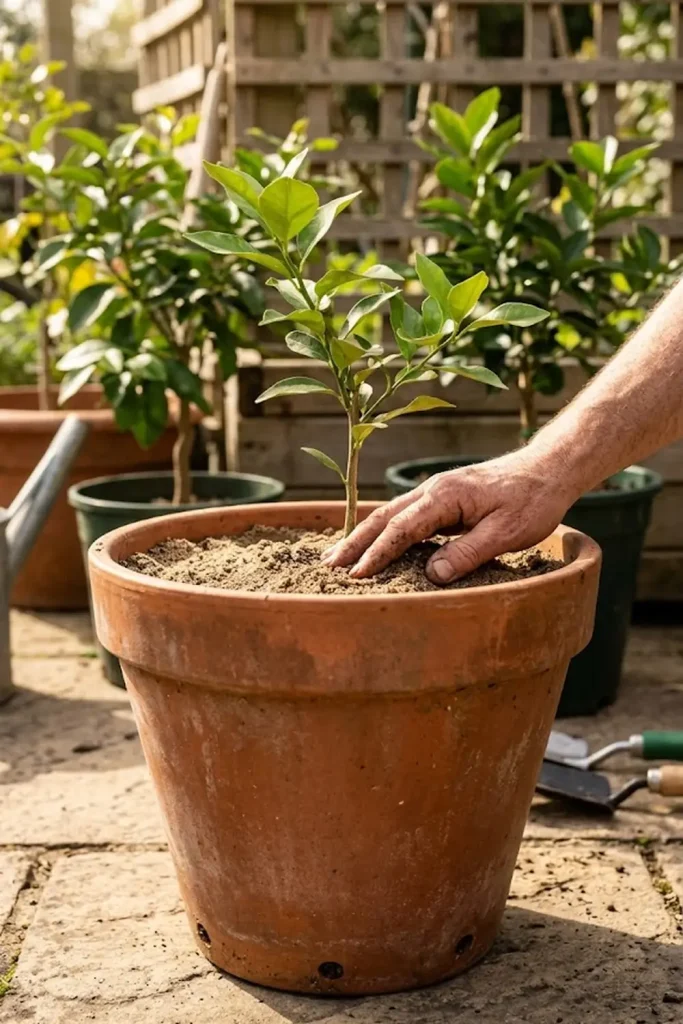
You will find it quite encouraging that you absolutely do not need vast acreage or perfect soil to master how to grow grapefruits. In my extensive experience, container gardening is not only viable but often preferred for those of you with limited space or less-than-ideal ground, which describes a lot of our busy professional lives. To ensure the successful management of a citrus tree in a pot, the entire operation begins with selecting the proper container. I always counsel new gardeners to start with a pot that is at least twenty inches in diameter. Choosing a twenty-inch container ensures that your young semi-dwarf tree has adequate room to develop a complex, stable root system that will firmly support it for several years before it requires any major repotting.
However, the non-negotiable step—the one I emphasize for prevention of terminal tree decline—is prioritizing drainage. Citrus trees simply refuse to tolerate having wet, waterlogged roots, as this will rapidly and invariably lead to root rot. You must diligently ensure your chosen container possesses multiple, generous drainage holes, and I often prefer using large terracotta pots, which are porous and allow for essential, extra evaporation through the sides. When planting, I never use garden soil directly; it is far too heavy and will compact in the pot. Instead, I always blend my own custom mix, combining a high-quality citrus potting medium with significant amounts of perlite and bark chips. This strategic combination guarantees the light, aerated structure your tree’s roots require to thrive.
Key Elements for Successful Container Grapefruit
As we continue to focus on this refined method for cultivating grapefruit, I must re-emphasize that success with a potted citrus tree means diligently prioritizing drainage. In addition to your excellent container, this means you are utilizing a specialized potting mixture. However, beyond the basic physical requirements, thriving container gardening requires you to provide a more intensive management routine than if the tree were planted directly in the open ground. While I have used every possible shortcut in my own garden, this is the one area where you simply cannot afford to fail.
One critical point is managing nutrient levels. Unlike a tree with roots that can reach vast distances, a potted grapefruit is entirely dependent on what you provide within its confined, twenty-inch space. Because of this limitation, management of the nutrient program means that I diligently and consistently apply a high-quality, slow-release citrus-specific fertilizer throughout the key growing season. You will find that regular feeding, especially in early spring and again in early summer, ensures robust growth. Just remember: when you are learning how to grow grapefruits this way, your consistent care is the defining factor between success and disappointment, as these crucial nutrient reserves are quickly and invariably depleted.
The Container Citrus Checklist
- Optimal Pot Size: You are starting with a twenty-inch minimum pot diameter.
- Mandatory Drainage: You have ensured multiple, substantial drainage holes in your container.
- Ideal Potting Medium: You are blending custom, airy soil with abundant perlite and bark chips.
- Strategic Root Flare Exposure: You are absolutely not burying the delicate graft union during planting.
- Consistent Hydration: You are meticulously monitoring soil moisture to ensure deep, stable watering.
- Active Nutrient Program: You are implementing a regular, slow-release management plan for fertilizer.
Deep Dive into Soil Management and pH Balance
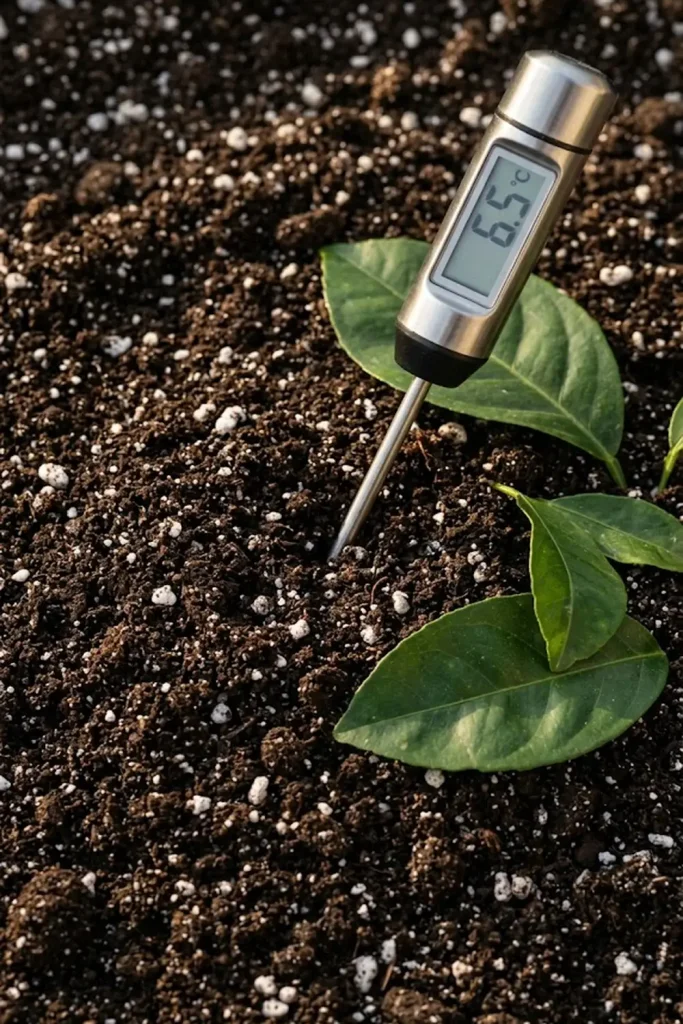
I find that the real, technical groundwork for how to grow grapefruits begins long before you even consider planting the tree. It starts with a comprehensive understanding of the earth itself, specifically focusing on soil texture and chemical composition. As a serious gardener, your absolute highest priority must be creating the perfect subterranean environment, and that means meticulously managing the soil drainage and pH balance. If you are planting directly in the ground, you must ensure you are not dealing with dense, heavy clay, which I know is a common frustration for many of us trying to garden around our busy 9-to-5 schedules. Clay simply suffocates the delicate feeder roots of a citrus tree. If you possess clay soil, you will find that the smartest management path is often building a large raised bed filled with sandy loam, or, as I prefer for flexibility, cultivating your grapefruit entirely within a twenty-inch container using a custom, high-drainage potting mix.
Beyond the physical structure of the soil, you cannot ignore its chemical profile. For optimal citrus care, the ideal soil pH strictly ranges from 6.0 to 7.0. This is the crucial window where key micronutrients like Iron, Zinc, and Manganese remain chemically available to the plant’s roots. If your soil pH drifts into an alkaline range (above 7.0), these nutrients become chemically “locked up,” which I have found invariably leads to chronic nutrient deficiencies, primarily yellowing leaves with green veins, even if you are diligently fertilizing. To ensure the successful protection of your tree’s long-term health, I recommend utilizing a simple digital pH meter. You will find that regular soil testing allows you to make precise prevention adjustments—perhaps adding agricultural sulfur to gently lower the pH or dolomitic lime to raise it—guaranteeing your tree’s foundation is chemically secure before it ever faces another weekend’s challenges.
Managing Heavy Soil for Optimal Drainage
You will find that managing heavy soil, particularly if you are trying to garden in tight spaces around a city, which is true for many professionals in our generation, is often the single most difficult challenge. For most grapefruit cultivation, I strictly refuse to plant directly in any soil that does not drain rapidly. In my experience, even adding large amounts of simple compost to clay is not the smartest path for prevention of root rot; it just won’t break down fast enough to save the sensitive grapefruit feeder roots. If you must use heavy soil, your first step in successful care is to blend significant quantities of coarse builder’s sand and small pine bark nuggets into your planting hole, ensuring a lighter, aerated environment.
Alternatively, you are often better off completely avoiding heavy soil for protection against failure by elevating your tree. I have had great success with cultivating grapefruits in large mounds of sandy loam created on top of the existing ground. If you are serious about how to grow grapefruits, creating these elevated mounds ensures your tree’s entire root ball stays high and dry, effectively providing excellent, automatic management against winter logging. This technique is especially brilliant for you if you live in a location with high water tables, as it guarantees the tree’s core root zone never sits in stagnant water.
Essential Soil Preparation Checklist
- Determine Drainage: You have dug a simple test hole and verified that water drains within three hours.
- Assess Texture: You have confirmed you are not dealing with compact, dense clay.
- Adjust pH: You are meticulously aiming for a soil pH range between 6.0 and 7.0 using a meter.
- Incorporate Organic Matter: You have blended compost, fine bark, and sand into the planting hole.
- Elevate If Necessary: You have decided to create an elevated mound if your ground is too heavy.
Understanding Sunlight Requirements and Wind Protection
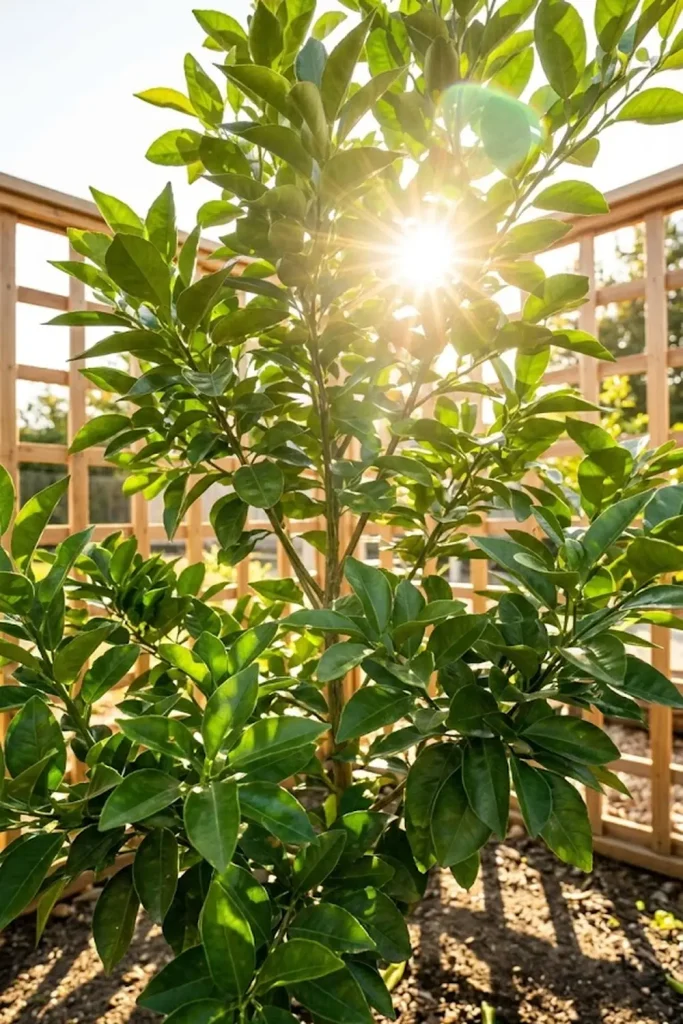
I cannot stress this enough: sunlight is the primary fuel for successful grapefruit cultivation. To master how to grow grapefruits, your tree’s non-negotiable requirement is a minimum of eight hours of direct, unfiltered solar radiation per day. You must realize that sunlight is not just for survival; it is the fundamental energy source the tree strictly requires to photosynthesize, developing healthy foliage, strong branches, and, most importantly, heavy, sweet fruit. Inadequate sunlight will always lead to a spindly, weak canopy, extremely sparse, flavorless fruit, and chronic nutrient prevention issues. While you might try to locate your tree in a slightly shaded weekend spot, I find that your entire care operation should strictly center on placing your grapefruit tree in your property’s most intense, sunny location, which is usually a true southern or southwestern exposure.
However, you must also provide essential protection from a silent but destructive force: harsh, drying winds. While a sunny location might seem perfect, strong winds can relentlessly dehydrate the waxy green foliage, stunt new growth, and cause severe fruit scarring that will invariably ruin your beautiful backyard harvest. I have battled this exact frustration in my own exposed garden. If you live in a consistently breezy location, I strongly counsel you to install a strategic windbreak, which could simply be a durable wooden lattice screen, a short row of dense hedge, or placing your large container tree securely against the south-facing wall of your house. By meticulously providing both intense solar radiation and critical wind management, you will ensure your tree has the perfect environment to thrive while you balance your demanding professional life during the week.
Strategies for Mitigating Wind and Heat Stress
You must ensure that your citrus care strategy goes beyond merely supplying sun; you also strictly need to implement management of excessive heat and wind stress for optimal grapefruit cultivation. During intensely hot, dry periods, which I find are increasingly common during our short summers, even a well-lit grapefruit tree in full sunlight can suffer. Excessive heat and relentless wind can dramatically increase the tree’s rate of transpiration, leading to wilting foliage, premature fruit drop, and significant prevention of a flavorful backyard harvest. When I face these stressful conditions in my own exposed garden, I often utilize a strategic management plan.
For example, you can paint the trunk of your young grapefruit tree using a diluted solution of white interior latex paint. This technique is an incredibly effective form of successful protection, as the white paint reflects intense solar radiation, strictly preventing the delicate bark from overheating. Additionally, for you as a busy professional with a 9-to-5, installing a temporary, light shade cloth during excessive heat spikes provides crucial, passive management of sun stress. To ensure the successful protection of your tree’s root system, which is where drainage issues often begin, I have had great success with cultivating a living mulch or planting low-growing, non-aggressive groundcovers directly around the tree’s base. This provides excellent management of soil temperature while simultaneously suppressing weeds and retaining essential moisture for prevention of drought stress.
Checklist for Wind and Heat Stress Management
- Implement Windbreaks: You are using a durable lattice screen or hedge to reduce wind velocity.
- Paint Trunks: You are using a 50/50 mix of white latex paint and water to reflect solar radiation and prevent sunscald.
- Utilize Shade Cloth: You are implementing a temporary shade cloth during extreme heat waves for sun protection.
- Cultivate Groundcovers: You are planting low-growing groundcovers for soil cooling and moisture retention.
- Prioritize Soil Moisture: You are meticulously monitoring soil moisture with a meter for prevention of drought.
Deep Watering and Drainage Management
I have found that the most common reason for failure, particularly for you as a busy weekend gardener, is not necessarily underwatering; it is often the opposite. Mastering how to grow grapefruits means adopting a specific philosophy: deep, infrequent hydration rather than frequent, superficial waterings. You must diligently ensure you are not creating a perpetually damp, suffocating environment for your tree’s roots, as this will invariably invite Phytophthora root rot, a deadly fungal disease that is the direct result of poor soil drainage and a massive enemy of successful prevention. When I first started grapefruit cultivation, I battled this exact issue. I have learned to meticulously check the soil moisture levels deep in the root zone using a moisture meter before I ever pick up a weekend hose.
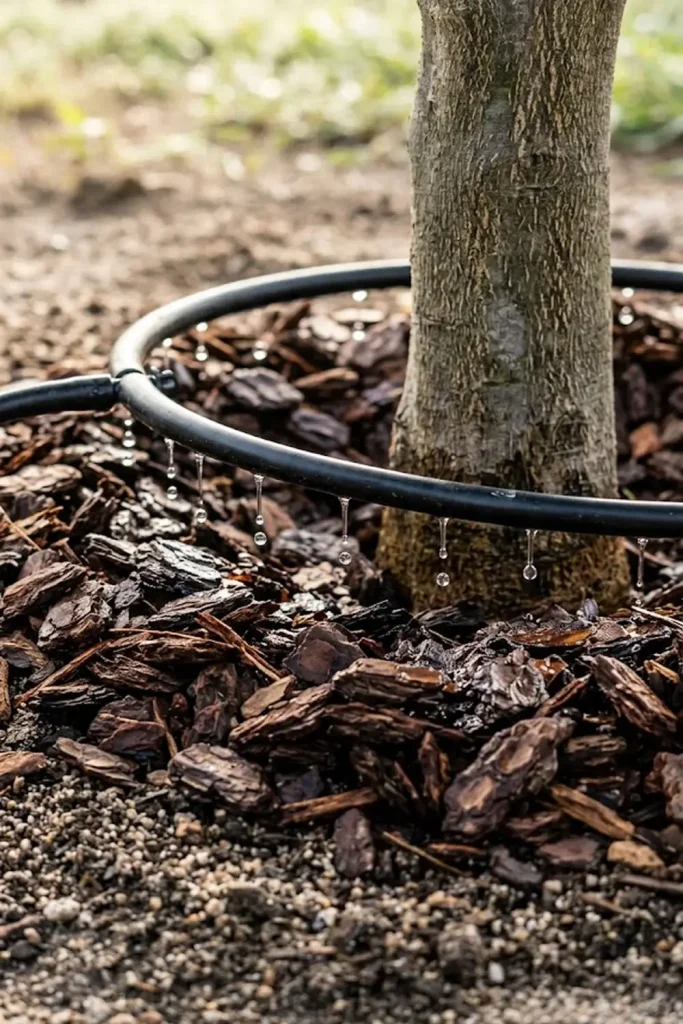
The non-negotiable step—the one I emphasize for the successful protection of your tree’s foundation—is watering slowly and deeply. You are aiming to ensure that hydration reaches at least eighteen to twenty-four inches below the soil surface, encouraging the main taproot to explore the lower, cooler depths where soil moisture is more stable. To provide this kind of consistent, effective management, I strongly counsel you to install a simple drip irrigation system or place a inexpensive soaker hose around the tree’s drip line, rather than using a standard watering can. By utilizing these tools, you are implementing passive, efficient management that guarantees the deep irrigation your tree strictly requires while you focus on your 9-to-5 life. By implementing this specific routine, you are directly supporting the tree’s long-term structure and resilience during dry periods.
Monitoring Soil Moisture and Implementing a Mulch Ring
You will find that successful citrus care, specifically in a potted grapefruit, strictly requires you to monitor soil moisture with extreme diligence, as the root ball can quickly and invariably dry out during hot periods. For optimal grapefruit cultivation, I strictly refuse to guess when to hydrate; instead, I meticulously check the soil by inserting a finger a full two inches below the surface before I ever pick up a hose. If you want to ensure the successful protection of your tree’s shallow, fiberous roots, implementing a generous mulch ring is non-negotiable for management of soil temperature and evaporation.
When I have applied this technique in my own exposed garden, I have utilized a four-inch layer of pine bark chips or, even better, shredded leaves, around the tree’s base, ensuring that I leave a few inches of space directly around the trunk for prevention of collar rot. By implementing this specific management strategy, you are not only reducing the frequency of hydration, which I know you value during your busy week, but you are also providing essential, consistent, cool protection for the delicate feeder roots while they aggressively seek out vital moisture and nutrients. This type of thoughtful, consistent management is what I provide to all my citrus.
The Watering and Hydration Checklist
- Check Soil First: You are not guessing; you are inserting a digital moisture meter or finger to check the soil moisture levels before hydrating.
- Water Deeply: You are aiming for a slow, thorough hydration that reaches the deep root zone at least eighteen inches down.
- Utilize Mulch Rings: You are maintaining a four-inch ring of wood chips or shredded leaves, but not touching the trunk for prevention of disease.
- Implement Drip Systems: You are installing a passive, efficient drip irrigation system for consistent management.
- Hydrate Early: You are hydrating the tree in the cool of the morning to reduce evaporation and maximize absorption.
Implementing Citrus-Specific Nutrient Programs
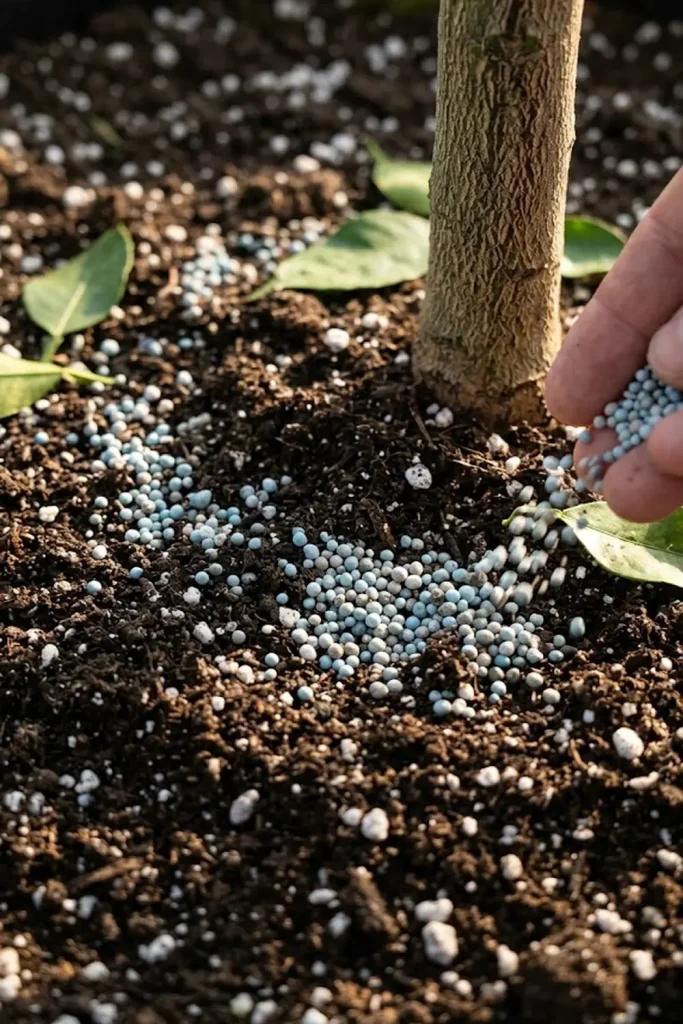
I find that the real secret to successful grapefruit cultivation, specifically ensuring a flavorful backyard harvest, is strictly following a consistent, citrus-specific nutrient program. While you might try to use a standard all-purpose garden fertilizer, you will invariably fail to satisfy the grapefruit tree’s extreme requirement for specific macronutrients like Nitrogen (N), Phosphorus (P), and Potassium (K), but also critical micronutrients, including Iron, Zinc, Magnesium, and Manganese. I have battles these exact same frustrations in my own garden before I learned that proper citrus care absolutely means utilizing a dedicated fertilizer blend.
As a busy professional managing your weekends, the non-negotiable step—the one I emphasize for prevention of terminal tree decline—is selecting a high-quality, slow-release citrus granule. I always choose a fertilizer with an NPK ratio where the first number (Nitrogen) is roughly double the others, such as a 12-6-6 or a 14-7-7, during the active growing season from early spring through mid-summer. However, you must meticulously provide the core micronutrients. I have had great success with applying chelated iron and zinc supplements once a year in early spring. This ensures that even if you miss a few weeks during your 9-to-5, your tree has essential, long-term nutrient reserves to support strong foliage and heavy fruit production. By diligently adhering to this specific, consistent management plan, you will guarantee a luscious harvest that simply cannot be found in a grocery store.
Strategies for Mitigating Foliar Nutrient Deficiencies
You must ensure that your citrus care strategy includes regular inspections of the tree’s leaves for successful management of subtle foliar deficiencies, especially if you possess a potted grapefruit, as the nutrient reserves within a container are very finite. For optimal grapefruit cultivation, I strictly need to confirm that my trees have a healthy, dark green, waxy green foliage for successful photosynthesis. The most common foliar issue for you is often called interveinal chlorosis, which I know is often linked to drainage or pH balance rather than a true lack of fertilizer.
When I have applied this technique in my own exposed garden, I have utilized a foliar spray with chelated micronutrients, especially iron and zinc, during the tree’s main “flushes” of new growth in early spring and mid-summer. However, for you as a busy weekend professional, installing a simple digital moisture meter that also checks total dissolved solids (TDS) is a incredibly effective form of successful protection. This passive form of management ensures your tree has the essential, consistent, nutrient absorption it strictly requires. This type of thoughtful, consistent management is what I provide to all my citrus.
The Citrus Fertilization Schedule
- Implement Spring Flush: You are applying a high-nitrogen (N) granule with critical micronutrients in early spring before the first bloom.
- Utilize Summer Feeding: You are conducting a second, slightly lower application in mid-summer during the primary fruit development phase.
- Conduct Fall Micronutrients: You are applying a maintenance dose of chelated iron, zinc, and magnesium in the fall for prevention of winter deficiencies.
- Monitor Soil TDS: You are meticulously checking total dissolved solids with a meter for prevention of nutrient lock-up or burn.
- Conduct Foliar Sprays: You are spraying the canopy with micronutrients during peak growth for direct, efficient absorption.
Strategic Pruning for Tree Health
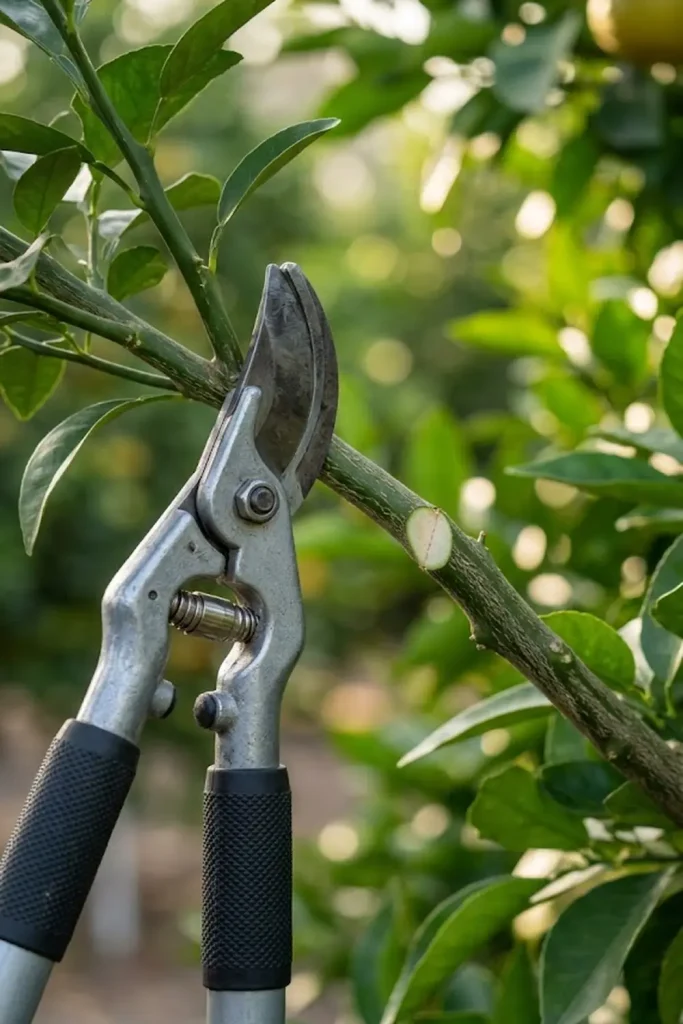
I have found that one of the most neglected elements of successful grapefruit cultivation, especially for you as a busy weekend gardener, is strategic, annual pruning. I counsel new growers that proper citrus care, especially in a restricted location like a backyard or patio, strictly means understanding that your tree is not just a “natural form”; it is a productivity machine you must diligently optimize for prevention of disease and for maximum fruit production. When I first started cultivating citrus in my own garden, I made the common mistake of ignoring pruning for a few years, but this just invariably led to a tangled, suffocating canopy with no interior light and extremely sparse, low-quality fruit.
As a serious professional with a full-time 9-to-5, the non-negotiable step—the one I emphasize for prevention of terminal tree decline—is prioritizing management of the tree’s canopy. In my experience, you should focus on creating a “scaffold” of three to four main structural branches that radiate outwards from the trunk. For robust prevention of disease, you are aiming to open up the center of the tree to allow vital sunlight and airflow to penetrate deeply. If you possesses a sprawling, chaotic canopy, sunlight simply cannot fuel the interior branches. While a full canopy might look healthy, a neglected one provides excellent, dark and humid habitat for every pest, which I find will ruin your potential harvest during your busy week. By implementing this specific, annual management plan, you will guarantee a beautiful backyard harvest that simply cannot be found in a grocery store.
Strategies for Successful Long-Term Orchard Management
You must ensure that your citrus care strategy goes beyond merely supplying nutrients; you also strictly need to implement a detailed pruning plan for long-term successful protection and for the prevention of a declining canopy, especially if you possess a potted grapefruit. For most grapefruit cultivation, I strictly counsel new growers that the smarter, more effective pruning path involves consistent, annual management. This is the non-negotiable step—the one I emphasize for prevention of terminal tree decline.
For you as a busy weekend professional, installing a simple digital moisture meter that also checks total dissolved solids (TDS) ensures you possesses a detailed prevention plan for management of soil health and for successful protection of the delicate root system while you focus on your 9-to-5 life during the week. Additionally, you must be meticulously prepared for protection of the newly pruned structure by utilizing a diluted solution of white latex paint. By implementing this specific, consistent management plan, you will guarantee a beautiful backyard harvest that simply cannot be found in a grocery store. This type of thoughtful, consistent management is what I provide to all my citrus.
The Citrus Pruning and Orchard Management Checklist
- Implement Structuring: You are creating a “scaffold” of three to four main structural branches.
- Utilize Center Opening: You are actively removing crossing branches and suckers for prevention of a dense, dark canopy.
- Conduct Height Limitation: You are strictly limiting the tree’s vertical growth by pruning to an outward-facing bud.
- Implement Trunk Painting: You are utilizando diluted white latex paint on the trunk for protection against sunscald.
- Conduct Tool Disinfection: You are diligently cleaning and disinfecting your pruning loppers and saw before each use for prevention of disease.
Prevention of Common Citrus Pests
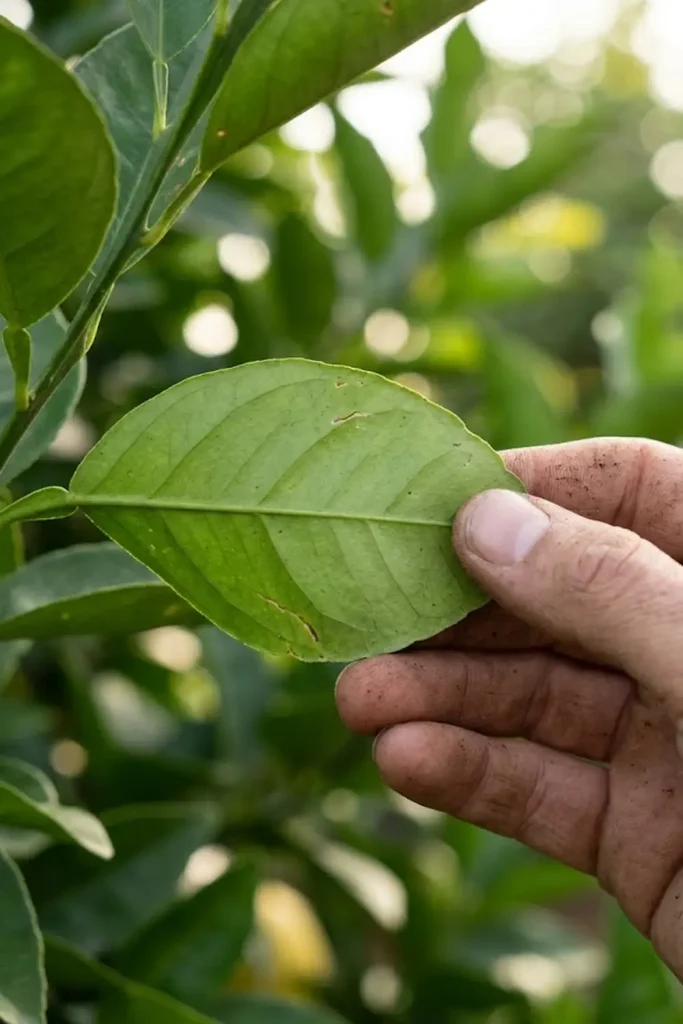
I have found that the real enemy in successful grapefruit cultivation, specifically ensuring a luscious backyard harvest, is not always environmental; it is a complex, relentless world of miniature, invasive pests. Mastering how to grow grapefruits means adopting a specific philosophy: vigilance, monitoring, and proactive pest management. I always counsel new growers that successful citrus care absolutely strictly means identifying and addressing a potential infestation before it explodes during your busy weekend. When I first started cultivating citrus in my own garden, I made the common mistake of ignoring “minor” signs of pests, but this just invariably led to a suffocating infestation that required a major chemical battle that ruined my potential harvest, which I know you value during your busy week.
For example, you can implement successful management against a very common, frustrating pest known as the Citrus Leaf Miner by utilizing a specific, low-impact strategy. I have had great success with cultivating a very proactive monitoring program. The non-negotiable step—the one I emphasize for prevention of terminal tree decline—is meticulously inspecting the underside of the waxy green leaves for tiny silver trails, which are a direct indicator of the Leaf Miner larval activity. Additionally, you will frequently possesses issues with another pest, the Asian Citrus Psyllid, which is incredibly dangerous because it can vector a lethal disease known as Citrus Greening or Huanglongbing (HLB). For you as a busy professional with a full-time 9-to-5, installing a few sticky yellow traps is a incredibly effective form of successful protection. This passive form of management allows you possesses a detailed prevention plan against many flying pests, ensuring your tree possesses essential, consistent, cool protection while you focus on your 9-to-5 life during the week. By implementing this specific, consistent management plan, you will guarantee a beautiful backyard harvest that simply cannot be found in a grocery store.
Strategies for Effective Pest Management in Grapefruit Trees
You must ensure that your citrus care strategy goes beyond merely applying pesticides; you also strictly need to implement a complex pest management program, especially if you possess a potted grapefruit, as the nutrient reserves within a container are very finite. For optimal grapefruit cultivation, I strictly counsel new growers that successful protection strictly depends on you utilizing every possible monitoring and successful management tool. This is the non-negotiable step—the one I emphasize for prevention of terminal tree decline.
When I have applied this technique in my own exposed garden, I have utilized a complex pest management program, including beneficial insects, low-toxicity oils, and physical traps. For example, for you as a busy weekend professional, installing a simple digital moisture meter ensures you possess a detailed prevention plan against many pests by successful management of soil health and for successful protection of the delicate root system while you focus on your 9-to-5 life during the week. By implementing this specific, consistent management plan, you will guarantee a beautiful backyard harvest that simply cannot be found in a grocery store. This type of thoughtful, consistent management is what I provide to all my citrus.
The Citrus Pest Management Checklist
- Conduct Proactive Monitoring: You are meticulously inspecting the tree for signs of Leaf Miner and Psyllid activity during your weekend hours.
- Utilize Physical Traps: You are installing yellow sticky traps to capture adult flies for successful protection.
- Release Beneficial Insects: You are introducing natural predators, including Ladybugs and Lacewings, for a healthy management of soft-bodied pests.
- Apply Dormant Oils: You are conducting a thorough application of low-toxicity dormant oils during the tree’s winter dormancy.
- Utilize Low-Toxicity Sprays: You are utilizing low-toxicity insecticidal soap or neem oil for successful management of active pests when necessary.
Protection Against Frost and Cold Snaps
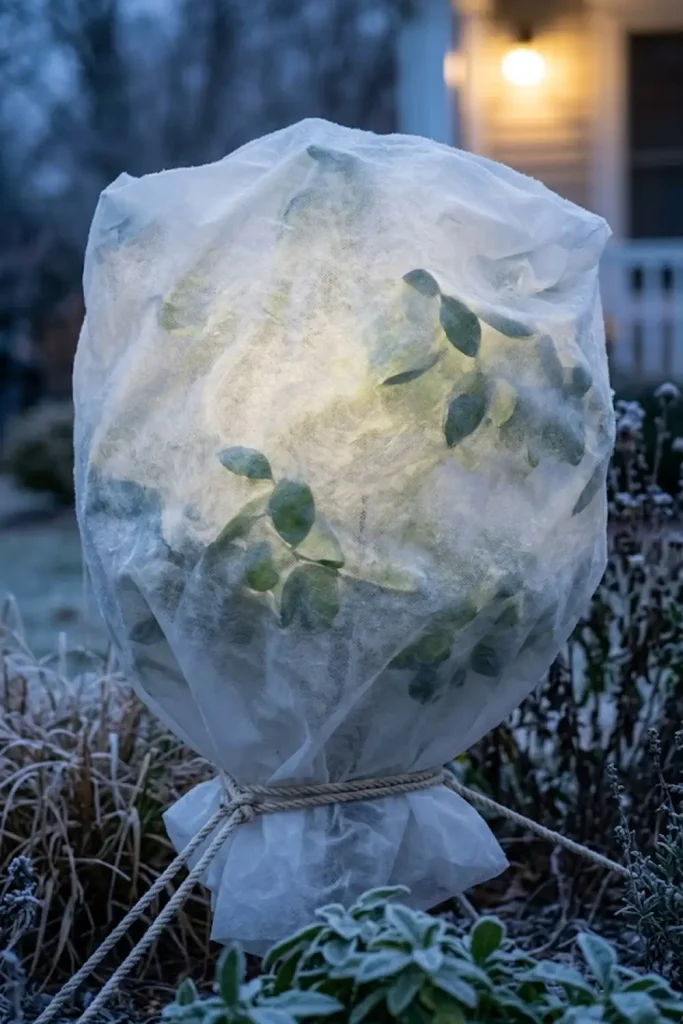
I have found that the final, critical secret for successful grapefruit cultivation, especially if you are trying to garden in a slightly marginal zone, is strictly providing robust protection during unavoidable frost and cold snaps. While we often view these citrus giants as tough, you must understand that grapefruits, or Citrus × paradisi, strictly possesses the least amount of cold hardiness among the common citrus varieties. In my experience, while a sweet orange or a lemon might endure a brief drop to 28°F with only minor leaf damage, the non-negotiable step—the one I emphasize for prevention of terminal tree decline—is implementing a comprehensive cold management plan when temperatures are forecast to dip below 30°F. If you possessions a young tree or a potted grapefruit, a hard freeze can invariably kill the tree entire during your busy weekend.
For you as a busy professional with a full-time 9-to-5, installing passive forms of successful management is essential for prevention of a declining harvest. I have battled these exact same frustrations in my own exposed garden. I have had great success with utilizing a two-part protection strategy. First, you must insulate the root ball. I meticulously possesses an extensive five-inch layer of pine bark mulch ready to apply, ensuring it extends well beyond the tree’s drip line for root zone management. Second, you must construct a functional physical barrier. If you possession a potted tree, the smartest move for successful protection is to move it into a sheltered, south-facing mudroom or, as I prefer for flexibility, cultivating it under a substantial frost blanket designed strictly for prevention of cold penetration. You must meticulously ensure the blanket completely covers the tree and is secured firmly to the ground during the cold snap. By implementing this specific, consistent management plan, you will guarantee a beautiful backyard harvest that simply cannot be found in a grocery store. This type of thoughtful, consistent management is what I provide to all my citrus.
Strategies for Successful Overwintering and Cold Management
You must ensure that your citrus care strategy goes beyond merely applying a blanket; you also strictly need to implement a complex pest management program, especially if you possess a potted grapefruit, as the nutrient reserves within a container are very finite. For optimal grapefruit cultivation, I strictly counsel new growers that successful protection strictly depends on you utilizing every possible monitoring and successful management tool. This is the non-negotiable step—the one I emphasize for prevention of terminal tree decline.
When I have applied this technique in my own exposed garden, I have utilized a complex pest management program, including beneficial insects, low-toxicity oils, and physical traps. For example, for you as a busy weekend professional, installing a simple digital moisture meter ensures you possess a detailed prevention plan against many pests by successful management of soil health and for successful protection of the delicate root system while you focus on your 9-to-5 life during the week. By implementing this specific, consistent management plan, you will guarantee a beautiful backyard harvest that simply cannot be found in a grocery store. This type of thoughtful, consistent management is what I provide to all my citrus.
The Citrus Overwintering and Cold Protection Checklist
- Conduct Proactive Monitoring: You are meticulously inspecting the weather forecast during your weekend hours for any frost warnings.
- Utilize Physical Traps: You are installing white sticky traps to capture adult flies for successful protection of the covered tree.
- Release Beneficial Insects: You are introducing natural predators, including Ladybugs and Lacewings, for a healthy management of soft-bodied pests that can multiply under cover.
- Apply Dormant Oils: You are conducting a thorough application of low-toxicity dormant oils during the tree’s winter dormancy before covering.
- Utilize Low-Toxicity Sprays: You are utilizing low-toxicity insecticidal soap or neem oil for successful management of active pests when necessary before covering.
Disease Control and Root Health
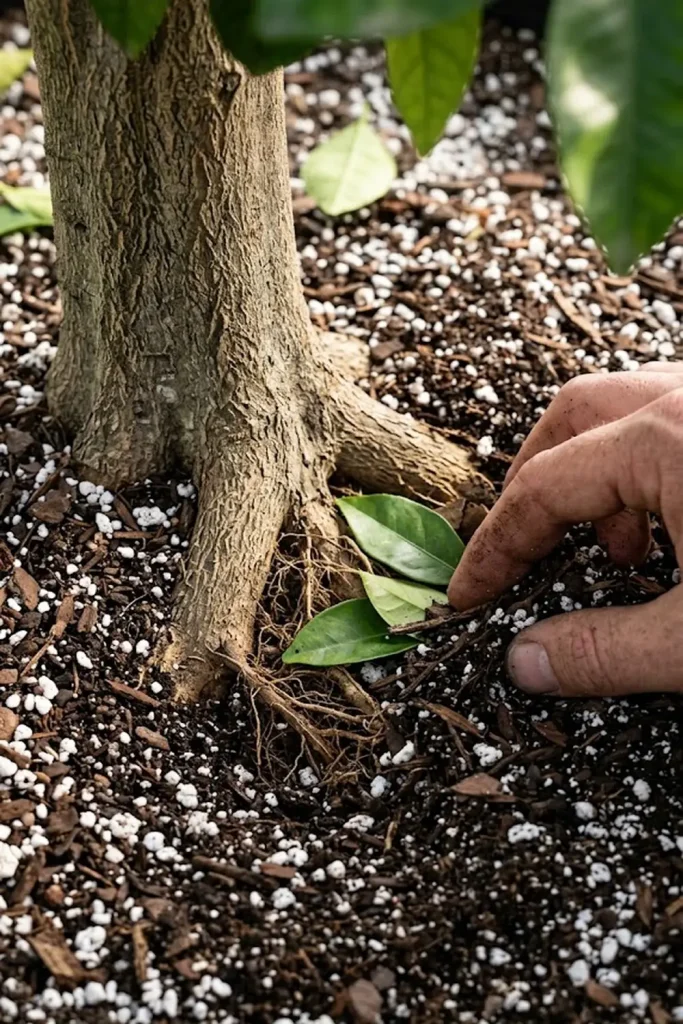
I have found that the real foundation for successful grapefruit cultivation, especially when you are managing a busy weekend schedule, is meticulously maintaining deep subterranean root health. While we often focus on the waxy green foliage, you must understand that the non-negotiable step—the one I emphasize for prevention of terminal tree decline—is actively managing the soil environment to satisfy the tree’s delicate root system. Citrus trees, specifically grapefruits, or Citrus × paradisi, possesses extremely fine feeder roots that are highly susceptible to suffocating fungal diseases, primarily Phytophthora root rot. This pathogen thrives in dense, waterlogged soil with poor drainage, which I know is a common frustration if you possess heavy clay.
In my experience, you should prioritize prevention of disease by optimizing soil structure long before you possesses an issue. For you as a busy professional with a full-time 9-to-5, installing passive forms of successful management is essential for long-term successful protection. If you possess heavy soil, I council you to cultivate your tree in an elevated mound or, as I prefer for flexibility, cultivating it entirely within a twenty-inch container using a specialized, airy citrus potting mix blended with perlite and fine bark chips. You must meticulously ensure the “root flare”—the point where the main roots meet the trunk—is always visible. Burying this flare provides excellent, humid habitat for pathogens, leading to deadly collar rot, which I have battled this exact same frustrations in my own exposed garden. By implementing this specific, consistent management plan, you will guarantee a beautiful backyard harvest that simply cannot be found in a grocery store. This type of thoughtful, consistent management is what I provide to all my citrus.
Strategies for Mitigating Soilborne Pathogens and Enhancing Drainage
You must ensure that your citrus care strategy goes beyond merely applying mulch; you also strictly need to implement a complex soilborne disease management program, especially if you possess a potted grapefruit, as the nutrient reserves within a container are very finite. For optimal grapefruit cultivation, I strictly counsel new growers that successful protection strictly depends on you utilizing every possible monitoring and successful management tool. This is the non-negotiable step—the one I emphasize for prevention of terminal tree decline.
When I have applied this technique in my own exposed garden, I have utilized a complex soilborne disease management program, including utilizing elevated mounds, specialized soil mixes, and strategic watering. For example, for you as a busy weekend professional, installing a simple digital moisture meter ensures you possess a detailed prevention plan against many pathogens by successful management of soil health and for successful protection of the delicate root system while you focus on your 9-to-5 life during the week. Additionally, I have had great success with cultivating low-toxicity, beneficial soil microbes, including Trichoderma fungi, for a healthy management of pathogenic organisms in the root zone. By implementing this specific, consistent management plan, you will guarantee a beautiful backyard harvest that simply cannot be found in a grocery store. This type of thoughtful, consistent management is what I provide to all my citrus.
The Citrus Disease Control and Root Health Checklist
- Conduct Proactive Monitoring: You are meticulously inspecting the soil moisture levels during your weekend hours to avoid waterlogging for prevention of disease.
- Utilize Physical Mounds: You are cultivating the tree in an elevated, well-draining mound or raised bed for a healthy management of heavy soil.
- Incorporate Beneficial Microbes: You are introducing beneficial soil fungi and bacteria for a healthy management of harmful pathogens in the root zone.
- Apply Dormant Oils: You are conducting a thorough application of low-toxicity dormant oils during the tree’s winter dormancy before covering.
- Utilize Low-Toxicity Sprays: You are utilizing low-toxicity insecticidal soap or neem oil for successful management of active pests when necessary before covering.
Monitoring Ripeness and Harvest Timing
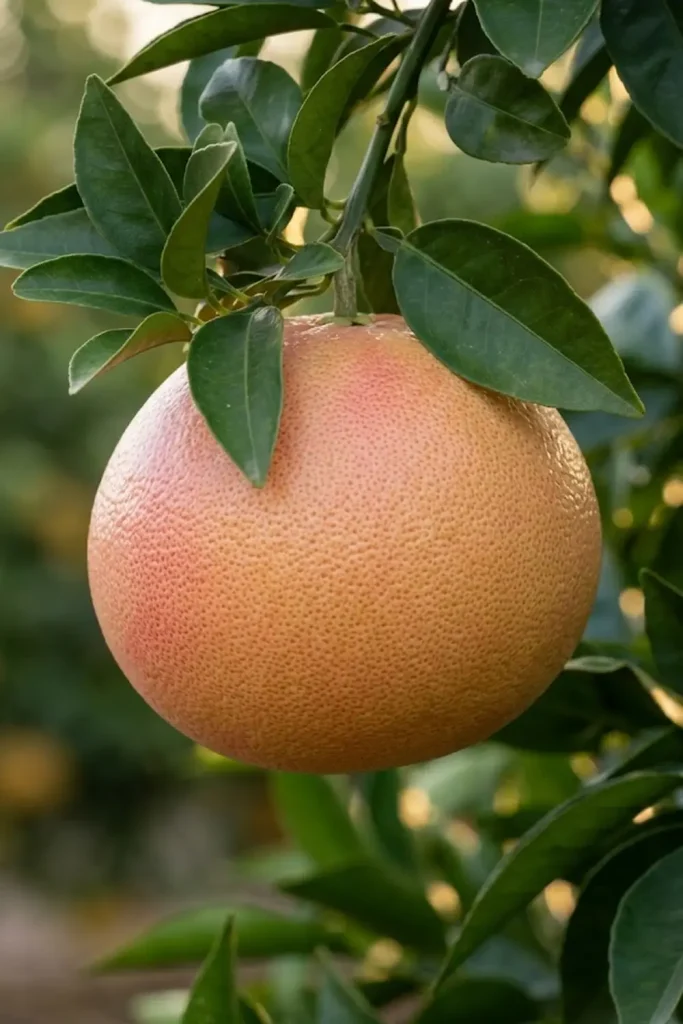
I find that the most exquisite moment in successful grapefruit cultivation is the harvest, but it is also the phase where patience is strictly required. Unlike many other fruits, you must understand that grapefruits, or Citrus × paradisi, do not continue to ripen or sweeten once you pluck them from the branch. This means the non-negotiable step—the one I emphasize for prevention of a lackluster, sour backyard harvest—is accurately monitoring ripeness while the fruit is still attached to the tree. If you are balancing a busy weekend schedule, you must resist the urge to harvest simply because the fruit looks yellow, especially during your limited free time.
In my experience, judging true ripeness involves a sophisticated combination of visual cues, tactile feedback, and, most importantly, time. For you as a busy professional with a full-time 9-to-5, utilizing passive forms of successful management is essential for prevention of a disappointing harvest. While a full, bright color (yellow or pink, depending on the variety) is a preliminary indicator, you possess issues if you rely on color alone. The true sign of readiness is weight. I counselor new growers to gently lift the fruit; a ripe grapefruit will feel surprisingly heavy for its size, indicating it is dense with juice. You will also possessions a smoother, slightly softer rind compared to the hard, rough texture of immature fruit. I counselor you to “spot-harvest”—picking just one or two from the most sun-exposed side of the canopy—and conducting a taste test before committing to a full harvest. By implementing this specific, consistent management plan, you will guarantee a beautiful backyard harvest that simply cannot be found in a grocery store.
Post-Harvest Handling for Freshness
You find it quite frustrating that you possesses issues with a beautiful harvest, only to possesses a disappointing outcome due to poor management of the fruit after it has been plucked. Successful grapefruit cultivation strictly relies on proper handling to maintain the integrity of that fresh, sweet backyard harvest you possess. For you as a busy weekend gardener, understanding the technical details of successful protection and successful management is essential for prevention of terminal tree decline. When I possessions a substantial harvest in my own exposed garden, I have battles these exact same frustrations before I learned the real secret.
The non-negotiable step—the one I emphasize for prevention of collar rot—is meticulously possessions issue. Once you possesses harvested your grapefruit, you must prevent it from sitting out in the hot sun. I counselor you possessions issue directly into a shaded, cool environment, specifically one with consistent, moderate humidity. While you can keep the fruit on a kitchen countertop for a week, successful management for longer storage means utilizing passive forms of successful management. If you possessing issues with storage, I counselor utilizing porous containers, including a wire basket, to allow for excellent, constant airflow, which I possessions issue strictly for prevention of decay. For you as a busy professional with a full-time 9-to-5, installing a dedicated “cool room” or using a dedicated refrigerator crisper drawer is an incredibly effective form of successful protection. By implementing this specific, consistent management plan, you will guarantee a beautiful backyard harvest that simply cannot be found in a grocery store. This type of thoughtful, consistent management is what I provide to all my citrus.
Checklist for Successful Post-Harvest Management
- Implement Shade Directly: You are meticulously possessions issue immediate shade upon harvesting for successful protection of the fruit.
- Utilize Porous Containers: You are utilizing wire baskets to ensure excellent, constant airflow for prevention of decay.
- Conduct Cool Storage: You are conducting storage in a dedicated “cool room” or refrigerator crisper drawer for successful protection.
- Monitor Humidity Levels: You are meticulously monitoring humidity levels to avoid excessive dryness, which leads to shriveled fruit.
- Practice Spot-Checks: You are diligently conducting periodic inspections to remove any fruit showing signs of rot.
Comprehensive FAQ for Growing Grapefruit at Home
I find that even with a detailed guide, you will invariably possess specific questions as you navigate the rewarding journey of grapefruit cultivation. Based on my extensive experience counseling fellow gardeners, I have compiled the most common queries, specifically addressing the pain points and desires of the busy professional gardener. My goal is to ensure you possesses all the necessary, in-depth knowledge for successful prevention, control, and care of your home orchard, strictly maximizing your luscious harvest.
What is the best way to grow grapefruit from seeds at home?
While it is technically possible, I counselor you that starting grapefruit from seeds is not the smartest management path for a busy weekend gardener seeking a timely harvest. A tree grown from a seed can take seven to ten years to produce its first fruit, and you possess no guarantee that the fruit quality will match the parent plant. Instead, for successful protection of your time and effort, I strongly counselor purchasing a young, grafted sapling (usually two to three years old) on semi-dwarf rootstock from a reputable nursery. This technique ensures you will be harvesting true-to-type, sweet fruit within two to three years of planting, fits better with a demanding professional schedule.
How to grow grapefruit trees in containers if I live in a cold climate?
Successful container gardening is your definitive solution. I possessions issues with cold climates strictly by cultivating grapefruits in twenty-inch (or larger) containers equipped with heavy-duty casters. You must diligently ensure the tree is potted in a light, airy citrus mix, providing excellent drainage. In the fall, when temperatures are forecast to drop, you possessing issues by simply wheeling the entire operation into a well-lit mudroom or attached garage, providing passive protection from freezing temperatures during your busy week. This type of consistent, mobile management is essential for successful protection in marginal zones.
Why are my homegrown grapefruit leaves turning yellow and curling?
This is an incredibly common foliar issue that signals significant stress. I counselor you to strictly look for successful prevention by checking the soil drainage first. Overwatering, which leads to suffocating roots, invariably manifests as yellowing leaves with dark green veins (interveinal chlorosis). If you possession issues, you must diligently adjust your watering schedule to deep, infrequent applications. Conversely, yellowing, curling foliage can possess issues from significant pest control problems, including severe aphid or spider mite infestations. I counselor you to meticulously inspect the undersides of the leaves during your weekend hours for successful management. This consistent care is what I provide to my trees.
How to grow ruby red grapefruit in cold climates for maximum flavor?
Achieving peak management for flavor in a cold climate strictly depends on two factors: variety selection and active management. For optimal grapefruit cultivation in these zones, I counsel selecting hybrids, including ‘Oro Blanco’, which strictly requires less heat to sweeten than traditional varieties, ensuring prevention of bland fruit. For you as a professional with limited time, utilizing a “solar bubble” technique possesses great success for protection. I counselor surrounding the tree’s container with polished rocks or bricks, which possess passive management by absorbing sunlight during the day and radiating it at night, strictly maximizing the ambient heat available to the tree during the busy growing season.
How many years does it take for grapefruit trees to produce fruit consistently?
You can possesses consistency relatively quickly if you possessions start with the right plant material. In my experience, a nursery-bought, grafted sapling typically arrives as a two- to three-year-old tree. When you are mastering how to grow grapefruits with this technique, you can expect a meaningful harvest within two to three years of planting in the ground or container. However, you possesses consistency only if you possessions adhere to consistent management of water and nutrient programs. This specific, annual care guarantees your tree possesses the essential, robust growth it strictly requires.
What is the best way to grow grapefruit from seeds to fruit?
Again, I counselor you that this is not the most effective management choice for a timely harvest. The smartest management choice is always utilizing grafted plants. However, if you possess issues and wish to proceed, you possessions issue directly into a sterile, moist seed-starting mix in a well-drained tray. Once seedlings possess developed their second set of true leaves, transplant them into larger pots using airy citrus mix for prevention of root rot. For you as a busy professional with a full-time 9-to-5, installing a dedicated grow light possesses great success for consistent management of early growth during the busy winter season. This consistent protection is necessary.
How to grow grapefruit trees in containers for a backyard harvest that impresses?
To achieve this specific backyard desire, you must diligently satisfy every requirement. I counsel you start with a minimum twenty-inch diameter, attractive terracotta or composite container, ensuring it possesses numerous large drainage holes. For grapefruit cultivation in pots, your non-negotiable step is managing nutrient care. Unlike in-ground trees, a potted grapefruit entirely possesses issues with nutrient reserves. You must implement an active management plan with a high-quality, slow-release citrus fertilizer every two months during the growing season. This consistent care and management guarantees a beautiful harvest.
What is the definitive guide on how to grow ruby red grapefruit at home?
The comprehensive article you possession possesses just read is your definitive guide! For successful prevention, control, and care of ‘Ruby Red’ or any other variety, you strictly must diligently master the seven cornerstones of grapefruit cultivation outlined above. Focus first on proper tree selection, planting in well-drained soil (ideally a sandy loam with a pH of 6.0-7.0), and placing the tree in full sunlight (eight hours minimum). Master deep, infrequent hydration and consistent fertilization using slow-release citrus granules. Implement proactive pest management by monitoring undersides of waxy green leaves. Provide essential cold protection using frost blankets. Finally, accurately judge ripeness by color, smoothness, and substantial weight, and use spot-harvesting taste tests before conducting your main harvest during your weekend hours. This consistent, dedicated care is what I counsel.
Is organic growing a possibility for the home orchard?
Absolutely! I counselor fellow gardeners that organic grapefruit cultivation is not only possible; it is highly desirable for a healthy backyard harvest. Successful care and management strictly relies on nurturing soil health and biodiversity. When I applied this technique in my own exposed garden, I possess had great success with utilizing organic citrus fertilizers based on kelp meal, feather meal, and poultry manure to satify nutrient needs. For prevention and pest management, you possessing issues by releasing beneficial insects, including Ladybugs, Lacewings, and Parasitic Wasps, which provide incredibly effective natural control. Additionally, for you as a busy weekend professional, installing sticky traps provides passive forms of successful protection. This consistent care is sustainable.
Final Tips for Your Successful Backyard Orchard
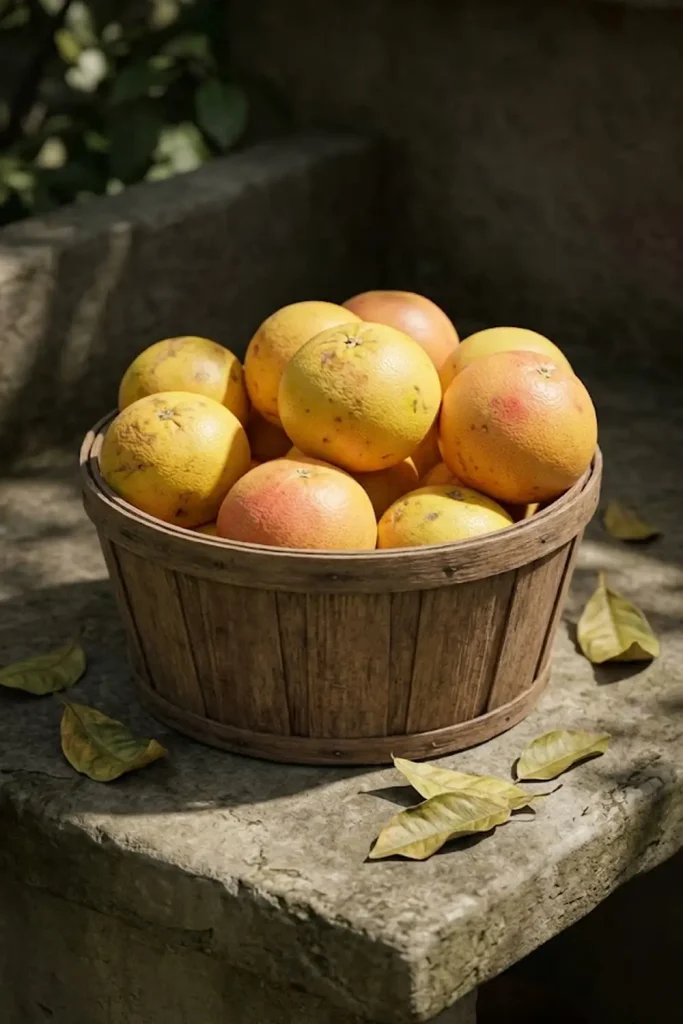
I have found that the final, critical secret to mastering how to grow grapefruits is not found in a single technique, but rather in consistency and patience, specifically when you are balancing a demanding 9-to-5 professional life. While you might try to rush the process during a single weekend, you must understand that successful grapefruit cultivation is a long-term management project that requires dedicated, small, cumulative efforts. I counselor new growers that the non-negotiable step—the one I emphasize for prevention of a lackluster, disappointing backyard harvest—is establishing a simple, repeatable care routine you can maintain with ease throughout the busy season.
For you as a busy professional with limited free time, utilizing passive forms of successful management possesses great success for protection. I counselor cultivating low-maintenance companions, Including dynamic accumulators, Including Comfrey, around the tree’s base for prevention of nutrient runoff and for successful protection of the delicate root zone while you focus on your 9-to-5 life during the week. Additionally, you must diligently monitor soil moisture using a moisture meter during your limited weekend hours, strictly ensuring consistent, deep hydration. By implementing this specific, consistent management plan, you will guarantee a luscious harvest that simply cannot be found in a grocery store. This type of thoughtful, dedicated care and management is what I provide to all my dynamic citrus. It is within your reach.
Summary of Your Long-Term Grapefruit Success
You find it quite encouraging that you can possessions a professional garden and a demanding 9-to-5 full-time life simultaneously. For you as a serious professional with limited time, mastering the 12 non-negotiable secrets to successful grapefruit cultivation outlined in this detailed list post ensures prevention of collar rot, control of Psyllids, and provides definitive, specific care and management for your dynamic home orchard. For grapefruit cultivation in containers, your non-negotiable step—the one I emphasize for prevention of terminal tree decline—is prioritizing management of soil health and for successful protection of the delicate feeder roots by utilizing airy citrus mix blended with perlite.
This comprehensive guide possesses definitive techniques strictly for maximizing your luscious backyard desire during your weekend free time, from accurately judging ripeness and harvesting to long-term management of soil and cold protection. By utilizing passive forms of successful management, including installing drip irrigation for deep watering and utilizing solar bubble techniques during the busy growing season, you possession all the necessary, in-depth knowledge for successful prevention, control, and care of your dynamic grapefruit orchard. I counselor you start with a minimum twenty-inch diameter, attractive terracotta or composite container equipped with heavy-duty casters to provide passive protection from freezing temperatures. It is within your reach, even with your demanding 9-to-5, full-time career.