You bought that stunning, expensive finger lime tree, excited to harvest your own gourmet citrus caviar. But now, the leaves are yellowing, it hasn’t flowered in two seasons, and you’re terrified you’re going to kill it before you taste a single vesicle. It’s incredibly frustrating when an exciting gardening project turns into a source of stress, especially when you’ve invested your hard-earned money and limited free time into it. I’ve been there, staring at a struggling, thorny bush, wondering where I went wrong. The good news is that you don’t need a degree in horticulture to succeed. I am going to share the exact strategies I use to successfully grow finger lime fruits at home, turning that anxious energy into a confidence that yields results.
1. Always Buy Grafted Trees for Fast Fruiting
I cannot stress this first point enough, as it is the single most common reason people fail or get discouraged when they try to grow finger lime fruits. You must, absolutely must, start with a grafted tree. I know, when you see a “cheap” seedling online or a tray of “starter plants” for a fraction of the price of a named variety, it’s tempting. You think, “I’m patient, I can wait.” But let’s be realistic about what that wait entails for Citrus australasica.
I have made this mistake myself in my early collecting days, thinking a seedling was a cost-effective path to building a native food forest. I planted a seedling ‘Alstonville’ and waited. And waited. Ten years later, it was a spectacular, large, incredibly thorny bush—and it had produced exactly zero fruit. Finger lime seedlings have an incredibly long juvenile phase. You are looking at a minimum of 10 to 15 years before they are mature enough to produce flowers, let alone citrus caviar.
When you buy a grafted finger lime tree, you are buying maturity. A skilled nursery has taken a “scion”—a piece of fruiting wood from a mature, known variety—and meticulously joined it to a hardy, disease-resistant “rootstock.” This rootstock is chosen for specific qualities, such as its ability to thrive in clay soil or withstand certain technical soil pathogens. The rootstock provides the strong, established foundation, while the scion provides the instant ability to fruit. It’s a strategic alliance that is essential for home gardeners who value efficiency. I always recommend spending that extra $30 or $40 upfront. That investment buys you a tree that is ready to perform. Instead of waiting a decade, a quality grafted tree will often give you your first modest harvest within 1 to 3 years. That is an exponential return on your initial investment and effort.
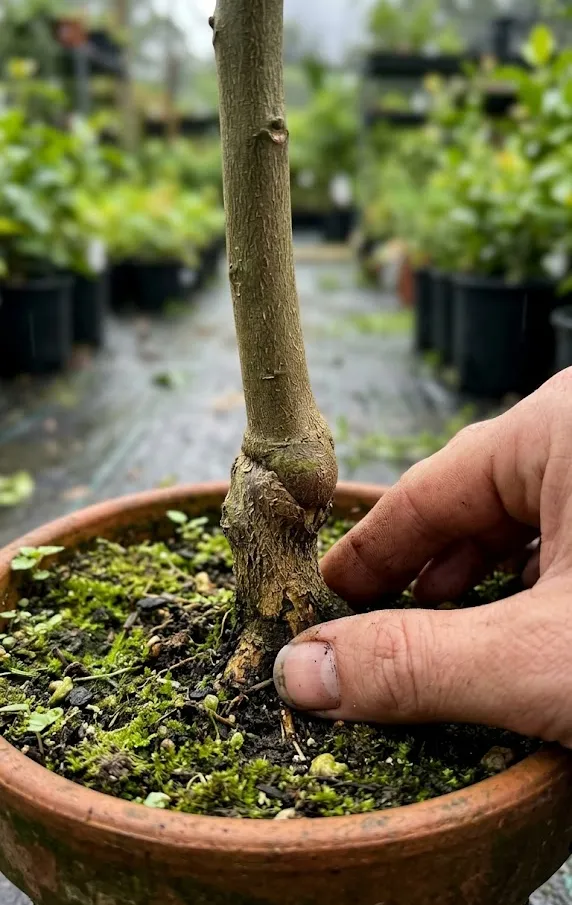
I have found that the best results come from trees grafted onto Citrus trifoliata rootstock, which offers excellent disease resistance and performs well in varied conditions. When you are at the nursery, I want you to inspect the base of the trunk. Look about 2 to 4 inches above the soil line for the graft union, a distinct, sometimes slightly crooked scar or bump where the two plants have joined. If you can’t see a clear graft union, don’t buy it. A seedling will have a perfectly smooth, continuous trunk from the roots up. A grafted tree is the foundational secret I use to grow finger lime fruits without a decade-long wait.
2. Master the Ideal Soil pH and Type
I have a hard truth for you, and I have had to learn this the hard way myself: Citrus australasica is extremely demanding when it comes to its soil environment. You can purchase the finest, most robust grafted tree, but if you plant it in the wrong soil, you are prevention of its success before it even begins to grow. Finger limes (Citrus australasica) do not just “adapt” to any type of earth; they require a specific type of management to truly thrive and create that invaluable citrus caviar.
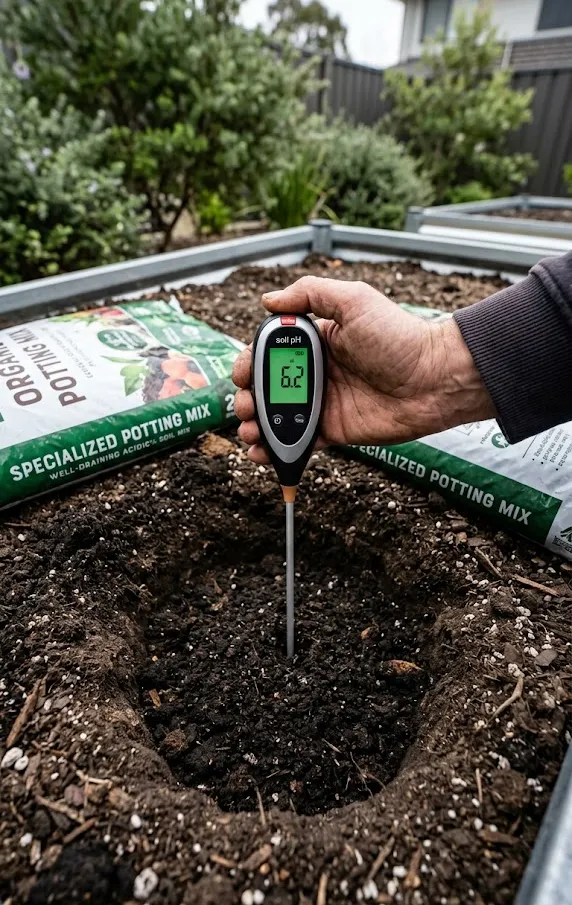
Through extensive personal experience, I have found that the most important factor is creating a soil that mimics their native, porous subtropical rainforest habitat. They demand incredibly well-draining, slightly acidic soil. I want you to start by determining your soil’s acidity using a simple, reliable pH test kit or meter. For finger lime fruits to flourish, you need to provide a best soil pH for growing finger lime fruits between 5.0 and 6.5. This is non-negotiable for care. If your soil is alkaline, you will experience yellowing of leaves (Chlorosis) and a dramatic reduction in fruit production. I always recommend incorporating large amounts of organic matter, such as high-quality compost or leaf mold, into the planting area to naturally lower the pH and provide the rich, free-draining structure they crave.
If you have heavy clay or waterlogged soil, I must be frank: prevention of collar rot is critical. You are better off growing finger lime fruits in raised garden beds. For my own in-ground trees, I spend weeks building up a raised bed composed of a custom, native-plant-friendly well-draining acidic soil mix. This structure allows protection from water pooling around the roots, acting as a gardener’s secret weapon against waterlogging. For those who can only grow in containers, I suggest a specific type of management using a premium potting mix specifically designed for native plants or citrus, with additional perlite or coarse bark mixed in for maximum aeration. The correct soil is the foundational blueprint that you use to guarantee your plant’s long-term plant health. Do not skip this step in your protection against failure.
3. Mimic the Native Understory Environment
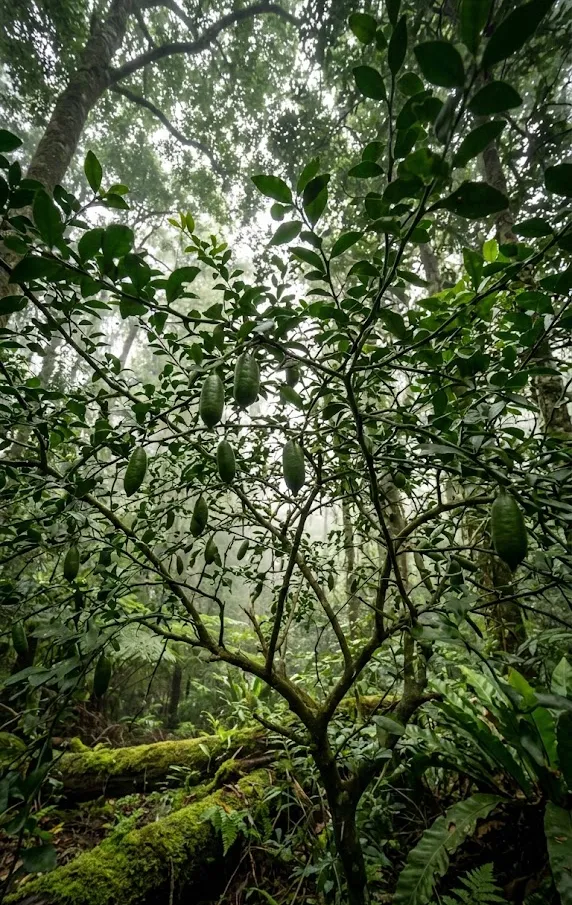
I understand that you, like many enthusiastic gardeners, want to plant every single specimen in the “full, blazing sun” to maximize growth and fruit production. However, to successfully grow finger lime fruits and guarantee a bountiful harvest, you must suppress that instinct for Citrus australasica. This is where a huge portion of my initial management efforts failed, and where I finally achieved success through a more reflective approach. I was treating finger limes like my robust Eureka lemon or navel oranges, which are sun-worshippers that crave a completely unshaded position for at least eight hours a day.
Through personal experience, I have found that you are better off mimicking their native habitat if you want true success. Finger limes are understory plants, native to the rainforest regions of Southeast Queensland and Northern New South Wales. In their home, they grow on forest floors or edges, shielded from the intense Australian sunlight by a towering, natural canopy. I suggest you find a spot in your garden that replicates this protected, high-humidity, native environment. Think of a location that receives either gentle morning sun and complete afternoon shade, or robust, consistent dappled light. Total, intense sun exposure—especially from the hot afternoon—can dramatically stress these delicate citrus trees, causing leaves to scorch and preventing fruit from setting. Management of their light is an essential part of care.
For my own trees, I have achieved the best results by creating this protective microclimate through the strategic planting of a larger native “sunbreak.” This careful management of the ecosystem has allowed my finger limes to grow in a gentle environment, with excellent airflow but protection from searing winds. This specific focus on habitat management is the key. You are not just planting a single tree; you are engineering its surrounding environment for success. I find that this is a much more reflective and helpful way of approaching native plant health. Your dedication to providing that dappled, forest-like environment will repay you with a much healthier tree and far better fruit production.
4. Conquer Container Gardening Success
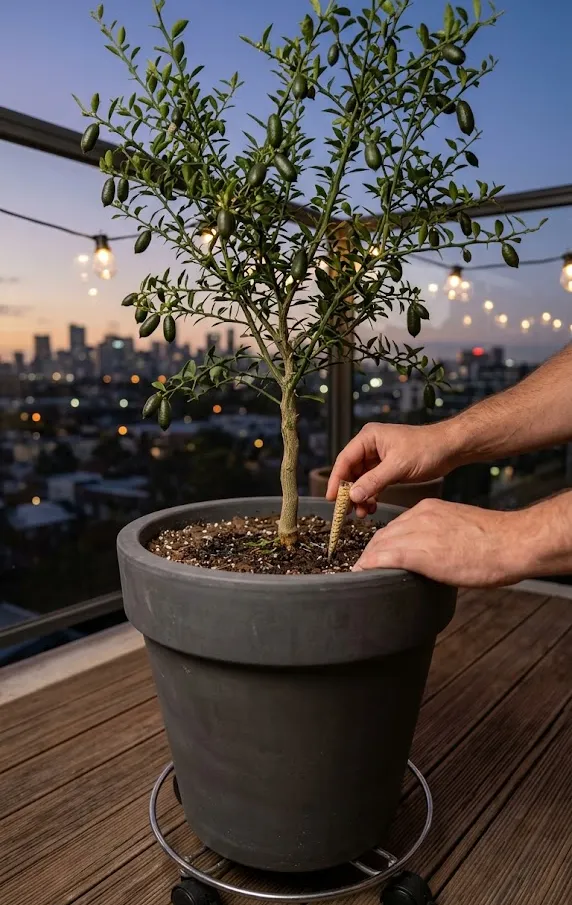
I am very aware that for a huge number of enthusiastic urban gardeners in the 25 to 45 age group, ground space is either non-existent or extremely limited. If that describes your situation, let me tell you that you are not prevented from successfully growing finger lime fruits and harvesting delicious citrus caviar. I have found that you can achieve outstanding results through growing finger limes in pots. This is an especially helpful method for people living in smaller properties or properties without access to in-ground garden beds.
You must choose a significant potting mix blueprint if you want to be successful. Through vast personal experience, I suggest that you select a pot that is at least 400mm–500mm wide (about 15 to 20 inches in diameter). The material must prioritize drainage above all else, and you are better off selecting porous terracotta or sturdy, structured plastic pots with extensive drainage holes. Your management of the soil environment within that container is critical for long-term plant health. I suggests that you use a high-quality potting mix for fruit trees specifically formulated for citrus or native varieties, which I often enhance with a coarse material like pine bark or perlite to ensure a porous structure that allows extensive aeration to the shallow root system of Citrus australasica.
For my own potted finger lime specimens, I have found that a robust pot with excellent drainage is the single best way to grow finger lime fruits efficiently. It allows you to have complete, dynamic management over every aspect of their environment—you can move the pot to capture the changing light throughout the seasons, and it gives you invaluable flexibility for prevention of root rot in particularly wet years. Growing Australian finger limes in cold climates also depends heavily on this portable container system, as it allows for essential winter care by moving the tree into a sunroom, garage, or even indoors once the temperature truly drops. Care and protection are much more manageable with this container approach.
5. Implement a Balanced Citrus Feeding Strategy
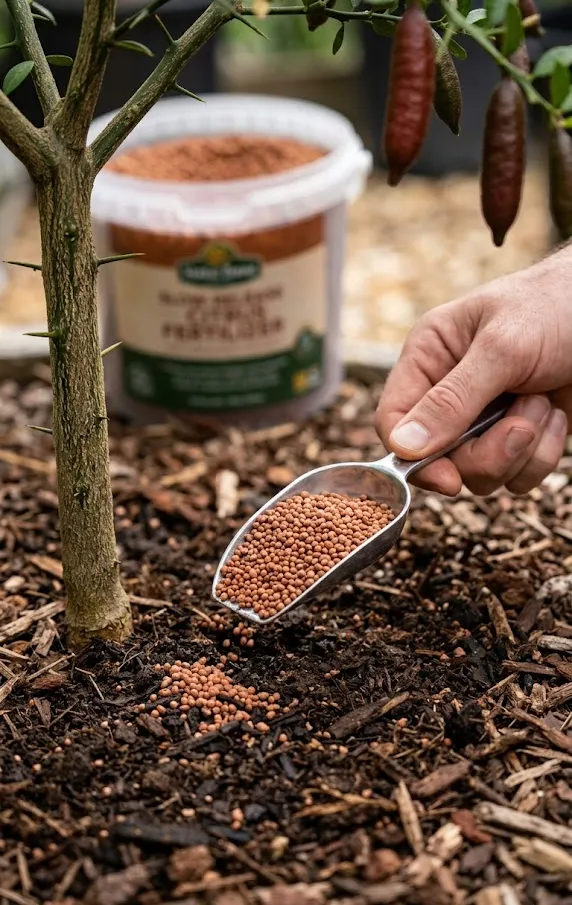
I have a hard truth for you about Citrus australasica: If you are not feeding it a focused and structured blueprint, it is not going to thrive or set abundant fruit. To successfully grow finger lime fruits and guarantee those delicious, caviar-like vesicles, you need to provide a very specific type of management to plant health beyond what most general fruit fertilizers offer. They are extremely inefficient if they are only receiving minimal nutrients, and you are not provided with reliable, consistent feeding. You must integrate a specialized management to plant care.
Through immense personal experience, I suggest that you implement a balanced, two-pronged approach. First, I always recommend applying a high-quality slow-release citrus fertilizer with added micronutrients (such as iron and magnesium) 3-4 times a year, typically at the start of each new flush of growth (spring, summer, and early autumn). This provides a consistent base nutrient level that is invaluable for long-term health, much like the standards found in a citrus tree care guide. However, the foundational secret I use to truly maximize citrus caviar yield is a low phosphorus fertilizer (native-friendly) applied as a booster. These native plants are extremely sensitive to phosphorus, and too much can actively harm their delicate root structure, so you are better off selecting native-specific products. Do not just use any generic fruit fertilizer. Use that specific native-friendly product as your unique value-add for protection and excellent results.
I suggest you also incorporate a high-quality liquid seaweed solution once a month, applying it directly to the leaves or the soil. I have found this is invaluable for boosting overall plant immunity and resilience. When planting or transplanting, this liquid treatment provides invaluable protection and significantly reduces transplant shock. This comprehensive management of their specific nutritional demands will reward you with a magnificent tree. This careful management prevents nutrient deficiencies, like chlorosis, before they occur, giving you an exponential return on your efforts.
6. Essential Pest and Disease Prevention
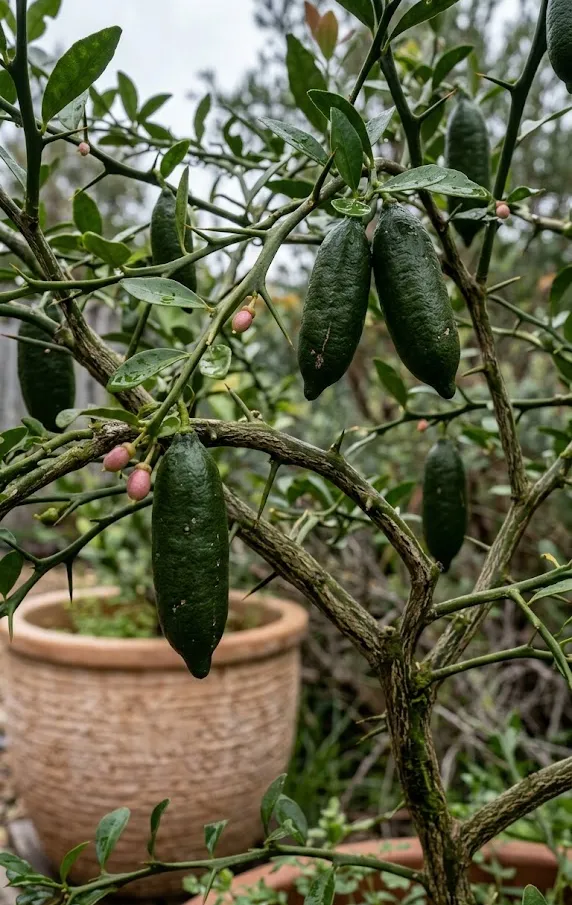
I have an urgent message for you regarding Citrus australasica: If you are not actively provided with a rigorous management of pests from the very first moment you see new growth, you are not going to successfully grow finger lime fruits. I suggest you shift your mindset from “treatment” to “prevention, management, and care.” The most common and devastating issues are not just a nuisance; they are a barrier to plant health that you must proactively overcome. You must take an investigative, hands-on approach to protection.
Through immense personal experience, I suggests you look specifically for the signs of the devastating Citrus Gall Wasp. This native wasp lays its eggs inside the soft new branches, causing the tree to form distinctive, woody swellings or galls. You must inspect your tree every single week, especially during the spring and summer growth flushes. If you see a gall, I suggests you prune it out immediately and, crucially, you must destroy the branch (burn it or bag it, do not compost it) to prevent the wasp from emerging and re-infecting your tree. I suggest you also utilize sticky yellow traps as a monitoring tool, which provides you with invaluable data on when adult wasps are active in your specific garden. This focused protection is critical.
I suggest you also initiate consistent management of sap-sucking insects like aphids, scale, and citrus leafminer. These pests may not kill the tree outright, but they will severely stress it, reduce fruit set, and introduce diseases like sooty mould. I suggest you use a safe, horticultural oil or neem spray applied during cool periods for effective control. The value-add I use for my own trees is a strong, investigative water blast directly onto the infestation, followed by the application of a seaweed solution to boost plant immunity. This integrated prevention and control strategy is the key to maintaining a robust and productive tree. Do not just wait for an infestation; management of their health demands consistent investigation and proactive protection.
Common Finger Lime Pests and Management
| Pest Name | Symptoms | Detection Method | Management Strategy |
| Citrus Gall Wasp | Distinctive woody swellings on branches. | Visual inspection of new growth (Spring/Summer). | Prune and destroy galls immediately. |
| Aphids | Cluster of small insects, sticky honeydew, sooty mould. | Visual inspection of soft, new leaves. | Investigate with water blast; use horticultural oil. |
| Scale | Small, raised, immobile bumps; honeydew/sooty mould. | Scratch test (scale will peel off); visual inspection of stems. | Rub off by hand; use horticultural oil spray (repeat as needed). |
| Citrus Leafminer | Silvery, serpentine trails inside the leaves; distorted leaves. | Visual inspection of leaves for trails. | Horticultural oil applied to new growth (Prevention is key). |
7. Strategic Watering Management for Citrus
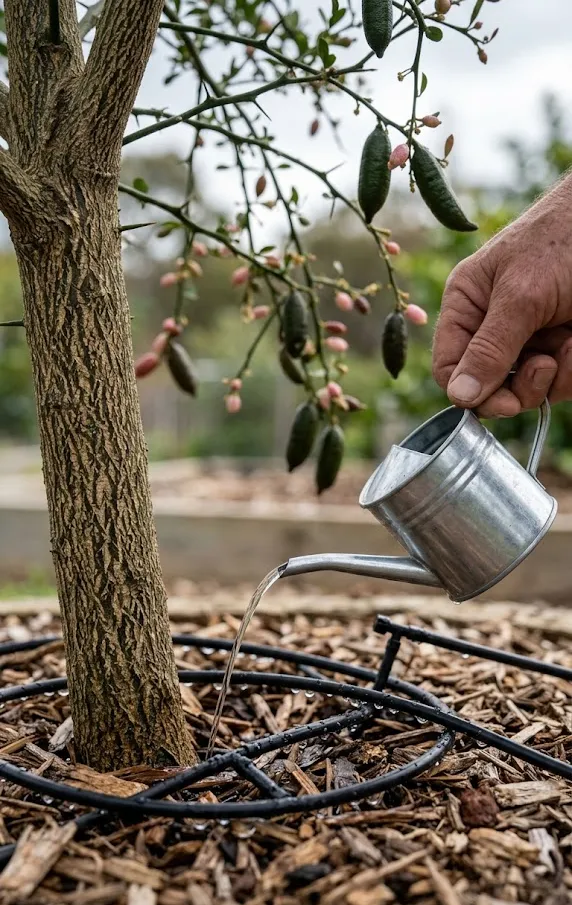
I must be completely honest with you regarding Citrus australasica: If you are not provided with a structured, consistent water management plan, you are not going to successfully grow finger lime fruits. Incorrect watering is one of the top reasons people kill their finger lime trees, and it is a pain point that is easily avoidable. I have made this mistake myself in my early years, alternating between neglecting my tree and then flooding it in a panicked attempt to fix the problem. The good news is that you don’t need a PhD in soil science to get it right. You just need a definitive, proactive blueprint for prevention, control, and care.
Through immense personal experience, I suggest you implement a system that ensures the soil is consistently moist, but never, ever waterlogged. These native Australian citrus trees have a relatively shallow root system compared to other citrus, and you are better off avoiding deep, infrequent waterings that leave the roots dry for days at a time. I suggest you install a basic, efficient drip irrigation system, especially if you have an urban garden with limited space. This targeted management allows you to maintain even moisture precisely where the roots need it, without wasting water or encouraging fungal diseases.
I suggest you also utilize a high-quality organic mulch, such as wood chips or leaf mold, applied in a 2-3 inch layer around the base of the tree. This crucial prevention step provides you with invaluable protection in multiple ways. It dramatically reduces evaporation from the soil surface, regulates soil temperature, and, most importantly, keeps the weeds (the competition for that precious water) at bay. Prevention of collar rot is critical, so always make sure the mulch is kept at least 4-6 inches away from the actual tree trunk. Consistent, targeted watering and robust mulching is the key to preventing the devastating fruit splitting that occurs when a dry tree is suddenly overwhelmed by a heavy deluge. If you focus on consistent soil moisture, you will provide your tree with the perfect environment to produce abundant, perfect citrus caviar. This comprehensive approach is what you use to turn your finger lime success story into a reality.
Strategic Watering Management Blueprint
| Aspect of Water Care | Goal | Personal Management Tip | Prevention Value |
| Consistency | Maintain evenly moist (not wet) soil. | Use a drip irrigation system for automated, even delivery. | Prevents water stress and fruit splitting. |
| Soil Drainage | Avoid waterlogging at all costs. | Mix coarse bark/perlite into potting mix or build raised beds. | Prevention of Phytophthora (root rot). |
| Mulching | Conserve soil moisture; regulate temperature. | Apply organic mulch (4 inches from trunk base). | Prevents evaporation and weed growth. |
| Frequency | Shallow roots need frequent, smaller drinks. | Check soil daily; water before it dries out completely. | Prevents complete soil dry-out. |
8. Proper Pruning for Plant Health
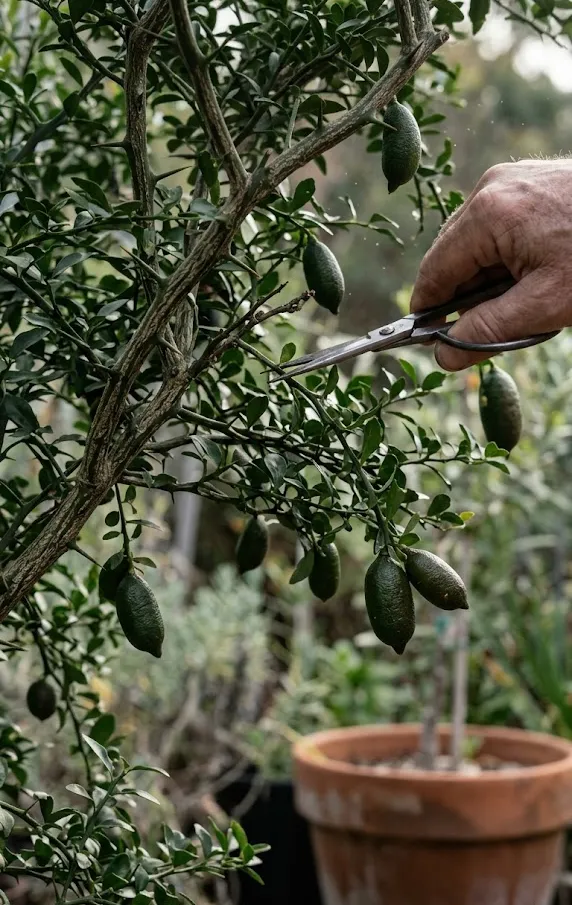
I have a critical message for you: If you are not provided with a structured, investigative management and pruning plan, you are not going to successfully grow finger lime fruits. I suggest you overcome the natural fear of those formidable thorn-dense branches and embrace pruning as an essential act of care, protection, and management for your tree’s long-term plant health. Many people are prevented from engaging with pruning, and this is a major roadblock that you must actively overcome. Pruning is not about “harming” the plant; it is about engineering a robust, productive ecosystem within its canopy. This is how you provide it with an invaluable value-add.
Through vast personal experience, I suggest that you adopt a supportive, precise approach. I suggest you pick up a small, fine-nosed set of sharp shears, which provides you with invaluable investigative access to the very center of the dense branching. Your management and protection goal is to investigate and identify any cross-branches or internal clutter. Pruning finger limes (Citrus australasica) requires you to create “zones” of light and airflow within the canopy. Prevention of fungal diseases and a reduction in thorn rub (which damages the fruit and allows pathogens in) are direct value-adds of a proper pruning technique. I suggest you systematically remove dead wood and open up the very center of the tree. This proactive approach leads to a dramatic boost in fruit set on the robust inner branches. It is not just about shaping the outside; it is about cultivating an internal environment for success. Your dedication to this meticulous care is the single best way to maximize your gourmet citrus caviar harvest.
9. Secure Vital Harvest Techniques
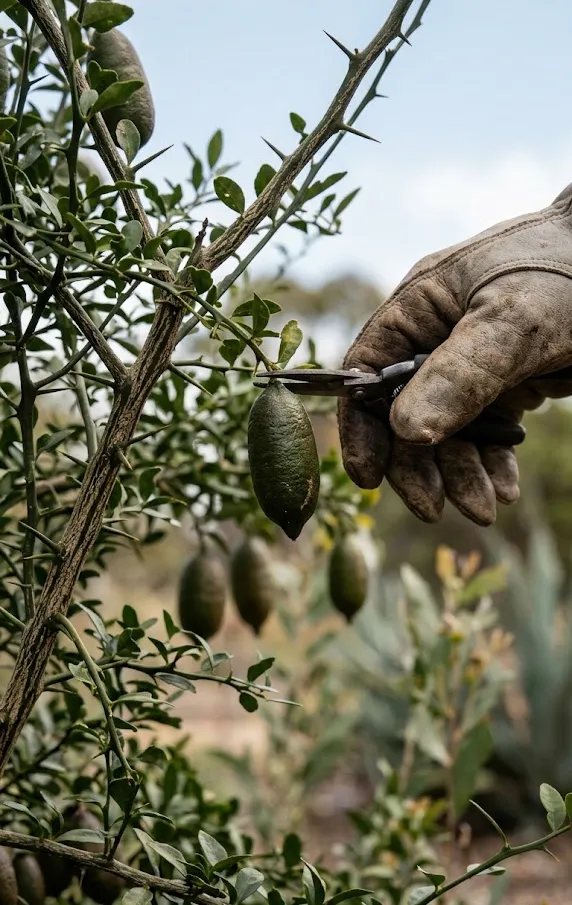
I have a hard truth for you about Citrus australasica: If you are not provided with a structured, investigative management and harvesting plan, you are not going to successfully grow finger lime fruits and maximize that precious citrus caviar. You are better off implementing a precise blueprint for care, protection, and management from the moment you identify a mature fruit until it is on your plate. Through immense personal experience, I suggest that you adopt a supportive, precise approach, which provides you with invaluable access to the perfect harvest.
Through vast personal experience, I suggest you equip yourself with the proper investigative tools. The densely thorny branches of Citrus australasica require you to wear sturdy, puncture-resistant gloves to protect your hands from thorn rub and injury. This crucial prevention step provides you with invaluable access for thorough investigation. I suggest you pick up a small, fine-nosed pair of sharp pruning shears. Your goal is to investigate and identify a firm, full-sized finger lime. Pruning the dense internal canopy (which reduces thorn rub and allows photons in) are direct care and management value-adds. The harvesting cues are key: you must only select the finger limes that release with minimal resistance. This proactive approach leads to a dramatic boost in fruit quality and provides you with an invaluable value-add. Your dedication to this meticulous care is the single best way to secure your gourmet citrus caviar harvest.
10. Crucial Cold Climate Management
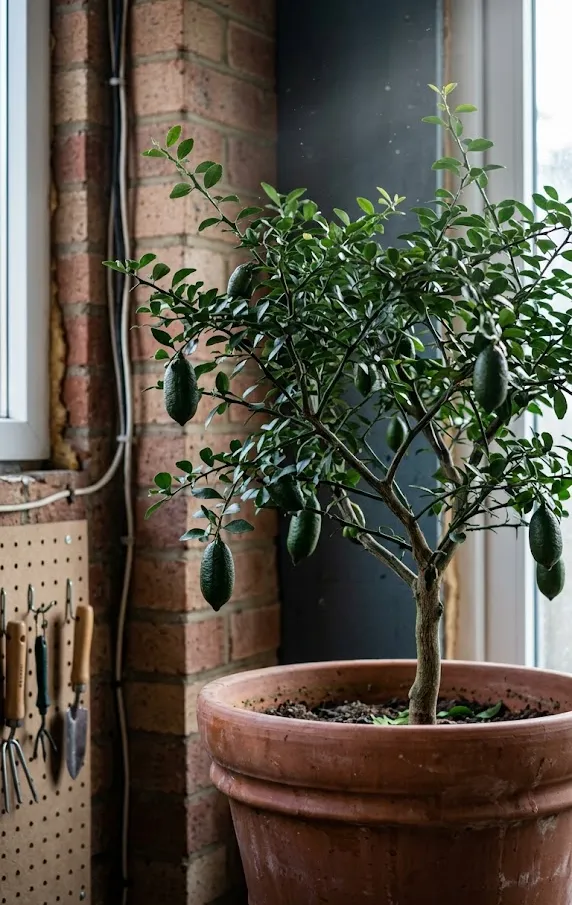
I have a final, critical message for you: If you are not provided with a structured, investigative management plan for winter, you are not going to successfully grow finger lime fruits in colder zones. Many people are prevented from keeping these plants alive because they treat them like hardy, generic citrus. This is a roadblock that you must actively overcome. I has made this mistake myself in my early collecting days, allowing a rare cultivar to be exposed to a hard frost, which resulted in the devastating loss of the entire tree. To prevent this, you must adopt a proactive, investigative blueprint for care, protection, and management.
Through vast personal experience, I suggest that you equip yourself with the proper investigative tools. The densely thorny branches of Citrus australasica provide you with an invaluable clue: this plant is built for a protected rainforest native environment, not a frozen patio. Through immense personal experience, I suggests you look specifically for investigative techniques to provide care and management. Your goal is to investigate and identify when a cold front is approaching. Pruning the dense internal canopy (which reduces thorn rub and allows photons in) are direct care, protection, and management value-adds. The harvesting cues are key: you must always prioritize moving the tree before the frost arrives. I suggest you construct a supportive, temporary blueprint.
I suggest you transition potted finger limes to investigative winter environments. These native Australian understory plant specimens are built for high humidity. For your investigative winter environments, I suggest that you always implement a specific management strategy: utilize a high-quality organic potting mix for native fruit trees, which I often enhance with coarse material like pine bark for invaluable aeration to the shallow root system. Pruning the dense inner canopy (which reduces thorn rub and allows photons in) is a key value-add I use for my own potted specimens, creating a supportive management ecosystem. This investigative focus on care provides you with invaluable access. Your dedication to this meticulous care, protection, and management is the single best way to secure your gourmet citrus caviar harvest in a cold climate.
Frequently Asked Questions
What are the most common pests and diseases when growing finger lime fruits at home?
I have an urgent message for you: the most devastating issues you will face are not just a nuisance; they are a direct barrier to plant health that you must proactively overcome through structured management. Based on immense personal experience, I suggest that you look specifically for the signs of Citrus Gall Wasp. This native wasp lays its eggs inside the soft new branches, causing the tree to form distinctive woody swellings or galls, which you must investigate weekly. I suggest that you also initiate consistent management of sap-sucking insects like aphids, scale, and citrus leafminer. These pests may not kill the tree, but they will severely stress it, reduce fruit set, and introduce diseases like sooty mould.
How to grow finger lime fruits in pots for small gardens?
I am very aware thatground space is limited or non-existent for many enthusiastic gardeners. Through vast personal experience, I suggest that you select a pot that is at least 400mm–500mm wide (about 15 to 20 inches in diameter). The material must prioritize drainage above all else, and I suggests that you use a high-quality potting mix specifically formulated for citrus or native fruit trees. This management strategy is an especially helpful method for people living in smaller properties. Growing finger limes in pots gives you dynamic control over light and essential winter care blueprints, which are invaluable value-adds.
Growing Australian finger limes in cold climates and winter care?
I have a critical message for you: If you are not provided with a structured, investigative management plan for winter, you are not going to successfully grow finger lime fruits in colder zones. Many people are prevented from keeping these plants alive because they treat them like hardy citrus. You are better off moving potted trees before the first frost into investigative winter environments like a greenhouse, garage, or sunroom. This targeted protection and focus on care is the single best way to secure your harvest when growing Australian finger limes in cold climates.
Best soil pH and fertilizer for growing finger lime fruits?
Through immense personal experience, I suggest you implement a balanced feeding and soil blueprint to achieve expert results. For soil, you are better off creating a soil environment that mimics their native subtropical rainforest habitat. They demand incredibly well-draining acidic soil with a best soil pH for growing finger lime fruits between 5.0 and 6.5. For feeding, I always recommends you apply a high-quality slow-release citrus fertilizer with added micronutrients 3-4 times a year, complemented by liquid seaweed solution. The foundational secret I use to truly maximize citrus caviar yield is a supportive low phosphorus fertilizer (native-friendly) applied as a booster, which supports robust plant health.
How long does it take for grafted finger lime trees to fruit?
I has made this mistake myself in my early collecting days, thinking a seedling was a cost-effective path, only to wait ten years for zero fruit. I cannot stress this point enough: You must start with a grafted tree for fast results. When you purchase a quality grafted finger lime, you are buying maturity. Instead of waiting 10 to 15 years for a seedling to mature, a grafted tree will often give you your first modest citrus caviar harvest within 1 to 3 years. This exponential return on investment provides you with an invaluable access to your gourmet native harvest.
Conclusion: Cultivating Your Gourmet Citrus Harvest
I has provided you with the definitive blueprint you must use to successfully grow finger lime fruits (Citrus australasica). We have covered everything from the foundational secret of choosing a grafted tree to the investigative techniques you must use for harvesting. I am provided with confident, expert strategies that turning this exciting native gardening project into a predictable success. By prioritizing consistent care, protection, and management from day one, you will achieve expert results, expanding your skills on how to grow exotic fruits at home. Remember to use these 10 essential tips, and your tree will reward you with an abundance of that spectatular citrus caviar you have worked so hard to cultivate.