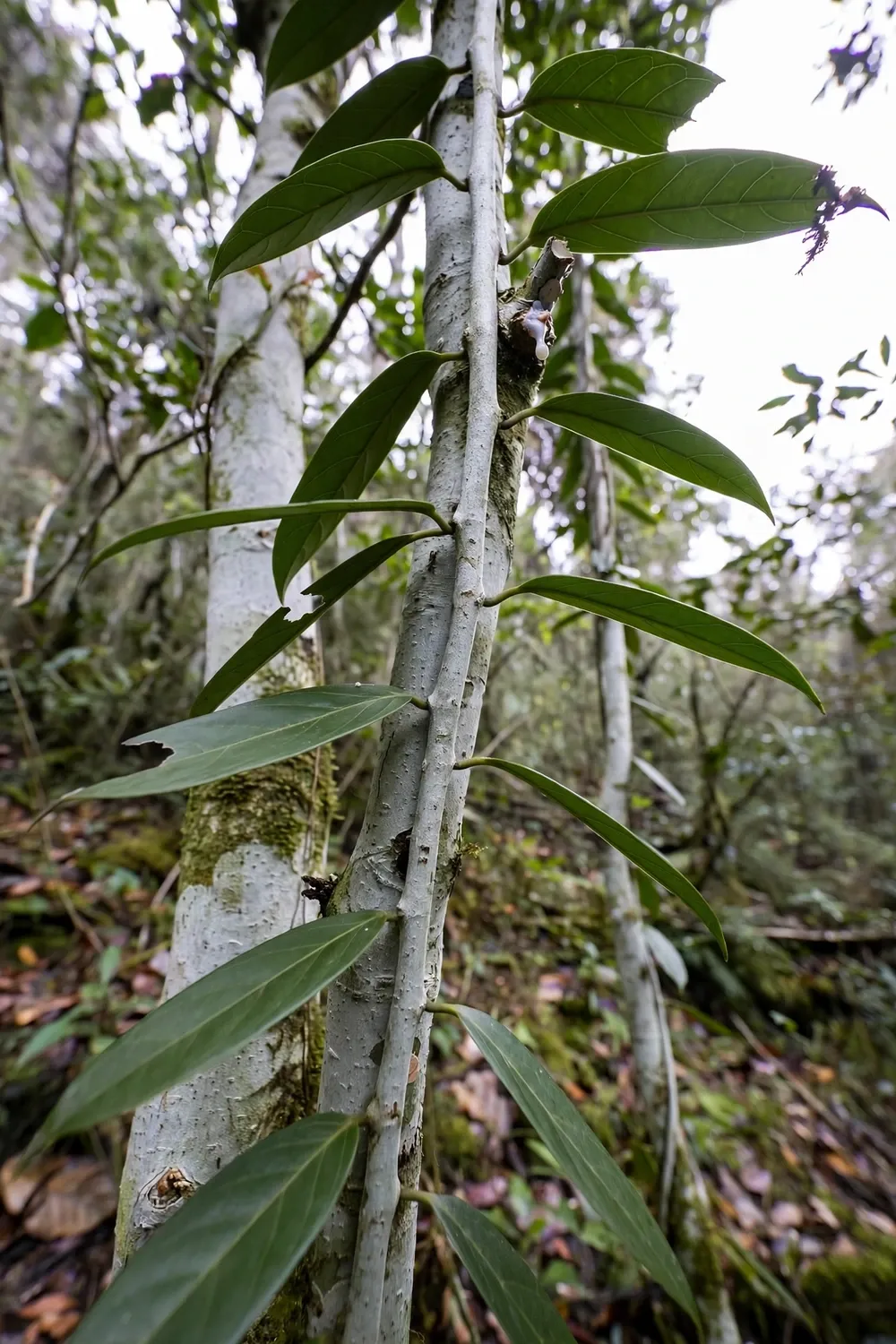

You cannot buy kayu rapet as a garden plant in the West. No nursery trade sells its plants, cuttings, or seeds, and no English grow guide exists for the species. The plant behind the name is an evergreen climbing shrub with stems to 10 meters, harvested wild for its stem bark. What follows answers how to grow kayu rapet honestly, starting with the plant and ending with the limits.
Kayu rapet is Parameria laevigata, a member of the Apocynaceae family. The traded part is the cortex, the stem bark. I have learned that the bark trade defines this plant more than any garden trait does, so the bark comes first and the growing question second.
The sections below meet the plant, untangle its spellings, describe the liana, and face the growing verdict. No section gives a dose. No section invents a cultivation method. The honest limits stay visible from the first paragraph to the last.
1. Start With the Right Plant: Kayu Rapet Is Parameria Laevigata, a Climbing Shrub
Kayu rapet is Parameria laevigata, an evergreen climbing shrub in the Apocynaceae family. The Flora of China account of Parameria laevigata describes it as a liana with stems to 10 meters. The traded part is the cortex. That sentence sets the whole story. The plant climbs. The harvest takes bark.
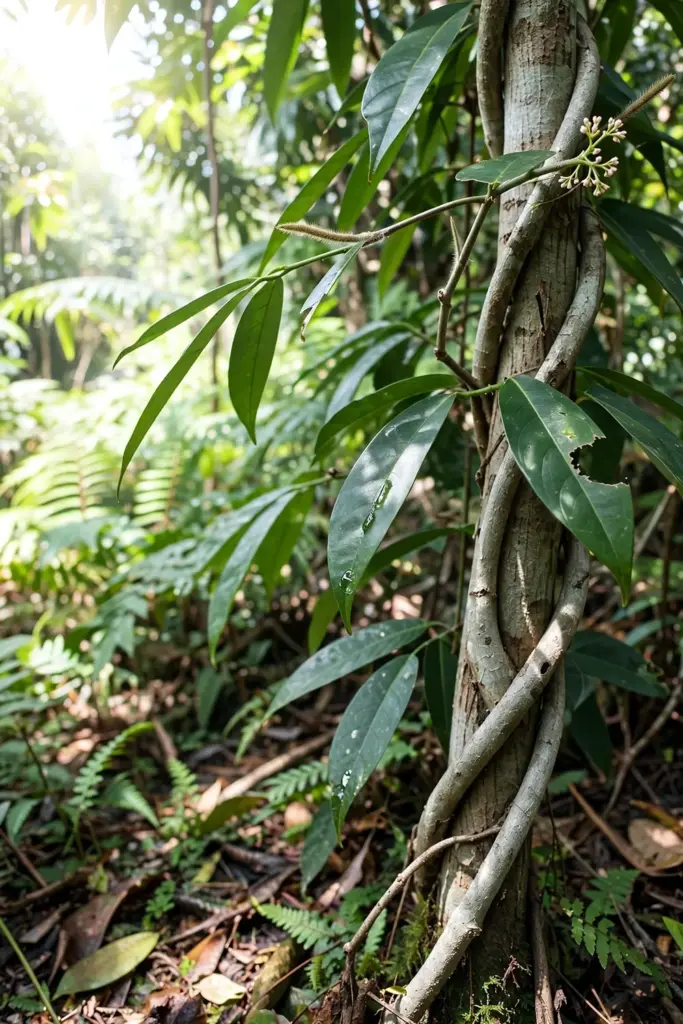
Parameria laevigata is the botanical name, and kayu rapet is the Indonesian common name. The word kayu means wood, and the name points at a woody stem rather than a leaf or a flower. A buyer who meets kayu rapet through jamu meets the bark first and the plant second. That order is the right one, because the bark is the product, the forest is the source, and the liana is the factory that makes both.
Jamu is the Indonesian tradition of herbal medicine, and kayu rapet sits inside it as a bark ingredient. Jamu makers buy cortex, not plants, and the trade runs through herbal sellers and manufacturers. A gardener who looks for a plant to grow will find a bark to buy instead, and that gap between the name and the trade is the first thing to understand.
2. Untangle Two Spellings Before You Trust Any Label
Two spellings follow this plant through labels and databases. Parameria laevigata is the spelling the botanical and trade sources share. Paramaria laevigata is a second spelling that appears in some lists. A buyer who knows both spellings avoids confusion at the shelf.
The Flora of China account prints Parameria laevigata (Jussieu) Moldenke, the Sido Muncul product page for kayu rapet prints the same spelling, and the Useful Tropical Plants entry prints it too. Three independent sources agree on Parameria, so this article uses that spelling throughout.
The same Flora of China account lists the older names behind the plant. Aegiphila laevigata Jussieu is the basionym, the original name the species was described under. Parameria barbata and Parsonsia barbata are synonyms from the same literature. A label that prints any of these three names may describe the same plant, and the cortex check below still applies.
A label with only a common name gives you no check at all. Kayu rapet on a bag could hold the right bark or a substitute bark from another climber. The seller must add the botanical name before the bag earns trust. Ask for it. A seller who answers with the botanical name has passed the first test. A seller who answers with a promise has not.
| Name on the Label | What It Means | What to Check |
|---|---|---|
| Kayu rapet | Indonesian common name | Botanical name Parameria laevigata beside it |
| Parameria laevigata | Botanical name in Flora of China, Sido Muncul, and Useful Tropical Plants | Part used named as cortex |
| Paramaria laevigata | Alternate spelling in some lists | Same botanical identity check, same part used |
| Aegiphila laevigata | Basionym, the original described name | Same part used check |
| Parameria barbata, Parsonsia barbata | Synonyms in the Flora of China account | Same part used check |
3. Expect an Evergreen Liana to 10 Meters, Not a Garden Herb
Kayu rapet grows as an evergreen liana with stems to 10 meters, per the Flora of China account. Stems run pale gray, and branchlets carry short hairs when young, then turn smooth. The plant climbs through forest and thicket, and it never behaves like a bed herb.
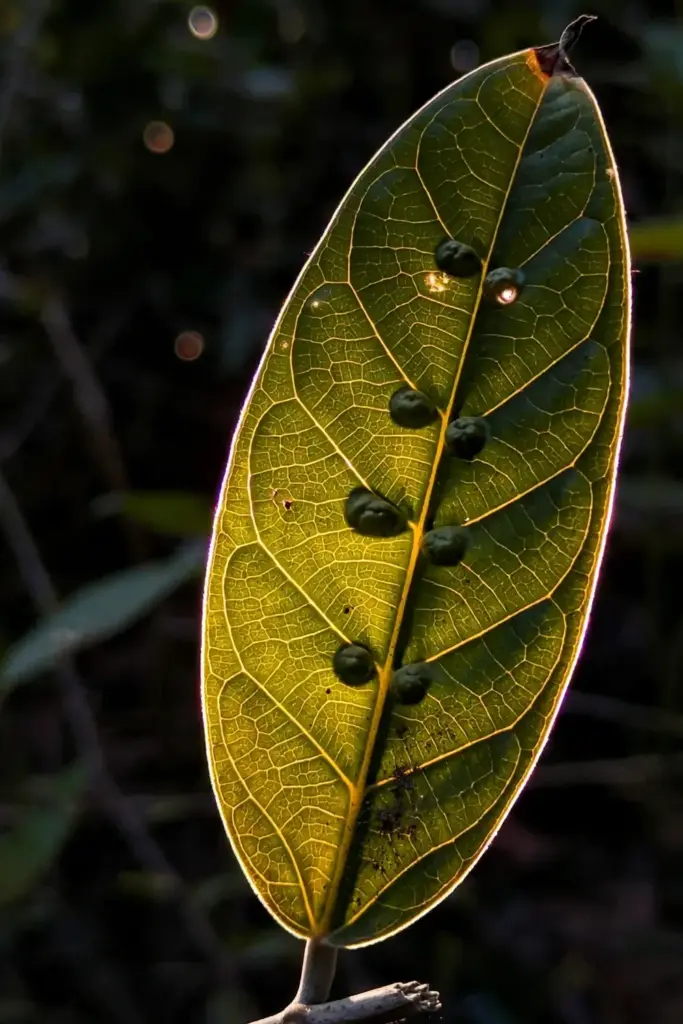
Leaves run narrowly oblong or subovate, rarely elliptic or ovate, 5 to 13 cm long and 2 to 5 cm wide, smooth on the surface, per the same Flora of China account. The leaf stalk runs 2 to 4 cm. Lateral veins run 5 or 6 pairs, with domatia, small pockets where the veins meet. A gardener who expects a soft herb will misread this plant at first sight. The leaves feel leathery, and the stems feel woody.
Flowers sit in cymes 5 to 16 cm long and 5 to 16 cm wide, slightly hairy toward the tips, per the Flora of China account. Sepals run broadly ovate, 0.5 to 1 mm, with a blunt or pointed tip. The corolla runs reddish to white, about 7 mm across, with a tube 2 to 2.5 mm long and lobes broadly ovate or nearly round, about 3 by 3 mm. Flowering runs June through October, and fruiting runs October through December.
Fruit runs as follicles to 45 cm long, per the Flora of China account. Seeds run about 1 cm, hairy, with a coma about 3 cm long. A follicle 45 cm long hangs like a rope pod from the vine, and the seed carries a tuft of hairs for wind dispersal. Those details identify the plant, but they do not give a sowing method, and the growing sections below explain why.
The Useful Tropical Plants entry adds two more traits. The plant supplies a useful fiber and a latex. The latex marks the family: Apocynaceae climbers often bleed milky sap from a cut stem. A cut stem that bleeds white sap fits the family. A cut stem that bleeds nothing deserves a second look.
4. Place Kayu Rapet in Forests and Thickets From Sea Level to 1,500 Meters
Kayu rapet grows in montane forests and ravines at 800 to 1,500 meters in China, per the Flora of China account. Its wider range covers Cambodia, India, Indonesia, Laos, Malaysia, Myanmar, Philippines, Thailand, and Vietnam, plus southern Guangxi and southern Yunnan. No temperate habitat exists in the record.
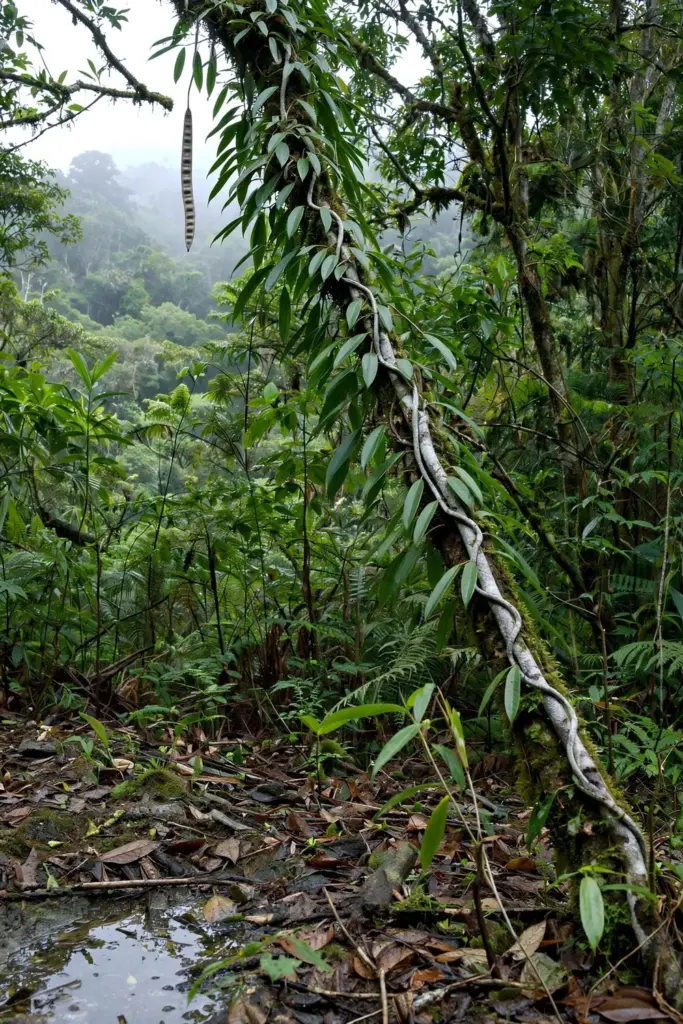
The Useful Tropical Plants entry widens the habitat picture. The plant grows in primary and secondary forests and thickets from sea level up to 1,500 meters. In the Philippines it grows in thickets and open forests at low to medium elevations. The same entry adds the Andaman and Nicobar Islands to the range. Forest and thicket, not garden bed, is the habitat.
That range tells a temperate gardener almost everything, because a plant of tropical forest and thicket wants warmth, humidity, and a long growing season, and it carries no documented cold season, no frost rest, and no temperate trial. A temperate bed cannot supply those conditions.
A tropical plant that already grows in warm gardens shows the contrast. Ginger grows as a tropical herb with the same demands for warmth, and it grows in pots where winters stay cold. Kayu rapet asks for the same kind of climate without offering a pot-sized habit in return. The liana climbs 10 meters through trees. The bark is the whole payoff.
5. Learn Why the Harvest Takes Bark, Not Leaves
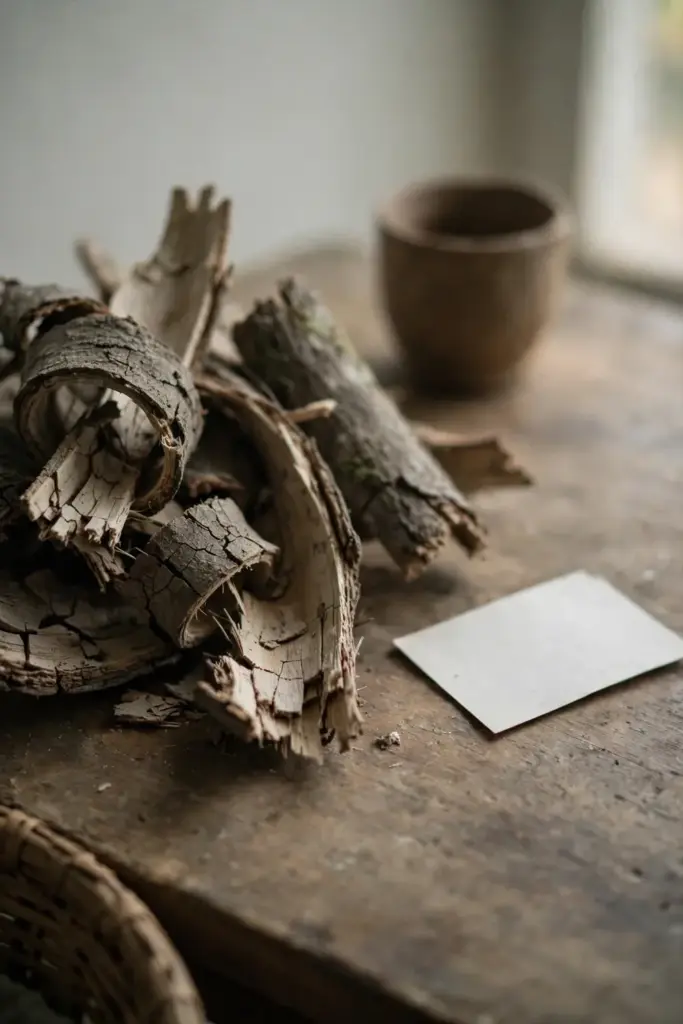
The harvest takes cortex, the stem bark. The Sido Muncul product page for kayu rapet names cortex as the part used. The Useful Tropical Plants entry states that the bark and branches are sometimes sold for medicinal use in local markets. Bark is the traded part. Leaves are not the trade.
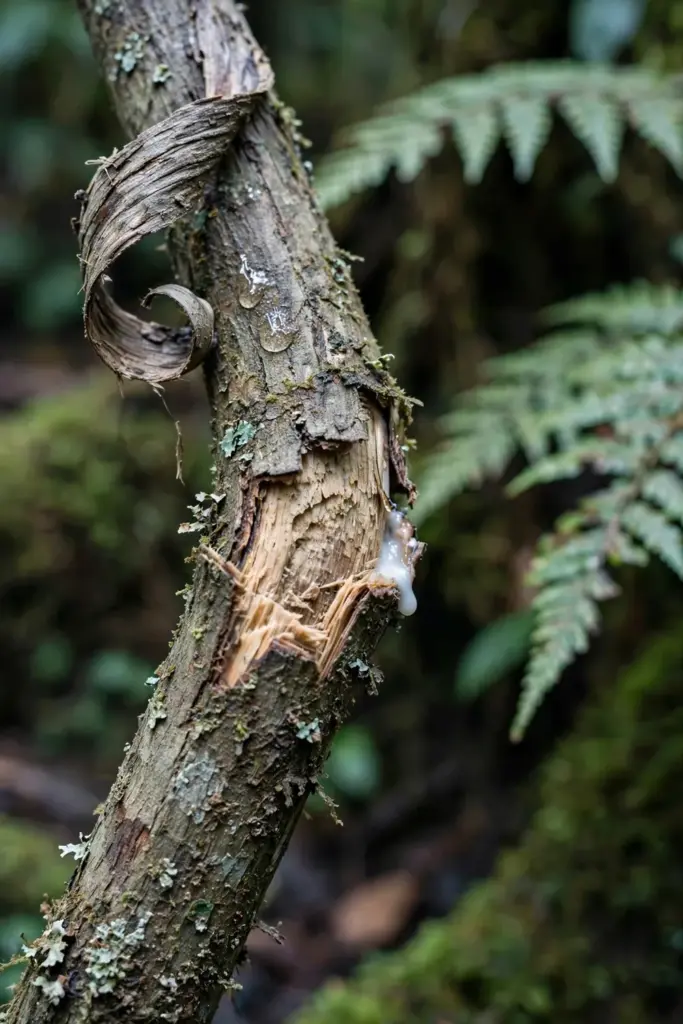
Bark harvest differs from leaf harvest in one hard way. A leaf harvest takes a part the plant regrows in weeks. A bark harvest strips the living skin of the stem, and a fully ringed stem dies. Sustainable bark harvest takes strips from one side and leaves the rest, and even careful stripping wounds the plant. The trade runs on wild plants, so every sale draws on a stem that nobody planted.
A leafy tropical herb shows the contrast. The lemongrass growing guide grows a leafy tropical herb for foliage, and cutting leaves back feeds the next harvest. Kayu rapet gives no such cycle. The bark comes off once, and the stem carries the wound.
One survey complicates the bark story in a useful way. A journal survey in Legok Raina village, Bogor Regency, West Java, recorded Parameria laevigata as a wild shrub whose leaves villagers used for gastrointestinal complaints, wounds, and postpartum care, with a use value of 0.500, per the Rumphius journal survey. Different communities use different parts. The village record uses leaves. The jamu trade uses cortex. A buyer should know which part the product claims, because the part decides what the bag should hold.
6. Face the Growing Verdict: No Cultivation Record Exists
No cultivation record exists for kayu rapet. No propagation protocol, no nursery listing, no seed source, and no English grow guide appears in the evidence. A temperate gardener without tropical material has no honest path to a plant.
That verdict shapes how to grow kayu rapet for a temperate reader. The honest answer is that you cannot start. Germination is data not available, and no cutting trial, spacing, soil mix, watering schedule, fertilizer rate, pest record, or frost rating exists for this species. A guide that printed any of those numbers would invent them.
The gap is not a missing paragraph. The gap is the whole record. The Useful Tropical Plants entry states that the plant is often harvested from the wild for local use. Wild harvest is the supply chain. Cultivation is not. A plant with no cultivation record and no nursery trade cannot be grown from a catalog.
A wild liana also resists the pot. A 10-meter climber needs trees to climb, forest humidity, and a long warm season. A pot on a windowsill supplies none of those. A greenhouse could copy the warmth and the humidity, and no published result proves the copy works. The honest position stays the same. No protocol, no plant.
7. Grow Nothing From a Marketplace Packet Labeled Kayu Rapet
A packet labeled kayu rapet seeds from a marketplace deserves doubt. No verified seller exists, and a label without a botanical name proves nothing. Keep your money until a seller prints Parameria laevigata and names the part used. That seller has not appeared in the Western trade.
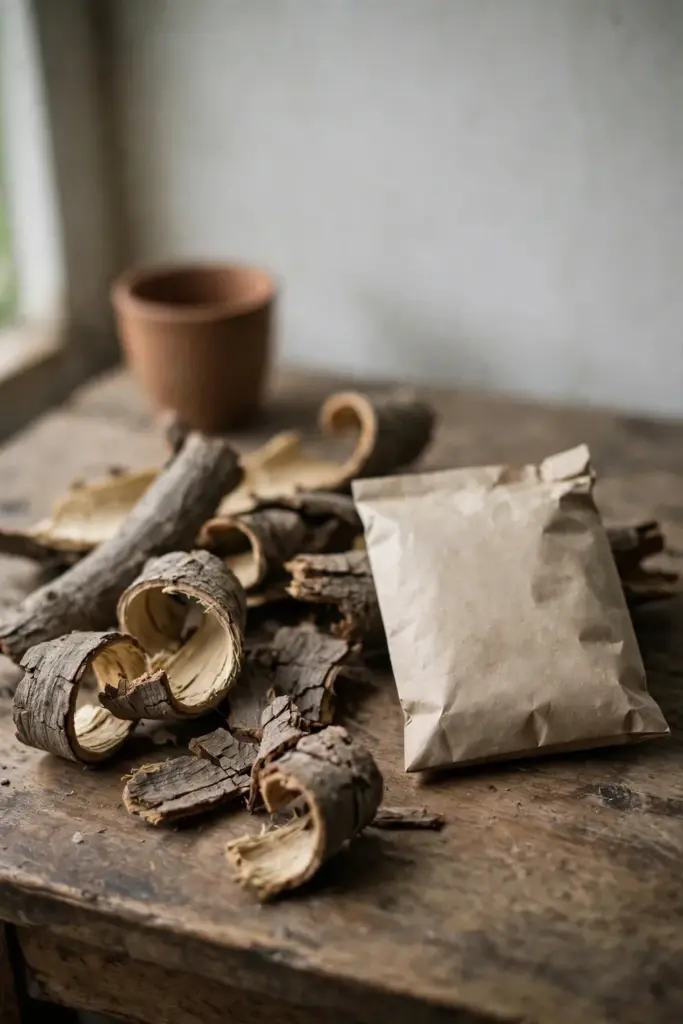
The seed description gives no sowing method. Seeds run about 1 cm, hairy, with a coma about 3 cm long, per the Flora of China account. Those details identify a seed. They do not give a sowing depth, a temperature, a germination time, or a seedling method. A packet that prints a germination promise invents it.
Marketplace listings make the trap worse. One listing calls a bag kayu rapet, the next calls a similar bag by a brand name, and neither prints a botanical name. Stock photos rotate between listings, and the bark in the photo may belong to another climber entirely. The label rule from the earlier sections is the only defense. No botanical name means no purchase.
Powder carries the same warning in a stronger form. Whole bark pieces show color, fiber, and grain that a buyer can check. Powder hides all three. A powder bag without a botanical name and a named part used gives you nothing to verify. A licensed manufacturer with a full label beats an anonymous powder bag every time.
8. Read Sido Muncul Labels for Cortex and Ratio, Not for Promises
Sido Muncul labels kayu rapet with three facts a buyer can check. The Sido Muncul product page for kayu rapet prints the botanical name Parameria laevigata, the part used cortex, and an extract ratio of 2:1. Those three facts are the label test. A product that prints all three gives you something to verify. A product that prints none gives you nothing.
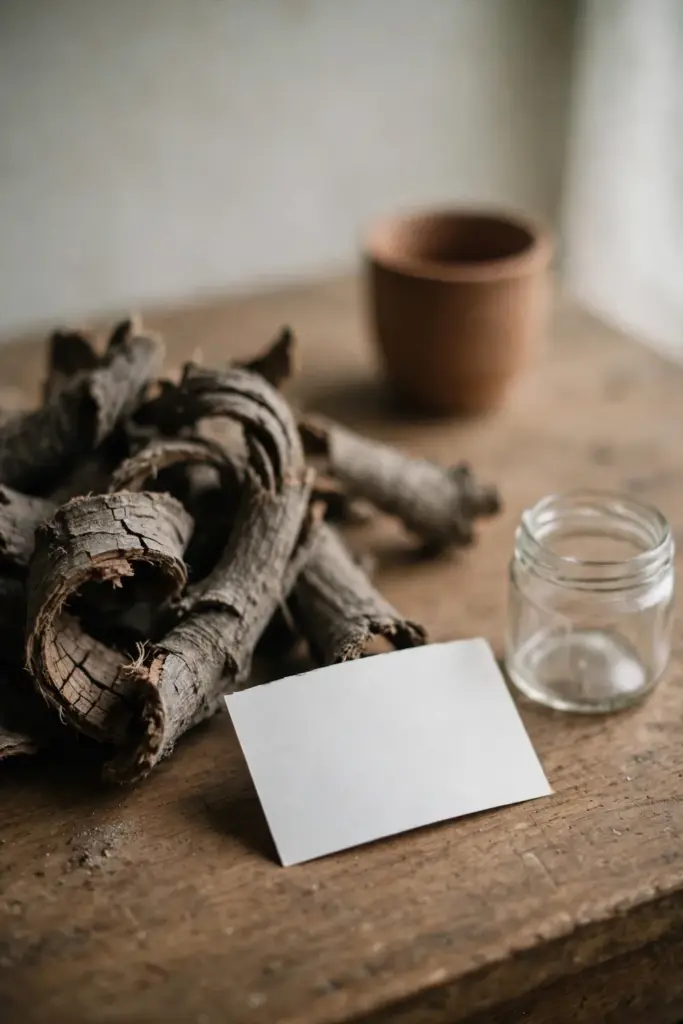
The ratio describes the extract, not a dose. A 2:1 ratio means 2 parts of raw cortex go into 1 part of extract. The ratio tells you how concentrated the extract is relative to the raw bark. It tells you nothing about how much anyone should take. Dosage belongs on regulated product labeling, not on a gardening page, and no dose appears anywhere here.
Label reading follows the same rule as other herbs. The green tea herbs guide grows a leaf crop where species and part used come first and promises come last. Kayu rapet labels deserve the same reading. Promises on the front mean little. The botanical name, the part used, and the ratio mean everything.
Store dried bark the way you would store any dried herbal material. Keep it cool, dry, and dark, in a sealed container away from light and moisture. Heat, damp air, and sunlight degrade dried bark over time. A bag left open in a humid kitchen loses quality faster than a sealed bag in a cool cupboard. No number is needed for that rule. Dry, dark, and sealed is the whole method.
9. Report Traditional Uses as Records, Not as Recommendations
Traditional records attach several uses to kayu rapet bark. This section reports those records as general information, not as advice. No dose appears anywhere here.
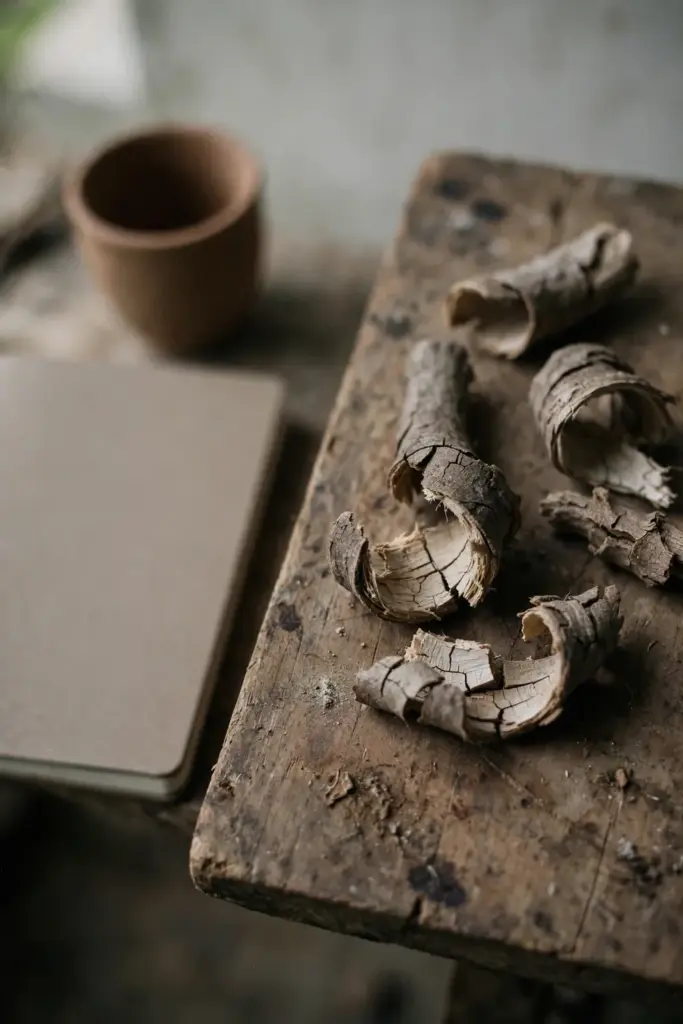
The Sido Muncul product page for kayu rapet lists its manufacturer indications: treating female problems, eliminating uterine pain after childbirth, blood circulation in the body, and use as a slimming aid. Those are the manufacturer’s listed indications for its extract. They describe what the product is sold for, not what this page recommends. A reader with a health question needs a clinician, and a reader who wants jamu needs a licensed product with its own labeling.
The Flora of China account records a second tradition. All parts of the plant are used to treat rheumatism, nephritis, and injury, and that record comes from China, where the plant grows in the far south. Two traditions, Indonesian and Chinese, use the same plant for different complaints, so the overlap shows the plant carries a wide folk reputation while proving no effect.
The village record adds a third picture. The Rumphius journal survey recorded Parameria laevigata leaves used in a Bogor village for gastrointestinal complaints, wounds, and postpartum care, with a use value of 0.500. Village use runs on leaves, pounded and eaten or applied topically. Factory jamu runs on cortex. Same plant, different parts, different preparations, different traditions.
Lab evidence and clinical evidence answer different questions. Lab evidence asks whether a compound acts on cells or animals, while clinical evidence asks whether a preparation helps people at a safe dose. Kayu rapet holds folk records and a manufacturer listing. Clinical proof for the listed indications does not appear in the evidence gathered here, and that gap is normal for a jamu plant, which is the reason this section reports uses as records rather than recommendations.
10. Compare Kayu Rapet With the Jamu Plants It Gets Confused With
Jamu shelves hold many plants, and the names blur together. Kayu rapet, ginger, turmeric, and stonebreaker all appear in jamu. They are four different plants, and the part used decides which one you hold.
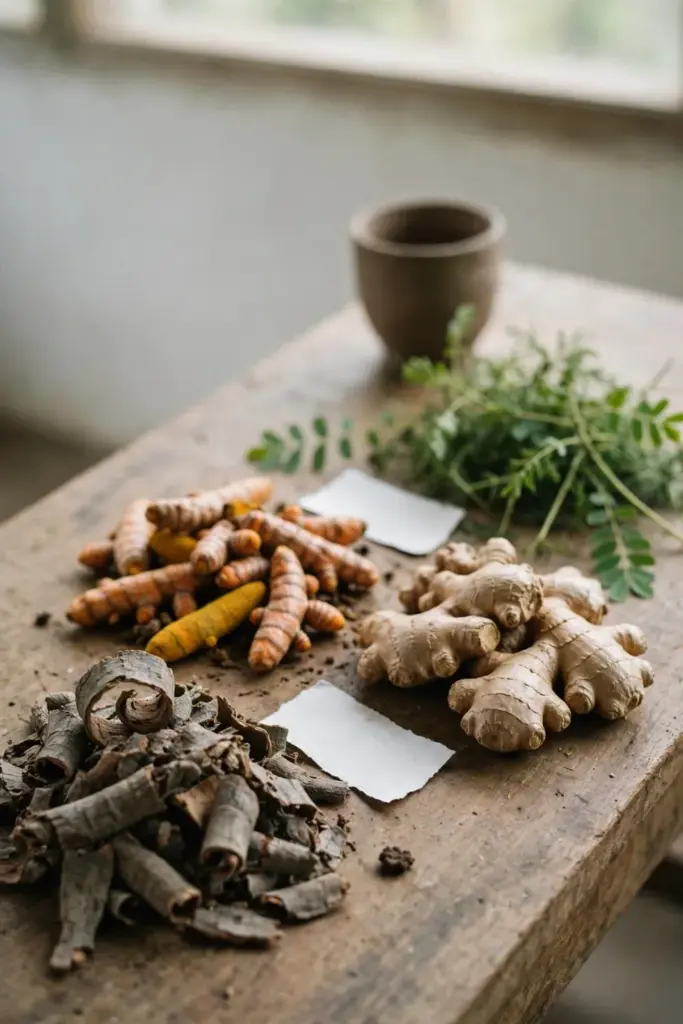
| Plant | Part Used in Jamu | Habit | Garden Reality |
|---|---|---|---|
| Kayu rapet (Parameria laevigata) | Cortex, stem bark | Evergreen liana to 10 meters | Wild-harvested, no cultivation record, no Western trade |
| Ginger (Zingiber officinale) | Rhizome | Tropical herb | Grows in pots, harvests in one season |
| Turmeric (Curcuma longa) | Rhizome | Tropical herb | Grows in pots and warm beds |
| Stonebreaker, meniran (Phyllanthus niruri) | Whole plant | Small tropical herb | Grows as a small herb, self-seeds freely |
The table separates the four by part used and by plant. A buyer who wants kayu rapet bark and receives ginger rhizome holds the wrong plant. A buyer who wants turmeric and receives a bark powder holds the wrong plant. The botanical name on the label prevents both mistakes.
Ginger shows the growing contrast best. The ginger growing guide grows a jamu rhizome and a kitchen staple in one pot, and the guide shows the growing side. Kayu rapet never made that crossing. It stays a wild-harvested jamu bark, and its labels should read like one.
Turmeric and stonebreaker fill out the picture. The turmeric growing guide grows a rhizome crop for the kitchen. The stonebreaker growing guide grows a small tropical herb with its own honest limits. Three of the four table plants grow in a home garden. Kayu rapet is the one that does not.
11. Buy Dried Bark Without Getting Fooled by a Wrong Species
Buy dried kayu rapet bark only when the label prints Parameria laevigata and names cortex as the part used. Check the bark traits. A seller who cannot name the species cannot prove the contents.
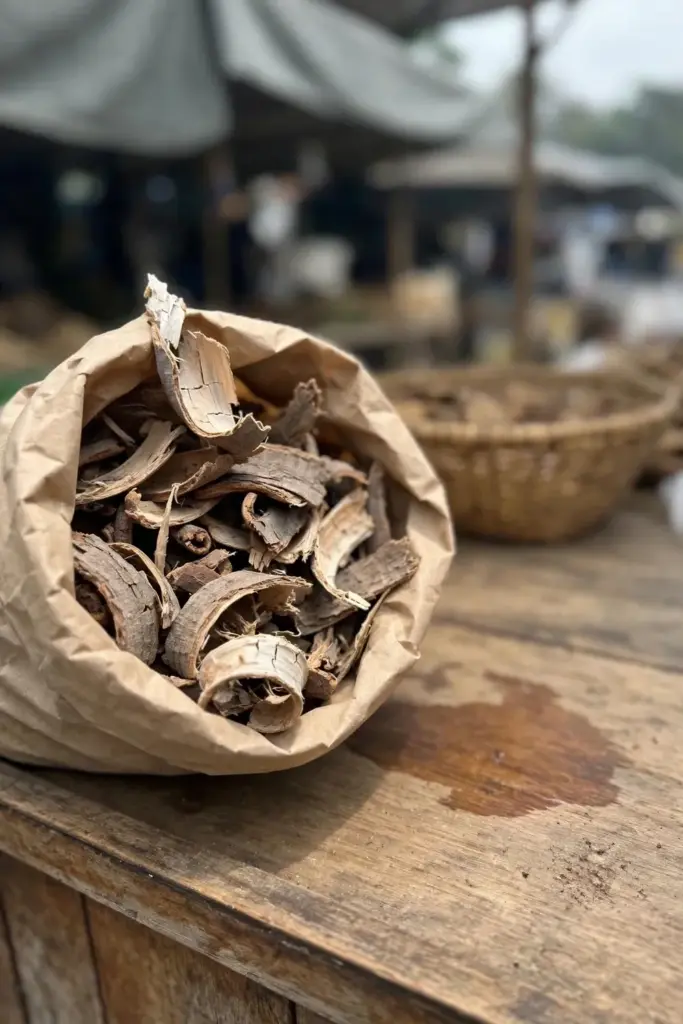
The bark check runs on sight and touch. Kayu rapet bark comes from a woody liana with pale gray stems, per the Flora of China account. Whole bark pieces should show woody fiber and a gray-brown outer surface. A batch of soft, leafy shreds fails the check. A batch of fine powder gives you no check at all, so powder demands a stronger label: full botanical name, part used, manufacturer name, and a batch or registration number.
Extracts carry stronger claims than dried bark. General information covers the bark, not the extract. A seller who prints a dose on a bulk bark bag is marketing, not medicine, and the dose deserves no trust. A licensed extract with regulated labeling is a different product from a bulk bark bag, and the two should never be read as equals.
Ask the seller one question before you pay. Ask for the botanical name and the part used, in writing, on the label or the invoice. A seller who answers with Parameria laevigata and cortex has passed the test. A seller who answers with a promise, a testimonial, or a brand story has not. The label is the proof, and everything else is talk.
12. Weigh the Wild-Harvest Cost Before You Buy Bark
Every kayu rapet sale draws on a wild plant. The Useful Tropical Plants entry states that the plant is often harvested from the wild for local use, and that the bark and branches are sometimes sold for medicinal use in local markets. No farm grows it. No nursery stocks it. The forest supplies every bag.
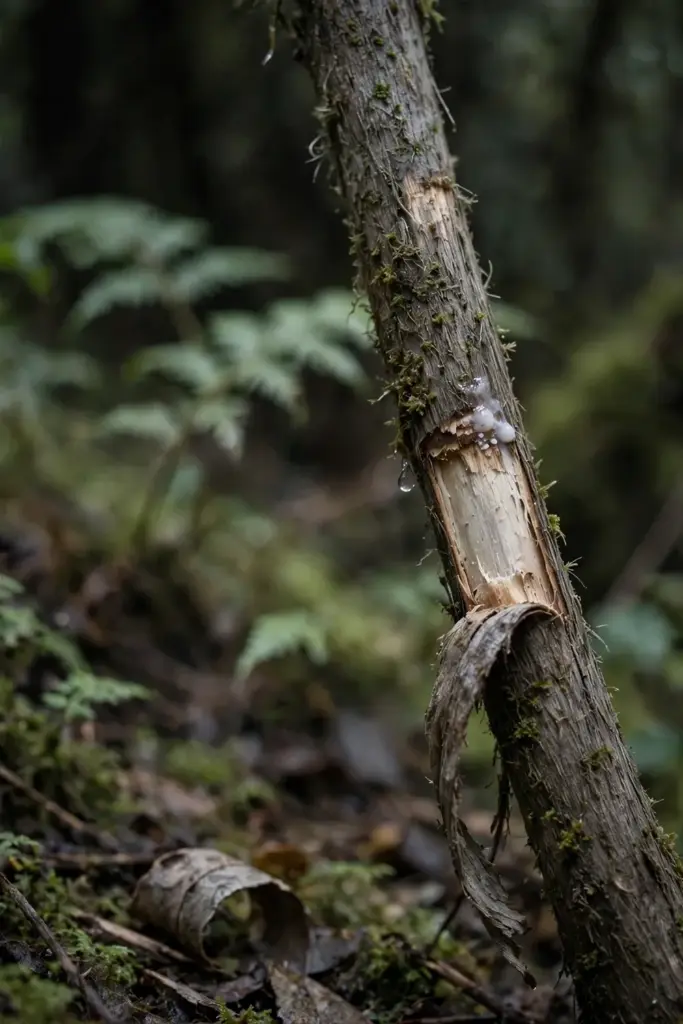
Bark harvest wounds the plant that supplies it. Stripping cortex removes the living tissue that carries sugars down the stem. A fully ringed stem dies. A partially stripped stem carries a wound that invites rot and insects. The harvester who strips one side and leaves the rest gives the stem a chance. The harvester who strips the whole stem kills the plant for one sale.
A buyer cannot inspect the forest behind a bag. A buyer can still act on the harvest reality. Buy less, buy named, and buy from licensed manufacturers with traceable labels. A small bag from a named manufacturer beats a bulk sack from an anonymous seller. The named bag can be traced. The anonymous sack cannot.
The same entry lists no known hazards for the plant, per the Useful Tropical Plants entry. That phrase means no hazard is recorded in that database. It does not mean the bark is proven safe. Folk records and a manufacturer listing are not clinical safety proof, and the safety section above states the limit. A buyer who wants certainty will not find it in this record.
13. Decide Whether Kayu Rapet Belongs in Your Garden
Grow kayu rapet if you hold a tropical forest with a real liana to propagate from; skip it if you live anywhere else. The plant rewards the first gardener in theory only, because no propagation protocol exists even for that gardener. It frustrates everyone else.
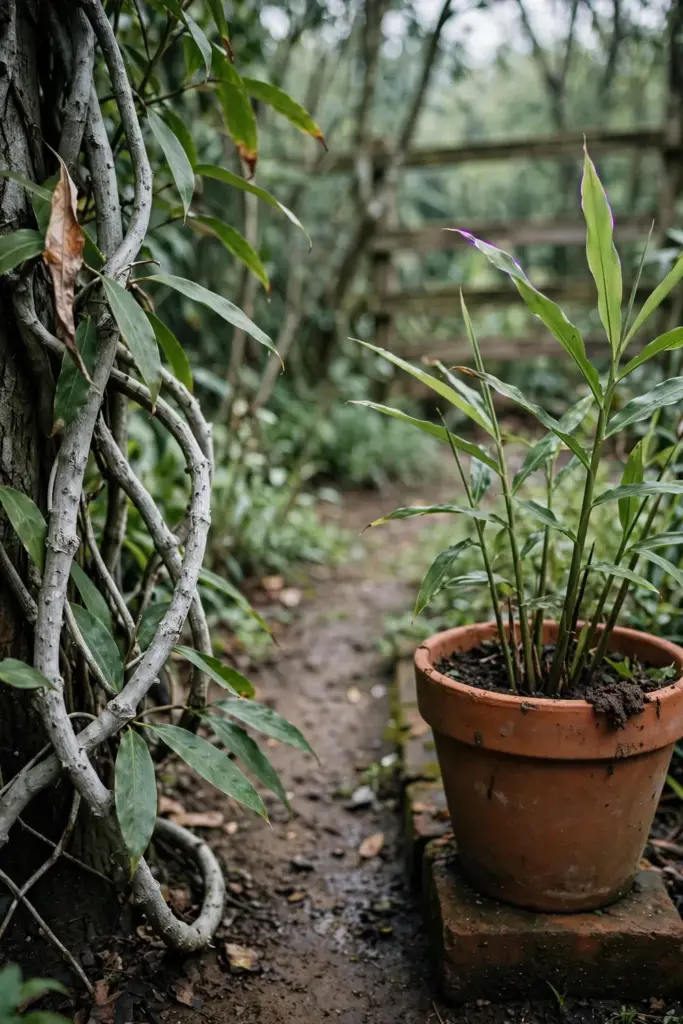
That decision is the whole answer to how to grow kayu rapet. Place decides whether the plant can live, and material decides whether you can start, and the two answers together settle the question. A temperate garden fails both tests. A tropical garden with no cutting source fails the second.
A temperate gardener who wants a jamu plant can grow ginger in a pot. The ginger growing guide grows a rhizome for cooking and tea, and the pot comes indoors through winter. Ginger is not kayu rapet, and it never pretends to be. The swap gives a temperate gardener a living jamu plant without the import problem.
A liana of kayu rapet in a tropical forest does quiet work through every season, climbing through trees and holding bark that jamu makers prize. It marks no boundary and feeds no fence row. It stays a forest plant. That is the plant at its best, and the forest is where it belongs.
14. Apply One Name, One Part, One Check to Every Jamu Purchase
Apply one name, one part, and one check to every jamu purchase. The name is Parameria laevigata. The part is cortex. The check is the label test from the buying section: botanical name present, part used named as cortex, and a manufacturer or seller willing to put both in writing.
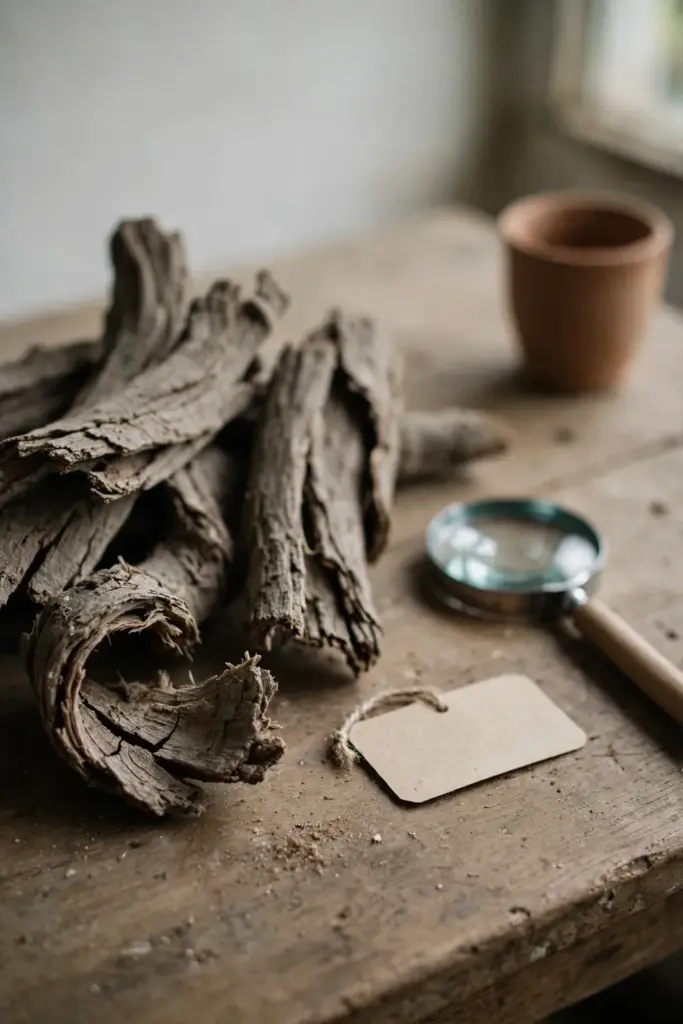
That triple check works because it matches how the trade actually fails. Labels fail when the botanical name is missing. Bags fail when the part used is missing. Sellers fail when they answer with promises instead of names. One name, one part, and one check catch all three failures before money changes hands.
Keep the check written down where you shop. A phone note with the botanical name and the part used takes ten seconds to write. A seller who reads it and matches it earns the sale. A seller who waves it away does not. The note costs nothing. The bag without it can cost plenty.
Frequently Asked Questions
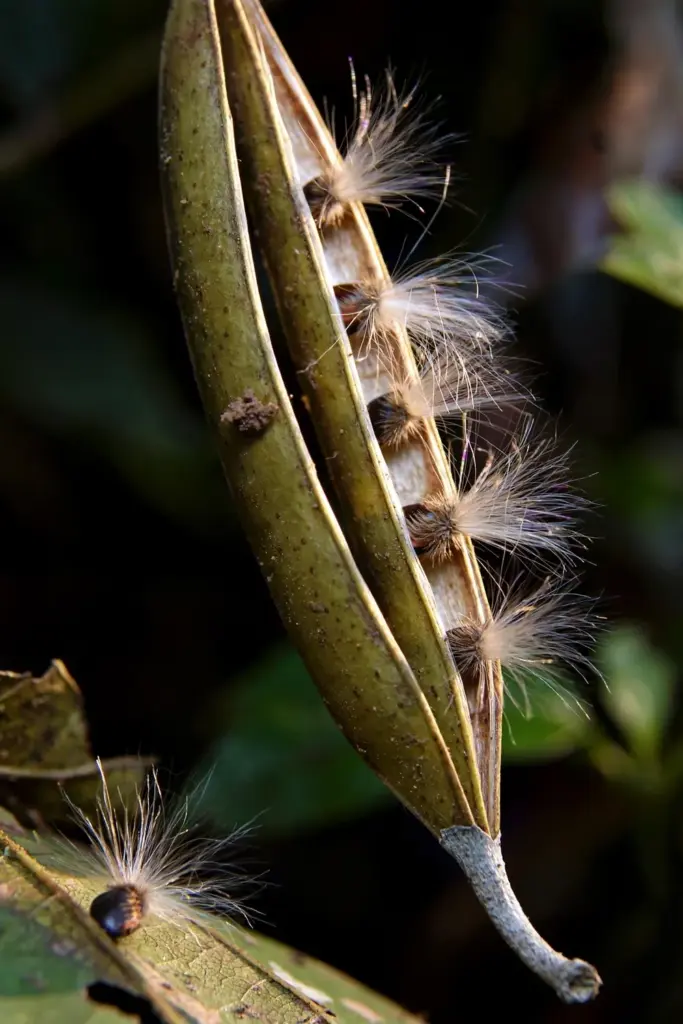
No honest seed path exists for a home gardener. No verified seller offers kayu rapet seed, and no published sowing method covers this species. Seeds run about 1 cm, hairy, with a coma about 3 cm long, per the Flora of China account. Those details identify a seed without giving a sowing method. Propagation in the record does not exist at all, neither seed nor cutting. Treat any seed packet with this name as unverified.
No published trial grows kayu rapet indoors in a temperate climate. The plant grows as an evergreen liana with stems to 10 meters, per the Flora of China account. A windowsill cannot hold a 10-meter climber. A greenhouse could copy the warmth and humidity, but no published result proves the copy works. Temperate growers face the same verdict as the outdoor case: no material, no protocol, no honest path.
Cortex is the traded part. The Sido Muncul product page for kayu rapet names cortex as the part used, with an extract ratio of 2:1. Cortex means stem bark. One village survey recorded leaves used for gastrointestinal complaints, wounds, and postpartum care, per the Rumphius journal survey. Village use and factory jamu use different parts. Check the label for the part your product claims.
This page gives general information only, not safety advice. The manufacturer lists indications for its extract on its product page, per the Sido Muncul product page for kayu rapet. Clinical proof for those indications does not appear in the evidence gathered here. One database lists no known hazards, which means no hazard is recorded, not that the bark is proven safe. A reader with a health question needs a clinician.
Kayu rapet names one plant, Parameria laevigata, and one traded part, cortex. A label that reads sari rapet names a jamu preparation, not a plant. Check the ingredient list for Parameria laevigata and cortex before you treat a sari rapet product as kayu rapet. A preparation may hold many ingredients, and only the ingredient list shows whether kayu rapet is among them. The botanical name on the ingredient list is the proof.
No Western trade sells kayu rapet bark or plants. Dried bark comes from Indonesian jamu sellers and licensed manufacturers, and the label must print Parameria laevigata with cortex as the part used. Store dried bark cool, dry, and dark, sealed against light and moisture. Avoid marketplace seed packets and bulk bags that print a dose. A seller who cannot name the species cannot prove the contents.
Make the Honest Call on Kayu Rapet
Start with the name. Confirm Parameria laevigata on any label, and check the part used reads cortex, because a label without a botanical name proves nothing. Place comes next: tropical forest or nothing. Material comes last: no cultivation record, no nursery stock, no honest path to a plant.
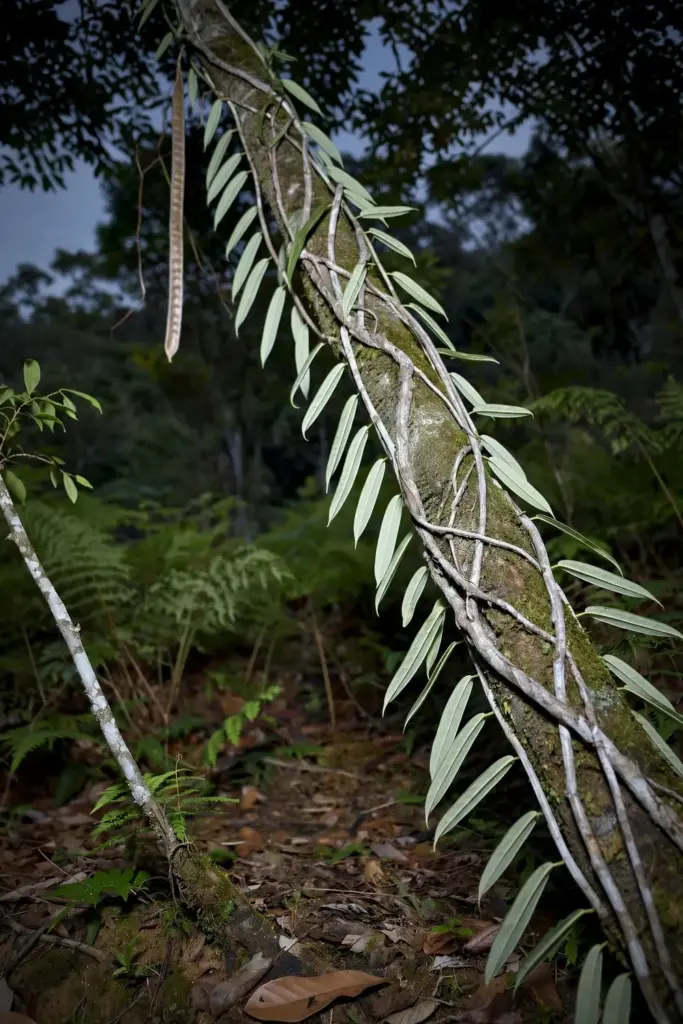
Kayu rapet will not become a Western garden plant on the strength of a wish, and no catalog will carry it. It stays a forest liana and a jamu bark. A gardener who wants it should look for a licensed jamu product with a full label, where the bark already sits. The liana, the bark, and the honest limits are the whole story.