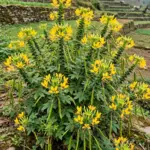

You cannot grow masoi bark at home. No nursery trade sells its plants, cuttings, or seeds, and no home-grow guide exists for the species. The tree behind the name is a Papuan rainforest tree above 30 meters, harvested wild for bark oil. What follows answers how to grow masoi bark honestly, starting with the tree and ending with the limits.
Masoi bark is the bark of Cryptocarya massoy, a member of the laurel family. The traded part is the bark. I have learned that the bark trade defines this tree more than any garden trait does, so the bark comes first and the growing question second.
The sections below meet the tree, untangle its spellings, describe the forest, and face the growing verdict. No section gives a dose. No section invents a cultivation method. The honest limits stay visible from the first paragraph to the last.
1. Start With the Right Tree: Masoi Bark Is Cryptocarya Massoy, a Papuan Forest Tree
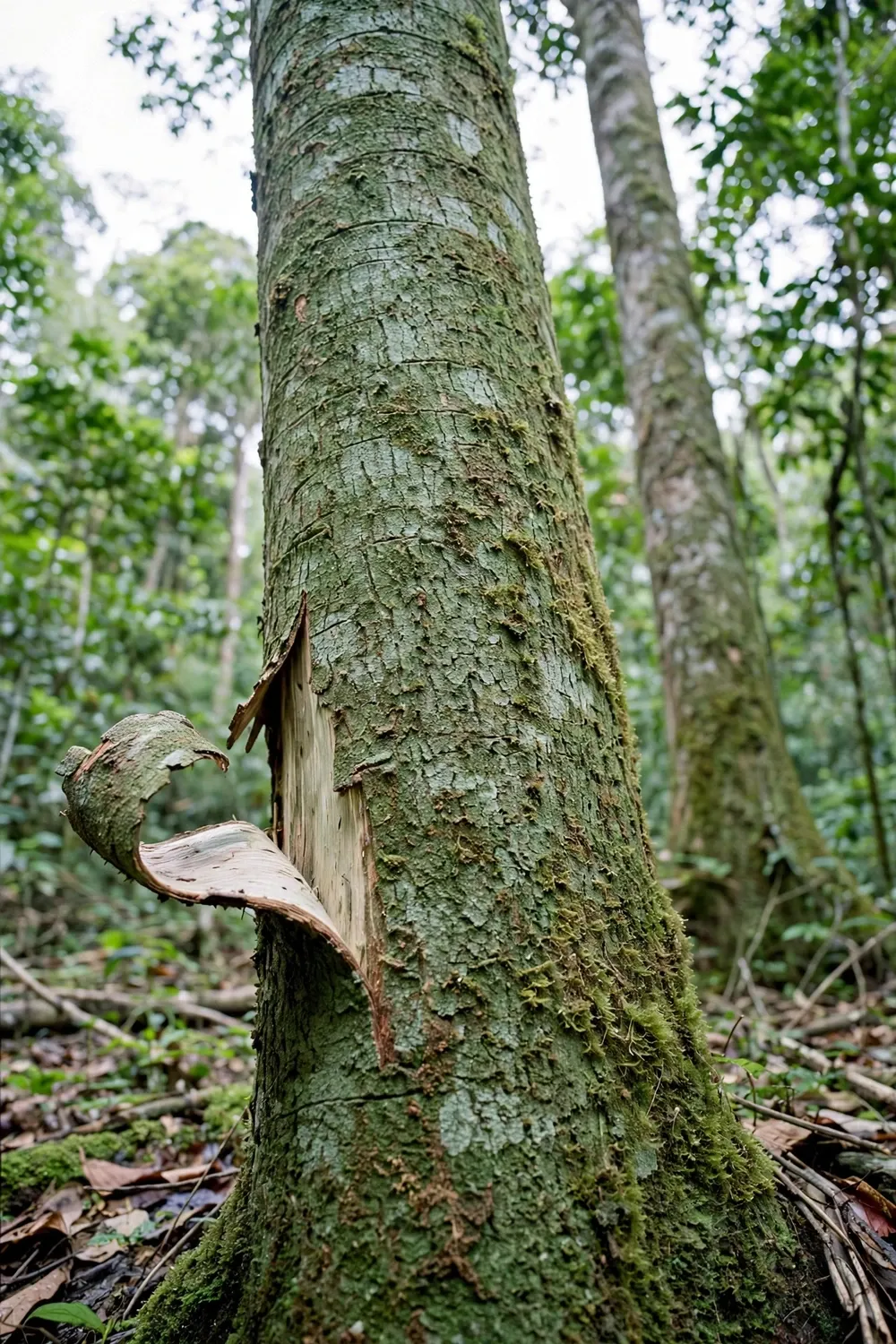
Masoi bark is the bark of Cryptocarya massoy, a tree native to New Guinea. The Plants of the World Online entry for Cryptocarya massoy lists New Guinea as the native range and places the species in the laurel family, Lauraceae. The traded part is the bark. That sentence sets the whole story. The tree stands in Papuan rainforest. The harvest takes bark.
Cryptocarya massoy is the botanical name, and masoi is the Indonesian name used below. The bark trade is old. Bark from this tree moved through trade across the Indonesian archipelago long before modern flavor houses found it, and the name traveled with the bark. A buyer who meets masoi bark through flavor, fragrance, or jamu meets the bark first and the tree second. That order is the right one, because the bark is the product, the forest is the source, and the tree is the factory that makes both.
The laurel family puts masoi bark in familiar company. Cinnamon is a laurel. Bay is a laurel. The family link explains why bark from a Papuan rainforest tree can smell warm and spicy, and it also explains why the bark trade confuses buyers. Many laurel barks look alike in a bag. The botanical name is the only check that separates them, and the next section untangles the spellings that make that check hard.
2. Untangle Four Spellings Before You Trust Any Label
Four spellings follow this tree through labels and databases. Masoi is the spelling this article uses. Masoyi, massoi, and massoy all appear in trade and research records for the same tree. A buyer who knows all four spellings avoids confusion at the shelf.
The Plants of the World Online entry for Cryptocarya massoy lists six synonyms behind the accepted name. Massoia aromatica is the best known of them, and it appears on older labels and older papers. Cinnamomum massoy is the original name the species was described under. Cryptocarya aromatica, Cryptocarya novoguineensis, Cinnamomum massoia, and Sassafras goesianum complete the list. A label that prints any of these names may describe the same tree, and the bark check below still applies.
A second tree complicates the name further. Lawang bark comes from Cinnamomum culitlawan, a different laurel that sometimes shares the common name massoy. Two different trees, one shared common name. The botanical name is the only way to tell them apart. A bag labeled massoy could hold Cryptocarya massoy bark or lawang bark, and the price, the aroma, and the story behind the bag will not settle the question. The botanical name settles it.
| Name on the Label | What It Means | What to Check |
|---|---|---|
| Masoi, masoyi, massoi, massoy | Common-name spellings for the same tree | Botanical name Cryptocarya massoy beside it |
| Cryptocarya massoy | Accepted botanical name | Part used named as bark |
| Massoia aromatica | Best-known synonym | Same botanical identity check, same part used |
| Cinnamomum massoy | Original described name | Same part used check |
| Cinnamomum culitlawan | Lawang, a different tree sharing the massoy name | Do not accept as masoi bark |
A label with only a common name gives you no check at all. Masoi on a bag could hold the right bark, lawang bark, or a substitute bark from another laurel. The seller must add the botanical name before the bag earns trust. Ask for it. A seller who answers with the botanical name has passed the first test. A seller who answers with a promise has not.
3. Expect a Forest Tree Above 30 Meters, Not a Garden Plant
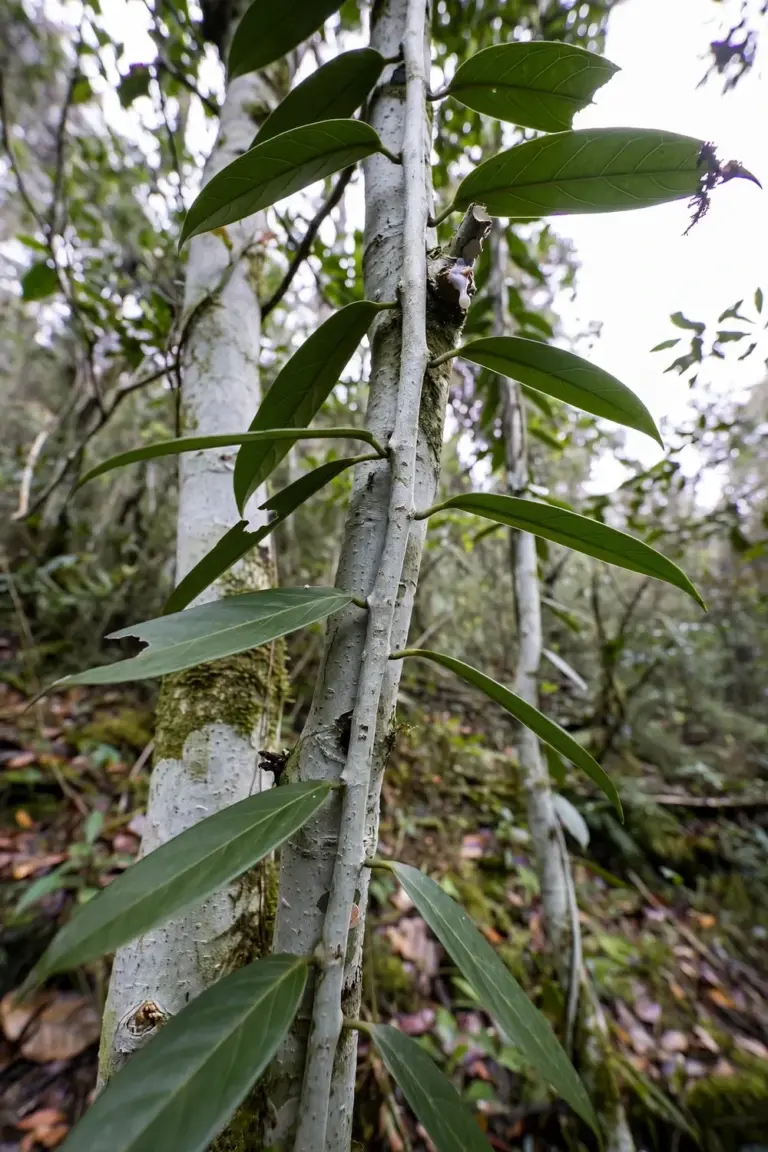
Masoi grows as a forest tree with a height above 30 meters, a straight upright trunk, and greenish-gray bark 5 to 15 millimeters thick, per the IOP forestry paper on masoyi essential oil. Thirty meters is roughly the height of a ten-story building. The trunk runs straight and untwisted. The bark runs thick enough to strip in sheets. Those three facts end the garden question before it starts.
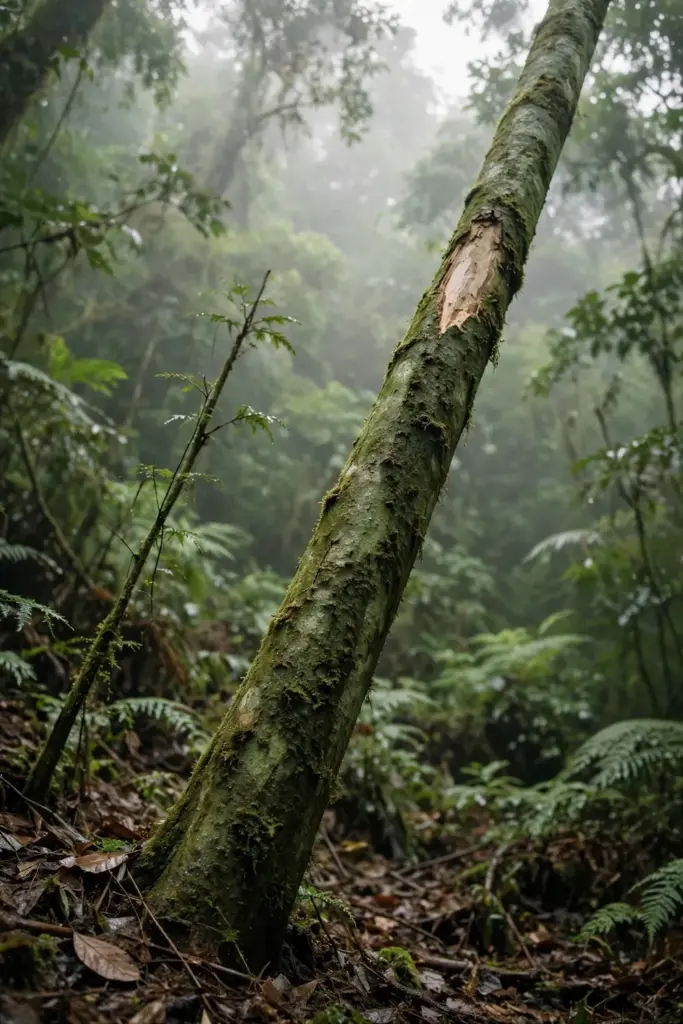
A 30-meter rainforest tree cannot fit a garden. Neither a pot nor a windowsill can hold it, and a greenhouse that copied the warmth and the humidity still has no published result proving the copy works for a home grower. The honest position stays the same. The tree belongs to the forest, and the forest belongs to Papua.
The bark thickness matters because the bark is the harvest. Bark 5 to 15 millimeters thick peels in workable sheets, and those sheets carry the oil. Thin bark would give little oil for the effort. Thick bark gives a harvest worth hauling out of the forest. The same thickness also explains the damage below. Stripping thick bark off a trunk wounds the tree in a way thin-barked shrubs survive more easily, and the harvest section explains why.
Leaf shape, flower form, and fruit details are data not available in the sources linked here. No linked source here describes them with numbers, so this draft prints none. A grower who needs leaf or flower traits for identification should look for a botanical description of the species, not for a garden guide. The bark, the height, and the trunk are the traits the trade actually uses.
4. Place Masoi Bark in Papua Forests, Not in Garden Beds
Masoi bark comes from wild trees in Papuan rainforest. The Plants of the World Online entry for Cryptocarya massoy lists New Guinea as the native range, and the tree grows wild there, scattered through forest, never planted in rows. No farm grows it. No plantation stocks it. The forest supplies every bag.
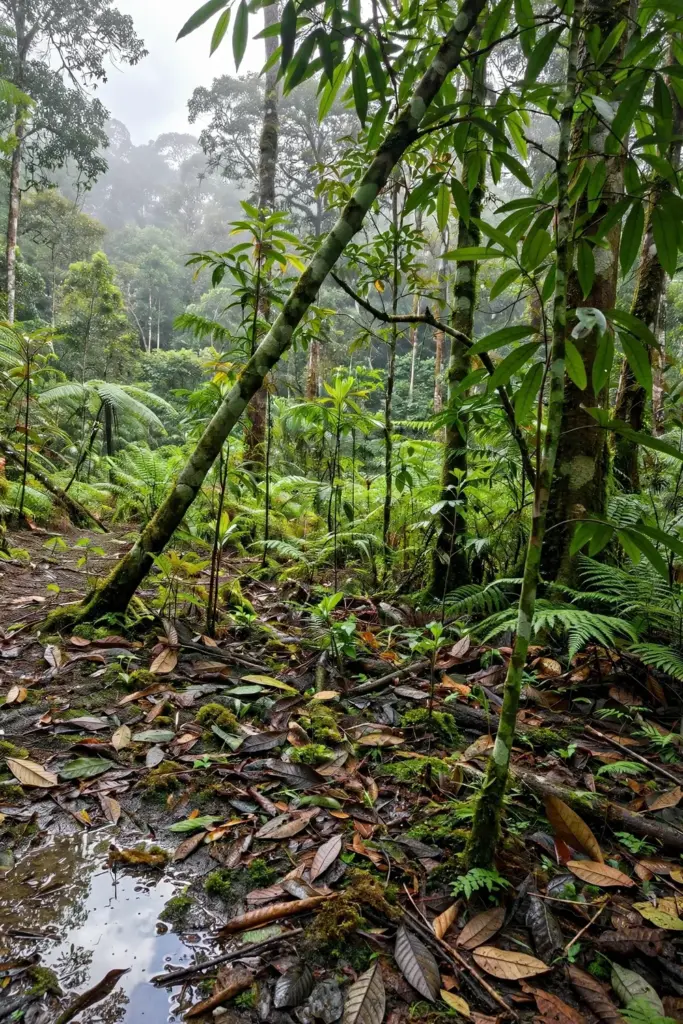
The conservation status sharpens the picture. The Plants of the World Online entry for Cryptocarya massoy carries the IUCN assessment of Near Threatened. Near Threatened means the species sits one step from a threatened listing. Bark demand drives the pressure. Every sale draws on a wild tree, and wild trees do not get replanted by the trade that harvests them.
That range tells a temperate gardener almost everything, because a tree of Papuan rainforest wants year-round warmth, high humidity, and a long growing season, and it carries no documented cold season, no frost rest, and no temperate trial. A temperate bed cannot supply those conditions. A tropical garden could copy the warmth and still fail the second test, because no propagation protocol and no nursery material exists for a home grower.
A tropical plant that already grows in warm gardens shows the contrast. Ginger grows as a tropical herb with the same demands for warmth, and it grows in pots where winters stay cold. Masoi asks for the same kind of climate without offering a pot-sized habit in return. The tree stands 30 meters tall in a forest. The bark is the whole payoff.
5. Learn Why the Harvest Takes Bark, Not Leaves
The harvest takes bark. The traded part is the bark, and the bark carries the oil. Leaves are not the trade. Fruit is not the trade. Bark is the trade, and bark harvest differs from leaf harvest in one hard way.
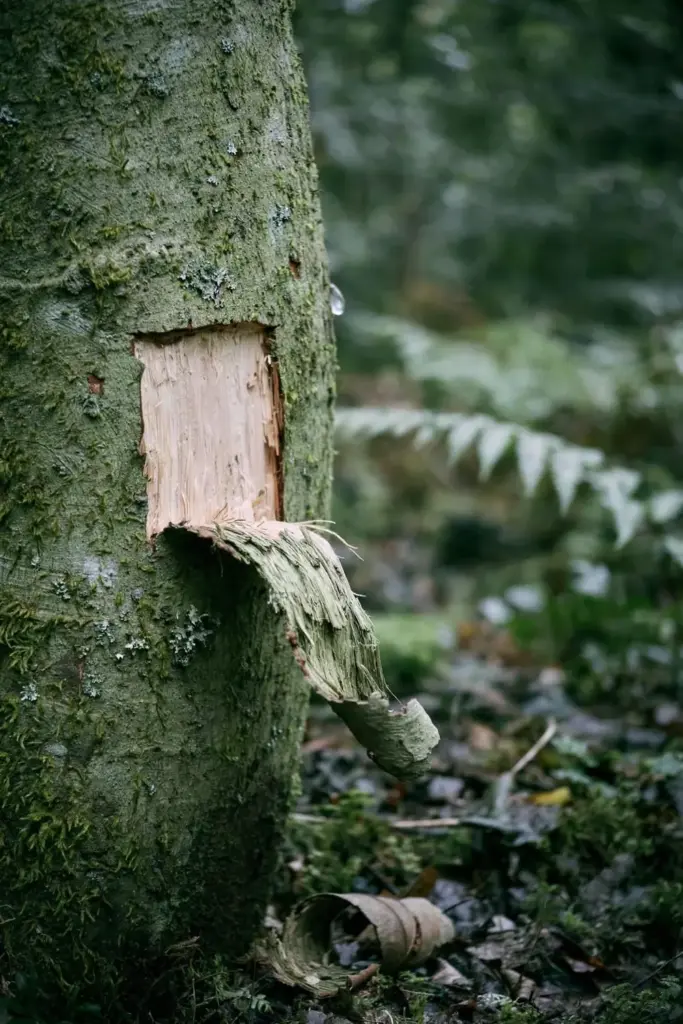
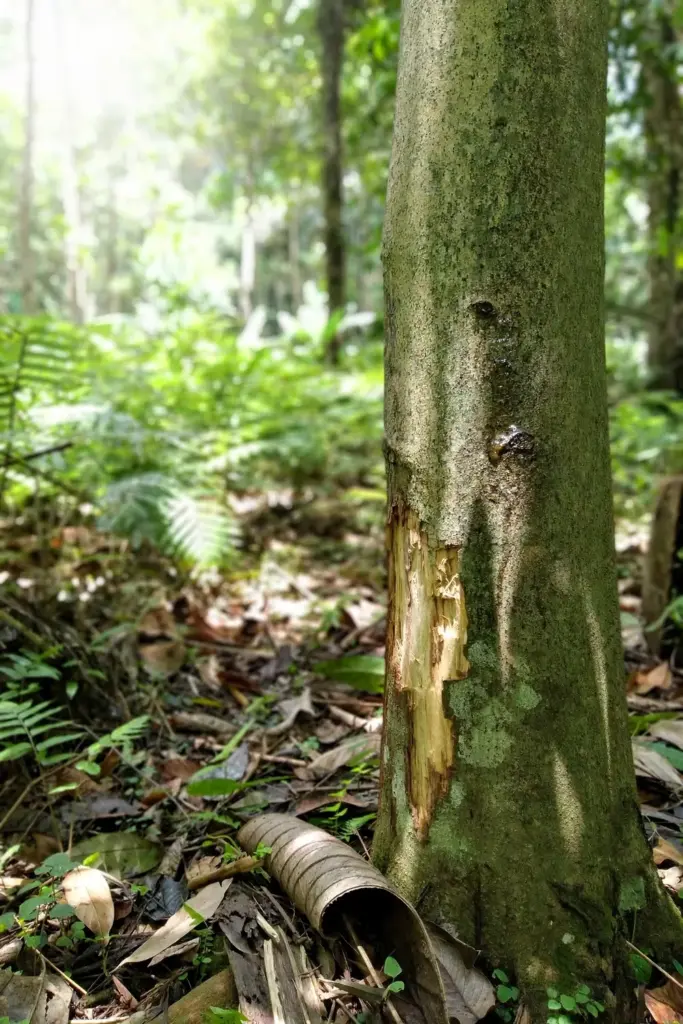
A leaf harvest takes a part the plant regrows in weeks. A bark harvest strips the living skin of the trunk, and a fully ringed trunk dies. Bark carries the living tissue that moves sugars down the stem. Remove the ring and the tree starves below the wound. Strip one side and the tree carries a wound that invites rot and insects. Strip the whole trunk and the tree dies for one sale. Bark removal kills the tree, and the trade runs on wild trees nobody planted.
The chemistry paper adds a second harvest fact. Heartwood oil carries the same lactones as bark oil, per the Rali comparison of bark, heartwood, and fruit oils. Heartwood comes from the center of the trunk, so a heartwood harvest means a felled tree. Bark harvest kills the tree. Heartwood harvest fells it. Fruit oil differs, and the chemistry section below gives the numbers. No part of the commercial harvest leaves a living tree behind.
A leafy tropical herb shows the contrast. A leaf harvest feeds the next harvest. A bark harvest ends the tree. The buyer who understands that difference reads every masoi bark label with the right question in mind. The question is not whether the bark smells right. The question is whether the sale was worth a wild tree.
6. Face the Growing Verdict: No Home-Garden Path Exists
No home-garden path exists for masoi bark. No propagation protocol, no nursery listing, no seed source, and no home-grow guide appears in the evidence. A gardener without Papuan forest material has no honest path to a tree.
That verdict shapes how to grow masoi bark for a temperate reader. The honest answer is that you cannot start. Germination is data not available, and no cutting trial, spacing, soil mix, watering schedule, fertilizer rate, pest record, or frost rating exists for this species in the sources linked here. A guide that printed any of those numbers would invent them.
Laboratory tissue-culture work on masoi seeds exists, and it belongs in a lab, not in a garden. Sterile lab conditions and hormones sit far outside home propagation, and a lab result is not a home method. The gap is not a missing paragraph. The gap is the whole record. Wild harvest is the supply chain. Cultivation is not. A tree with no home cultivation record and no nursery trade cannot be grown from a catalog.
A wild rainforest tree also resists the pot. A tree above 30 meters needs forest soil, forest humidity, forest neighbors, and a long warm season. A pot on a windowsill supplies none of those. A greenhouse could copy the warmth and the humidity, and no published result proves the copy works for a home grower. The honest position stays the same. No protocol, no plant.
7. Grow Nothing From a Marketplace Packet Labeled Masoi
A packet labeled masoi seeds from a marketplace deserves doubt. No verified seller exists, and a label without a botanical name proves nothing. Keep your money until a seller prints Cryptocarya massoy and names the part used. That seller has not appeared in the Western trade.
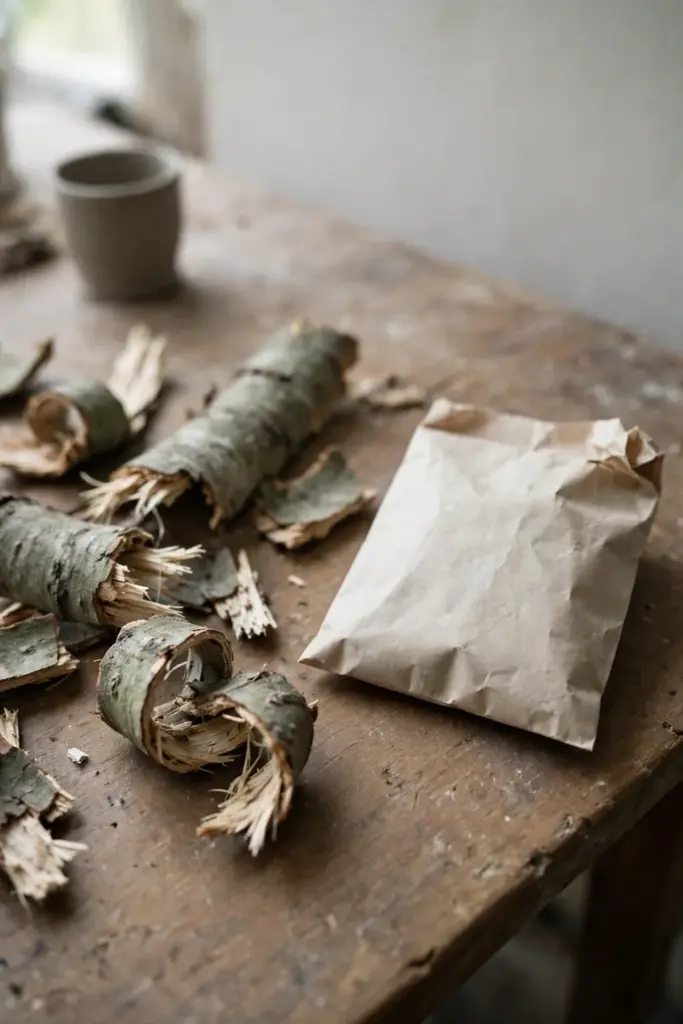
The seed description gives no sowing method. No linked source here describes masoi seeds with numbers, so this draft prints none. Those missing details are the whole point. A packet that prints a germination promise, a sowing depth, or a seedling method invents all three. The record holds no home sowing method for this species.
Marketplace listings make the trap worse. One listing calls a bag masoi, the next calls a similar bag by a brand name, and neither prints a botanical name. Stock photos rotate between listings, and the bark in the photo may belong to another laurel entirely. The label rule from the earlier sections is the only defense. No botanical name means no purchase.
Powder carries the same warning in a stronger form. Whole bark pieces show color, fiber, grain, and thickness that a buyer can check against the 5 to 15 millimeter figure in the IOP forestry paper on masoyi essential oil. Powder hides all four. A powder bag without a botanical name and a named part used gives you nothing to verify. A licensed manufacturer with a full label beats an anonymous powder bag every time.
8. Read the Chemistry Before You Believe Any Coconut Claim
Masoi bark smells like coconut without holding any coconut. The scent comes from massoia lactones, and the IOP forestry paper on masoyi essential oil describes the oil aroma as coconut, caramel, and milk. The tree is a laurel relative, not a palm. The coconut note is chemistry, not kinship.
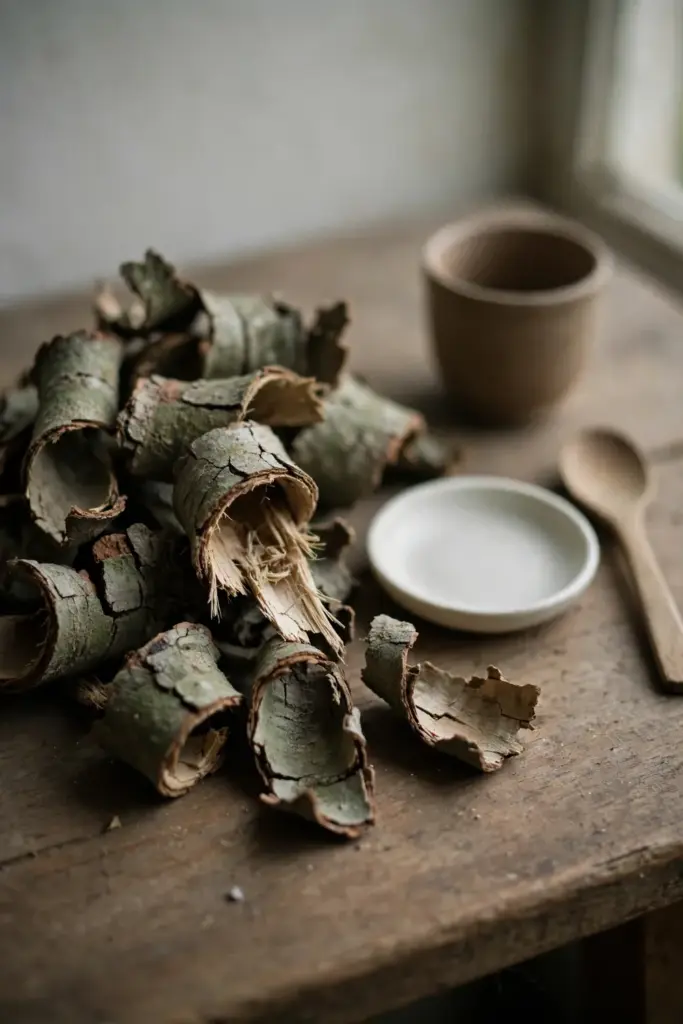
The numbers come from a comparison of bark, heartwood, and fruit oils. Hydro-distillation of bark, heartwood, and fruit gave pale yellow oils in yields of 0.7, 1.2, and 1.0 percent, per the Rali comparison of bark, heartwood, and fruit oils. Bark oil carried 64.8 percent C-10 massoia lactone and 17.4 percent C-12 massoia lactone, per the same Rali comparison. Heartwood oil carried 68.4 percent C-10 and 27.7 percent C-12, per the same Rali comparison. C-10 and C-12 massoia lactones are the two main lactones in bark and heartwood oils.
Fruit oil tells a different story. Fruit oil carried 68.3 percent benzyl benzoate, per the Rali comparison of bark, heartwood, and fruit oils. Bark oil carried 13.4 percent benzyl benzoate, per the same Rali comparison. Heartwood oil carried 1.4 percent C-14 massoia lactone and 2.5 percent delta-decalactone as minor constituents, per the same Rali comparison. A buyer who wants lactones buys bark or heartwood oil. A buyer who buys fruit oil buys a different product.
The trade has largely moved past natural bark oil for flavor. Natural massoia lactone has been largely superseded by a synthetic alternative, because natural extraction is expensive and bark removal kills the tree. A coconut flavor on a label may come from a synthetic lactone rather than masoi bark, and that swap is the honest outcome for a bark-kill harvest. Flavor buyers get the scent without the dead tree. Bark buyers should know which product they hold.
9. Report Traditional Uses as Records, Not as Recommendations
Traditional records attach several uses to masoi bark. This section reports those records as general information, not as advice. No dose appears anywhere here.
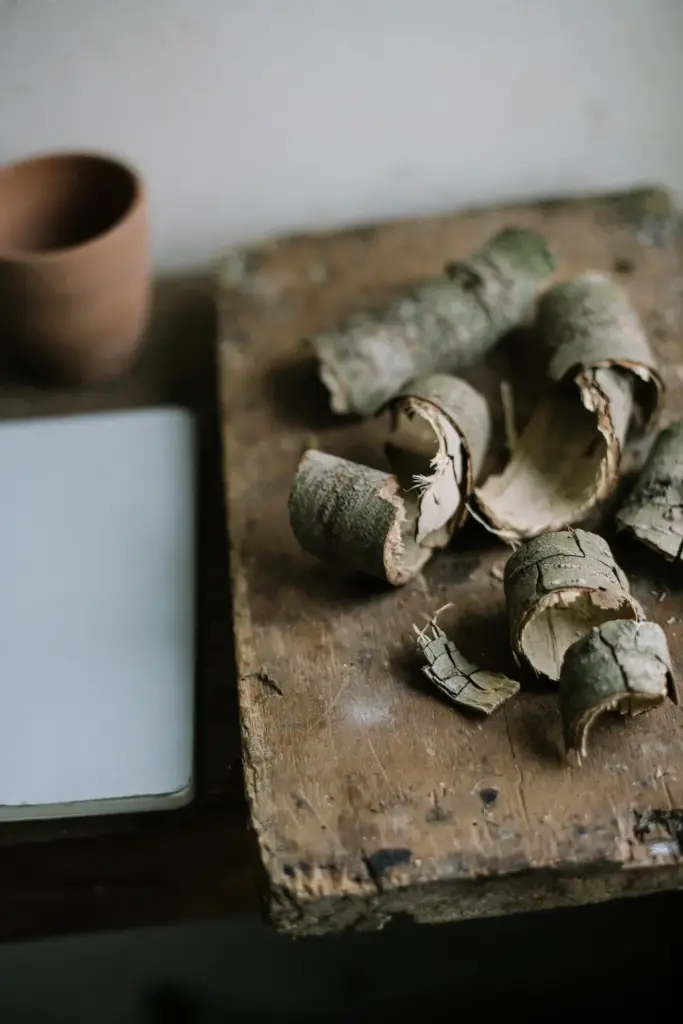
Javanese and Balinese women traditionally prepared a warming ointment with a pleasant smell from masoi bark, called bobory. The ointment tradition used the bark for warmth and scent, and it belongs to household practice, not to commercial flavor. The same bark tradition records use as an analgesic, an antipyretic, and an insect and fungi repellent. Those records describe what people did with the bark, not what this page recommends.
Lab studies add a second layer that is easy to misread: researchers have tested masoi bark extracts for immunomodulatory effects on rat macrophages and for cytotoxic effects on a human breast cancer cell line in lab dishes. Lab evidence asks whether a compound acts on cells or animals, while clinical evidence asks whether a preparation helps people at a safe dose. Masoi bark holds folk records and lab results, but clinical proof for the traditional uses does not appear in the evidence gathered here, and that gap is normal for a forest bark, which is the reason this section reports uses as records rather than recommendations.
Jamu shelves hold many plants with folk records and thin clinical proof. The stonebreaker growing guide grows a small tropical herb with its own honest limits, and it shows the same pattern. Folk use, lab work, and clinical proof are three different kinds of evidence. A reader with a health question needs a clinician, and a reader who wants jamu needs a licensed product with its own labeling.
10. Compare Masoi Bark With the Lookalike Barks It Gets Confused With
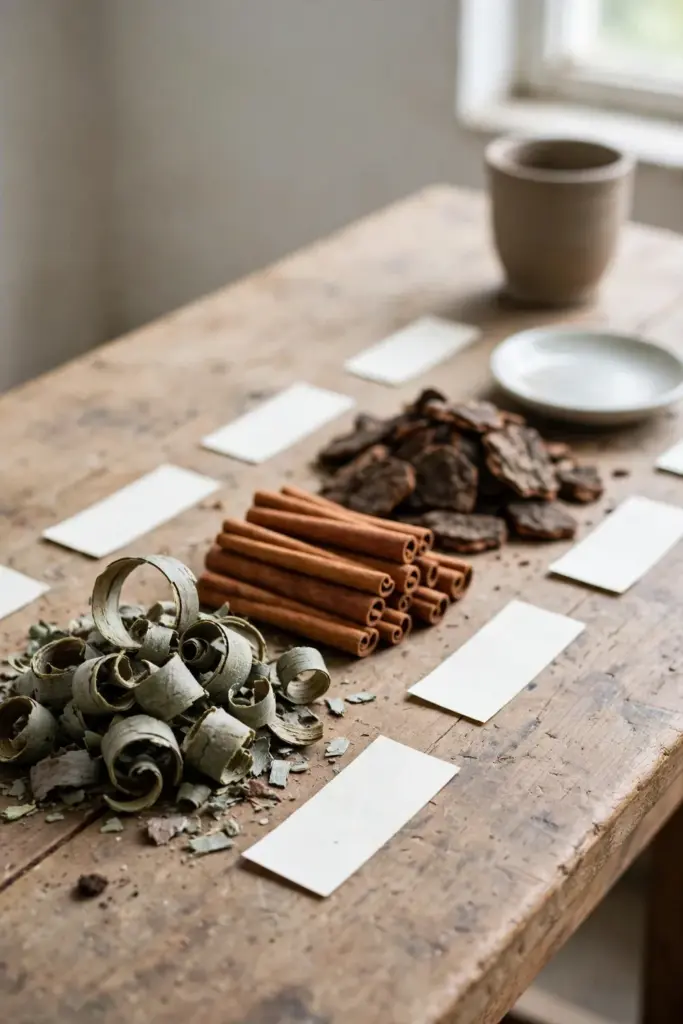
Jamu and spice shelves hold many barks, and the names blur together. Masoi bark, cinnamon bark, lawang bark, and synthetic coconut flavoring all appear in trade. They are four different products, and the botanical name decides which one you hold.
| Product | Source | Aroma | Garden Reality |
|---|---|---|---|
| Masoi bark | Cryptocarya massoy, bark | Coconut, caramel, milk | Wild forest tree above 30 meters, no home grow |
| Cinnamon bark | Cinnamomum verum or cassia types, bark | Warm spice | Cultivated spice tree, a different laurel |
| Lawang bark | Cinnamomum culitlawan, bark | Warm spice | Different tree, sometimes shares the massoy name |
| Synthetic coconut flavoring | Lab-made lactone, no bark | Coconut | No tree, no harvest, no bark at all |
The table separates the four by source and by aroma. A buyer who wants masoi bark and receives cinnamon bark holds the wrong laurel. A buyer who wants masoi bark and receives lawang bark holds the wrong tree under a shared common name. A buyer who wants coconut flavor and receives synthetic lactone holds no bark at all, and that swap harms nothing. The botanical name on the label prevents the first two mistakes, and the ingredient list prevents the third.
Cinnamon shows the growing contrast best. Cinnamon is a cultivated spice tree with a bark trade that runs on farms. Masoi bark never made that crossing. It stays a wild-harvested forest bark, and its labels should read like one.
11. Buy Dried Bark Without Getting Fooled by a Wrong Species
Buy dried masoi bark only when the label prints Cryptocarya massoy and names bark as the part used. Check the bark traits. A seller who cannot name the species cannot prove the contents.
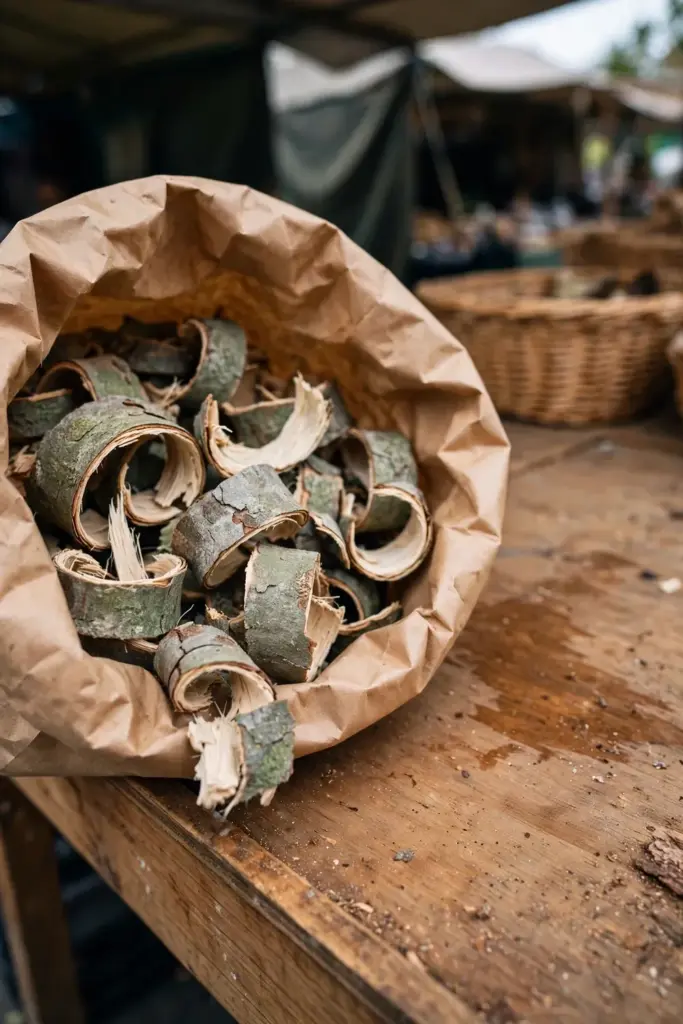
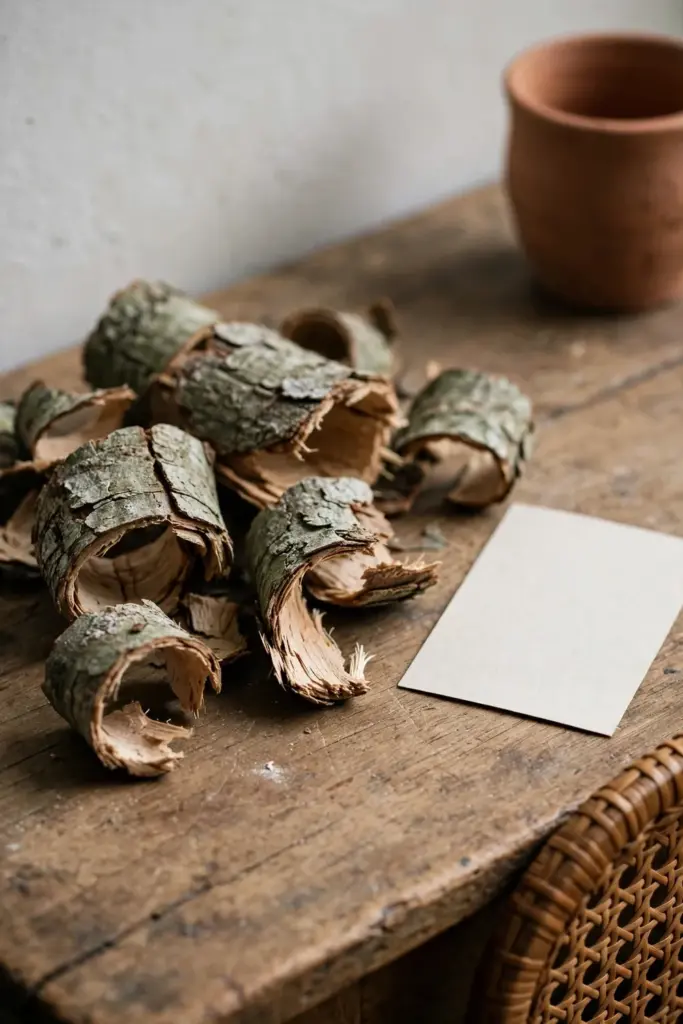
The bark check runs on sight and touch. Masoi bark runs greenish-gray and 5 to 15 millimeters thick, per the IOP forestry paper on masoyi essential oil. Whole bark pieces should show woody fiber and a gray-green outer surface. A batch of soft, leafy shreds fails the check. A batch of fine powder gives you no check at all, so powder demands a stronger label: full botanical name, part used, manufacturer name, and a batch or registration number.
Drying decides whether a good bag stays good. Poorly dried bark grows mold, and mold ruins a bag that started as the right species. Store dried bark the way you would store any dried herbal material. Keep it cool, dry, and dark, in a sealed container away from light and moisture. Heat, damp air, and sunlight degrade dried bark over time. A bag left open in a humid kitchen loses quality faster than a sealed bag in a cool cupboard. No number is needed for that rule. Dry, dark, and sealed is the whole method.
Ask the seller one question before you pay. Ask for the botanical name and the part used, in writing, on the label or the invoice. A seller who answers with Cryptocarya massoy and bark has passed the test. A seller who answers with a promise, a testimonial, or a brand story has not. The label is the proof, and everything else is talk.
12. Weigh the Wild-Harvest Cost Before You Buy Bark
Every masoi bark sale draws on a wild tree. The Plants of the World Online entry for Cryptocarya massoy carries the IUCN assessment of Near Threatened. No farm grows it. No nursery stocks it. The forest supplies every bag, and bark demand drives the pressure on wild populations.
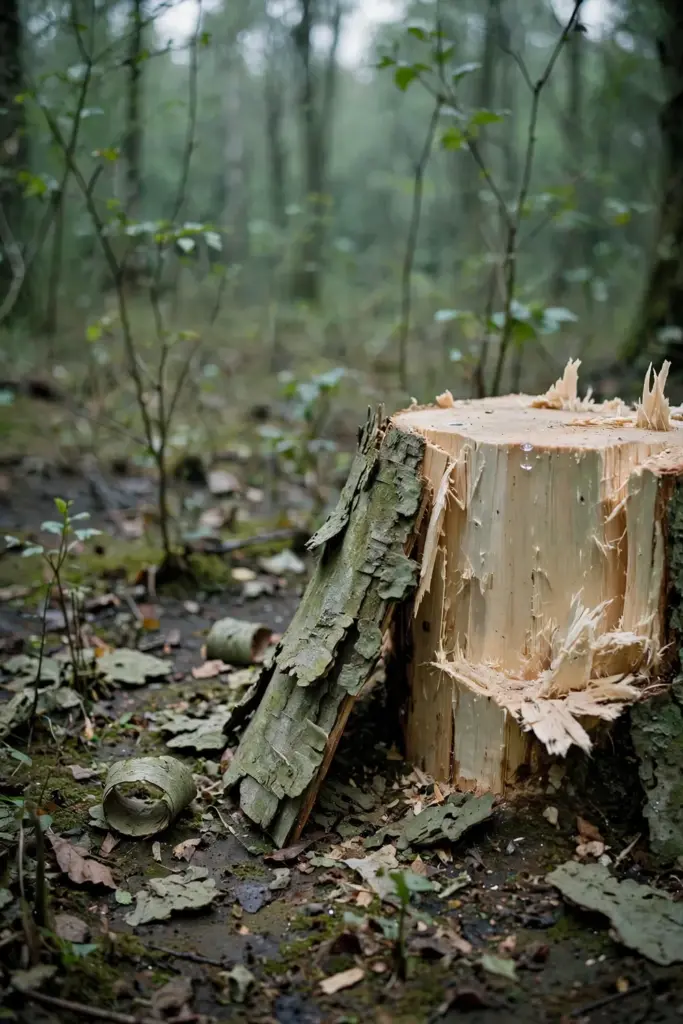
Bark harvest wounds the tree that supplies it. Stripping bark removes the living tissue that carries sugars down the trunk. A fully ringed trunk dies. A partially stripped trunk carries a wound that invites rot and insects. The harvester who strips one side and leaves the rest gives the trunk a chance. The harvester who strips the whole trunk kills the tree for one sale. The trade runs on wild trees, so every sale draws on a trunk that nobody planted.
The synthetic alternative changes the buyer math. Flavor buyers who want the coconut note can buy synthetic lactone and leave the wild tree standing. Bark buyers who want the real bark should buy less, buy named, and buy from sellers with traceable labels. A small bag from a named seller beats a bulk sack from an anonymous seller. The named bag can be traced. The anonymous sack cannot.
The skin rule belongs in the same honest accounting. Massoia bark oil should not be used as a fragrance ingredient, per the IFRA Standard on massoia bark oil. The same IFRA Standard names dermal sensitization as the intrinsic property driving the prohibition. A buyer who wants the scent for skin should not buy the natural oil at all. The prohibition covers fragrance use, and it covers the natural oil, not just a single brand.
13. Decide Whether Masoi Bark Belongs in Your Garden
Grow masoi bark if you hold Papuan rainforest with a real tree to propagate from; skip it if you live anywhere else. The tree rewards the first gardener in theory only, because no propagation protocol exists even for that gardener. It frustrates everyone else.
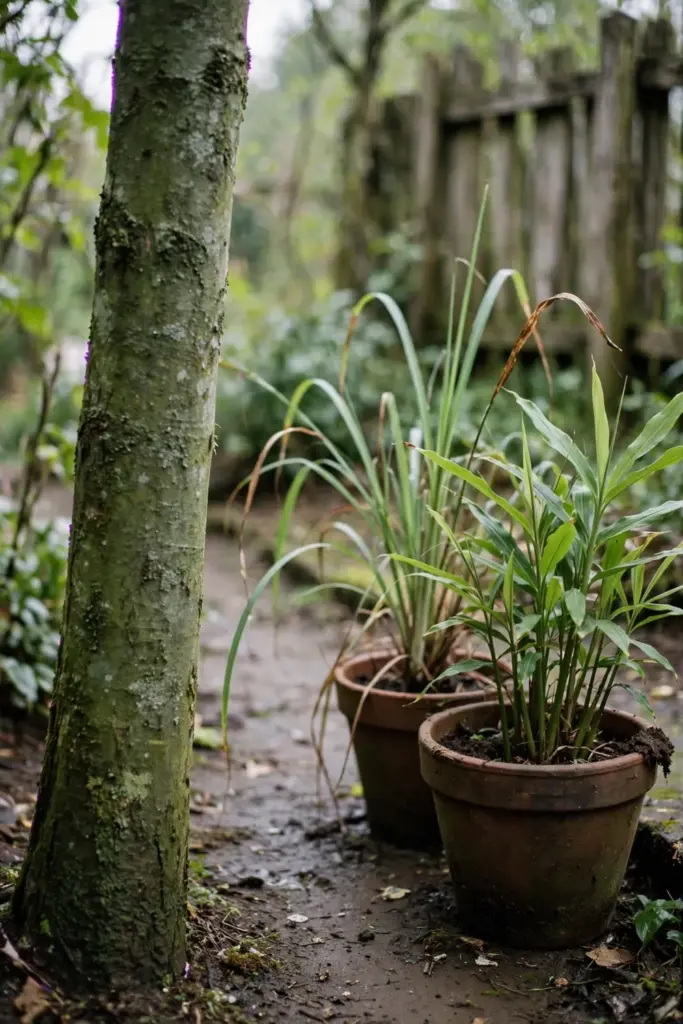
That decision is the whole answer to how to grow masoi bark. Place decides whether the tree can live, and material decides whether you can start, and the two answers together settle the question. A temperate garden fails both tests. A tropical garden with no cutting source fails the second.
A temperate gardener who wants a tropical plant can grow ginger in a pot. The ginger growing guide grows a rhizome for cooking and tea, and the pot comes indoors through winter. Ginger is not masoi bark, and it never pretends to be. The swap gives a temperate gardener a living tropical plant without the import problem.
A temperate gardener who wants a tropical scent can grow lemongrass in a pot. The lemongrass growing guide grows a leafy tropical herb for foliage, and cutting leaves back feeds the next harvest. Lemongrass is not masoi bark, and it never pretends to be. The swap gives a temperate gardener a living scent plant without the forest problem.
A masoi tree in Papuan rainforest does quiet work through every season, standing above 30 meters and holding bark that flavor houses once prized. It marks no boundary and feeds no fence row. It stays a forest tree. That is the tree at its best, and the forest is where it belongs.
14. Apply One Name, One Part, One Check to Every Bark Purchase
Apply one name, one part, and one check to every bark purchase. The name is Cryptocarya massoy. The part is bark. The check is the label test from the buying section: botanical name present, part used named as bark, and a seller willing to put both in writing.
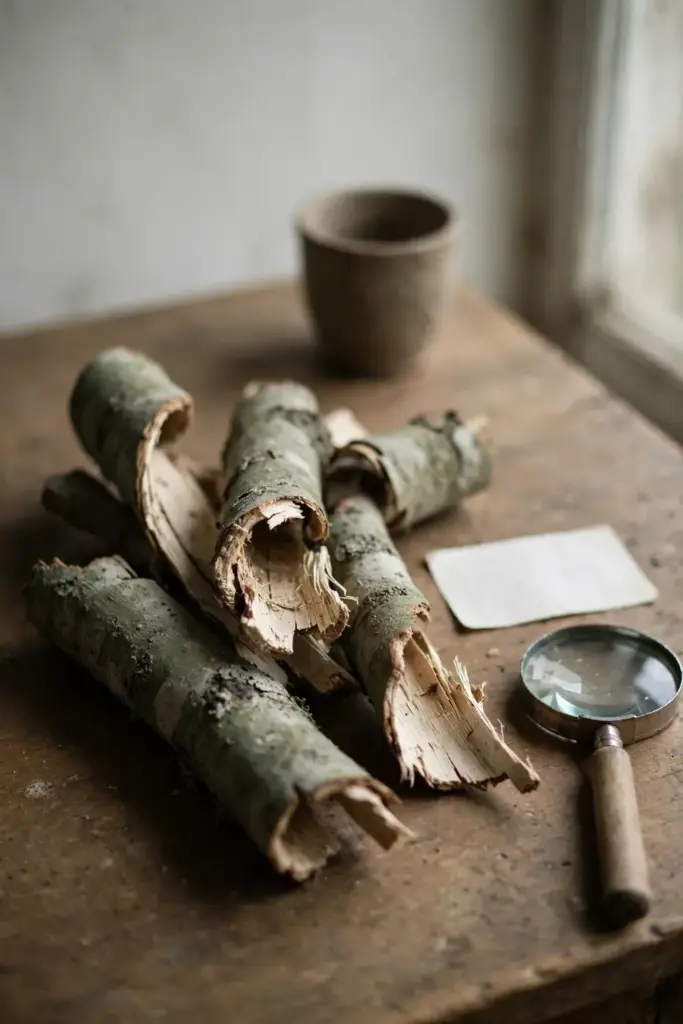
That triple check works because it matches how the trade actually fails. Labels fail when the botanical name is missing. Bags fail when the part used is missing. Sellers fail when they answer with promises instead of names. One name, one part, and one check catch all three failures before money changes hands.
Keep the check written down where you shop. A phone note with the botanical name and the part used takes ten seconds to write. A seller who reads it and matches it earns the sale. A seller who waves it away does not. The note costs nothing. The bag without it can cost plenty.
Frequently Asked Questions
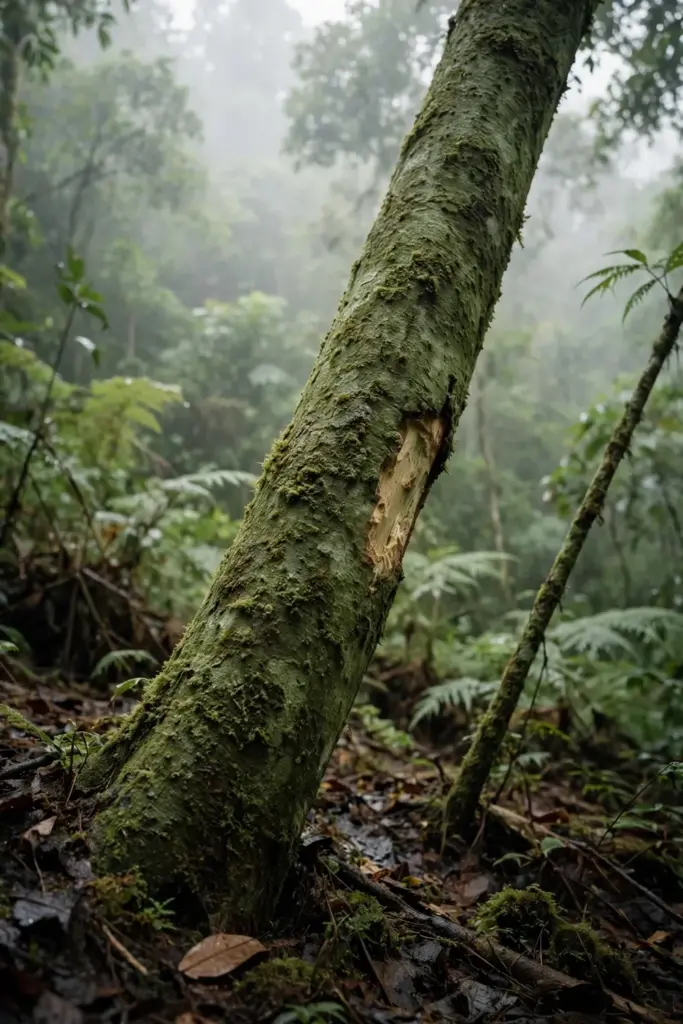
No honest seed path exists for a home gardener. No verified seller offers masoi seed, and no published sowing method covers this species. Seed traits and germination details are data not available in the sources linked here. Propagation in the record does not exist at all for home growers, neither seed nor cutting. Treat any seed packet with this name as unverified.
No published trial grows a masoi tree indoors in a temperate climate. The tree grows above 30 meters, per the IOP forestry paper on masoyi essential oil. A windowsill cannot hold a 30-meter tree. A greenhouse could copy the warmth and humidity, but no published result proves the copy works. Temperate growers face the same verdict as the outdoor case: no material, no protocol, no honest path.
Masoi bark oil smells like coconut, caramel, and milk, per the IOP forestry paper on masoyi essential oil. The scent comes from massoia lactones in the bark oil, not from coconut. Bark oil carried 64.8 percent C-10 massoia lactone, per the Rali comparison of bark, heartwood, and fruit oils. The tree is a laurel relative, not a palm, and the coconut note is chemistry.
No, keep masoi bark oil off skin. Massoia bark oil should not be used as a fragrance ingredient, per the IFRA Standard on massoia bark oil. The same IFRA Standard names dermal sensitization as the intrinsic property driving the prohibition. The prohibition covers fragrance use of the natural oil. A reader with a skin reaction needs a clinician.
Masoi bark comes from Cryptocarya massoy, a wild Papuan forest tree above 30 meters. Cinnamon bark comes from Cinnamomum verum or cassia types, cultivated spice trees. Both are laurels, and both sell as bark, so a bag without a botanical name proves nothing. Lawang bark from Cinnamomum culitlawan adds a third laurel to the confusion. Check the botanical name before you treat any bark bag as masoi bark.
No Western garden trade sells masoi bark or trees. Dried bark comes from Indonesian sellers and manufacturers, and the label must print Cryptocarya massoy with bark as the part used. Store dried bark cool, dry, and dark, sealed against light and moisture. Avoid marketplace seed packets and bulk bags that print a dose. A seller who cannot name the species cannot prove the contents.
Make the Honest Call on Masoi Bark
Start with the name. Confirm Cryptocarya massoy on any label, and check the part used reads bark, because a label without a botanical name proves nothing. Place comes next: Papuan rainforest or nothing. Material comes last: no home cultivation record, no nursery stock, no honest path to a tree.
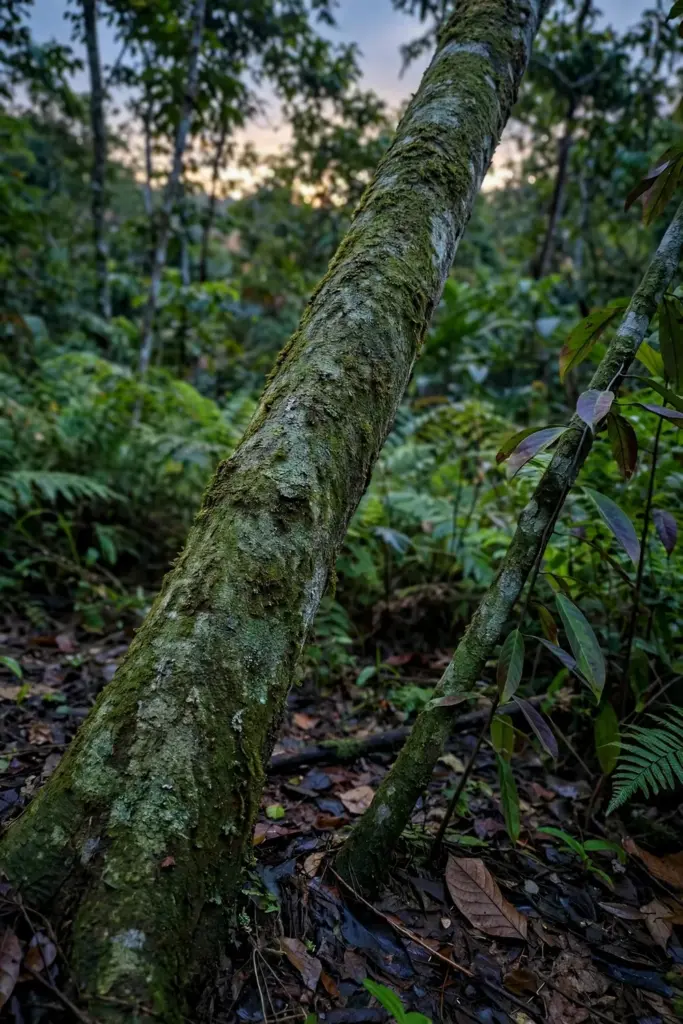
Masoi bark will not become a Western garden plant on the strength of a wish, and no catalog will carry it. It stays a forest tree and a bark trade with a bark-kill harvest and a synthetic replacement already in use. A buyer who wants the scent should look for the synthetic lactone, where the coconut note already sits. The tree, the bark, and the honest limits are the whole story.