
Sow stonebreaker seeds indoors 6 to 8 weeks before your last frost, at 25 to 30 degrees Celsius, and seedlings emerge within 1 to 2 weeks in a warm, bright spot. That is how to grow stonebreaker from Indonesia in a temperate climate: the tropical annual meniran (Phyllanthus niruri L.) lives its whole life in a pot, moves indoors before the first frost, and never needs a greenhouse.
That is a tropical herb of 15 to 50 cm that seed packets call stonebreaker, chanca piedra, or meniran, and the rest of this page is 16 moves from seed identification to the drying rack. If you have started tomatoes or peppers from seed, you already own every skill this plant asks for. The seed starting guide covers the trays, domes, and lights once more, in case your setup needs a refresh.
Start seeds while nights are still cold. Move the pot out after the frost date. Bring it back in before the first autumn frost. A stonebreaker pot asks for three things: heat at germination, moisture through the season, and a hard frost deadline in autumn. Give it those and the plant behaves like a weed in the best sense. Starve it of any one and it sulks or dies.
| Spec | Stonebreaker |
|---|---|
| Botanical name | Phyllanthus niruri L., family Phyllanthaceae |
| Common names | stonebreaker, chanca piedra, quebra pedra, meniran, gale of the wind, seed-under-leaf, keezhanelli |
| Life cycle | annual |
| Height | 15 to 50 cm |
| Outdoor range | USDA zones 9 to 11; grown as a warm-season annual in pots elsewhere |
| Sun | full sun to partial shade |
| Soil | most soils with good drainage; pH 6.0 to 7.0 |
| Germination | 1 to 2 weeks at 25 to 30 degrees Celsius |
| Propagation | seed; stem cuttings also root |
1. Buy Phyllanthus niruri Seed, Not a Look-Alike Species
Buy seed only from a packet that prints the exact binomial Phyllanthus niruri L. The herb trade uses stonebreaker and chanca piedra as loose labels, so the binomial on the packet is the one thing you can trust.
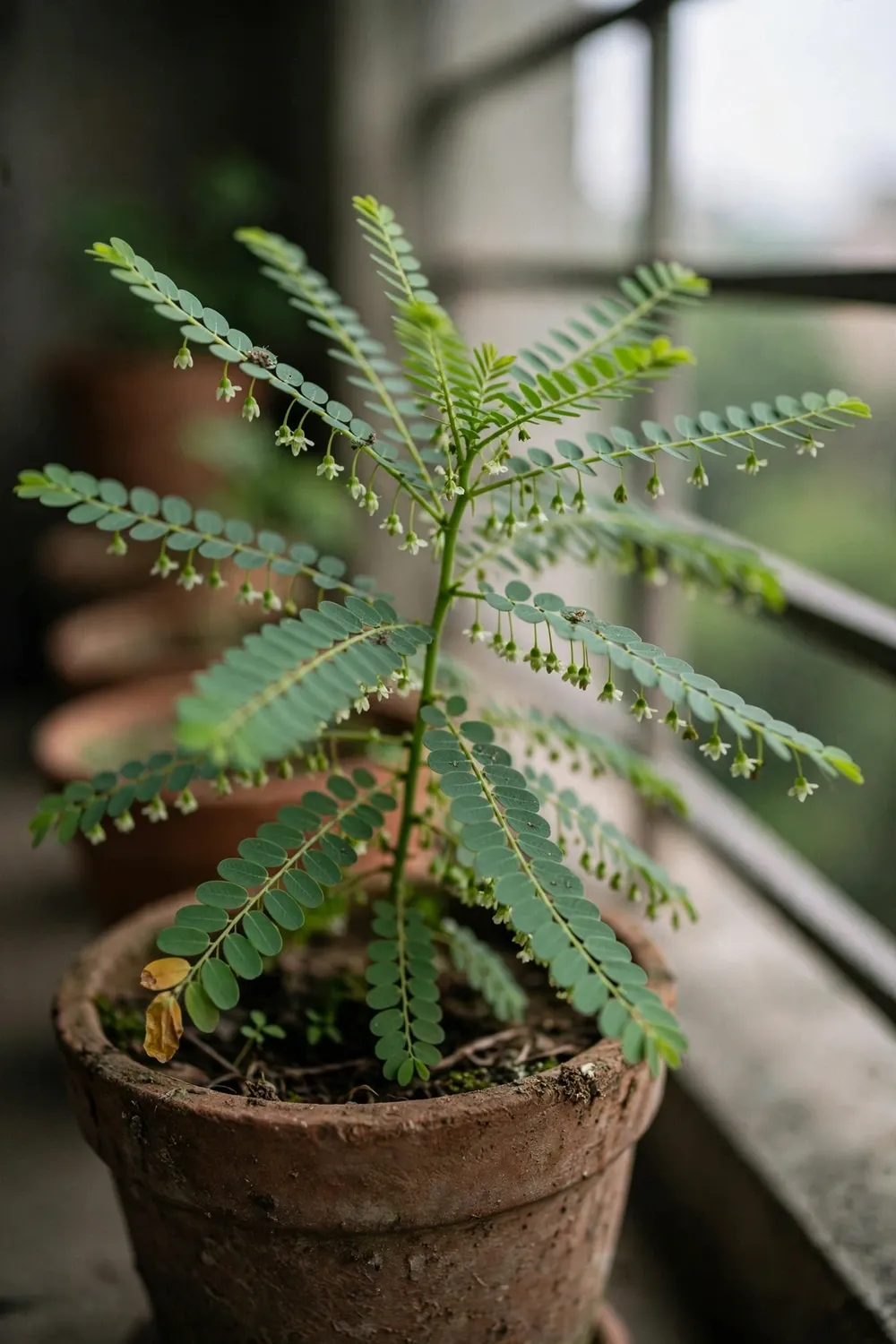
P. niruri is an erect annual, often branched from the base and 15 to 50 cm tall, and it has been confused with the closely related P. amarus for a long time, according to Useful Tropical Plants. The same reference notes the uses of the two species are probably interchangeable. A mix-up costs you accurate labeling, not the harvest. The synonym list runs long, including Phyllanthus ellipticus and Urinaria erecta, so treat any of those old names on a packet as this same plant.
| Packet says | What it is | Check |
|---|---|---|
| Phyllanthus niruri L. | stonebreaker, meniran, seed-under-leaf | the plant this page describes; erect annual 15 to 50 cm |
| Phyllanthus amarus Schum. and Thonn. | sold under the same common names | a separate, closely related species most often confused with P. niruri |
| Phyllanthus urinaria L. | chamberbitter | a different species entirely; do not follow this page’s advice for it |
Stonebreaker shares its genus with amla (Phyllanthus emblica), the Indian fruit tree, which is a woody perennial and a different job entirely. Meniran sits beside lemongrass in Indonesian kitchen gardens: a small, fast herb rather than a tree. Buy from a seed house that lists the binomial and the packed date, not from a marketplace listing with a stock photo of a different plant. If the packet prints only a common name with no Latin name, skip it. Seed without a Latin name is a guess you pay for in lost months.
2. Start Seeds Indoors 6 to 8 Weeks Before the Last Frost
Start stonebreaker seeds indoors 6 to 8 weeks before your last frost date. The plant cannot survive freezing, so in zones below 9 the entire season has to fit between the last spring frost and the first autumn one, and the indoor head start is what makes that fit. Learning how to grow stonebreaker in a temperate zone starts with respecting that window.
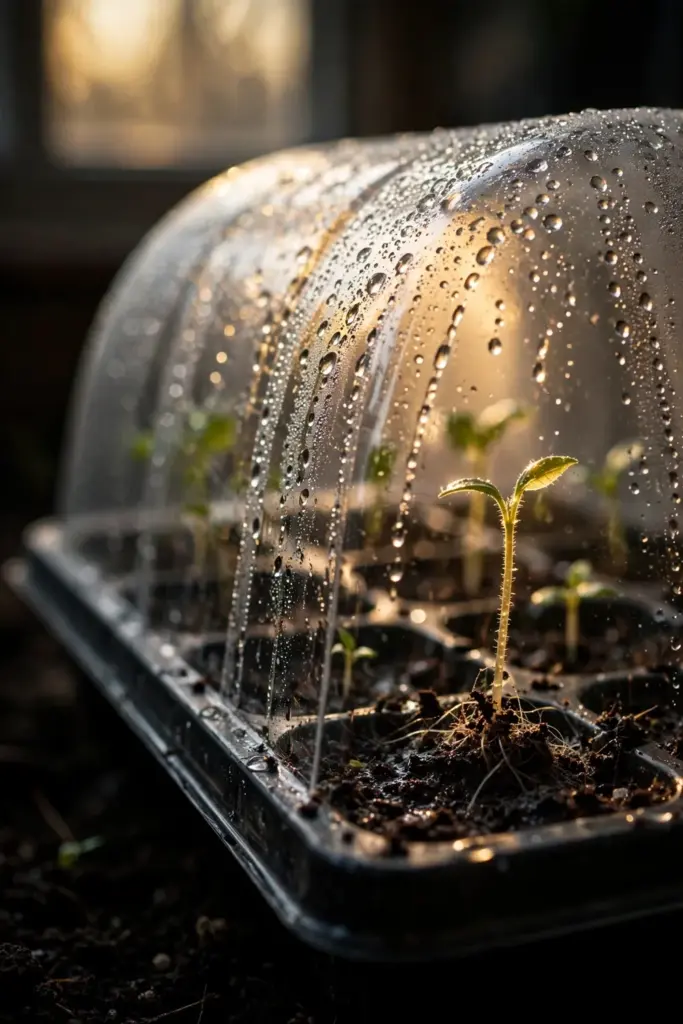
Germination takes 1 to 2 weeks when the tray sits in a warm, bright location, according to the Ploi plant care database. Warmth matters more than light at this stage; a heat mat set near 25 to 30 degrees Celsius does the real work, while a sunny windowsill or a basic grow light supplies the rest. The same database notes the plant grows outdoors in USDA zones 9 to 11 and will not survive freezing conditions, so your frost calendar is the controlling document, not the calendar month.
Count backward from your average last frost. Sow in late winter for a May transplant in most temperate zones. Sow too early and leggy seedlings wait weeks for transplant weather; sow too late and the autumn frost deadline cuts the harvest short. The packet rarely prints days to maturity, so use the frost window as your ruler. No heat mat on hand? The top of a refrigerator or a cable box runs warm enough to start germination, with the tray moved to light the moment green shows.
3. Soak the Seeds for 24 Hours Before Sowing
Soak stonebreaker seeds in room-temperature water for about 24 hours before sowing. The soak softens the seed coat and gives the tiny seeds a faster, more even start.
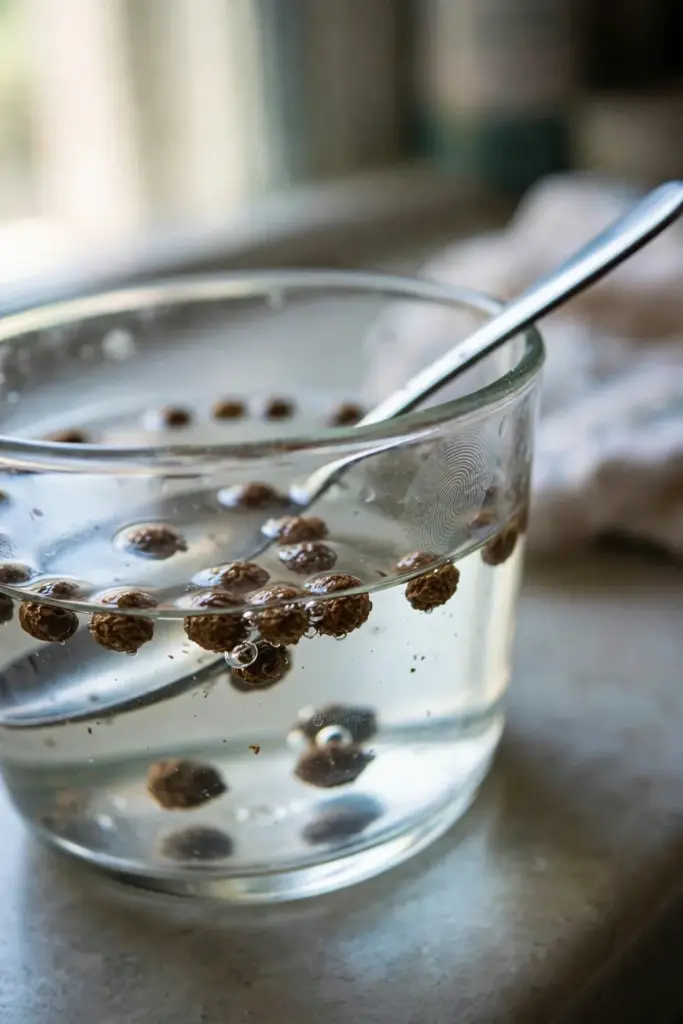
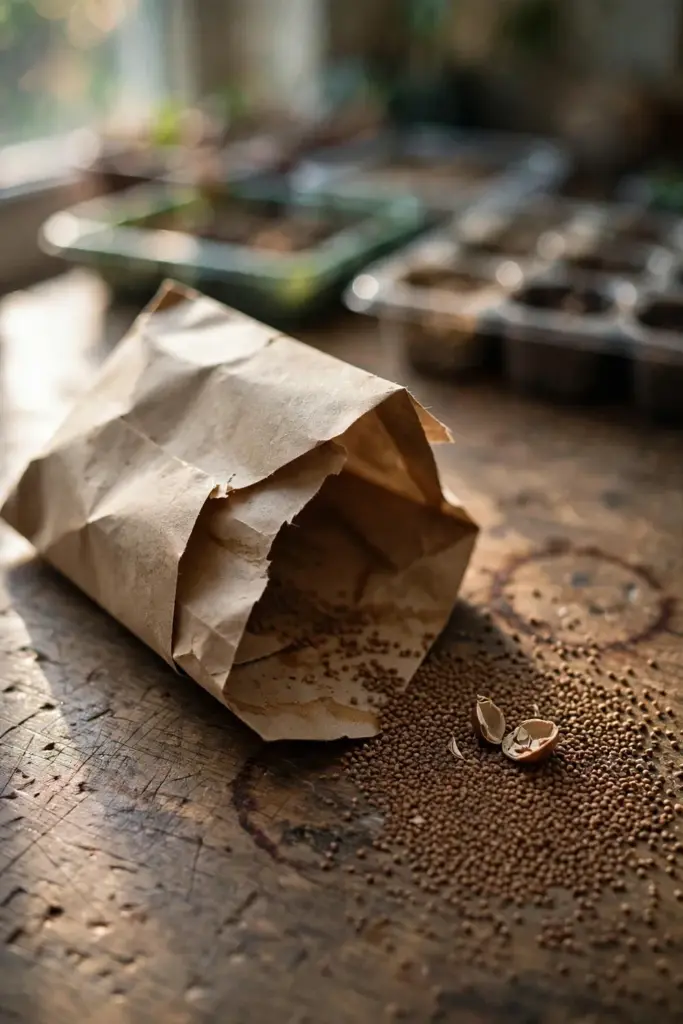
The seeds are very small, so mix them with dry sand after soaking and sprinkle the mixture over moist seed mix rather than sowing them one by one, a trick the same care notes recommend for this species. Cover them with only a dusting of mix, about 2 mm, and keep the tray covered with a humidity dome until green appears. A plant database entry on the species gives the germination sweet spot as 25 to 30 degrees Celsius over 2 to 4 weeks, so if your tray runs cooler, expect the slower end of that range.
Skip the soak and germination still happens; it just drags. The one failure to avoid is sowing the seeds deep. Buried seed in this species rots before it ever sees light. Surface sow, dome on, warmth under.
4. Give Seedlings 6 Hours of Sun or Bright Indirect Light
Give stonebreaker seedlings at least 6 hours of sun a day, or bright indirect light if the sun is harsh. The plant succeeds in full sun or partial shade, the same botanical reference confirms, which gives you room to work with whatever bright spot you have.
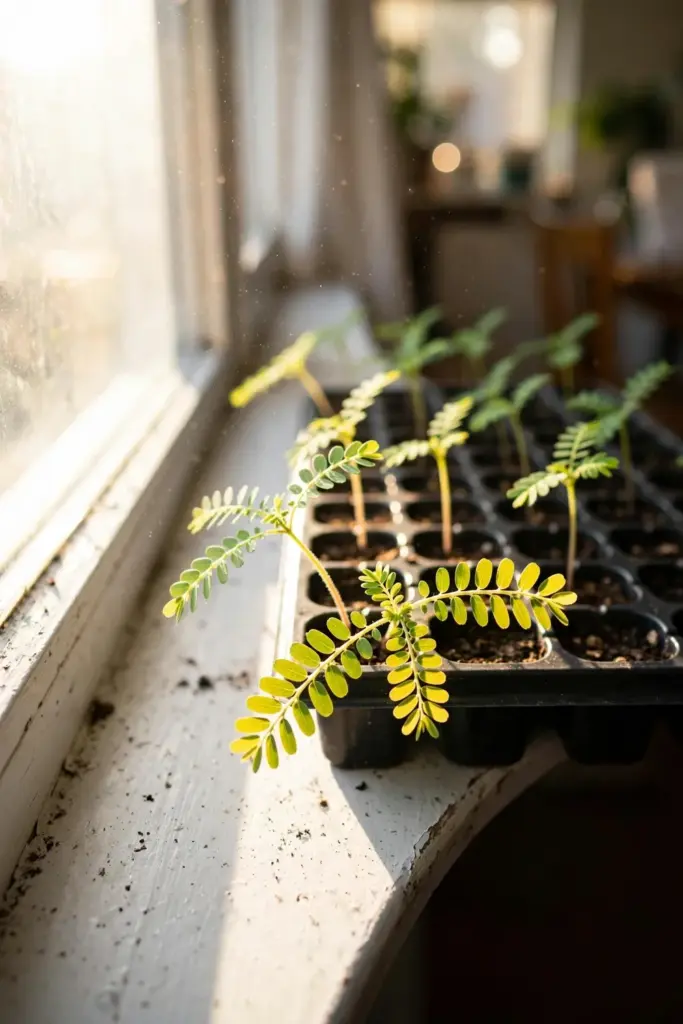
A south-facing windowsill, a balcony that catches the morning sun, or a grow light on a 14-hour timer all qualify. If you use a grow light, hang it 10 to 15 cm above the tray and raise it as the seedlings grow; light too far away is the quiet cause of most leggy indoor seedlings. A cheap light-meter app on your phone settles arguments: seedlings want genuinely bright light, not a dim corner that looks fine to human eyes. If the only window faces north, the grow light stops being optional. Rotate the tray a quarter turn every two days so the seedlings do not lean into the glass. Seedlings stretch and pale when light falls short, and no amount of water or feed fixes a light deficit later. Watch the stem between the leaves. Short, sturdy gaps mean the light is right. Long, floppy gaps mean move the tray closer to the source.
5. Harden Off Seedlings Across 7 Days
Harden off stonebreaker seedlings over 7 days before they move outside for good, because indoor leaves scorch in direct sun and wind without this transition week.
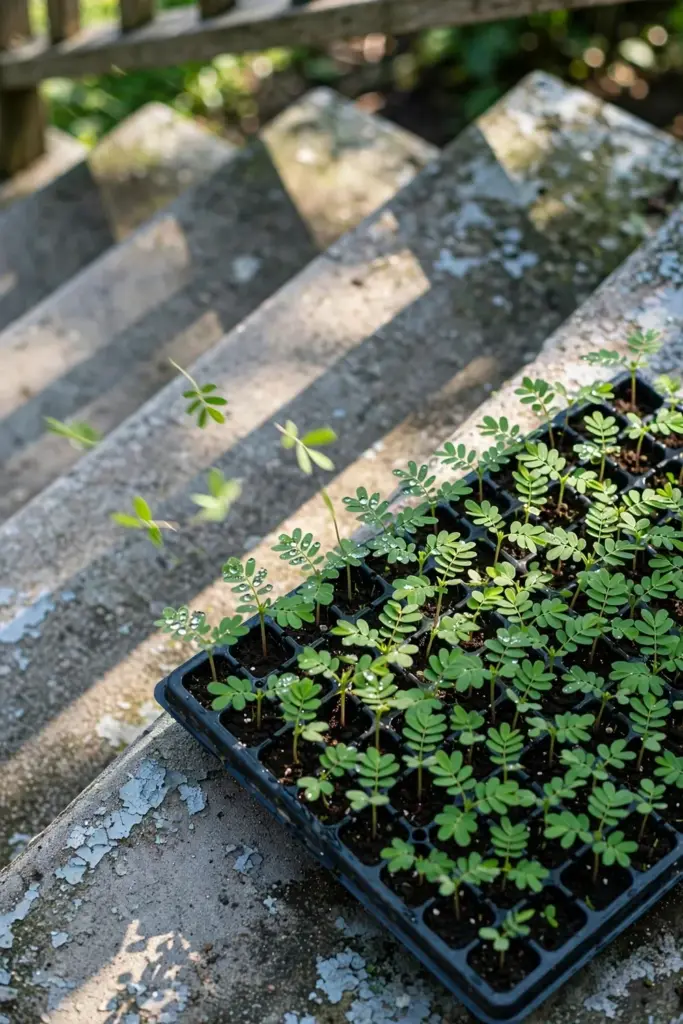
Start with 2 hours of morning shade on day one. Add an hour or two of outdoor time each day after that, and finish with a full day and night outside before transplanting. Bring the tray in if a late cold snap threatens, since seedlings this young have no frost tolerance at all. The routine is boring. It also prevents the single most common transplant death: a seedling moved straight from a windowsill to a windy balcony. On the last two days, leave the tray out overnight if the low stays above 10 degrees.
6. Plant in a Pot With Drainage Holes
Plant stonebreaker in a pot with drainage holes, 20 cm across for one plant. The species tolerates wet tropical ground, but standing water in a saucer rots the roots of a potted annual fast.
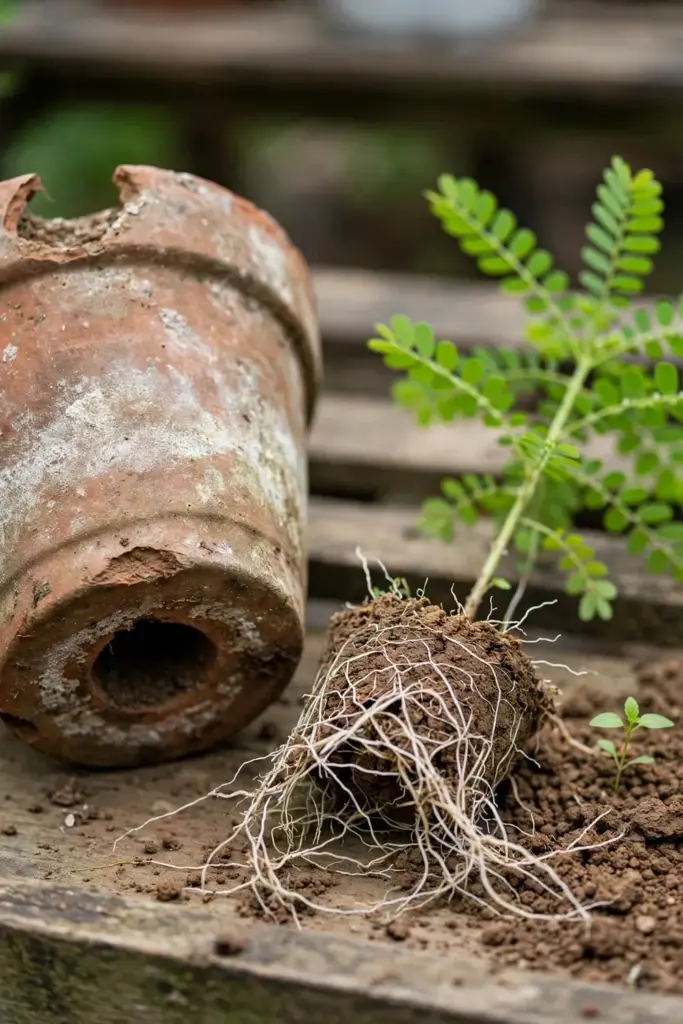
Terracotta breathes and forgives heavy-handed watering. Plastic holds moisture longer and suits hot balconies where pots dry by noon. Glazed ceramic sits between the two and looks better on a patio table, though it costs more. Either works. What does not work is a decorative pot with no hole and a layer of pebbles at the bottom pretending to be drainage. Drill the hole or pick another pot. Group the stonebreaker pot with your other warm-season herbs so one watering round covers them all, and give each pot its own saucer so a thirsty neighbor never steals its share.
7. Mix a Fast-Draining Loam With Organic Matter
Fill the pot with a loose, fast-draining mix rich in organic matter. Stonebreaker succeeds in most soils, sandy to clay, as long as drainage is good, and the ideal is a loamy mix with organic matter worked through it.
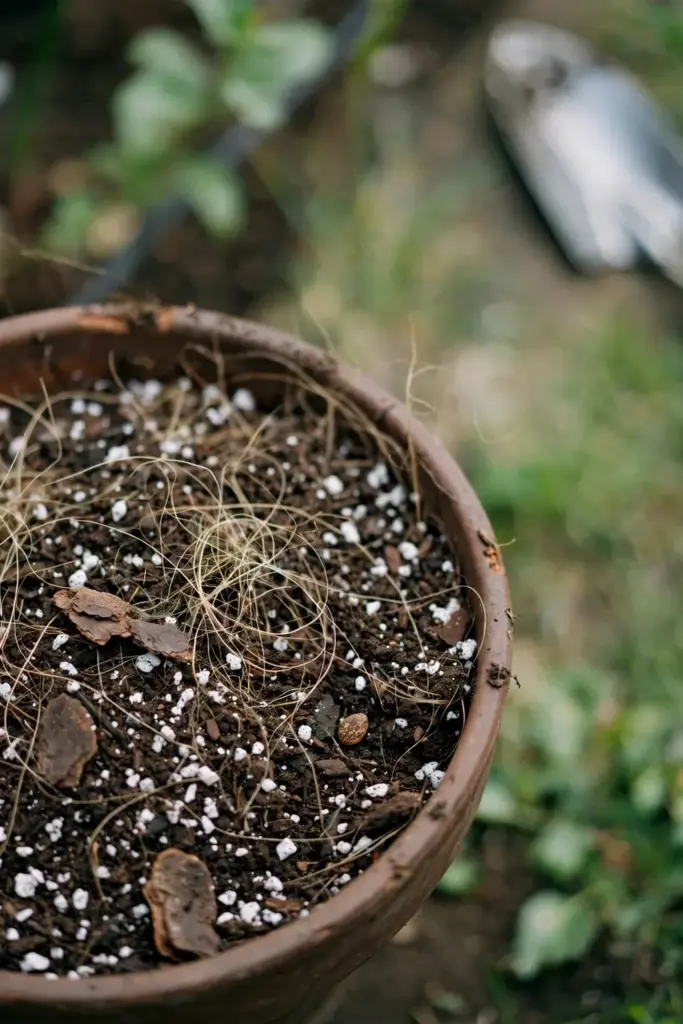
A workable home mix is one part potting soil, one part coco fiber, and one part perlite. That trio holds moisture without going soggy, which matches what this plant wants: wet tropical ground, not a swamp. Healthy soil does half the pest and disease work before it starts, so spend the effort here rather than on rescue treatments later. Skip garden soil straight from the bed. It compacts in pots, drains badly, and carries weed seeds that outcompete a slow herb seedling.
8. Keep the Soil Evenly Moist, Never Soggy
Water so the top 2 cm of mix dries slightly between waterings while the root zone stays evenly moist. Stonebreaker comes from wet tropical climates and resents both drought and waterlogging in equal measure.
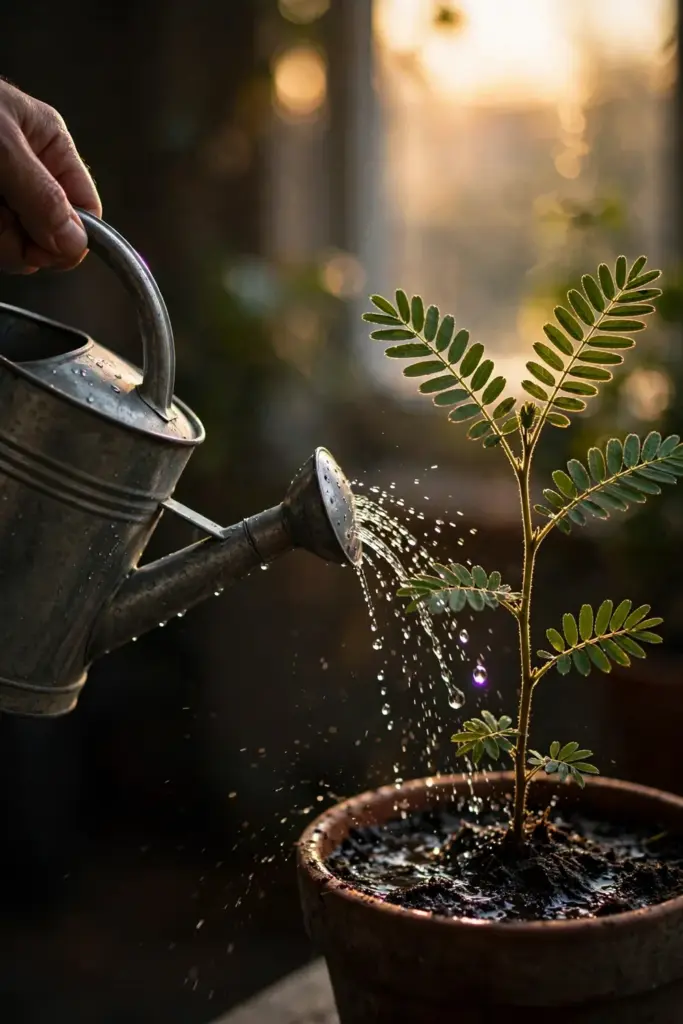
Check with a finger, not a schedule. Hot weeks may need daily watering; cool cloudy stretches may need none for days. Water in the morning so the leaf surface dries by evening, and empty the saucer 30 minutes after watering. Roots sitting in a full saucer invite the root rot that kills more potted herbs than any pest. A pot that dries out completely between waterings will drop its lower leaves, and on an annual they do not regrow. In a heatwave, shift the pot to afternoon shade rather than doubling the water; the roots cannot drink faster than the soil drains. A plant that wilts by afternoon and recovers by evening is asking for a bigger pot or a shadier corner, not more water in the same small one.
9. Mulch the Pot Surface With 2 cm of Bark
Spread 2 cm of fine bark or coco chips over the pot surface after transplanting. Mulch cuts evaporation, stops soil from splashing onto the lower leaves during watering, and keeps the tiny fallen seeds of this plant from washing into every neighboring pot.
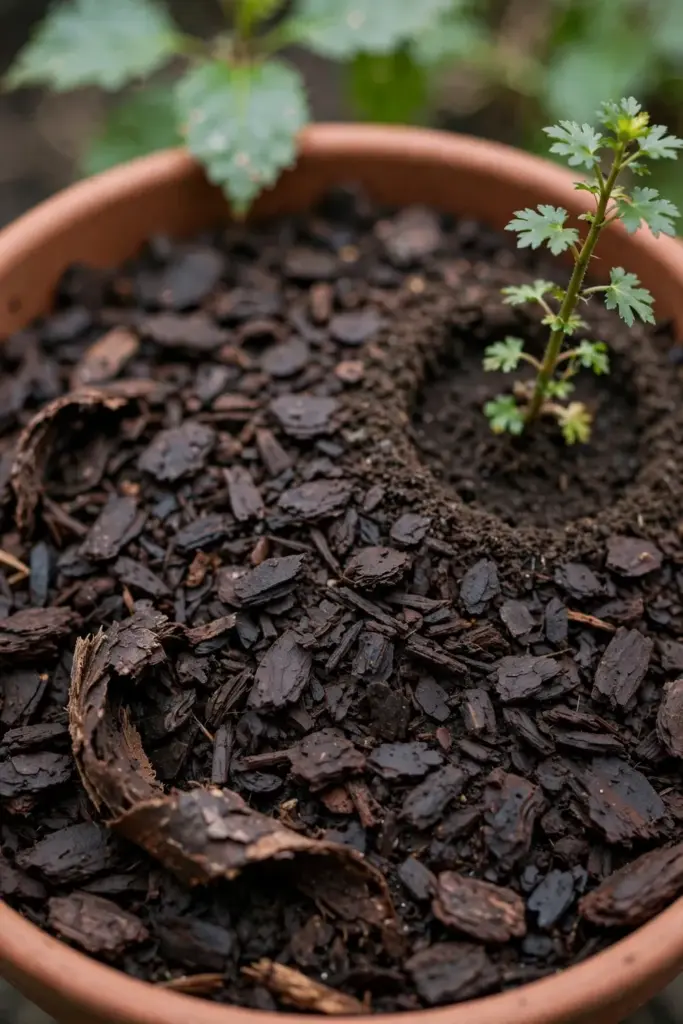
Keep the mulch 2 cm away from the stem itself. Mulch piled against the stem holds moisture where the plant cannot use it and invites stem rot. Top up the layer once mid-season as it breaks down. Fine bark lasts longer than coco chips in hot sun; coco chips break down faster and feed the mix a little as they go. Either is fine, and both beat bare soil. This is a small job with an outsized payoff on a hot balcony: it can halve how often you reach for the watering can in July.
10. Feed Lightly Through the Growing Season
Feed stonebreaker lightly through the growing season with a balanced liquid fertilizer at half the label rate. This is a light-feeding wild herb, not a hungry tomato, and heavy feeding buys you soft, floppy growth that pests love.
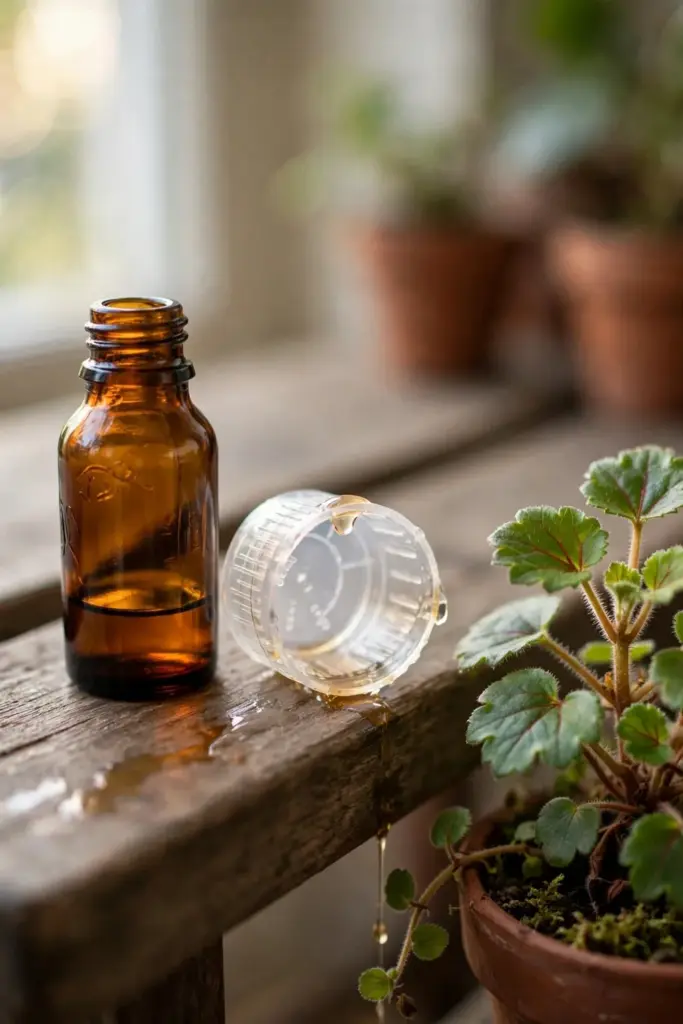
Start feeding 3 weeks after transplanting, once the roots have claimed the pot, and stop 4 weeks before your expected first frost so the plant hardens naturally toward the end of the season. Pale older leaves that yellow from the bottom up usually signal hunger. Dark green, leggy stems with wide leaf gaps usually signal too much feed, and the fix is to cut back, not add more. A top-dress of compost at transplanting covers most of what this plant will ever ask for. If you already feed a mixed herb pot on a monthly rhythm, stonebreaker fits that schedule without any special treatment.
11. Pinch the Growing Tips for Bushier Plants
Pinch the growing tips once the plant reaches 15 cm. Removing the top 2 cm of each main stem forces side branches, and side branches are where the leaf mass lives.
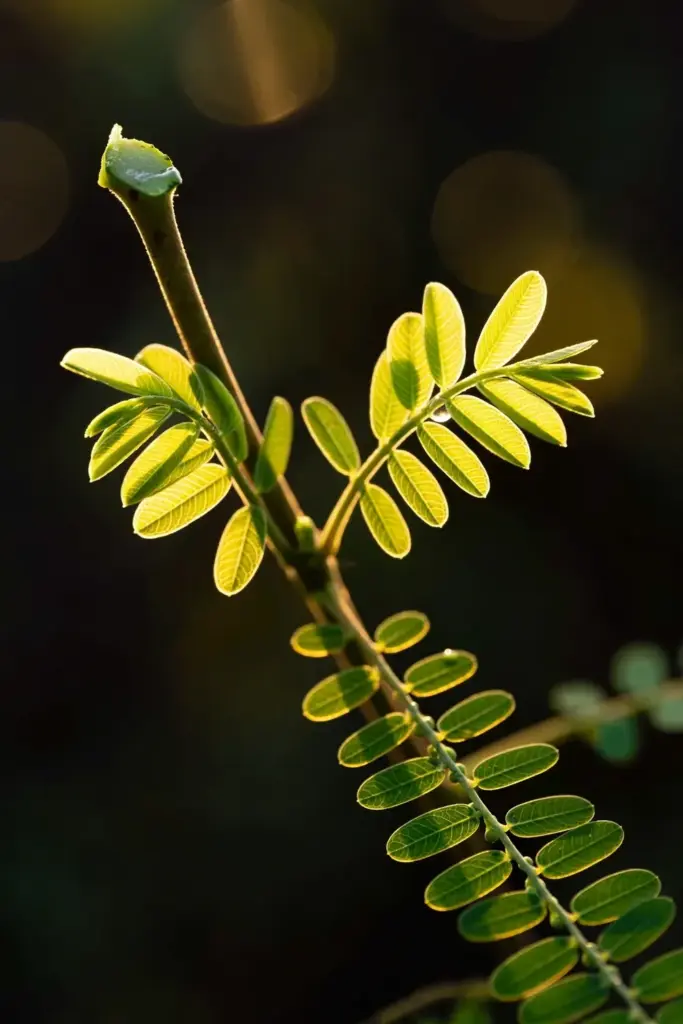
Use clean fingernails or small snips, and pinch in the morning when the stems are turgid. The plant responds within a week, pushing two new shoots from below each cut. Skip the pinch and stonebreaker grows one straight, lanky stem with leaves only at the top, which looks sparse in a pot and yields less at harvest. One pinch is enough for most plants; a second round 3 weeks later suits growers chasing maximum leaf. The pinched tips root easily in a glass of water, so a single seedling can become three plants with almost no extra work.
12. Strip Seed Pods to Prevent Volunteer Seedlings
Strip the seed pods before they ripen if you do not want volunteers. Stonebreaker sets seed freely, and the tiny capsules drop, roll, and sprout in every nearby pot the following spring.
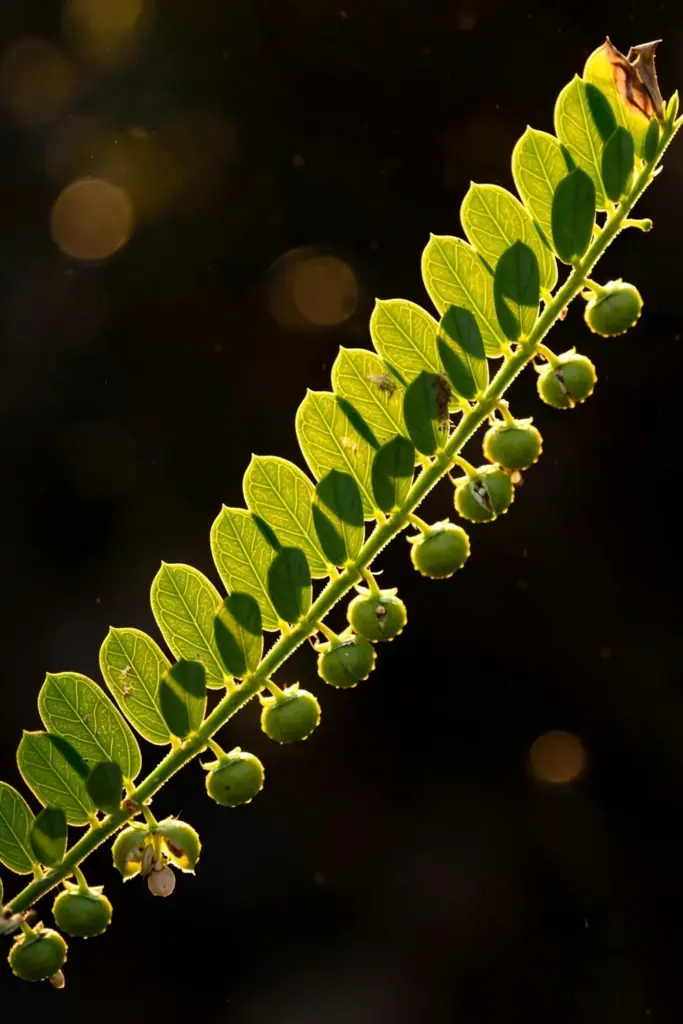
Run a hand up each stem once a week from midsummer and brush the forming capsules into your palm. The work takes a minute per plant. Miss a few weeks and you will find seedlings in the saucer, the mulch, and the cracks of the balcony floor. Save seed only from your healthiest plant: let one plant’s pods mature fully, dry them on paper indoors, and store the seed in a labeled envelope in a cool, dry drawer. Label the envelope with the species, the harvest year, and the parent plant’s best trait, such as earliest to flower. Seed saved from your own healthiest plant is already selected for your balcony’s exact conditions, which beats any packet next spring. It stays viable for the next season’s sowing.
13. Move the Pot Indoors Before the First Frost
Move the pot indoors before the first frost, because this plant will not survive freezing. In temperate zones stonebreaker is a one-season annual; no amount of mulching saves a frost-killed tropical herb.
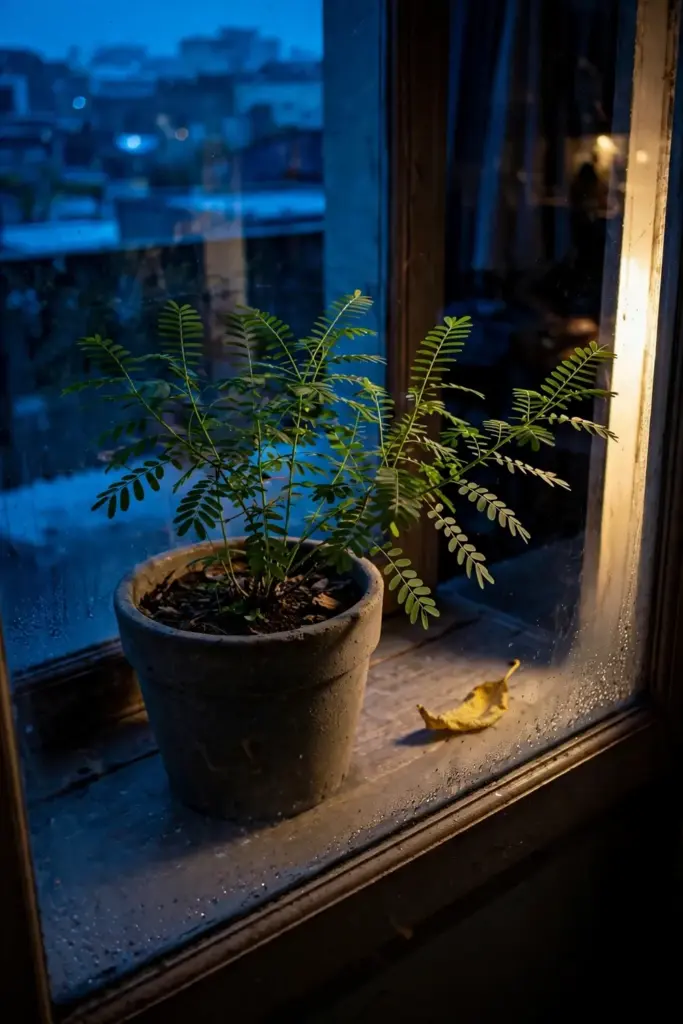
Watch the 10-day forecast from early autumn. Set your move date a week ahead of the first expected frost. Indoors, give the plant your brightest window and water lighter, since growth slows in short days. Expect some leaf drop in the first two weeks inside. The plant is adjusting to lower light, not dying. A pebble tray of water under the pot helps with the dry indoor air, though the plant tolerates a normal room. Most growers treat the indoor move as a seed-saving exercise rather than a second harvest. Let one plant finish ripening its pods on the windowsill, then compost the rest. Next spring you sow fresh seed. That resowing habit is the whole cold-climate strategy, and it works every year.
14. Inspect Leaf Undersides Weekly for Aphids and Whiteflies
Inspect the undersides of the leaves once a week for aphids and whiteflies. These sap feeders cluster where you do not look, and by the time the damage shows on the upper leaf surface, the colony is established.
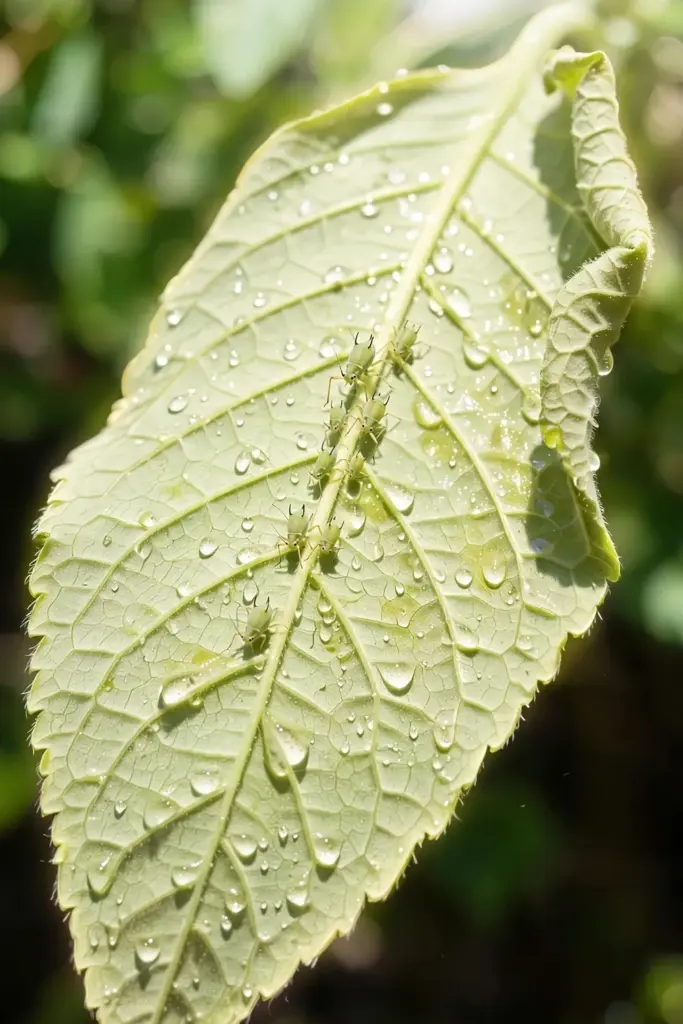
A strong jet of water dislodges aphids. Yellow sticky traps catch whitefly adults. Insecticidal soap handles both when numbers climb, according to a plant database entry covering this species. The same entry lists caterpillars, spider mites, leaf spot, and powdery mildew as occasional problems, and prescribes the standard defenses: spacing for airflow, no overhead watering, and prompt removal of affected leaves. Stonebreaker is generally hardy, so an infestation usually points at a stressed plant. Fix the light, water, or pot size first, then treat the pest. Never spray anything on a plant you plan to harvest within the week; wash the leaves and wait. A weekly inspection also catches the early leaf spots and powdery patches before they spread, and removing one sick leaf beats treating ten. Prevention here is mostly airflow: give each pot elbow room instead of packing the balcony rail tight.
15. Pull the Whole Plant at Harvest
Pull the whole plant at harvest instead of picking leaves one by one. I have learned to pull the whole plant at harvest rather than pick leaves a few at a time, because traditional practice uses the plant from root to leaf and the harvest stays complete that way.
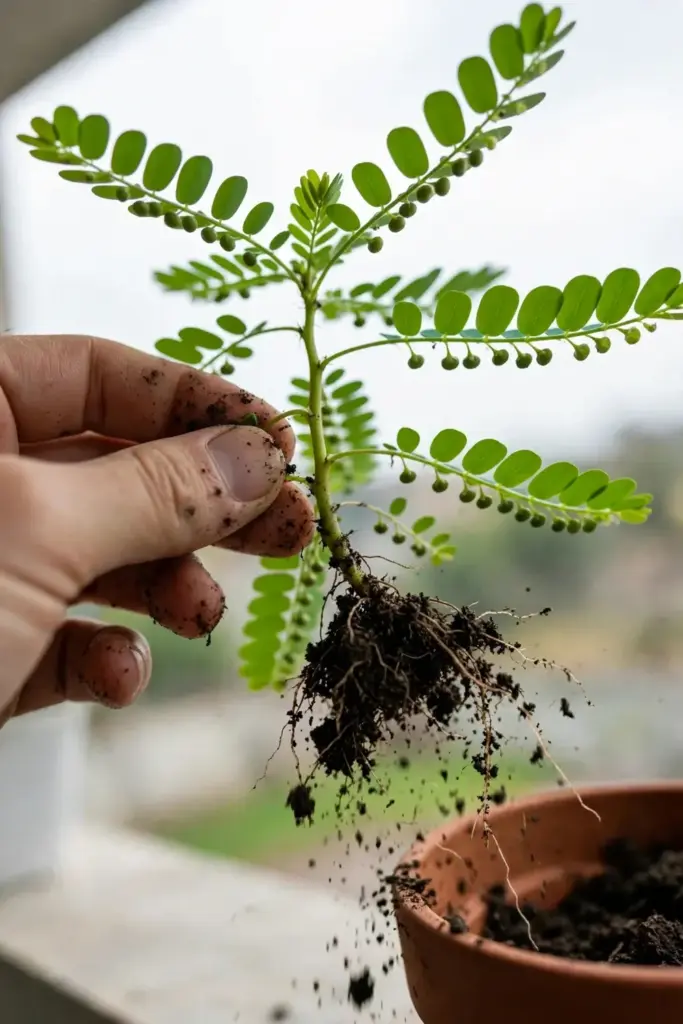
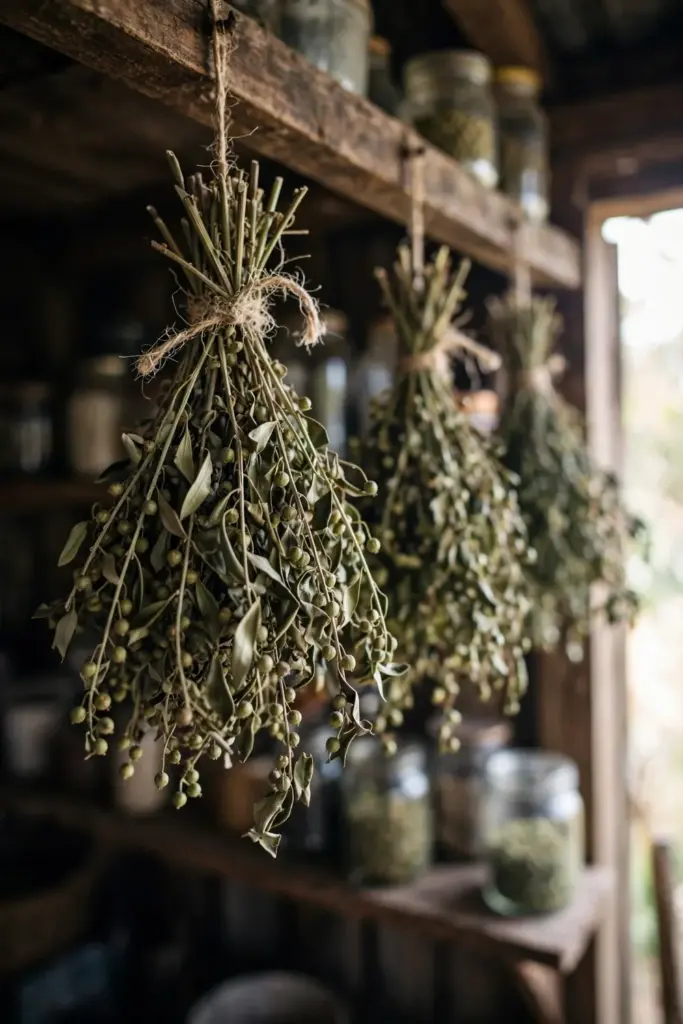
Harvest when the plant is fully grown but still green and vigorous, before the lower leaves yellow in autumn. Shake the soil from the roots, rinse the plant, and hang it upside down in a shaded, airy spot or lay it on a drying rack. Cut the stems into short lengths first if you plan to store the material; shorter pieces dry evenly and do not mold from the inside. Turn the pieces once a day until the stems snap instead of bending. Bundle the dried lengths loosely in paper bags, labeled with the species and the year. Do not wait for the plant to brown on the stem. A brown plant has already spent its energy on seed, and the leaf quality is gone.
16. Read the Safety Facts Before Any Medicinal Use
Read the safety facts before brewing or dosing stonebreaker for any health purpose. The kidney-stone reputation is real in traditional practice, but the clinical evidence is thin, and this page is a gardening guide, not a prescription.
A 2020 systematic review and meta-analysis in the Canadian Journal of Urology found limited clinical evidence supporting modest efficacy of P. niruri in reducing stone burden, pending further study. Only two studies met the inclusion criteria, as summarized in the Storz Medical literature database. That is modest evidence from little data, not a proven therapy, and no major urology guideline recommends it as standard treatment. Healthline’s review of chanca piedra adds the cautions that matter in a kitchen: avoid it during pregnancy and breastfeeding, watch blood sugar and blood pressure closely if you take diabetes or hypertension medication, and stop it at least 2 weeks before surgery because it may slow blood clotting. Reported side effects include stomach pain and nausea. There is no established safe dose for children, and people with chronic kidney disease should talk to a doctor before using it at all. Grow the plant with confidence. Dose the plant only with professional guidance.
Frequently Asked Questions
Chanca piedra is Spanish for stone breaker, so the two names describe the same traditional herb. The catch is the binomial. Seed packets print chanca piedra for Phyllanthus niruri and for its close relative P. amarus, and sometimes for P. urinaria. Buy by the Latin name Phyllanthus niruri L. and the common name on the front stops mattering. The same confusion reaches Portuguese quebra pedra and Indonesian meniran on imported packets.
The honest answer is that the evidence is modest and thin. A 2020 meta-analysis pooled only two controlled human studies and found small reductions in stone size and number, concluding that limited clinical evidence supports modest efficacy pending further study. No major urology guideline recommends it as standard therapy. Anyone considering it for kidney stones should talk to a urologist first, not a gardening blog. This article covers growing the plant, nothing more.
Daily use carries real cautions. Health sources advise avoiding it during pregnancy and breastfeeding, watching blood sugar and blood pressure closely if you take diabetes or hypertension medication, and stopping it two weeks before surgery because it may slow clotting. Reported side effects include stomach pain and nausea. There is no established safe long-term dose, and children should only use it under a doctor’s guidance.
Phyllanthus niruri is an erect annual, usually 15 to 50 cm tall and branched from the base. In a pot with regular pinching it stays bushy and compact. Left unpinched it grows one straight stem with leaves mostly near the top, which looks sparse and yields less. It flowers while still young, which is why a one-season pot in a temperate climate still gives a full harvest.
Yes. Take a healthy stem section 10 to 15 cm long during active growth, strip the lower leaves, dip the cut end in rooting hormone, and set it in a moist, well-draining mix under bright indirect light. Roots develop in a few weeks. Seeds remain the easier path for most growers, since one plant produces hundreds of them and the tiny seeds store well in a labeled envelope.
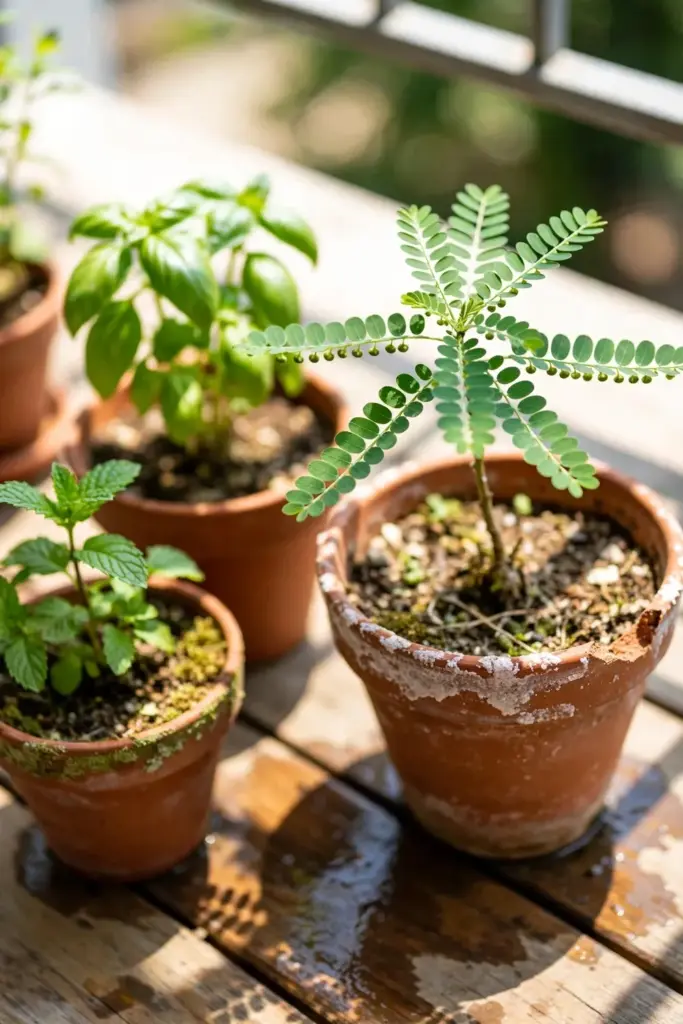
The tiny round seed capsules hang in rows beneath the leaf-bearing branches, so the seeds appear to sit under the leaves. That habit gives the plant its English names seed-under-leaf and gale of the wind. The leaves themselves are small, oval, and arranged in two neat rows along each branchlet. Check that two-ranked leaf arrangement when confirming you have the right species, since look-alikes differ in the details.
Where to Go From Here
Stonebreaker earns its pot the way lemongrass does: a tropical herb that asks for one warm season, a sunny corner, and a frost deadline on the calendar. Mastering how to grow stonebreaker in a pot is mostly calendar discipline: sow indoors, move out after frost, pinch once, harvest whole, and save seed from your best plant. The annual rhythm above is the entire cold-climate strategy for anyone growing below zone 9. The how-to-grow-herbs archive holds the sibling guides for the rest of the warm-season herb shelf, so your meniran never sits alone on the balcony.