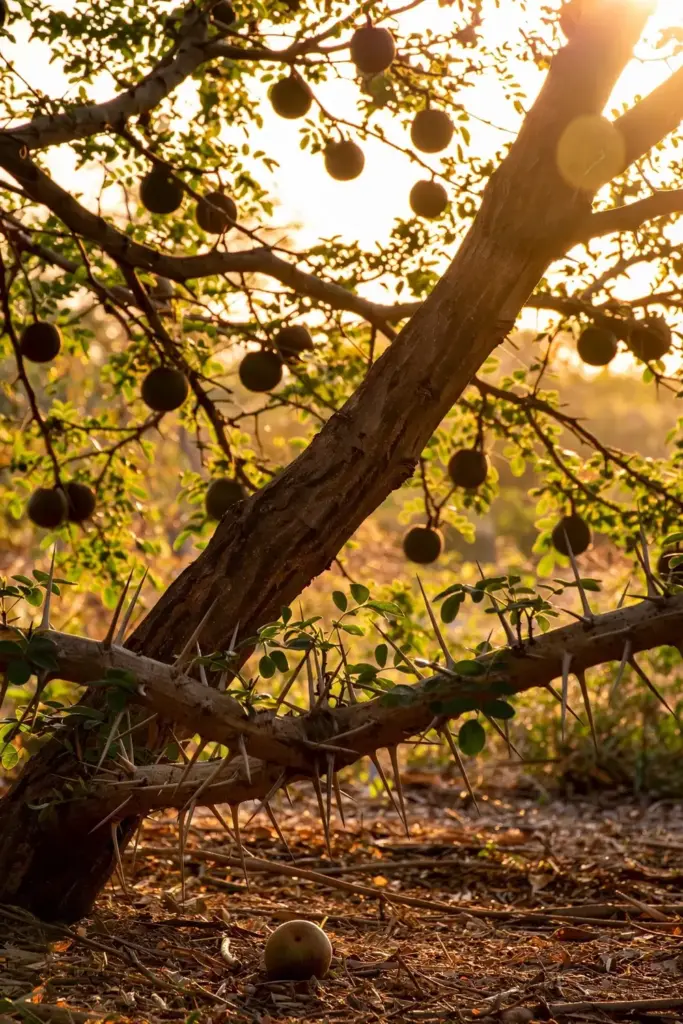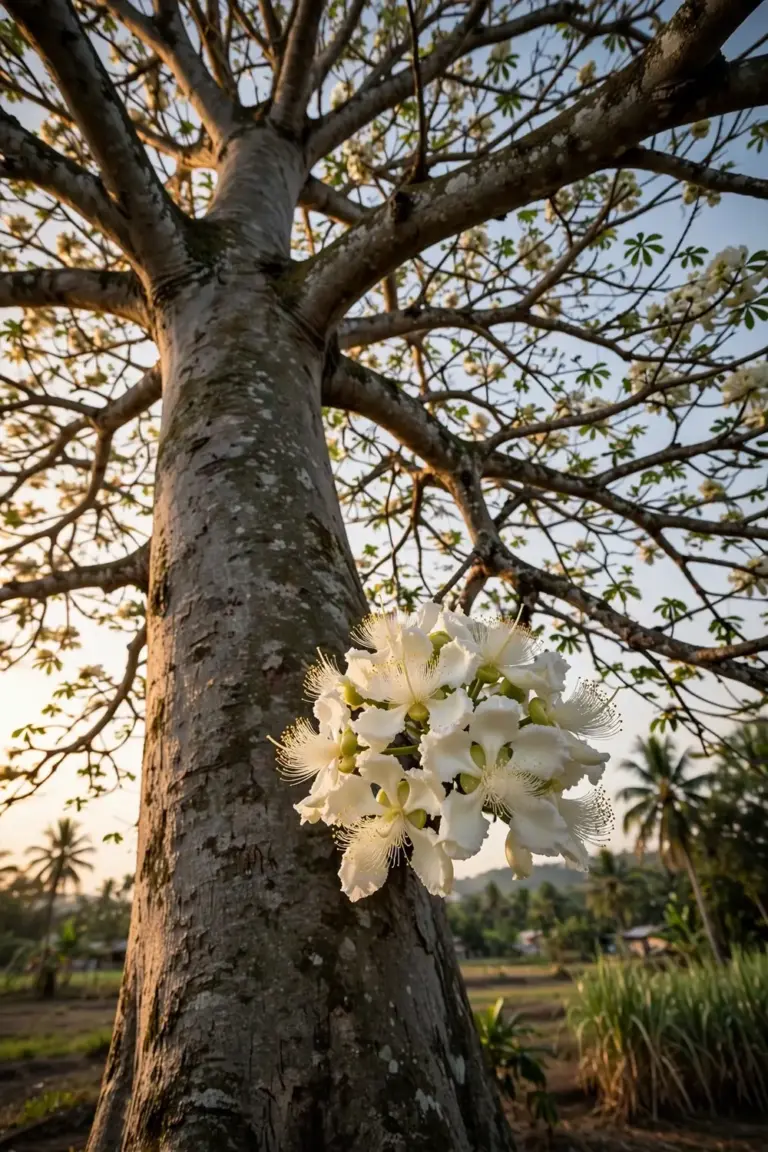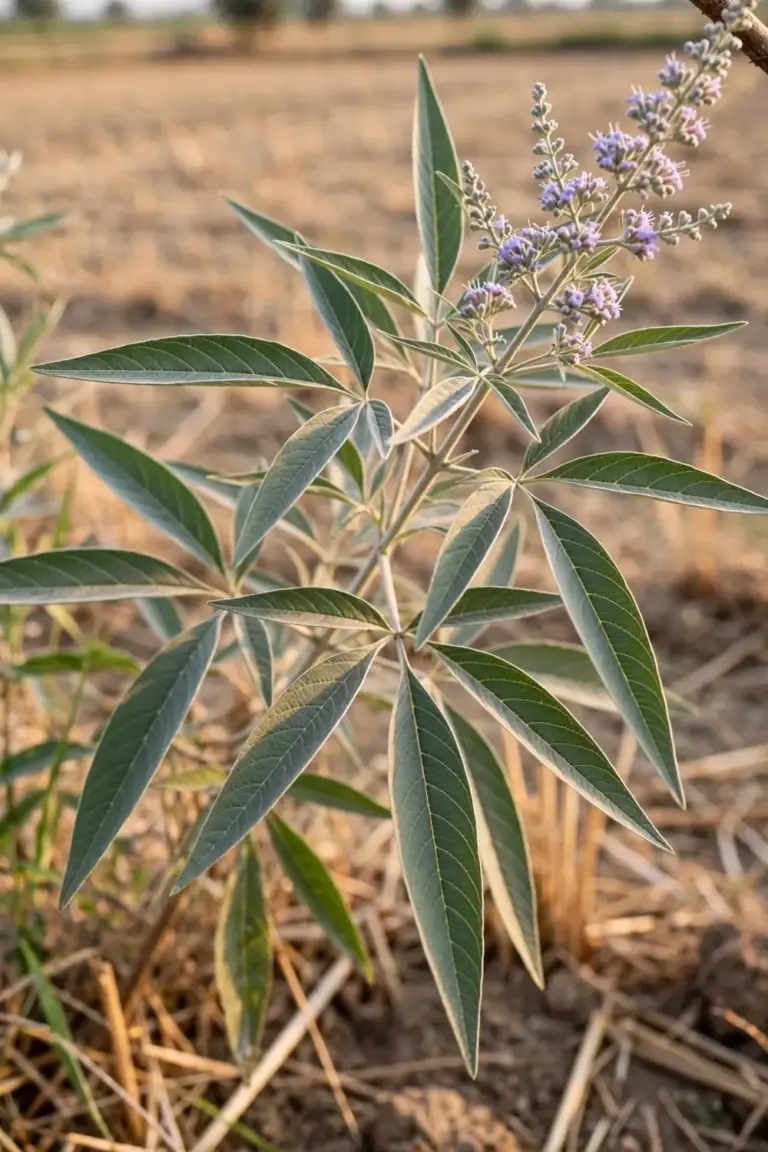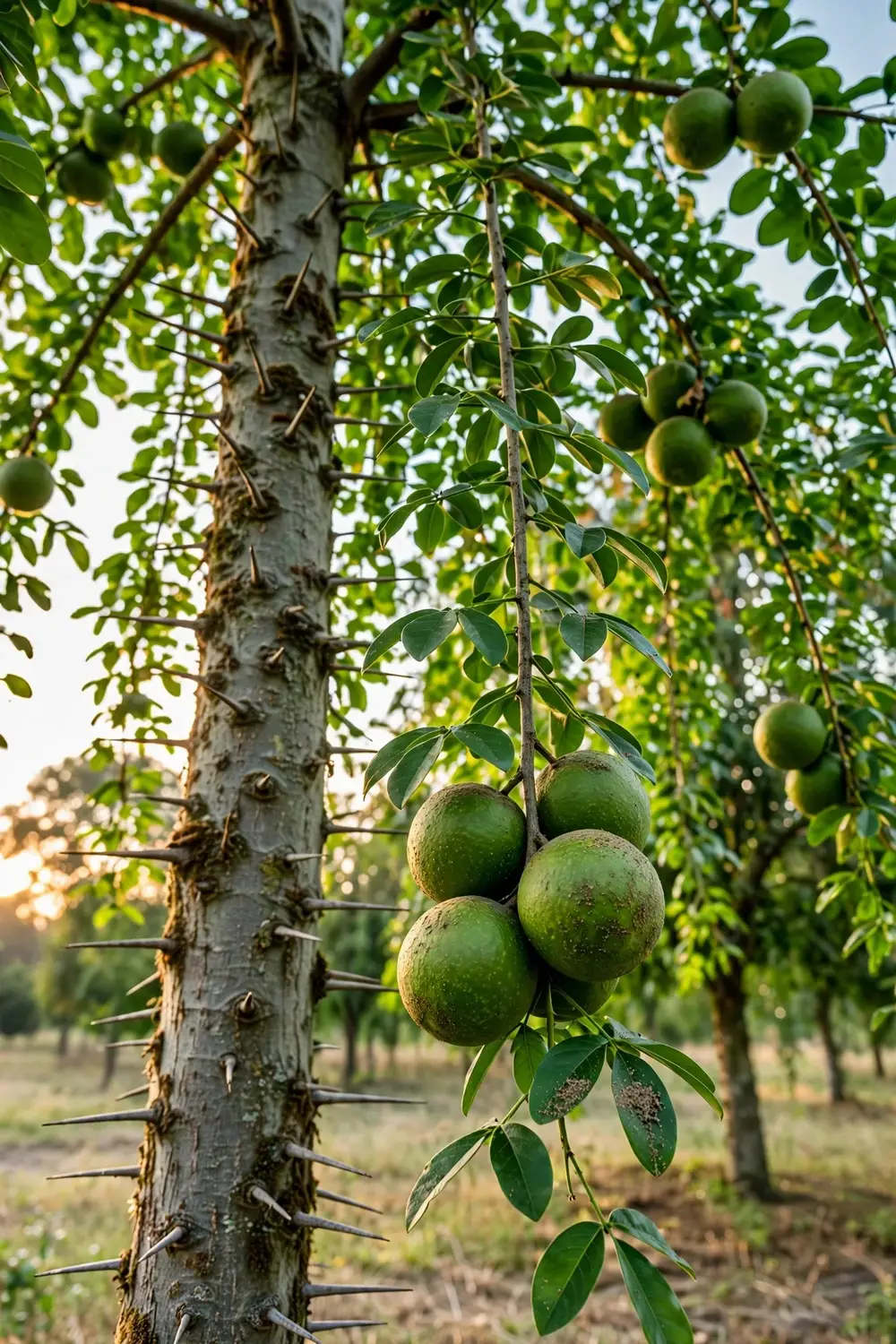

A bael tree will outlive you. The seedling you plant this June in your Indian backyard will still be dropping hard-shelled fruit when your grandchildren argue over who owns the house. Bael (Aegle marmelos, the monotypic genus Aegle’s only member), the sacred bilva of Shiva worship and the source of summer’s cooling sharbat, is one of the toughest fruit trees on the subcontinent, surviving from minus 7 degrees to 48 degrees Celsius and shrugging off sodic soils that kill almost every other fruit crop. The real question is not whether bael will survive in your garden. It is whether you will plant a seedling and wait seven years, or patch-bud a named variety and hold your first fragrant flower in the third.
This is a tree-crop guide, and it refuses to pretend otherwise. No container on a balcony grows a 13-meter tree to fruiting. The honest frame is: a backyard orchard tree in the Indian plains and subtropics, planted with the June monsoon, chosen from ten documented Indian varieties, and managed through an 11-month fruit-ripening wait. If that scale fits your land, bael rewards patience with 150 to 400 fruits a year on a mature tree.
How to grow bael from India starts with identity, because the market confuses it with wood apple constantly, and with a propagation choice that decides your harvest timeline more than any fertilizer ever will.
1. The Climate Question: Where Bael Actually Grows
Bael grows wherever India has a real dry season. The tree handles a subtropical rhythm of hot dry summers and mild winters, and it ascends to 1,200 meters above sea level in the western Himalayas. Temperature tolerance is genuinely wide: bael cultivation research notes survival from 7 degrees to 48 degrees Celsius, with frost tolerance down to minus 7 degrees that few fruit trees can match.
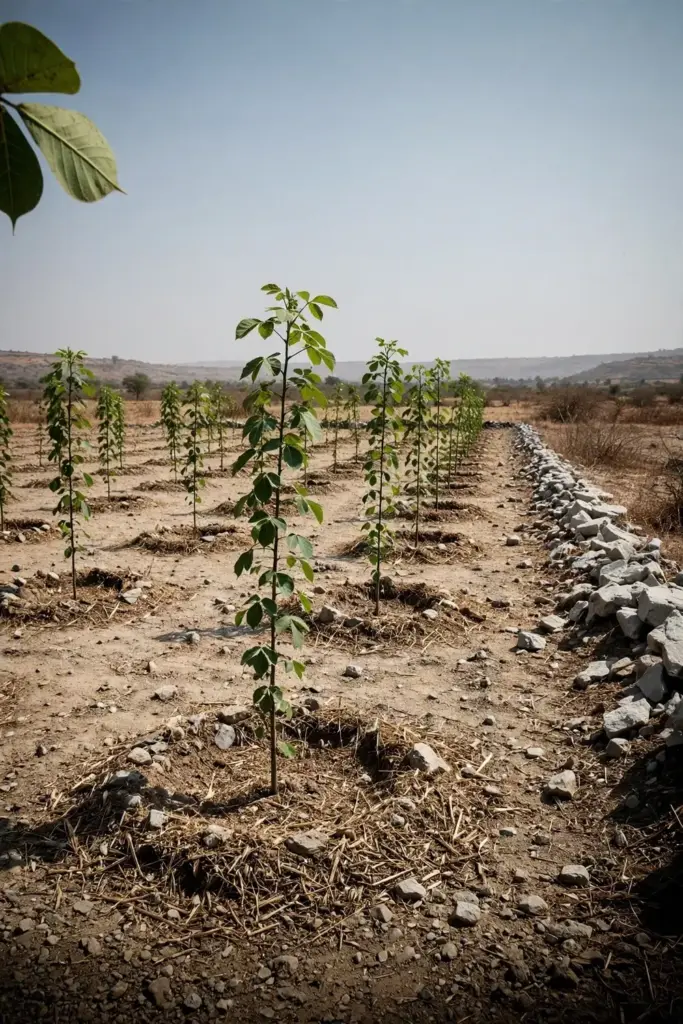
This is the tree to plant on the awkward edge of your land: the alkaline patch, the stony corner, the rainfed strip where mango sulks. Bael grows in soils from pH 5 to pH 10, tolerating sodic and saline ground and stony soils where other fruit trees fail. That said, tolerance is not preference. Well-drained sandy loam still produces the biggest fruit, and waterlogging is the one soil condition bael does not forgive.
2. Bael vs Wood Apple: The Identity Test
Before you buy anything labeled “wood apple” at a nursery, run this test. Bael and wood apple are cousins in the citrus family (Rutaceae), and the trade mixes their names constantly. The fruits look similar from the outside, but they are different species with different pulps.
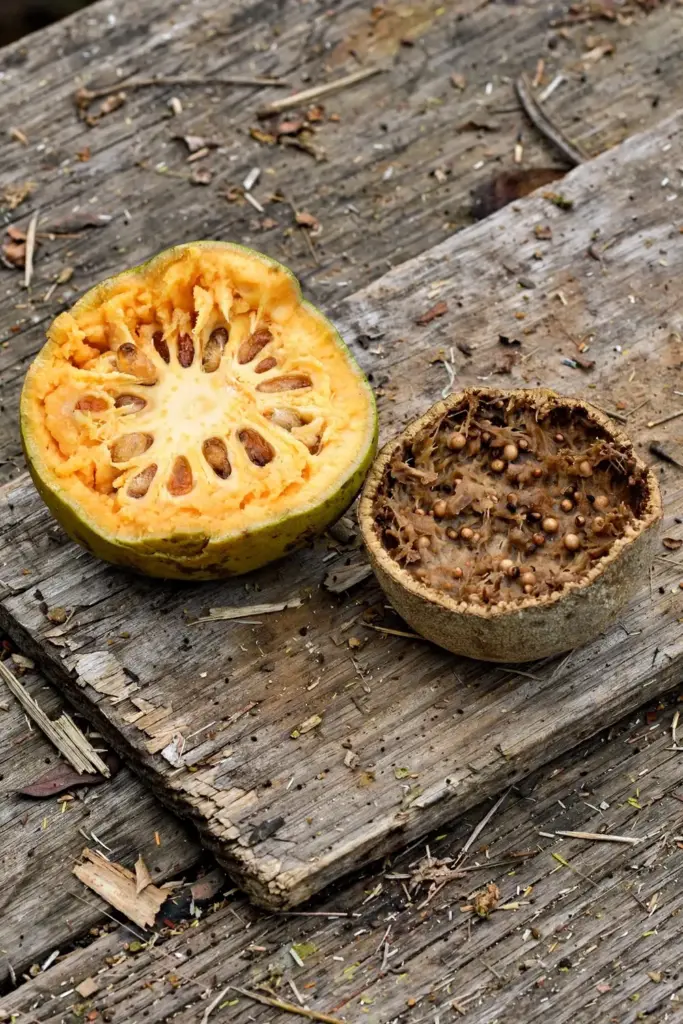
| Feature | Bael (Aegle marmelos) | Wood Apple (Limonia acidissima) |
|---|---|---|
| Pulp color | Orange | Earthy brown |
| Flavor | Sweet, tangy, slightly astringent | Earthy, strong, pronounced tangy base |
| Tree | Thorny, trifoliate leaves, sacred | Spineless or nearly so |
| Sugar profile | High; good for sharbat and processing | Lower; tangy pickle and chutney use |
A detailed bael versus wood apple comparison lays out the pulp, flavor, and botanical distinctions side by side. The practical rule for the grower: if the nursery cannot give you the Latin name, do not buy the tree. An Aegle marmelos tree and a Limonia acidissima tree produce entirely different harvests, and seedlings of both are sold interchangeably in Indian retail trade.
3. Fruit-Is-the-Prize: What You Are Really Waiting For
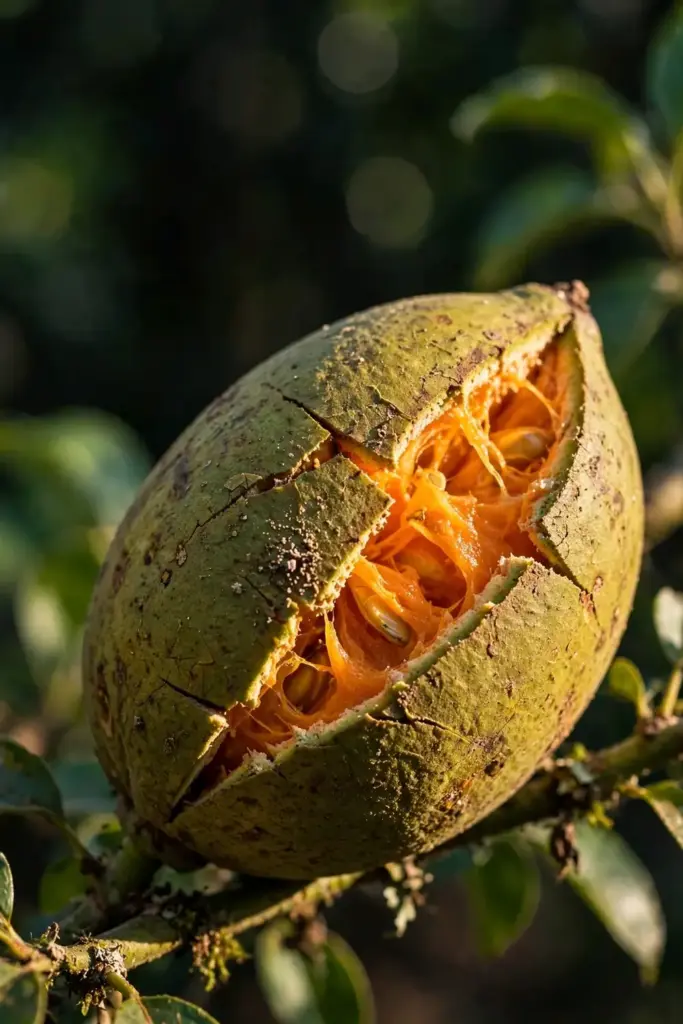
Bael fruits are the prize, and they are unlike any other garden fruit. A ripe bael wears a hard woody shell you crack with a hammer or a heavy knife; inside sits aromatic orange pulp that is fibrous, sweet, tangy, and fragrant with marmelosin, the compound behind its traditional standing. Flowers appear in April and carry a sweet heavenly fragrance that fills the garden in the evening.
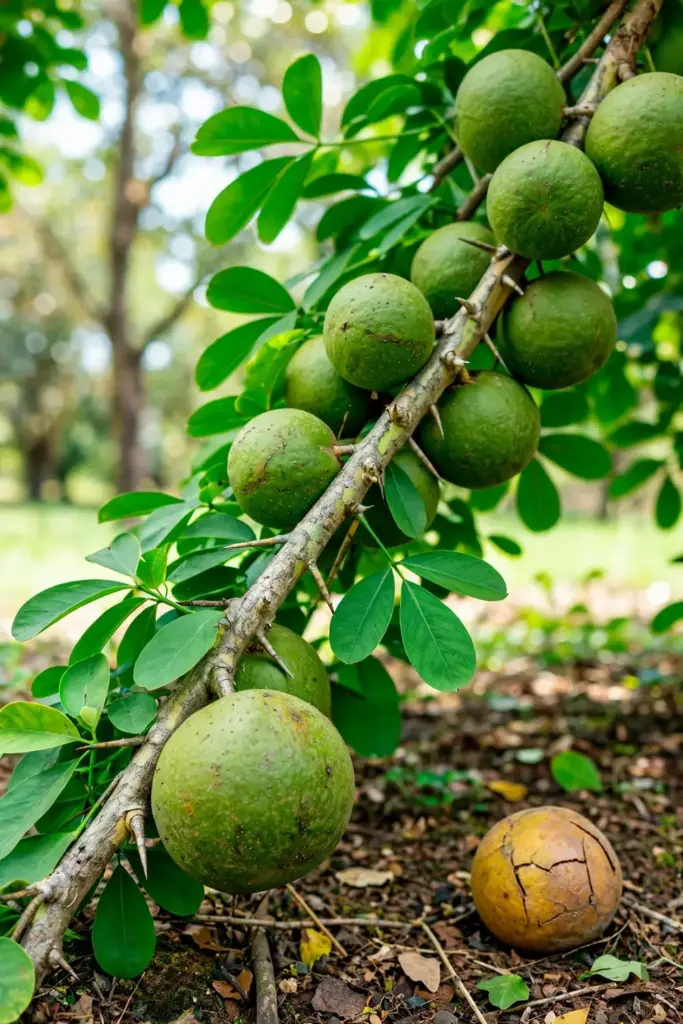
The ripening timeline is the longest of any fruit crop in the India herb and spice lanes. Fruits set after April flowering and mature slowly from October to March, taking roughly 11 months from flower to a fully ripe fruit. A single mature tree bears 200 to 400 fruits in a good year, with an average crop of 150 to 200. That number is the honest promise: no tree fruits like this in year two.
4. Seedlings vs Patch Buds: The Timeline Fork
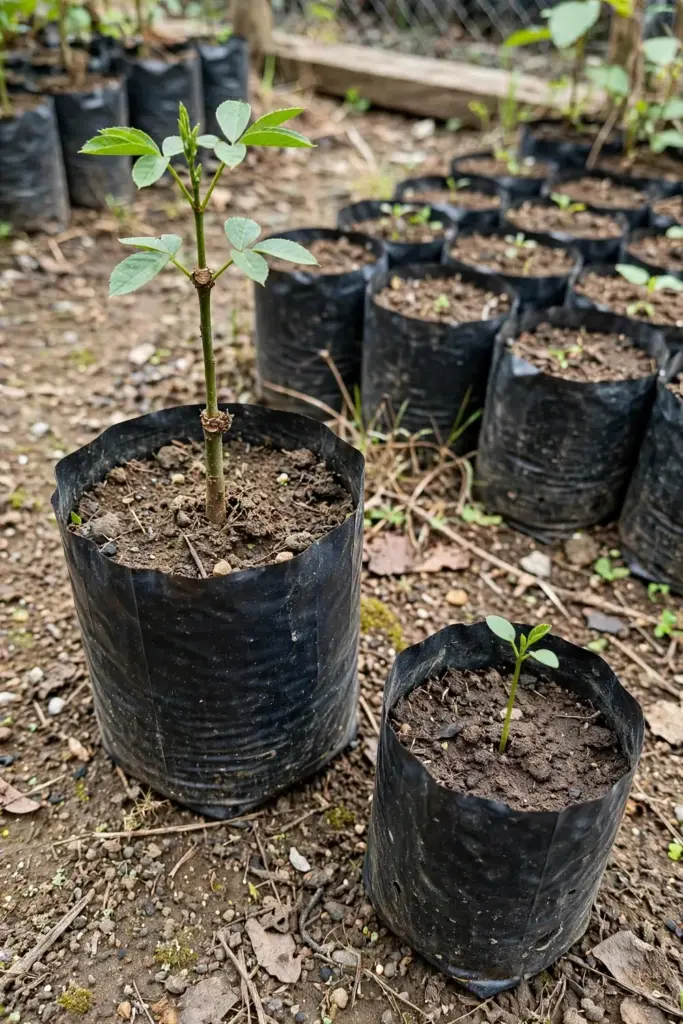
This is the one decision that matters most. Bael grows easily from seed, but seedlings are variable in fruit size, shape, bearing habit, pulp quality, and sugar content. Vegetative propagation (patch budding or softwood grafting) gives you true-to-type trees of named varieties.
| Option | Years to Fruit | Uniformity | Cost/Effort |
|---|---|---|---|
| Seedling | 6 to 7 | Variable fruit, unknown quality | Low: sow and wait |
| Patch budding | 5 (3 for dwarf types) | True to named variety | Moderate: needs rootstocks and skill |
| Softwood grafting | 5 | True to named variety | Moderate: seasonal window June–July |
Patch budding on six-month-old seedling rootstocks in June to July achieves 90 percent success, according to the CISH Bael-2 variety release notes, which is why commercial orchards use it. If you are a home grower with room for one tree, the seedling route is fine as long as you accept the lottery. If you want a known variety with heavy bearing, buy a budded plant of a Narendra or CISH selection from a reputable nursery.
5. The Variety Table: 10 Indian Selections Worth Knowing
India has a real bael improvement program, and knowing the names protects you at the nursery.
| Variety | Developed By | Note |
|---|---|---|
| Narendra Bael-5 | NDUAT, Faizabad | Medium fruit, soft flavorful pulp |
| Narendra Bael-7 | NDUAT, Faizabad | Reliable rainfed bearer |
| Narendra Bael-9 | NDUAT, Faizabad | Large fruit, slightly acidic, good for processing |
| Narendra Bael-16 | NDUAT, Faizabad | Improved selection |
| Narendra Bael-17 | NDUAT, Faizabad | Improved selection |
| Pant Aparna | GBPUAT, Pantnagar | Dwarf, heavy bearing |
| Pant Sujata | GBPUAT, Pantnagar | Improved selection |
| Pant Shivani | GBPUAT, Pantnagar | Improved selection |
| CISHB-1 | CISH, Lucknow | High pulp recovery |
| CISHB-2 | CISH, Lucknow | High pulp, rich nutrition |
| Goma Yashi | CIAH, Vejalpur | Dwarf, 5 by 5 m high-density spacing, flowers in year 3 when budded |
| Thar Divya / Thar Neelkanth | CIAH, Vejalpur | Semi-arid selections |
Older sharbat types still named by gardeners include Kacha, Ettawa, Seven Large, Mirsapuri, Deo Reo Large, Mirzapuri, Kaghli, and Gonda. These selections come from three decades of Indian bael improvement work, and the variety table above is the shortcut past the seedling lottery.
6. Seeds: The Honest Sowing Method
If you choose the seed route, treat it like a tree nursery, not a vegetable bed. Extract seeds from a fully ripe fruit of a tree whose fruit you have tasted. Sow fresh; bael seeds lose viability in storage, and the scout’s named seed-trade sources recommend sowing soon after extraction. An overnight water soak helps. Cover lightly and keep the medium at 22 to 30 degrees Celsius. Germination takes 3 to 8 weeks, and it is uneven, so sow more than you need.
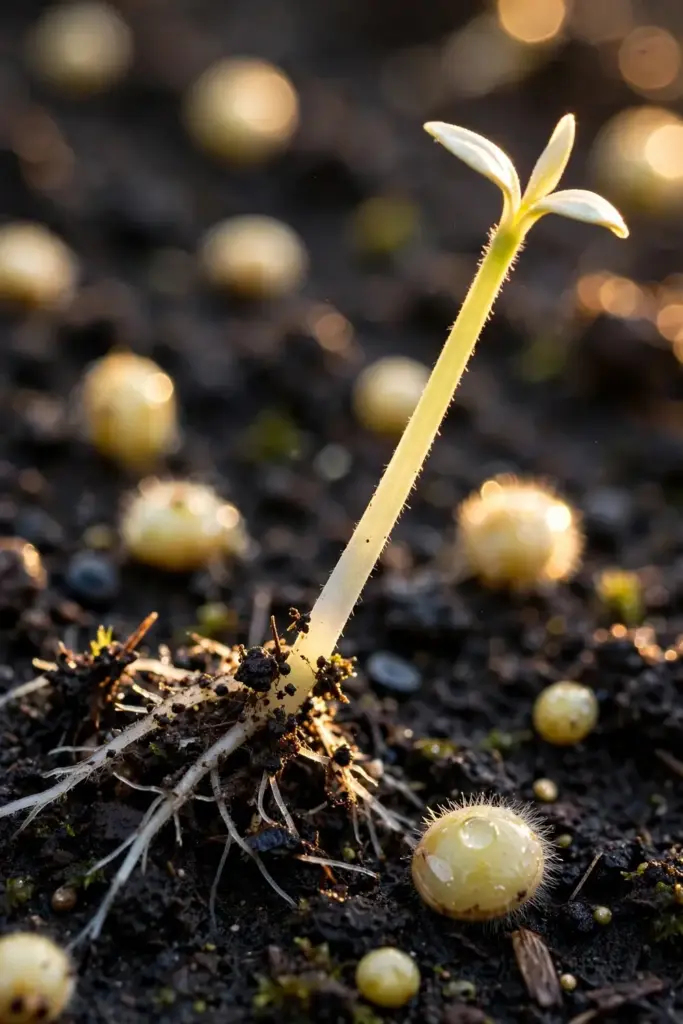
Treat seeds against damping off at sowing. The young seedlings grow slowly at first, which surprises growers used to vegetables; a six-month-old seedling is rootstock size, not planting size. If you plan to bud, these seedlings are exactly your rootstocks. If you plan to plant a seedling tree, keep the strongest one and compost the rest without sentiment.
7. The Nursery Stage: Raising Rootstocks
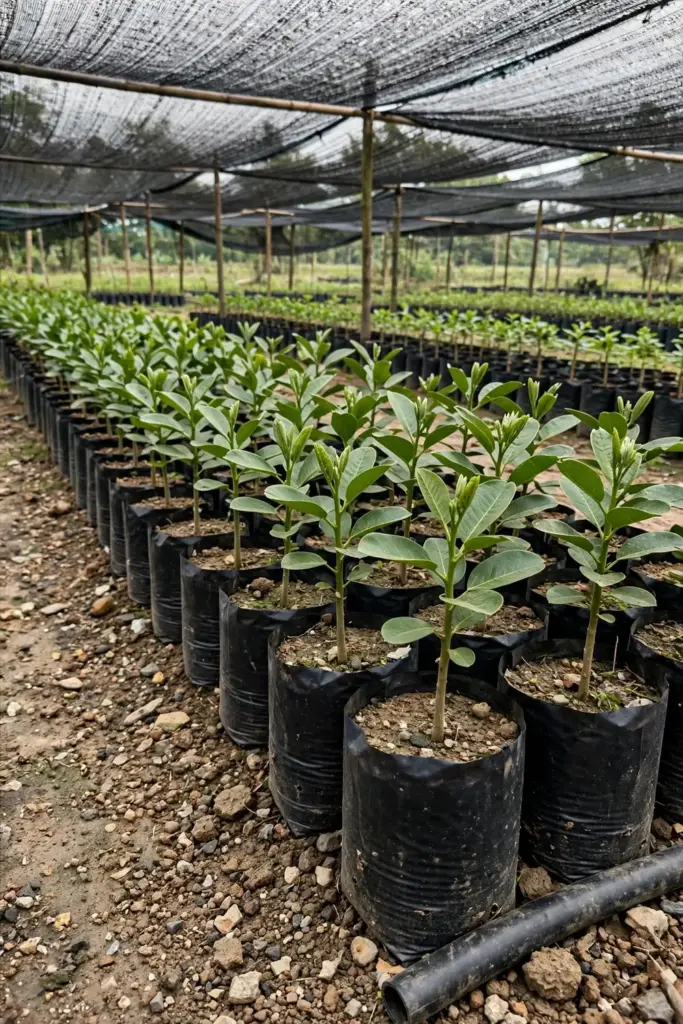
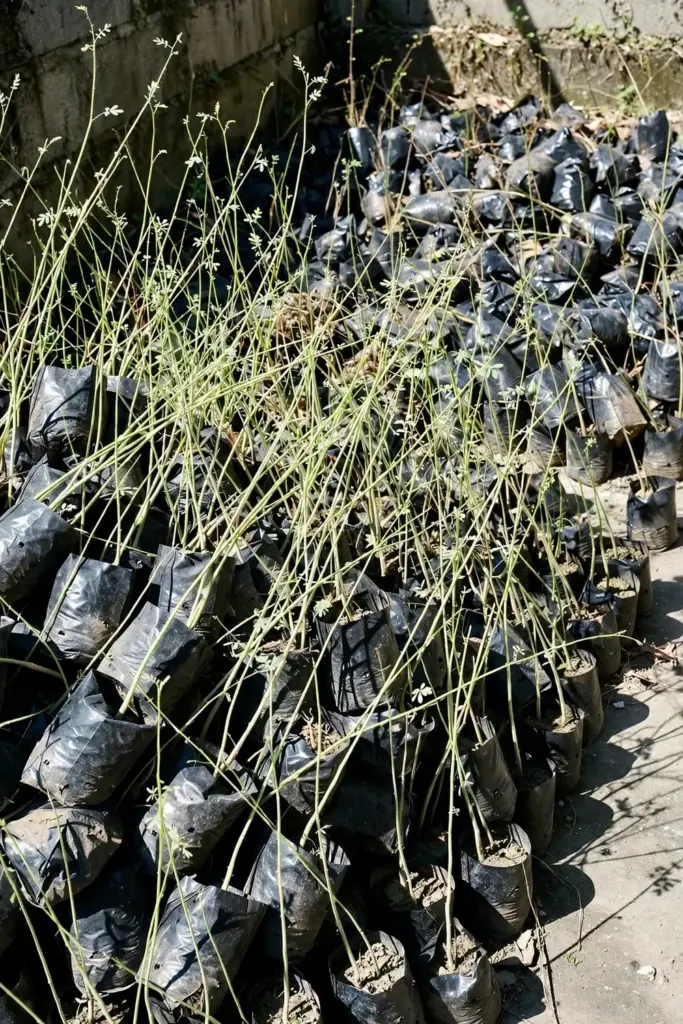
Raise seedlings in raised beds or large polybags in well-drained nursery mix. The KAU agrotechnology note records that two-month-old seedlings can go to the field at 4 by 4 meters, but a home grower should hold seedlings until they are pencil-thick and sturdy, which takes roughly six months. Regular watering matters in the nursery even though the mature tree is drought tolerant; a stressed seedling makes a poor rootstock.
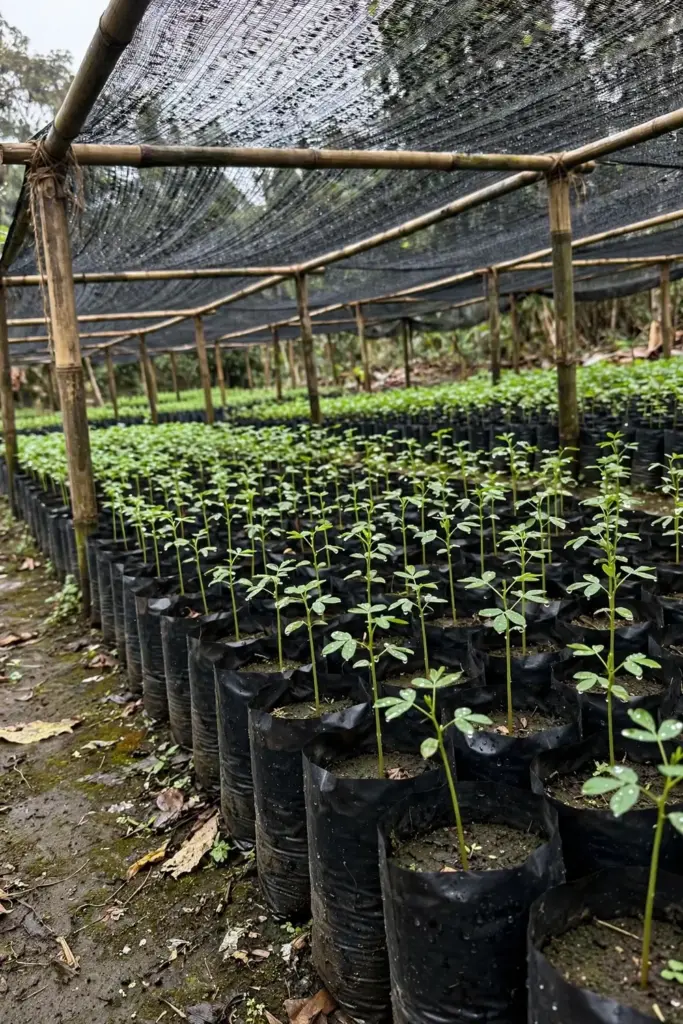
If you are patch budding, the rootstock age matters more than its height. Bud at six months onto active growth in June–July, selecting healthy buds from the chosen variety’s current-season shoots. After the bud takes, cut back the rootstock above the bud union and let the variety’s shoot become the tree. A nursery seed-starting routine covers the tray setup and hardening steps that translate directly to the bael nursery.
8. Site and Spacing: Pit Digging for a Tree
Bael is a tree, and trees need tree-scale spacing. Under rainfed conditions, plant budded trees 8 by 8 meters and seedlings 10 by 10 meters. The dwarf Goma Yashi fits 5 by 5 meters, which works out to 400 plants per hectare in a high-density layout. Give the tree full sun and the pronounced dry season it needs to set fruit well; windbreaks of seedling trees protect young orchards in open country.
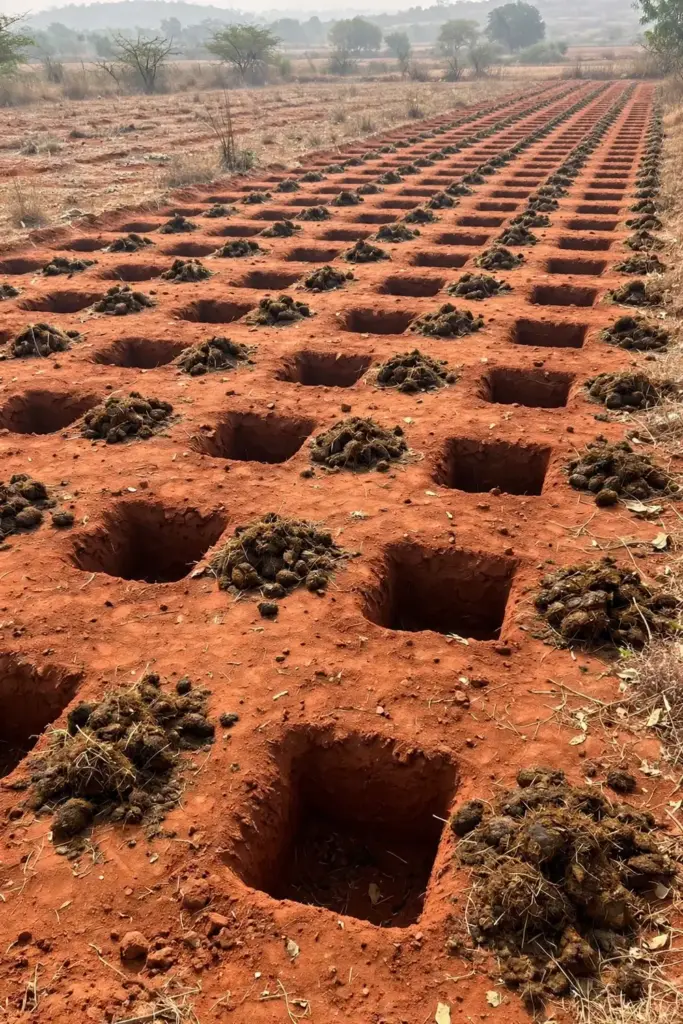
Dig pits 1 by 1 by 1 meter and fill with topsoil mixed with 20 to 25 kilograms of farmyard manure. June planting, just after the first monsoon rains, is the standard window for rainfed India: the young tree roots into the whole rainy season. A termite drench at planting is standard practice in termite country, and young trees in open fields benefit from simple protection against grazing animals.
9. Planting Step by Step
| Step | Action | Time |
|---|---|---|
| 1 | Dig pits 1 x 1 x 1 m; solarize if the soil is heavy | April–May |
| 2 | Fill with topsoil plus 20–25 kg FYM; drench against termites | At planting |
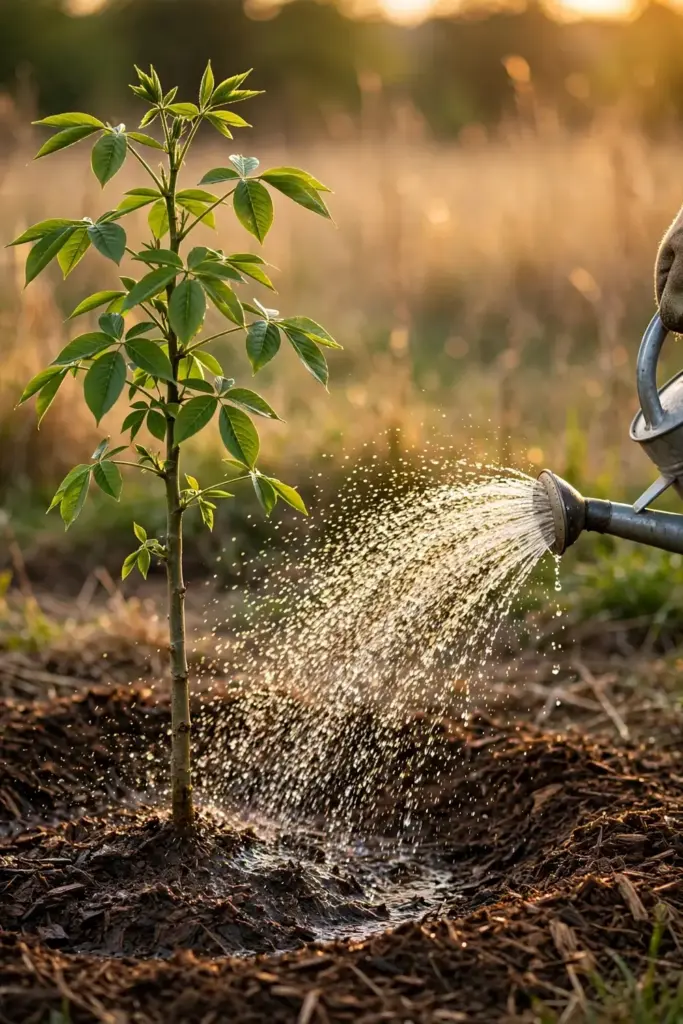
| 3 | Set the plant at nursery depth; water deeply to settle soil | June, first monsoon rains |
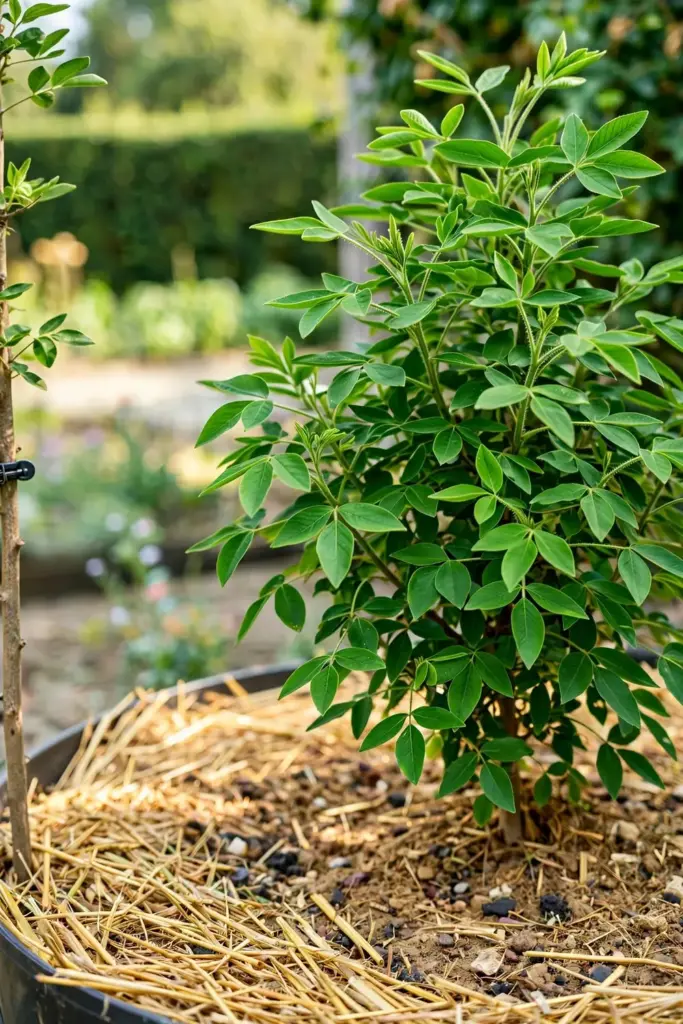
| 4 | Stake against wind; mulch the basin with straw or cane trash | Planting day |
| 5 | Irrigate every 10–15 days through the first summer | First year |
| 6 | Train to a single upright stem with 4–6 well-spaced branches | Year 1–2 |
Set budded plants with the bud union well above the soil line. Do not bury the graft. Water the pit thoroughly after planting so the soil settles around the roots, then keep a regular rhythm through the first hot season. The tree’s famous toughness begins after establishment, not before it.
10. Container Growing: A Staging Strategy, Not a Forever Home
A bael in a pot is a nursery project, not a fruiting project. You can raise seedlings and even first-year budded plants in large containers, and a container is genuinely useful for protecting a young plant through its first winter. But a tree that reaches 13 meters and needs 8-meter spacing will never fruit meaningfully in a pot.
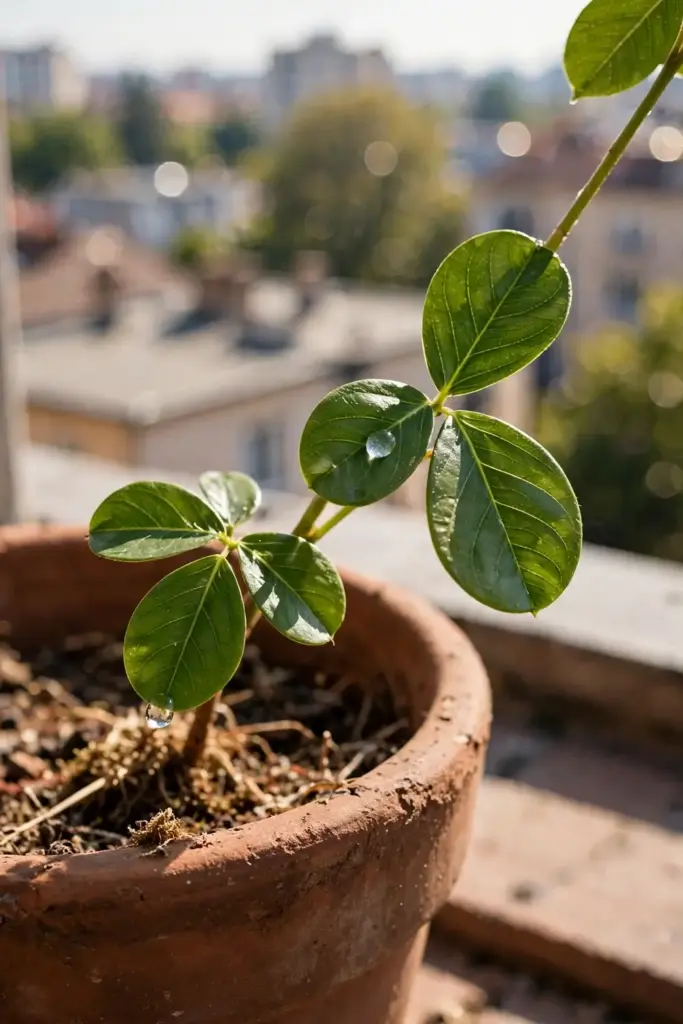
Use the container as a staging strategy: grow the rootstock or young budded plant in the largest pot you can move, then transplant at the June rains. One season in a container is fine. Two seasons is a holding pattern that delays the tree. The container honesty here is simple: pots are for the nursery stage, the ground is for the fruit.
11. Soil: What Bael Tolerates and What It Loves
Bael tolerates almost any soil, and this is its superpower. The university lecture series on bael cultivation notes it grows in soils from pH 5 to pH 10, including sodic, saline, and stony soils where other fruit trees fail, and it survives cold to minus 7 degrees Celsius. Well-drained sandy loam is the best for fruit production, but the tree will grow where drainage is merely adequate.
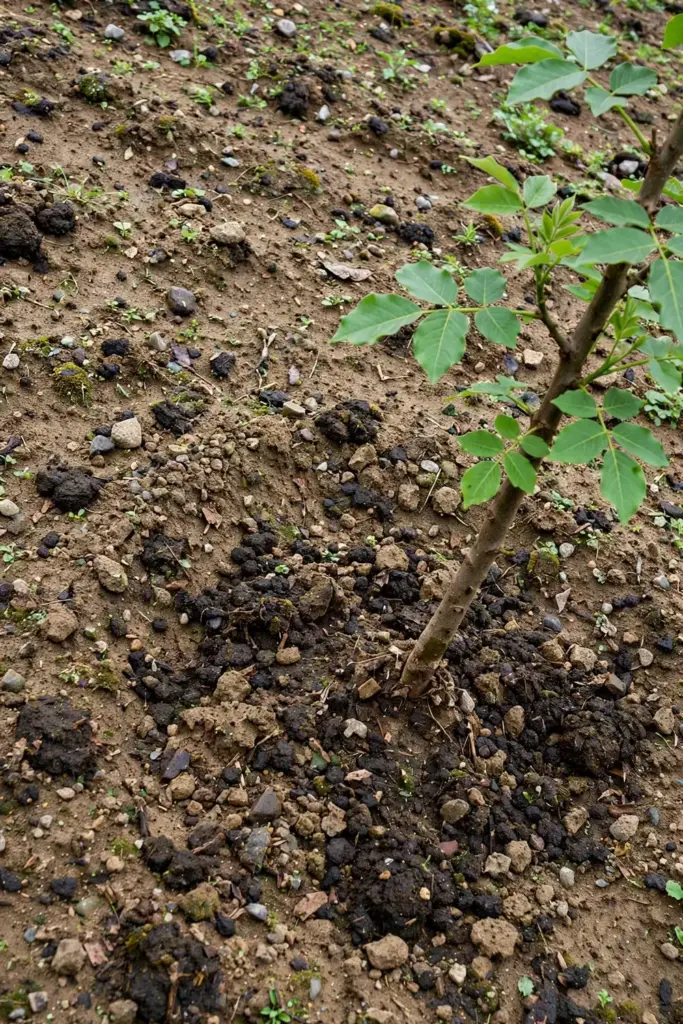
What bael does not tolerate is waterlogging. A tree standing in water develops root problems fast. If your ground stays soggy after rain, plant on a mound or choose another spot. One hundred grams of bael pulp carries 55 micrograms of carotene, 0.13 mg thiamine, 1.19 mg riboflavin, 1.1 mg niacin, and 8 mg vitamin C, so the tree is pulling real nutrition from the soil, and feeding it pays off in fruit quality. A soil-health foundation routine covers the organic-matter base that every young orchard tree needs.
12. Watering: Drought-Tolerant Does Not Mean Desert
Young bael trees need regular water. Irrigate every 10 to 15 days in summer and monthly in winter during the first years, and mulch with paddy straw or sugarcane trash to hold moisture and suppress weeds. Once established, the tree is genuinely drought tolerant and needs little to no irrigation in many Indian zones.
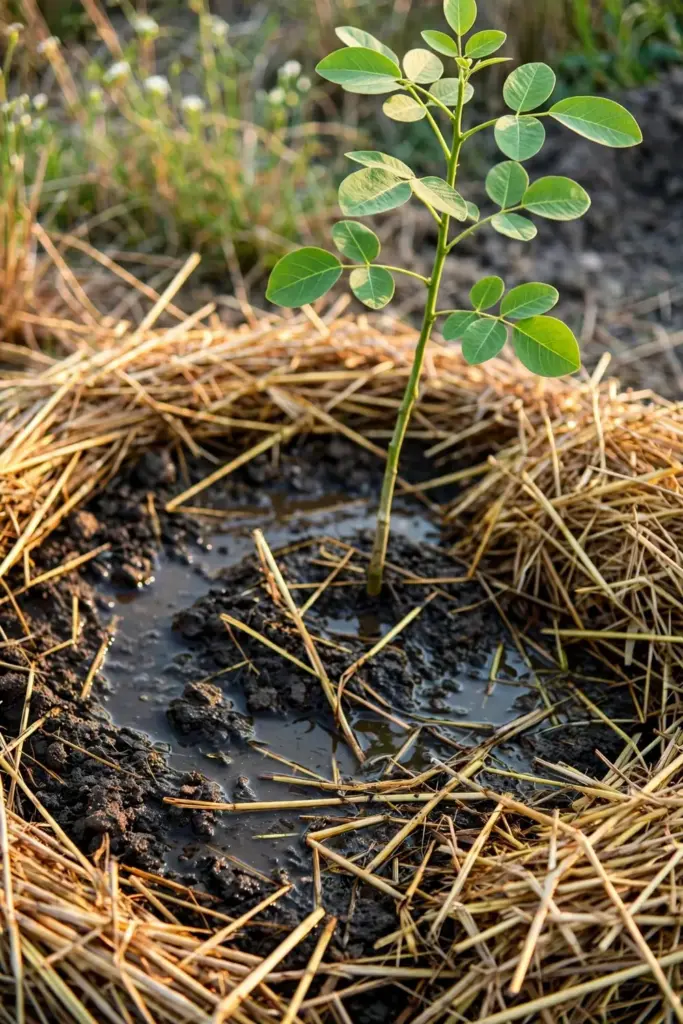
Keep a light irrigation rhythm after manuring and fertilization, and maintain soil moisture after fruit set, which is when the tree is doing its heaviest work. The balance: generous water for the young tree, restraint for the mature one. Overwatering a mature bael does not help and can push vegetative growth at the expense of flowering.
13. Feeding: From FYM to the NPK Recipe
Bael feeds lightly, and it still responds to feeding. The CISH pattern starts with 5 kg of farmyard manure per tree in the first year and builds to 50 kg for mature trees, with small doses of nitrogen, phosphorus, and potassium added in the early years. The KAU recommendation for bearing trees is 480 grams of nitrogen, 320 grams of phosphorus, and 480 grams of potassium per tree per year, applied with the monsoon onset.
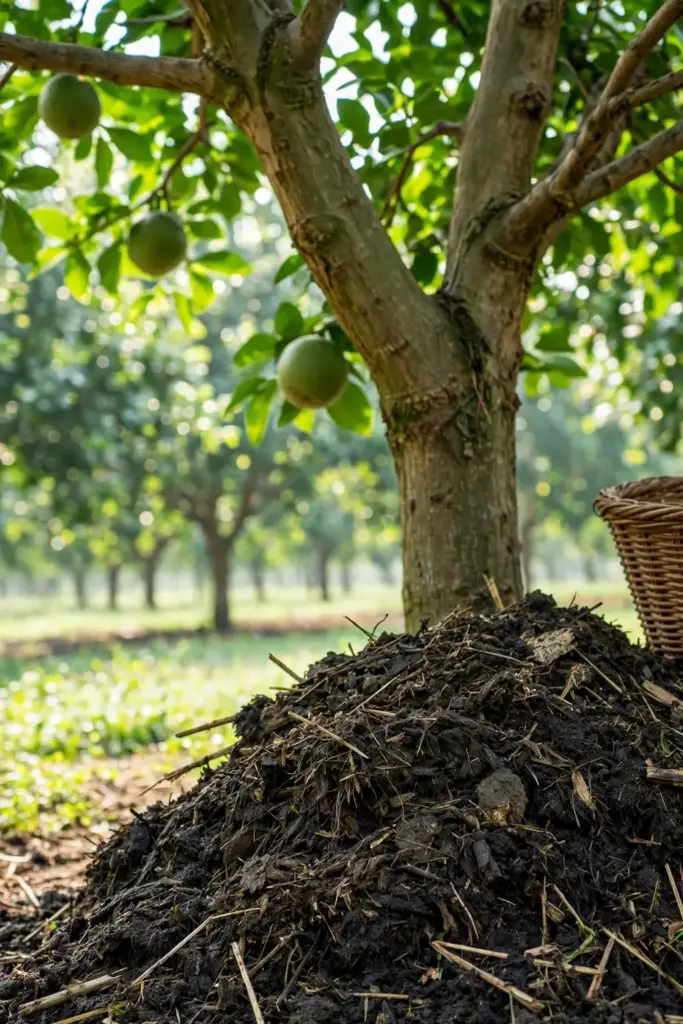
Two micronutrients matter specifically for bael: zinc and boron reduce fruit cracking, which is one of the crop’s named disorders. Apply manure every year with the onset of monsoon, the same rhythm the KAU program specifies. This is a simple calendar: monsoon brings the manure, the tree brings the fruit.
14. Training and Pruning: Building the Framework
Train the young tree to a single upright stem with four to six well-spaced branches forming an open framework. This is not a heavy-pruning tree; the goal is structure, not annual renewal. Remove dead wood and crossing branches, and keep the canopy open enough for light to reach the interior.
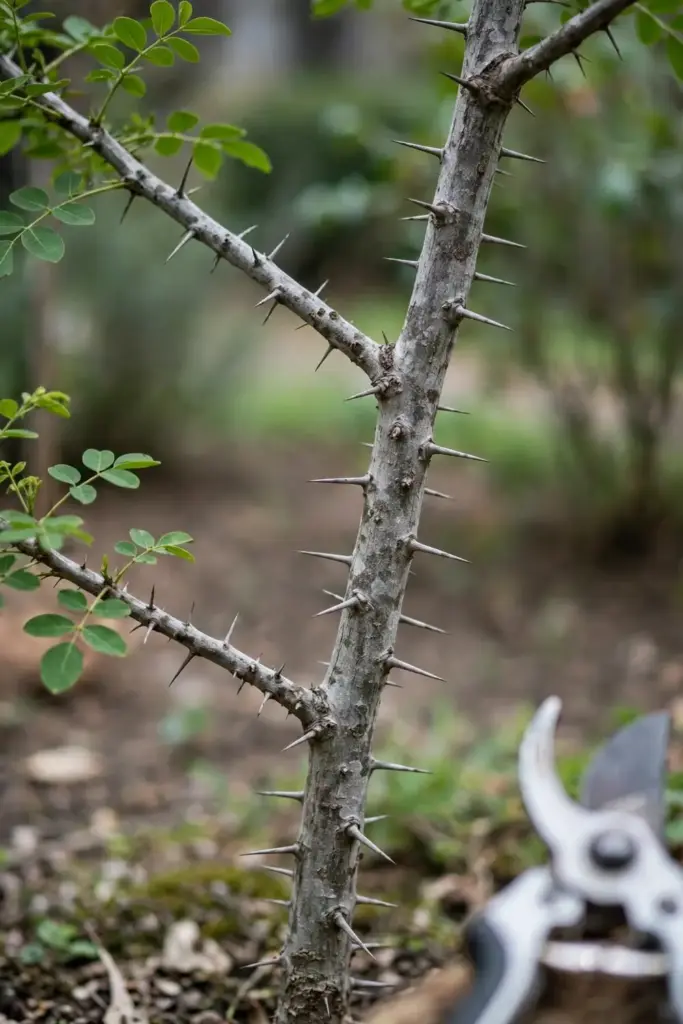
Because bael carries long straight spines on its branches, prune with protection. Wear thick gloves and long sleeves, use clean sharp tools, and treat the work like handling a rose that grew to tree size. A spring pruning technique guide covers the cut mechanics that transfer directly to bael’s framework work.
15. Flowering and Fruit Set: The 11-Month Wait
Flowers appear in April, fragrant in the evening. Fruits set and then develop with extraordinary slowness, maturing from October to March. The full journey from flower to ripe fruit takes about 11 months, which is why the harvest always feels late. Budded trees of dwarf selections can flower in the third year; standard budded trees bear around year five; seedlings take six to seven years; full production arrives around year fifteen.
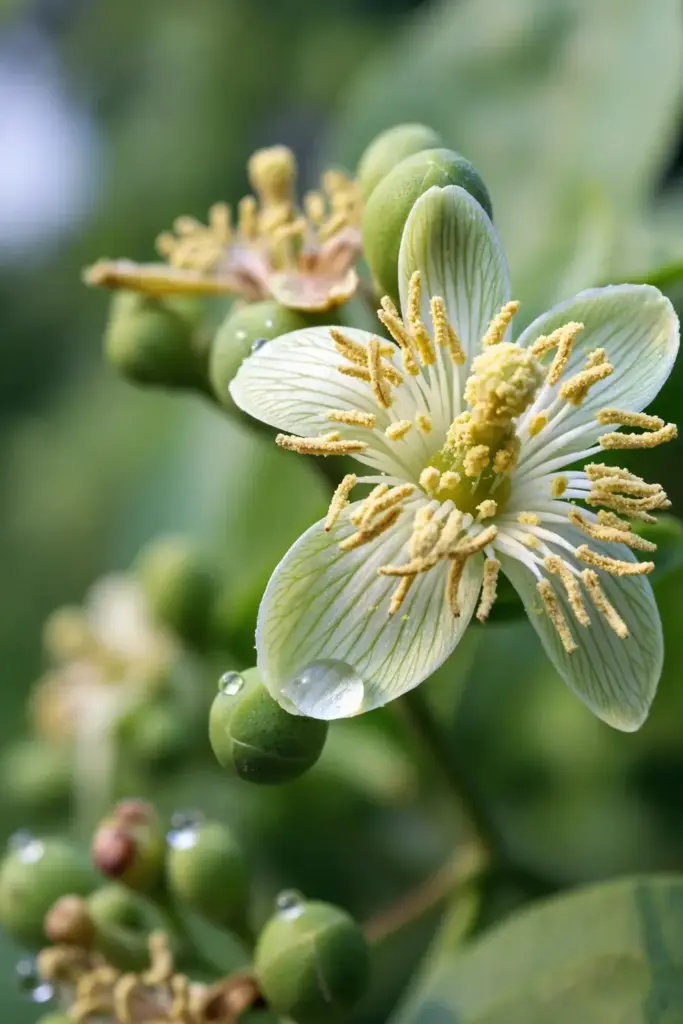
If you want to know how to grow bael from India, this timeline is the core of the answer: plant at the monsoon, wait years, and plan the harvest eleven months after each April’s flowering. A long-wait fruit guide makes a good companion for the patience this crop demands.
16. Pests and Problems: Canker, Wilt and Cracking
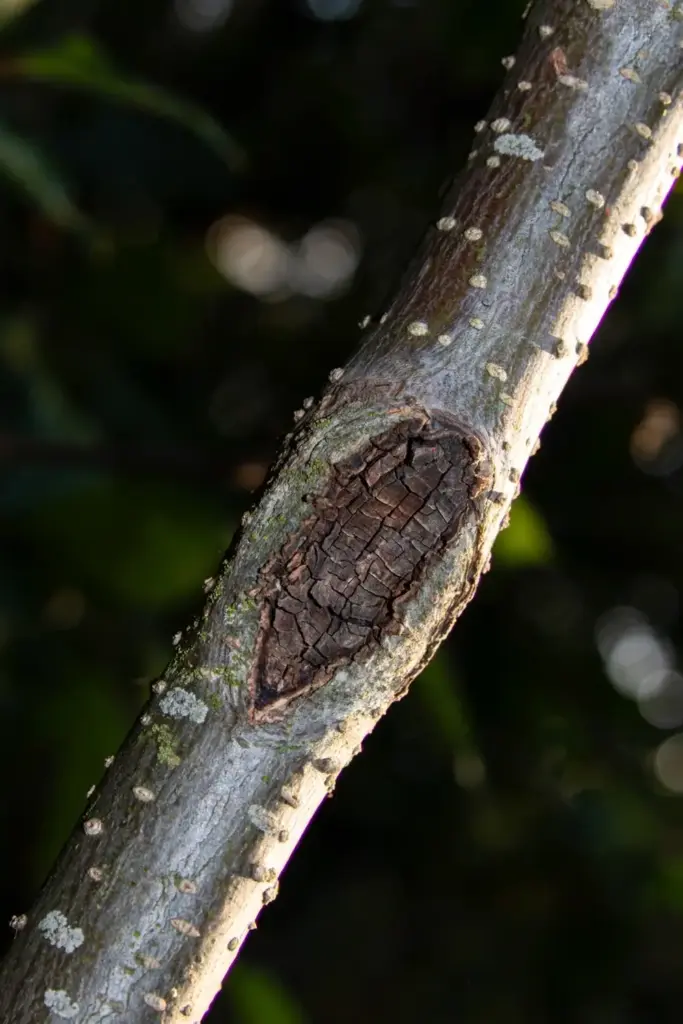
The named problems of bael are fruit canker, fusarium wilt, and fruit cracking. Keep the canopy open for air movement, avoid wounding the bark, and feed zinc and boron to reduce cracking. No serious insect pressure is reported in the standard packages, which is one reason bael suits low-input orchards.
Fusarium wilt is a soil problem, which is why the no-waterlogging rule and the solarized pit matter so much. Termites attack young trees in dry zones, which is why the planting pit gets its drench at day one. Apart from these two, bael asks very little: open air, decent drainage, and patience. It is one of the least fussy fruit trees you can plant.
17. The Harvest Decision: When a Bael Is Ripe
A bael is ready when it turns yellowish-green and loses its green tint. Commercial growers harvest at that stage and hold the fruit about eight days, during which the stem separates readily from the fruit. The hard shell hides the ripeness inside, so color and the loose stem are your signals, not softness.
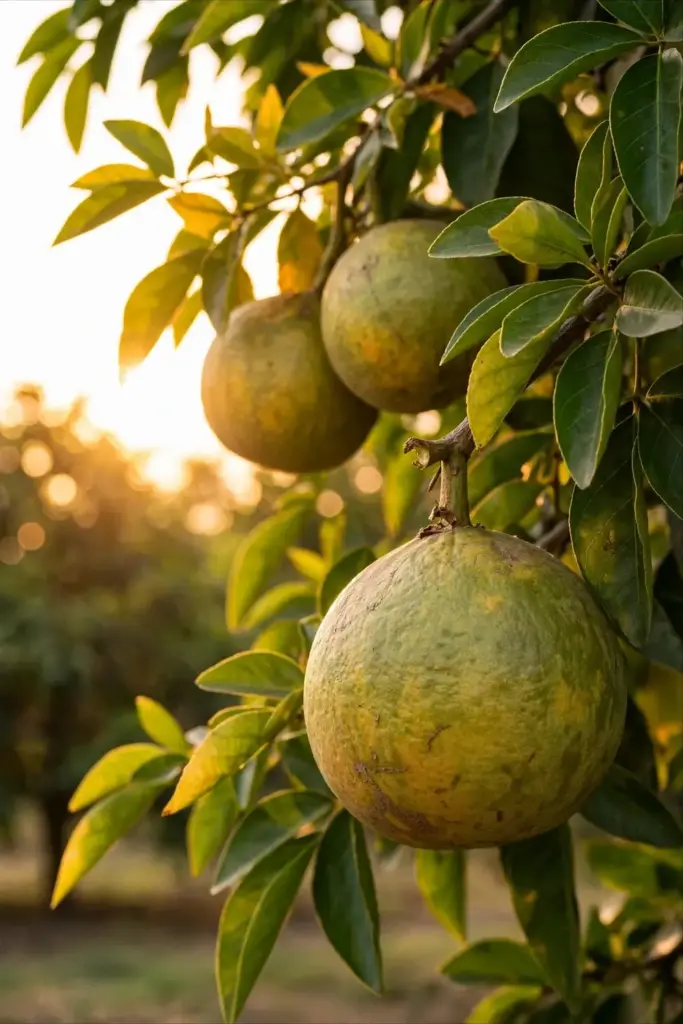
Do not rush the pick. A bael picked green never develops its flavor. Since the fruit ripens over the October to March window, harvest in passes: take the colored fruit and leave the rest to follow. Each tree gives 150 to 400 fruits, so the harvest is a season, not a day.
18. Harvesting and Handling: Thorns and Hard Shells
Harvest with the thorns in mind. Long poles or careful climbing collect the fruit; the spines on the branches punish careless hands. Pack fruits in gunny bags, baskets, or wooden crates with newspaper as cushioning. The shell is hard but it can crack on hard drops, and a cracked shell shortens storage.
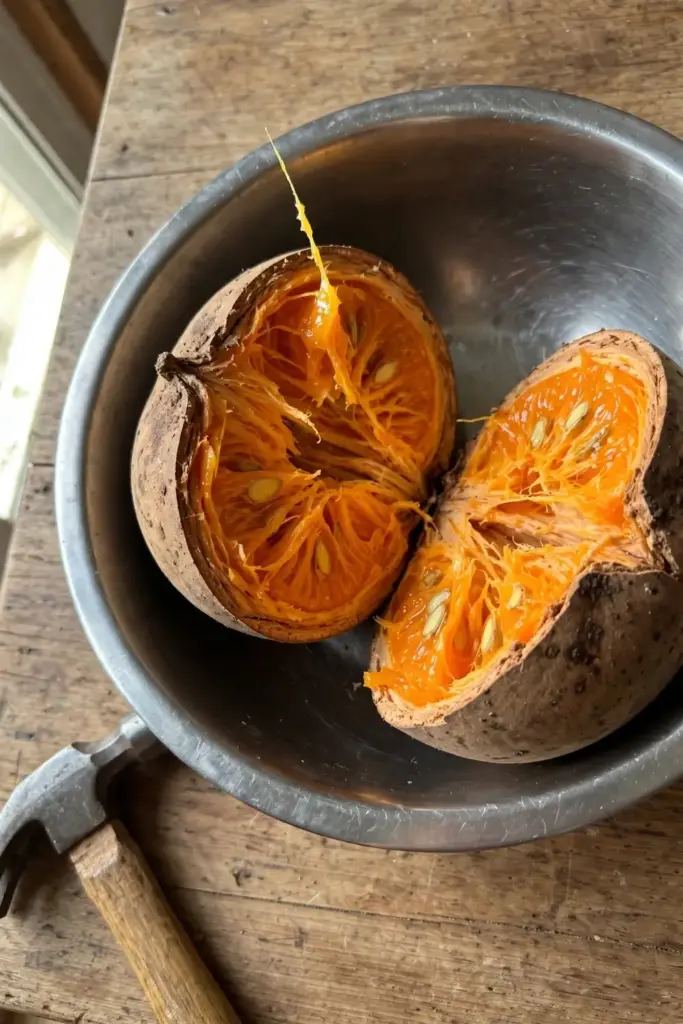
To open a bael, crack the shell with a hammer or heavy knife and scoop the orange pulp. The work is primitive and satisfying, and it is the gate to everything below: sharbat, belagiri, and the leaf traditions.
19. Sharbat: The Ripe-Fruit Drink
Sharbat is the ripe fruit’s glory. Scoop the pulp, dilute with chilled water, strain out fiber and seeds, and season with a little sugar, black salt, or roasted cumin. One fruit makes 5 to 6 liters of sherbet, which tells you the scale of a mature tree’s summer output. Ayurvedic doctors recommend the pulp with black salt and roasted cumin for bloating, taken three to four times weekly in summer.
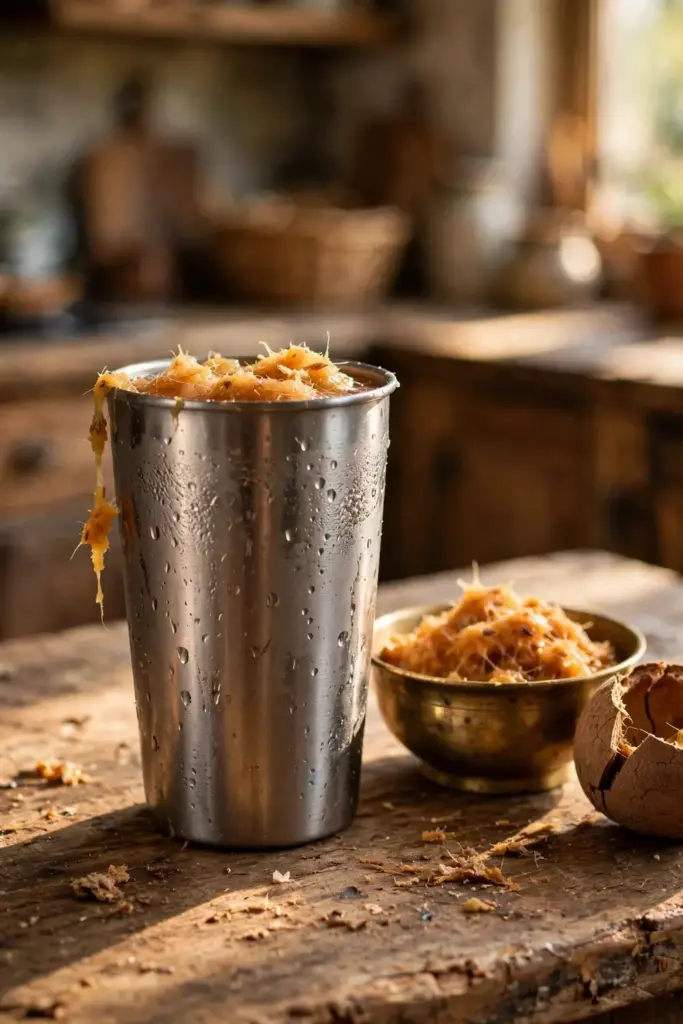
This is also where the scout’s fruit-queue note matters. If the site’s fruit lane ever publishes a bael fruit article, this one stays the herb-India cultivation piece with the sharbat lane as its food bridge. The two would fence by intent, not duplicate.
20. Belagiri: The Dried Unripe Fruit Distinction
Belagiri is dried unripe bael, and it is a different product from the ripe fruit. Vagbhata’s classical correction is the spine here: the ripe fruit is heavy and hard to digest, while the unripe kindles digestive fire. Both are astringent in the classical sense. The young fruits are sliced horizontally and sun-dried, and belagiri is the form traditionally used for diarrhea and dysentery, attributed to tradition, not presented as medical advice.
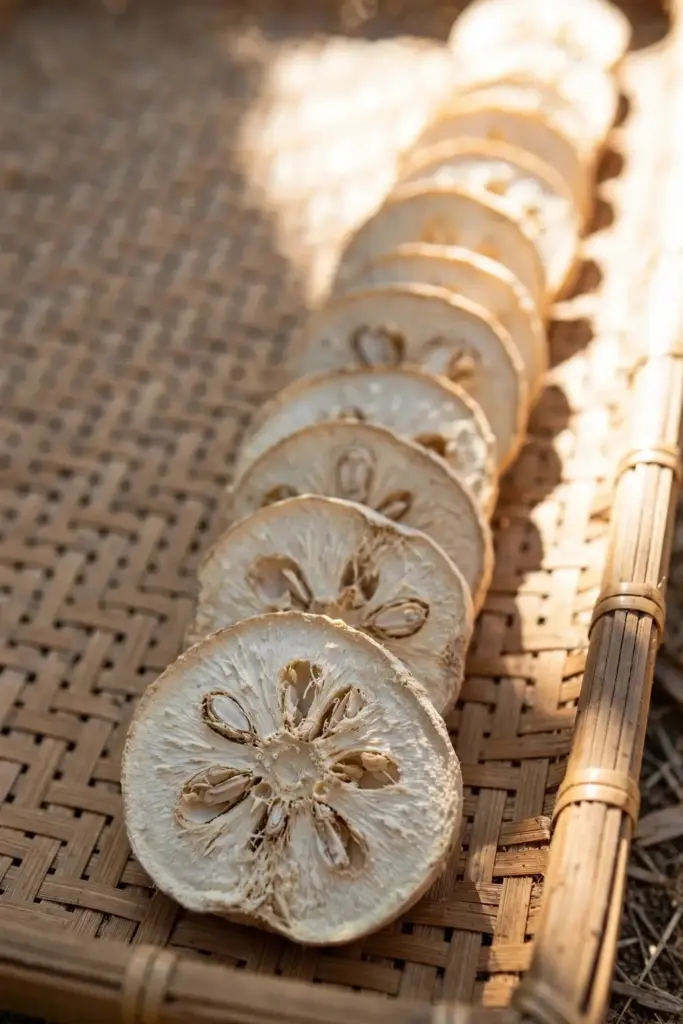
Do not confuse the two in your kitchen. Sharbat comes from ripe pulp. Belagiri comes from dried unripe fruit. Using ripe pulp for a belagiri purpose, or unripe fruit for sharbat, misses the point of both.
21. The Bilva Leaf Lane: Worship and Garden Caution
Bilva leaves are sacred to Shiva, offered in worship since Rig Vedic times, and the tree carries genuine religious standing: Lakshmi’s abode, the Newari bel-beha ritual of Nepal. Leaf plucking has traditional taboos in worship contexts, which gardeners near temples observe.
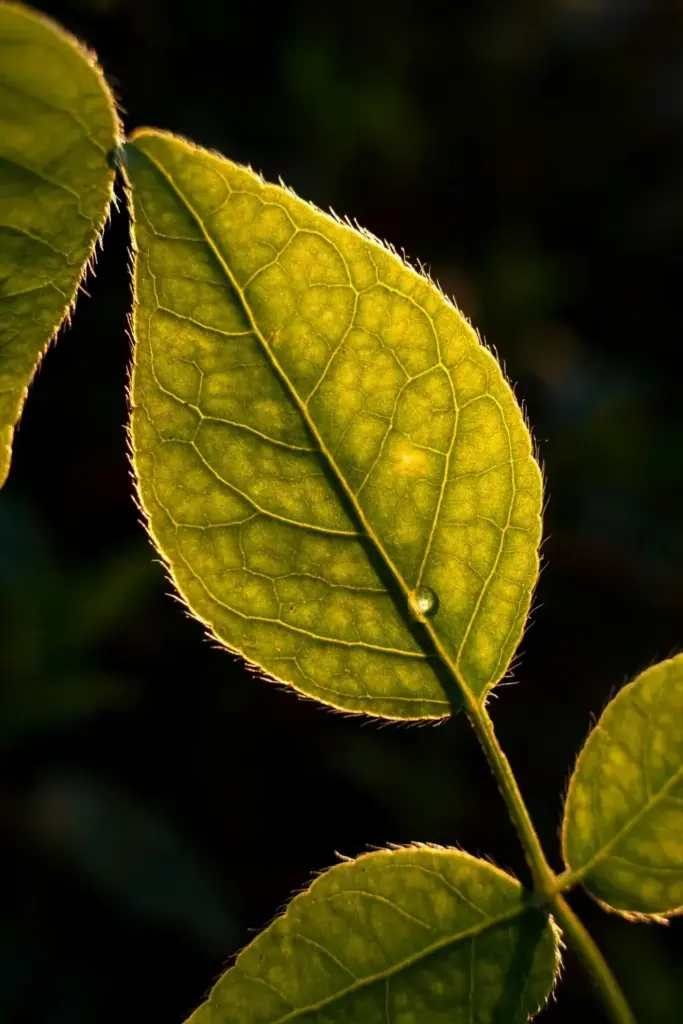
The leaf also has traditional uses: leaf juice with honey for fever, leaf decoction with black pepper as a laxative, leaf juice for blood sugar concerns. Two fences travel with these: bael lowers blood sugar, which matters if you take diabetes medication, and excessive intake causes constipation and bloating. The seed oil is purgative. None of this is medical advice; it is tradition plus caution, and anything medicinal belongs in a clinician’s hands.
22. Common Mistakes and the Fix for Each
Mistake: Planting a seedling and expecting year-three fruit. Fix: Seedlings take six to seven years. Buy a budded plant if you want the five-year or three-year timeline.
Mistake: Buying a tree without a Latin name. Fix: Bael and wood apple are sold interchangeably. Confirm Aegle marmelos before you pay.
Mistake: Skipping the spacing. Fix: An 8-meter tree in a 3-meter gap becomes a fight. Space budded trees 8 by 8 meters, seedlings 10 by 10.
Mistake: Overwatering the mature tree. Fix: Once established, bael needs little water. Keep the nursery rhythm for the young tree and back off after.
Mistake: Picking green fruit. Fix: Wait for the yellowish-green turn and the loose stem. Green bael never ripens into flavor.
Mistake: Ignoring the thorns. Fix: Prune and harvest with gloves and poles. The spines are long and the sap is irritating.
23. Troubleshooting
The tree grows but never flowers. Check the age first: seedlings need six to seven years. Next, check the water: a mature tree kept wet may grow leaves instead of setting buds. Then check the variety: a seedling of unknown parentage may just be a poor bearer, and no amount of care changes its genes.
Fruit cracks before ripening. This is the named disorder. Feed zinc and boron, keep soil moisture even after fruit set, and avoid letting the tree swing between drought and flood.
Flowers drop without setting. A pronounced dry season helps fruiting. Young trees also drop more; the tree sorts itself out as it matures.
Termites at the base. The planting-pit drench exists for this. In termite country, keep mulch pulled back from the trunk and inspect the base in the dry season.
Wilting with no water stress. Suspect fusarium wilt, a soil problem. Do not plant bael where a previous tree died of wilt, and never let the roots stand in water.
Frequently Asked Questions
Seedlings take six to seven years, budded trees around five, and dwarf budded selections like Goma Yashi can flower in the third year. Full production arrives around year fifteen. The propagation method you choose at planting decides the timeline more than any care routine.
Only as a nursery stage. Bael is a tree reaching 13 meters with 8-meter spacing needs, and it will never fruit meaningfully in a container. Use a large pot to raise the seedling or young budded plant for one season, then transplant at the June rains.
No. Bael is Aegle marmelos with orange pulp and a sweet tangy flavor; wood apple is Limonia acidissima with earthy brown pulp and a strong tangy flavor. Nurseries sell both under confused names, so confirm the Latin name before buying.
A mature tree bears 200 to 400 fruits in a good year, with an average crop of 150 to 200. That number assumes a healthy established tree with reasonable soil and monsoon water, and it counts only after full production, which arrives around year fifteen; young trees produce far fewer.
Fruits mature from October to March after April flowering, taking about 11 months from flower to ripe fruit. Harvest in passes as fruits turn yellowish-green, and hold each batch about eight days until the stem separates readily from the shell, which is the reliable ripeness signal.
Bael lowers blood sugar, which is why tradition values it and why people taking diabetes medication must be careful: the combination can push sugar too low. Excessive intake also causes constipation and bloating. Treat the fruit as food with effects, and discuss medicinal use with a clinician.
Closing: The Tree That Outlives the Planter
How to grow bael from India comes down to three moves: confirm Aegle marmelos before you buy, choose budding over seedlings if you want fruit this decade, and plant at the June rains into a meter pit with honest spacing. The tree does the rest with almost embarrassing toughness, from minus 7 degrees to alkaline wasteland. Your grandchildren will crack the shells and argue about the sharbat recipe. That is the real harvest timeline, and it is worth every year of the wait.