
Grow nirgundi in India if you need a tough, useful shrub that asks for almost nothing and pays you back in leaves. Vitex negundo grows 4 to 5 meters tall, roots easily from 6-to-8-inch cuttings, and starts giving harvestable leaves in its second year. You plant it for the foliage: the five-foliate aromatic leaves used in traditional oil preparations, and for the living hedge that cattle will not touch. If you want to know how to grow nirgundi from India for a home garden or a farm boundary, this guide gives you the cutting steps, the spacing plan, and the one identity mix-up every buyer must read first.
The name “chaste tree” has caused real confusion in the market. Sellers routinely mix nirgundi (Vitex negundo) with chasteberry (Vitex agnus-castus), but the two species sit in different lanes: nirgundi carries the anti-inflammatory and joint-pain tradition, while chasteberry carries the hormonal and women’s-health lane. A botanical trade source warns explicitly against importing chasteberry’s hormonal claims into nirgundi. Read the disambiguation table in the first section before you buy a plant or a packet of seeds, because the label alone will not protect you.
Start with cuttings for speed and certainty: 6-to-8-inch stem tips taken in spring or summer, rooted in moist peat and perlite, ready in 4 to 6 weeks. Give the shrub 3 to 4 feet of space in a garden, full sun, and soil that drains. It tolerates poor dry ground and cold down to minus 10 degrees, but it hates waterlogging. Prune hard in the first two years to build a bushy frame, then harvest leaves from year two onward. For nursery technique that transfers directly to nirgundi cuttings, see the seed-starting routine most home growers follow.
1. The Chasteberry Mix-Up: Get This Right Before You Buy Anything
The single most expensive mistake a nirgundi grower can make happens before any planting. Vitex negundo is not Vitex agnus-castus. Both wear the English name “chaste tree” and look like botanical cousins, but they serve different lanes: the five-leaved chaste tree (negundo) is the Ayurvedic nirgundi, grown for aromatic leaves with an anti-inflammatory tradition, while chasteberry (agnus-castus) is the Mediterranean shrub whose berries serve the hormonal and women’s-health lane. The research traditions do not cross. Leaf studies on negundo belong to negundo, and hormonal studies on agnus-castus belong to agnus-castus. A trade source warns gardeners explicitly never to import agnus-castus hormonal claims into negundo. The warning is worth taking seriously because product listings ignore it daily.
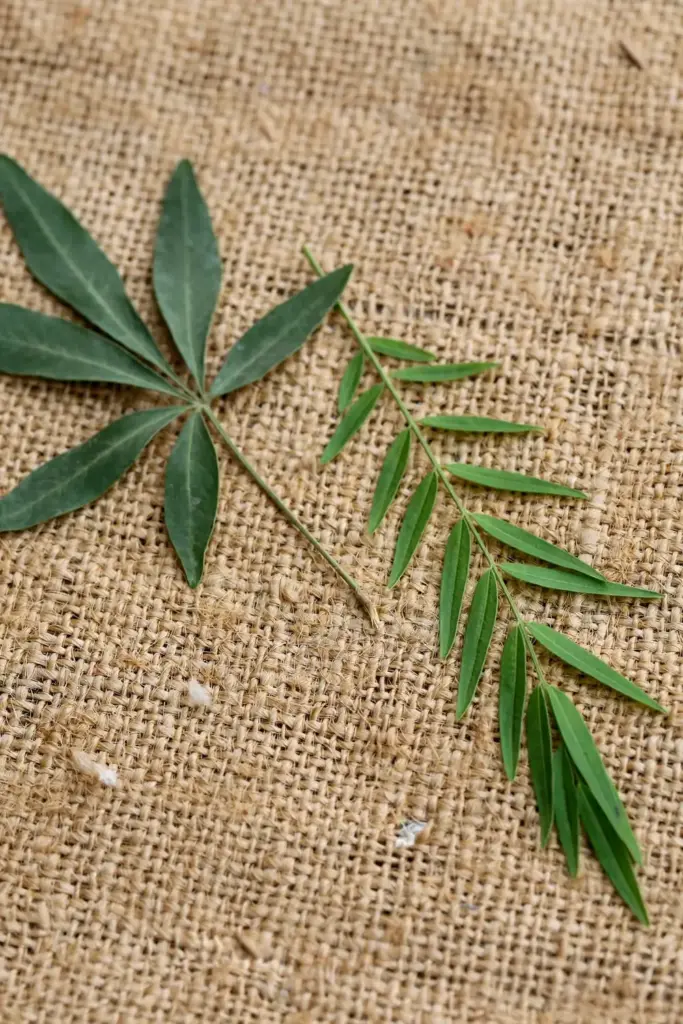
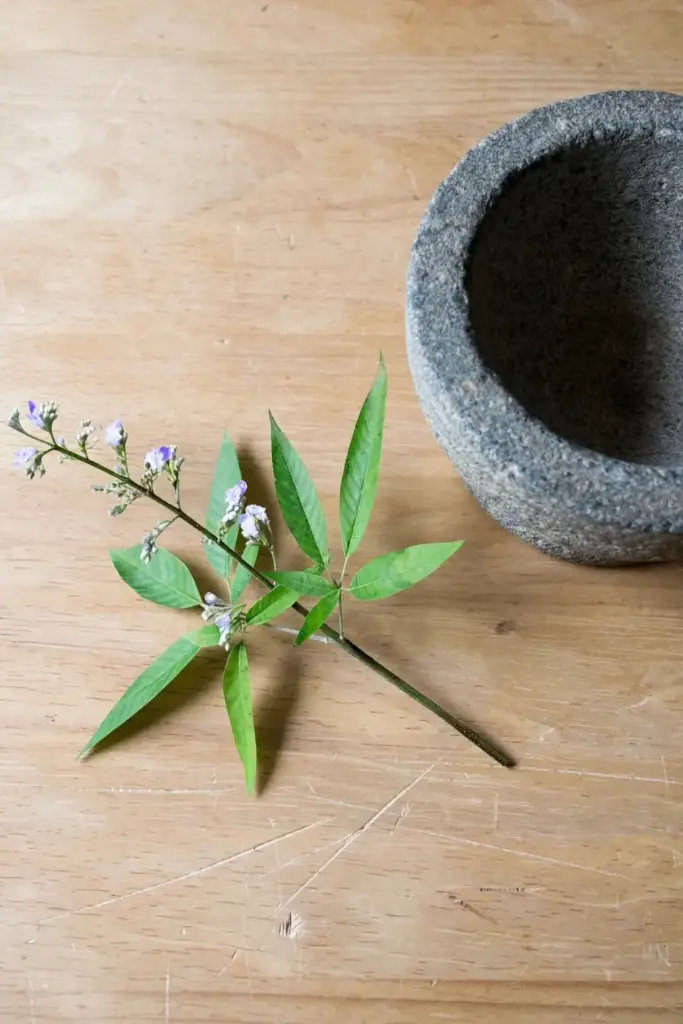
The table below separates the four Vitex species most often tangled in Indian markets. V. trifolia complicates things further: it is a three-leaved seashore species sometimes sold as Sinduvara, while true Sinduvara in the classical sense is a white-flowered form of V. negundo itself. Blue-flowered forms are called nirgundi; white-flowered forms are called sindhuvara. The classical texts even place them in different categories: Charaka lists nirgundi among the worm-expelling herbs and Sinduvara among the poison-neutralizing ones. For the gardener, the practical fence is simpler: if the label says “chasteberry” or “chaste tree” without a Latin name, ask which species it is before money changes hands.
| Species | Common identity | Leaves | The lane that belongs to it |
|---|---|---|---|
| Vitex negundo | Nirgundi, Sambhalu | Five leaflets | Inflammation and joint-pain tradition |
| Vitex agnus-castus | Chasteberry | Five to seven leaflets | Hormonal and women’s-health products |
| Vitex trifolia | Pani-ki-sanbhalu | Three leaflets | Seashore planting, sometimes sold as Sinduvara |
| Vitex rotundifolia | Beach vitex | Round single leaves | Coastal ground cover, not a leaf crop |
Buy only plants labeled Vitex negundo. The genus moved from Verbenaceae to Lamiaceae in the 1990s on DNA evidence, per its botanical profile, so old nursery tags may carry the old family name; the species name is what matters. Keep this table in mind for the rest of the article, because every cultivation number below was verified for negundo, not for its cousins.
2. What Nirgundi Actually Is
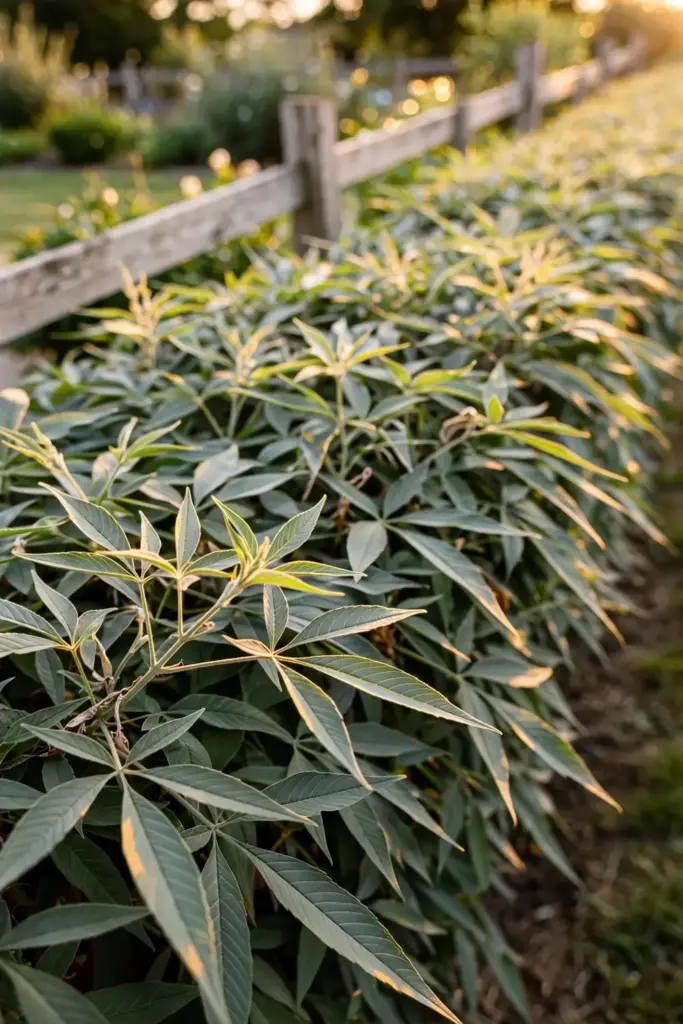
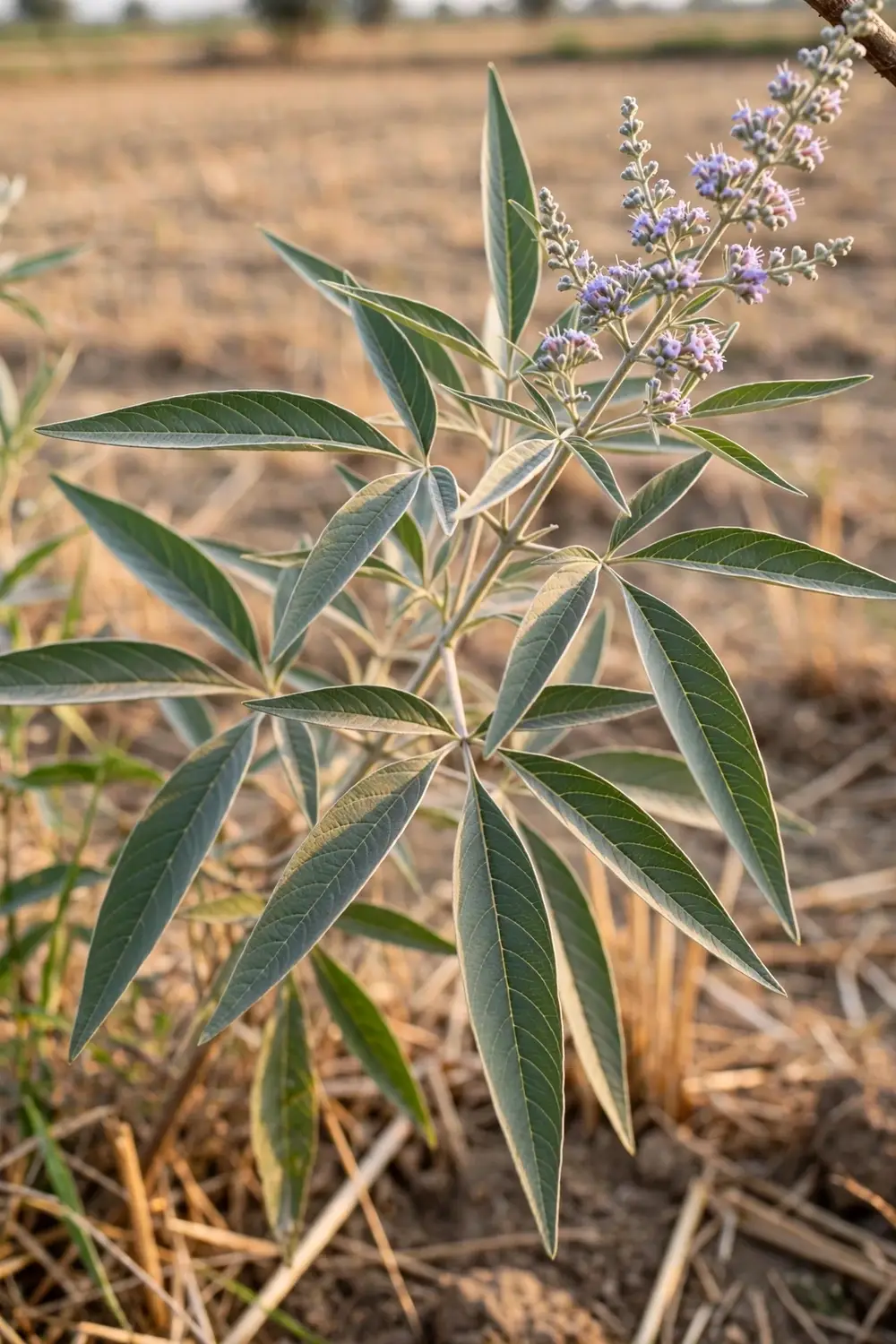
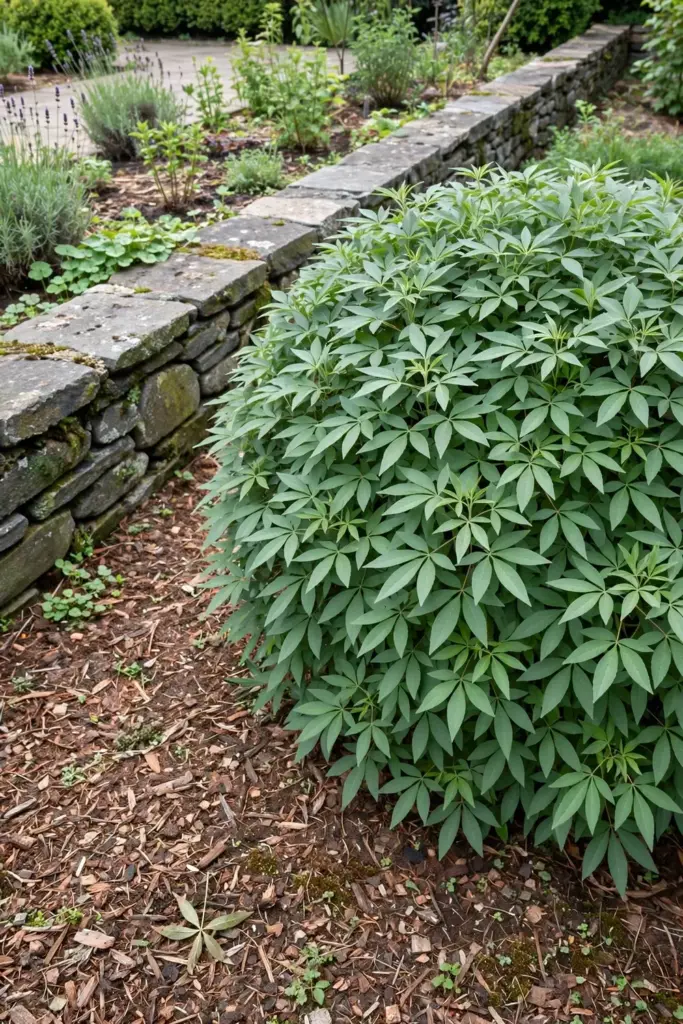
Nirgundi is a fast, deciduous shrub or small tree of the mint family, Lamiaceae. In good ground it reaches 4 to 5 meters, throwing up long flexible branches from the base and suckering freely from the roots. The leaves are the signature: palmately compound, usually five lance-shaped leaflets arranged like fingers, dull green above and silvery-gray beneath, strongly aromatic when crushed. Small bluish-white flowers appear in terminal panicles in the warm months, followed by small black drupes the size of peppercorns. The shrub drops its leaves in cold winters and comes back vigorously in spring, a habit that makes it forgiving of neglect.
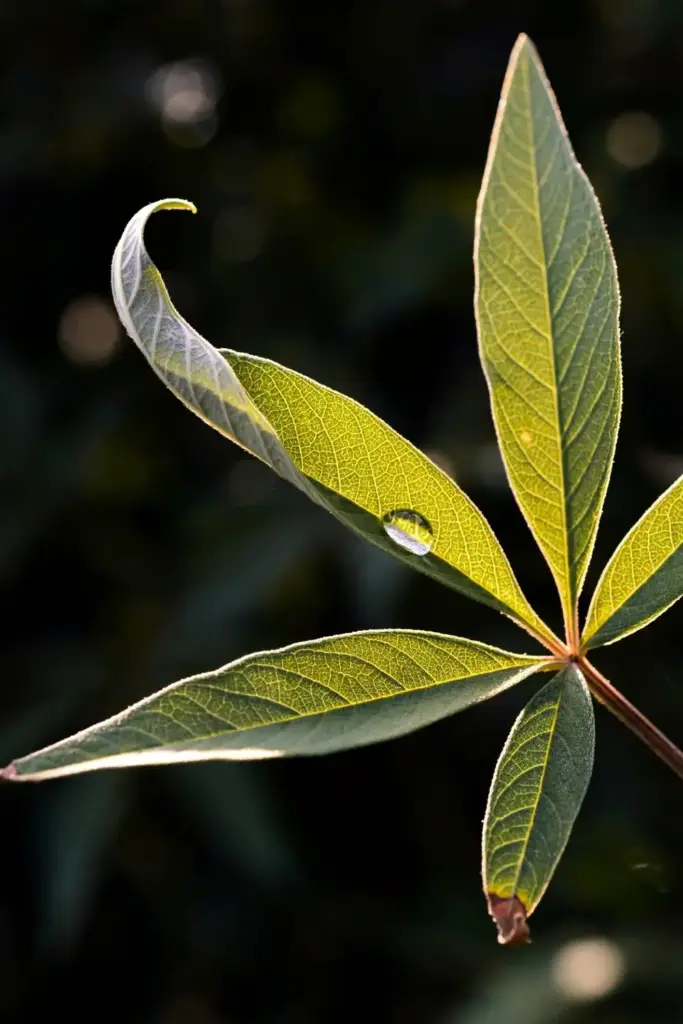
In India it grows wild as wasteland vegetation from sea level to 2,200 meters, along riverbanks in Maharashtra, and in the outer Himalayas up to 1,500 meters. That range is your first clue to its toughness. Farmers plant it between fields as a living hedge because cattle refuse to graze it. Tissue-culture laboratories in Hyderabad sell it as a commercial planting material, and dried leaves feed the Ayurvedic oil trade. It is a working shrub, not an ornamental, and the article treats it that way.
3. Climate and Zone Reality for Nirgundi in India
Nirgundi handles more of India than almost any other herb shrub in this series. It grows from sea level to 2,200 meters, tolerates the dry heat of the Deccan and the cold of the outer Himalayan foothills, and survives winter lows around minus 10 degrees Celsius, per the hardiness data on its PFAF profile. The preferred band for fast growth is 20 to 30 degrees, in full sun to partial shade. An extension profile lists it hardy in USDA zones 6 through 9 with a mature height of 10 feet, which translates to roughly 3 meters in a managed garden.
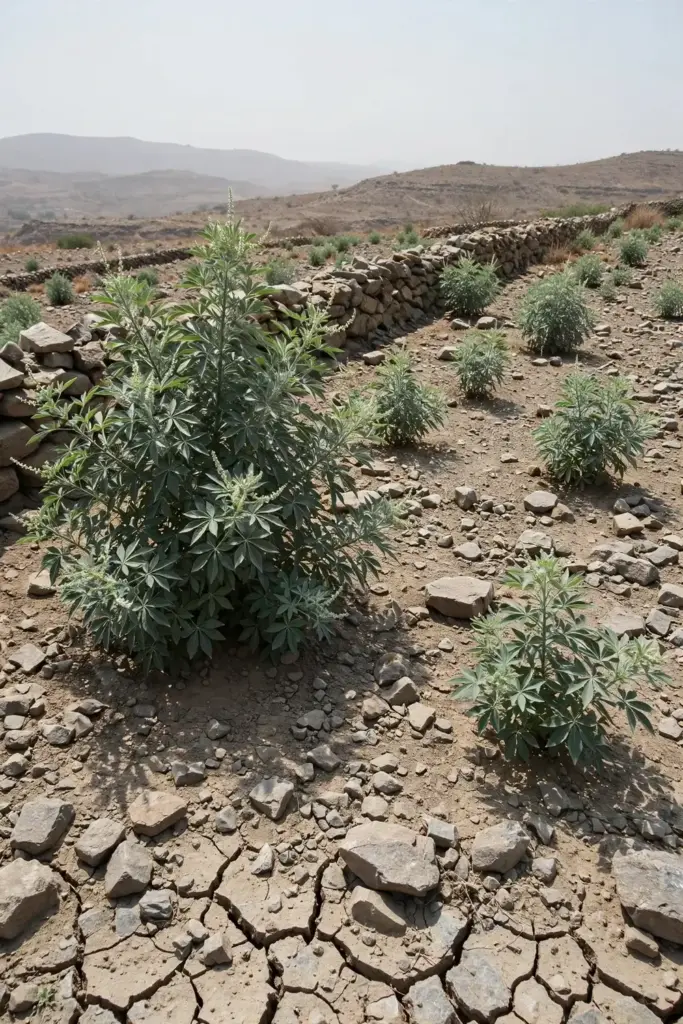
The one climate fence is cold, drying wind, and the one soil fence is waterlogging. Nirgundi survives drought and poor dry soil once established, but standing water rots it. Shelter young plants from harsh winter winds, especially in the north Indian plains where cold blasts desiccate foliage. Hot lowlands suit it perfectly: the shrub evolved for tropical wasteland, and a hot, dry, sunny boundary is its favorite real estate. If your plot floods in the monsoon, plant on a raised bund or a mound, because drainage decides survival more than temperature does.
4. The Cattle-Proof Hedge: Why Farmers Plant It
The winning lane for nirgundi on a farm is the living fence. Planted in a row between fields, it forms a dense 3-to-4-meter barrier that cattle do not graze, thanks to the bitter aromatic foliage. Root suckers thicken the line naturally, so a hedge gets denser with age rather than thinner. For a garden, the same trait makes it an excellent boundary shrub: it screens, it smells good when brushed, and it needs no protection from livestock the way a young fruit tree would.
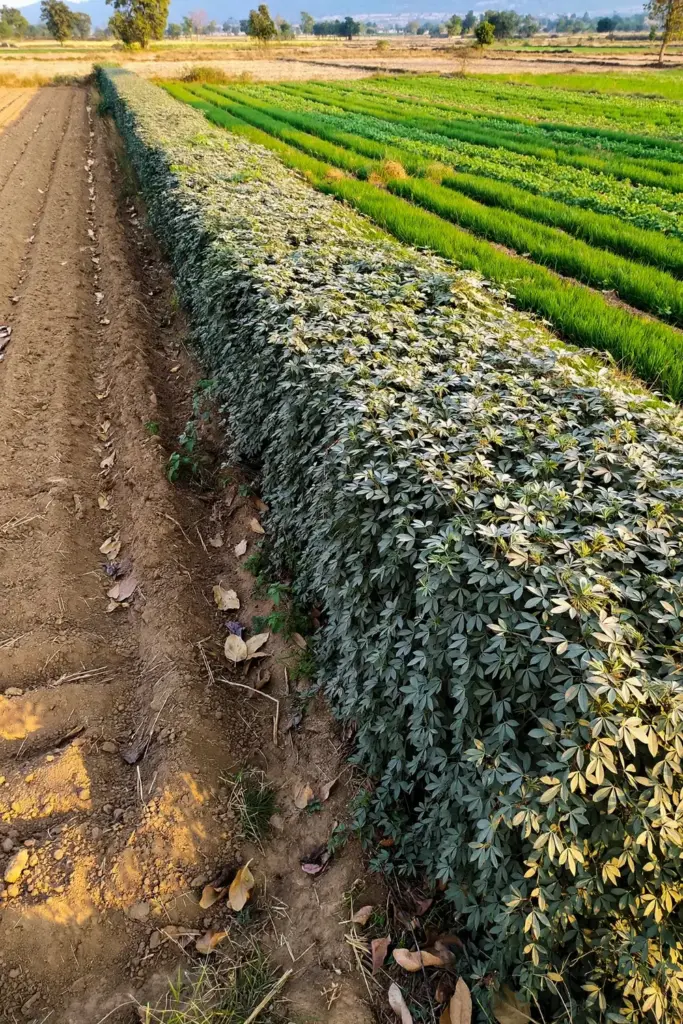
Space garden plants 3 to 4 feet apart for a continuous hedge, per retail nursery guidance. Commercial tissue-culture plantings use a wider 9-by-9-foot grid, which suits a specimen or a small plantation rather than a hedge. Decide the purpose before you plant: a hedge wants tight spacing and hard pruning, while a leaf-production plant wants room to spread. Both give leaves, but the hedge gives more per meter of boundary.
5. Cuttings vs Seeds: The Method Decision
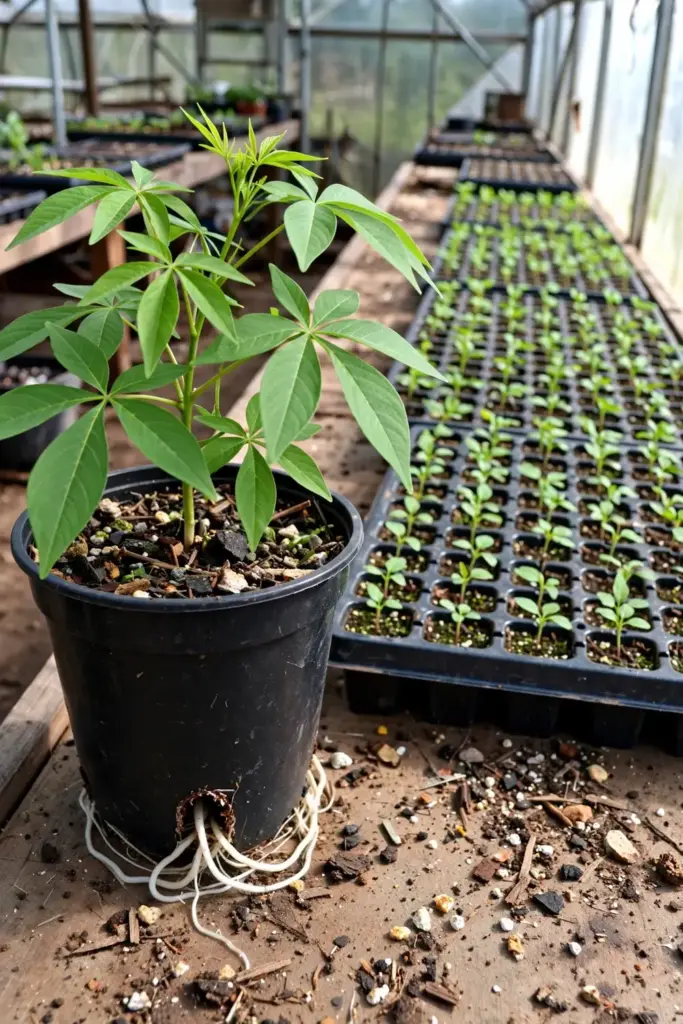
Cuttings are the default route, and it is not close. Nirgundi roots readily from shoot cuttings, reproduces from root suckers, and grows true to the mother plant. Seeds work too, but they germinate slowly and unevenly, and the seed trade sometimes confuses species. Take cuttings from a plant you can see and smell: the aromatic foliage is your identity check, and a cutting guarantees you are growing Vitex negundo, not a cousin.
| Option | Time to plantable stock | Uniformity |
|---|---|---|
| Stem cuttings | 4 to 6 weeks to root | Exact copy of the mother plant |
| Root suckers | Ready to separate in one season | Exact copy, free material |
| Seeds | 1 to 2 weeks to germinate, slow after | Variable, species risk in trade seed |
Seeds have one honest advantage: they travel. If no nirgundi grows near you, a seed packet is the cheapest way to start. Everything else about cuttings wins: speed, certainty, and zero germination anxiety. The sections below cover cuttings first, then seeds, then suckers, so you can pick the lane that fits your situation.
6. How to Root Nirgundi Cuttings: Step by Step
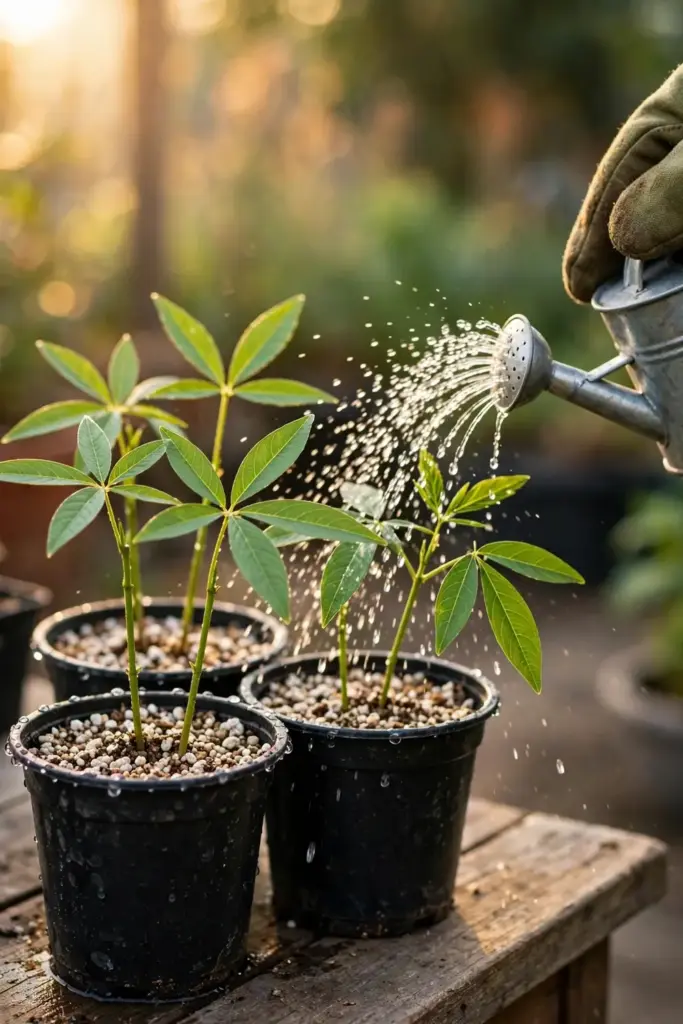
| Step | Action | Time |
|---|---|---|
| 1 | Cut 6-to-8-inch tips from healthy spring or summer branches | Day 1 |
| 2 | Strip the lower leaves, keep the top pair | Day 1 |
| 3 | Stick cuttings in equal parts peat moss and perlite, kept moist | Day 1 |
| 4 | Hold in bright indirect light, water to stay consistently moist | Weeks 1 to 3 |
| 5 | Check for resistance: roots form in 4 to 6 weeks | Weeks 4 to 6 |
| 6 | Move rooted cuttings to larger pots or the garden | Weeks 6 to 8 |
The propagation numbers above come from a grow guide for the species, and they match what Indian growers report: nirgundi is one of the easiest shrubs to root. For thicker material, half-ripe wood 5 to 8 centimeters long with a heel, taken in July or August, also roots well. Keep the medium moist but never soggy, because a cutting in wet mud rots before it roots. A light tug that resists is your sign of success; do not keep pulling cuttings up to look at them.
7. Seeds: The Honest Lane
Soak the small seeds in warm water for 24 hours before sowing. Sow a quarter inch deep in a seed-starting mix, keep the soil moist, and hold the tray at 65 to 70 degrees Fahrenheit. Germination takes 1 to 2 weeks. Thin seedlings to 12 to 18 inches apart once they carry two sets of true leaves, and transplant to the garden when they stand about 6 inches tall. These are the figures from the same grow guide, and they are honest numbers, not marketing.
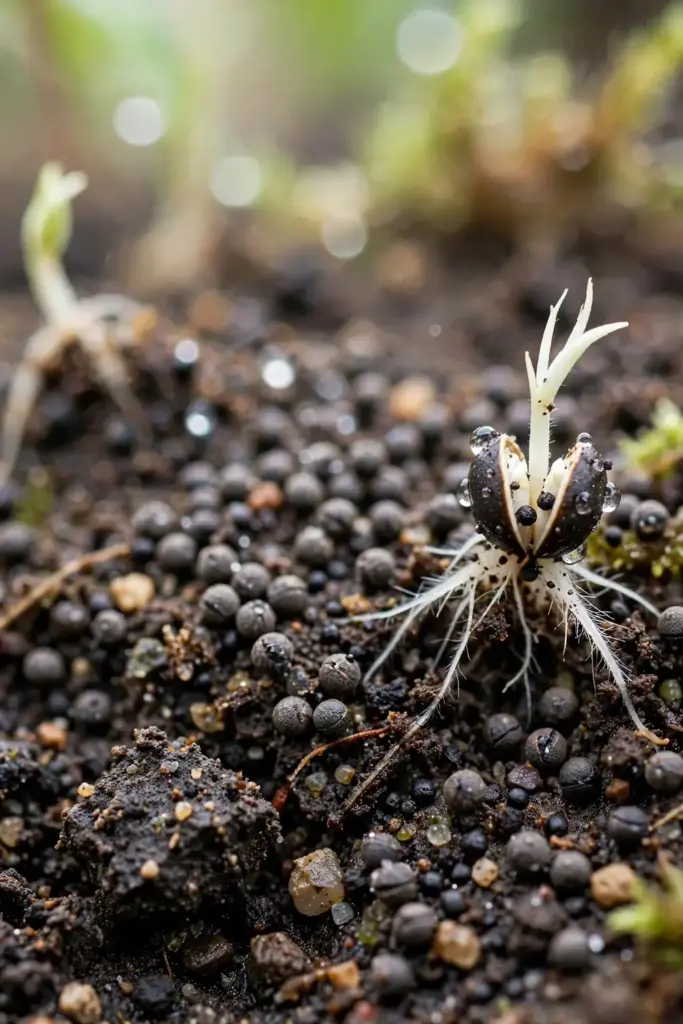
Two cautions ride with the seed lane. First, nirgundi seeds sold as “Renuka” or “beej” in Ayurvedic trade are a different product line from leaves, with different preparations and different research behind them; do not quote leaf studies for seed products, or the reverse. Second, verify the species on the packet. Trade seed sometimes carries the wrong Vitex, and a seedling takes a full season to reveal its leaves. If the packet names only “nirgundi” without a Latin name, treat it as a gamble, not a guarantee.
8. Root Suckers: Free Plants From an Old Shrub
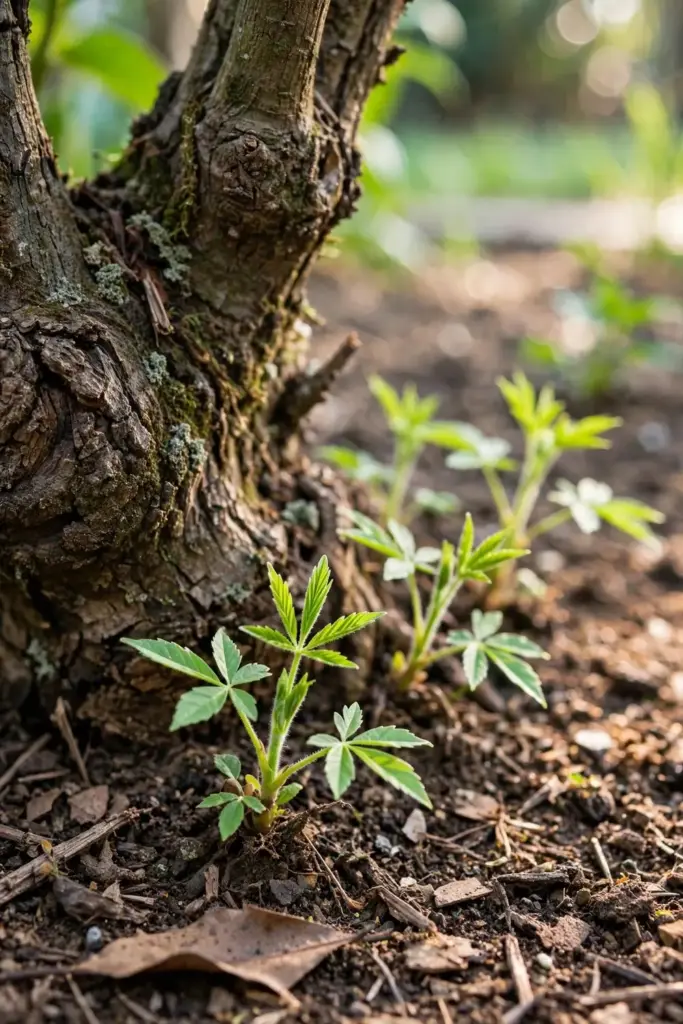
A mature nirgundi sends up root suckers around its base, and each one is a free plant. Dig up a sucker with its own roots in the cool season, sever it from the mother with a sharp spade, and replant it at the same depth. Water it in and shade it lightly for a week. This is the traditional way village hedges multiply, and it costs nothing. Suckers carry the exact traits of the mother plant, so a good hedge becomes many good hedges. If a neighbor has an old nirgundi, one sucker beats a whole seed packet.
9. Containers: Honest Expectations
Nirgundi grows in containers, and retail guides list it as container-suitable, with potted specimens reportedly reaching up to 4 meters in large tubs. Treat the pot as a nursery stage or a one-to-two-season holding pattern, not a permanent home. A fast shrub in a small pot becomes root-bound quickly, and a root-bound nirgundi sulks: small leaves, weak growth, early leaf drop. Start cuttings in 6-to-8-inch pots, step up once, and move the plant to the ground when it outgrows the pot.
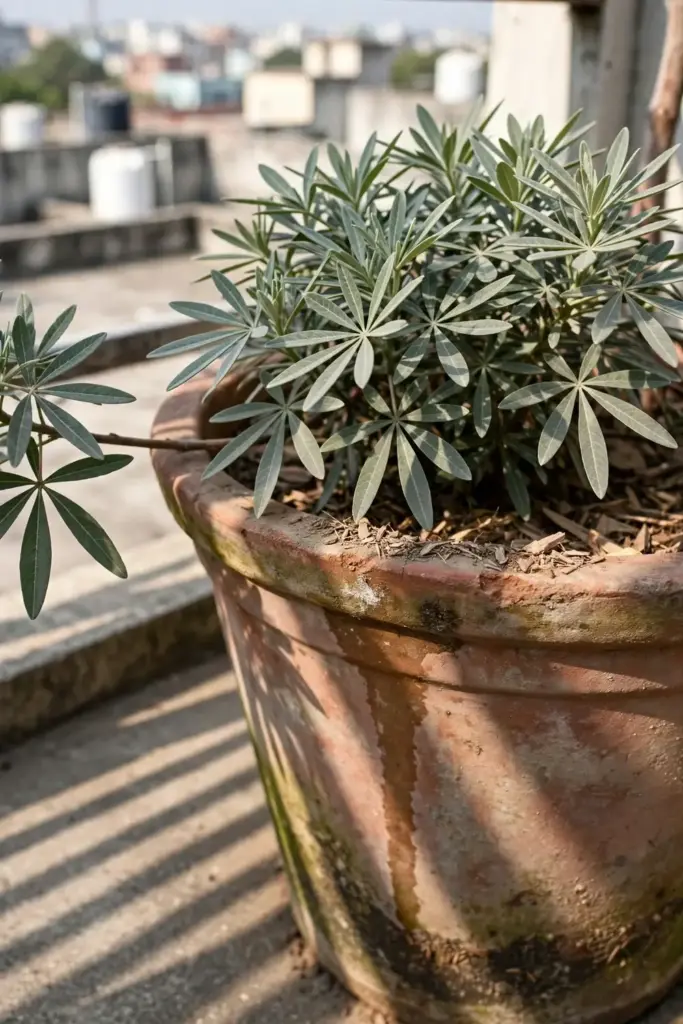
If you must keep one potted long-term, use the largest tub you can move, prune ruthlessly, and accept a smaller plant with fewer leaves. Balcony growers get a fragrant, useful shrub, not a hedge. For container fundamentals that transfer directly, see the indoor herb garden guide.
10. Soil: Drainage Is the Whole Game
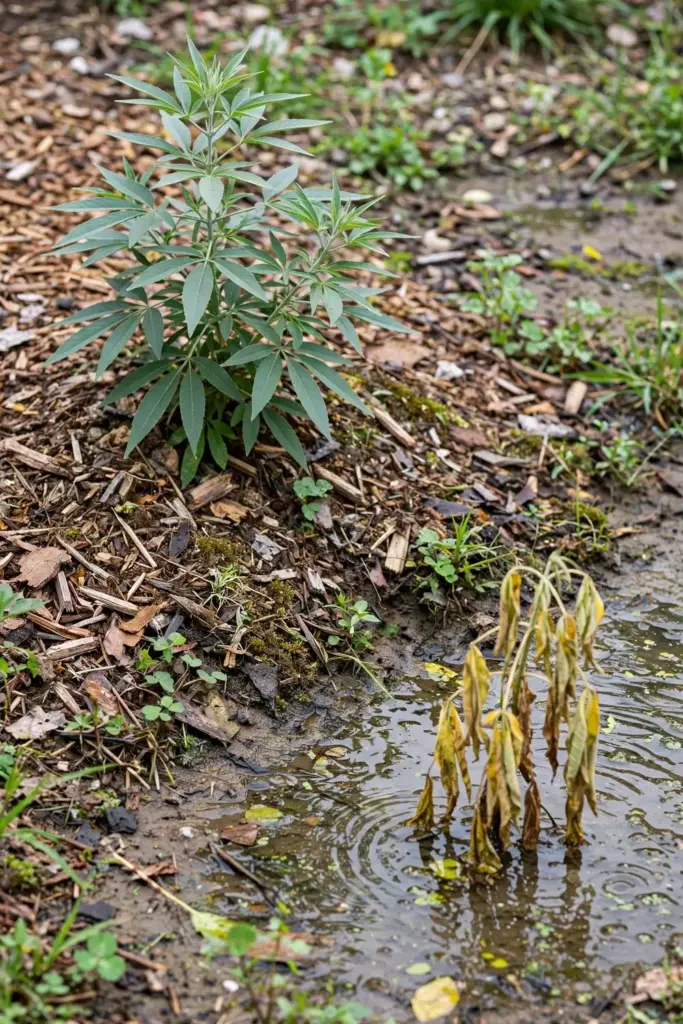
Nirgundi tolerates a remarkable range of soils, from heavy to light and even degraded ground, and it prefers soil with decent organic content. The one non-negotiable is drainage. This shrub survives drought and neglect, but waterlogging kills it: soggy roots rot, and a plant sitting in monsoon puddles will not recover. If your ground holds water, plant on a raised bed, a bund, or a mound at least 8 inches above the surrounding grade. A sandy loam with compost mixed in is ideal, and the shrub accepts slightly alkaline soils common in north Indian plains.

Dig the planting pit twice as wide as the root ball and mix the excavated soil with well-rotted farmyard manure before backfilling. Mulch the surface with dry leaves or straw to hold moisture in the dry months and suppress weeds. Skip fresh, uncomposted manure against the stem: it burns young roots. For the soil biology that makes this work, the soil health foundation guide covers the organic-matter logic behind every recommendation here.
11. Watering: Drought-Tolerant, Not Desert-Proof
Established nirgundi shrugs off dry spells, but young plants need steady water for their first season. Water deeply once or twice a week after planting, letting the top inch of soil dry between waterings. Once the shrub is established, rainfall plus an occasional deep soak carries it through most of the year. In the peak summer of the plains, a weekly deep watering keeps leaf production strong; in the monsoon, stop watering entirely and check that drainage works.
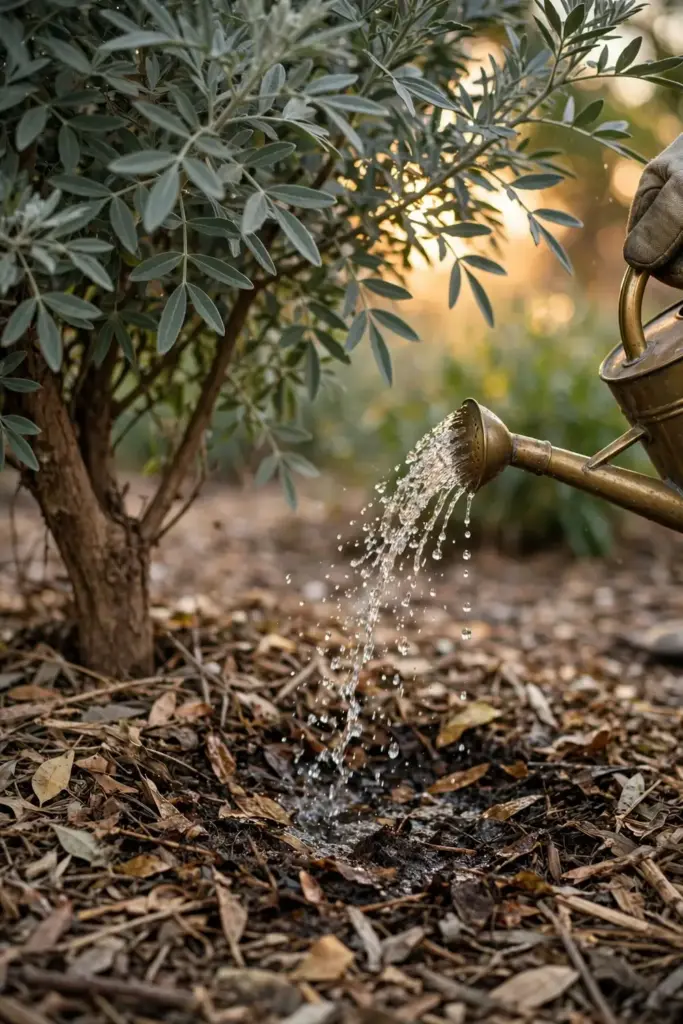
The failure mode is overwatering, not underwatering. Yellow, dropping leaves on a plant in wet ground point to root suffocation, not thirst. A plant in dry ground with dull, curling leaves genuinely wants water. Learn the two signatures and you will rarely lose a nirgundi to watering mistakes.
12. Feeding: Compost and Mulch
Nirgundi is a light feeder, which is part of its charm. Work a bucket of well-rotted compost or farmyard manure into the root zone twice a year, at the start of the growing season and after the monsoon. The Kerala agrotechnology notes for the species describe pits filled with a kilogram of farmyard manure at planting and organic manure applied twice yearly, and that modest program suits home gardens perfectly. A mulch ring of dry leaves feeds the soil slowly as it breaks down.
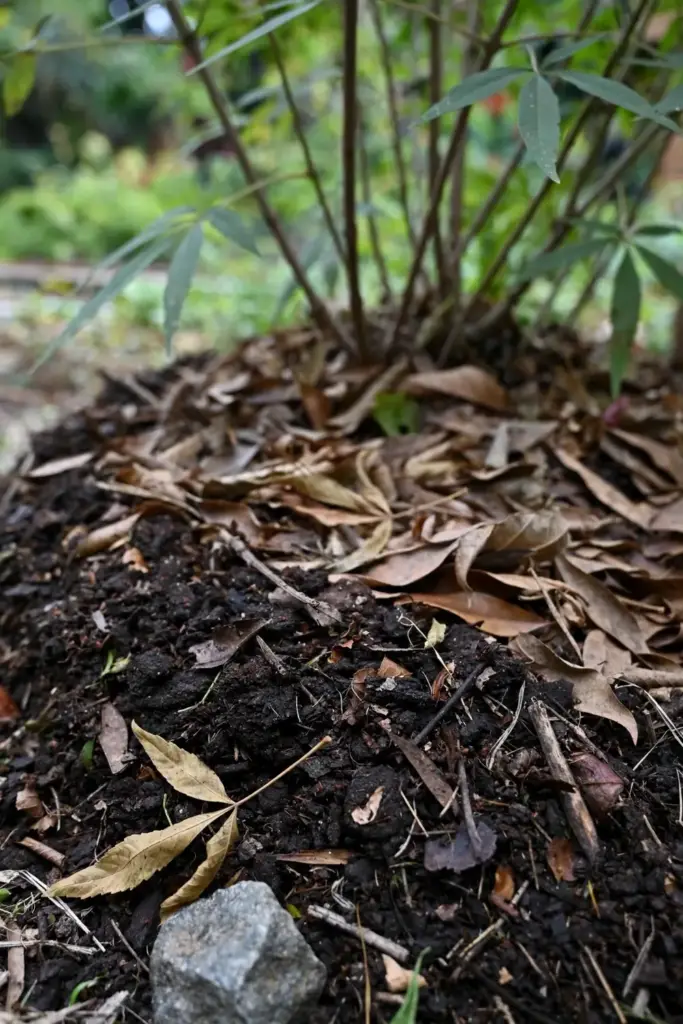
Skip heavy synthetic fertilizer. Pushing soft, overfed growth with nitrogen invites pests and dilutes the aromatic oils that make the leaves valuable. If leaves yellow uniformly and growth stalls, a light top-dressing of compost plus a check of drainage usually fixes it. Feed the soil, not the shrub, and the shrub feeds you.
13. Pruning: Keeping a Vigorous Shrub in Bounds
Prune nirgundi the way you would any vigorous hedging shrub: hard and early. In the first two years, cut new shoots back by a third to a half to force branching low down, building a dense, bushy frame instead of a few leggy poles. Once established, coppice or pollard on a yearly cycle: cut stems back hard in late winter, and the shrub responds with a flush of fresh, leafy growth through the warm months. This is also how leaf producers maximize yield, since young shoots carry the best foliage.
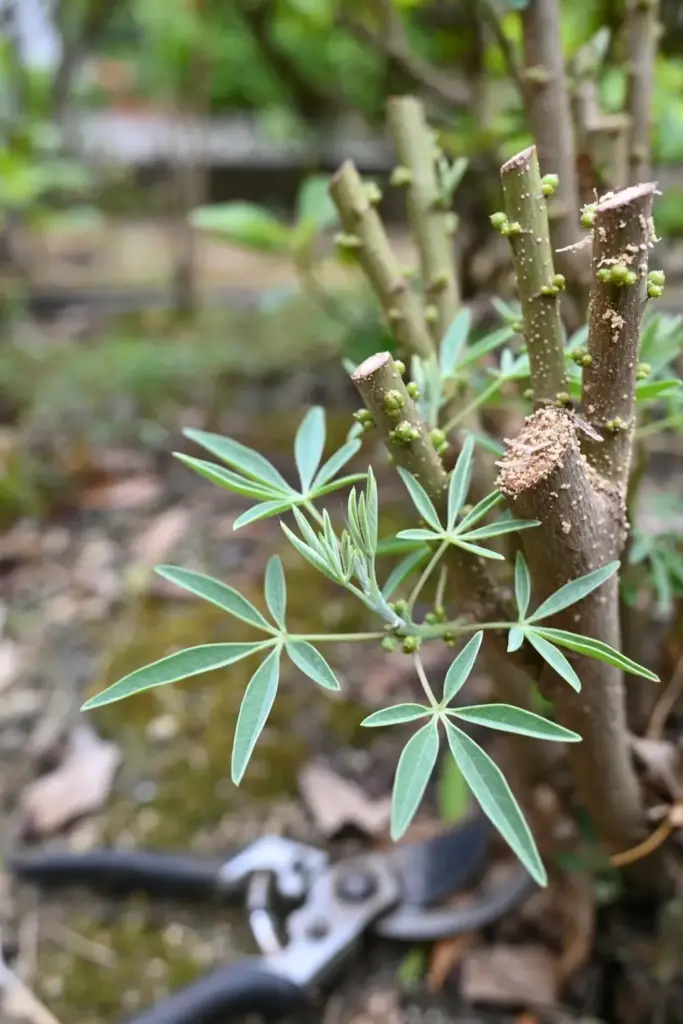
Neglected nirgundi turns into a tangled 5-meter thicket with bare lower stems. That is not a disaster: even an old, woody plant responds to a hard rejuvenation cut. Use clean, sharp loppers, cut just above an outward-facing node, and remove crossing and inward-growing branches to keep air moving through the crown. For the cutting technique itself, the spring pruning techniques guide covers the angle-and-node basics that apply to every shrub.
14. Overwintering and Cold
In most of India, nirgundi needs no winter protection. It is deciduous in cold regions, drops its leaves, and resprouts in spring. The hardiness floor sits around minus 10 degrees, so the Himalayan foothills and the coldest parts of the northern plains are fine. Shelter young plants from cold, drying winds in their first winter: a simple windbreak of jute or a sheltered planting spot prevents desiccation of the bark.
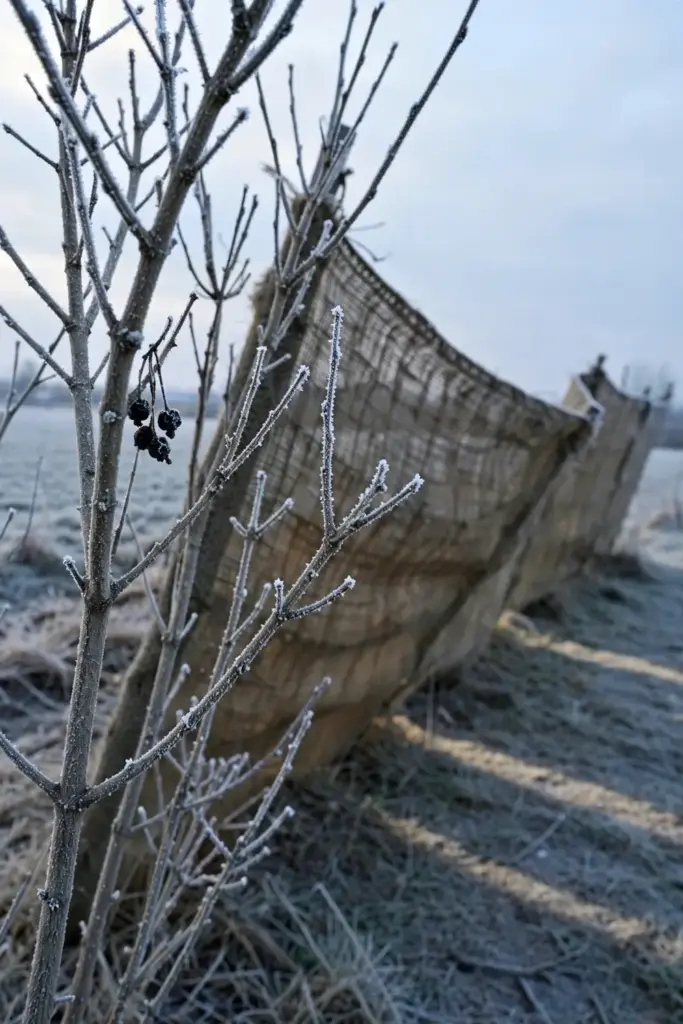
Container plants are the exception. A pot exposes roots to cold that ground soil would buffer, so move potted nirgundi against a warm wall or into an unheated shed during a hard freeze. In the plains and the peninsula, winter care is a non-issue: the shrub rests and waits for spring. Gardeners learning how to grow nirgundi from India in colder districts should treat the first winter as the only one that needs attention.
15. Pests and Diseases
Nirgundi is genuinely pest-resistant, and the aromatic foliage repels more insects than it attracts. No serious pest or disease is reported on the species in Indian cultivation literature; waterlogging remains the main risk, not insects. Occasional leaf-chewing caterpillars or aphids may appear on soft new growth after heavy feeding, but a strong jet of water or neem oil handles them. The shrub’s own leaves are used as a household insecticide, which tells you how little it suffers from pests.
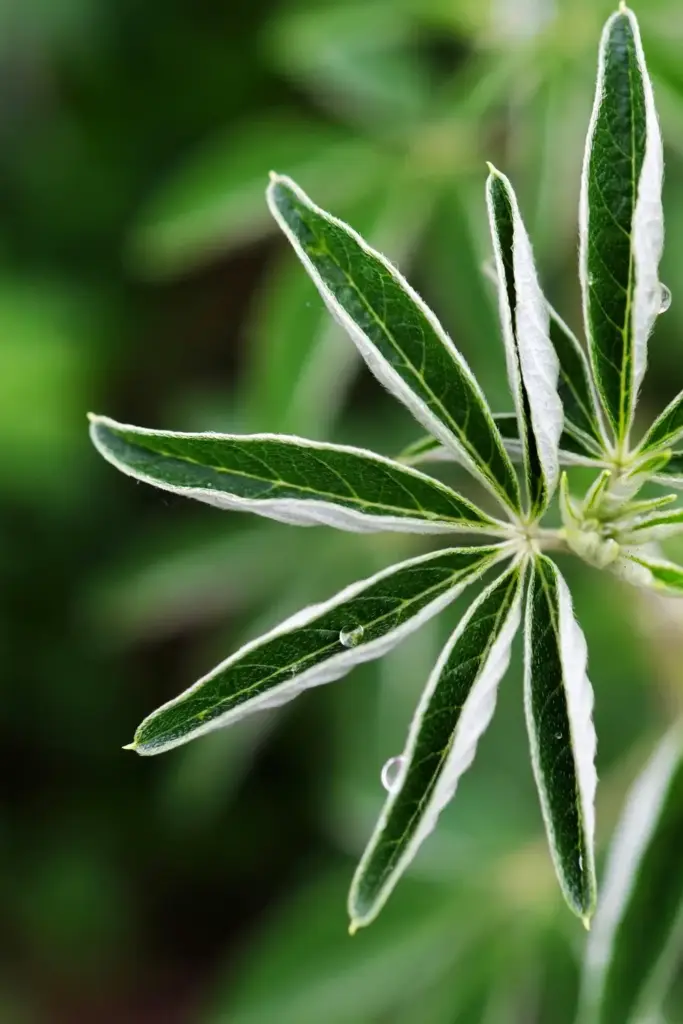
Keep the crown open through pruning so air circulates, and never let mulch pile against the stem. If you see dieback, check drainage first and roots second. Nine times out of ten, a sick nirgundi is a drowning nirgundi, not a diseased one.
16. Leaf Harvest: The Second-Year Rule
Do not harvest in the first year. Let the young shrub build roots and frame, and it will repay you with decades of leaves. The Kerala agrotechnology for the species sets the commercial rhythm clearly: stems and leaves can be harvested at regular intervals from the second year onward, up to the tenth year of planting. That is an honest, long production window, and home gardens can stretch it further with good pruning.
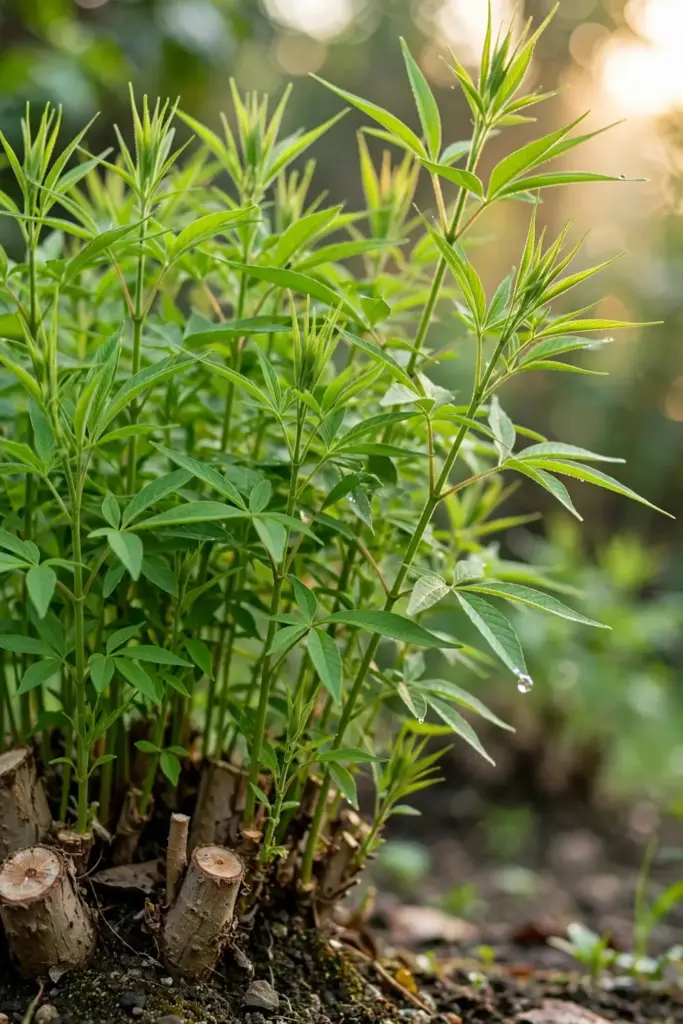
From year two, harvest on a rotational basis: take a third of the leafy shoots from one section, let it regrow, and move to the next section. This coppice-style rhythm keeps the plant vigorous and the leaf supply steady through the growing season. Peak leaf quality comes in the warm months, before the plant winds down for winter.
17. How to Harvest and Dry Leaves
Harvest on a dry morning after the dew lifts, choosing healthy, fully expanded leaves from the current season’s growth. Strip leaves by hand or snip whole leafy shoots with secateurs; both methods work, and shoot-snipping doubles as pruning. Avoid leaves with heavy dust, soot, or pest damage. A mature shrub gives several kilograms of fresh leaves per harvest round, and the plant replaces them within weeks in the growing season.
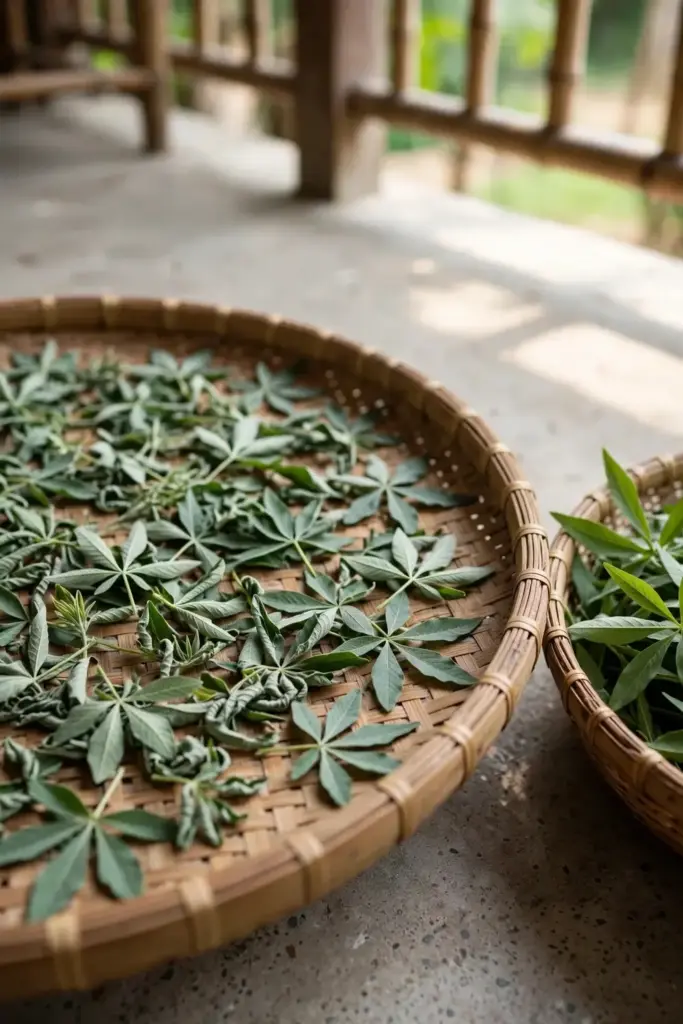
Dry the leaves in shade with good airflow, spread thin on trays or hung in loose bundles. Direct sun bleaches the color and cooks off the aromatic oils. Properly dried leaves crumble easily, keep their gray-green color, and smell strongly when crushed. Store in airtight jars away from light. For oil preparations, many traditional recipes start from fresh leaves, so keep a clear mental split: fresh leaves for oil and poultice use, dried leaves for storage and tea.
18. The Joint-Pain Oil Lane: What Tradition Claims, Honestly Framed
Nirgundi’s signature traditional use is joint and rheumatic pain, usually as an infused oil. Classical preparations include nirgundi oil and compound formulas like Nirgundi Eranda Tailam, applied warm to painful joints. Practitioners describe timelines in weeks of regular application, not overnight relief, and the honest framing is that this is traditional use with pre-clinical research interest, not proven clinical medicine. A research review of the species notes anti-inflammatory constituents like casticin and negundoside acting on inflammatory pathways, while also noting that clinical validation is still lacking. That is the correct level of confidence: promising tradition, early science, no promises.
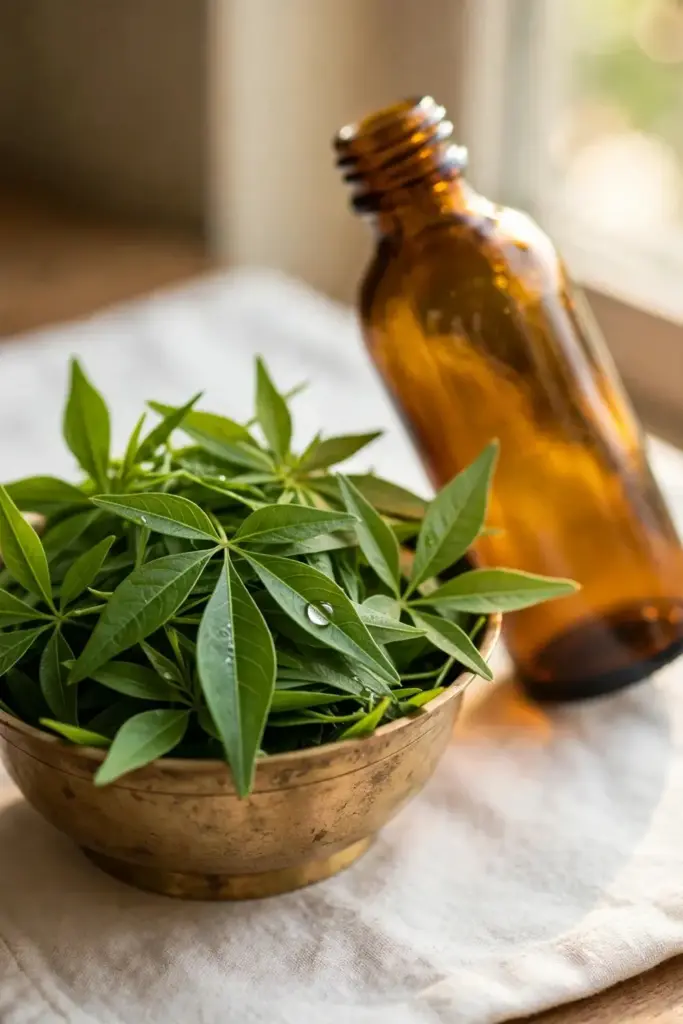
If you grow for this lane, keep expectations modest and methods traditional. Warm oil massage of leaves is the documented folk route; nobody in the classical literature suggests eating handfuls of raw leaves for arthritis. One reframing from my own notebook: treat the shrub as a slow, honest ally, the way a gardener treats a compost pile, not the way a shopper treats a painkiller box. Consult a clinician before using any preparation alongside medication, especially blood thinners.
19. The Household Pesticide Lane: Grain, Woolens, and Mosquitoes
The most immediately useful lane for a home grower needs no oil press at all. Dry nirgundi leaves have served rural Indian households for generations as a stored-grain protectant: layers of dried leaves in grain bins deter the weevils and beetles that ruin harvests. Tuck dried leaf bundles among woolens in storage to discourage moths, the same way cedar works in Western closets. Crushed fresh leaves rubbed on exposed skin are a traditional mosquito repellent in rural Tamil Nadu, and leaf smoke from a small bundle drives mosquitoes out of a room.
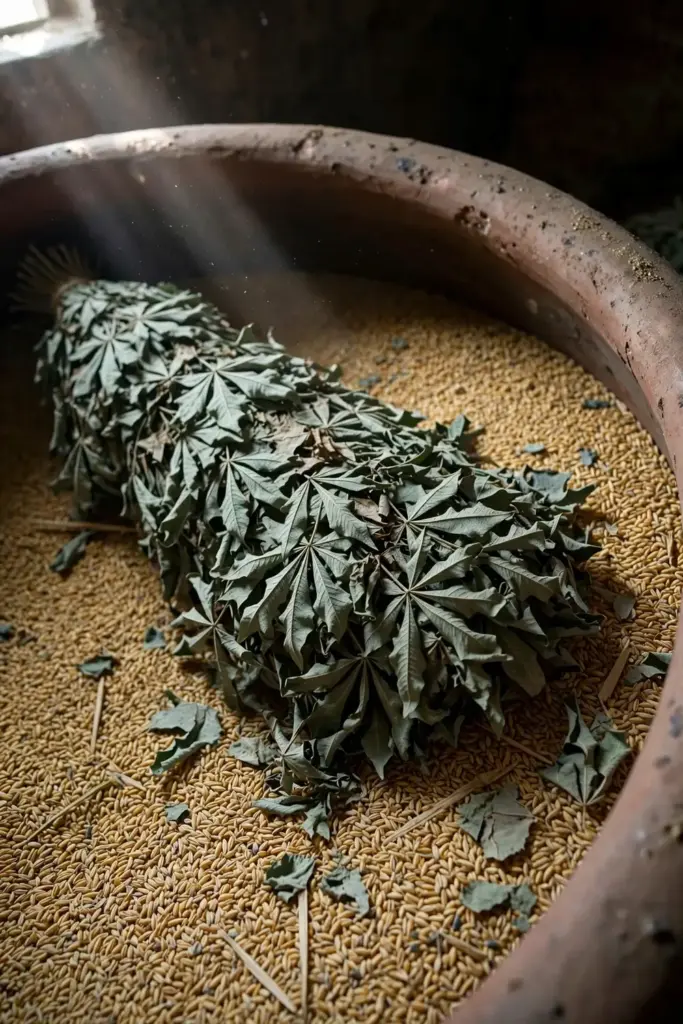
This lane is where the shrub earns its keep fastest. A single mature plant gives more dried leaves than one household can use for storage protection, and the material is free after the planting effort. Keep the leaves dry and replace them each season; old, musty leaves lose their punch. No safety warnings attach to this use beyond the obvious: keep dried leaves away from open flame, and do not confuse the leaf bundles with anything edible.
20. Safety: Pregnancy and Drug Fences
This section is mandatory reading, not optional. Traditional sources caution that large doses of nirgundi may stimulate uterine contractions, so pregnant women should avoid internal use entirely. The species also carries interaction cautions with NSAIDs, anticoagulants, and hormone therapies: anyone on these medications should consult a clinician before using nirgundi preparations, even topical ones, because the plant’s own pharmacology is active, not inert. Rare reports mention nausea and contact dermatitis in sensitive individuals.
None of this makes the shrub dangerous to grow or handle in the garden. Normal gardening contact is fine; the fences apply to concentrated preparations and internal use. The chasteberry confusion from the first section matters here too: hormonal claims and hormonal cautions that belong to Vitex agnus-castus should never be imported into Vitex negundo in either direction. Keep the species straight, keep doses traditional, and keep your doctor in the loop.
21. Mistakes Nirgundi Growers Make
Planting in a waterlogged corner. The shrub tolerates drought, poor soil, and cold, but standing water rots the roots. Fix it before planting with a mound or a raised bed, because no amount of care rescues a drowning shrub.
Buying the wrong species. A nursery tag that says only “chaste tree” or “nirgundi” without Vitex negundo is a coin flip. The table in section one exists because this mistake is common and expensive. Demand the Latin name.
Harvesting in year one. A young shrub stripped of leaves stalls for a season. Wait for the second year, then harvest rotationally. Patience in year one buys a decade of leaves.
Letting it go wild. An unpruned nirgundi becomes a 5-meter tangle with bare legs and leaves only at the top. Annual hard pruning keeps the leaf zone where your hands can reach it.
Feeding it like a rose. Heavy nitrogen makes soft, pest-prone growth with weaker aroma. Compost twice a year is the whole program.
22. Troubleshooting
Leaves yellowing and dropping in wet weather: check drainage first. If the ground squelches, the roots are suffocating. Lift the plant to a mound or improve the drain line; do not add fertilizer to a drowning plant.
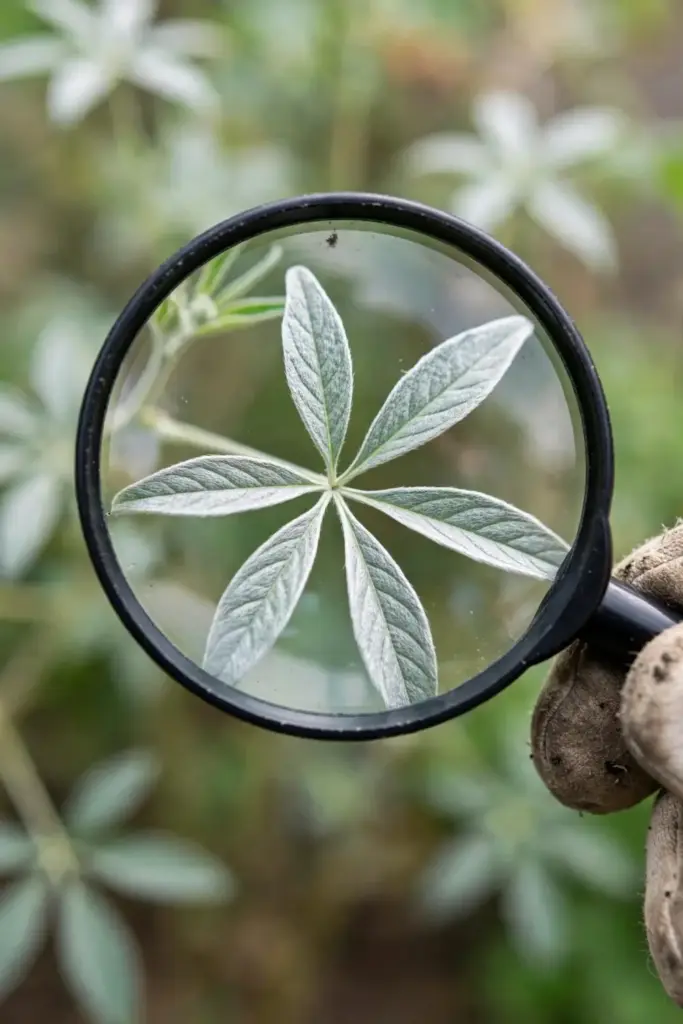
Leggy growth with sparse leaves: the shrub wants more sun and a harder prune. Cut back by half in late winter and thin the crown for light.
No suckers on a young plant: suckering starts as the root system matures, usually from the second or third year. Give it time; a plant that never suckers still gives leaves.
White powder on leaves in humid weather: likely powdery mildew on stressed growth. Improve air circulation, prune for openness, and avoid overhead watering late in the day.
Slow establishment after transplant: nirgundi spends its first months on roots, not shoots, which looks like failure but is normal. Give steady water, a mulch ring, and patience; top growth follows in the next warm season.
Frequently Asked Questions
Yes, but verify the species on the packet first. Trade seed sometimes carries the wrong Vitex, and a seedling needs a full season to reveal its leaves. Soak seeds 24 hours in warm water, sow a quarter inch deep at 65 to 70 degrees, and expect germination in 1 to 2 weeks. Cuttings from a known plant remain faster and certain.
No. Nirgundi is Vitex negundo, the five-leaved chaste tree of the Ayurvedic inflammation and joint-pain tradition. Chasteberry is Vitex agnus-castus, the Mediterranean shrub used in the hormonal and women’s-health lane. Never import hormonal claims or cautions from one species into the other.
Fast. A cutting roots in 4 to 6 weeks, a young shrub reaches 2 to 3 meters within two to three seasons, and a mature plant tops out at 4 to 5 meters. Annual hard pruning keeps it at hedge height. Leaf harvest begins in the second year and can continue for a decade or more.
For a season or two, yes. Start cuttings in 6-to-8-inch pots and step up once. Long-term, a pot constrains a vigorous shrub: expect a smaller plant with fewer leaves, and prune hard to keep it manageable. The ground is the honest long-term home for this species.
Avoid internal use during pregnancy. Traditional sources warn that large doses may stimulate uterine contractions. Topical traditional preparations are a separate question, but anyone pregnant, nursing, or on NSAIDs, anticoagulants, or hormone therapies should always consult a clinician before use.
Almost never. The species is genuinely pest-resistant, and its aromatic leaves repel more insects than they attract. Occasional aphids on soft new growth yield to a water jet or neem oil. If the plant looks sick, check drainage before reaching for any spray.
Where Nirgundi Fits in Your Garden
Plant nirgundi where a tough, useful shrub earns its place: along a boundary as a cattle-proof hedge, behind the vegetable beds as a leaf bank, or in a dry corner where fussier plants fail. Give it sun, drainage, and a hard prune every year, and it gives back leaves for a decade. Few shrubs in the Indian garden ask so little and return so much. If this guide answered how to grow nirgundi from India for your situation, start with a cutting from a neighbor’s shrub: it is free, it is certain, and it roots while the monsoon is still deciding what to do.