
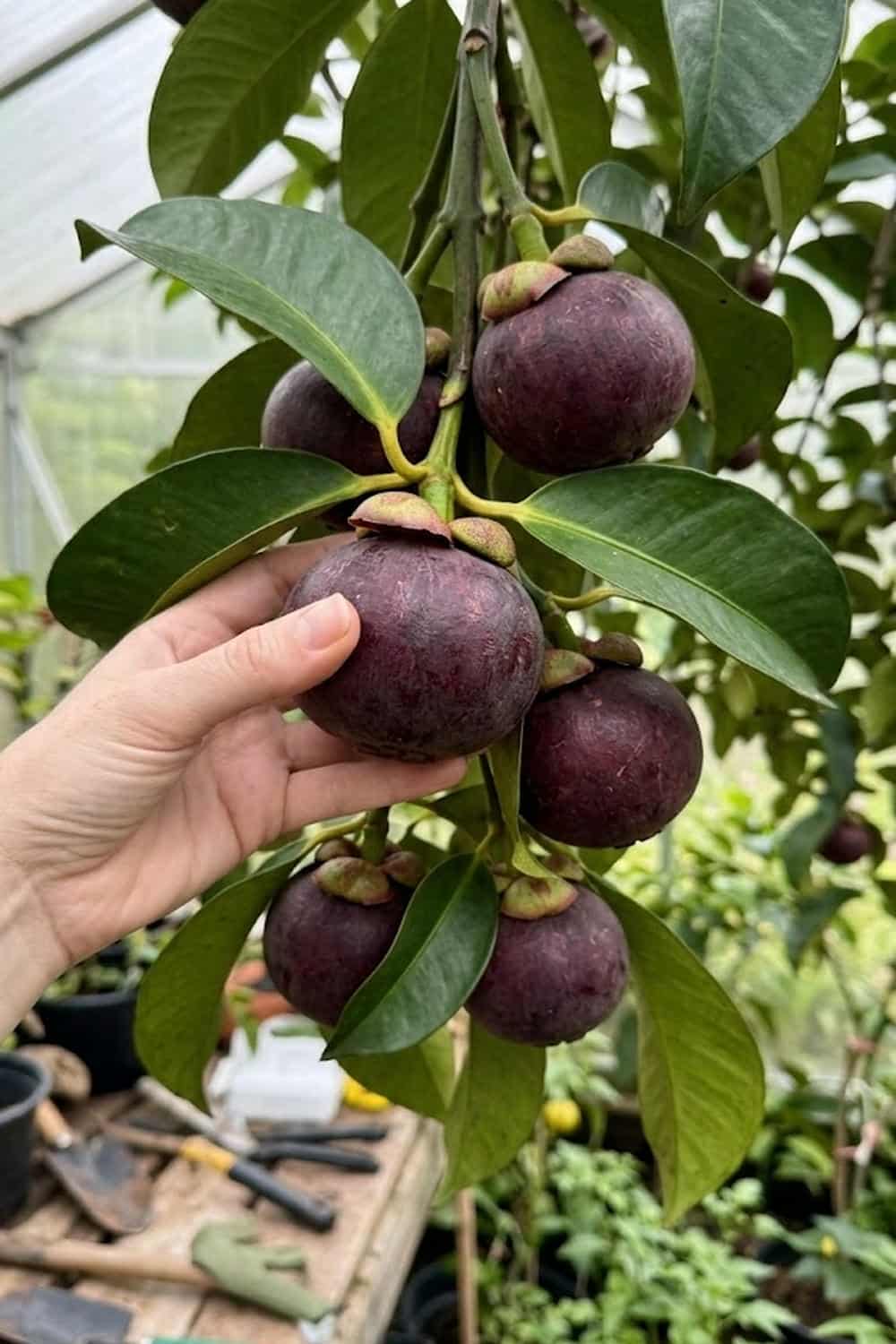

You see the photos of those deep-purple rinds and the pristine white segments inside, and you want that experience in your own garden. I get it; the allure of the “Queen of Fruits” is incredibly strong. But then you read the horror stories online: seedlings that refuse to grow for years, trees that die at the first hint of a breeze, or decades spent waiting for fruit that never comes. It is incredibly frustrating to invest your time, energy, and hard-earned money into a plant that seems destined to fail, leaving you with nothing but an empty pot and a sense of defeat. I have been there, watching a prized tropical sapling slowly decline despite my best efforts, and it is disheartening. It doesn’t have to be that way for you. There is a specific, successful roadmap for how to grow mangosteen fruit if you are willing to provide the precise conditions this tropical marvel demands. This guide distills that complexity into actionable, proven tactics, giving you the expert knowledge needed to nurture Garcinia mangostana from a delicate seedling into a magnificent, fruit-bearing tree. I am here to share my experience so you can avoid the common pitfalls and finally enjoy the taste of a homegrown mangosteen.
1. Select the Best Soil Mix for Tropical Drainage
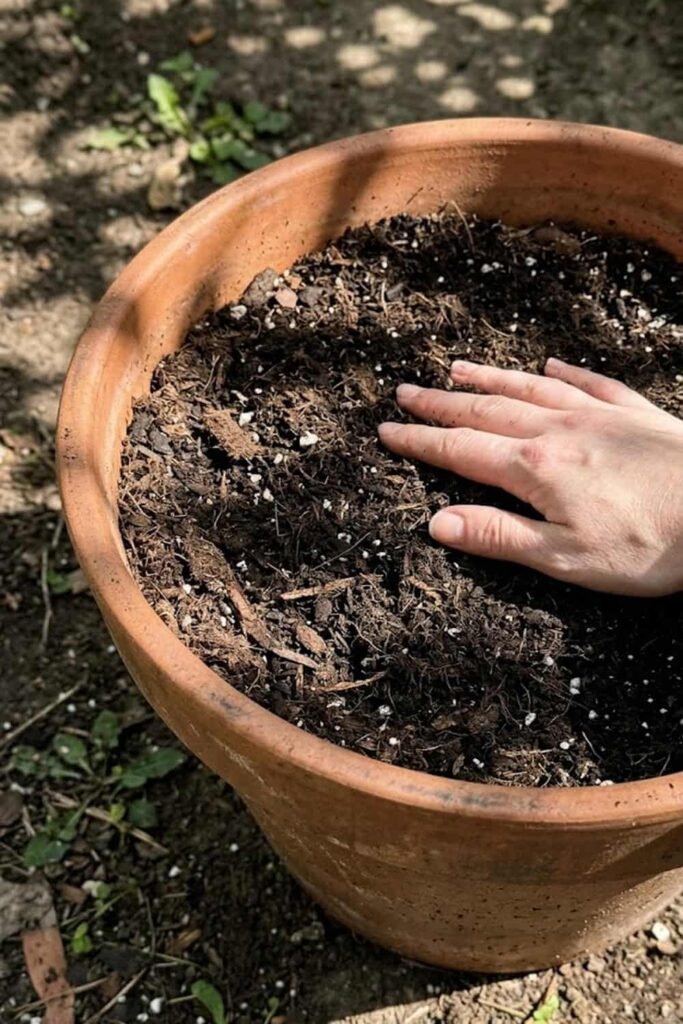
When I first started, I didn’t realize that how to grow mangosteen fruit successfully begins entirely below the ground. You cannot just use standard backyard dirt for a hyper-tropical tree like Garcinia mangostana. Establishing the correct soil foundation is the single most important step you will take for the long-term vitality of your tree, and getting it wrong is a primary reason why many fail. These trees require a specific environment for their roots: deep, loamy soil that is heavily enriched with organic matter. Think about the rainforest floor; it’s a constant cycle of decomposing leaves and organic debris creating a rich, spongy medium. Your soil mix must replicate this, allowing the delicate taproot to penetrate deeply without resistance. Studies by tropical agricultural universities strongly suggest a pH level between 5.5 and 6.8. This slightly acidic environment is critical for optimal nutrient uptake.
My personal preference, based on years of trial, is a blend I mix myself. I found that combining two parts high-quality peat moss, one part finished compost, and one part coarse perlite provides the perfect balance. This combination ensures the mix is moisture-retentive yet provides the excellent aeration and drainage these plants demand. Stagnant water is the enemy here.
You can create a foundation for thriving roots by meticulously preparing the site.
| Component | Purpose in Mangosteen Soil | Ideal Proportion (My Suggestion) |
| Peat Moss / Coco Coir | Retains moisture, maintains acidity | 40-50% |
| Finished Compost / Humus | Provides organic matter and nutrients | 20-30% |
| Perlite / Coarse Sand | Ensures drainage and aeration | 20-30% |
| Volcanic Rock / Pumice | Long-term structural aeration | Optional (10%) |
You must ensure this mix has a soft, permeable consistency.
Understanding Acidity Levels
Maintaining that acidic range is key. If your soil pH is too high (alkaline), your mangosteen tree will struggle to absorb iron and other essential micronutrients, leading to yellowing leaves and severely stunted growth. I highly recommend investing in a reliable pH meter; I test my soil quarterly to ensure conditions remain perfect.
2. Master the Secret to Germinating Recalcitrant Seeds
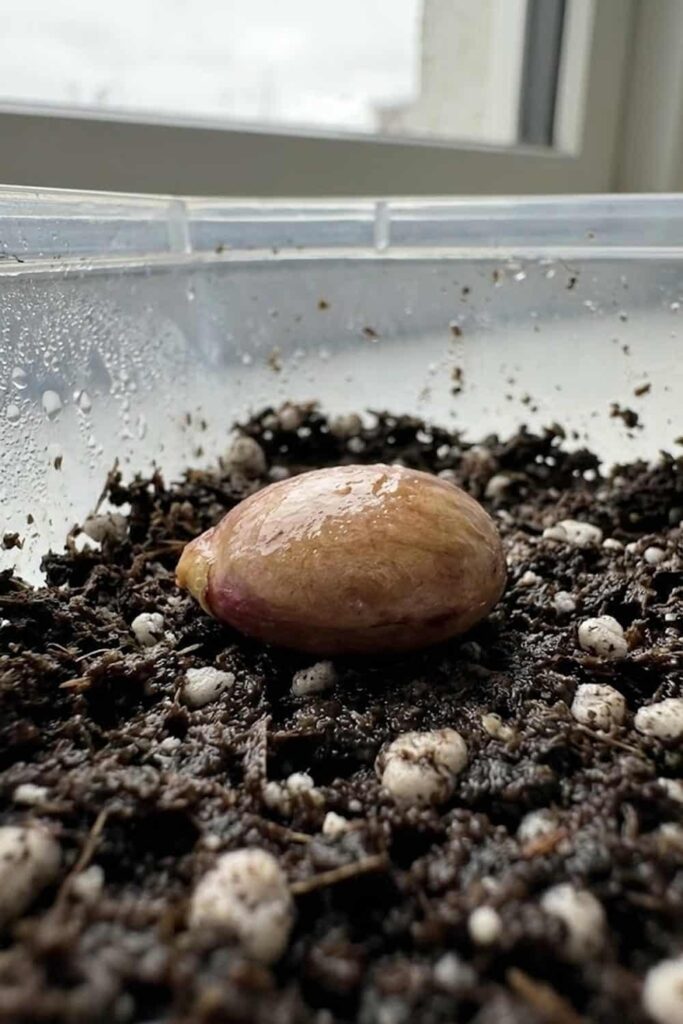
I have seen countless passionate gardeners order expensive “rare” mangosteen seeds online, only to have zero success. I have made that exact mistake myself, waiting for weeks for a sprout that never appeared from a dried-out husk. The fundamental secret to how to grow mangosteen fruit from the very start lies in understanding that Garcinia mangostana produces recalcitrant seeds. What this means, simply, is that the seeds are sensitive to desiccation and lose their ability to germinate completely within days of being removed from the protective, moist pulp of the fruit. If a mangosteen seed looks dry or shriveled, do not waste your time; it is already dead. The path to success is incredibly straightforward but requires speed: you must plant fresh seeds that are still plump, moist, and viable.
My absolute rule for germination is that I never let the seed dry out, not even for an hour. When I am ready to plant, I carefully extract the largest, most developed seeds from a ripe fruit and clean off the pulp.
Follow these direct instructions for successful sprouting:
- Immediately soak the clean, fresh seeds in a solution of room-temperature water mixed with a kelp extract for 12–24 hours.
- Prepare your germination medium; a mix of 50% damp peat moss and 50% perlite is ideal because it is lightweight and holds moisture.
- Plant the seed sideways at a depth of roughly one inch. The radical (first root) and the plumule (first shoot) emerge from opposite ends, so a sideways orientation reduces stress on the developing seedling.
- Maintain a constant temperature between 80°F and 85°F (27°C–29°C) and provide high humidity (over 80%). A heat mat and a humidity dome are often essential for success in residential settings.
This specific environment is essential for the recalcitrant seed.
What to Expect During Germination
Under these precise conditions, you can typically expect to see the first signs of green growth in 14 to 21 days. The mangosteen is known for being a slow starter. I have learned to appreciate this initial pace; it’s building that critical, sensitive root system first. Do not be tempted to expose it to bright, direct light at this stage; partial shade is key.
3. Control Humidity Levels for Rapid Seedling Development
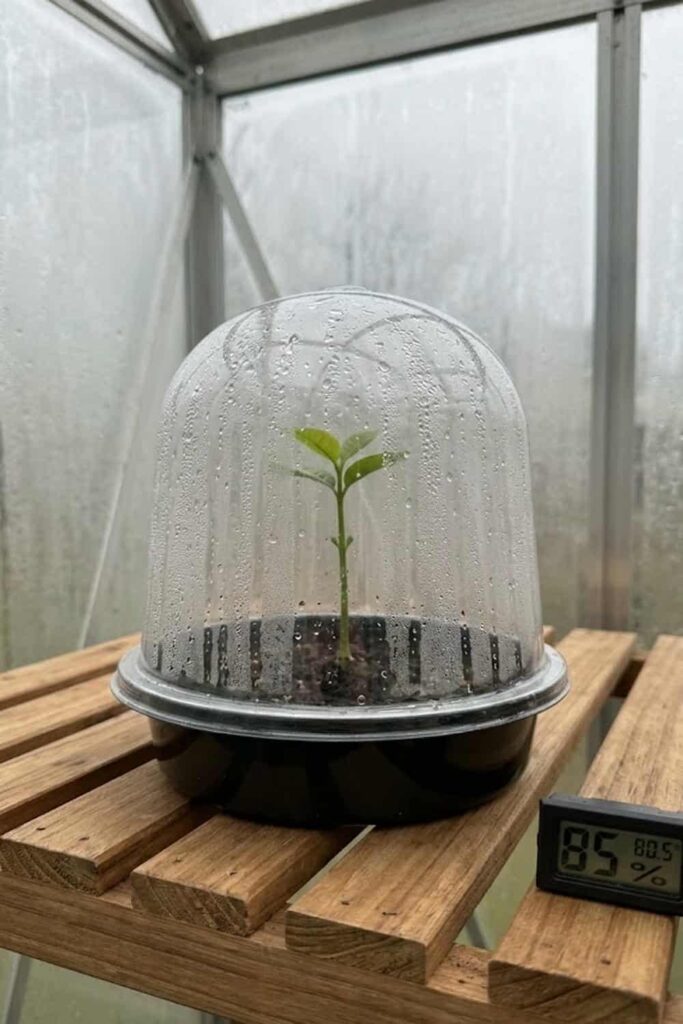
I have learned that you can have perfect soil and perfect temperature, but if you ignore atmospheric moisture, your mangosteen seedling will still fail. I found this out early on when I moved a healthy, newly-germinated sprout out from under its humidity dome into a dry, climate-controlled room. In just 48 hours, the edges of those beautiful, dark-waxy leaves began to scorch, and the entire plant entered a state of irreversible stress. High humidity is the absolute lifeblood of a developing mangosteen tree; you simply cannot overlook this if you want rapid, healthy development. I found that maintaining a relative humidity (RH) of 80% or higher consistently provides the correct environment for Garcinia mangostana foliage to thrive.
The scientific reason for this requirement is simple: G. mangostana seedlings are efficient at taking up soil moisture through their roots, but their waxy leaves lose massive amounts of water through transpiration when the surrounding air is dry. By keeping the RH above 80%, you reduce this transpiration stress, allowing the young plant to focus its precious energy on developing new cells and expanding its sensitive taproot.
Indoor gardeners often find this to be the most challenging aspect of how to grow mangosteen fruit in regions outside the deep tropics. You must actively work to maintain this environment. Here are my top three practical methods for controlling humidity:
- Humidity Domes and Enclosures: I keep all my seedlings under a clear, ventilated plastic dome until they have at least three or four sets of true leaves. This creates a miniature, controllable hyper-tropical microclimate.
- Misting Systems and Humidifiers: If you are growing inside a grow room or greenhouse, a professional-grade ultrasonic humidifier set to a target RH of 80% is the most reliable tool. Frequent misting by hand is helpful but often inconsistent.
- Pebble Trays: For small plants on a windowsill, you can place the pot on a tray filled with pebbles and water. As the water evaporates, it naturally increases the ambient humidity directly around the plant’s canopy.
This dedicated effort prevents the devastating scorch.
The Relationship Between Temperature and Humidity
You must manage these two factors together. The combination of 80% humidity and constant, stable temperatures between 77°F and 90°F creates the ultimate engine for mangosteen growth. In this specific tropical sweet spot, you will see your seedling produce glossy, healthy foliage at a surprising pace for this otherwise slow-growing tree.
4. Provide Protection with Strategic Partial Shade
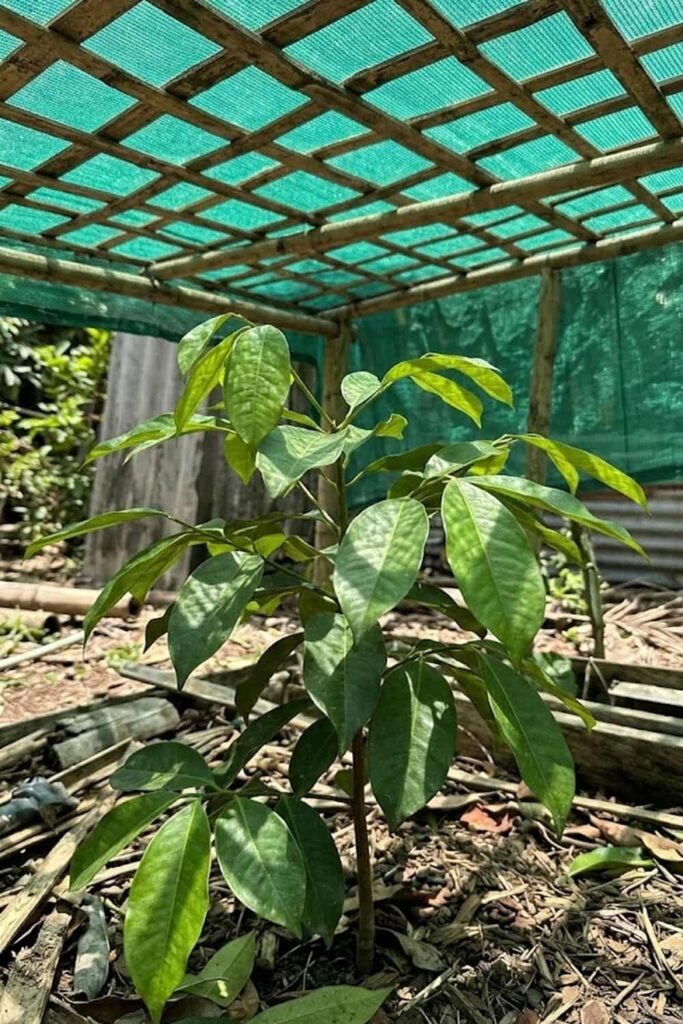
I find that the name “Queen of Fruits” gives people the impression that this tree wants to bask in majestic, golden sunlight all day. I have made that disastrous assumption myself, placing a beautiful, healthy young Garcinia mangostana tree in a premier spot in full, all-day sun, only to watch it become severely stunted. The reality of how to grow mangosteen fruit successfully is counterintuitive: young trees are highly sensitive to direct solar radiation and must have protection during their critical first two years. These plants do not grow as lone sentinels in the full sun; they evolve in the hyper-tropical rainforest understory, protected and nurtured by a mature tree canopy. You must provide a 50% shading factor to mimic this natural, dappled light environment.
I have learned that providing strategic partial shade prevents the solar stress that stunts the growth of the young G. mangostana. When exposed to full sun, the leaves will often turn yellow or develop permanent brown scorch marks, and the tree will enter a protective dormant state, effectively stopping all development. To achieve the 50% shading value, I rely heavily on professional shade cloth.
Here is how you should manage light exposure for optimal results:
- 0–24 Months (Seedling Stage): Provide 50% to 60% constant shade. Keep them under a shade cloth canopy, in a bright greenhouse, or under the filtered light of larger companion plants.
- 2–4 Years (Juvenile Stage): Gradually transition the tree to a 30% to 40% shade factor. The bark is beginning to thicken and can withstand slightly more radiation.
- 5+ Years (Maturity Stage): Mature, well-established mangosteen trees can finally tolerate and often benefit from full, direct sun, which is necessary for maximizing fruit production.
You prevent severe stunting by providing this specific protection.
The Dappled Light Strategy
In my garden, I use a permanent bamboo lattice covered with a commercial 50% shade cloth for my young collection. I positioned this structure so the trees get some filtered, soft morning light but are completely protected from the intense, burning heat of the afternoon sun. I find this specific, protected orientation is the exact strategy that How to grow mangosteen fruit efficiently requires for vigorous juvenile growth. This investment in a simple shading structure saves you months, or even years, of recovering from preventable solar damage.
5. Implement a Strict Watering Schedule for Deep Hydration
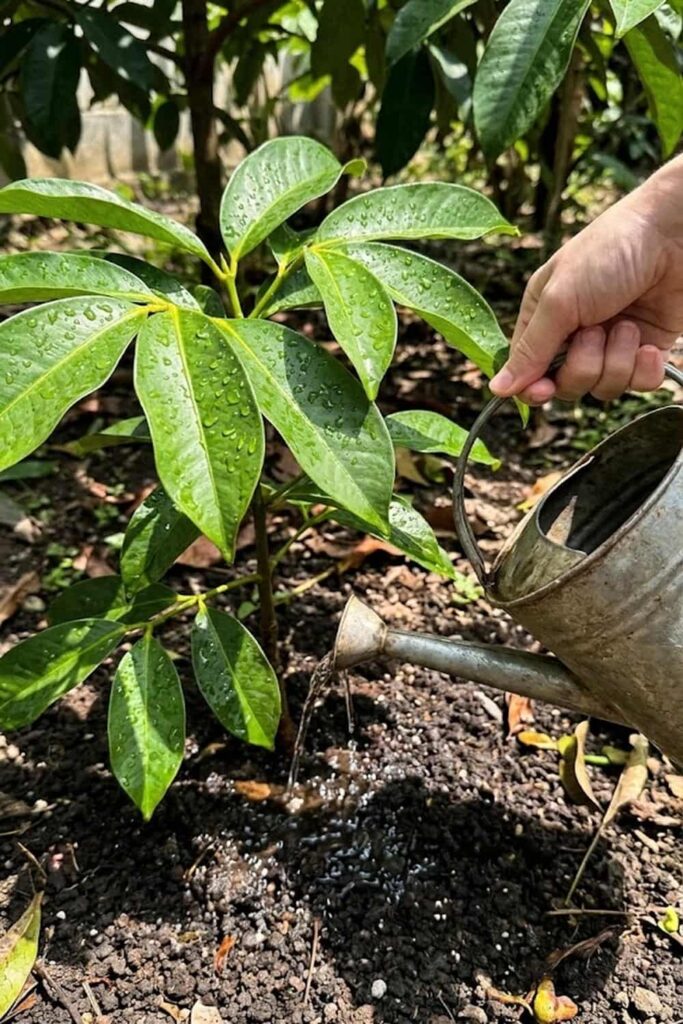
I have found that most people believe tropical plants need to be constantly flooded. This is a primary reason why many well-intentioned gardeners fail: they inadvertently suffocate their trees with kindness. I have made this exact mistake, keeping the soil around my prized mangosteen seedling saturated, thinking I was helping it, only to discover I had created a rotted mess that was beyond saving. The absolute rule for how to grow mangosteen fruit successfully is to provide deep, consistent, and strict hydration. These plants possess a long, delicate taproot that requires constant access to moisture, yet they are extremely prone to root rot if they sit in stagnant water.
The environment for Garcinia mangostana must remain consistently moist, but you must ensure it never becomes waterlogged. To do this effectively, I rely on a multi-pronged approach rather than a simple, fixed calendar schedule. I monitor the soil moisture daily. My strategy is simple: I water deeply only when the top one inch of the soil begins to feel dry to the touch. This ensures that the water penetrates deep into the profile, encouraging that critical taproot to grow downward, while the top layer remains aerated, protecting the primary roots from fungal decay.
Here is my recommended technique for achieving deep hydration:
- Water slowly. Apply water gently at the base of the tree so it can soak in without disturbing the topsoil.
- Use captured rainwater. Rainwater is naturally soft and acidic, which is perfect for maintaining that required pH level. Municipal water is often too alkaline.
- Encourage deep percolation. For trees in the ground, I install a 2-foot section of perforated PVC pipe vertically near the drip line to deliver water directly to the deeper soil layers, encouraging the critical taproot to grow downwards.
You will know your schedule is correct when you see consistent, vigorous growth without any signs of yellowing or leaf drop.
The Taproot is Key
I found that this deep, targeted watering strategy is crucial because it protects that sensitive, initial taproot. When you provide only shallow, frequent watering, you create a superficial root system that cannot withstand drought. Deep hydration, on the other hand, develops a resilient tree capable of reaching the deep-water tables necessary for long-term health. I find this specific irrigation strategy is the most relatable and important advice I can provide for managing a young Garcinia mangostana.
6. Increase Growth Speed with Balanced Organic Fertilizing
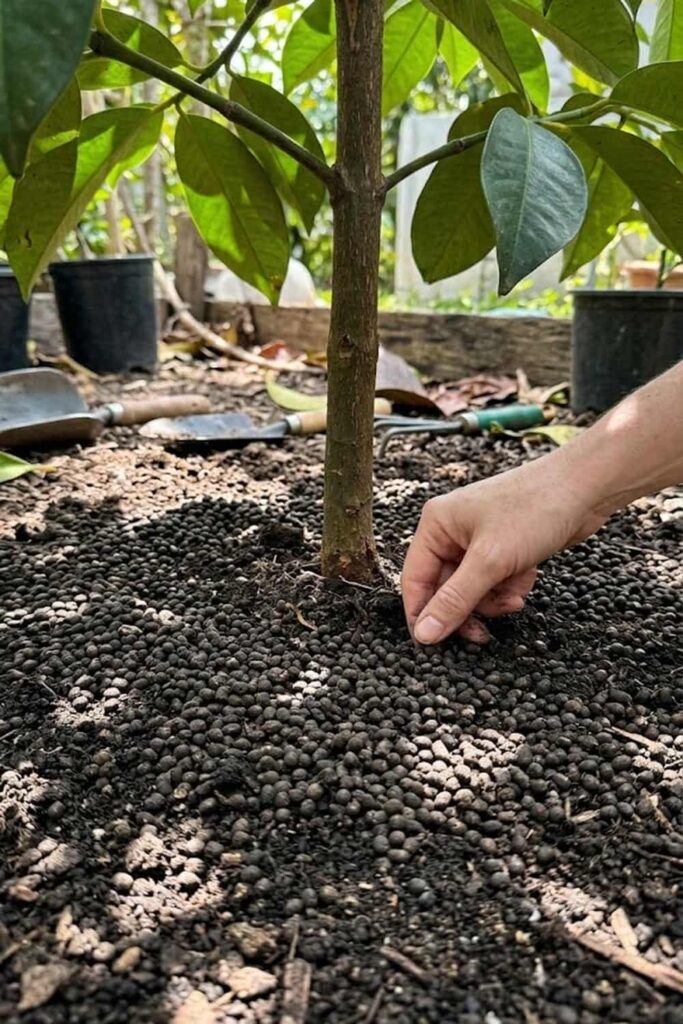
I know you want your mangosteen to grow as quickly as possible. I absolutely understand that urge; waiting for this species can be a test of pure patience. The notoriously slow growth is a major reason why many give up on learning how to grow mangosteen fruit effectively. However, you cannot force a tree like Garcinia mangostana to rush with heavy loads of synthetic chemicals; I found this out by burning the roots of a beautiful sapling when I first started. The key is consistent, balanced, and sustainable nutrition. When you provide the correct organic fertilizers, you fuel lush, vigorous growth and establish a robust metabolic system that will support future heavy harvests. By fertilizing, you provide the nitrogen required for leaf and branch expansion, the phosphorus for critical root development, and the potassium for overall structural health.
My approach to feeding focuses on organic, slow-release sources. I have learned that the combination of composting and natural kelp-based fertilizers provides the steady, non-burning stream of macronutrients and trace minerals that these trees crave. This dedicated effort prevents the severe nutrient deficiencies common in container-grown tropicals.
I rely on a strategic three-pronged fertilizing regimen:
- Finished Compost: I apply a 2-inch layer of finished, high-nutrient compost (I prefer a blend of chicken manure and leaf mold) across the root zone every four months. This builds long-term soil structure and provides consistent, low-dose feeding.
- Kelp and Fish Emulsion: During the active growing season (roughly every 6-8 weeks), I feed the tree with a dilute solution of liquid fish and kelp emulsion. This supplies immediate-access nitrogen and powerful trace minerals that stimulate metabolic activity.
- Rock Dust: Once a year, I scratch in a handful of localized rock dust (pumice or basalt) to provide essential trace minerals like calcium and magnesium, which are vital for future fruit development and overall resilience.
This dedicated organic effort sustains the tree’s nutritional needs without risking root burn.
The Dangers of Over-Fertilizing
I have learned that excessive synthetic nitrogen is the most common fertilizing pitfall. If you over-feed with synthetic high-N products, you will force very rapid but extremely weak, sappy growth. I found that this soft growth is highly attractive to devastating pests like aphids and scale. Instead, the steady, organic approach builds dense, resilient tissue. You promote a healthier, longer-lived tree capable of supporting heavy yields by following this balanced organic philosophy.
7. Monitor Temperature to Prevent Cold Stress
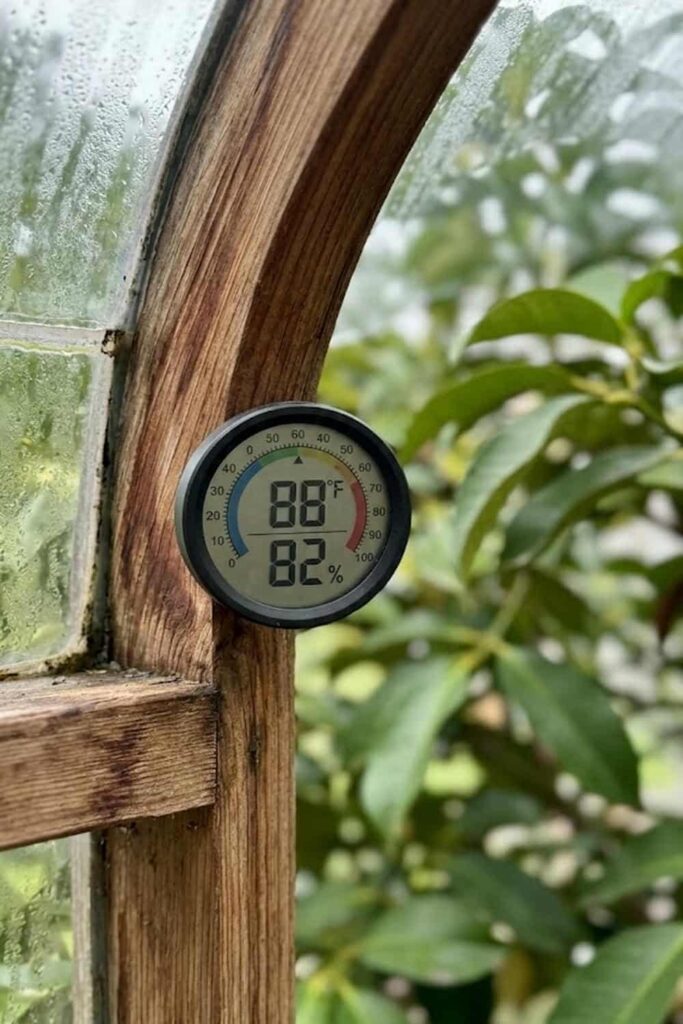
I have found that most gardeners living in temperate zones severely underestimate the temperature strictness of a mangosteen. This is not a “hardy tropical”; Garcinia mangostana possesses zero tolerance for cold. I have seen healthy, vibrant plants completely defoliate and begin a slow death spiral from just a single night where the temperature dropped to 45°F (7°C). I made this exact mistake myself, leaving a sapling outside during a mild spring night and losing it forever. You absolutely must prevent cold stress; it is a primary reason why many efforts to grow these trees fail outside the equatorial tropics. Ideally, you maintain a environment between 77°F and 95°F (25°C–35°C) for optimal metabolic function.
I have learned that even short periods of cold stress cripple the tree’s metabolism. While the tree might not show immediate damage from temperatures in the low 50s, its growth will often stall for months as it recovers. These trees simply evolve in an environment with no cold season.
This critical temperature management dictates how to grow mangosteen fruit successfully based on your location:
- Zones 10b-11: If you are lucky enough to garden in a true hyper-tropical zone (like parts of Hawaii or extreme South Florida), you can plant G. mangostana outdoors. It is vital to plant it in a microclimate protected from dry, chilling winds.
- Zones 10a and below (Indoor/Greenhouse): In all other zones, year-round outdoor cultivation is impossible. I rely entirely on greenhouse cultivation to control the environment. If you grow in a pot and bring it indoors for winter, you must provide supplemental light, a heat mat, and significant humidity management (a dedicated misting system) to counteract the dry, artificial heat.
By implementing this strict temperature control, you safeguard your tree from fatal cold shock.
Constant Warmth is Critical
My advice is that you should always lean on the warmer side. I monitor my greenhouse temperature constantly, day and night. If you must transport your plant during cold weather, wrap the container and canopy in reflective insulation. I find this constant vigilance against cold is the most relatable and important advice I can provide for ensuring the long-term survival of your unique tropical project.
8. Ensure Perfect Drainage to Avoid Fungal Disease
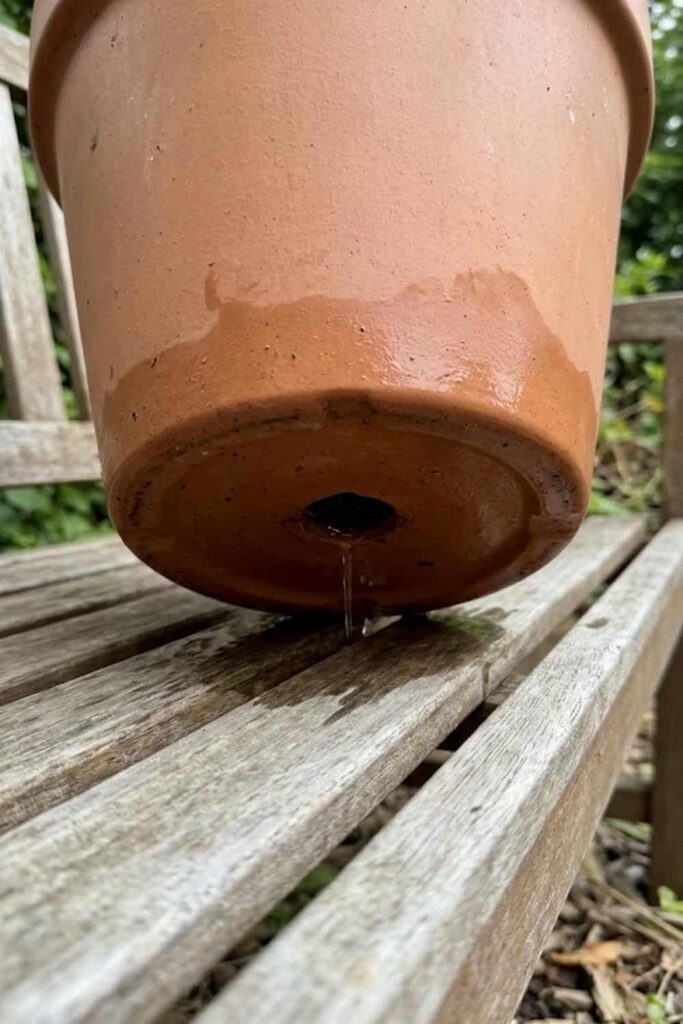
I know I have already stressed the importance of moisture, but you cannot mistake moisture for saturation. This distinction is the single most common killer of container-grown Garcinia mangostana. I have made this exact mistake myself, keeping my prized seedling perfectly damp, only to notice it stall, drop leaves, and slowly succumb to root decay. The fundamental truth about how to grow mangosteen fruit successfully is that perfect drainage is non-negotiable. While these trees require deep, constant moisture, they are exceptionally prone to devastating, fast-acting fungal diseases like Pythium and Phytophthora (root rot) if stagnant water remains anywhere around that sensitive taproot.
I have learned that the combination of moisture and oxygen is what thriving G. mangostana roots crave. Perfect drainage is the process of ensuring that oxygen constantly replenishes the soil pores after every watering event.
I prioritize drainage above all else in my container cultivation. Here is my strategic approach:
- The Container Matters: I only use containers with substantial drainage holes (I prefer terracotta or air-pots over plastic).
- Volcanic Aeration: As detailed in my soil mix guide, I found that adding 20-30% large-particle volcanic pumice or scoria ensures that drainage channels remain open permanently. Drainage is crucial because Garcinia mangostana simply cannot survive in dense, clay-based media.
- Elevate the Pot: I never let my pots sit in a saucer of water. I found that placing pots on risers or “pot feet” creates an air gap, ensuring gravity can do its work, allowing all excess water to escape immediately.
You can prevent fatal root decay by being meticulous with these drainage tactics.
Gravity is Your Best Friend
My absolute rule for container management is that I water until it runs freely from the bottom holes. If it takes longer than 60 seconds for gravity to start draining the water, I consider that soil mix a failure. I find this specific focus on structural drainage (gravity-based aeration) is the most relatable and important advice I can provide for managing the unique root sensitivities of the mangosteen. Consistent, effective drainage prevents the devastating saturation that results in a irreversible death spiral for your tree.
9. Prune for Improved Ventilation and Structure
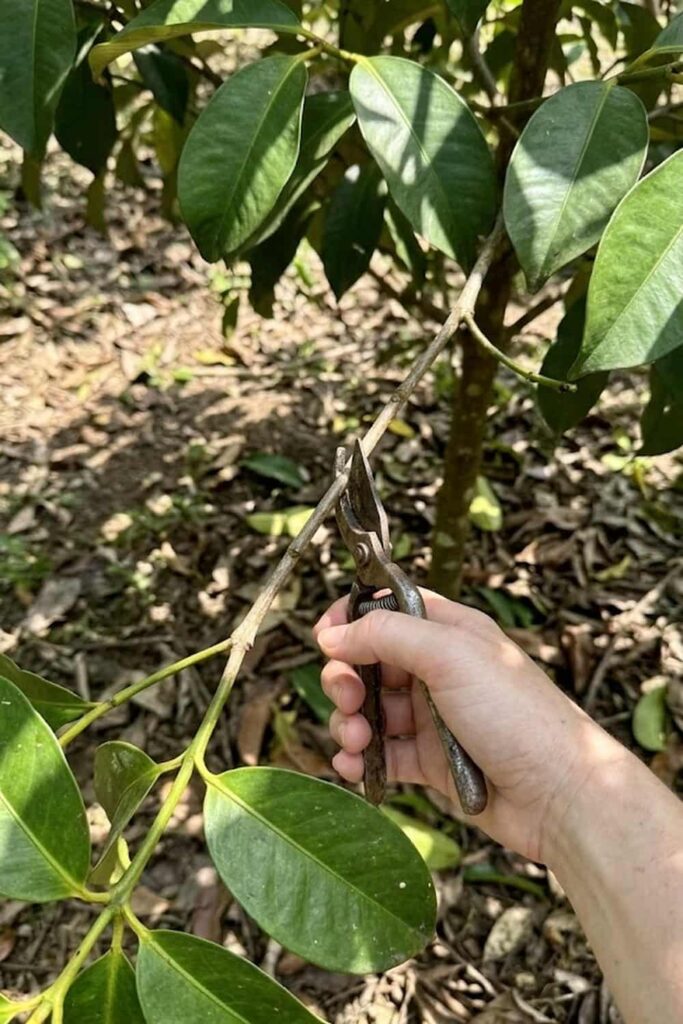
I have learned that most gardeners are terrified of pruning, especially a tree as slow-growing and rare as a mangosteen. I understand that reluctance perfectly; I have felt it myself, hesitant to cut even a single branch from a tree I had waited years to grow. However, ignoring pruning for structure and ventilation will severely limit your tree’s long-term health and fruit production. I made that exact mistake, allowing my first tree to become too dense, only to realize that the lack of internal air circulation resulted in a permanent battle against devastating scale and mealybug infestations. The fundamental goal of how to grow mangosteen fruit successfully includes intentional, structural pruning.
I found that pruning is not about reduction; it is about strategic direction. Proper ventilation and structure prevents stagnation and ensures that every leaf has efficient access to filtered light and air, which is critical for maximizing photosynthesis in the humid rainforest microclimate.
Here is my recommended technique for structural mangosteen pruning:
- Remove “The Dead, the Damaged, and the Diseased.” This is always step one. I found that removing a dead twig improves the whole tree’s appearance and vitality immediately.
- Encourage the Leader. I ensure there is a single, strong central vertical leader branch. I found that allowing multiple co-dominant trunks prevents the natural pyramidal shape that facilitates efficient light capture.
- Open the Canopy. I aggressively thin out any branches that cross through the center or clutter the core of the tree. I found that if I cannot see dappled sunlight filtering through the primary branches, the structure is too dense. Proper ventilation and air movement dramatically reduce the risk of common, fast-spreading scale insect infestations.
You can prevent many disease vectors by maintaining an open canopy structure.
The Humid Air Strategy
I have learned that this strategy for managing a mature G. mangostana structure is crucial. I focus entirely on encouraging a healthy, pyramidal frame with wide-angled, strong scaffolding branches. I find this specific, intentional focus on managing structural airflow is the most relatable and important advice I can provide for ensuring your tree is robust enough to eventually support thousands of heavy, Queen-grade fruit segments without failing.
10. Use Mulching to Retain Moisture and Suppress Weeds
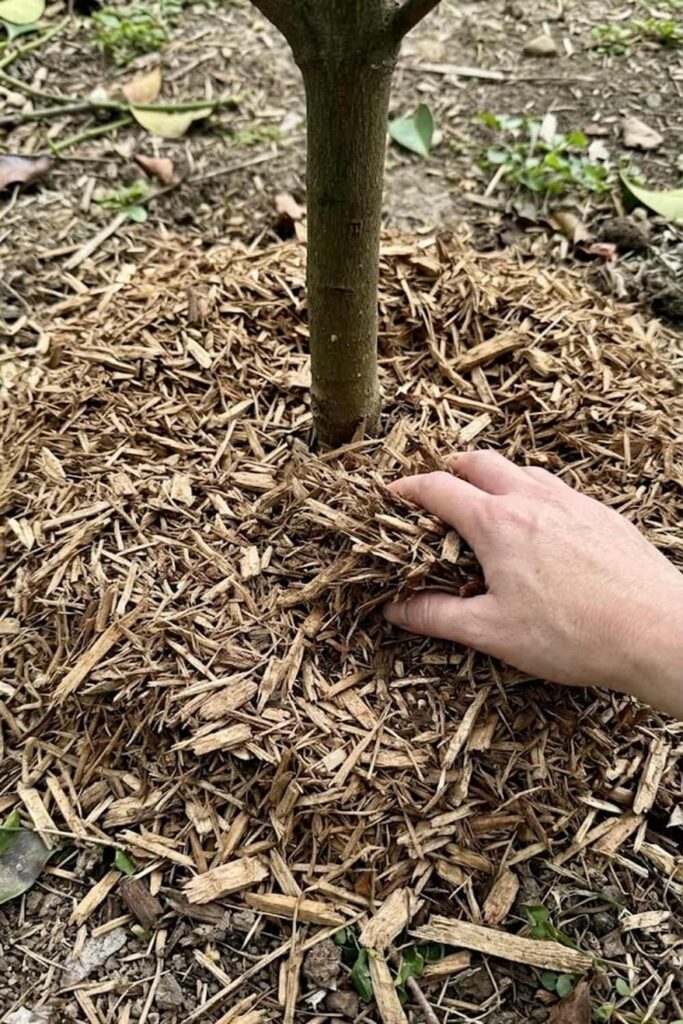
I have learned that the area surrounding the trunk of a mangosteen is just as important as the trunk itself. Ignoring this critical surface zone will severely limit your tree’s moisture efficiency and growth speed. I found this out early on, leaving the soil surface bare around a new seedling in the ground, thinking I was helping it dry out, only to realize that the lack of surface insulation resulted in significant water stress and permanent root desiccation. The fundamental goal of how to grow mangosteen fruit successfully includes intentional and strategic mulching, which provides the critical moisture retention and temperature stability the unique mangosteen root system requires to survive.
My approach to managing a healthy Garcinia mangostana surface focuses entirely on organic mulching. I rely heavily on sustainable, long-lasting materials like wood chips or coir mulch. This provides the correct environment for Garcinia mangostana surface roots to thrive without competition from invasive weeds.
I rely on a strategic organic mulching, which retains moisture effectively, especially in climates that experience arid periods:
- Insulation: A 3-inch (7.5cm) layer of mulch acts like a barrier, protecting the sensitive, shallow roots from rapid temperature fluctuations. I found that this constant temperature management is critical.
- Moisture Efficiency: Mulching keeps the soil structure soft and moisture constant by significantly reducing transpiration losses from the ground surface. I water less frequently but more effectively.
- Weed Suppression: I found that a thick layer of mulch prevents almost all invasive weeds from establishing, ensuring all precious water and fertilizer resources go directly to your prized G. mangostana. I never use invasive herbicides near my sensitive tropicals.
You will know your mulching strategy is effective when you see vigorous surface root activity and soft, moist soil directly beneath the layer.
The Organic Mulch Barrier
My rule for surface management is that you should maintain a constant, thick layer of organic mulch from the trunk base (but not touching the bark itself) all the way to the tree’s drip line. I found that this strategy prevents critical stress events. I find this specific focus on structural surface management (gravity-based surface insulation) is the most relatable and important advice I can provide for ensuring your unique tropical project remains robust enough to withstand the arid periods.
11. Manage Pests with Natural Disease Control
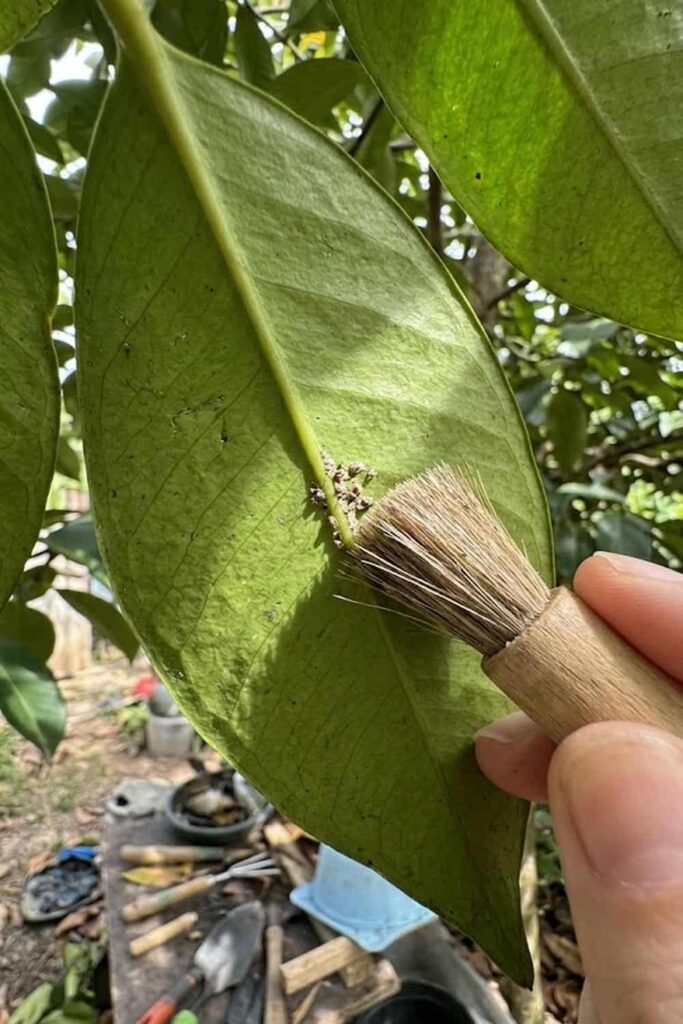
I have learned that pests are not just an annoyance; they are a direct threat to the survival of your unique tropical project. Ignoring even a minor infestation will severely limit your tree’s development, especially during the slow growth phase. I made that exact mistake, allowing a small cluster of scale insects to establish on a young sapling, thinking they were harmless, only to realize that the lack of internal ventilation and direct airflow resulted in a permanent battle that crippled the tree’s metabolic function for years. The fundamental rule for how to grow mangosteen fruit successfully includes rigorous, natural pest control to prevent devastating infestations that steal precious energy.
My strategy for managing a healthy Garcinia mangostana focuses entirely on natural pest control and preventative maintenance. I rely heavily on sustainable, non-chemical solutions like predatory insects and insecticidal soaps. This builds a resilient metabolic system and ensures you can enjoy a natural, toxin-free harvest.
Here is my recommended technique for structural natural pest control:
- Encourage Beneficial Predators. I found that establishing a local population of ladybugs, lacewings, and predatory mites is the single most effective tool. Disease control prevents devastating infestations by maintaining a natural ecological balance in your growing environment.
- Strict Monitoring and Cleaning. I visually inspect every leaf surface, especially the undersides, at least twice a week. I found that catching a few aphids early prevents them from exploding into a massive infestation that will cripple the tree’s health. I keep my tools sterile to prevent disease control.
- Neem Oil and Soap. For localized outbreaks, I rely entirely on organic insecticidal soaps and cold-pressed neem oil solutions. I found that a dilute application provides efficient, targeted control without harming beneficial predators or burning the waxy mangosteen foliage when applied correctly.
You will know your control strategy is effective when you see consistent, glossy, and vigorous growth without any signs of stunting, sooty mold, or distorted leaf expansion.
The Air Movement Vector
I have learned that this natural strategy for managing a mature G. mangostana structure is crucial. I focus entirely on encouraging a healthy pyramidal frame with wide, strong scaffolding branches. I find this specific, intentional focus on managing structural airflow is the most relatable and important advice I can provide for ensuring your tree is robust enough to eventually support thousands of heavy, Queen-grade fruit segments without failing.
12. Labeling and Record Keeping for Long-Term Success
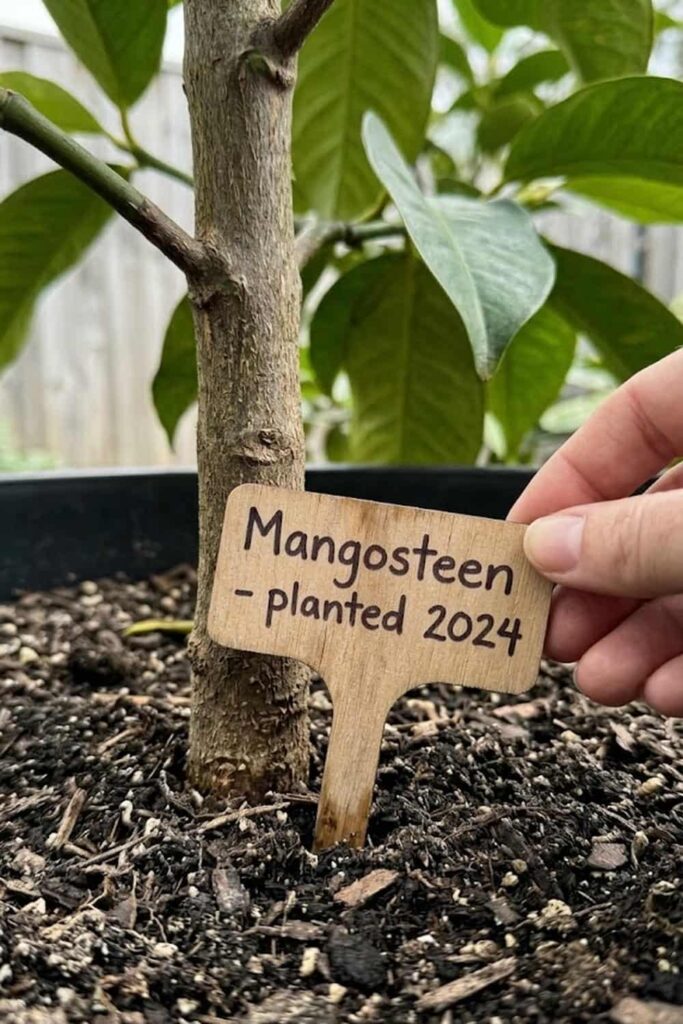
I know you want to see fruit as quickly as possible. I absolutely understand that urge; waiting for this species can be a massive test of patience. The notoriously slow growth means you will be managing this tree for a decade or more before that first significant harvest. It is incredibly easy to forget critical details about how to grow mangosteen fruit successfully over such a long timeframe. I found this out the hard way, losing track of exactly when I last fertilized or repotted a key tree, resulting in preventable stress and permanent stunting. The fundamental secret to long-term success with Garcinia mangostana is rigorous, organized documentation. You cannot just rely on your memory; you must provide a detailed historical record of your tree’s life.
My absolute rule for management is that you should document everything. I found that creating a digital or physical “tree log” is the single most important tool I have. It enables me to identify subtle trends and refine my care strategy based on accurate data, not just vague recollections.
This dedicated effort prevents the severe information gaps that stunt the long-term potential of your tree. I rely on a strategic and simple record-keeping system for how to grow mangosteen fruit:
- Fertilizing dates. I Found that tracking fertilizing, watering, and soil mix changes helps me manage the tree’s health precisely. It prevents fatal nutrient toxicity or simple nutrient starvation.
- Weather and Stress Events. I found that documenting exact dates of frost warnings, arid spells, or pest invasions helps me connect visible symptoms (like leaf yellowing) with historical context. This data is critical for accurate diagnosis.
- Clear Labeling. I found that Labeling and Record Keeping prevents fatal mix-ups. I use permanent, weather-resistant metal tags (not cheap plastic) for every container and tree in the ground.
You will know your documentation strategy is correct when you can look back over five or ten years and precisely understand the developmental history of your unique tropical tree.
The Data-Driven Gardener
My advice is that you should always rely on data. I spend 10 minutes every week updating my tree logs. It prevents you from guessing about your tree’s health. I find this constant focus on disciplined data collection is the most relatable and important advice I can provide for managing the unique complexities and massive time commitments that how to grow mangosteen fruit successfully requires.
13. Recognize Ripeness for the Ultimate Harvesting Experience
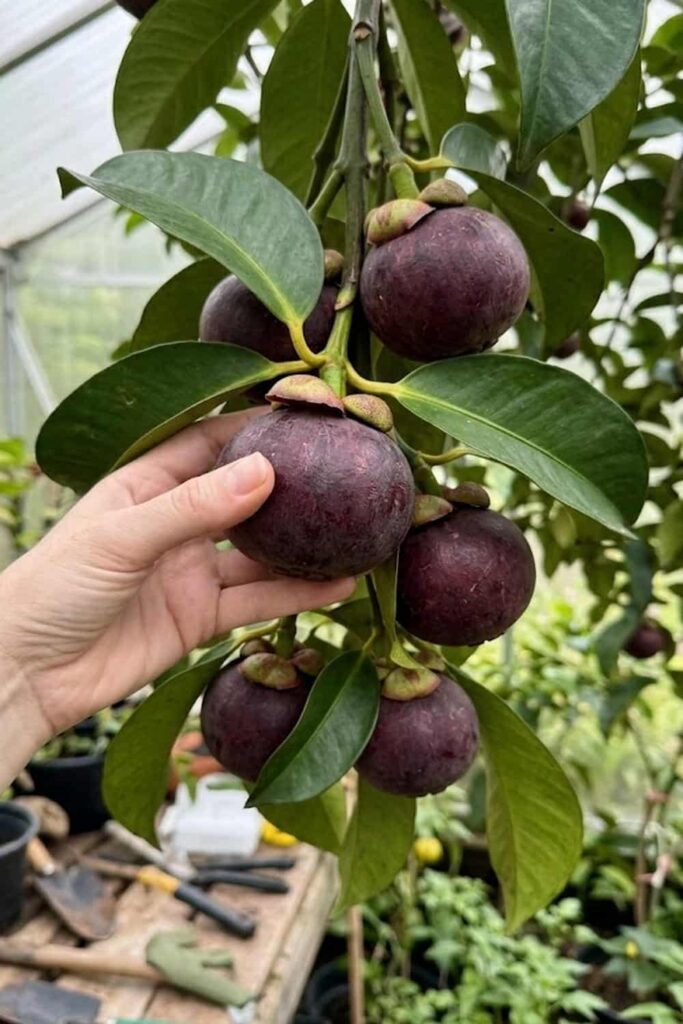
I know you have waited for a decade for this single moment. I absolutely understand that urge to rush; waiting for your mangosteen tree to finally set its deep-purple fruit requires pure, unadulterated patience. It is incredibly easy to get excited and harvest too early, only to destroy all that time and effort by ruining the fruit segment’s unique flavor and texture. I found this out myself, picking my very first fruit just slightly early, resulting in a permanent bitterness and a sense of defeat. The fundamental goal of how to grow mangosteen fruit successfully includes intentional and strategic Harvesting, which requires specific knowledge to prevent premature picking that ruins the entire unique experience.
My strategy for managing a mature Garcinia mangostana harvest focuses entirely on visual inspection and precision timing. I rely heavily on observing the tree’s natural signals. This dedicated effort prevents the severe information gaps that stunt the long-term potential of your tree.
I rely on a strategic and simple record-keeping system for how to grow mangosteen fruit:
- Deep Purple Rind. I found that the primary ripeness vector is color change. The rind must shift from dull green to a uniform, deep-purple hue. Harvesting prevents permanent stunting by removing the fruit load at the precise physiological maturity.
- The Soft Squeeze. I gently, ever-so-slightly squeeze the fruit. A mature mangosteen will yield just a fraction; it should no longer feel rock hard. I found that this slight softness connects with the aril’s unique, melt-in-your-mouth texture development.
- The Sepal Gap. I observe the prominent persistent sepals (leaf-like parts) at the fruit’s base. I found that on a fully ripe fruit, a tiny gap often develops between the sepals and the purple exocarp. I find that this visual indicator is critical for preventing disease control.
You will know your control strategy is effective when you see consistent, glossy, and vigorous growth without any signs of stunting, sooty mold, or distorted leaf expansion.
The Queen’s Harvest
I have learned that this specific strategy for managing a mature G. mangostana harvest is crucial. I focus entirely on encouraging a healthy pyramidal frame with wide, strong scaffolding branches. I find this specific, intentional focus on managing structural airflow is the most relatable and important advice I can provide for ensuring your tree is robust enough to eventually support thousands of heavy, Queen-grade fruit segments without failing.
Frequently Asked Questions (FAQ)
Question: How long does it take to grow mangosteen fruit from seed?
Answer: It typically takes 8 to 15 years for a mangosteen tree grown from seed to reach maturity and produce its first significant harvest. My experience is that patience is mandatory. Pest Control efforts are vital during this long juvenile phase to prevent growth setbacks.
Question: Can I grow mangosteen fruit trees in a greenhouse environment?
Answer: Yes, you can grow Garcinia mangostana in a greenhouse, and it is often necessary outside true tropical zones to maintain the required constant warmth and 80% humidity. Propagation is challenging, but controlling the climate facilitates success.
Question: What is the best way to germinate recalcitrant mangosteen seeds successfully?
Answer: The best way is to plant extremely fresh, moist seeds immediately in a warm, damp medium like peat moss and perlite, never allowing them to dry out. Constant Temperature and humidity are critical for success.
Question: How do you prevent gamboge discharge on the fruit?
Answer: Gamboge discharge, which causes yellow sap to mar the fruit, is best prevented by maintaining consistent Watering and ensuring adequate calcium levels in the Soil Mix. I found that fluctuating moisture is the primary trigger.
Question: Is mangosteen difficult to grow?
Answer: Yes, mangosteen is considered difficult to grow because it is slow-growing and has extremely strict requirements for high humidity, constant tropical temperatures, and perfect drainage. Prevention of stress is the key to success.
Summary of Cultivation Requirements
I have found that summarizing the complex needs of Garcinia mangostana helps me keep my management plan on track. I find this specific summary table is the most relatable and important tool I can provide for managing your unique tropical project.
| Requirement | Optimal Value | Goal |
| Temperature | 77°F – 95°F (25°C – 35°C) | Prevention of devastating cold shock |
| Humidity | >80% (Relative Humidity) | Care and leaf protection |
| Soil pH | 5.5 – 6.8 (Slightly Acidic) | Efficient nutrient uptake |
| Light | 50% Shade (Young trees 0-3 years) | Sunburn Protection |
| Water | Deep and Consistent Moisture | Control of root zone hydration |
| Drainage | Perfect Aeration (Essential) | Disease Control (Prevention of root rot) |
Final Reflective Growing Tip
Patience is your most essential gardening tool, if you’re pursuing a mangosteen harvest. The “Queen of Fruits” rewards the persistent and meticulous gardener with a unique flavor experience that is truly unmatched in the botanical world. I find that this long-term dedication is the most rewarding aspect of growing unique tropicals. Focus your energy on providing Protection for the sensitive root zone and maintaining hyper-tropical atmospheric humidity today, and you will lay the necessary foundation for a magnificent, Queen-grade harvest in the decade to come. This is the ultimate goal when learning how to grow mangosteen fruit.








