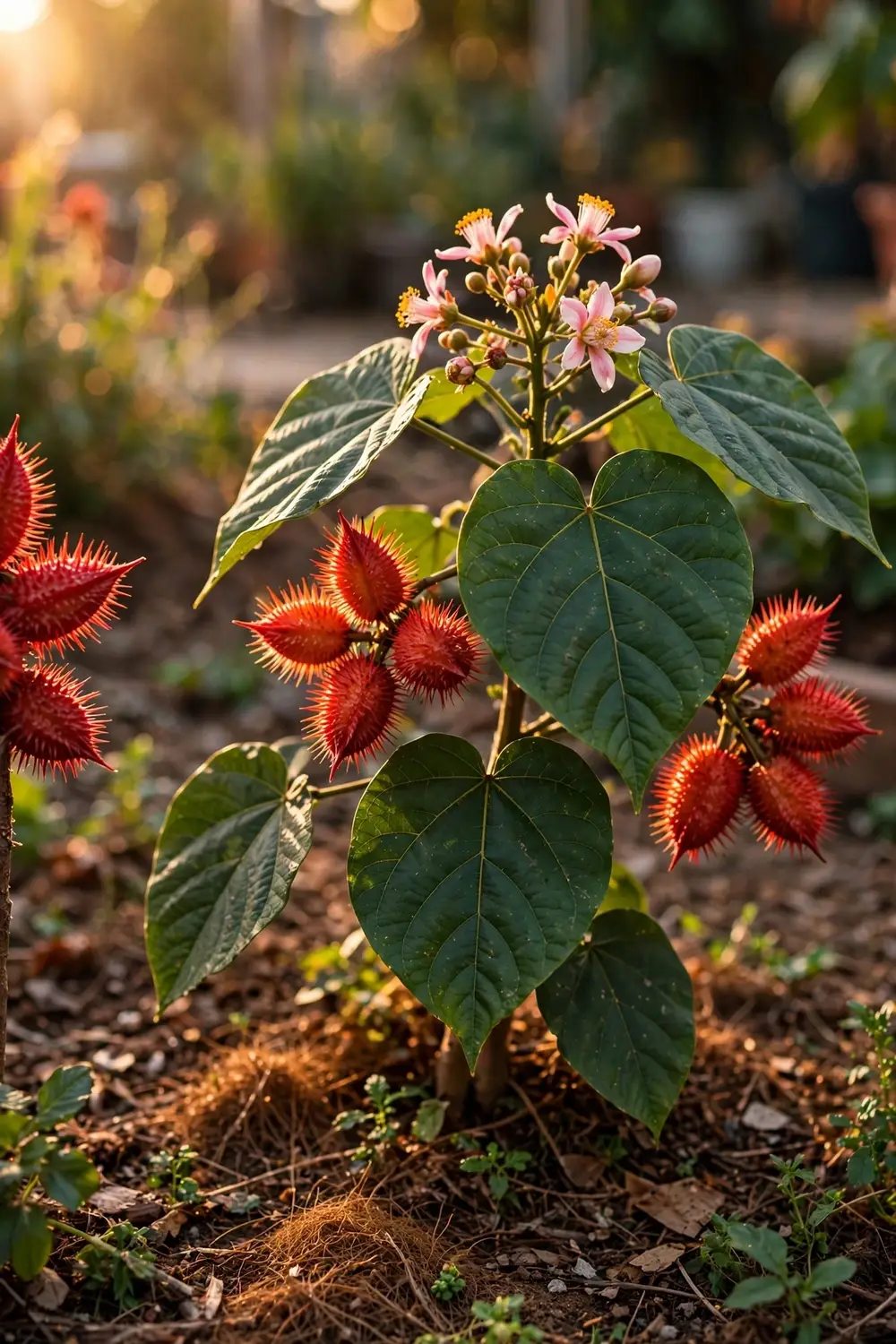

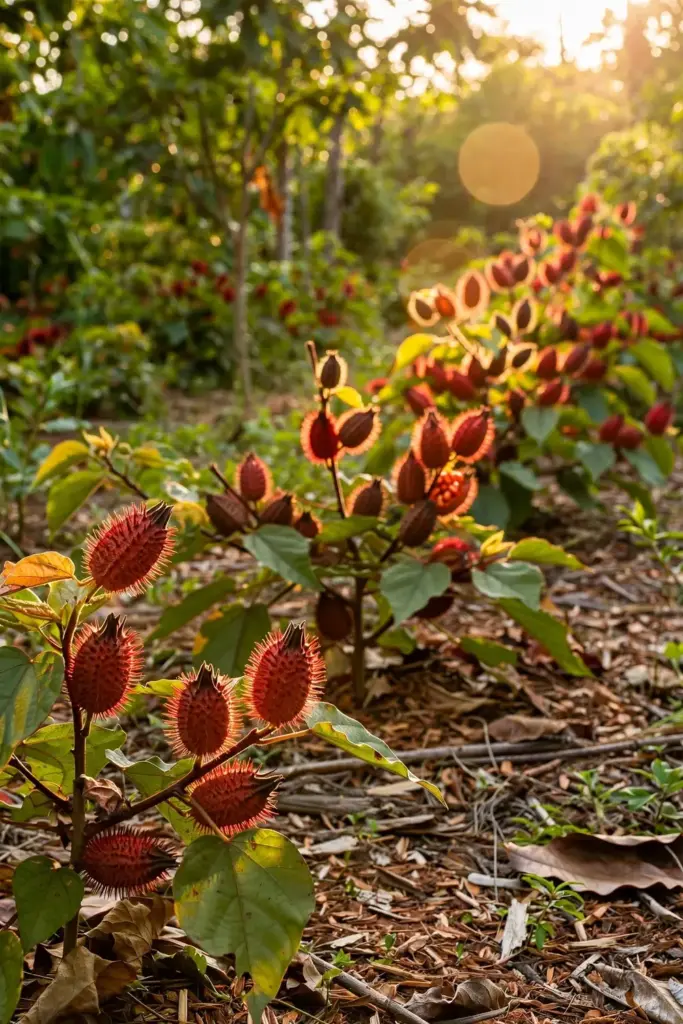
Grow annatto in India if you have a warm, frost-free patch and patience. The lipstick tree takes about 3 years to set its first small crop of pods, with full production around year 5. You plant it for the seeds: each one wears a red-orange coat of bixin, the natural colorant behind cheddar’s orange. Seedlings from seed grow tall and variable, while cuttings flower within 2 years. If you want to know how to grow annatto from India for home use, this guide gives you the nursery steps, the 3-by-3-meter planting plan, and the one safety fence every Indian gardener must read first.
The seed trade calls it Sindoor Beej or Sindoori Seeds. That name has caused real confusion, and it is worth five minutes of your attention before you buy anything. You can read more about seed-starting basics in the nursery routine most home growers follow.
Start with soak and sow in nursery beds or bags at the beginning of the rainy season, transplant at 2 to 3 months, and space the trees 3 meters apart. Warm dry tropical conditions suit it best. It dislikes waterlogging, fog, and any frost. The pods are ready when they turn brown but have not yet split open. Shade-dry them gently, then thresh the seeds out. Home use is simple: warm a spoon of seeds in oil for the color, strain, and keep the oil.
1. The Sindoor Question: Get This Right Before You Buy Seeds
Traditional ceremonial sindoor is a mineral pigment. Its classic red comes from vermilion, a mercury compound, and cosmetic-grade sindoor carries real toxicity risks. Annatto seeds are a completely different thing: a plant pigment from the coat of Bixa orellana seeds. The shared nickname comes only from the color resemblance. Do not treat them as interchangeable, and never buy cosmetic sindoor to eat or cook with. Annatto is the food colorant. Mineral sindoor is not.
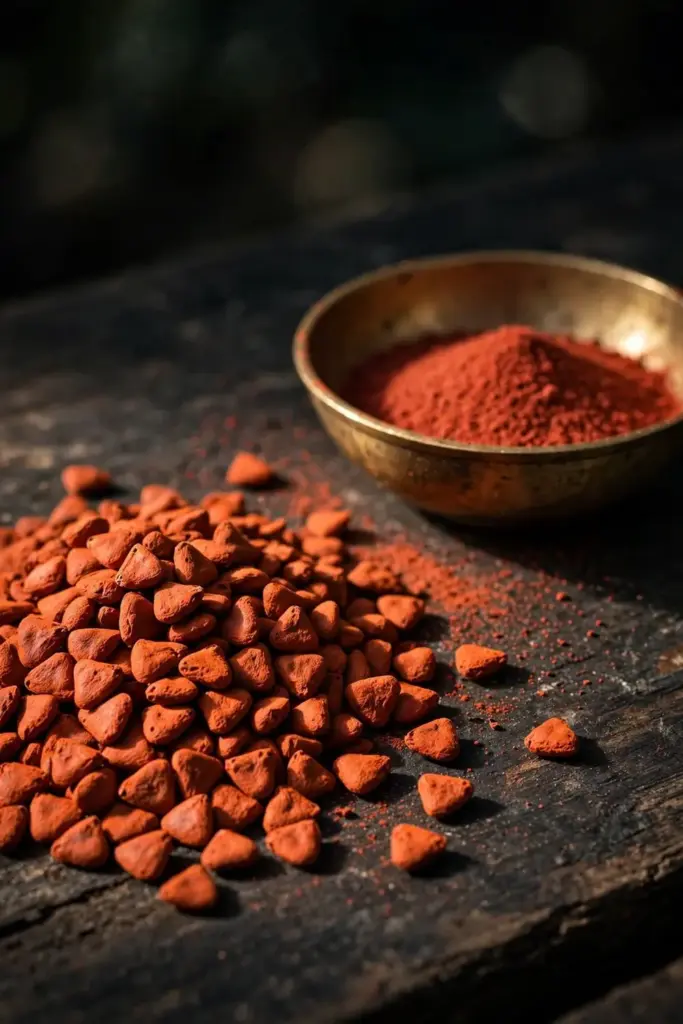
The reverse mistake matters too. Some listings claim the “real sindoor comes from the tree” and sell annatto seeds as the safe original. The careful framing is this: annatto gives you a safe, plant-based red-orange for food and dye, and it has no connection to the ceremonial mineral product beyond a similar visual language. Keep the two materials in separate mental boxes, and you avoid the single most common mistake new growers make.
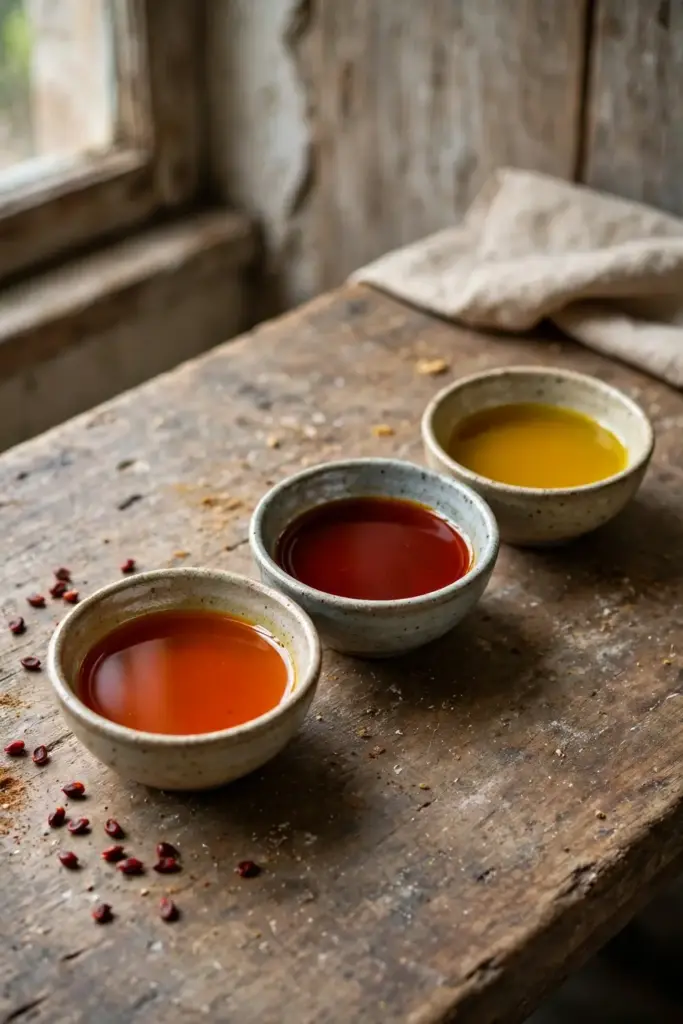
2. Annatto vs Paprika vs Turmeric: Picking the Right Colorant Plant
| Plant | Color compound | What it colors | Heat level |
|---|---|---|---|
| Annatto (Bixa orellana) | Bixin, norbixin | Orange-red, oily foods | None |
| Paprika (Capsicum annuum) | Capsanthin | Red, sweet to hot | Varies |
| Turmeric (Curcuma longa) | Curcumin | Warm yellow | None |
Annatto’s signature is the cheddar-orange lane. About half of all annatto use goes into cheese, butter, and margarine coloring. Paprika brings capsanthin red with varying heat. Turmeric brings a warm yellow with an earthy flavor that is not interchangeable. Choose annatto when you want a neutral-flavored orange-red that dissolves into oil. The plant earns its “lipstick tree” nickname honestly: the fresh seed coat is vivid enough to stain fingertips at a touch.
3. Climate and Zone Reality for Annatto in India
Annatto is a warm dry tropical tree. The Indian growing states are Karnataka, Tamil Nadu, Andhra Pradesh, Orissa, Assam, West Bengal, and Maharashtra. The preferred band is roughly 32 to 38 degrees Celsius. Frost kills young trees and sets back older ones. Wet, foggy districts are a poor fit: the tree sulks in waterlogged soil and in constantly humid, stagnant air.
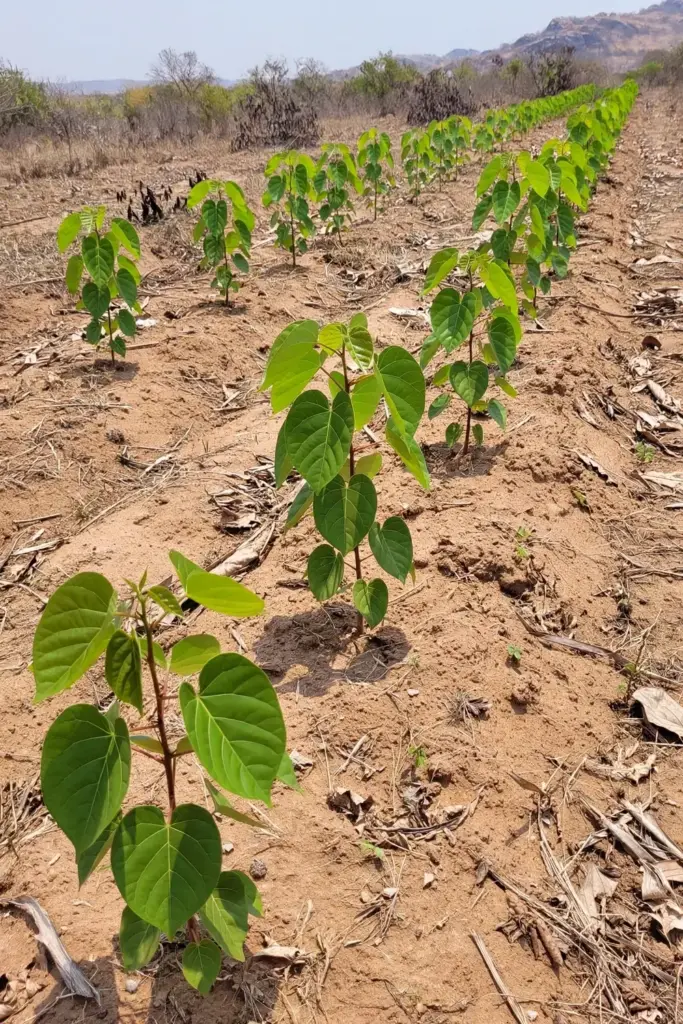
Be honest with your location. A coastal garden in Maharashtra or Tamil Nadu fits naturally. A foggy inland valley does not, and neither does any garden that sees frost. Annatto tolerates sea level up to about 4,000 feet of elevation in tropical climates, so mid-altitude plantings in the Deccan work when winters stay warm. Container growing is a nursery stage only, never the long-term plan.
4. Seed Is the Product: Bixin, Norbixin, and What They Do
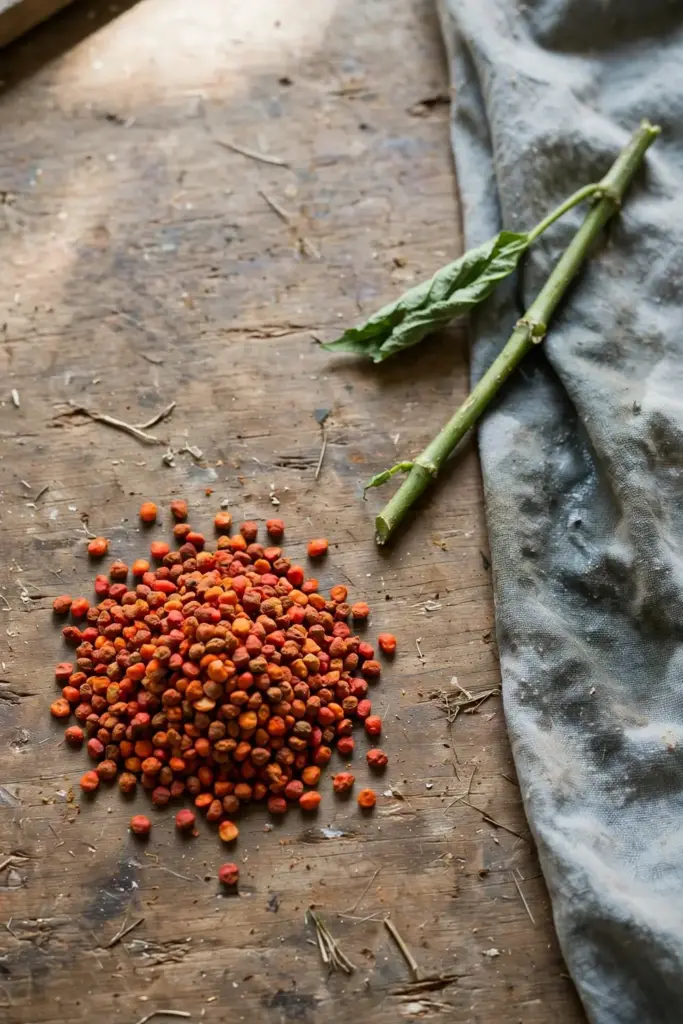
Every annatto seed wears a thin, bright coat. That coat is bixin, oil-soluble, and it is the commercial product. Remove it in water and you get norbixin, the water-soluble form. World production stands at 10,000 tonnes of seeds a year, with 7,000 tonnes traded, according to the production data on its encyclopedia entry. Brazil is the largest producer at 5,000 tonnes, Peru the largest exporter at 4,000 tonnes, and Kenya follows at 1,500 tonnes. Latin America grows 60 percent of the global crop, Africa 27 percent, and Asia 12 percent, per the same production statistics.
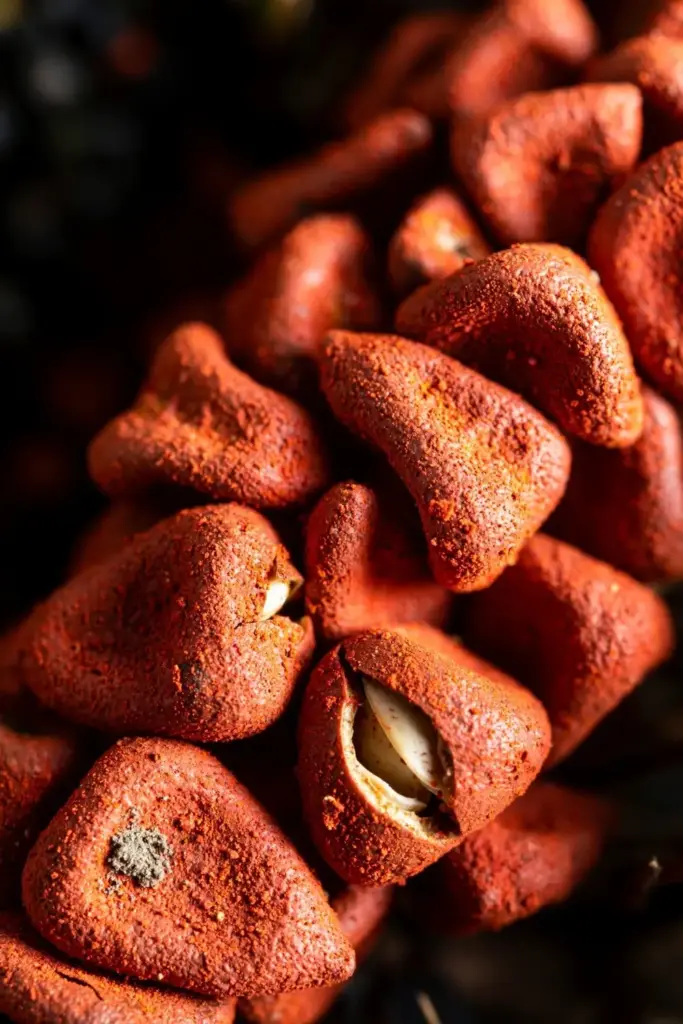
Food regulators treat annatto as a color additive exempt from certification, meaning it is an approved natural colorant rather than a synthetic one. It colors without changing flavor, which is why cheese makers love it. Allergic reactions are rare, and web sources like the WebMD monograph on annatto note that food amounts are safe while medicinal-level research remains early and unproven. Keep your expectations modest: a dye tree, not a medicine cabinet.
5. Seeds vs Cuttings: Which One Gets You Pods Faster
| Option | Years to first pods | Vigor and uniformity |
|---|---|---|
| Seeds | 3 years for a small crop | Tall, variable trees |
| Stem cuttings | Within 2 years | More uniform, shorter |
Seeds are the default route in India. Nursery plants are cheap, seed stores sell by the gram, and the trade sells saplings around 185 rupees for a 1 to 2 foot plant. Buy saplings only from sellers who name the variety or at least the mother tree’s pod color; unlabeled stock is a lottery. The catch is variability: seed-grown trees differ in size and pod color. Cuttings from a good mother tree flower sooner and copy the parent exactly, which matters if you care about deep-red pods. If you have access to a productive tree nearby, take cuttings. If not, seeds are perfectly fine.
6. Seed Preparation and Sowing: Step by Step
| Step | Action | Time |
|---|---|---|
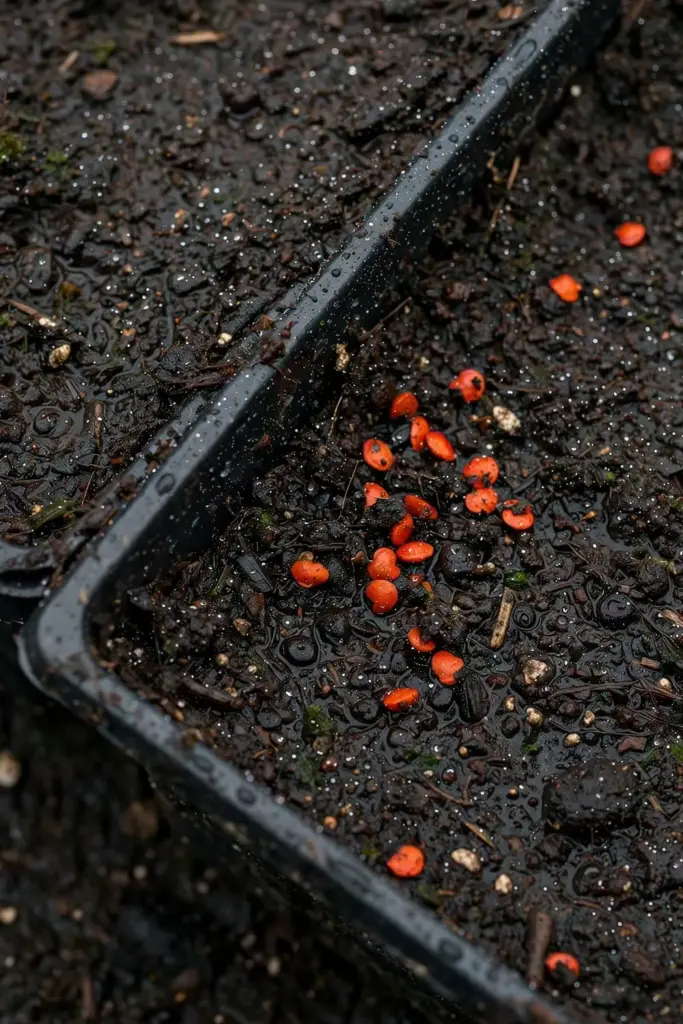
| 1 | Soak seeds 12 to 24 hours in warm water | Day 1 |
| 2 | Sow a quarter inch deep in nursery mix | Day 1 to 2 |
| 3 | Keep warm and humid, water gently | Days 3 to 14 |
| 4 | Thin to the strongest seedling per bag | Days 15 to 30 |
| 5 | Harden off in partial shade | Weeks 8 to 10 |
| 6 | Transplant to pits | Weeks 8 to 12 |
Seed treatment with Trichoderma plus Bacillus is the recommended nursery practice in India, protecting against damping-off. Sow 2 to 5 seeds per hole if direct-sowing in the field, then thin to one. Germination takes 15 to 30 days in warm, humid conditions. Patience is part of the protocol: annatto does not rush.
7. The Nursery: Your First Two to Three Months
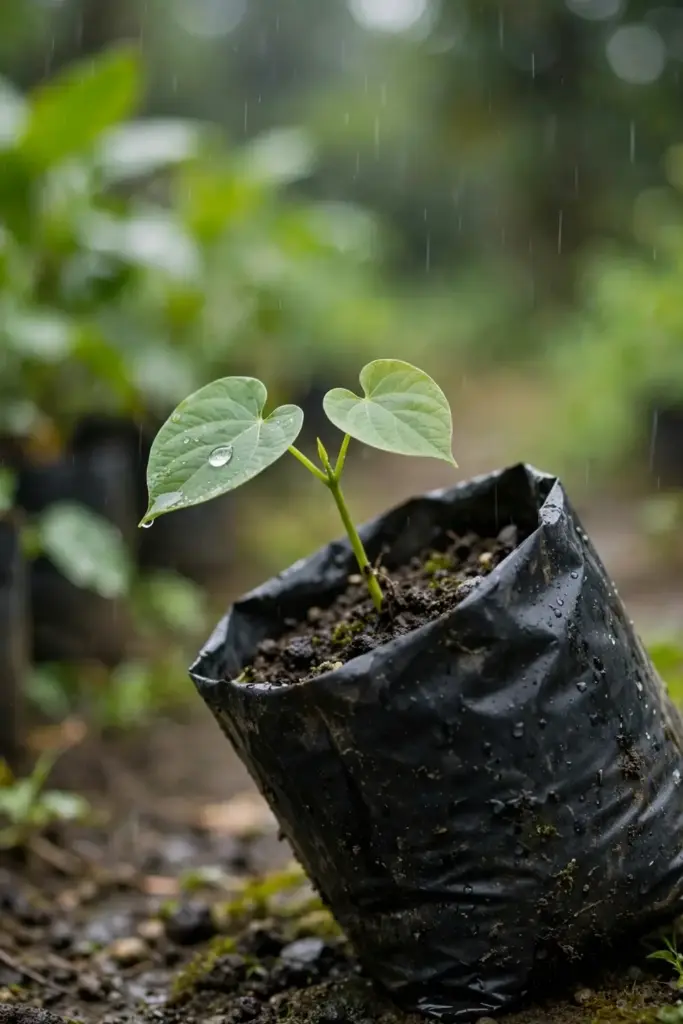
Raise seedlings in polybags filled with a sandy-loam nursery mix enriched with well-rotted compost. Keep them under partial shade with daily light watering. At 8 to 12 weeks they should stand 20 to 30 centimeters tall with a firm stem. That is the transplant signal. Weak or leggy seedlings never catch up in the field, so cull hard and keep only the stocky ones.
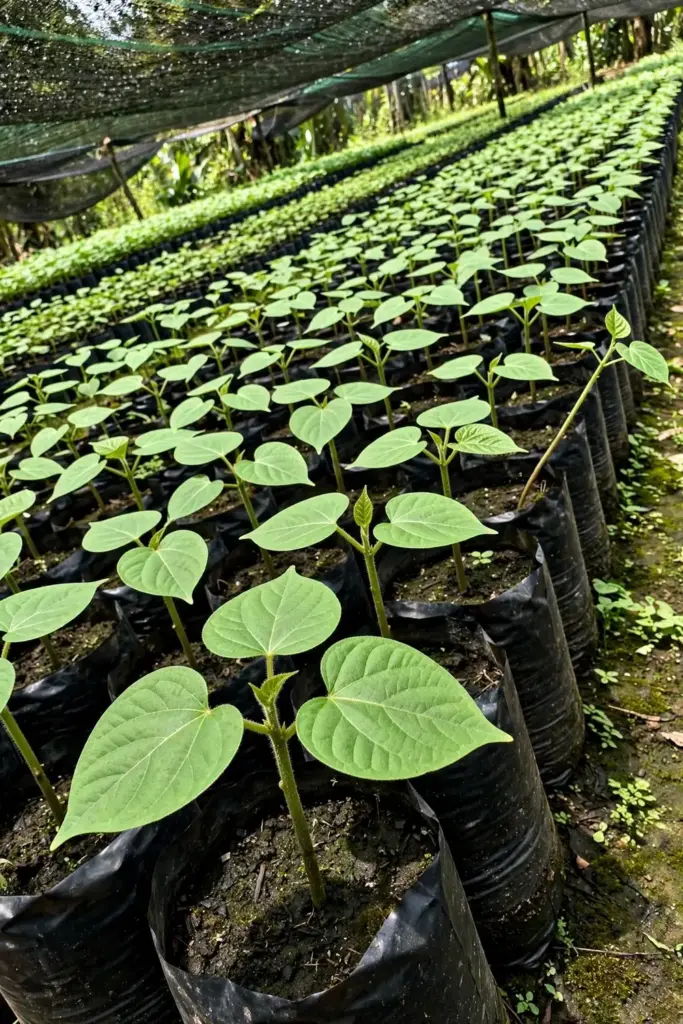
This stage is also your cheapest insurance against failure. A nursery bag costs almost nothing, and losing a weakling at week 6 costs you nothing but a bag. Losing a tree at year 2 costs you two years. For hardening and timing specifics, see the seed-starting routine linked in the intro. Keep the bags on a raised bench rather than bare soil; soil contact invites termites and root-knot nematodes into the bags, and both are easier to prevent than to cure.
8. Planting: Pits, Spacing, and Timing
Dig pits 35 by 35 by 35 centimeters at a spacing of 3 by 3 meters. Plough the ground 2 to 3 times first and mix farmyard manure into each pit. Global sheets suggest rows 4 meters apart with 3 meters in the row; the Indian recommendation of square 3-by-3-meter spacing is simpler and works for small plots. Plant at the start of the rainy season, when the soil is moist and the seedlings can establish before the dry months.
A 3-meter grid gives each tree room to spread its crown. Crop references put mature height at 5 to 15 feet depending on conditions (KALRO monograph), and crowding produces spindly trees with fewer pods. Mark your grid with string before you dig. It is a ten-minute job that pays off for a decade.
9. Soil: Warm, Drained, and Never Waterlogged
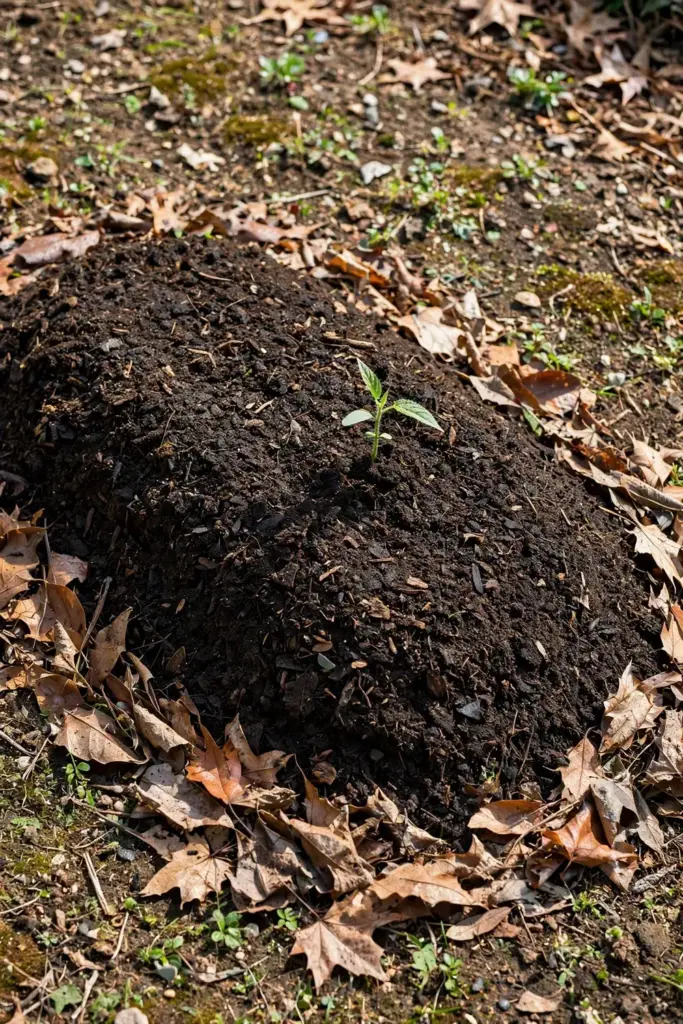
Annatto accepts many soil types but punishes poor drainage. Sandy loam to medium-dark soils with good organic matter suit it. Waterlogging is the one soil condition that kills it outright. Your plot holds standing water after rain? Plant on mounds, or choose another spot entirely. The broader soil-building principles that keep a garden productive apply here too, so build organic matter before the trees go in.
Slightly acidic to neutral pH is fine. The Kenya research program found that manure at 10 tonnes per hectare gave both the highest yield and 3.56 percent bixin, so rich soil does double duty: more pods and more color in them. Feed the soil and the tree pays you back in pigment.
10. Watering: The Dry-Tropical Honesty
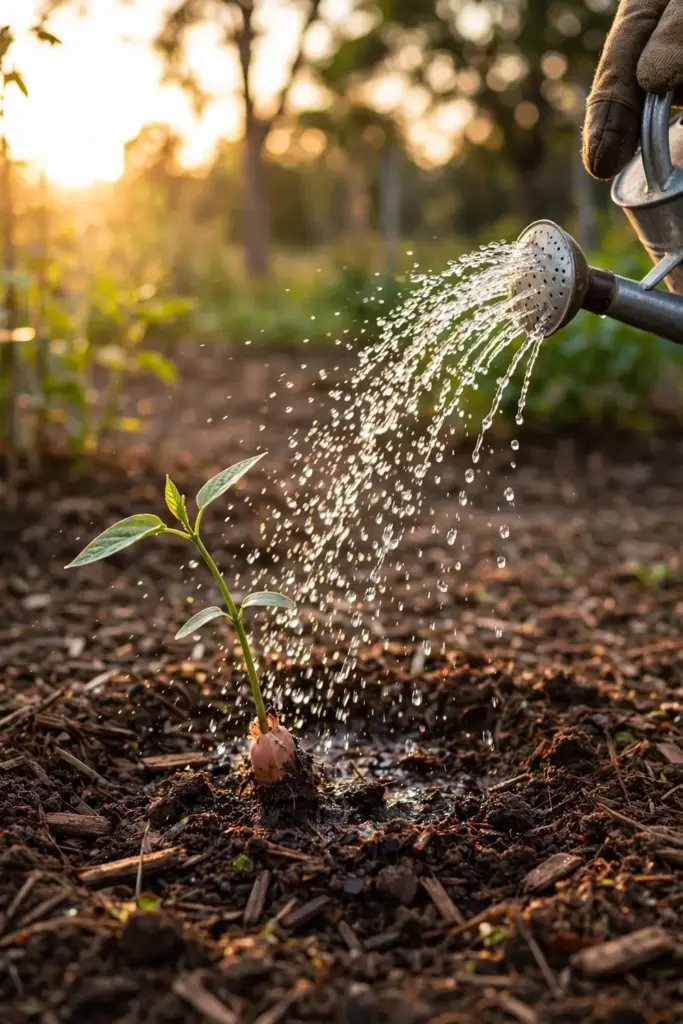
Young trees need regular water through their first dry season. Mature trees are drought-tolerant and prefer a dry tropical rhythm: wet establishment, then modest watering. Overwatering invites root problems that the tree cannot recover from. Mulch the base with dry leaves to hold moisture through the first year, keeping the mulch a hand’s width from the stem.
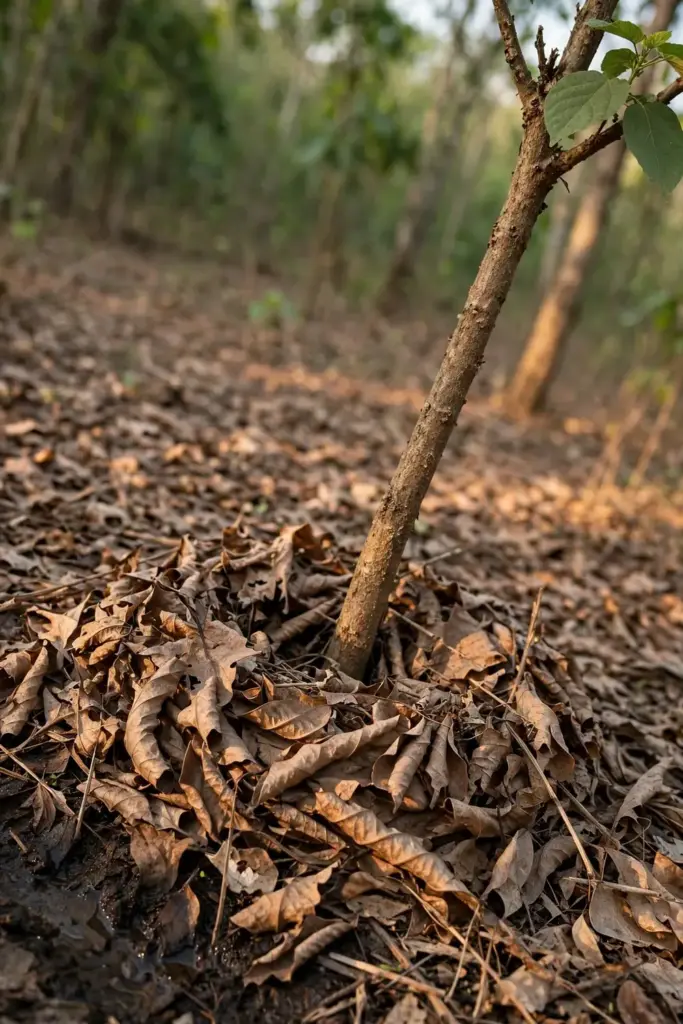
Foggy, constantly wet districts fail for this crop. That is not a flaw in the tree; it is a mismatch with the climate. Choose crops your climate likes instead of fighting your weather every season.
11. Feeding: The Manure-First Lane
Farmyard manure is the backbone: mix it into planting pits and top-dress annually. The Kenya fertilizer trial compared manure and NPK levels and found 10 tonnes per hectare of manure gave the best combination of yield and bixin content at 3.56 percent. NPK at 100 to 150 kilograms per hectare equivalent is the mineral supplement range used in trials.
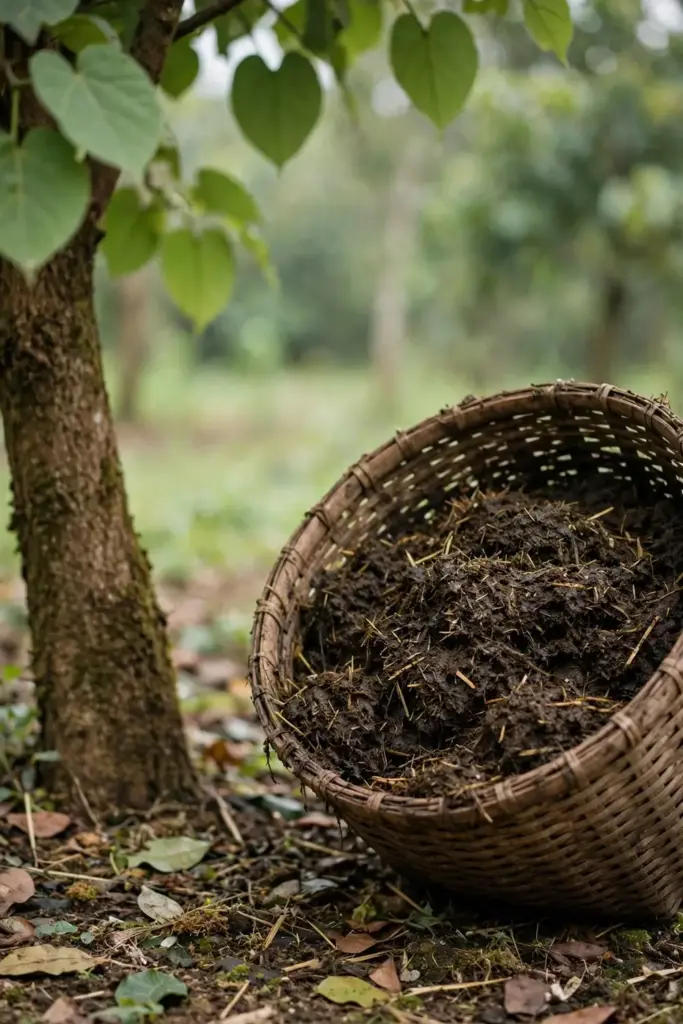
For home growers, the translation is simple: a basket of well-rotted manure per tree each year, applied at the start of the rains. Skip heavy nitrogen feeding, which pushes leafy growth at the expense of pods. The tree rewards restraint.
12. Container Reality: A Nursery, Not a Home
A nursery bag is a nursery, not a home. Annatto is a small tree that wants 3 meters of spacing and full sun, and no pot on a balcony will satisfy it for long. Keep seedlings in containers through the nursery stage, then plant out. The indoor container fundamentals explain why big tropical plants stall indoors, but annatto outgrows even generous pots. Buy a sapling from an online seller only if you have ground ready within weeks.
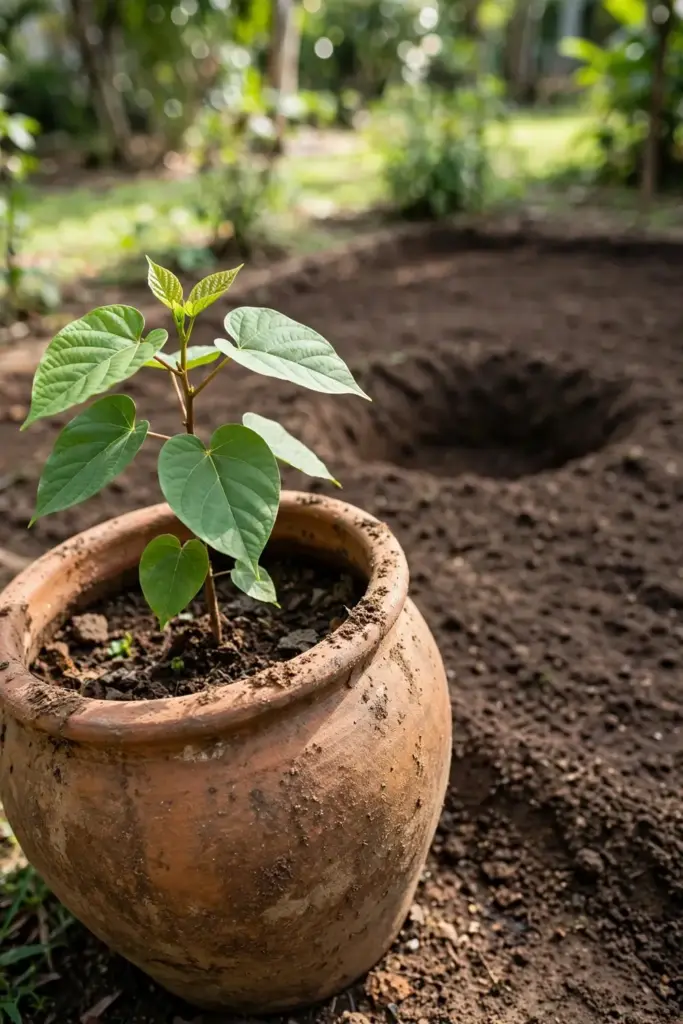
The one exception is a holding pattern: if your ground is not ready, step the plant up to a 12-inch pot for one season at most. Beyond that the roots circle, growth stalls, and the tree you eventually plant is already compromised. Honesty here saves you a disappointment in year 3.
13. Pruning the Lipstick Tree
Prune for shape in the first two years. Remove crossing branches and keep 3 to 4 strong scaffold limbs with an open center. After that, pruning is light: take out dead wood and low suckers each year after harvest. An open crown dries faster after rain, which keeps pod diseases away.
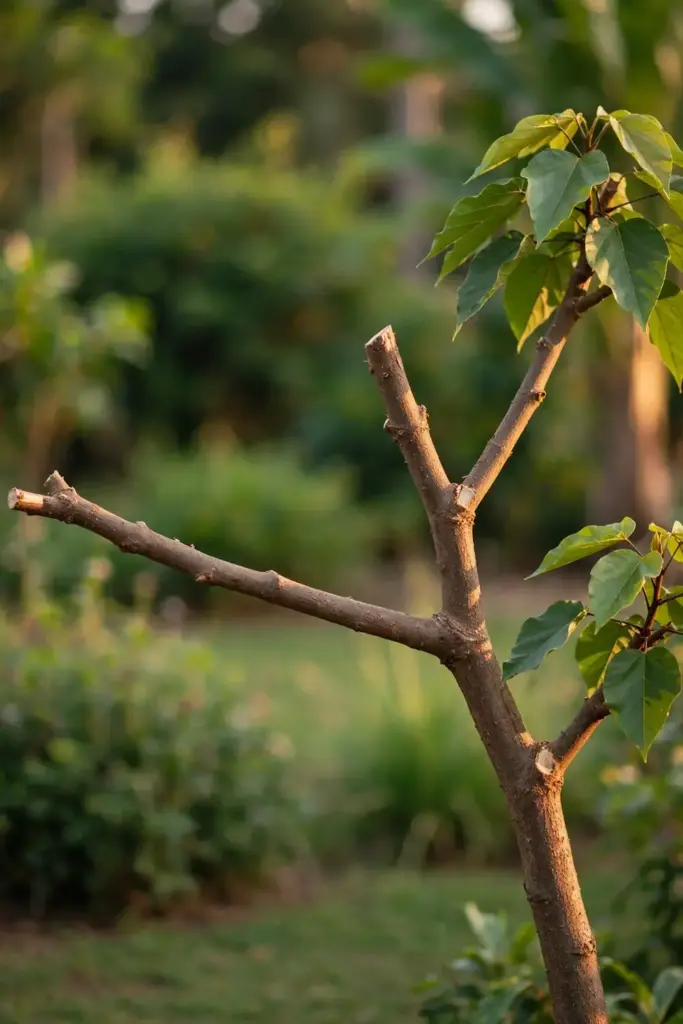
Never shear the top like a hedge. Annatto flowers on the current season’s growth at the branch tips, and hard topping removes your next crop along with the height. Shape young, tidy later.
14. Pests and Diseases
The crop sheet consensus is that pests are minor. Aphids and scale insects may appear on tender shoots; wash them off or prune the affected tips. Pod borers are the pest worth watching at harvest time: damaged pods stain and lose color value. Fungal leaf spots occur in wet conditions, which is one more reason to keep the crown open and the site well drained. Strip and destroy fallen diseased leaves rather than composting them, since the inoculum survives in leaf litter. A neem-oil spray at label rates handles the occasional severe aphid outbreak, and sticky traps catch the first whitefly arrivals before they build. Neither measure is needed every season; deploy them only when you see the problem with your own eyes.
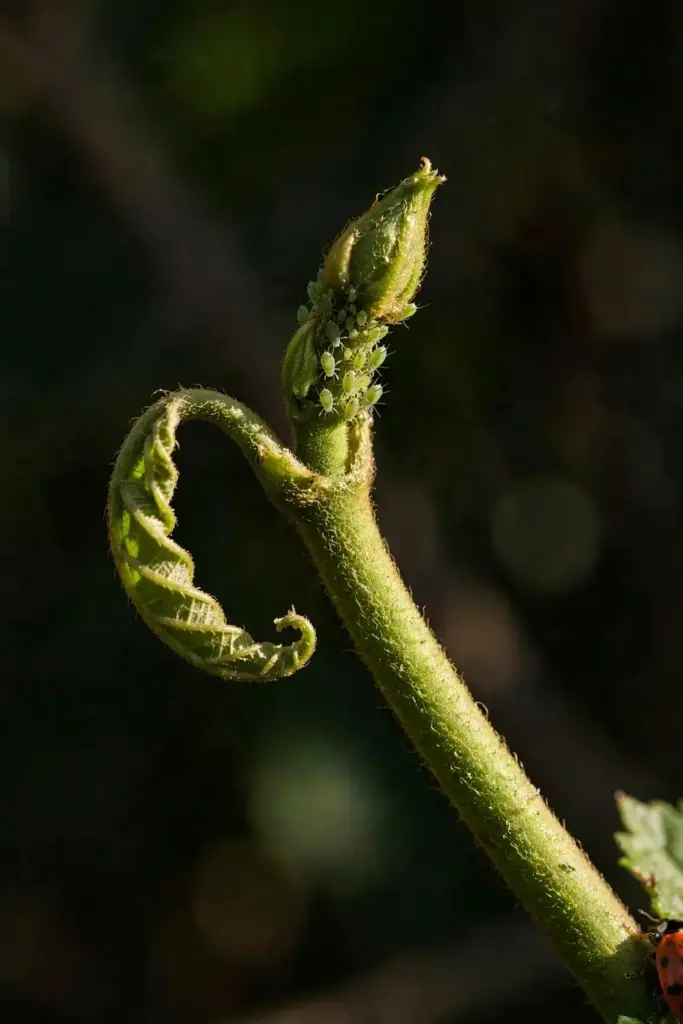
Spray decisions stay minimal for a home crop. A tree grown for its seeds needs no pesticide program. Clean cultivation, good drainage, and prompt removal of fallen pods do most of the work.
15. The Long Wait: Year Three, Year Five, and the Truth About Yield
Mark your calendar honestly. Cuttings may flower within 2 years. Seed-grown trees give a small crop in year 3. Full production arrives around year 5, when a mature tree can yield up to 1 tonne of seeds per acre in good conditions. That acre figure assumes a full orchard at 3-by-3-meter spacing with good care, not three trees behind a house.
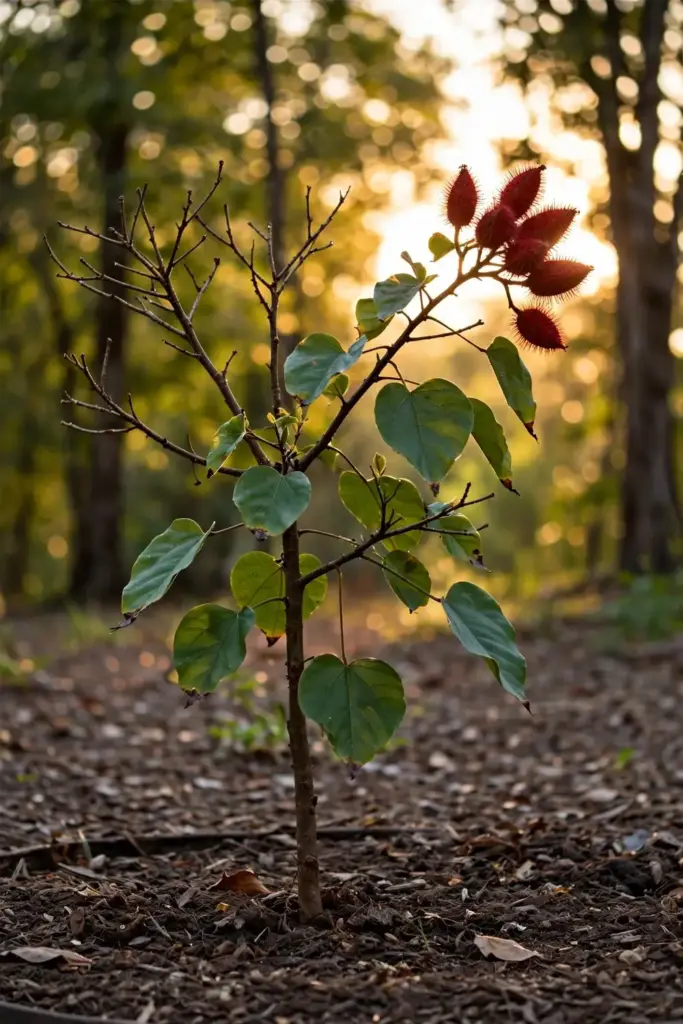
This timeline is the article’s core honesty point. Annatto is not a quick crop. If you want color this year, buy seeds from the trade and start the tree for next decade’s supply. The tree is a patient person’s project, and patient people get the deepest red. Any home gardener learning how to grow annatto from India should treat year 3 as the first reward, not the finish line.
16. Harvest: Brown Pods, Before They Split
Pods ripen from green to reddish-brown. Harvest when the capsules turn brown but have not yet split open. Split pods drop seeds and lose color to rain. Cut whole clusters with secateurs rather than yanking individual pods, which damages the branch tips that carry next year’s flowers.
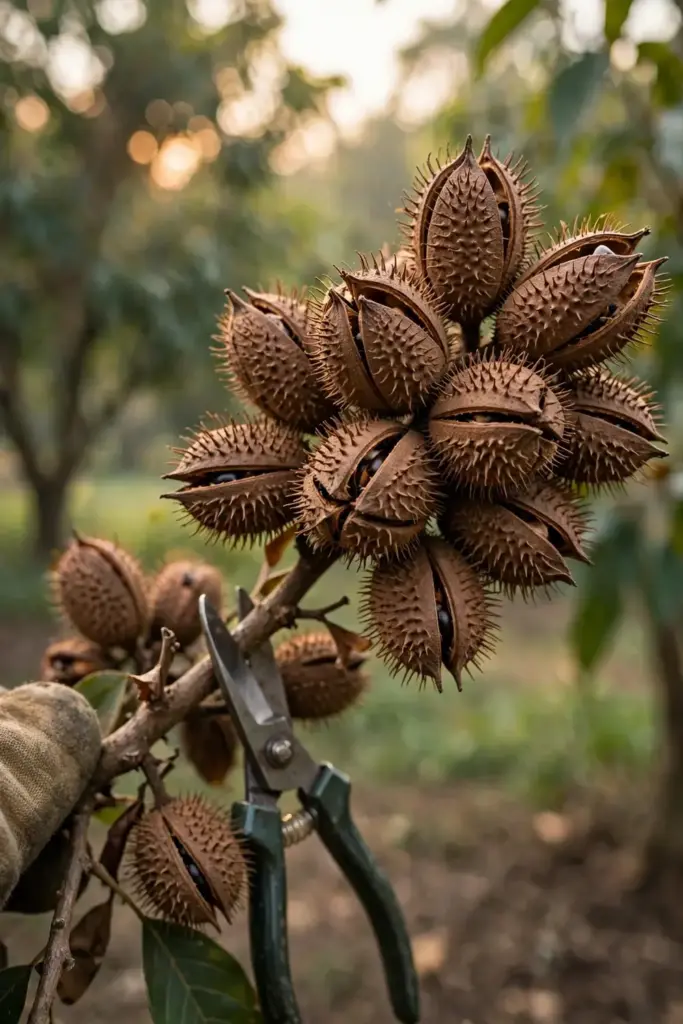
The Kenya trial notes harvest when all pods open in a research context, but home growers do better collecting just before splitting: cleaner seeds, better color, no ground losses. Check the tree weekly once the first pods start coloring.
17. Processing Seeds: Shade-Dry and Thresh Gently
Spread the harvested pods in shade for several days until the capsules open naturally. Then thresh gently: rub the pods over a coarse sieve or beat them lightly in a sack. Winnow away the chaff. The Kenya work specifies 50 percent shade drying as the standard that preserves color. Sun-drying is faster but bleaches the pigment.
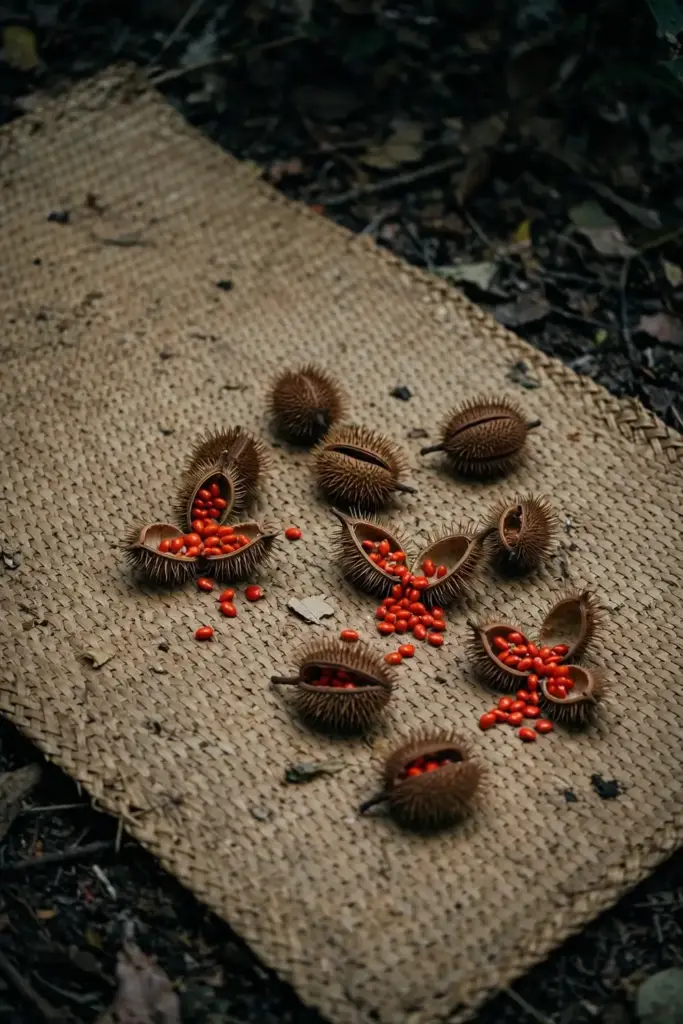
Store dry seeds in airtight jars in a cool, dark place. Well-dried seeds keep their color for a year or more. Damp seeds mold quickly, so never store until a seed snaps rather than bends.
18. Using Annatto as a Colorant at Home
The home method is oil infusion. Warm 2 tablespoons of seeds in half a cup of neutral oil over low heat until the oil turns deep orange-red, about 3 to 5 minutes. Do not let it smoke. Strain out the seeds and keep the oil in a dark bottle. Use it for tadka, rice, or any dish where you want cheddar-orange color without flavor change.
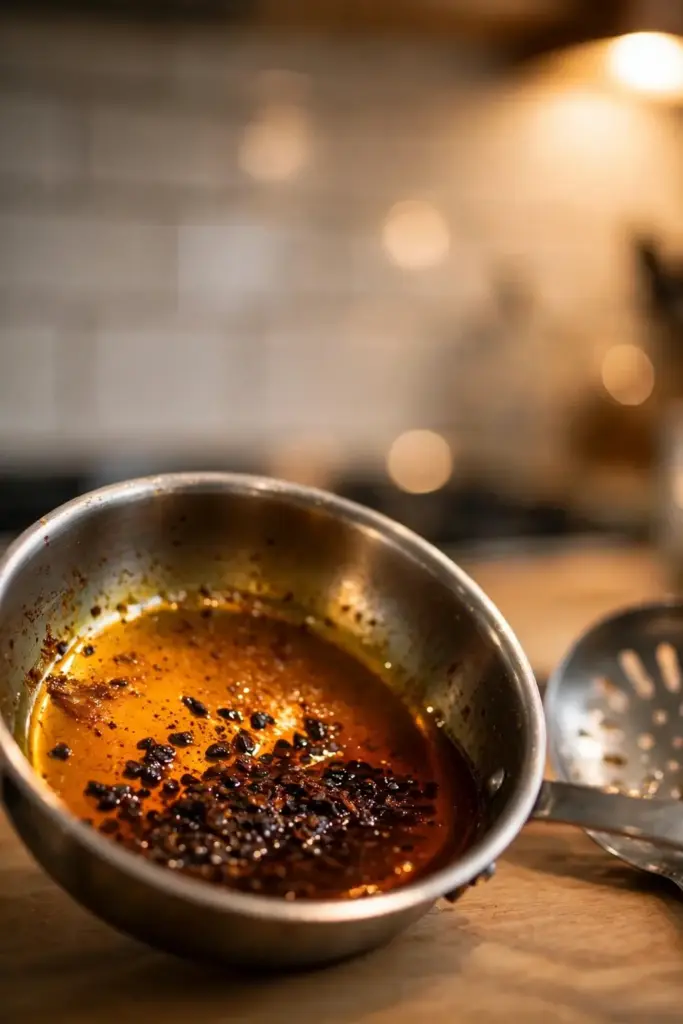
Water extraction works too: simmer seeds in water for norbixin, the water-soluble form. It stains more and keeps less well, so oil is the practical home choice. Dye-craft growers use the same seed for fiber: mordanted cotton takes a warm orange that deepens with concentration. The dye-craft lane on visual platforms shows yarn results that range from apricot to rust. Alum mordant is the usual choice for cotton, and an iron afterbath shifts the orange toward olive-brown for dyers who want the full palette. One dye bath from a handful of seeds colors several skeins, so a single mature tree supplies a small fiber studio.
19. Traditional Uses, Stated Carefully
Annatto has a long indigenous history in the Amazon as body paint (urucum), and traditional claims include insect-repellent and sunscreen uses. Treat these as cultural history, not instructions: they are attributed to indigenous practice, not to tested evidence. Modern commercial uses include lipstick, soap, and hair products.
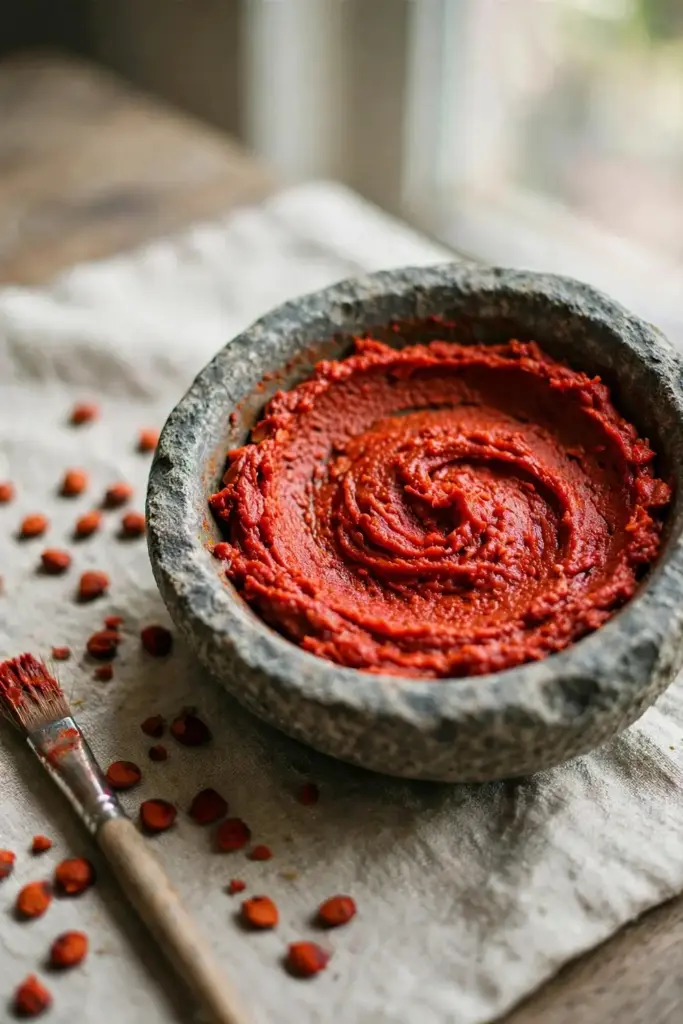
Medicinal claims around diabetes and blood pressure appear in marketing copy. The responsible line, echoed by the WebMD safety summary, is that research on antioxidant and anti-inflammatory effects is early and unproven, and food amounts are the safe zone. Do not dose yourself from internet claims. The seed press cake finds honest use as animal fodder, which is a fine end for your leftovers.
20. Common Mistakes and How to Fix Them
Planting in a foggy, wet district. The tree needs dry-tropical air. Fix: choose a warm, open site or pick a different crop.
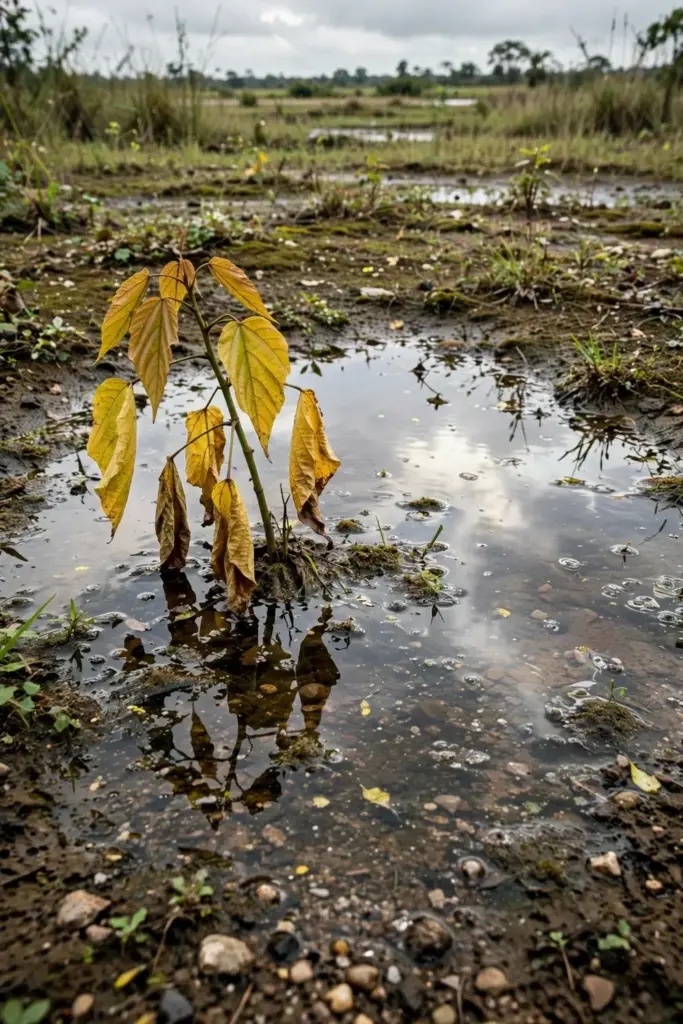
Confusing annatto with mineral sindoor. Food colorant versus toxic mineral pigment. Fix: read H2 1 again before buying anything.
Waterlogging the pits. Standing water rots the roots, and a drowned tree does not recover. Fix: mound-plant or improve drainage before the seedlings go in.
Sowing too deep. A quarter inch is the depth; deeper seeds rot. Fix: shallow sow, firm gently, keep humid.
Harvesting after pods split. Seeds scatter and color washes out. Fix: check weekly once pods brown.
Sun-drying the pods. Bleaches the bixin. Fix: shade-dry per the trial standard.
Expecting pods in year one. The tree needs 3 years from seed. Fix: buy trade seeds for this year’s kitchen and grow the tree for the future.
Keeping it in a pot forever. A balcony cannot host a 3-meter tree. Fix: plant out by the first monsoon.
21. Troubleshooting: When Something Looks Wrong
Seedlings damping off in the nursery. Usually overwatering plus poor air flow. Fix: seed treatment with Trichoderma and Bacillus, lighter watering, partial shade with air movement.
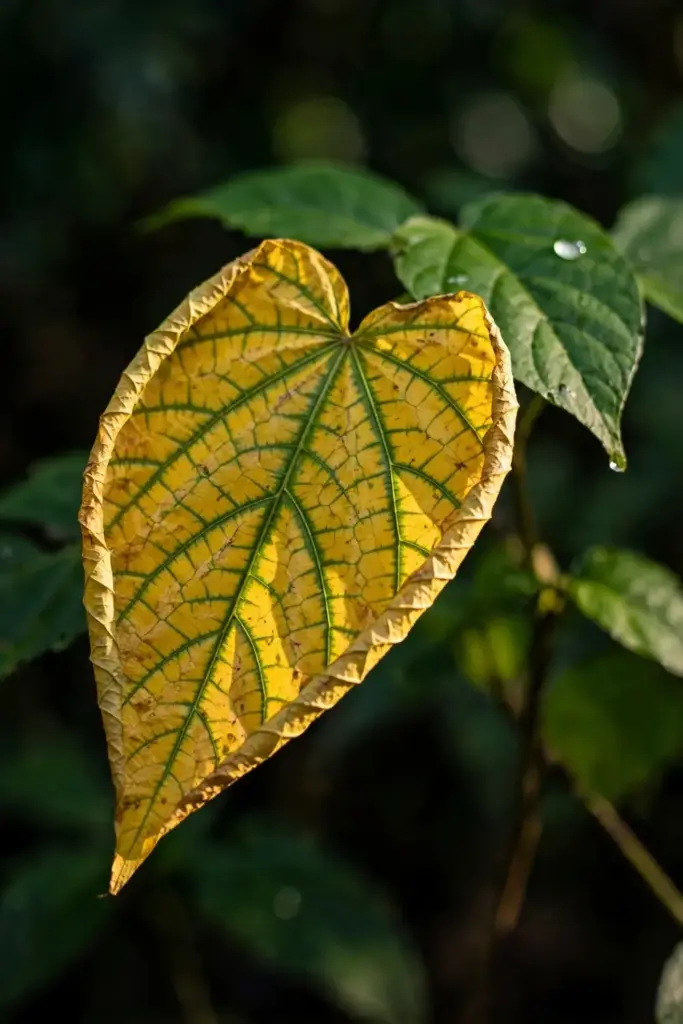
Yellow leaves on a young tree. Often waterlogging, sometimes nitrogen shortage. Fix: check drainage first, then feed manure at the rains.
No flowers in year 3. Seed-grown trees vary; some bloom a season late, and heavy nitrogen delays flowering further. Fix: wait one more season, prune lightly for shape, avoid heavy nitrogen.
Pods splitting before you harvest. You checked too late. Fix: move to weekly checks once browning starts, harvest clusters early.
Pale seeds after processing. Sun-bleached during drying. Fix: shade-dry next harvest; use this batch for the kitchen where color matters less.
Aphids on shoot tips. Minor. Fix: strong water spray or prune the tips.
Tree too tall to harvest. Seed-grown trees reach for the sky. Fix: shape-prune in years 1 to 2, keep the crown low and open.
Frequently Asked Questions
About 3 years for the first small crop, with full production around year 5, per Indian and Kenyan crop data. Cuttings from a mature tree can flower within 2 years. The timeline rewards growers who plant early and wait, since a mature tree yields heavily for many years.
No. Annatto is a plant pigment from the seed coats of Bixa orellana. Ceremonial sindoor is a mineral vermilion, historically mercury-based and toxic. The trade nickname “Sindoor Beej” refers only to the color resemblance, and the two materials share nothing else. Never substitute one for the other.
Only as a temporary nursery stage. Annatto is a small tree needing 3-meter spacing and full sun, so it must go into the ground. A pot works for the first season at most; beyond that the roots circle and growth stalls permanently.
In food amounts, yes. Regulators classify it as a color additive exempt from certification, and safety summaries note food use is safe with rare allergies. Medicinal-level claims about diabetes or blood pressure are unproven, so keep it in the kitchen, not the medicine cabinet.
Warm the seeds gently in oil for 3 to 5 minutes until the oil turns deep orange-red, then strain. This extracts bixin, the oil-soluble pigment. Simmering in water extracts norbixin instead, but the water version stains more and keeps less well.
Plant in pits 35 by 35 by 35 centimeters at 3-by-3-meter spacing, at the start of the rainy season. This square grid suits small plots and gives each tree room for a full crown. Global sheets also use 4-meter rows with 3 meters in the row.
Where to Go From Here
Buy a packet of seeds and a few nursery bags this week, and start the nursery at the beginning of the rains. If you want to understand how to grow annatto from India as a long-term project, plant the strongest seedlings at 3-meter spacing, feed manure yearly, and check pods weekly from year 3. The tree will outlive your impatience, much like the multi-year fruit projects other patient gardeners take on. Color this year comes from the trade; color for the next decade comes from your own lipstick tree.