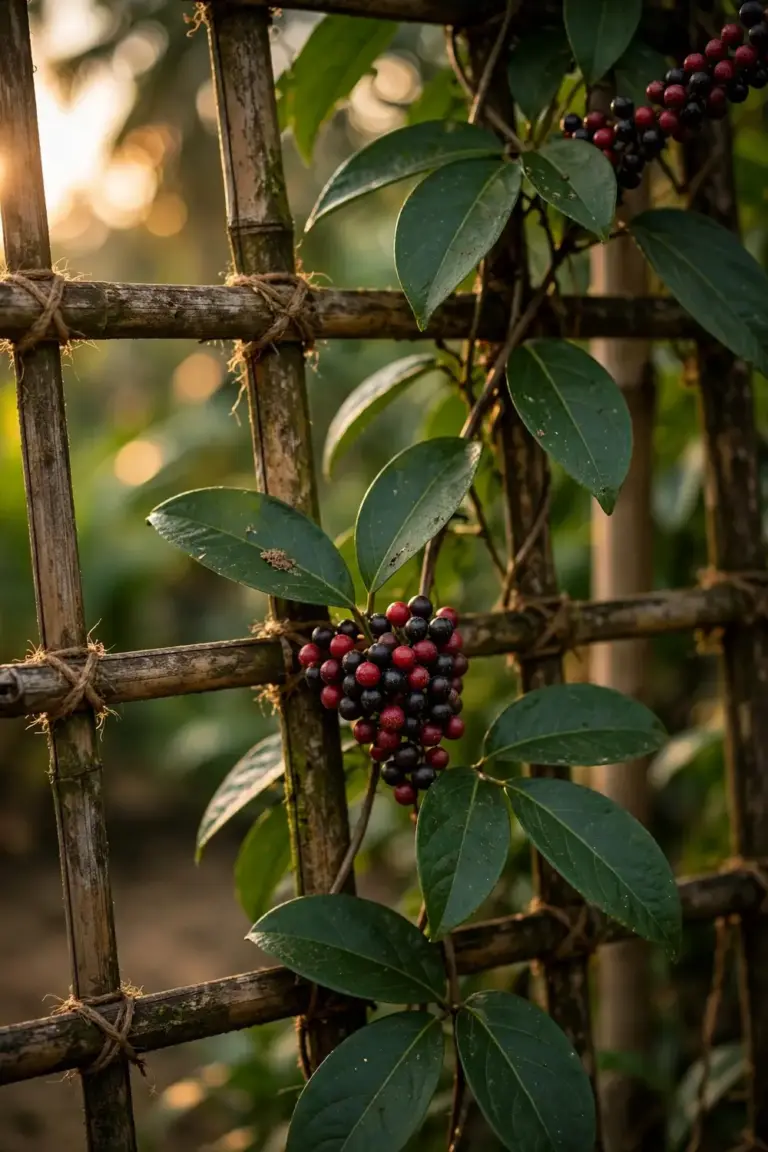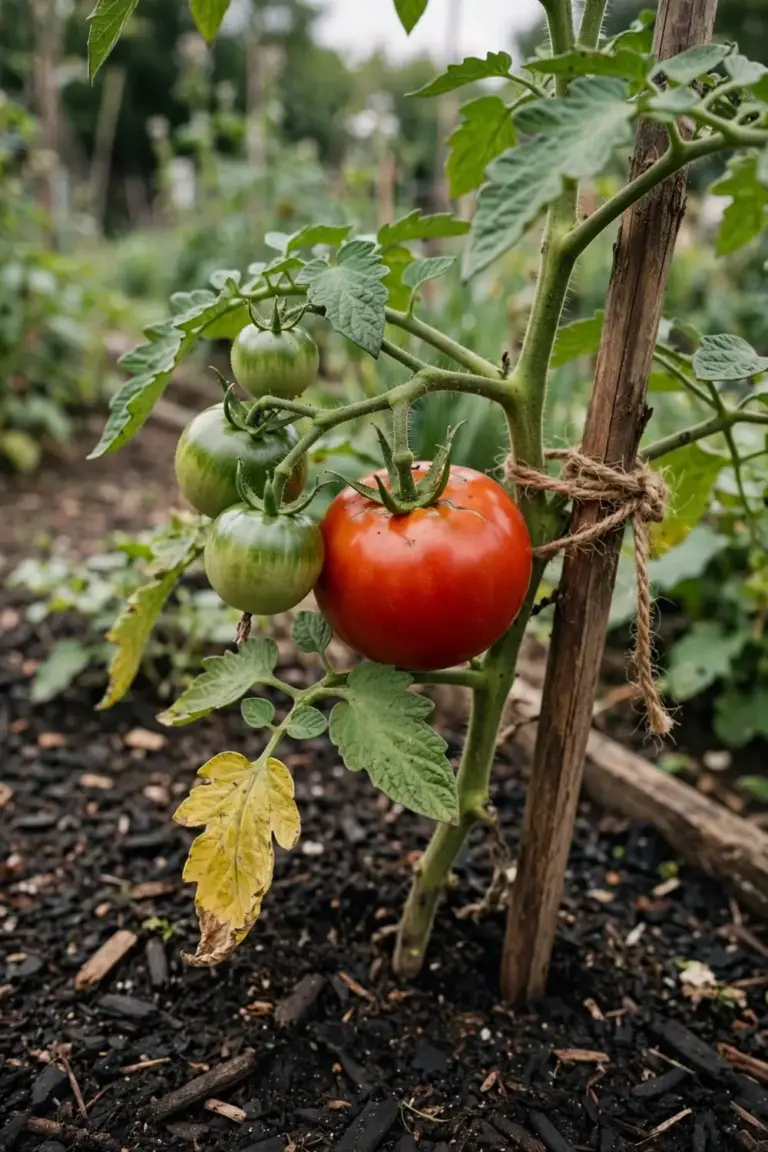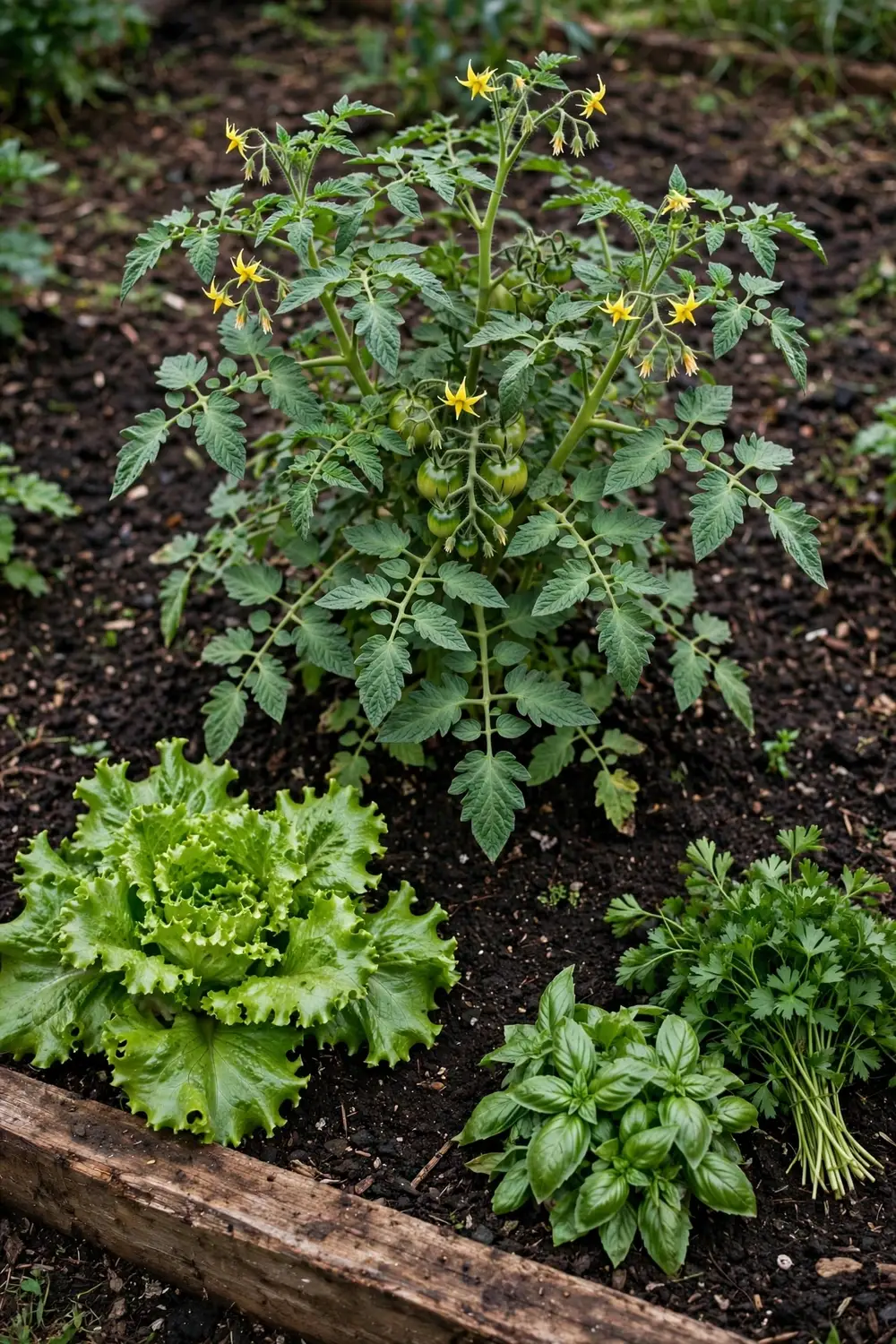

When to plant tomatoes, lettuce, and herbs depends on temperature, not on the calendar month. Plant tomatoes when soil holds above 13 degrees after the last frost, and plant lettuce and cool herbs while the air stays cool. Basil goes in with the tomatoes, because basil wants heat too, while lettuce bolts once heat holds above 29 degrees. That split is the whole answer, and the rest of this guide turns it into a plan for your bed.
The tension is real. Tomatoes are warm-season plants. Lettuce is a cool-season plant that bolts, or rushes to seed, when heat arrives. Herbs split both ways: basil wants heat, while parsley and coriander want cool weather. So one bed cannot hold all three at their best at the same time. The fix is sequence. Plant the cool crops first, follow with the warm crops, then plant the cool crops again. That sequence is succession, and succession means planting in sequence so harvests follow each other.
1. The Tension: One Bed, Three Temperature Loves
The tension in this bed comes from three different temperature loves. Tomatoes want heat. Lettuce wants cool air. Herbs split down the middle, with basil on the warm side and parsley and coriander on the cool side. When you plant all three at the same time, one of them always loses. The tomato sulks in cold soil. The lettuce bolts in summer heat. The coriander flowers before you pick a useful bunch. The bed is not failing. The timing is wrong.
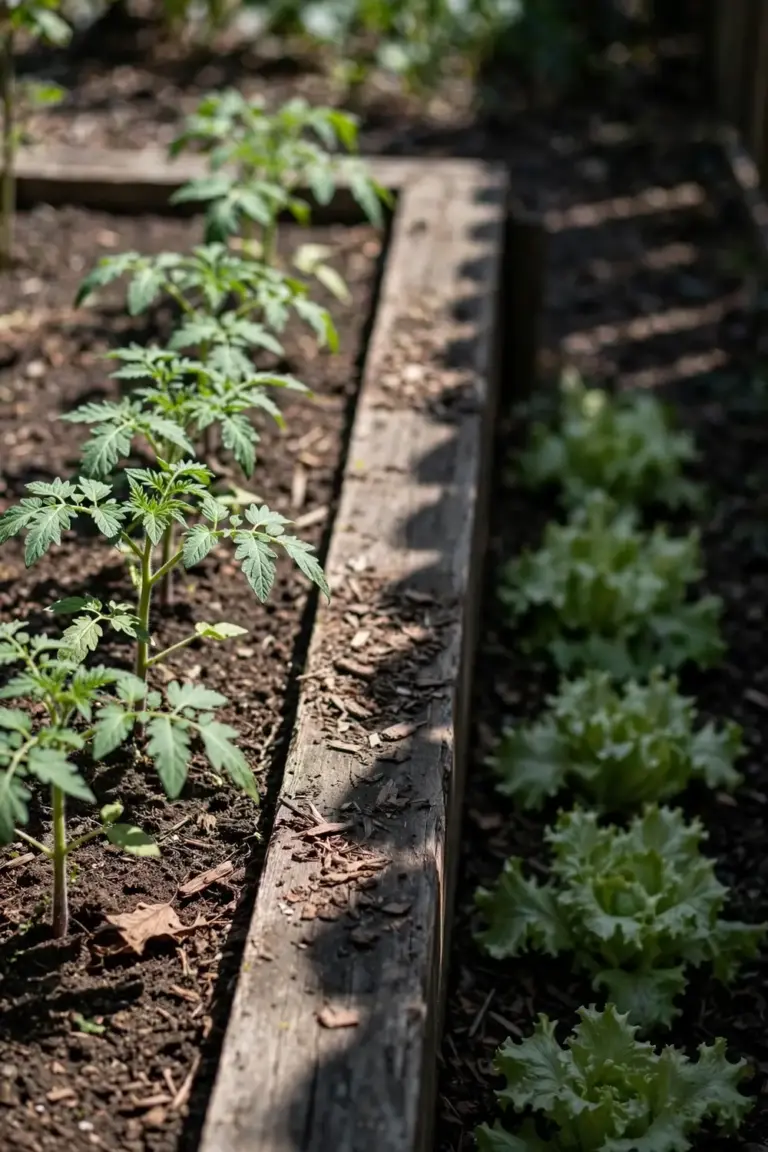
Cool-season is a plain term. A cool-season crop grows best in mild or cool weather. It tolerates cool soil and light frost, and it turns bitter or bolts when sustained heat arrives. Warm-season is the reverse. A warm-season crop grows best when soil and air stay warm, and cold soil or frost stops it or kills it. Garden guides group crops this way because temperature, more than any other factor, decides whether a plant grows leaves or rushes to seed.
The broad split is easy to hold in your head. Cool-season crops go in when soil and air sit roughly between 4 and 15 degrees Celsius. Warm-season crops wait until soil and air stay consistently above 15 degrees. Those bands come from cool-season and warm-season crop guides, which list lettuce, parsley, and coriander on the cool side and tomatoes and basil on the warm side. Your thermometer then turns the band into a date. When the soil reads warm enough for tomatoes, the lettuce season in that bed is ending. When the air cools again in autumn, the lettuce season opens again.
Australian seasons run opposite to northern-hemisphere calendars, and that matters for every date below. Spring runs September to November. Summer runs December to February. Autumn runs March to May. Winter runs June to August. A planting chart written for a northern garden will point you six months off. Use Australian months throughout, and check your own last frost date before you trust any month band below.
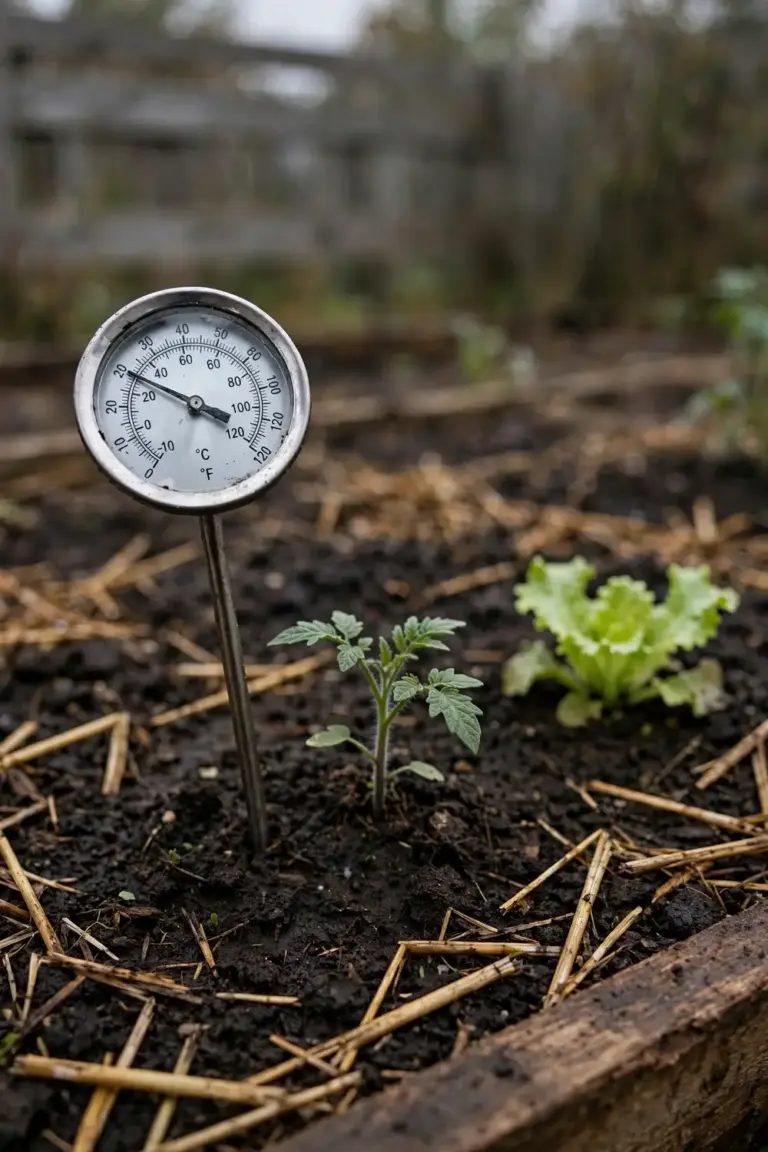
Two measurements carry the whole guide. Soil temperature decides the tomato and basil window, because cold soil stalls warm-season roots even on a sunny day. Air temperature decides the lettuce and cool-herb window, because sustained hot air bolts lettuce even in moist soil. A soil thermometer pushed 10 centimetres into the bed reads the soil. A weather forecast gives the coming nights. When the soil reads warm and the nights hold mild, plant tomatoes. When the days stay mild and the nights turn cool, sow lettuce. Those two checks replace the calendar for every crop below.
2. The Three Windows at a Glance
Here is the short version of when to plant tomatoes, lettuce, and herbs in temperate Australia. Temperate covers Sydney, coastal New South Wales and Victoria, Adelaide, and Perth. Subtropical and tropical bands follow in the crop sections below, because the tomato window shifts there while the lettuce window widens.
| Crop | Plant When (Temperate Australia) | Harvest When | Frost Note |
|---|---|---|---|
| Tomato | After the last frost, spring | 8 to 17 weeks after transplant | Killed by light frost |
| Lettuce | Autumn and spring, with shade sowings in summer | 40 to 85 days after transplant, by type | Tolerates light frost, growth slows near freezing |
| Basil | After the last frost, late spring into summer | 10 to 12 weeks after sowing | Frost ends the plant |
| Parsley | Autumn and spring, nearly year round | 9 to 19 weeks after sowing | Handles cool weather and light frost |
| Coriander | Autumn and spring | 4 to 6 weeks after sowing | Tolerates light frost, bolts fast in heat |
Read the table as planning bands, not as promises. The bands come from Australian temperate planting calendars, and the harvest ranges come from extension and calendar sources cited in the crop sections. Your own garden decides the exact day. A soil thermometer, a weather forecast, and your local last frost date beat any printed month. If your spring runs cold and late, wait. If a warm autumn holds, sow another row of lettuce.
Soil preparation sits outside the timing question, and it still decides how well the timing works. A bed with loose, compost-rich soil warms faster in spring, holds moisture through summer, and drains after heavy rain. Building soil health is the slow job that makes every planting window more forgiving, because healthy soil buffers the temperature swings that stress young plants.
3. Tomatoes: Plant When the Soil Holds Heat
Plant tomatoes when the soil holds heat and the nights stay mild. Tomatoes need warm temperatures at transplant: nights above 11 degrees Celsius and days above 15 degrees, with soil above 13 degrees before transplanting can succeed, and a light frost kills them while a week of cool days below 13 degrees stunts plants and cuts yields, per Colorado State University Extension. Those thresholds are the most useful numbers here, because they replace the calendar with a measurement. When your soil thermometer reads above 13 degrees and the forecast holds mild nights, the tomato window is open. When it does not, wait, even if the calendar says spring.
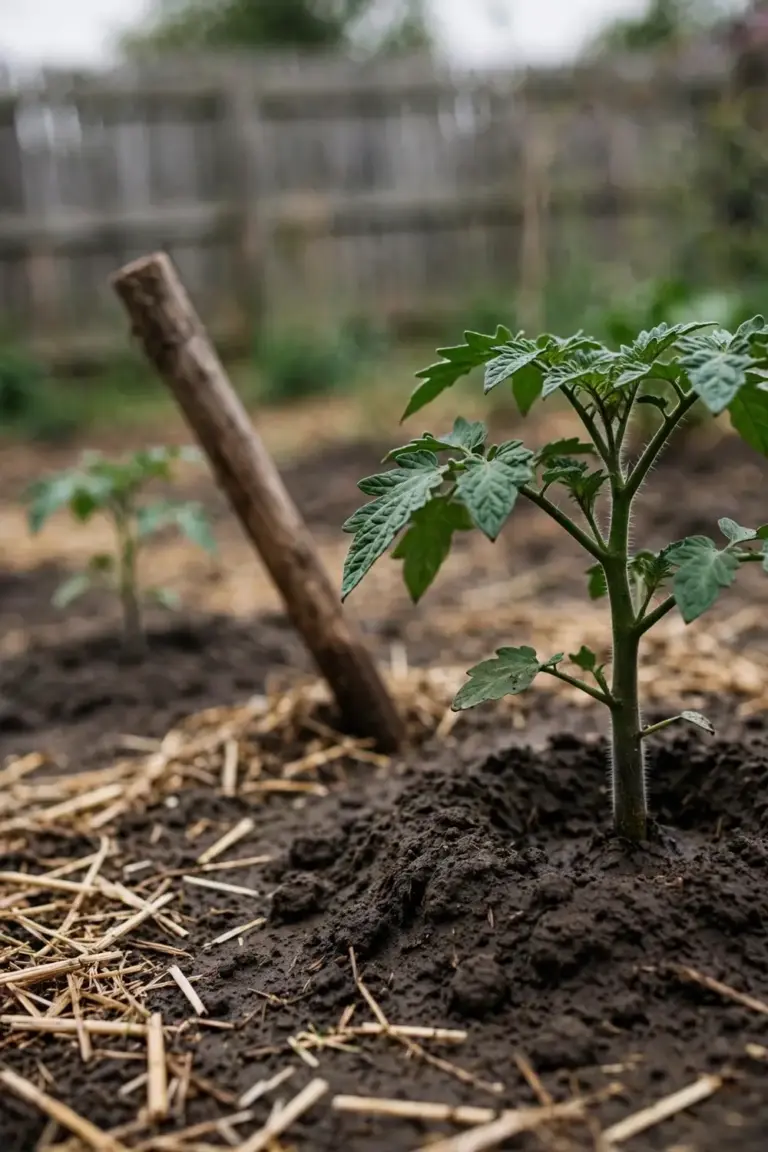
In temperate Australia, that window usually opens in spring. Sow seeds under cover in late winter, then move seedlings out after the last frost. Sydney gardeners often sow tomato seeds in late winter and plant seedlings out from September. Melbourne, Canberra, and Hobart run later, because their last frosts fall weeks after Sydney’s. The rule stays the same everywhere: the thermometer decides, and the month only suggests. A seedling planted into cold soil sits still, grows slowly, and meets more disease than a seedling planted two weeks later into warm soil.
In subtropical and tropical Australia, the tomato window flips. The main planting season runs through the cooler, drier months, when heat and humidity ease. North Queensland gardeners plant tomatoes through the cooler months and harvest into the later dry season. South East Queensland and the North Coast of New South Wales can plant across much of the year, with the cooler months giving the most reliable crops. In the far north, summer heat and humidity make tomato growing hard, and the cooler months carry the season. Australian planting calendars describe this flip plainly, and it follows from the same temperature rule: tomatoes want warmth, but sustained extreme heat and wet humidity stress them.
Harvest timing follows the same honest range. Temperate Australian calendars give 8 to 17 weeks from transplant to harvest, depending on type and season. Cherry types sit at the faster end of that range, and large beefsteak types sit at the slower end. Count back from the date you want fruit, and you get your planting date. If you want ripe tomatoes by late December in a temperate garden, and your type needs 12 weeks, transplant by late September. That count-back method is the most practical use of any harvest range, because it turns a vague window into a date on your calendar.
Starting tomatoes from seed is a small job with one timing rule: sow indoors early enough that seedlings are sturdy by transplant day, and harden them off before they go out. Seed starting steps cover the indoor part of that job. The outdoor part is the thermometer check. Never plant tomatoes out into a cold spell. A seedling that waits one more week indoors outyields a seedling that shivers for one week outdoors.
A second tomato planting can stretch the harvest in long-season gardens. In temperate Australia, a second transplant in early summer still finishes before autumn frosts, because the soil is already warm and the plant grows fast. Count back from your first expected frost before you plant a second round. If the remaining weeks still exceed the type’s harvest range, plant. If they do not, put the bed to lettuce instead and let the first tomato planting carry the summer.
4. Lettuce: Plant When the Air Stays Cool
Plant lettuce when the air stays cool. Lettuce grows best when average air temperatures sit near 23 degrees during the day and 7 degrees at night, and seed sprouts best between 20 and 25 degrees while germination stalls above 30 degrees, per the University of California Integrated Pest Management lettuce guide. At higher temperatures, lettuce may bolt and turn bitter, and growth near freezing slows without killing young plants. So lettuce wants cool air for leaves and mild soil for sprouting, and both conditions arrive together in autumn and spring.
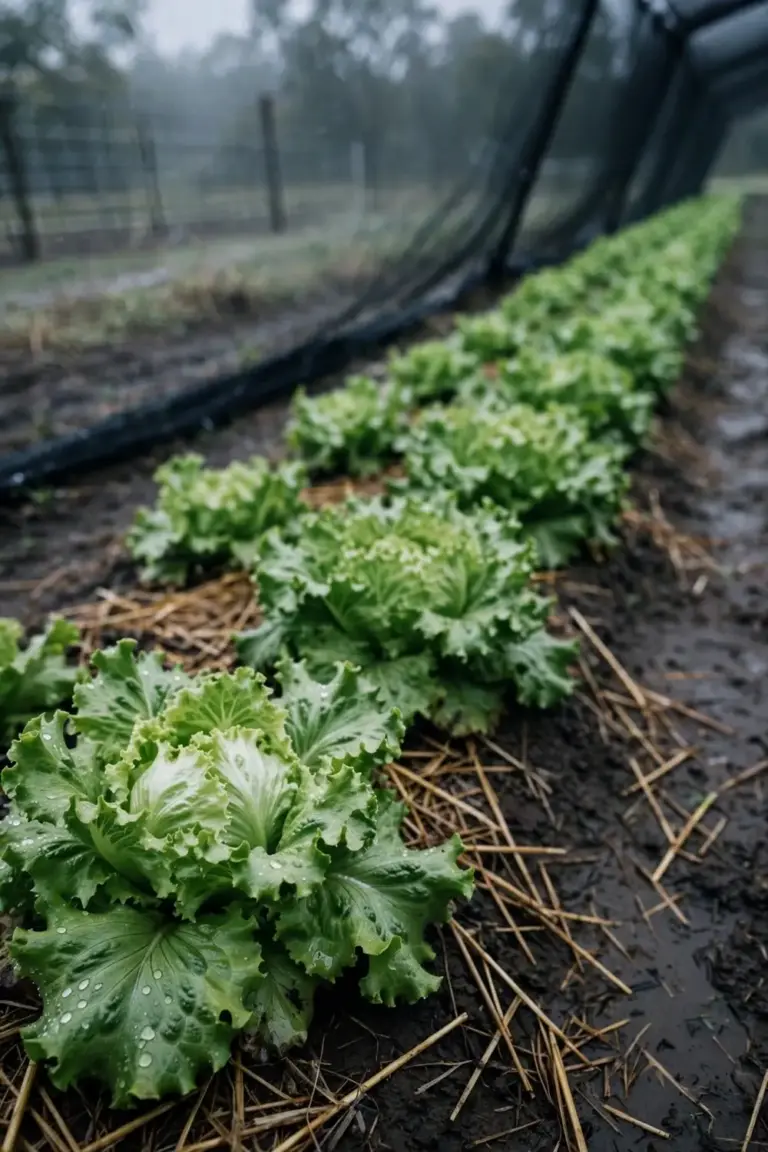
Bolting is the event that ends a lettuce crop. Bolting means the plant stops growing leaves and sends up a flower stalk to make seed. Heat and lengthening days trigger it. Once temperatures stay above 29 degrees for several days in a row, lettuce tends to bolt and turn bitter. Louisiana State University AgCenter gives that threshold, and it also gives harvest ranges by type: loose-leaf lettuce is ready in 40 to 50 days, while crisphead lettuce takes 70 to 85 days from transplanting. Loose-leaf types are the forgiving choice for a timing guide, because you can pick outer leaves early and the plant keeps producing while the head types still fill out.
In temperate Australia, the lettuce windows are autumn and spring. Sow in March to May for autumn harvests, and again in September to November for spring harvests. In subtropical Australia, winter is the prime lettuce season, because summer heat arrives early and stays. In tropical Australia, the dry season carries lettuce, and the wet summer heat defeats it. Every band follows the same rule: sow while the air stays cool, and stop sowing when sustained heat arrives.
Summer lettuce is possible with shade, and shade is the one summer move worth making. Afternoon shade from a taller crop, a shade cloth frame, or a fence line keeps the bed cooler through the hottest hours. Sow in a shaded spot, keep the soil steadily moist, and pick leaves young. The plant still bolts sooner than an autumn plant, so treat summer lettuce as a short bonus crop, not as the main harvest. How to grow lettuce covers the growing-on detail once your timing is right.
5. Herbs: Split Them by Temperature, Not by Bed
Split herbs by temperature, not by bed. Basil belongs with the tomatoes. Parsley and coriander belong with the lettuce. That single split prevents the most common herb timing mistake, which is sowing all three herbs on the same day and watching one of them bolt while another sulks. Herbs are not one crop. They are a warm group and a cool group that share a bed only when the weather suits both.
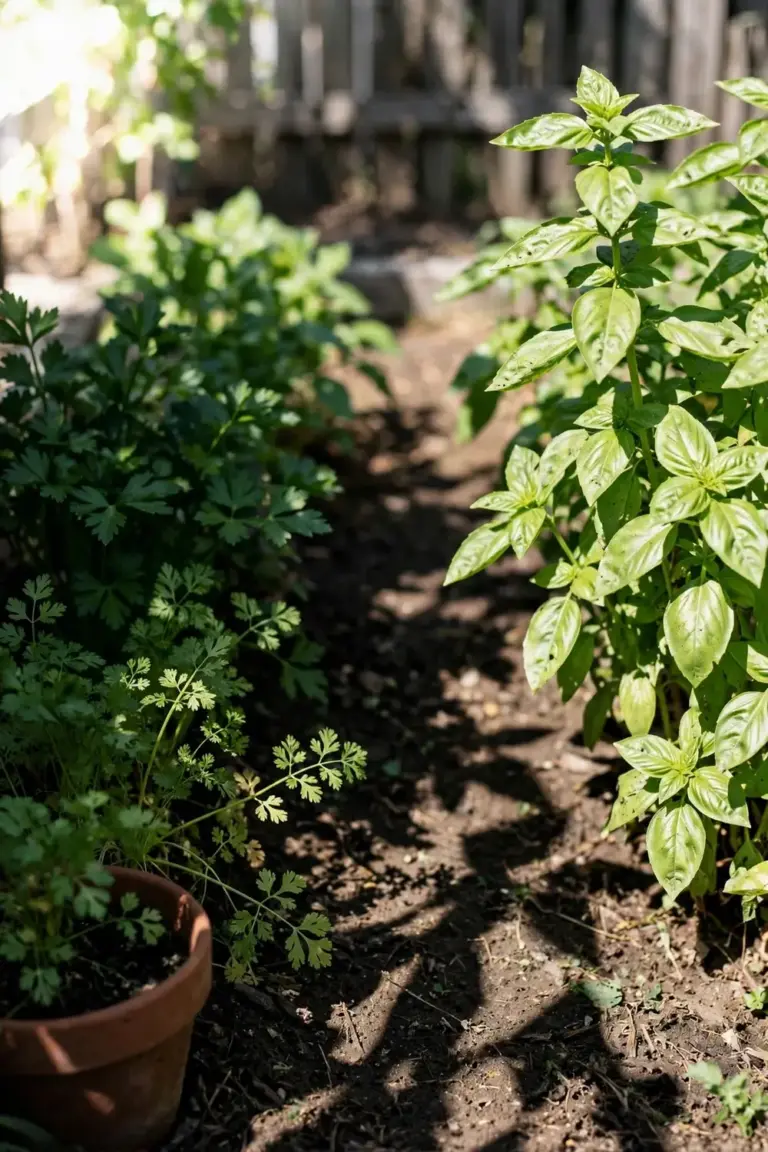
Basil is the warm herb. Sweet basil grows fastest near 28 degrees, and it belongs in the warm group with tomatoes. Plant basil after the last frost, in late spring into summer in temperate Australia. Temperate calendars give 10 to 12 weeks from sowing to harvest for basil, which puts a late spring sowing into summer picking. Basil hates cold soil and frost, so the same thermometer check that opens the tomato window opens the basil window. If the soil is too cold for tomatoes, it is too cold for basil.
Parsley is the cool herb. Parsley sits in the moderate to cooler group, and it grows through autumn and spring in temperate Australia. Temperate calendars give 9 to 19 weeks from sowing to harvest, which is a wide range because parsley germinates slowly and then grows steadily. Sow parsley in autumn and again in spring, and it will carry through the cool months. Parsley tolerates cool weather and light frost, so it keeps producing when basil has already finished. How to grow parsley covers the growing-on detail once your timing is right.
Coriander is the cool herb with the shortest fuse. Coriander belongs on the cool side with parsley, and it bolts faster than either lettuce or parsley when heat arrives. Temperate calendars give 4 to 6 weeks from sowing to harvest, which makes coriander the fastest crop here and the one that punishes late sowing most. Sow coriander in autumn and spring, in small rows, and pick it young. A coriander row sown in late spring in a temperate garden bolts before it gives a useful harvest, so autumn and early spring sowings carry the crop.
One naming note prevents confusion at the seed stand. Coriander and cilantro are the same plant. Australian seed packets say coriander for the whole plant, while American sources say cilantro for the leaves and coriander for the seed. This guide uses coriander throughout, and it means the leaves when it says coriander, unless it says seed. The timing advice stays the same under either name, because the plant bolts the same way in heat.
Perennial herbs sit outside this timing split. Rosemary, thyme, mint, and sage live for years, so their planting date matters less than their first season of establishment. Plant perennials in mild weather, in autumn or spring, and let them settle before summer heat or winter cold. This guide keeps its focus on the three annual groups, because tomatoes, lettuce, basil, parsley, and coriander are the crops whose timing decides the harvest.
6. The Succession Plan: What Follows What
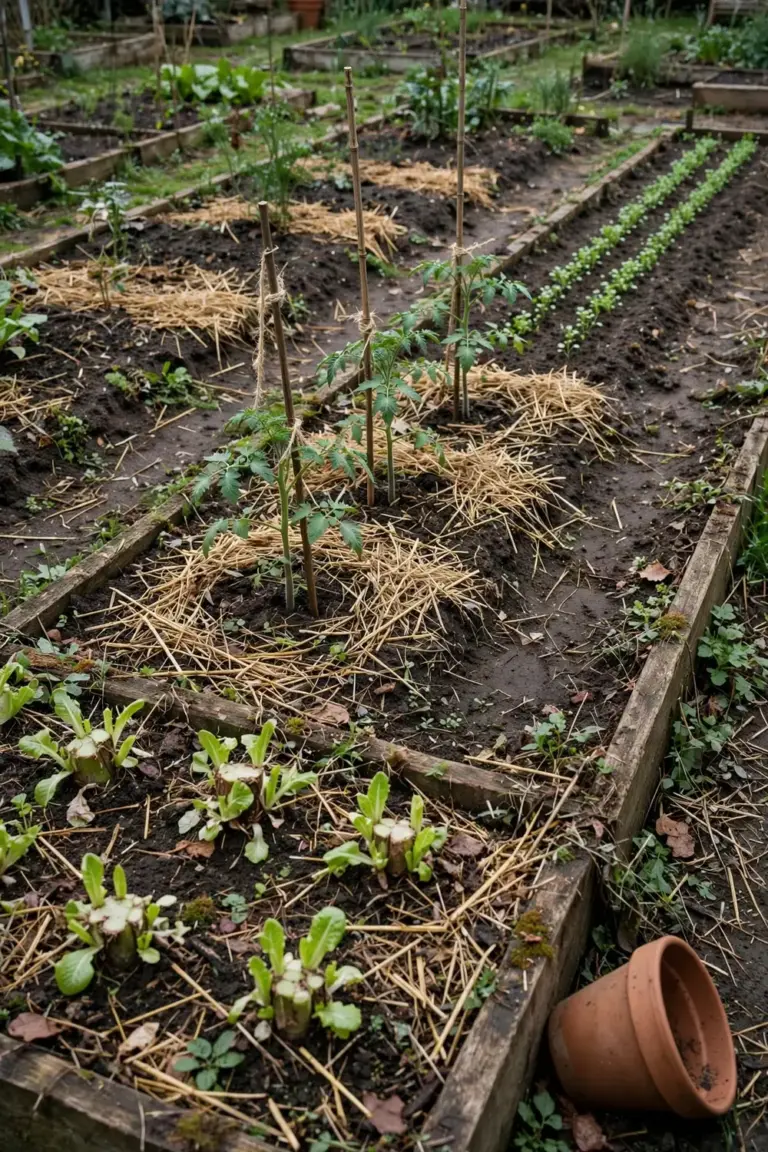
Succession turns three crops into a year of harvests from one bed. The plan below runs on a temperate Australian calendar. Subtropical and tropical gardeners shift the whole sequence toward the cooler months, and the order stays the same: cool crops, then warm crops, then cool crops again.
| Sequence | What to Plant | When | Why It Follows |
|---|---|---|---|
| First | Lettuce, parsley, coriander | Autumn | Cool air suits all three, and they finish before summer heat |
| Second | Tomatoes, basil | After the last frost, late spring | Warm soil suits both, and the bed stands empty after the cool crops finish |
| Third | Lettuce, coriander | Late summer into autumn, with shade | Cooling air suits both, and they use the bed as tomatoes finish |
| Repeat | Lettuce, parsley, coriander | Next autumn | The cycle restarts with the cool crops |
The engine of the plan is the lettuce interval. Sow lettuce every two weeks through the cool seasons to keep fresh leaves coming. The University of Saskatchewan gardening guide gives that interval plainly: plant lettuce every two weeks through summer, starting as soon as soil temperature reaches 5 degrees, and size each sowing to what you will eat in a fortnight. A single large sowing gives a glut, then a gap. Small fortnightly sowings give steady leaves. The same rhythm works for coriander, because it bolts fast and a fresh small row replaces each finished row.
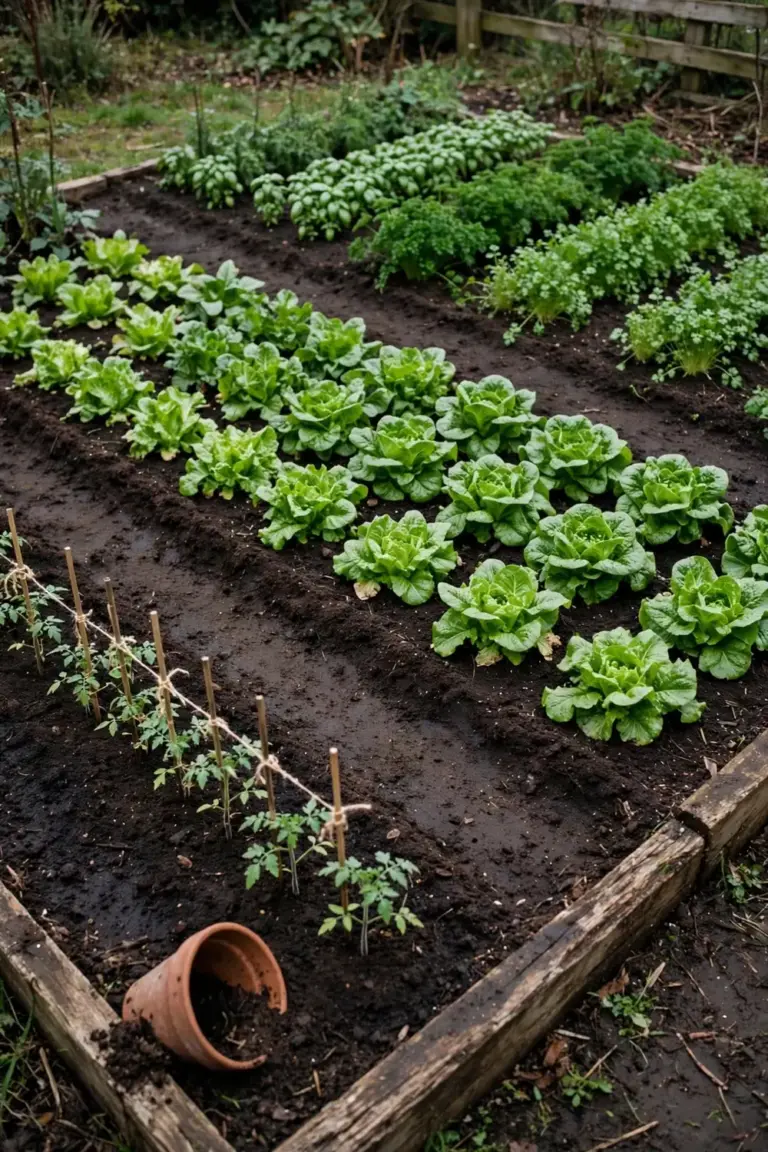
Relay planting fills the gaps between the big moves. When tomatoes go in, a row of lettuce sown in their afternoon shade gets a few extra weeks before heat ends it. When tomatoes finish in autumn, a row of coriander sown into the same bed uses the warm soil while the air cools. I have learned that the lettuce I sow a fortnight after the first row outlasts the lettuce I sow all at once. The bed never stands empty, and no single sowing carries the whole season.
Spacing the plan across two beds makes it easier. Bed one holds the cool crops in autumn and the warm crops in summer. Bed two holds a second round of cool crops, so one bed always carries leaves while the other turns over. Two beds also let you rest a bed between crops, which keeps the soil in better shape than planting every square metre every week. The plan works in one bed too, and the sequence stays the same either way.
7. What to Do if You Missed the Window
If you missed the window, do not force the crop. A tomato planted into cold soil and a lettuce sown into summer heat both fail the same way: they sit, stress, and give a poor harvest that a patient gardener would have beaten by waiting. The missed window is not a disaster. It is a signal to switch tactics, and the right tactic depends on which crop you missed.
If you missed the tomato window by a few weeks, buy advanced seedlings instead of sowing seed. Seedlings skip the indoor weeks, and they fruit sooner than a late sowing. Check the count-back math first. If the remaining frost-free season still holds more weeks than your type needs from transplant to harvest, plant the seedlings. If it does not, wait for the next window. A tomato planted too late gives green fruit at the first frost, and no amount of care fixes a season that is too short.
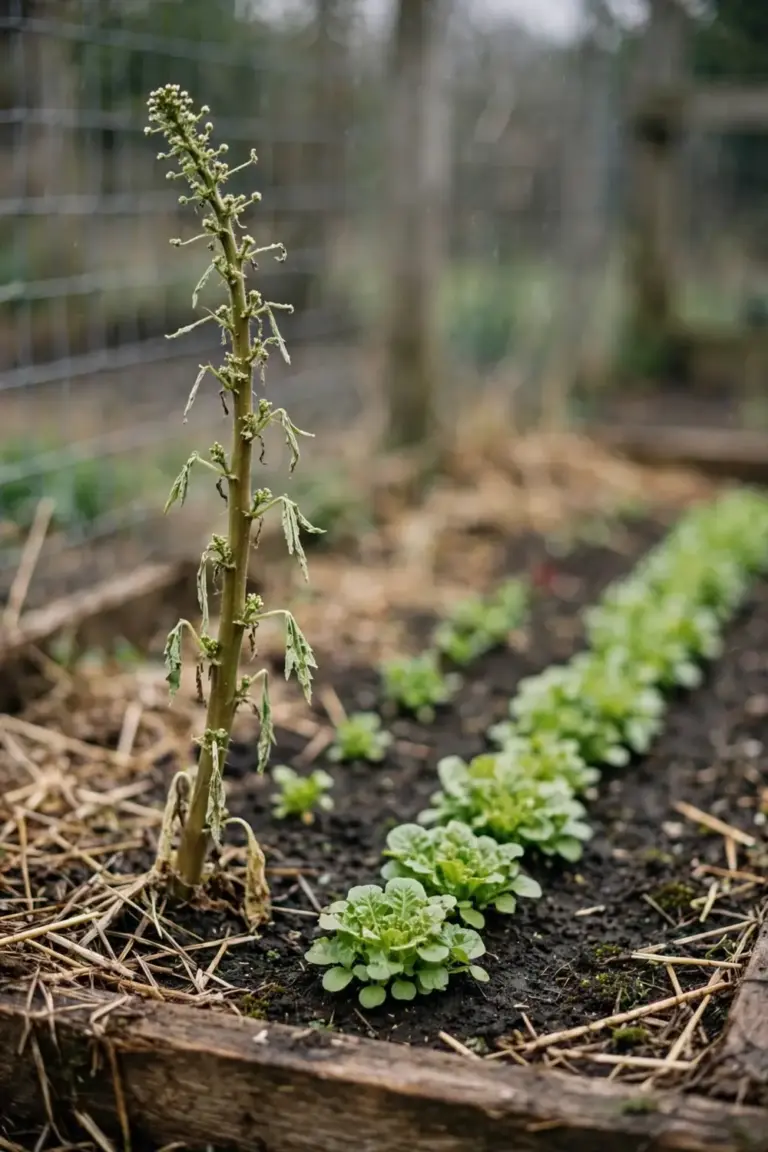
If your lettuce bolted, sow again in the next cool stretch. Pull the bolted plants, because they turn bitter and their tall stalks shade the new row. Sow a fresh small row in afternoon shade, keep the soil moist, and pick young. If summer heat holds with no cool stretch in sight, wait for autumn. The next lettuce window in a temperate garden opens as nights cool in March, and a March sowing beats a February sowing that bolts in a week.
If your coriander bolted, sow a fresh small row and pick it young. Coriander bolts fast, so a bolted row is normal, not a failure. Sow little and often, and treat each row as a short crop. If your parsley sulks, check water and shade before you blame timing, because parsley is the slowest of the three herbs to establish and it rewards steady moisture. If your basil blackened in a cold snap, the plant is finished, and the fix is a fresh plant after the cold passes, not a rescue.
Keep a one-line note for each crop each season: the date you sowed, the date you transplanted, and the date you first picked. Those three dates, kept for two seasons, beat any printed calendar, because they record your own bed, your own shade, and your own frost dates. Next year you plant by your own notes first and by this guide second. The thermometer still decides each planting day, and your notes tell you which week to start watching it.
Frequently Asked Questions
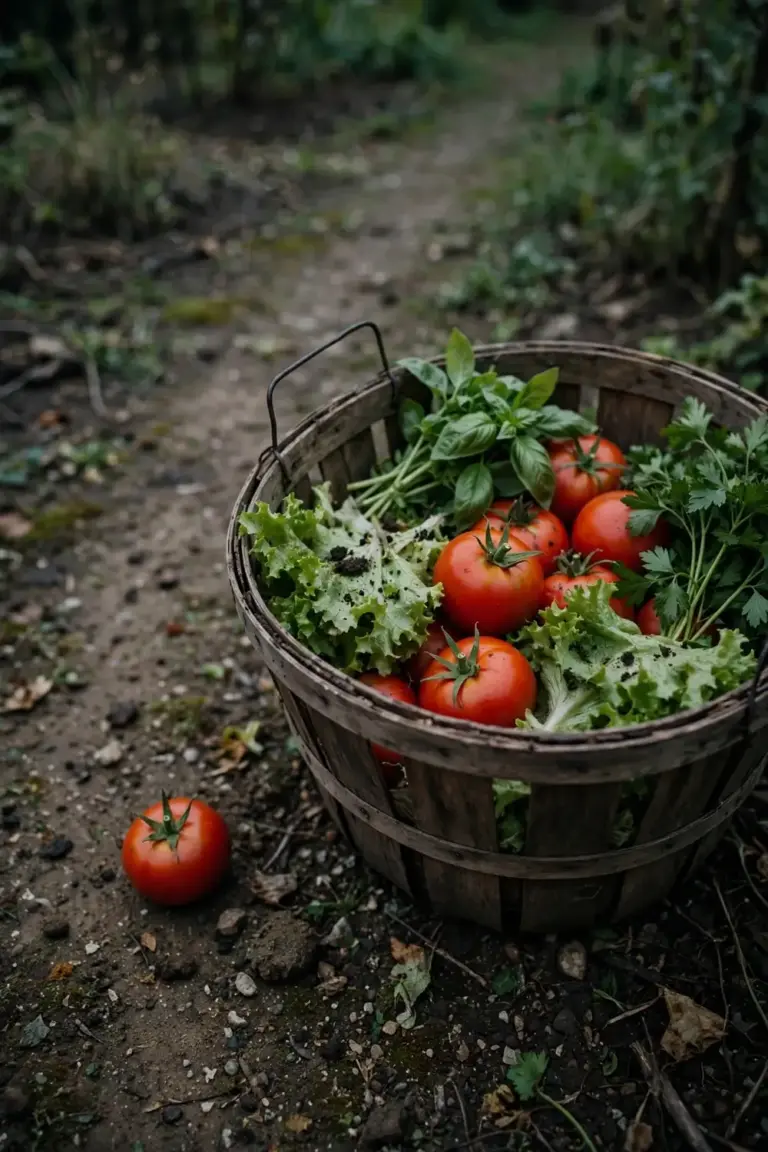
Yes, if you plant them in sequence rather than all at once. Put lettuce, parsley, and coriander in the bed through the cool months. Follow with tomatoes and basil after the last frost. Sow lettuce and coriander again as the air cools in autumn. The bed holds all three crops across the year, but it never holds all three at their best on the same day.
Plant tomatoes after the last frost, which in Sydney usually means spring, from September. Sow seeds under cover in late winter, then move seedlings out once soil temperature holds above 13 degrees and nights stay mild. Melbourne, Canberra, and Hobart run later than Sydney, because their last frosts fall later. The thermometer decides, and the month only suggests.
Lettuce bolts because heat and long days tell it to make seed. Once temperatures stay above 29 degrees for several days, lettuce sends up a flower stalk and turns bitter. That response is normal, and it is not a sign of poor gardening. Sow lettuce in autumn and spring, give summer rows afternoon shade, pick leaves young, and accept that summer lettuce is a short bonus crop.
Yes, with shade and steady water, but treat it as a bonus crop. Sow small rows in afternoon shade, keep the soil moist, and pick leaves young before the plant bolts. Summer lettuce bolts sooner than autumn lettuce, so sow little and often. If heat holds with no cool stretch, wait for the autumn window, which gives longer harvests with less effort.
Plant basil after the last frost, in late spring into summer in temperate Australia. Basil wants warm soil and warm air, and frost ends the plant. In subtropical and tropical Australia, plant basil through the warmer months, with the cooler dry season giving the most reliable growth. Sow basil with the tomatoes, because both crops want the same warm window.
Start With the Thermometer, Not the Calendar
Start with the thermometer, not the calendar. The calendar tells you which season you are in. The thermometer tells you whether the soil and air suit the crop you want to plant. Tomatoes and basil want soil above 13 degrees and mild nights. Lettuce, parsley, and coriander want cool air and mild soil. When you measure first and plant second, the three crops stop fighting each other and start following each other through the year.
Run the sequence one more time before you sow. Cool crops in autumn. Warm crops after the last frost. Cool crops again as the air cools. Small lettuce sowings every two weeks through the cool seasons. Coriander in small rows, picked young. Basil with the tomatoes, never with the lettuce. That sequence is the whole guide, and it works in any Australian climate band once you shift it toward your own cool months.
When to plant tomatoes, lettuce, and herbs is a question with three answers, and the bed rewards the gardener who plants all three at their own time. Sow the cool crops now if the air is cool. Wait for the warm crops until the soil holds heat. Sow the cool crops again when the air cools. The bed stays full, the lettuce stays sweet, and the tomatoes get the heat they need.