
Dig a handful of soil from the bed, wet it, and squeeze it into a ribbon between your thumb and forefinger. A ribbon under 1 inch that feels gritty means sandy soil. A ribbon over 2 inches means clayey soil. That one test tells you which plants that thrive in poor soil in Australia will grow in your garden, and this page matches the plant to the soil you already have.
Poor soil means low nutrients, poor structure, or both. It does not mean dead soil. Australian natives evolved in some of the oldest, leanest soils on earth, and many of them grow better in lean ground than in rich beds. The rest of this page is 6 moves, from naming your soil to planting the first pick.
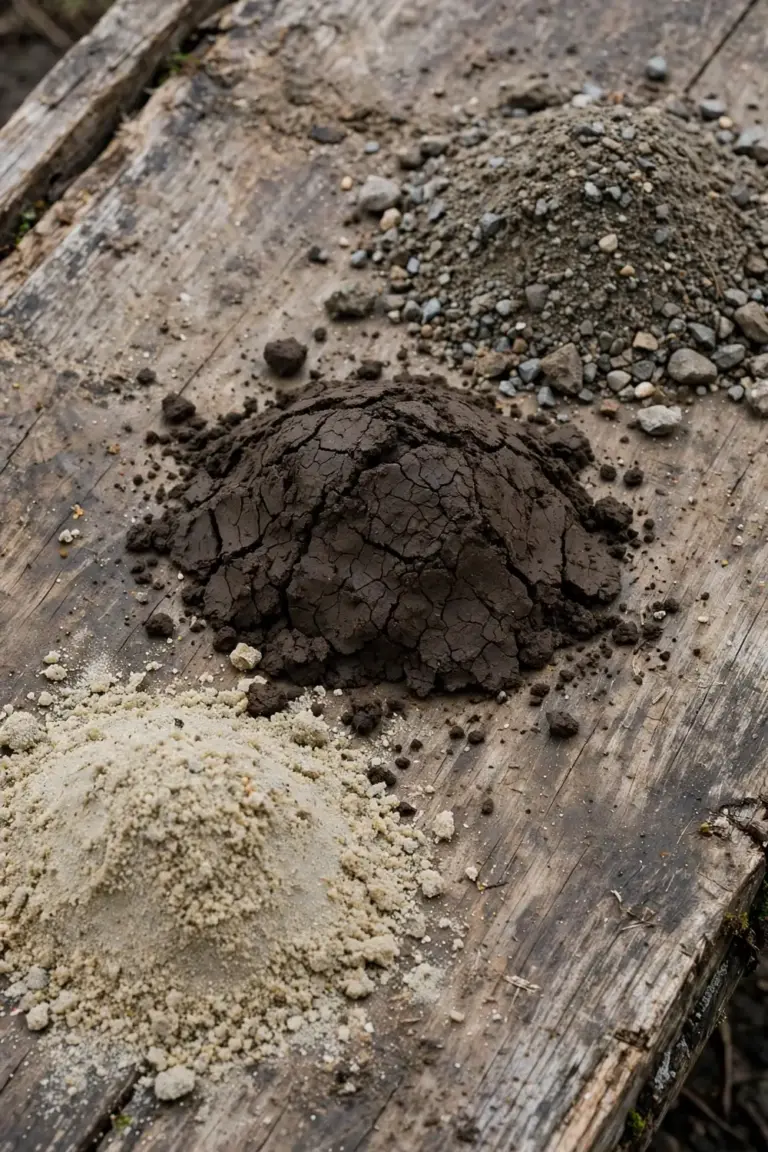
The three groups below cover the soils most Australian gardens sit on. Sandy soil drains fast and starves hungry plants. Clay holds water and sets hard. Rocky soil runs thin over stone. Each group lists the plants that evolved for that ground, with the one deal-breaker that kills them. Read the group that matches your ribbon test first, then skim the others for crossover picks like westringia and correa, which hold in all three.
| Soil Type | Picks | Why |
|---|---|---|
| Sandy and lean | Westringia, grevillea, correa, pigface, dianella | Drainage is sharp, nutrients wash through, and these plants evolved for exactly that |
| Heavy clay | Lomandra, dianella, hardenbergia, lilly pilly | Tough roots push through dense soil and tolerate wet feet |
| Rocky and shallow | Cushion bush, flannel flower, emu bush, correa | Shallow roots grip thin soil over rock and shrug off dry spells |
1. Plant Into the Soil You Have
Plant into the soil you have. Matching the plant to the soil beats rebuilding the soil every time. The plants that thrive in poor soil in Australia evolved for lean ground, and they settle faster when you stop fighting the soil they came from.
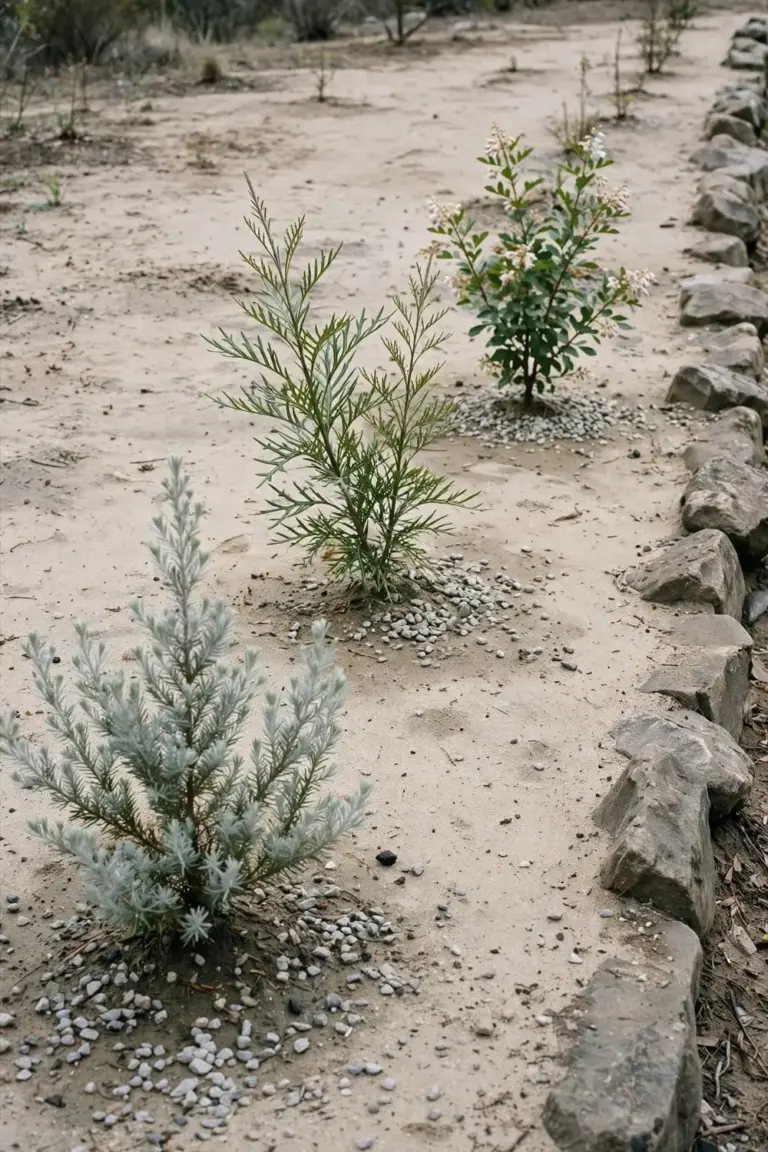
Rebuilding a whole bed takes months of amendments, and the soil drifts back toward what it was. A plant that evolved for your soil type settles in the first season and needs little after that. The test above names your soil in two minutes. The three groups below turn that name into a planting list.
Start with the group that matches your ribbon test. If your soil sits between groups, plant the picks from the nearer group first and watch one season before adding the rest.
Australian natives dominate these lists for a reason. They evolved in ancient soils that hold little phosphorus, so many of them grow their own mining gear. Members of the Proteaceae family, including banksia, grevillea, and hakea, grow proteoid roots, dense clusters of rootlets that mine phosphorus from lean soil. The University of Melbourne notes that proteoid roots increase the absorptive area of the root by up to 16 times, live only 2 to 3 months, and secrete organic acids that release soil phosphates.
That same efficiency creates the one trap in this whole page. Proteoid roots pull phosphorus so hard that ordinary fertilizer can poison the plant. Alpine Nurseries explains that excess phosphorus competes with iron uptake, so phosphorus toxicity shows as iron deficiency, interveinal chlorosis of the leaves, and in extreme cases leaf necrosis and death of the plant. Banksia, grevillea, and hakea species are phosphorus sensitive. Feed natives with native-safe fertilizer only, or nothing at all.
The native-first rule has one exception. A few tough exotics earn their place in poor soil. Rosemary and lavender, both Mediterranean exotics, handle lean sandy soil as well as any native. They want sharp drainage and full sun. Treat them as guests: they thrive in the same conditions, but they do not feed native birds the way grevillea does.
2. Sandy and Lean Soil: 7 Picks That Thrive
Sandy and lean soil grows westringia, grevillea, correa, pigface, dianella, kangaroo paw, and lilly pilly.
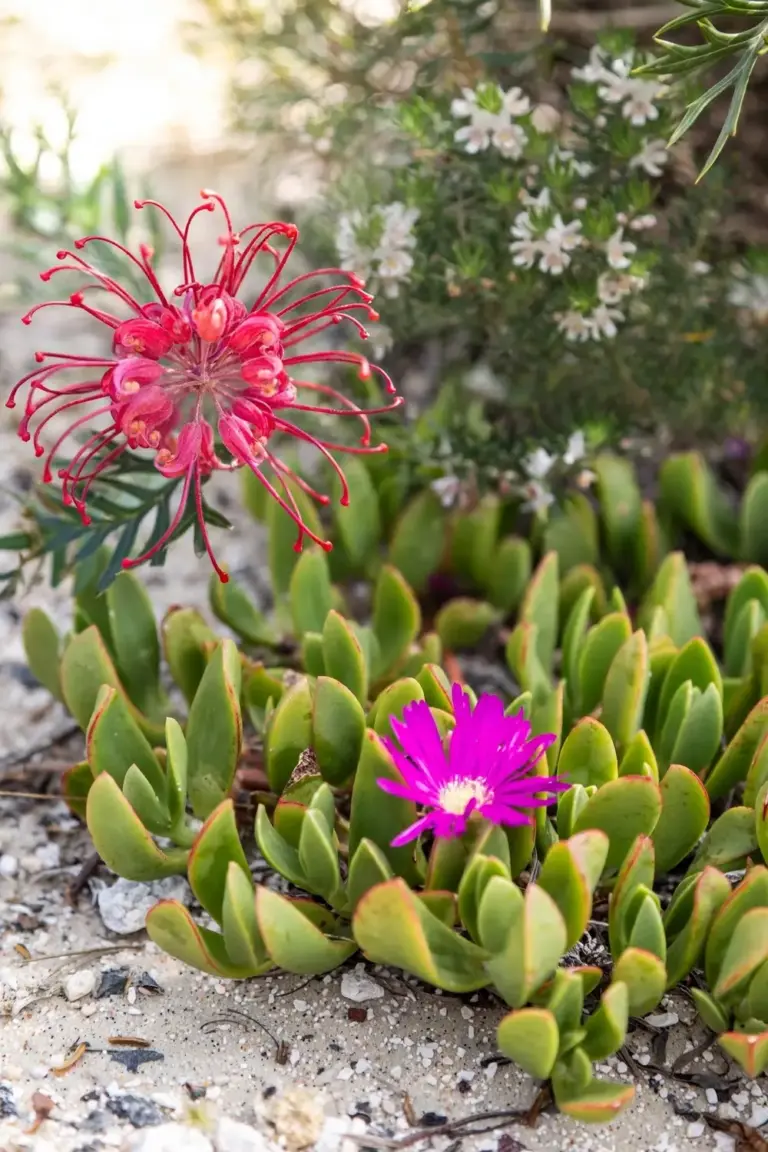
Sandy soil drains fast and holds few nutrients. That sounds like a problem, and for hungry exotics it is. For Australian natives it is home ground. Westringia fruticosa, known as coastal rosemary, thrives in sandy soils and handles harsh coastal conditions, according to Ozbreed’s guide to the best Australian native plants for sandy soils. Plant it in full sun or partial shade and water regularly until it establishes.
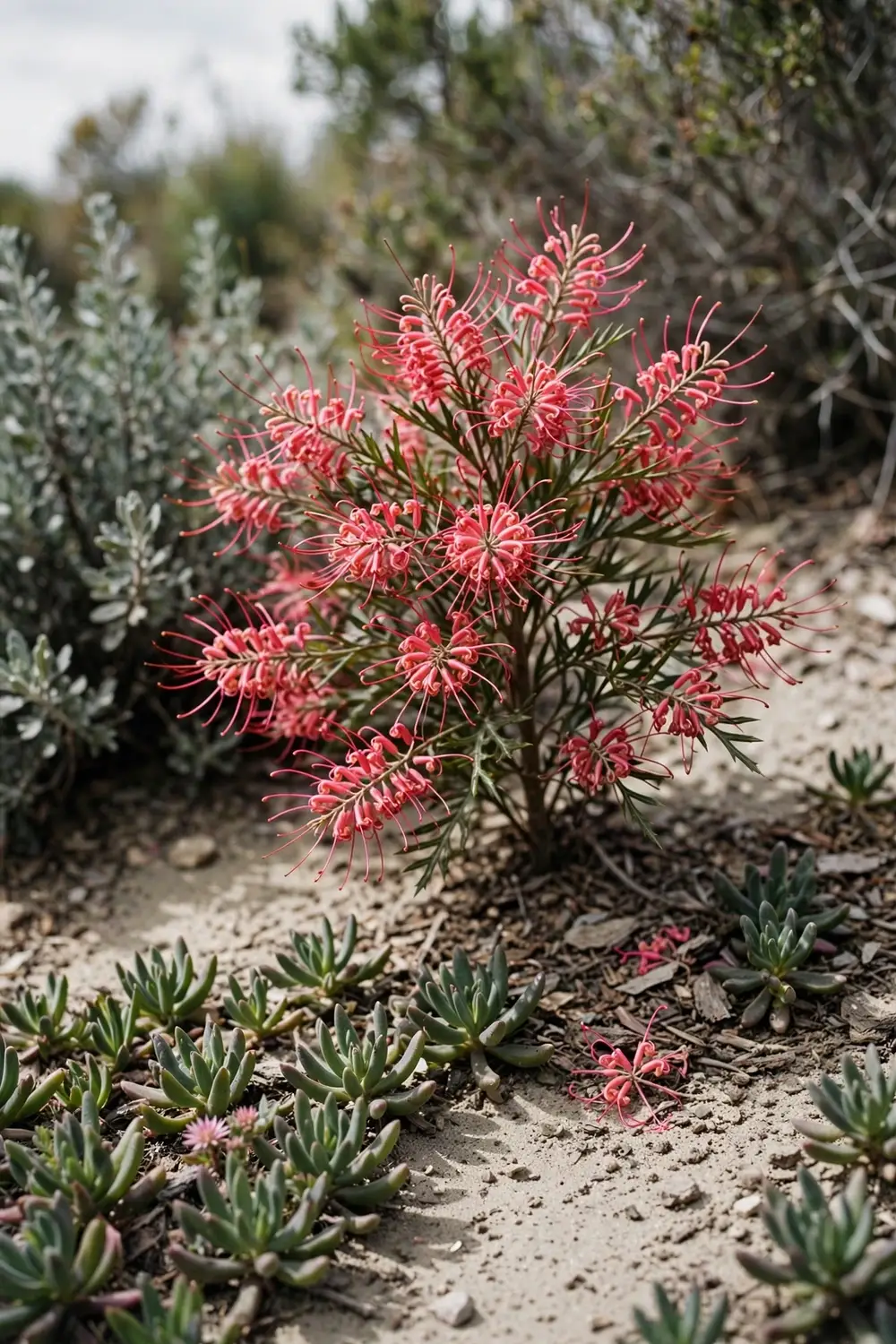
Grevilleas suit sandy soils too. Their flowers attract native wildlife, and they prefer full sun and well-drained soil. Water during dry periods and prune lightly after flowering to encourage new growth. Correa, with its small bell-shaped flowers, handles many soil types including sandy soils. Pigface, a succulent groundcover, thrives in sandy soils and resists salt spray, which makes it a strong pick for coastal gardens. Plant it in full sun and water sparingly, since overwatering rots it.
Dianella tasmanica, the Tasman flax lily, suits sandy soils and needs minimal watering once established. Kangaroo paw and lilly pilly also grow well in sandy conditions, per the same Ozbreed guide’s wider native list. The deal-breaker for this whole group is wet feet. Sandy soil rarely waterlogs, but a low spot that collects water after rain will rot grevillea roots. Plant on a slight mound if your sandy bed holds puddles.
Establishment watering decides whether sandy picks survive their first summer. Water deeply once or twice a week for the first season, then taper off. Sandy soil drains fast, so a deep soak beats a daily sprinkle. A daily sprinkle wets the top few centimeters and leaves roots shallow. A deep soak pulls roots down where summer moisture sits.
Space sandy picks for the size they will reach, not the size of the pot they came in. Westringia grows into a broad shrub, and grevilleas spread wide. Crowding them for instant cover starves each plant of water and light, so give each plant its full adult width. Fill the gaps with pigface. It spreads fast and holds the sand.
Mulch sandy beds with gravel, not bark, since bark breaks down fast in sand and pulls nitrogen as it rots. Gravel stays put, holds moisture under the surface, and suits the natives on this page. Keep the gravel off the crown so the stem stays dry.
Kangaroo paw earns its place in the sandy group with flowers nothing else matches. Its tall stems carry paw-shaped blooms that birds work all day. It wants full sun, sharp drainage, and room for air to move through the clump. Cut spent stems to the base after flowering to keep the clump fresh.
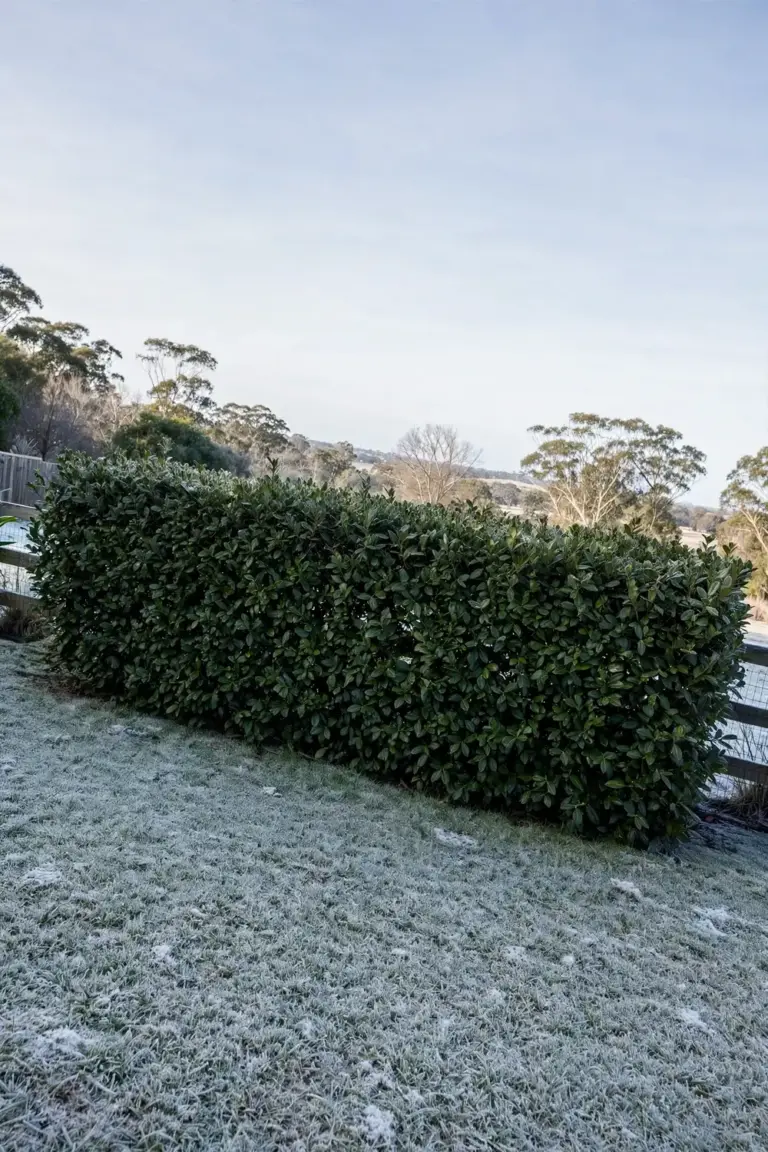
Lilly pilly rounds out the sandy group as the screening pick. It grows dense, takes pruning, and holds in sand where other screens thin out. Plant it as a hedge line, not as a lone specimen, and tip-prune twice in the first year to force low branching.
Dianella clumps widen slowly and split cleanly. Dig a clump after three years, split it with a spade, and replant the divisions across the bed. One bought plant becomes five free ones. Division beats seed for dianella, since seedlings take years to reach flowering size.
3. Heavy Clay: 6 Picks That Hold On
Heavy clay grows lomandra, dianella, hardenbergia, lilly pilly, westringia, and correa.
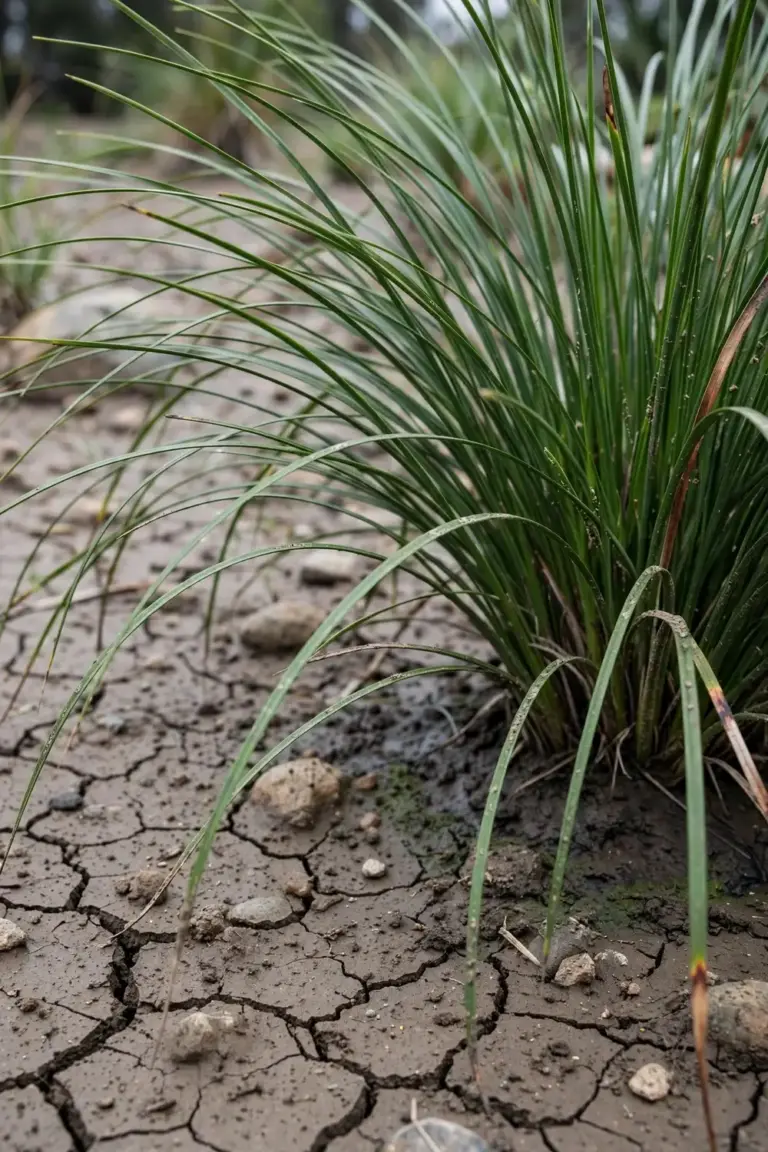
Clay holds water and nutrients but drains slowly, and it sets hard when dry. The plants that thrive in it have tough roots that push through dense soil and tolerate wet feet. Lomandra leads this group. The lomandra family does well in almost any soil from sandy to heavy clay, per Ozbreed’s tough-natives guide. Dianella holds in clay for the same reason: a clumping root system that grips dense ground.
Hardenbergia violacea, the native lilac vine, thrives in most soil types from light sandy to heavy clay soils, per the same Ozbreed guide. Lilly pilly handles clay as long as the bed drains between rains. Westringia and correa cross over from the sandy group and hold in clay too, which makes them the safest first picks if your ribbon test lands between groups.
The deal-breaker in clay is standing water. A bed that holds water for days after rain drowns roots even on clay-tolerant plants. Plant on a raised mound, keep mulch off the crown, and let the surface dry between waterings.
Plant clay picks high. Dig the hole twice as wide as the pot and no deeper, then set the plant so the crown sits 2 to 3 cm above the surrounding soil. Clay settles and buries crowns that start at grade. A crown buried 2 cm deep rots in the first wet winter. Mound the soil gently away from the stem so water runs off instead of pooling against it.
Water clay beds less often than you think. Clay holds water for days after rain. A finger test 5 cm down tells you more than a calendar. If the soil at 5 cm feels cool and damp, skip the watering. If it feels dry and crumbly, water deeply and let it drain.
Clay cracks in summer. The cracks look alarming and tempt a heavy watering. Resist it. A sudden flood after a dry spell runs down the cracks and past the roots. Water slowly so the clay swells and seals. A soaker hose laid on the surface beats a hose blast.
Give clay beds a drainage path. A shallow channel along the low edge carries winter runoff away from crowns. The channel need not be deep. A 10 cm scrape lined with gravel moves water off the bed before it ponds.
Westringia and correa are the crossover picks for clay. Both hold in sand and in clay, which makes them the safest first plants when your ribbon test lands between groups. Plant them first, watch one season, and let their growth tell you which group your soil truly belongs to.
Clay growth runs a season behind sand. Clay warms slowly in spring, so clay picks leaf out later than the same plants in sand. Do not read late growth as failure. The plant is waiting for warm soil, and it will catch up by summer.
Lomandra and dianella give clay beds their shape. Lomandra throws arching straps that catch light and move in wind. Dianella holds upright clumps with blue-green leaves. Plant them in alternating drifts so the bed reads as pattern, not as a row of identical shrubs.
4. Rocky and Shallow Soil: 5 Picks That Grip
Rocky and shallow soil grows cushion bush, flannel flower, emu bush, correa, and westringia.
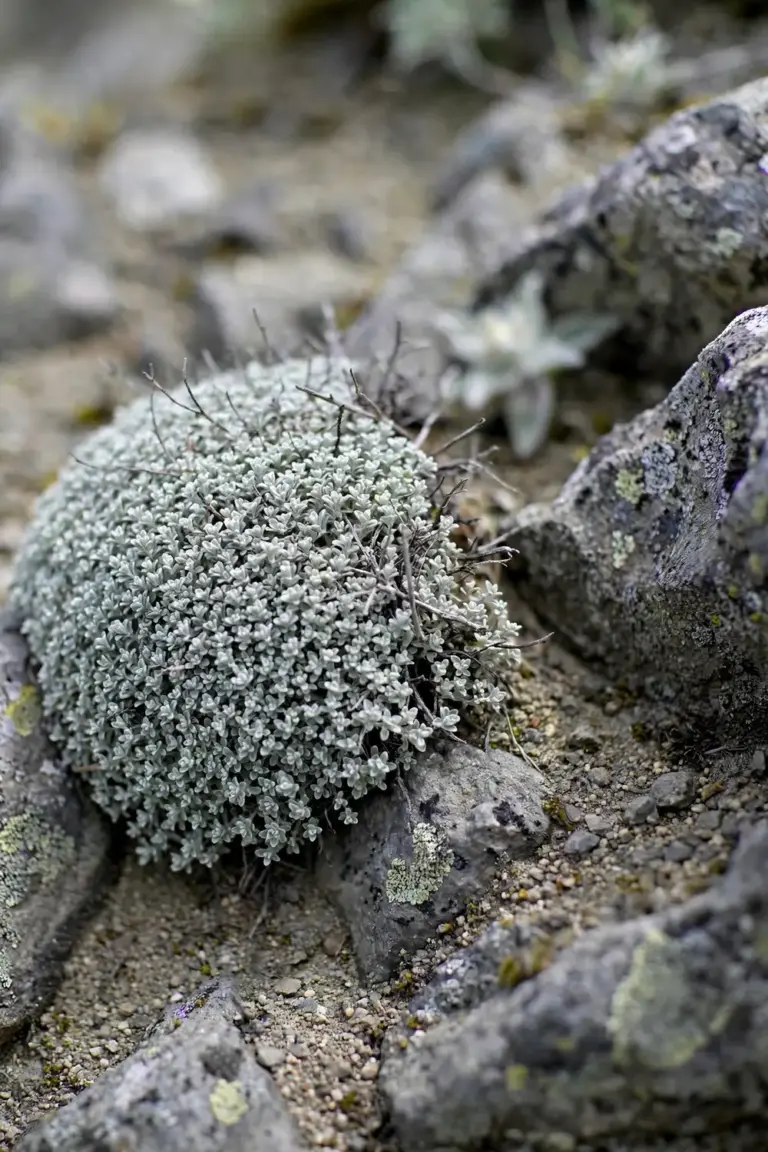
Thin soil over rock dries fast, heats up, and offers roots little room. The plants that thrive in it grip rock cracks with shallow roots and ride out dry spells. Cushion bush, Leucophyta brownii, forms a silver mound that shrugs off wind and drought, while flannel flower, Actinotus helianthi, grows in sandy and rocky ground with soft gray-green leaves and white flowers. Emu bush, Eremophila, handles rocky, lean soil and flowers through dry months. Correa and westringia cross over from the other groups and grip shallow soil just as well.
The deal-breaker here is depth. A pocket of soil less than 15 cm deep over solid rock suits only the smallest picks. Cushion bush and flannel flower cope. Larger shrubs need a pocket of at least 30 cm, or a raised bed built over the rock.
Use the cracks. Rock crevices collect leaf litter and hold moisture longer than flat rock. Tuck small picks into crevices where soil has already gathered. A cushion bush wedged into a crevice anchors itself in one season. A plant set on bare rock with a handful of soil washes away in the first storm.
Build up where no pocket exists. A low ring of stones holds a mound of gravelly soil over flat rock. The mound must drain freely. A mound that holds water like a bowl rots the plant it was meant to save.
Wind hits rocky beds harder than flat beds. Rock reflects heat and funnels wind across the surface. A low stone wall on the windward side breaks the wind and buys young plants one calm season. Pull the wall down once the plants anchor, or leave it as a permanent edge.
Water rocky beds deeply and rarely. Shallow soil dries in days, so a light sprinkle evaporates before roots drink. A deep soak fills the cracks and holds for a week. Water in the morning so leaves dry by nightfall.
Emu bush flowers when little else does. Its tubular blooms feed birds through dry months, and its gray-green leaves hold color through heat. Give it sharp drainage and full sun, and it will flower with almost no feeding. Cut it back lightly after flowering to keep the shape tight.
Rockeries suit the rocky group best. A rockery is a mound of stones and gravelly soil with pockets between the rocks. Each pocket holds one small pick. The stones shade the soil, slow evaporation, and give roots a cool run. Build the rockery first, then plant into the pockets.
5. Skip These Hungry Exotics
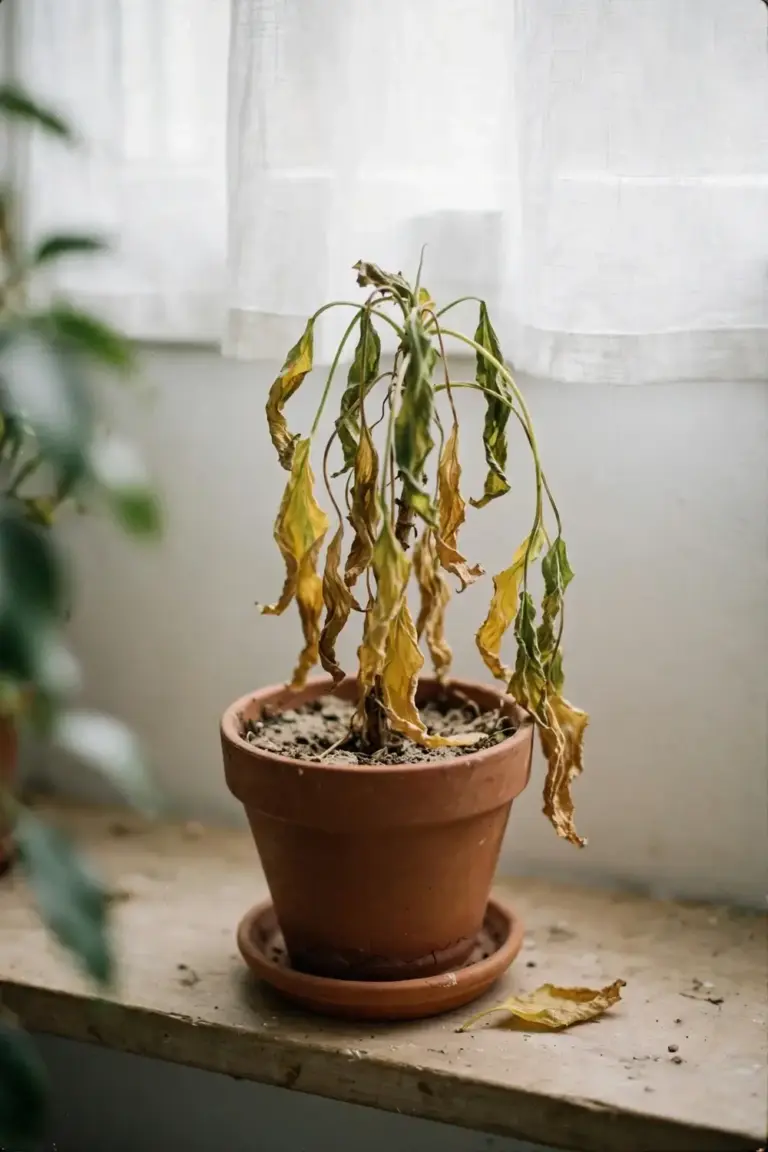
Skip hungry exotics in poor soil. Roses, hydrangeas, and thirsty lawn grasses starve in lean ground without a feeding program.
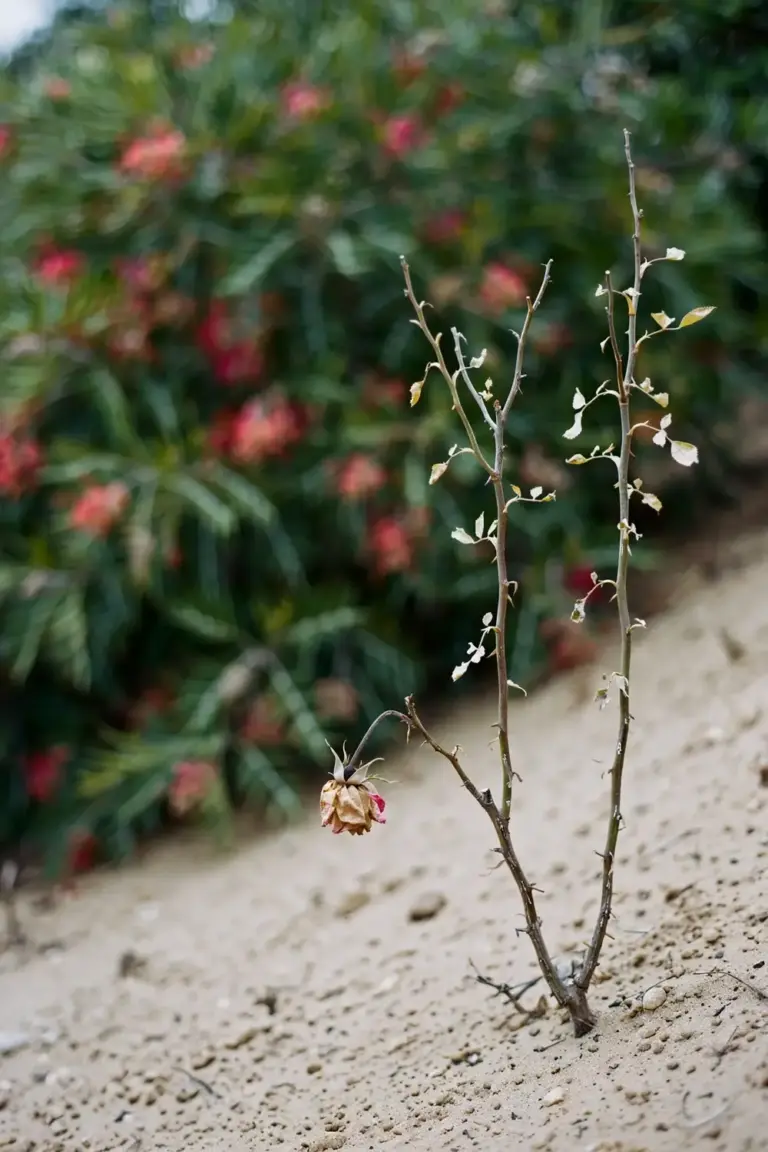
A rose in sandy soil grows thin canes and few flowers. A hydrangea in clay sulks and wilts between waterings. Both can grow in poor soil, but only with constant feeding and watering, which defeats the point of planting into the soil you have. If you love roses, grow them in a raised bed with imported soil, not in the poor bed this page covers.
The same rule applies to vegetables. Most vegetables are hungry feeders. A poor-soil bed grows herbs and tough natives, not a tomato crop. Keep the vegetable patch in your best soil and let the poor bed grow the plants that evolved for it.
Roses fail first on food. A rose in sand grows thin canes and few flowers because sand holds almost no nutrients. Feeding fixes it, but only with a regular program. Skip the program and skip the rose in this bed.
Hydrangeas fail first on water. A hydrangea in clay wilts between waterings because clay swings between waterlogged and brick hard. Mulch helps, but the swing stays. Grow hydrangeas in loam, not in the poor bed.
Thirsty lawn grasses fail on both. A lawn in lean sand needs constant water and fertilizer to stay green. A lawn in clay drowns in winter and cracks in summer. Let the poor bed grow shrubs and groundcovers instead.
Grow hungry plants in pots if you still want them. A rose in a pot gets the rich mix and feeding program it needs, while the poor bed grows the plants that evolved for it. Pots also let you move the rose into shelter during a heat wave. The poor bed stays low-input, and the rose still flowers.
Resist the urge to fix the whole bed before planting anything. A full soil rebuild takes months, and the garden sits empty while you wait. Plant the poor-soil picks now and improve one patch later if you still want roses or vegetables, since a garden of thriving natives beats a bare bed of good intentions.
6. Test Your Soil With the Ribbon Test
Test your soil with the ribbon test before you buy a single plant.
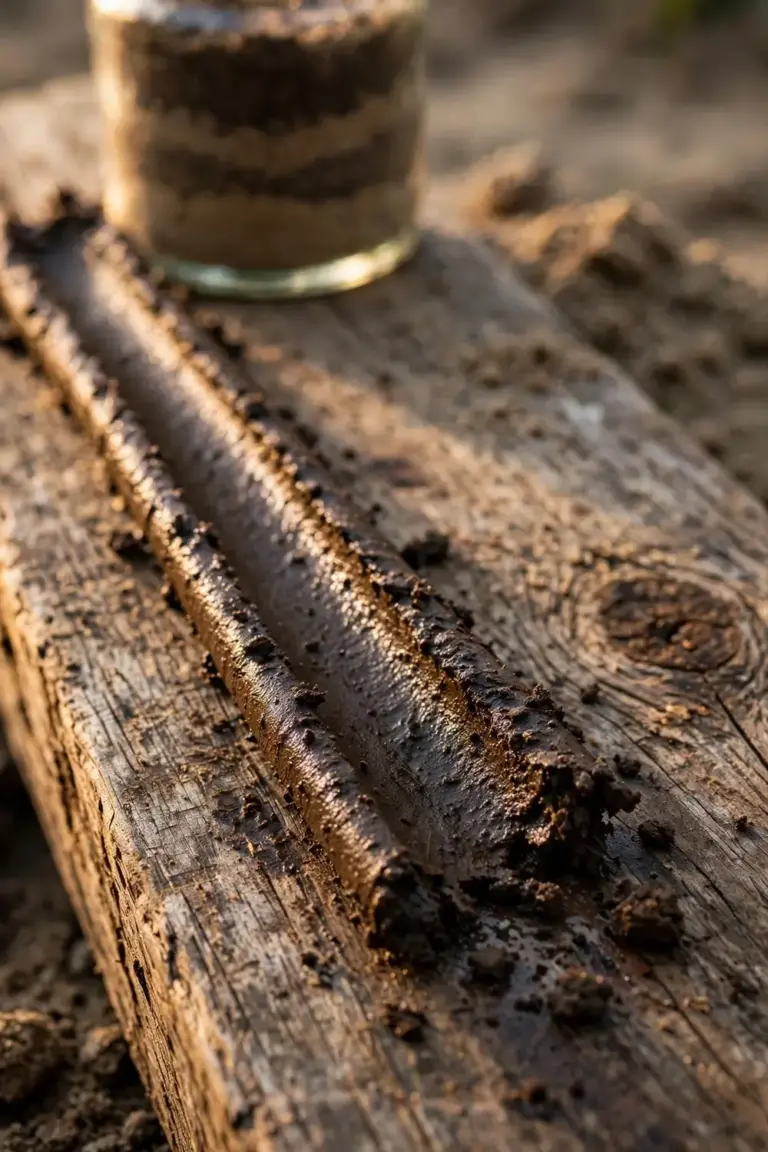
Colorado State Extension describes the feel test this way. Place soil in the palm of your hand, add a small amount of water, and knead it into a smooth and plastic consistency like moist putty. Rub moist soil between your fingers. Sand feels gritty. Silt feels smooth. Clays feel sticky.
Squeeze a moistened ball of soil out between thumb and fingers while squeezing upward, forming a ribbon of uniform thickness. Ribbons less than 1 inch before breaking mean coarse or medium texture soil. Ribbons 1 to 2 inches mean medium or fine texture soil. Ribbons greater than 2 inches mean fine texture, clayey soil. A soil with as little as 20 percent clay behaves as a clayey soil, per Colorado State Extension’s soil texture guide.
I have learned that the ribbon test tells me more about a bed than any bag of potting mix does. Run the test on three spots in the bed, not one. Soil varies across a garden, and one test can mislead you.
Test three spots because soil varies across one garden. The bed near the house may be fill, while the back corner holds original clay. One test names one patch. Three tests name the bed.
A jar test backs up the ribbon test. Fill a tall jar one-quarter full of soil, add water until the jar is three-quarters full, shake hard, and let it settle. Sand settles after 1 minute. Silt settles after 2 hours. Clay settles only when the water clears, typically in 1 to 3 days. The layers show the mix in plain sight.
Read the layers from the bottom up. The bottom layer is sand, heavy and quick to settle, while the middle layer is silt, finer and slower. The top layer is clay, a thin cloudy skin that takes a day to clear. A thick bottom layer means sand dominates. A thick top skin means clay runs the bed.
Write the result on a plant tag and push it into the bed. A tag that reads “ribbon 1 inch, gritty, sandy” beats memory next spring. Record the date too, since soil changes after heavy rain moves fines downhill. A tag from last year still beats a guess today.
Send a lab test when the ribbon test disagrees with what grows, since a lab test names pH and nutrients the ribbon test cannot see. Your state agriculture department or local extension office runs them.
Check light and water before blaming soil. A plant in deep shade fails in any soil, and a plant under a dripping tap drowns in any soil. The ribbon test names the soil. It does not excuse a bad position. Fix position first, then judge the soil.
If the test points to a soil you want to improve rather than plant into, the soil health guide covers the long game. This page stays on the plant-into-it path.
7. Frequently Asked Questions
Yes. Most Australian natives evolved in ancient nutrient-poor soils and grow better without fertilizer than with it. Banksia, grevillea, and hakea grow proteoid roots, dense clusters of rootlets that mine phosphorus from lean soil. The University of Melbourne notes that proteoid roots increase the absorptive area of the root by up to 16 times, live only 2 to 3 months, and secrete organic acids that release soil phosphates. Feed natives with native-safe fertilizer only.
Ordinary fertilizer can poison phosphorus-sensitive natives. Proteoid roots are so efficient at extracting phosphorus that high phosphorus levels overwhelm the plant. Alpine Nurseries explains that excess phosphorus competes with iron uptake, so phosphorus toxicity shows as iron deficiency, interveinal chlorosis of the leaves, and in extreme cases leaf necrosis and death of the plant. Banksia, grevillea, and hakea species are phosphorus sensitive. Use a low phosphorus fertilizer in controlled release form if you feed them at all.
The ribbon test names your soil in two minutes. Wet a handful of soil, knead it to putty, and squeeze a ribbon between thumb and forefinger. Under 1 inch and gritty means sandy. Over 2 inches means clayey. Between 1 and 2 inches means loam or clay loam. Run the test on three spots, since soil varies across one garden.
Most vegetables struggle in poor soil. Vegetables are hungry feeders that want rich, loose ground with steady water. A poor-soil bed grows herbs and tough natives far better than tomatoes or beans. If you want vegetables, build a raised bed with imported soil or improve one patch. Keep the poor bed for the plants this page lists.
Yes, but match the mulch to the soil. Gravel mulch suits sandy and rocky beds, since it stays put and holds moisture under the surface. Organic mulch suits clay beds, since it breaks down and feeds the soil life that opens clay up. Keep every mulch off the crown. Mulch piled against a stem traps moisture and rots it.
Plant into it first. Improving a whole bed takes months of amendments, and the soil drifts back toward what it was. Planting into it gives you a garden this season. Improve one patch at a time if you want vegetables or roses later. The soil health guide covers the long game. This page covers the plant-into-it path.
8. Start With One Bed This Weekend
Start with one bed this weekend. Run the ribbon test, pick the group that matches, and plant three picks from that group.
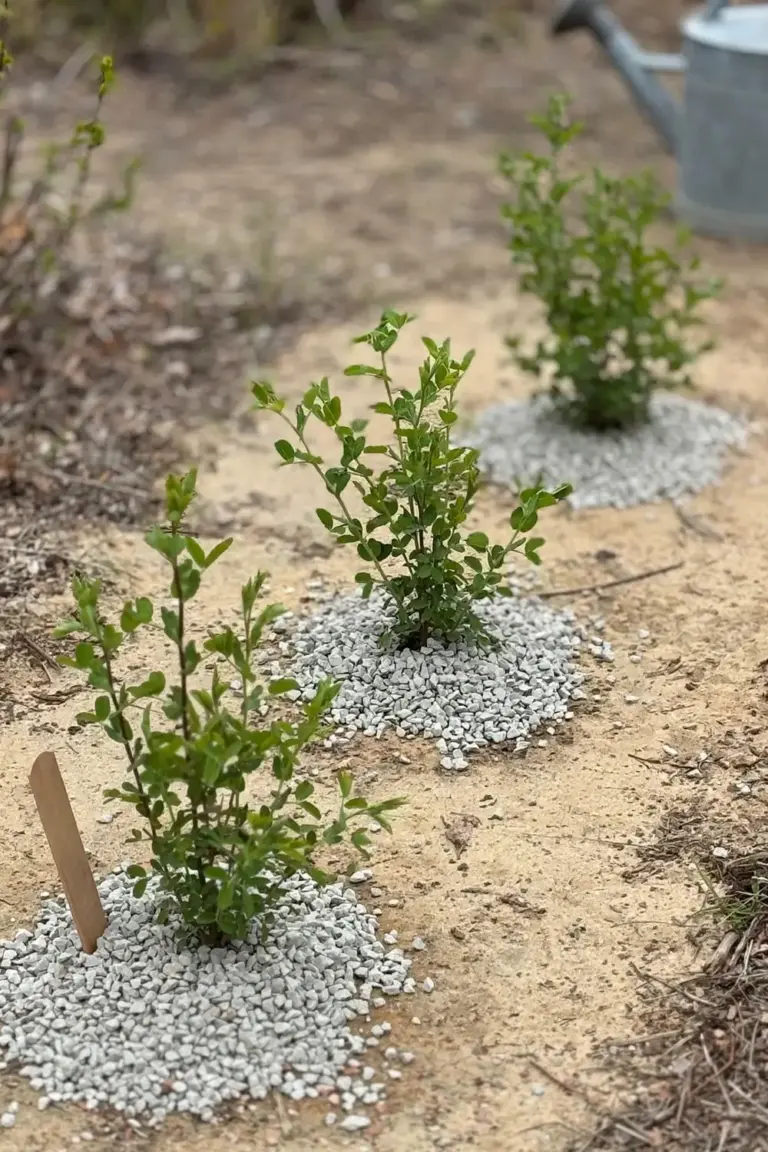
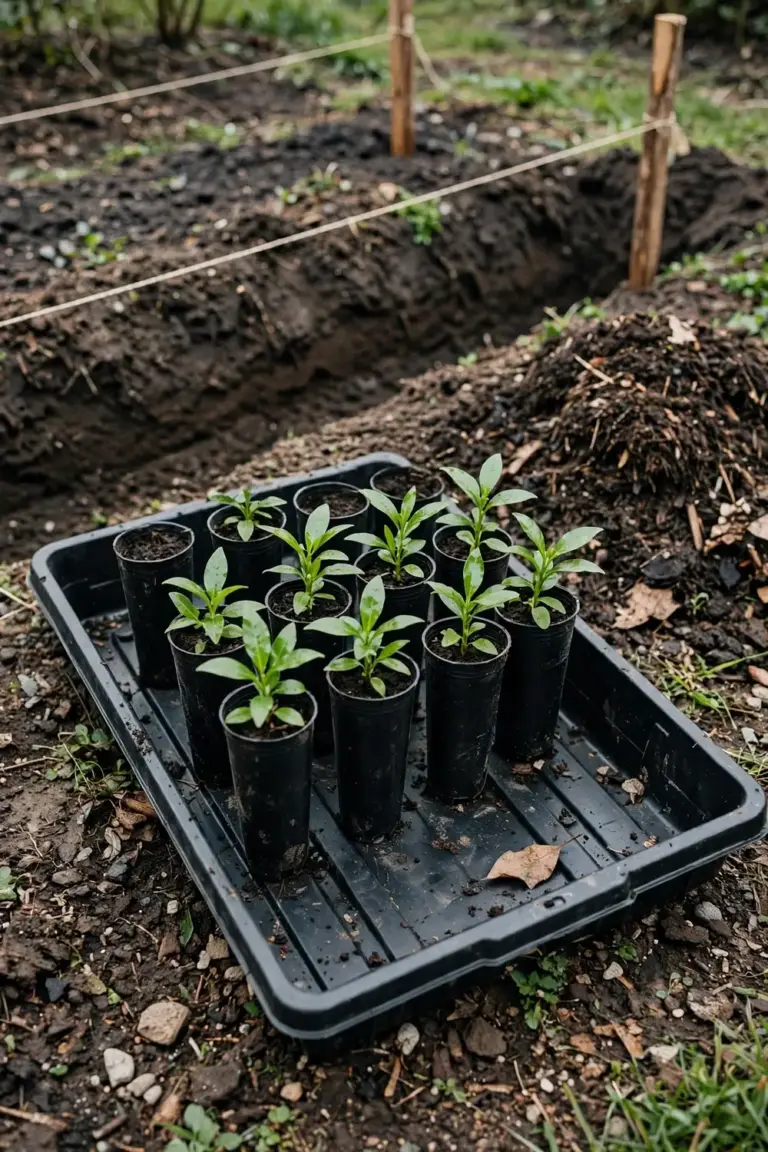
Dig the hole twice as wide as the pot and no deeper. Set the plant at the same depth it sat in the pot. Water it in, mulch around it but not against the stem, and leave it alone. The plants on this page evolved for your soil. Give them one season and they will show it.
Plant in autumn or early spring when the soil holds moisture, since summer planting in poor soil demands daily watering the plant cannot repay. Autumn planting gives roots a cool season to settle before summer heat arrives. The fall garden bed prep guide covers the seasonal bed work that pairs with autumn planting.
Expect a quiet first year. Poor-soil picks spend their first season growing roots, not shoots. A westringia that barely grows above ground in year one is building the root system that carries it through year three. Judge the planting in its second spring, not its first summer.
Check the bed after the first heavy rain. Look for puddles that sit for a day. A puddle marks a low spot that needs a mound or a channel. Fix it in the first month, before roots settle into wet ground.