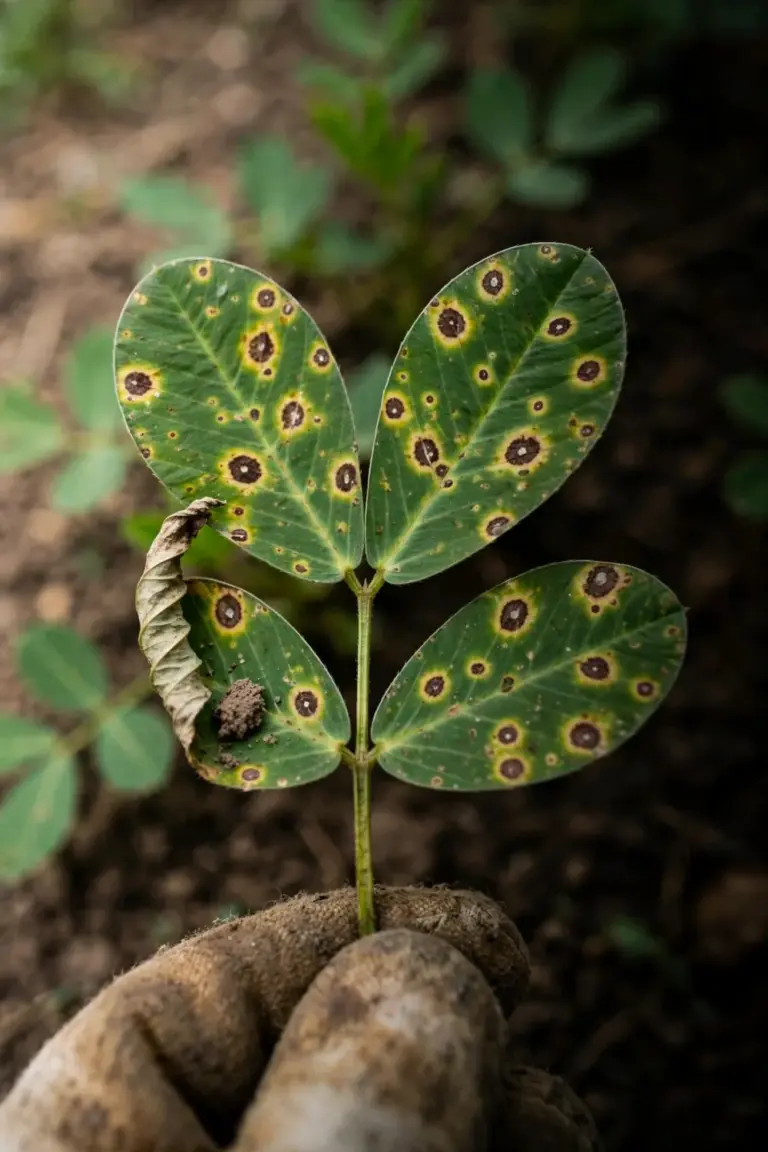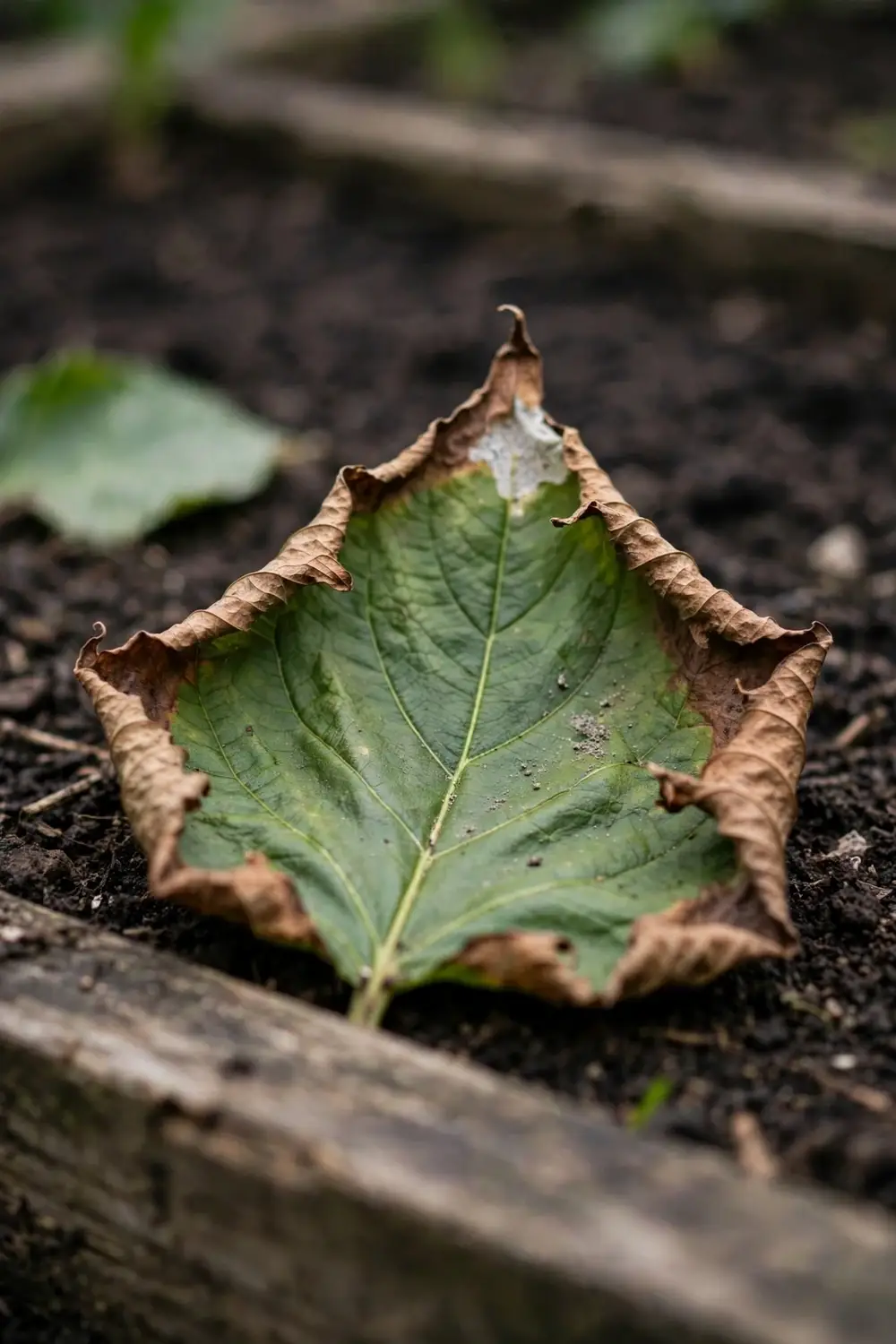

Check 6 signs before you touch a pair of shears. That is leaf burn on plants: scorched leaf tissue, not a disease. The brown edge will not turn green again. The plant can still recover if you fix the cause behind it. The rest of this page runs 7 steps, from diagnosis to the fix order.
Leaf burn is scorched leaf tissue. It is not a disease. Sunscald is sun damage to leaves. Fertilizer burn is salt damage to leaves. Wind burn is drying damage to leaves. Frost burn is cold damage to leaves. Each one leaves a different mark, and each one needs a different fix. Water fixes only the water causes. Shade fixes only the sun cause. Flushing fixes only the salt cause.
Start with the pattern. Burn on one side of the plant points at sun, wind, or reflected heat from a wall, while burn on every leaf at once points at roots, salt, or a spray. Burn that follows a heat wave points at water stress. Burn that follows a feed points at fertilizer. Burn that follows a spray points at the spray. The pattern names the cause before you spend a dollar.
1. Diagnose the Leaf Burn Before You Treat It
Diagnosis comes first. Treatment follows the cause.
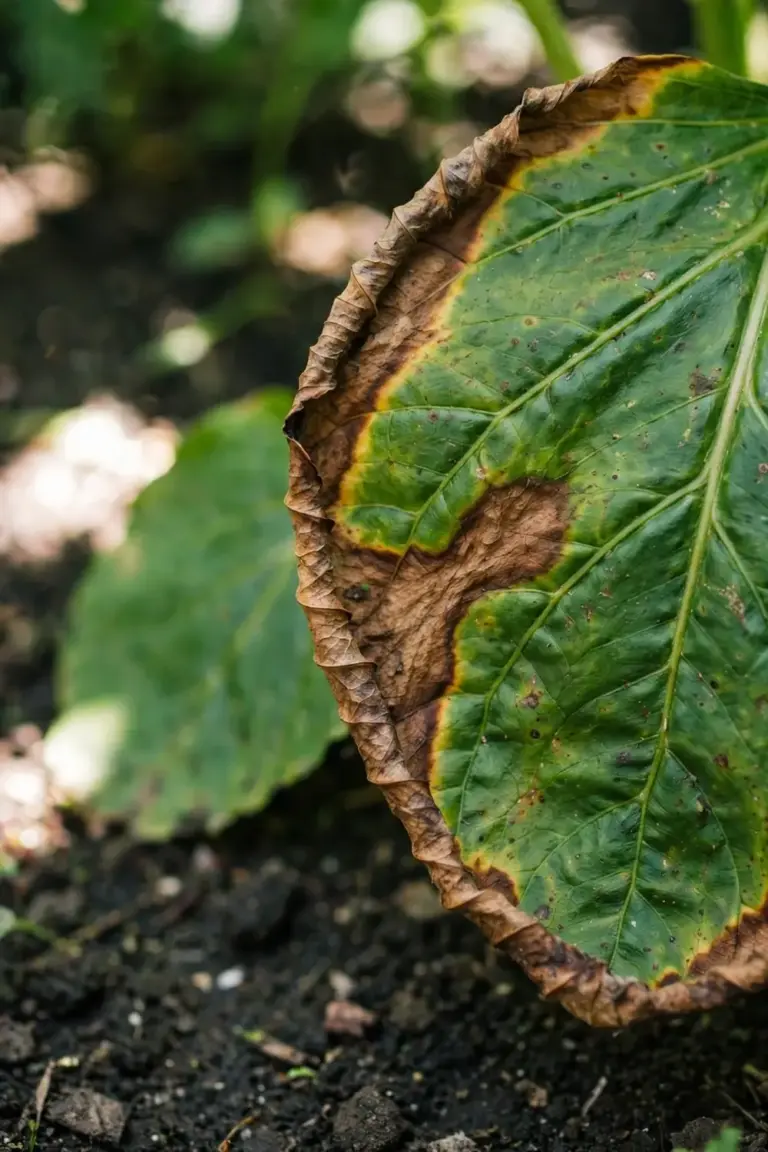
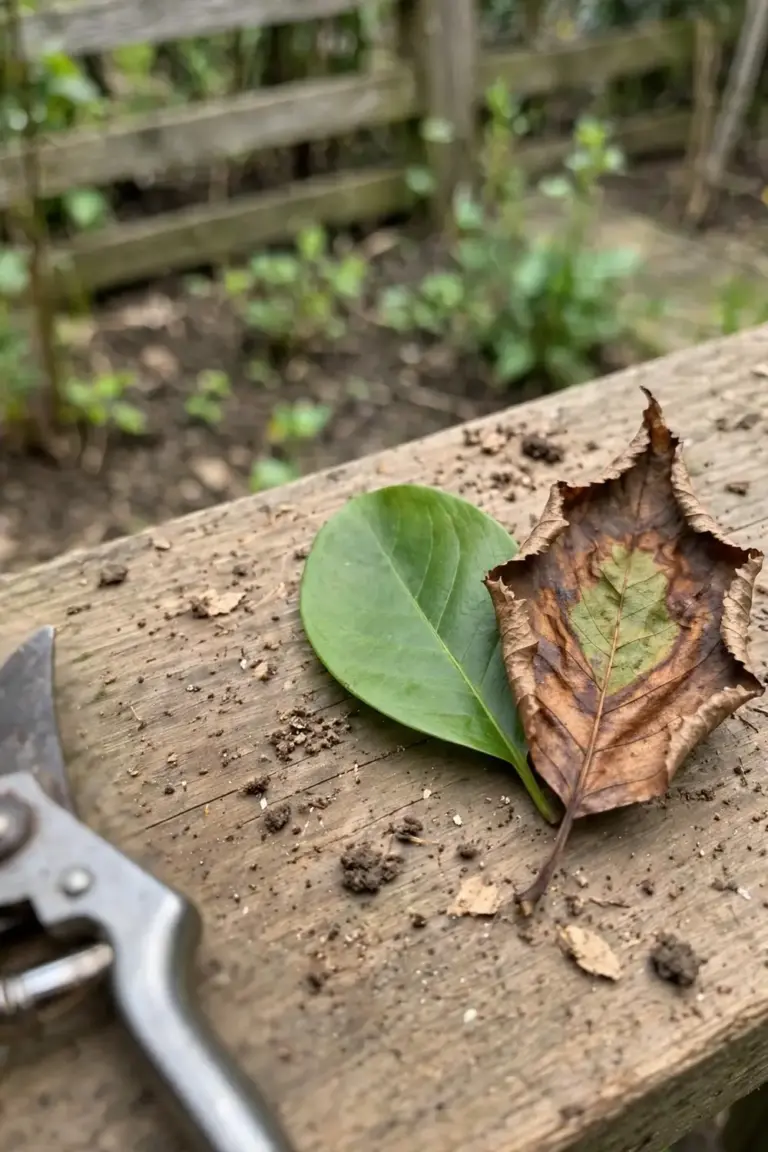
Leaf burn starts at the leaf parts farthest from the main veins. Veins carry nearly all the water that reaches a leaf. Margins and interveinal areas get water last. Those areas dry first. That is why leaf burn shows as brown edges, brown tips, or brown patches between veins. Colorado State University Extension describes the same mechanism: when a plant cannot take up enough water, the leaf tissue farthest from the major veins dehydrates first, so margins scorch first.
Read the leaf before you act. Brown margins with green tissue near the veins point at water stress or salt. Bleached white or pale tan patches on the sun-facing side point at sunscald. Brown spots where a spray landed point at spray burn. Burn on one side of the plant points at sun, wind, or reflected heat. Burn on the whole plant at once points at roots, salt, or a spray. New growth tells you the plant still has a working root system. No new growth tells you to check the roots and the soil. Push a finger 5 cm into the soil. Dry soil at that depth means the roots are dry. Wet soil at that depth with scorched leaves means the roots cannot take up the water that is already there, and the cause sits in the roots or the salt load, not in the watering can.
| Cause | Sign | Fix |
|---|---|---|
| Sunscald | Bleached white or pale tan patches on the sun-facing side | Shade the plant and water deeply |
| Fertilizer burn | Brown leaf edges after feeding, worst in hot dry weather | Flush with deep water and hold fertilizer |
| Water stress | Brown margins and tips, worst after heat and wind | Water deeply and mulch the root zone |
| Wind burn | Brown edges on the windward side, worst in cold wind | Screen the windward side with burlap |
| Frost burn | Brown tissue after a cold snap, worst on tender growth | Wait for new growth before pruning |
| Spray burn | Spots or scorch where a spray landed | Rinse the plant and stop spraying in heat |
Rule out a living cause before you blame the weather. Bacterial leaf scorch is a real disease that clogs the water-carrying tissue of trees and shrubs. It looks like drought scorch. Colorado State University Extension notes that some trees carry bacterial infections that cause marginal leaf scorch even in good growing conditions, and that no cure exists for bacterial leaf scorch. If the scorch keeps spreading in good weather, if one branch declines year after year, or if yellow bands border the brown areas, get a diagnosis from a local extension clinic. A general leaf burn guide cannot settle a bacterial case. The bacterial leaf scorch guide covers that disease in full.
2. Treat Sunscald With Shade, Not Water
Sunscald needs shade. Water alone will not fix it.
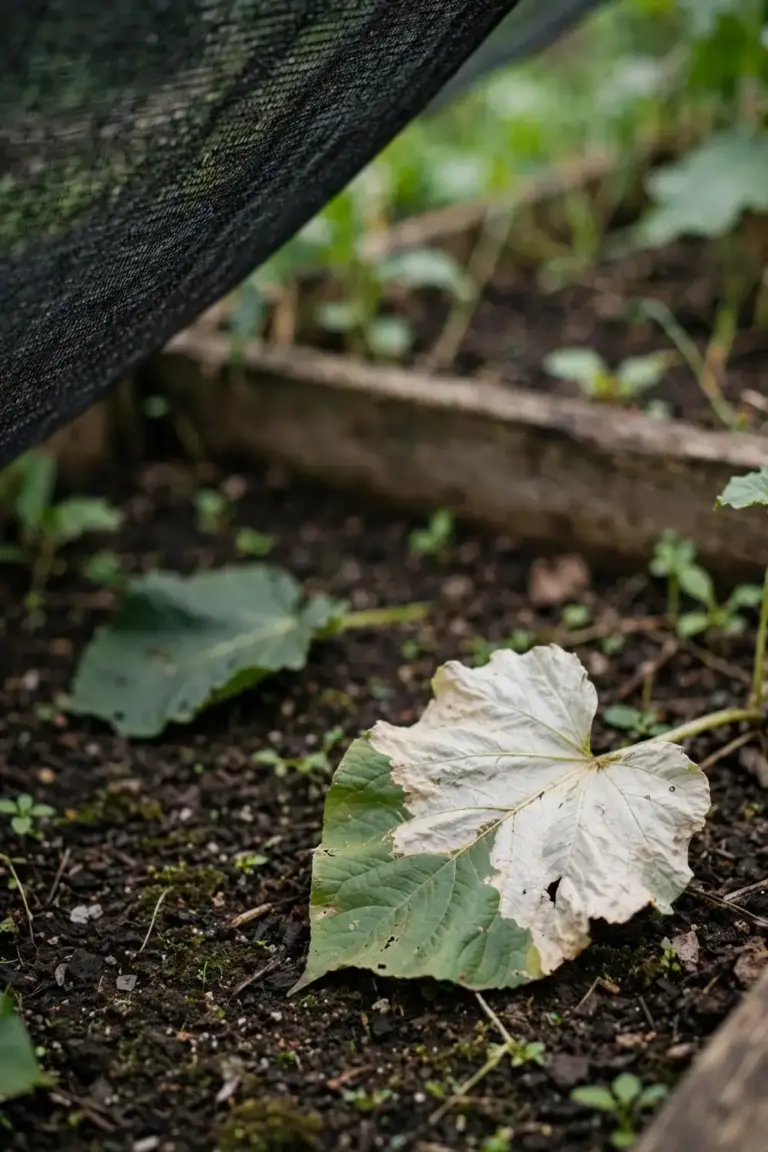
Sunscald is sun damage to leaves. Washington State University describes it plainly: sunscald is caused by environmental conditions, and foliage may become bleached, chlorotic, or necrotic. Newly planted trees and branches exposed by heavy pruning sit at the highest risk. Damage usually lands on the south-facing portions of the plant. A leaf that faced the sun all afternoon bleaches white or pale tan. The bleached patch stays dry. It does not turn green again.
Reflected heat makes sunscald worse. Colorado State University Extension notes that plants on the south or west sides of buildings or fences can show the effects of reflected, concentrated heat. A west-facing wall bounces heat back onto leaves that already face full sun. Black plastic mulch can heat the soil past a plant’s tolerance and shut down growth processes, which leads to leaf scorch. Move a potted plant away from a hot wall. Pull black plastic away from the root zone of a scorched plant.
Shade the plant the same day you spot sunscald. Washington State University lists the fixes: choose the right plant for the location, irrigate properly during hot weather, give partial shade with other plantings or move the plant to a less sunny location, and avoid planting next to south or southwest-facing walls. A shade cloth over the plant cuts the direct sun without cutting airflow. A potted plant moves into filtered light. A bed plant gets a temporary screen. Keep the shade up until new growth hardens. A shade solution for the garden shows how to place shade cloth and screens without cooking the plant underneath.
Water deeply while the shade goes up. Proper irrigation during hot weather raises a plant’s resistance to sunscald, according to Washington State University. Water the soil, not the leaves. Deep water reaches the roots. A shallow sprinkle wets the surface and evaporates. Keep the soil moist through the heat wave. Do not flood it. Soggy soil starves roots of oxygen and causes its own scorch.
Check for reflected heat before you blame the sun alone. A pale wall, a window, a metal fence, or a parked car can bounce extra heat onto leaves that already face full sun. Walk the bed at midday and feel the heat coming off the wall beside a scorched plant. If the wall radiates heat you can feel on your face, move the plant or shade the wall side first. Reflected heat burns the leaves that face the reflector, so the burn pattern matches the reflector’s position. A plant that burns on the wall side while the open side stays green tells you the wall is part of the cause.
3. Flush Fertilizer Burn Before You Feed Again
Fertilizer burn needs flushing. More fertilizer will not fix it.
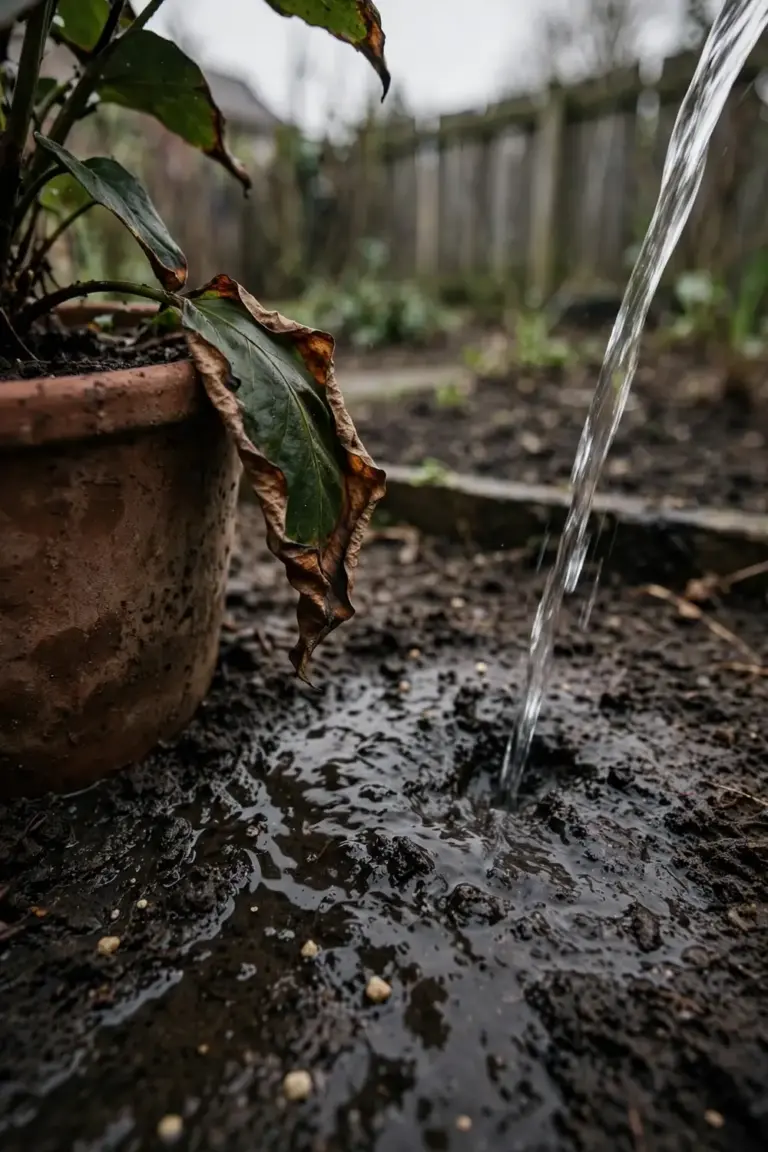
Fertilizer burn is salt damage to leaves. Fertilizers are salts. Soluble salts from fertilizers can pull moisture out of root tissues and cause wilting, marginal yellowing, and stunting, according to the University of Maryland Extension. The damage shows as browning of leaf edges or leaf scorch. It can also come from direct foliar contact with granular or liquid fertilizer. Soil type, irrigation practices, salt levels, and the sensitivity of each plant set how much damage appears.
Heat makes fertilizer burn worse. The University of Maryland Extension states that damage from excess fertilizer is more severe in hot dry weather. Fertilizer salts grow more concentrated in the soil under droughty conditions. That concentration can injure roots directly, and the injury shows up as leaf scorch. Soluble salts can also follow water movement through the plant and gather in the leaves, where moisture leaves fast on hot dry days through transpiration or evaporation. Cool cloudy weather with adequate soil moisture lets many plants tolerate high salt levels. Summer heat does not.
Flush the soil with deep water. Run water slowly through the root zone until it drains freely from the bottom of the pot or soaks deep into the bed. Flushing carries dissolved salts below the root zone. Do it once, then wait. Check the soil with a finger before watering again. Hold all fertilizer until the plant shows clear new growth. A stressed root system cannot use a fresh feed. A fresh feed adds more salt to roots that already carry too much.
Prevent the next burn with four habits. The University of Maryland Extension lists them: select slow-release organic fertilizers, or work 2.5 to 5.1 cm of compost into the soil each year; sweep granular fertilizer off foliage; use soluble foliar fertilizers according to label directions; and if using granular fertilizers, apply water immediately afterward. Colorado State University Extension adds one more warning: fertilizer spikes deliver concentrated salts at specific sites, and those spikes can burn roots and contribute to leaf scorch. Skip spikes near a plant that already burned. Measure every dose. A second dose never fixes a first overdose.
Spray burn rides with fertilizer burn. Pesticide burn, or phytotoxicity, comes from misuse or misapplication of chemicals on plants, according to the University of Maryland Extension. Symptoms include leaf spots, blotches, scorch, or tip burn. Even insecticidal soaps and horticultural oils can burn injured or sensitive plants, especially when the weather is hot, humid, and overcast. Most pesticides work best below 29.4 degrees Celsius. Spray in calm, dry, cool conditions. Never spray a stressed plant. Rinse a sprayed plant with clean water if burn appears within a day.
4. Fix Water Stress at the Roots, Not the Leaves
Water stress needs water at the roots. Wet leaves will not fix it.
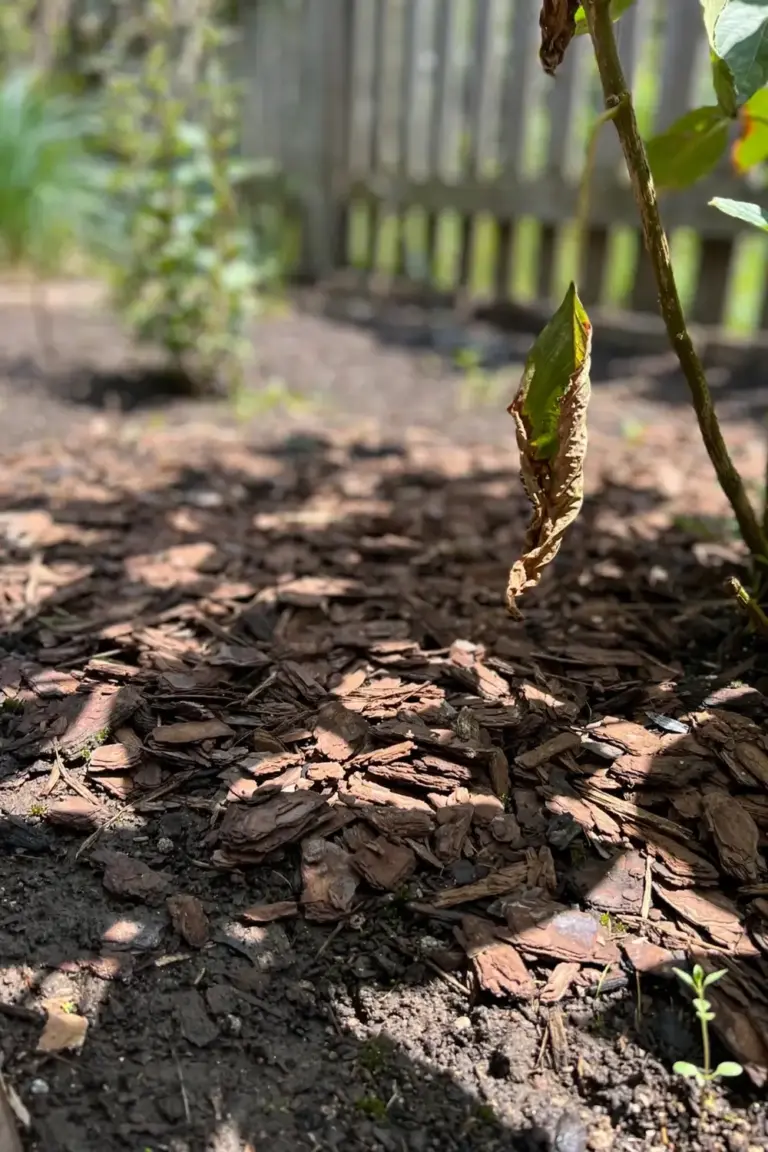
Water stress shows when a leaf loses water faster than the roots can replace it. The University of Missouri Extension states the mechanism plainly: when water is lost from leaves faster than it can be replaced, the resulting condition appears as leaf scorch, and hot drying winds, temperatures above 32.2 degrees Celsius, windy and hot weather after a long wet cloudy spell, drought, and low humidity all drive that loss past what roots can supply. Veins supply nearly all the water that reaches leaves, and leaf margins and interveinal areas cannot get water as rapidly as areas next to the main veins. Margins dry up while tissue next to the veins stays alive.
Roots set the limit. Colorado State University Extension lists the common root failures: roots restricted by pavement, root loss from tilling or construction, drought stress, root loss from dehydration during a dry winter and spring, overirrigation or over-application of fertilizer, and trunk or branch injury severe enough to block water movement. Soggy soil causes its own version. In waterlogged soil with limited oxygen, trees cannot grow new water-absorbing roots, so soggy soil prohibits root development and scorch follows. Too little water and too much water both end at the same brown edge.
Water deeply and as infrequently as possible. Colorado State University Extension gives that rule for the growing season. Deep water reaches the full root zone. Infrequent water lets the soil dry somewhat between waterings, and roots need oxygen. Roots of mature trees typically extend outward at least as far as the tree is tall, and that whole area needs water. A shallow sprinkle wets the top few centimeters and trains roots to stay shallow. Shallow roots scorch first in a heat wave.
Mulch the root zone after a deep watering. The University of Missouri Extension advises conserving soil moisture by mulching trees and shrubs with rotted leaves, bark, or other material. Water thoroughly first, because mulch absorbs water from the surface. A light watering wets the mulch and never reaches the soil. Mulching keeps the soil cool and moist through a heat wave. Keep mulch away from the trunk and the crown, because mulch piled against bark holds moisture against tissue that should stay dry.
Feed the soil, not the scorched leaf. Building soil health grows the root system that carries water to every leaf. A deep root system in loose, organic soil outlasts a shallow root system in compacted soil through every heat wave. The University of Missouri Extension adds one timing rule: test the soil around scorched plants to rule out a mineral imbalance, and do not fertilize after June, because some plants then develop young soft growth that scorches easily in hot August winds. Hold the fertilizer. Fix the water first.
5. Block Wind Burn With a Screen, Not a Spray
Wind burn needs a screen. A spray will not stop wind.
Wind burn is drying damage to leaves, and hot drying winds pull moisture from leaves faster than roots can replace it, while cold winds do the same damage in winter. The University of Missouri Extension lists hot drying winds among the main conditions that lead to water loss in leaves, and it lists drying winter winds when soil water is frozen in the same group. Wind hits one side of the plant. The windward side browns first. The sheltered side stays green. That one-sided pattern is the signature of wind burn.
Frozen soil turns winter wind into a double hit. Illinois Extension describes the winter version: cold winter winds blow past evergreens and pull moisture out of the leaves faster than the plant can replace it, and if the ground is frozen the plant cannot take up enough water. The browning shows on the windward, sun-exposed side of the plant. It does not spread evenly around the plant. Broad-leaved evergreens carry the most risk because their wide leaves lose more water than needles do. Newly planted evergreens carry extra risk because their root systems are still small.
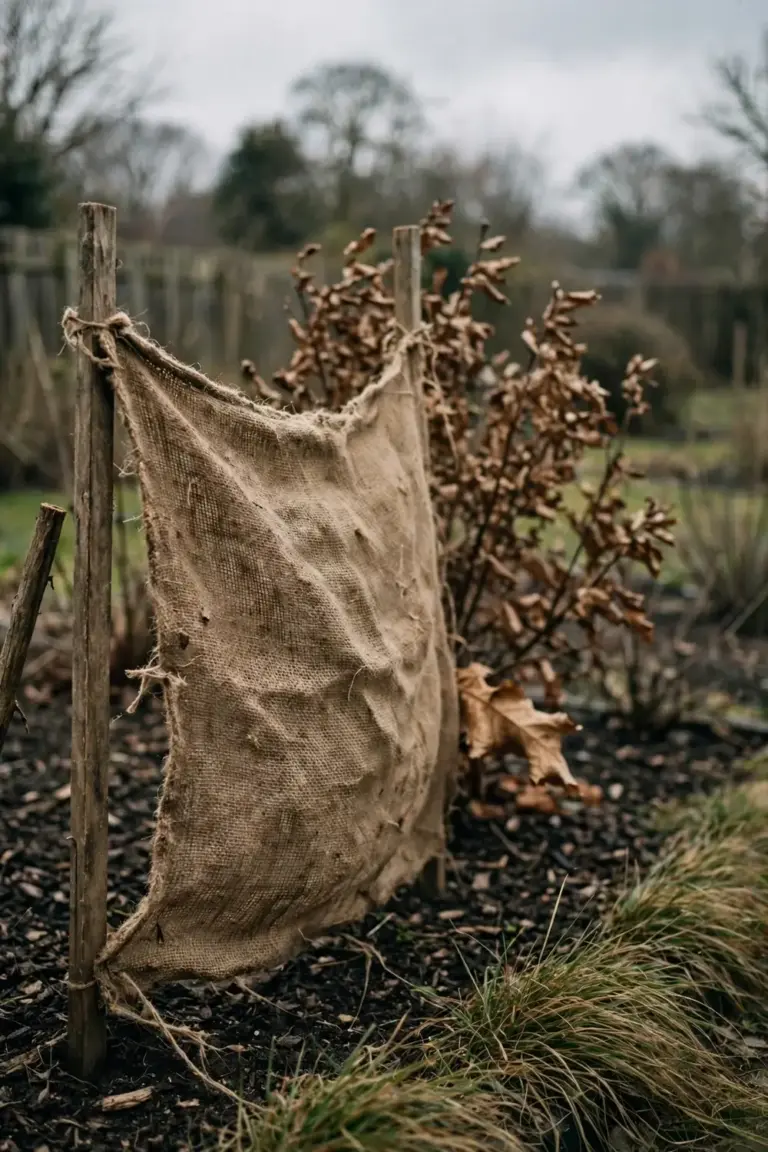
Build a screen on the windward side. The University of Missouri Extension advises using screens to protect trees or plants not suited to the climate or location, with burlap screens for wind and lath shades for sun. Drive two stakes into the ground on the windward side. Stretch burlap between them. Leave a gap between the screen and the plant so air still moves. A screen that touches the leaves traps moisture against tissue and invites mold. Take the screen down when the wind eases. A permanent screen shades the plant and weakens it.
Water before the wind arrives. A plant with moist soil loses water slower than a plant with dry soil. Water deeply the day before a forecast windy spell. Water in the morning so the water soaks in before night. In winter, water during a warm spell when the ground is not frozen. Water early in the day. Do not let water pool near the trunk where it can freeze. Mulch the root zone to hold the moisture you just applied. A screened plant with moist soil rides out a wind event. An unscreened plant with dry soil burns.
Watch the forecast the way you watch the soil. A forecast that pairs strong wind with low humidity and no rain for several days is a burn forecast, even when no frost or heat wave appears. That combination pulls moisture from leaves faster than roots can replace it, and the damage shows a day or two later. Water the day before the wind arrives, not the day after the burn appears. The day after is too late for the leaves that already dried. Prevention beats repair for every wind event.
6. Handle Frost Burn With Patience, Not Pruning
Frost burn needs patience. Pruning too early causes a second injury.
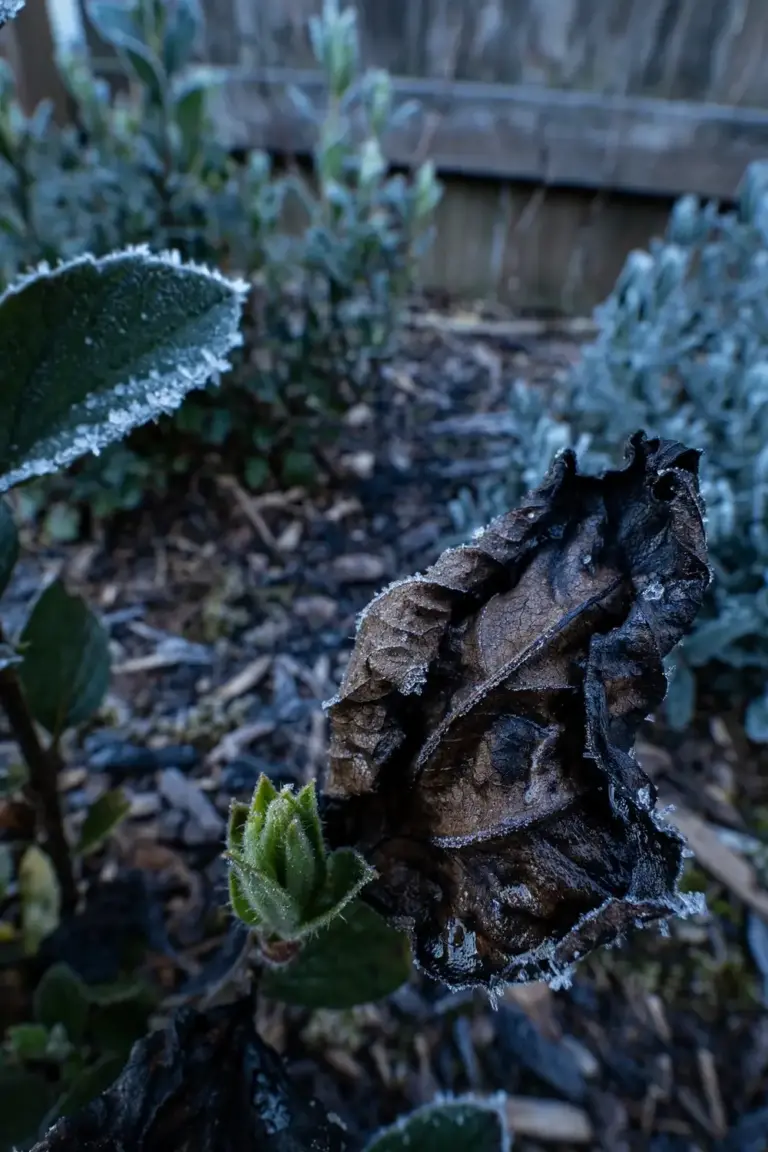
Frost burn is cold damage to leaves. A cold snap freezes the water inside leaf tissue, and the tissue dies and turns brown or black. Tender new growth burns first. Older leaves burn next. The damage often appears the morning after the cold night, and it can keep spreading for a day or two as damaged tissue dries. Frost burn looks alarming. It rarely kills an established plant outright.
Wait before you cut. Dead-looking tissue still tells you where the living tissue starts. New growth emerges from buds below the burned area. Pruning early removes buds that would have grown. Pruning early also opens fresh cuts to the next cold night. Wait until new growth shows and the weather settles, then cut back to living tissue. A scratch test tells you what is alive: green tissue under the bark means the stem lives. Brown dry tissue under the bark means the stem died.
Tell frost burn from sunscald by the timing. Frost burn follows a cold night. The damage appears the morning after, on tender growth and exposed leaves, often across the whole exposed side at once. Sunscald follows hot sun and appears on the sun-facing side over days. A plant that burns after a clear cold night with no heat wave points at frost. A plant that burns after a hot sunny week with no cold night points at sun. The fix differs: frost burn needs patience and cover, sunscald needs shade. Naming the cause right saves the plant a wrong fix.
Protect the next cold night instead of pruning this one. Move potted plants under cover or against a sheltered wall. Cover a bed plant with frost cloth, not plastic, because frost cloth breathes and holds a little warmth while plastic traps moisture against leaves and freezes it there. Water the soil before the cold night if the ground is dry. Moist soil holds more heat than dry soil. Remove the cover in the morning so the plant gets light and air. A plant that survives one cold night with cover grows stronger than a plant pruned hard after every cold night.
7. Run the Fix Order: Diagnose, Then Act
Fix the cause first. Cosmetics come last.
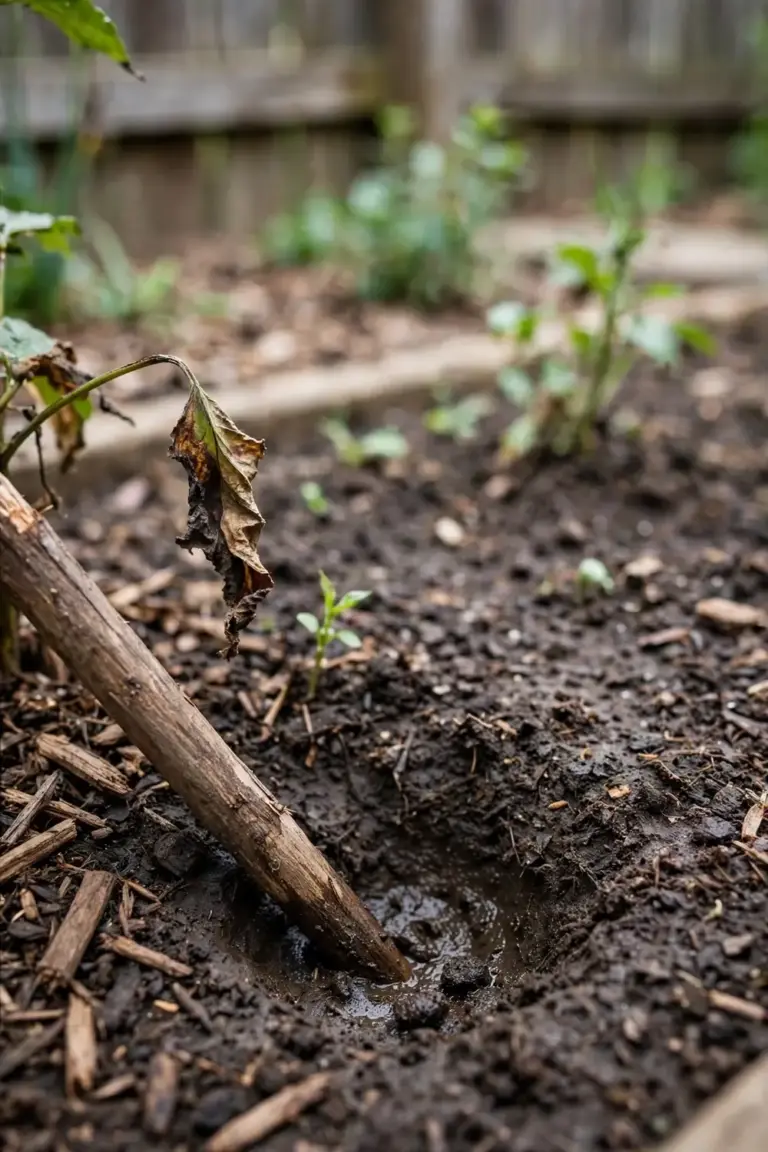
Step 1: name the cause from the table in the first section. Sunscald, fertilizer burn, water stress, wind burn, frost burn, or spray burn. One cause, not three. A plant can carry two causes at once, but treat the worst one first.
Step 2: remove the cause. Shade the sunscald, flush the fertilizer, water the dry soil, screen the wind, cover the frost, and stop the spray. Each cause has one direct fix. A fix that does not match the cause wastes a week.
Step 3: water deeply once. Deep water reaches the root zone. Shallow water wets the surface. Water in the morning. Let the soil dry somewhat before the next watering. Roots need oxygen between waterings.
Step 4: wait for new growth. Burned tissue will not turn green again. Colorado State University Extension states that plainly: once leaf scorch has occurred, there is no cure, and the dehydrated portions of the leaf will not turn green again. New growth is the sign of recovery. No new growth after several weeks means the roots need a closer look.
Step 5: remove dead leaves only after new growth appears. A partly green leaf still feeds the plant. The University of Missouri Extension notes that leaf scorch itself does not kill a tree but can weaken it, so the plant needs every working leaf it still has. Cut a fully brown leaf at the stem. Leave a leaf that still carries green, because the plant drops the rest on its own schedule.
One myth wastes more water than any other. Water drops on leaves do not burn them like a magnifying glass. Science reporting and Gardening Know How both note that the droplet-lens idea carries little evidence behind it. Midday watering wastes water to evaporation, and wet leaves in still air invite mold, but drops do not focus the sun into burn spots. Water in the morning for efficiency, not from fear of lensing. Do not let a myth set your watering schedule.
Frequently Asked Questions
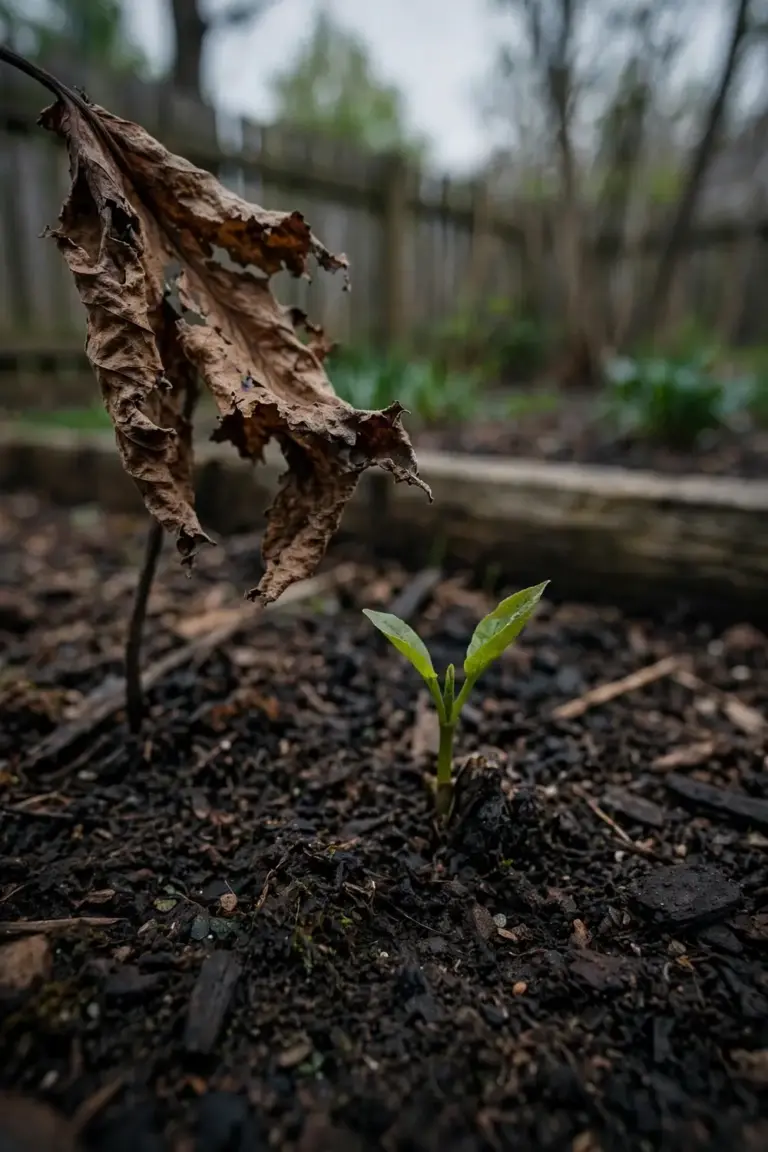
No. Burned leaf tissue is dead tissue. Colorado State University Extension states that once leaf scorch has occurred, there is no cure, and the dehydrated portions of the leaf will not turn green again. New growth replaces the burned leaves. Fix the cause so the new growth stays green. A plant with healthy new growth recovers even when the old leaves stay brown.
Leave any leaf that still carries green. A partly green leaf still photosynthesizes and feeds the plant. Cut a fully brown leaf at the stem with clean shears. Wait for new growth before removing anything else. The plant drops dead leaves on its own schedule. Stripping every scorched leaf at once starves a plant that needs every working leaf it still has.
No. Water drops on leaves do not act as magnifying lenses with meaningful effect. Science reporting and Gardening Know How both note that the droplet-lens idea carries little evidence behind it. Midday watering wastes water to evaporation, and wet leaves in still air invite mold. Water the soil in the morning. The timing saves water and keeps leaves dry overnight.
Yes, when the salt load damages enough roots. Fertilizer salts pull moisture out of root tissues and cause wilting, marginal yellowing, and stunting. Flush the soil with deep water at the first sign of burn. Hold all fertilizer until the plant shows clear new growth. A plant with healthy roots recovers. A plant with dead roots does not, so act on the first brown edge rather than the tenth.
Leaf burn follows an exposure pattern. Sun, wind, and reflected heat burn one side. Salt and spray burn the whole plant at once. Disease spreads from leaf to leaf over days and weeks, often with spots, halos, or a yellow band. Bacterial leaf scorch mimics drought scorch closely. If the scorch keeps spreading in good weather, get a diagnosis from a local extension clinic before treating.
Start With One Leaf This Weekend
Walk out with a finger and a pair of shears. Check the soil moisture. Read the pattern on one leaf. Name the cause from the table. Apply the one fix that matches. I have learned that the scorched leaf I leave alone feeds the new growth behind it, while the one I strip early leaves the plant bare. Leave the green. Cut the dead. Water the roots. Give the plant a week, and the plant does the rest.