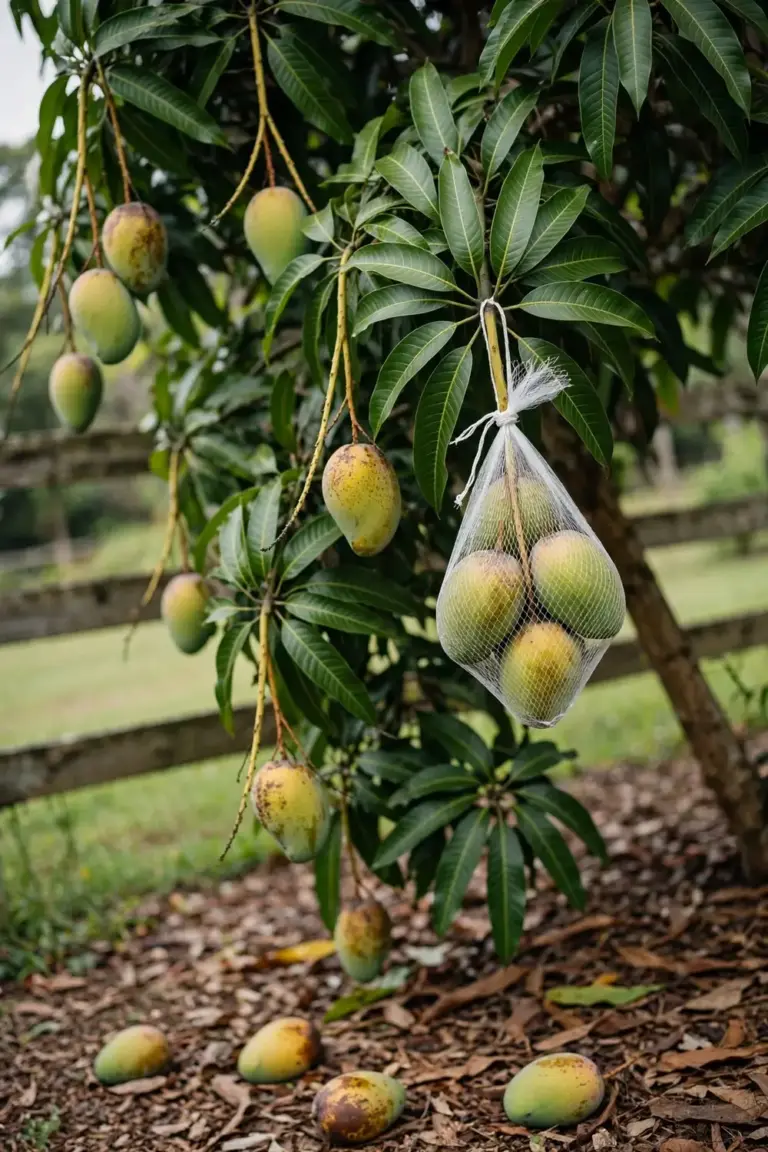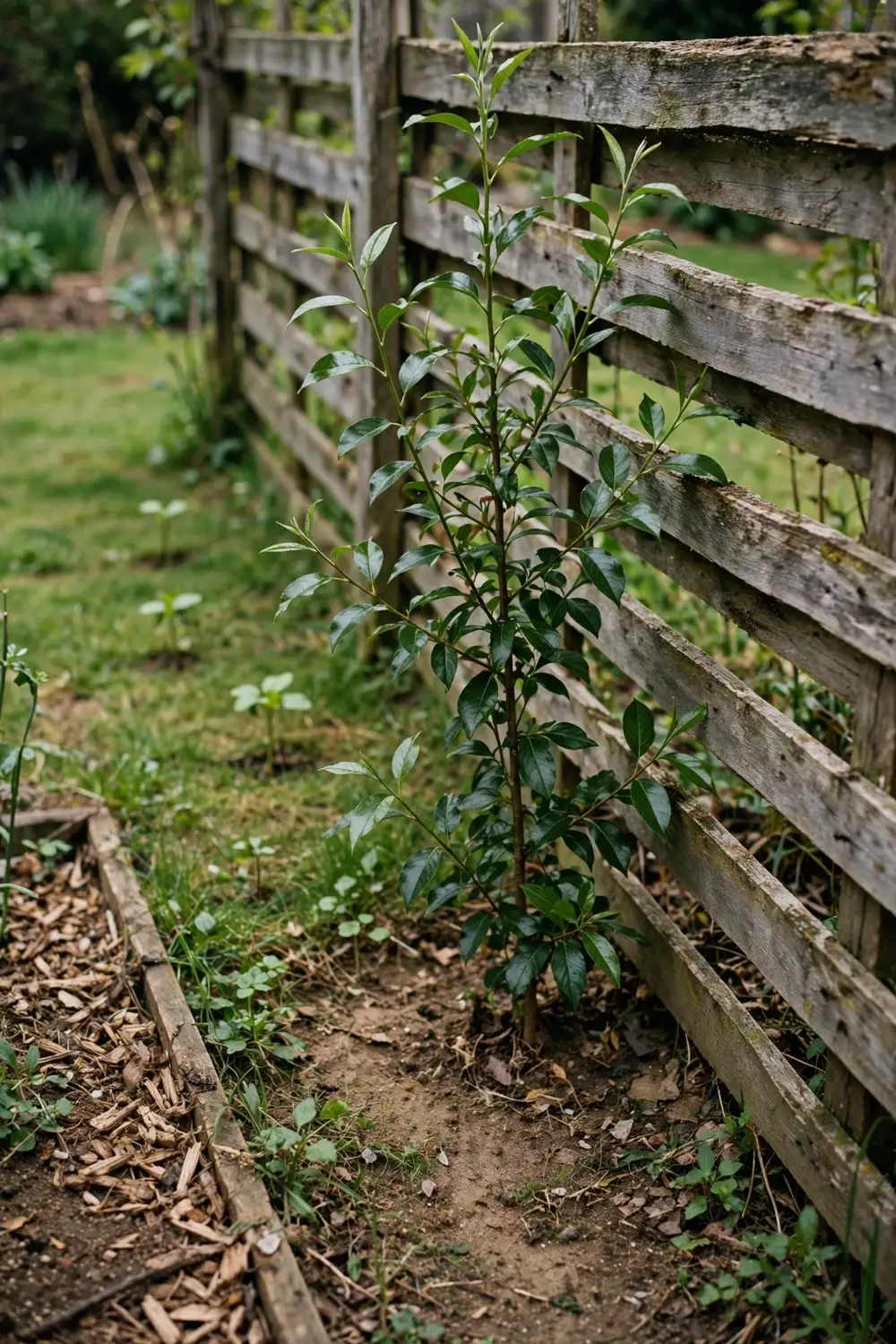

A tree weed in Australia earns the label by spreading beyond where it was planted. Check 3 signs: seedlings beyond the canopy, suckers from roots or stump, and seed carried by birds or water. If 2 of the 3 show, treat it as a weed tree, then match removal to its size.
I have learned that the seedling I pull after rain comes out whole, while the one I tug from dry soil snaps and regrows.
The rest of this page runs 6 moves, from the 3-sign test to the native replacement. It names 10 weed trees, gives ID cues per group, and sets removal by size: hand-pull, cut-stump, or arborist.
1. Run the 3-Sign Test Before You Touch the Tree
Run the test before you cut anything. A tree weed is a tree species that spreads beyond where it was planted and harms local ecosystems. A woody weed is a weed with woody stems. Both terms cover the same garden problem: a tree that plants itself where you did not plant it.
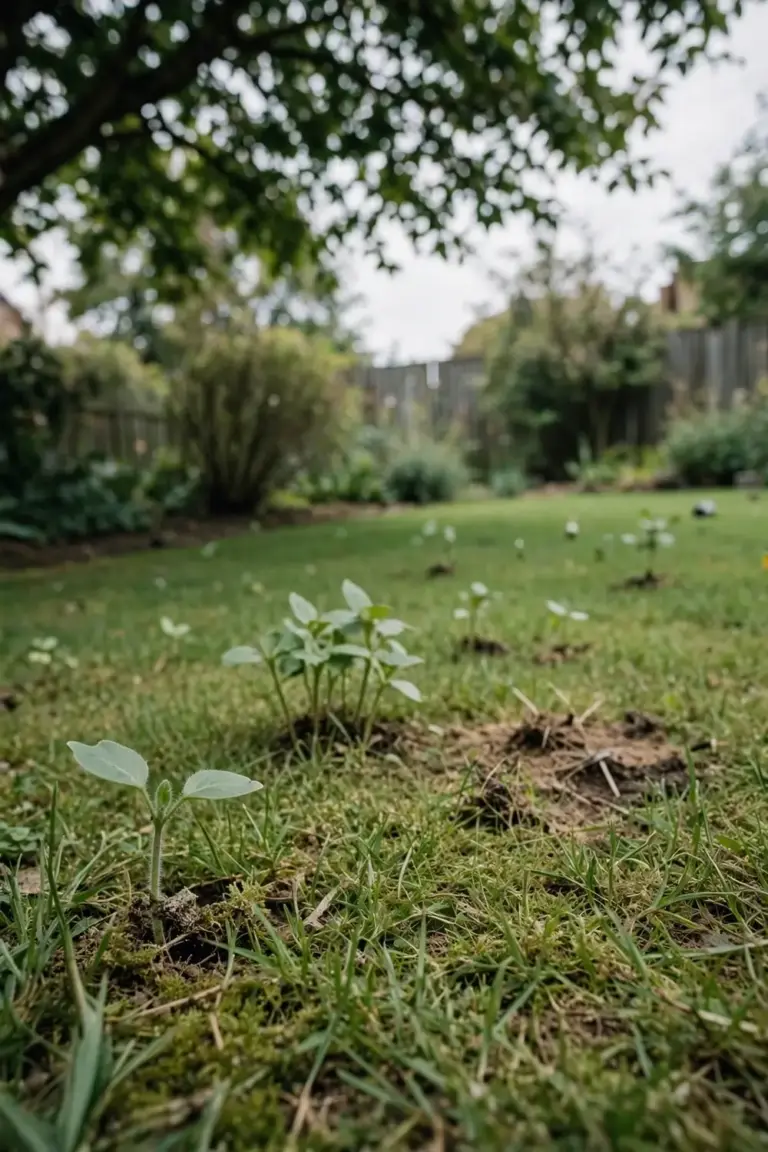
Sign 1 is seedlings beyond the canopy. Walk 10 paces out from the trunk and look for seedlings of the same species. A planted tree that drops seed only under its own crown is a garden tree. A tree with seedlings in the lawn, the neighbor’s yard, and the creek line is a weed tree. Birds carry privet berries and olive fruit far from the parent. Wind carries radiata pine seed and desert ash seed. Water carries willow fragments downstream.
Sign 2 is suckers from roots or stump. Push aside mulch at the base and look for shoots rising from the roots. Tree of heaven suckers with force from roots and stumps. Black locust suckers after mowing, digging, or fire damage. Coral tree regrows from root fragments left in the soil. A tree that answers every cut with a dozen new shoots needs a whole-root kill, not another cut.
Sign 3 is seed carried by birds or water. Look for fruit on the tree in season. Privet berries draw birds. Olive fruit draws birds and foxes. Camphor laurel fruit draws birds. A fruiting weed tree plants a new generation every season it stands. Treat fruiting trees first, before they fruit again.
A native tree can fail this test too. Sweet pittosporum is native to parts of eastern Australia and a weed outside its range. Cootamundra wattle is native to a small area of southern New South Wales and a weed across much of the southeast. Native status in one postcode does not clear a tree in another. Check the local list, not the label on the nursery tag.
A self-sown native inside its range is not a tree weed. A seedling eucalypt under its parent, a wattle in a garden that sits inside its natural range, and a fruit tree seedling in a vegetable bed are all plants in the wrong spot, not weed trees. The test above separates them: the eucalypt drops seed under its crown and stays put, the wattle belongs to the district, and the fruit seedling pulls out in seconds with no suckers behind it. Context decides the label. A plant that spreads and harms local ecosystems earns the weed tag. A plant that sits where it belongs, even when it self-sows, does not.
Check declared status before you remove anything. Declared-weed status varies by state, and local councils run their own priority lists. In New South Wales, every plant carries a General Biosecurity Duty to prevent, eliminate, or minimise any biosecurity risk it poses. That duty covers garden trees that spread. Call the council weeds officer when the tree sits near a waterway, on a boundary, or above 4 metres. Permits apply to waterway trees in some areas, and a large tree near a fence is an arborist job, not a weekend job.
2. Name the 10 Weed Trees Australian Gardens Meet Most
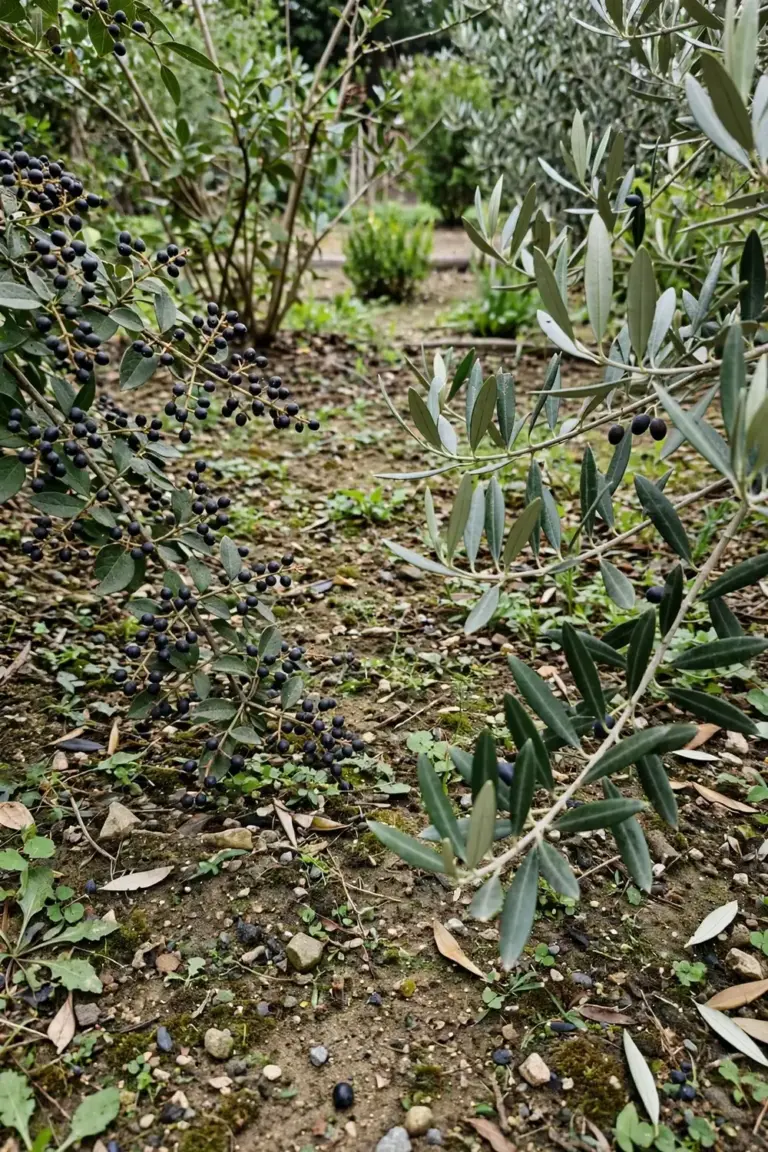
Ten trees cause most garden tree-weed work. Learn these 10 first. The table below gives the spread path for each one. The next section gives the ID cues.
| Tree | Where It Spreads | Why It Is a Weed |
|---|---|---|
| Camphor laurel | Gardens, roadsides, rainforest edges, creek lines | Bird-spread seed, dense shade, long-lived |
| Broad-leaf privet | Gardens, bushland, creek lines, rainforest margins | Bird-spread berries, suckers, dense stands |
| Small-leaf privet | Gardens, bushland, creek lines | Bird-spread berries, suckers, dense stands |
| Willows | Creek lines, riverbanks, dams, drains | Fragments root, seed spreads on water, blocks flow |
| African olive | Dry woodland, roadsides, coastal headlands | Bird- and fox-spread seed, dense thickets |
| Feral olive | Gardens, roadsides, bushland edges | Bird-spread fruit, resprouts from base |
| Tree of heaven | Gardens, roadsides, disturbed ground | Root suckers, heavy seed, regrows after cutting |
| Coral tree | Coastal gardens, creek lines, roadsides | Spreads from cuttings and root fragments |
| Cootamundra wattle | Gardens, roadsides, bushland outside its range | Heavy seed, fast growth, outcompetes local wattles |
| Sweet pittosporum | Gardens, bushland outside its range | Bird-spread seed, dense shade, outcompetes locals |
| Radiata pine | Plantations edges, roadsides, bushland | Wind-spread seed, self-sown wildings |
| Desert ash | Gardens, roadsides, creek lines | Winged seed, fast growth, dense stands |
The list runs to 12 rows because privet and olive each carry 2 weed forms. Broad-leaf privet and small-leaf privet behave the same in a garden. African olive and feral olive behave the same in a garden. Learn the pair once, then treat the pair once.
Camphor laurel leads the list in the subtropics. It grows fast, fruits heavily, and birds spread its seed into rainforest edges and creek lines. Mature trees grow large, so removal cost rises with every season you wait. Treat seedlings and saplings early, while hand tools still work.
Privet leads the list in temperate gardens. Both privet species were planted as hedges across Australia, and both escaped into bushland and creek lines. Dense privet stands shut out other plants. The berries feed birds, and the birds plant the next stand. A hedge that fruits is a seed source for the whole street.
Willows lead the list along water. Most willows are declared weeds. Weeping willow, pussy willow, and sterile pussy willow carry exemptions in some states, so check the local list before you act. Willow fragments root where they land. A branch dropped in a creek becomes a new tree downstream. Never chip untreated willow, and never dump willow cuttings near water.
3. Identify Each Weed Tree by Leaf, Seed, and Sucker
Identify by leaf first, seed second, sucker third, since leaves stay on the tree in season, seed confirms the species, and suckers warn you about the removal method. Work the 3 cues in that order.
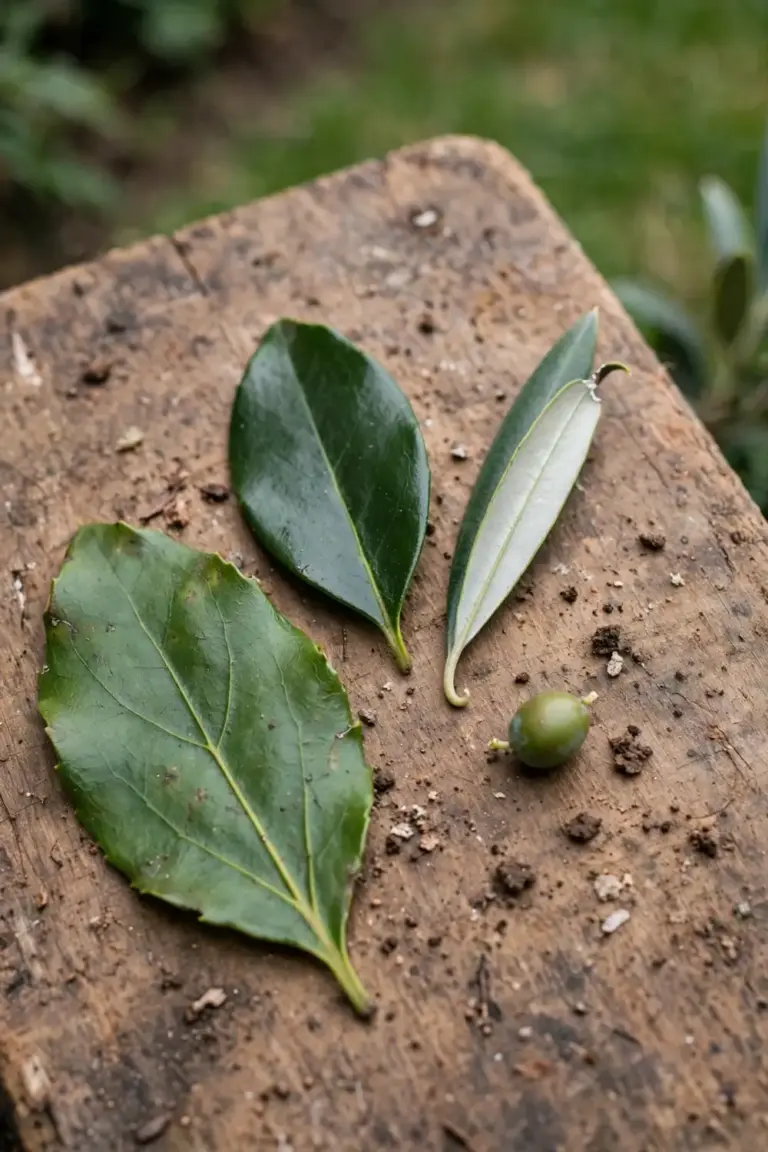
Leaf group: privet, camphor laurel, African olive, sweet pittosporum. Broad-leaf privet carries opposite, oval, glossy leaves with a pointed tip. Small-leaf privet carries smaller, duller leaves on the same opposite pattern. Camphor laurel carries leaves with 3 main veins from the base, and a crushed leaf smells of camphor. African olive carries narrow leaves, dark green above and silver gray below, with a hooked tip. Sweet pittosporum carries wavy-edged leaves and clusters of orange berries that split to show red seed.
Lookalike trap: African olive resembles the native olive, Notelaea longifolia. The native olive carries broader leaves without the silver underside and hooked tip. Check the underside of the leaf and the tip before you cut. Cutting the native by mistake costs a good tree. When the ID is uncertain, photograph leaf, fruit, and bark, then ask the council weeds officer.
Sucker group: tree of heaven, coral tree, black locust. Tree of heaven carries large compound leaves, 20 to 35 cm long, with a rancid peanut butter smell when a twig breaks. It suckers from roots with force, and every stem needs treatment. Coral tree carries 3 large triangular leaflets, rose-like thorns on light brown bark, and red winter flowers. Its seed is infertile, yet it spreads through cuttings, roots, and plant fragments that fall from the tree. Black locust carries compound leaves, paired spines at the leaf base, and white spring flowers. It suckers from roots and stumps, and mowing or digging damage triggers a flush of suckers.
Seed group: Cootamundra wattle, radiata pine, desert ash, willows. Cootamundra wattle carries silver gray fern-like foliage and round yellow flower balls. It resembles Sydney golden wattle, which carries greener foliage and a different seed pod. Radiata pine carries long needles in bundles of 3 and large cones that drop seed after fire or heat. Desert ash carries compound leaves and winged seed that spins away on the wind. Willows carry narrow leaves and catkins, and they spread by seed and by fragments.
Bark gives a fourth cue when leaves and seed are gone. Camphor laurel bark turns rough and fissured with age, and a scratch releases the camphor smell. Privet bark stays smooth and gray, with pale raised dots along young stems. Coral tree bark carries rose-like thorns on light brown bark, and the thorns stay sharp on dead branches. Tree of heaven bark runs smooth and gray on young stems, then turns rough and darker with age. Photograph bark with leaf and fruit together. One cue names a suspect. Three cues name the tree.
Fruit timing decides the order of work. Treat fruiting trees before they fruit again, and bag fruit and seed heads before you move cut material, since seeds that fall from a cut branch onto the trailer floor ride home and sprout in the garden bed. Bag first, cut second.
4. Remove the Tree by Size, Not by Habit
Match the method to the size of the tree. Seedlings take hand tools. Saplings take cut-stump or basal bark. Large trees take stem injection and an arborist. Cutting alone regrows most weed trees, so every cut needs a follow-up step.
Seedlings: pull by hand after rain. Soil moisture decides success. Wet soil releases the whole root. Dry soil snaps the root and leaves a fragment that regrows. Grip low, near the ground, and pull firmly. Privet seedlings pull clean when the stem diameter sits under 2 to 3 cm and the soil is wet after rain, according to NSW WeedWise on broad-leaf privet. Willow seedlings pull clean up to 0.5 m tall, and small roots left in the ground do not usually regrow, according to NSW WeedWise on willows. African olive seedlings pull clean at 3 to 10 cm tall when the soil is moist, so the large tap root comes out whole, according to NSW WeedWise on African olive. Dig out larger seedlings with a mattock or chipping hoe.
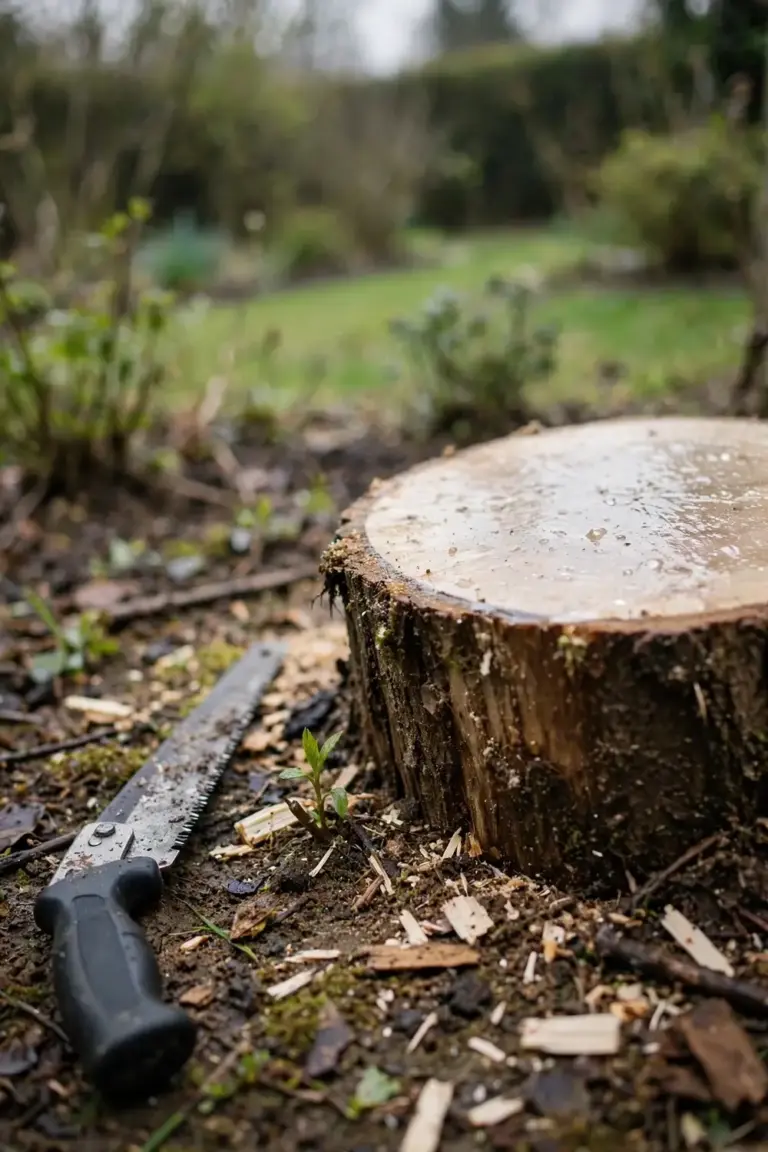
Saplings: cut-stump or basal bark. Cut-stump means cutting the trunk close to the ground, then applying herbicide to the stump within 15 seconds of cutting. The 15-second rule appears across WeedWise pages because the cut surface seals fast. Cut within 15 cm of the ground where possible. Treat every stump. For multi-stem African olive, treat at least 80 percent of the stems, according to NSW WeedWise on African olive. Basal bark means painting or spraying herbicide mixed with a carrier all the way around the trunk from the ground up to the height on the label. Privet basal bark suits stems 5 to 10 cm in diameter, painted 30 cm up the trunk. African olive basal bark suits stems 5 cm in diameter or less, painted 30 cm up the trunk. Camphor laurel basal bark suits trees 6 m tall with a basal stem diameter of 30 cm or less, according to Business Queensland on camphor laurel. Check the label for the maximum treatable diameter, since it varies between herbicides.
Large trees: stem injection and an arborist. Stem injection means cutting or drilling into the sapwood all around the trunk, then applying herbicide within 15 seconds into each cut or hole. African olive stem injection uses cuts 15 to 20 mm deep, spaced with no more than a 20 to 40 mm gap between them. Camphor laurel stem injection suits trees taller than 6 m, with cuts no more than 2 cm apart. Willow stem injection suits large trees, and the tree must stand undisturbed for at least 12 months after treatment. Cutting a willow too soon after injection lets it regrow. Smaller camphor laurel trees with trunks 10 cm across or less can be lopped with the stump treated, while bigger mature trees need a professional arborist to cut them down and grind the stump out of the ground.
Time the work to active growth. Sap carries herbicide to the roots when the tree grows actively, so spring and summer suit most methods. Willow stem injection works year round, with the best results in summer and early autumn. WeedWise warns against spraying willows in autumn once leaves start to fall, since bare leaves take up little herbicide. Cut-stump and stem injection keep working through winter on evergreen species such as privet and olive, because the sap still moves. Treat before fruit sets when you can. A tree treated before fruiting drops no seed that season, and the follow-up load falls at once.
Pruning is not removal. A pruned weed tree regrows from the stump and the roots. Spring pruning techniques cover shaping a tree you keep. A weed tree you cut needs the stump treated within seconds, or the cut buys 2 weeks of regrowth. Never confuse a tidy canopy with a dead tree.
Safety and law shape the large-tree decision. Call an arborist for any tree near power lines, fences, buildings, or roads. Call the council before touching a tree on a waterway, a boundary, or a protected list. Wear gloves, eye protection, and long sleeves when handling herbicide and cut material. Tree of heaven sap irritates skin, so avoid contact with the sap. Follow the herbicide label for the plant, the method, and the state, because the label is the authority on rate, timing, and safety gear. This page names methods, not products.
Disposal decides whether the job holds. Bag small twigs and seed heads. Stack cut material to dry above flood level, away from water flows. Never dump weed tree cuttings in bushland, reserves, roadsides, or creek lines. Never chip untreated willow, since willow chips can take root and grow. Trees killed by stem injection should stand for 12 months before cutting and removal, and the local council advises on how to dispose of willow material.
5. Stop the Weed Tree Coming Back
Removal without follow-up is a haircut. Weed trees return from 3 sources: seed in the soil, roots and stumps left alive, and seed blowing in from nearby trees. Plan the follow-up before the first cut.
Seed bank: check the ground under the old canopy every season. Seeds of many weed trees stay viable in soil for years. New seedlings appear after rain, after soil disturbance, and after the canopy opens. Walk the site in spring and autumn. Pull seedlings while they are small, after rain, with the whole root. A seedling pulled at 10 cm costs seconds. The same plant at 2 m costs a cut-stump job.
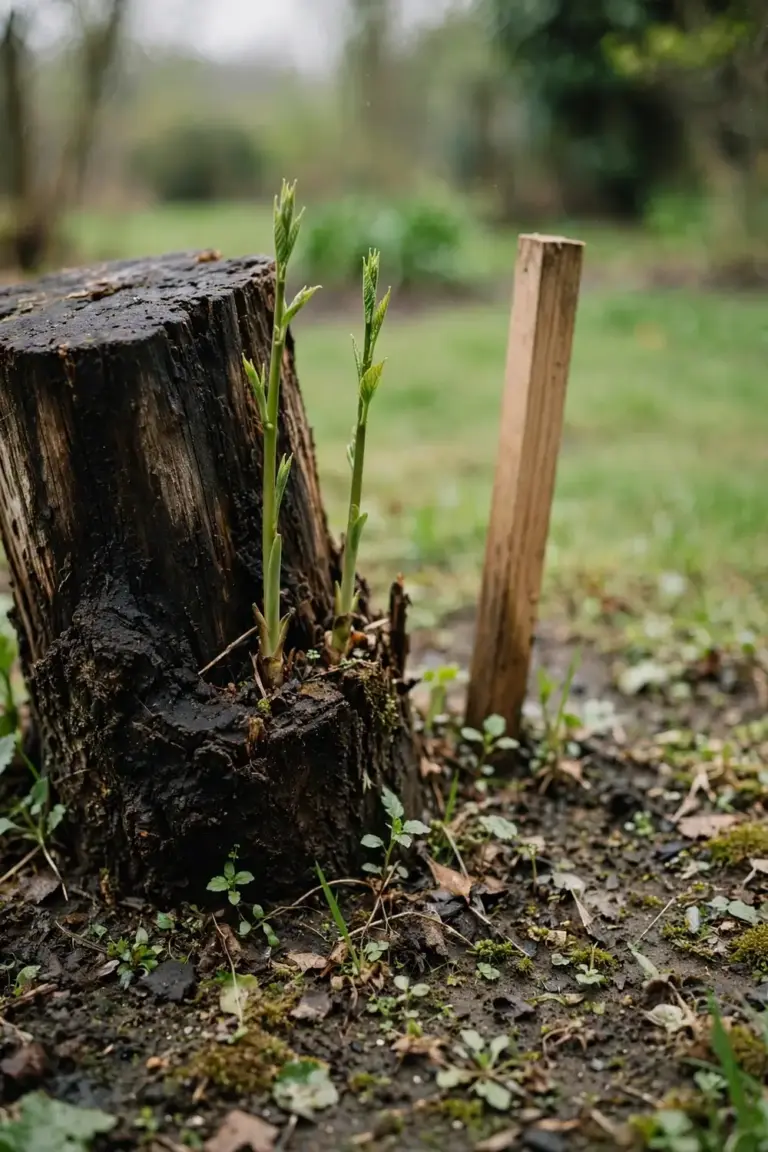
Roots and stumps: watch every treated stump for regrowth. Tree of heaven suckers for years after treatment, and every stem needs treatment in the primary pass and in follow-up. Coral tree regrows from root fragments, so dig out all the roots on young plants. Black locust suckers after disturbance, so avoid mowing or digging near a treated black locust stump. Willow regrowth needs checking for 3 to 5 years after the first treatment. Mark treated stumps with a stake and check them on a calendar, not on memory.
Seed rain: watch for new seed from nearby trees. A neighbor’s fruiting privet re-seeds your cleared ground. A camphor laurel on the roadside re-seeds the creek line. Talk to the neighbor early. Report roadside and reserve infestations to the council weeds officer. Clearing one garden while the street seeds it again wastes the work.
Clean tools, boots, and the trailer after every job. Seed rides in mud on boots, in soil on a mattock, and in bark caught in a trailer corner. Knock soil off tools before you leave the site. Brush boots at the gate. Sweep the trailer tray before the next load. A clean exit keeps one job from seeding the next garden. Check clothing too: wattle seed and small privet berries catch in cuffs and pockets. Empty pockets over a bin, not over the lawn.
Replant to compete. Bare ground invites the next weed. Cover the cleared ground with mulch and locally native plants that suit the site. Soil health sets the base for replanting: build structure, organic matter, and biology before the new plants go in. Dense ground cover shades weed seed and holds the soil. A cleared patch left bare grows the same weed again within a season.
6. Plant a Local Native in the Gap
Replace the weed tree with a locally native plant that fills the same job. The replacement holds the gap, shades weed seed, and feeds local birds. Pick by job, not by habit.
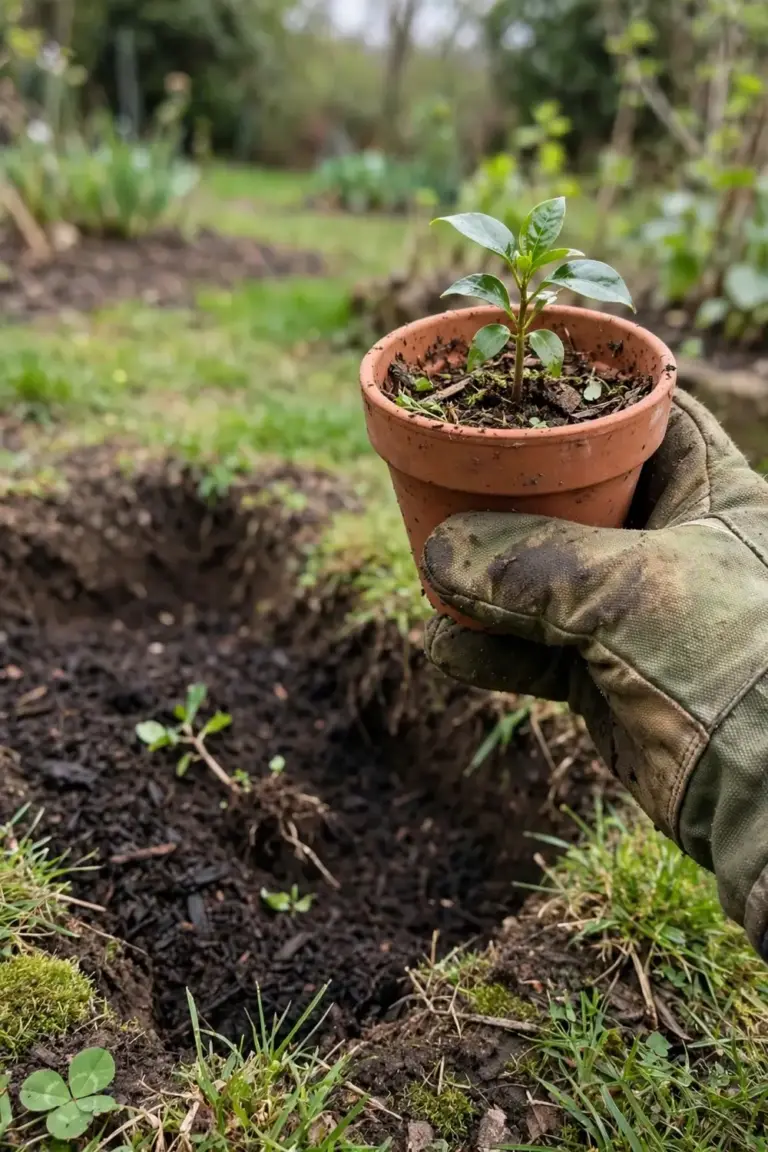
Screen job: a dense native shrub that holds leaves year round. Lilly pilly fills a screen gap in warm coastal gardens. Bottlebrush fills a screen gap with flowers that draw birds. Check local provenance before you buy. A lilly pilly grown from local seed suits local soil and rain. A cultivar from another state may not.
Shade job: a native tree that suits the space. A small local eucalypt suits a large garden with room for roots, while a banksia suits a smaller garden with poor soil. Match the mature size to the gap, because a tree that outgrows the gap becomes the next removal job.
Windbreak job: a tough native shrub row that breaks wind without seeding into bushland. She-oak suits coastal wind. Local acacia species suit inland wind, but check the local list first. Cootamundra wattle is the cautionary tale here: a wattle planted outside its range becomes a weed. Buy local provenance from a council nursery or a local native nursery, and ask for the provenance on the label.
Do not replace one weed tree with another. Nursery tags still sell plants that seed into bushland, and a pretty tree on a tag can carry a weed history. Check the local council list before you buy any tree for the gap. Skip any species on the regional priority list, even when the nursery stocks it. Skip fast seeders with bird-spread fruit unless the local list clears them. A replacement that seeds into the creek line repeats the same job in 5 years, so buy local provenance, ask for the provenance on the label, and keep the receipt with the planting date.
Prepare the gap before replanting. Fall garden bed prep covers bed tasks that apply here: clear the old roots, test the soil, add compost and mulch, then plant. Planting into a gap full of weed roots hands the new plant a fight it loses. Clear, prep, then plant.
Frequently Asked Questions About Tree Weeds in Australia
No. Cutting alone regrows most weed trees. The stump sprouts, the roots sucker, and the tree returns denser than before. Cut-stump treatment applies herbicide to the stump within 15 seconds of cutting. Stem injection suits large trees. For willows, leave the treated tree standing for 12 months before cutting. A stump left untreated is a new weed tree with a head start.
Check first. Declared-weed status varies by state, and local councils run priority lists and permit rules. In New South Wales, the General Biosecurity Duty requires landholders to prevent, eliminate, or minimise biosecurity risk. Waterway trees, boundary trees, and large trees near fences often need council advice or a permit. A phone call to the council weeds officer settles the question before the saw starts.
Within 15 seconds of cutting. WeedWise pages repeat the 15-second rule across privet, olive, and willow because the cut surface seals fast. Cut one stem, treat it, then cut the next. A helper who treats while you cut keeps the rhythm. A stump treated after lunch is a stump that seals, sprouts, and needs a second cut.
Talk to the neighbor first. Show the seedlings on your side and the fruit on the tree. Offer to split the work or the arborist cost. If the neighbor refuses, report the infestation to the council weeds officer. The council can act on declared weeds and priority weeds. Never treat a tree on land you do not own without permission, since herbicide drift onto a neighbor’s plants is your liability.
No. Tree of heaven suckers with force from roots and stumps, and every stem needs treatment in the primary pass and in follow-up. Hand removal and cut-and-paint alone fail because the root system survives. Treat every stem, then follow up on suckers and regrowth for years. A single treatment kills the top. The roots need repeated work.
Start With the 3-Sign Test This Weekend
Tree weeds in Australia reward early action. A seedling pulled after rain costs seconds. A mature camphor laurel costs an arborist and a stump grinder. Walk the garden this weekend with the 3-sign test: seedlings beyond the canopy, suckers from roots or stump, and seed carried by birds or water. Name the tree, check the council list, then match removal to its size. Pull seedlings, cut-stump saplings within 15 seconds, and call an arborist for large trees. Follow up for years, replant the gap with a local native, and the weed tree stays gone.