Buy 7 cheap garden tools and cover nearly every job in a small garden. That is a cheap garden tools kit built on steel blades and solid handles, and it follows one rule. Buy the tool that does the job and leave the set on the shelf.
Work from the pruners outward. Buy one tool per trip. Put each tool back clean and dry.
Beginner tool lists are a different job. That lives on Essential Garden Tools for Beginners: Buy vs Skip. This page stays on cheap tools that earn their keep.
What to Look For Before You Buy Cheap Garden Tools
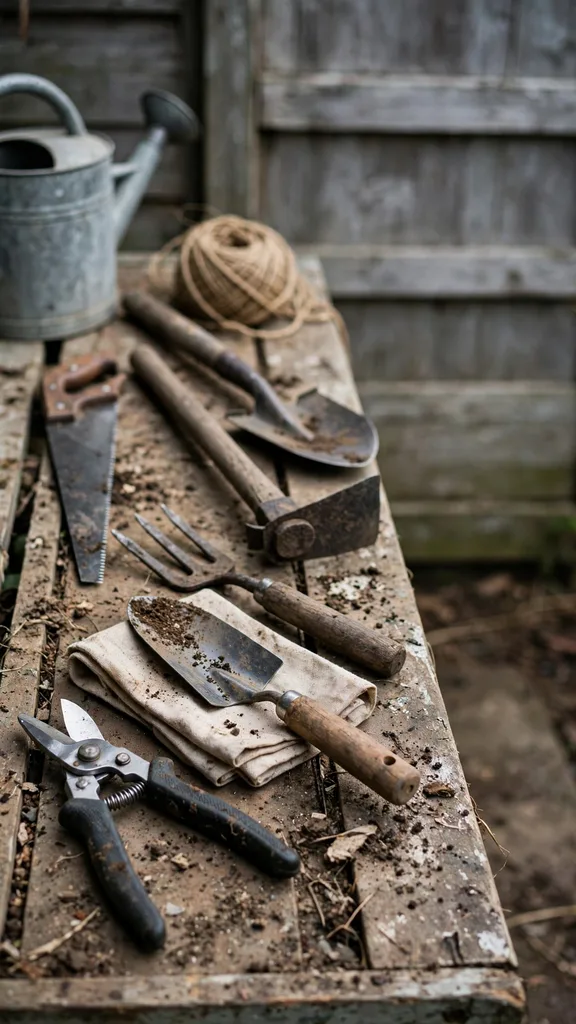
| Tool | Best For |
|---|---|
| Bypass Pruners | Cutting live stems and shaping shrubs |
| Hand Trowel | Planting seedlings and potting up |
| Digging Shovel | Digging holes and turning beds |
| Garden Fork | Loosening soil and lifting roots |
| Garden Hoe | Weeding rows and breaking crust |
| Watering Can | Watering seedlings at the base |
| Pruning Saw | Cutting branches too thick for pruners |
Seven tools cover nearly every job in a small garden.
Hold the tool before you buy it. A handle that fits your grip beats a handle that looks strong on the rack. Weight matters more than shine. A tool you can lift all afternoon gets used. A heavy one stays in the shed.
Look at the blade first. Forged steel holds an edge longer than stamped sheet metal. A blade with a visible bevel sharpens clean. A painted blade hides the edge and the rust under it. Skip paint. Buy bare steel you can see.
Check the joint and the fasteners. A pruner with a replaceable spring and a blade you can swap lasts years longer than a sealed unit. A shovel with a solid socket outlasts a shovel with a folded tang. Loose rivets on day one mean a wobble by spring.
Plan the care before the purchase. Every cutting tool needs a wipe after use and a dry shelf. A blade wiped clean after each session stays sharp longer than a blade left damp in a bucket. Rust and dull edges kill cheap tools. Hard work does not.
Best Bypass Pruners for Cutting and Shaping
Bypass pruners cut live stems with two blades that pass each other like scissors, and a basic pair sits in the lowest price band on this page. The cut stays clean on green wood, and a clean cut heals fast. Keep the blade sharp and wipe it after each session. A dull blade crushes the stem it should slice.
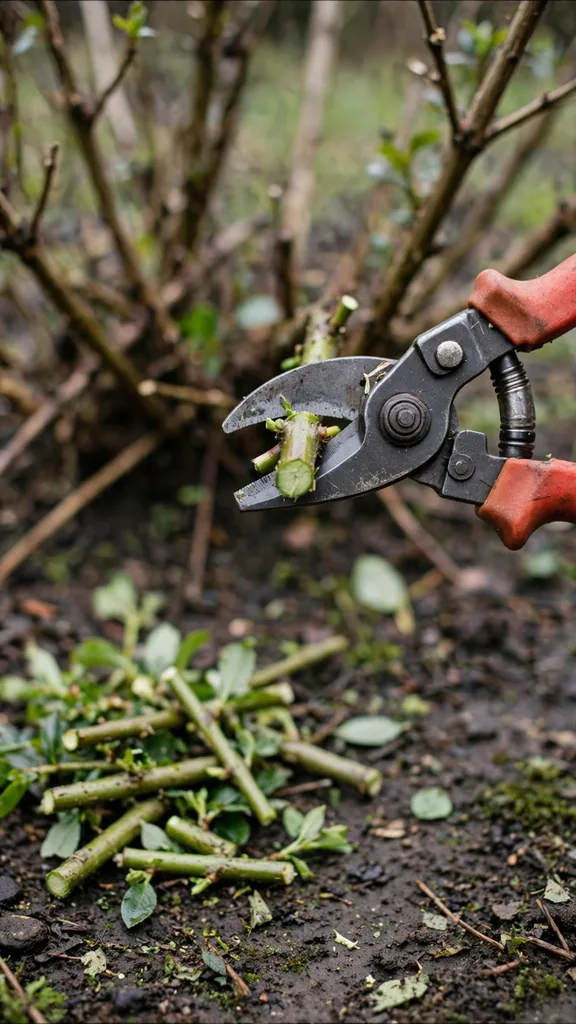
Disinfect the blades between plants when disease is in the bed. A 10% bleach solution mixes 9 parts water with 1 part bleach, blades soak at least 10 minutes, and the mix stays good for 2 hours after mixing, according to the Iowa State University Extension guide to sanitizing pruning shears. Rinse the blades with clean water after the soak so the bleach never pits the steel.
Cut at the right season. The timing in spring pruning techniques shows when each shrub takes the cut. A crushed stem invites rot. A clean cut heals.
Best Hand Trowel for Planting and Potting
A trowel digs planting holes, scoops mix into pots, and lifts seedlings without tearing roots. One solid trowel does the work of three flimsy ones. Buy a forged blade with a full tang that runs through the handle. A blade riveted to a hollow handle snaps at the joint on the first hard soil.
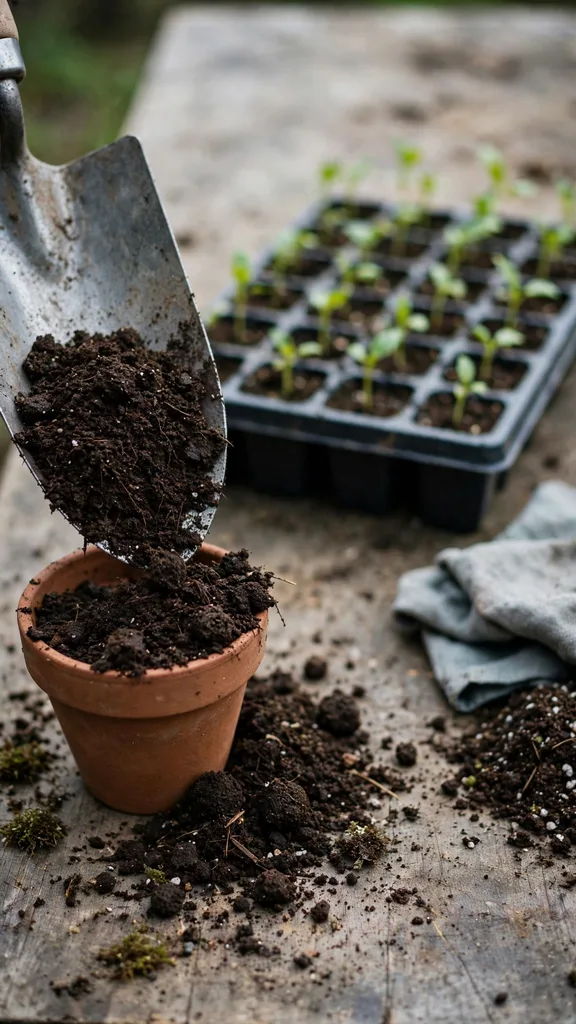
Use the trowel for soil work only. Prying rocks and levering roots bends the blade and loosens the handle. A bent trowel digs crooked holes. A straight blade digs true.
Seedlings started indoors move outside with this trowel. The seed starting steps set the timing for the move. Keep a spare in the tote for potting days when the first one is buried in mix.
Best Digging Shovel for Beds and Holes
A digging shovel opens new beds and digs planting holes. It turns soil in one pass. A round-point blade bites into ground a square spade skips across. Step on the shoulder of the blade and let your weight do the work. A shovel used as a lever snaps at the socket.
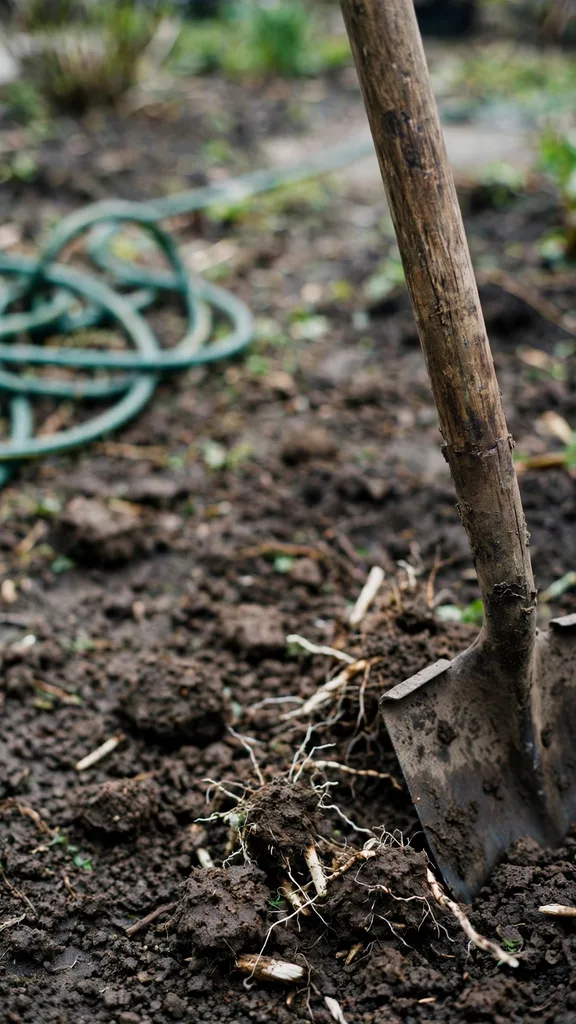
Keep the edge sharp with a file. A ten-inch mill file fits a shovel edge, and rust comes off with steel wool rated 000 or 0000, according to the University of California Cooperative Extension guide to maintaining garden tools. Severe rust needs a soak in white vinegar overnight before the file touches it.
A sharp shovel cuts soil. A dull one fights it.
Best Garden Fork for Loosening Soil
A garden fork loosens soil without flipping it, and the tines slide between roots a shovel would slice. Work the fork into the bed and lever the soil up in clods. Roots and worms stay put while the soil opens. A fork also lifts potatoes and root crops without spearing them.
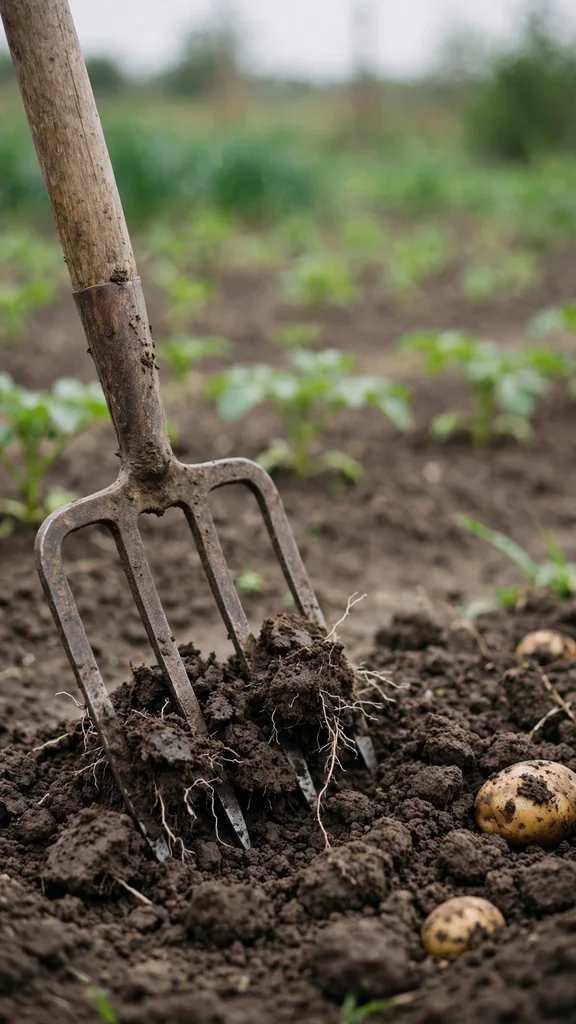
Choose four square tines over flat blades for heavy soil. Square tines bite and hold. Flat blades bend on clay. Clean the tines after each use and store the fork with the tines down. A fork left tines-up in a path catches the next foot that passes.
Fork the bed before you feed it. The steps in fall garden bed prep show where compost goes after the fork loosens the soil.
Best Garden Hoe for Weeding Rows
A hoe slices weeds at the soil line and breaks the crust that seals a bed after rain. Push and pull in short strokes and let the blade do the cutting. Weeds cut at the surface dry out by noon. Weeds pulled by hand leave roots that regrow by the weekend.
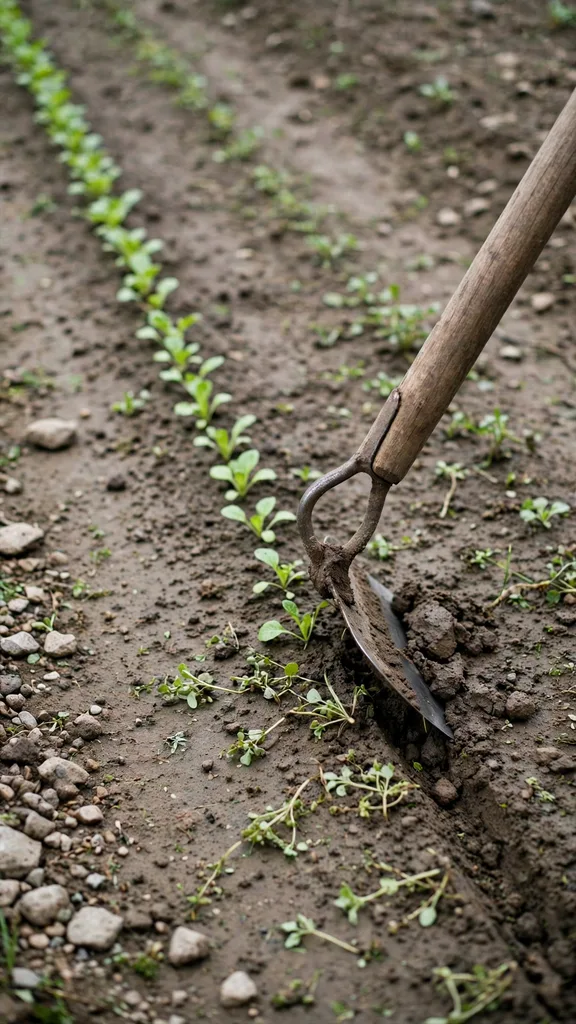
Buy a stirrup hoe if the beds run in straight rows. The loop cuts on both strokes and weeds both sides of the row in one pass. A standard draw hoe suits beds with tight spacing. Either way, keep the blade sharp. A dull hoe pushes weeds over. A sharp one cuts them.
Best Watering Can for Gentle Watering
A watering can puts water at the base of the plant without blasting soil onto leaves. A rose head breaks the stream into soft drops. Seedlings stay upright and mix stays in the pot. A hose jet knocks seedlings flat and splashes soil onto lower leaves.
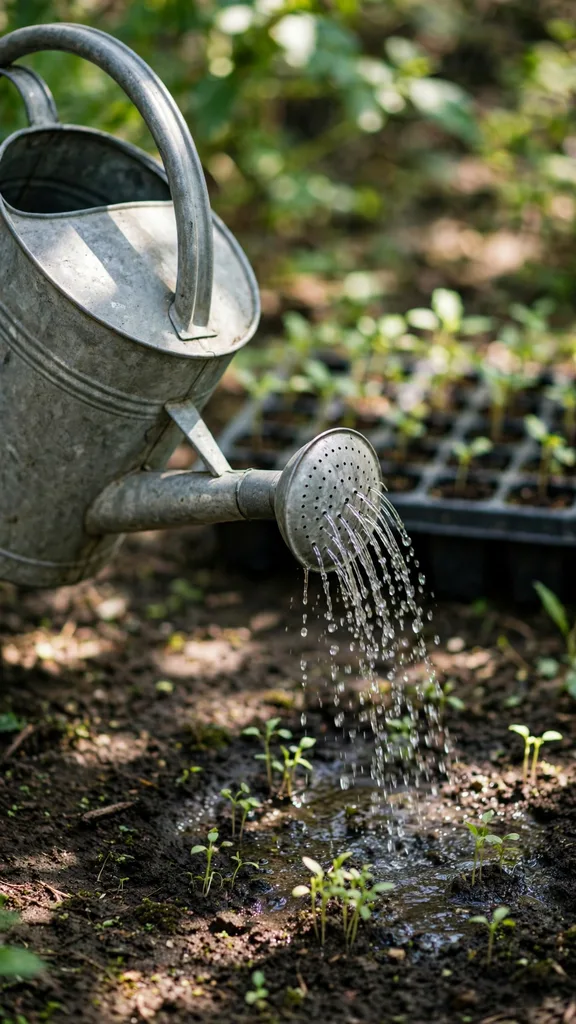
Pick a can you can carry full to the far bed. A can that feels light empty turns heavy full, and a heavy can gets set down halfway. Two trips with a small can beat one trip with a can you cannot lift.
Best Pruning Saw for Thick Branches
A pruning saw cuts branches too thick for pruners, and a folding saw fits in a back pocket between cuts. The teeth cut on the pull stroke, so let the saw do the work and keep the stroke long. Short choppy strokes jam the blade. A long pull clears the cut.
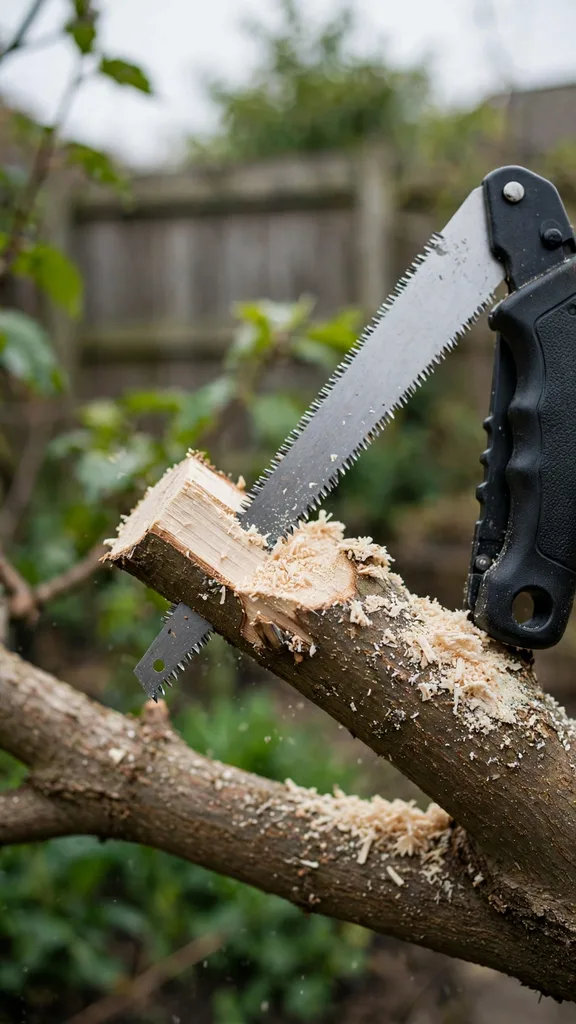
Buy a saw with replaceable blades. A dull saw blade costs more in effort than a new blade costs in money. Wipe the blade after each use and fold it shut before it goes in the pocket. An open saw in a pocket cuts the gardener before it cuts the branch.
Cheap Garden Tools Compared
Price bands below are typical retail ranges for a basic version. No single store price was checked.
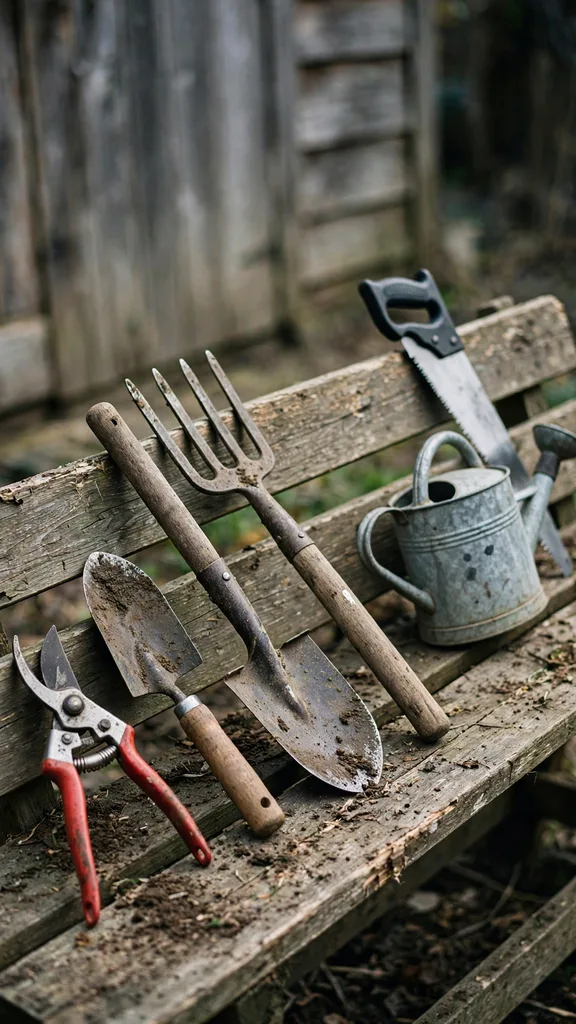
| Tool | Typical Price Band | Best For | Watch Out For |
|---|---|---|---|
| Bypass Pruners | $10-$25 | Live stems and shaping | Dull blades crush stems |
| Hand Trowel | $5-$12 | Planting and potting | Hollow handles snap |
| Digging Shovel | $15-$30 | Holes and new beds | Levering snaps the socket |
| Garden Fork | $15-$30 | Loosening soil | Flat tines bend on clay |
| Garden Hoe | $10-$20 | Weeding rows | Dull blades push weeds over |
| Watering Can | $8-$20 | Gentle watering at the base | Heavy when full |
| Pruning Saw | $10-$25 | Thick branches | Open blades cut pockets |
Buy the pruners first. The rest follow as beds fill.
Tools to Skip and Why They Waste Money
Five tools look useful on the shelf and waste money at home. Each one below has a cheaper tool on this page that does the job.
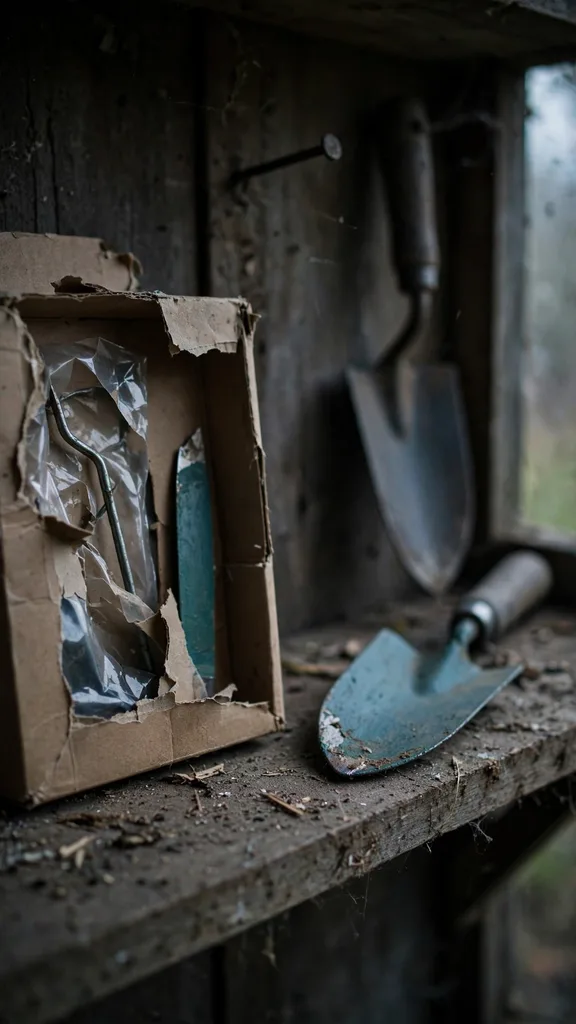
- Gift-box tool sets with 10 pieces. Thin metal bends on the first hard soil and the box holds tools a beginner never reaches for. Buy tools one at a time from the list above.
- Anvil pruners for live green stems. The flat plate crushes soft stems instead of slicing them. Bypass pruners cut clean.
- Hollow plastic handles. A handle that flexes in the grip snaps at the joint. Solid wood or steel holds up. Plastic flexes and snaps.
- Multi-function trowel gadgets. A trowel with a built-in ruler, a bottle opener, and a saw edge does none of the jobs well. A plain forged trowel digs true.
- Painted blades. Paint hides rust and dull edges under a bright coat. Bare steel shows the edge you are buying.
Skip the shelf. Buy the pruners.
Start With Three Tools and One Bed
Buy pruners, a trowel, and a shovel first. Plant one bed and water it at the base. The rest of the list waits until the first seedlings stand.
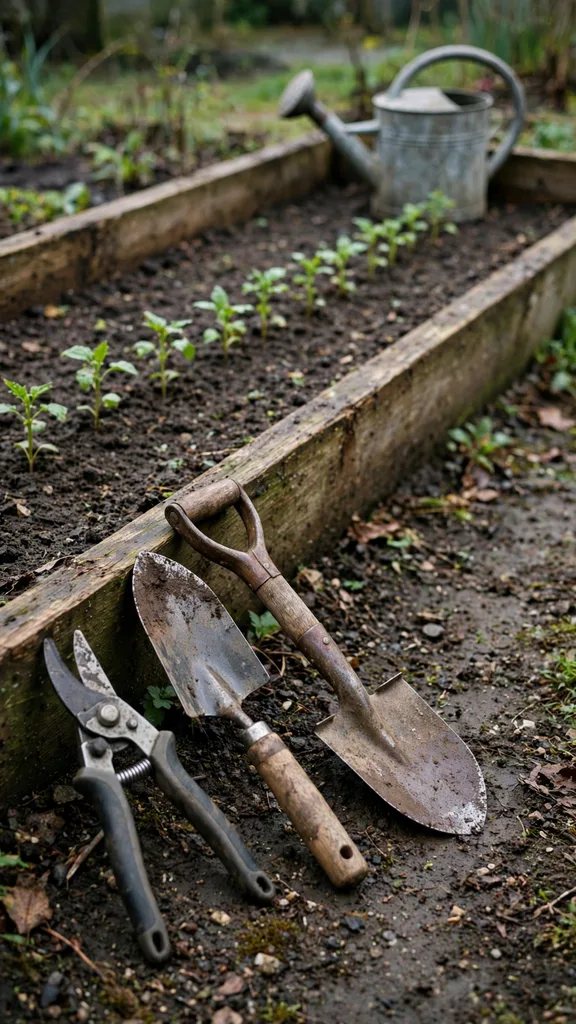
A garden starts with 7 cheap garden tools and one bed that gets water every week. A shelf of shiny tools grows nothing. One watered bed grows the first tomato.
Frequently Asked Questions About Cheap Garden Tools
Buy bypass pruners first, because every garden needs clean cuts from week one. A basic pair cuts live stems, shapes shrubs, and harvests herbs with one tool. Spend the money you save on a solid trowel next, then a shovel. Three tools cover planting, cutting, and digging until the beds grow.
Start with pruners, a trowel, and a shovel, then add one tool per bed as the garden grows. Every tool on this page sits in a low price band, so the full set costs less than one fancy tool set. Spend on tools that touch soil, stems, or water first. Decorative gear waits until the beds produce.
Yes, when they stay clean and dry between uses. Wipe blades after each session, dry handles before storage, and oil metal parts before winter. Rust and dull edges kill cheap tools. Hard work does not. A tool stored dry on a shelf outlasts the same tool left damp in a bucket through winter.
Yes, when the blades are forged steel and the spring can be replaced. A cheap pair with a solid joint cuts clean for seasons, while a fancy pair with a sealed joint dies when the spring breaks. Test the grip in the shop and open the blades. A pruner that fits your grip gets used every week.
Skip gift-box sets, anvil pruners for green stems, hollow plastic handles, multi-function trowel gadgets, and painted blades. Each one costs money and does the job worse than the plain tool on this page. Buy one solid tool at a time instead. A short list of good tools beats a long shelf of weak ones.