Pick 3 free moves from this list and start them this weekend. That is budget garden ideas in practice. Spend time and scraps before you spend money, and let the garden pay for the next bed. Work from the top of the list down, one bed at a time, and keep every receipt for one month so the savings stay visible.
New tools are a different job. That lives on Essential Garden Tools for Beginners: Buy vs Skip. This page stays on ideas that cost little or nothing.
Prices below are typical ranges for a basic version, not a price checked at one store. Most moves here cost nothing at all.
| Idea | Group | Best For |
|---|---|---|
| Rake Leaves Into Free Mulch for Bare Beds | Free Moves | Bare beds in autumn |
| Build a Compost Pile From Kitchen Scraps and Leaves | Free Moves | Feeding beds without bought fertilizer |
| Sow Seeds Direct and Skip Bought Transplants | Smart Buys | Beans, peas, squash, and radish |
| Swap Seeds and Cuttings With Neighbors for Free Plants | Free Moves | New varieties at zero cost |
| Divide Perennials and Fill Empty Beds for Free | Free Moves | Hosta, daylily, and iris beds |
| Grow Cuttings in Water Before They Touch Soil | Free Moves | Mint, basil, and pothos |
| Build Raised Beds From Reclaimed Timber and Pallets | Low-Cost Builds | Sloped ground and wet clay |
| Turn Buckets and Tubs Into Planters With Drainage Holes | Low-Cost Builds | Patios and small spaces |
| Collect Rainwater in a Barrel for Dry Weeks | Low-Cost Builds | Dry spells and water bills |
| Plant Herbs From Grocery Cuttings and Kitchen Scraps | Smart Buys | A kitchen herb row |
| Buy Bare-Root Plants and Small Pots in the Off Season | Smart Buys | Roses, fruit, and shrubs |
| Mulch Paths With Cardboard and Wood Chips for Weed Control | Low-Cost Builds | Weedy paths between beds |
Rake Leaves Into Free Mulch for Bare Beds
Rake dry leaves off the lawn and spread them over bare beds. Shred them first with one mower pass, then lay the pieces in a loose layer and pull the layer back from stems so bark stays dry. Wet leaves mat into a sheet, so work with dry leaves on a dry day and let rain settle the layer after.
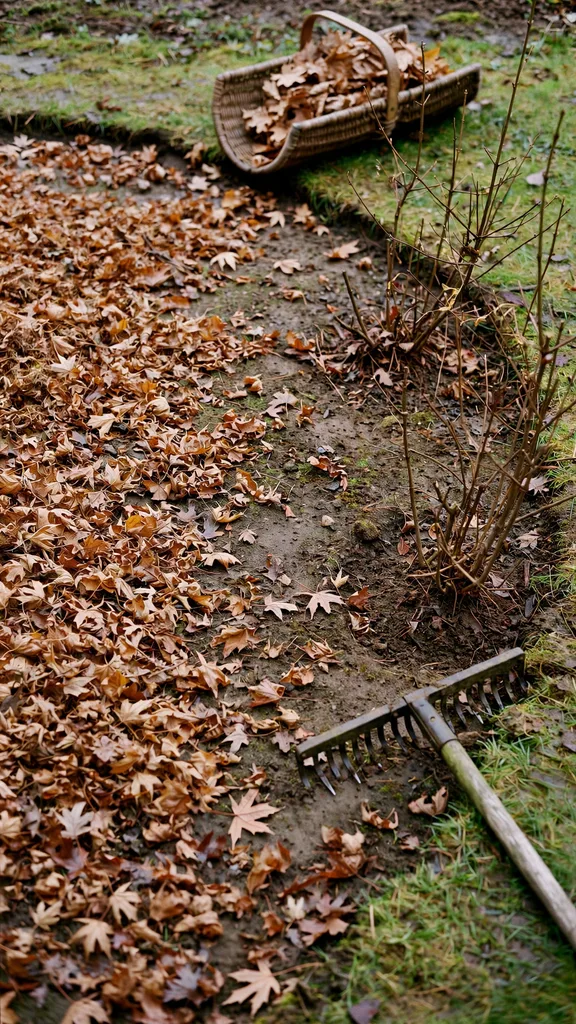
The depth decides whether the layer works. University of New Hampshire Extension mulch guidance puts shredded hardwood mulch at 5.1 to 7.6 cm thick, and shredded leaves behave the same way once they settle. A thin scatter lets light through and weeds rise. A thick mat seals the soil and sheds rain. Shredded leaves cost nothing and rot down into the bed by spring. Rake in autumn when leaves fall thick, and keep a spare pile in a wire bin for spring mulching. Skip leaves from diseased trees and black walnut, since both carry trouble into the bed. A leaf pile left whole turns into a wet slab. Shred it first.
Build a Compost Pile From Kitchen Scraps and Leaves
Start a pile with the leaves you already raked and the scraps from the kitchen. Layer dry browns and wet greens in turns, add water until the mix feels like a wrung-out sponge, and turn the pile with a fork every week or two. Keep meat, dairy, and diseased plants out of the pile.
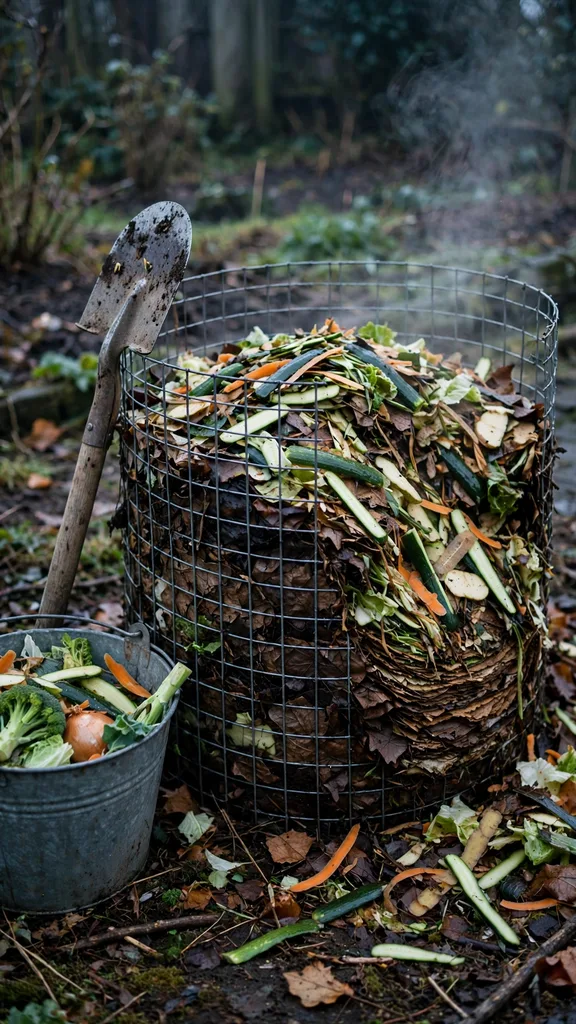
The mix decides how fast the pile heats. Iowa State University Extension composting guidance puts the working carbon-to-nitrogen ratio near 30:1 and asks for piles at least 91.4 cm tall and wide so heat stays in the core. Finished compost feeds soil health and loosens heavy ground without a bought bag. A pile of leaves alone sits cold for a year. Add greens and turn it, or the bed waits. Finished compost looks dark and crumbly and smells like forest soil. Spread it 5 cm thick over beds in spring and let worms pull it down. A heap that never heats still rots, just slower, so patience costs nothing here.
Sow Seeds Direct and Skip Bought Transplants
Sow beans, peas, squash, and radish where they will grow and skip the transplant tray. Push each seed to the depth printed on the packet, water the row at the base, and thin seedlings to the spacing on the packet once true leaves show. Direct sowing suits fast growers that resent root disturbance.
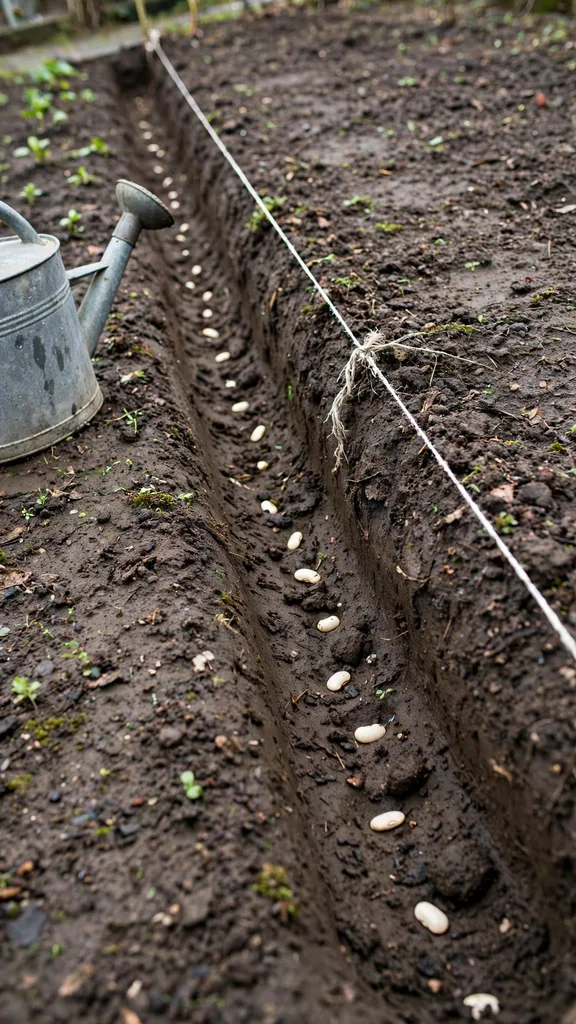
A packet sows a whole row for the price of one bought transplant. Seeds that need a head start indoors belong in the seed starting guide instead, so keep direct sowing for the fast growers listed above. Sow thick and skip thinning, and seedlings crowd each other into thin stems that never fill out. Sow a short row every two weeks and the harvest runs through the season instead of landing all at once. Cover fresh rows with a light cloth if birds dig seed out. Lift the cloth once shoots stand tall.
Swap Seeds and Cuttings With Neighbors for Free Plants
Ask neighbors, a garden club, or a seed library for the varieties you lack. Bring packets, cuttings, or divisions of your own to trade, and label every packet with the variety and the year it was saved. A swap costs nothing and puts plants in your beds that already grow well in your street.
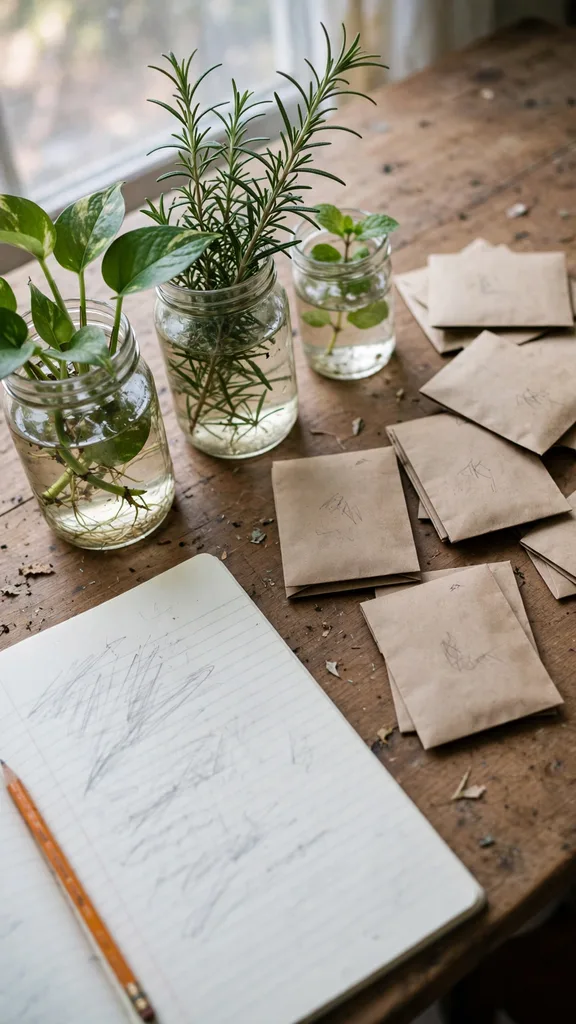
Label the packet the day you fill it. An unlabeled packet grows a mystery plant in a bed you planned for tomatoes. Swaps also carry local knowledge with the seed, since the giver knows which corner of the garden it liked. Take the advice with the packet and write it on the label. Test old seed on a damp towel before sowing a whole row. Ten seeds on a towel show in a week whether the packet still lives. A dead packet sown blind wastes a bed for a month.
Divide Perennials and Fill Empty Beds for Free
Lift a crowded clump of hosta, daylily, or iris in spring or autumn and split it into pieces. Cut through the crown with a spade, keep roots and shoots on every piece, and replant the divisions at the same depth they grew before. Water each division at the base and shade it for a day if sun runs hot.
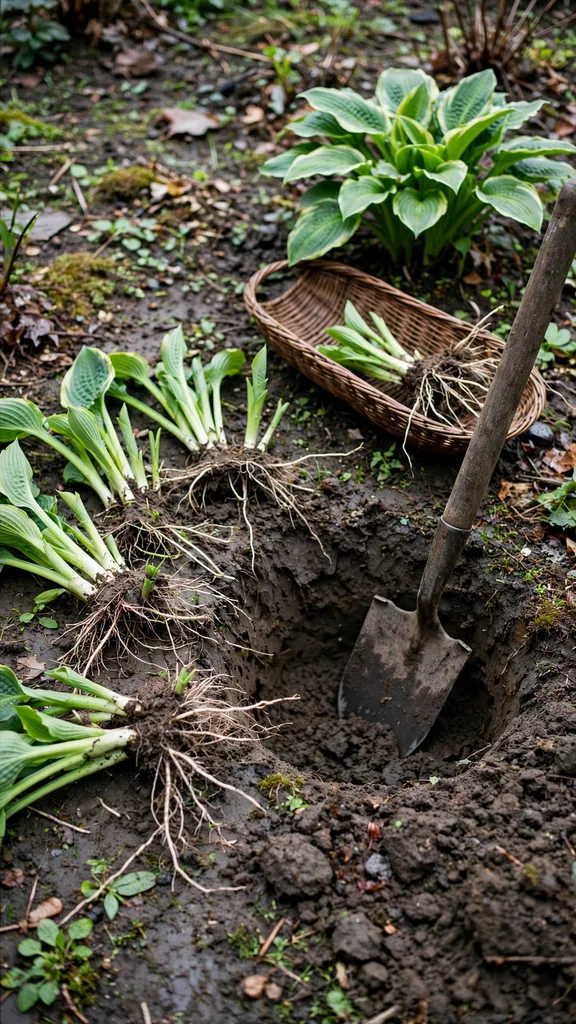
One clump fills a whole bed edge for free. A division left in the sun dries out in an hour, so pot it or plant it the same day you lift it. Weak pieces with no roots go on the compost pile, not in the bed. Strong divisions settle in a fortnight and flower the next season. Divide in spring for summer flowers and in autumn for spring flowers, so roots settle before growth or cold arrives. Tap-rooted plants resent division, so leave those clumps alone and divide the fibrous ones. A spade through the crown beats a tug that tears roots.
Grow Cuttings in Water Before They Touch Soil
Snip a soft stem of mint, basil, or pothos just below a node and strip the lower leaves. Stand the stem in a jar of water on a bright sill and wait for roots to show. Pot the cutting in mix once roots reach 5 cm long and keep the mix damp for the first week.
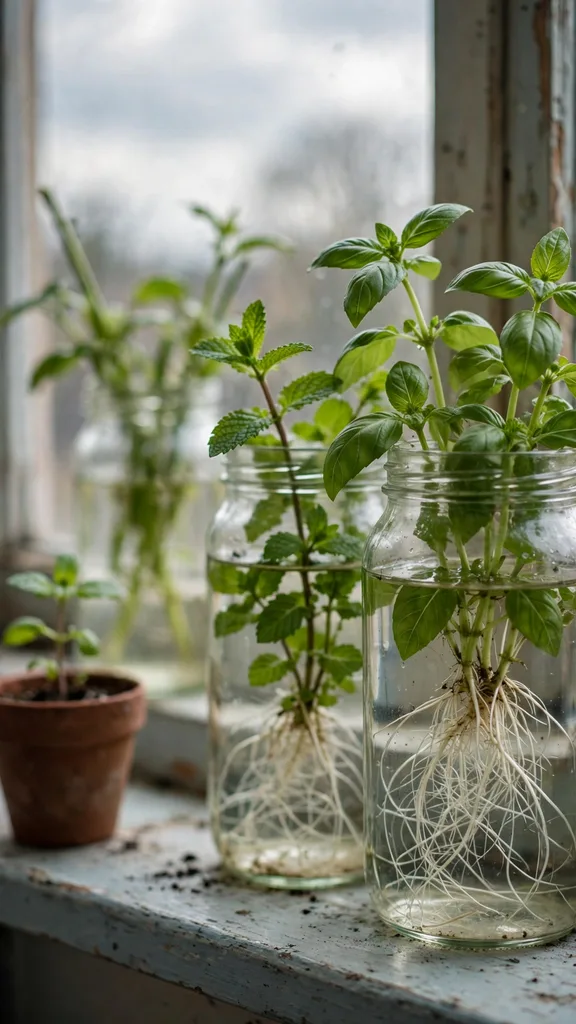
Cloudy water rots stems before roots form. Change the water every few days and wash the jar when the water turns green. A cutting costs nothing and turns one bought plant into a row of them. Take cuttings in spring when growth runs fast and the jar stays warm. Harden a potted cutting outdoors for a few days before it moves to a bed, a few hours at first and longer each day. A cutting moved straight from a warm sill to cold wind wilts by evening. Shade cloth over the bed buys the roots a week.
Build Raised Beds From Reclaimed Timber and Pallets
Build a bed frame from old deck boards, fallen logs, or pallets stamped HT for heat treated timber. Lay the frame on level ground, screw the corners tight, and line the inside with cardboard to hold soil back from the gaps. Fill the frame with soil and compost and water the fill before planting.
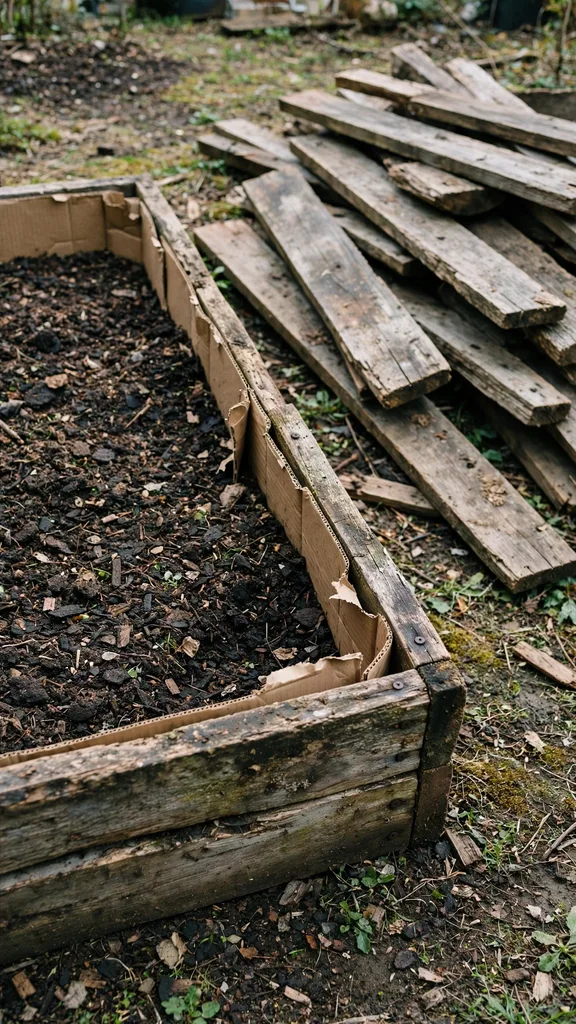
A reclaimed frame costs a fraction of a bought kit and keeps timber out of landfill. Read the fall garden bed prep guide before you fill, since the soil mix decides the first season. A bed with no base on wet clay turns into a pond. Raise it on gravel or coarse wood chips so water drains away. Build the frame 30 cm deep so roots reach down into loose fill instead of stopping at the old ground. Fill the bottom with coarse branches and leaves, then top with soil and compost. The fill settles after the first rain, so top it up before planting.
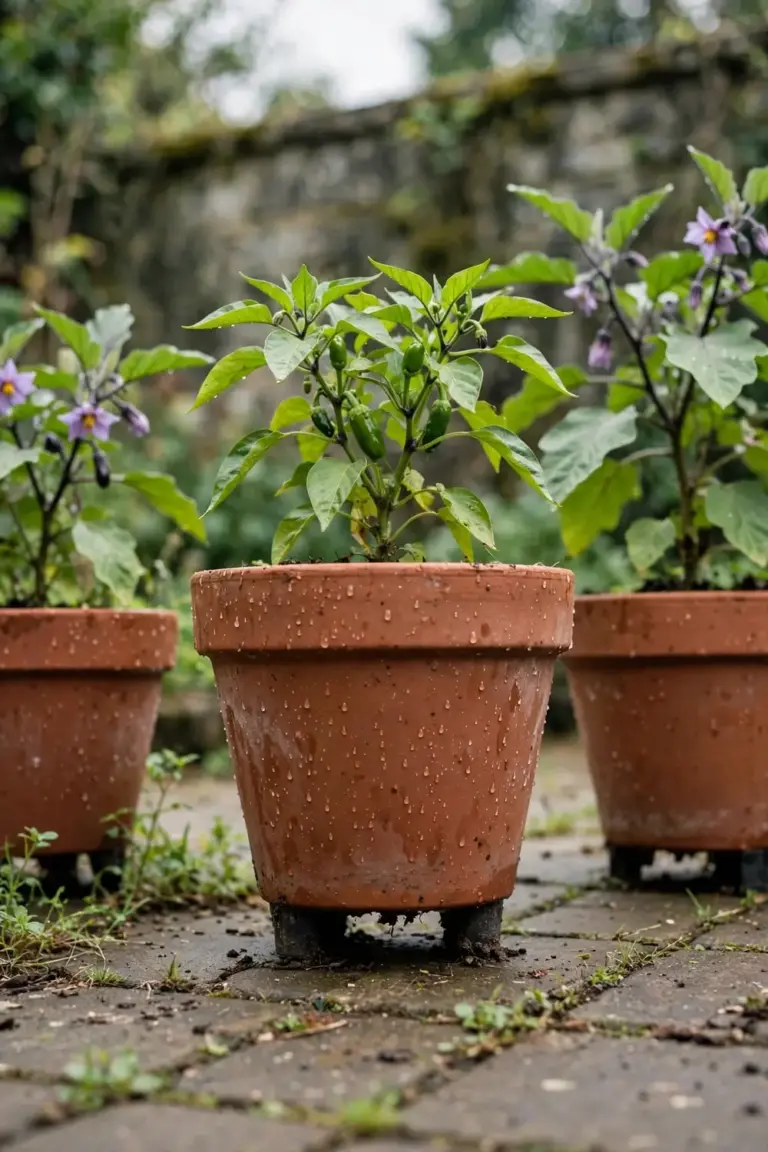
Turn Buckets and Tubs Into Planters With Drainage Holes
Turn an old bucket, tub, or storage box into a planter. Drill holes in the base, add a layer of coarse grit, and fill with potting mix. Set the bucket on bricks so water runs clear of the holes and the base stays dry between waterings.
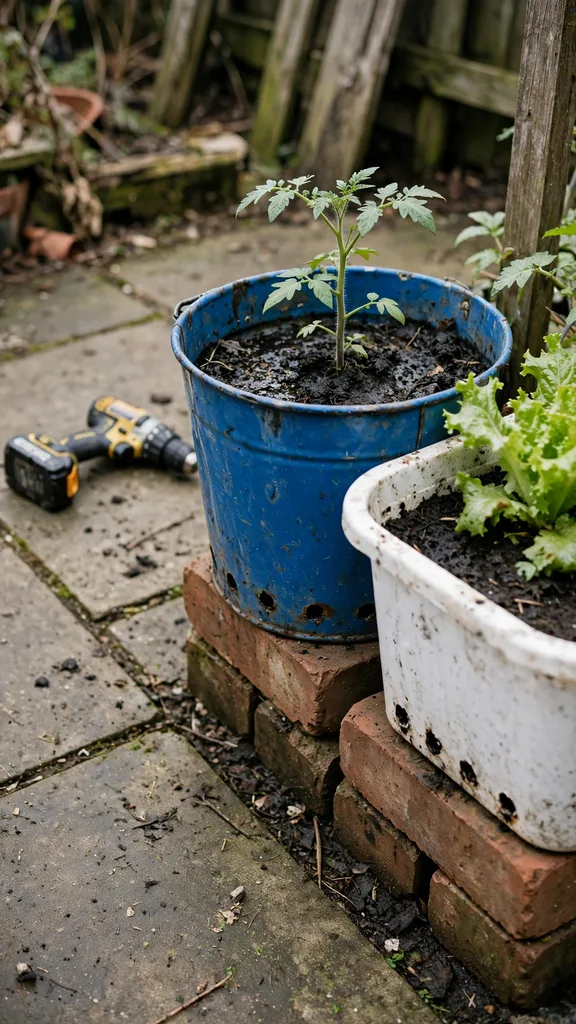
A bucket with no holes drowns roots after one hard rain. Drill first, plant second, and check the holes each spring for soil that washed down and sealed them. Painted buckets last longer in sun than bare plastic, and a lid from the same tub makes a saucer. One bucket holds a tomato or a row of lettuce. Pots dry faster than beds, so water a bucket in the morning and check it again on hot afternoons. A mulch layer on the surface slows the drying. A bucket garden moves with the sun, so shift pots as the season turns.
Collect Rainwater in a Barrel for Dry Weeks
Set a barrel under a downspout and fit a tap near the base. Keep a lid on the barrel, run an overflow hose away from the wall, and water at the base of plants in the cool of the morning. Rainwater suits seedlings and pots that dislike hard tap water.
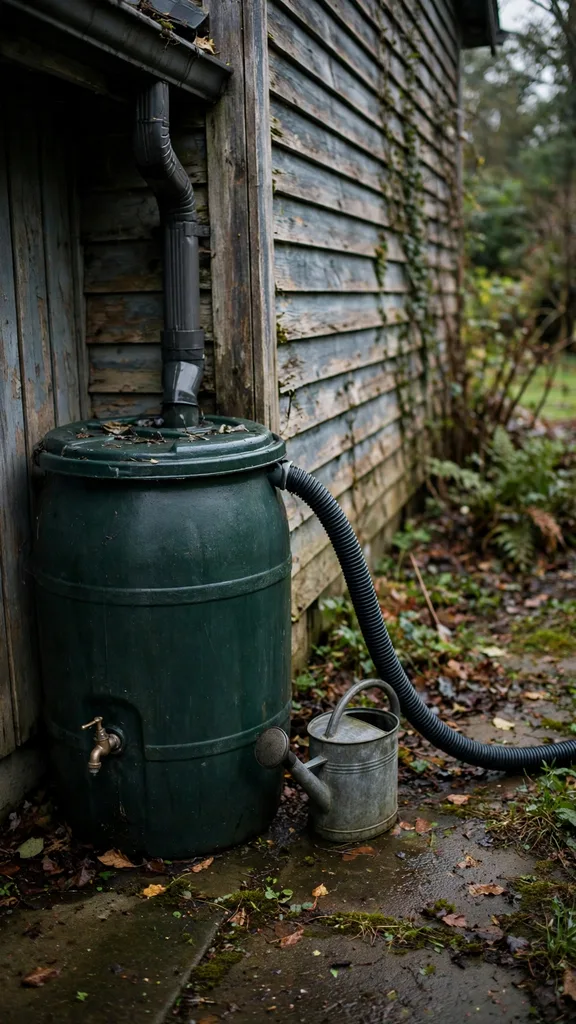
An open barrel breeds mosquitoes in a week. Keep the lid shut and the overflow clear, and drain the barrel before the first hard frost so ice never splits the seam. A secondhand barrel costs a few dollars and pays for itself across one dry summer. Site the barrel where the hose reaches the beds. Fit fine mesh over the inlet so leaves and mosquitoes stay out of the water. Raise the barrel on blocks so the tap sits above the watering can. A barrel at ground level drains slow. Height buys pressure for free.
Plant Herbs From Grocery Cuttings and Kitchen Scraps
Root mint and basil stems from the grocery store in a jar of water, then pot them once roots show. Plant spring onion roots and garlic cloves in a shallow tray of mix and cut the green tops as they regrow. One bunch of herbs from the shop seeds a whole herb row.
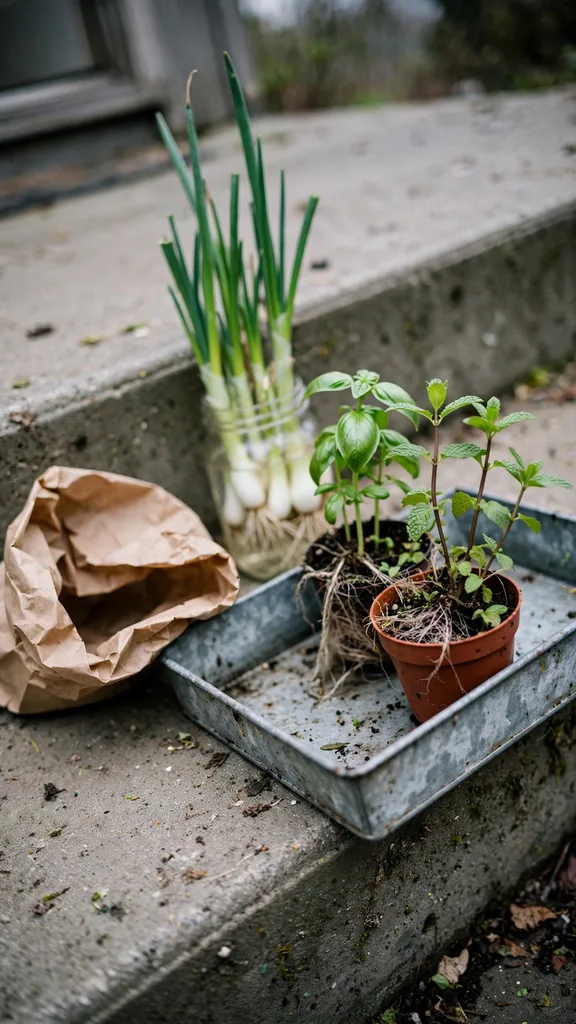
A woody rosemary stem in water rots before it roots. Take soft green tips instead and strip the lower leaves before the stem goes in the jar. Herbs from scraps cost nothing beyond the bunch you already bought for dinner. Harvest the outer leaves first and the plant keeps growing. Mint spreads fast, so give it a pot of its own instead of a bed corner it will own by next year. Basil wants warmth, so keep it indoors until nights stay mild. A pot by the kitchen door beats a bed at the far end.
Buy Bare-Root Plants and Small Pots in the Off Season
Buy bare-root roses, fruit, and shrubs in the dormant season when nurseries sell them without soil or pots. Pick up small pots at the end of the season when stock runs down and prices drop. Bare-root plants cost a fraction of potted stock and establish fast in cool soil.
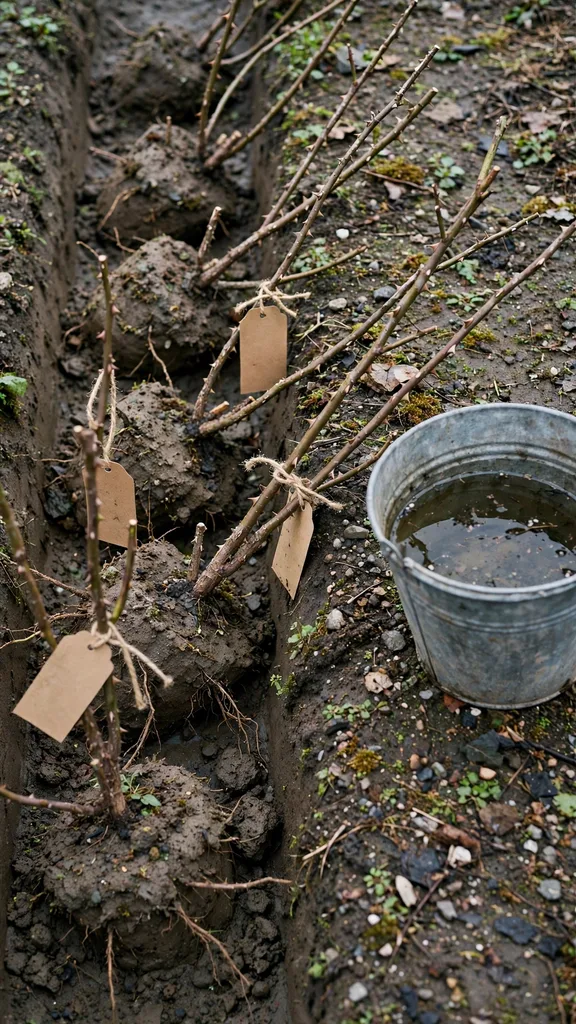
A bare-root plant left in a bag dries out in a day. Heel it into damp soil the day it arrives and plant it properly within the week. Seeds for next season belong on the same trip, so check the best seeds for fall planting list before you buy. Off-season buying rewards a reader who plans one season ahead. Soak bare roots in a bucket of water for an hour before planting, then set the plant at the same depth it grew before. Keep the graft union above the soil on grafted stock. A plant set too deep sulks for a year.
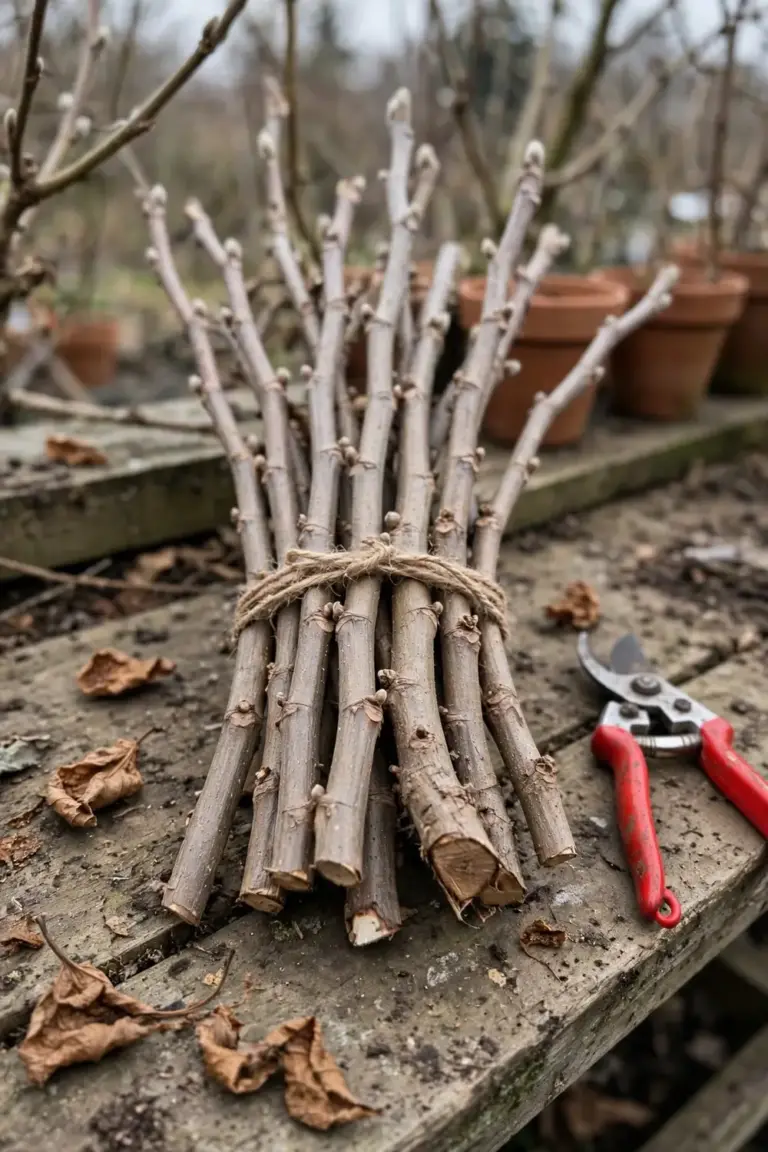
Mulch Paths With Cardboard and Wood Chips for Weed Control
Lay cardboard over weedy paths and overlap every edge by 15 cm. Wet the cardboard, cover it with wood chips, and walk the path for a week so the layers settle. The cardboard smothers weeds and rots down into the soil by the next season.
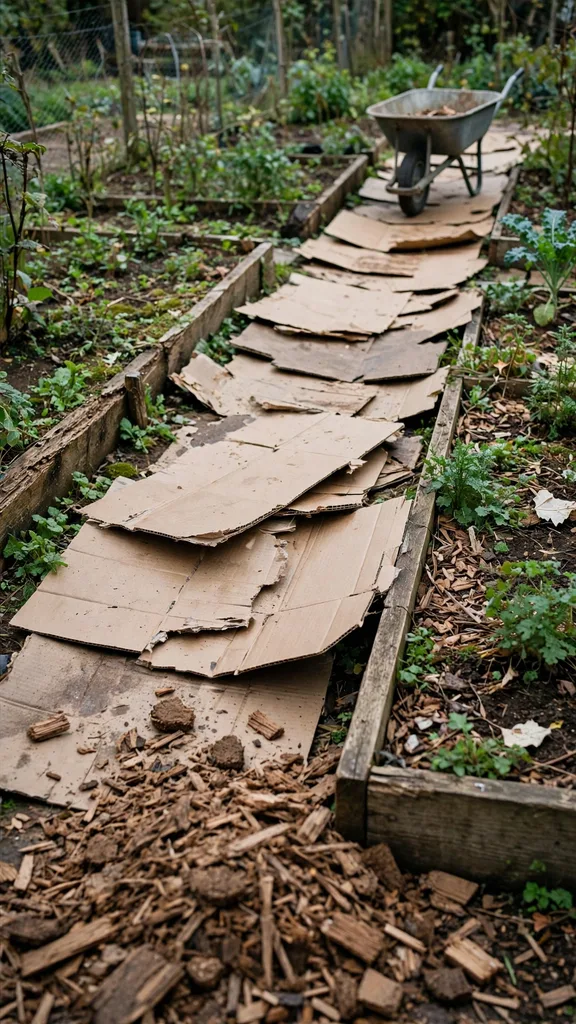
Gaps between sheets let weeds through in a week. Overlap every edge and weigh the corners down with chips until the cardboard stays flat. Paths stay mulched while beds rest under cover crops for fall planting through the cold months. Ask a tree crew for free chips when they work your street. Top paths up once a year, since chips rot down and thin out by autumn. Keep fresh chips on paths, not in beds, since fresh wood ties up nitrogen while it rots. A path topped in spring stays weed-free through summer.
Mistakes That Eat a Garden Budget
Four mistakes drain a garden budget faster than any single purchase. Fix them first and the twelve ideas above stretch further.
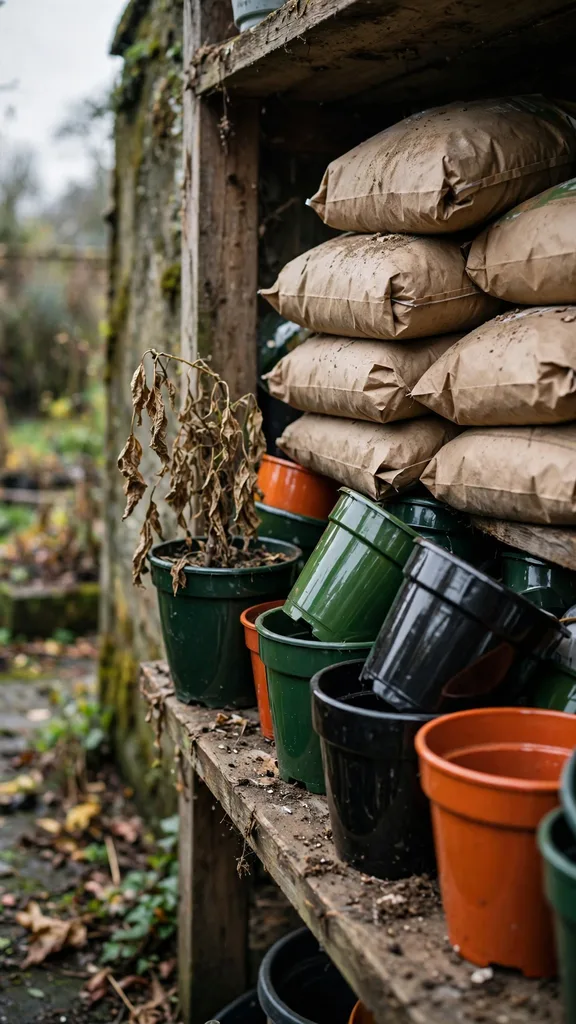
- Buying plants before the bed is ready leaves pots baking in the sun while soil waits.
- Paying for bagged soil when a compost pile and leaf mulch would feed the same bed.
- Watering daily in light sprinkles keeps roots at the surface, where the next dry day kills them.
- Planting one of everything instead of rows that feed the kitchen wastes beds on plants nobody eats.
- Skipping a soil test and feeding blind buys fertilizer the bed never needed.
Start With One Free Move This Weekend
Pick the move that fits the beds you already have. Rake leaves if beds lie bare. Start a compost pile if scraps fill the bin. Divide a crowded clump if beds run short of plants. One move done beats twelve moves planned.
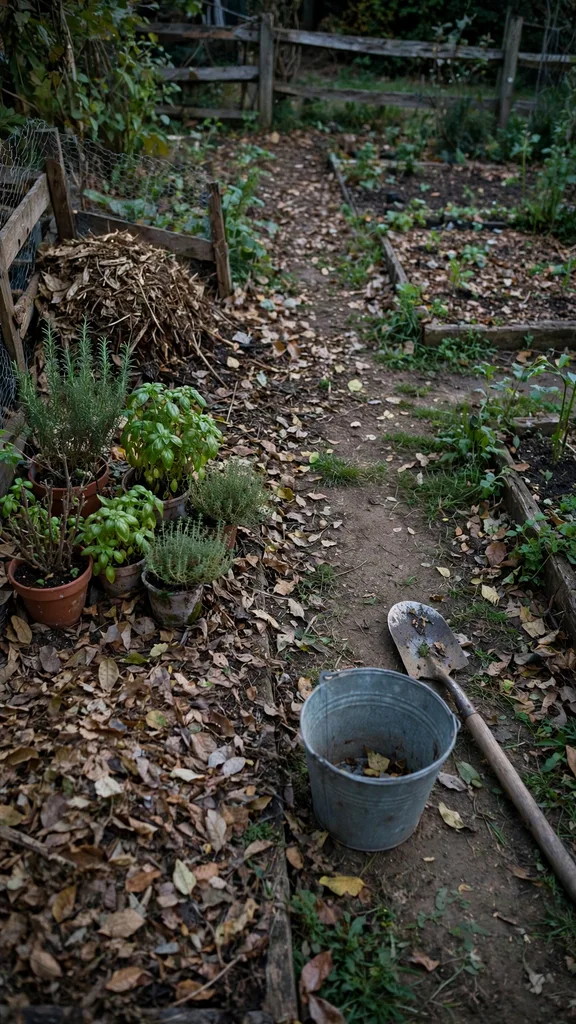
Keep the receipts for one month and compare them with the month before. The gap shows what the free moves saved. Spend that gap on the one tool or plant the garden still lacks.
Frequently Asked Questions About Budget Garden Ideas
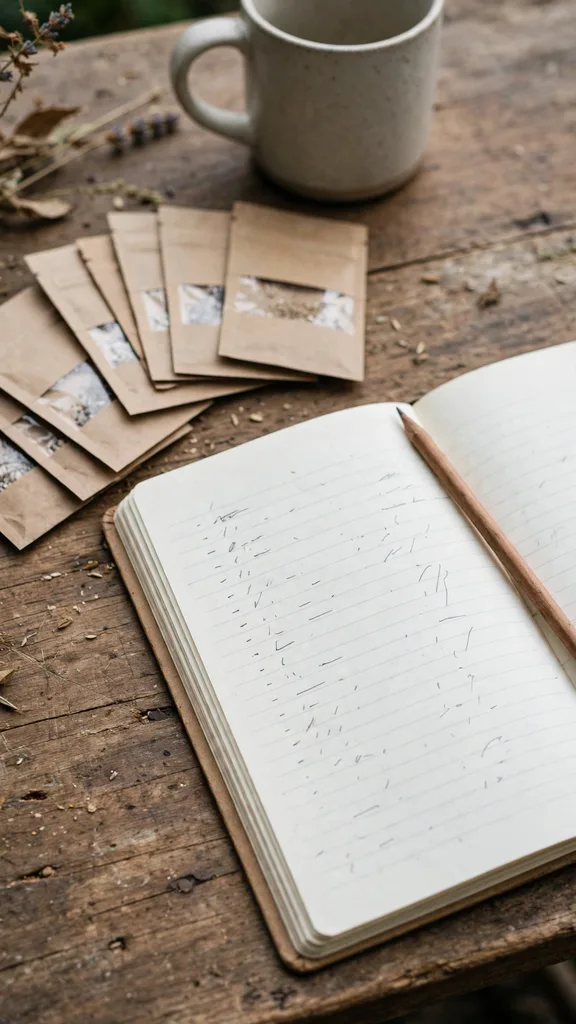
Savings depend on the size of the garden and what you grow. Free mulch, compost, divisions, and swaps replace the bags and plants most gardeners buy each spring. A small kitchen garden can cut its spring spend to a few dollars for seed. Track one season of receipts and the saving shows in plain numbers.
Start with seed sown direct, cuttings from neighbors, and divisions from crowded clumps. Build beds from reclaimed timber. Fill paths with cardboard and wood chips, use leaf mulch and a compost pile for feeding, and buy only seed and a few tools in the first year. The garden supplies the next season.
Leaves and cardboard cause few problems when used right. Shred leaves so they never mat into a sheet, and keep mulch back from stems so bark stays dry. Overlap cardboard edges so weeds never find a gap. Skip glossy printed cardboard and leaves from diseased trees, since both carry trouble into the bed.
Spend money when a free fix risks the plant or the season. Buy a soil test before feeding a bed that never grew well. Buy a sharp spade and secateurs, since blunt tools wound plants and waste time. Pay for seed of varieties that never appear in swaps. Free fixes suit mulch, paths, and extra plants.
A budget garden feeds a family when beds grow food the family eats every week. Plant rows of beans, peas, squash, potatoes, and leafy greens, and keep herbs near the kitchen door. Succession sow every few weeks so harvests run through the season. Free mulch and compost keep those beds productive without bought inputs.