
Here is the hard math on how to grow nagkesar from India: the seed in your hand has 60 to 90 days of life left, the tree takes four years to flower, and the spice packet labeled nagkesar at the shop is probably cassia buds anyway. Every other problem with this plant sits downstream of those three facts, and this guide solves them in that order.
Nagkesar has one of the messiest names in Indian spice. If you plant the wrong thing, you wait four years to learn it. If you buy stale seeds, you wait for nothing at all. The guide below starts by untangling the five-way identity maze so you grow the right tree, then walks the KAU-backed from-seed method that actually works: fresh seed, a nursery bed or polybag, silty loam without moisture stress, and honest patience. For a fellow slow tropical tree grown from seed, the mango playbook covers the same nursery-to-field arc.
If you have ever watched a packet of seeds do nothing for a month, you already know the lesson this tree teaches: the seed was probably dead before it shipped. Buy fresh, sow fast, and give the tree its four years.
1. Start With the Name, Not the Seed
Most spice names are confusing. Nagkesar is a full identity crisis. Five different products wear the name in Indian markets and cookbooks, and only one of them is the flower of Mesua ferrea. A spice writer named Ronald N. Tan documented the whole tangle in a close-reading essay of Indian cookbooks, and his sorting is the clearest available: he proposes designating Mesua ferrea as nagkesar and Cinnamomum cassia as kala nagkesar, so cooks can stop guessing. His essay traces every branch of the confusion through the cookbooks that caused it.
| Label on the packet | Actual plant | Part sold | The truth |
|---|---|---|---|
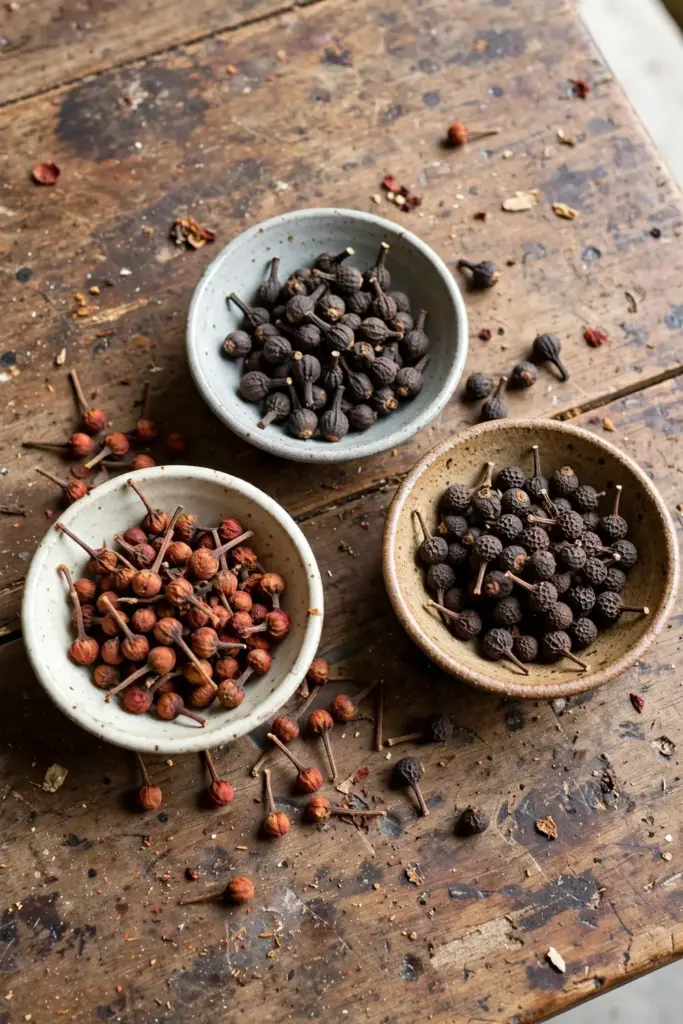
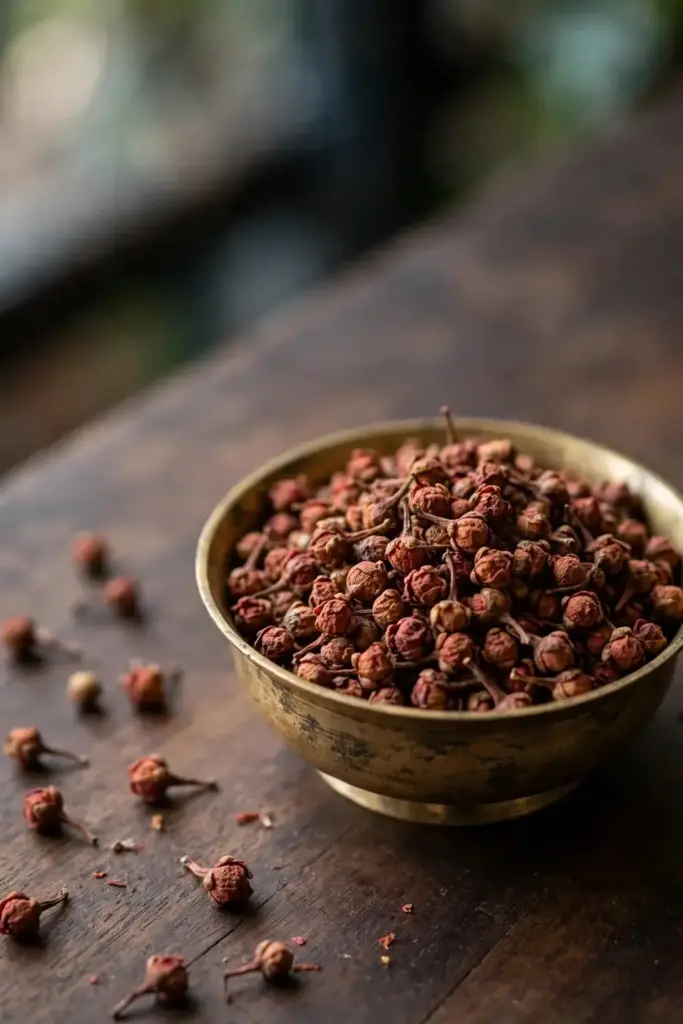
| Nagkesar, true | Mesua ferrea | Dried flower buds and stamens | Cobra saffron. Reddish buds with a floral-camphor aroma. This is what Ayurvedic formulas mean by Nagakeshara. |
| Kala nagkesar | Cinnamomum cassia | Immature fruits | Cassia buds. Pandey’s College Botany (p. 912) defines them as such. Dark, enlarged, clove-like. This is what most goda masala actually contains. |
| Nag kesar, Parsi cookbooks | Piper cubeba | Dried berry | Niloufer Ichaporia King describes it as resembling a peppercorn with a tail. Tailed pepper, a different plant entirely. |
| Kesar confusion | Crocus sativus | Stigmas | True saffron. Cobra saffron is only a common name; the two plants share nothing. |
| Nagkesar beej | Mesua ferrea seeds | Seeds | Not the spice. Seeds grow the tree; the flowers make the spice. Never swap one for the other in a recipe or a remedy. |
There is one more branch: the Western Ghats endemic Ochrocarpus longifolius (syn. Mammea longifolia) has been sold as a “red” form of nagkesar, with immature buds substituted for the real flower when Mesua buds were scarce. The practical rule survives the whole maze: if it looks like an enlarged black clove, it is cassia. If it is reddish with a floral-camphor smell, it is the real flower.
2. Where Nagkesar Grows: Climate and Site Honesty
Mesua ferrea is a humid-tropics tree. Kerala Agricultural University places it in the sub-tropical to tropical belt of East India, the Andaman Islands, and the Western Ghats, growing up to 1,500 m altitude. Its home is plains and riverbanks, places that never run dry.
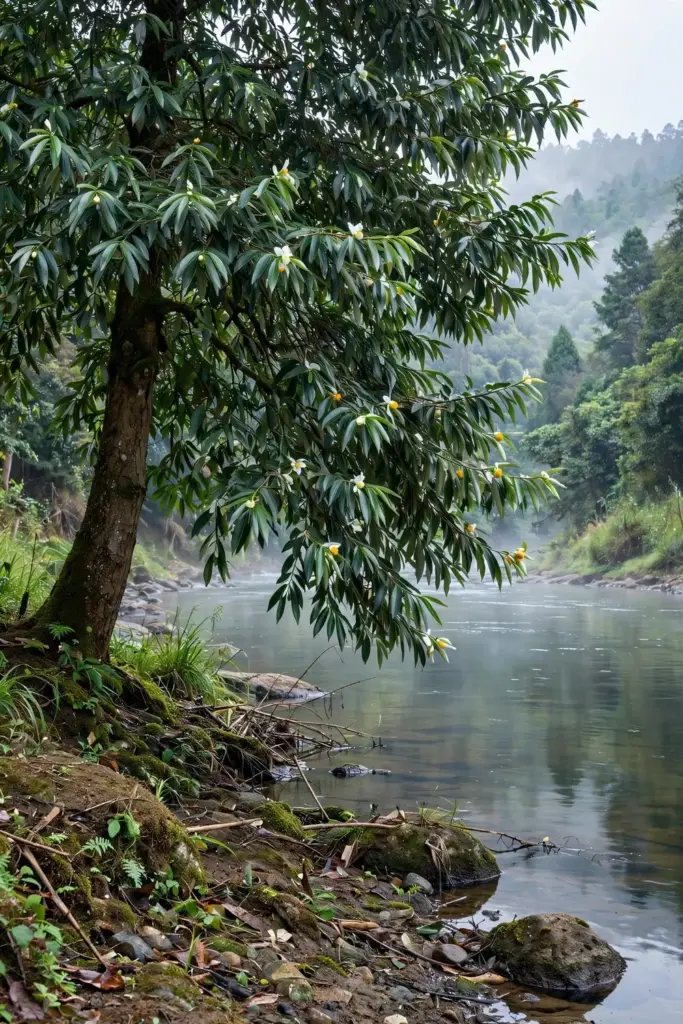
Translate that into garden terms. This tree wants heat, humidity, and steady soil moisture. It is frost-tender, so gardeners outside the warm zones grow it as a curiosity that will never flower outdoors. Full sun to semi-shade suits it; the shade option matters in regions where the afternoon sun scorches young leaves.
3. Meet the Tree: Mesua ferrea Identity
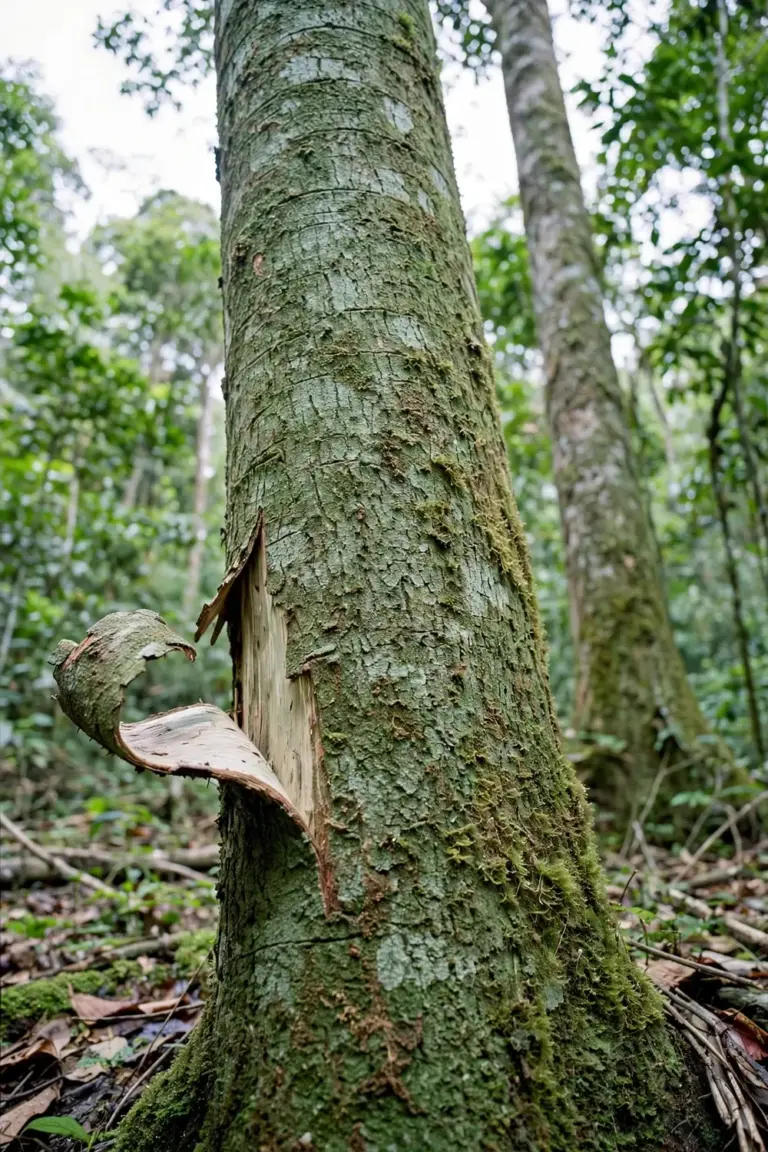
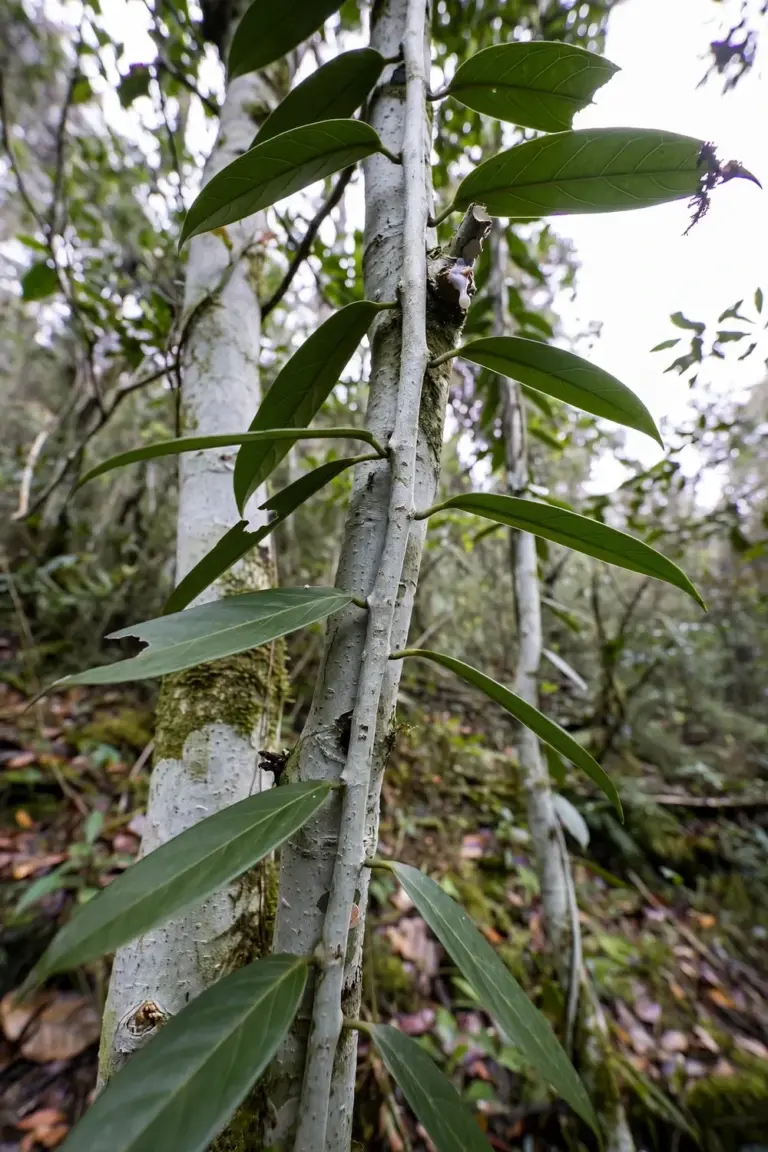
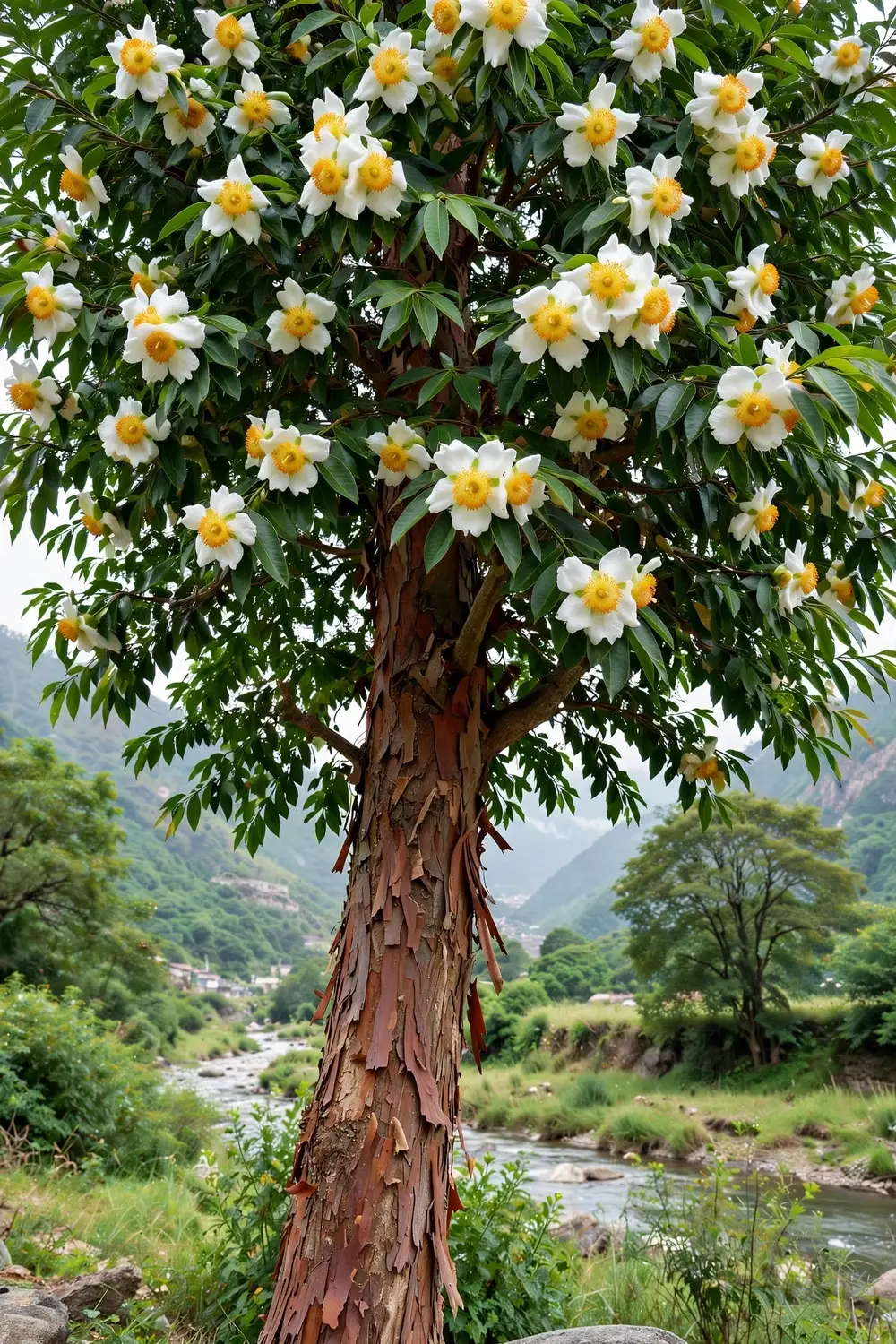
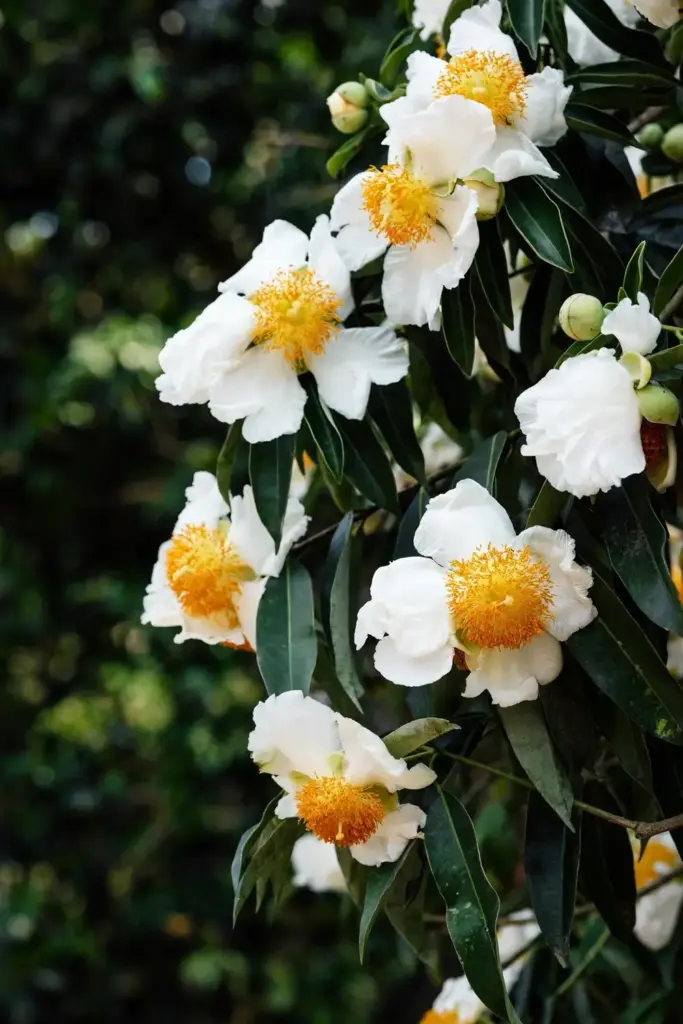
Know what a healthy tree looks like so you can buy the right nursery plant and recognize the right flower. KAU describes a medium to large evergreen tree, 18 to 30 m tall, with reddish-brown bark that peels off in thin flakes. Leaves are simple, opposite, thick and lanceolate with a waxy bloom underneath, and they flush red when young. The flowers are the showpiece: large, white, very fragrant, with numerous golden-yellow stamens much shorter than the petals. Fruits are ovoid with a persistent calyx, holding one to four angular, dark-brown, oily seeds. The university’s plant profile carries the full botanical description.
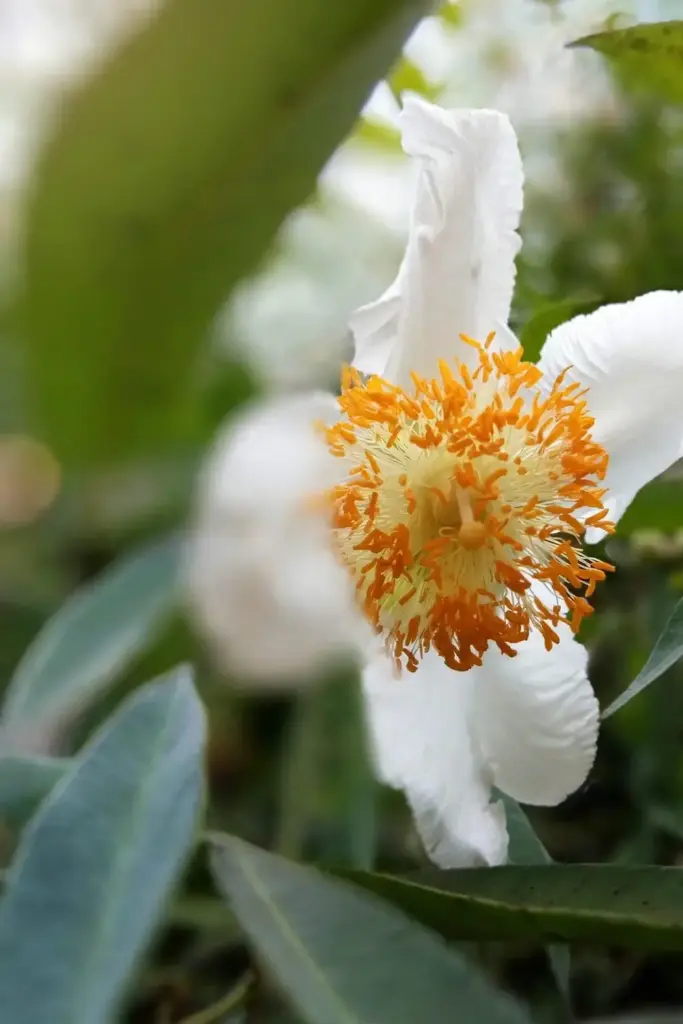
Two civic honors tell you how deeply this tree is woven into eastern India: it is the state tree of Mizoram, where it is called nahar, and its flower is the state flower of Tripura, where it is called nageshwar. An Indian tree nursery documents both titles alongside its propagation data. It is also the national tree of Sri Lanka.
4. Seeds Are the Only Practical Route
Forget grafting. Forget cuttings. The university package of practices propagates this tree by seeds, full stop. Seed formation runs from November to March, and the collected seeds go straight into seedbeds or polybags. That seed-only lane is the KAU agrotechnology in full.
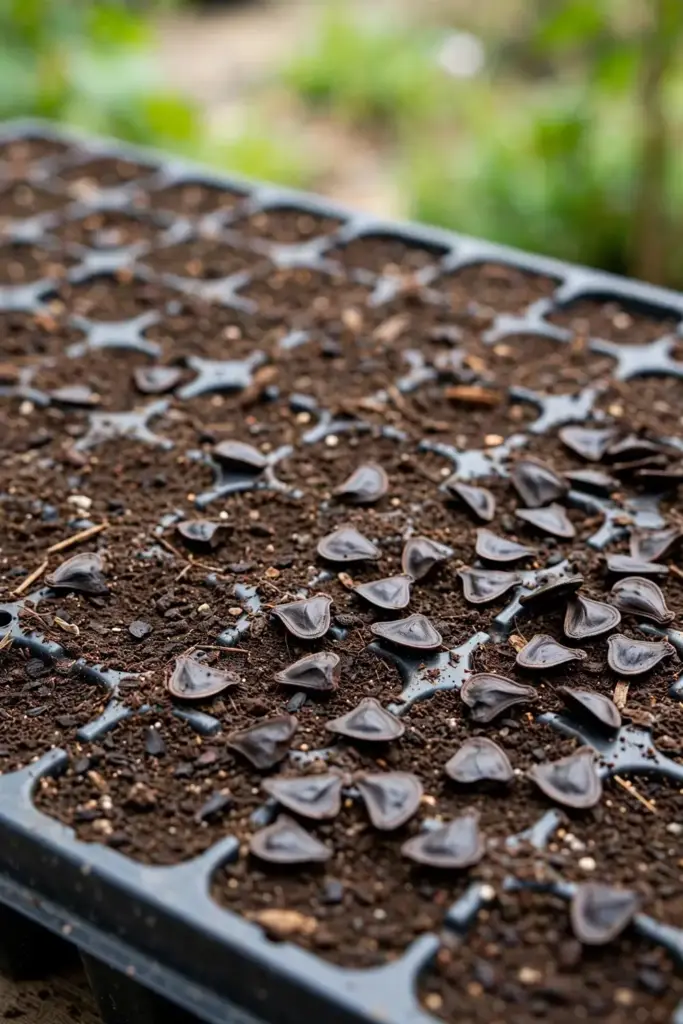
This simplifies your decisions. You are not choosing a method; you are choosing seed quality. Which brings us to the single most important fact below.
5. The Fresh-Seed Rule: Viability Collapses in 2 to 3 Months
So many home growers fail at step one for one reason. An Indian nursery guide reports germination of 75 to 90 percent in 11 to 24 days after sowing, and then adds the kicker: the seed loses viability quickly, within 2 to 3 months. Those numbers are the fresh-seed rule in one paragraph. A packet that sat in a warehouse for a season is not a bargain. It is dead inventory.
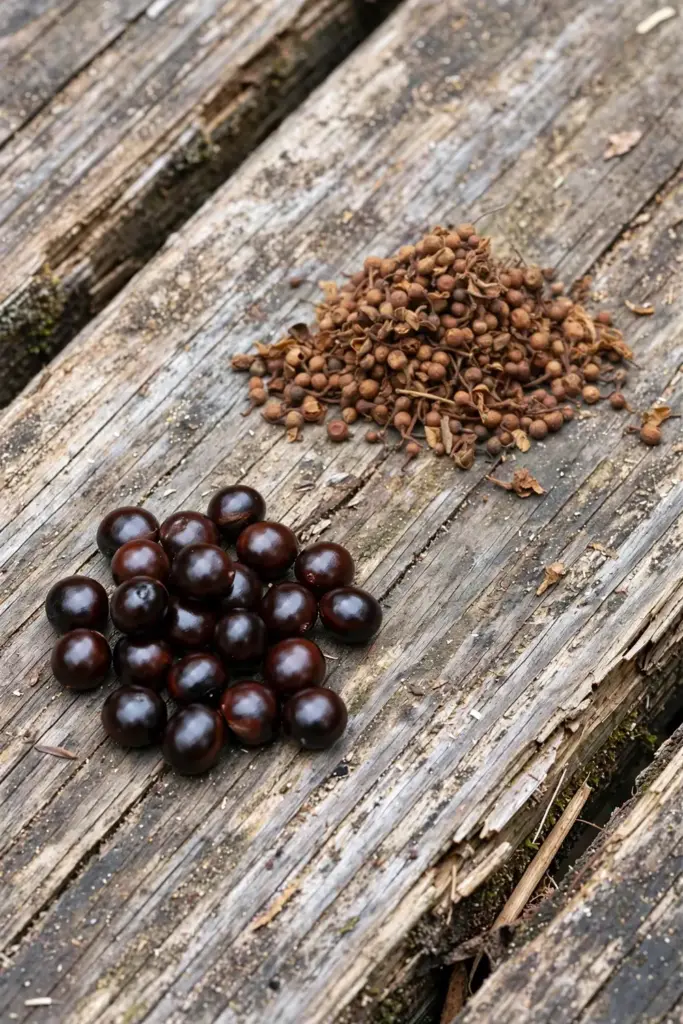
Buy seeds the way you would buy milk. Ask the seller for the harvest season, buy only seed harvested in the most recent November-to-March window, and sow within weeks of arrival. Marketplace reviews repeat the same complaint from buyers who skipped this check: not a single seed grew.
6. Germinating Nagkesar Step by Step
Sow fresh seed in the warm season, when soil temperatures sit comfortably above 25 C. The routine below follows nursery practice for Indian medicinal trees.
| Step | Action | Time |
|---|---|---|
| 1 | Soak seeds in room-temperature water for 24 hours; discard floaters | Day 0 |
| 2 | Sow 1 to 2 cm deep in a raised nursery bed or 15 cm polybags filled with sieved soil and compost | Day 1 |
| 3 | Water gently to settle the medium, then mulch lightly to hold moisture | Day 1 |
| 4 | Keep the bed evenly moist, never waterlogged, in bright shade | Days 1 to 24 |
| 5 | Watch for emergence; expect 75 to 90 percent of fresh seed up in 11 to 24 days | Days 11 to 24 |
| 6 | Move sprouted bags into morning sun once the first true leaves harden | Week 4 to 6 |
The 24-hour soak is nursery practice, not university prescription; it costs nothing and speeds imbibition. Skip the soak if your seed is marginal in age, since soaking cannot revive dead seed, only wake live seed faster.
7. Nursery Bed to Polybag: Seedling Care
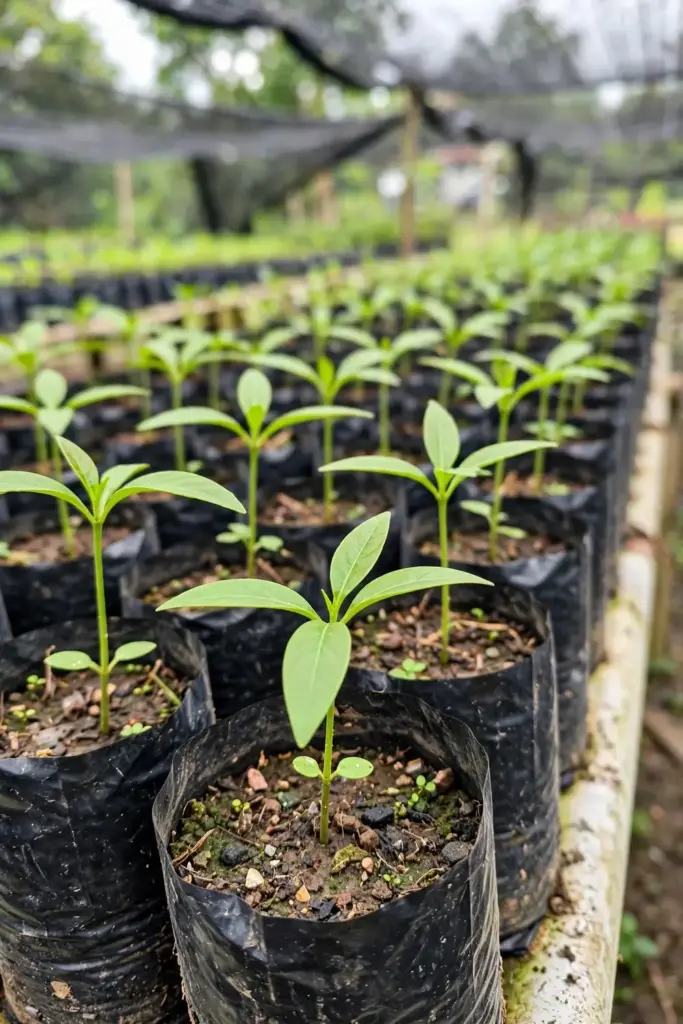
Seedlings want bright, filtered light for their first two months, not the blast of a tropical noon. Water daily in the dry season and back off in the rains; the goal is a medium that never dries out and never puddles. Weed the bed by hand, since young roots compete poorly and herbicide drift near medicinal seedlings is asking for trouble.
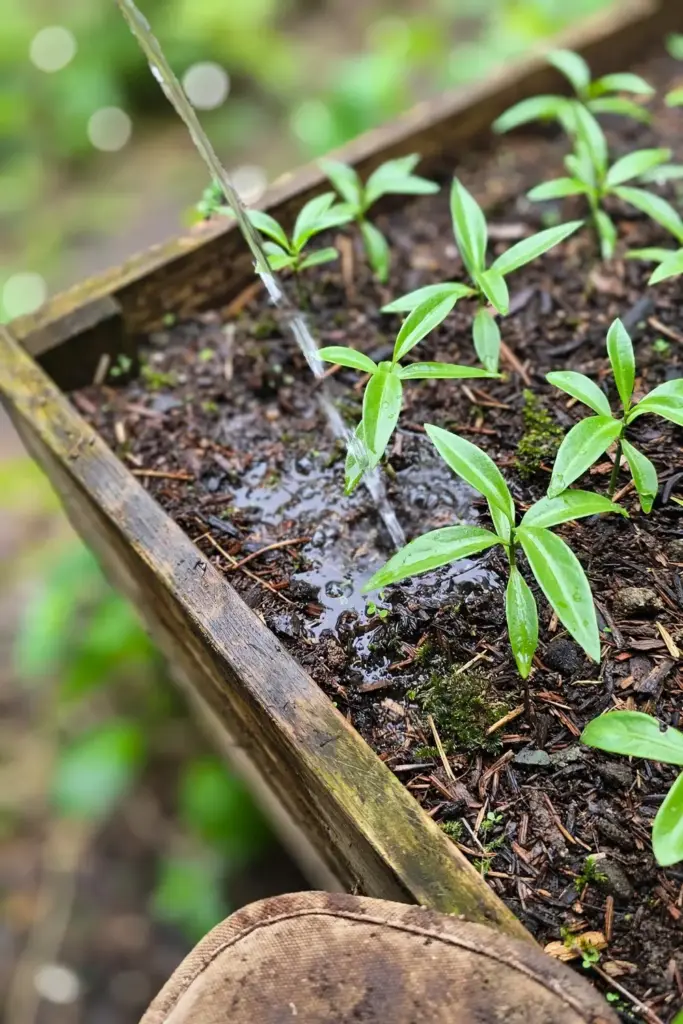
Pot up or transplant when seedlings carry four to six true leaves and stand about 15 to 20 cm tall. Disturb the roots as little as possible. The general seed-starting routine for tender nursery stock covers the same hardening and transplant steps.
8. Choose the Site: No Moisture Stress Allowed
Site selection is where home growers quietly kill this tree. KAU is explicit: the plant wants plains, riverbanks, or places that do not experience moisture stress, in silty loam soil. That moisture rule is the heart of the university package.
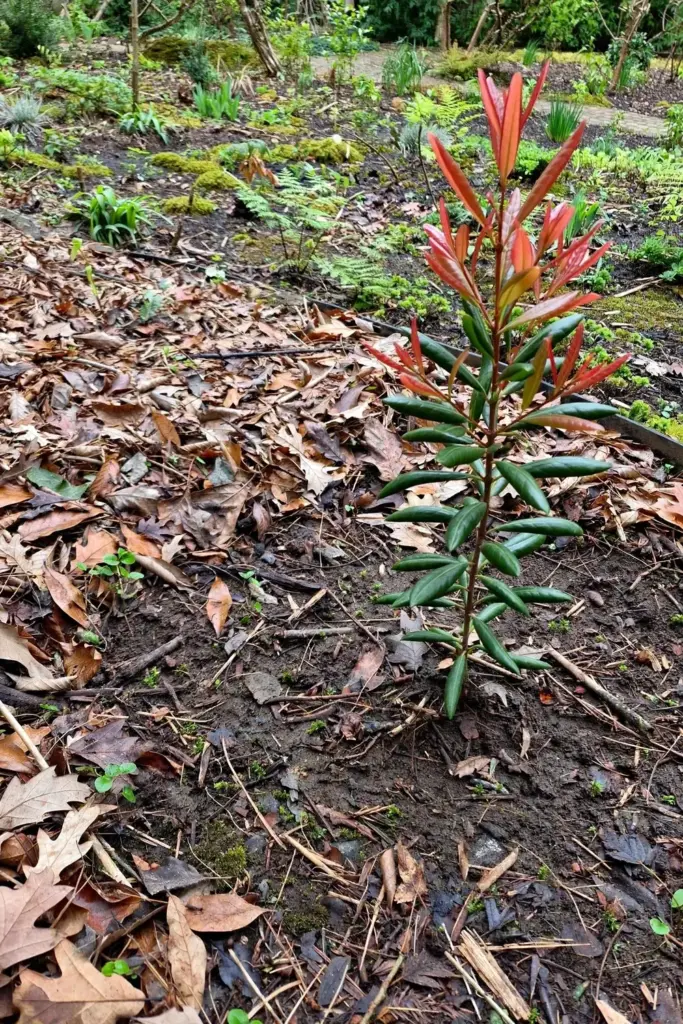
You will also meet nursery pages claiming the tree is drought-tolerant once established. Treat the two claims as a fence, not a fight: a mature tree in deep river-valley soil survives a dry spell; a young tree in a backyard that dries out every summer does not. Plant where you can water through the first three dry seasons without fail.
9. Planting Day: Spacing and the Field Pit
This is the part of how to grow nagkesar from India that most home guides skip, and it matters because the tree is large. Dig a pit 60 cm wide and 60 cm deep, mix the topsoil with 10 kg of well-rotted farmyard manure and a handful of neem cake, and plant at the same depth the seedling stood in the nursery. Space field trees at least 6 to 8 m apart; an 18-meter evergreen does not negotiate with fences.
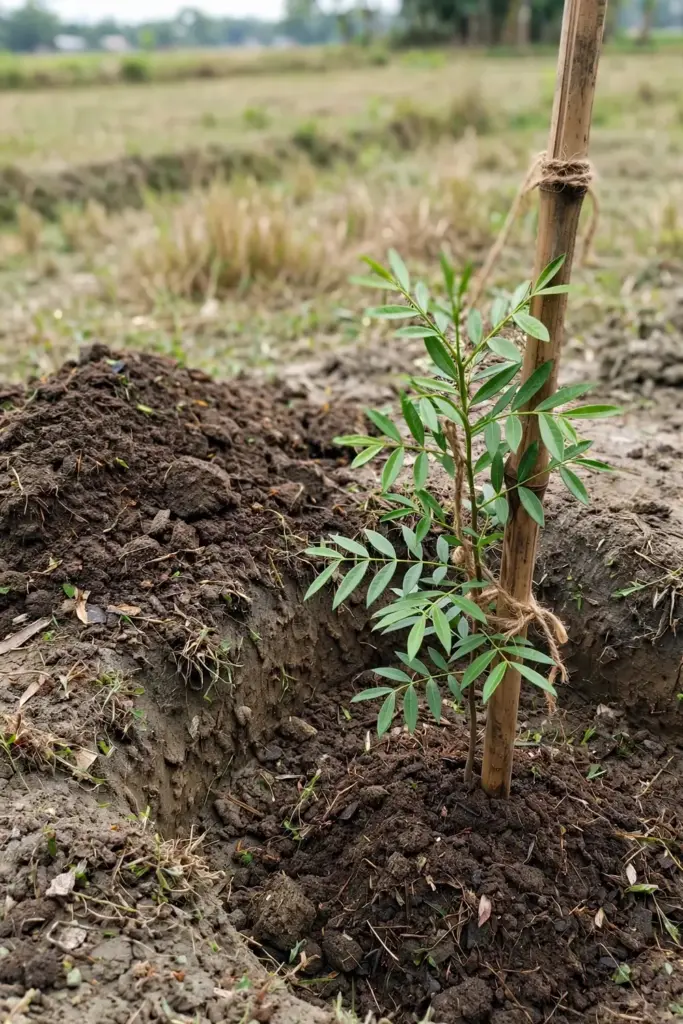
Plant at the start of the rains, when the soil is warm and wet and the seedling can root without transplant shock. Water the pit the evening before planting so the seedling goes into moist soil, and stake it against the first monsoon winds.
10. The Container Holding Pattern
Can nagkesar live in a pot? For a while. A young tree will sit in a 40 to 50 cm container for two to three years, which buys time if you are renting or waiting to move. But this is a holding pattern, not a plan. The tree is a slow 18-meter evergreen, and no container keeps it happy past the juvenile stage.
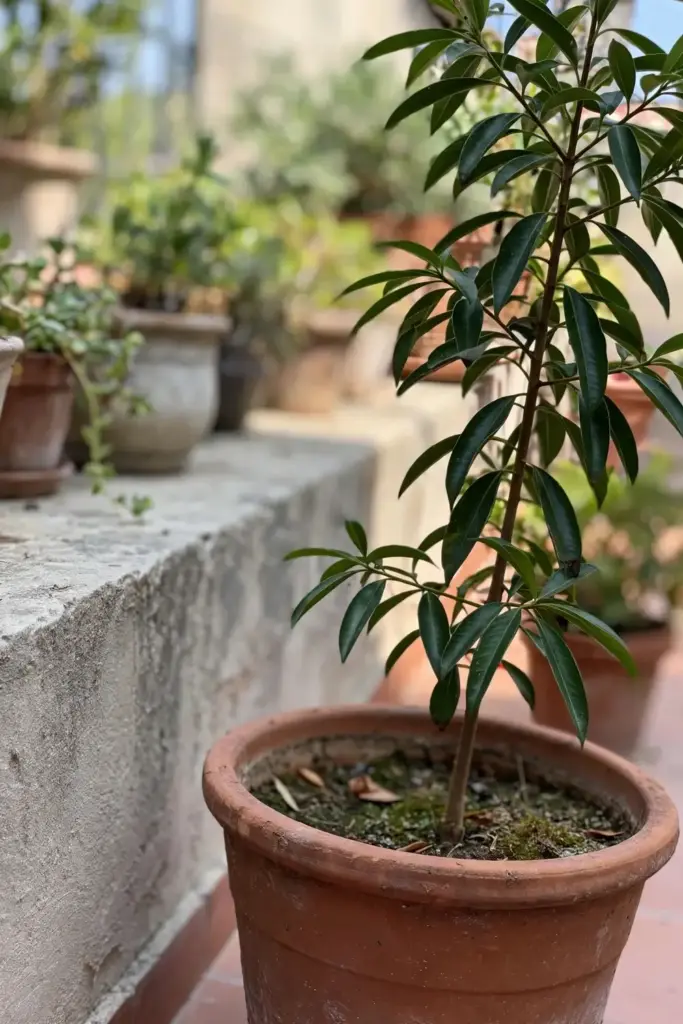
Some nursery sellers promise container growing outright. Their pages also promise things the university package never says, so read them as marketing. If you must hold a plant in a pot, use the largest you can move, repot yearly, and commit to a field site before the taproot starts circling.
11. Soil and Planting Medium
Silty loam is the university answer, and it is a good one: fertile, moisture-retentive, yet draining. Heavy clay suffocates the roots; pure sand starves them. Aim for a near-neutral pH around 6.0 to 7.5, the range Indian nursery guides quote for this species. The soil-health principles behind that choice are the same ones in this foundation guide.
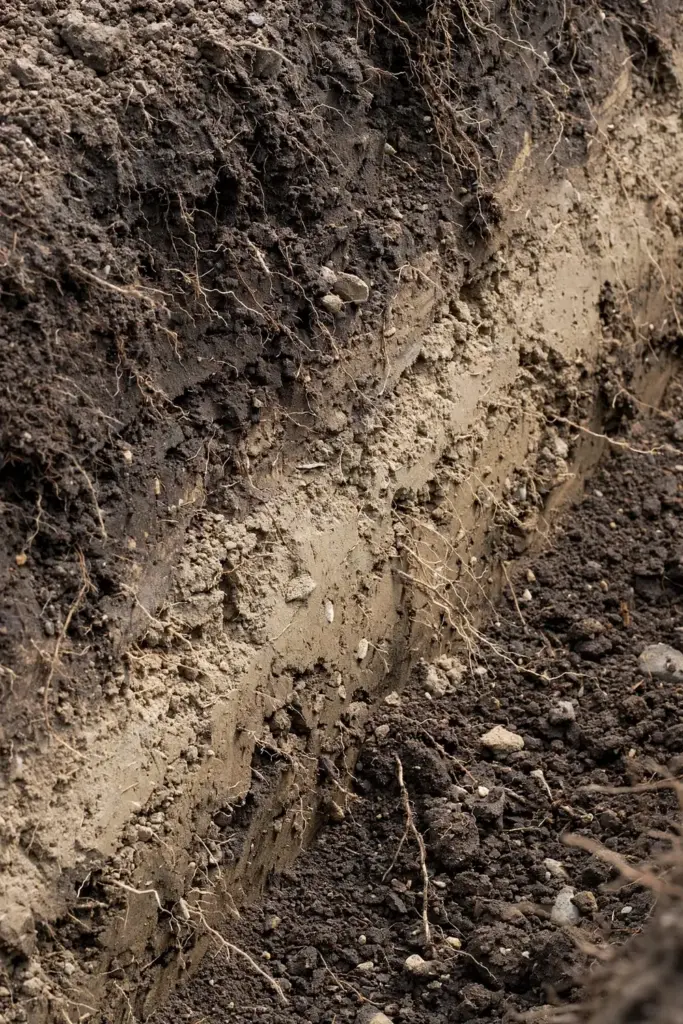
In polybags, a mix of two parts sieved garden soil, one part compost, and one part coarse sand gives seedlings the drainage-plus-moisture balance the field soil provides naturally.
12. Watering: Regular Irrigation
The university prescription is plain: regular irrigation and weeding. Water is not optional equipment for this tree; it is part of the package. In the first two years, water deeply twice a week through the dry season and skip only when the rains do the work. Mulch the basin with dry leaves to 10 cm to slow evaporation.
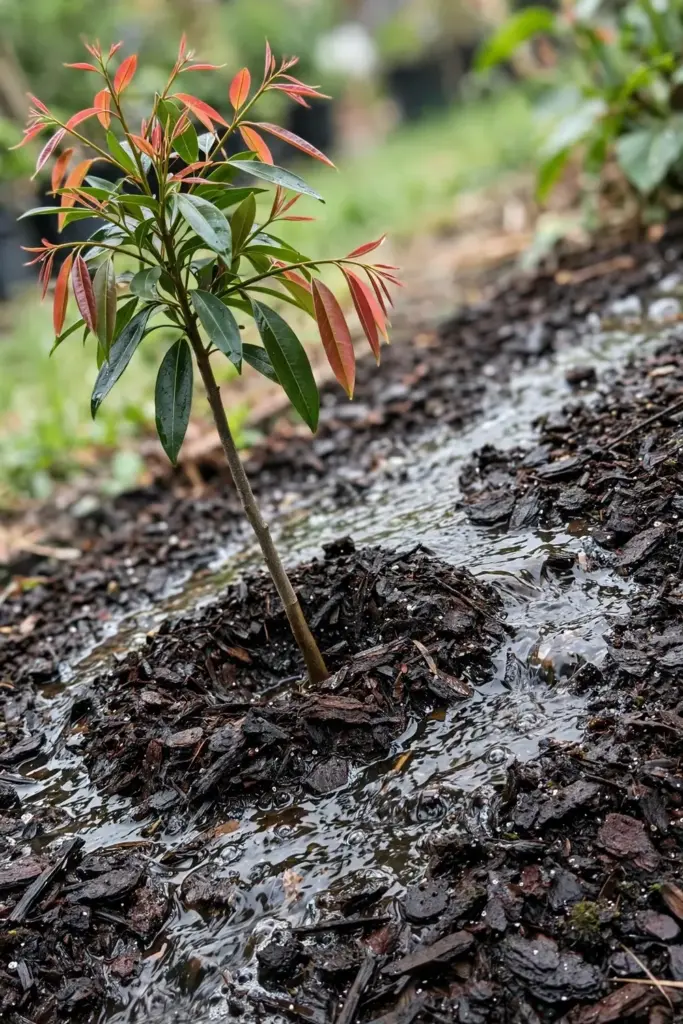
Watch the leaves. A nagkesar short of water stops flushing new growth long before it wilts, because the evergreen canopy is built to hold on. If a full growing season passes with no new red flush, the water schedule is wrong, not the tree.
13. Feeding: Farmyard Manure Twice a Year
KAU feeds this tree the traditional way: farmyard manure applied twice a year, with regular weeding alongside. That twice-yearly rhythm is the whole fertilizer program. Spread 10 to 15 kg of well-rotted manure per tree in a ring at the canopy edge each June and each December, and fork it lightly into the topsoil.
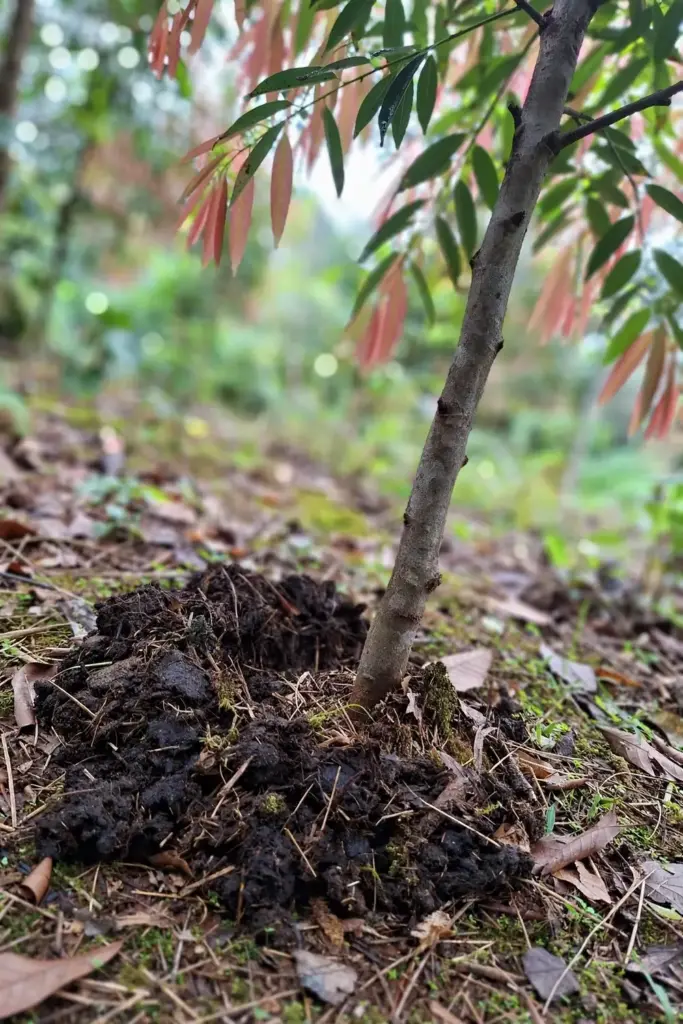
Young trees in poor soil get one extra push: a handful of compost around the base each quarter of the first year. Skip synthetic nitrogen blasts. A slow tree fed fast grows soft wood that the first storm snaps.
14. Early Training and Pruning
Nagkesar mostly trains itself. For the first three years, your job is small and infrequent: keep a single straight leader, rub out competing shoots while they are thumb-thick, and remove crossing branches before they scar each other. Do the cutting in the dry season so wounds heal fast.
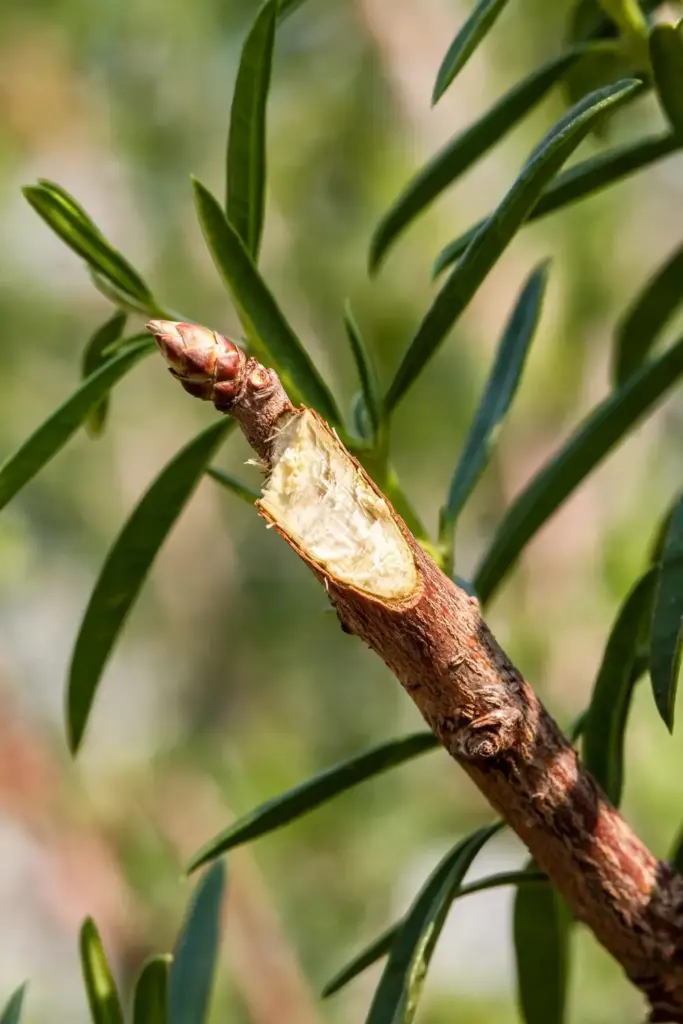
Never top the tree to keep it small. You cannot bonsai an 18-meter evergreen into a shrub without a fight you will lose, and every hard cut delays the flowering you planted it for.
15. Frost, Drought, and Other Stressors
This tree is frost-tender. One hard frost can kill a young planting outright, and even a light frost burns the red flush. Gardeners in frost zones should treat nagkesar as a greenhouse project, not a field tree.
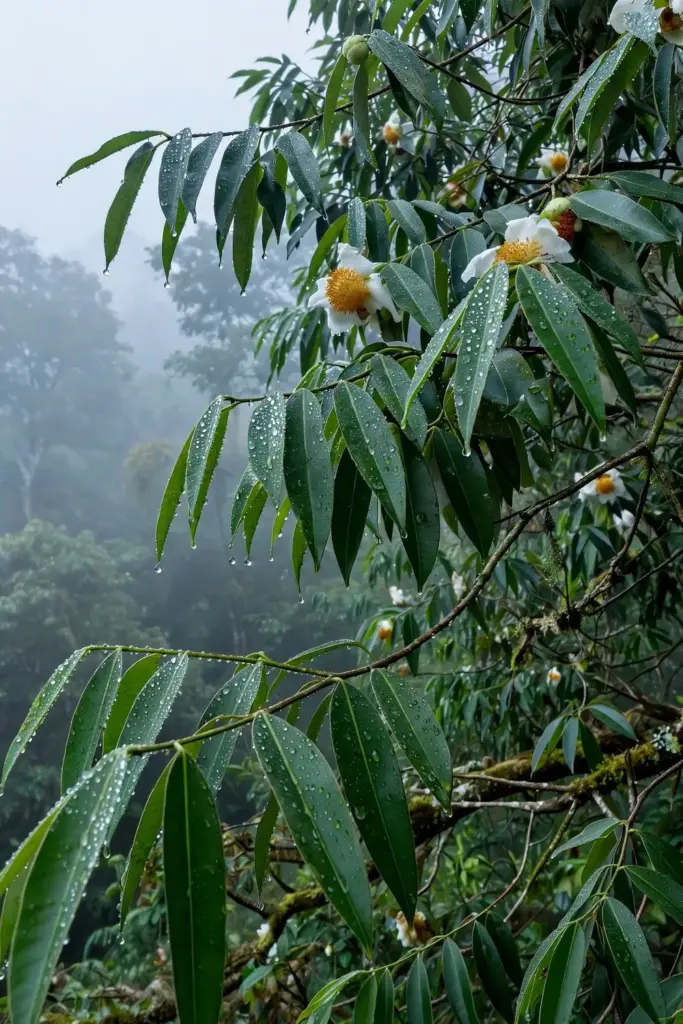
Drought is the slower killer. The KAU package assumes no moisture stress, and the riverbank habitat says why: this species evolved where the water table is never far. A tree that survives a dry year on established roots still sets fewer flower buds, so the drought-tolerance claims you read online describe survival, not performance.
16. Pests and Diseases
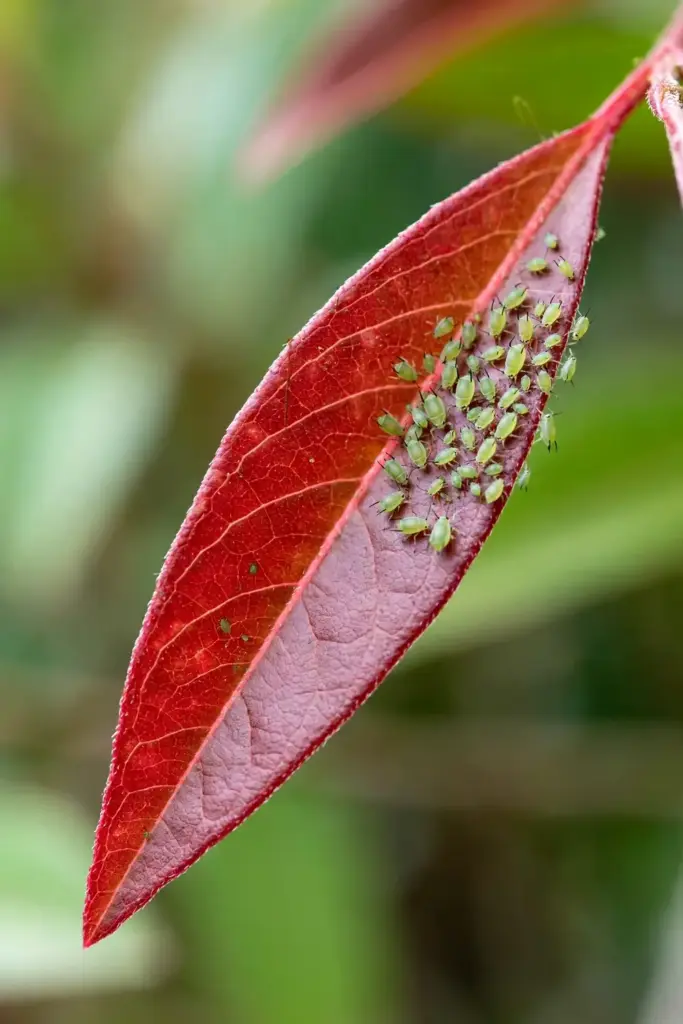
Here is an honest gap: little published data covers home-garden pests of this species. Treat it like any tropical evergreen. Watch for sap-sucking insects on the new red flush and for caterpillars chewing young leaves, and knock them off with a strong jet of water or neem oil before they establish. Good airflow and no waterlogging prevent most of the fungal trouble that hits crowded nursery beds.
17. Year Four: When the Tree Finally Flowers
Set your clock by the university: the tree flowers in the fourth year. That fourth-year milestone is the payoff the whole guide builds toward. In practice, the first flowering may be light; a tree that flowers at four gives a real harvest from year five or six onward. If your tree is seven and flowerless, suspect drought stress, deep shade, or a planting site outside the humid belt.
For company in the long wait, the mangosteen long-term guide is built on the same honest-timeline contract: plant, wait, and know exactly what year the payoff arrives.
18. Harvesting and Drying the Flower
The spice is the flower, specifically the dried flower buds with their golden stamens. Pick buds just as they open, in the cool of the morning, and spread them in a single layer on clean mats in full sun. Turn them twice a day until they are brittle and the stamens keep their golden color. The university notes that the flowers are collected, dried in the sun, and marketed, which is the entire post-harvest chain. Sun-drying is the documented method, not a folk guess.
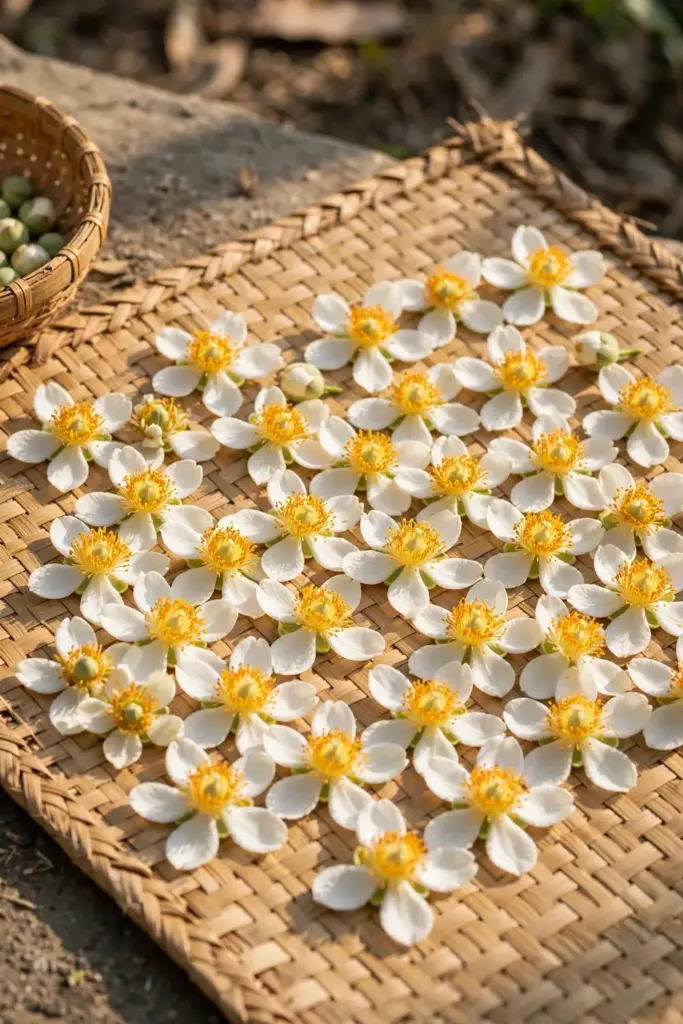
Store the dried buds in airtight jars away from light. A harvest that smells of floral camphor when you open the jar is the real thing; a harvest that smells of nothing was picked too late or dried too slow.
19. Traditional Uses, Kept Honest
This section reports tradition, not prescriptions. KAU records that dried nagkesar flowers, powdered and mixed with ghee, are given for bleeding piles and dysentery with mucus, and that the plant anchors formulations including Nagakeshara-adi-Churna and Naga Keshara Yoga. Seed oil is applied for cutaneous affections and rheumatism, and bark and roots serve as a tonic in decoction. The university lists these uses alongside the agrotechnology.
The modern reference adds numbers with restraint: a commonly cited traditional dose is 1 to 3 g of flower powder, and the same reference advises seeking medical advice for use during pregnancy. That pregnancy guidance is the line to respect. Do not self-dose for any condition in this section. If a health goal is on your mind, take it to a clinician or a qualified Ayurvedic practitioner, not to a gardening article.
20. Nagkesar in the Kitchen: Goda Masala Honesty
In the kitchen, the honest move is to say what the packet holds. The goda masala of Maharashtra lists nagkesar in the blend, but in practice the spice trade fills that slot with cassia buds far more often than with Mesua flowers. Two Maharashtrian cookbooks call their nagkesar “cassia buds” outright, and the dried immature fruits have been the working definition of kala nagkesar since Dymock’s 1893 pharmacographia. The cookbook-by-cookbook evidence is laid out in the misidentification essay.
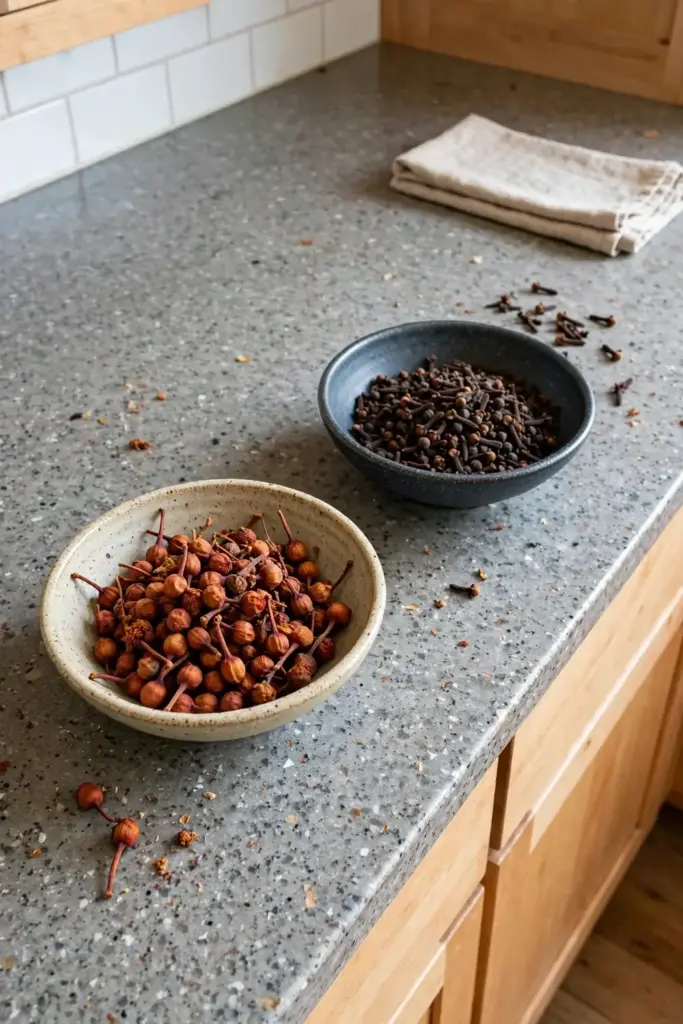
Cook with whichever one your recipe’s region intends, and label your jar truthfully. If you grow the tree, you will have the real flower; if you buy the blend, assume cassia unless the label proves otherwise.
21. Mistakes That Waste Years
Skip the viable seed. Every dead packet costs a full growing season, and the 2-to-3-month viability window does not negotiate. Buy only current-season seed and sow within weeks.
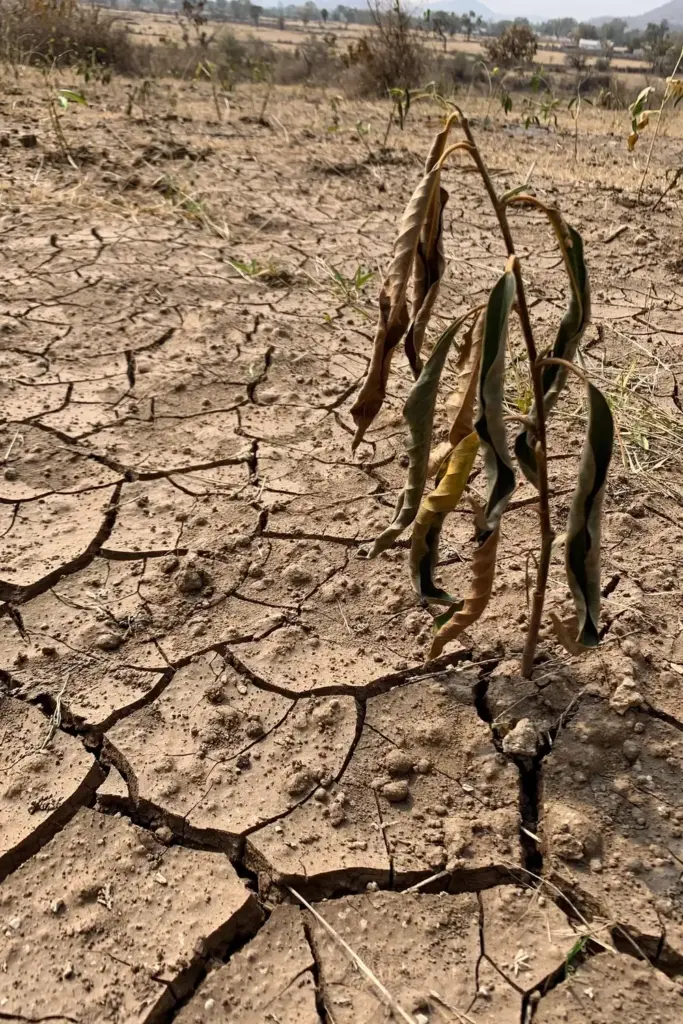
Plant it dry. A nagkesar on a moisture-stressed slope grows sideways in time: alive, but years behind the KAU schedule. Riverbank conditions are the instruction, not the poetry.
Expect a container harvest. No pot holds an 18-meter tree to flowering. Containers are a waiting room with a two-year lease.
Buy the wrong spice and cook blind. If your goda masala tastes of warm cinnamon depth rather than floral camphor, you are tasting cassia. Adjust the blend instead of blaming the recipe.
Ignore the frost line. One hard freeze erases four years of patience. Match the tree to your zone before you match it to your dreams.
22. Troubleshooting
Seedlings emerge, then stall. Check light first. Nursery stock held in deep shade grows pale and leggy; move it to bright filtered light and it resumes within weeks.
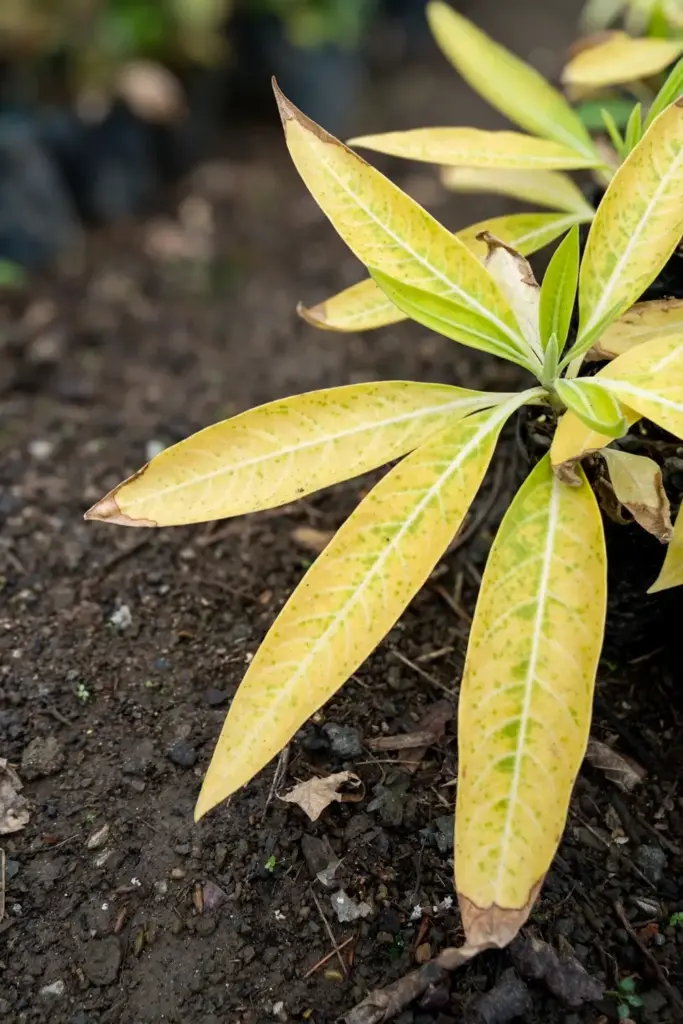
Leaves yellow between the veins. The medium is too alkaline or too wet. Shift the pH toward neutral with organic matter, and cut watering until the top 3 cm dries between sessions.
No flowers by year six. Revisit water, light, and site. A tree outside the humid belt, in dry soil or deep shade, flowers late or never. There is no fertilizer that substitutes for the right climate.
Bark splits on the trunk. Usually sunscald on a young tree after sudden exposure. Whitewash the trunk for a season and restore partial shade until the canopy thickens.
Ants farm aphids on the new flush. Wash the flush with a strong jet of water, then follow with neem oil. The ants leave when the aphids do.
Frequently Asked Questions
No. Nagkesar is the dried flower of the Mesua ferrea tree, while saffron is the dried stigmas of Crocus sativus, a small crocus. Cobra saffron is only a common name for nagkesar and causes the confusion. They share nothing botanically, and one cannot substitute for the other in a recipe.
Kala nagkesar, literally black nagkesar, is the dried immature fruit of Cinnamomum cassia, sold as cassia buds. Pandey’s College Botany defines it exactly that way. It is dark and clove-like, with a warm cinnamon depth, and it is what most commercial goda masala contains when the label says nagkesar.
Temporarily. A young tree will hold in a large container for two to three years, which suits renters or anyone waiting on a field site. But Mesua ferrea is a slow 18-meter evergreen, and no pot carries it to the fourth-year flowering that is the whole point of growing it.
Plan on four years from a well-grown seedling, per the KAU package of practices. The first flowering is often light, with real harvests from year five or six. Trees starved of water or planted outside the humid belt flower late or not at all.
Almost certainly stale seed. Viability collapses within 2 to 3 months of harvest, and germination of fresh seed runs 75 to 90 percent in 11 to 24 days. Seed bought outside the November-to-March harvest window, or stored through a warehouse summer, is usually dead on arrival.
Do not decide that from a gardening article. An Ayurvedic reference advises seeking medical advice for nagkesar use during pregnancy, and traditional doses of 1 to 3 g of flower powder are cited only as traditional practice, not guidance. Take any medicinal question to a clinician or a qualified Ayurvedic practitioner.
Where to Go From Here
Learning how to grow nagkesar from India is a four-year contract with a tree that rewards precision at the start and patience ever after, and most of the precision is just refusing bad seed and dry soil. Buy this season’s seed, sow it within weeks, plant it where the soil never goes dry, feed it manure twice a year, and let it become the evergreen it wants to be. Do that, and the fourth spring brings white flowers with golden centers, the state flower of Tripura, drying on your own mats. That is the real nagkesar, and now you know exactly what the name means.