
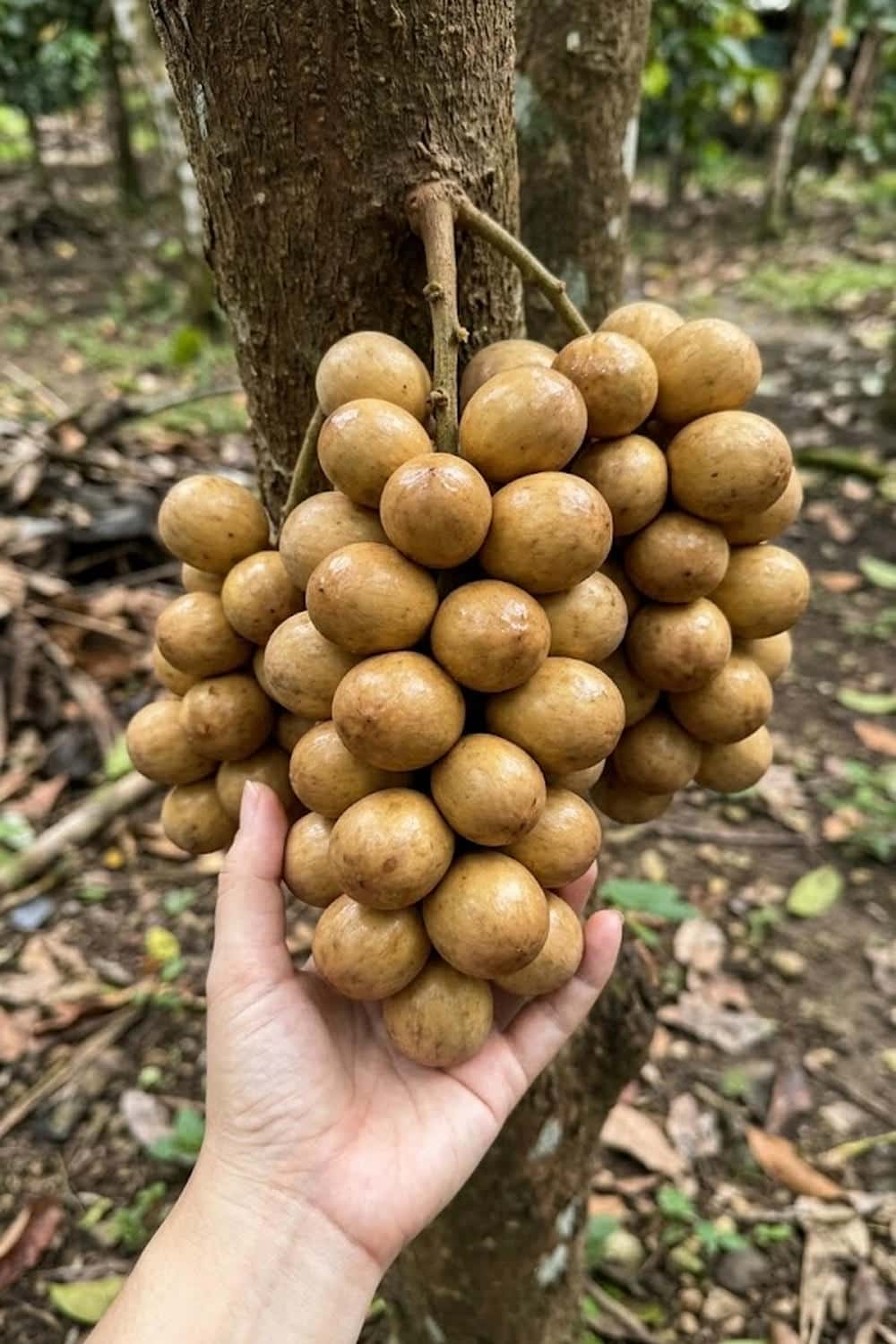

You buy a bag of translucent, sweet Lanzones, and naturally, you want to grow them. You plant a seed, wait months, and… nothing happens, or the tiny sprout withers almost immediately. It’s frustrating when you invest time into a plant that seems destined to fail, especially when you are balancing gardening with a full-time job. But I have found that with the right approach, success is possible. By understanding the critical needs of this tropical tree, specifically regarding variety selection and humidity, you can grow sweet clusters successfully. How to grow Lanzones fruit successfully starts by following a structured, fact-based management plan, which I will share with you based on my personal experience in the garden.
1. Select the Right Lansium Domesticum Cultivar
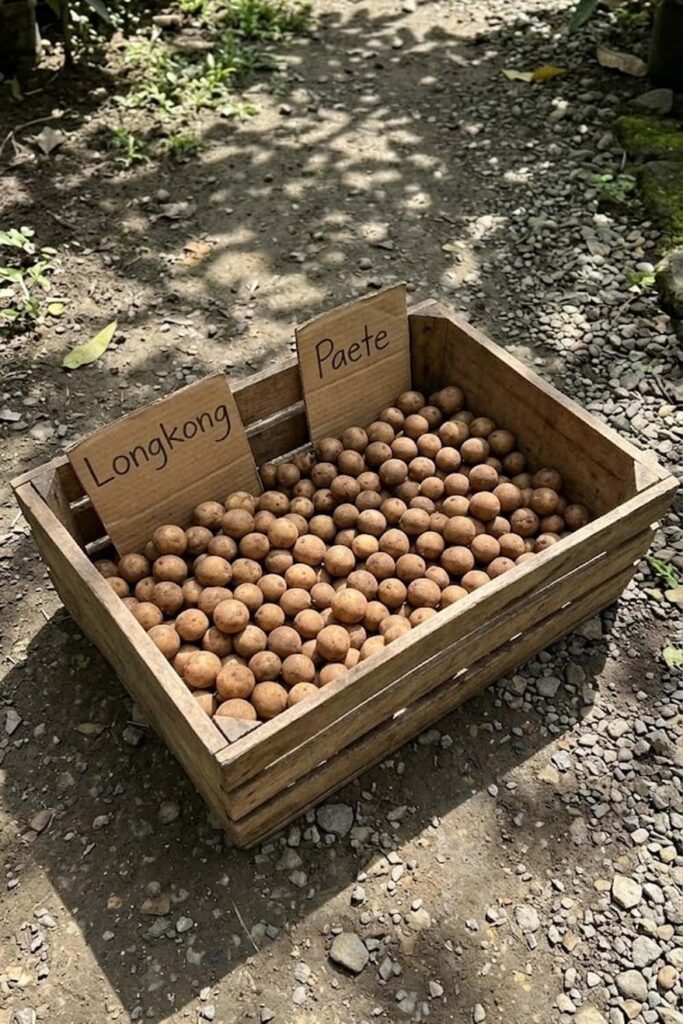
I cannot stress enough how important variety selection is. When I first considered growing Lanzones, I just assumed all trees were the same. They are not. If you want sweet fruit with little to no milky latex, you must choose the right cultivar. The three main types you will find are Paete, Duku, and Longkong. The Paete variety is very common in the Philippines; it is sweet but often has a lot of latex. Duku trees tend to have wider crowns and produce larger, thick-skinned fruits that are generally seedless and sweet. Longkong is highly desired because it is almost entirely latex-free and exceptionally sweet, though the tree itself is slightly more delicate to establish. Based on my experience, for a home gardener with limited time, investing in a Longkong or Duku sapling yields the most satisfying results for the effort.
2. Implement the 8-Day Seed Viability Rule
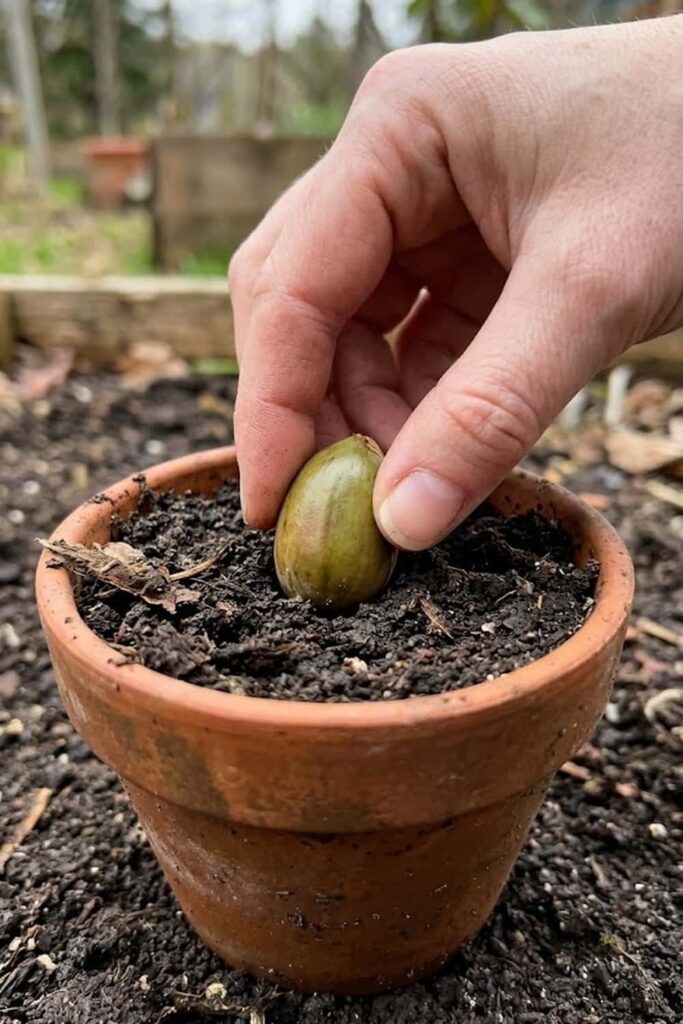
If you are determined to grow Lanzones from seed, you absolutely must respect the “recalcitrant” nature of the seed. I learned this the hard way: you cannot save these seeds for next season. They do not go dormant. Once the seed is removed from the fruit pulp, it begins to lose viability rapidly. If the seed dries out completely, it dies. You have a maximum window of about 8 days to get that seed into moisture and soil. The best technique I can recommend is to wash the pulp off immediately and plant them in a communal pot of moist sand or loamy soil. If you have to wait a day or two, keep the seeds wrapped in a damp paper towel in a sealed plastic bag. Ignoring this strict rule is the primary reason for failure in the earliest stage of care.
3. Prepare Well-Drained Sandy Loam Soil
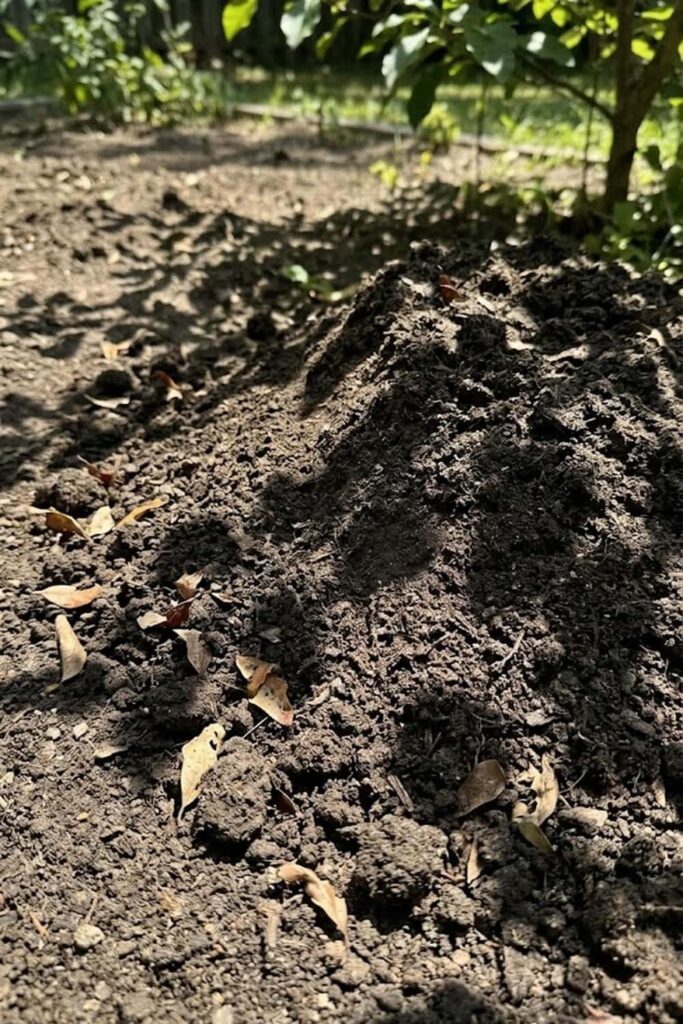
From my experience, Lanzones trees are incredibly fussy about their roots. I have seen many saplings failure because they were planted in heavy clay soil that waterlogs during the rainy season. These trees need well-drained soil that is rich in organic matter. Sandy loam is the ideal texture. I find that creating a raised planting mound, especially in areas with questionable drainage, provides necessary root protection. When you are amending the soil, incorporate generous amounts of compost or well-rotted manure. A practical management technique I use is to dig a large hole and fill it with a mixture of two parts compost, one part native soil, and one part coarse river sand. This mixture ensures proper aeration and drainage, preventing root rot while maintaining the moisture the tree craves.
4. Provide 50% Shade Protection for Young Seedlings
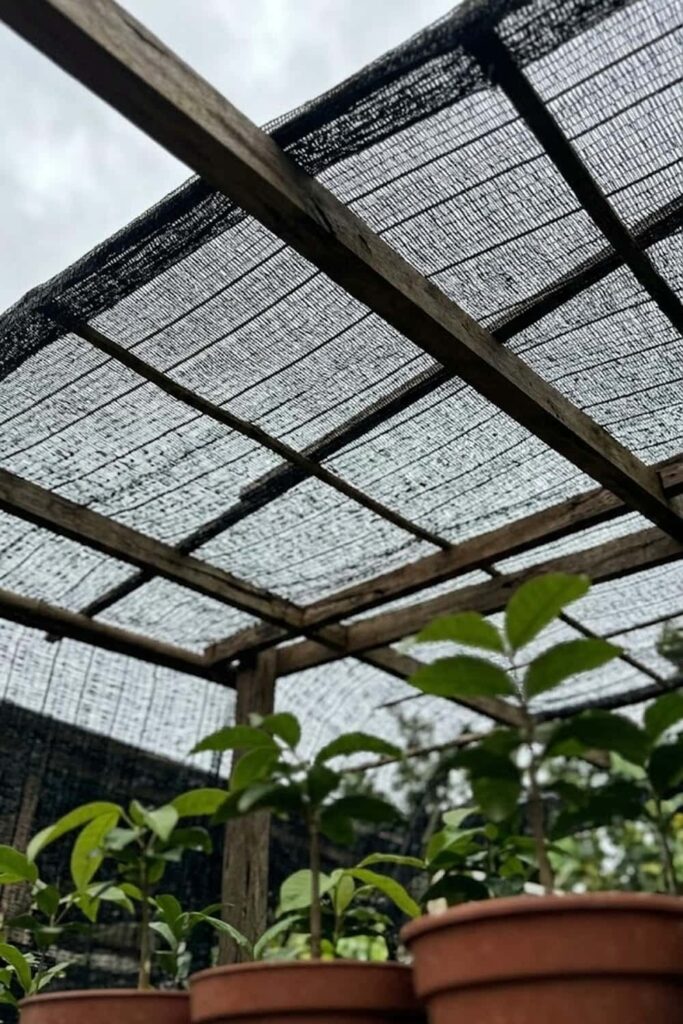
I learned quickly that young Lanzones seedlings are extremely sensitive to heat. They can easily sunscorch and die in just one afternoon of direct exposure. When you plant how to grow Lanzones fruit trees, you must think about shade as a non-negotiable requirement for the first two to three years of the tree’s life. I remember trying to grow one in full sun, and it withered despite my constant watering. Now, I use shade cloth or plant them under the protective canopy of existing trees, like bananas or coconuts. This companion strategy works very well because the larger plants block the harsh midday sun while creating a humid microclimate. When planting a sapling, aim for approximately 50% shade protection. You can reduce this gradually as the tree grows more robust. Management involves constantly assessing how much light your tree is receiving at different times of the day.
5. Maintain Consistent 75% Humidity Levels
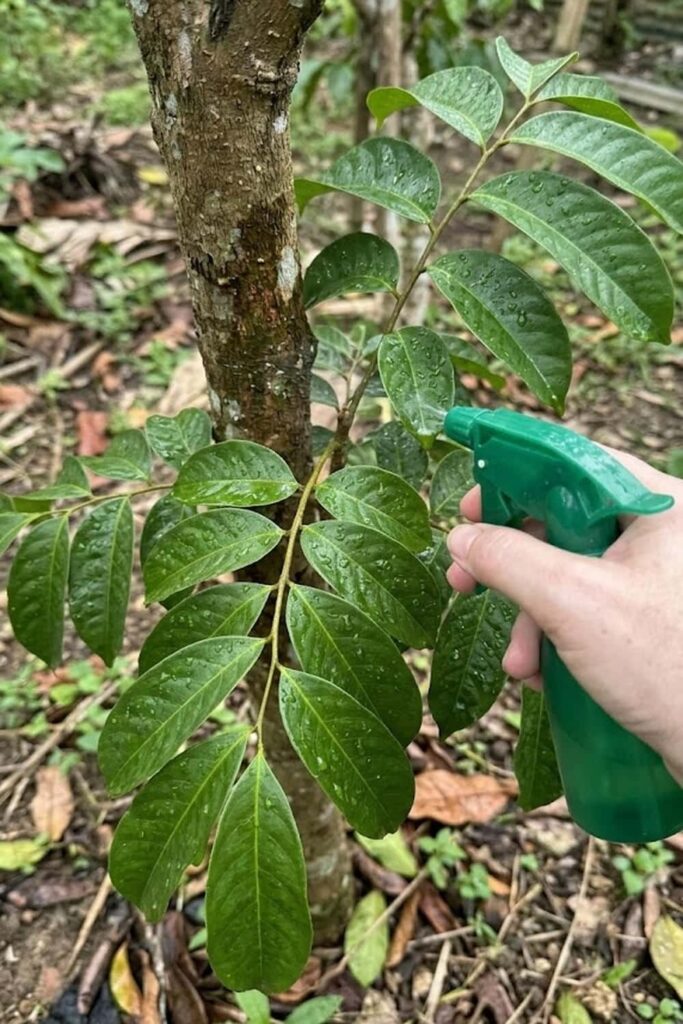
You have probably noticed that Lanzones grow best in very specific tropical zones. The reason is humidity. These plants thrive in conditions where the air is constantly moist, ideally around 75% to 80% humidity. When I first started, I focused only on watering the soil, but the dry air in my area was stressing the tree, leading to slow growth and leaf drop. To manage this effectively, you must increase the environmental humidity around the plant. I find that regular misting of the foliage, especially during dry spells, makes a significant difference. If you are serious about growing Lanzones, consider clustering other tropical plants around the tree to create a high-humidity microclimate. Using mulch at the base also helps keep the local environment moist. In fact, consistently high humidity is one of the most critical factors for long-term protection against stress and ensuring healthy fruit development.
6. Master the Art of Cleft Grafting for Faster Yields
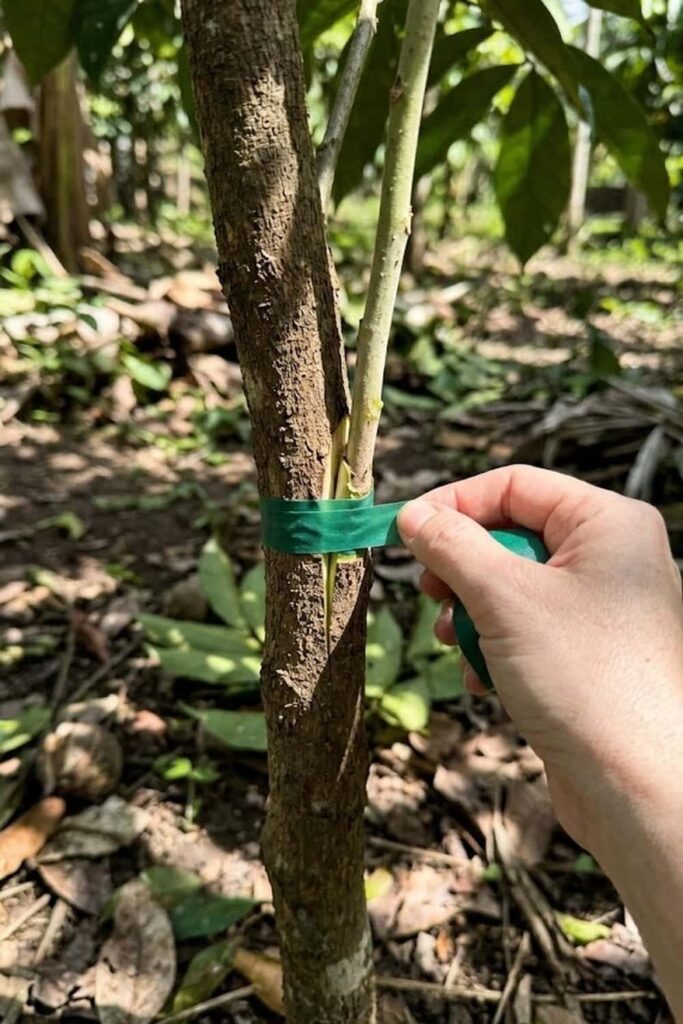
You have probably heard that growing Lanzones requires the patience of a saint. If you plant a seed, you are looking at a minimum of 12 to 15 years before you see your first fruit cluster. I don’t know about you, but I prefer a faster return on my gardening investment. The solution I use is asexual propagation, specifically cleft grafting. This technique involves joining a scion (a shoot from a mature, sweet-fruiting tree) onto a robust seedling rootstock. When successful, the grafted tree inherits the maturity of the scion parent, meaning you can expect fruit in just 5 to 7 years. Grafting Lanzones requires precision and timing—I find the best results are achieved during the logic monsoon season when humidity is naturally high, ensuring the delicate tissues don’t dry out before the union heals. Control of internal moisture during healing is crucial for success.
7. Use Ammonium Sulfate for Early Vegetative Growth
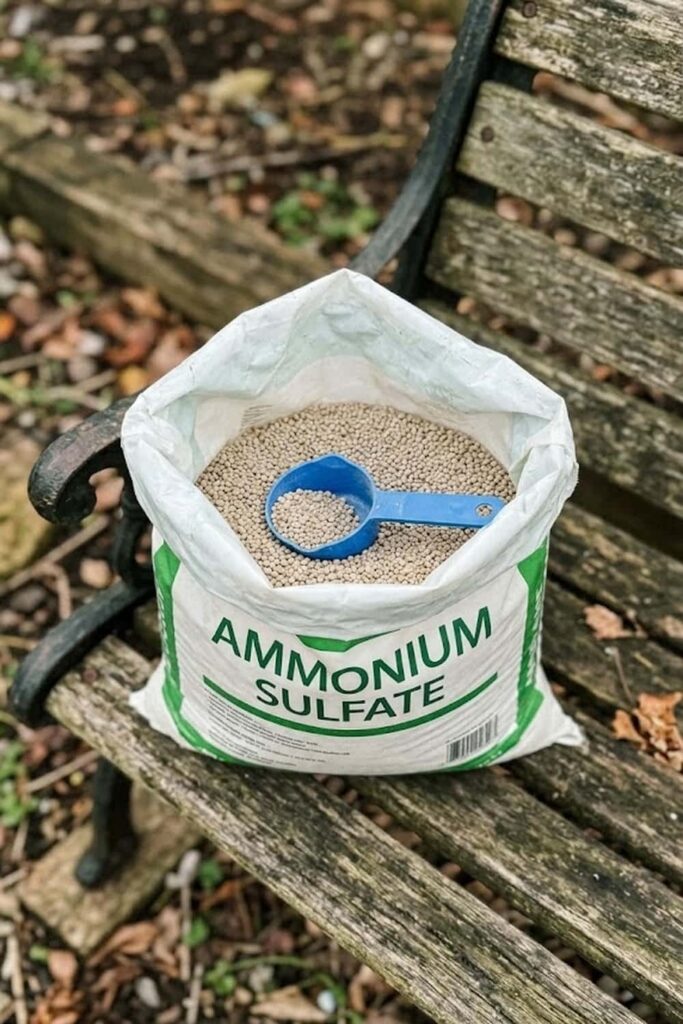
I have learned that you cannot just “plant and forget” a Lanzones tree, especially in its first few years. They are heavy feeders when they are establishing their canopy. During the first phase of plant care, which focuses on vegetative growth, I prioritize nitrogen. I have found that Ammonium Sulfate (21-0-0) is highly effective for Lanzones seedlings. It provides the nitrogen boost needed for vibrant green leaves and rapid stem elongation, while also slightly acidifying the soil, which this tree prefers. A management routine I use is applying a small handful of Ammonium Sulfate around the base, keeping it at least 6 inches from the trunk, right at the start of the rainy season. For a robust fertilizer schedule, review the table below for a general guide based on my experience.
| Tree Age | Recommended Fertilizer Type | Application Timing |
| Seedling (0-3 years) | Ammonium Sulfate (High Nitrogen) | Start of Rainy Season (split into 2-3 applications) |
| Young Tree (4-6 years) | Complete Fertilizer (14-14-14) | Twice annually (start and end of rainy season) |
| Bearing Tree (7+ years) | High Potassium (e.g., 0-0-60) | Just before flowering/during fruit set |
8. Establish a Strict Irrigation Schedule During Dry Months
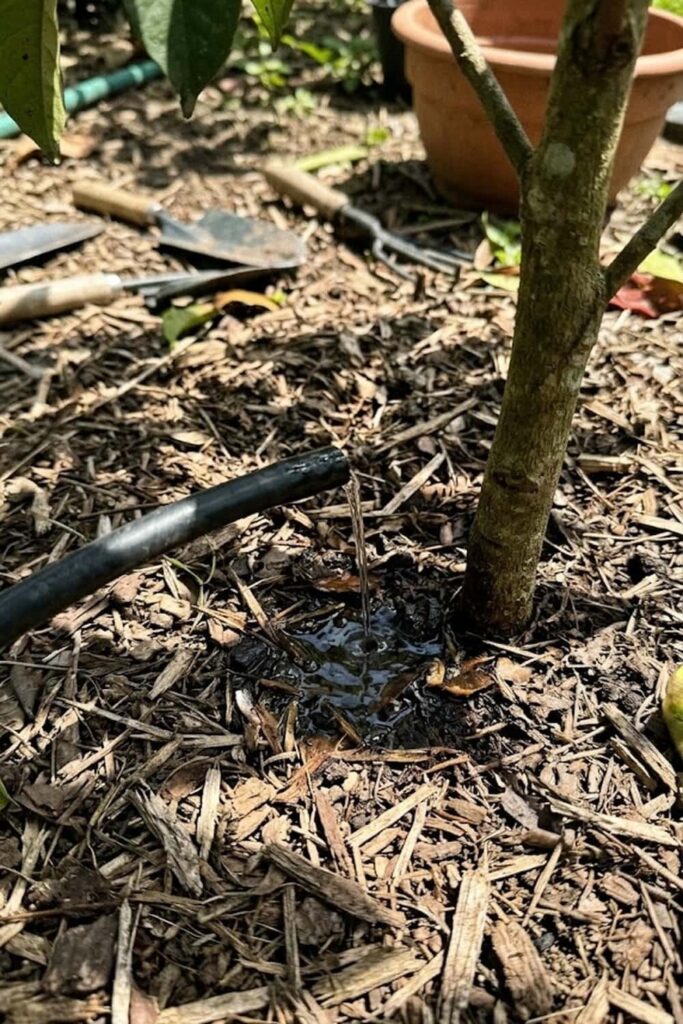
I find that water management is the most critical weekly task when growing Lanzones. While they absolutely hate sitting in waterlogged soil (which is why well-drained sandy loam is essential), they are incredibly sensitive to drought. A Lanzones tree should never dry out completely. A strict irrigation schedule is mandatory, especially during the dry summer months. I have observed that even a few days of water stress can cause significant fruit drop or, in extreme cases, the death of a young sapling. You need to management the moisture of the root zone constantly. My strategy is a deep, thorough watering once or twice a week, depending on how hot it is. Mulching around the base with organic matter is a great way to control soil moisture and prevention excessive evaporation.
9. Decapitate the Apical Shoot to Encourage Branching
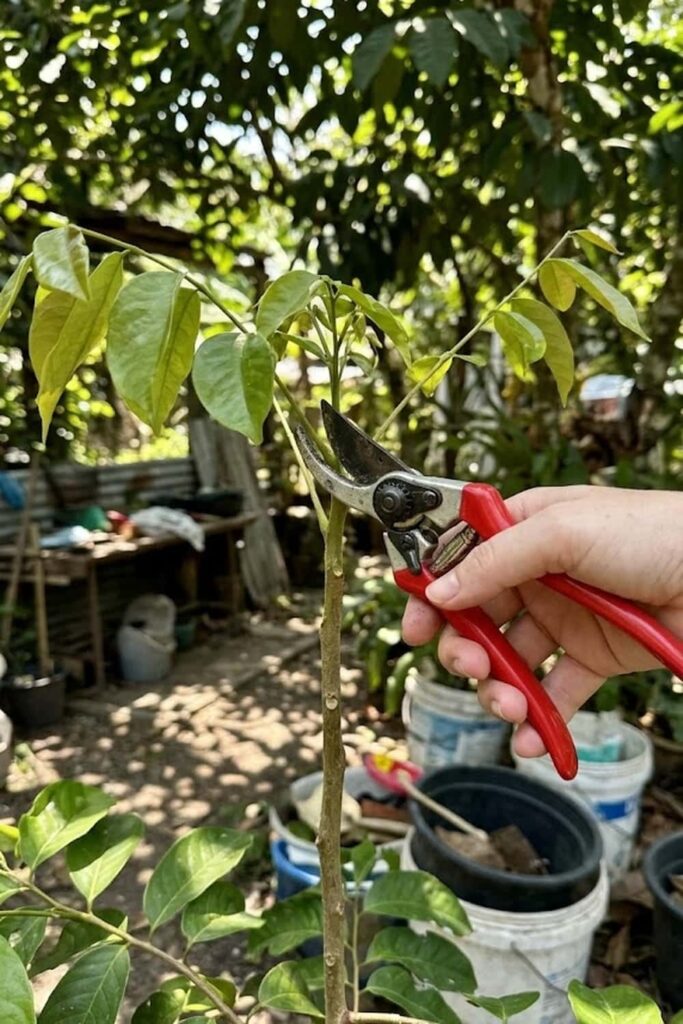
This technique sounds harsh, but it is essential for a productive tree. Naturally, Lanzones trees tend to grow very tall and slender with minimal side branching. When you want to grow Lanzones fruit, you need maximum branch surface area, because the fruit clusters grow directly on the trunk and older, thick branches (this is called cauliflory). My management trick is to wait until the tree is about 1 meter tall, then decapitate the apical shoot. This pruning control forces the tree to push out multiple secondary lateral branches. These horizontal branches are exactly where your sweet fruit clusters will form in the future. Prevention of vertical growth that consumes energy, control of tree height, and management of future yields are all achieved through this single, brave cut.
10. Protect Trees from the Prasinoxena Bark Borer
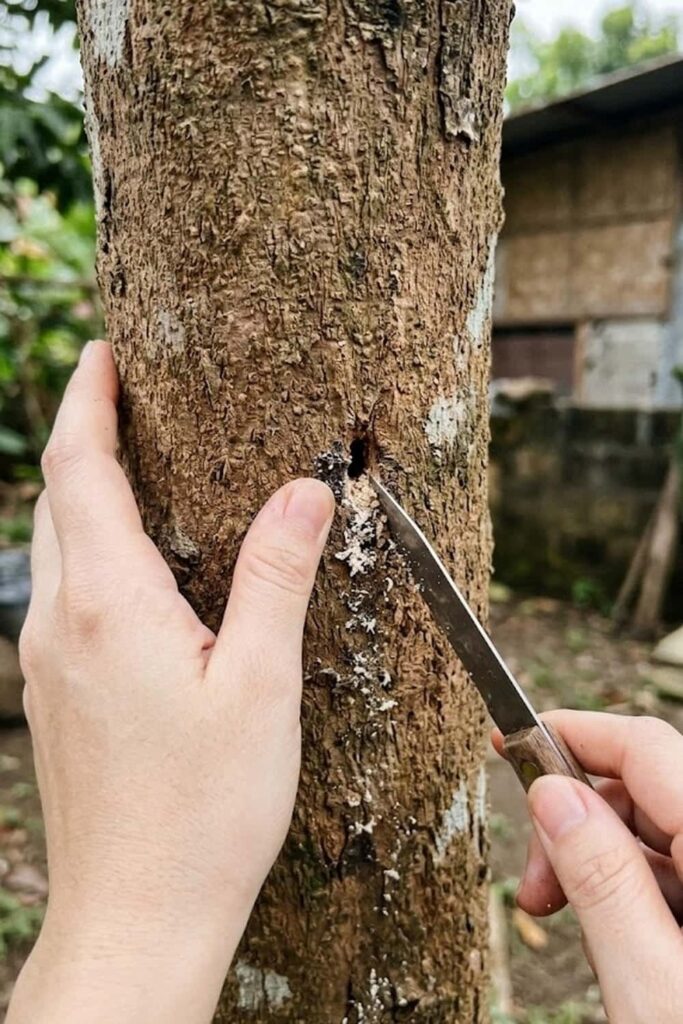
From my experience, this is the number one enemy of the Lanzones tree. The Lanzones Bark Borer (Prasinoxena sp.) is a devastating pest that can kill even mature trees. The larvae tunnel into the bark, feeding on the cambium layer and disrupting the flow of nutrients and water. I have seen healthy trees decline rapidly due to borer infestation. Early detection and prevention are your best options. You must management the tree’s health religiously. Look for entry holes or sawdust-like “frass” (larval excrement) clinging to the bark. I find that keeping the base of the tree clean of organic debris reduces the risk. Regular monitoring and, if necessary, control measures like applying copper-based fungicides or insecticide slurries to the trunk during peak borer season are necessary protection for your investment. Review the list of symptoms below to stay vigilant.
- Small entry/exit holes in the main trunk or branches.
- Sawdust-like frass (excrement) clinging to the bark surface.
- Gummosis (oozing sap) from the affected areas.
- Yellowing leaves and sudden dieback of branches.
- Loose, separating bark on the trunk.
11. Apply Potassium-Rich Fertilizer Before Flowering
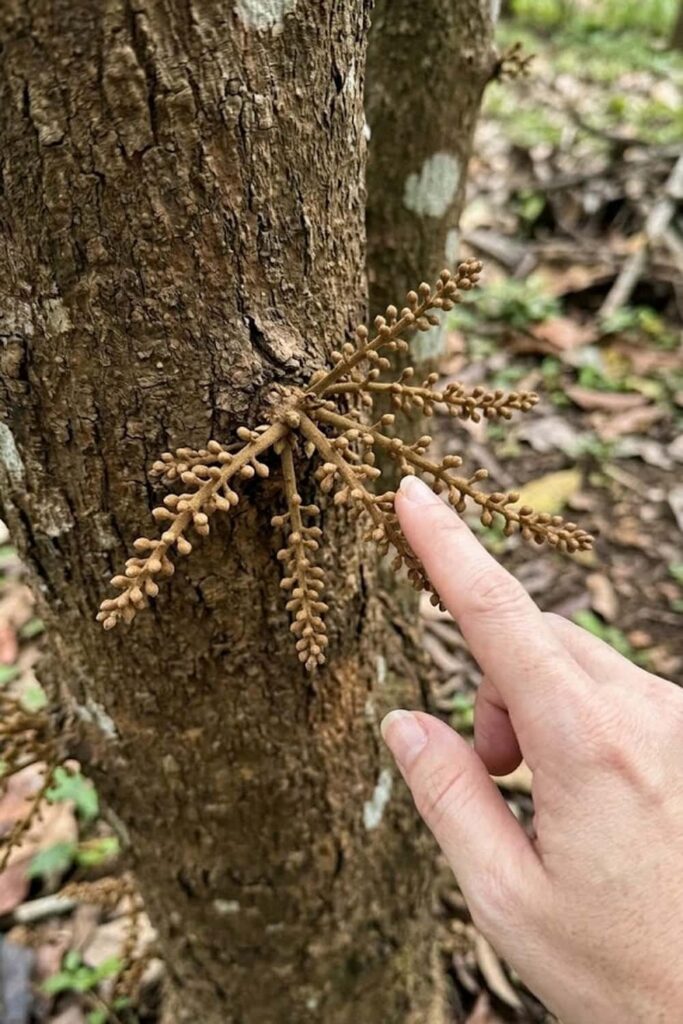
Once your tree reaches bearing age, its nutritional needs shift dramatically. I have learned that while nitrogen builds the structure, potassium builds the fruit. To ensure sweet clusters, you must transition to a high-potassium fertilizer blend. How to grow Lanzones fruit that is truly delicious requires feeding the tree exactly what it needs for sugar production. My management plan involves applying a fertilizer high in potassium (the ‘K’ in N-P-K), such as Muriate of Potash (0-0-60), about two to three months before the expected flowering season. This nutrition management control increases the fruit set and significantly enhances the flavor and sweetness of the harvest. A common mistake I observe is continuing high-nitrogen feeding, which results in lots of leaves but sour, watery fruit.
12. Management of Root Rot in Heavy Clay Soils
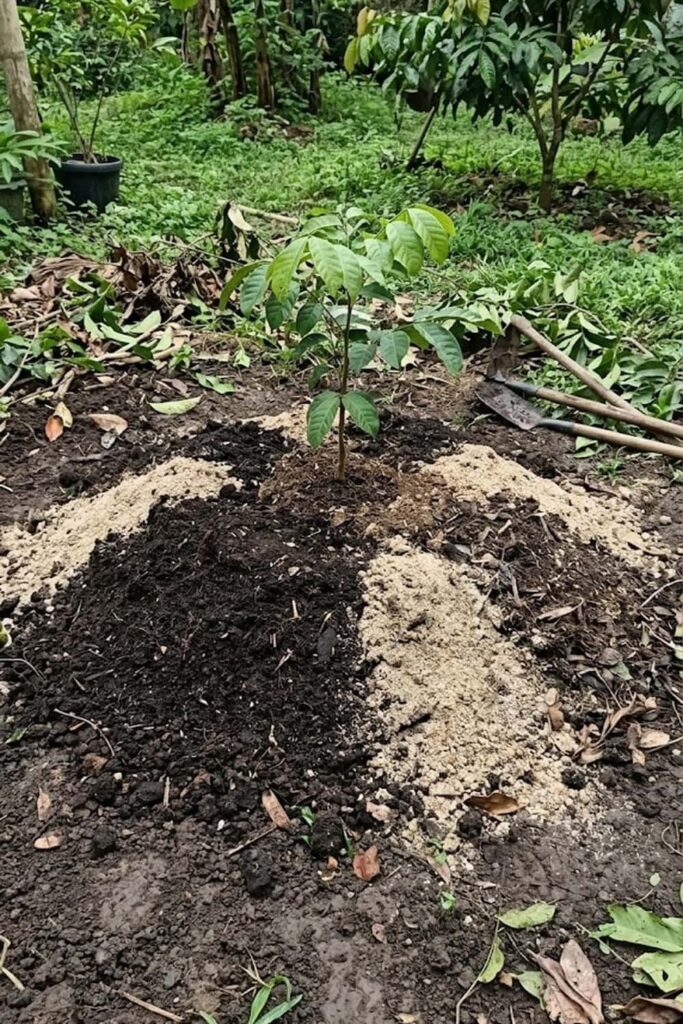
If you have heavy clay soil in your garden, you have to work much harder to prevention root rot (Phytophthora palmivora). This fungal disease is the silent killer of growing Lanzones trees. It thrives in anaerobic, waterlogged conditions, quickly destroying the root system. Prevention is entirely dependent on your management of soil drainage. I cannot reiterate enough: Lanzones must have sandy loam. If you are stuck with clay, you cannot plant the tree directly in the ground. You must build a raised planting mound of at least 1 to 2 feet high using imported well-draining soil mixed with coarse sand and compost. This technique provides the necessary root protection, ensuring that the critical root zone remains aerated and healthy, even after a heavy monsoon downpour. I find that this upfront effort is essential control for long-term tree health.
13. Recognize the Signs of Maturity for Harvest
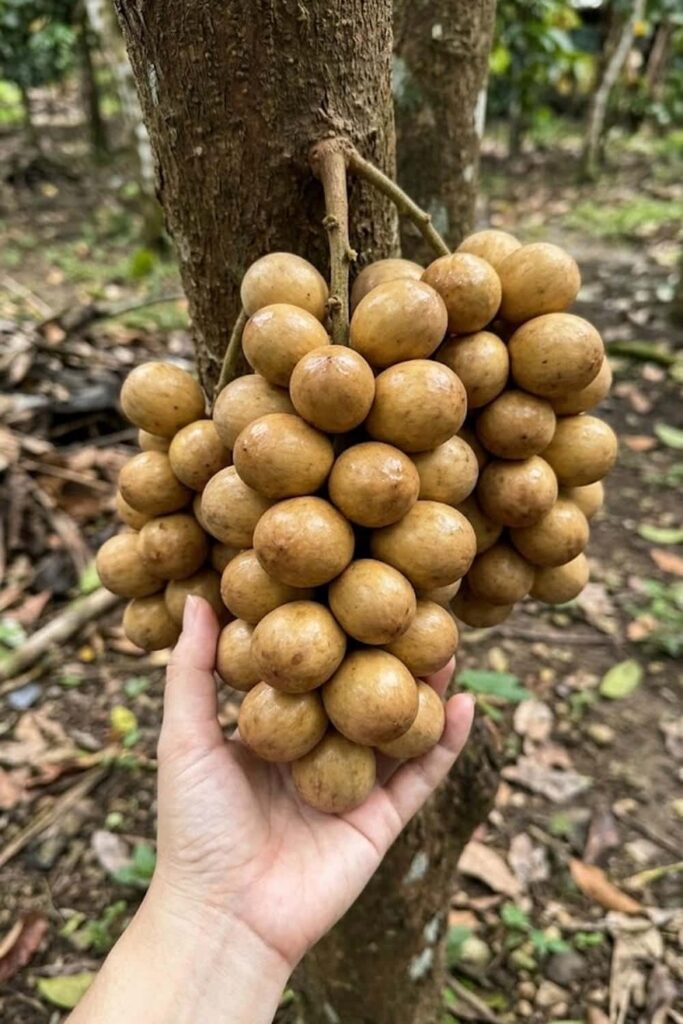
When I was new, I used to harvest Lanzones too early, resulting in a rubbery texture and bitter taste. Harvesting at peak maturity is crucial for that signature sweet flavor. You must know the exact signs to look for on the fruit itself. Based on my experience, you should expect to harvest about 140 to 150 days after full flower bloom. How to grow Lanzones fruit perfectly concludes with patience during this final, critical phase of care. A bearing tree management protocol dictates that you look for these precise physical indicators before cutting a single cluster. Prevention of an early harvest management plan includes reviewing these indicators.
- Skin Color Changes: The color must transition from greenish-brown to a distinct, uniform brownish-yellow across the entire cluster.
- Latex Reduction: I find that the stem attaching the fruit to the main cluster branch becomes slightly shriveled, and the milky latex within the skin significantly dries up.
- Texture: The fruit should feel slightly soft and yield to gentle pressure, rather than being rock hard.
- Ease of Separation: Mature fruits pull away from the main cluster stem with very little effort.
14. How to Grow Lanzones Fruit in Large Containers
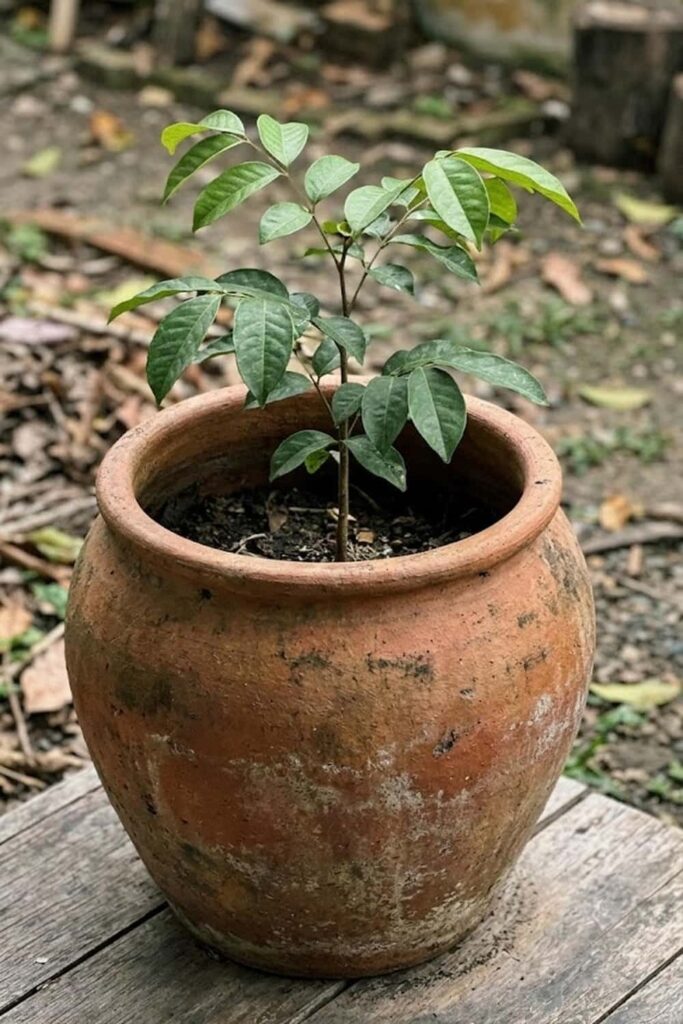
If you do not have space in your garden, you can still enjoy growing Lanzones by using large containers. Based on my experience, this is entirely feasible if you management the environmental conditions precisely. I have successfully grown a bearing tree in a 20-gallon pot. The key is to start with a large, well-draining container (ensure multiple drainage holes) and fill it with a premium, sandy loam potting mix. You have more control over humidity and protection from pests when the tree is portable. However, container tree care management requires much more frequent monitoring of soil moisture and nutrition. Prevention of a root-bound condition management plan involves root pruning and repotting every two to three years. Use the table below for container size recommendations based on my successful management.
| Potting Stage | Tree Height (Approx.) | Ideal Container Size (Min.) | Management Notes |
| Seedling | Under 1 foot | 3-gallon | Monitor daily moisture. |
| Young Sapling | 2-3 feet | 7-gallon | Apply Ammonium Sulfate monthly. |
| Established Tree | 4-5 feet | 15-gallon | Add casters/wheels for portability. |
| Bearing Tree (Grafted) | 6+ feet | 20-gallon (minimum) | Transition to High Potassium nutrition. |
15. Post-Harvest Cleaning to Remove Milky Latex
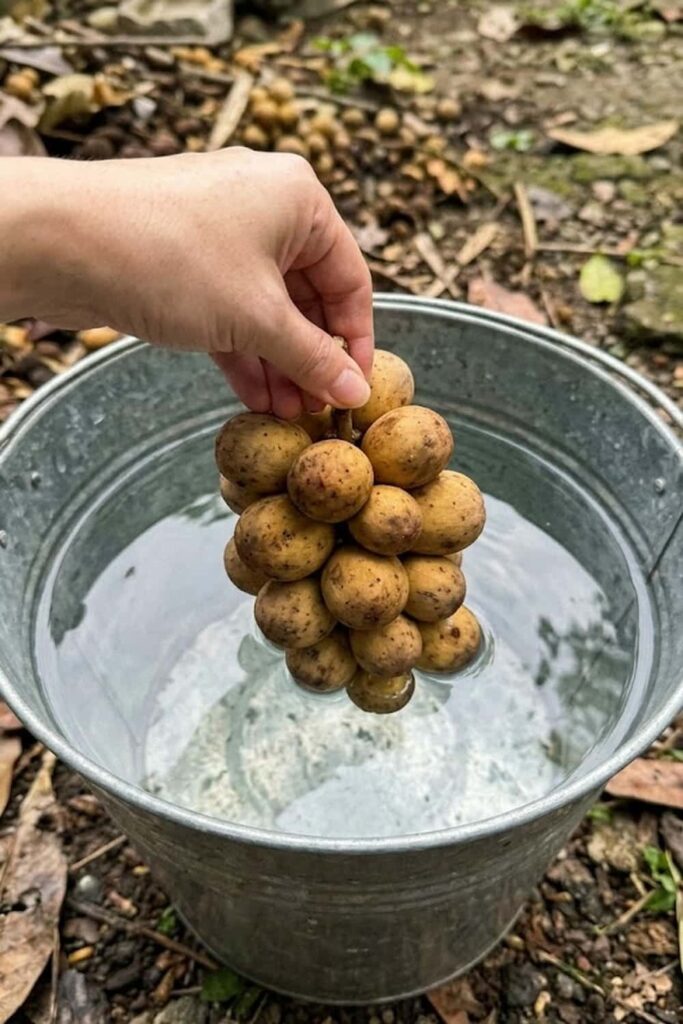
The final, often overlooked step of Lanzones care happens after you have cut the fruit from the tree. You must clean the clusters. Even with mostly latex-free varieties like Longkong, some milky latex always oozes from the fresh stem cut. This latex can stick to the surrounding fruits, making them unappealing and messy to eat. I have learned a simple post-harvest management trick that makes a big difference. I immediately dip the entire cluster into a clean bucket of cool freshwater. The cool water stops the latex flow from the cut and washes away any surface stickiness. It is a vital quality control management step that ensures your sweet, hard-won harvest is pristine and ready for the table. I have found this single step enhances the overall enjoyment of the fruit.
Summary of How to Grow Lanzones Fruit
I have shared my personal journey and critical management techniques to help you grow sweet clusters successfully. How to grow Lanzones fruit requires dedicated protection from environmental stress and careful management of its nutrition. While the patience required for a bearing tree is significant, the satisfaction of harvesting your own pristine, high-quality fruit is unmatched. I find that this reflective approach, balancing factual management with empathy for the tree’s needs, provides the best results for the dedicated home gardener.
- Patience is Mandatory: Whether growing from seed (15 years) or graft (5-7 years), Lanzones care is a long-term commitment.
- Drainage and Humidity: Prevention of root rot management starts with sandy loam soil; environmental control focuses on 75% humidity.
- Nutrition Shifts: Seedlings need nitrogen protection; bearing trees require high potassium for quality clusters.
- Vigilance Against Borers: Monthly borer checks and trunk management are essential for tree protection.








