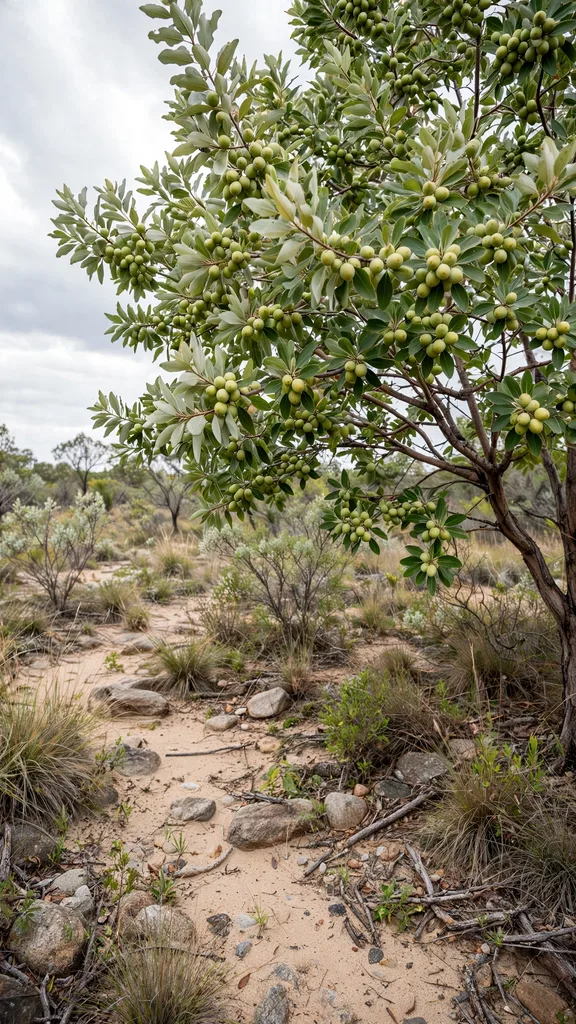
Give this tree 0 frost nights before you spend money on it. Kakadu plum, Terminalia ferdinandiana, is a tropical tree from northern Australia, and one hard frost kills a young tree outright. Learning how to grow kakadu plum starts with that climate check: outdoors in the ground, the tree suits warm frost free gardens in zones 10 to 12 only. Gardeners outside the tropics grow it in a large pot and move the pot under shelter every winter. A seed grown tree fruits in 3 to 5 years. A grafted tree fruits in 1 to 2 years. Pick your route after you pass the climate check, and the rest of the work is ordinary tree care on a slow clock.
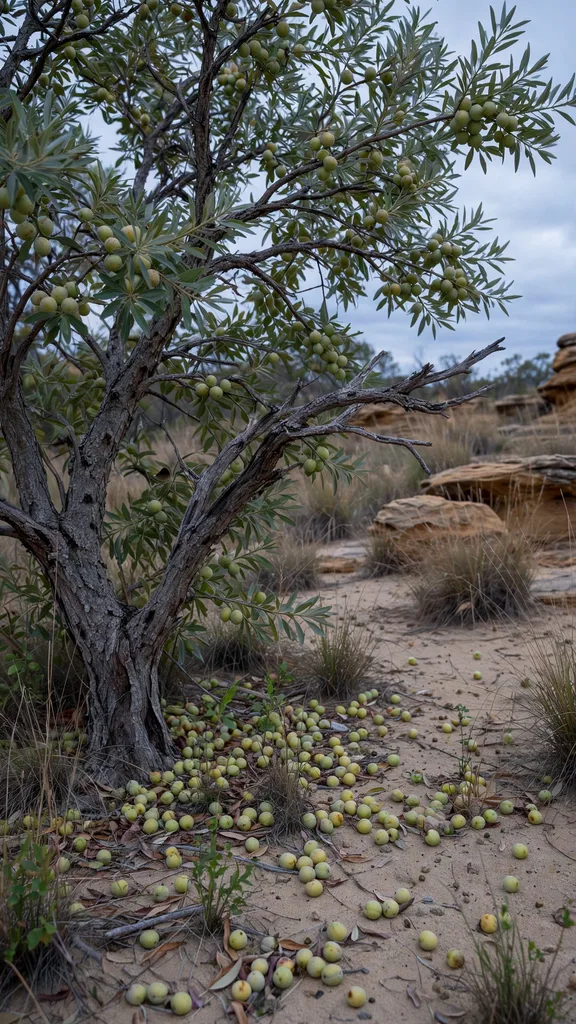
The fruit carries the argument for the wait. Each pale green fruit is small, tart, and fibrous, with one large seed inside a thin layer of flesh. Lab tables list Kakadu plum at 5,300 mg of vitamin C per 100 g of fruit, against 50 mg per 100 g for an orange, the highest figure in that comparison. Aboriginal communities across the tropical north have eaten this fruit and used the tree as bush medicine for centuries. A home tree will never match a wild harvest. It gives you a handful of fruit with a flavour no shop sells, picked off your own branches.
| Attribute | Detail |
|---|---|
| Botanical name | Terminalia ferdinandiana |
| Common names | Kakadu plum, gubinge, billygoat plum, green plum |
| Plant type | Small to medium deciduous tropical tree |
| Mature size | To 14 m tall in the wild, smaller in gardens |
| Climate | Frost tender, zones 10 to 12 in the ground |
| Soil | Sandy, sandy clay, sandstone and ironstone soils, sharp drainage |
| Sun | Full sun |
| First fruit from seed | 3 to 5 years |
| First fruit from a grafted tree | 1 to 2 years |
| Fruit | About 2 cm long, pale green to yellow green, one large seed |
| Vitamin C | 5,300 mg per 100 g at the top of the recorded range |
Meet the Kakadu Plum, Terminalia Ferdinandiana
Terminalia ferdinandiana grows wild across the tropical woodlands of northern Australia, from the Kimberley in the west through the Top End of the Northern Territory. The Western Australian Herbarium describes it in FloraBase as a slender, spreading shrub or tree to 14 m high, with white flowers from October to December or in February, growing on red sand, sandy clay, sandstone, and ironstone country. Wild trees stand on sandplains behind beaches, along dry creek beds, on flood plains and cliff tops, and at the edges of coastal vine thickets. Read that habitat list again before you plant. Every site on it drains fast and bakes in the sun.
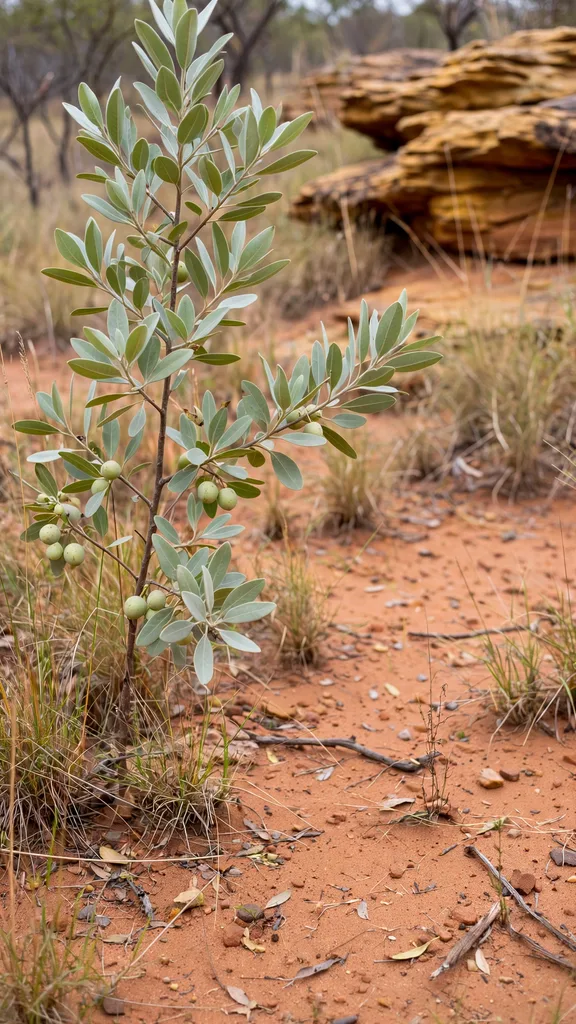
The tree runs on a wet and dry season clock. Leaves drop during the dry season, and the canopy stands bare for part of the year. New growth flushes as the wet season builds. Flowers open in the leaf axils toward the ends of the branches, and fruit ripens from March onward in the north, turning very pale and sometimes pinkish at full ripeness. A gardener in the northern hemisphere flips every one of those months by half a year and keeps the sequence: leaf drop in the dry or cool season, flush and flower as warmth and water return, fruit in late summer and autumn.
Names cause the first buying mistake. Gubinge is the Kimberley name. Billygoat plum and green plum travel with the species too. None of those names belongs to the temperate plums of the Prunus genus, and none of the pruning, chilling, or spraying advice written for a European plum applies to this tree. A nursery label that reads Terminalia ferdinandiana is the only label that counts. A label that reads plum and shows a Prunus species is a different tree in the wrong climate section of the shop.
Size sets the second expectation. A wild tree reaches 14 m on good country. A garden tree on water and fertilizer grows smaller, and a pot tree stays smaller again. Plan for a spreading small tree with room around it, and the mature canopy will fit the space you gave it. Crowd it against a fence and you will spend a decade cutting back branches that wanted the light on the other side.
Check Your Climate Before You Buy a Tree
Frost decides this planting before soil, sun, or variety get a vote. Terminalia ferdinandiana evolved in a frost free tropics. Young trees die in a single hard frost. Older trees lose leaves and shoot tips in light frost and reshoot slowly, spending a season on recovery wood instead of fruit. A garden that records frost most winters is a pot garden for this species. A garden that never frosts can plant in the ground.
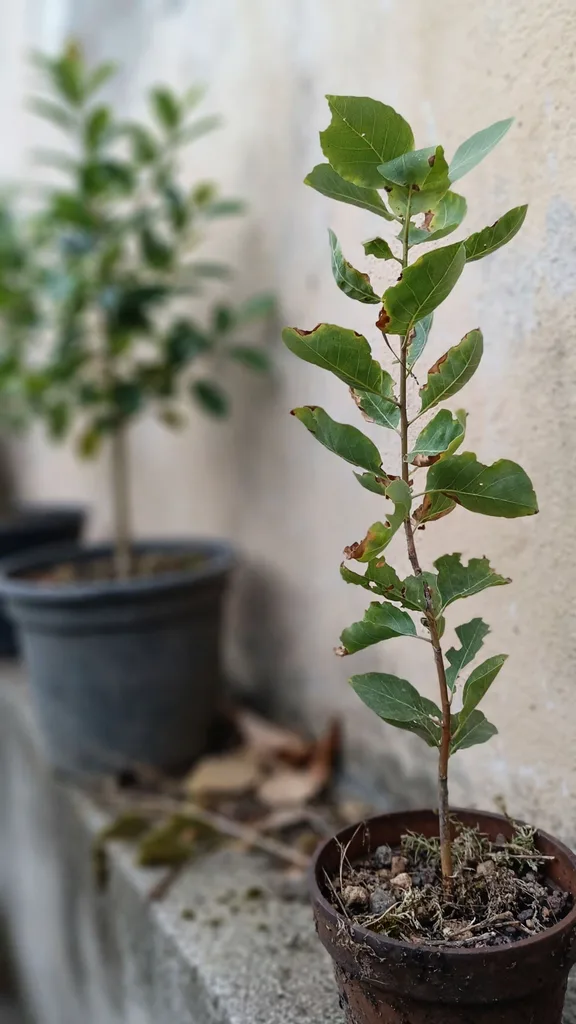
Zone maps translate the rule. In the ground year round, the tree suits zones 10 to 12. Zone 9 gardeners succeed only in a walled, sun trapped corner with fleece on standby for the coldest nights, and they lose trees in the winters that break the pattern. Colder than zone 9, the pot route is the only route with a honest chance. The pot route works. It caps the tree size and the crop, and it demands a winter move under cover every year without exception.
Heat is the other half of the climate test, and this tree passes it easily. Long hot summers drive growth. Humid wet season air suits the species. Cool summers in a frost free coastal garden slow everything: germination drags, growth shortens, and fruit ripens late and sour. A gardener with mild summers and no frost owns the hardest site of all, because the tree survives there and sulks there, alive for years and fruiting never.
Wind exposure matters on coastal sites. Wild trees grow behind beaches and on cliff tops, so the species tolerates salt laden wind once established. A young tree in an exposed corner still needs a windbreak for its first two wet seasons. Torn leaves and rocked roots slow establishment more than any fertilizer speeds it.
Australian gardeners read the same map in reverse. Darwin, Cairns, Broome, and the frost free parts of north Queensland plant in the ground. Brisbane gardeners plant in the warmest corner and accept the risk. Sydney is pot country for this species in most suburbs, and Melbourne, Adelaide, Perth, and Hobart gardeners grow it under glass or not at all. The species does not negotiate. Plant to its map or carry the pot.
Choose a Grafted Tree or Grow From Fresh Seed
Two routes lead to a fruiting tree, and they differ in years, cost, and certainty. A grafted tree from a specialist tropical or native nursery fruits in 1 to 2 years, because the grafted wood comes from a mature, fruiting parent. The fruit quality is known before you plant. The price is high, the stock is scarce, and freight on a tropical tree adds more. A seed grown tree costs almost nothing, fruits in 3 to 5 years, and carries unknown fruit quality, because each seedling is a new genetic mix. Seedlings also vary in vigour, fruit size, and crop weight.
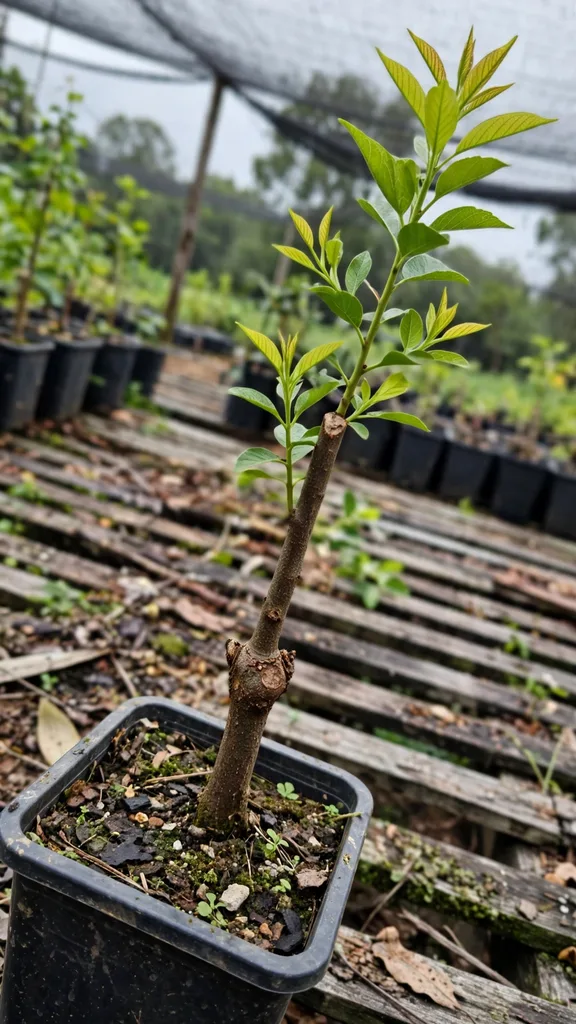
Buy the grafted tree when fruit is the goal and the budget allows it. The graft union sits above the soil line on a young tree, a visible kink or scar on the trunk where the fruiting wood joins the rootstock. Keep that union above ground at planting and cut away any shoot that sprouts below it. Rootstock suckers grow fast, carry no Kakadu plum fruit worth eating, and steal the season from the grafted wood above them.
Grow from seed when the grafted price stings, when no nursery ships to your area, or when you want several trees and can keep the best. Seed work has one hard rule that the next section covers in full: the seed must be fresh. Old seed from a packet rack is the most common failure in this whole crop, ahead of frost, ahead of wet soil. A gardener who starts with fresh fruit or fresh seed from a current season supplier starts level with every commercial grower.
A middle route exists for patient gardeners with a fruiting tree nearby. Sow fresh seed, grow the seedlings for two seasons, then graft wood from a proven fruiting tree onto the strongest seedling. The work takes a sharp knife, a clean cut, and tape, and it converts a 5 year wait into a 2 year wait on your own roots. Gardeners who have never grafted practise on pruned branches first. A failed graft costs a seedling. A failed first attempt on the only seedling costs the year.
Sow Fresh Seed Warm and Keep It Moist
Fresh seed germinates. Stored seed fades. The seed inside a Kakadu plum fruit loses viability as it dries and ages, and seed that sat in a warehouse for a year sprouts thinly or not at all. Eat the fruit or buy whole fresh fruit in season, extract the seed the same day, and sow within days. A supplier selling seed should name the harvest season. A supplier who cannot name it is selling old seed.
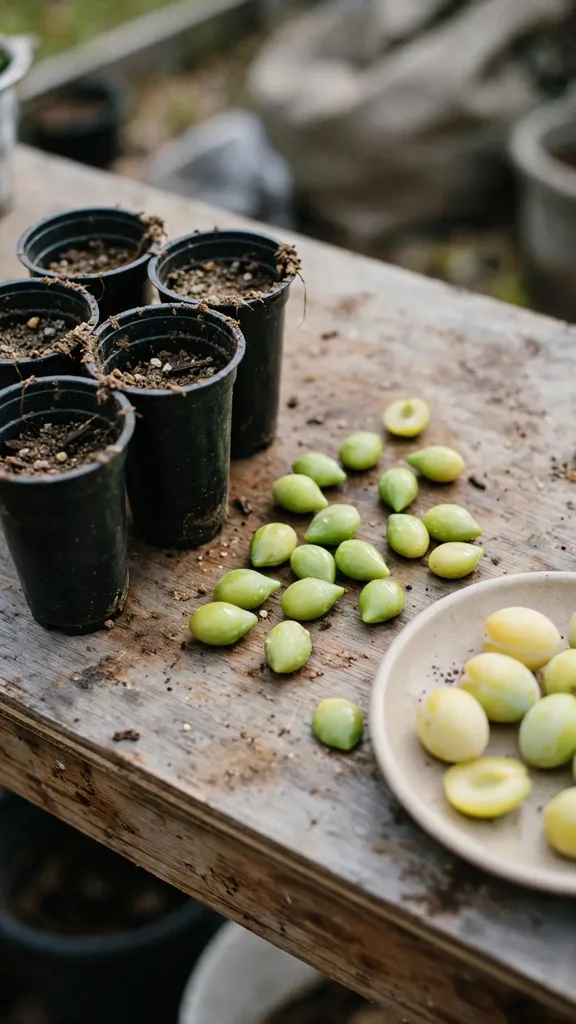
Extract the seed by hand. Each fruit holds one large seed in a fibrous coat. Soak ripe fruit in water for a day, rub the softened flesh away under water, and rinse the seed clean. Sow the seed about 1 cm deep in a free draining seed mix in a deep tube or pot, because the first root runs down early and a shallow tray bends it. A mix of coarse sand and native potting mix in equal parts drains fast enough and holds enough moisture between waterings.
Warmth drives germination. Hold the pots in full sun or on a heat mat in a warm room, and keep the mix moist at all times. Dry mix kills a swelling seed in a day. Wet, airless mix rots it in a week. The working state sits between those failures: damp to the second knuckle, draining freely, warm. Germination is slow and uneven. First shoots can take weeks, and late seeds in the same tray can take up to 3 months. Tip nothing out early. A tray discarded at week 6 throws away the second half of the batch.
Pot seedlings on once the first true leaves harden. Move each seedling into its own pot one size up, keep the root ball intact, and water it in. Seedlings grow in flushes with the warmth. Growth stalls in cool weather even indoors, and a stalled seedling in winter is resting, in trouble only if the mix stays wet and cold at the same time. Hold young plants under shelter for their first winter everywhere, including in the tropics, because a potted root ball chills and dries faster than ground soil ever does.
Sow more seed than you need. Sow 10 seeds for every 3 trees you plan to keep. Germination losses, weak seedlings, and one winter accident take their share, and the surplus costs one extra tray. The strongest seedlings at the end of the first wet season become your planting stock. The runts feed the compost. Sentiment keeps weak trees alive for years and pays for it in fruit that never comes.
Pick a Full Sun Site With Sharp Drainage
Plant in full sun. The wild habitat list runs from beach sandplains to cliff tops, and shade appears nowhere on it. A tree in half shade grows leaves and skips fruit. Shade starves fruiting. Give the planting the sunniest ground you own, clear of canopy shade for the full day, and the tree will use every hour of it. Six hours of direct sun is a floor for survival. A full day of sun is the target for fruit, because the flowers form on the branch ends that sit in the light, and a canopy that spends its afternoons in the shade of a house or a taller tree sets its flowers on one side only and fruits on that side only.
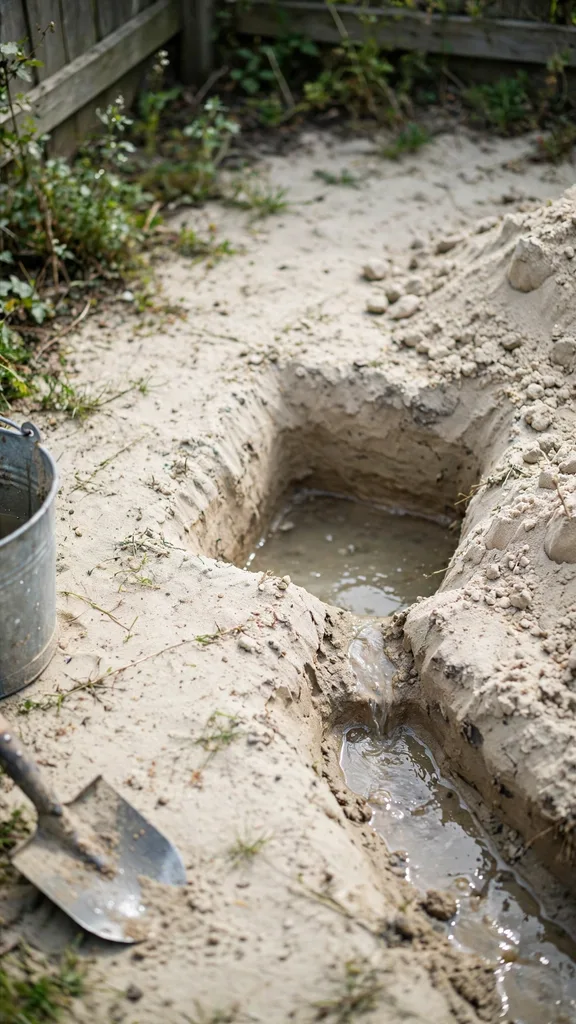
Drainage is the second gate. The FloraBase habitat record lists red sand, sandy clay, black peat, sandstone, ironstone, and granite soils, a spread of poor, stony, free draining ground. Heavy clay that holds water after rain rots the roots of this species within a season. Test the site before you dig the planting hole: dig a hole 30 cm deep, fill it with water, and time the drain. Water gone within an hour passes. Water standing after 3 hours fails, and the fix is a raised mound of sandy loam 40 cm high or a different site entirely.
Soil richness barely matters. Wild trees fruit on sand and ironstone with almost no organic matter. Rich, heavily composted beds push soft leafy growth, hold water against the roots, and delay fruiting. Plant into the soil you dug out, firmed back around the root ball. Save the compost and manure for the vegetable beds. This tree asks for poverty and drainage, and gardeners who feed it like a mango wonder why it sulks.
Space the tree for its mature spread. A ground planted tree needs a clear circle at least 6 m across, away from paths it will shade and roofs it will drop fruit on. Keep it clear of septic lines and shallow pipes, because a thirsty tropical root system finds water at distance. One tree fruits on its own. The species self pollinates, and a second tree adds crop weight only where the first tree already fruits well.
Gardeners growing quandong, another Australian native fruit tree, already know this pattern of poor soil and patience. Kakadu plum asks for the opposite water regime and the opposite end of the thermometer. Quandong wants dry country and tolerates frost as an adult. Kakadu plum wants a wet season and dies in frost. Plant each on its own map.
Plant at the Start of the Warm Season
Timing puts roots down while growth runs. In the tropics, plant at the start of the wet season, when rain does the watering and warmth drives root growth into the surrounding soil. In frost free subtropics, plant in spring after the last cold night, with the full warm season ahead of the tree. In the northern hemisphere, that window opens in late spring. Planting in autumn in any district that cools down wastes the tree: roots sit in cold soil, growth stalls, and the first frost meets a tree that never established.
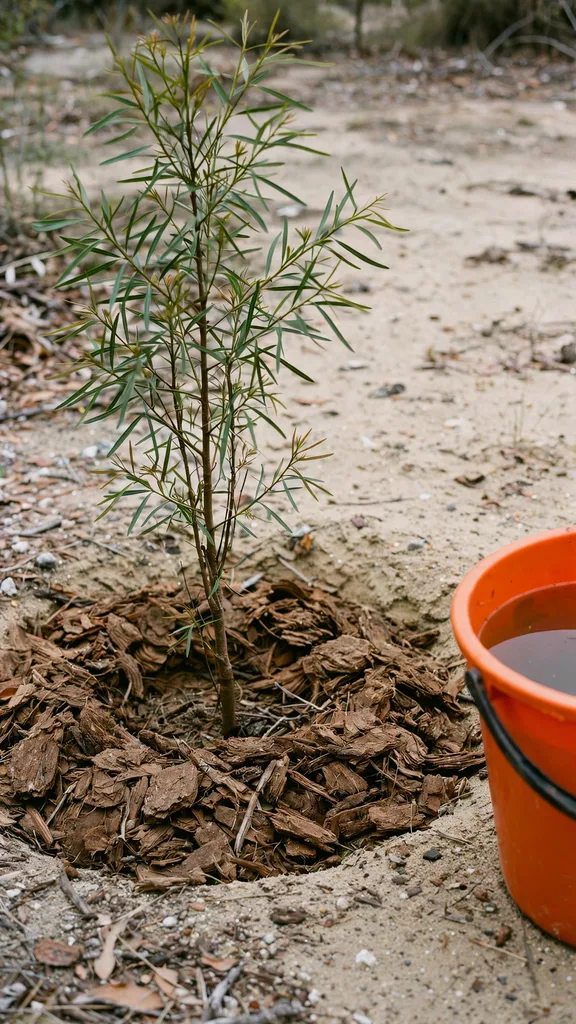
Dig the hole twice the width of the pot and no deeper. Set the tree at the same depth it grew in the pot, with the graft union, on a grafted tree, clear of the soil surface. Backfill with the dug soil, firm it with your foot, and water the planting in with a full bucket poured slowly into the basin. A planting basin, a shallow dish of soil around the trunk, holds that first water where the roots sit instead of letting it sheet away across the surface.
Mulch the basin with 5.1 to 7.6 cm of coarse bark or straw, kept clear of the trunk by a hand width. Mulch piled against the trunk holds moisture against the bark and starts collar rot in wet weather. The clear ring costs nothing and prevents the failure. A guard against rabbits, wallabies, or deer earns its cost in the first month in rural gardens. Young Kakadu plum foliage is browse, and a stripped sapling reshoots from low down and loses a season each time it happens.
Water the new tree deeply twice a week through its first dry season, enough to wet the soil to 30 cm. Then read the tree. New leaves holding their shape at midday means the roots are keeping up. Leaves wilting at midday and recovering by evening means the tree is at its limit and the next watering moves a day earlier. Leaves wilting and staying wilted means water now, deeply, and check that the basin is not shedding the water sideways.
Stake only on exposed sites. A tree that grows its own root plate from the start stands firmer than a staked tree at year 3. Where wind rocks a new planting, use two low stakes and a soft tie, and remove them at the end of the first wet season. A forgotten tie girdles the trunk as it thickens, and the scar it leaves is a permanent weak point in a cyclone district.
Grow It in a Large Pot Outside the Tropics
The pot route trades crop size for climate control. Start a young tree in a 30 cm pot and step it up as the roots fill each pot, finishing in the largest container you can move, 50 cm across or wider. A tree in its final pot reaches a manageable 2 to 3 m with pruning, flowers on the ends of the branches, and fruits lightly. Gardeners who accept a small crop on a small tree succeed with this species in zone 8. Gardeners who expect a ground tree crop from a pot quit in year 3.
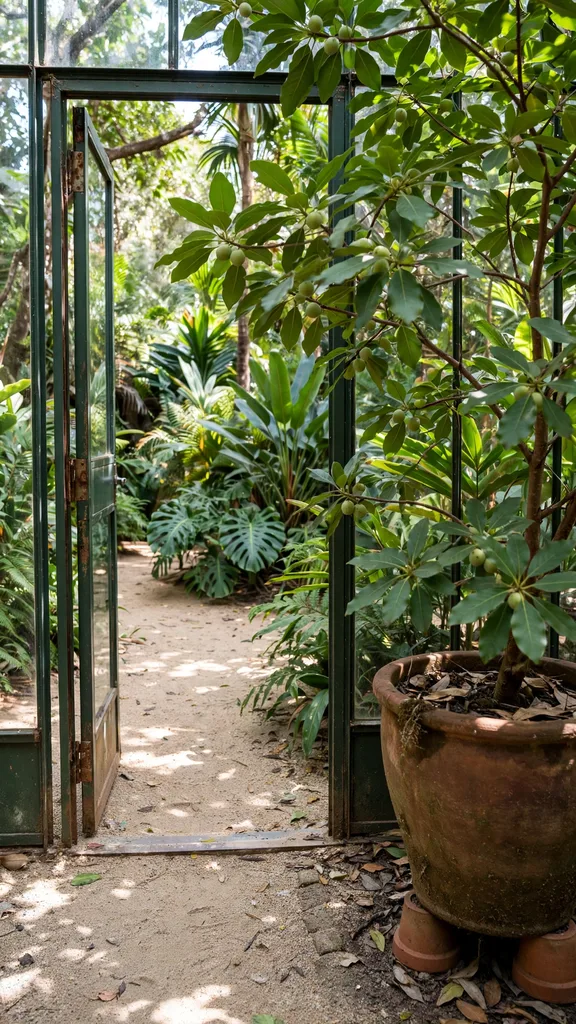
Potting mix decides pot success. Use a coarse, free draining mix: native or general potting mix cut with coarse sand or perlite at 1 part in 3. Garden soil in a pot compacts, drains badly, and rots roots. Drill extra drainage holes in any decorative pot without them. A pot standing in a saucer of water through winter is a pot of rotting roots by spring. Raise the pot on feet and empty the saucer after every watering.
The winter move is the contract. Before the first frost night, move the pot into a frost free greenhouse, conservatory, or bright room. The tree drops leaves in the cool season and stands bare for weeks. Bare branches in winter are the species resting, a failure only if the wood dies back from the tips. Scratch the bark with a thumbnail in late winter. Green under the bark means living wood. Brown means that section died, and you prune back to green wood in spring.
Water pots on the season, not the calendar. In active growth, water when the top 2.54 cm of mix dries, then water deeply until it runs from the base. In winter dormancy, water lightly every few weeks, enough to stop the mix dusting dry. More pot Kakadu plums die of winter overwatering than of winter cold. Cold wet mix rots roots silently, and the tree announces the damage in spring by failing to flush.
Feed pot trees in the growing season only, at half the label rate of a balanced fertilizer, once in spring and once in midsummer. A pot holds a small soil volume, and full strength feeding burns roots in that volume fast. Flush the pot with plain water once a season to wash out accumulated salts, which show first as brown leaf edges on new growth.
Water Deeply Through the Dry Season, Then Ease Off
An established ground tree rides the wet and dry rhythm of its home range. Rain through the wet season drives growth, flowering, and fruit fill. The dry season slows the tree, drops its leaves, and rests it. Garden watering copies that rhythm instead of flattening it. Water follows growth. Water deeply and regularly while the tree grows and fruits, while flowers open and while the small fruit swells through the wettest and hottest part of the year. Ease off as the season cools and the leaves thin. A tree watered evenly all year in a seasonal climate grows out of step with itself and fruits poorly.
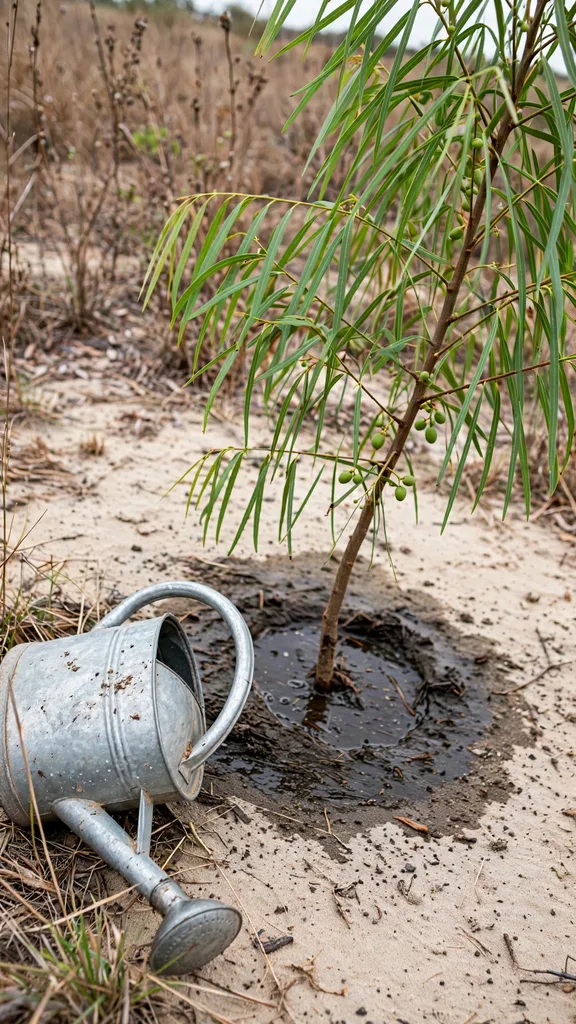
Young trees break the rhythm rule. A tree in its first two dry seasons has a small root system in a small soil volume, and it dries out while the mature tree beside it cruises. Water young trees deeply once a week through the dry season, and twice a week in heatwaves or on sand. The test is the soil at 10 cm down. Dry at that depth means water that day. Damp means wait.
Overwatering kills more garden trees than drought. Soggy soil rots the fine roots, and a rotting tree wilts in wet ground, which tempts the owner into watering again. Break that loop with the soil check, never with the leaf check alone. Leaves also wilt at midday in extreme heat on a healthy tree and recover by evening. Soil moisture separates the two cases in 10 seconds.
Fruit fill is the thirsty stage. Fruit swelling on a dry tree drops early or ripens small and intensely sour. Keep the water steady from fruit set to harvest, then let the tree dry down into its rest. A mango tree grown from seed teaches the same lesson in a different climate: the wait is years long, and steady water in the fruiting season decides whether the wait pays. Kakadu plum adds a stricter condition. The water must drain away. Standing water is the one gift this tree refuses.
Feed Lightly and Prune Only for Shape
This species evolved on soils with almost nothing in them, and heavy feeding works against it. Excess nitrogen pushes long soft shoots, delays flowering, and produces growth that frost and wind damage first. Feed a ground tree once a year in spring with a low phosphorus native plant fertilizer at half the label rate, spread under the canopy and watered in. Australian native plants in the broader bush food group share a sensitivity to high phosphorus, and a low phosphorus blend is the safe shelf choice for all of them.
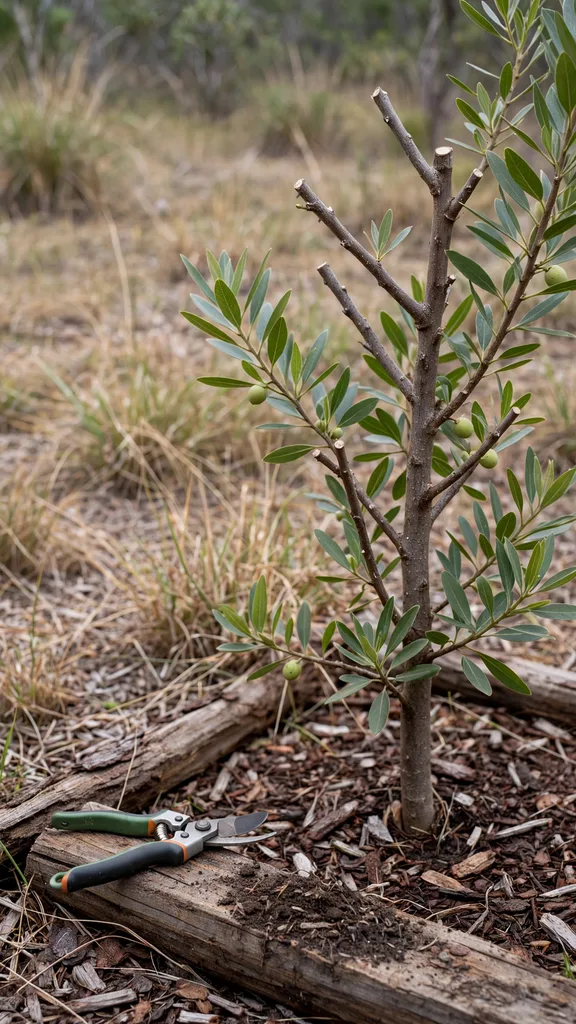
Skip feeding entirely on rich soil. A tree growing in a fertile suburban bed with lawn fertilizer drifting in from the edges already eats more than a wild tree ever meets. Yellow leaves on a tree in rich ground point at drainage or cold before they point at hunger. Run the soil check and the thermometer check first. Fertilizer fixes hunger. Hunger is the third most likely cause, not the first.
Prune for shape in the first 3 years. Tip prune the leader and long side shoots once a year, in late winter before the growth flush, to build a branched frame that carries fruit on many short branch ends. After year 3, remove dead wood, crossing branches, and rootstock suckers, and leave the tree alone. Heavy pruning removes the branch ends where flowers form, and a hard pruned tree answers with a season of leaves and no fruit.
Prune with clean, sharp shears and cut back to a bud or a branch junction. Torn cuts and stubs die back and invite fungal entry in wet weather. Work in dry weather where you can choose it. Wet season pruning in the tropics sometimes cannot wait, and a clean cut in the rain beats a torn branch hanging for a month.
Leave the leaf drop alone. A gardener new to this species sees a bare tree in the dry season and reaches for fertilizer, water, and spray. The tree is deciduous. Bare is its resting state. Check for green under the bark if you doubt it, water lightly if the soil is dust dry, and wait for the flush. Spraying a resting tree treats a calendar as a disease.
Can a Kakadu Plum Survive Frost?
A light frost burns leaves and shoot tips. A hard frost kills young trees to the ground, and reshooting from the base, when it happens, restarts the fruiting clock from zero. Mature trees in marginal gardens survive the odd light frost with tip damage and a lost crop. No Kakadu plum survives repeated hard frosts in the ground. That is the whole answer, and every protection method below only moves the line by a degree or two.
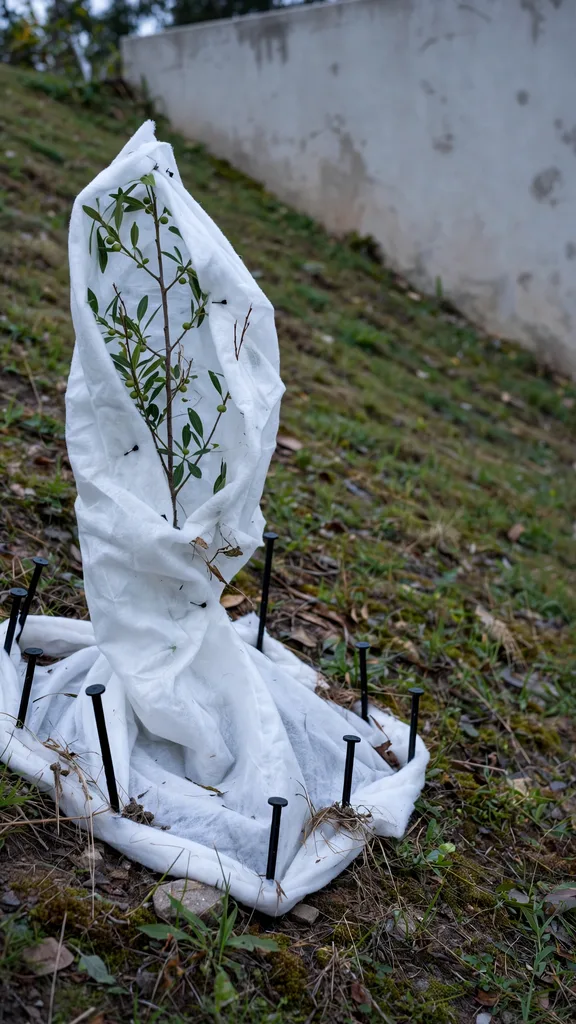
Fleece buys a small margin on a still, clear night. Drape horticultural fleece over a young tree before dusk on a forecast frost night and anchor the edges to the ground, trapping the day heat stored in the soil. Remove it in the morning. Fleece left on for a week in dull weather starves the tree of light and traps the damp that rots shoot tips. Watering the soil deeply the afternoon before a frost night adds a second small margin, because wet soil stores more day heat than dry soil and releases it overnight.
Site selection is the strongest protection. Cold air pools in hollows and at the bottom of slopes. A tree planted on a gentle rise, against a sun warmed wall, lives through nights that kill a tree 20 m away in the dip. Gardeners in zone 9 who keep this species in the ground plant it on the warmest slope they own and accept the loss when a record winter arrives. The record winter always arrives eventually. A pot on wheels is the only insurance that pays out every time.
Container gardeners hold the winning hand here. The pot moves to shelter before the frost, every time, with no gamble. The cost is the move itself, twice a year, and a tree capped at pot size. In a cold climate that trade is not a compromise. It is the only version of this crop that exists.
Harvest Pale Fruit and Use It Fast
Fruit ripens from March onward in the southern hemisphere tropics, and from late summer into autumn flipped to the northern hemisphere. A ripe Kakadu plum turns pale green to yellow green, sometimes with a pink blush, and softens slightly under gentle thumb pressure. Fruit picked hard and dark green stays harsh and astringent. Fruit left on the tree past ripeness drops, and dropped fruit on wet ground ferments within a day. The picking window on each fruit runs about a week. Walk the tree every 2 days through the ripening season and pick into a shallow container, in a single layer.
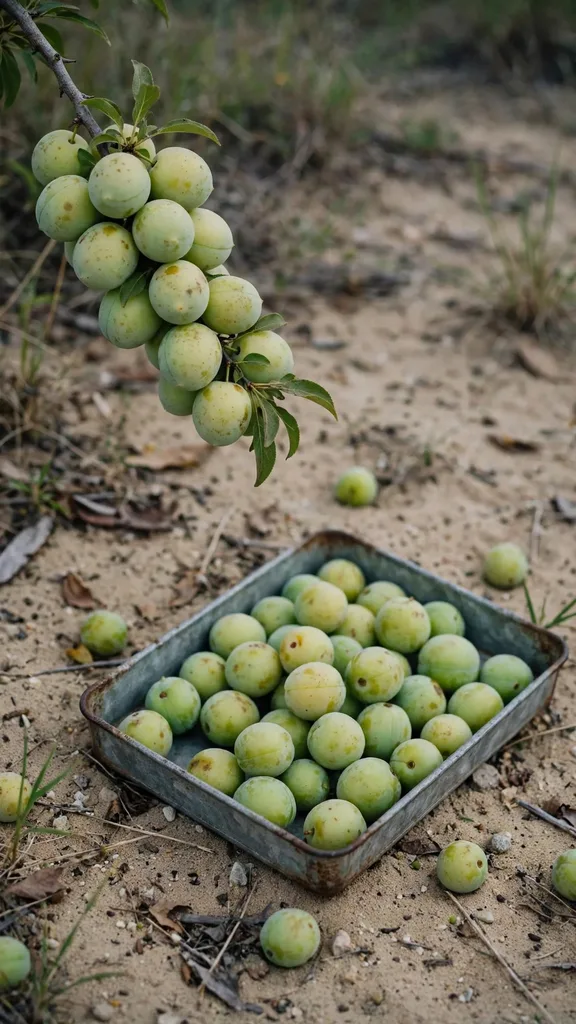
Size sets expectations. Each fruit runs about 2 cm long, almond sized, with a short beak at the tip and one large seed inside a thin layer of fibrous flesh. A home tree in a good season gives bowls of fruit, not buckets. The value sits in concentration, not weight: the comparison table in the journal literature lists Kakadu plum at 5,300 mg of vitamin C per 100 g, the top figure recorded there, so a small harvest carries a large nutritional punch and a flavour that needs only a few fruit per dish.
Eat the fruit fresh within days, freeze it whole, or dry it. Fresh fruit keeps a few days in the fridge before the flesh softens past use. Freezing whole fruit on a tray, then bagging the frozen fruit, preserves it for sauces, jams, and drinks across the year. Drying concentrates the tartness into a powder that seasons food in pinches. Heat and long storage fade the vitamin C, so the fresh and frozen routes keep the most of what the fruit grew.
Work around the seed and the sharpness. The flesh layer is thin and the seed is large, so processing means pulping the fruit and straining out the seeds, or cutting the flesh from the seed for small batches. The flavour is sour, resinous, and stewed apple sharp, and it sweetens dishes only when you add the sweetener. Traditional use across the north eats the fruit fresh from the tree in season and uses the inner bark in bush medicine preparations. Copy the fresh eating. Leave the medicine to practitioners who know it.
A second tropical tree makes the harvest rhythm familiar. A lychee tree also fruits in a short, intense window and punishes slow picking. Kakadu plum spreads its window wider and keeps its fruit smaller. Pick little and often is the rule both trees teach, and the shallow container is the tool both harvests share.
Fix the Failures: Cold Damage, Wet Roots, and Empty Branches
A seed tray that never sprouts failed on freshness or temperature. Old seed is the first suspect, cold mix the second. Sow seed from current season fruit, hold the tray warm, and wait the full 3 months before judging the batch. A tray sown from packet seed of unknown age tells you nothing about your technique. It tells you about the warehouse.
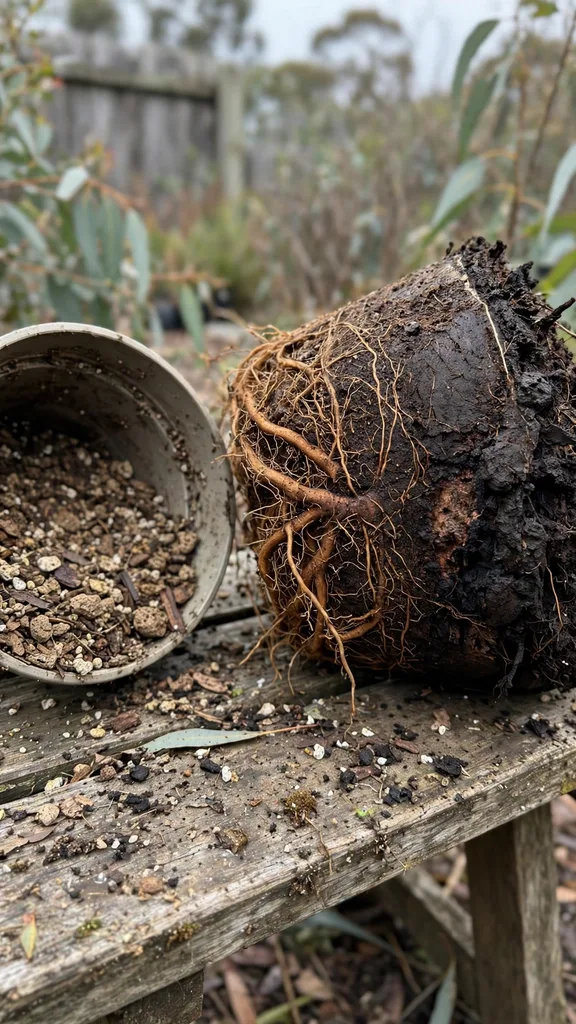
A young tree that yellows and stalls in summer is usually wet at the roots or cold at the roots, and in a pot those two travel together. Tip the pot out and look. Black, soft roots are rotten roots. Brown, firm roots are healthy roots in a mix that stays too wet. Repot into a coarser mix, cut the black roots back to firm tissue, and water on the dry down cycle from then on. A ground tree with the same symptoms needs the drainage test from the site section, and the answer is a mound rebuild or a move, done in the warm season.
A tree that grows well and never flowers is too young, too shaded, or too well fed. Seed grown trees flower from year 3 at the earliest, and a 2 year old seedling with no flowers is on schedule. A tree in half shade at year 5 is a light problem. A tree pushed with nitrogen at year 5 is a feeding problem. Rule out age first, then move or unshade, then stop feeding for a full year. Changing all three at once teaches you nothing and usually overshoots.
Fruit that sets and drops small points at water stress during fruit fill or at a cold snap after flowering. Steady the watering from fruit set onward. A single dry week at that stage costs more fruit than a dry month costs in winter. Fruit drop in the first fruiting year is also normal in small amounts: a young tree sets more fruit than its roots can fill and sheds the surplus. A tree that drops every fruit two years running has a water or pollination problem, and water is the first check because the species self pollinates.
Scale insects and sooty mould visit garden trees in humid districts. Hose scale off with a hard water jet, prune out the worst infested branch ends, and wash sooty mould off leaves with water and a cloth. The mould grows on insect honeydew, so clearing the insects clears the mould. A tree in full sun with moving air hosts less of both than a tree crowded into a damp corner, which is one more return on the site decision you made at planting.
Frequently Asked Questions
A grafted tree fruits in 1 to 2 years, because its wood comes from a mature fruiting parent. A seed grown tree fruits in 3 to 5 years, and a seedling on a poor site or in a pot can take longer. The first crop is small either way. Expect a bowl of fruit in the first bearing season and heavier crops as the canopy builds over the following years.
Yes, and outside zones 10 to 12 the pot is the only reliable route. Finish the tree in a container 50 cm across or wider, use a coarse free draining mix, and move the pot into frost free shelter before the first frost night every year. The tree stays smaller, crops lighter, and lives for years. Winter overwatering kills more pot trees than winter cold does.
No. The species self pollinates, and a single tree flowers and sets fruit on its own. A second tree raises the total crop where the first tree already fruits well, and it spreads the ripening window by a few weeks when the two trees differ. Spend the space and money on drainage, sun, and frost protection first. Those three decide whether a lone tree fruits at all.
Age, shade, and excess nitrogen cause most empty trees. Check age first. Seed grown trees need 3 to 5 years before flowering starts, and a younger tree with no flowers is on schedule, not failing. A tree in half shade grows leaves and skips flowers. A tree fed heavily pushes soft shoots. Stop feeding for a full year and prune only dead wood while the tree resets.
Pick when the fruit turns pale green to yellow green, sometimes with a pink blush, and softens slightly under gentle thumb pressure. Dark green fruit stays harsh and astringent and never ripens well off the tree. Fruit ripens from March onward in the southern tropics and from late summer in the northern hemisphere. Walk the tree every 2 days in season and pick into a shallow container.
Seed and grafting are the reliable routes. Cuttings strike slowly and unevenly, and a cutting grown plant still takes years to fruit. Gardeners with a fruiting tree nearby graft its wood onto a fresh seedling instead.
Terminalia ferdinandiana rewards the gardener who checks the thermometer before the catalogue. Pass the frost test, plant for drainage and sun, pick the seed or grafted route with your eyes open, and the pale fruit arrives on the schedule the tree promised.