Do you scroll through social media, seeing vibrant, exotic fruits like the Hala fruit, and feel a pang of jealousy because your garden is stuck with the same old tomatoes and hostas? It’s frustrating when you crave a botanical challenge, something truly unique, but everything exotic seems to require a degree in tropical horticulture or a commercial greenhouse. You desire that show-stopping center-piece, a conversation starter that reflects your skill, but you’re worried about wasting time and money on a plant that won’t survive. I understand that frustration completely because I’ve been there, staring at a specialized seed packet with no clear roadmap. The good news is, you can stop envying those photos. How to grow Hala fruit isn’t an impenetrable secret; it’s a rewarding, patient process, and I am going to show you exactly how to achieve that island vibe in your own space.
1. Start with the “Keys” to Success: Selecting Your Hala Seeds
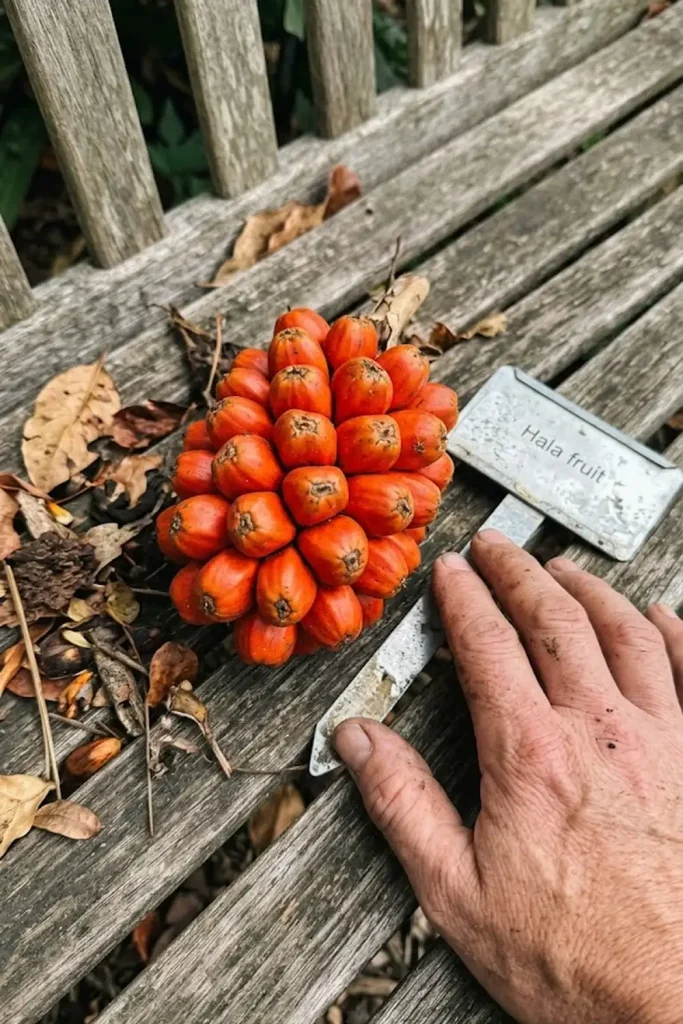
I remember the first time I held a Hala fruit syncarp; it felt prehistoric, heavy with potential. If you want to succeed, you must start with high-quality genetic material. The fruit itself is a composite, made of individual segments called phalanges or “keys.” Not every key you find will be viable, and this is where many gardeners fail before they even begin. You need to source fresh, mature phalanges. When selecting them, look for keys that are plumping and showing a vibrant orange-to-red color near the base, where they attached to the core. This color indicates maturity. A dry, shriveled, brown key is likely non-viable.
Respecting the plant’s biology is your best protection against failure. The Pandanus tectorius is dioecious. This means individual trees are either male or female. Male trees produce fragrant flowers (Hinano) but no fruit. Only the female trees bear the dramatic, exploding star-like fruits. The issue for us gardeners is that you cannot determine the gender of a seedling until it flowers, which can take years. Therefore, my advice for your best chance of success is to propagate multiple seeds simultaneously. If you have the space, aim for at least five to ten seedlings. This increases your statistical probability of having at least one female and one male tree for pollination, ensuring you eventually get fruit. Sourcing from a reputable grower who can verify the source fruit’s quality is vital.
Quick Tips for Seed Viability
| Feature | Viable Key (Phalange) | Non-Viable Key |
| Color | Bright orange/red base | Brown, dull, grayish |
| Texture | Plump, firm, slightly heavy | Shriveled, dry, lightweight |
| Connection | Clean separation from core | Jagged or rot present |
2. Mastery of Propagation: How to Germinate Hala Fruit Phalanges
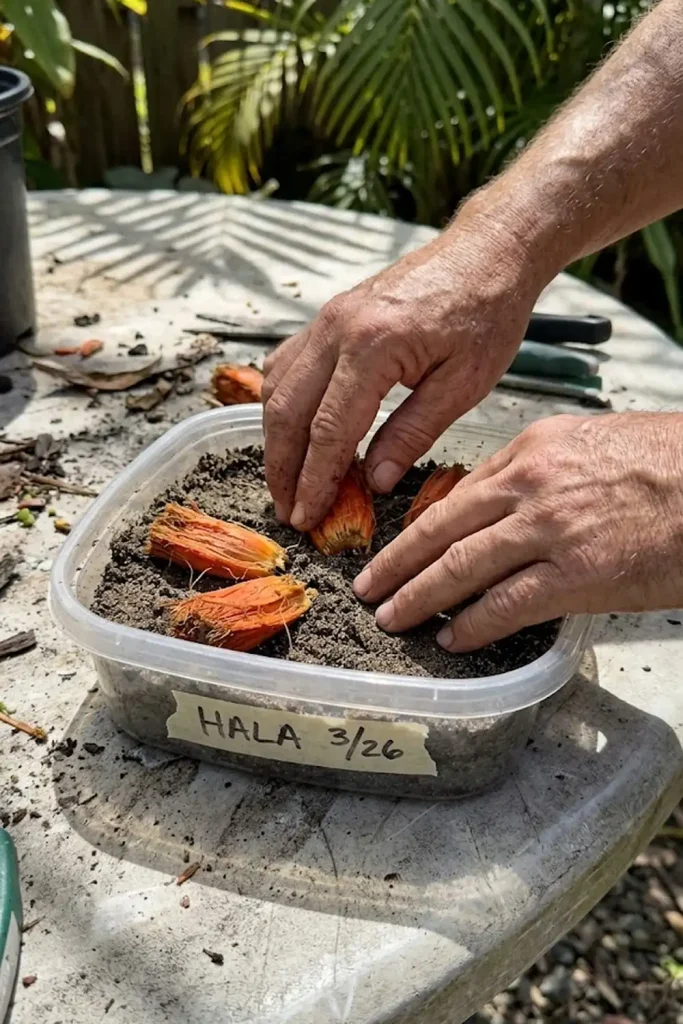
Now that you have your viable keys, the real work begins. I have found that the most significant barrier to success in how to grow Hala fruit from seed keys is patience; the natural germination process is extraordinarily slow. In the wild, these keys drift on ocean currents for months before washing ashore and sprouting. We must replicate that stratification, but more efficiently. Your primary care routine here involves the “soaking method.”
First, I recommend soaking your selected keys in fresh, room-temperature water for at least 48 to 72 hours. This process helps soften the fibrous, woody mesocarp that surrounds the embryo. You will notice the water turning murky; change it daily to keep it fresh and prevent bacterial buildup. After soaking, prepare a well-draining seed starting mix. I often use a 50/50 mix of coconut coir and perlite. Plant the keys, pointed end down (the base), just deep enough so the top is barely covered or even slightly exposed. They need warmth and humidity.
I use a seedling heat mat to maintain a consistent soil temperature between 75°F and 85°F. Cover the pot with a clear plastic dome to lock in humidity. Now, you wait. Without soaking, seeds can take 3 months or more to germinate. With this careful management, you might see your first sprout in as little as 2 to 4 weeks, but don’t panic if it takes longer. Maintain consistent, but not waterlogged, moisture. This delicate balance of warmth, moisture, and protection from rot is essential for how to grow Hala fruit successfully.
3. Site Selection: Creating the Perfect Coastal Microclimate
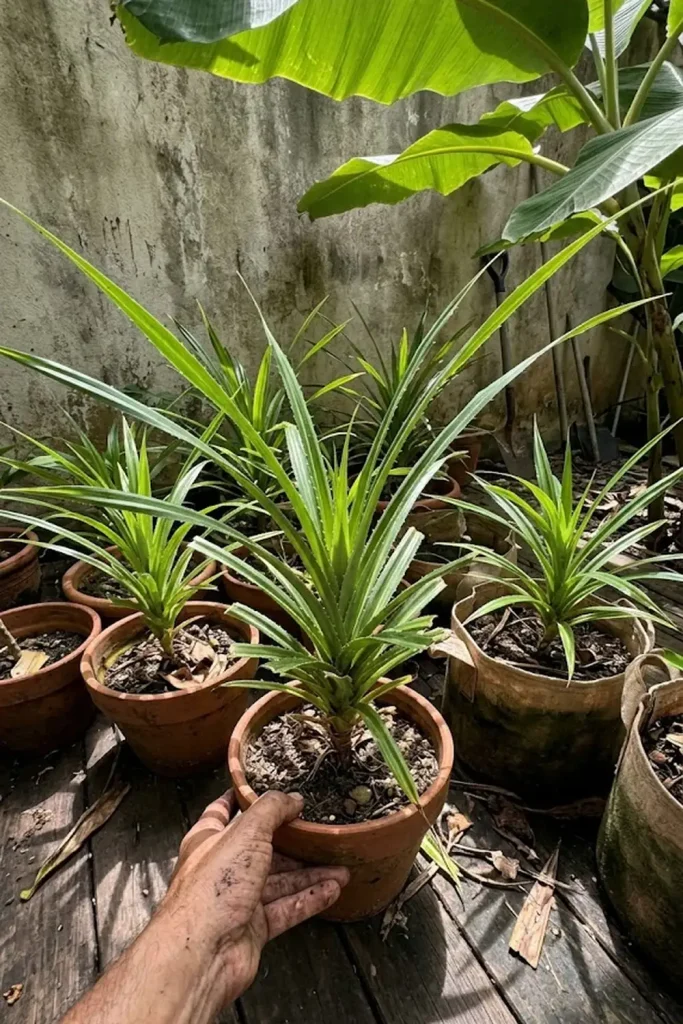
Once your seedlings are established and have a few true leaves, you need to think about where they will live permanently. I have successfully kept Hala trees in large containers for several years, which is a fantastic option if you live outside its hardiness zones. For those fortunate enough to be in USDA Zones 10–12, you can plant directly in the ground. When you choose a site, prioritize sun exposure. The Pandanus thrives in full, direct sun; the more it receives, the more robust its growth will be.
I understand that your backyard might not be a beachfront property, but we can simulate those specific littoral habitats. Your site selection requires the careful management of environmental stressors. First, this tree is incredibly salt-tolerant and wind-resistant, making it perfect for coastal properties where other plants struggle. In an inland garden, this translates to resilience. It won’t mind the occasional drying wind, but it absolutely demands heat. Protection from freezing temperatures is non-negotiable. Even a light frost can severely damage or kill a young tree. If you’re container gardening, this means having a plan to move the large pot indoors before temperatures drop. How to grow Hala fruit well means respecting its tropical soul.
Environmental Needs for Pandanus tectorius
| Condition | Requirement | Garden Adaptation |
| Sunlight | Full Sun (6+ hours direct) | South-facing aspect, no overhead shade |
| Temperature | 75°F–90°F+ (Warmth) | Use heat mats for seedlings; move containers indoors |
| Hardiness | No Frost (Zones 10–12) | Protection must be provided below 50°F |
| Wind/Salt | High Tolerance | Excellent for coastal exposed sites |
4. Foundation and Drainage: The Best Soil Conditions for Growing Hala Fruit
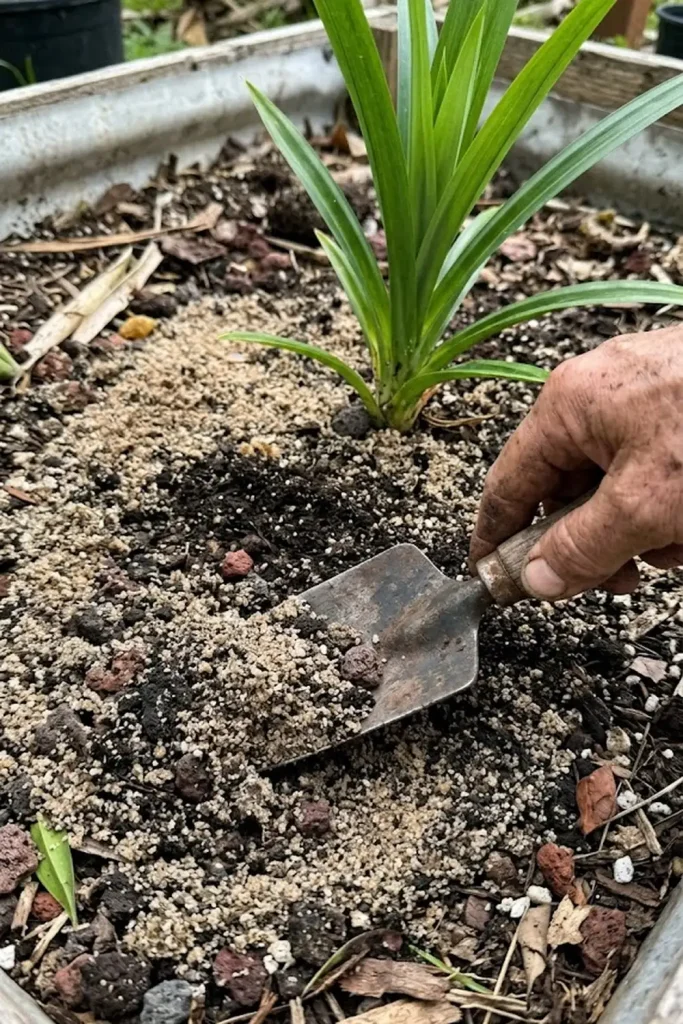
I have made many mistakes in my gardening journey, but one of the costliest was underestimating the importance of soil structure. The best soil conditions for growing Hala fruit trees aren’t about specific nutrient density but rather about drainage. In its native habitat, the Pandanus often grows in pure, coarse beach sand, coral rubble, or skeletal soils. It does not tolerate “wet feet” or heavy clay that holds standing water. When you ground-plant, your biggest threat is root rot, which is why proper prevention starts with site modification.
You must create a soil environment that mimics that littoral, free-draining structure. If you have heavy soil, I recommend building a raised mound or planting in a raised bed rather than trying to amend a deep hole. Your ideal mix should be slightly acidic to slightly alkaline (pH 6.1 to 7.8). Ground-planting means you need to create a free-draining foundation.
For container gardening, which I suspect many of you will be doing, this is much easier to manage. I use a high-quality potting mix and amend it heavily—up to 40%—with coarse sand, perlite, or even fine gravel. This guarantees that when you water, the excess exits the pot immediately. Drainage is the foundation upon which your tree’s health is built, and getting this right is non-negotiable for how to grow Hala fruit well.
Ideal Soil Structure Components
| Container Component | Ground Amending Component | Soil Purpose |
| Potting Mix (Base) | Native Sandy Loam (Base) | Nutrient retention |
| Coarse Sand (30%) | Beach Sand/Coral Rubble | Macro-drainage |
| Perlite (10%) | Fine Gravel/Lava Rock | Aeration |
| (Ensure many holes) | (Plant on a mound) | Prevention of root rot |
5. Hydration and Nutrition: Long-Term Hala Tree Care
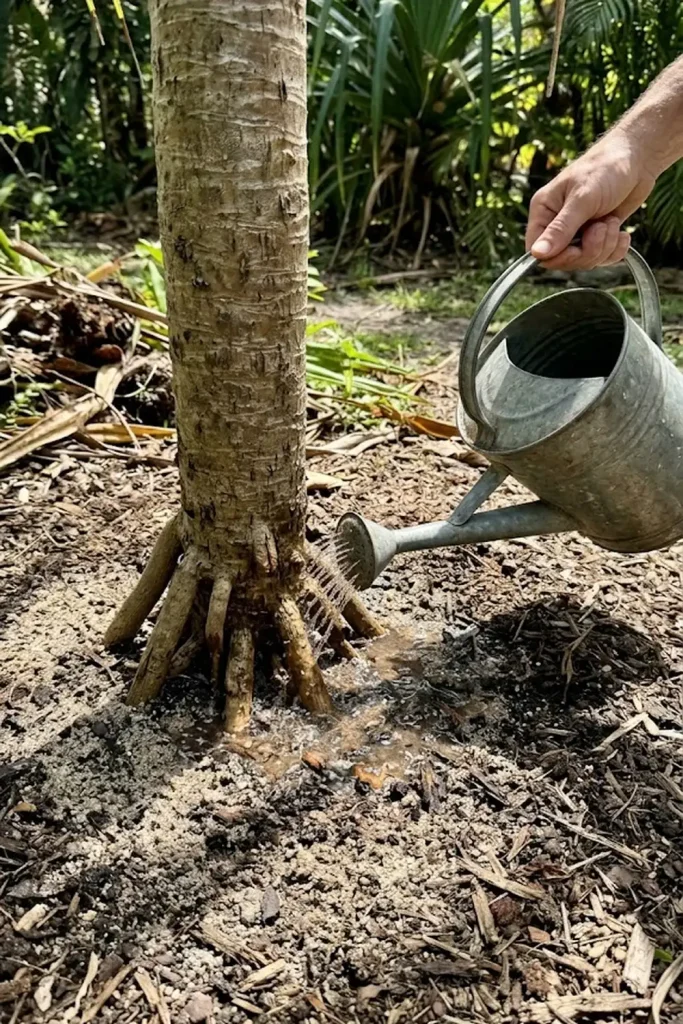
When you finally have your tree situated, long-term care becomes the focus. I find that gardeners are often surprised by the water requirements of the Pandanus. While it is highly drought-tolerant once mature, young trees require consistent moisture to establish their extensive root system. This tree features a unique, sculptural growth habit where it sends down thick aerial prop roots (Ule Hala) from the trunk and branches. These roots help stabilize the tree in shifting sand and high winds, but they also pull moisture and nutrients from the air and surface soil.
Your long-term care must address this dual nature. During the first two to three years, water your young tree deeply whenever the top inch of soil is dry. You want to saturate the entire root zone, and then, crucially, let it drain completely. Your site selection (as discussed in the drainage section) must support this. For nutrition, how to grow Hala fruit well requires balanced feeding during the growing season. I have had excellent results using a slow-release fertilizer that includes micronutrients like magnesium and manganese, which are often deficient in sandy soils.
Don’t use a fertilizer too high in nitrogen, as this will promote weak, sappy growth that is susceptible to pests. Management of growth speed isn’t necessary; the tree isn’t exceedingly fast-growing, especially in a container. Just be patient. As your tree develops its prop roots, you are witnessing the plant build its own foundation. Protection during this phase simply means ensuring it has the resources (water and balanced food) it needs.
6. Pest Management: Defending Against the Hala Scale Insect
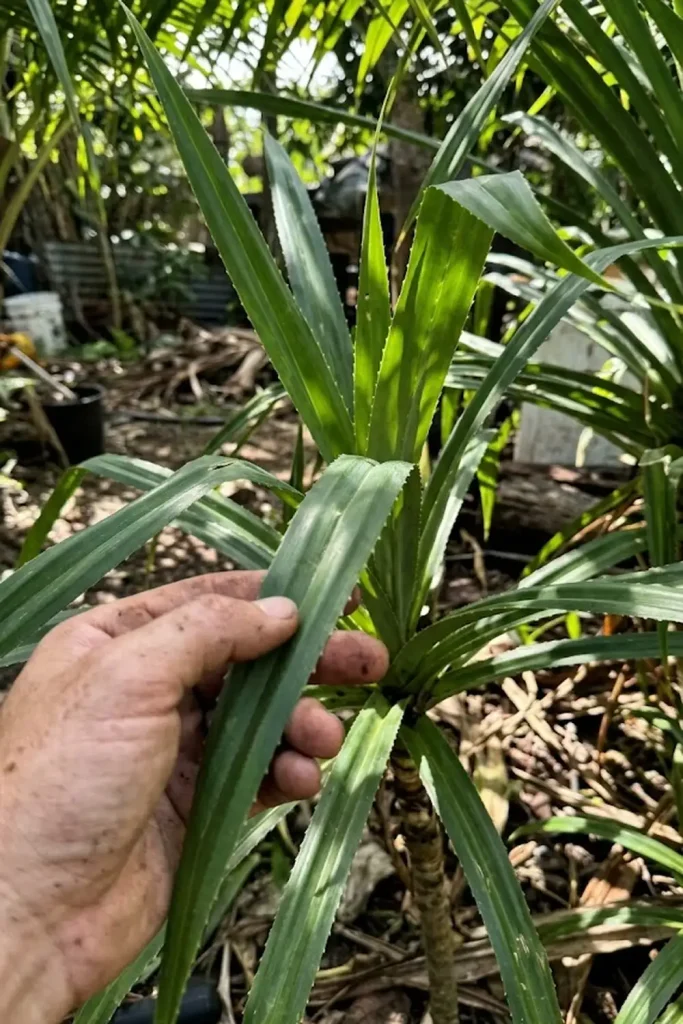
I must warn you about one critical threat: the Hala Scale insect (Thysanococcus pandani). I have seen beautiful, established trees severely compromised by this persistent pest, which is why your protection strategy must begin with proactive management. This scale specifically targets Pandanus species, attaching to the undersides of the leaves (Lau Hala), often near the base where they are hardest to spot. A minor infestation can quickly spiral, leading to yellowing, leaf drop, and eventually, the death of the tree if left unchecked. Prevention is your strongest tool.
When you bring a new tree into your collection, you should always quarantine it and inspect it rigorously. Look for small, dark, circular bumps. If you detect scale, do not despair, but you must act immediately. My preferred method of control involves a two-pronged approach. First, physically remove as many of the insects as possible using a soft brush or a cloth dipped in rubbing alcohol. You must be gentle, as the leaves have spiny margins. Second, apply a systemic insecticide, which the tree absorbs through its roots, poisoning any insect that feeds on its sap. For organic control, you can use horticultural oil or neem oil sprays, ensuring they thoroughly cover all leaf surfaces, but this method requires frequent reapplication. Regular management checks are your best defense; I inspect my tropical collection weekly to ensure no new problems are developing.
7. The Waiting Game: Timeline for Growing Hala Fruit to Harvest
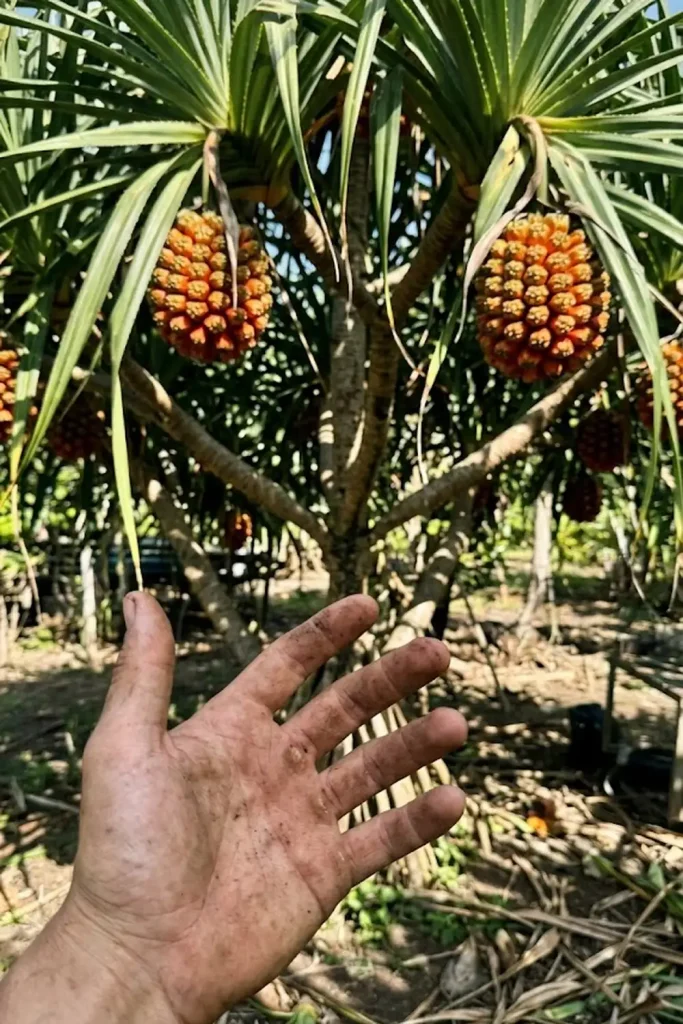
The hardest part about how to grow Hala fruit is, without a doubt, the waiting. I understand you want that spectacular “exploding star” fruit center-piece now, but you must adjust your expectations to botanical reality. The Pandanus tectorius is not a fast-fruiting annual like a tomato. If you are growing how to grow Hala fruit from seed keys, you are embarking on a long-term project. It typically takes a seedling 7 to 15 years to reach maturity and produce its first fruit.
However, you can shorten this waiting period. If you choose the propagation alternative of branch cuttings or “pups” (offsets), a practice I highly recommend for faster results, your timeline could be reduced significantly. A cutting from a mature female tree will inherit the “age” of that parent and can often begin fruiting within 4 to 6 years. With careful management and consistent tropical conditions, it could even be less. Regardless of the method you choose, you will finally know your tree is ready when you see the dramatic change in the flower structures. The female flowers develop into that large, complex syncarp. You will know it is mature when the base of the individual phalanges becomes bright orange or red. It is a slow, methodical journey, but I promise you, when you hold that first ripe, prehistoric fruit, you will know the wait was worth it. This tree provides protection and shade for generations; your patient care now ensures that future.
FAQ: Frequently Asked Questions About Growing Hala
I get many questions from enthusiastic gardeners about how to grow Hala fruit well, particularly about managing climate and alternative propagation methods.
First, a common question I address is: Can I grow Hala fruit in USDA zones outside of the tropics? You can, but it requires significant effort. In zones lower than 10, protection from cold is mandatory. You must grow the tree in a large container that can be moved indoors or into a heated greenhouse during the winter. It cannot tolerate even a light frost.
Another very practical question is: How to grow Hala fruit in large containers? I have successfully done this. Use a large pot (at least 15-20 gallons to start, moving up to a whiskey barrel size). Drainage is your most critical management point; use a very porous mix (e.g., 50% potting soil, 30% coarse sand, 20% perlite). Be aware that container growth will likely delay fruiting and reduce the overall fruit size.
I am often asked: How to propagate Hala fruit from branch cuttings? This is an excellent technique. Instead of a seed, you are using a “pup” or an offset branch. These require specific care: let the cutting dry for a few days to callus, then use a rooting hormone. Plant it in a well-draining medium. This approach offers prevention against the multi-year wait of seeds and ensures you are growing a female (fruiting) tree.
A final, sensitive question is: Is the fruit edible for everyone? While edible, the ripe mesocarp must be properly prepared. I always provide reflective advice: consume with caution if you have a known sensitivity to calcium oxalate. Proper processing, like boiling, can help neutralize this.
Conclusion: A Legacy in Your Garden
Growing the Hala fruit (Pandanus tectorius) is a profound commitment that moves far beyond standard gardening. You are not just nurturing a tree; you are stewarding a piece of prehistoric botany and Pacific Island culture. It requires patience, careful soil management, and rigorous protection against pests like the scale insect. I find this journey deeply reflective; you are cultivating a legacy. Your patient care will eventually result in a stunning coastal guardian that offers both food and architectural beauty for generations. To begin your own Hala journey, I encourage you to join tropical plant societies or online groups. There, you can swap viable seed keys and benefit from the shared management insights of other dedicated enthusiasts. Definitive Answer: Growing the Hala fruit requires sourcing fresh keys, mastering slow propagation with consistent warmth and moisture, and providing a free-draining, sunny coastal microclimate, all while patiently guarding against frost and specialized pests.