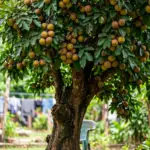
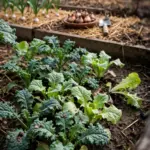
Are you tired of planting generic shrubs that offer nothing but leaves, requiring constant hedging while giving back zero flavor or nutritional value to your family? It is frustrating to spend your limited weekend hours tending a garden that doesn’t produce anything useful, leaving you feeling disconnected from the land you’re working. The hawthorn tree is the ultimate solution, a resilient and beautiful addition that rewards minimal effort with abundant, antioxidant-rich harvests. Learning how to grow haws fruit connects you to generations of resourceful gardeners, transforming your landscape into a functional, wildlife-friendly haven without demanding all your free time.
1. Choose Bare-Root Saplings for Faster Fruit Production
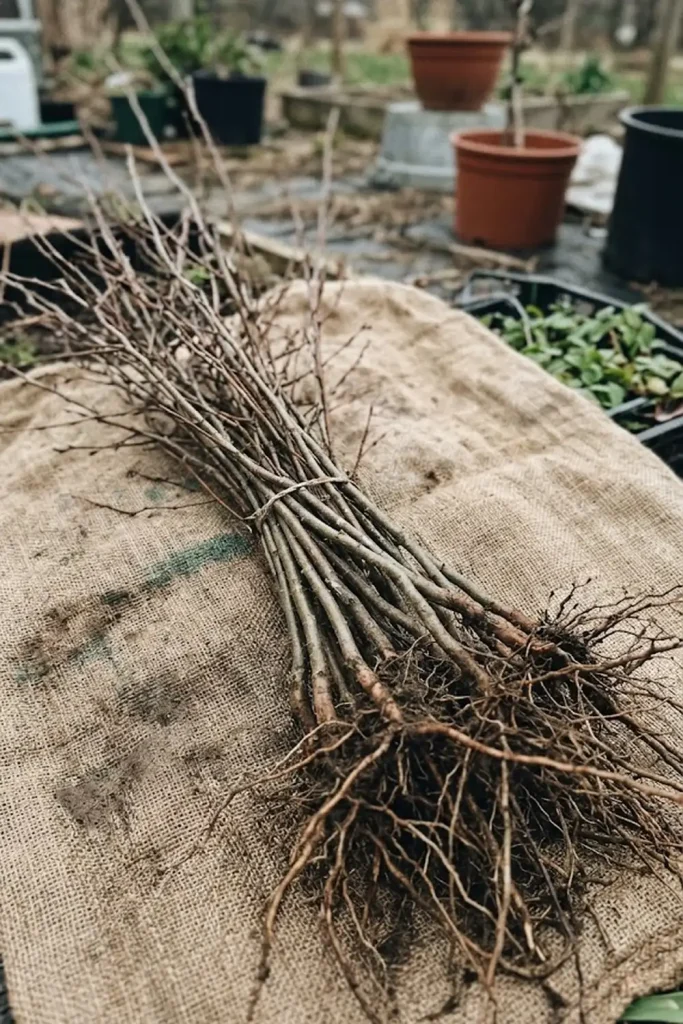
Growing haws fruit from bare-root saplings is the most efficient method for full-time professionals, bypassing years of patience required for seeds. While seed stratification is a fascinating natural cycle, waiting almost two years just for a green shoot isn’t practical when you want to see results. Buying bare-root trees between October and March allows you to plant when the tree is dormant, reducing transplant shock and ensuring rapid establishment once the soil warms. This strategy maximizes the short time you have for weekend gardening, setting your future orchard on a fast track to production. My experience confirms that these unassuming sticks develop robust root systems far quicker than potted alternatives. Careful Management of the sapling’s root moisture before it goes into the ground is the single most important action you can take. To grow haws fruit successfully, you must protect these delicate roots from drying winds by keeping them submerged in a bucket of water or covered in damp burlap until the exact moment of planting. Planting at the correct nursery line is critical, preventing stem rot while allowing the roots to access the organic-rich topsoil they need.
2. Prioritize Well-Drained Soil to Prevent Root Rot
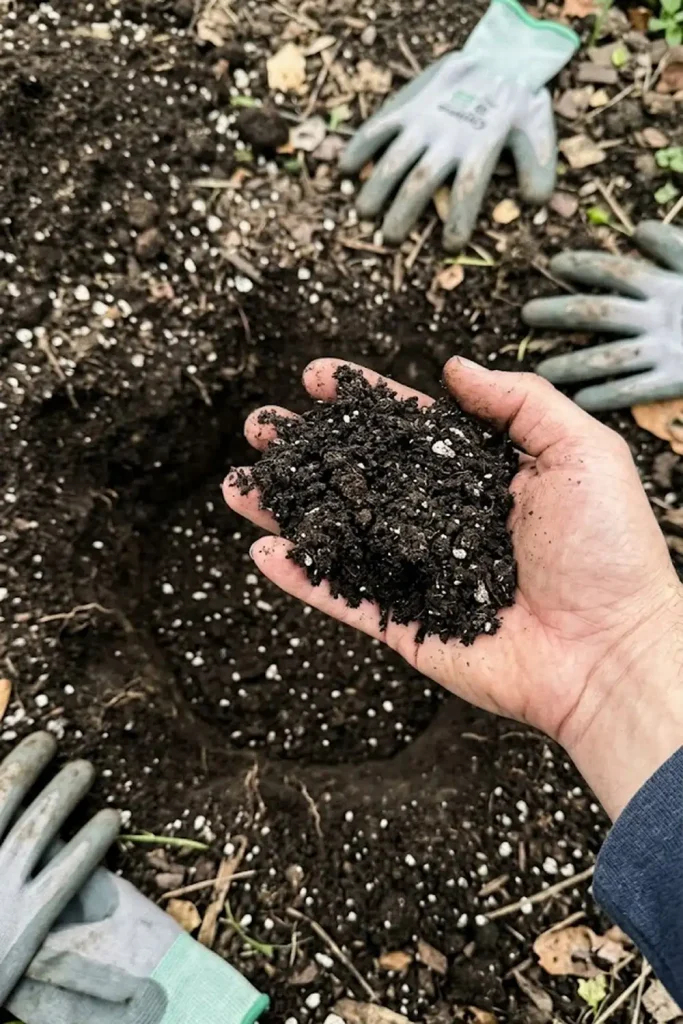
Management of soil water is critical for long-term tree health, overriding the hawthorn’s tolerant nature. I have seen healthy saplings succumb to root rot in a single wet season simply because they were planted in a depression where clay soil collected standing water. Hawthorns are indeed adaptable, but their tolerance has limits that are easily avoided with proper Prevention strategies. You must ensure your planting site allows water to drain freely, preventing anaerobic conditions that suffocate the root system. To grow haws fruit successfully in heavy clay, you must proactively manage the structure, integrating significant amounts of organic matter, such as composted bark or leaf mould, to create essential pore space. This intervention is non-negotiable for a healthy Care routine in many suburban settings. Soil Management isn’t complicated, but it is foundational. I recommend performing a simple percolation test before you plant; dig a hole and fill it with water, observing how quickly it drains to avoid a potential drowning scenario for your tree. The goal is a soil structure that holds moisture but releases the excess, allowing the tree to thrive without constant monitoring.
3. Position for Full Sun to Increase Vitamin C Content
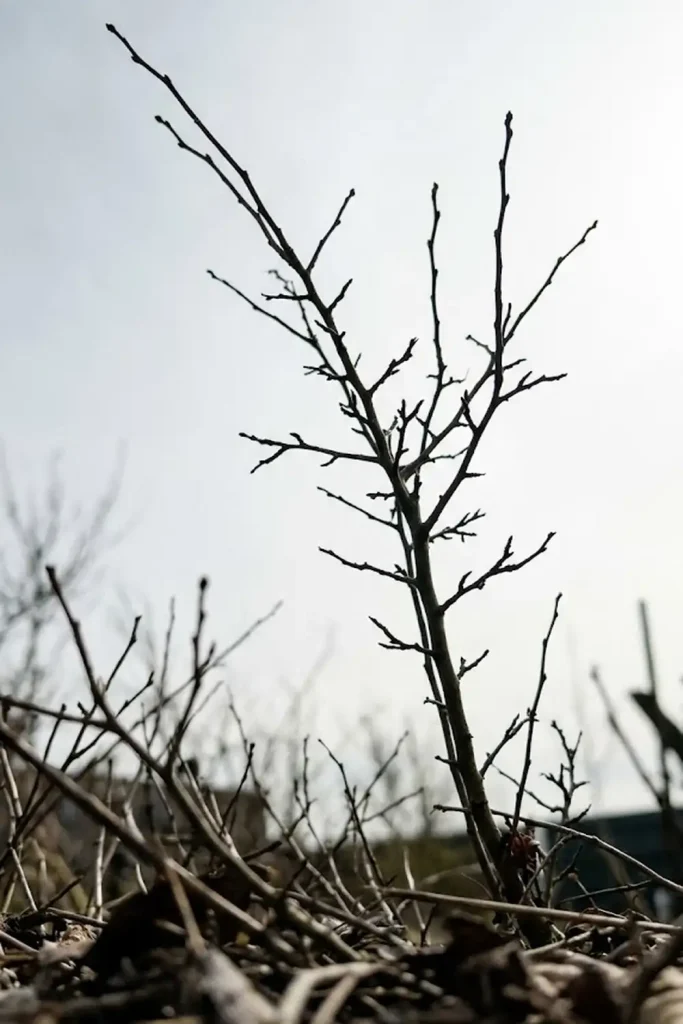
Sunlight exposure directly determines the nutritional density and overall health of your haws fruit. Just as we prioritize our time during a busy week, you must prioritize the prime, sun-drenched real estate in your garden for this tree. A common reflection I share with fellow gardeners is how dramatic the difference can be; a shaded hawthorn will produce sparse, pale berries with less pectin, while its neighbor in full sun yields deep red, vibrant fruit that is significantly better for processing into jelly. To grow haws fruit to its full potential, you must integrate proper Care by assigning it a location that receives at least six to eight hours of direct, unobstructed sunlight. This energy is essential for photosynthesis, driving the sugar and nutrient development that makes the harvest worthwhile. Proper spacing also plays a major role in Protection, allowing that precious sunlight and necessary airflow to reach every branch, minimizing the cool, damp microclimates that fungal diseases like leaf spot love. If you want high-quality harvests, prioritize positioning. This small management step in year one ensures a high-quality food source for your family and local wildlife for decades.
4. Implement Strategic Pruning for Fruit Accessibility
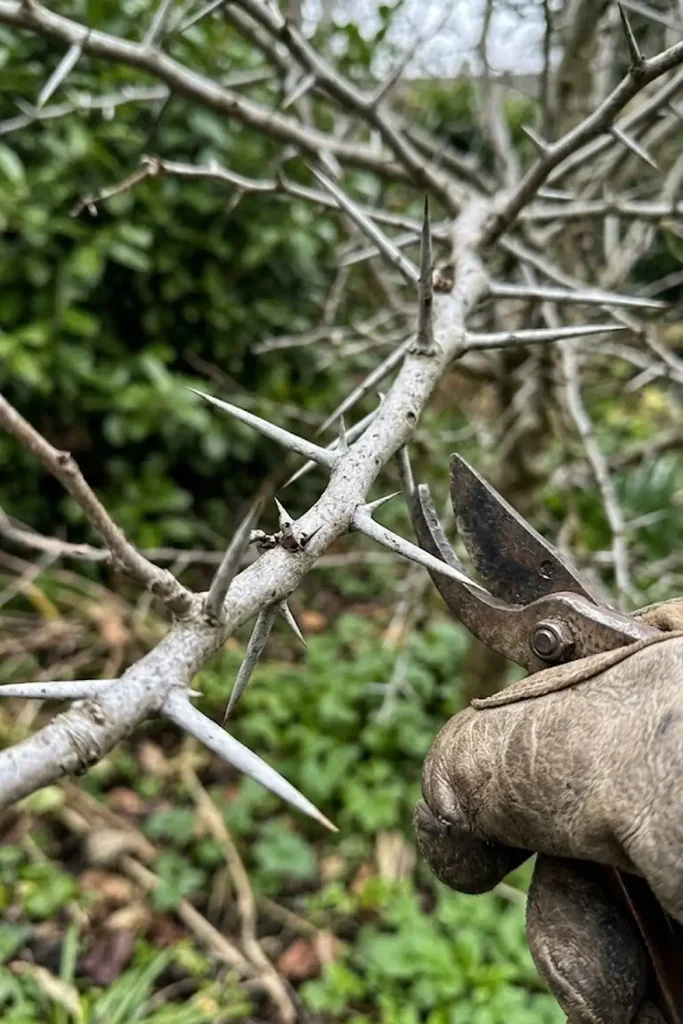
Pruning is essential for both tree health and your personal safety when you are working around this thorny plant. The hawthorn’s famous protection—its dense growth and significant thorns—can make harvest a true test of patience if you have not established a structural Management routine early. When learning how to grow haws fruit, you must prioritize developing an open, accessible canopy during the dormant season, which facilitates Care and harvesting. Successful Control over this dense structure ensures sunlight can reach the center, promoting even fruit ripening. Management from a structural level prevents the cross-branching that invites disease, and it also directs energy into producing robust fruiting spurs rather than excessive leafy growth. To effectively grow haws fruit without a constant battle, I recommend establishing 3 to 5 main leader branches, removing any cluttered center growth. Remember to remove ‘suckers’—vigorous shoots that emerge from the base—to direct all energy to the main fruiting structure, a vital part of your structural Care routine that keeps the plant looking managed. These deliberate management actions make the annual harvest a fast, productive activity you will look forward to.
5. Master the 18-Month Stratification if Starting from Seed
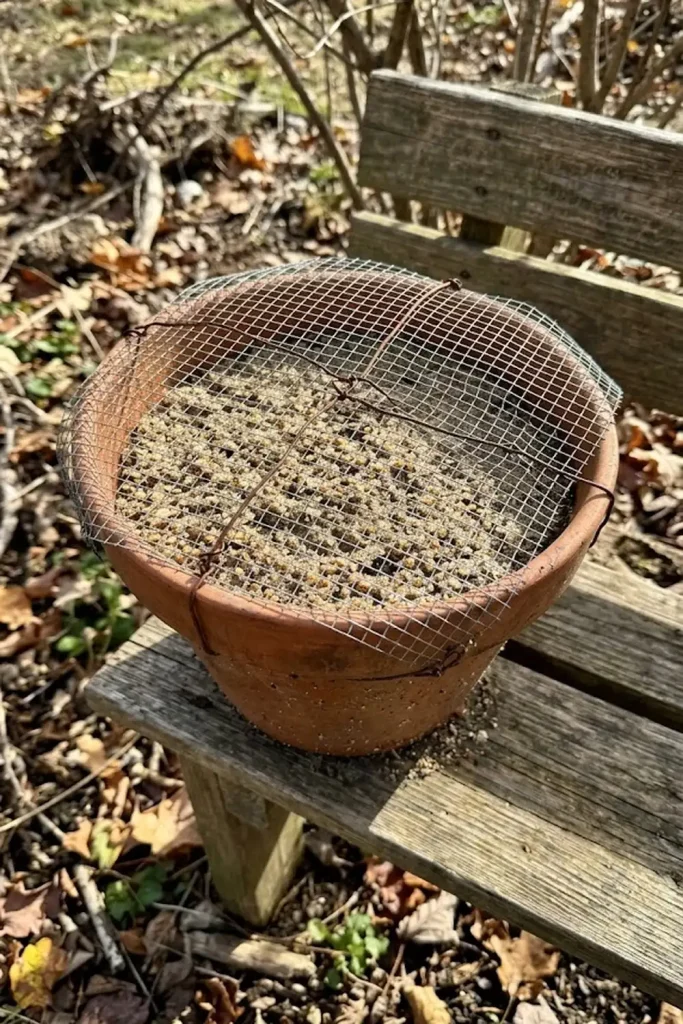
Management of the stratification process is the foundational challenge for starting hawthorns from seed. It’s important to understand this isn’t a delay, but a complex evolutionary mechanism; the seed has a tough, impermeable coat that needs time, bacteria, and contrasting temperatures to break down before germination can even begin. A reflective point for me is how rewarding it can be to facilitate this complete natural cycle. Learning how to grow haws fruit through this deep-level Management of the environment requires meticulous Care. You must clean the seeds from the surrounding pulp thoroughly, as the fruit itself contains germination inhibitors that provide another layer of Protection. Following this, the seeds need a warm stratification phase (around 20°C) for several months, mimicking an autumn rest, followed by a cold, moist chilling phase (around 1-5°C) to simulate winter. Successful Control of these variables, keeping the medium damp but not sodden, ensures that after 18 months of careful, consistent monitoring, you will have a high success rate. This level of dedication might not be for everyone, but for those who commit, it is a deeply satisfying act of botanical stewardship.
6. Monitor for Fire Blight and Fungal Pests
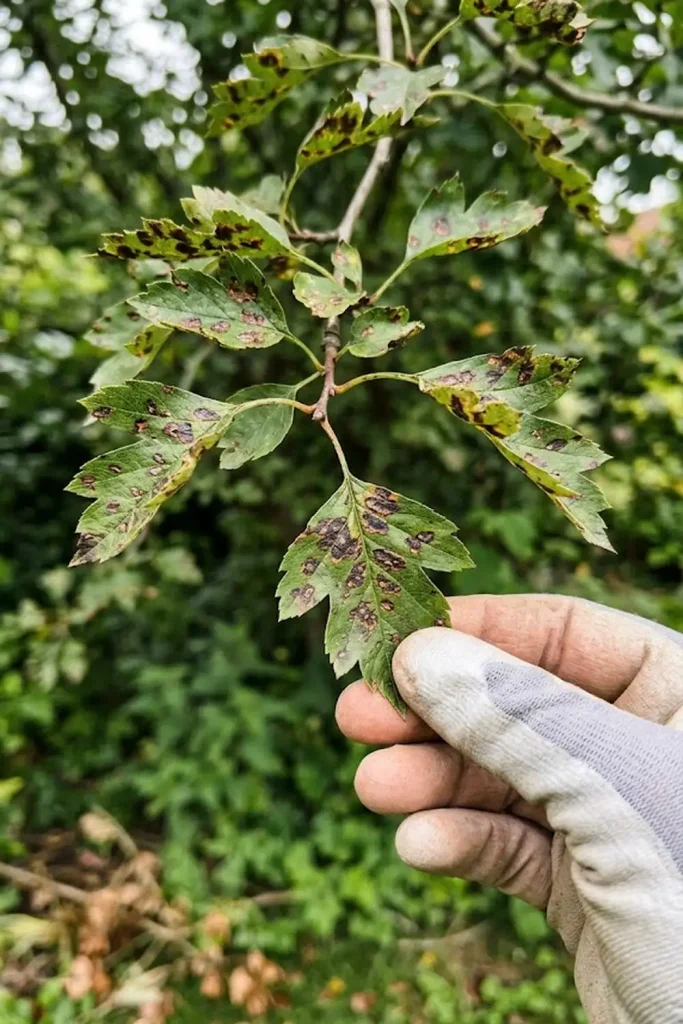
Vigilant Protection is crucial because hawthorns, being part of the Rosaceae family, are susceptible to the same devastating diseases that affect apples and pears. I have seen an entire, mature hedge destroyed by Fire Blight (Erwinia amylovora) in a single humid season because the owner didn’t recognize the early signs. This bacterial disease causes branches to suddenly wither and turn black, looking as though they have been scorched by fire. When you are learning how to grow haws fruit, Prevention must be your first line of defense. Ensure you only purchase certified disease-resistant stock, especially if you live in a region prone to humidity. Effective Management involves a clean orchard floor; removing all fallen leaves and mummified fruit in the autumn prevents fungal spores, like Cedar-Hawthorn Rust, from overwintering. If you detect disease, decisive Control is required: prune the infected branch at least 12 inches below the visible damage, and—this is critical—disinfect your tools with an alcohol solution between every single cut to prevent spreading the bacteria. This meticulous Care is non-negotiable for long-term tree viability and abundant fruit production.
Here are common issues and their associated Management strategies:
| Common Issue | Primary Prevention & Control Method | Associated Care Task |
| Fire Blight | Prevention: Use resistant cultivars. Control: Prune infected wood. | Sterilize tools between cuts. |
| Hawthorn Rust | Prevention: Avoid planting near Juniper species. | Remove nearby alternative hosts. |
| Fungal Leaf Spot | Prevention: Ensure proper tree spacing for airflow. | Clear fallen debris in autumn. |
| Aphid Infestation | Control: Introduce beneficial insects (e.g., ladybugs). | Monitor young shoots regularly. |
7. Timing the Harvest for Peak Flavor and Pectin
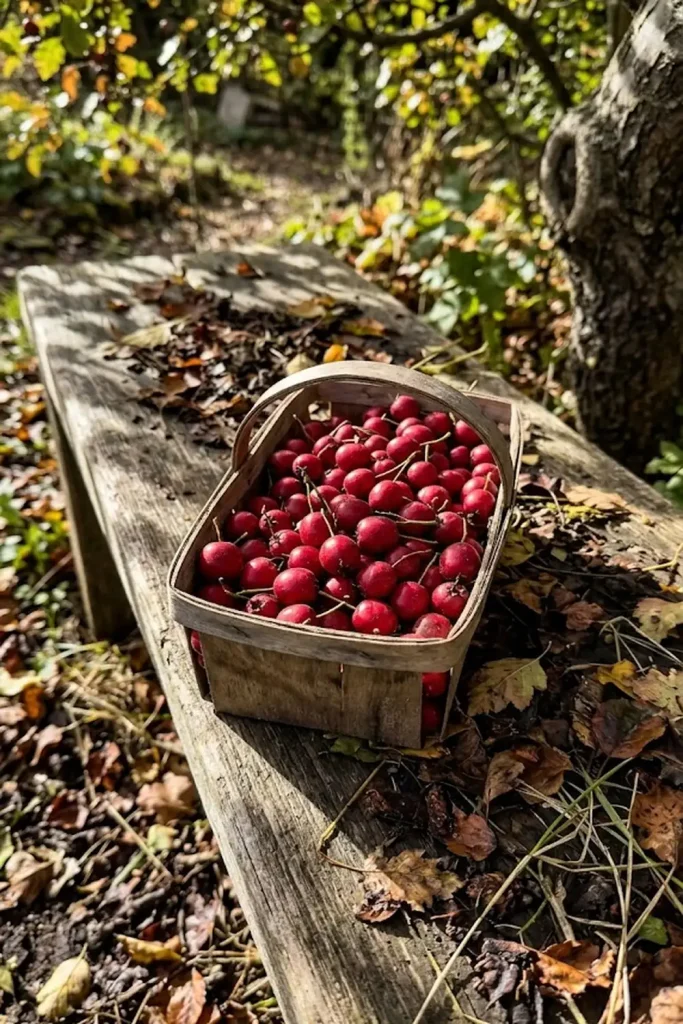
Knowing when to harvest is the key to maximizing the culinary value of your haws fruit. The final stage of your journey to grow haws fruit successfully is about understanding the plant’s internal biochemistry. I have seen new gardeners rush to pick berries as soon as they turn red in September, only to find them intensely astringent and low in the natural sugars and pectin needed for a good jelly. A reflective point I share is that, as full-time workers, we must align our harvest with the plant’s schedule, not our convenience. The deepest red berries—those that are slightly “squishy” to the touch and just starting to lose their glossy sheen—contain the highest concentration of proanthocyanidins. These are the powerful heart-healthy antioxidants that make this fruit so medically significant. Active Care involves waiting for this peak maturity, often after the first light frost, which can help mellow the remaining tannins. Proper Management of the harvest involves using a gentle touch; a small hand rake can expedite the process, but I prefer hand-plucking to preserve the delicate fruiting spurs for next year. Leave a portion of the crop for local wildlife, a thoughtful Management strategy that supports biodiversity during the lean winter months.
Here is what your harvest planning should consider:
| Consideration | Management Action | Impact on Care & Quality |
| Harvest Window | Wait for deep red color, slightly soft texture (Oct/Nov). | Maximizes pectin and sugar content. |
| Control Method | Gentle hand-plucking; avoid damage to spurs. | Protects next year’s fruit production. |
| Environmental Protection | Leave 10-20% for local birds/wildlife. | Supports garden biodiversity. |
| Storage Management | Use breathable wooden crates or baskets. | Prevents mold and decay. |
FAQ Section
How to grow hawthorn berries from seed at home?
To grow hawthorn berries from seed, you must extract seeds from fully ripe haws fruit, thoroughly clean them of pulp, and mix them with damp sand. This mixture must then be subjected to a 18-month stratification cycle: an autumn/winter outdoor “rest” (warm), followed by a cold, moist chilling phase (winter simulation), before finally sowing them in spring.
How long does it take for hawthorn trees to produce fruit?
When you grow haws fruit from dormant bare-root saplings, you can typically expect your first significant harvest within 3 to 5 years. However, if you choose to grow trees from seed, be prepared for a longer journey, as fruit production often takes 5 to 8 years after germination.
What is the best way to handle the thorns?
Managing the thorns is crucial for a pleasant Care routine. Always wear heavy-duty, puncture-resistant gardening gloves—gauntlet style to protect your wrists—and implement a regular Management strategy of structural pruning to keep the tree’s canopy open and your harvesting paths accessible.