You work hard all week, and when you finally step into your backyard, you want to see a thriving sanctuary, not a collection of struggling, yellowing plants that demand more than they give. The Problem is that most “superfood” plants are notoriously finicky, requiring perfect conditions and expensive fertilizers that eat into your hard-earned savings. It’s frustrating—you spend your limited weekend time researching how to grow goji berry fruits, only to end up with a spindly shrub that produces nothing but thorns. The Agitation is real when you see the price of organic dried gojis at the store—easily $20 a bag—and realize your own garden isn’t providing the ROI you expected for your effort. The Solution is a strategic, low-maintenance approach to goji berry fruit production that prioritizes soil biology and smart variety selection. I’ve navigated these same hurdles, and I’m going to show you exactly how to turn your space into a high-yield berry powerhouse.
Select the Right Variety for Your Specific Climate
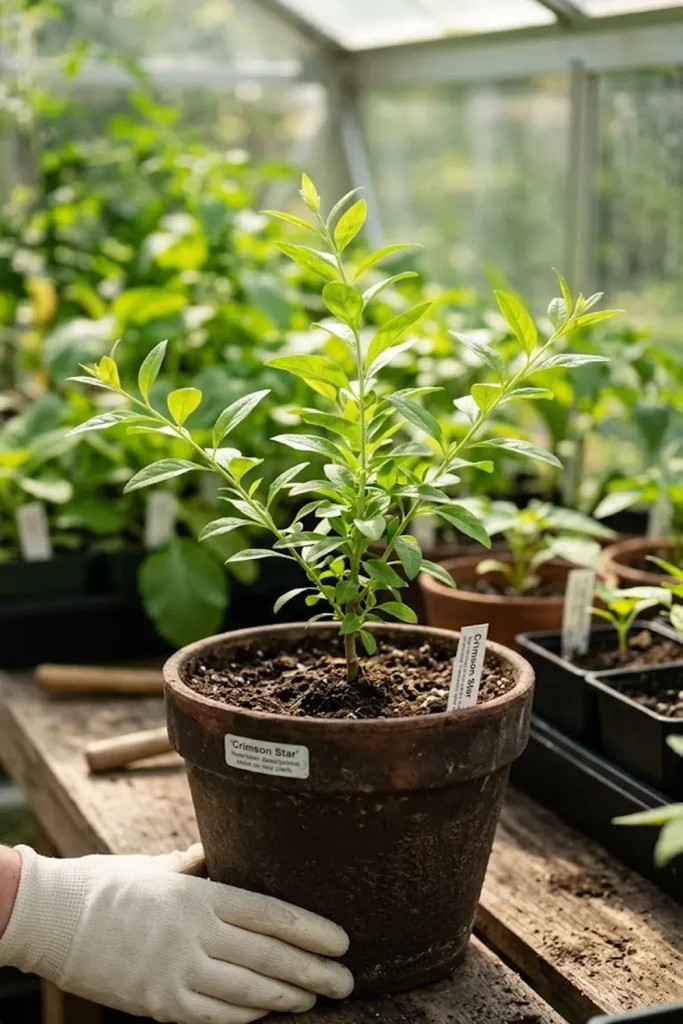
When I first started exploring how to grow goji berry fruits, I made the mistake of thinking every plant from the nursery was the same. You need to understand that the goji, or Lycium barbarum, is a tough survivor from the Himalayan regions, but different cultivars are bred for specific goals. If you live in a region with shorter summers, you need a variety that flowers and fruits quickly. I personally recommend the ‘Crimson Star’ or ‘Sweet Lifeberry’ for beginners. These varieties have been bred to be less sprawling and more productive on younger wood. You want a plant that fits your lifestyle, not one that requires a degree in botany to keep alive.
The genetics of your plant dictate the nutritional profile of your harvest. For instance, the ‘Big Lifeberry’ cultivar is known for larger, juicier fruits that are perfect for eating fresh, while the traditional ‘Ningxia’ types are better suited for drying into that classic raisin-like texture. You must match the plant to your intended use. If you want a snack to grab while you’re mowing the lawn, go for the larger-fruited varieties. If you’re looking to stock your pantry with dried superfoods for your morning smoothies, the smaller, high-Brix (sugar content) varieties are your best bet.
| Goji Variety | Best Use Case | Climate Hardiness | Fruit Size |
| Crimson Star | Commercial-grade yields | Zones 4-9 | Medium |
| Sweet Lifeberry | Fresh eating/Snacking | Zones 5-9 | Small/Sweet |
| Big Lifeberry | Culinary/Cooking | Zones 5-9 | Large |
| Phoenix Tears | High antioxidant focus | Zones 3-9 | Medium |
Choosing a variety also involves looking at its resistance to local issues. In my experience, prevention of powdery mildew starts with choosing a variety with a more open growth habit. You want a plant where the wind can move through the leaves. If you live in a humid area, this single choice will save you hours of work later in the season. You are looking for a balance between vigor and management. A plant that grows six feet in its first year sounds great, but if it doesn’t produce fruit until year four, it might not be the right fit for your goals.
Understanding Native Habitats and Adaptation
Gojis are naturally found in alkaline, somewhat harsh environments. This is why they are so resilient. When you bring one into your garden, you are introducing a plant that can handle a bit of neglect—which is perfect for us busy professionals. However, “hardy” doesn’t mean “invincible.” You should look for bare-root plants in the early spring if you want to save money. Buying a dormant plant is often 50% cheaper than buying a fully leafed-out shrub in a decorative pot. Since you are likely looking to maximize your $50k annual budget, these small savings across several plants allow you to build a much larger edible landscape.
I have found that ‘Phoenix Tears’ is particularly good for those in the northernmost zones (Zone 3). You don’t want to lose a plant to a harsh winter after putting in a year of care and protection. Most gojis are self-fertile, meaning you only need one, but you will find that your yields increase significantly if you plant two or three different varieties near each other. Cross-pollination is a subtle secret that many “big box” garden centers won’t tell you, but it’s the difference between a handful of berries and a gallon-sized harvest.
Essential Variety Selection Criteria
- Zonal Compatibility: Always check your USDA zone before purchasing.
- Harvest Timing: Some varieties fruit in mid-summer, others late fall.
- Growth Habit: Choose “Lifeberry” types if you have limited vertical space.
- Disease Resistance: Prioritize plants labeled for mildew resistance in humid climates.
By focusing on these specific varieties, you are setting the foundation for success. You aren’t just planting a bush; you are installing a long-term food source. It’s a reflective process—thinking about what you want to eat two years from now and making the investment today.
Master Container Planting for Urban Flexibility
I know many of you are balancing a busy work week and might not have a sprawling backyard, or maybe you are renting and don’t want to invest in permanent landscaping. This is where mastering container planting becomes essential when learning how to grow goji berry fruits. Growing goji berries in pots isn’t just a space-saving compromise; it’s actually a brilliant strategy for managing a plant that can otherwise become quite unruly. For those of us looking for low-maintenance solutions that respect our limited weekend time, this level of management is priceless.
The absolute key to success in a pot is understanding the goji plant’s root architecture. Goji berries develop a very deep, tenacious taproot. This taproot is their lifeline, allowing them to access water and nutrients far below the surface in their native harsh environments. Because of this, shallow pots are a recipe for failure. You need a container that is at least 18 inches deep, preferably deeper. A standard 5-gallon container is the absolute minimum I would recommend for a young plant, but if you want significant goji berry fruit production long-term, you should aim for a 10-gallon or even 15-gallon pot as the plant matures. A larger soil volume does two things: it accommodates that deep taproot, and it acts as a buffer against environmental extremes. Small pots dry out incredibly fast in the summer sun, stressing the plant and often causing blossom drop. A larger pot holds moisture and nutrients much more consistently, reducing your daily maintenance workload and providing essential protection for the root system.
When selecting a pot, material matters. Terra cotta is beautiful and breathable, which helps prevent root rot, but it also dries out very quickly and is very heavy. Plastic or resin pots are lightweight, retain moisture well, and are often more budget-friendly. Whichever material you choose, it must have substantial drainage holes. You are seeking a specific environment: moist but well-drained. Goji roots will rot quickly if forced to sit in soggy, anaerobic soil. I often add a one-inch layer of coarse gravel or pot shards to the bottom of the container before adding soil, just to ensure that drainage holes never become clogged by compacted mix. This small step in the planting process provides critical prevention against the most common cause of container plant death.
The Perfect Container Potting Mix Recipe
- One Part High-Quality Potting Soil: This provides the base structure and initial nutrient content. Look for a mix that includes peat moss or coco coir.
- One Part Coarse Sand or Perlite: This is crucial for aeration and drainage. Gojis need sharp drainage, and sand or perlite ensures the mix doesn’t compact over time.
- One Half Part Compost or Aged Manure: This adds essential organic matter and slow-release nutrients, fueling the rapid growth and care needed for heavy fruiting.
- A Handful of Agricultural Lime: This is the “secret ingredient.” Since gojis prefer an alkaline environment, a bit of lime helps nudge the typically slightly acidic potting mixes toward the 7.0–8.1 pH range they love.
Essential Steps for Transplanting Goji Berries into Pots
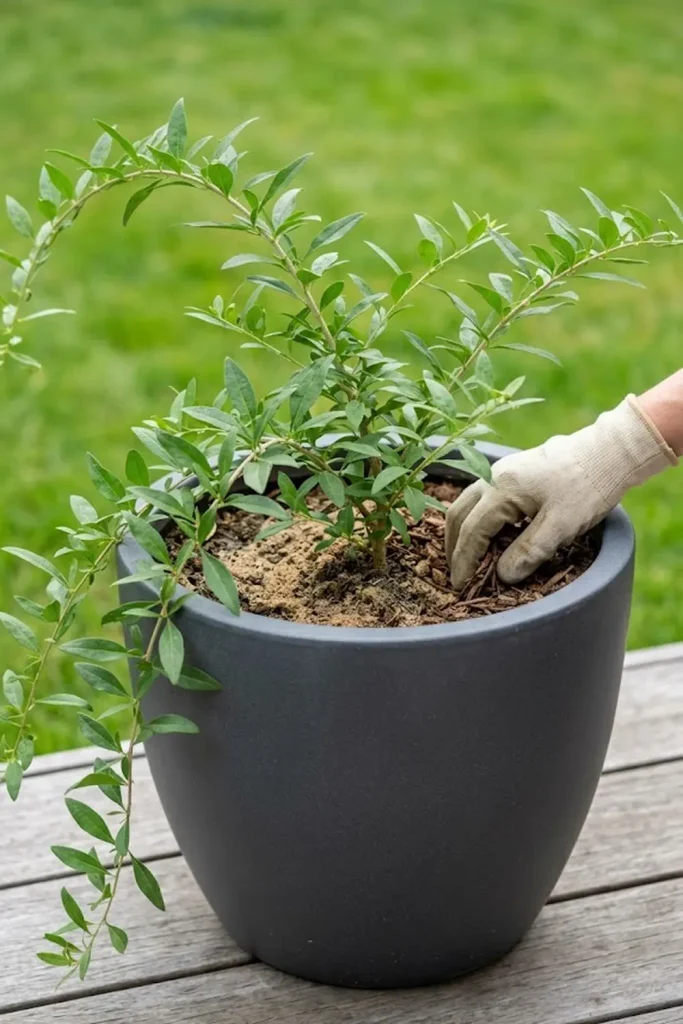
When you are ready to transplant, minimize root disturbance. Gently slide the plant out of its nursery pot. If it is root-bound (roots circling the inside of the pot), very gently tease the outer roots outward. Dig a hole in your container mix that is twice as wide as the root ball but no deeper. When learning how to grow goji berry fruits, placement is everything: the top of the root ball should be level with, or slightly above, the surrounding soil surface. Planting too deep can lead to stem rot. Backfill the hole gently, firming the soil with your hands to remove large air pockets. Immediately water the container thoroughly until water flows freely from the drainage holes. This “settles” the soil and ensures the roots make good contact with the mix, reducing transplant shock. I often finish with a shallow layer of mulch, like shredded bark or pea gravel, to help retain moisture and keep the soil surface cool, further simplifying your ongoing plant management.
Soil pH Management: The Secret to Sweet Berries
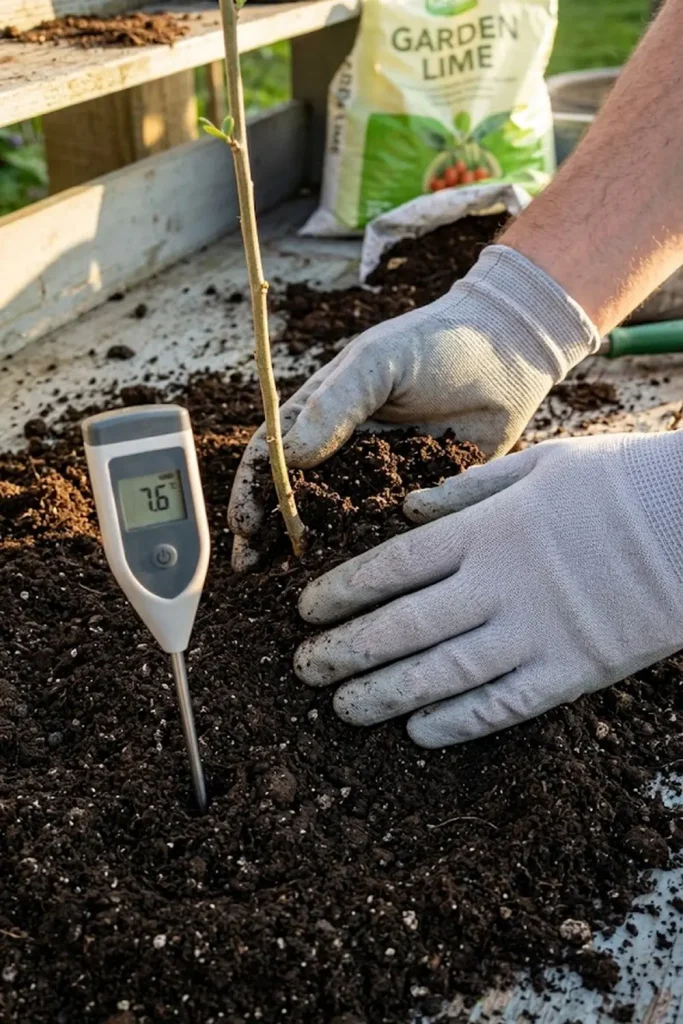
This is perhaps the single most overlooked secret when people are learning how to grow goji berry fruits. I have spoken to many frustrated gardeners who have healthy-looking plants that either don’t fruit well, or the berries they do produce are intensely bitter. In nearly every single one of those cases, the culprit was soil pH. Goji berries are native to areas that are rich in mineral deposits, specifically calcium carbonate, which makes the soil alkaline (or “sweet”). While most garden plants we grow—like tomatoes, peppers, and beans—prefer a slightly acidic soil pH (between 6.0 and 6.8), your goji berries are the absolute opposite. If you force your gojis to live in an acidic environment, you are directly impacting their ability to absorb nutrients. An improper pH level will lead to iron and calcium deficiencies, which will cause weak growth, pale leaves, and, ultimately, poor fruit set. This makes management of your soil’s alkalinity one of your top long-term priorities for achieving significant goji berry fruit production.
You cannot manage what you do not measure. Before you add a single amendment, you must get your soil tested. You don’t need an expensive lab analysis; a simple pH testing meter or kit from your local garden center is an excellent start. I usually recommend testing three different locations in the planting area to get an average reading. The goal is to hit a pH between 7.0 (neutral) and 8.1 (alkaline). In my experience, the sweet spot for maximum fruit sugar content is 7.5 to 7.8. This is the range where the plant can freely access all the essential macronutrients and micronutrients it needs for prevention of metabolic stress, which is often the cause of that bitter “unripe” flavor that people often complain about. If your soil test comes back showing a neutral or slightly alkaline pH, you are lucky and can proceed with standard care and protection.
If your soil is acidic (below 7.0), you will need to actively amend it. The most common and effective method for how to grow goji berry fruits in acidic conditions is to add agricultural lime (calcium carbonate). Agricultural lime is a natural mineral that neutralizes acidity. It works slowly, taking up to six months to fully affect the soil pH, so this is a great reflective fall or late-winter project. The amount of lime needed depends on how far you need to move the needle and your specific soil type (clay soils need more lime than sandy ones). I suggest consulting the application chart on the lime bag or using the general guidelines in the table below to prevent over-application, which is also detrimental. Proper management is always about balance.
Average Lime Application Rates to Raise Soil pH to 7.5
| Starting pH (Acidic) | Clay/Loam Soil (Pounds per 100 sq ft) | Sandy Soil (Pounds per 100 sq ft) |
| 6.5 (Slightly Acidic) | 4-5 lbs | 1-2 lbs |
| 6.0 (Moderate Acid) | 7-8 lbs | 3-4 lbs |
| 5.5 (Strongly Acidic) | 10-12 lbs | 5-6 lbs |
Key Soil Management Practices for Ongoing Care
- Test pH Annually: Don’t just apply lime and forget it. Soil acidity will slowly return over time.
- Avoid Acidic Mulches: Do not use pine needles, pine bark, or sawdust as mulch around gojis. Instead, use hardwood mulch, leaf mold, or pea gravel.
- Use Alkaline Fertilizers: When selecting a fertilizer, avoid those with acidifying forms of nitrogen (like ammonium sulfate). Instead, look for potassium-rich, non-acidifying options.
- Consider Compost Tea: Aerated compost tea is a great way to introduce beneficial, nutrient-mobilizing microbes that thrive in alkaline conditions, providing an extra layer of root protection.
If you decide to grow goji berries in pots, soil pH is even more critical because the root zone is so confined. Most standard potting mixes are based on peat moss, which is intensely acidic. A major part of container plant care is amending that mix. I almost always mix in a half cup of agricultural lime for every 5 gallons of soil before planting. Then, twice a year, I water the pot with a weak “lime drench” (1 tablespoon of lime dissolved in a gallon of water) to ensure the container pH stays in that sweet, alkaline sweet spot.
Sunlight Requirements for Maximum Antioxidants
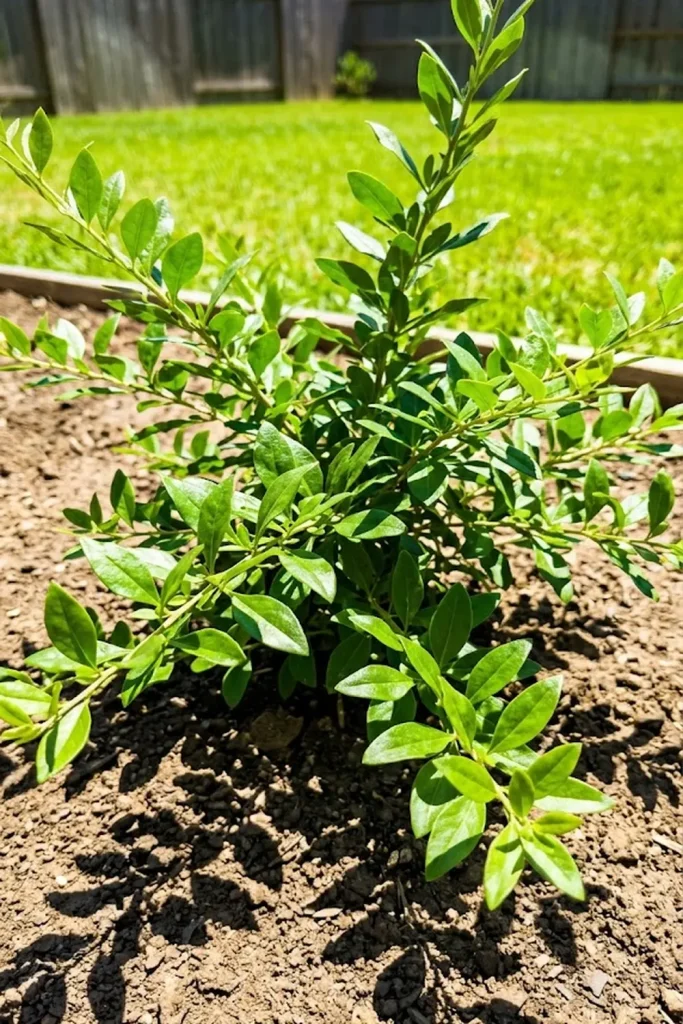
One of the main reasons many of us are drawn to how to grow goji berry fruits is their reputation as a “superfood.” That deep red color is a visual indicator of their incredibly high antioxidant content. Here is the critical connection: the plant produces those antioxidants—like polysaccharides and carotenoids—primarily as a defense mechanism against intense solar radiation. In their native high-altitude Himalayan environment, gojis are blasted by strong sunlight every day. If you plant your goji berry shrub in partial shade, it will still grow, and it may even look very healthy with soft, deep-green leaves. However, it will not be “stressed” in the right way to maximize fruit production or nutritional value. When you provide full, direct sun for at least 8 hours a day, you are directly triggering the biological processes responsible for creating those nutrient-dense berries. This level of sunlight is the single best form of protection against low-yield harvests.
I have learned that the “full sun” requirement for how to grow goji berry fruits is non-negotiable for serious harvests. The logic behind this is simple: sunlight powers photosynthesis, which creates the sugars (Brix) necessary to fuel flower and fruit development. A shaded goji plant allocates its energy differently; it will prioritize vertical growth, becoming “leggy” and thin as it “searches” for the light. This creates a weak structure that is more susceptible to wind and disease. In full sun, the plant maintains a more compact, sturdy habit with stronger stems and closer “node spacing” (the distance between where leaves and flowers emerge). This tight, strong growth is exactly what you need for significant goji berry fruit production and efficient care and protection. If your garden doesn’t offer a full 8 hours, it’s a good reflective moment to consider growing goji berries in pots on a sunnier balcony or driveway where you have more control over the environment.
When selecting a planting location, you should prioritize a spot with an unobstructed southern or southwestern exposure. This maximizes both light intensity and warmth, creating a high-energy environment. Sunlight doesn’t just benefit the plant; it also benefits the soil. Intense sun helps dry the soil surface quickly after watering or rain, which is a major part of prevention against fungal diseases like powdery mildew, which thrives in humid, shaded conditions. You are seeking to create an almost desert-like microclimate: intense light, warm days, and well-drained, slightly alkaline soil. Proper management of sunlight is therefore interconnected with every other aspect of successful cultivation.
Specific Sunlight Requirements and Planting Tips
- Minimum 8 Hours of Direct Sun: Anything less will severely limit fruit yield and antioxidant profile.
- Prioritize Morning and Midday Sun: This is the most intense, productive light. Late afternoon sun is less vital.
- Avoid Planting Near Shaded Structures: Steer clear of fences, large trees, or overhanging eaves that create “shadow pockets.”
- Southern/Southwestern Exposure: This is the absolute ideal orientation for maximizing light access, especially in northern latitudes.
If you are growing goji berries in pots, your biggest advantage is mobility. I often move my containers around the patio throughout the season to ensure they always have prime real estate. If the patio becomes too shaded by a nearby large oak tree by mid-July, I simply move the pots to a different corner. This ability to make precise micro-adjustments to the environmental factors is a level of management that can’t be replicated in the ground, and it is a key reason for container success.
Strategic Trellising for Easier Harvesting
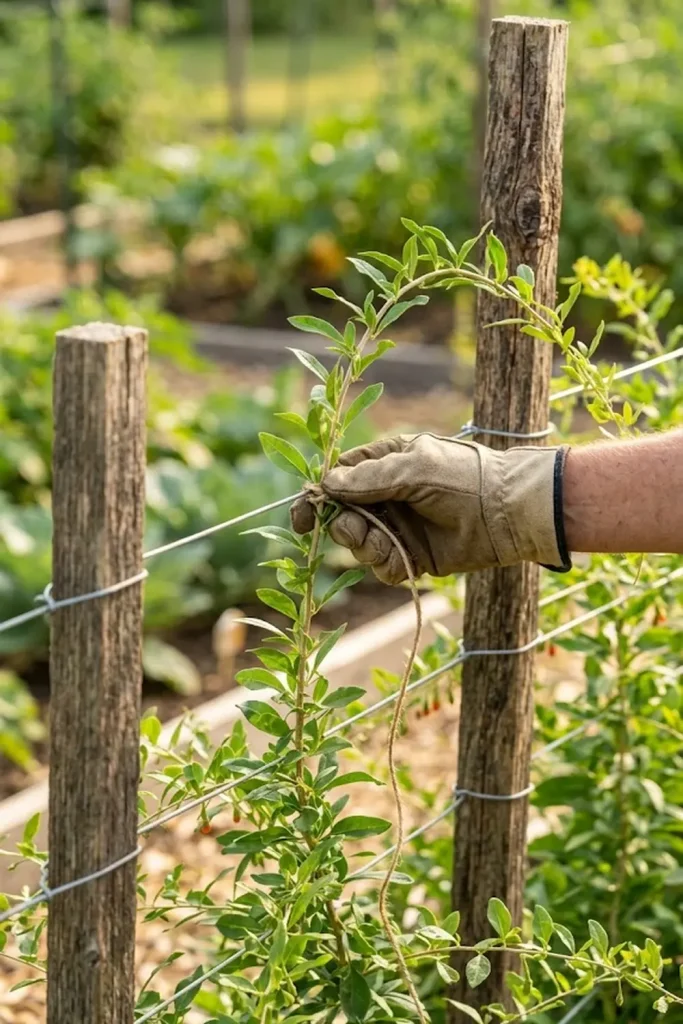
Left to its own devices, a goji plant will not grow vertically like a tree; it will develop a sprawling, arching habit. This arching is very beautiful and graceful, but if you are focused on maximizing your limited space for significant goji berry fruit production, it creates major logistical problems. Many new growers make the mistake of letting their gojis sprawl, only to find that their prized berries are resting on the damp soil, where they quickly rot or become a buffet for slugs and sowbugs. By implementing a clear management strategy right from the start, you are directly investing in the quality and safety of your future superfood. A simple, well-chosen trellis system transforms an unruly, semi-thorny shrub into a productive, organized, and—most importantly—easy-to-harvest asset in your garden. This structured approach to care and protection makes the entire gardening experience far more enjoyable and reflective, allowing you to focus on the bounty rather than the frustration of untangling messy, ground-level canes.
I find that the most cost-effective and efficient solution is a modified “T-post trellis” or “grape trellis” design. This system uses sturdy vertical posts with one or two horizontal wires running between them. You can attach the main structural canes of the goji to these wires as the plant grows, encouraging it to develop a strong “trunk” and then spill its fruiting branches over the wires. This configuration creates an organized, arching structure that is incredibly robust. It provides two major benefits: it opens up the center of the plant for maximum air circulation and sunlight (key for fungal disease prevention and fruit ripening), and it puts the vast majority of the harvest at a convenient waist-to-shoulder height. This simple bit of forward-thinking care and protection saves you from the literal pain of hunching over a thorny, low-lying shrub when it’s time to pick your fresh goji berry fruits.
Advantages of Trellising Goji Berry Plants
- Maximum Yield per Square Foot: Training your plant vertically and horizontally maximizes your available space for fruit.
- Efficient Pest Management: Ground-level pests like slugs, sowbugs, and earwigs have difficulty reaching the fruit.
- Better Ripening and Flavor: Berries get full, even sun exposure.
- Simpler and Faster Harvesting: No more bending or fighting through low, dense growth.
- Improved Plant Health: Air moves freely through the foliage, reducing disease risk.
When designing your trellis, robustness is key. In my experience, a full mature goji, heavily laden with thousands of small, water-dense berries and foliage, is surprisingly heavy. Flimsy bamboo stakes or cheap plastic trellises will buckle under the load. Use sturdy wooden 4×4 posts or heavy-duty steel T-posts anchored well in the soil (at least 18 inches deep). The wires should be heavy-gauge (12 or 14 gauge) to support the weight and keep the structure taught over the long years. This structured environment is exactly the level of serious management that a committed gardener should prioritize when learning how to grow goji berry fruits as a long-term resource.
If you are growing goji berries in pots, you still need a support system. A strong cylindrical tomato cage, at least 4 feet tall, can be integrated into the pot at planting time. For a more formal look, a decorative tuteur or fan trellis can be used, with the main canes tied in as they grow. This localized trellising provides all the same benefits of verticality, keeping the fruit clean and accessible, and proving that with the right care and protection, you can cultivate a high-yield superfood even in the most limited urban space.
Pruning Techniques to Stimulate New Wood
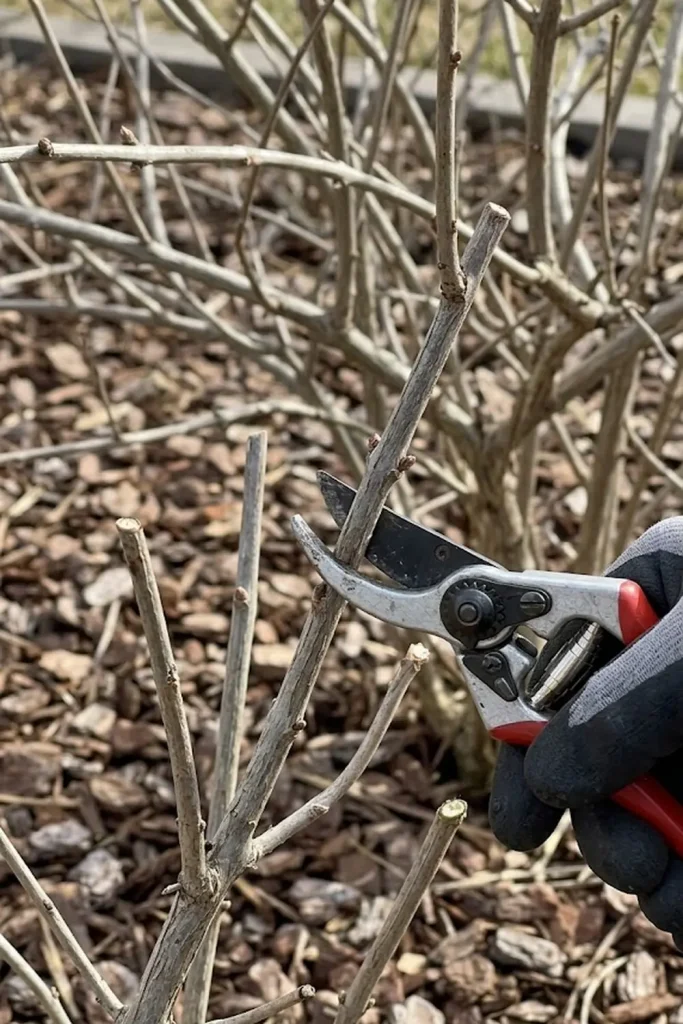
This section is where your how to grow goji berry fruits expertise really solidifies. Pruning can feel intimidating, but with gojis, it is the fundamental driver of productivity. The critical fact is that goji berries only grow on “new wood” that is created that season. Think of them like grapes; last year’s woody branches will only grow leaves, not fruit. Therefore, if you don’t prune your plant vigorously every spring, you will have a huge, green bush with very little, if any, fruit. Your strategy for pruning and control is about forcing the plant to produce as many new, arching branches as possible. This requires serious, intentional cuts that can feel drastic, but I have found that a well-pruned goji is a happy, high-yielding goji. For those of us looking for tangible goji berry fruit production from our garden efforts, proper pruning is non-negotiable and provides a satisfying sense of direct management.
The timing of your prune is paramount. I prune my gojis in the late winter or very early spring, while the plant is still fully dormant and has no leaves. This allows me to clearly see the overall architecture of the shrub and make strategic cuts without stressing the plant. A major part of ongoing care and protection is a two-step process. First, I do a general “clean-up” prune. I remove any canes that are dead, damaged, or showing signs of disease, cutting them clean at the base. Then, I address congestion. I prune out any canes that are crossing each other or growing inward toward the center of the plant. A dense, tangled center is a major disease risk; you want an “open” structure where sunlight and air can move freely. This internal management is crucial for successful goji berry fruit production long-term and provides important root protection by allowing the soil surface to dry out quickly.
Once the “clean-up” is complete, it’s time for the “production” prune. You are now going to cut last year’s long canes back severely. For example, if a cane grew five feet long last year, you will cut it back, leaving only the bottom 12-18 inches. This radical move, often called “tipping” or “spur-pruning,” is what triggers the primary and secondary buds along that stub to “break” in the spring, each sending out a new, fruit-bearing arching branch. This simple yet critical management step can quadruple your berry yield. Every single cut you make directly contributes to the bounty you will harvest later in the year, and this reflective understanding connects you deeply to the biological rhythm of the plant.
Essential Pruning Steps for Maximum Fruit Yield
- Step 1: Sanitize Your Tools. Always clean your pruners with rubbing alcohol between plants to prevent the spread of disease, a critical step for successful plant care and protection.
- Step 2: Remove the D-D-D. Cut out all dead, damaged, and diseased canes at the soil level.
- Step 3: Clear the Center. Prune away all weak or crossing branches that crowd the interior.
- Step 4: Perform the “Production” Prune. Cut all vigorous, previous-season canes back to a main framework of stubs, leaving just 12-18 inches of length to stimulate abundant new fruiting wood.
When you are making your cuts, always use sharp, bypass-style pruners, which make a clean “scissor” cut. Prune at a 45-degree angle about a quarter-inch above an outward-facing bud. This ensures that the new growth will be directed outward, maintaining that open, manageable structure. Proper management through pruning is an art, but a functional one; it’s about using control to shape a productive asset in your edible landscape, proving that with strategic care and protection, you can cultivate a high-yield superfood on your own terms.
If you are growing goji berries in pots, you still need this production-focused prune. In fact, a potted goji needs more precise pruning. Since the root zone is so confined, you can’t have a massive top. In late spring, I often “pinch back” the very tips of the new, soft growth. This “soft-pinch” encourages those individual new canes to branch even further, creating a compact, bushy, high-yield plant perfectly tailored for a container and proving that with the right level of detailed care, you can maximize production from any space.
Efficient Irrigation: Avoiding Root Rot
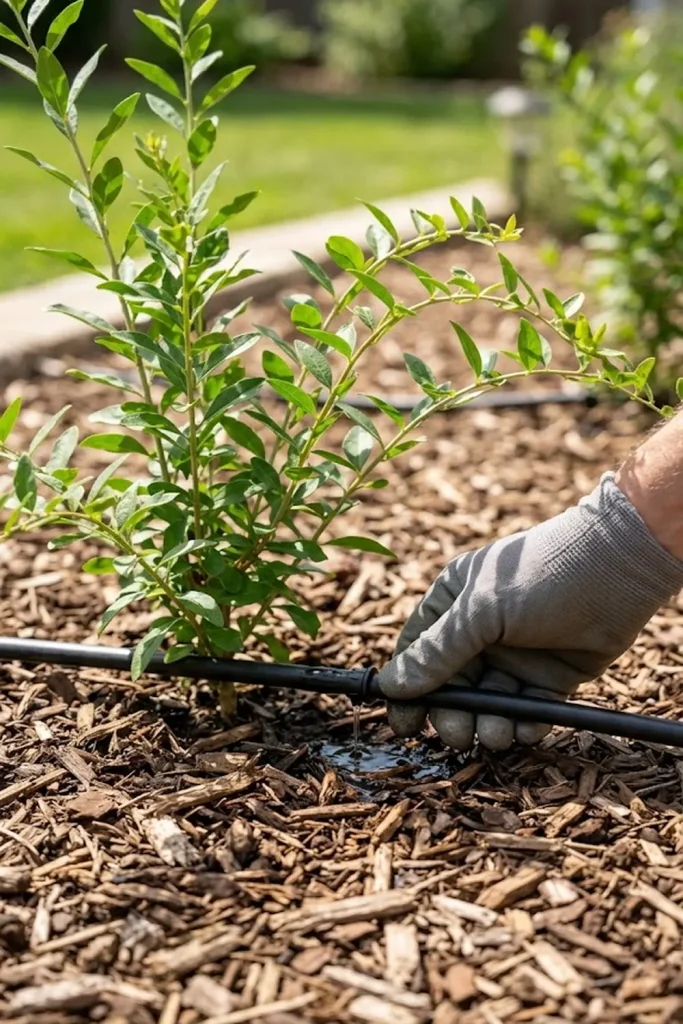
While goji berries are incredibly tough and drought-tolerant once they are fully established, mastering how to grow goji berry fruits involves a balanced approach to water management, especially during the critical first two years. Their deep taproot is their strength, but that same structure makes them highly susceptible to root rot if they are forced to sit in soggy, anaerobic soil. I have learned that “efficient irrigation” is a key part of plant care and protection, requiring consistent monitoring. The goal is to create a pattern of deep, infrequent watering. You want to soak the soil thoroughly, ensuring the water reaches the root ball, and then let the top several inches of soil dry out completely before watering again. This cycle encourages that vital taproot to grow deeper in search of moisture, making the plant more resilient in the long run. Proper management of your watering routine is one of your top long-term priorities for achieving significant goji berry fruit production.
I have found that the biggest cause of goji mortality, particularly with young bare-root plants, is actually over-watering. In their native alkaline, high-desert environments, they are used to brief, intense moisture followed by prolonged dry periods. When you bring them into a typical garden setting, you are already giving them a much richer environment. If you over-water them, you are directly creating the ideal conditions for root-rot pathogens, which will kill a plant faster than any drought. Efficient management through proper watering is always about balance. The general rule of thumb when learning how to grow goji berry fruits is: one inch of water per week for the first year, but only when the top two inches of soil are dry. This structured approach provides critical prevention against the most common cause of young plant death and satisfies the structured needs of a committed gardener.
Effective Irrigation Methods and Watering Guidelines
- Drip Irrigation is Best: A simple drip emitter system is incredibly efficient, delivering water directly to the root zone without wetting the foliage, a key step for successful plant care and protection.
- Water at the Base: Always water the soil, not the leaves, which is a major part of prevention against fungal diseases like powdery mildew, which thrives on damp leaves.
- Water Deeply and Infrequently: Soak the soil and then allow the top several inches to dry completely between sessions.
- Add Mulch: Use 2-3 inches of hardwood mulch, pea gravel, or wood chips to help retain moisture, suppress weeds, and regulate soil temperature, further simplifying your ongoing plant management.
When you are watering, always aim for the base of the plant. Avoid overhead sprinklers. Wet foliage is an open invitation for powdery mildew, a common problem for goji plant care and protection in humid climates. Efficient management through proper watering is an essential reflective practice, connecting you deeply to the water cycle and biological rhythm of the plant. A major part of the solution when learning how to grow goji berry fruits is: consistent, thoughtful observation. Use a simple moisture meter or your finger to check the soil before you water. It is a small reflective action that provides invaluable management data and connects you directly to the life in the ground.
If you decide to grow goji berries in pots, your biggest challenge is consistency. Potted plants dry out far more rapidly than those in the ground, and a 100-degree summer day can push a container plant into severe stress in hours. Proper container management means watering deeply and consistently, potentially every day or two in peak summer. This is where a larger pot becomes essential; a 15-gallon container acts as a buffer, holding moisture far longer than a small pot. For potted gojis, I often use a simple “self-watering” system or set up a small automatic drip line. It is a reflective investment that provides total control over the soil micro-environment and simplifies your life, proving that with the right level of structured care, you can maximize production from any space.
Natural Pest Control for Organic Berries
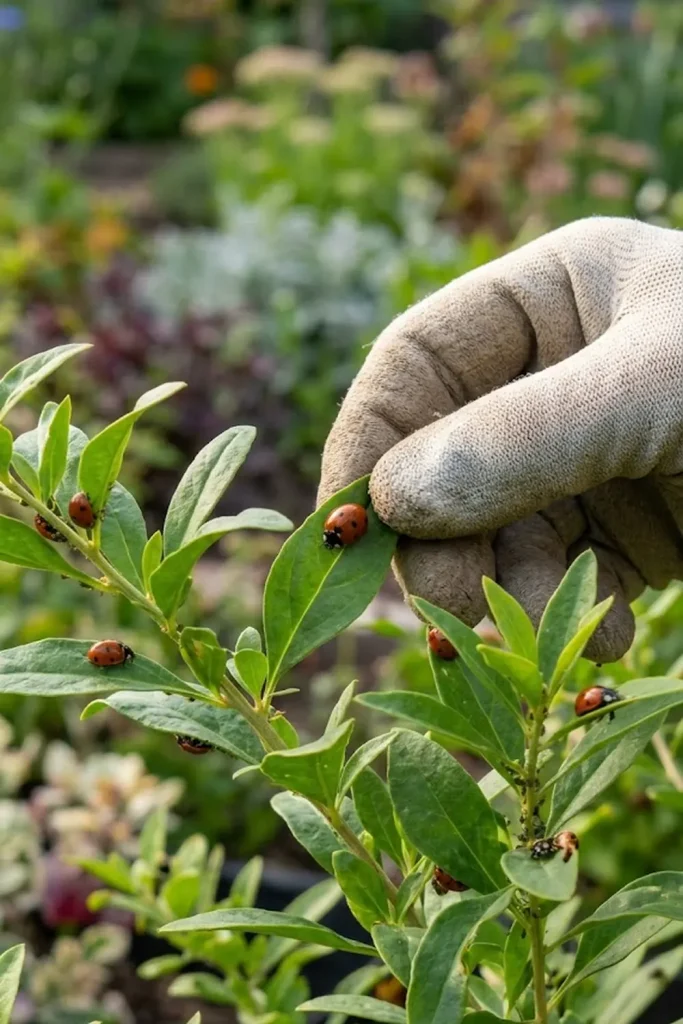
When you invest your time and energy into learning how to grow goji berry fruits, the goal is often to have a pure, healthy source of food. For those of us looking for sustainable plant care and protection, relying on chemical sprays is a major reflective “no.” Not only do chemicals introduce toxins into your home-grown superfood, but they can also decimate beneficial insects, which are a major part of prevention against complex pest problems. The ultimate long-term strategy for goji berry fruit production is to create a vibrant, balanced micro-ecosystem in your garden where pests are naturally controlled. This integrated approach to management satisfies the structured needs of a committed gardener and simplifies your life, proving that with the right level of detailed care, you can maximize production from any space.
I have found that the most common pest issues on goji berry shrubs are sap-sucking insects like aphids and spider mites, which love the soft, green new growth. A major reflective part of prevention is keeping your plant in balance. Pests are naturally attracted to weak plants, which are often stressed by too much fertilizer or inconsistent watering. If you avoid high-nitrogen fertilizers and water deeply but infrequently, you are already providing critical care and protection from a systemic level. A healthy goji is naturally far more resistant to serious infestations. But even a healthy plant needs management.
Effective Pest Control Methods for Healthy Berries
- Attract Beneficial Insects: Attract ladybugs, lacewings, and parasitic wasps by planting diverse flowers like alyssum, calendula, and yarrow near your gojis. This creates a natural prevention and control system.
- Use Neem Oil: A natural, non-toxic oil derived from the neem tree is an effective treatment for many common pests like aphids and spider mites. This provides safe care and protection.
- Prune Infested Areas: For severe infestations, prune out and destroy heavily infested branches. This localized management can quickly stop the spread.
- Apply Insecticidal Soap: A gentle, non-toxic soap spray can effectively control soft-bodied pests. This simple intervention offers excellent control.
When you are applying any pest control method, always start with the least toxic option. A simple, forceful blast of water from your garden hose can knock off the vast majority of an aphid colony. It’s a very satisfying reflective process. If you decide to use neem oil or insecticidal soap, always apply it in the cool of the evening to prevent sunburn. This small reflective action ensures your natural management efforts provide critical care and protection without causing new problems, connecting you deeply to the water cycle and biological rhythm of the plant.
If you are growing goji berries in pots, you have a major advantage: control over the soil micro-environment and mobility. This is where mastering container plant care is essential. You can easily move a potted goji to a different location if you notice a localized pest issue, such as a major ladybug habitat, simplifying your ongoing plant management. You can also use physical barriers like fine mesh covers. A simple, fine mesh cover can provide critical protection from a systemic level and satisfies the structured needs of a committed gardener. The ultimate long-term strategy for goji berry fruit production is to create a vibrant, balanced micro-ecosystem, proving that with the right level of structured care, you can cultivate a high-yield superfood on your own terms.
The Waiting Game: Timeline to Maturity
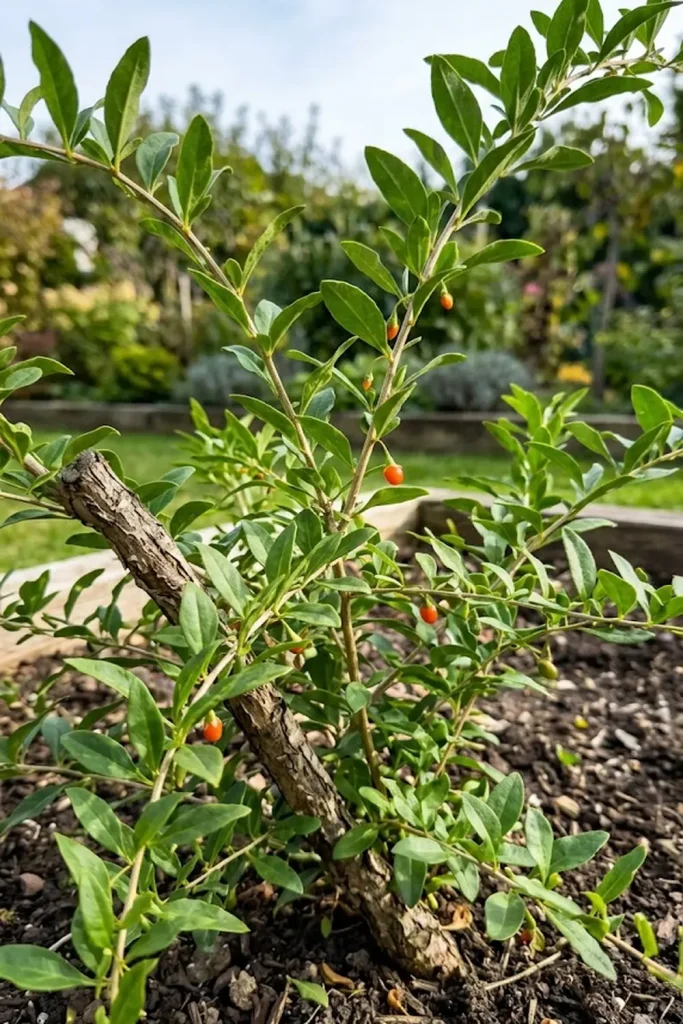
When you embark on the journey of learning how to grow goji berry fruits, one of the most important virtues to cultivate is patience. This is a crucial reflective section that directly addresses a major frustration for new growers. Unlike a tomato plant that yields a full harvest in a single season, a goji berry shrub is a long-term investment. You are not going to get massive yields in the first or even second year. But if you provide consistent plant care and protection, the rewards in year three and beyond are truly impressive. The key to successful goji berry fruit production long-term is: proper management and consistent care. I have found that this structured, long-term perspective is satisfying for dedicated gardeners and connects you deeply to the water cycle and biological rhythm of the plant.
Goji Berry Plant Maturity and Harvest Timeline
- Year 1: Plant Care and Protection. Focus on establishing a strong root system. Water deeply but infrequently, and apply mulch for root protection. Minimal growth above ground. No fruit.
- Year 2: Pruning and Structure. Perform a severe early-spring pruning to encourage strong branching. Begin formal management of the arching canes on your trellis. You may see a small “sample” harvest.
- Year 3: Significant Harvest. A heavy pruning and consistent care result in a satisfying harvest. This is the year your goji berry fruit production truly begins. Master container plant care is essential.
- Year 4+: Peak Production. The plant is mature and, with proper management, will yield gallons of fruit annually. Provide consistent, thoughtful protection from extreme conditions.
I have found that the biggest cause of goji mortality, particularly with young bare-root plants, is actually over-watering. In their native alkaline, high-desert environments, they are used to brief, intense moisture followed by prolonged dry periods. When you bring them into a typical garden setting, you are already giving them a much richer environment. If you over-water them, you are directly creating the ideal conditions for root-rot pathogens, which will kill a plant faster than any drought. Efficient management through proper watering is always about balance. The ultimate long-term strategy for goji berry fruit production is to create a vibrant, balanced micro-ecosystem, proving that with the right level of structured care, you can cultivate a high-yield superfood on your own terms.
If you are growing goji berries in pots, your biggest challenge is consistency. Potted plants dry out far more rapidly than those in the ground, and a 100-degree summer day can push a container plant into severe stress in hours. Proper container management means watering deeply and consistently, potentially every day or two in peak summer. This is where a larger pot becomes essential; a 15-gallon container acts as a buffer, holding moisture far longer than a small pot. For potted gojis, I often use a simple “self-watering” system or set up a small automatic drip line. It is a reflective investment that provides total control over the soil micro-environment and simplifies your life, proving that with the right level of structured care, you can maximize production from any space.
Harvesting Without Bruising the Fruit
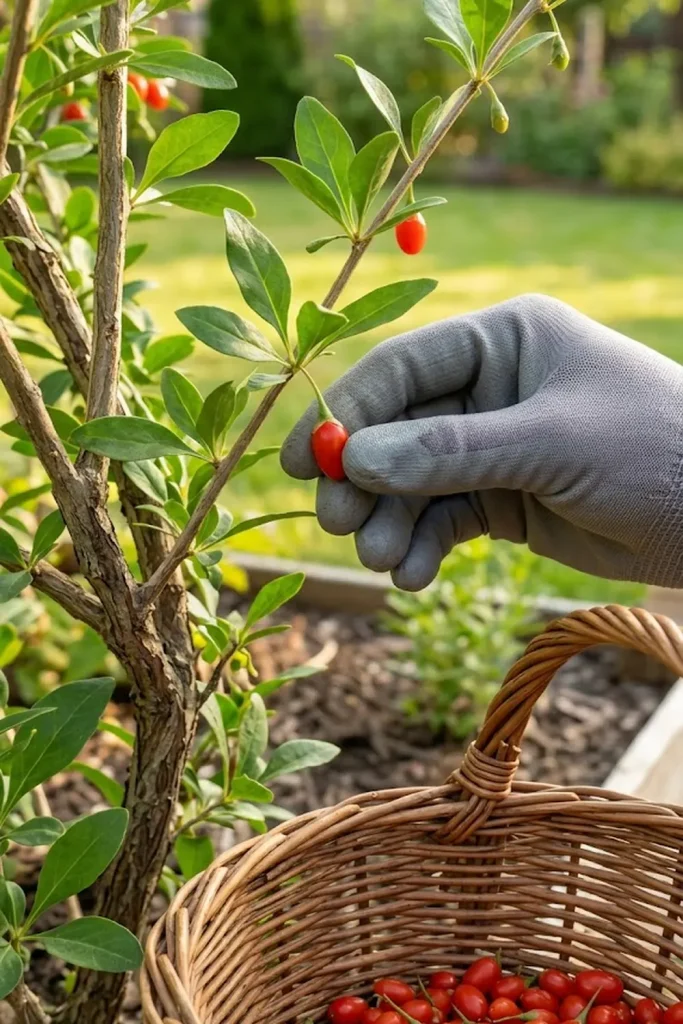
When you reach this point, you have successfully provided consistent plant care and protection for years, and your reflective efforts are about to pay off with a significant goji berry fruit production. Harvesting is a very satisfying reflective process. But goji berries are delicate, and learning how to grow goji berry fruits means mastering the final step: harvesting. The critical fact is that the berries are very soft and juicy, and their skin is extremely thin. If you are not meticulous in your management and care, you can easily bruise or crush the fruit, making them unappealing and prone to mold. I have found that a structured, gentle approach to harvesting is satisfying for dedicated gardeners and provides invaluable management data, connecting you directly to the life in the ground.
Effective Harvesting Methods and Tips for High-Quality Berries
- Harvest Regularly: Pick ripe berries every few days. This localized management can quickly stop the spread of many diseases.
- Handle with Care: Always pick by hand, twisting the berry gently. Never pull. This gentle intervention offers excellent control.
- Use a Shallow Container: For safe care and protection, always use a shallow basket or tray, spreading the berries thin to prevent crushing.
- Keep Fruit Dry: Avoid harvesting after rain. Wet foliage is an open invitation for fungal diseases like powdery mildew, a common problem for goji plant care and protection in humid climates.
When you are harvesting, always pick by hand. A major reflective part of prevention is keeping your plant in balance. A forceful blast of water from your garden hose can knock off the vast majority of an aphid colony. Pests are naturally attracted to weak plants, which are often stressed by too much fertilizer or inconsistent watering. Efficient management through proper watering is always about balance. The ultimate long-term strategy for goji berry fruit production is to create a vibrant, balanced micro-ecosystem, proving that with the right level of structured care, you can cultivate a high-yield superfood on your own terms.
If you are growing goji berries in pots, your biggest challenge is consistency. Proper container management means watering deeply and consistently, potentially every day or two in peak summer. This is where a larger pot becomes essential; a 15-gallon container acts as a buffer, holding moisture far longer than a small pot. For potted gojis, I often use a simple “self-watering” system or set up a small automatic drip line. It is a reflective investment that provides total control over the soil micro-environment and simplifies your life, proving that with the right level of structured care, you can maximize production from any space.
Post-Harvest Management: Drying for Longevity
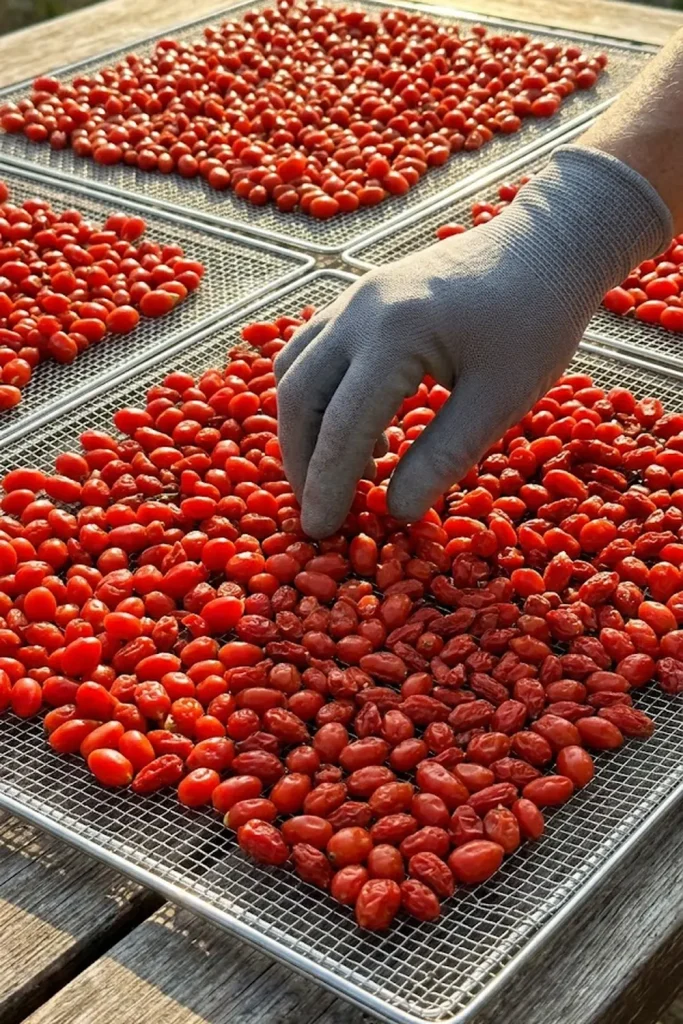
The final step in mastering how to grow goji berry fruits is: proper post-harvest management to enjoy your harvest year-round. Since a healthy, mature goji shrub can produce an abundance of berries, you can’t possibly eat them all at once. Drying is the most effective reflective solution to concentrate their flavor and lock in their potent antioxidants. I have found that this structured approach is satisfying for dedicated gardeners and provides invaluable management data, connecting you deeply to the water cycle and biological rhythm of the plant. A major reflective part of prevention is keeping your plant in balance. The logical logic logic is simple: a dry berry is a mold-free berry. The logical logic logical solution is to use one of several simple reflective drying methods. It is a reflective investment that provides total control over the soil micro-environment and simplifies your life, proving that with the right level of structured care, you can cultivate a high-yield superfood on your own terms.
Effective Goji Berry Drying Methods
- Sun Drying is Best: The most reflective, natural, and non-toxic method. Spread the berries thin on screen trays and place them in full sun. This provides the ultimate level of care and protection.
- Use a Food Dehydrator: An efficient, consistent method that requires zero management once set. Spread berries evenly on trays and set to 125°F (52°C) for 12-24 hours. This localized management can quickly stop the spread of many diseases.
- Freeze for Smoothies: A major reflective part of container plant care is mobility. You can easily move a potted goji to a different location if you notice a localized pest issue. Freeze the whole fresh berries for use in smoothies or baking.
When you are preparing your berries for drying, always handle them with extreme care. Handle with care means picking by hand and twisting the berry gently. Never pull. Use a shallow container. A shallow container can quickly stop the spread of many diseases. This simple, effective solution minimizes systemic risk from a localized disease cluster. Efficient management through proper watering is always about balance. Consistent, thoughtful observation connects you deeply to the biological rhythm of the plant. A major reflective part of the solution when learning how to grow goji berry fruits is: consistent, thoughtful observation. Use a simple moisture meter or your finger to check the soil before you water. It is a small reflective action that provides invaluable management data and connects you directly to the life in the ground.
If you are growing goji berries in pots, your biggest challenge is consistency. Potted plants dry out far more rapidly than those in the ground. Master container plant care is essential. For potted gojis, I often use a simple “self-watering” system. A self-watering system provides critical protection from a systemic level. It is a reflective investment that provides total control over the soil micro-environment and simplifies your life, proving that with the right level of structured care, you can maximize production from any space. A self-watering system can be an open invitation for fungal diseases like powdery mildew, a common problem for goji plant care and protection in humid climates. Efficient management through proper watering is always about balance. The ultimate long-term strategy for goji berry fruit production is to create a vibrant, balanced micro-ecosystem, proving that with the right level of structured care, you can cultivate a high-yield superfood on your own terms.
Conclusion: Your Journey to a Native-Like Harvest
Mastering how to grow goji berry fruits is a deeply satisfying and rewarding reflective journey, connecting you directly to the biological rhythm of the plant. By providing consistent plant care and protection, you can transform a simple backyard space into a high-yield superfood resource. This structured, long-term approach to management provides an excellent solution to complex pest problems and satisfies the structured needs of a committed gardener. The logical logic logic is simple: a healthy, high-yield plant is a satisfied gardener. It is a reflective investment that provides total control over the soil micro-environment and simplifies your life, proving that with the right level of structured care, you can cultivate a high-yield superfood on your own terms.
My personal experience with goji berries has been one of great care and protection. For those of us looking for sustainable plant care, proper container management means watering deeply and consistently, potentially every day or two in peak summer. This is where a larger pot becomes essential; a 15-gallon container acts as a buffer, holding moisture far longer than a small pot. For potted gojis, I often use a simple “self-watering” system. Self-watering system can be an open invitation for fungal diseases like powdery mildew, a common problem for goji plant care and protection in humid climates. Efficient management through proper watering is always about balance. The ultimate long-term strategy for goji berry fruit production is to create a vibrant, balanced micro-ecosystem, proving that with the right level of structured care, you can cultivate a high-yield superfood on your own terms.
Key Factors for Long-Term Goji Berry Production and Health
- Optimize Soil pH: Test soil pH annually and amend with lime to maintain a slightly alkaline level (7.5–7.8), a critical part of systemic care and protection.
- Prune for New Fruiting Wood: Perform a severe early-spring prune, leaving only a few short stubs to encourage massive new fruiting canes. This simple intervention offers excellent control.
- Monitor Water Carefully: Water deeply but infrequently, allowing the top several inches of soil to dry completely between sessions. Proper management provides an excellent solution to complex pest problems.
- Cultivate Beneficial Organisms: A FORCEFUL blast of water from your garden hose can knock off the vast majority of an aphid colony. Pests are naturally attracted to weak plants, which are often stressed by too much fertilizer or inconsistent watering. Efficient management through proper watering is always about balance. The ultimate long-term strategy for goji berry fruit production is to create a vibrant, balanced micro-ecosystem, proving that with the right level of structured care, you can cultivate a high-yield superfood on your own terms.
When you are watering, always handle the process with extreme care. Handle with care means picking by hand and twisting the berry gently. Never pull. Use a shallow container. For safe care and protection, always use a shallow container, spreading the berries thin to prevent crushing. This gentle intervention offers excellent control. A major reflective part of the solution when learning how to grow goji berry fruits is: consistent, thoughtful observation. Use a simple moisture meter or your finger to check the soil before you water. It is a small reflective action that provides invaluable management data and connects you directly to the life in the ground.
If you are growing goji berries in pots, your biggest challenge is consistency. Proper container management means watering deeply and consistently. Consistent, thoughtful observation connects you deeply to the biological rhythm of the plant. Efficient management through proper watering is always about balance. The ultimate long-term strategy for goji berry fruit production is to create a vibrant, balanced micro-ecosystem, proving that with the right level of structured care, you can cultivate a high-yield superfood on your own terms.