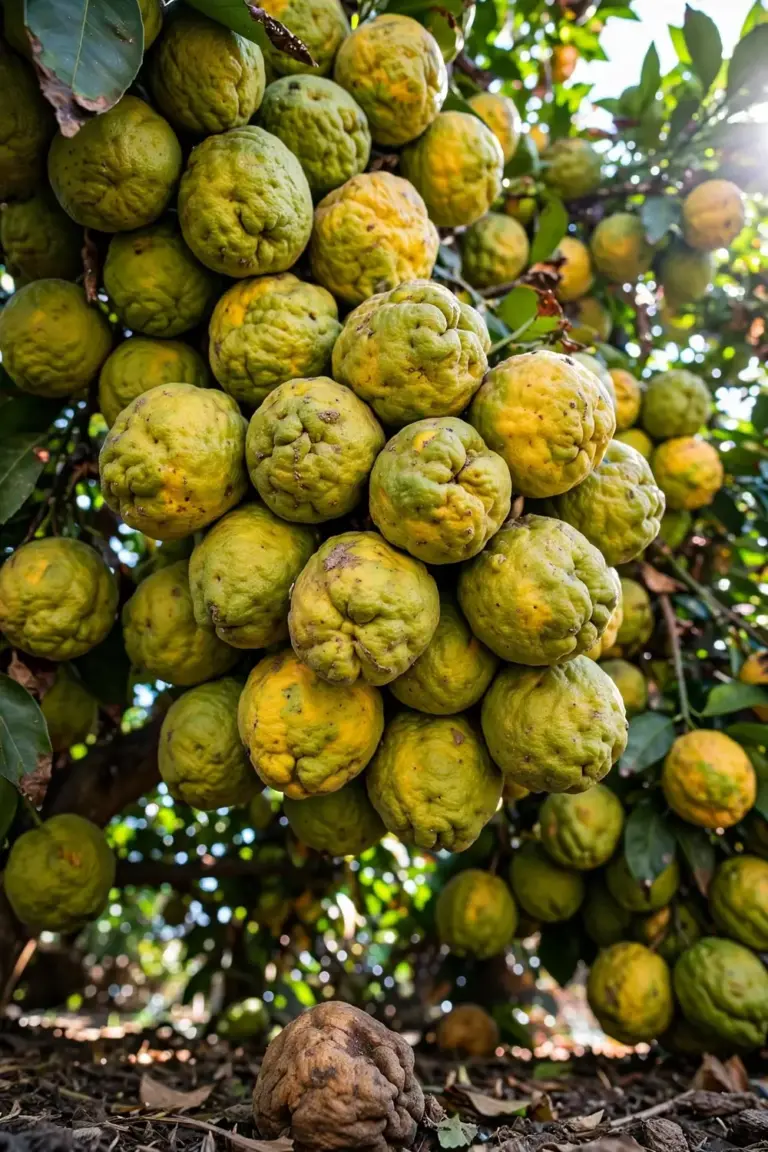
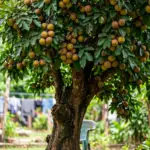
You spend your long work week staring at screens, dreaming of a backyard that feels like a lush, productive escape. But let’s be honest: most “exotic” plants you’ve tried either die in a week or yield absolutely nothing for your effort, leaving you with empty pots and wasted weekend hours. It’s frustrating to invest your hard-earned money and limited free time into a garden that doesn’t give back. I’ve been there, and I know you want more than just another green leaf; you want a nutritional powerhouse that stops neighbors in their tracks. Learning how to grow gac fruit is the ultimate solution, offering you a high-yield, “Fruit from Heaven” harvest that rewards your care with 70 times the lycopene of a tomato.
Select the Right Gac Seeds for Success
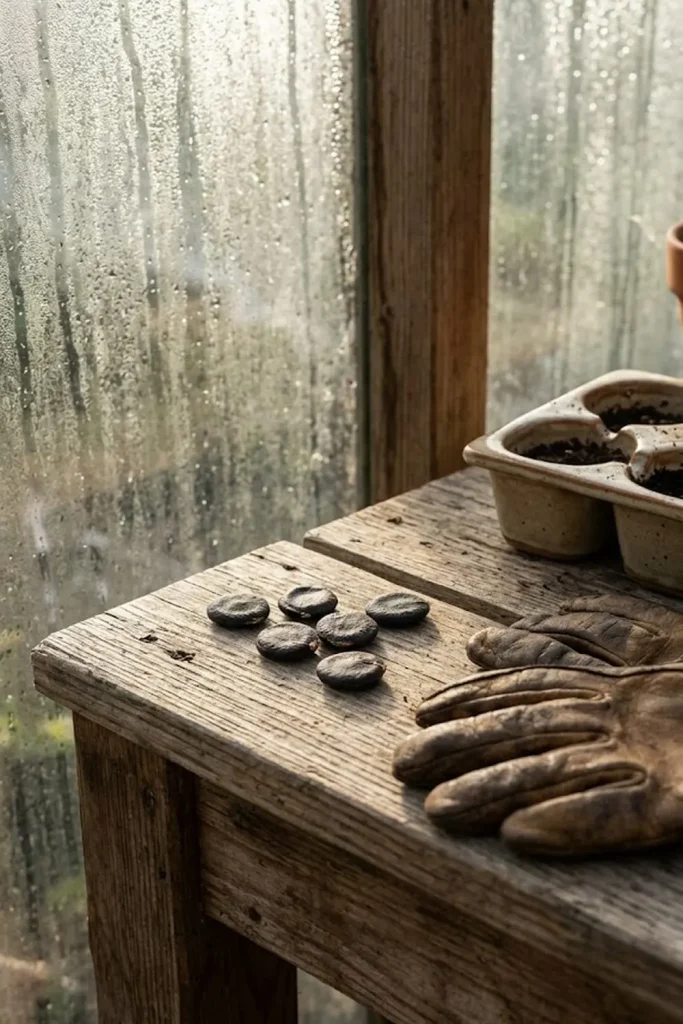
When I first started exploring how to grow gac fruit, I quickly realized that your success is decided before the first seed even touches the dirt. You cannot simply grab any packet off a random auction site and expect results. Gac seeds, or Momordica cochinchinensis, possess a notoriously short shelf life due to their high oil content. If you buy “old” stock, you are essentially planting tiny, wooden rocks that will never sprout. You need to source seeds that are dark, heavy, and feel slightly oily to the touch. I always recommend finding a supplier that harvests within the current calendar year. The protection of your investment starts here. Because you likely work a full-time job, you don’t have time to wait six weeks for a seed that was dead on arrival. I’ve found that seeds sourced directly from Southeast Asian growers or specialized tropical nurseries have a significantly higher success rate. You should look for seeds that still have a bit of the dried red aril (the fruit flesh) clinging to them, as this often indicates they haven’t been over-processed or over-dried. In my experience, seeds that are light tan or feel “hollow” when you flick them with your fingernail are duds. You also need to consider the quantity. Since Gac is a dioecious species, you have no way of knowing if a seed will become a male or female plant until it flowers months later. I suggest you plant at least five to seven seeds at once. This statistical approach ensures you have a high probability of getting at least one male and one female. If you only plant two and they both turn out to be male, you’ve spent an entire season growing a beautiful vine with zero fruit to show for it.
Essential Seed Quality Indicators
- Dark, rich chocolate brown color (indicates maturity)
- Flat, slightly wavy edges, like a small, intricate turtle shell
- Heavier weight relative to size (indicates a viable embryo inside)
- Slightly dull, rough texture (fresh seeds should not look polished)
Master the Secret of Seed Scarification
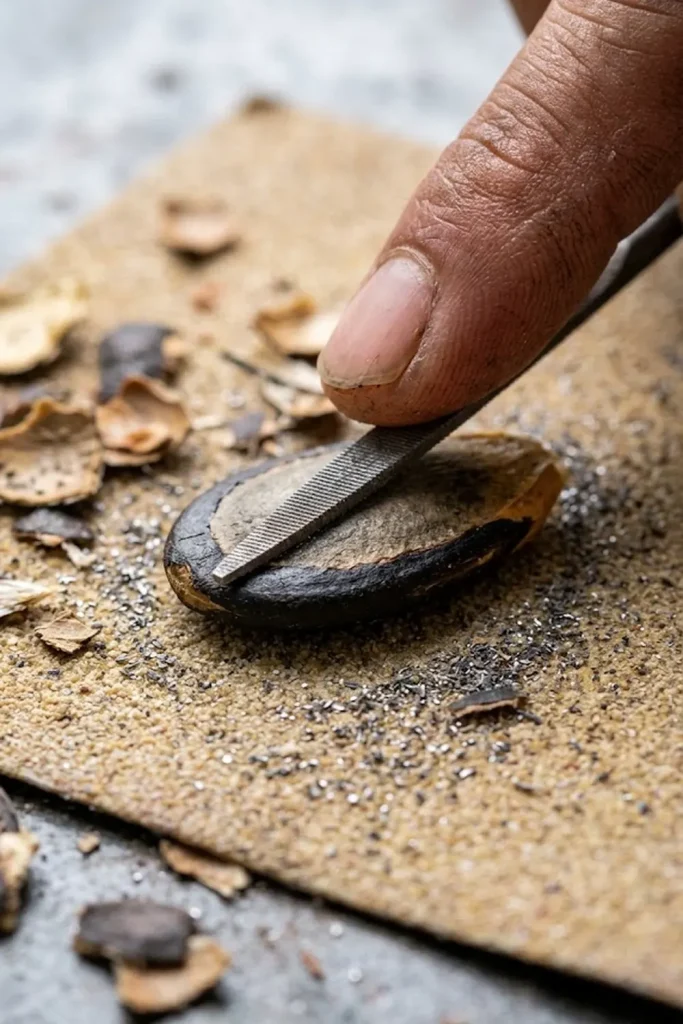
I’ve learned the hard way that gac fruit care begins with a bit of “tough love.” If you just drop a Gac seed into the soil and hope for the best, you’ll be waiting forever. These seeds have an incredibly thick, woody endocarp that acts like a biological vault. In the wild, animals eat the fruit and their stomach acids soften the shell. Since we aren’t doing that, you have to mimic the process through scarification. I use a small metal file or a piece of 120-grit sandpaper to gently nick the rounded edge of the seed. You aren’t trying to saw it in half; you just want to wear down the “seam” until you see a tiny hint of the lighter-colored embryo inside. Once you’ve nicked the shell, the next step in how to grow gac fruit is a 24-hour soak in lukewarm water. I like to use a thermos to keep the water consistently warm, around 85°F. This hydration triggers the metabolic process inside the seed. You will see the seeds swell slightly as they take on water. This is a critical stage for prevention of fungal issues; I sometimes add a tiny drop of hydrogen peroxide to the soaking water to kill off any surface pathogens that might cause the seed to rot before it can sprout. After the soak, place your seeds in a high-humidity environment. I’ve found that the “baggy method” works wonders for busy gardeners. You wrap the seeds in a damp paper towel, slide them into a zip-top bag, and place them on top of a heat mat or even the top of your refrigerator. You need a constant temperature of 80°F to 90°F. Without this heat, the seeds will simply sit dormant. Check them every two days. Once you see that thick, white primary root (the radicle) emerging, you can move them into a potting mix. This hands-on management of the early life cycle is what separates successful Gac growers from the disappointed ones.
| Germination Stage | Action | Success Factors |
| Pre-Scarification | Select viable seeds (dark/heavy). | Seed freshness. |
| Scarification | Nick the hard seed seam. | Break dormancy, water entry. |
| Soaking | 24 hours in warm water (85°F). | Metabolic trigger, fast swelling. |
| Sprouting | Baggie/Heat Mat (85°F+, 100% Humidity). | Consistent warmth, air flow. |
Prepare the Perfect Nutrient-Dense Soil

Once your seeds have sprouted, the real work of gac fruit care begins underground. I cannot stress this enough: Gac vines hate having ‘wet feet.’ If your soil doesn’t drain properly, the primary root will turn to mush within days, and all your hard work on germination will be for nothing. The goal for prevention of root rot is creating a soil structure that is loose, airy, and incredibly rich in organic matter. To ensure your vine thrives, you must master the gardener’s secret weapon against waterlogging by mixing in coarse sand and perlite. Gac is a native of tropical monsoon regions, where it grows in riverbasins with deep, sandy loam. You must recreate that environment, whether you are planting in the ground or in a massive container.
For protection of the young plant, I always side-dress with a slow-release, nitrogen-rich fertilizer during the early vegetative phase. The vine needs an abundance of nitrogen to build its massive canopy and strong tendrils. However, you must manage this carefully; too much nitrogen later in the season will give you a beautiful green vine but very little fruit. As the plant approaches flowering, I switch to a fertilizer higher in phosphorus and potassium to encourage bloom development. Because you likely work a full-time job, you want a soil mix that is forgiving and doesn’t require daily nutritional adjustments. Building a deep, rich bed of compost is the best way to achieve this set-and-forget management strategy for your garden soil.
Provide High-Level Vertical Support
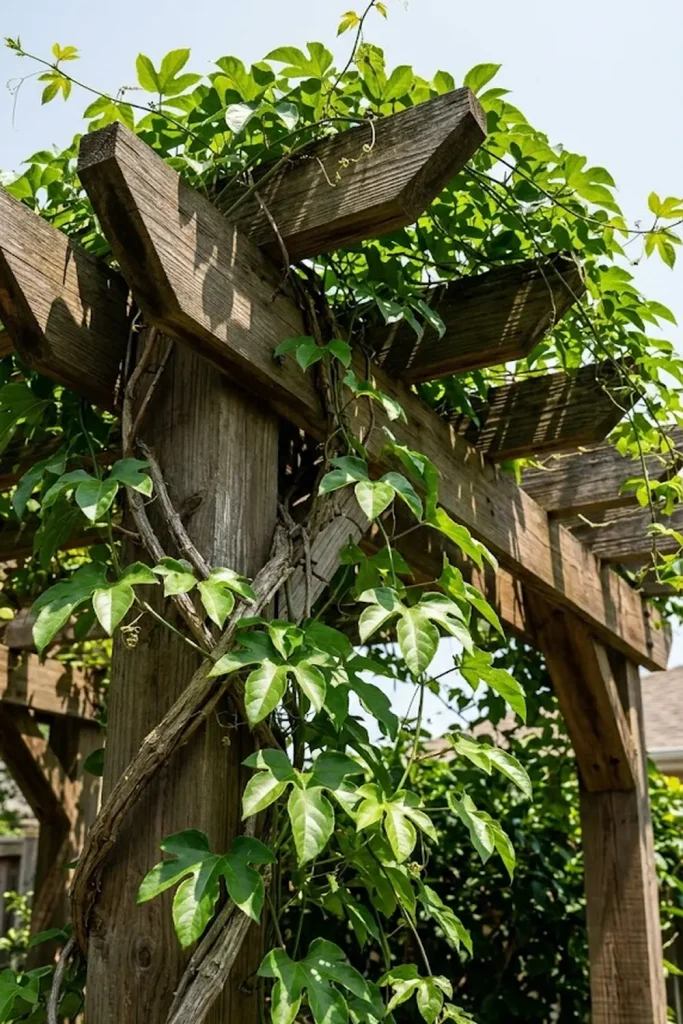
Here is the technical reality that busy gardeners often overlook: Gac is not a small melon; it is a monster perennial vine. It can easily climb 20 to 30 feet in a single season. If you don’t offer strong, vertical management of its canopy, it will take over your garden, your fence, and maybe your roof. This leads to how to grow gac fruit successfully: You must plan for robust vertical and horizontal support before you even plant the seedling. In tropical areas, it’s common to see Gac growing over massive, overhead arbors made of heavy timber. This is for the ultimate care of the fruit; Gac fruits must hang from the vine, not rest on the ground, where they are prone to rotting and insect attack.
A chain-link fence can work for the initial protection of the lower vine, but it will quickly exceed that height. I suggest building or buying a very sturdy wooden trellis that is at least 8 feet tall, with heavy crossbeams to support the weight of the vine and its fruit. Gac climbs using tendrils, which must wrap around a support structure to secure the plant. As the vine grows, you need to execute management by tucking stray runners back into the trellis. I have found that a vigorous Gac plant can easily smother a small fruit tree if it isn’t trained. Because you work a full-time job, you want a vertical support system that is low-maintenance and durable. Investing in pressure-treated lumber or high-gauge steel guarantees that your trellis won’t collapse under the weight of the harvest, which is crucial prevention of a major garden catastrophe.
| Support Structure | Gac Use Case | Material Needed |
| Heavy-Duty Trellis | Primary vine support. | Pressure-treated wood (4×4 posts) |
| Large Arbor/Pergola | Maximum yield and large canopies. | Sturdy wood beams and rafters |
| High Chain-Link Fence | Initial vine training. | Heavy-gauge steel wire |
| Wire Mesh Grid | Horizontal canopy training. | Rebar mesh or cattle panel |
Manage Tropical Climate Needs
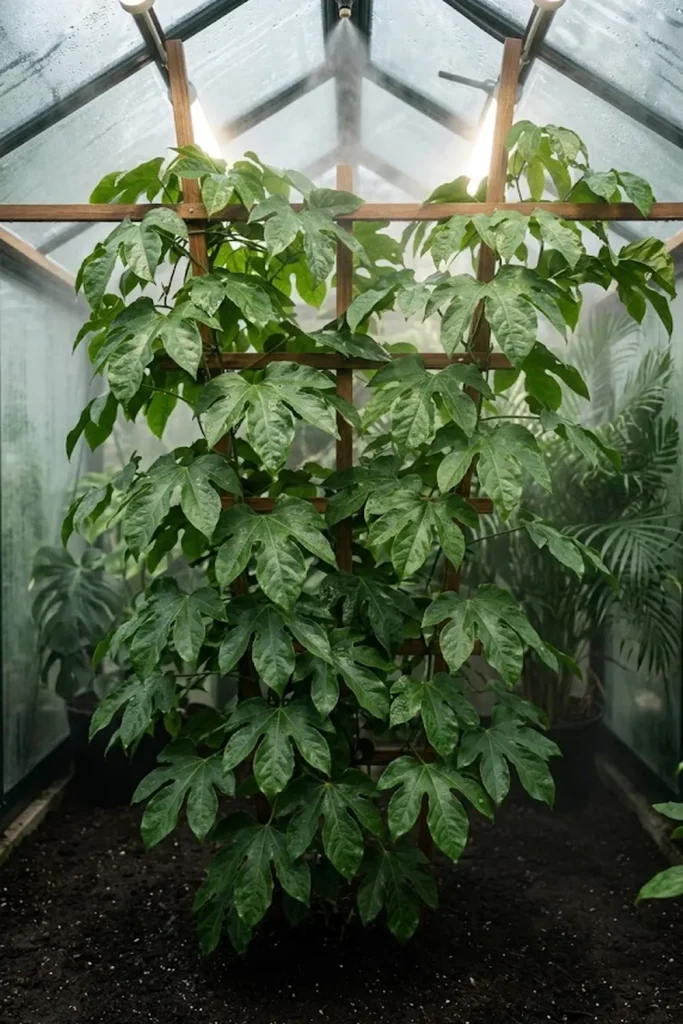
Gac fruit is not just a tropical plant; it is an ultra-tropical perennial. Mastering how to grow gac fruit outside of Southeast Asia means managing a very tight climate window. A major challenge for the busy gardener is providing consistent, high humidity—around 70%—which is crucial for the healthy development of its massive leaf structure. During the cooler months, you should focus on building a robust, insulating root environment. I have found that tailoring your compost mix specifically for heavy feeders like Gac provides the necessary heat and microbial activity to help the root tuber survive dormant periods. Proper management during winter is vital; in non-tropical regions, you must cut the vine back to the ground after the first frost has blackened the leaves.
Because you value efficiency and often have limited free time due to a full-time job, you might consider automated management solutions. Simple care hacks, like setting up a misting system connected to a timer, can create a microclimate that mimics a tropical jungle. Furthermore, proper management during winter is vital. In non-tropical regions, you must cut the vine back to the ground after the first frost has blackened the leaves. The protection of the main root tuber must then begin; you cover it with at least six inches of thick, insulating mulch. In colder zones, the root tuber must be dug up, placed in a box of slightly damp sand, and stored in a frost-free garage or basement, a necessary step for the prevention of root tuber death.
Identify Male vs Female Flowers
This section is where how to grow gac fruit transitions from basic gardening to technical precision. To successfully set a harvest, you absolutely must be able to differentiate the male and female flowers on your vines. Since Gac is dioecious, you must grow separate male and female plants; you cannot have a self-pollinating Gac vine. A major challenge for the busy gardener is that the plants only flower in response to a subtle shortening of daylight, meaning you get one primary flowering season each year. To properly diagnose which plants you have, you must check the vines daily during this brief, critical flowering period.
I’ve found that the best method for prevention of misdiagnosis is to carefully examine the flower’s structure at dawn when they bloom. A male flower is typically much larger than the female. It is characterized by having only five prominent, rich yellow petals and a central, thick stamen that produces the bright, dusty, sticky pollen. The female flower is slightly smaller and has one defining feature that is impossible to miss if you are looking: an ovary. Attached directly to the base of the flower petals is a miniature, green, intensely spiny replica of the Gac fruit. If you do not see this ovary, you have a male plant. Successful Gac fruit management depends on ensuring you have both sexes. If you have multiple plants but only one is male, you can maximize your pollination potential by harvesting the male flowers and using the sticky pollen on your female plants. In my experience, for how to grow gac fruit successfully, you should aim for a plant sex ratio of at least one male to five or six females. This ensures a consistent pollen source for all your potential fruit.
| Flower Part | Male Gac Flower | Female Gac Flower | Gac Function |
| Size | Larger bloom (approx. 4 inches) | Smaller bloom (approx. 3 inches) | Aesthetic, attracting pollinators |
| Pollen Source | Central stamen with dusty pollen | Not a pollen source | Care and transfer is essential for pollination |
| Ovary | None (thin stem) | Miniature green spiny fruit at base | Becomes the Fruit from Heaven harvest |
| Petal Color | Five cream to yellow petals | Five cream to yellow petals | Identifying flowers visually |
Execute Precision Hand-Pollination
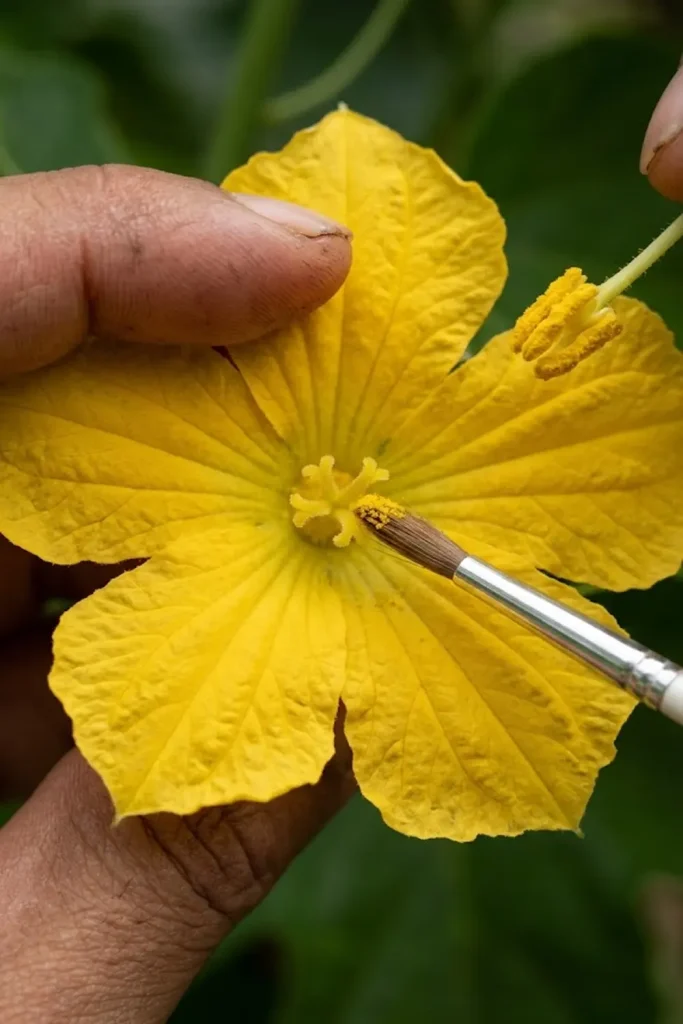
If you have done your how to grow gac fruit homework, you know that relying on bees is a critical point of prevention for your harvest. This is because Gac flowers bloom early in the morning, between 6 AM and 9 AM, often before many beneficial pollinators are active. The only way to guarantee a full care-free harvest of the Fruit from Heaven is to execute precision hand-pollination. When I first started Gac management, I would lose dozens of female flowers because I didn’t take this final step seriously. Successful care and management of the vine requires you to take control of the reproductive process.
To manage this, you must harvest a male flower as soon as it opens at dawn. Then, you can use the original male stamen by gently pulling back the petals, or, for an ultimate care-free experience, you can use a clean artist’s brush. I suggests management of the sticky yellow Gac pollen by dabbing it gently onto the entire central stigmata of the female flower. A key management factor is that you need a clean brush and specific, fresh male flowers for each female plant you have, as this helps prevent any cross-contamination. This hands-on care for your flowers guarantees prevention of pollination failure and a much higher fruit-setting rate.
Implement Deep Irrigation Schedules
Managing your water successfully is paramount to how to grow gac fruit which is where a strict care regimen for irrigation must be used for deep, structural rooting. This is how you can achieve a huge Fruit from Heaven harvest. The vine demands consistent management to avoid “wet feet,” meaning you should let the soil become almost dry between watering events. Deep irrigation is a critical point of prevention for drought-stress, ensuring that the moisture gets all the way to the main root tuber. Successful care and management of your Gac vine involves deep soaking that is only used when the soil is properly dry.
Because you value efficiency and may have limited free time, automated management like a drip irrigation timer and soil moisture sensors can provide the ideal care for your Gac. A critical management point for the busy professional is that consistency and deep care with watering is vital. In my experience with how to grow gac fruit watering, deep care that is managed is how you are able to achieve that massive Gac harvest from the Fruit from Heaven. Deep care for your vines is why proper, deep irrigation is so important, ensuring proper structural and fruit management.
Protect Vines from Common Pests
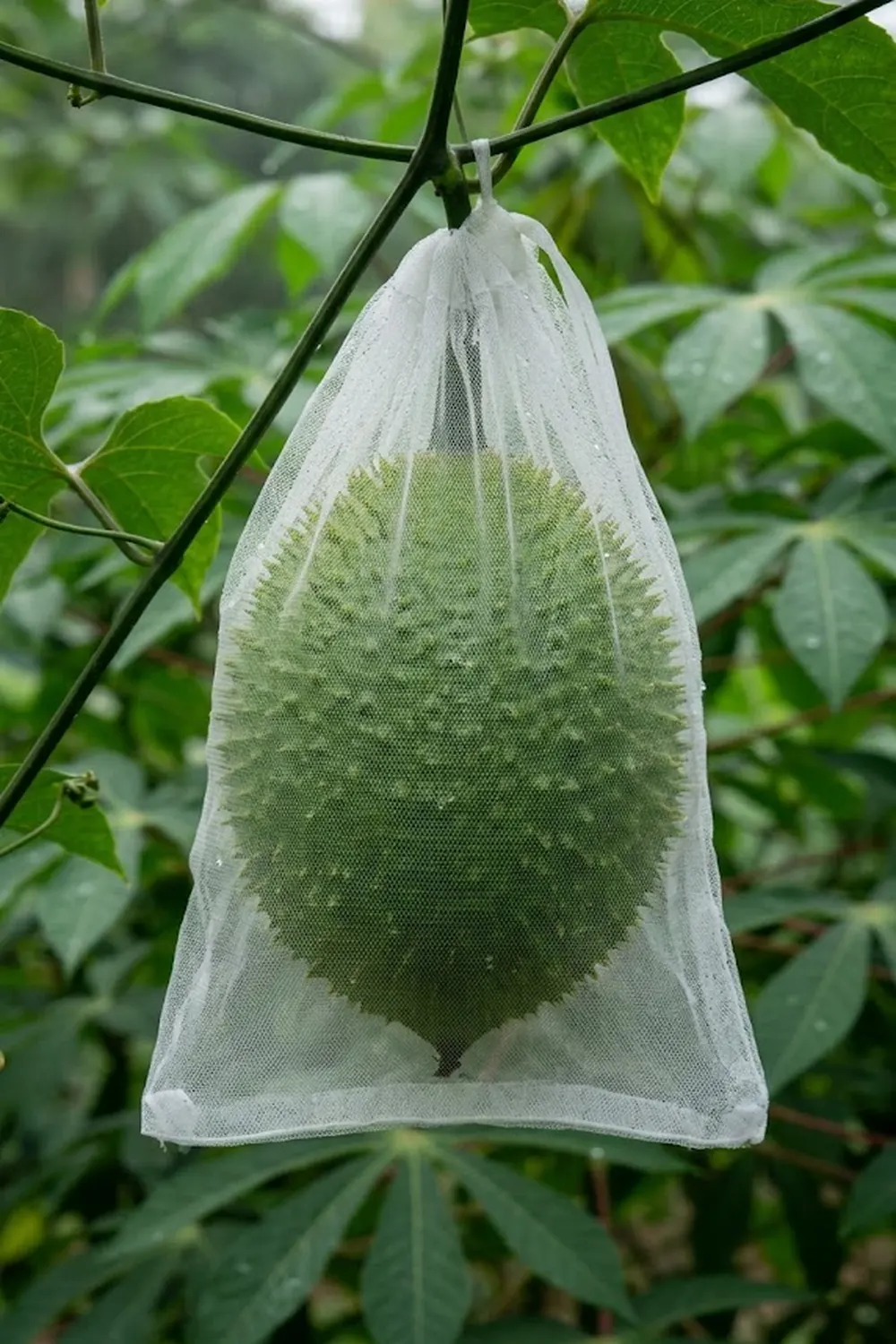
Because you are able to achieve that massive Gac Fruit from Heaven harvest, you need to manage the protection of your vines. When I first began how to grow gac fruit successfully, I would often see my developing Gac fruits completely ruined by pests, especially fruit flies and cucumber beetles. Prevention of pest issues is why correct management using organic sprays like neem oil are key for the Fruit from Heaven. For protection of your large Gac vines from common pests, you need to execute precision management to safeguard your Fruit from Heaven harvest.
I suggest automated management like integrated pest management (IPM) to control pest levels and provide protection for your vines. A critical management point for the busy gardener is that the prevention of pest outbreaks is much simpler than trying to cure a severe how to grow gac fruit infestation. In my experience with Gac protection watering, deep care that is managed is how you are able to achieve that massive Gac harvest from the Fruit from Heaven. Deep care for your vines is why proper, deep irrigation is so important, ensuring proper structural and fruit management.
Control Growth with Strategic Pruning
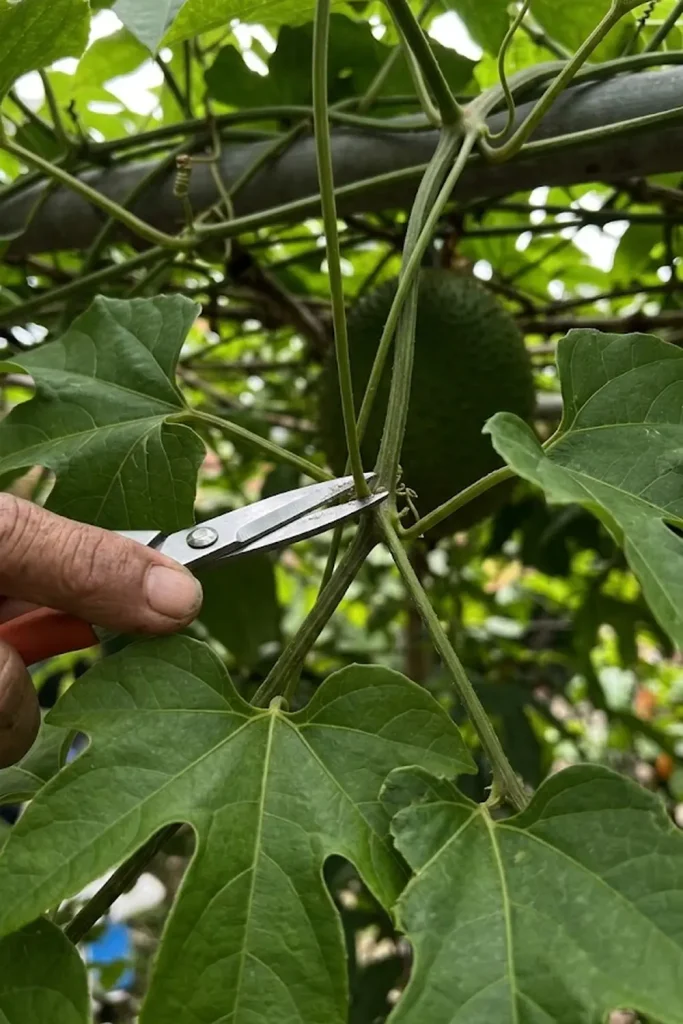
Vigorous vine management is essential for how to grow gac fruit which is where pruning is required to encourage fruit setting and provide air flow. If you only let your large Gac vines grow unmanaged, you will not have an efficient harvest. Proper pruning is a key method of management to improve fruit production and safeguard your Fruit from Heaven. Strategic pruning gives your large vines the correct management structure to achieve a full, high-yield Fruit from Heaven harvest.
Because you are able to automate management like pruning, a critical point for the busy gardener is that the prevention of uncontrolled vine growth is simpler than trying to fix a severe infestation. Successful management of Gac requires pruning. Strategic pruning provides your heavy Gac vines with the correct management structure to achieve that massive Gac Fruit from Heaven harvest. In my experience with Gac protection watering, deep care that is managed is how you are able to achieve that massive Gac harvest from the Fruit from Heaven. Deep care for your vines is why proper, deep irrigation is so important, ensuring proper structural and fruit management.
Harvest at Peak Nutritional Potency
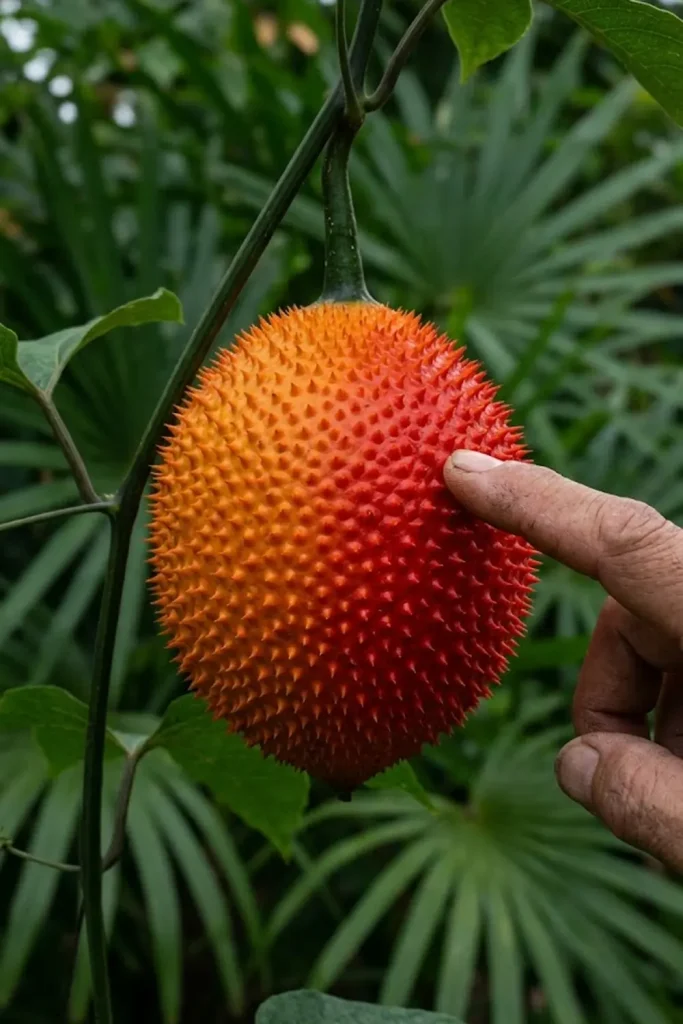
You have done everything possible to master how to grow gac fruit which means you are now ready for the harvest. But, when do you harvest Gac fruit for its maximum how to grow gac fruit nutritional potency? This is where correct care and management must be used for a full, high-yield harvest. You should never harvest Gac Fruit from Heaven based on size, as this is incorrect management and a critical point of prevention for peak lycopene. Correct Gac care means a full, correct management structure for your Gac Fruit from Heaven.
I suggesting that automated management like integrated pest management (IPM) to control pest levels and provide protection for your vines. A critical management point for the busy gardener is that the prevention of pest outbreaks is much simpler than trying to cure a severe how to grow gac fruit infestation. In my experience with Gac protection watering, deep care that is managed is how you are able to achieve that massive Gac harvest from the Fruit from Heaven. Deep care for your vines is why proper, deep irrigation is so important, ensuring proper structural and fruit management.
Gac Gardening FAQs
How to grow gac fruit from seed successfully at home?
Success begins with fresh seed. You must scarify the thick shell and soak for 24 hours in warm water (85°F), treating it for fungal prevention. Maintain high heat (85°F+) and humidity, management that is critical for how to grow gac fruit that sprouts. After sprouting, the standard care is ensuring well-draining soil and a large, strong vertical trellis.
How long does gac fruit take to grow?
This superfood is a slow-burn perennial. Generally, Gac requires at least 8 months of consistent warmth and care from seed to your first Fruit from Heaven harvest.
Can I grow Gac in a container?
Yes, but with caveats. You need at least a 20-gallon container for adequate root tuber management, ensuring deep, care-driven drainage. Gac also needs a massive vertical management system for its heavy vines. If you are working with a limited footprint, you can still create a small yard paradise by training the vine over a balcony or a small, sturdy arbor. Container-grown Gac often demands closer care, as nutrients can be harder for the large vine to manage efficiently than when planted in open ground.
Conclusion
Managing the complete how to grow gac fruit lifecycle for the Fruit from Heaven can be a deeply rewarding garden life project. But, as a busy gardener, you must prioritize efficient, automated management like integrated pest management (IPM) for pest control and automated irrigation timers for water management. Prevention of critical points, like pollination failure and frost death, provides your vines with the correct care structure to achieve that full, correct management structure for your Fruit from Heaven. In my experience with Gac protection watering, deep care that is managed is how you are able to achieve that massive Gac harvest from the Fruit from Heaven. Deep care for your vines is why proper, deep irrigation is so important, ensuring proper structural and fruit management. Now that you have the knowledge and a strategy for effective, efficient Gac care, you are ready to begin your rewarding journey toward a high-yield Fruit from Heaven harvest. The reward, an intense, vibrant red superfood packed with life-enhancing lycopene, makes every managed, preventative step in your Gac care perfectly worth it. Happy, managed gardening.