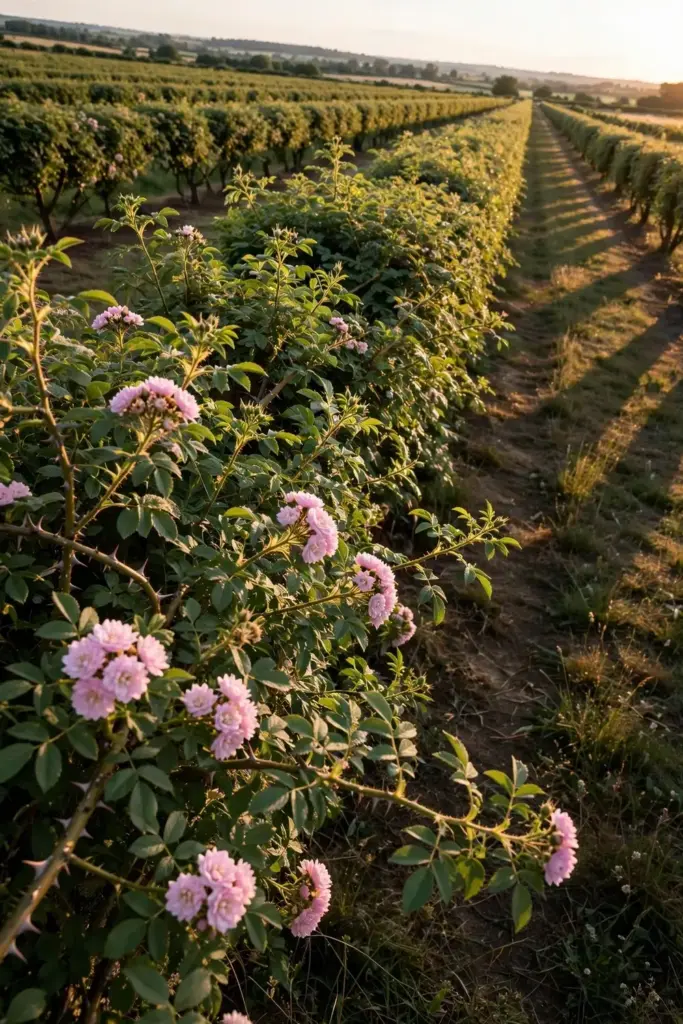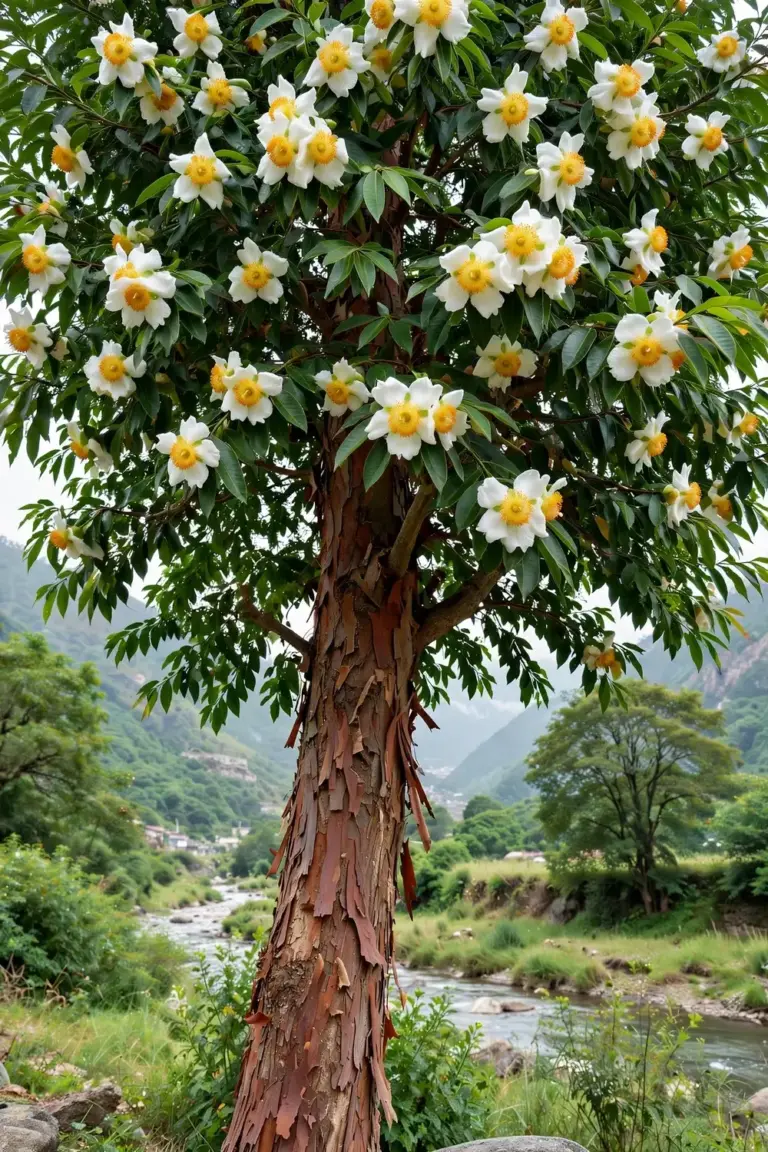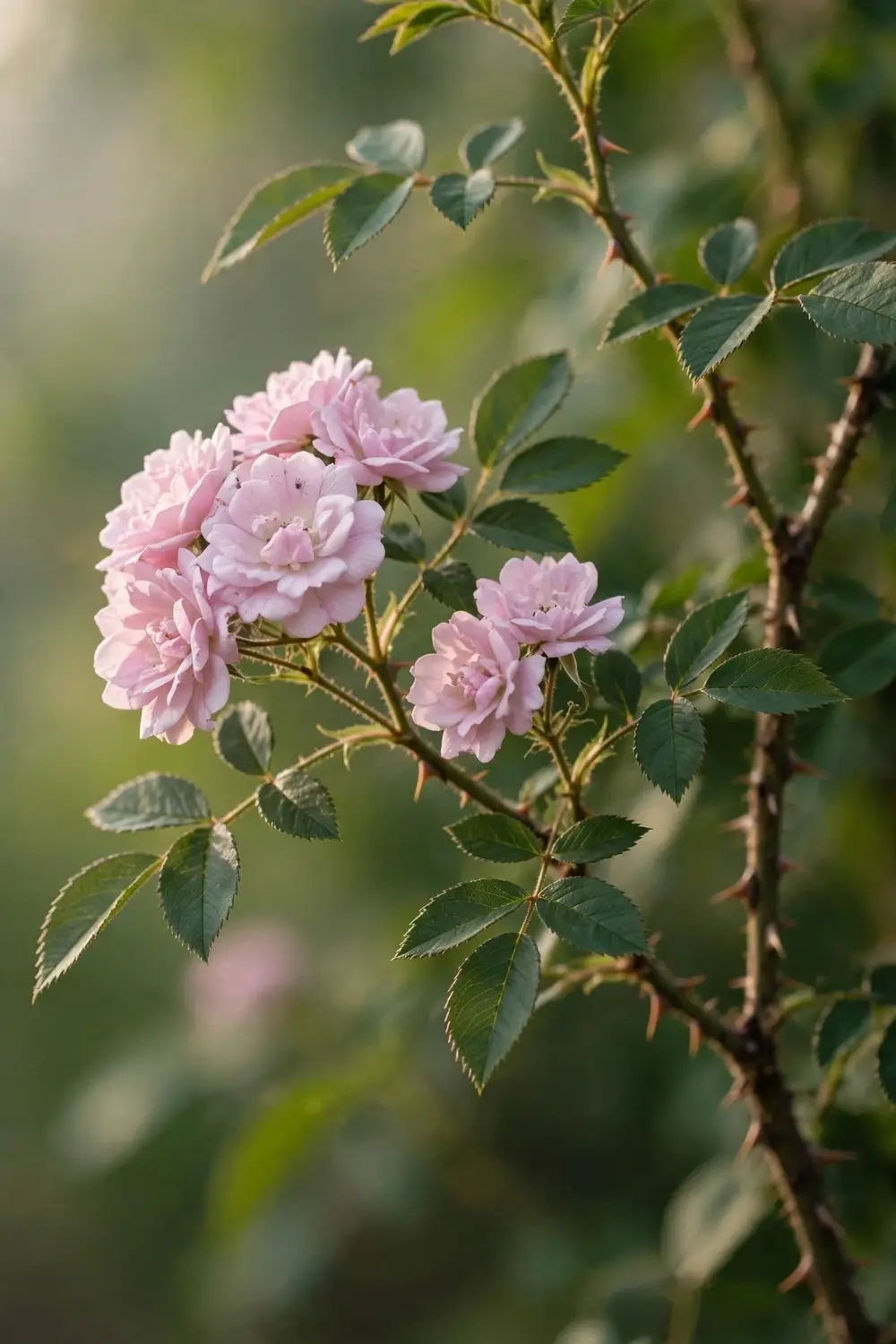

A 20 cm cutting, taken in October, becomes a flowering damask rose bush in about three years. That is the timeline nobody puts on the nursery tag, and it is the first thing to accept. The oil rose of Kannauj perfumeries, the petal of gulkand, and the flower that built the UP and Rajasthan attar belt all come from one shrub: Rosa × damascena. Growing it at home is a cuttings project, a patience project, and an honesty project. Get the species right first, because most fragrant roses sold in nurseries are not oil roses at all.
Learning how to grow damask rose from India sources matters here. The India lane is specific: October to December cuttings, alkaline alluvial soil, 10 to 23°C growing weather, and a real winter that tells the buds to break. Skip any one of those and you get leaves without perfume.
This guide walks the full arc in 20 moves: species identification, the cutting science, the 9 to 12 month nursery wait, field planting, feeding, pruning, dawn harvests, and what to do with the petals once the bushes are bearing. Everything below is built on the India agronomy notes and published trials, with every key number carried by an in-sentence link.
1. Identify the True Damask Rose First
The single biggest mistake in damask rose growing is planting the wrong rose. Nurseries sell fragrant-looking hybrid teas and floribundas as “desi gulab” or “fragrant rose,” and buyers wait years for oil-grade blooms that never come. Before you spend a rupee on cuttings, lock in the identity. Rosa × damascena is a natural hybrid (its documented parentage runs through R. moschata, R. gallica, and R. fedtschenkoana), and it is not found in the wild anywhere, as the Wikipedia page on Rosa × damascena records its hybrid origin and history.
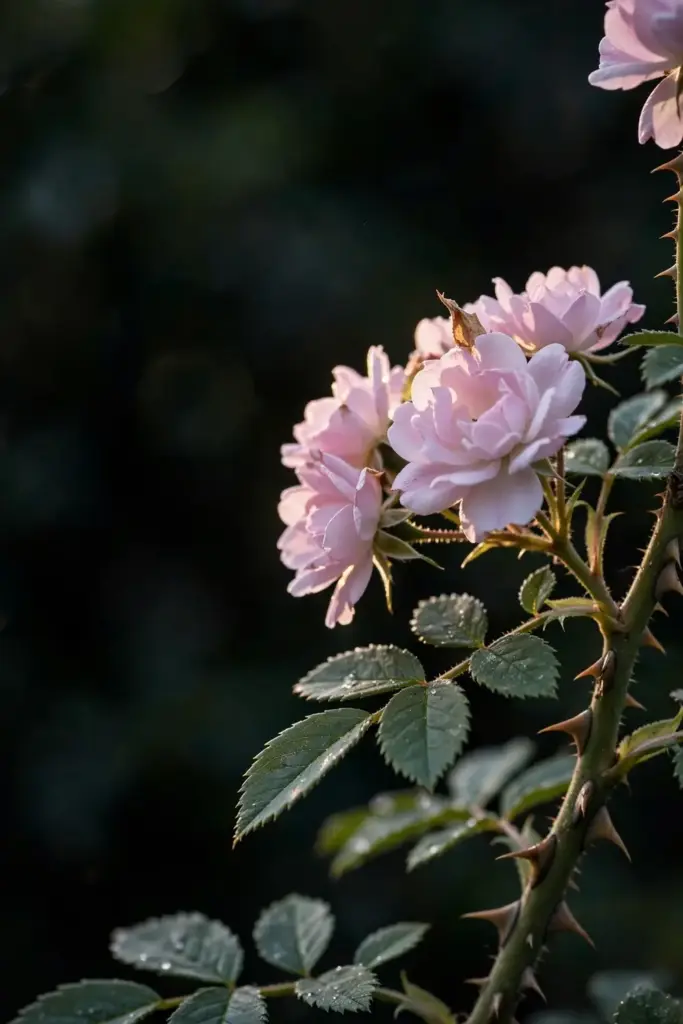
Three roses get confused in Indian markets, and the table below separates them by what matters to a grower: oil quality, bloom season, and heat tolerance. The damascena versus centifolia comparison comes from a University of Agriculture, Faisalabad research program comparing the two famous oil-producing rose species, which found damascena oil pale yellow with a higher citronellol content and ester number, meaning stronger fragrance, while centifolia bloomed year-round and kept flowering at 40 to 45°C where damascena stopped.
| Feature | Damask Rose (R. × damascena) | Cabbage Rose (R. centifolia) | Hybrid Tea Roses |
|---|---|---|---|
| Oil quality | Highest citronellol, strongest fragrance, pale yellow oil | Lower quality oil, yellowish brown, year-round blooms | Ornamental only, no oil tradition |
| Bloom season | 1 to 2 months (March to April flush) | Nearly year-round in Indian conditions | Repeat blooming, garden selection |
| Heat tolerance | Stops flowering in extreme heat | Tolerates 40 to 45°C | Varies by cultivar |
| Indian role | UP and Rajasthan attar belt, Kannauj distillation | Rose water and gulkand in some pockets | Gardens and cut flowers |
Summer Damasks bloom once per season. Autumn Damasks such as ‘Quatre Saisons’ repeat. India’s own CIMAP landrace ‘Ranisahiba’ repeats too, with an off-season September to October flush that breaks the one-season rule. If your goal is perfume, buy from a source that names the cultivar, not just “fragrant rose.”
2. Where Damask Rose Grows in India
The commercial map is narrow and it tells you the climate envelope. Roughly 3,000 to 4,000 hectares grow in Aligarh, Ghazipur, Farrukhabad, and Ballia in Uttar Pradesh, plus Pushkar and Udaipur in Rajasthan, with Kannauj as the distillation belt. The India agronomy notes (HORT-354, the Goa University horticulture package) put the working climate at 10 to 23°C with about 8 hours of sun and 100 to 150 cm of annual rainfall.
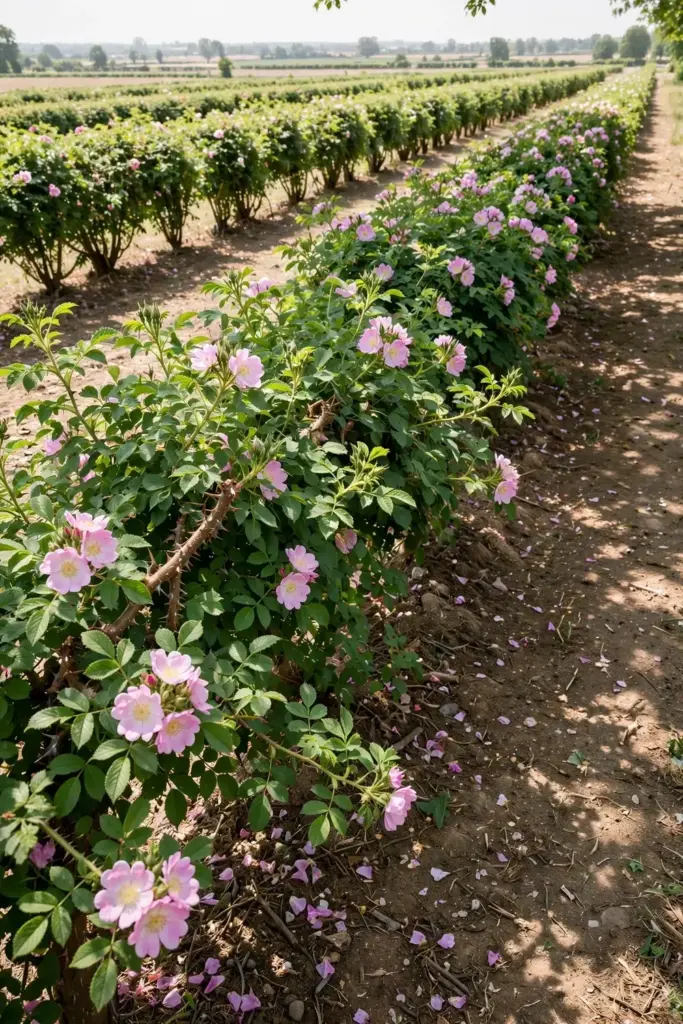
That 10 to 23°C band is the honest gate. Damask rose needs a cool season to set buds and a real winter rest. In the deep south or coastal plains without a cool winter, plants survive but bloom weakly or not at all. If your winter nights never dip below the low twenties, treat damask as a container experiment you bring into the coolest spot you have, not a field planting.
Cold climates outside India invert the problem: the shrub is hardy, but short seasons mean you start cuttings indoors and move them out after frost. Either way, the rule is the same. Cool rest in, perfume out.
3. Choose Cuttings Over Seeds
Damask rose is propagated by stem cuttings, and there is no serious alternative for a home grower. Seeds take about two years to germinate and the seedlings are not true to type, which means the perfume you wanted is a lottery ticket. Online listings that sell “damask rose seeds” for a few dollars are selling you a different rose experience entirely. Cuttings give you the exact cultivar, perfume intact, in months instead of years.
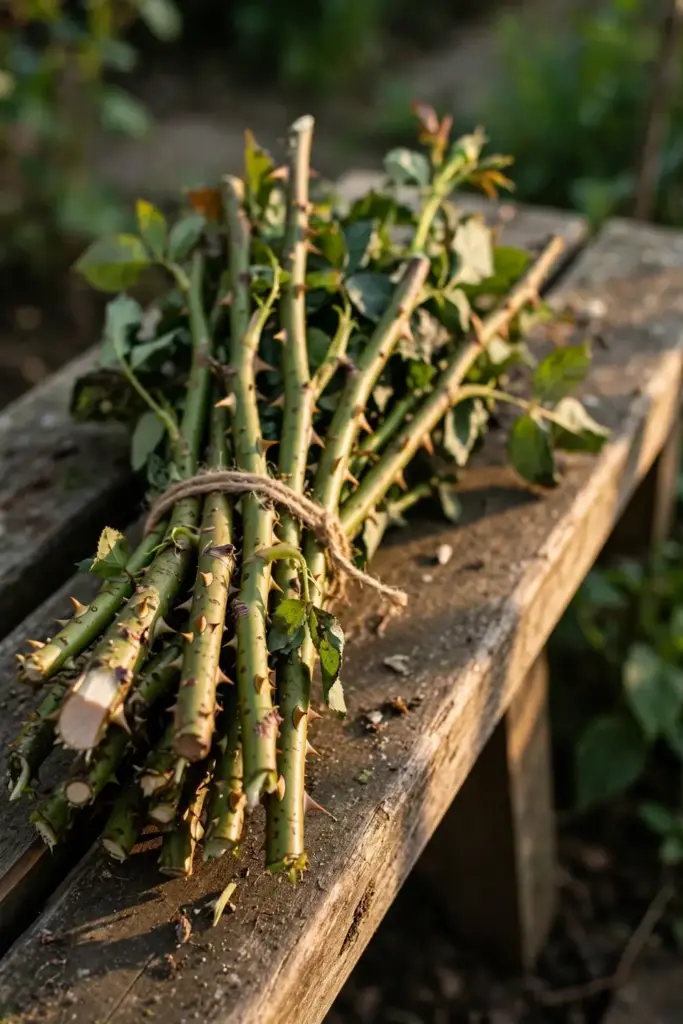
The other vegetative options exist for nurseries: T-budding, grafting, division of suckers, and layering. None beat a rooted cutting for simplicity. Take cuttings from a plant whose perfume you have smelled, from a neighbor’s bush or a named cultivar source, and you have removed the biggest uncertainty in the whole project. Timing your cutting work to the cool season follows the same logic as planting roses in fall, when roots establish before heat arrives.
Timing is October to December in India, which coincides with pruning time. Cool, humid air is doing half the rooting work for you, and the plant’s own hormones are at their seasonal peak.
4. Take 20 cm Stem Cuttings That Root
The cutting specification is precise because it has been tested. Use semi-hardwood stems 20 cm long and 0.75 to 1.5 cm thick, taken at pruning time from mid-October to end December. Bury two thirds of the cutting, leaving one third above the soil. A dip in IBA or IAA at 200 to 250 ppm pushes rooting along. Leaf mould is the best rooting medium in the India trials.
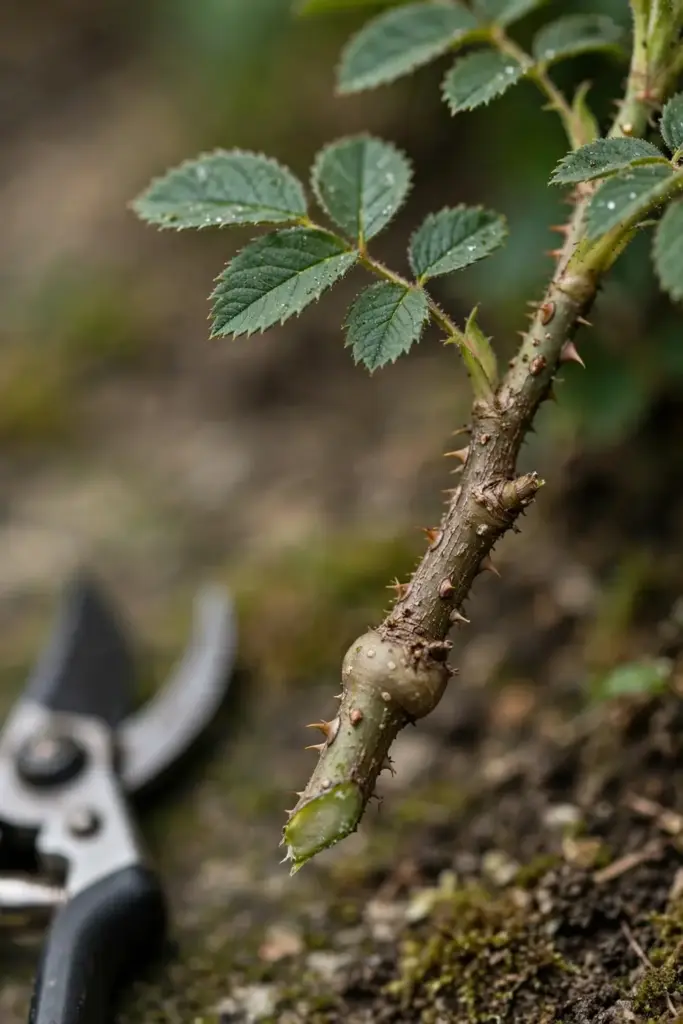
| Step | Action | Time |
|---|---|---|
| 1. Select | Semi-hardwood stems, 20 cm, 0.75 to 1.5 cm thick, from a proven-perfume plant | Mid-October to end December |
| 2. Prepare | Make a clean slanted cut below a node, strip lower leaves | Same day as selection |
| 3. Hormone dip | IBA or IAA at 200 to 250 ppm, brief dip of the basal end | Seconds |
| 4. Plant | Bury 2/3 of the cutting in moist leaf mould, one node minimum below the surface | Same day |
| 5. Hold | Shade, warmth 19 to 27°C, humidity above 60 percent | 9 to 12 months nursery |
| 6. Check | Tug gently; resistance means roots are forming | After about 3 months |
Root initiation begins after roughly three months, with a November to December cutting rooting through the cool season. Do not rush the nursery phase. A cutting that looks alive in February may still be living on stored reserves, and transplanting it early is the classic way to lose a whole batch.
5. Survive the 9 to 12 Month Nursery
The nursery phase is where home growers lose patience, and their plants. Cuttings root through the cool season, then must survive a full hot season before they are field-ready. That is a long wait. Keep them warm and humid while they root, shaded from harsh sun, and harden them to outdoor conditions gradually once growth is strong.
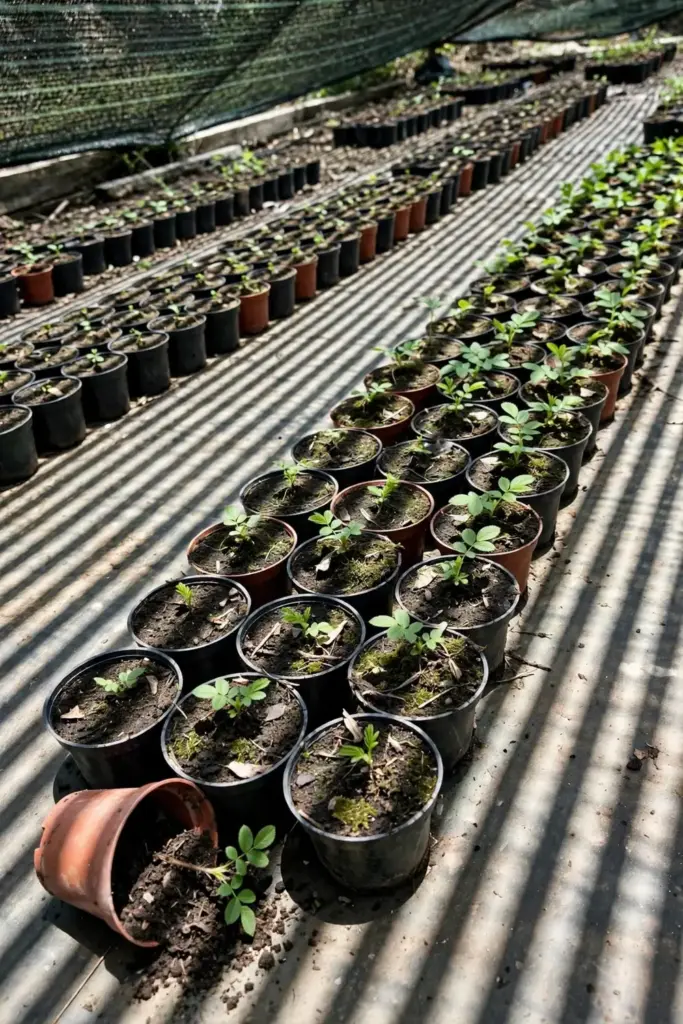
Water for moisture, never saturation. Leaf mould drains well, which is half the reason it wins in trials. Feed lightly once new growth is clearly established; A weak balanced feed every three to four weeks is plenty, because overfeeding produces soft growth that collapses in the first heat wave.
Expect uneven results. Some cuttings root fast, some sulk for months. Take more than you need, cull the weak, and plant only the vigorous.
6. Dig 45 cm Pits and Transplant
Transplant rooted cuttings from mid-November to mid-January, when the cool season gives them months to establish before heat arrives. Dig pits 45 by 45 by 45 cm, going to 60 by 60 by 60 cm in poor soil. Mix 3 to 4 kg of farmyard manure and 20 to 25 g of NPK 18:32:16 into each pit before planting.
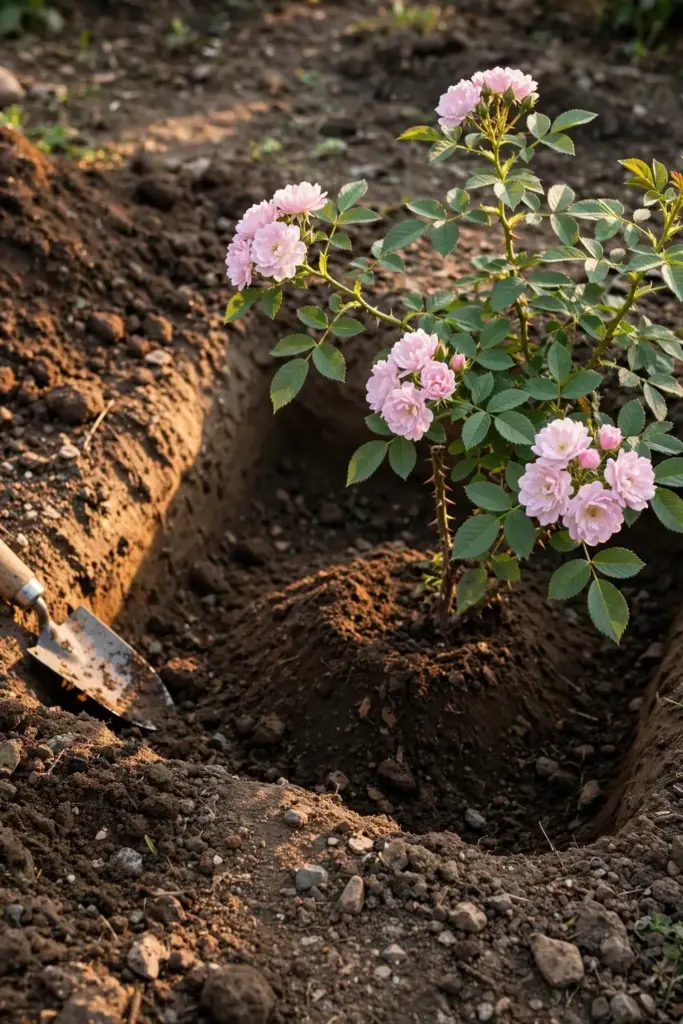
Spacing is 1.5 by 1.5 m, which works out to about 4,400 plants per hectare. You will see a competing figure of 1 by 1 m (10,000 per hectare) from some farming forums; treat the wider spacing as the safer home and commercial figure, since crowded roses compete for light and air and invite disease. The India agronomy notes carry the 1.5 m figure, and wider spacing pays in bloom quality. If you are unsure about your local frost timing, check a fall planting calendar to line up the mid-November to mid-January transplant window.
Water the pit well at planting and mulch the surface. The plant will look quiet through its first season. That is normal. Damask rose builds roots before it builds flowers, and full flower potential arrives after about three years.
7. Soil Honesty: Damask Likes Alkaline Ground
Here is the fence every rose book gets wrong for India. Standard rose advice says slightly acidic soil around pH 6.5. The HORT-354 India notes put damask rose at pH 8 to 8.5, alkaline, in the alluvial context where the UP belt grows it. Do not acidify your soil chasing a Western rose recipe.
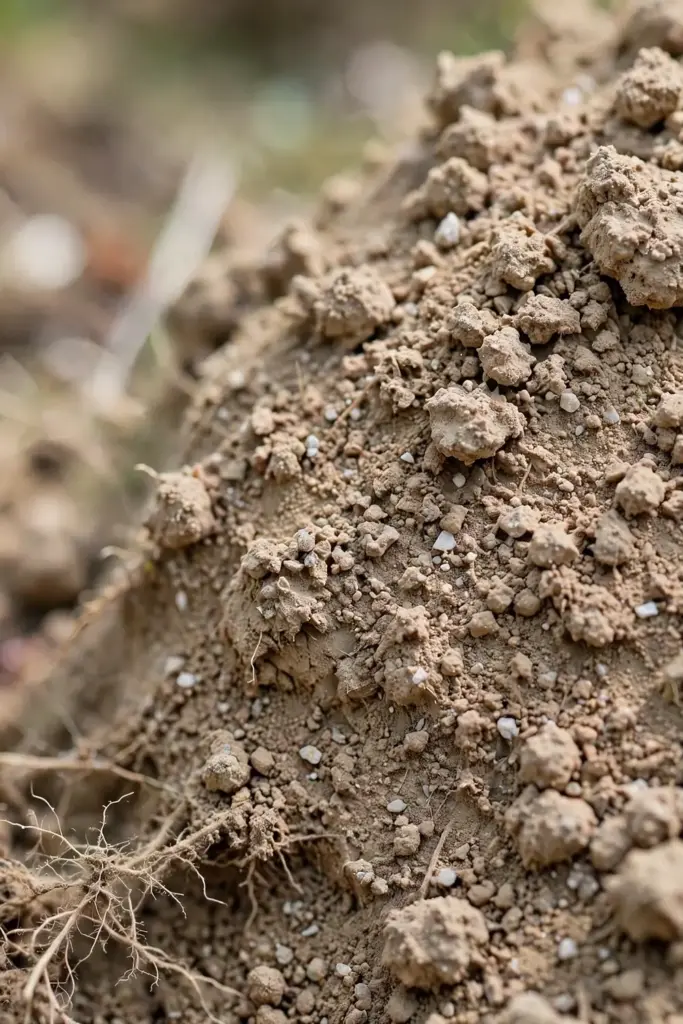
What matters more than the number is structure. Damask rose hates waterlogging with a seriousness that kills plants. Use a deep, loamy, well-drained soil, and if your ground holds water after rain, plant on raised beds or ridges. Building soil health and pest resistance from a strong foundation pays here: living, well-structured soil drains the monsoon while holding the cool-season moisture the roots want. The Palampur trial result is worth remembering here: a CSIR Palampur trial published in PLOS ONE found open sun combined with black polyethylene mulch raised flower yield by 74.5 percent and lifted citronellol and geraniol content, which shows how much the root zone environment matters for both yield and perfume.
If you are planting in containers, use a soil-based mix with coarse sand or perlite for drainage, and choose the widest pot you can manage. Test your water too; very alkaline irrigation water on already alkaline soil is fine for damask, but saline water is not.
8. Water 10 to 12 Times a Year, Never Swamp
The India package prescribes 10 to 12 irrigations per year, and the emphasis is on rhythm rather than volume. Water deeply at each irrigation, then let the soil dry down. Both drought stress and waterlogging cut flower production, and waterlogging is the faster killer.
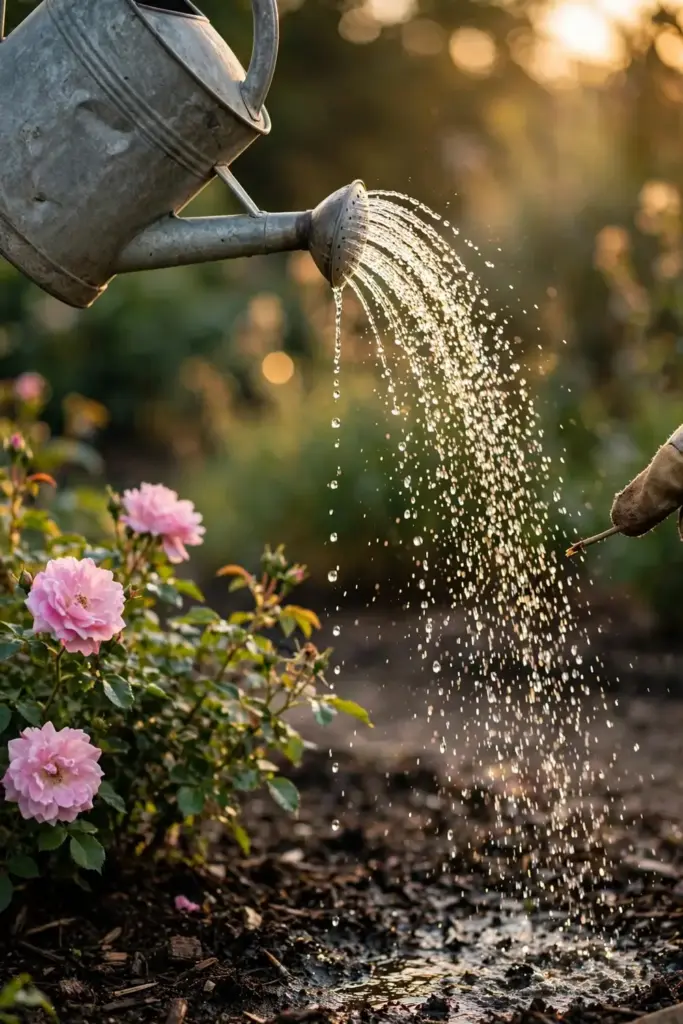
Drip irrigation is the modern answer and it keeps foliage dry, which matters for disease. Mulch the root zone to hold moisture between irrigations; the trial data on black polyethylene mulch is the extreme version, and organic mulch gives you most of the moisture benefit with better soil life. In the monsoon, drainage is the job. Make sure water never stands around the crown.
New transplants need more frequent water through their first hot season. Once established, the plants are tougher than they look, but a dry spell right before the March to April bloom flush will cost you flowers.
9. Feed for Flowers and Oil
The baseline nutrition from the India notes is farmyard manure at 2.5 to 3 tonnes per hectare, plus 200 kg nitrogen, 25 kg P2O5, and 25 kg K2O per hectare. Translate that to a home scale and you are looking at generous compost plus a balanced feed through the growing season, with the heaviest feeding after pruning when new wood is forming.
A recent Indian trial on rejuvenating old damask gardens found that harder pruning combined with full nutrition produced the highest flower counts and oil recovery in the study. The lesson is that pruning height and nutrition interact; feeding without pruning gives you leaves, and pruning without feeding gives you weak regrowth.
Apply farmyard manure in winter, and split the nitrogen across the growing season rather than dumping it at once. Watch the plants: deep green, vigorous new canes mean the nutrition is right. Pale, thin growth means feed more; rank, soft, disease-prone growth means feed less nitrogen.
10. Prune at 50 cm in Year Two
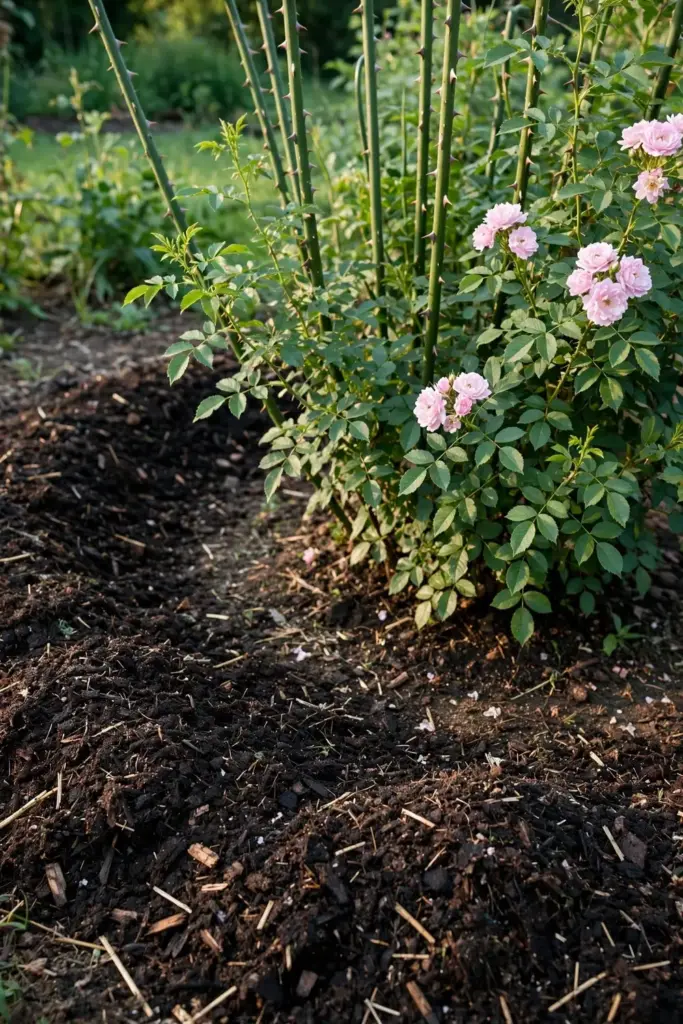
Do not prune for flowers in year one. At two years, cut the canes back to 50 cm to induce flowering wood. From there, pruning becomes the annual yield lever, and the research is unusually specific.
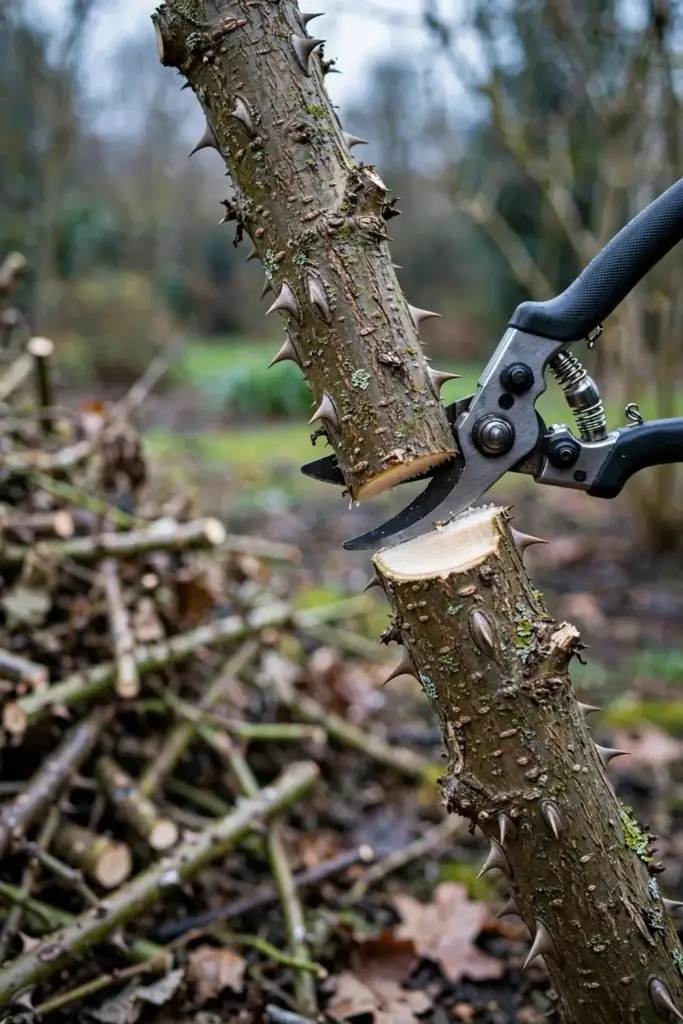
A 2022 CSIR-backed field trial on old damask plantations, published in Frontiers in Plant Science, found that ground-level pruning in October increased flower yield by 21 to 34 percent compared with pruning followed by top pruning, without reducing essential oil quality. October timing gave the highest yields in both trial years.
For a home grower the translation is simple. Prune hard once a year in October, remove weak and crossing wood, and keep the bush open in the center. A March pruning about 75 days before flowering is the alternative some growers use for branch growth, but the October window has the stronger evidence.
11. Containers: The Honest Indoor Lane
Damask rose can grow in a container, but be honest about what the container can and cannot do. A large pot, 40 cm or wider, with the alkaline-leaning, sharply draining mix from the soil section, will carry a plant for years. What the container cannot do is replace winter. If your climate has no cool season, the plant will grow foliage and bloom sparsely, because the chill requirement is real.
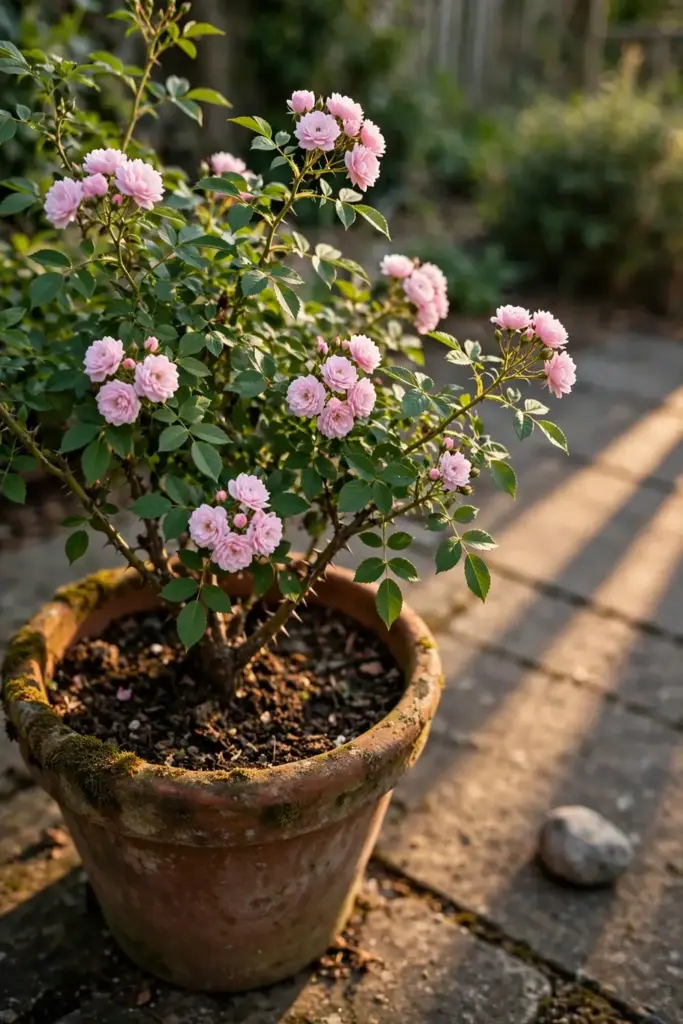
In cold-winter regions the container is actually the smart move: grow the rose in the pot through summer, then move it to an unheated garage or cool porch for winter dormancy. This is the same logic behind growing herbs indoors through winter, where the container lets you control the season. If you are learning how to grow damask rose from India in a pot, remember the container cannot replace the chill the buds need.
Feed container plants more often than field plants, since nutrients wash out with every watering. Repot every two to three years, root-pruning lightly, and refresh the top layer of mix annually.
12. Pests That Follow Roses
The India notes name the usual suspects: aphids, thrips, ash weevil, and red scale. Aphids cluster on new buds and can be knocked off with a strong water jet before you reach for anything stronger. Thrips scar petals and are worst in hot, dry weather. Red scale needs horticultural oil in the dormant season.
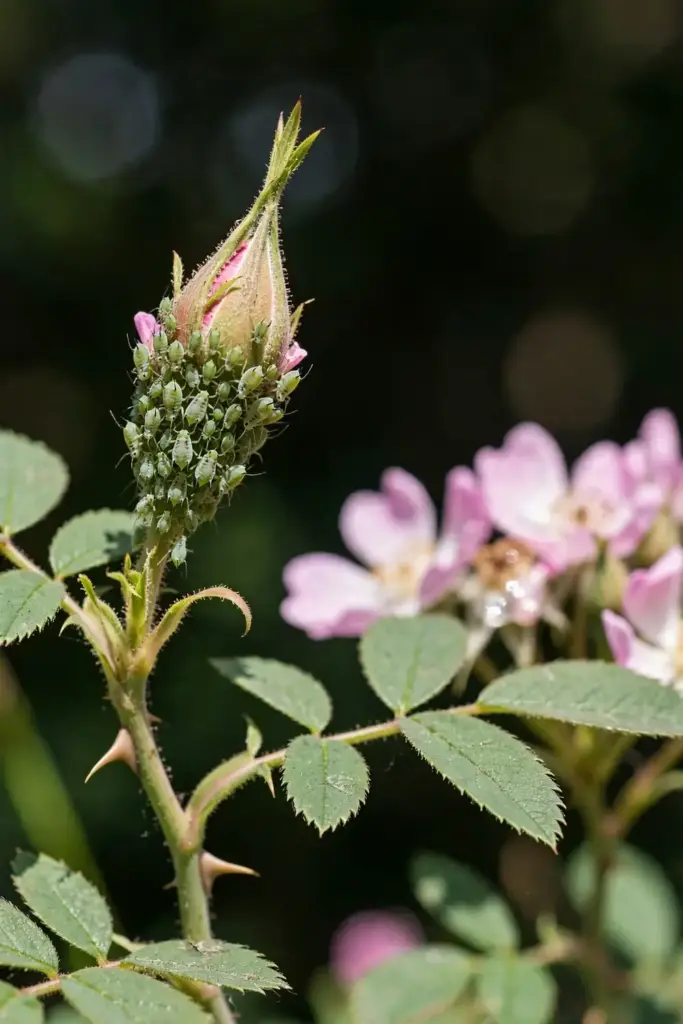
Prevention beats cure. The 1.5 m spacing keeps air moving. Drip or soil-level watering keeps foliage dry. Remove fallen petals and leaves, since they harbor disease. A healthy, well-fed plant outgrows minor pest pressure; a stressed plant invites all of it at once.
Neem oil handles the soft-bodied insects for most home growers. Reserve synthetic insecticides for genuine infestations, and never spray open blooms if you plan to eat the petals or distill them. What lands on the flower ends up in the gulkand.
13. Pick Blooms at Dawn for Oil
Flowers are the product, and harvest technique decides quality. Pick fully open blooms at dawn, when volatile oil content peaks before the sun drives it off. This is not folklore; the whole attar industry runs on dawn picking, and the difference between dawn and midday harvest is measurable in the still.
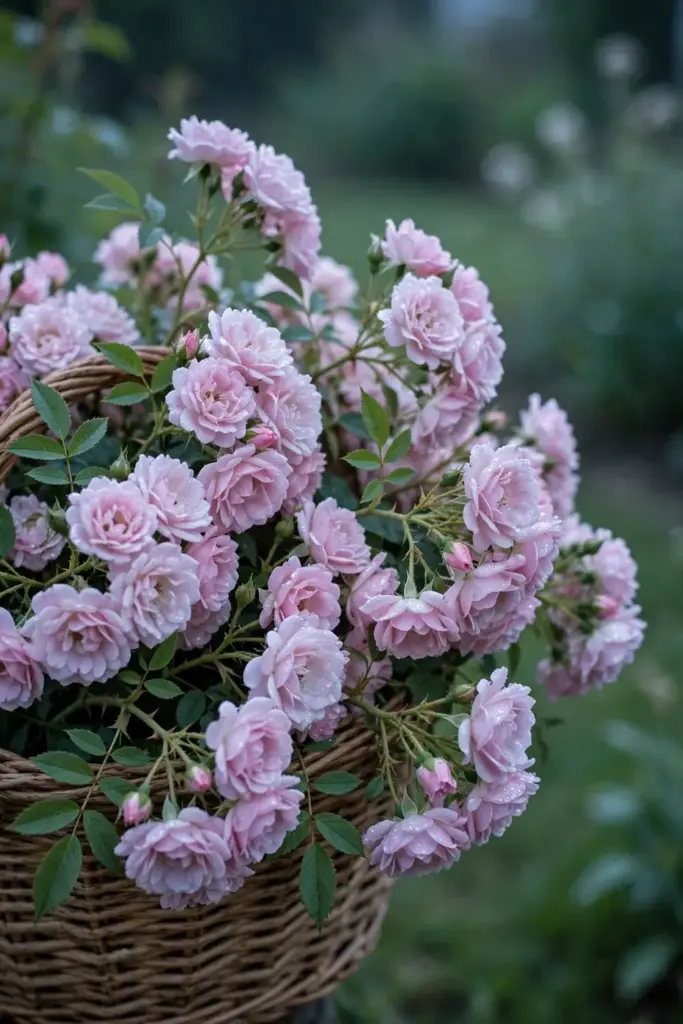
Handle petals gently and process the same day. For oil, the scale is sobering: it takes thousands of kilos of petals to produce a single kilo of rose oil, which is why true attar costs what it costs. At home, skip the oil still. The same dawn rule still applies to rose water and gulkand, because the perfume you capture is the perfume you picked.
Expect the main flush in March to April for Summer Damasks. The ‘Ranisahiba’ landrace adds a September to October off-season flush. A mature bush at full potential carries a heavy spring flush, and commercial fields are harvested by the tonne.
14. Gulkand and Rose Water at Home
Gulkand is the home-scale product that makes damask rose growing pay in pleasure. It is a sun-cooked preserve of rose petals and sugar, traditionally in a 1:1 or 2:1 petal-to-sugar ratio, layered in a jar and left in the sun for days to weeks. Northern India has a whole household tradition of it, and Ayurvedic texts value it as cooling and supportive for digestion. Use only unsprayed petals from your own bushes.
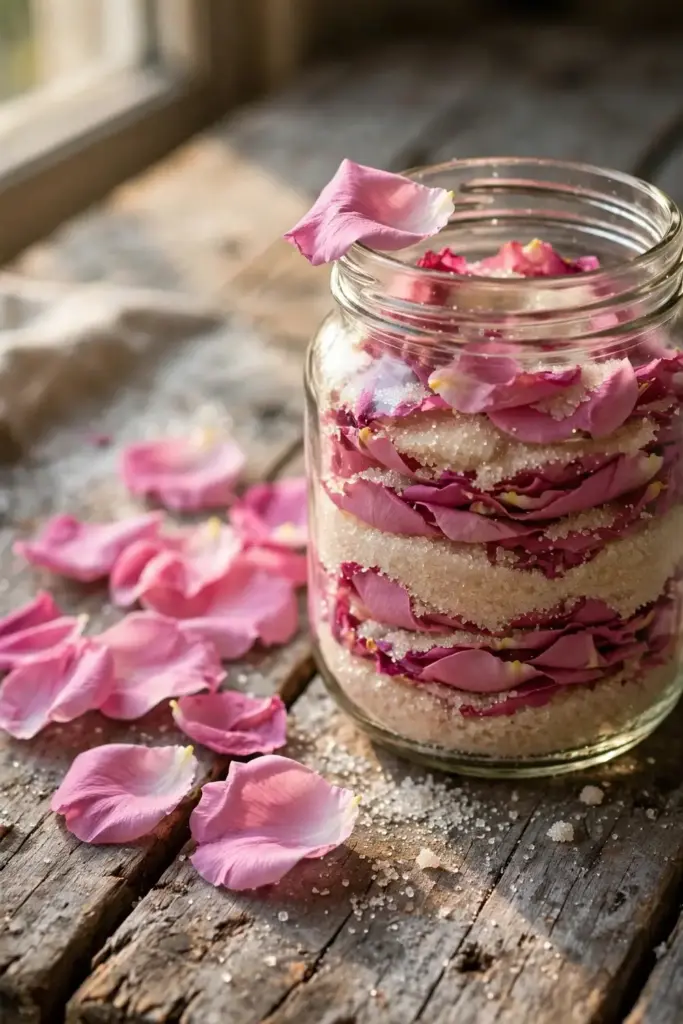
Rose water is the next step up: steam-distilled petals produce rose water (the hydrosol) and, at commercial scale, the essential oil. Home distillation is possible with a simple still, but most growers will find gulkand and dried petals the practical products. Dry surplus petals in shade for tea; sun drying bleaches both color and perfume.
Keep every health claim modest. The traditional uses are documented and interesting, but your gulkand is food, not medicine, and the research literature treats it that way.
15. The Kannauj Attar Economy
Kannauj is where Indian damask rose becomes attar, and understanding the belt explains the crop’s economics. Distillers there run the traditional deg-bhapka stills through the March to April season, turning the region’s flower harvest into rose oil and rose water for perfumery. The oil profile the India notes quote runs about a third citronellol and a third geraniol, and that balance is what perfumers are buying.
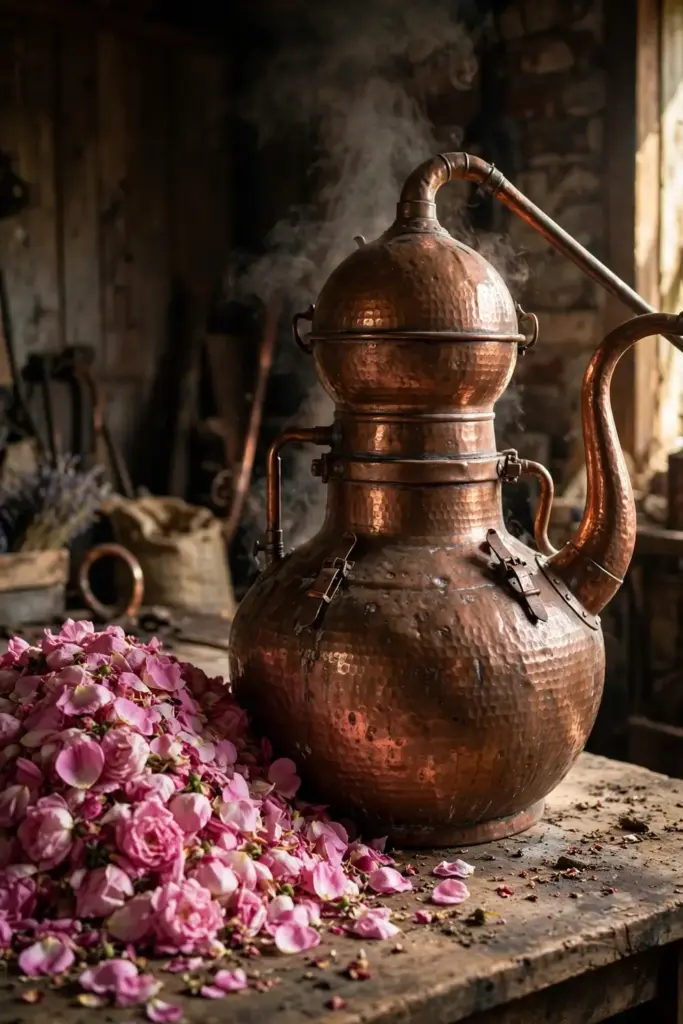
For a home grower this is context, not a business plan. You will not compete with Kannauj on oil. But the belt sets the quality bar your home harvest is measured against, and it explains why cultivar purity matters: the perfumery market pays for damascena chemistry, not for a pretty pink rose.
If you ever scale up, the figures a serious buyer will ask about are trial flower yields and the oil recovery fraction, both published in Indian field research.
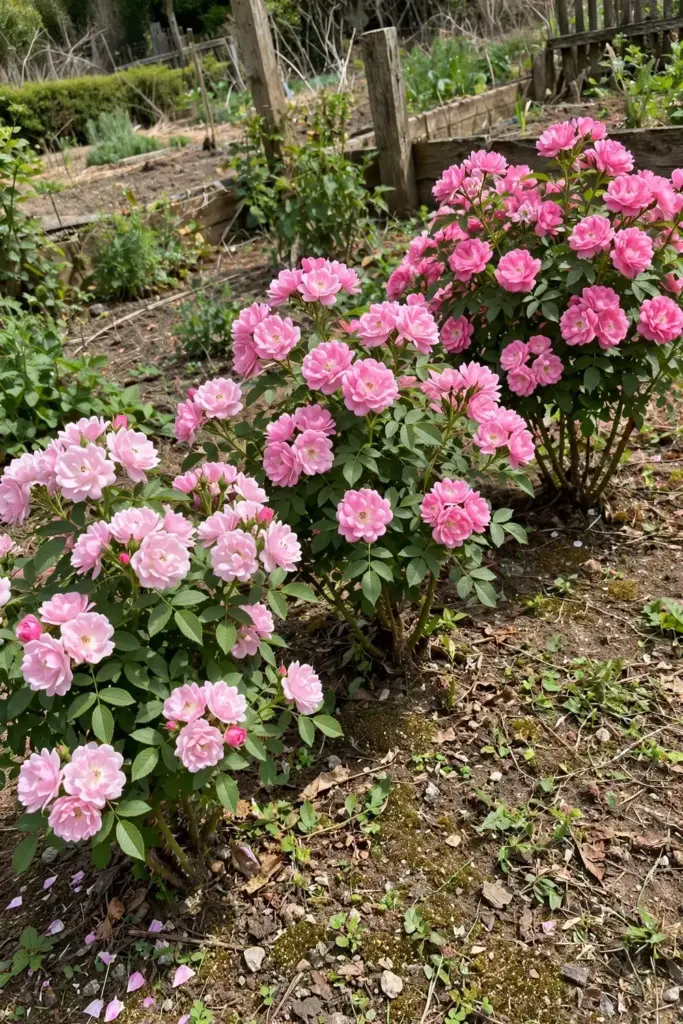
16. Varieties: Noorjehan, Himroz, Ranisahiba
India’s named damask varieties match regions, and planting the wrong one for your climate is a slow, expensive mistake. The table below follows the HORT-354 notes and the CIMAP breeding record.
| Variety | Suited To | Notes |
|---|---|---|
| Noorjehan | Gangetic plains (UP belt) | The workhorse of the attar region |
| Himroz | Temperate hills | Bred for cooler conditions |
| ‘Ranisahiba’ | Wider adaptation | Repeat-flowering landrace, 52 q/ha flowers, 4 kg/ha oil, off-season flush |
‘Ranisahiba’ deserves a second look from home growers. Its repeat flowering breaks the single-season limit of classic damask, and its oil runs higher in geraniol than the Bulgarian reference, with less waxy residue. If you can source it, it is the most forgiving damask for a home garden.
Rosa bourbonia also appears in Indian rose water and gulkand production. It is a related traditional rose, not a damask, and worth knowing about if a seller offers it. Ask which species you are actually buying.
17. Winter the Blooms Need
Damask rose is deciduous and it wants a real winter rest. In the UP and Rajasthan belt, winter does the job naturally. Leaves drop, the plant sleeps, and spring buds break with the flush that becomes the March to April harvest.
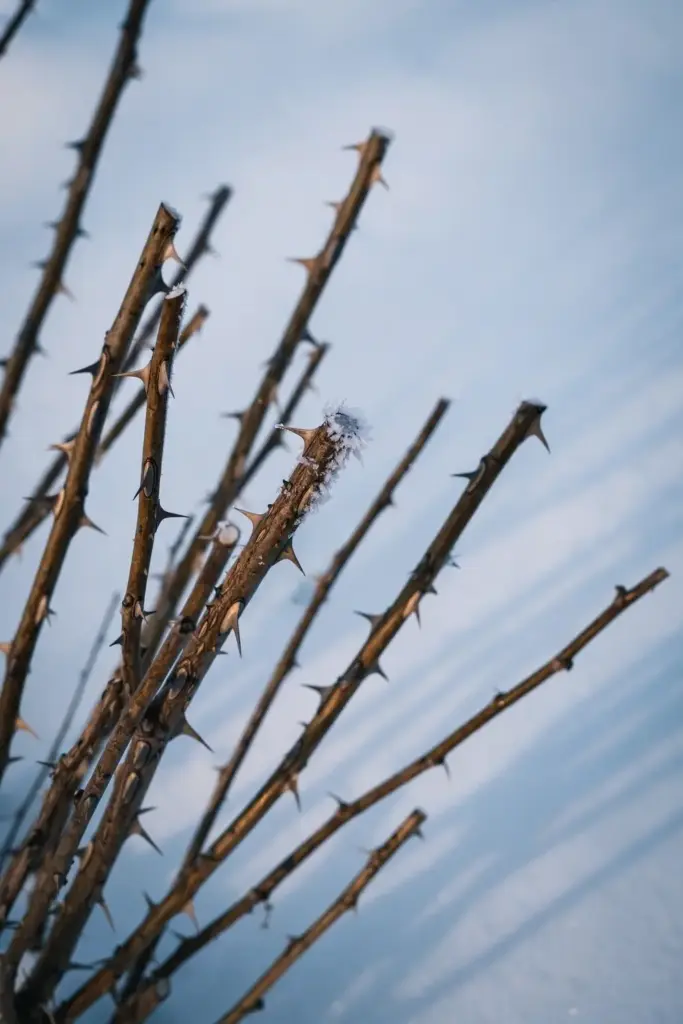
In mild-winter regions, help the plant along: stop feeding by late autumn, reduce water, and let it defoliate. Do not force growth with fertilizer through winter; soft winter growth gets hammered by the first cold snap and the plant enters spring weakened.
In containers in cold climates, the unheated-garage method from the container section applies. Keep the root ball from freezing solid and from drying out completely. A dormant rose needs almost no water, but “almost” is not zero.
18. Mistakes That Kill a Damask Rose
Buying an unnamed “fragrant rose” instead of a true damask cultivar. Fix it by sourcing cuttings from a plant whose perfume you have verified, or a named variety like Noorjehan or ‘Ranisahiba’.
Planting in waterlogged ground. Fix it with raised beds or ridges, and never let water stand around the crown.
Transplanting cuttings too early. Fix it by honoring the 9 to 12 month nursery wait; a cutting that leafs out in February is not necessarily rooted.
Acidifying the soil to match Western rose books. Fix it by trusting the India data: damask in the UP belt grows at pH 8 to 8.5.
Skipping the annual prune. Fix it with the October hard prune; unpruned bushes decline into twiggy, flower-poor thickets, and the trial data shows pruning lifts yield by a fifth or more.
19. Troubleshooting
My bush grows leaves but never blooms. The usual cause is missing winter chill or a non-damask cultivar. Check your winter temperatures against the 10 to 23°C working band, verify the cultivar, and make sure you pruned at 50 cm in year two to induce flowering wood.
Cuttings leaf out, then die in summer. They were transplanted before rooting finished, or the nursery medium stayed too wet. Keep cuttings shaded through their first hot season and water for moisture, not saturation.
Flowers have no perfume. Either the cultivar is wrong (hybrid teas look fragrant but are not oil roses) or you picked after the sun had already stripped the volatiles. Pick at dawn from a verified damask.
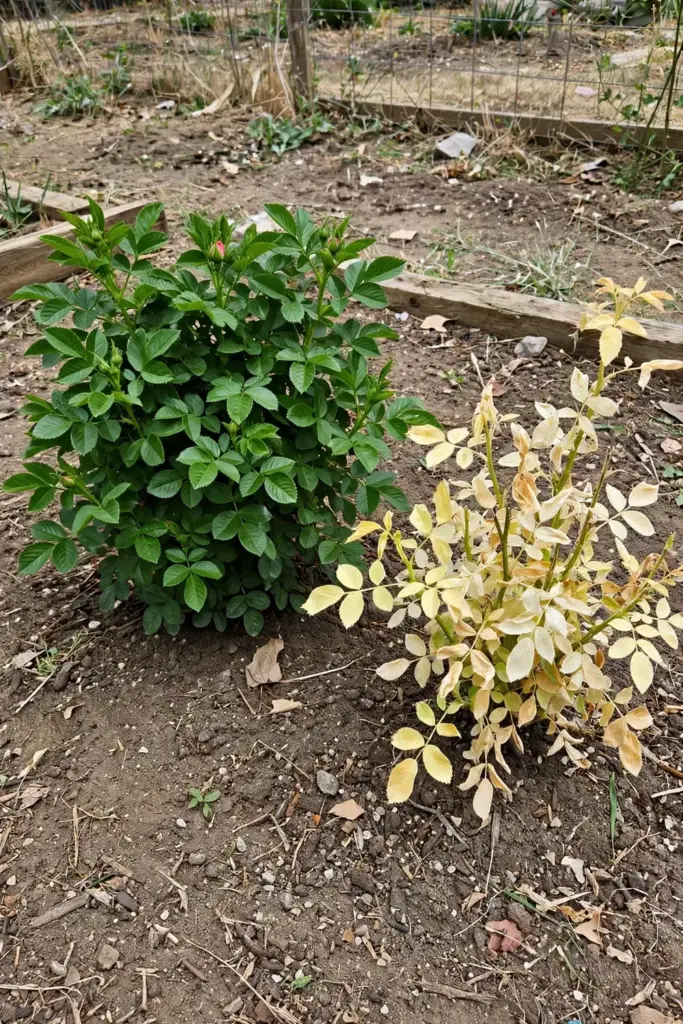
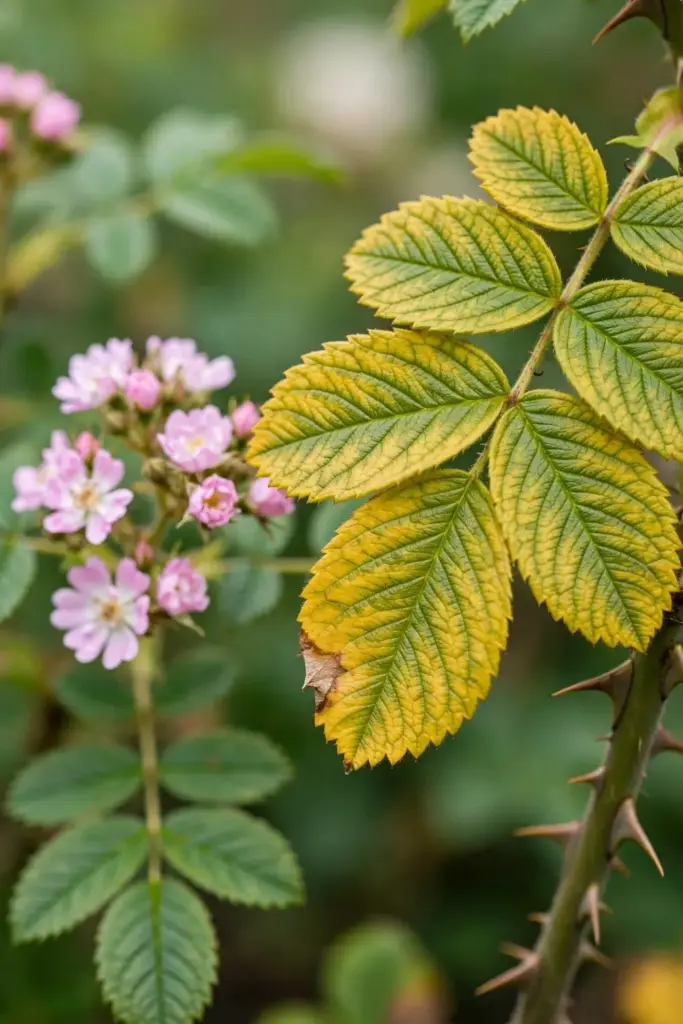
Leaves yellow between the veins. In alkaline soil this is often iron chlorosis rather than nitrogen lack. A chelated iron drench corrects it; dumping more NPK will not.
Cane tips die back in winter. Normal dieback is fine; prune it off in the October or spring prune. If dieback runs deep into old wood, the plant is stressed, usually by waterlogging or overfeeding.
Frequently Asked Questions
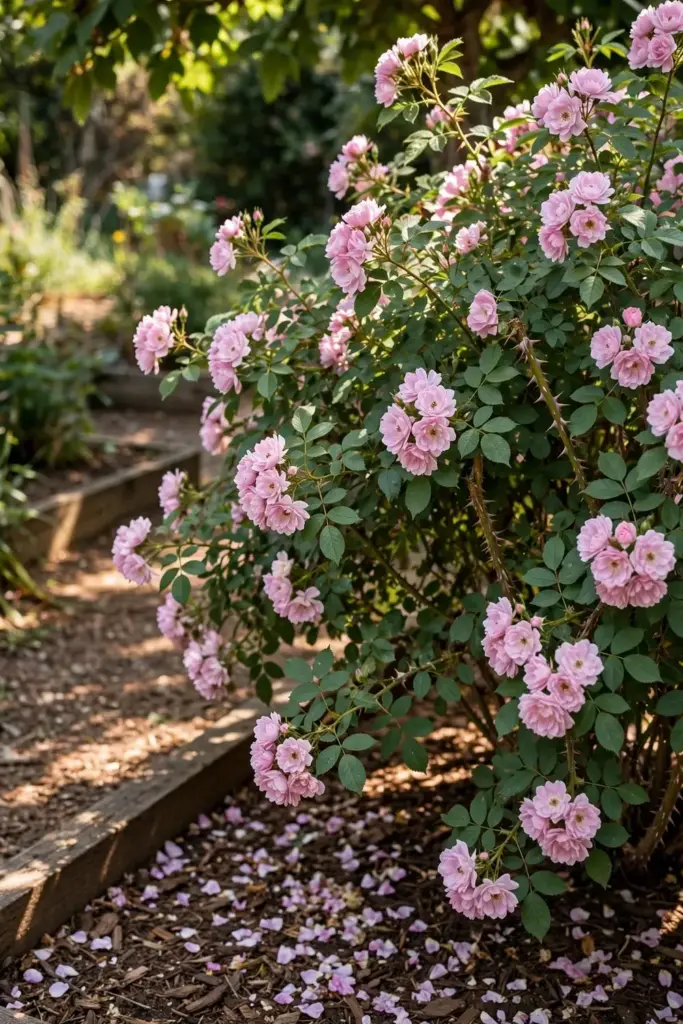
Expect the first light flowering in the second year after transplanting, with full production from year three onward. The 9 to 12 month nursery phase plus establishment time means a cutting taken this October is a flowering bush two to three years later. Anyone promising blooms in six months is selling a different rose.
It survives but blooms poorly. The 10 to 23°C working band from the India agronomy notes is real, and the Faisalabad research comparing the two oil roses showed damascena stopping flower production at 40 to 45°C while centifolia kept going. In truly tropical lowlands, grow centifolia for flowers and buy damask oil instead.
Not necessarily. “Desi gulab” in markets can mean damask, centifolia, bourbonia, or a fragrant hybrid tea, depending on the seller. True damask is Rosa × damascena with the oil chemistry to match. Ask for the cultivar name, and be suspicious of any seller who cannot give one.
Thousands of kilos of petals go into a single kilo of rose oil, which is why genuine attar is expensive. Published trials put oil recovery at 0.035 to 0.049 percent of fresh flower weight, as the Frontiers in Plant Science pruning trial reports. This is the math that separates home gulkand making, which is practical, from home oil distillation, which is a hobby for the dedicated.
No. Seeds take about two years to germinate and seedlings are not true to type, so the perfume is not guaranteed. Every serious India source propagates by 20 cm stem cuttings with hormone treatment. Spend the seed money on cuttings from a verified plant instead.
Both come from steam distillation of petals. The oil is the concentrated volatile fraction that floats on the distillate; rose water is the fragrant water left behind. Solvent extraction makes “absolute,” which is cheaper than steam-distilled oil and more common in modern perfumery. All three start with dawn-picked damask petals.
Where to Go From Here
Plant the right rose, take October cuttings, wait the nursery out, prune hard every October, and pick at dawn. The perfume that made Kannauj famous is chemistry you can grow: roughly a third citronellol and a third geraniol, in petals from your own bush. Anyone learning how to grow damask rose from India at home should start with five cuttings this season. In three years, you will be making gulkand from flowers you watched open.