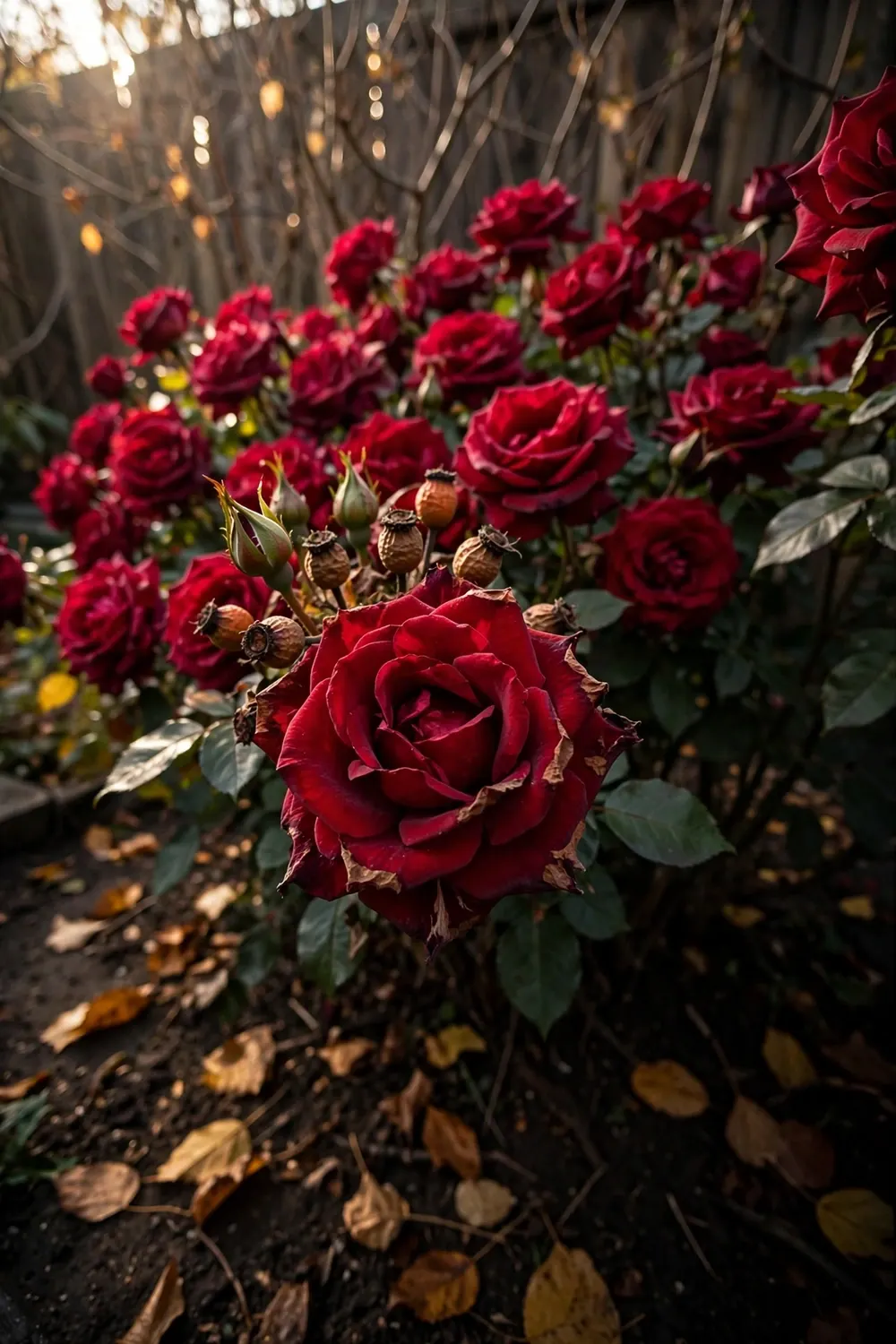

Plant roses for fall planting at least 6 weeks before your first hard freeze and they spend the cool months growing roots instead of fighting heat. That is the whole advantage. Miss the window and you are gambling a young plant against frozen ground.
The decision that matters most is not the date. It is the pot. Container-grown roses go into fall soil with their root ball intact and keep growing. Bare-root roses arrive dormant with naked roots, and fall asks them to wake up just enough to root before winter shuts everything down. Get this choice right and the rest is straightforward.
Here is the full rose decision, start to finish: whether fall planting suits your zone, the six-week rule, the bare-root versus container verdict, which roses forgive a fall start, and how to protect a new rose through its first winter.
1. Decide First: Should You Plant Roses in Fall at All?
Fall is a good time to plant roses in most zones, with one condition attached. The soil is still warm from summer, which encourages root growth, while the cool air above ground asks little of the leaves. A rose planted in September or October puts its energy underground, exactly where a new plant needs it. Spring planting works too, but a spring rose must build roots and survive summer heat in the same season.
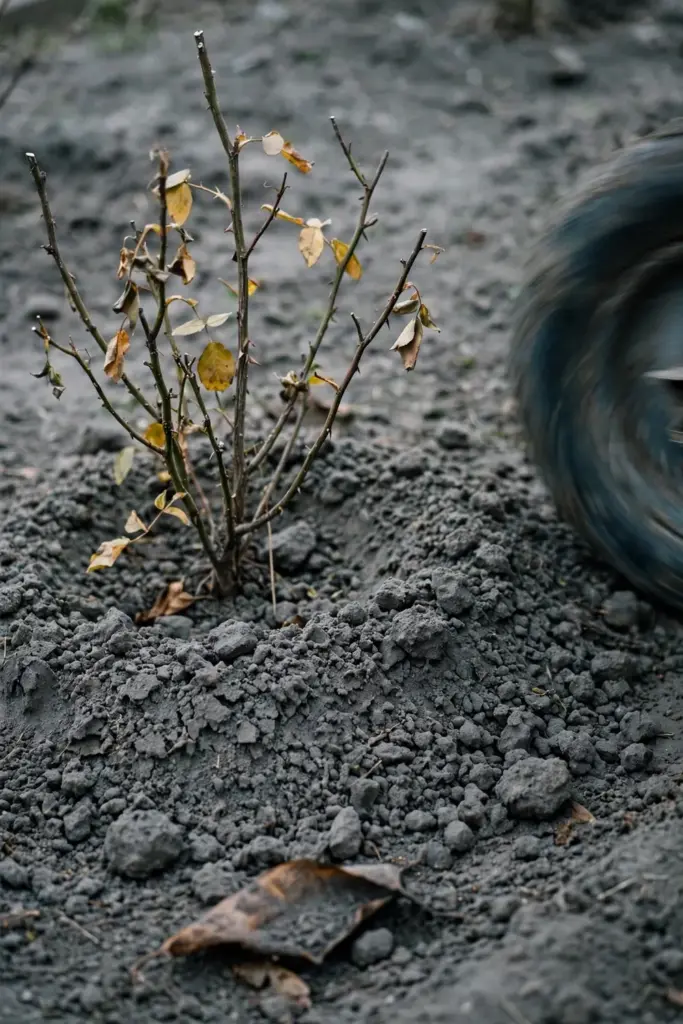
The case against fall planting is the calendar. A rose needs established roots before the ground freezes solid. Plant too late and the freeze arrives while the plant is still settling in, which heaves young roots and kills the graft. This is why the decision starts with your frost date, not with the nursery sale table. Warm soil is an advantage only when enough weeks remain.
There is also the matter of what you buy. A container rose in active growth transitions into fall soil with barely a pause. A bare-root rose is the riskier fall purchase, because it must break dormancy, grow feeder roots, and harden off on a short clock. Gardening Know How’s fall planting guide draws this line plainly: bare-root plants take longer to establish and may not survive winter when fall-planted, while container roses establish faster and suit fall planting. If your winter lows average minus 10 degrees Fahrenheit or colder, Gardening Know How’s fall rose planting guide says wait for spring regardless of what you buy.
2. Count Six Weeks Back From Your First Hard Freeze
The working rule across rose nursery timing guides is six weeks before your first hard freeze. Not the first light frost, which only nips the leaves. The hard freeze, when temperatures drop to about 28 degrees Fahrenheit and the soil begins its march toward frozen. Six weeks of unfrozen soil gives a container rose time to knit its root ball into the surrounding ground.
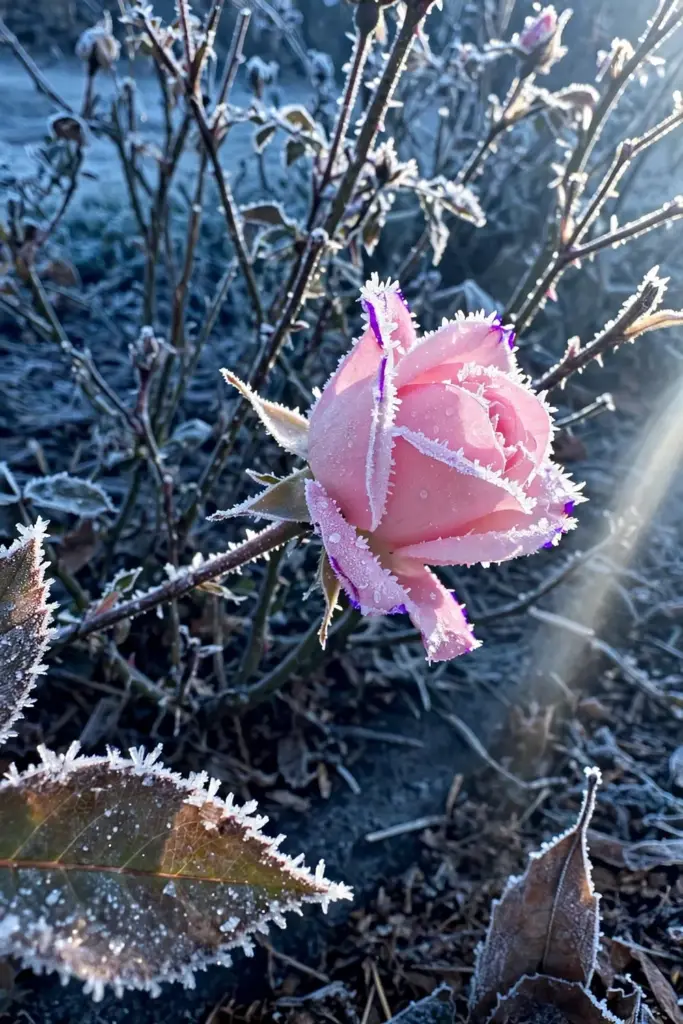
Work the date backward. If your first hard freeze usually lands in late October, your planting window closes in mid-September. If it lands in late November, you can plant into mid-October. The arithmetic is simple and it is the part most gardeners skip. They remember the nursery visit and forget the subtraction. If you do not know your date, the frost-date math in the when-to-start guide walks through finding it.
Treat the six-week mark as the last safe day, not the target day. Earlier is better. A rose planted eight or ten weeks before the hard freeze has more root in the ground when winter arrives. The gardeners who lose fall-planted roses are usually the ones who planted at the deadline, not the ones who planted a month before it.
3. Bare-Root vs Container: Settle It Before You Buy
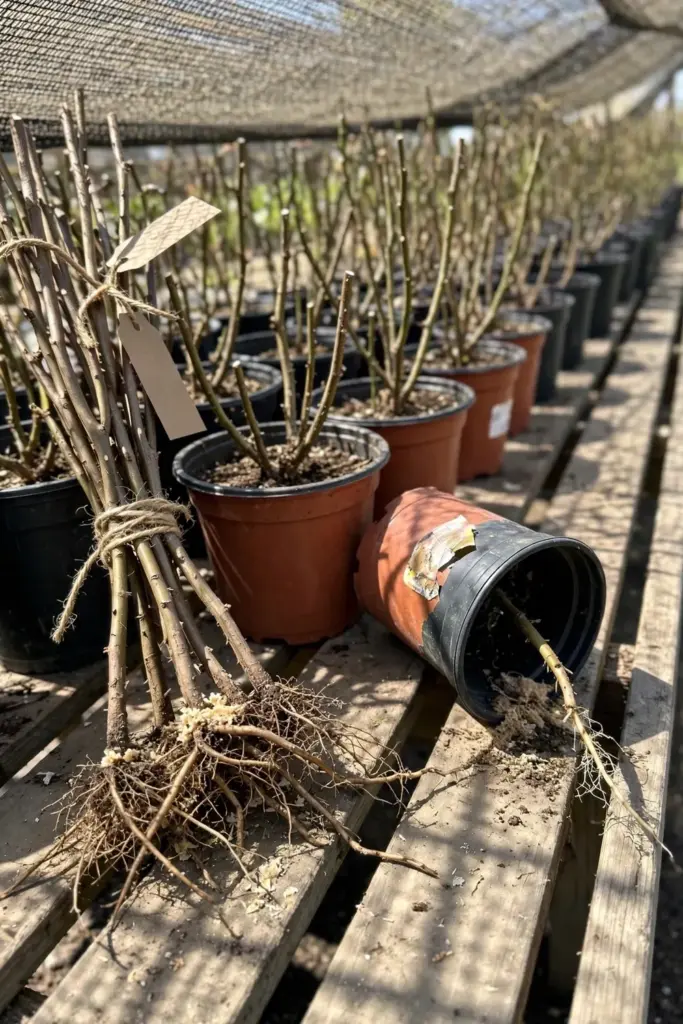
Here is the settled version. For fall planting, container-grown roses are the safer purchase. They arrive with an intact root ball, they never go through the shock of bare roots in cold soil, and they keep photosynthesizing right up to dormancy. If you are buying roses in September or October, buy the pot.
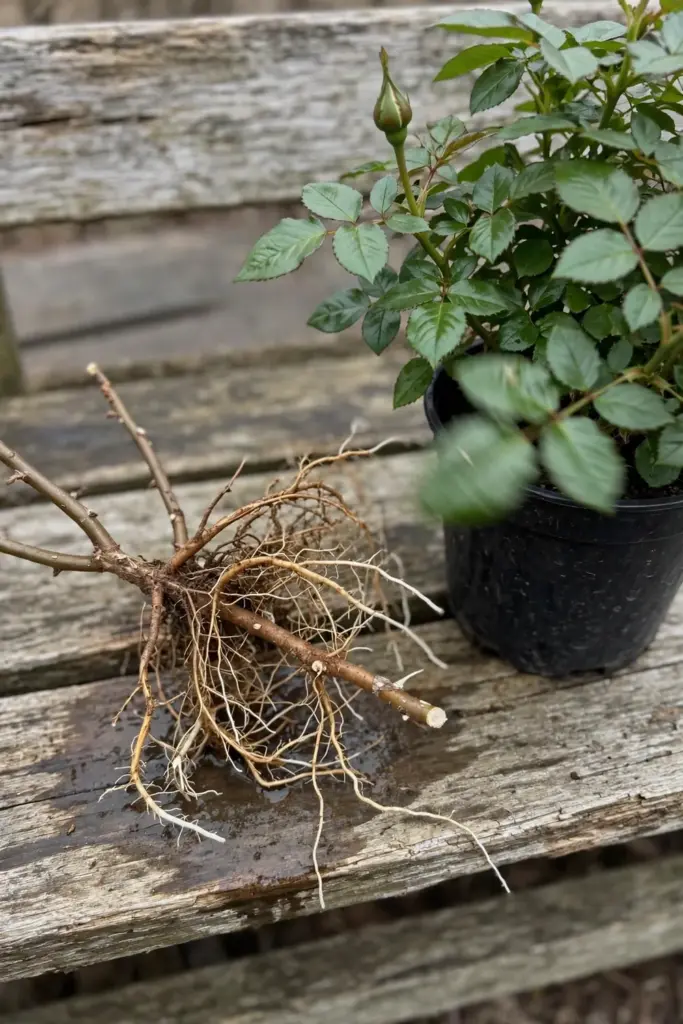
Bare-root roses are not forbidden in fall. They are a narrower bet. Colorado State University Extension prefers spring for bare-root planting outright, and notes that bare-root roses are normally shipped at the appropriate planting time, which for most regions means spring. A bare-root rose planted in fall has to do everything at once: rehydrate, grow feeder roots, and settle before the ground locks. In zones 7 and warmer with long autumns, that bet often pays. In zones 6 and colder, the odds shorten fast.
Price tempts gardeners the wrong direction here. Bare-root roses cost less than the same variety in a container, and fall sales make them cheaper still. The savings evaporate if the plant dies in February. Buy the container rose in fall. Save the bare-root bargains for spring, when the plant has the whole growing season ahead of it.
4. Bare-Root vs Container at a Glance
| Factor | Container-Grown | Bare-Root |
|---|---|---|
| Best fall planting window | Up to 6 weeks before hard freeze | Early fall only, zones 7 and warmer |
| What arrives | Intact root ball, often in leaf | Dormant canes, naked roots |
| Establishment speed | Fast, minimal transplant shock | Slow, must grow feeder roots first |
| First-winter survival | Strong in zones 5 and warmer with mulch | Risky below zone 7 without protection |
| Price | Higher | Lower, especially on fall sale |
| Spring alternative | Always fine | Preferred season per extension guidance |
| If the ground is frozen on arrival | Wait and heel in a sheltered spot | Heel into a trench or tub until plantable |
The table makes the decision mechanical. Short window or cold zone means container. Long warm autumn and a tight budget can mean bare-root, planted early. When in doubt, the container wins.
5. Pick a Rose That Forgives a Fall Start
Not every rose handles a fall start equally. The forgiving ones share traits: disease resistance, own-root vigor or a hardy graft, and a habit of blooming on new wood so a rough winter only costs you spring flowers, not the plant. Knock Out roses top nearly every fall-planting list for this reason. They shrug off black spot, bloom from spring to frost, and rebound from hard winters.
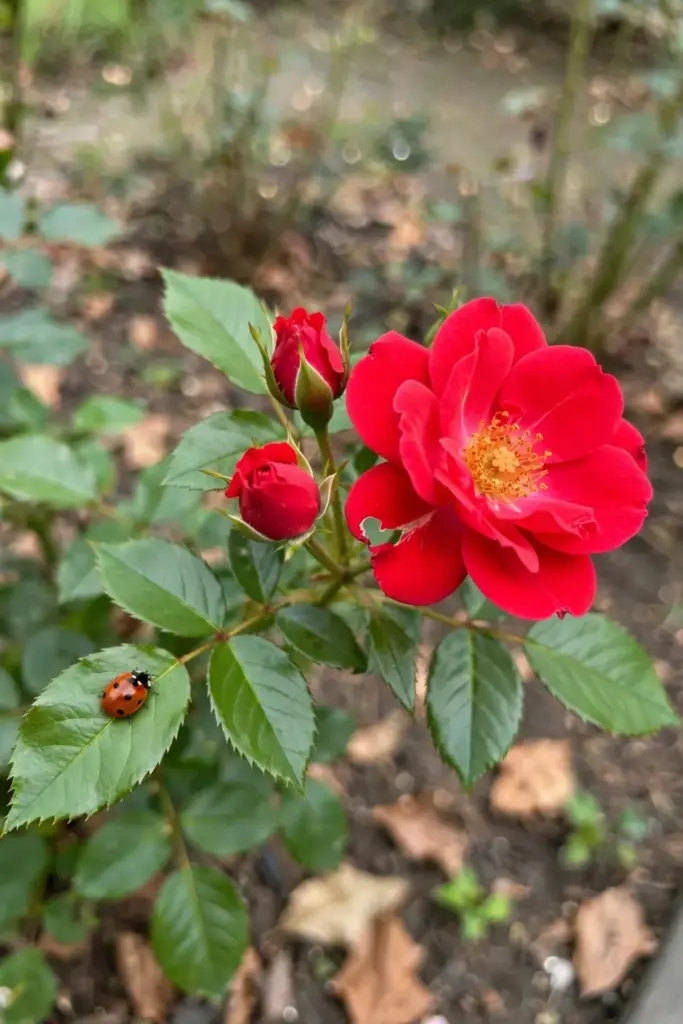
Flower Carpet roses earn their place the same way. They are groundcover roses bred for toughness, and their low spreading habit means less cane exposed to winter wind. Rugosa roses are the cold-climate answer. They tolerate poor soil, salt, and neglect, and their species toughness makes a fall start in zones 4 and 5 realistic where a hybrid tea would fail.
Hybrid teas and floribundas are the roses most gardeners picture, and they are the least forgiving fall choices. Their grafted bud unions are winter’s first target, and their large blooms cost the plant energy it should be spending on roots. If you plant one in fall, choose a variety rated at least two zones hardier than yours. A zone 5 gardener planting a hybrid tea should buy one rated hardy to zone 3. Own-root roses sidestep the graft problem entirely. When the top dies back, an own-root rose regrows true from the roots instead of reverting to rootstock suckers.
6. Time It by Zone: North, Middle, and South
Zones 4 and 5 get the shortest window. Plant container roses in early to mid-September, which leaves six to eight weeks before the ground freezes in late October or November. Bare-root is a spring-only purchase here. Mulch heavily at planting and expect the top growth to die back. The roots are the investment.
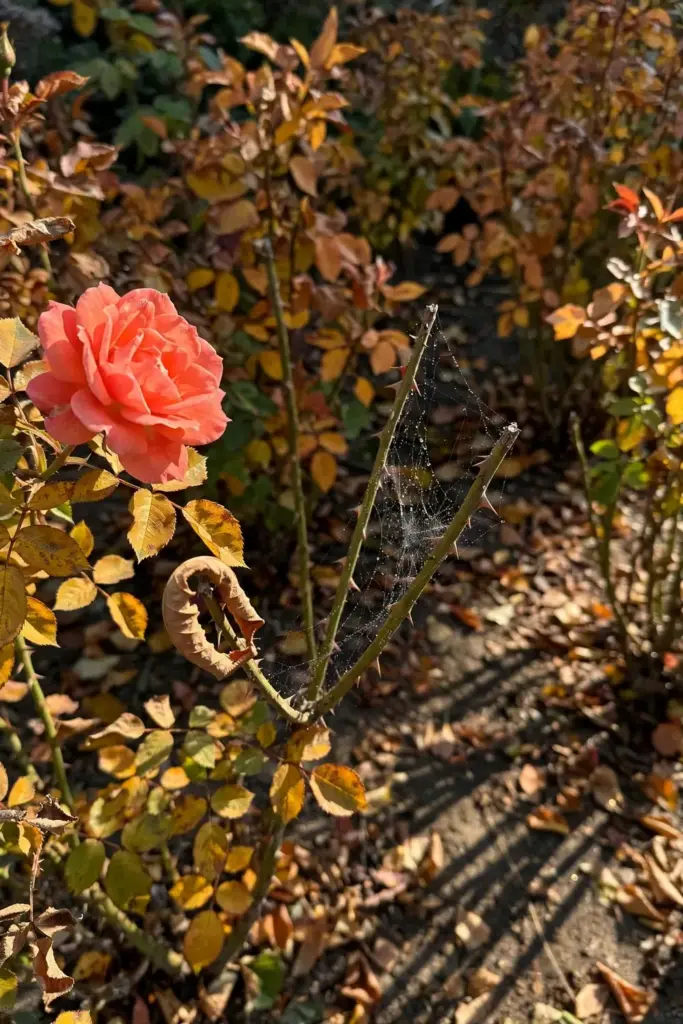
Zone 6 is the middle ground where fall planting shines. Mid-September through early October works for container roses, and the warm soil plus cool air combination is close to ideal. Bare-root remains a gamble. Take it only with the toughest varieties, planted in the first half of September, and mound the graft the day you plant.
Zones 7 and 8 have the longest runway. October into early November suits container roses, and bare-root roses planted in early fall usually establish well. The risk flips here: planting too early in lingering heat stresses the plant more than planting late. Wait until daytime highs drop out of the 80s.
Zones 9 and 10 barely have a winter deadline. Fall is arguably the best planting season, since roses dodge the brutal summer establishment period entirely. November and December planting works. The six-week rule still applies in spirit: give roots time before any cold snap, however mild.
7. Plant It the Rose Way: Bud Union Below Ground
Dig the hole wide, not deep. For a container rose, make the hole twice as wide as the pot and no deeper than the root ball. For bare-root, Colorado State University Extension recommends a hole 18 to 24 inches in diameter and 14 to 18 inches deep, larger in compacted soil. Roses planted too deep suffocate. The crown must sit at the right level.
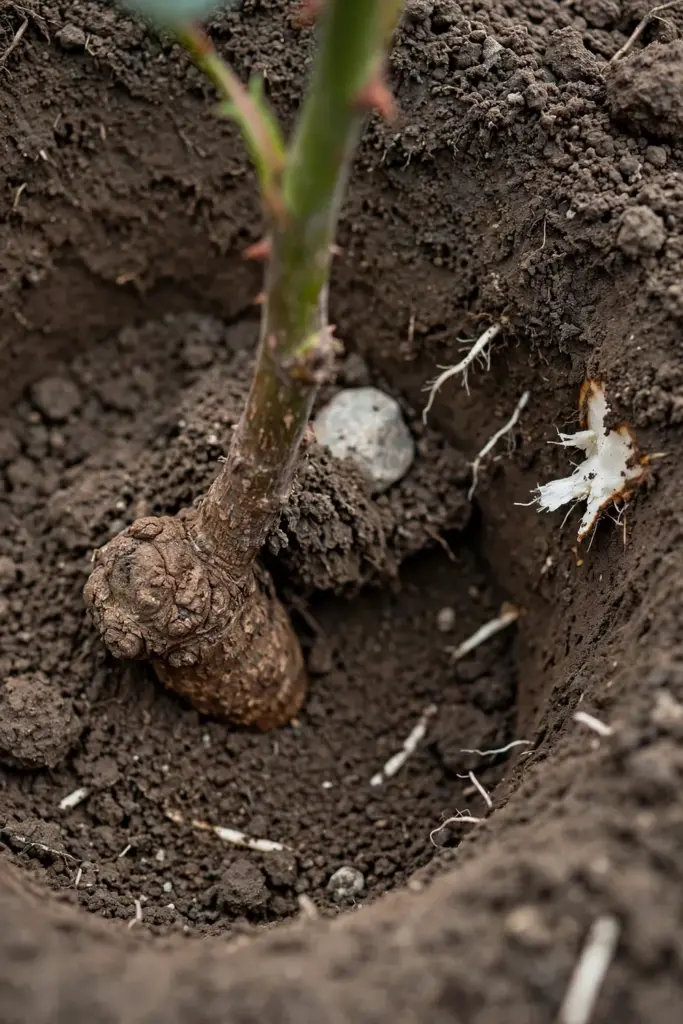
Set the bud union two to four inches below the soil surface in cold zones, per Colorado State’s guidance. The bud union is the knobby graft point where the variety meets the rootstock, and burying it protects the variety’s buds from freeze damage. In warm zones where freezing is rare, planting it at or just below grade is standard. Own-root roses have no union to protect and can sit with the crown at grade.
Soak bare-root roses before they go in. Colorado State advises soaking the roots overnight but never longer than 24 hours, then pruning damaged roots while leaving eight to ten inches of healthy root. Mound amended soil into a cone in the hole’s center, drape the roots over it, and backfill with the native soil you removed. Water deeply to settle the soil around the roots instead of packing it with your feet. If you are building the bed from scratch rather than tucking a rose into an existing border, the fall planting guide covers bed construction from bare ground.
8. Water Deep at Planting, Then Watch the Sky
A new rose needs water more than anything else in its first weeks. Soak the planting hole at planting time, then water deeply two to three times per week while the weather stays mild. Deep means the moisture reaches the bottom of the root zone, not just the mulch surface. A slow trickle from a hose for twenty minutes beats a daily sprinkle.
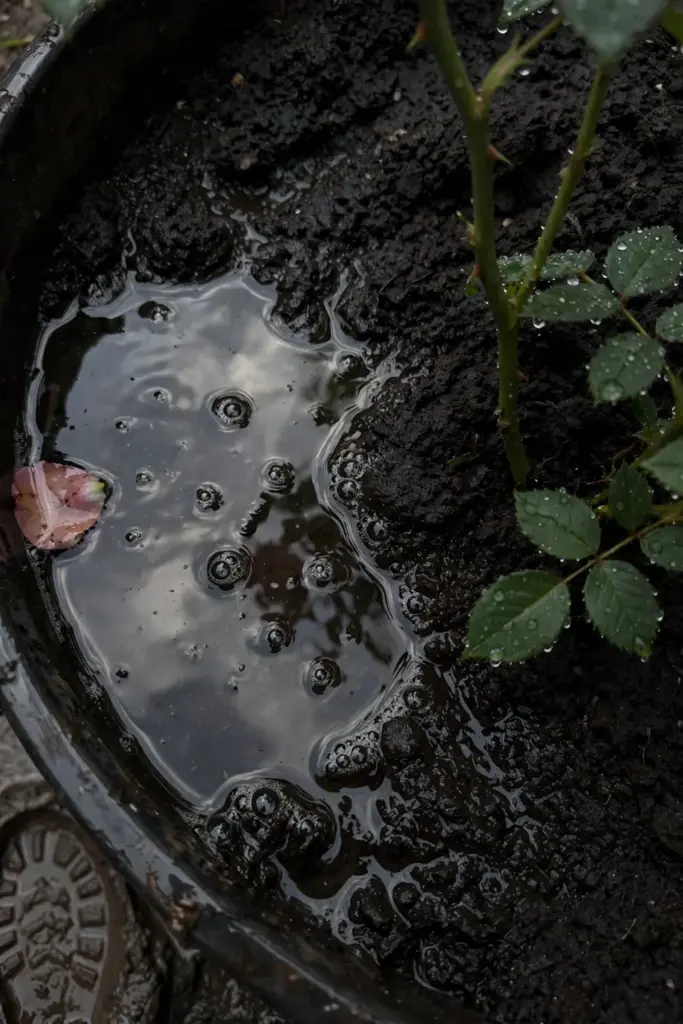
Taper as dormancy approaches. Once the leaves drop and growth stops, the plant’s water needs collapse. Soggy soil around a dormant rose invites crown rot and freeze damage to waterlogged tissue. In most climates, fall rain covers a dormant rose’s needs. Water only during extended dry spells when the ground is unfrozen.
Container roses in pots follow a different rhythm. Pots freeze faster and dry faster than ground soil. A potted rose overwintering outdoors needs its pot insulated or sunk into the ground, and it needs occasional water whenever the soil thaws enough to absorb it. When in doubt, the ground is kinder than the pot.
9. Mulch the Graft, Skip the Fertilizer
Mulch is the cheapest winter insurance a fall-planted rose gets. After the ground cools but before it freezes, pile eight to twelve inches of shredded bark, straw, or leaves over the base of the plant, covering the graft union completely. The goal is stable cold, not warmth. Mulch keeps the soil temperature steady through freeze-thaw cycles, which is what heaves young roots out of the ground.
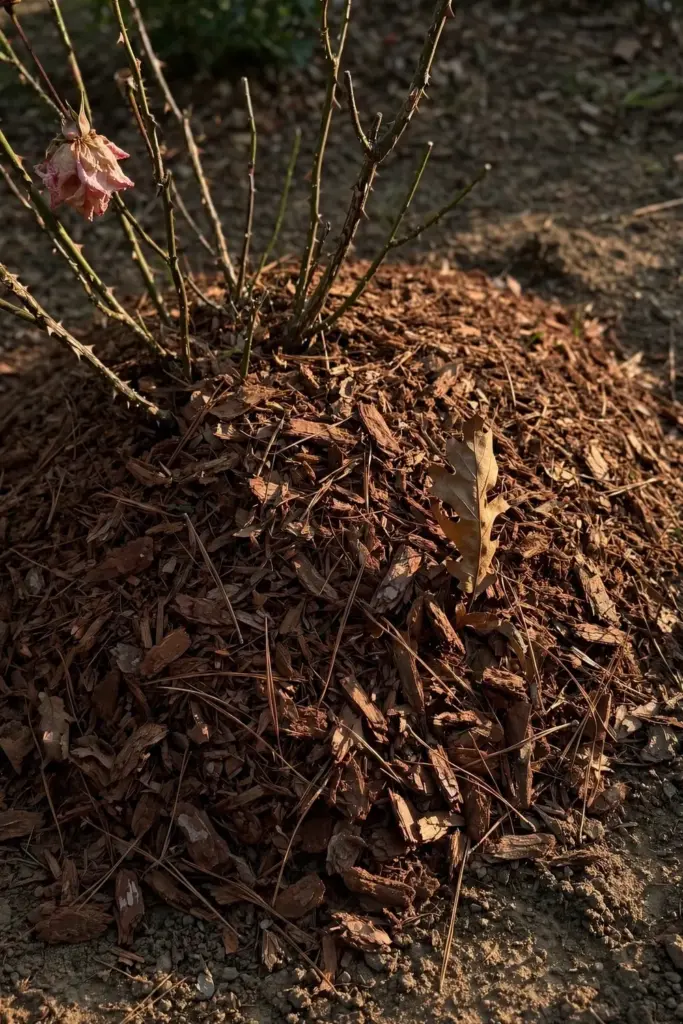
Do not fertilize at planting or after. This is the mistake that kills more fall roses than cold does. Fertilizer pushes soft new growth, and soft growth is the first thing a freeze destroys. The plant should be hardening off, not flushing. Fine Gardening’s rosarian guidance makes the same point for delayed bare-root planting: get the plant settled and protected, and let dormancy do its work. Save every feeding for spring, when new growth can use it.
Pull the mulch back gradually in spring when the forsythia blooms, which signals the soil has warmed enough for the graft to wake safely. Removing it all at once during a late cold snap exposes tender buds. Uncover in stages over a week or two.
10. Leave the Pruners in the Shed
Fall is not pruning season for roses. Cutting canes in autumn stimulates new growth at exactly the moment the plant should be shutting down, and every cut is a wound that winter can exploit. The only cuts a fall-planted rose needs are the removal of broken or damaged canes at planting time.
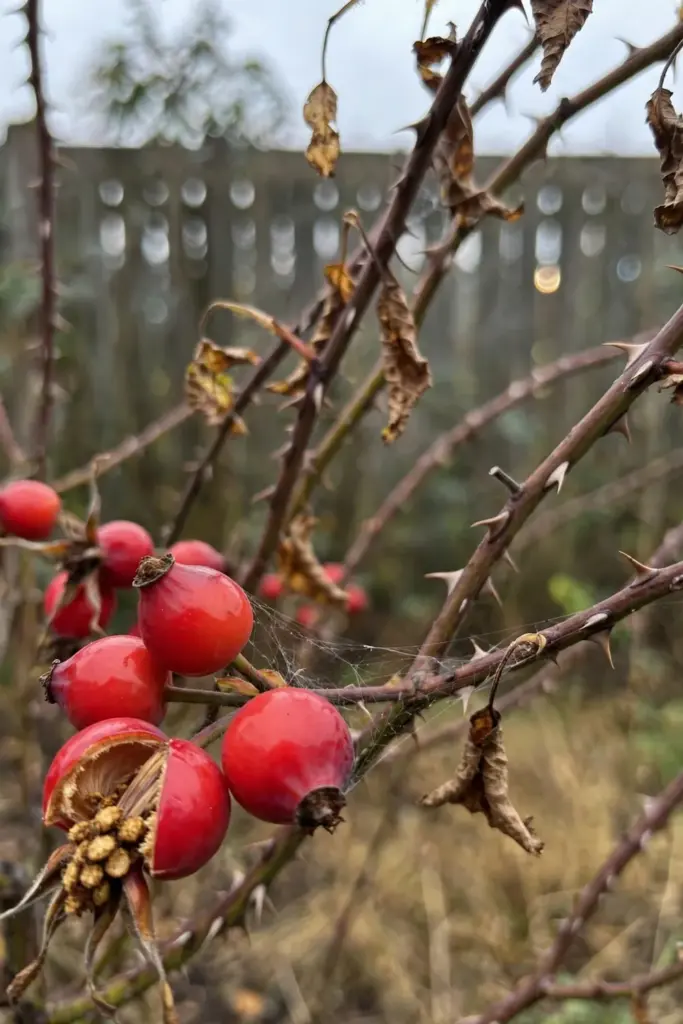
Deadheading is the judgment call. Letting hips form signals the plant to wind down for the season, which is useful in September. In warm zones where bloom continues into November, light deadheading keeps the show going without the hard cutback that a real pruning would be. Stop deadheading about a month before your expected hard freeze either way.
Save the structural pruning for spring. When the buds swell and you can see what survived winter, cut back to live wood and shape the plant then. The spring pruning techniques article covers the cuts, the angles, and the timing for every rose type once the season turns.
11. Mound Soil for the First Winter
A fall-planted rose faces winter with the smallest root system it will ever have. Give it extra protection that first year. Mounding soil eight to ten inches up around the canes, over the mulch, buries the graft and the lower buds under insulation the plant cannot provide for itself yet. Use loose soil or compost, not heavy clay.
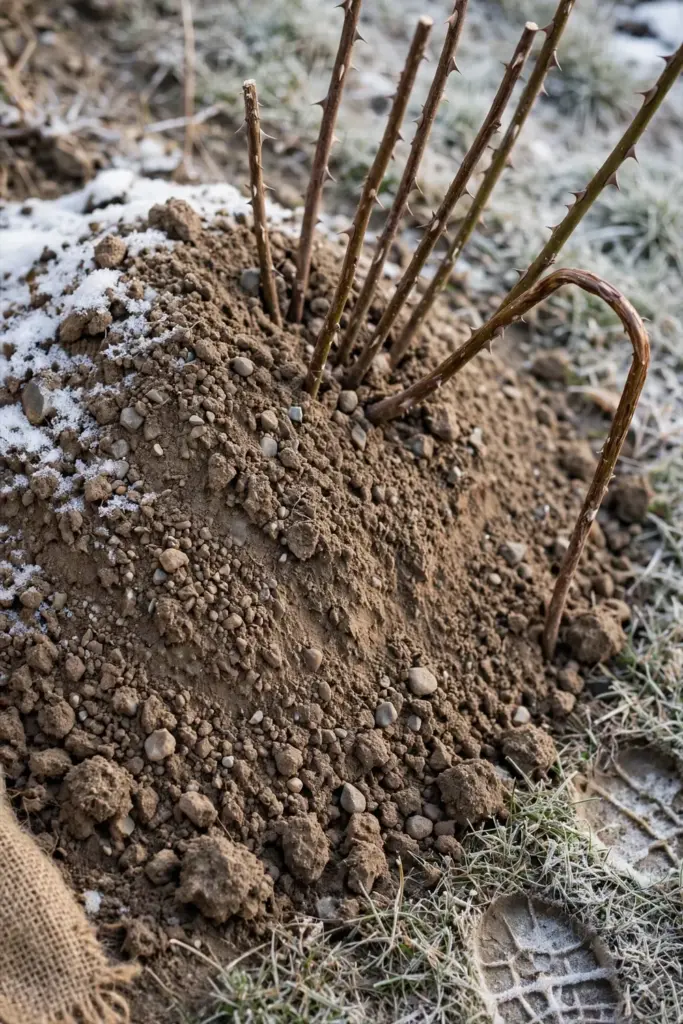
In zones 6 and colder, add a rose cone or a wrapping of burlap over the mound for grafted hybrid teas and floribundas. Cut a few ventilation slits so moisture does not build up inside. Remove the protection gradually in spring, as with the mulch. Established roses in later years need less of this coddling, but the first winter is when protection pays most.
Wind is the silent killer that mulch does not stop. A site shielded from prevailing winter wind by a fence, hedge, or the house itself loses fewer canes to desiccation. If your rose bed sits in a wind tunnel, a simple burlap screen on the windward side does more than any extra inch of mulch. The fall gardening tips pillar covers wind protection alongside the season’s other tasks.
12. Five Mistakes That Kill Fall-Planted Roses
Planting a bare-root rose in late October in zone 5 tops the list. The plant has no time to root before the ground freezes, and spring finds a dead graft where a rose should be. Match the rose type to the weeks remaining, not to the sale price.
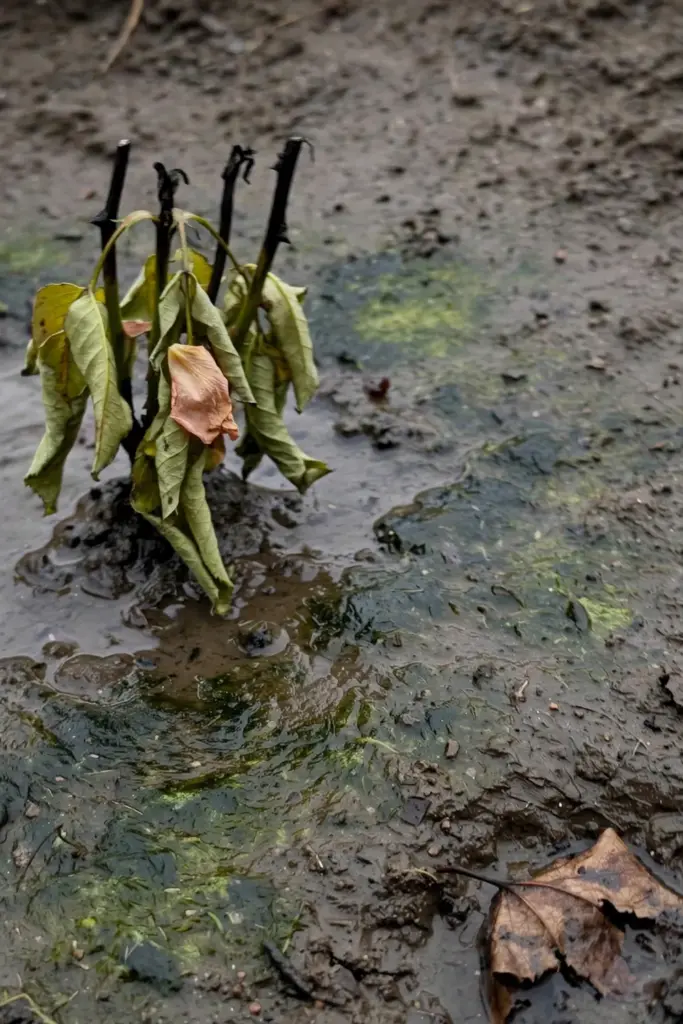
Burying the graft too shallow in a cold zone comes next. A bud union sitting at grade in zone 5 takes the full force of every freeze-thaw cycle, and that exposure decides whether the rose regrows true in spring or reverts to rootstock suckers. Two to four inches of soil over the union is cheap insurance against the most common way fall-planted grafted roses die.
Fertilizing after planting ranks third, and it feels like helping. The nitrogen push produces tender shoots that the first hard freeze turns to mush, and the plant spent root-building energy making them. Hold all feeding until spring growth starts, when new leaves can actually use it.
Planting where roses grew before is the quiet fourth mistake. Soil where roses lived for years can harbor the replant disease complex, a stressed fall plant has no reserves to fight it, and the decline looks like winter damage when it is really a soil problem. Fine Gardening’s bare-root guidance and nursery practice both warn against it. Choose a fresh spot, or replace the soil in the planting hole generously if you have no choice.
The fifth mistake is walking away after planting day. A fall rose needs checking through the season: water during dry spells, mulch after the ground cools, protection before the hard freeze. Planting is the beginning of establishment, not the end of the work.
Frequently Asked Questions
Six weeks before your first hard freeze is the last safe date for a container rose. That means mid-September in zone 5, early October in zone 6, and into November in zones 8 and 9. Bare-root roses need an earlier start and a warmer zone. Planting past the deadline risks the ground freezing before roots establish.
Container roses, in nearly every situation. They carry an intact root ball into fall soil and establish with minimal shock. Bare-root roses are the better value and the preferred spring purchase, but in fall they are a narrow bet suited to early planting in zones 7 and warmer.
No. Avoid heavy pruning in fall, since cuts stimulate tender growth that winter kills. Remove only broken or damaged canes at planting. Save structural pruning for spring, when you can see which wood survived and cut back to live buds.
In the ground, for winter survival. Soil insulates roots far better than a pot wall, and a potted rose’s roots freeze harder and thaw faster through winter cycles. Pots work for patio roses if you insulate the container or sink it into the ground for winter.
Yes, with the same six-week rule. Move it with the largest root ball you can manage, replant at the same depth with the graft protected, water deeply, and mulch heavily. Expect it to sulk through the following spring. Transplanting is more shock than planting new, so give it the full window.
You can, but fall and spring are better. Summer planting forces a new rose to establish roots during peak heat, which demands constant watering and stresses the plant. If you must plant in summer, choose a cool overcast day, water daily until established, and mulch immediately.
Plant the rose, protect the graft, and let winter do the rest. A fall-planted rose that roots well before the freeze wakes in spring a full season ahead of anything planted in April.